27 Classroom Traditions Teachers Quietly Dropped Over the Past Two Decades
Between 2006 and 2026, American classrooms underwent profound transformations in daily practices, materials, and pedagogical approaches that happened so gradually most people barely noticed. Technology integration, evolving safety standards, changing cultural attitudes, and shifting educational philosophy all conspired to eliminate classroom traditions that had felt permanent and unchanging, replaced by new practices that quickly became equally unremarkable to teachers and students.
What made these changes particularly invisible was that they weren’t announced or mourned—they simply disappeared quietly, like so many aspects of institutional life that transform incrementally until one day you realize the old way is completely gone.
Dodgeball in Physical Education

This playground staple that had existed since at least the 1950s was gradually eliminated from PE classes over safety and bullying concerns, with most districts phasing it out or replacing it with modified versions using soft foam orbs. Teachers realized the psychological impact of being publicly eliminated from an activity by being targeted with an orb created unnecessary humiliation and social hierarchy.
By the 2010s, dodgeball had essentially vanished from standard PE curricula, replaced by cooperative games and structured team sports that didn’t involve elimination or public targeting. Some schools still play modified versions, but the traditional dodgeball experience is essentially gone from American elementary education.
Chalkboards and Chalk Dust
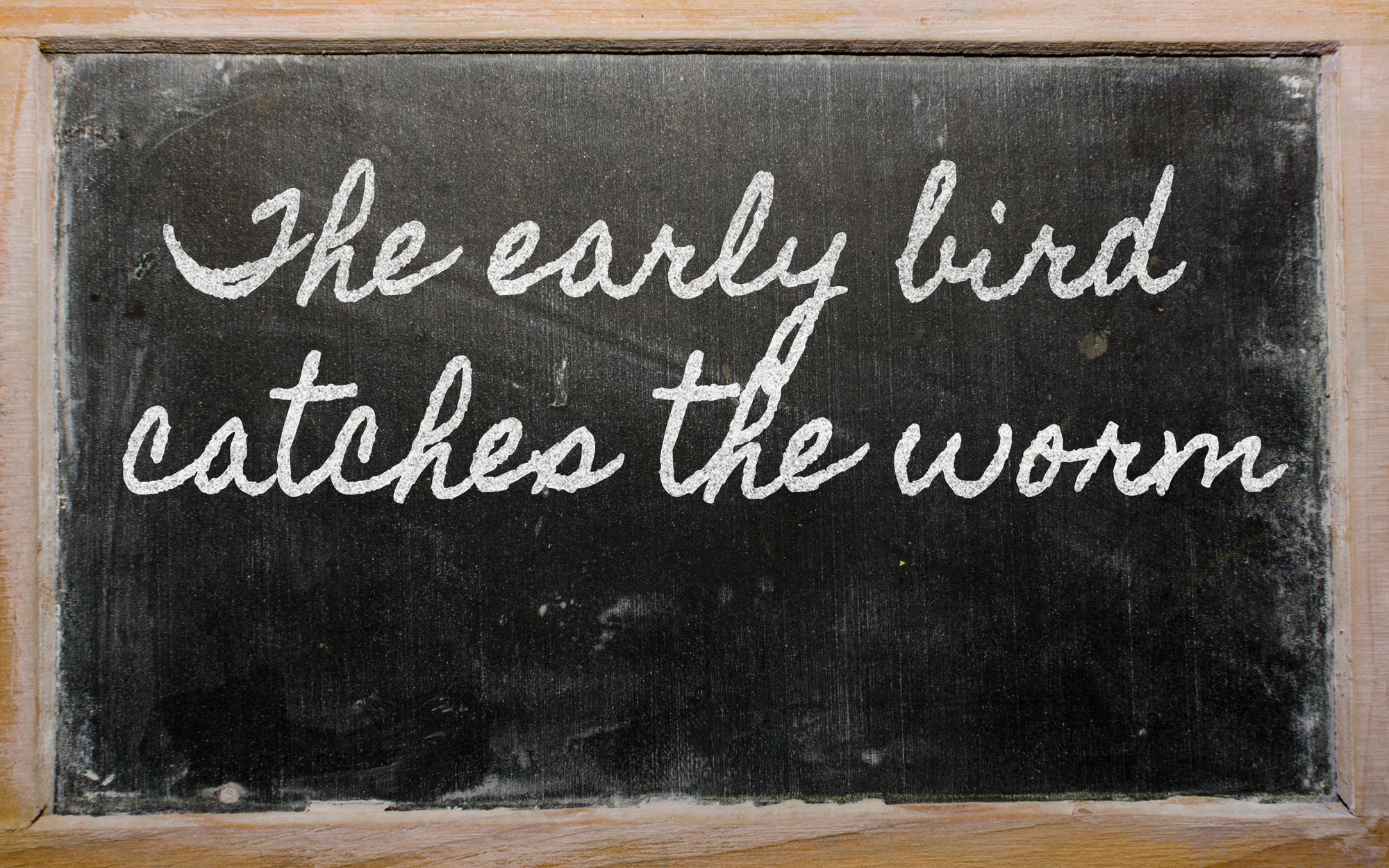
The green and black chalkboards that dominated classrooms for over a century were gradually replaced with whiteboards and then digital displays due to concerns about asthma and indoor air quality linked to chalk dust inhalation. Teachers no longer needed to write and erase content constantly, creating the chalk-dust clouds that once settled on front-row students throughout the day.
The task of assigning students to clap out erasers outside the classroom to clear dust became completely unnecessary. By the early 2010s, most schools had completed the transition to cleaner technologies, and chalk became a historical curiosity rather than a teaching tool.
Mandatory Milk Breaks

The mid-morning milk break tradition that became common after the USDA expanded dairy subsidies in the 1954 Special Milk Program quietly disappeared as schools eliminated extra scheduled breaks and parents began managing their children’s nutrition more directly. Teachers no longer interrupted instruction to march kids to a special area for mandatory milk consumption.
The ritual of opening individual milk cartons and dealing with the inevitable spills and straw-stabbing accidents ceased to be a daily classroom occurrence. By the 2000s, most schools had abandoned the practice without any official announcement or replacement.
Woodshop and Shop Class

Industrial arts courses like woodshop that had been standard throughout the 1950s-1980s were gradually eliminated due to liability concerns, expensive equipment maintenance, and shifting educational priorities toward STEM curriculum and college preparatory coursework. Lightly supervised children with access to power tools became absolutely unacceptable as safety standards tightened and schools faced potential lawsuits from injuries.
The entire tradition of teaching practical skills with dangerous tools in school settings essentially disappeared. Teachers who once taught woodshop had to retrain in different subjects or retire, and the knowledge of practical construction skills ceased to be part of general school curriculum.
Home Economics as a Formal Class

What had once been a standard course particularly for girls teaching sewing, cooking, and home management evolved into broader “family and consumer sciences” and then largely disappeared from school offerings. As gender roles shifted and cultural attitudes changed, the gendered nature of home economics became increasingly inappropriate and outdated.
Schools moved resources toward STEM subjects and eliminated what came to be seen as outdated domestic skill training. Most modern high schools don’t offer any version of cooking or practical home maintenance instruction, representing a complete departure from earlier educational practice.
Brown Paper Grocery Bag Book Covers

This low-tech creative tradition where students would carefully cut, fit, and decorate brown paper grocery bags to cover their textbooks—personalizing them with doodles, stickers, and band logos—died out with the introduction of hardcover textbooks with built-in protective covers and the general shift away from paper textbooks entirely. The ritual of the annual book-covering project disappeared without ceremony or replacement, and students never got the experience of transforming their textbooks into personalized art projects.
The creative investment in these covers represented a low-cost way for kids to personalize school materials, and their elimination meant fewer opportunities for students to add personality to standardized materials.
Overhead Projectors and Transparencies

Teachers who had spent decades mastering the use of overhead projectors with prepared transparencies suddenly found their expertise irrelevant when computer-connected projectors and digital presentations became standard in the 2000s and 2010s. The specific practice of writing on clear plastic sheets and displaying them on a projector—once considered cutting-edge technology—became completely obsolete almost overnight.
Teacher training materials for overhead projector use disappeared from education programs, and administrators stopped bothering to maintain the machines. Digital presentations made these physical transparencies redundant and replaced them so completely that students today have no concept of how information was once shared using this technology.
Whiteboard Markers Replacing Digital Displays
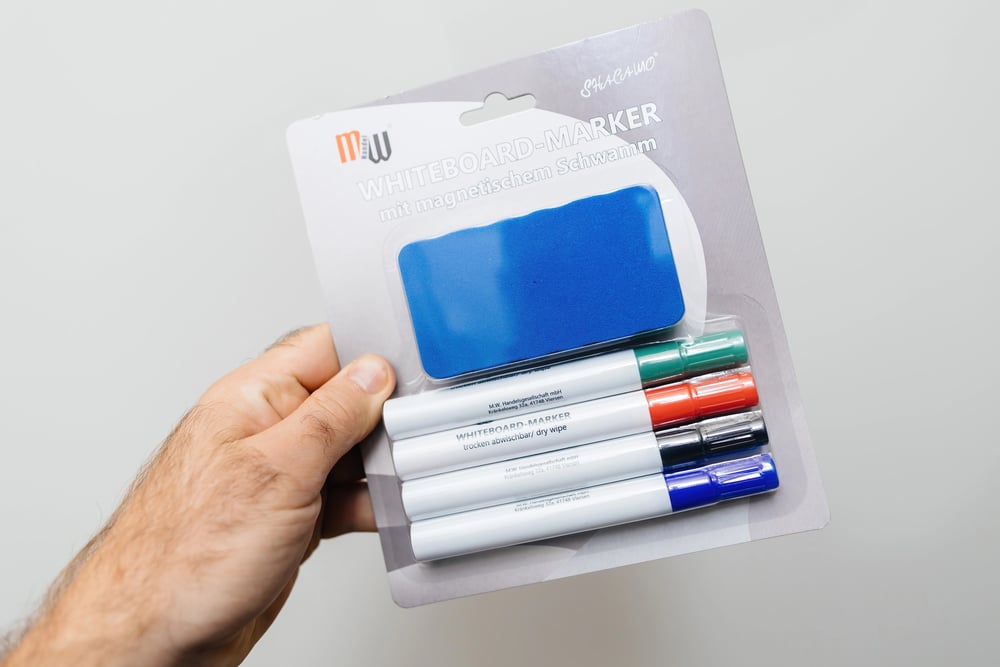
The whiteboards with dry-erase markers that replaced chalkboards themselves became obsolete as smart boards and interactive digital displays took over classrooms in the 2010s. Teachers who had mastered the whiteboard—keeping markers organized, managing erasers, maintaining writing surfaces—suddenly had to learn completely new technology.
The satisfying feeling of writing directly on a wipeable surface and being able to edit in real time gave way to typing and clicking. Many teachers discovered they preferred the direct tactile experience of writing on boards to managing digital files, but the technology had moved on regardless of pedagogical preference.
Mandatory Cursive Writing Instruction
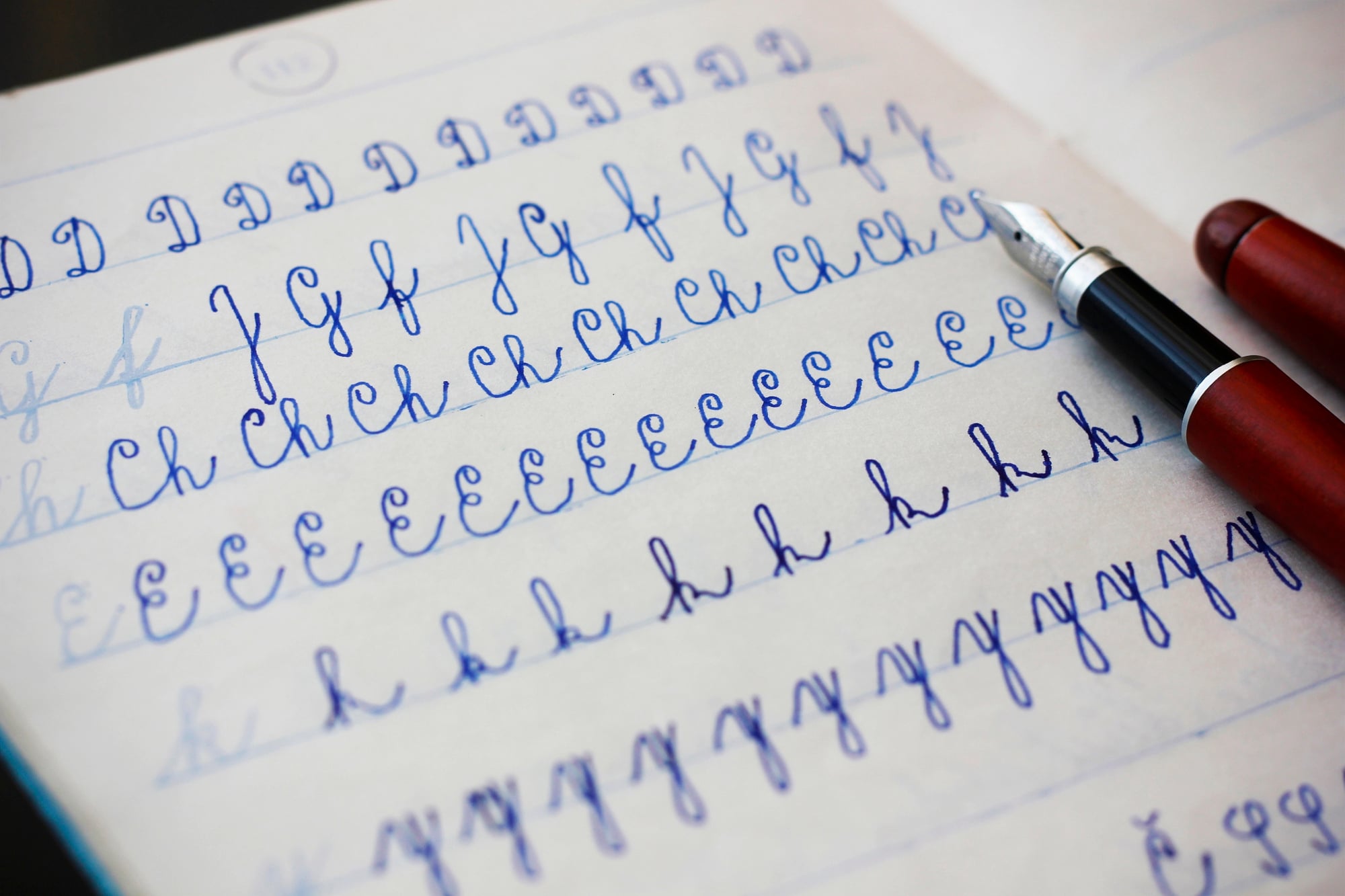
Cursive handwriting instruction, once considered an essential element of elementary education, gradually vanished from most school curriculums as typing and digital communication became prioritized. States stopped requiring cursive instruction, teachers stopped grading it, and suddenly a whole style of writing that had been taught with serious emphasis became optional and eventually eliminated.
Kids today may never learn to write in cursive, and the inability to sign their names in cursive without a blank stare represents a complete break with an educational tradition that spanned centuries. Some teachers tried to maintain cursive instruction out of principle, but without official support or grading implications, most eventually dropped it.
Carving Initials into Wooden Desks
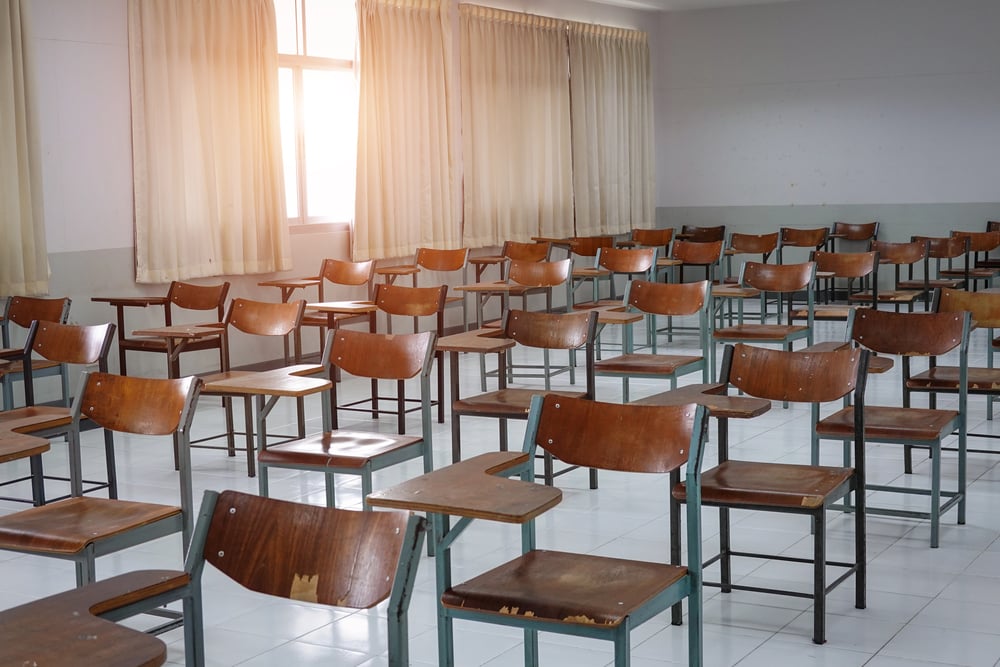
Students once carved initials, drew hearts, or scratched class years into their wooden desks as a form of permanent graffiti that accumulated over decades to create mini time capsules of every generation that sat at that desk. Teachers didn’t love this practice, but it was tolerated as part of classroom culture and the natural wear and tear of school furniture.
Modern plastic desks or laptops don’t allow this kind of personalization, and stricter rules about property damage make the practice impossible. The loss of this tradition represents a shift toward less personal, more corporate-style classroom environments where students can’t leave permanent marks of their passing.
Reading Groups Called Out by Name

Teachers who once publicly announced “high reading group,” “medium reading group,” and “low reading group” for students to assemble created deeply internalized labels that stuck to kids throughout their academic careers. By the 2000s, educators began recognizing the psychological damage of public grouping by ability level and started using codes, numbers, or changing group compositions more frequently.
The practice of explicitly labeling children by their reading ability diminished as teachers understood the lasting harm of public categorization. Modern teachers still group by level but work harder to keep the groupings less visible and more flexible.
Color-Coded Reading Level Stickers

Picture books and leveled readers that once had obvious stickers or marks indicating reading difficulty level—with red for easy, blue for medium, green for challenging—were gradually moved to discrete marking systems to reduce the shame of reading below grade level. The visible color coding made it obvious which students were reading “behind,” creating a visual hierarchy that undermined confidence.
As awareness of the psychological impact of visible labeling grew, publishers and teachers moved to less visible indicators. Modern leveled reading systems exist but are designed to be far less obvious to students and classmates.
Telephone Rotary Systems in Classrooms
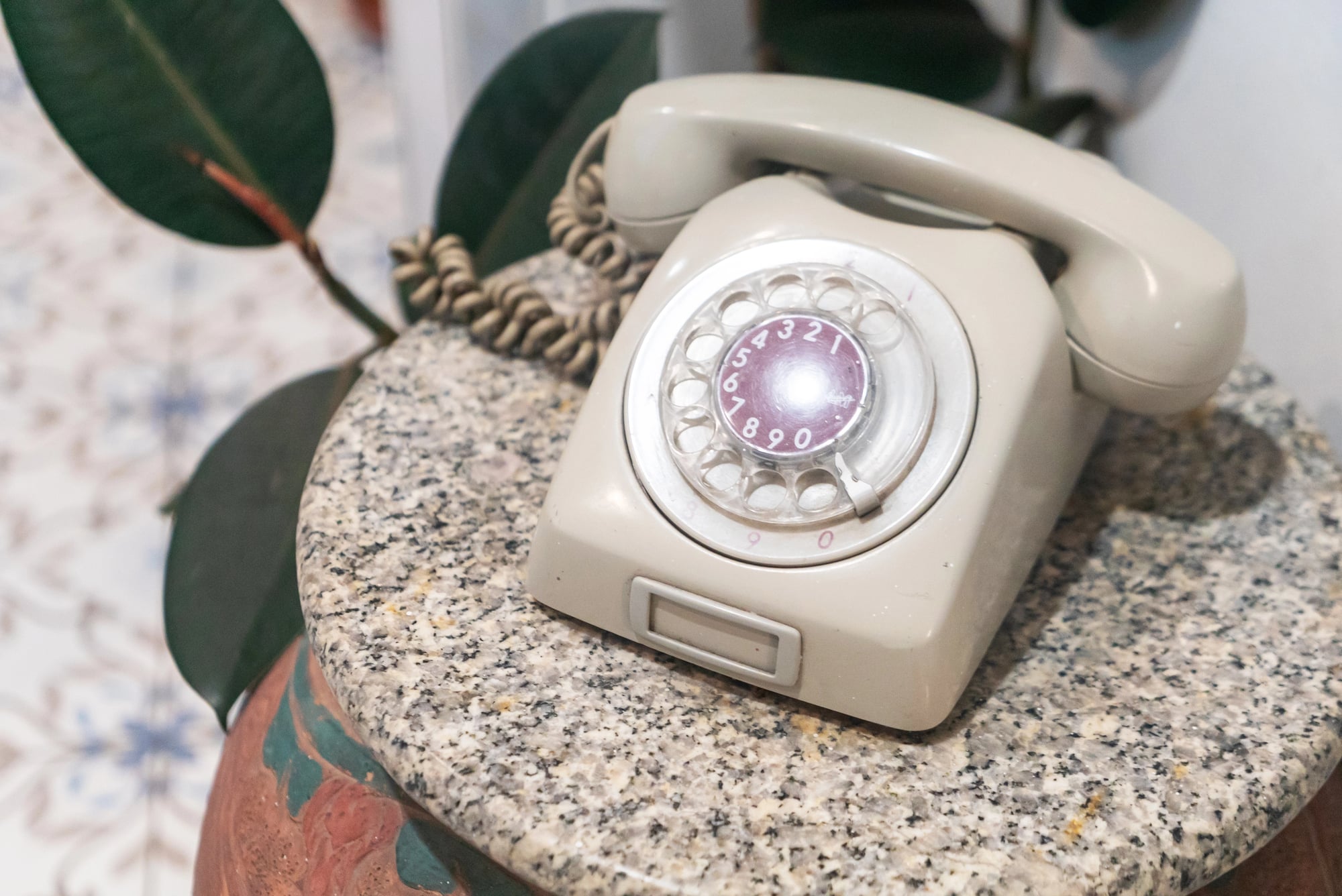
Some older schools maintained landline telephone systems in classrooms with rotary phones that students could theoretically use for emergencies, remnants of a time before cell phones existed. These completely disappeared as cell phones became ubiquitous, making the elaborate telephone infrastructure completely unnecessary.
Teachers no longer had to manage a shared classroom telephone or worry about students using it. The entire infrastructure of landlines in schools became obsolete without anyone missing it.
Gold Star Stickers as Reward System

The gold star sticker system where teachers would affix stars to homework or tests as primary reward for achievement gradually gave way to digital reward systems, verbal praise, and recognition that sticky stickers could damage school property. While stickers still technically exist, their role as the default reward system essentially disappeared by the 2010s.
The tactile pleasure of earning and collecting gold stars faded as teachers relied more on digital tracking systems and parents demanded less physical clutter coming home. Students no longer anticipated the simple joy of seeing a gold star appear on their work.
Copying Entire Lessons from Chalkboards

Students who once spent entire class periods copying notes directly from chalkboards—transcribing everything a teacher wrote by hand into notebooks—gradually found this practice eliminated as teachers provided printed handouts, digital documents, and posted notes online. The tedious but potentially meditative practice of hand-copying information disappeared, replaced by collecting ready-made notes.
This change saved time but potentially eliminated a learning mechanism where the physical act of writing notes helped encode information in memory. Teachers who grew up believing copying notes was essential study practice suddenly found the practice unnecessary and outdated.
Assigned Seating Based on Behavior or Alphabetically

The practice of teachers assigning specific seats to students based on behavior management or alphabetical order—creating fixed seating charts that determined who sat near whom for an entire semester—gradually gave way to more flexible seating arrangements and student choice. Teachers discovered that rigid seating assignments reinforced hierarchies and prevented social development.
Modern classrooms with flexible or student-chosen seating represent a complete philosophical shift away from teacher-controlled placement. The power to determine who sat next to whom shifted from teacher authority to student agency.
Penmanship Grades

Teachers who once assigned grades specifically for penmanship quality—evaluating not just spelling or content but the physical quality of handwriting—stopped this practice as typing became standard. Penmanship grades disappeared from report cards entirely, eliminating an entire evaluation category.
What had once been considered a crucial life skill—producing neat, legible handwriting—became less relevant as computers made handwriting quality moot. Teachers who once spent significant class time on penmanship instruction found that effort redirected to other skills.
Classroom Pets as Teaching Tools

The tradition of maintaining classroom pets like guinea pigs, hamsters, or rabbits that students would care for and observe—supposedly teaching responsibility and providing learning opportunities—gradually disappeared due to allergies, liability concerns, and awareness that classroom conditions aren’t ideal for animal welfare. Teachers who kept beloved classroom mascots eventually found schools had policies prohibiting them or that allergies among students made it impossible to maintain animals.
The daily rhythms of feeding and caring for classroom animals was eliminated without replacement, despite whatever benefits existed.
Whole-Class Field Trip Permission Slips

The casual approach where teachers would simply announce upcoming field trips and expect parents to sign permission slips became formalized into elaborate consent processes with specific liability acknowledgments and parent communication. What used to be a teacher-directed activity with minimal parental involvement transformed into parent-intensive event management.
Parents became expected to provide medications, special dietary information, and emergency contact details far beyond what was previously required. The relative autonomy teachers once had to plan and execute field trips diminished significantly.
Overhead Transparency Presentations
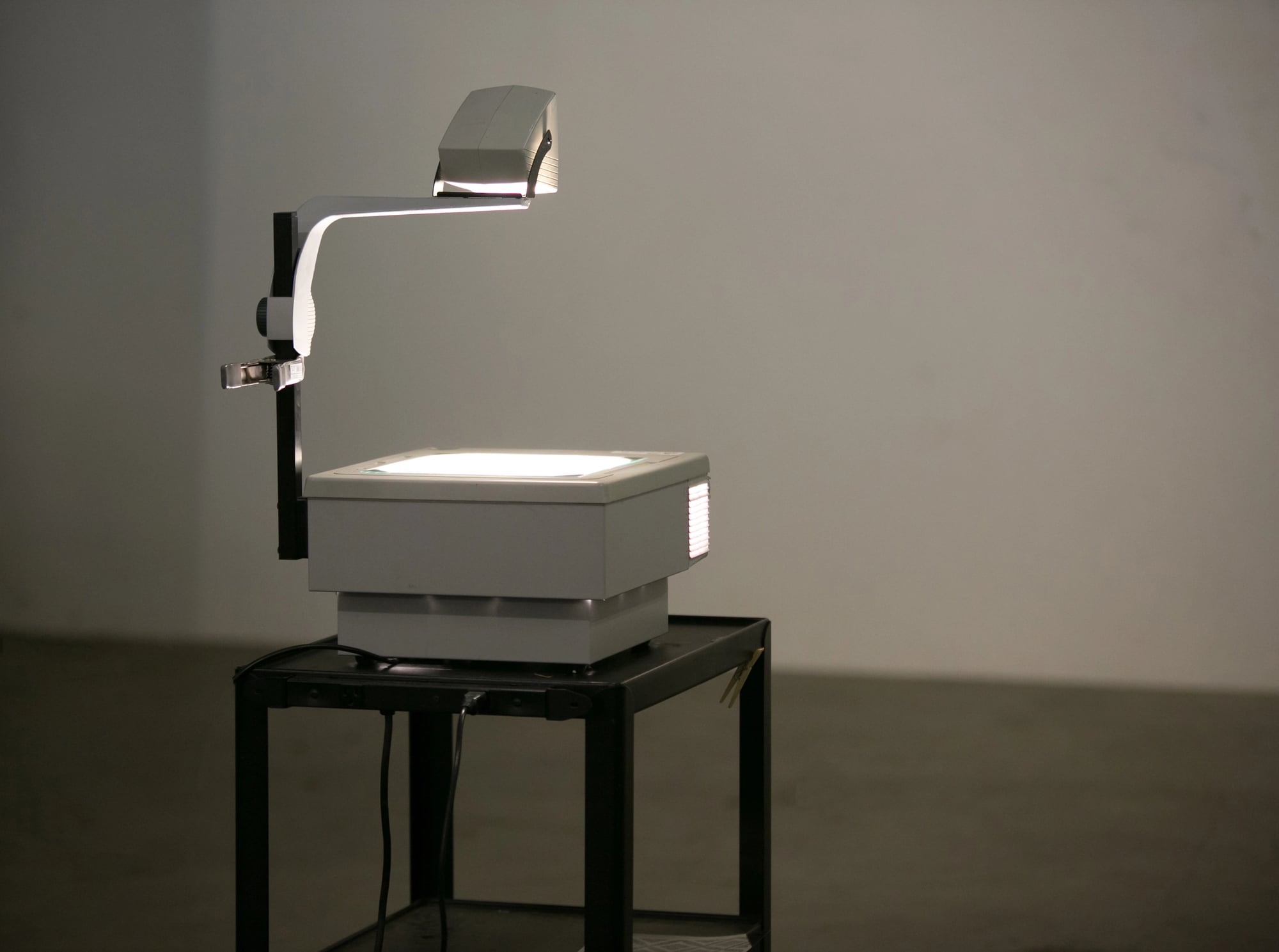
Students who used to create presentations on clear plastic sheets with markers—writing, drawing, and color-coding transparencies to present information—completely shifted to digital slideshow presentations by the 2000s. The specific skill of creating clear, organized transparency presentations became instantly obsolete.
Teachers who had trained students in this particular medium found it unnecessary within a few years. The tactile process of creating physical presentation materials gave way to digital file management, eliminating a hands-on creative process.
Receiving Teacher Holiday Gifts from Students

The tradition of students bringing gifts for teachers during holidays gradually declined as schools developed policies about gift-giving to prevent inequality and as parents became more cost-conscious. What had been a routine occurrence—students arriving in December with homemade cookies or inexpensive gifts for teachers—became less common as schools discouraged or limited the practice.
Teachers found themselves receiving fewer personal gifts and more generic school-sanctioned recognitions. The personal relationship signals that gift-giving represented shifted to more formal acknowledgment methods.
Hand-Written Book Reports

The traditional book report where students would handwrite several pages summarizing and analyzing a book they’d read gradually shifted to digital submissions, typed formats, or multimedia presentations. Teachers stopped requiring handwritten book reports as they became impractical to grade and as digital options provided more flexibility.
The specific skill of composing and revising book reports by hand—with crossed-out sections and rewrites—became obsolete. What had once been a standard assignment format disappeared into history as schools modernized assignment delivery.
Mimeograph Machines and Purple “Ditto” Copies
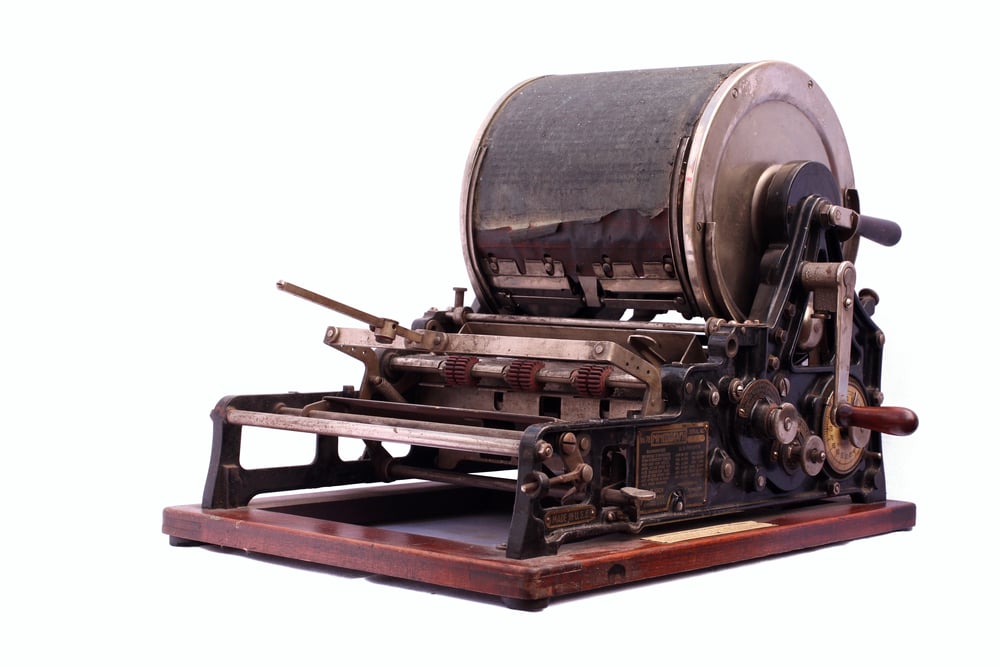
The purple-inked worksheets produced by mimeograph machines that once filled classrooms completely disappeared as photocopiers and then digital printing replaced them. The distinctive smell of purple-inked dittos and the way the ink would transfer to students’ hands became historical memories.
The process of teachers hand-cranking mimeograph machines to produce copies gave way to pushing a button on a photocopier and eventually to digital distribution. An entire generation had their school memories shaped by these purple worksheets, and their elimination went unnoticed by younger students who never experienced them.
Handwriting on Assignments Rather Than Typing

Teachers who once received all written assignments in handwritten form suddenly shifted to requiring or accepting typed submissions almost overnight in the early 2000s. Handwritten homework became increasingly rare, and teachers who insisted on handwritten work seemed outdated and impractical.
The ability to evaluate student handwriting—once considered an important assessment dimension—became increasingly irrelevant. Parents who had learned to recognize their children’s handwriting in assignments found themselves staring at identical-looking typed text that revealed nothing about their child’s writing process.
Strict Raised-Hand Participation Requirements

The rigid requirement that students must raise their hands and wait to be called on before speaking gradually relaxed in many classrooms as teachers embraced more discussion-based and collaborative learning. While hand-raising never completely disappeared, it became less rigidly enforced, and students got more opportunities for spontaneous conversation.
The hierarchical control mechanism of hand-raising gave way to more fluid classroom talk, though this varied greatly by teacher and subject. Teachers who held absolutely to hand-raising rules came to seem outdated compared to those who encouraged more natural participation.
Standardized Report Cards with Letter Grades Only

The traditional report card format with only letter grades (A, B, C, D, F) gradually evolved into more detailed assessment systems including standards-based grading, rubrics, and detailed comments. Parents and students received increasingly granular information about performance rather than simple letter grades.
The straightforward simplicity of a report card with just letter grades gave way to complex data systems where parents could see performance on individual standards. Teachers spent more time generating detailed assessment information as schools moved away from simple summary grades.
Teacher-Only Knowledge Before the Internet

The tradition where teachers possessed specialized knowledge that students couldn’t easily access disappeared as the internet made essentially all information instantly available. Teachers could no longer rely on being the sole authority on facts, and the power dynamic of teacher-as-information-source shifted fundamentally.
Students who could Google answers to questions changed the entire nature of classroom interaction. Teachers who once controlled access to knowledge through textbooks found themselves competing with unlimited information sources and had to completely reconceptualize their role.
The Invisible Revolution in American Classrooms

The traditions that disappeared from classrooms over the past two decades represent more than just the replacement of old tools with new ones—they embody a philosophical shift in how we understand teaching, learning, child development, and the appropriate use of authority in educational settings. Some eliminations represented clear progress: removing practices built on public humiliation or unsafe shop equipment makes schools genuinely better places.
Others represent genuine losses: the tactile pleasure of writing on a whiteboard, the meditative act of copying notes, and the authority to control classroom information all served purposes that digital alternatives don’t entirely replace.
What makes these changes particularly significant is their invisibility. Unlike debates about curriculum or class size that make headlines, the disappearance of these classroom traditions happened so gradually that most people didn’t notice, didn’t mourn, and didn’t question what was being lost.
Teachers adapted to each incremental change without being consulted about whether the tradition served important purposes beyond mere habit. Students born after these traditions vanished will have no framework for understanding what classroom life felt like just two decades ago, when everything from the physical environment to the daily rhythms operated according to completely different rules and practices.
More from Go2Tutors!

- The Romanov Crown Jewels and Their Tragic Fate
- 13 Historical Mysteries That Science Still Can’t Solve
- Famous Hoaxes That Fooled the World for Years
- 15 Child Stars with Tragic Adult Lives
- 16 Famous Jewelry Pieces in History
Like Go2Tutors’s content? Follow us on MSN.