Things About High School in the ’80s That Would Shock Today’s Students
High school in the 1980s was a slower, more analog affair where students navigated rules that seem almost impossible to modern teenagers. There were no smartphones monitoring every moment, no social media creating permanent records of adolescent mistakes, and no constant parental connectivity.
Instead, there was freedom, consequence, and a degree of independence that contemporary students would find jarring. The practical realities of 1980s high school—from communication methods to discipline approaches—existed in a fundamentally different universe from today’s experience.
Walking into an 1980s high school meant entering a world of handwritten notes, paper passes, and phone calls made from public phones in the hallway. Students had actual privacy and actual consequences, along with a level of autonomy that modern parents would likely consider neglect.
The differences aren’t merely stylistic or cultural; they represent a completely different understanding of how adolescence should function.
Smoke Areas for Students
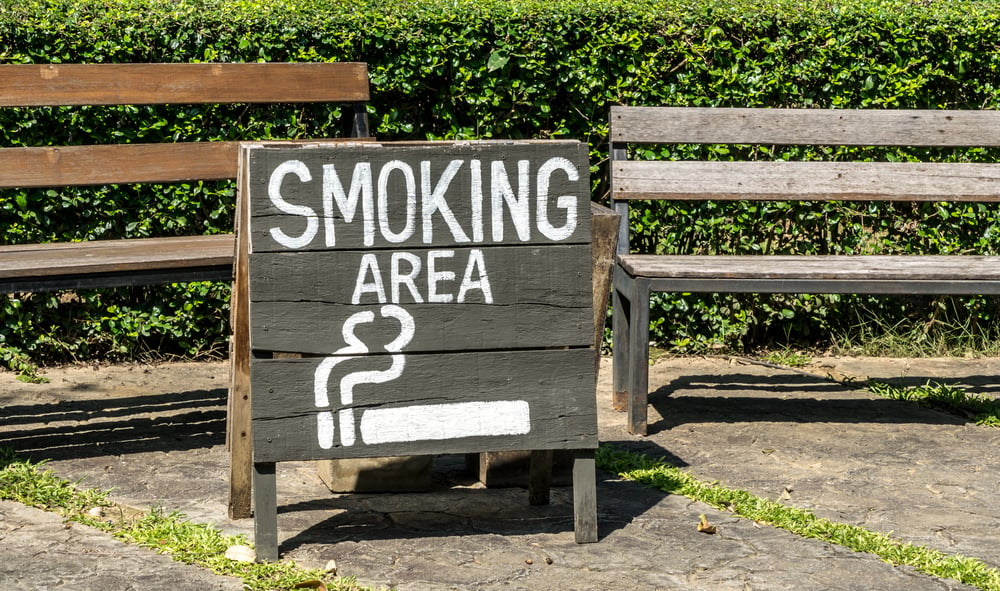
Many 1980s high schools designated actual smoke areas where students could legally smoke cigarettes during lunch and free periods. These sections of campus, often near parking lots or outside the cafeteria, operated as sanctioned zones where teenagers obtained and smoked cigarettes with institutional permission.
Modern students would be shocked that schools not only allowed this but actually designated spaces for it, making underage smoke an officially tolerated campus activity.
Hall Passes Required for Bathroom Access
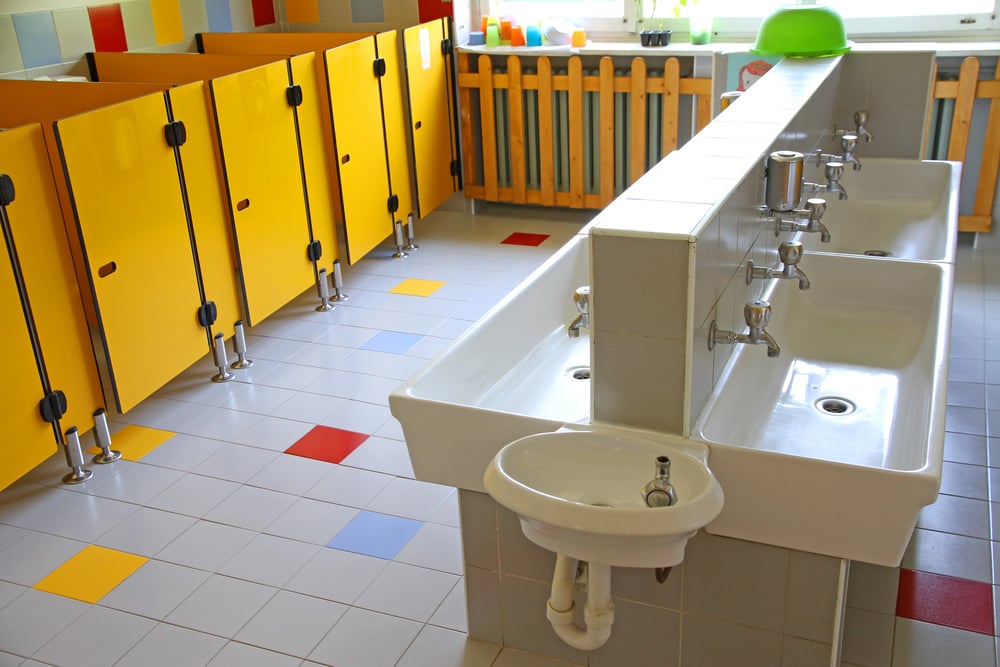
Leaving class to use the bathroom required an official pass written by the teacher, with the student’s name, time of departure, and time of return recorded. Hall monitors patrolled corridors specifically to verify every student carrying a pass.
Being caught without one resulted in immediate detention or referral to the principal. Modern schools restrict bathroom access, but 1980s schools made it an authorization system where movement itself required administrative permission.
Corporal Punishment Administered by Teachers and Administrators

Teachers and principals paddled students with wooden implements for infractions like talking out of turn, arriving late, or not doing homework. This practice, which persisted in many states well into the 1980s and even the 1990s, involved actual physical strikes on a student’s backside or hands.
Parents often authorized it in writing, and schools considered it normal discipline. Any teacher could physically punish a student without parental consent in most jurisdictions.
Detention in Physical Isolation

Detention meant sitting alone in an empty room for hours with nothing to do, no homework allowed, no books except perhaps assigned reading, and no conversation. Students sat at individual desks staring at nothing while a monitor ensured absolute silence.
The experience was intentionally boring and isolating—modern detention often allows students to complete schoolwork, making it less purely punitive.
Handwritten Notes Passed Between Classes

Before text messages, social media, or even email, students passed handwritten notes during class, between classes, or left them in lockers for friends. Teachers confiscated notes, read them aloud in class as punishment, or used them as evidence of misbehavior.
The notes created actual written records of adolescent communication that were permanent and tangible. Modern digital communication leaves traces, but 1980s note-passing was tactile and could be destroyed, creating a form of secret communication that modern students have largely lost.
No Cell Phones or Ability to Contact Parents During the Day

If a student had an emergency or needed to contact their parents, they had to use the phone in the principal’s office or the school office, which was monitored. This required asking permission, explaining the situation to an administrator, and making the call in front of school staff.
There was no such thing as being unreachable—parents simply had no way to check in on their children during the school day, and children had no way to reach parents except in serious emergencies.
Library Card Catalog as the Primary Research Method

Looking up information for a research paper meant going to the library, finding the card catalog drawers, searching through handwritten or typed index cards, writing down call numbers, and physically locating books on shelves. Photocopying entire books was expensive, so students either took handwritten notes or checked out multiple books simultaneously.
There was no Google, no database access, and no way to verify information quickly.
Yearbook Photos That Determined Permanent Records
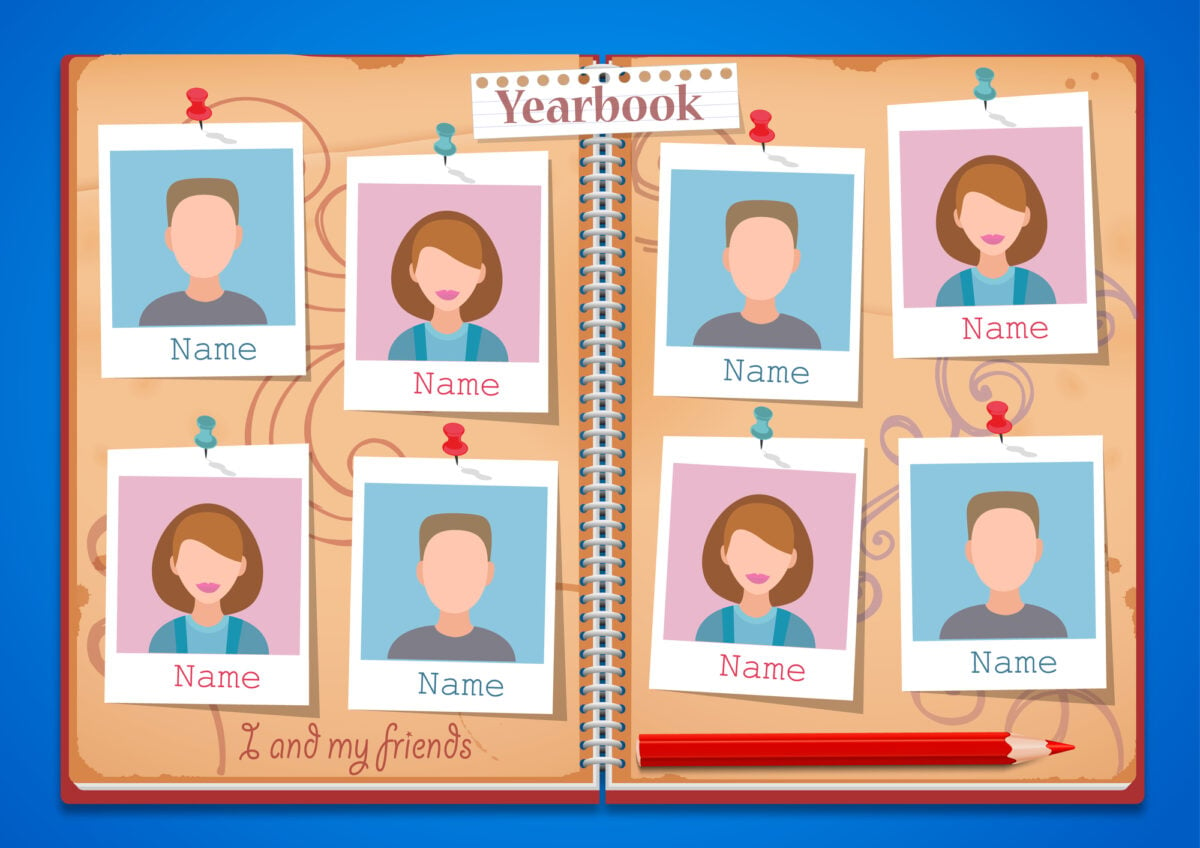
The yearbook photograph was often the only photo most people took of a student that year. Unlike modern digital photos that can be retaken, edited, and selectively shared, the yearbook photo was permanent, printed in hundreds of copies, and distributed to the entire school.
A bad photo could define your entire high school social identity because it was the image everyone saw repeatedly throughout your teenage years.
Single Dress Code Enforced Uniformly Across All Students

Dress codes existed in 1980s schools, but they were much more specific and uniformly enforced than today. Girls had to wear skirts of a certain length (often measured with a ruler), could not wear pants on some days, had to wear bras that didn’t show through clothing, and could not wear pants that were too tight or showed any part of the midriff.
Boys had hair-length restrictions, could not wear earrings, and had to wear shirts with collars or sleeves. Violations resulted in immediate parent calls and potential suspension.
Locker Searches Without Warrants or Parental Notification
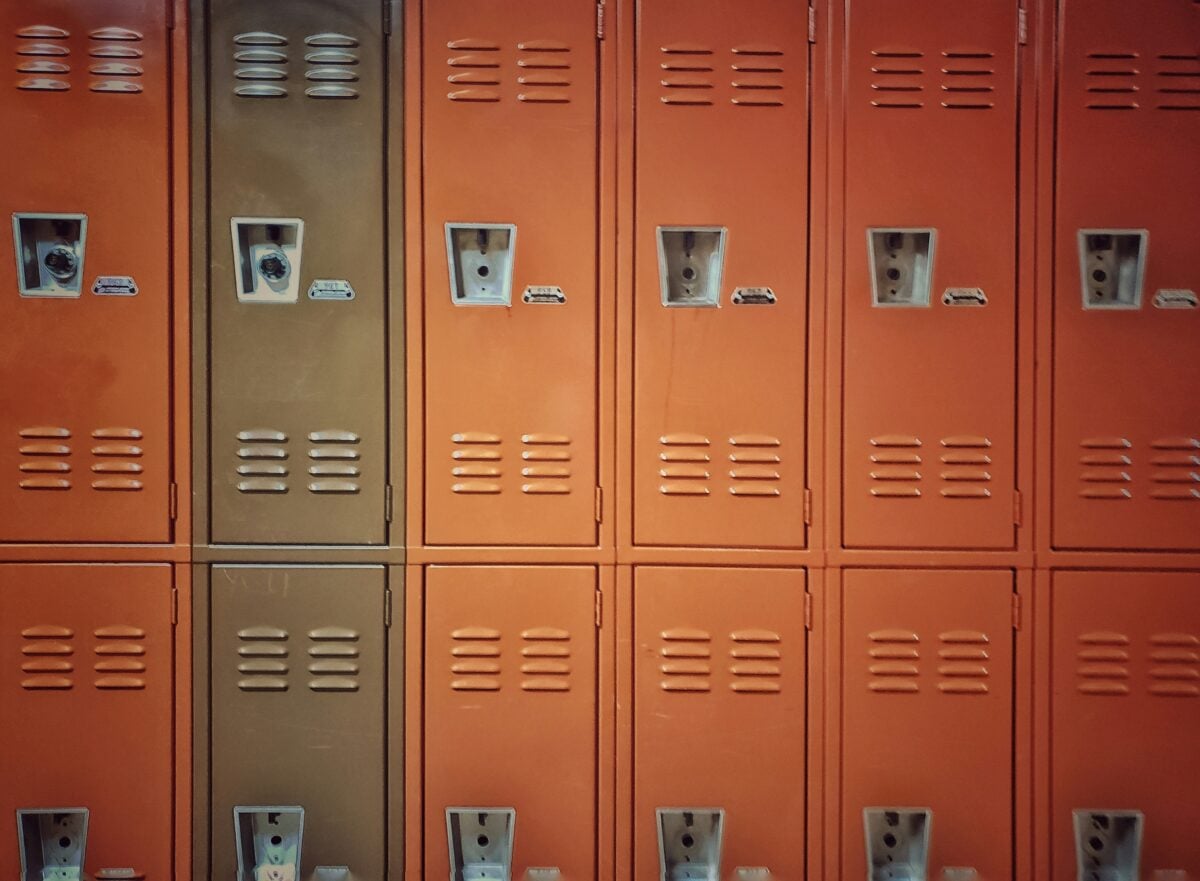
School administrators could and did search student lockers without permission, warrants, or parental notification, looking for contraband, drugs, or other prohibited items. There was no legal recourse—it was school property, not private property, and students had no reasonable expectation of privacy.
Students whose lockers were searched never knew it had happened unless drugs or weapons were found.
Two Consecutive Classes Without Electives

Most 1980s high schools required specific core classes taught in consecutive periods with no choice about teacher, schedule, or course section. Students attended the assigned English class, math class, and science class regardless of whether it worked with their schedule or conflicted with their learning style.
Changing teachers was nearly impossible because class assignments were made by administration without student input.
Encyclopedias as Primary Reference Materials

Beyond the library card catalog, the school library maintained physical encyclopedias as the primary reference source for facts and information. These were updated annually or every few years, making outdated information a genuine problem.
Cross-referencing required manually looking up multiple entries. There was no way to access current information quickly, and no way to verify facts against multiple sources efficiently.
Typewriters for Formal Assignments

Many students still used typewriters for research papers and formal assignments in the 1980s. This meant corrections had to be made with whiteout, and major mistakes required retyping entire pages. Getting it right the first time was critical because fixing errors was time-consuming and often visible on the final document.
Computers were not yet common in most high schools, making typing by hand or on a typewriter the standard method.
No Email Communication Between Teachers and Students

There was no way to email a teacher about an assignment, ask questions outside of class, or receive feedback on work except face-to-face in person. If you missed an assignment, you had to go to the teacher’s classroom before school or after school to find out what you missed.
Teachers left no feedback on papers except handwritten comments—there was no digital record of communication.
Assembly Attendance Was Mandatory and Extended

High school assemblies lasted entire class periods and attendance was mandatory for every student. Fire alarms, pep rallies, guest speakers, and award ceremonies interrupted the regular school day and could not be excused. The entire school population sat in the gymnasium or auditorium together in assigned sections.
These events were not optional—students who tried to leave the assembly faced discipline.
No Parental Portal or Grade Checking System

Parents had no way to check their children’s grades except by waiting for report cards sent home every six weeks. If a student was failing a class, parents would not know until the report card arrived.
Teachers did not send emails or call about behavior issues unless it was extremely serious. Parents attended quarterly report card conferences, but day-to-day academic struggles were invisible to them.
Absence Excuses Signed by Parents in Person

If a student was absent, a parent had to send a written excuse or come to school in person to explain the absence. Forging a parent’s signature was a serious academic crime that could result in suspension.
Students could not simply claim they had been sick—they needed documentation. Getting away with skipping school required elaborate planning because the school called home to verify absences the same day.
Metal Shop and Auto Shop Were Standard High School Classes
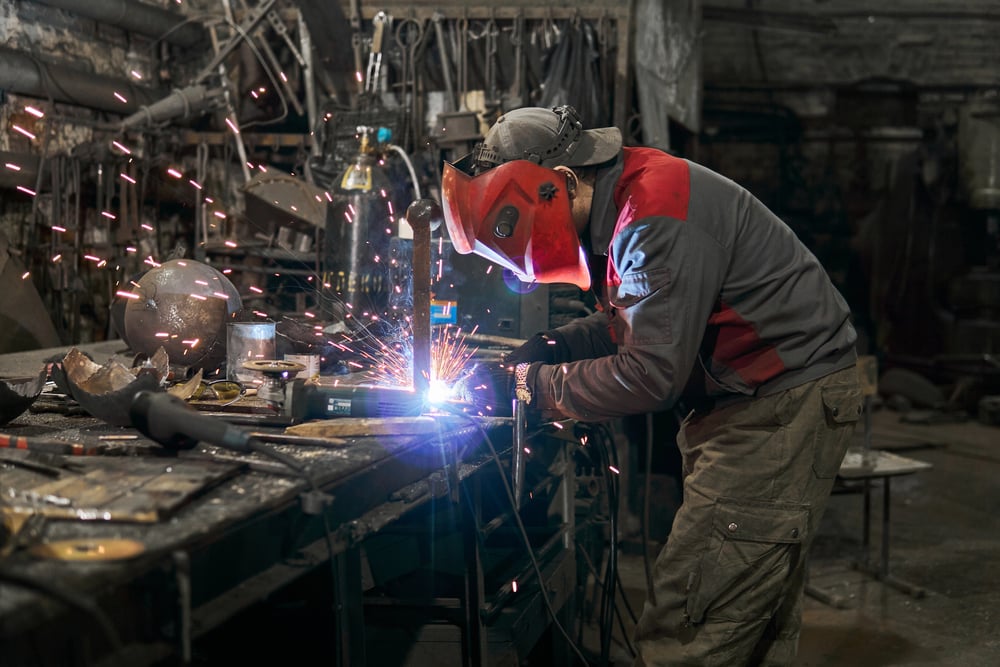
Most 1980s high schools included vocational programs like metal shop, auto shop, woodworking, and other hands-on technical classes. Students could earn actual credentials in trades, work with real machinery, and prepare for jobs that didn’t require college.
Modern high schools have largely eliminated these programs in favor of college preparation pathways, eliminating vocational options for students who wanted them.
Boys and Girls Took Completely Separate Gym Classes
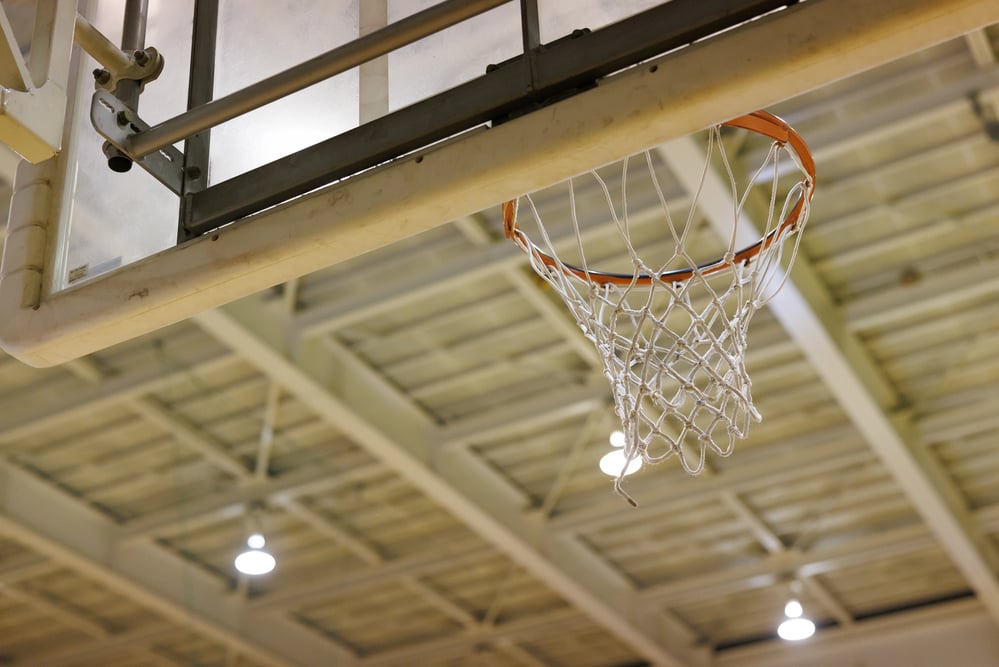
Physical education was segregated by gender, with boys taking one gym class and girls taking another. Boys played basketball and football while girls did aerobics and gymnastics.
The classes were taught by different teachers, met in different facilities, and had completely different curricula. Coeducational gym classes didn’t exist, making physical education based on gender assumptions about what teenagers should be doing.
Outdoor Breaks During Lunch Were Mandatory

Most 1980s high schools required students to go outside during lunch breaks, weather permitting. Students could not stay in the library, the cafeteria, or classrooms—they had to go outside.
This created genuine community among students but also meant suffering through cold weather without choice. Modern schools allow students to remain indoors during lunch, eliminating the forced outdoor time that was standard.
Prom Was A Formal Event With Strict Dress Codes and Chaperones

Prom required formal wear—tuxedos and full-length gowns—and was chaperoned so thoroughly that any actual dancing or socializing was nearly impossible. Schools hired numerous adult chaperones who broke up conversations, monitored dancing distance between couples, and enforced strict behavior codes.
The dance would end at a specific hour after which students had to leave campus. There were no after-prom parties because most students were home by midnight.
No Bathroom Graffiti Tolerance or Discussion
Any writing on bathroom stalls or walls was met with strict consequences including detention and parent conferences. The entire school bathroom was monitored, and vandalism was treated seriously.
This created sterile, heavily patrolled bathroom spaces rather than the student-created community spaces they became in later decades when some graffiti was tolerated as part of teenage expression.
Late Fees for Library Books Were Charged Personally

Students who returned library books late were charged a fine—sometimes a quarter or fifty cents per day—that had to be paid out of pocket. If you couldn’t pay the fine, you lost library privileges entirely.
There was no forgiveness period, no system adjustments, and no sympathy. The fine remained on your record and had to be paid before you could graduate.
Different Behavioral Expectations for Athletes and Regular Students

Student athletes had different rules and standards, often being held to lower disciplinary standards than regular students. An athlete caught breaking rules might receive detention while a regular student would be suspended.
This two-tiered system was openly acknowledged and accepted, creating obvious inequality that would not be tolerated in modern schools.
A World Without Documentation of Every Moment

Perhaps most shocking to modern students would be the absence of smartphones, cameras, and the ability to document and share every moment. Mistakes happened and disappeared, conversations were private and temporary, and social awkwardness did not create permanent digital records.
The freedom to mess up without creating evidence that could haunt you years later was the most significant difference of all—adolescence happened in relative privacy rather than under constant observation and potential recording.
When Privacy and Consequence Were the Default

The 1980s high school experience was defined by a paradox: students had genuine privacy from parents and the outside world, but faced immediate and harsh consequences from school authority. That balance created a generation of teenagers who had to navigate consequences without the safety net of parental intervention or the option to appeal to higher authorities.
Understanding this world helps explain why people who attended high school in the 1980s often describe it as simultaneously freer and harsher than adolescence today.
More from Go2Tutors!

- The Romanov Crown Jewels and Their Tragic Fate
- 13 Historical Mysteries That Science Still Can’t Solve
- Famous Hoaxes That Fooled the World for Years
- 15 Child Stars with Tragic Adult Lives
- 16 Famous Jewelry Pieces in History
Like Go2Tutors’s content? Follow us on MSN.