Learning Games That Improve Memory
Memory is not something people are simply born with or without. It is a skill, and like any skill, it gets sharper with practice.
The brain responds well to challenge, repetition, and play, which is why games have become one of the most effective tools for improving how people remember things. Whether someone is trying to stay mentally sharp at 60 or helping a child retain information faster, learning games offer a fun and proven path to a better memory.
Here is a roundup of games that actually work, backed by how the brain learns best.
Chess

Chess forces the brain to hold multiple pieces of information at once. A player has to remember past moves, anticipate future ones, and recognize patterns from previous games.
Studies have shown that regular chess players develop stronger working memory and problem-solving abilities over time. It is a slow game, yes, but that is exactly what makes it so effective.
Memory Card Matching
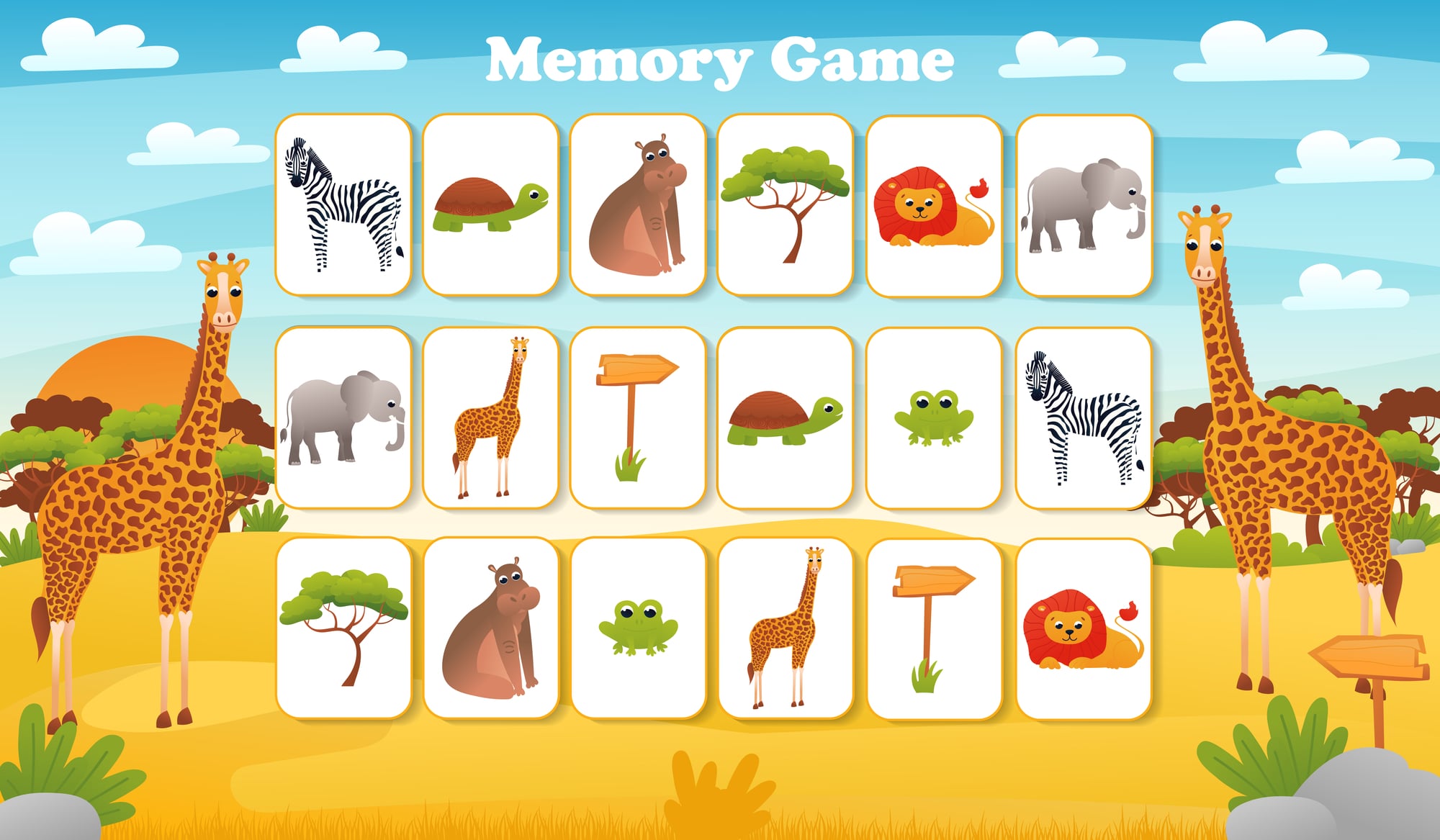
This classic game is deceptively simple. Players flip cards face down and try to match pairs by remembering where each card is.
The repeated act of recalling locations strengthens the hippocampus, the part of the brain responsible for forming new memories. Children and adults both benefit from it, and it scales well because you can increase the number of cards as memory improves.
Crossword Puzzles

Crossword puzzles work like a workout for the brain’s recall system. Every clue requires pulling a word from long-term memory and connecting it to a definition or context.
Doing crosswords regularly helps reinforce vocabulary, general knowledge, and the brain’s ability to retrieve stored information quickly. The satisfying ‘click’ of getting a tough clue right also keeps people coming back.
Sudoku
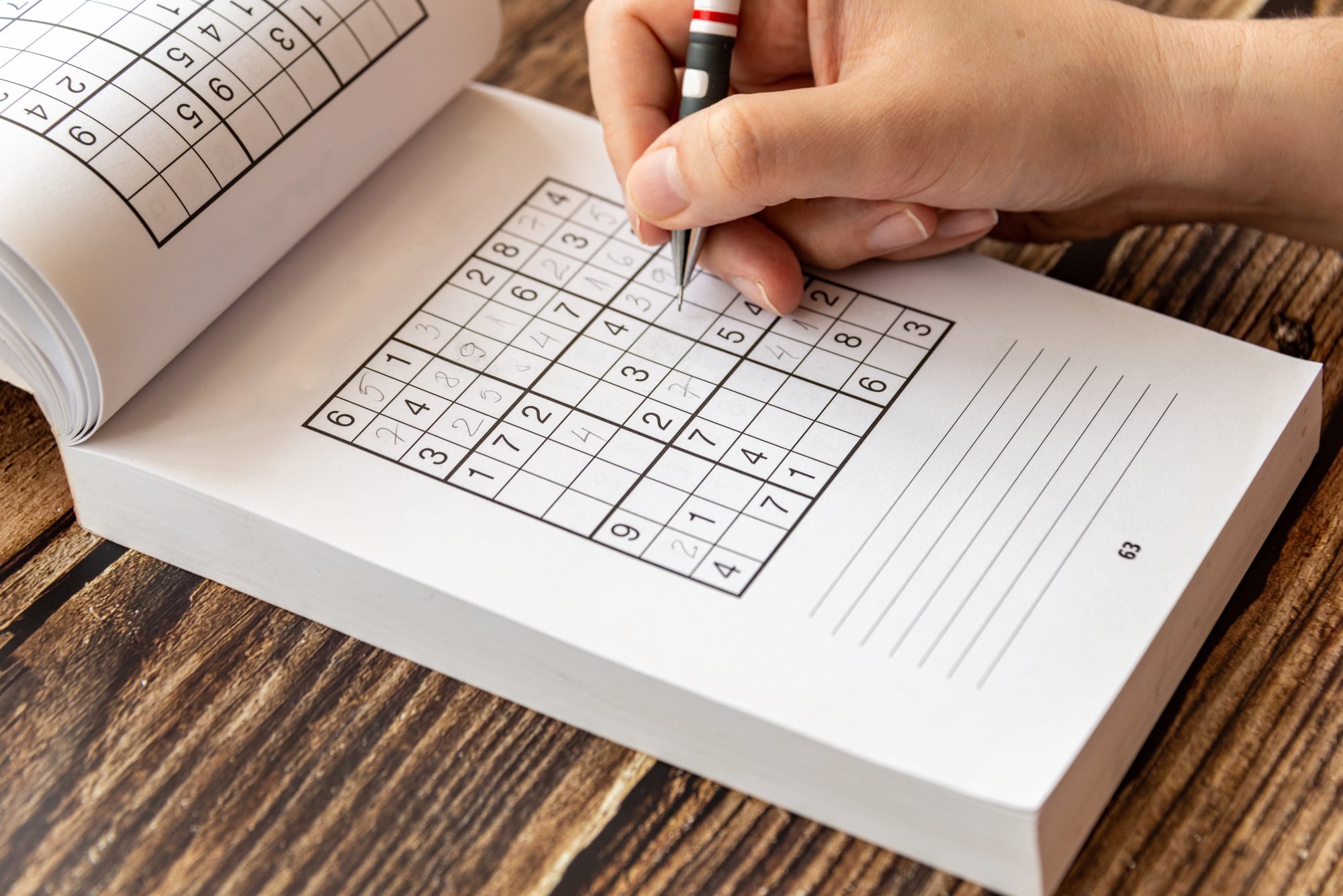
Sudoku is not just about numbers. It is about holding patterns in mind while testing different possibilities.
The brain has to remember which numbers are already placed, which spaces are open, and what rules apply to each section. This constant juggling builds short-term memory strength.
It is also widely available, free, and does not require any special equipment.
Simon Says (Electronic Version)
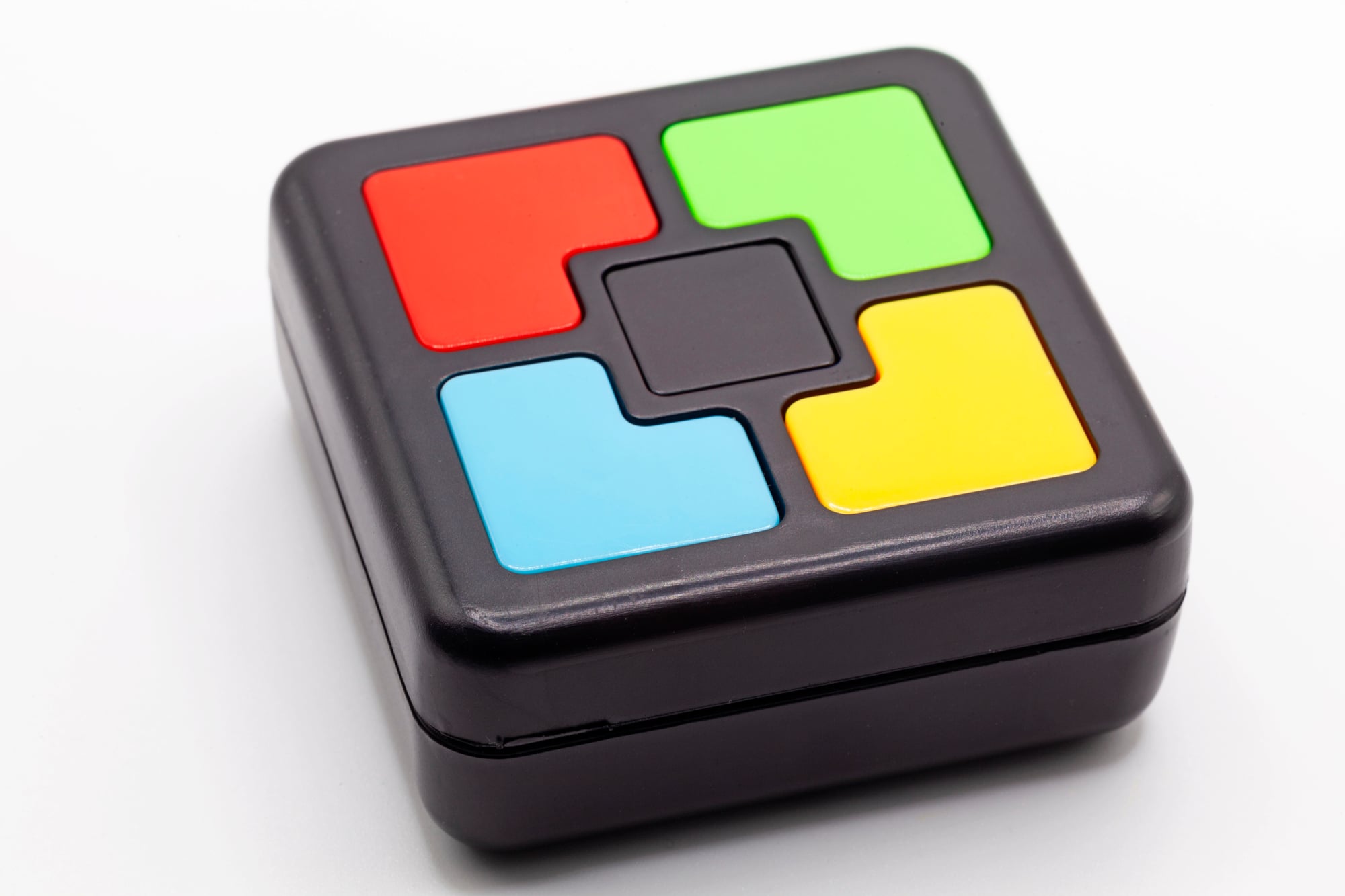
The electronic Simon game presents a sequence of colored lights and sounds that players must repeat in the correct order. With each round, the sequence grows longer, pushing the brain to retain more information under pressure.
This kind of sequential memory training is directly linked to how people follow instructions, learn languages, and process information in daily life.
Scrabble
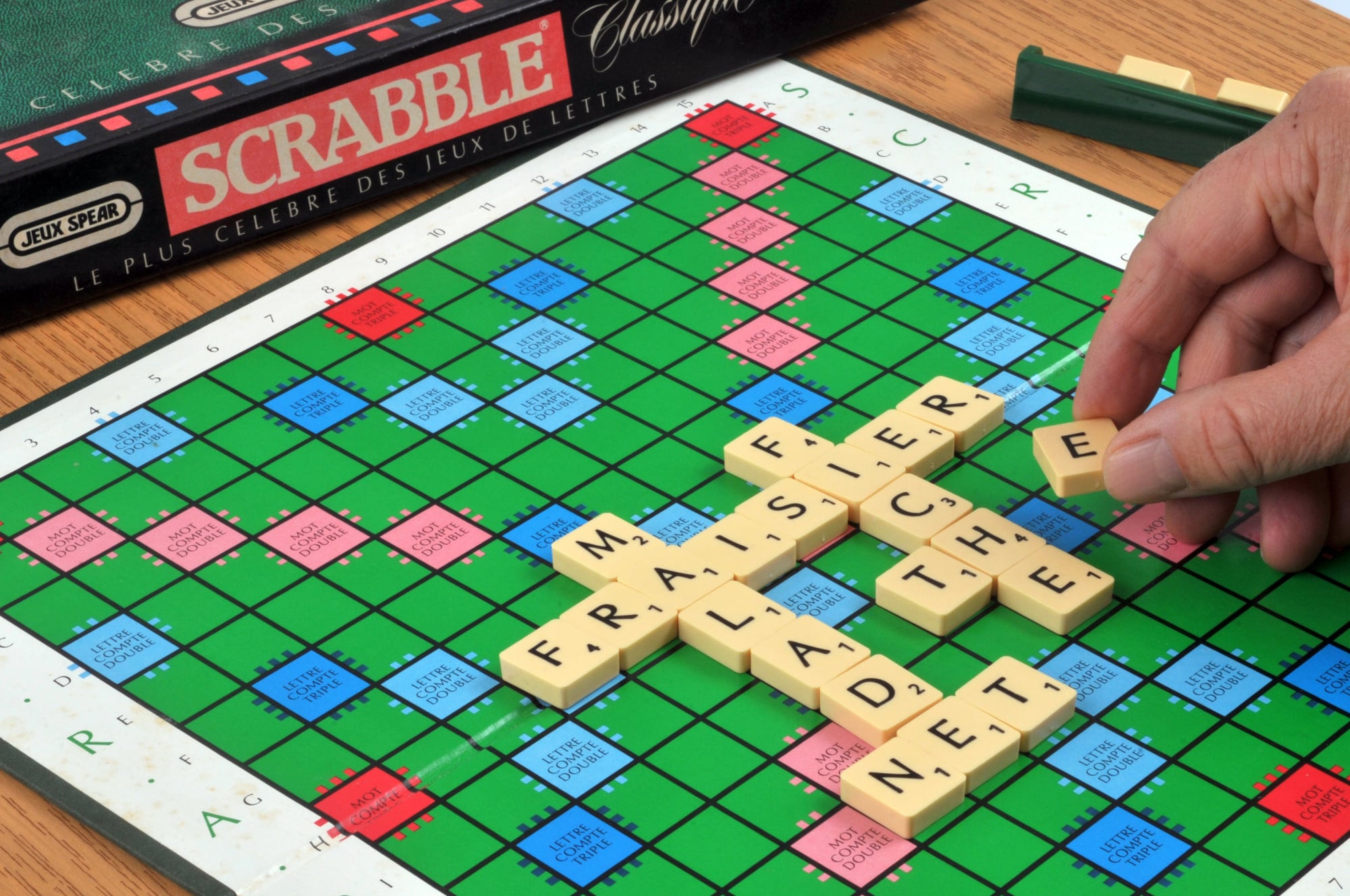
Scrabble is one of the few games where vocabulary, strategy, and memory all compete for attention at the same time. Players have to remember which letters have already been played, hold their own tiles in mind, and scan the board for opportunities.
Research from the University of Calgary found that experienced Scrabble players show enhanced visual memory compared to non-players. The competitive nature of the game also keeps the brain alert and engaged.
Word Association Games

In word association, one player says a word and the next must respond with a related word as fast as possible. The speed element forces the brain to pull from memory quickly rather than slowly searching for an answer.
Over time, this sharpens the brain’s ability to form and retrieve connected ideas, which is a core part of how memory works. It also works well in groups, making it a social activity.
Lumosity Brain Training

Lumosity is a digital platform with a collection of games designed specifically around cognitive skills, including memory, attention, and processing speed. Each game targets a different mental function, and the platform tracks progress over time.
A study published in the ‘Journal of the International Neuropsychological Society’ found improvements in working memory among participants who trained regularly on the platform. It is a structured option for people who want a guided approach to memory improvement.
Jigsaw Puzzles
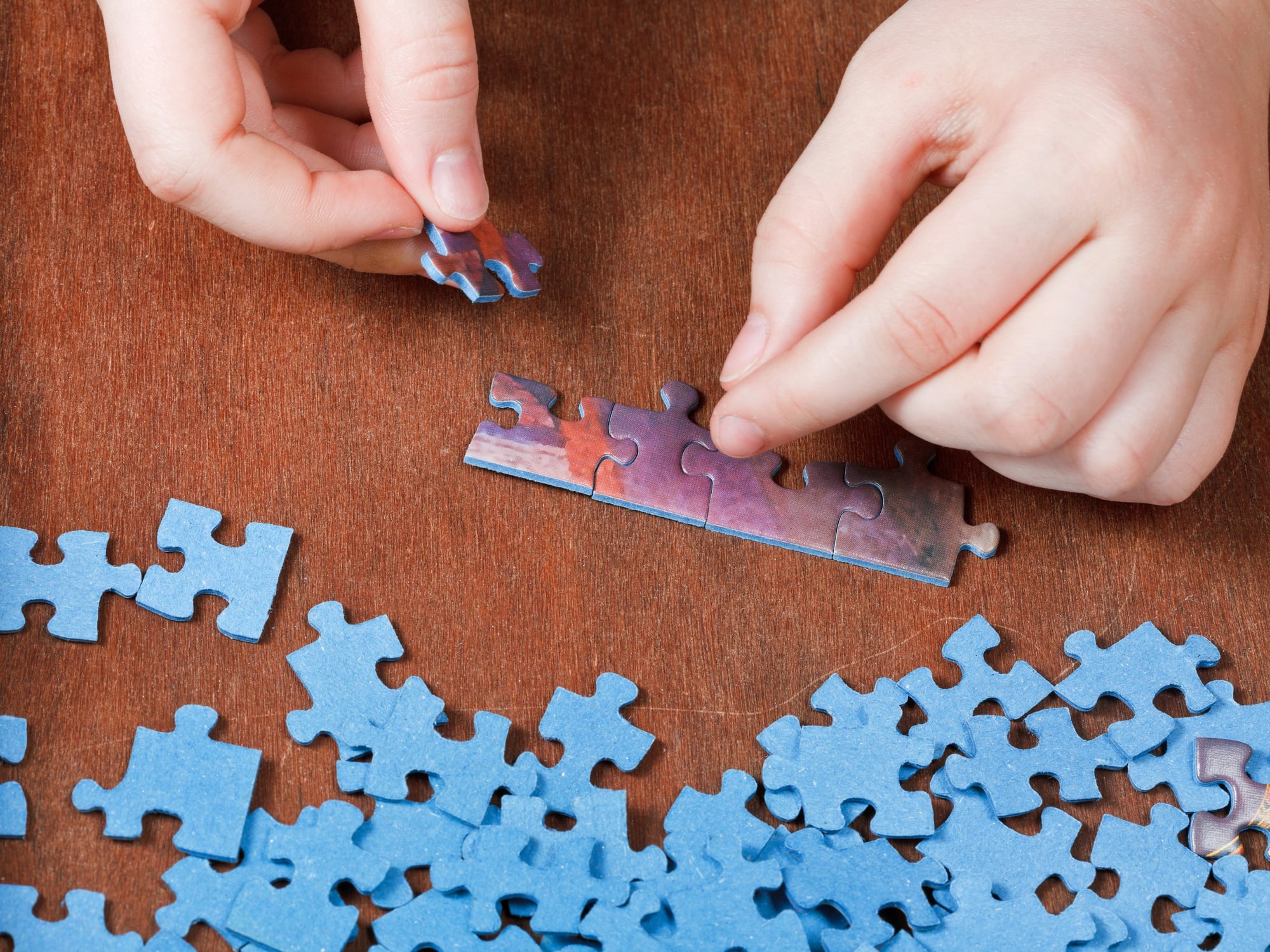
Jigsaw puzzles require the brain to hold a picture of the finished image in mind while sorting through hundreds of pieces. This constant reference to a mental image strengthens visual-spatial memory and pattern recognition.
Research has also linked puzzle-solving to a reduced risk of cognitive decline in older adults. The repetitive, focused nature of the activity puts the brain in a calm but productive state.
The Name Game

This party game asks players to name items in a category, and each person must repeat everything said before them before adding their own item. For example, naming African countries means repeating every previous answer in order before adding a new one.
The longer the list grows, the harder the brain has to work to hold it all together. This game is a direct and practical workout for sequential memory.
N-Back Training

N-back is a research-backed cognitive exercise where players see a sequence of items and must identify when the current item matches the one from ‘N’ steps back. It sounds confusing at first, but it is available as a free app and becomes intuitive after a few rounds.
Scientists at the University of Michigan found that N-back training improved fluid intelligence and working memory in participants. It is one of the few games with consistent laboratory support for memory improvement.
Language Learning Apps

Tiny gaps between practice sessions help your mind hold onto words longer – that is how tools such as Duolingo work. Right before you’d normally forget a word, seeing it again makes recall sharper.
Using different areas of the brain at the same time while studying phrases builds stronger connections inside the head. A short stretch daily, say ten minutes, piles up without feeling heavy.
Trivia Games
Out of nowhere, remembering old facts wakes up parts of the mind that stay quiet most days. When there’s a winner to be picked, attention tightens, bringing thoughts into clearer view.
Over time, fresh details slip in beside older ones, building a wider pool to reach into later. Games found on platforms such as Kahoot or Trivial Pursuit open doors without needing much setup.
Story Building Games

Folks playing story games piece together tales bit by bit, one line at a time – each player echoes what came before, then slips in something fresh. At the start, it might seem awkward, yet staying focused becomes essential, ears wide open.
Instead of zoning out, minds race to absorb details fast, juggling every twist without dropping threads. Schools bring this into lessons since sharpening recall and imagination happens naturally through play.
Though simple on the surface, holding so much in your head stretches thinking in quiet, powerful ways.
Rhythm And Music Memory Games

Beats come fast in games such as Guitar Hero – players track them by recalling note orders, step after step. When sound meets recall, the mind lights up; research keeps finding those who play instruments hold more in memory than others.
Timing clicks into place during these games, stirring hearing pathways, movement control, and stored sounds together. Without prior training, anyone might gain ground just by showing up often.
The Staying Power Of Play

It takes time to grow memory strength, yet progress often comes quicker than assumed if attention stays steady each day. Fun keeps mental gears turning – these activities stick because they skip the grind.
When enjoyment kicks in, thinking deepens without effort, making quick fixes turn into lasting skills. Try just a couple from here, keep at them week after week, results will follow quietly.
Grown-ups need play too – it shapes sharp minds better than many serious routines ever could.
More from Go2Tutors!

- The Romanov Crown Jewels and Their Tragic Fate
- 13 Historical Mysteries That Science Still Can’t Solve
- Famous Hoaxes That Fooled the World for Years
- 15 Child Stars with Tragic Adult Lives
- 16 Famous Jewelry Pieces in History
Like Go2Tutors’s content? Follow us on MSN.



