Games Kids Made Up in the Backyard That Required Zero Equipment
Before YouTube tutorials and organized sports camps, children invented elaborate games in empty spaces using nothing but imagination and whatever they could find. Backyards became improvised playgrounds where the rules were made up as the game progressed, changed mid-stream to accommodate newcomers, and evolved based on which kids showed up.
These games required no purchase, no adult supervision, no safety waivers—just kids, a space, and the willingness to play until the streetlights came on. Many of these games still exist in the abstract sense, but the culture of spontaneous invention has been largely replaced by structured programs, purchased toys, and screen-based entertainment.
The games kids invented themselves served a purpose beyond entertainment—they developed negotiation skills, physical fitness, problem-solving, and the ability to adapt rules on the fly. Modern childhood has organized alternatives for most of these activities, but the spontaneous, unstructured creation of games is a skill that has largely disappeared.
The loss represents not just the disappearance of specific games but the elimination of a form of childhood autonomy.
Tag and Its Infinite Variations
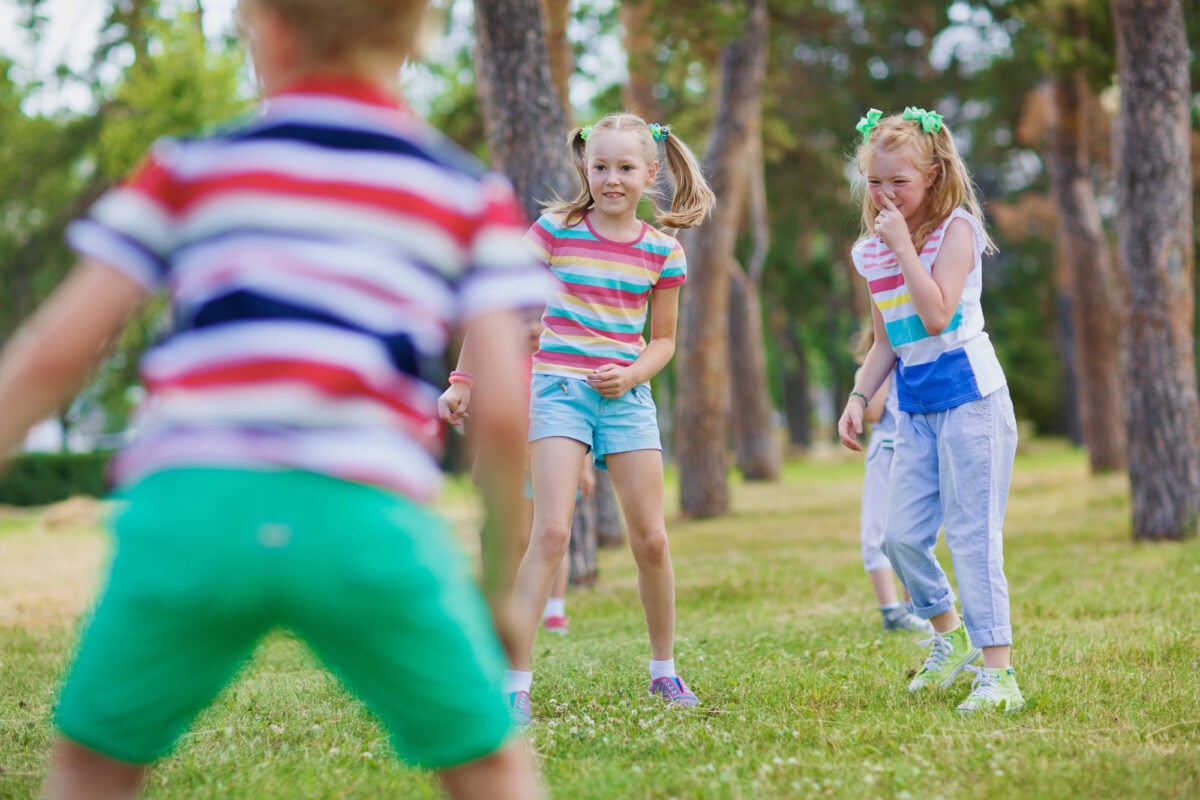
The simplest game became the foundation for elaborate variations—freeze tag, shadow tag, tunnel tag, band-aid tag—each adding specific rules that kids created on the spot. The beauty was that tag could start instantly with no preparation and could be modified endlessly based on the space and players available.
The adaptability of tag made it infinite.
Stuck in the Mud
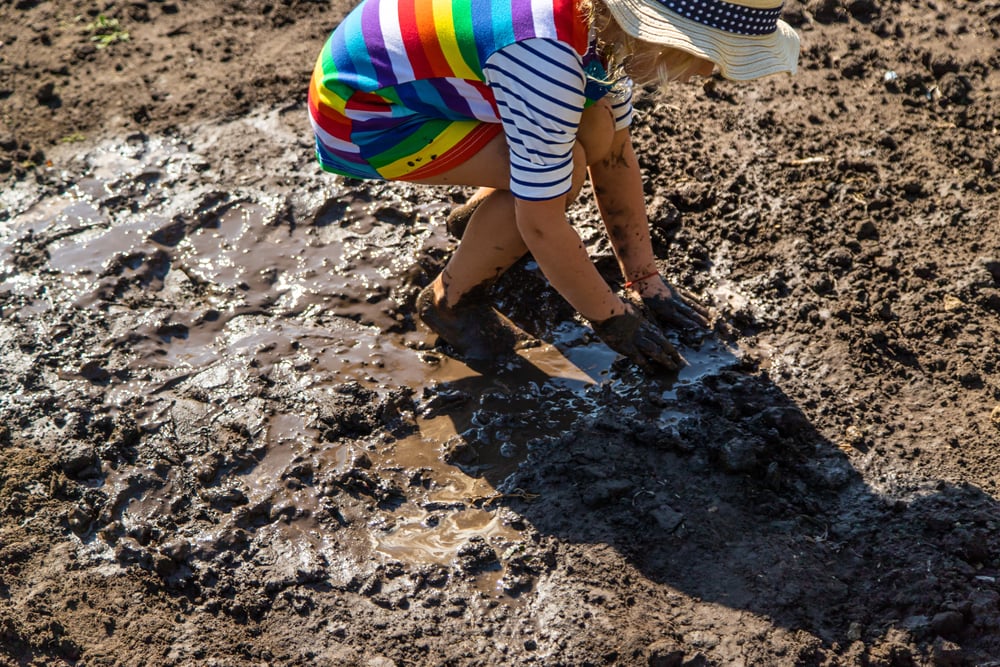
A variation of tag where tagged players froze in place with legs spread apart until freed by other players crawling through their legs. The game combined running with strategic decisions about who to rescue and when to risk getting tagged yourself.
The cooperative element distinguished it from pure tag.
Flashlight Tag

Playing tag after dark using flashlight beams as the tagging mechanism instead of physical touch added disorientation, strategy, and drama. The darkness made the familiar game feel entirely new.
The game required only flashlights kids had lying around at home.
Sardines

Hide and seek in reverse where one player hides and everyone else searches. When a seeker finds the hidden player, they hide together silently. The game continued until everyone was hiding and only one person remained.
It worked with just three players, making it practical for small groups.
Red Light, Green Light
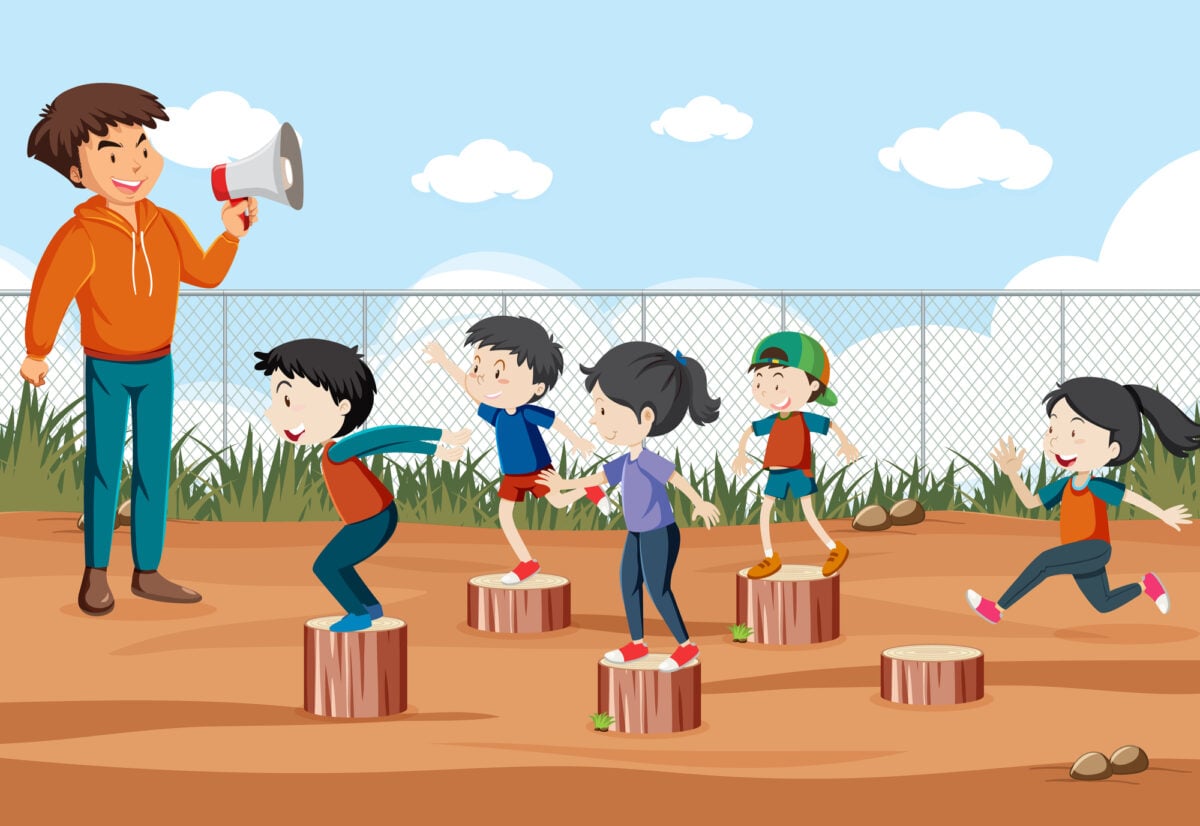
The chaser stood at one end of the yard saying “green light” and the others advanced. When the chaser yelled “red light,” everyone froze. The chaser looked for movement, and anyone caught moving went back to the start.
The game combined running with controlled movement, strategy, and attention.
Red Rover

Teams held hands in a line and called “red rover, red rover, send [name] on over.” The named player ran at the line trying to break through.
If successful, they joined the line; if not, they had to remain. The game was physical and eliminated weaker players, but kids invented it anyway.
Mother, May I?

One player gave instructions like “take three steps forward” and others had to ask “mother, may I?” before following instructions. Failure to ask meant returning to start.
The game combined movement with memory and rule adherence, creating a completely non-competitive structure.
Capture the Flag

Two teams placed their flag in opposite territories and tried to retrieve the other team’s flag while protecting their own. Captured players went to “jail” and had to be freed by teammates.
The game required strategy, teamwork, and physical skill—kids invented it with no adult planning.
Kick the Can

Kids hid while someone guarded a can or bottle. Once hidden kids were found, they had to run to the can before being tagged.
If a free player reached the can first, found players were freed. The game combined hiding, running, and urgency in complex ways.
Duck, Duck, Goose

Kids sat in a circle as one kid walked around tapping others while saying “duck.” When they said “goose,” the tapped player had to chase them around the circle.
Simplistic but endlessly playable, the game worked with any number of players.
Simon Says
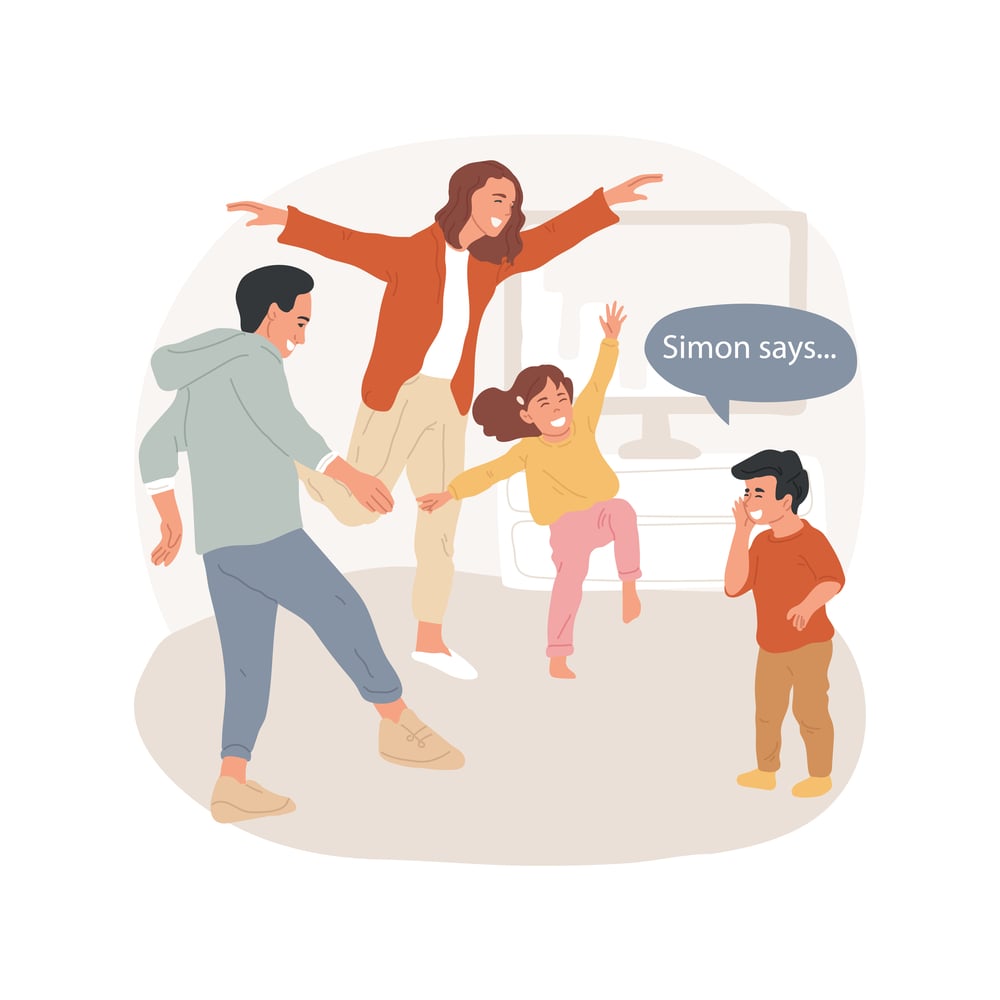
One player (Simon) gave commands prefaced by “Simon says.” If a command was given without the prefix, players who followed were eliminated.
The game was purely about attention and listening rather than physical activity. It required zero setup.
Ghost in the Graveyard
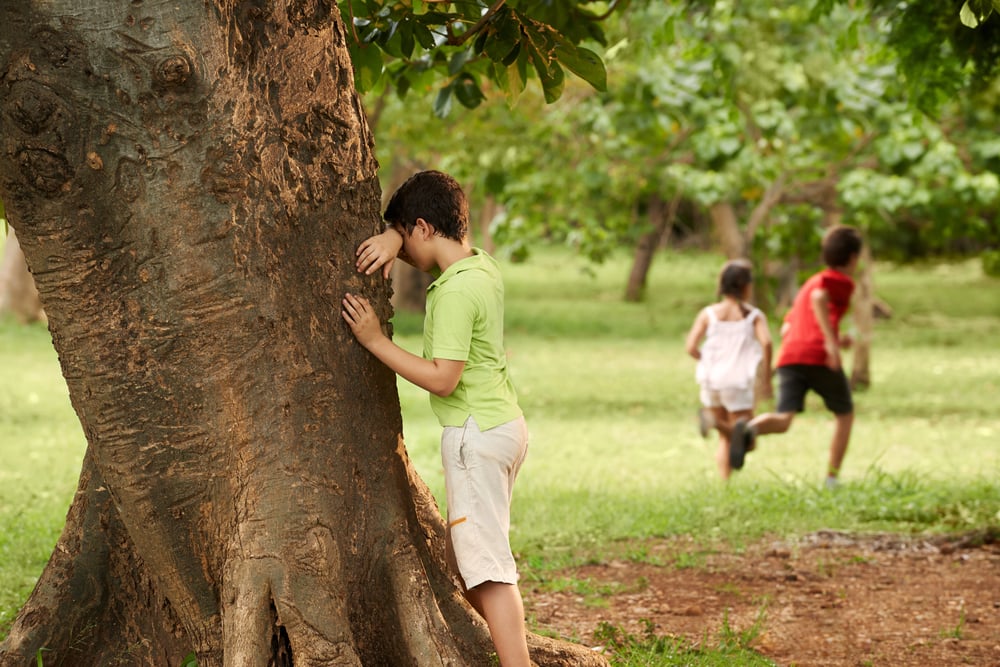
A scary nighttime version of hide and seek where one player hid as a ghost. When found, the ghost tried to tag the finder before they reached safety.
The added element of fear and darkness made the game more dramatic and memorable than daytime hide and seek.
British Bulldog
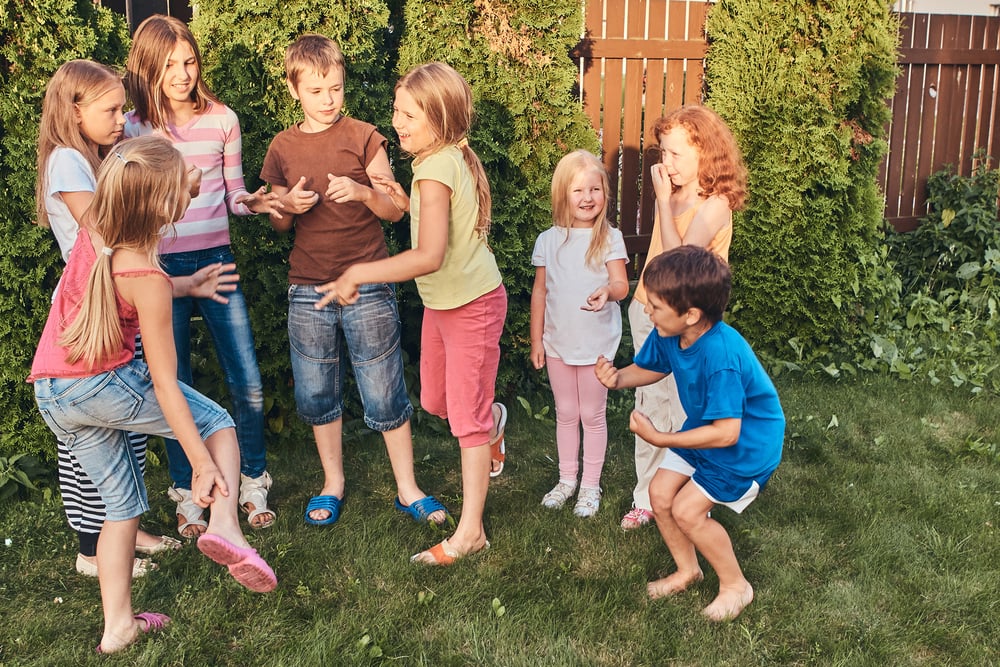
All players lined up facing one player in the middle who called out. Everyone had to run to the opposite line while being tackled and pinned to become part of the bulldog team.
The game grew increasingly difficult as the bulldog team grew larger.
Stuck Between Trees
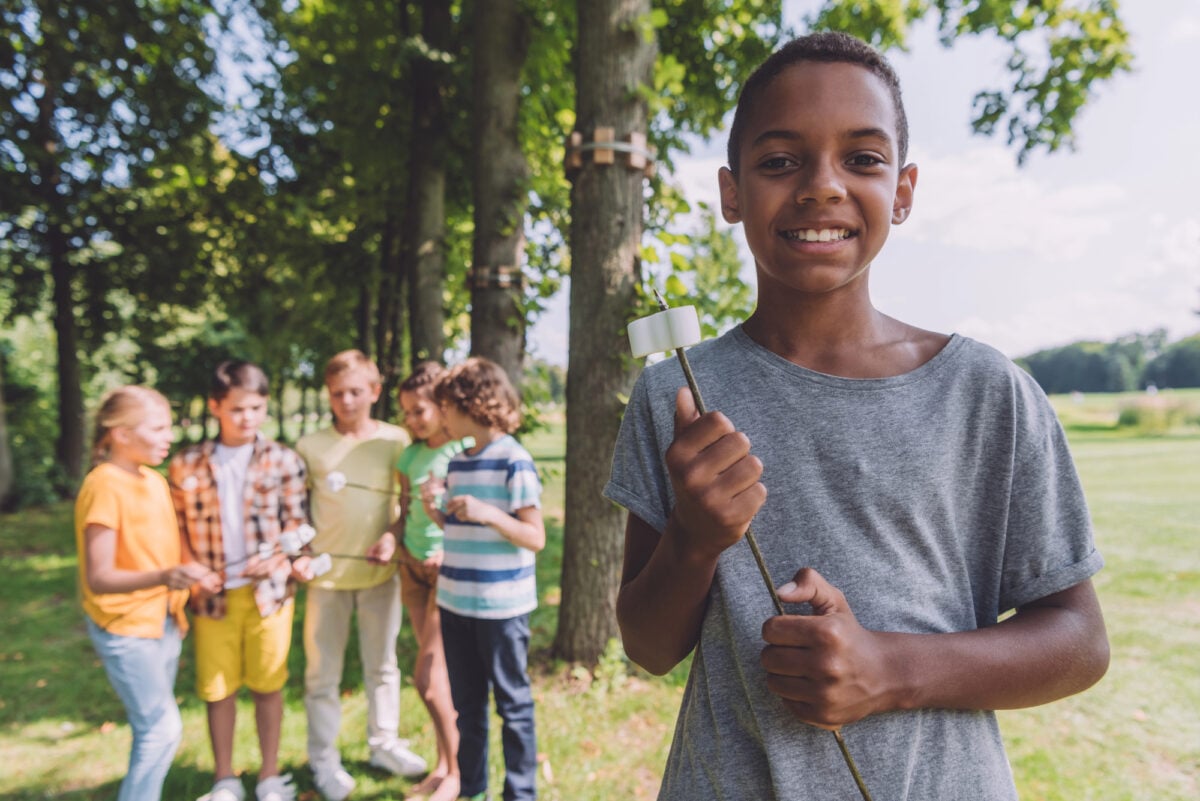
Using natural features, kids created games around the physical space available—climbing trees, building forts in brush piles, using fallen logs as obstacles. Each backyard produced different games based on what physical features existed.
Fox and Rabbit
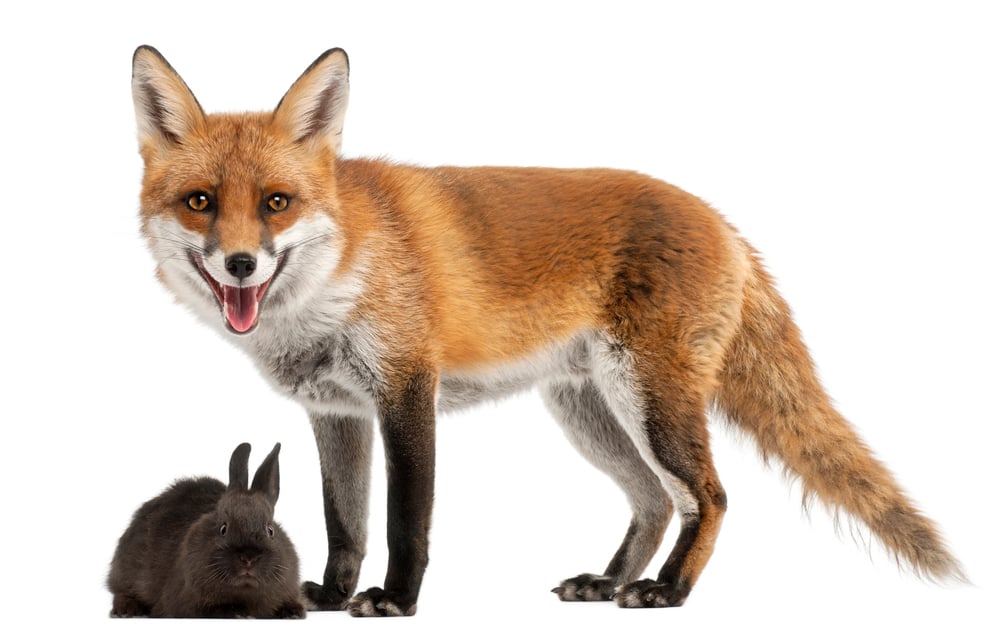
One player (the fox) faced away from others while they crept forward. When the fox turned, everyone froze.
The game was similar to Red Light Green Light but with more narrative meaning—you were being hunted by a fox.
What Time Is It, Mr. Wolf?

A version of the same mechanic where players asked “what time is it, Mr. Wolf?” and his answer dictated how many steps forward they took.
Eventually he’d say “dinner time” and chase everyone. The anticipation built throughout the game.
Creeping Stalkers

Two teams crept toward each other with the goal of stepping on the other team’s feet. Eliminating sensory awareness, the game was more about sound and intuition than sight.
Kids invented bizarre variations with elaborate rules.
Races With Obstacles
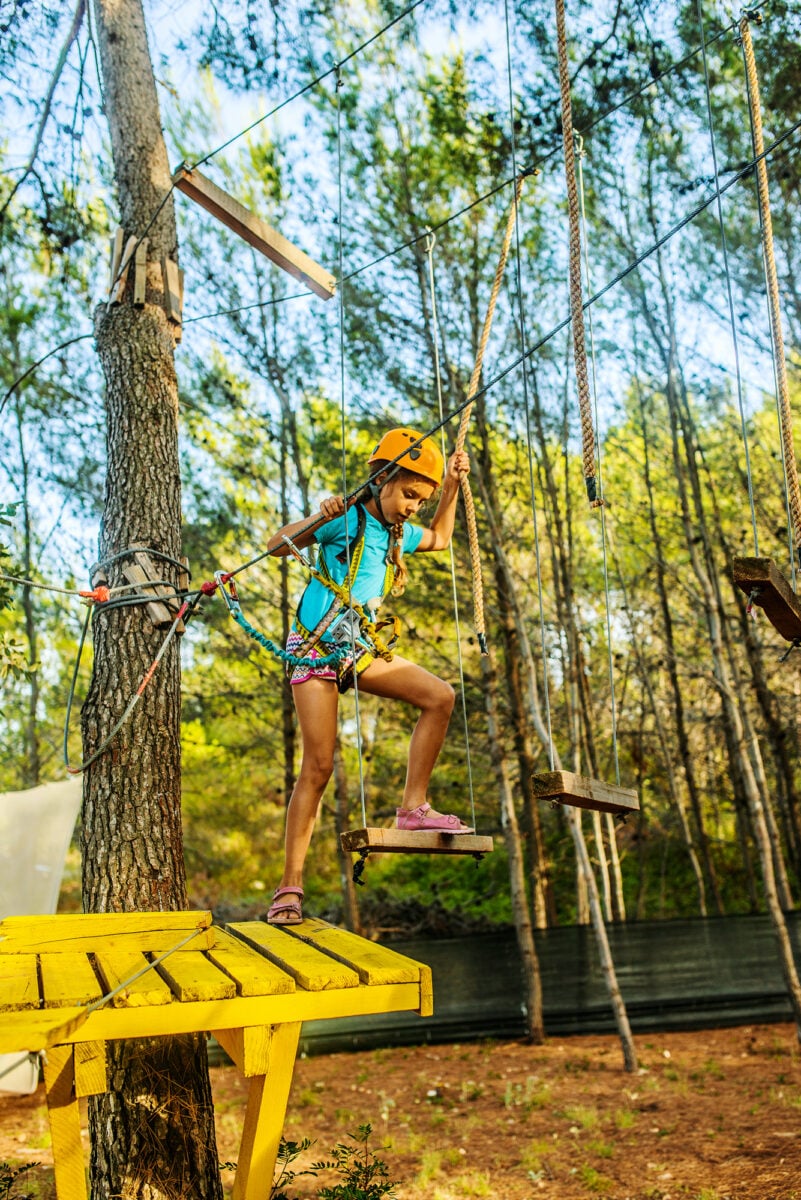
Kids created races with arbitrary handicaps—hopping on one foot, carrying an egg on a spoon, doing a crab walk, walking backwards. The handicaps were invented on the spot based on what seemed funny or challenging.
King of the Hill

Kids fought to defend the highest point in a playground or backyard, using elaborate rules about allowable tactics. The game was primarily physical but had strategic elements about alliance-building and defending territory.
Pretend Adventures
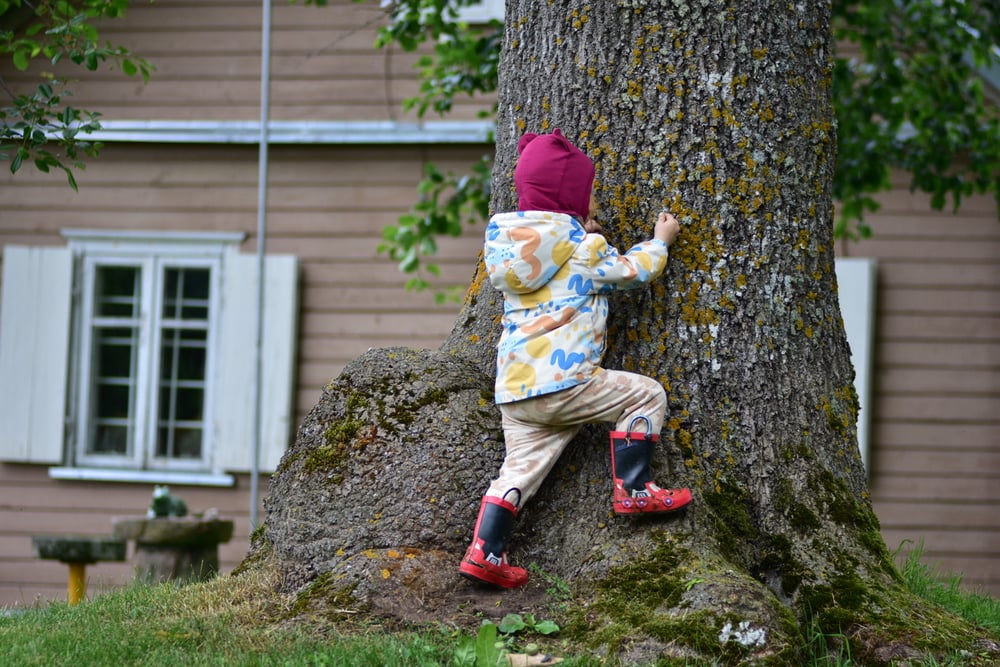
Elaborate pretend scenarios played out over hours or days, using the backyard as a setting for imagined worlds. Kids assigned roles, created characters, and improvised dialogue throughout.
The game required only imagination.
Building and Defending Fort
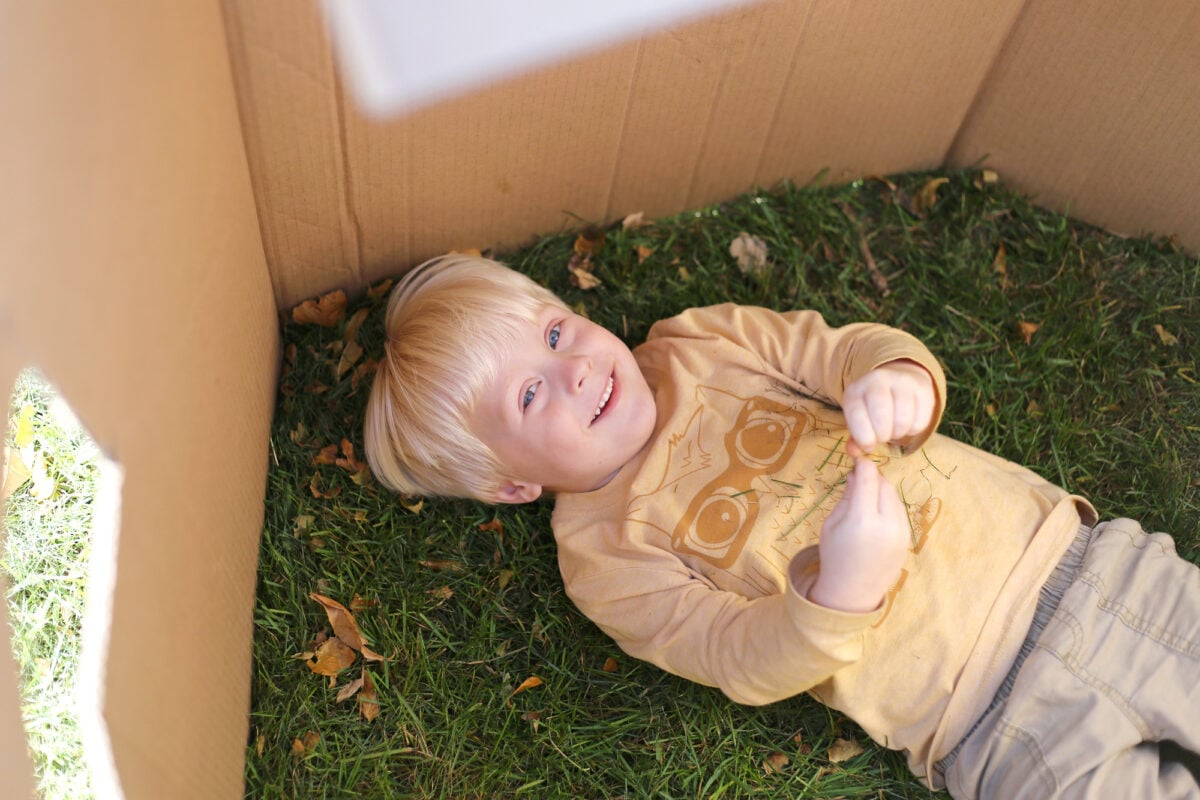
Creating structures from found materials—sticks, leaves, cardboard—kids would build forts and then defend them, hide in them, or establish rules about who could enter. The fort was both the game and the space where games happened.
Tag Variations With Specific Safe Zones
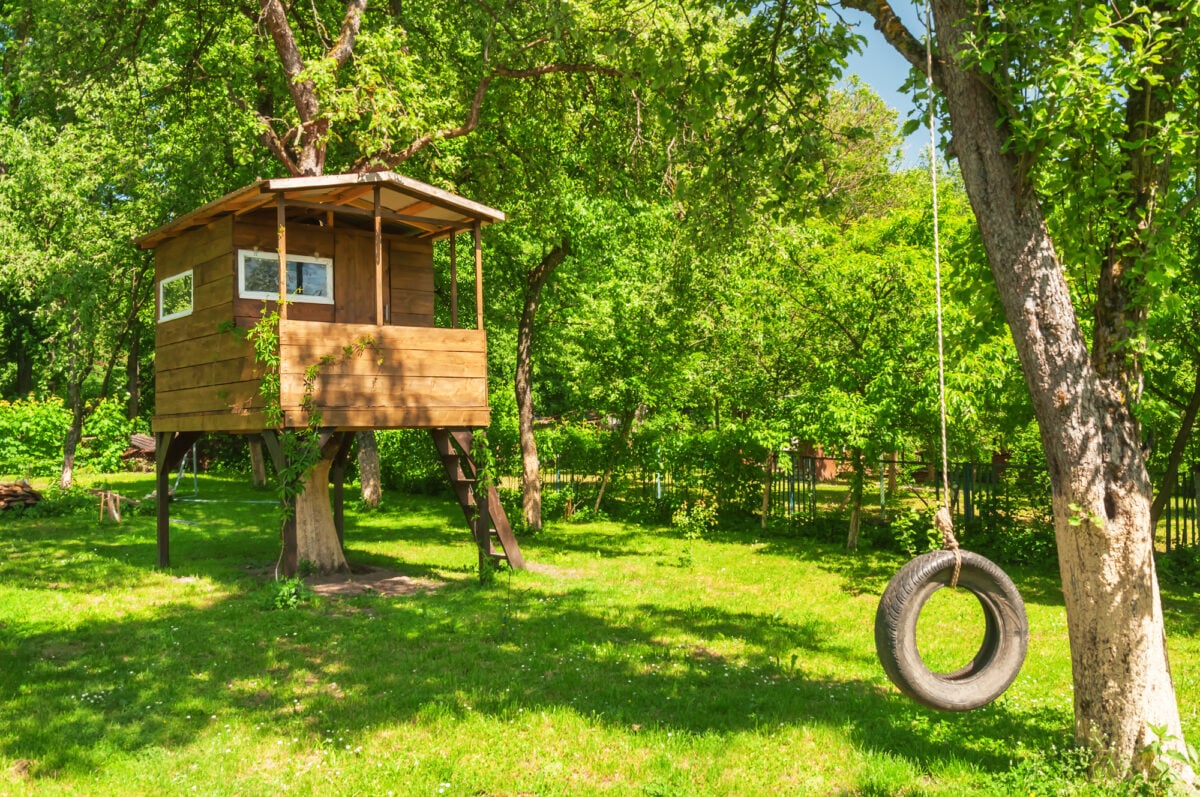
Kids created games combining tags with designated safe zones—specific trees, swings, or areas where they couldn’t be tagged. The strategy involved knowing when to leave the safe zone and when to protect it.
Games With Found Objects
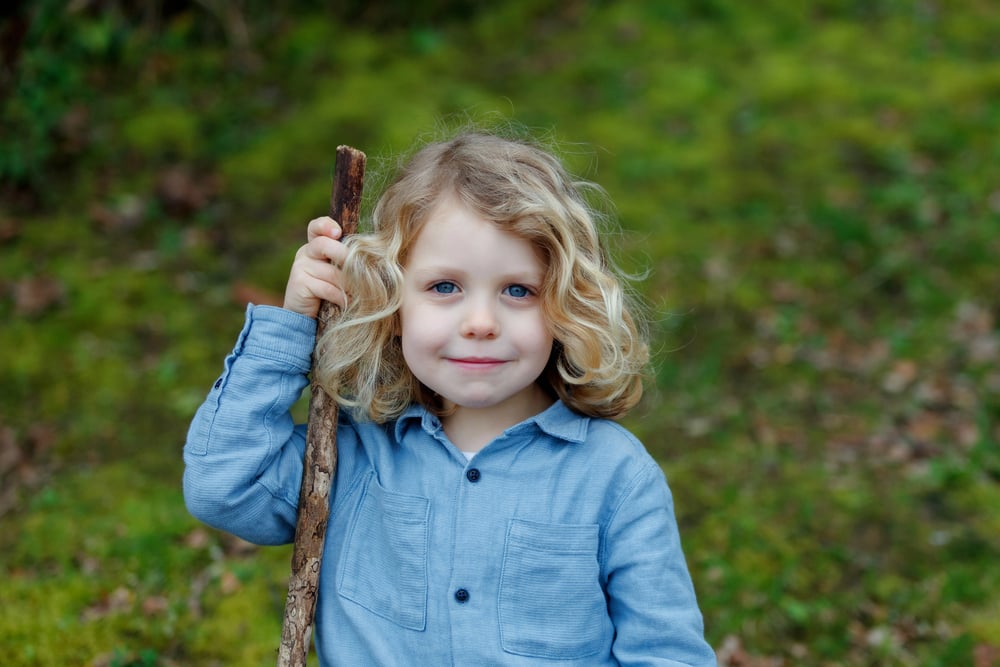
Using sticks, rocks, cans, or potatoes as game pieces, kids invented games like bocce variants or target games played with whatever was available. The object being used changed the game’s fundamental nature.
Water Games Without a Pool

Using hoses, buckets, or sprinklers, kids created relay races, water balloon games, or just organized running through sprinklers. These required minimal equipment but maximum planning and coordination.
Creating Obstacle Courses

Natural features combined with kid-built elements created elaborate obstacle courses that kids timed themselves on, competed against others, or modified constantly. The course was both game and play structure.
Elimination Games

Kids created games where players were eliminated one by one through specific rules—freeze tag eliminating those caught, other games through failure at specific tasks. The games naturally wound down to a winner or last survivor.
Spontaneous Sport Inventions

Taking the basic structure of sports but inventing new rules, kids created football variants, basketball changes, or completely new games inspired by what they’d seen on television. Rules changed based on the players available and the space.
The Lost Art of Invention

The games kids invented required nothing—no equipment, no adult planning, no organized league, no purchased materials. They required only space, time, and the expectation that children would entertain themselves.
Modern childhood has structured alternatives for almost everything kids invented, but in the process eliminated the skill of spontaneous game invention. The loss of unstructured backyard time represents not just the disappearance of specific games but the elimination of an entire form of creative problem-solving that modern childhood no longer develops.
More from Go2Tutors!

- The Romanov Crown Jewels and Their Tragic Fate
- 13 Historical Mysteries That Science Still Can’t Solve
- Famous Hoaxes That Fooled the World for Years
- 15 Child Stars with Tragic Adult Lives
- 16 Famous Jewelry Pieces in History
Like Go2Tutors’s content? Follow us on MSN.