13 Villages That Became Ghost Towns Overnight
Throughout history, thriving communities have vanished in the blink of an eye, leaving behind empty streets and haunting reminders of lives once lived. Natural disasters, industrial accidents, and government decisions have all played roles in transforming bustling villages into silent monuments to human resilience and tragedy.
Here is a list of 13 villages that became ghost towns overnight, each with its own compelling story of sudden abandonment.
Pripyat, Ukraine

The Chernobyl nuclear disaster of April 26, 1986, forced the immediate evacuation of Pripyat’s 49,000 residents within 36 hours. This once-modern Soviet city, built to house nuclear plant workers and their families, became frozen in time, with abandoned amusement parks, schools, and homes still containing personal belongings.
Today, nature slowly reclaims the radioactive ruins while tourists venture through this eerie testament to nuclear catastrophe.
Centralia, Pennsylvania
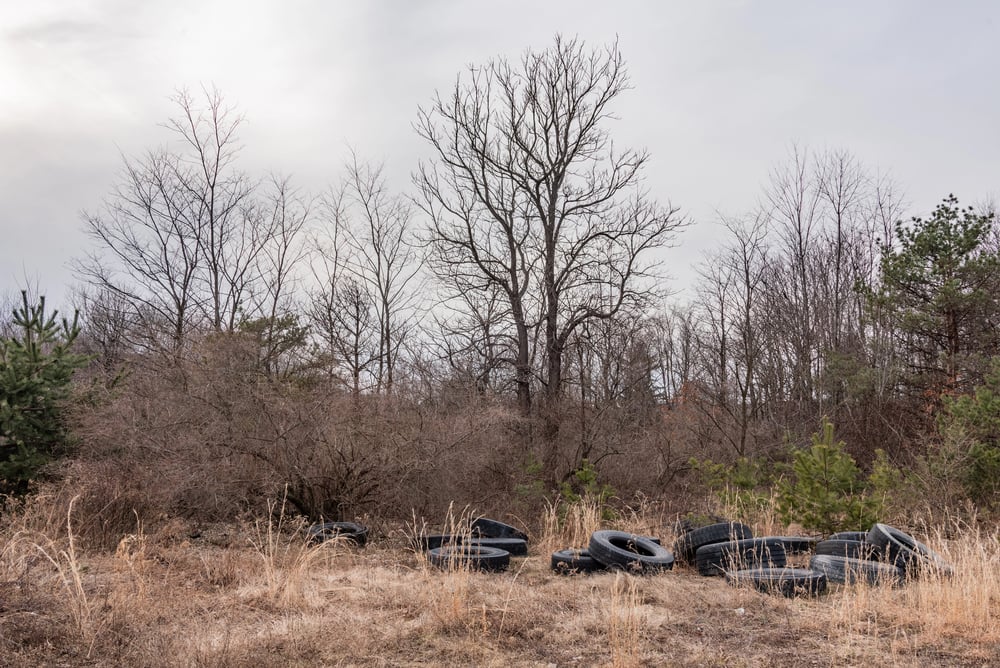
An underground coal fire that began in 1962 gradually consumed this small mining town, but the real exodus happened overnight in the 1980s when toxic gases started seeping through basement floors and sinkholes began to swallow yards. The government eventually bought out most residents, and today only a handful of people remain among the smoking ground and buckled highways.
Steam continues to rise from cracks in the abandoned streets, creating an otherworldly landscape that inspired the horror film ‘Silent Hill.’
Like Go2Tutors’s content? Follow us on MSN.
Wittenoom, Western Australia
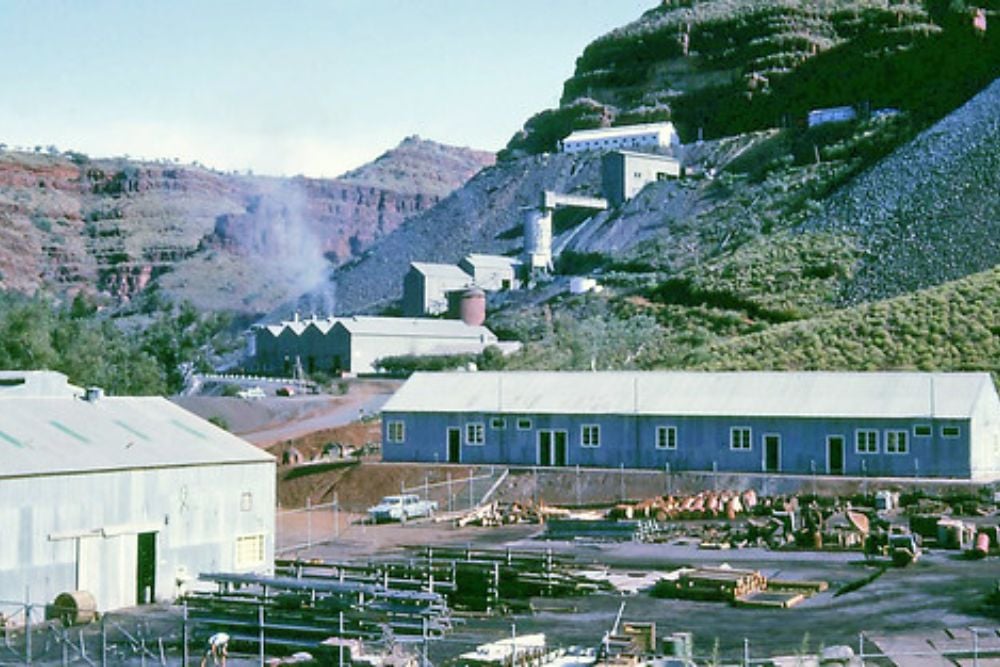
This asbestos mining town thrived until the 1960s when health authorities discovered the deadly connection between blue asbestos and mesothelioma. The government officially closed Wittenoom in 2007, cutting off utilities and erasing it from official maps, though a few stubborn residents refused to leave.
The town’s buildings remain contaminated with asbestos fibers that continue to pose health risks decades after mining operations ceased.
Times Beach, Missouri
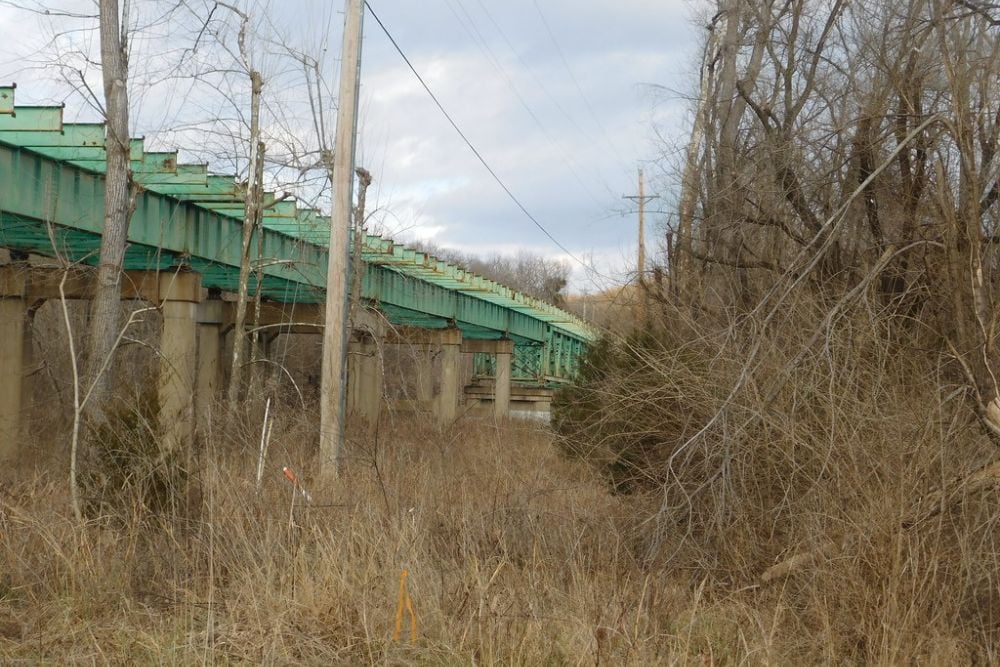
A single chemical spill in 1982 transformed this Mississippi River community of 2,000 people into a toxic wasteland requiring complete evacuation. The EPA discovered that waste oil sprayed on dirt roads throughout the 1970s contained dangerous levels of dioxin, making the entire town uninhabitable.
The government purchased every home and business before bulldozing the community, creating what is now Route 66 State Park.
Hashima Island, Japan
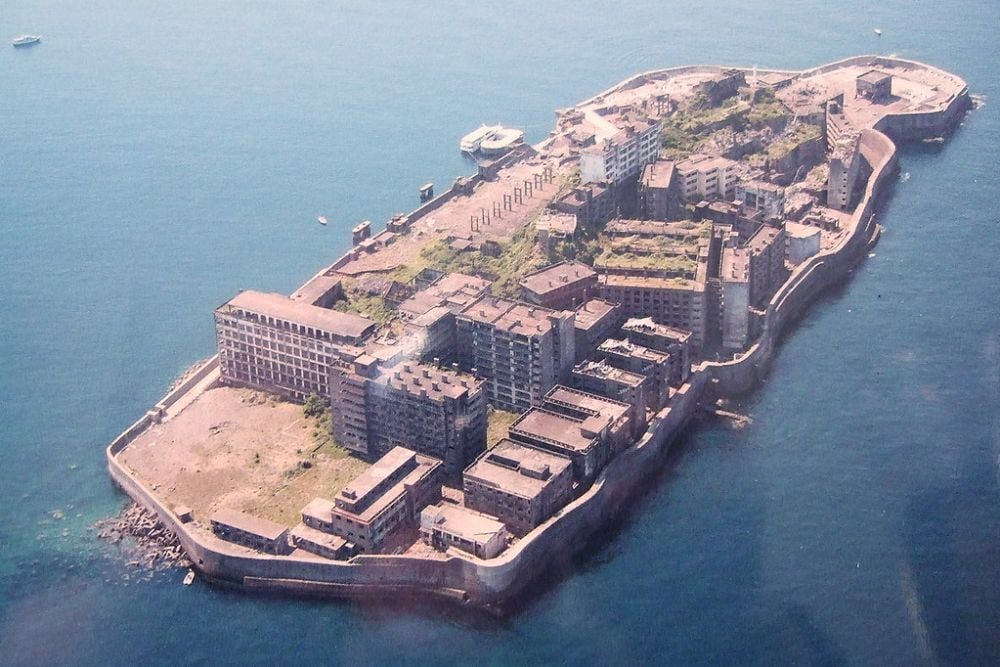
Known as ‘Battleship Island’ for its distinctive silhouette, this concrete fortress housed over 5,000 coal miners and their families until 1974 when petroleum replaced coal as Japan’s primary energy source. The island’s residents abandoned their homes literally overnight when Mitsubishi closed the mine, leaving behind apartment buildings, schools, and a hospital that now crumble into the sea.
UNESCO designated this ghost island a World Heritage Site, recognizing its significance to Japan’s industrial revolution.
Like Go2Tutors’s content? Follow us on MSN.
Villa Epecuén, Argentina
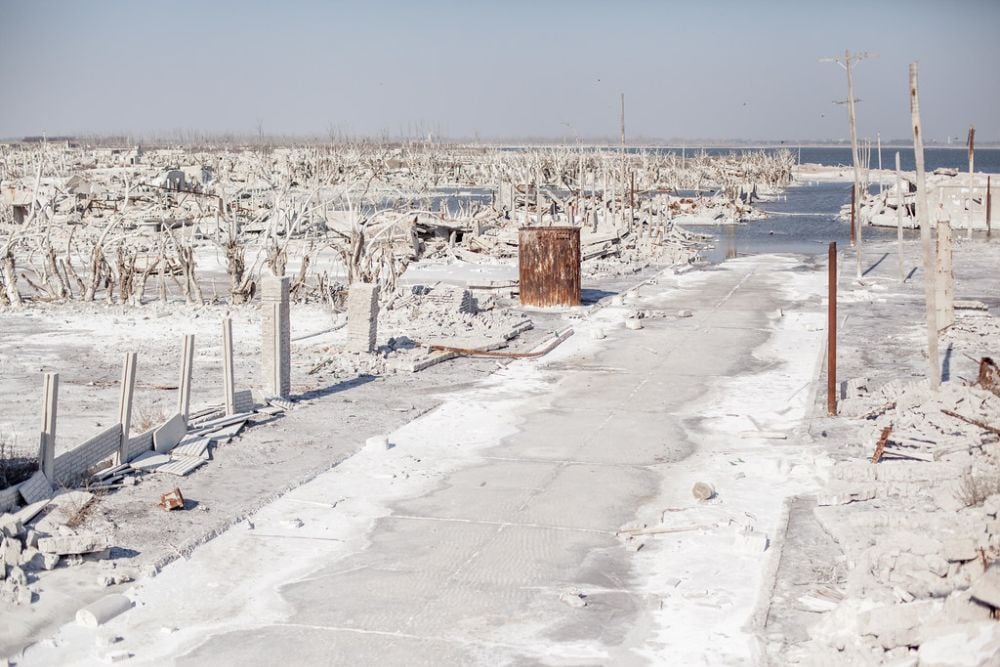
This lakeside resort town disappeared beneath 30 feet of water in 1985 when a dam burst during heavy rains, forcing 5,000 residents to flee with whatever they could carry. The salty lake water preserved many structures underwater for decades until drought conditions in the 2000s revealed the ghostlike ruins of hotels, houses, and trees bleached white by salt.
Today, visitors can walk through the eerie ruins that emerge from the receding waters like a lost Atlantis.
Oradour-sur-Glane, France

Nazi SS troops destroyed this peaceful village on June 10, 1944, forcing residents into the church and other buildings before setting them ablaze, killing 642 people in a matter of hours. The French authorities have restored the burnt remains in every aspect as originally left by the Nazis, thus creating a powerful memorial to the atrocities committed during wartime.
Old melted bicycles, burned-out cars, and skeletal remains of houses are still visible to those who visit this haunting testament to wartime brutality.
Kolmanskop, Namibia

The discovery of diamonds in 1908 created an instant boomtown in the Namib Desert, complete with a casino, hospital, and even an ice factory in one of the world’s most arid regions. When richer diamond fields opened elsewhere in 1928, residents abandoned Kolmanskop almost overnight, leaving the desert to reclaim their once-luxurious homes.
Sand dunes now spill into doorways and windows, creating surreal scenes of nature conquering human ambition.
Like Go2Tutors’s content? Follow us on MSN.
Bodie, California
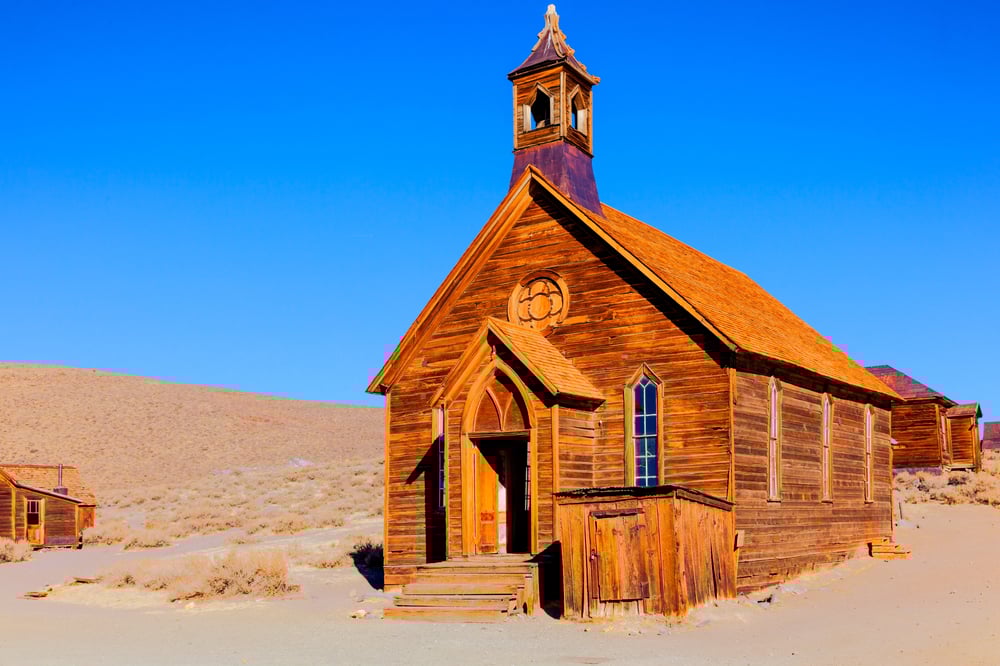
This Wild West mining town boomed with over 10,000 residents during the 1870s gold rush, featuring saloons, opium dens, and a reputation for lawlessness that made it legendary throughout the American frontier. When the mines played out in the early 1900s, families packed up and left almost immediately, abandoning furnished homes that harsh mountain weather helped preserve in remarkable condition.
California maintains Bodie as a state historic park where visitors can peer through windows at perfectly preserved 19th-century interiors.
Kayaköy, Turkey
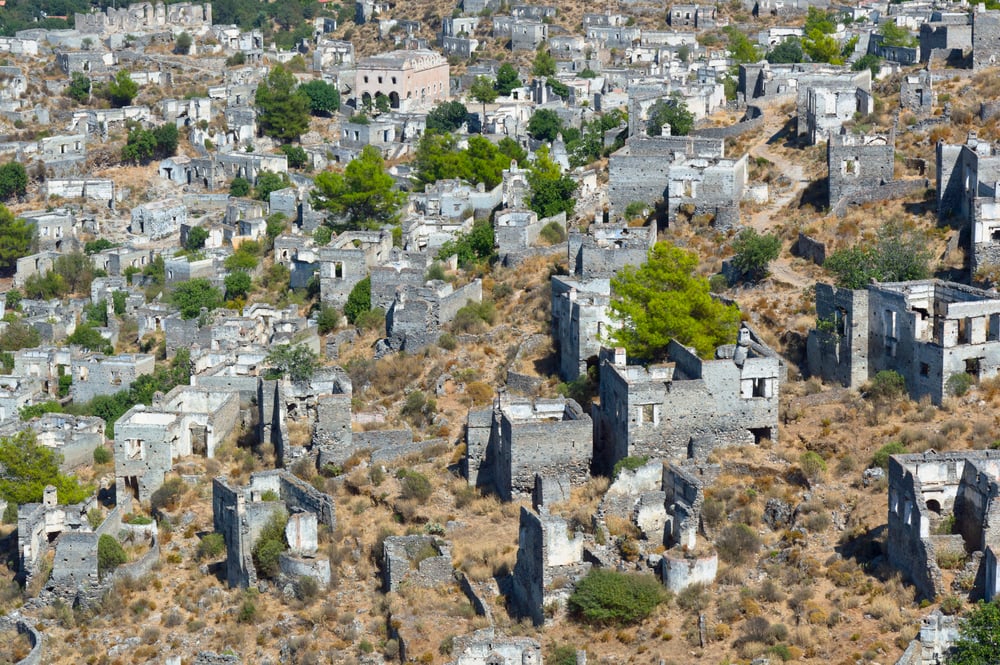
Once known as Levissi, this hillside village housed 6,500 Greek Orthodox Christians until the 1923 population exchange between Greece and Turkey forced residents to abandon their stone houses overnight. The village’s 350 homes, churches, and shops remain largely intact, creating a haunting landscape of empty doorways and crumbling roofs.
UNESCO now protects these ruins as a reminder of the human cost of political decisions that separate communities along ethnic lines.
Agdam, Azerbaijan
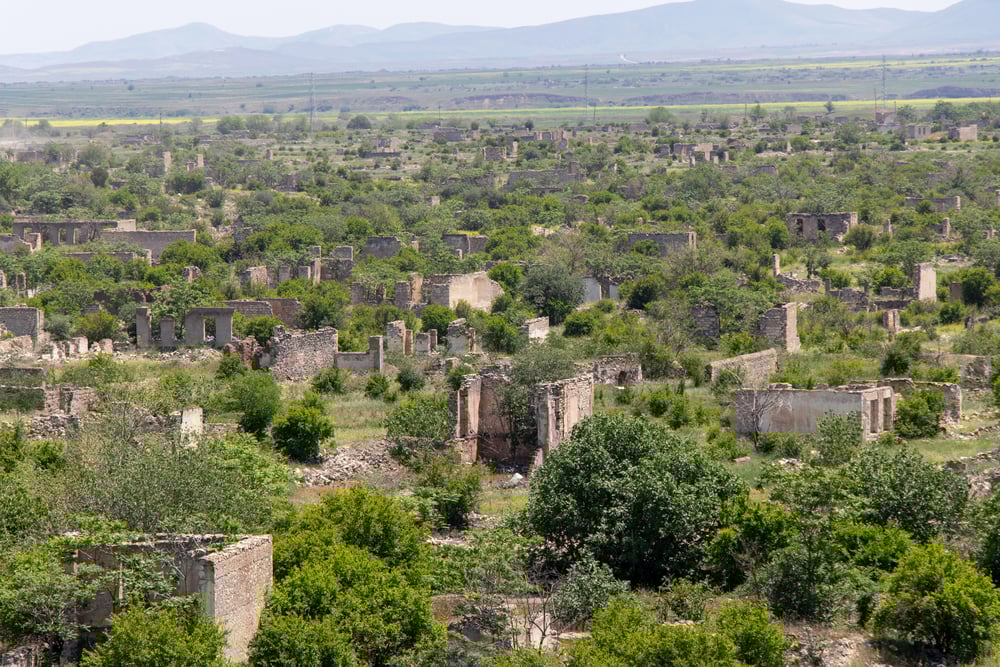
Artillery bombardment during the Nagorno-Karabakh conflict in 1993 forced 150,000 residents to flee this regional capital in a matter of days, leaving behind a city that war quickly reduced to rubble. The beautiful 19th-century mosque survived the destruction, standing alone among the ruins like a defiant prayer in stone.
After three decades of abandonment, Azerbaijan recently began clearing the debris to rebuild this once-thriving cultural center.
Like Go2Tutors’s content? Follow us on MSN.
Belchite, Spain

The Spanish Civil War devastated this ancient Aragonese town in 1937 during a brutal three-week battle that left many of its 3,000 residents dead or displaced. Rather than rebuild among the ruins, survivors established New Belchite nearby, leaving the original town as a memorial to war’s destruction.
Visitors can walk through streets lined with bullet-riddled walls and roofless churches that stand as monuments to Spain’s tragic civil conflict.
Consonno, Italy

An ambitious 1960s plan to transform this Alpine village into the ‘Las Vegas of Italy’ backfired spectacularly when construction destroyed the community’s medieval character, and a landslide in 1976 cut off the only access road. The 300 residents who hadn’t already fled found themselves trapped in a bizarre landscape of half-built casinos and crumbling towers.
Today, this failed utopia attracts urban explorers fascinated by Italy’s most spectacular development disaster.
When Places Become Memories

These abandoned villages remind us how quickly human communities can vanish when circumstances change beyond our control. Whether through natural disasters, economic collapse, or human conflict, each ghost town represents thousands of individual stories of loss, adaptation, and the resilience required to start over elsewhere.
Their empty streets and silent buildings continue to fascinate us because they reflect our own vulnerability and the temporary nature of the places we call home.
Like Go2Tutors’s content? Follow us on MSN.
More from Go2Tutors!

- 16 Restaurant Chains That Went Too Fast
- 12 Things Sold in the 80s That Are Now Illegal
- 15 Strange Things People Have Tried to Ban (And Failed)
- 16 Collectibles People Tossed Out Too Soon
- 17 Myths from Your Childhood That Were Actually Based on Real Things
Like Go2Tutors’s content? Follow us on MSN.



