Ways Families Spent Sunday Afternoons Before Screens Took Over
Sunday afternoon occupied a specific place in pre-digital family life—the day had momentum but no urgency, enough hours remaining for unstructured activity without the pressure of Monday bearing down immediately. Television existed but didn’t dominate; screens were something you negotiated with rather than something that negotiated with you.
Boredom was possible, even expected, and the ways families filled those hours created the texture of childhood memory for generations. Sunday afternoons had a quality all their own.
The weekend was already half-consumed, and the coming week loomed, creating a strange middle space where both industrious projects and complete idleness seemed acceptable. Many families developed rituals around these hours, creating patterns that children grew to anticipate and eventually replicate with their own families years later.
Taking the Scenic Drive

Families would pile into the car on Sunday afternoons with no particular destination in mind, driving through rural areas or recently developed suburbs to “see what was out there.” The drive itself was the point—no screens, minimal conversation required, just the hypnotic rhythm of the road and the shifting landscape outside the windows.
Visiting Local Parks and Walking Trails
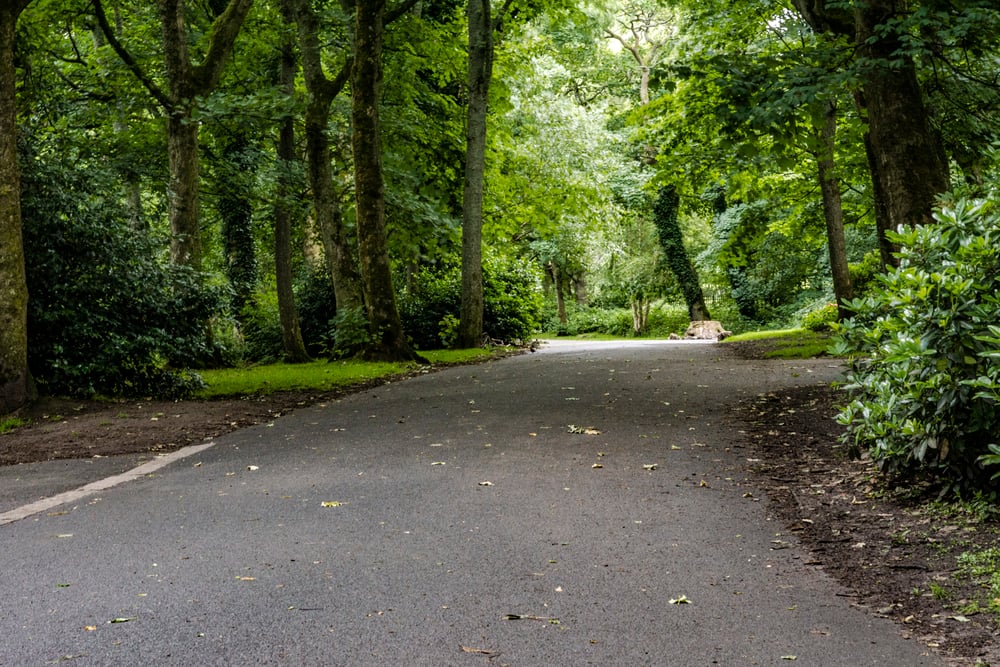
Before hiking became a curated activity with designated Instagram-worthy destinations, families simply walked through nearby parks and trails on Sunday afternoons, collecting leaves, looking for interesting rocks, or turning logs over to see what lived underneath. The activity required nothing but time and proximity.
Attending Church or Religious Services

For many families, Sunday afternoons existed in the temporal space after religious services, creating a built-in family gathering with no alternatives available. Even families that weren’t particularly religiously observant often structured their Sundays around these morning or early afternoon gatherings.
Playing Board Games and Card Games
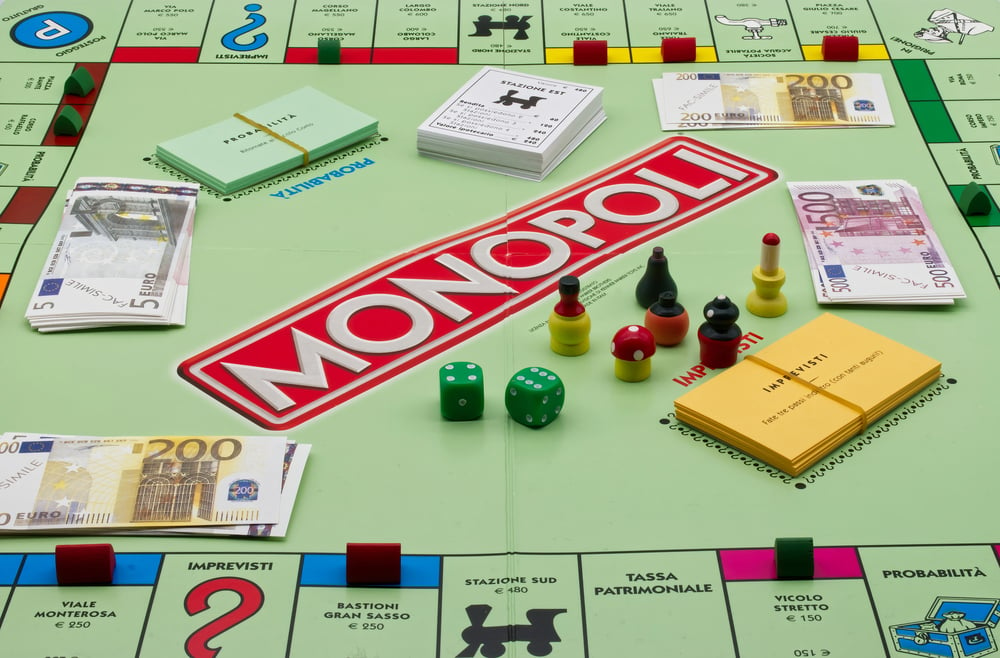
Families sat around the kitchen or living room table playing Monopoly, Clue, Risk, Scrabble, or Crazy Eights for hours on end. The games created enough structure to avoid pure idleness while remaining loose enough to allow conversation and debate to develop organically.
Reading in Shared Spaces

Parents read newspapers or books while children read comic books or age-appropriate literature, all in the same room. The activity was solitary but collective, with people checking in occasionally and sharing observations about what they were reading.
Building or Creating Things with Hands-On Projects
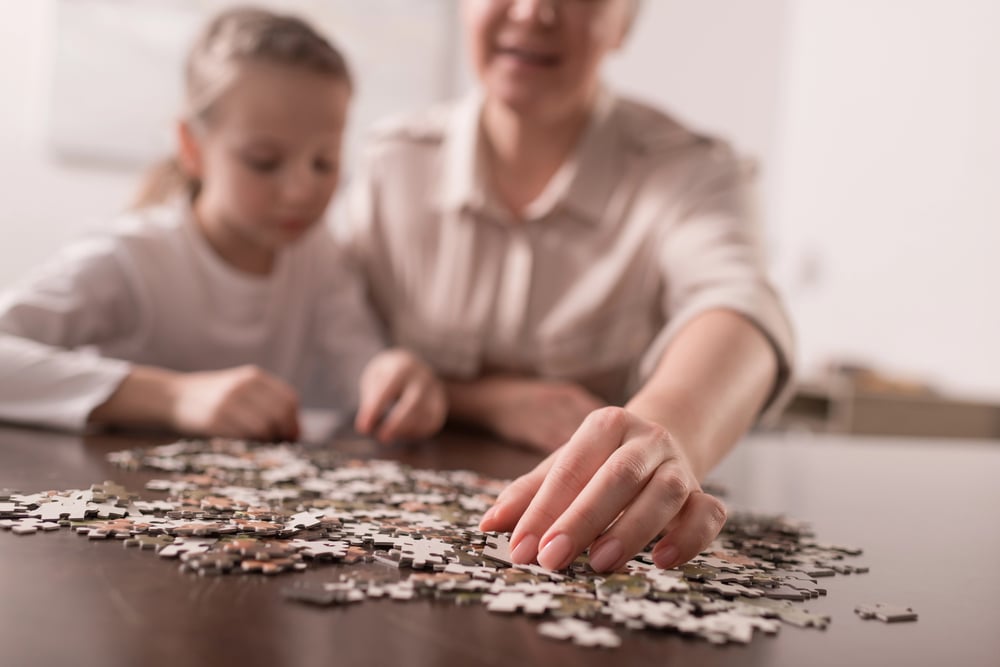
Families worked on jigsaw puzzles together, built things with tools and scrap materials, completed craft projects, or worked on home improvement tasks. The Sunday afternoon was long enough to make real progress on something without needing to complete it, allowing projects to stretch across multiple Sundays.
Cooking or Baking Together
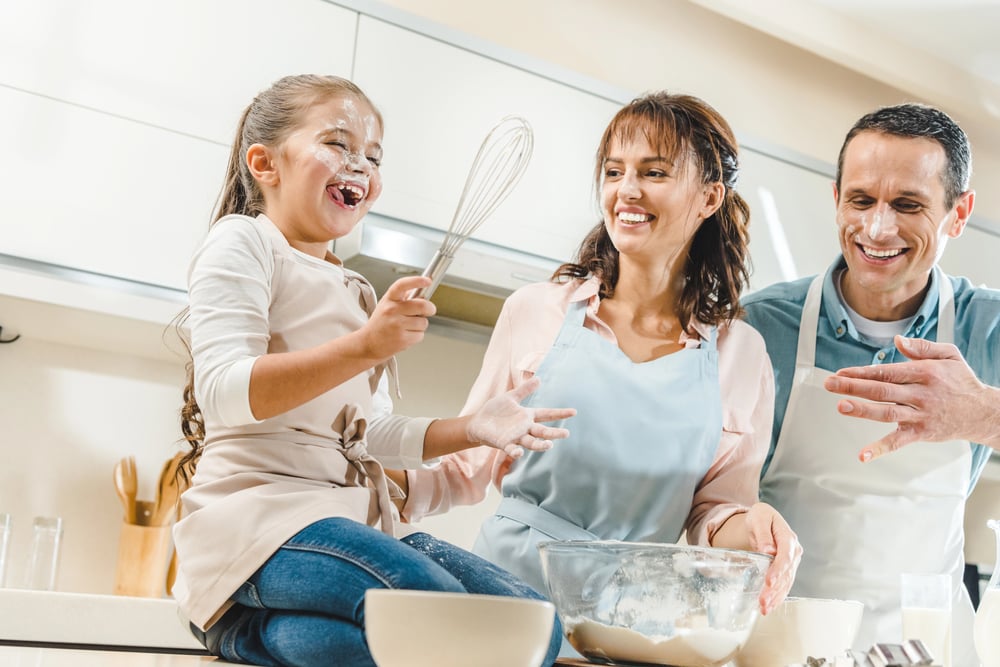
Sunday afternoon cooking was structured around the evening meal but extended into the hours before dinner service. Families prepared meals from scratch, with children participating at whatever level their age allowed, creating food and food-preparation memories simultaneously.
Visiting Extended Family
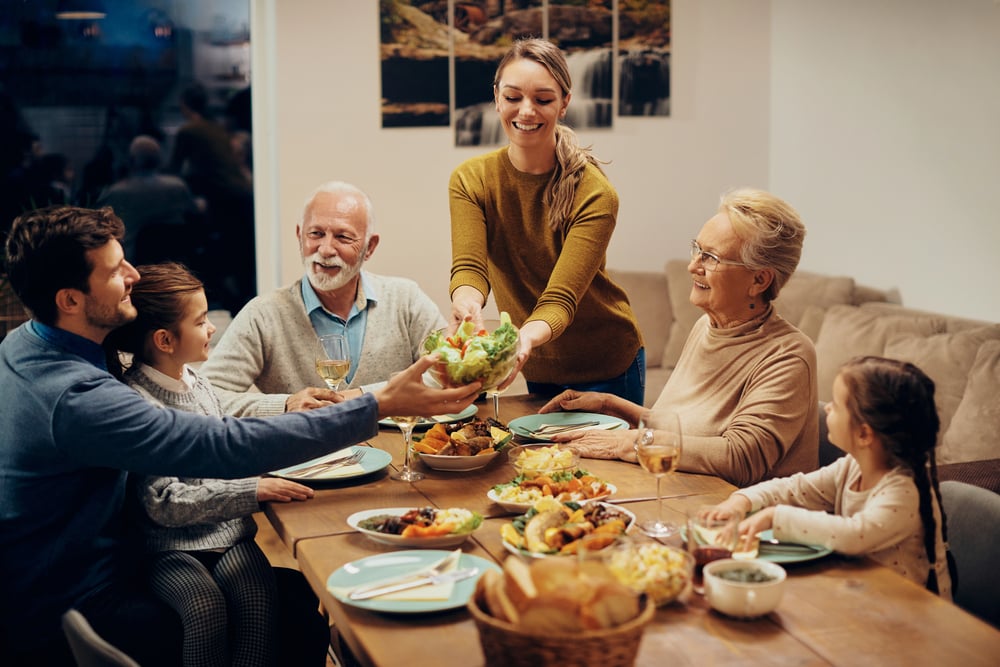
Many families had standing Sunday afternoon traditions of visiting grandparents, aunts, uncles, or cousins. These visits required no formal scheduling and happened with such regularity that people organized their weeks around them.
Listening To Music or Radio
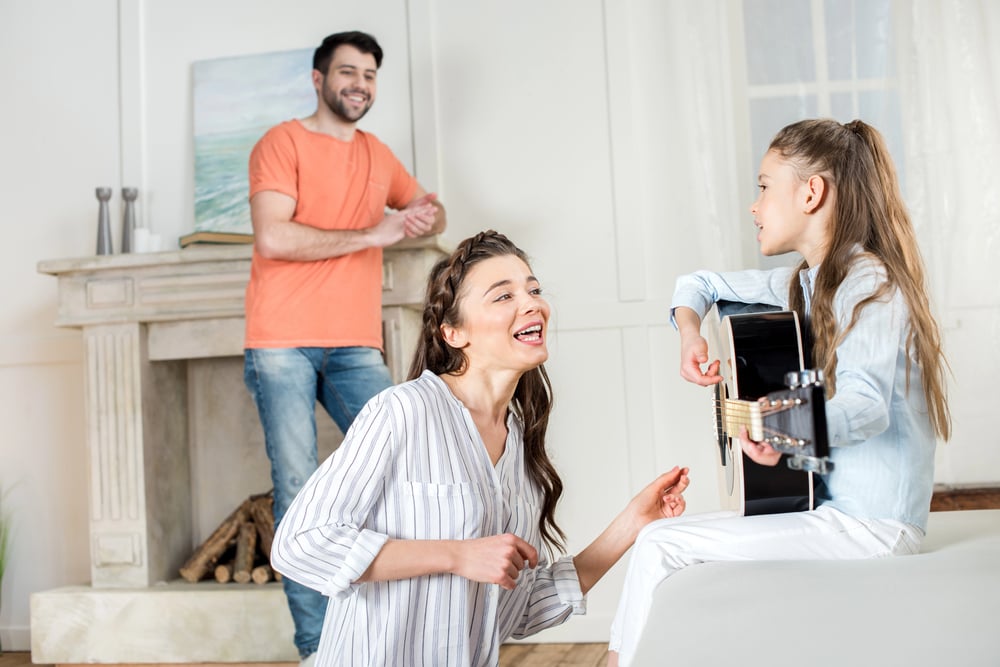
Families listened to records, tapes, or radio programs while doing other activities or simply sitting together. Radio shows, recorded concerts, or albums created a soundtrack to the afternoon without demanding the kind of active attention a screen requires.
Attending Community Events or Fairs

Before entertainment became primarily digital, towns and communities scheduled Sunday afternoon activities—outdoor concerts, craft fairs, farmers markets, or seasonal festivals. Attendance required leaving the house but not traveling far or committing excessive time.
Yard Work and Gardening as Family Activity
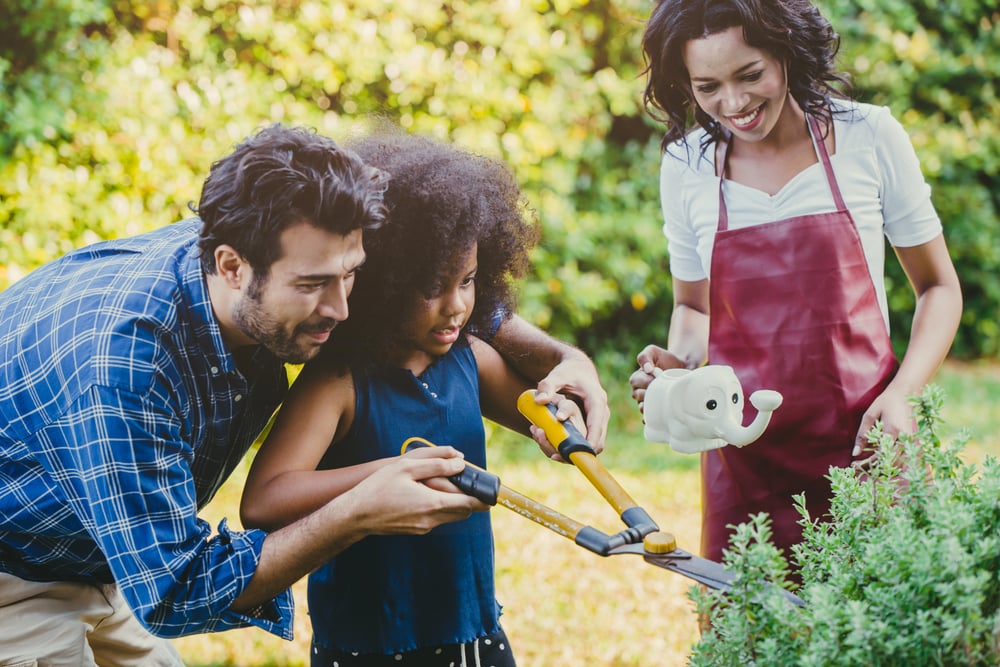
Parents weeded gardens and worked on landscaping projects while children participated at whatever level interest and age permitted. The work was productive but not urgent, creating parallel activity and occasional collaboration.
Visiting Local Attractions

Families visited zoos, botanical gardens, museums, or other local attractions that charged modest admission and could be explored at a wandering pace. A few hours on a Sunday afternoon felt sufficient to justify the trip.
Playing Catch or Shooting Baskets

Families engaged in informal athletic activities—playing catch, shooting basketball hoops, throwing footballs—that required minimal equipment and no formal organization. The activity was athletic without being competitive, unless someone decided to make it so.
Exploring the Neighborhood on Foot or Bicycle

Children rode bikes or walked through the neighborhood while parents followed or met them at designated points. The activity was local enough to be safe but exploratory enough to feel like an adventure.
Photocopying or Arranging Photographs

Families looked through photo albums, organized photographs into new albums, or did nothing with photographs but simply looked at them. The activity of reviewing family history required no planning and could fill time meaningfully.
Drawing, Painting, or Artistic Projects

Families sat at tables engaged in individual artistic projects—coloring, drawing, painting, or crafting. Unlike formal art classes, Sunday afternoon creativity had no goal beyond the activity itself.
Having Neighbors and Extended Family Visit
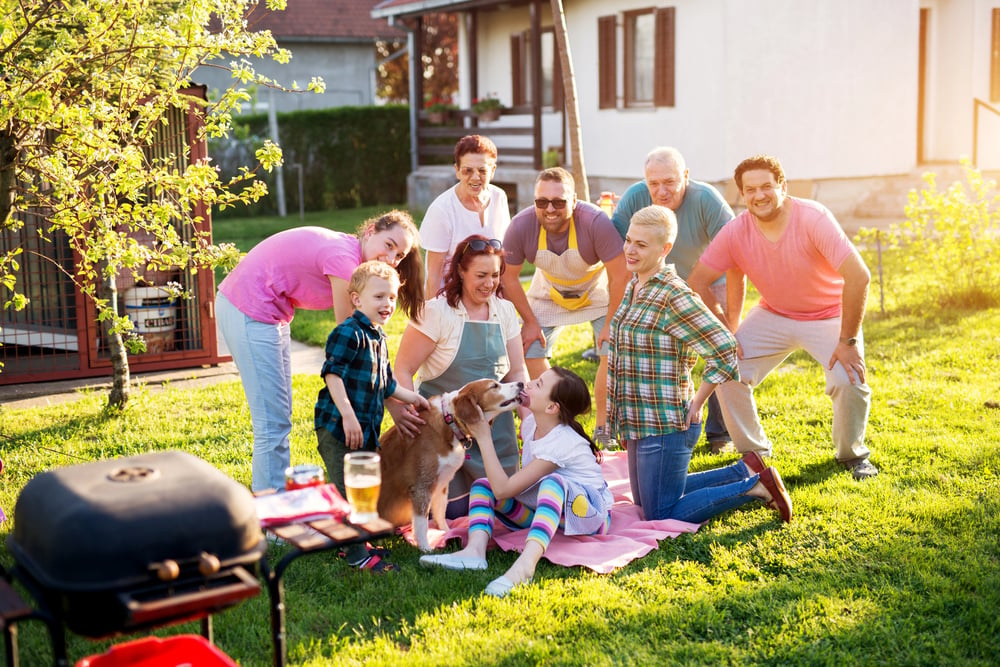
People simply showed up at each other’s homes on Sunday afternoons, no appointment necessary. Visits could be brief or extend into the evening, and the lack of formal planning created an ease about the social interaction.
Playing in the Yard or Woods
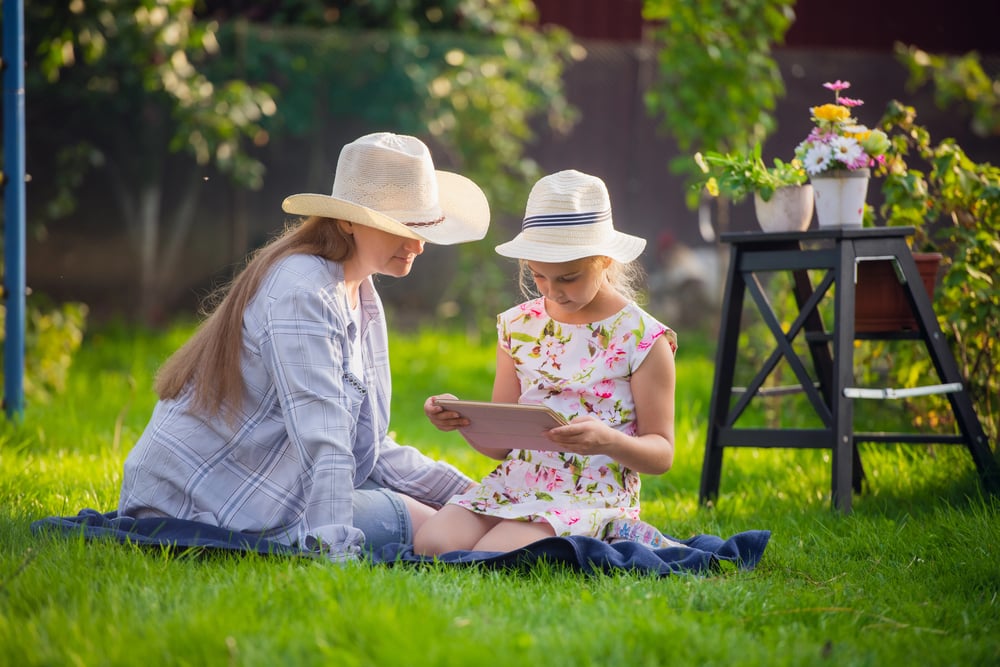
Children played in yards or nearby wooded areas with minimal adult supervision, exploring, building forts, or simply moving through space without purpose. Parents monitored from a distance rather than directing activity.
Attending Local Sporting Events
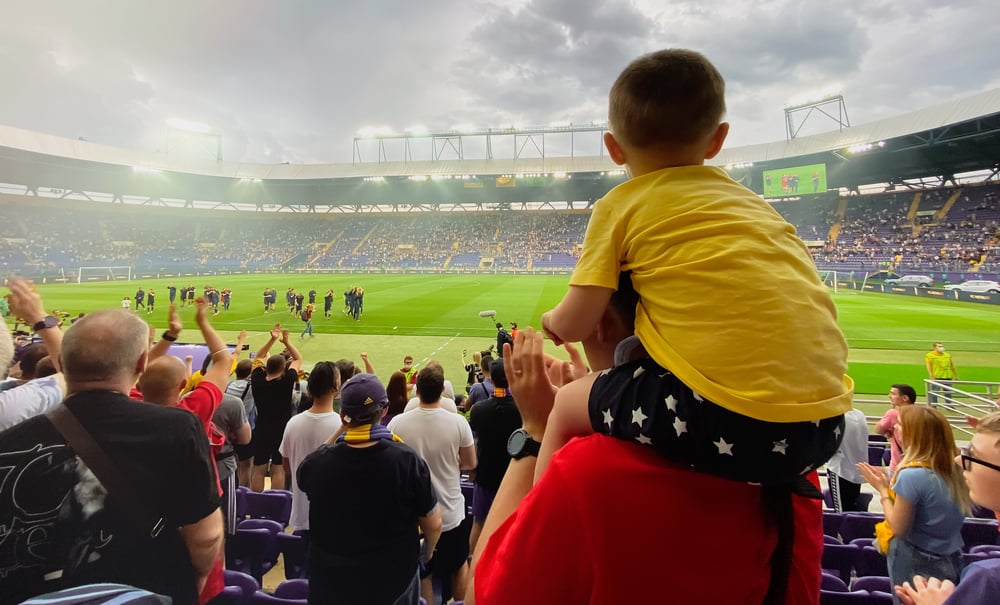
Families attended high school or local amateur sporting events on Sunday afternoons, knowing they could be in and out in a couple of hours. The events served the dual purpose of consuming time and supporting community members.
Writing Letters or Cards
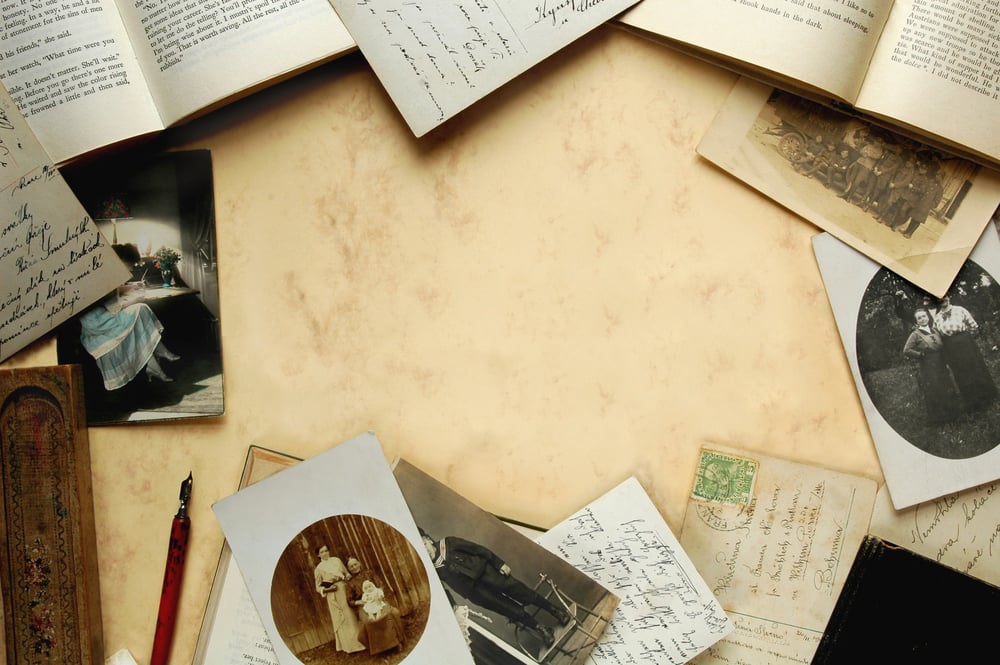
Families wrote letters to relatives, sent birthday cards, or worked on other correspondence. The activity required the right supplies but minimal planning and could be done communally with people working on different letters in shared space.
Watching a Movie Together as Planned Activity
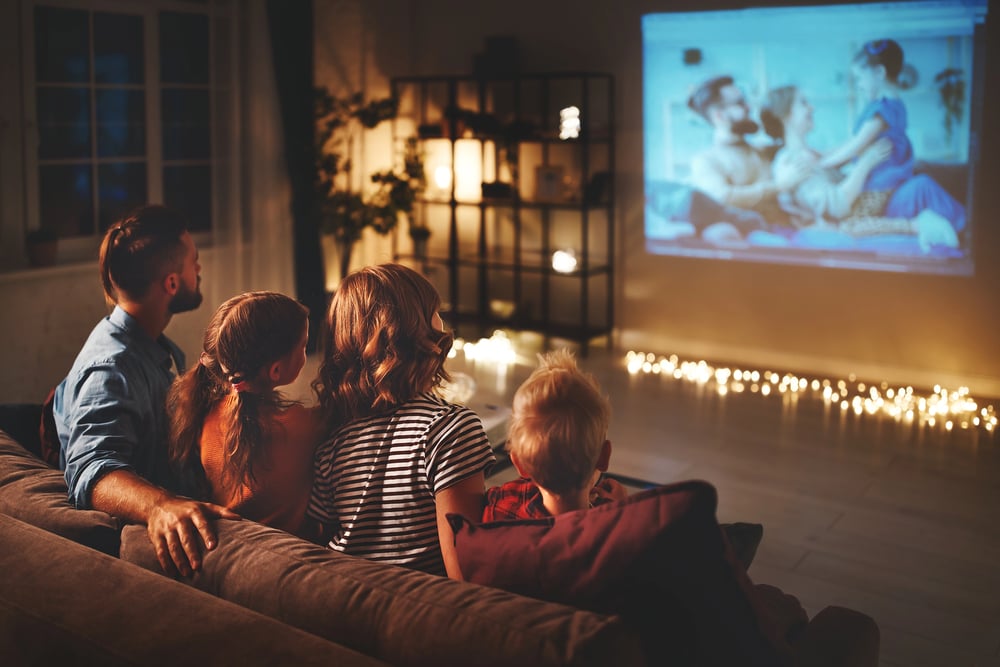
Families rented a movie from the video store specifically for Sunday afternoon, making it an event rather than a default entertainment option. The selection of what to watch required negotiation and consumed a defined block of time.
Having a Large Family Meal
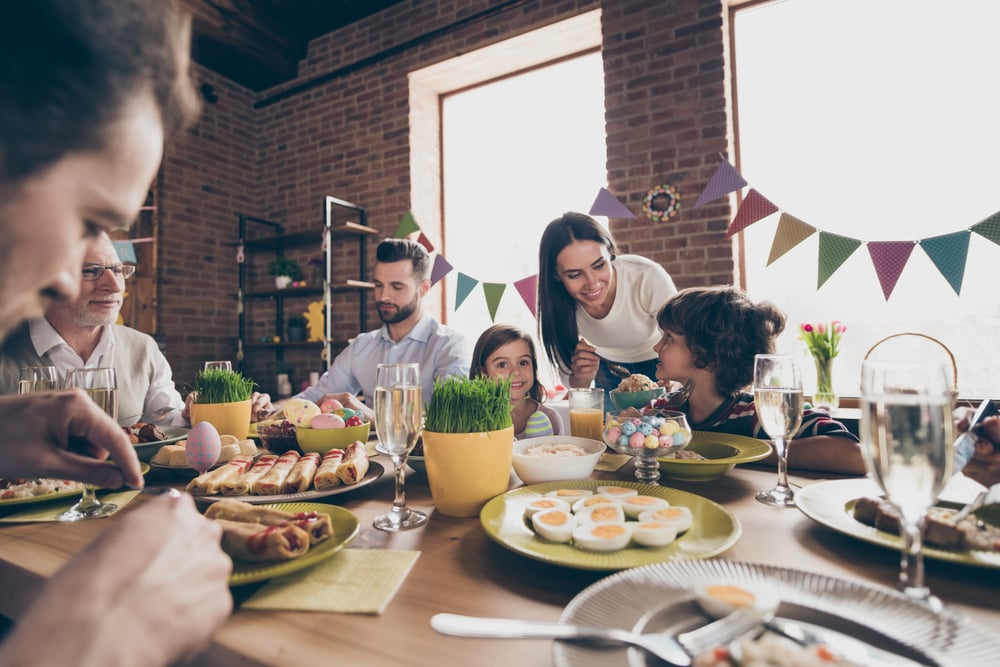
Sunday dinner was a deliberate meal, often more elaborate than weeknight options, where multiple family members gathered to eat together. The meal consumption created two to three hours of structured family time.
The Rhythm That Shaped a Generation

Sunday afternoons before screens became ubiquitous had a particular quality—they required some initiative to fill but not so much that a family needed to plan extensively in advance. The ritual of having unstructured time to fill, and the specific ways families chose to fill it, created patterns of belonging that children carried into adulthood.
The specific activities matter less than the fact that they happened without external scheduling, without someone’s calendar app sending notifications, without anything demanding attention beyond what the family decided to prioritize. That quality of control—the sense that the afternoon belonged entirely to the family to allocate as they wished—may have been the most significant aspect of all.
More from Go2Tutors!

- The Romanov Crown Jewels and Their Tragic Fate
- 13 Historical Mysteries That Science Still Can’t Solve
- Famous Hoaxes That Fooled the World for Years
- 15 Child Stars with Tragic Adult Lives
- 16 Famous Jewelry Pieces in History
Like Go2Tutors’s content? Follow us on MSN.