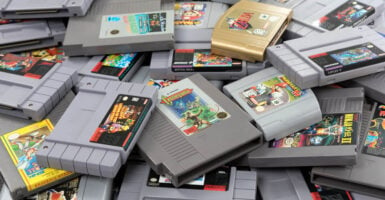
Things Made Collectible Due To Errors
What makes something collectible often boils down to purpose. Objects get made to honor moments, people, or short-run launches.
But the rarest treasures flip that idea on its head. These items weren’t supposed to catch attention in any way.
Worth appears only because errors sneaked past quality checks meant to stop exactly that.
Mistakes break patterns, yet patterns make large-scale manufacturing possible. A glitch that slips through often goes unnoticed at first.
Later, someone spots the odd version and decides it matters. Flaws get redefined when people pay attention.
The defect turns into a reason to care. Failure shifts shape, becoming what draws interest instead.
Mistakes sometimes make regular items special. A tiny flaw can turn something common into a rare treasure.
Look closely and you might see what others missed. Small glitches have led to big surprises.
Errors once ignored now draw attention. What was overlooked becomes sought after.
One slip could change everything. Value hides where least expected.
Coins Struck With Minting Mistakes
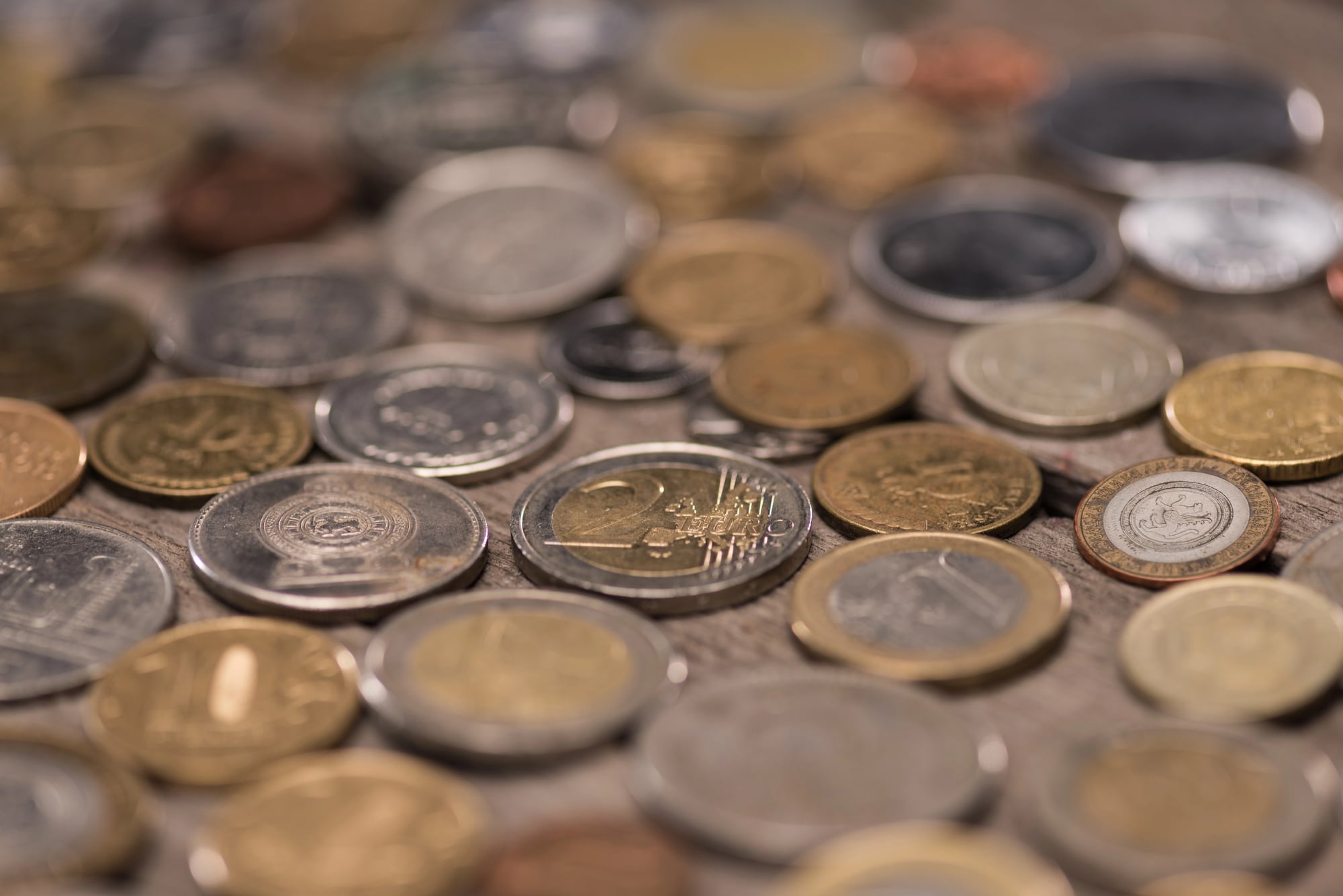
Coins are among the most well-known examples of error-driven collectibles. Mints operate with extreme precision, which makes mistakes rare and, therefore, valuable when they occur.
Errors can include off-center strikes, doubled images, missing details, or the use of the wrong metal blank during production.
What makes these coins appealing is that the mistake happens at the point of creation. Once released into circulation, they are indistinguishable from ordinary coins unless closely examined.
Many were spent, saved, or lost before anyone noticed the difference.
Collectors value these coins because they represent a breakdown in a highly controlled process. Each one is a physical record of a moment when the system failed, quietly and briefly.
Postage Stamps Printed Incorrectly
Stamps were once produced in enormous quantities, yet strict printing standards meant errors were typically caught early. When they were not, the results could be dramatic.
Famous examples include stamps printed with inverted images, missing colors, or incorrect denominations.
These mistakes often occurred during multi-step printing processes, where separate plates were used for different colors or elements. If one plate was misaligned or skipped, the final stamp could look subtly or strikingly wrong.
Once discovered, most error stamps were withdrawn. The few that remained in circulation became instant rarities.
Their value lies in both scarcity and the clarity of the mistake, which is easy to see even without specialist knowledge.
Currency With Misprints And Design Flaws
Paper money has also produced some of the most recognizable error collectibles. Misprints can include shifted designs, missing serial numbers, duplicated numbers, or seals printed in the wrong position.
Because currency is handled by the public daily, these errors often circulate widely before being noticed.
The appeal of these items is partly psychological. Money is expected to be exact and identical.
Any deviation feels unsettling, which draws attention and curiosity. When an error note survives intact, it becomes a tangible anomaly in a system built on trust and consistency.
Collectors value these pieces not just for rarity, but for what they reveal about the complexity of large-scale printing operations.
Trading Cards With Production Errors

Trading cards are especially sensitive to errors because their value often hinges on minute details. A small change in color, alignment, or text can significantly alter how a card is perceived.
Common mistakes include miscuts, incorrect statistics, missing logos, or wrong images paired with the wrong names.
In some cases, entire batches were produced before the mistake was caught. In others, only a handful escaped into circulation.
What matters most is whether the error is consistent and verifiable rather than damage caused after printing.
Over time, these flawed cards can become more desirable than their corrected counterparts. Collectors see them as alternate versions that tell a different story about the production process.
Books Released With Printing Mistakes

Books are typically corrected across multiple proofing stages, but errors still find their way into published editions. These can include missing pages, duplicated chapters, incorrect titles, or misprinted covers.
When discovered early, publishers usually fix the issue in later printings.
First editions containing these mistakes often become collectible, especially if the book later gains cultural significance. The error becomes a marker that distinguishes one version from another.
Collectors are drawn to these books because they capture a moment before correction. They preserve the text as it briefly existed, flaws and all, before being revised into its more familiar form.
Newspapers With Headline Errors

Newspapers are produced under tight deadlines, which increases the chance of mistakes slipping through. Incorrect headlines, wrong dates, or misidentified images occasionally make it to print before corrections can be issued.
Because newspapers are meant to be temporary, most are discarded quickly. That makes surviving error copies especially rare.
When a mistake relates to a major historical event, its collectibility increases significantly.
These papers are valued not for accuracy, but for their immediacy. They reflect how information appeared at a specific moment, before revisions or clarifications reshaped the narrative.
Consumer Products With Labeling Mistakes
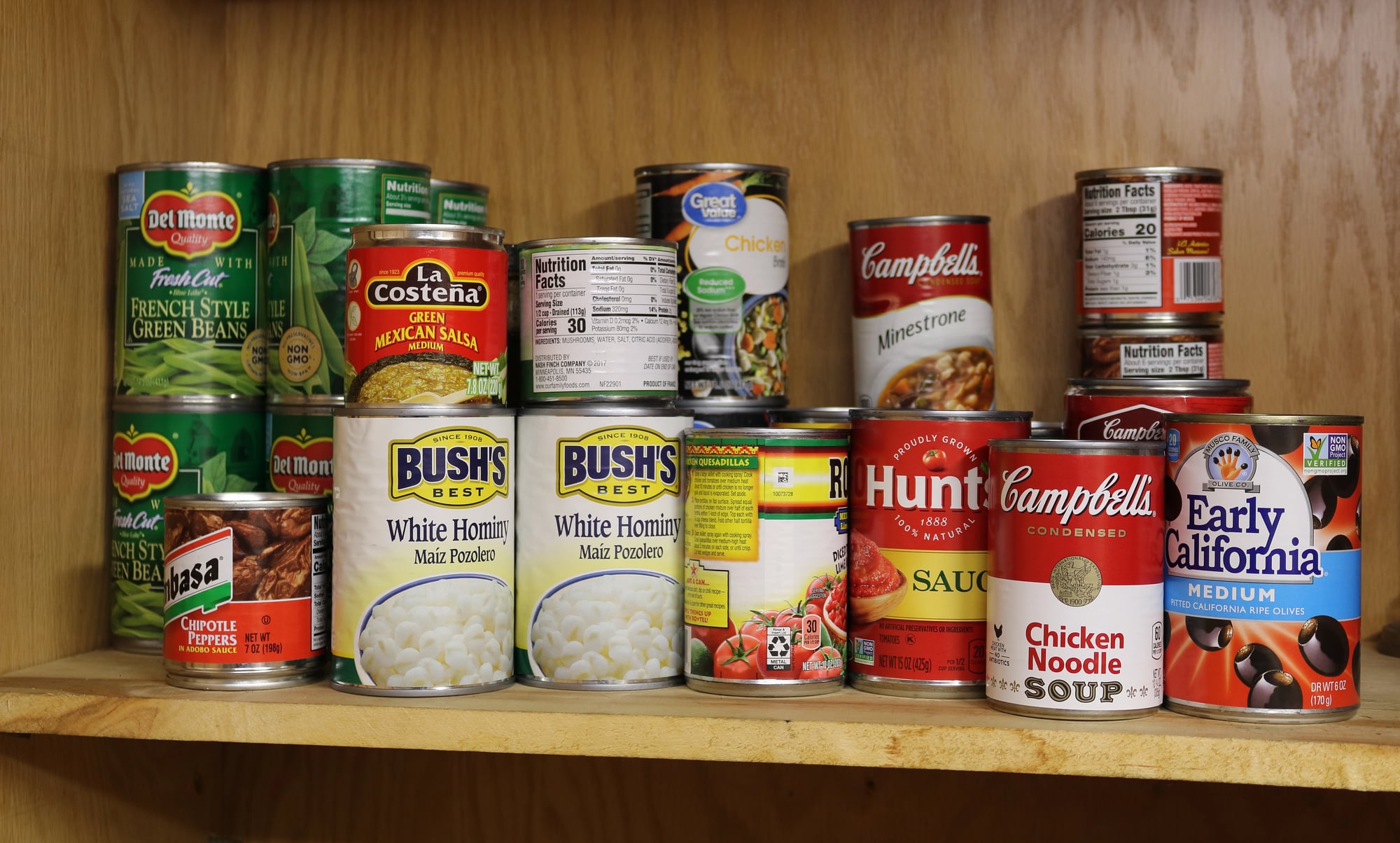
Occasionally, everyday products become collectibles due to packaging errors. This can include misspelled labels, incorrect images, or mismatched branding elements.
Most are corrected swiftly once noticed, making early versions scarce.
Unlike intentional limited editions, these products were never marketed as special. Their appeal lies in how normal they once were.
The error transforms them from disposable items into curiosities.
Collectors often value these pieces for their humor and surprise. They highlight how even routine manufacturing can produce unexpected outcomes when oversight fails.
Toys And Figurines Produced Incorrectly
Toy manufacturing errors can result in figures with wrong colors, misplaced features, or missing accessories. In large production runs, these mistakes are usually isolated and inconsistent, which adds to their rarity.
Children often played with these toys without noticing anything unusual, leading to wear that reduced their survival rate. Pristine examples are therefore especially prized.
Collectors appreciate these items because they show the human element behind industrial processes. Each flawed toy represents a brief lapse in quality control that slipped past inspection.
Why Errors Increase Value

Mistakes make things rare – yet they bring tales along. What catches a collector’s eye often defies order, particularly when uniformity was the goal.
When an accident slips through, it leaves marks you can hold. Something unintended happened here; proof remains.
Something odd happens when flaws stick around long enough. Often, the fix feels dull compared to the broken thing people first loved.
Mistakes take center stage, shaping how we see them. Perfection isn’t always what makes something matter.
A glitch can turn ordinary objects into treasures. Value hides where you least expect – inside mistakes, randomness, a hiccup in tight machinery.
Perfection isn’t always the source of worth. Occasionally, broken rules shape what we later cherish.
More from Go2Tutors!

- The Romanov Crown Jewels and Their Tragic Fate
- 13 Historical Mysteries That Science Still Can’t Solve
- Famous Hoaxes That Fooled the World for Years
- 15 Child Stars with Tragic Adult Lives
- 16 Famous Jewelry Pieces in History
Like Go2Tutors’s content? Follow us on MSN.