26 Rules Teachers Enforced That Would Cause an Uproar Today
School discipline in previous decades operated under assumptions about authority, obedience, and physical correction that modern education has largely rejected. Teachers wielded discretionary power that would provoke immediate administrative intervention and parent complaints if replicated today.
The rules enforced in classrooms reflected broader cultural attitudes about children, learning, and the appropriate use of authority. The casual physical contact, the public humiliation, and the assumption that teachers’ authority superseded parental involvement created an educational environment radically different from contemporary schools.
The shift away from these practices represents genuine progress in protecting children and creating more equitable educational environments. Yet those who experienced these rules often describe them as inconvenient rather than traumatic, suggesting that the intensity of modern parental protective instinct may exceed what actual harm warrants.
The rules were enforced without question because questioning them wasn’t considered an option.
Requiring boys to have hair above the collar and off the ears

Dress codes enforced specific hairstyles for boys, with teachers checking hair length and sending students home to get haircuts. The rule treated personal expression through appearance as a discipline issue rather than a student right.
Punishing girls for wearing pants to school

Girls were prohibited from wearing pants except in specific circumstances, with enforcement based on teacher interpretation of modesty. The rule treated girls’ clothing as responsible for distraction to others rather than accepting clothing choice.
Corporal punishment administered by teachers without parental notification
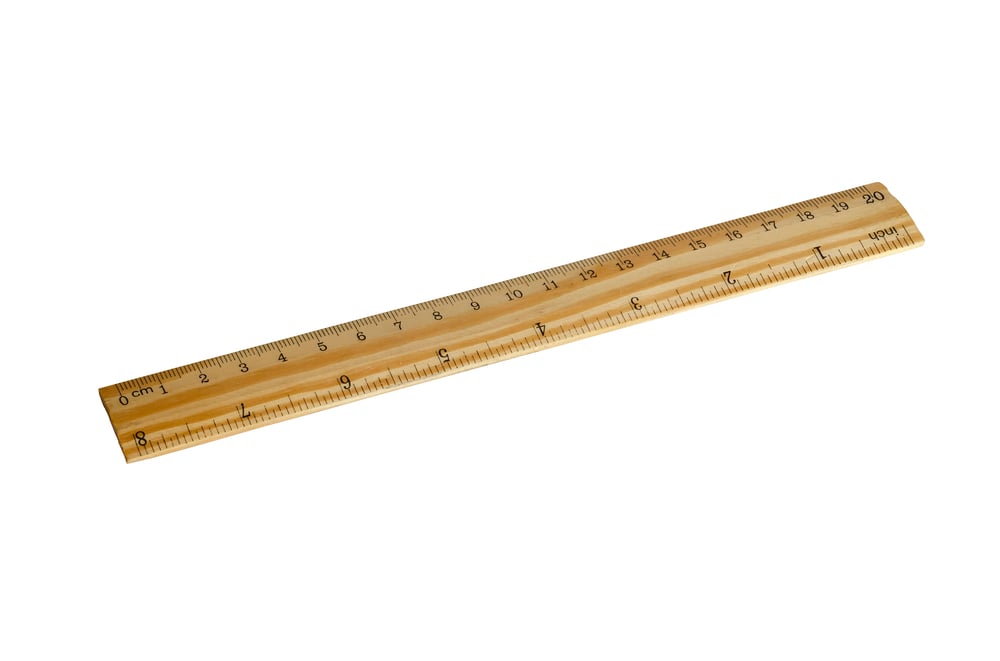
Teachers used paddles, rulers, or hands to hit students for misbehavior, with the punishment occurring entirely within the school’s authority. Parents often never learned these punishments had occurred.
Required respect shown through standing when a teacher entered the room

Students were expected to stand as a teacher entered, a physical demonstration of respect that formalized the hierarchy. The practice was so normalized that sitting felt like defiance.
Kneeling on unforgiving surfaces for classroom punishment
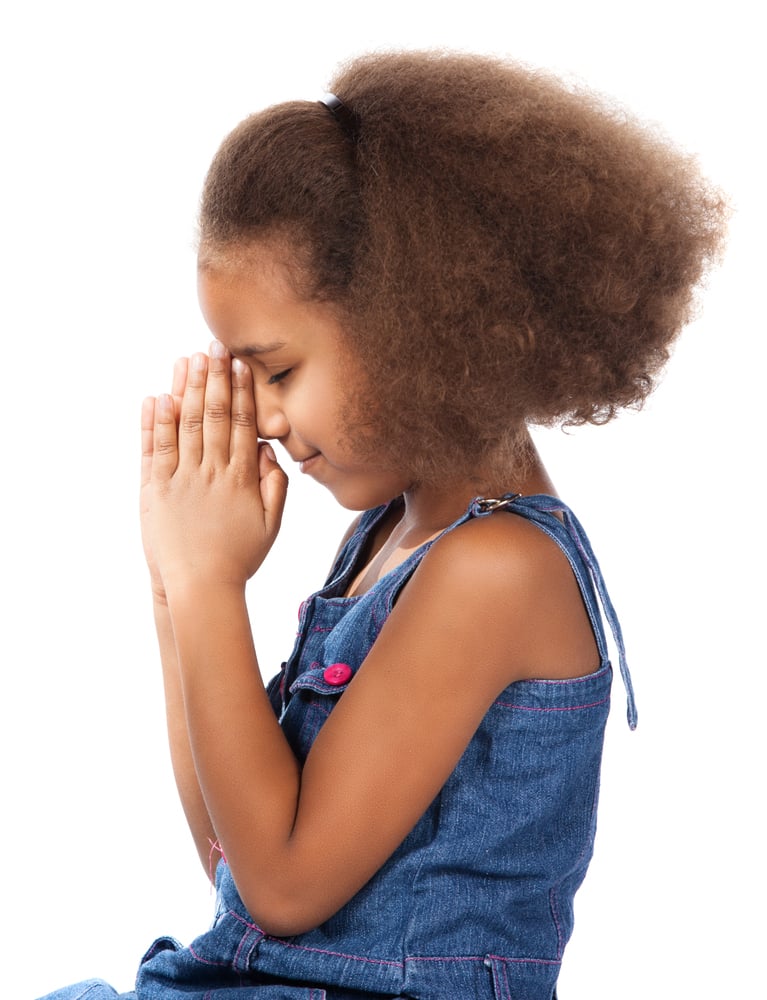
Students knelt on rice, pencils, or other uncomfortable surfaces as punishment for minor infractions. The punishment combined physical discomfort with public humiliation.
Holding a heavy object at arm’s length until arm fatigue forced surrender

Teachers assigned students to hold textbooks or other heavy items at arm’s length as punishment, creating physical pain through muscle fatigue. The punishment required no equipment beyond what existed in the classroom.
Making students stand in the corner facing the wall for extended periods
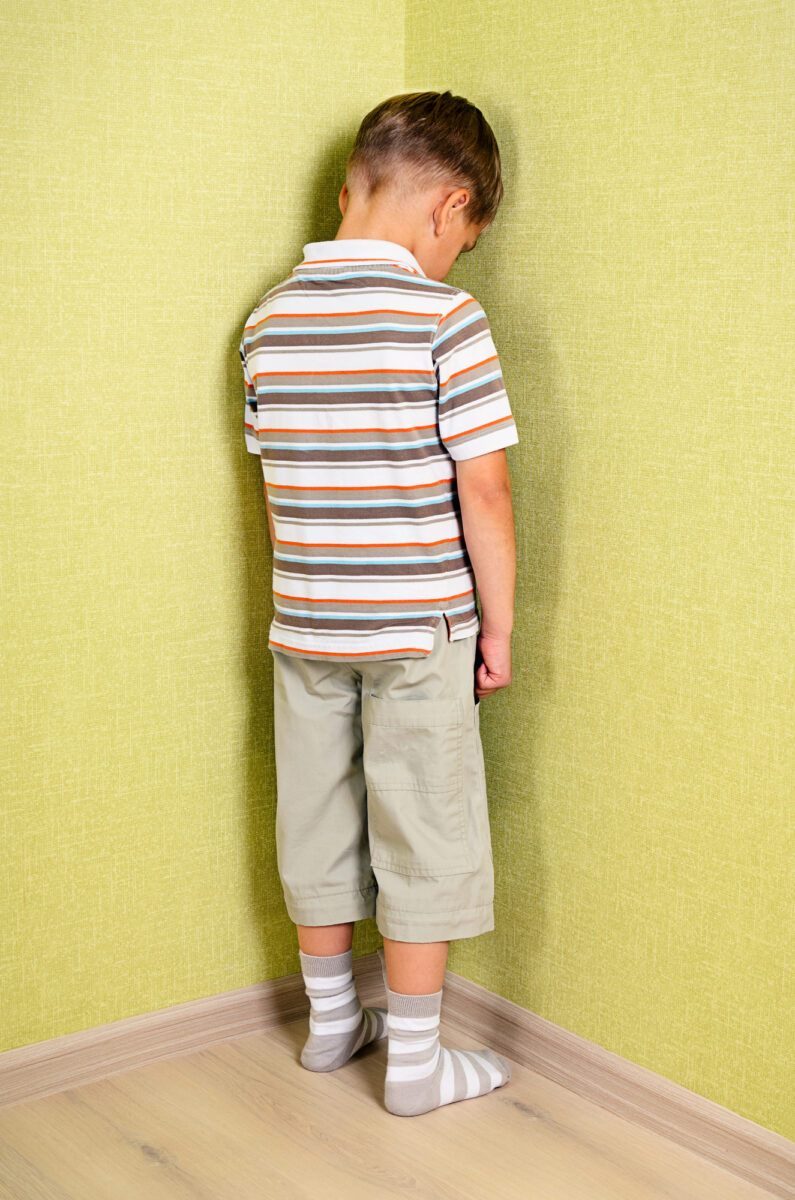
The punishment of standing in corners was used for social misbehavior, with the duration sometimes extending to hours. The public nature of the punishment was designed to shame.
Writing sentences repeatedly as punishment for misbehavior

Students wrote sentences like “I will not talk in class” hundreds of times, with teachers checking to ensure legibility and completion. The punishment conflated writing practice with discipline.
Requiring students to write their names on the board for minor infractions

A student’s name on the board signified public accusation and social marking, creating shame that accumulated with each addition. The punishment was publicly administered and discussed.
Assigning detention with no specified end time

Detention was sometimes assigned without indicating when the punishment would end, creating uncertainty and parental disruption to after-school plans. The open-endedness intensified the punishment’s psychological impact.
Requiring knee-length skirts monitored with ruler measurements

Girls’ skirts were measured with rulers at the knee, with skirts deemed too short resulting in punishment or phone calls home. The enforcement treated girls’ leg visibility as inherently disruptive.
Prohibiting girls from wearing makeup or jewelry

Rules about jewelry or cosmetics restricted girls’ appearance choices to ensure they met standards of perceived modesty. Teachers monitored compliance and enforced through punishment.
Using student names incorrectly or refusing to use correct names as power assertion

Teachers sometimes called students by wrong names or refused to use nicknames students preferred, treating name choice as a power dynamic. The practice was sometimes intentional shaming.
Prohibiting students from using bathrooms except during designated times

Students couldn’t access bathrooms without permission, even during medical necessity, with teachers using discretion to grant or deny requests. The control over bodily functions was treated as classroom management.
Yelling at students in front of classmates for mistakes

Public verbal berating for wrong answers or minor errors created fear that undermined learning. The public nature of the criticism was designed to shame students into better performance.
Comparing students’ performance directly to each other and discussing rankings

Teachers made public comparisons between students’ grades and capabilities, creating clear hierarchies and public humiliation for struggling students. The comparisons were sometimes delivered specifically to motivate.
Pulling students up by the ear as physical correction
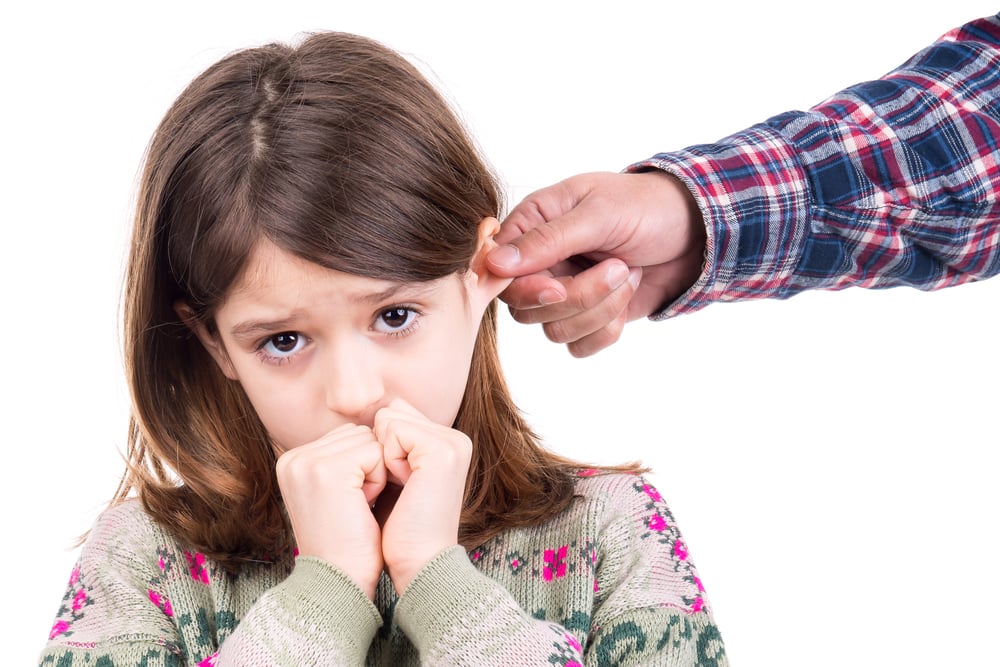
Ears were grabbed and twisted as a punishment method, with the pain creating immediate behavioral change. The practice was normalized as discipline without serious injury.
Refusing to allow students to sit until completing assignments

Students stood at desks while completing work, with sitting prohibited until tasks were finished. The standing served both as workspace and as punishment for non-completion.
Keeping entire classes in recess as punishment for one student’s misbehavior

Group punishment was used to incentivize peer policing of behavior, with everyone losing recess if one student misbehaved. The practice created peer pressure for obedience.
Preventing students from leaving class to attend other appointments or events

Teachers refused to dismiss students for medical appointments or family needs, treating their classroom authority as absolute. Parents had limited ability to override teacher decisions.
Prohibiting students from speaking without raising hands and being called on

The rigid hand-raising requirement created fear around spontaneous expression and participation. Students learned that communication required permission and formal structure.
Assigning F grades for assignments with any visible erasures or corrections

Neatness standards required perfect papers with no visible corrections, treating the presentation as equal to the content. Students learned that mistakes were failures rather than learning opportunities.
Making students stand before the class to read aloud regardless of ability

Students with reading difficulties or anxiety were forced to read aloud, sometimes with laughter from peers. The practice created humiliation and lasting negative associations with reading.
Prohibiting questions about assignments, with curiosity treated as defiance

Teachers interpreted questions about work as questioning their authority, with curious students sometimes punished. The practice prioritized obedience over learning.
Separating friends intentionally when assigning seats or groups

Teachers deliberately separated friends as classroom management strategy, treating friendship as distraction. The intentional isolation was sometimes used as punishment for social behavior.
Grading on a scale that made good performance nearly impossible

Some teachers graded on scales where 93 was A, 85 was B, and 77 was C, making high grades nearly impossible. The practice created constant failure messaging despite actual competent work.
The Collapse of Unquestioned Authority

The rules that teachers enforced without resistance reflected a time when parental deference to school authority was assumed, when child advocacy was nearly non-existent, and when education was understood as preparation for obedience as much as learning. Modern education’s movement toward respect-based discipline and student agency has created safer, more equitable environments.
Yet the confidence with which teachers enforced rules without questioning, the assumption that they possessed complete authority within their classrooms, and the cultural acceptance of these practices created an oddly clear hierarchy that modern educational environments, for all their advantages, sometimes lack. Students knew where they stood and what was expected. The trade-off between clarity and emotional safety remains unresolved.
More from Go2Tutors!

- The Romanov Crown Jewels and Their Tragic Fate
- 13 Historical Mysteries That Science Still Can’t Solve
- Famous Hoaxes That Fooled the World for Years
- 15 Child Stars with Tragic Adult Lives
- 16 Famous Jewelry Pieces in History
Like Go2Tutors’s content? Follow us on MSN.



