27 Common Attic Finds That Make Appraisers Do a Double Take
There’s something about an attic that resists time. Boxes shoved up there in 1987 sit undisturbed next to furniture from a grandparent’s estate, old holiday decorations, and things nobody can quite identify anymore.
Most of it is junk — cracked picture frames, water-damaged paperbacks, holiday sweaters that never quite fit. But every so often, buried under a moving blanket or tucked inside a cardboard box that smells like decades, there’s something that stops an appraiser cold.
These are the finds that turn a dusty afternoon into a very interesting phone call.
Vintage Baseball Cards
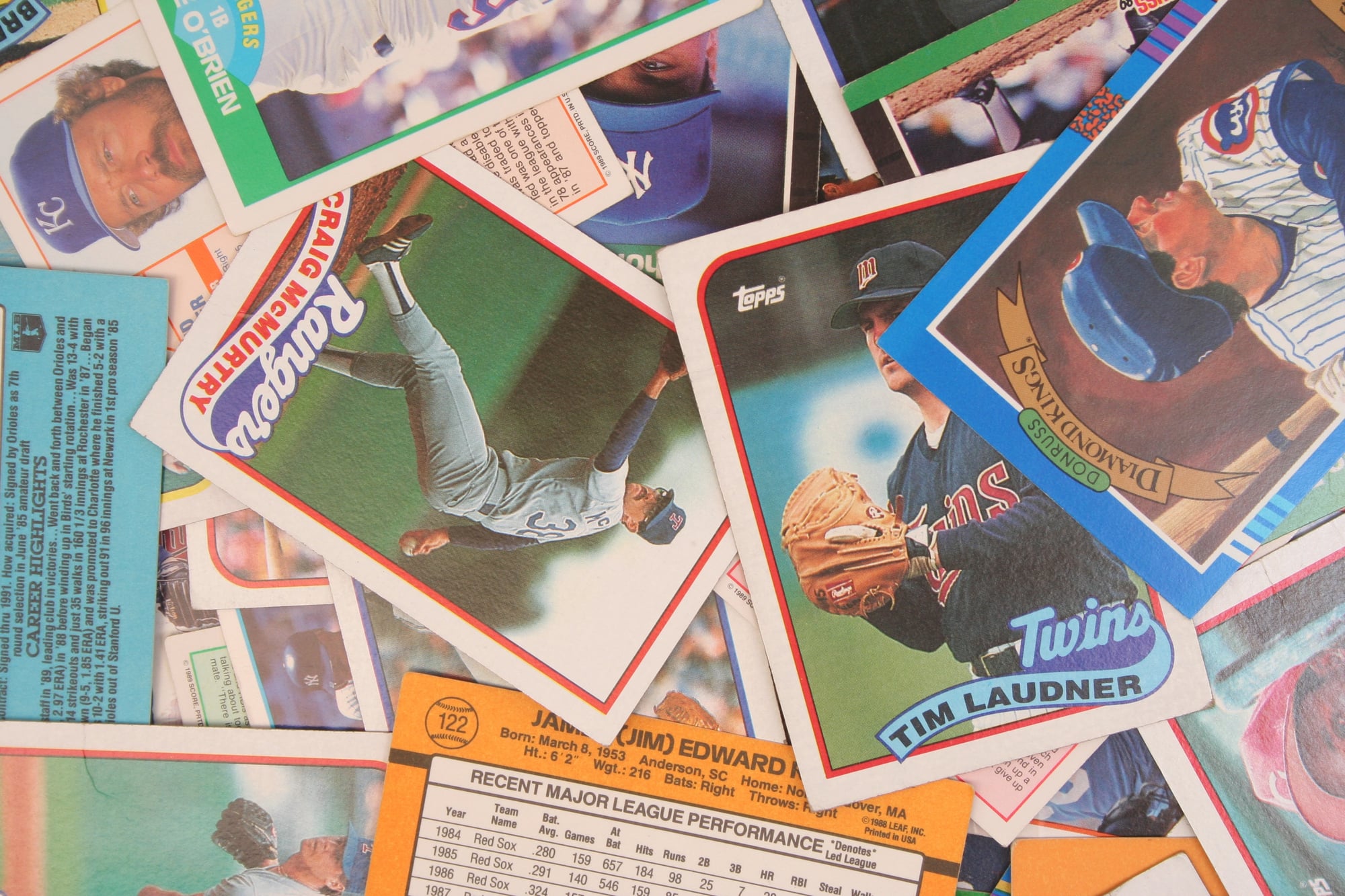
Pre-1970 baseball cards are the kind of thing that can genuinely rewrite someone’s afternoon. A 1952 Topps Mickey Mantle in decent condition has sold for millions, and even mid-grade cards from the 1950s and 1960s regularly fetch thousands — especially when they’ve been stored flat, away from humidity, inside an old shoebox that nobody touched for fifty years.
Depression-Era Glass

Depression glass has this quality of looking almost disposable — thin, mass-produced, often in colors like pale pink or dusty green — and yet appraisers treat certain patterns and colors with real seriousness. Pieces in rare colors like tangerine or lavender, particularly in patterns such as “Mayfair” or “Royal Lace,” can reach hundreds of dollars per piece, and a complete set in good condition sits considerably higher than that.
Antique Quilts

A well-made antique quilt is less a blanket and more a record — of a specific region, a specific era, a specific pair of hands that knew exactly what they were doing. Album quilts from the mid-1800s, Baltimore-style appliqué work, and certain Hawaiian quilts can command prices from $1,000 to well over $20,000 depending on condition, provenance, and the intricacy of the pattern.
What looks like a folded pile of fabric in the corner of an attic is worth unfolding slowly.
First Edition Books

First editions are not automatically valuable — and that’s the part most people miss. But first printings of specific titles, particularly from the early twentieth century, with original dust jackets intact (the jacket alone can account for 80% of a book’s value), are exactly the kind of thing a collector will cross a state line to examine.
Finding a first edition of “The Great Gatsby” or “The Grapes of Wrath” in a deceased relative’s attic is statistically unlikely, which is precisely why people keep looking.
Cast Iron Cookware
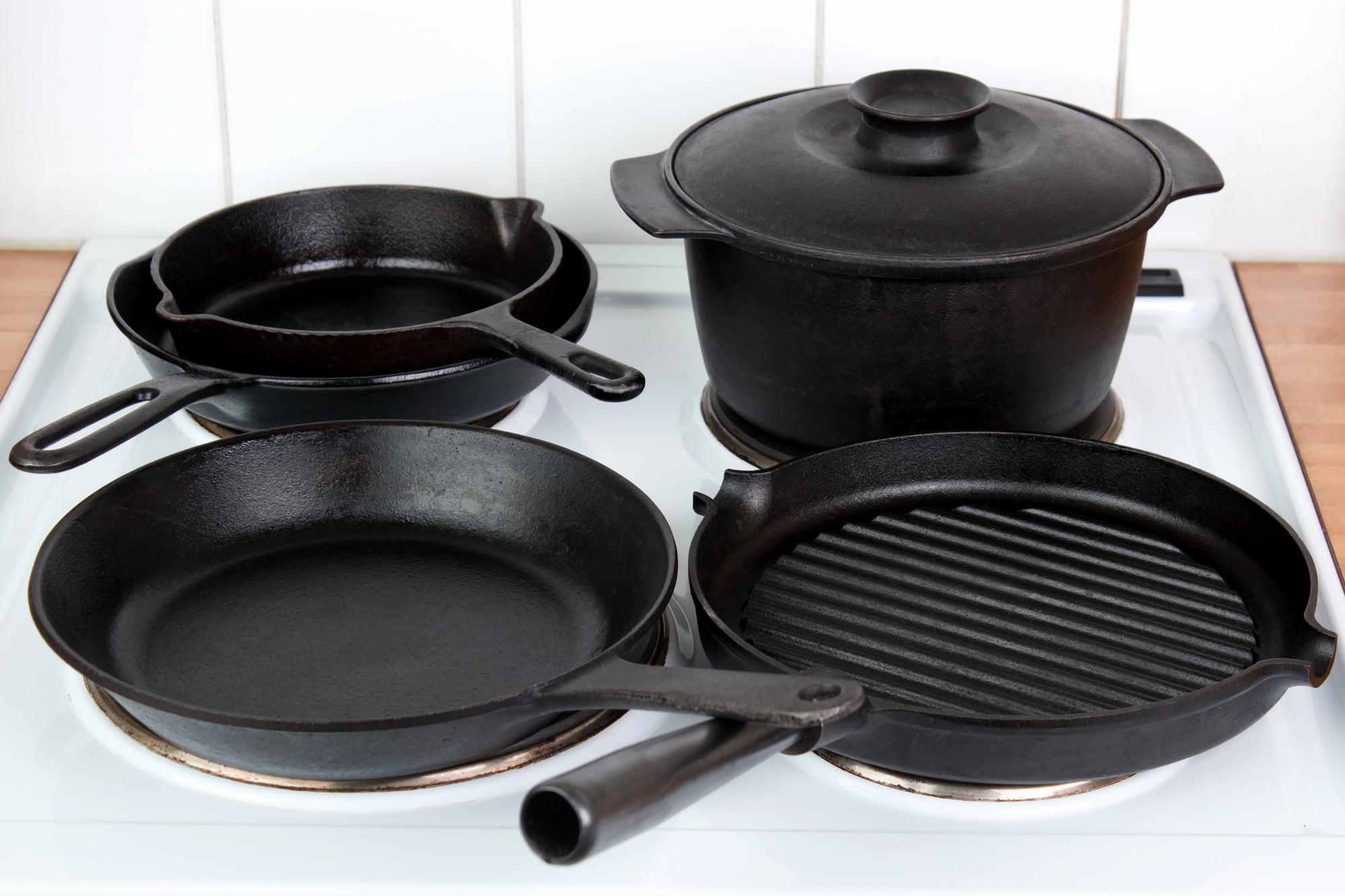
Cast iron from the late 1800s and early 1900s is not the same as what’s sold in hardware stores today. Pieces made by Griswold Manufacturing or the Wagner Ware company — identifiable by their gate marks, logo styles, and casting quality — are actively collected, and rare configurations like spider skillets or unusual sizes can sell for several hundred to several thousand dollars.
The rust is almost never the problem. It’s whether the casting is smooth and the markings are legible.
Old Photographs
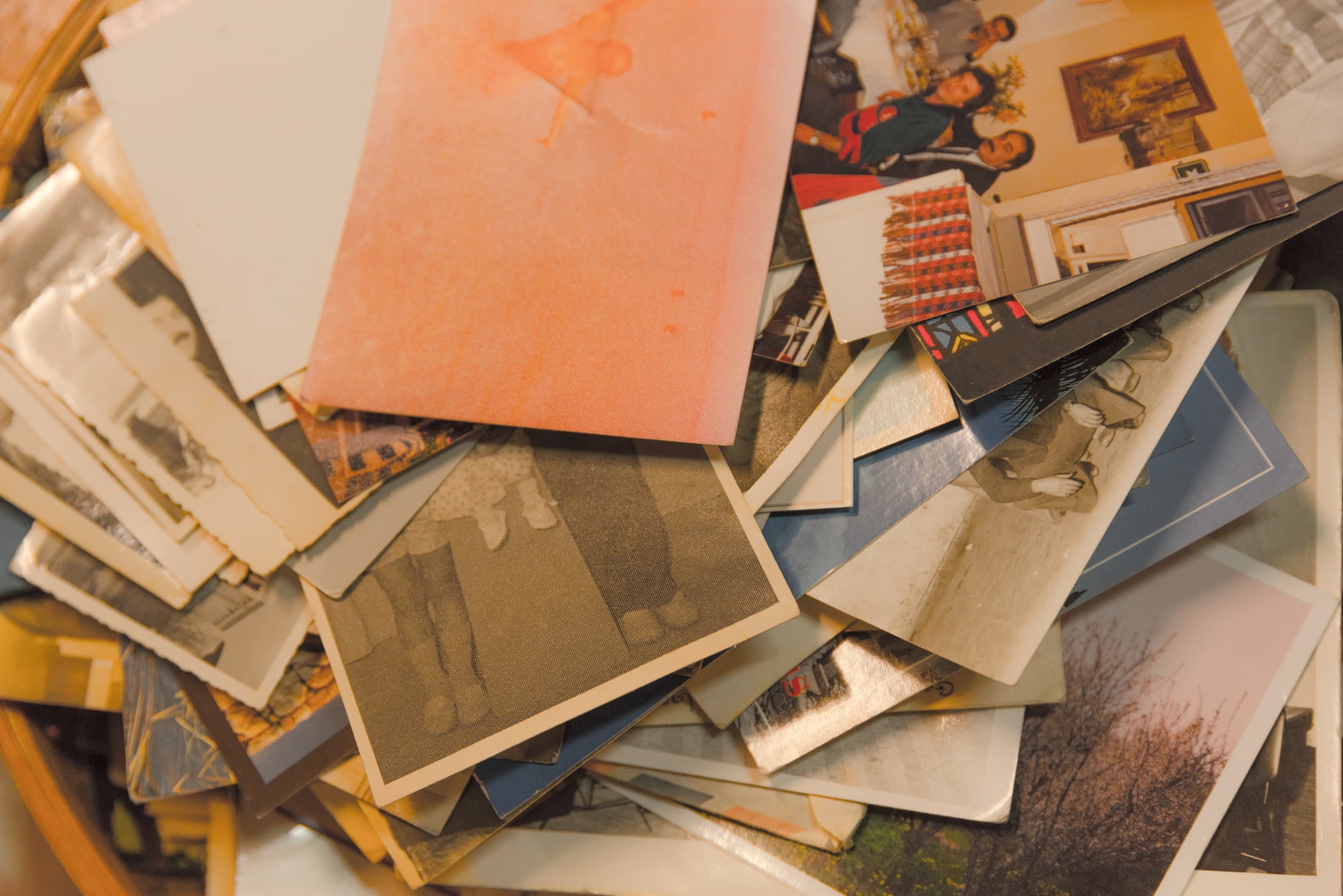
Daguerreotypes, tintypes, and early albumen prints are historical artifacts first and decorative objects second. Certain subjects elevate value dramatically: identified Civil War soldiers, documented frontier figures, early celebrity portraits, or images attributed to known photographers like Mathew Brady.
Even unidentified portrait photographs in their original cases carry real value to collectors who specialize in nineteenth-century photography, and the number of these sitting in attic trunks is genuinely underestimated.
Vintage Toys
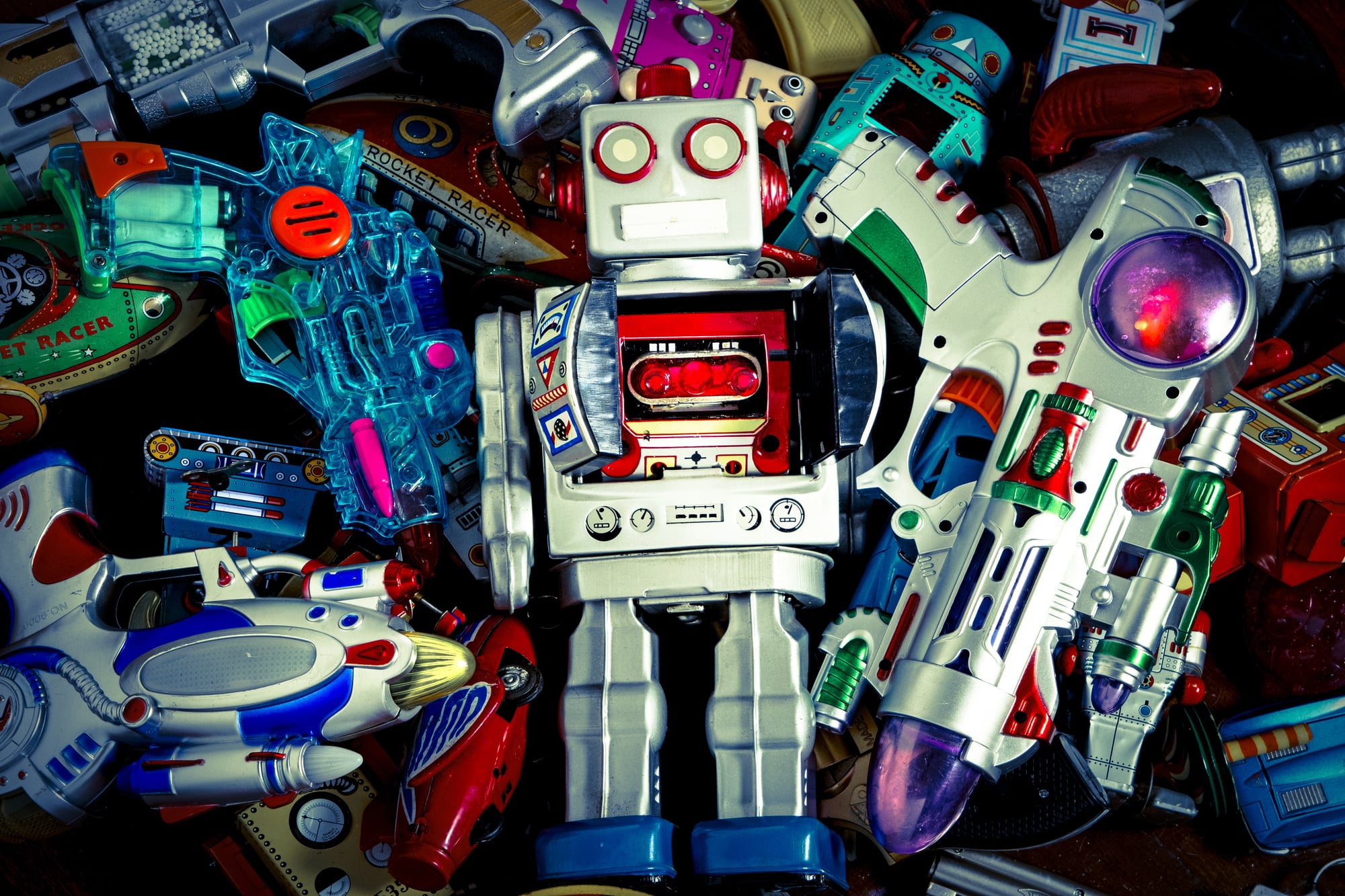
Condition is everything with vintage toys, and the attic — climate-controlled or not — is often where the best-preserved examples turn up. A mint-condition first-run G.I. Joe with original accessories, an early Barbie in her original packaging, or tin lithograph toys from the 1930s and 1940s made by companies like Marx or Lehmann have auction records that make even seasoned collectors pause.
The ones still in their boxes are the ones that make appraisers reach for their phones.
Military Memorabilia

Military items have a specific gravity to them — not just historically, but financially. Confederate items, Revolutionary War artifacts, documented medals, and named personal effects from significant conflicts attract serious collectors and auction houses alike.
Provenance matters enormously here: a medal with documentation connecting it to a known figure or engagement is worth multiples of what the same medal fetches without any paper trail. Attics near old military families are worth examining carefully.
American Folk Art

Folk art resists categories the way its makers resisted formal training — stubbornly, instinctively, and with results that can stop you in place. Hand-carved wooden figures, painted game boards, decorated storage boxes, and weather vanes from the eighteenth and nineteenth centuries have found their way into major museum collections and high-end auction catalogs, with prices ranging from the hundreds into the hundreds of thousands depending on quality and rarity.
The finest pieces tend to come from New England, Pennsylvania, and the mid-Atlantic, often passed down without anyone understanding what they actually had.
Vintage Wristwatches
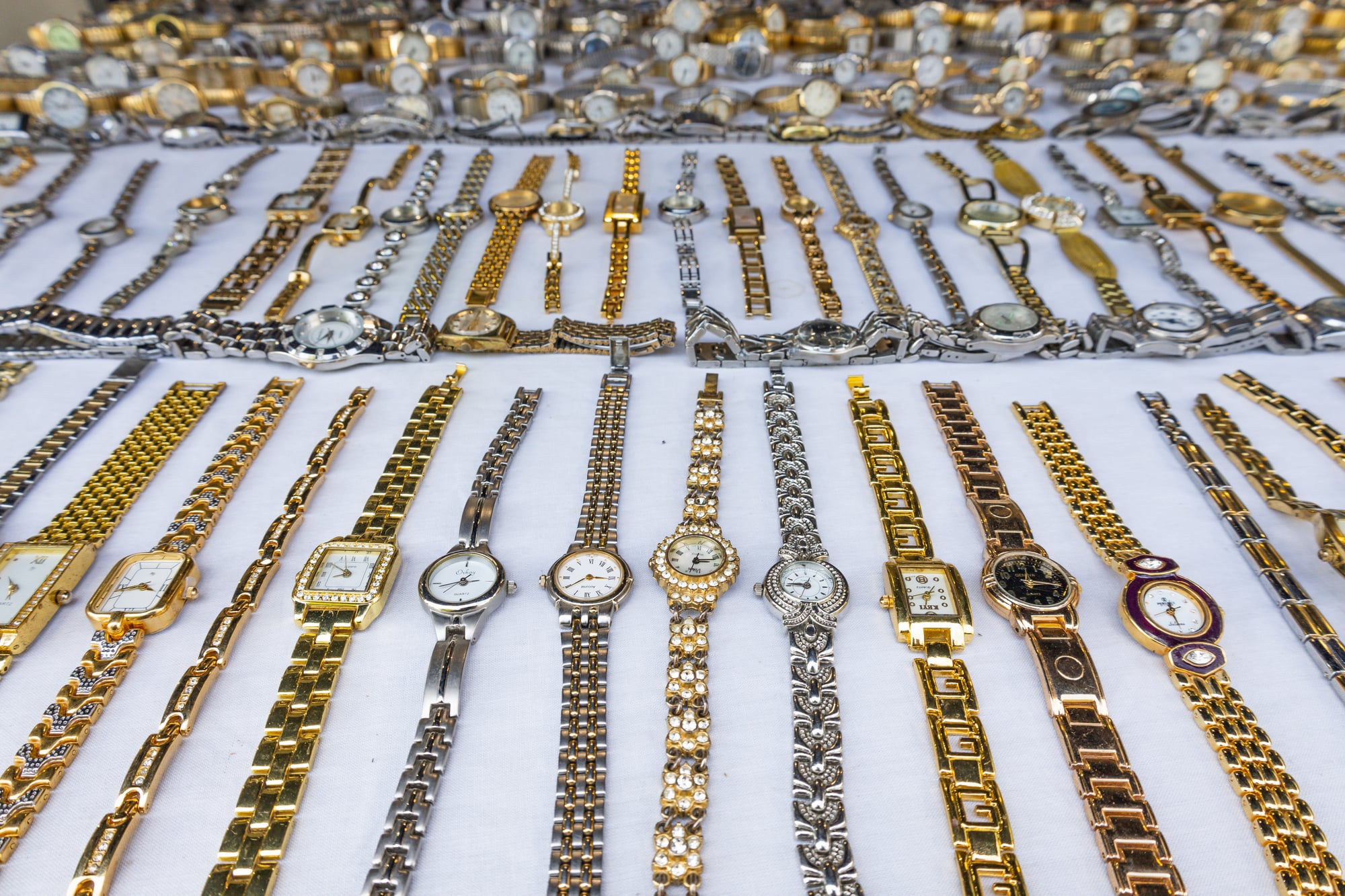
A Rolex from the 1960s left in a drawer is one thing. A Patek Philippe pocket watch in its original case found wrapped in a handkerchief inside a hatbox is another category entirely.
Vintage timepieces from Swiss manufacturers — including early Omega, Longines, and Vacheron Constantin — have a collector base willing to pay serious money for serviced, original-dial examples in working condition. The older the watch and the better the documentation, the more genuinely remarkable the number on the appraisal.
Signed Documents and Letters

There’s a reason people kept letters in shoeboxes under the bed — or in steamer trunks in the attic — for decades. Handwritten correspondence from historically significant figures, signed legal documents, presidential letters, and autographed manuscripts occupy a category of collectible where condition and authenticity drive enormous price swings.
A signed letter from Abraham Lincoln sold at auction for over $3 million. Most attic letters won’t reach that, but authenticated signatures from presidents, generals, or literary figures can clear five figures without much effort.
Vintage Advertising Tins
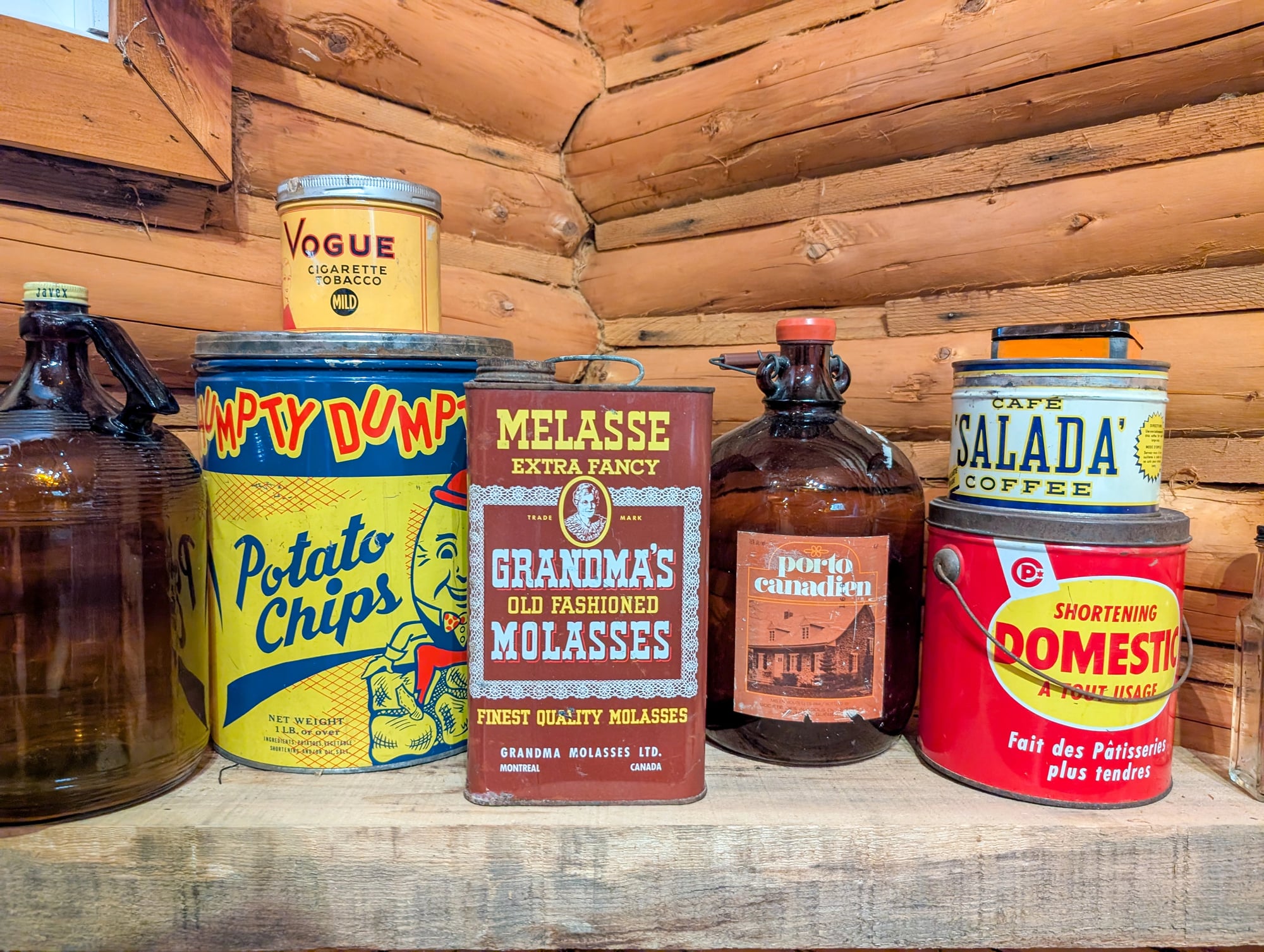
Early American advertising tins — the kind used for cig products, coffee, baking powder, and medicine — are small, graphic, and surprisingly collectible. Certain manufacturers and designs are more sought-after than others, with rare examples in exceptional condition reaching into the thousands.
They’re also small enough to get buried under everything else, which is exactly why they keep turning up in attics decades after anyone thought to look.
Antique Clocks
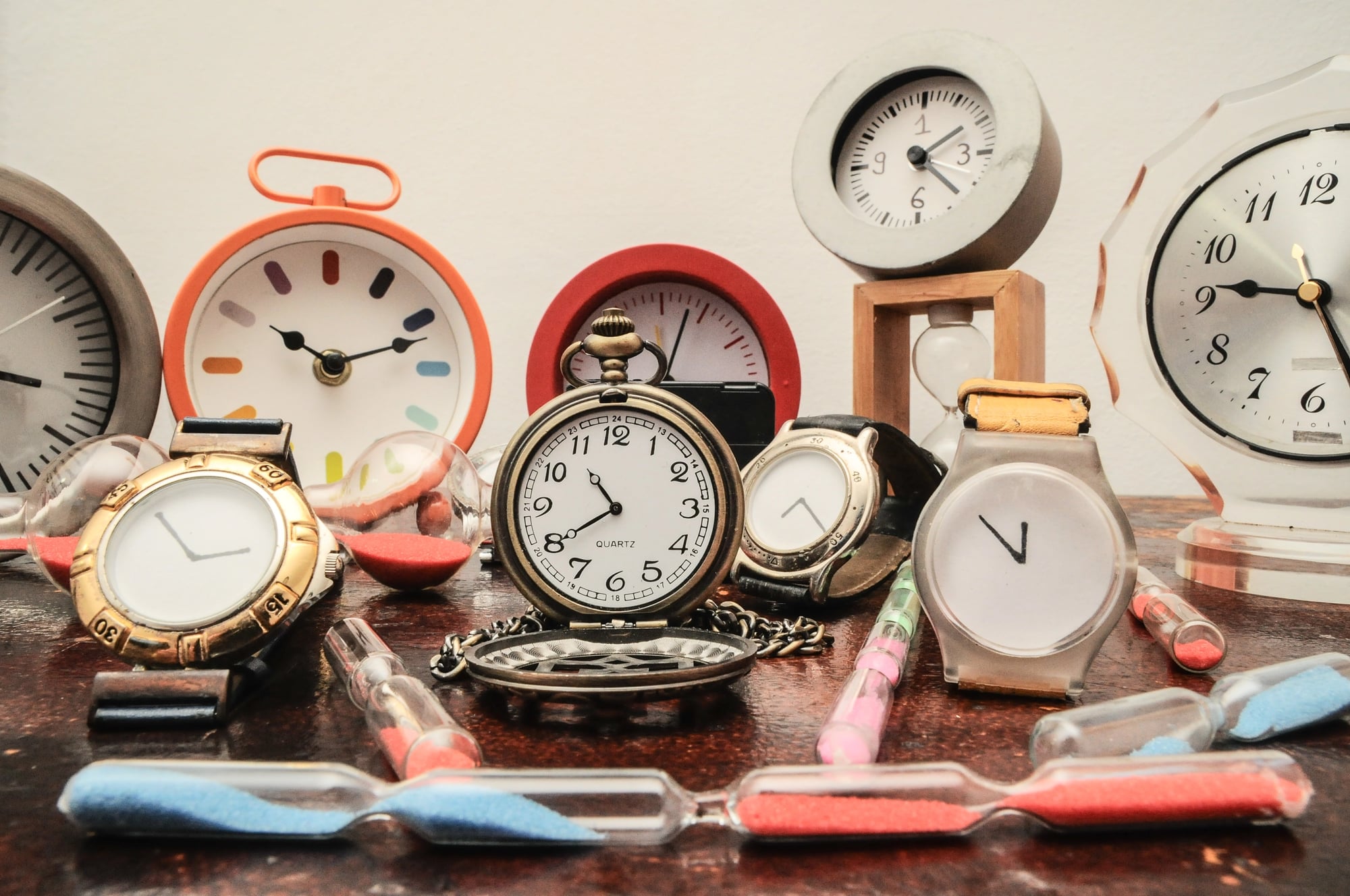
An antique clock is patient about revealing its value — it just sits there, sometimes still ticking, waiting for someone to notice the maker’s signature on the face. American shelf clocks by Seth Thomas, Eli Terry, or Simon Willard are documented collectibles with established auction records, while earlier European examples with original movements and cases carry even more significant value.
Movement integrity and original finish matter more than most people expect.
Vintage Maps

Old maps are undervalued in attics precisely because they look like decoration. Maps printed before 1850, especially those showing early American territories, coastal surveys, or regions with contentious historical boundaries, are actively traded by specialist dealers and libraries.
Condition issues like foxing, folds, and margin trimming affect price meaningfully, but a clean example of an early American map from a notable cartographer like John Mitchell or Herman Moll belongs in a climate-controlled environment, not a cardboard tube on a shelf.
Native American Artifacts
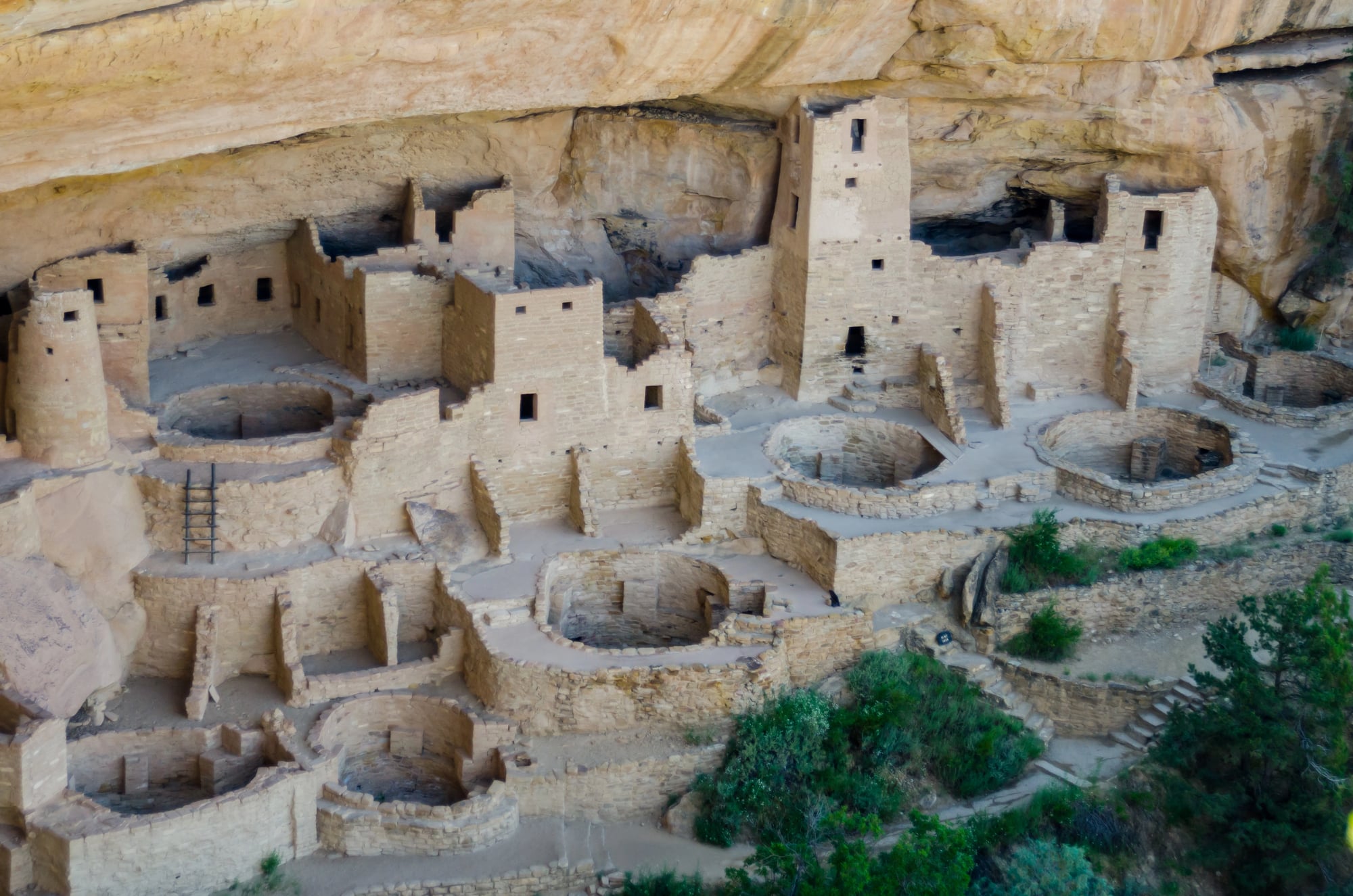
Authentic pre-contact and early-contact Native American artifacts — beadwork, pottery, baskets, and carved objects — occupy a legally and ethically complicated space that appraisers navigate carefully. Items covered under NAGPRA (the Native American Graves Protection and Repatriation Act) cannot be bought or sold.
But legally transferable pieces, particularly documented Plains beadwork, Pueblo pottery, and Northwest Coast carvings, have a robust collector market with prices that reflect genuine rarity and cultural significance.
Vintage Costume Jewelry

Not all costume jewelry is throwaway — and the difference between a $15 brooch and a $1,500 one can be as subtle as a signature clasp. Pieces by Miriam Haskell, Schiaparelli, Trifari, and early Chanel command premiums that still surprise people who assumed “costume” meant “cheap.”
The best examples tend to be elaborately constructed, with handwired glass beads or unusual materials, and they’ve spent decades in attic jewelry boxes waiting for someone with a loupe and a price guide.
Art Pottery

Rookwood, Roseville, Weller, and Grueby are names that ring like bells in certain collecting circles, and their pieces — heavy, hand-decorated art pottery from the late nineteenth and early twentieth centuries — turn up in attics with surprising regularity. The trick is reading the marks on the bottom, which identify the maker, the year, and sometimes the individual artist.
A Rookwood piece with strong glaze, clear marks, and a documented artist monogram belongs at auction, not on a garage sale table.
Vintage Firearms
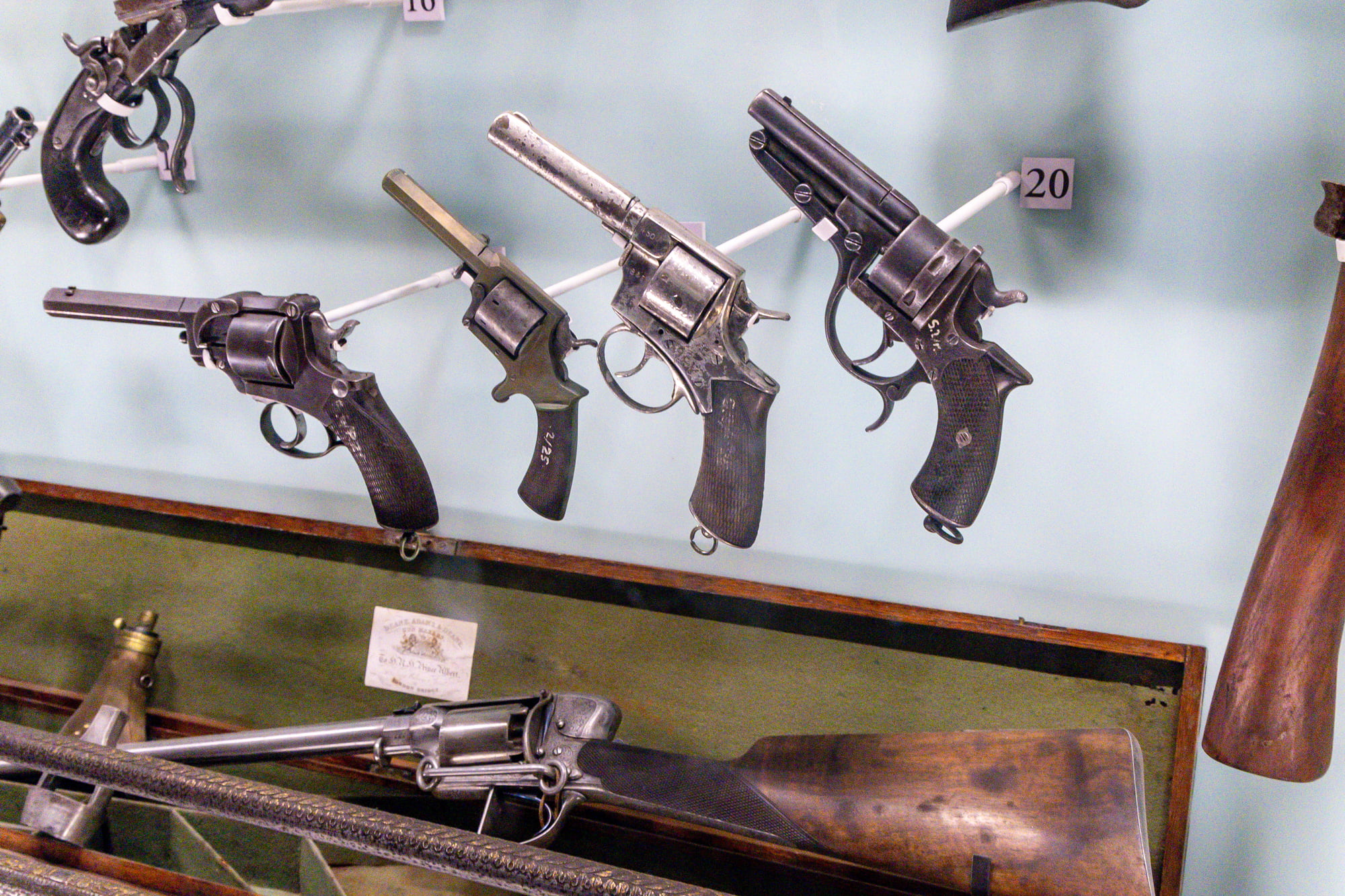
Antique firearms — legally defined in the United States as those manufactured before 1899 — are treated as collectibles rather than regulated weapons, which simplifies their sale considerably. Original Colt revolvers, early Winchester lever-action rifles, and Civil War-era percussion pistols with intact mechanisms and original finishes fetch serious money at specialized auctions.
Documentation, matching serial numbers, and original components are the difference between a wall decoration and a genuine collector’s piece.
Scientific Instruments

Victorian-era scientific instruments have the appearance of props from a period drama and the value of serious antiques. Brass microscopes, surveying equipment, sextants, barometers, and early telescopes made by firms like W. & L.E. Gurley or Stanley of London are collected by both scientists and decorators willing to pay for the genuine article.
Complete sets in original cases with original accessories are particularly rare, because the cases got thrown away and the accessories got lost — so finding one intact is the exception.
Vintage Postcards
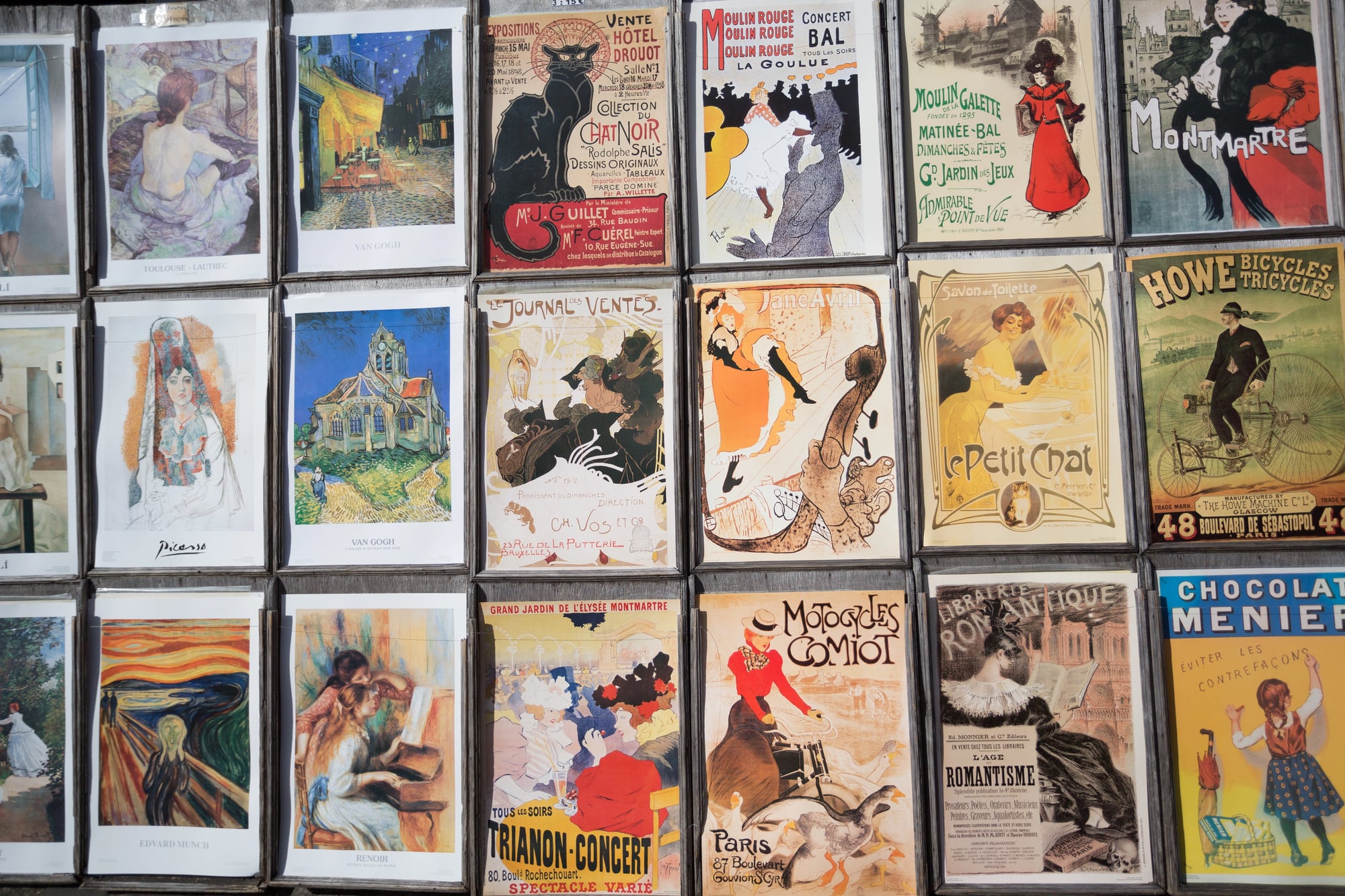
The postcard collecting hobby is called deltiology, which is the kind of word that signals you’re dealing with serious people. Real photo postcards (RPPCs) from the early 1900s — actual photographs printed on postcard stock rather than lithographed images — are especially sought after, particularly those depicting disasters, occupational subjects, or specific geographic locations that no longer exist.
A sharp, undivided-back real photo postcard of a town demolished by a flood or fire can reach hundreds of dollars without breaking a sweat.
Handmade Lace
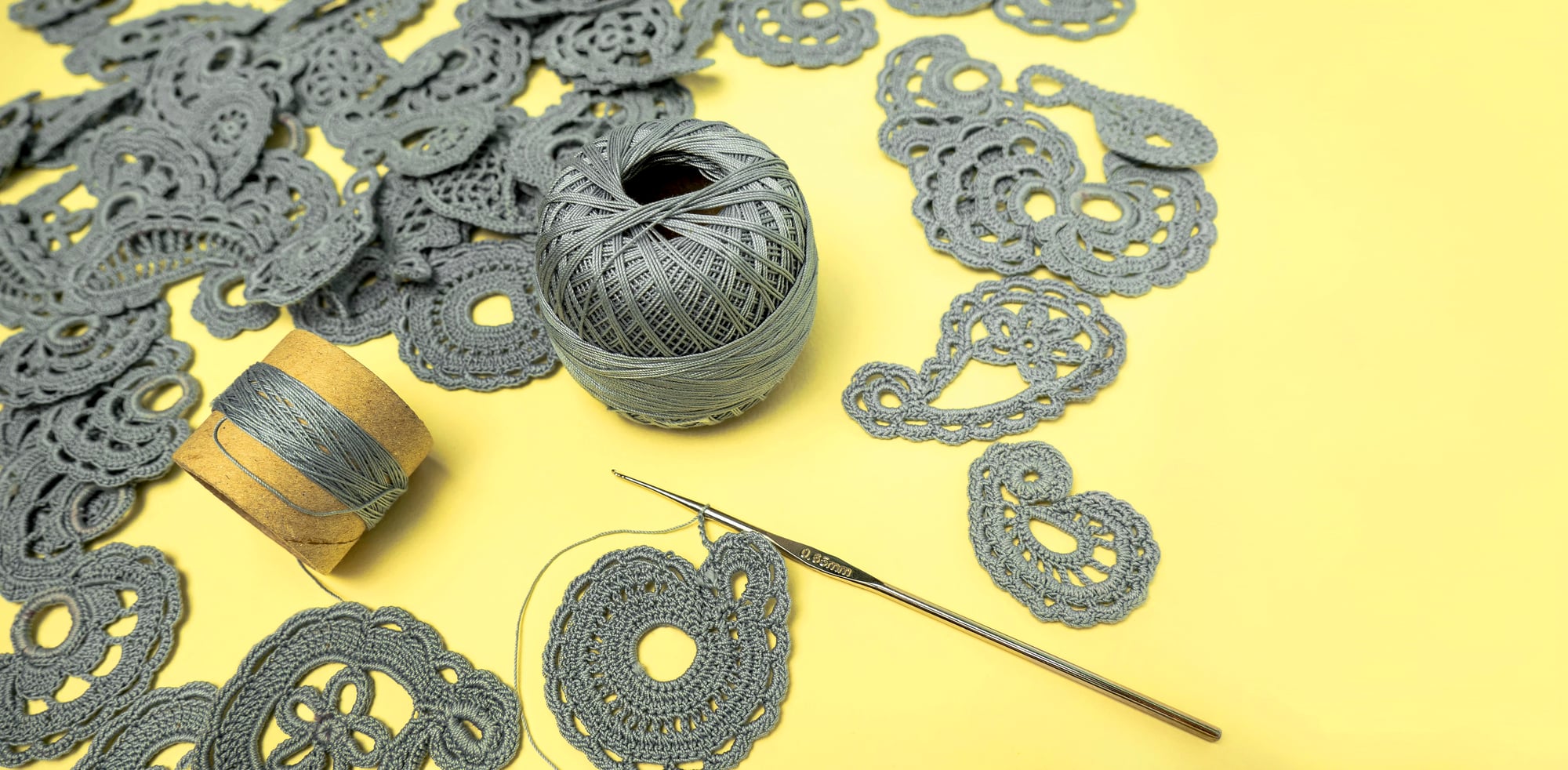
Antique handmade lace — particularly needle lace and bobbin lace from the seventeenth and eighteenth centuries — is among the most labor-intensive textiles ever produced, which is why it accumulated value in the first place and why that value hasn’t gone anywhere. Brussels, Bruges, Venetian, and Honiton laces are distinct traditions with different identifying characteristics, and fragments in good condition have auction records that reflect the obscene amount of skilled labor embedded in every inch of the work.
Vintage Vinyl Records

The vinyl revival made people suddenly very curious about what was in their parents’ record collections, but the real value was always in first pressings from specific labels. Original pressings on Sun Records, Chess, Blue Note, and early Atlantic — particularly jazz, blues, and early rock and roll — in VG+ condition or better are exactly what serious record collectors pursue.
A sealed original pressing of Miles Davis’s “Kind of Blue” or Robert Johnson’s first-issue 78s belongs nowhere near a turntable.
Sterling Silver Flatware

Sterling silver flatware in complete sets — particularly by manufacturers like Tiffany & Co., Gorham, or Reed & Barton — holds value that most people dramatically underestimate when they donate it to a thrift store. The weight alone gives the silver melt value, but complete sets in original patterns, particularly ornate Victorian designs, command a premium over scrap that makes selling by weight feel like a mistake.
Pattern identification is key, and a full service for twelve in a documented Tiffany pattern is worth a professional appraisal before any other decision is made.
Vintage Cameras
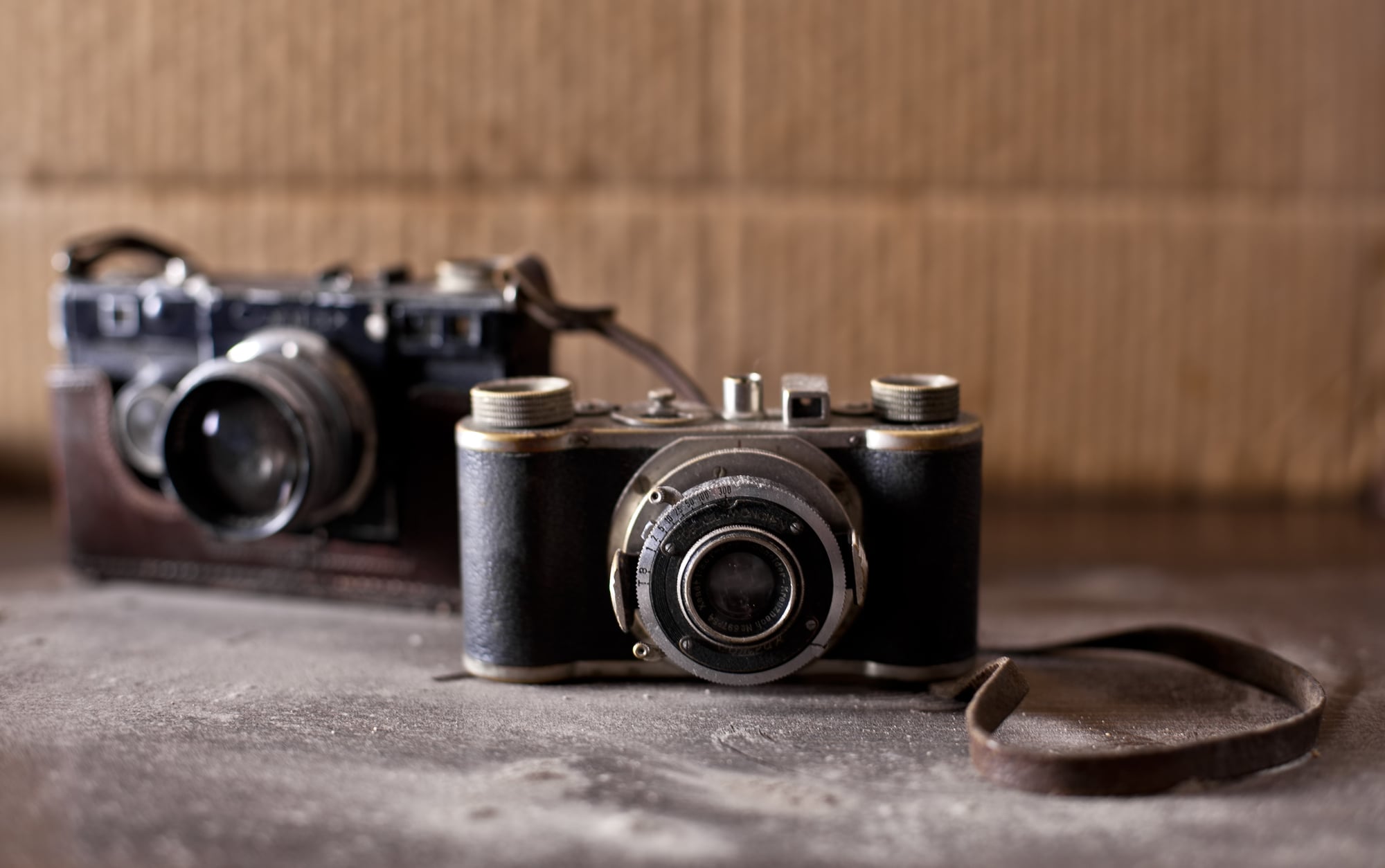
Certain cameras are just machines, and certain cameras are collected with the intensity normally reserved for fine art. Leica rangefinders from the 1930s and 1950s, early Rolleiflex twin-lens cameras in working condition, and prototype or limited-edition Polaroid models occupy a collector market where prices climb steadily.
A Leica M3 with original lenses and case, found in an attic camera bag, is worth more than most people would guess — and significantly more than a trip to the local camera shop would suggest.
Antique Rugs

A Persian or Caucasian rug from the nineteenth century isn’t the same category of object as a machine-made reproduction from the 1970s, and an appraiser will know the difference before they’ve finished unrolling it. Hand-knotted rugs with natural dyes, high knot counts, and intact pile from documented weaving regions — Tabriz, Kashan, Heriz, Shirvan — have maintained collector value through every market cycle.
The ones rolled up in attics have often been protected from the UV damage and foot traffic that degrades the examples left on floors.
Oil Paintings

An unsigned oil painting found in an attic is often nothing. But sometimes it’s not nothing — and the difference requires looking.
Attribution research, canvas examination, paint layer analysis, and provenance documentation have collectively recovered paintings that sold at estate sales for $50 and later cleared $1 million at auction. The relevant question isn’t whether the painting looks important.
It’s whether anyone has actually looked.
Vintage Perfume Bottles

Lalique, Baccarat, and early commercial perfume bottles designed by René Lalique or made for houses like Coty and Worth are collected for their glass work as much as their history. Sealed bottles retaining their original perfume, bottles in original presentation boxes, and limited-edition commissions are the high end of this market — with certain Lalique examples selling for tens of thousands at auction.
They’re small enough to get forgotten on a shelf and remarkable enough to stop the room when someone finally notices what they are.
The Attic Is Trying to Tell You Something

Most attics are genuinely full of nothing remarkable — and that’s fine. But the habit of assuming everything up there is worthless has cost people real money, real history, and real connections to the past they were unwittingly sitting on top of.
The things described here aren’t lottery tickets. They’re categories of object with documented value, real collector demand, and auction records that reflect decades of market activity.
Getting something appraised costs nothing relative to what you might be walking past every time you go up there looking for the holiday decorations. Go look.
More from Go2Tutors!

- The Romanov Crown Jewels and Their Tragic Fate
- 13 Historical Mysteries That Science Still Can’t Solve
- Famous Hoaxes That Fooled the World for Years
- 15 Child Stars with Tragic Adult Lives
- 16 Famous Jewelry Pieces in History
Like Go2Tutors’s content? Follow us on MSN.