Things People Confidently Say at Dinner Parties That Are Completely Wrong
Every dinner party has an expert in the room—someone who states dubious facts with absolute certainty, often over wine, usually while others nod politely. Many of these dinner table declarations are polished falsehoods recycled so often they’ve become social truth. They sound plausible, they carry the weight of casual certainty, and they’re wrong. Here are the talking points confidently deployed at gatherings, delivered as if the speaker has special knowledge, all of which deserve to be corrected.
We Only Use 10 Percent of Our Brains
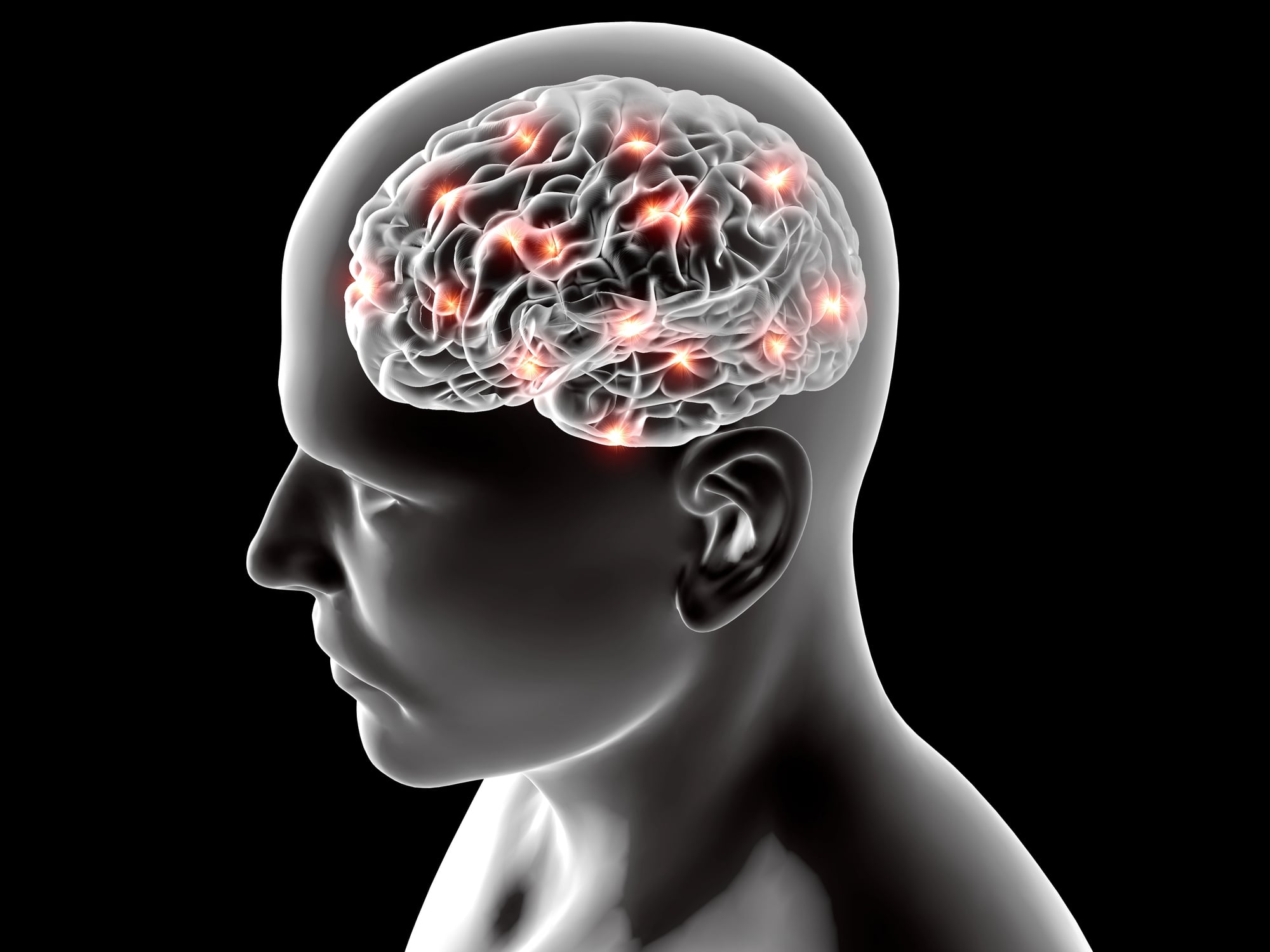
The most persistent dinner party myth claims that humans only use 10 percent of their brain capacity, implying that vast potential lies dormant. Neuroscience clearly shows we use virtually all of our brain tissue, and most of the brain is active almost all the time, even during sleep. Brain scans (PET, fMRI) reveal activity throughout the entire brain for even simple cognitive tasks. The myth persists because it makes a comforting promise—untapped potential—but the reality is that our brains are nearly always working at capacity.
Goldfish Have a Three-Second Memory

People confidently assert that goldfish forget everything every three seconds, making them perfect pets for people who don’t want to feel guilty about their care. Actual studies show goldfish can remember things for months and can be trained to recognize shapes, colors, and sounds. They have genuinely poor eyesight and short attention spans in some contexts, but their memory capacity far exceeds three seconds. The myth likely emerged from observations of their apparent obliviousness and became a convenient narrative.
Chameleons Change Color to Match Their Surroundings
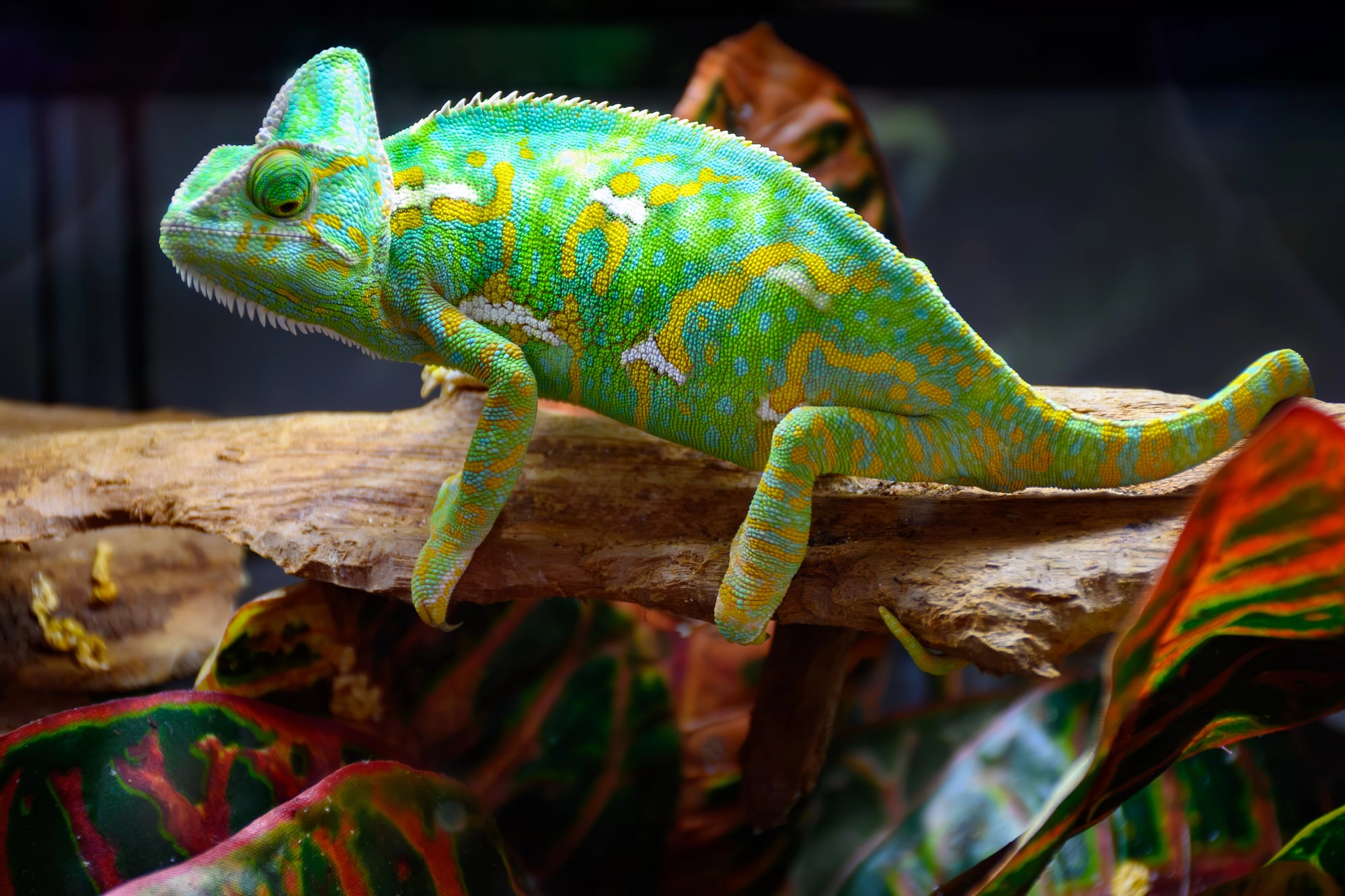
Dinner party zoologists love explaining that chameleons are masters of camouflage, changing color to blend with their environment. While chameleons can change color dramatically, they don’t do it primarily for camouflage. Color changes serve social communication—showing dominance, submission, territorial claims, or mating interest. Many chameleon species are actually terrible at matching their surroundings. The primary purpose is inter-animal signaling, not hiding from predators, making the entire premise of the myth wrong.
Dogs See in Black and White

The familiar assertion that dogs see only in black and white has been repeated so often it sounds like established fact. Dogs actually see in color, just not the same spectrum as humans. They see blues and yellows clearly but have difficulty distinguishing reds and greens, which appear as variations of brown. This is not black and white vision—it’s color vision with a narrower spectrum than human sight. Stating this at a dinner party seems harmless, but it’s confidently asserting an inaccuracy.
Humans Share 99 Percent of Their DNA with Chimpanzees

This statistic gets cited as proof of our close relationship to apes, and it’s technically true but dangerously misleading. Humans and chimpanzees share approximately 98-99 percent similar DNA sequences, but the remaining 1-2 percent contains millions of base pair differences that account for the vast behavioral, cognitive, and anatomical differences between species. A 1 percent difference in a 3-billion-base genome is 30 million differences—a staggering amount of variation. The statement is true but implies a closeness that the reality doesn’t support.
You Lose Most Body Heat Through Your Head
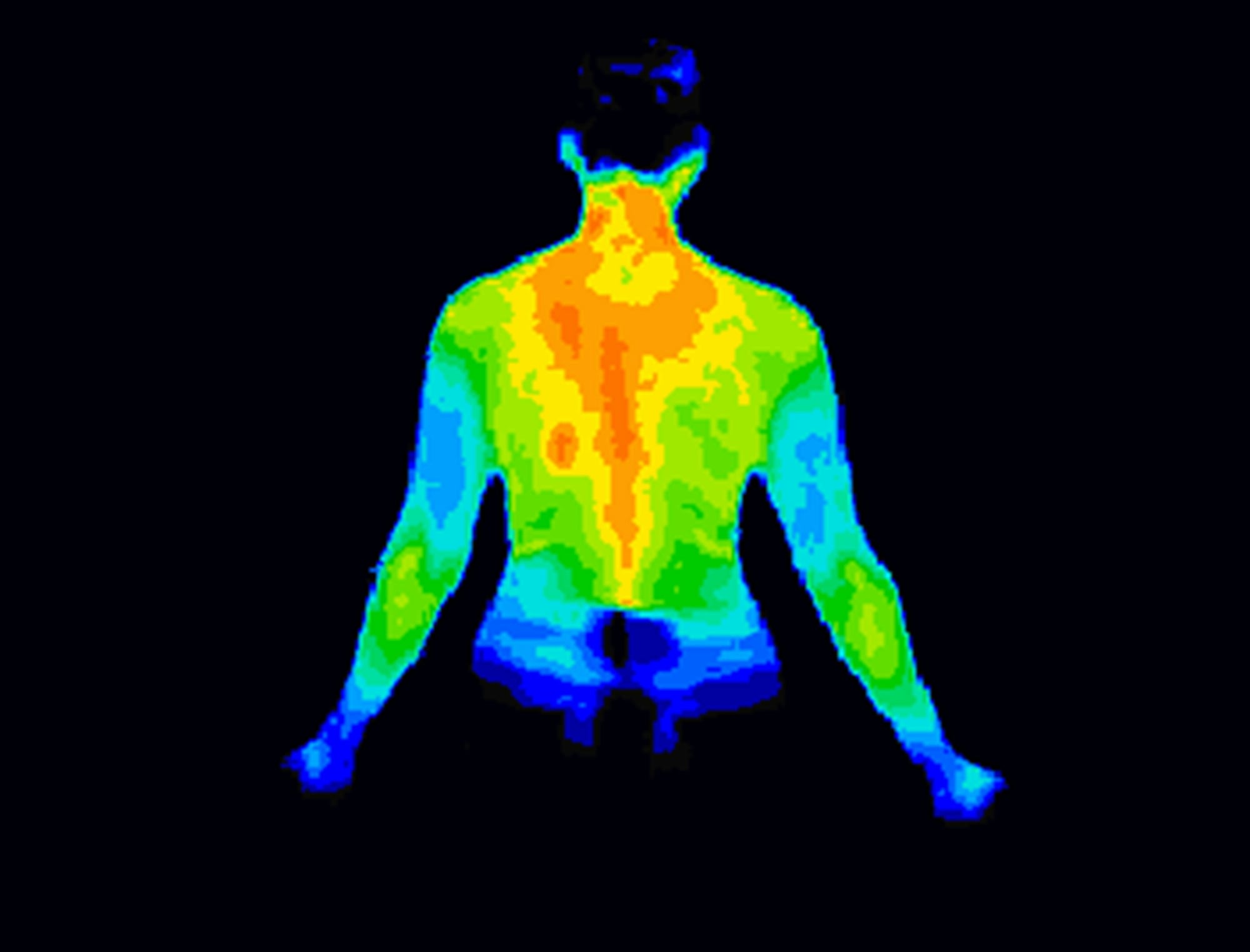
The claim that the head is responsible for losing most of your body heat has been repeated at dinner parties for decades as though it’s a medical fact. The head does lose heat like any exposed body part, but it doesn’t lose disproportionately more than other exposed areas. A bare head loses heat at a rate proportional to its surface area relative to the rest of the exposed body. The myth became popular after military studies, but was misinterpreted—soldiers wearing hats while the rest of their body was covered naturally lost more heat through the head because it was the only exposed area.
Sugar Makes Kids Hyperactive
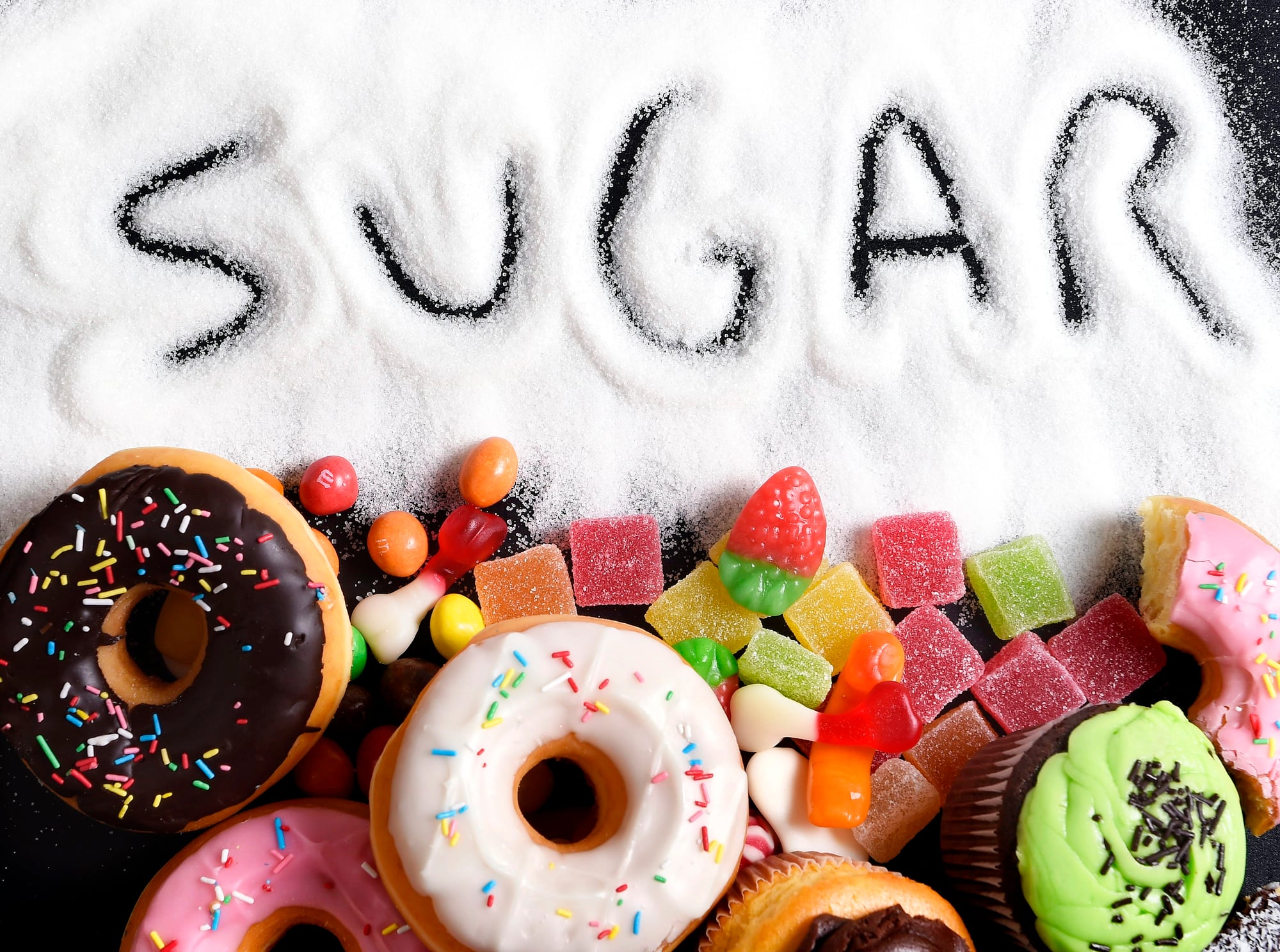
Parents confidently declare that sugar makes children hyperactive, a statement so common that it barely gets questioned. Controlled studies consistently fail to show that sugar consumption causes hyperactivity in children. The correlation exists because sugary foods are often served at parties and celebrations where children are naturally excited and stimulated. The noise, social activity, and novelty of the event cause the hyperactivity, not the sugar. Yet the myth persists because the narrative fits observation.
Cracking Your Knuckles Causes Arthritis

The dinner party expert warns against cracking knuckles, explaining that it will inevitably lead to arthritis. Studies following people who crack their knuckles versus those who don’t show no correlation with arthritis development. Cracking is simply the popping sound of nitrogen bubbles forming and collapsing in synovial fluid. It’s not harmful to joints, though the repeated stress of deliberately cracking might theoretically cause long-term wear—but this hasn’t been demonstrated. The confidence with which this false claim is stated deserves challenge.
Carrots Improve Your Eyesight
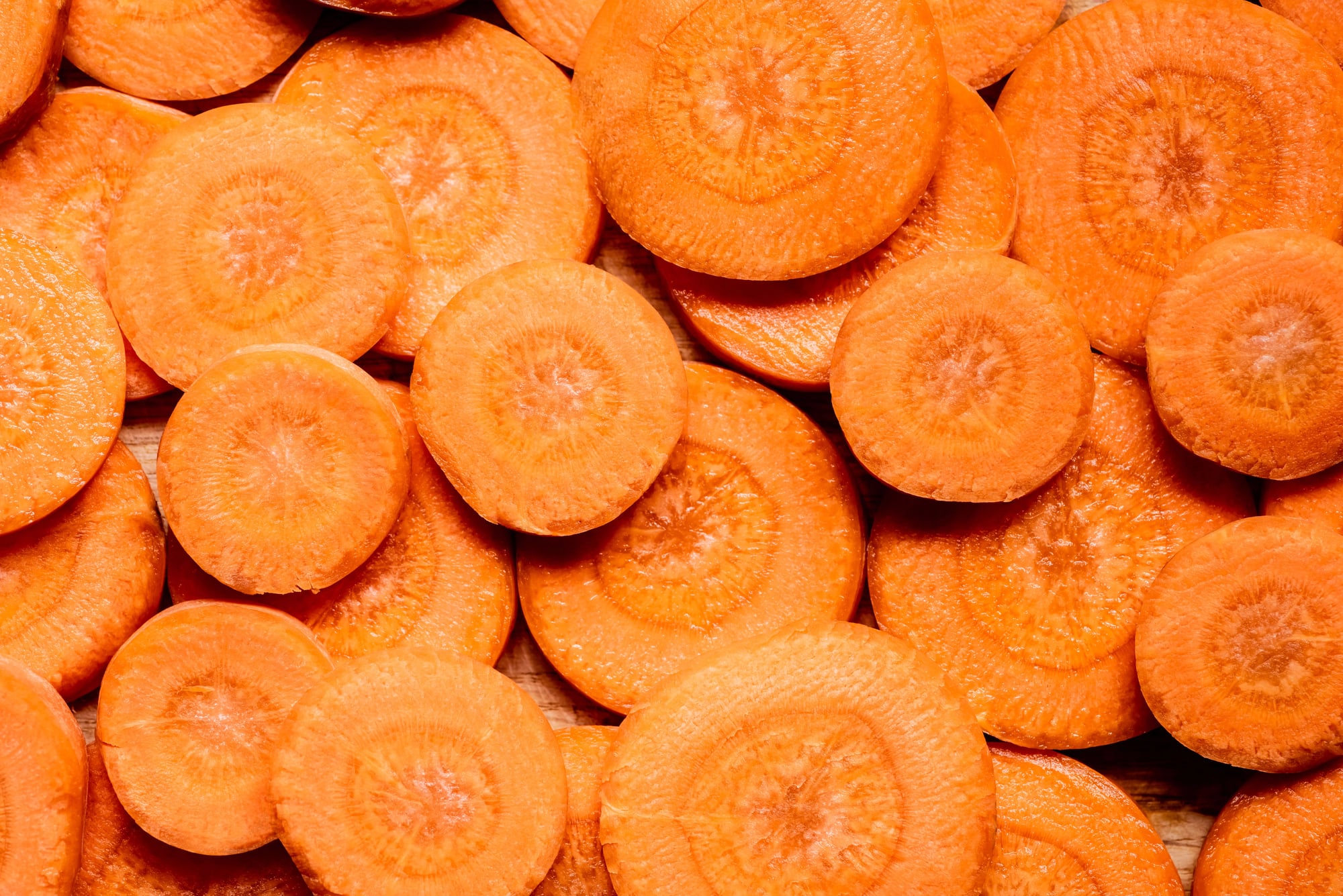
The wartime propaganda claim that eating carrots improves night vision gets repeated at dinner parties as if it’s nutritional science. This myth originated in World War II British military disinformation designed to hide the development of radar technology—they falsely claimed their pilots could see better in the dark because they ate lots of carrots. Carrots do contain beta-carotene (vitamin A), which is necessary for vision, but eating extra carrots doesn’t improve eyesight beyond what adequate nutrition provides. The myth was propaganda that became accepted truth.
MSG Is Dangerous
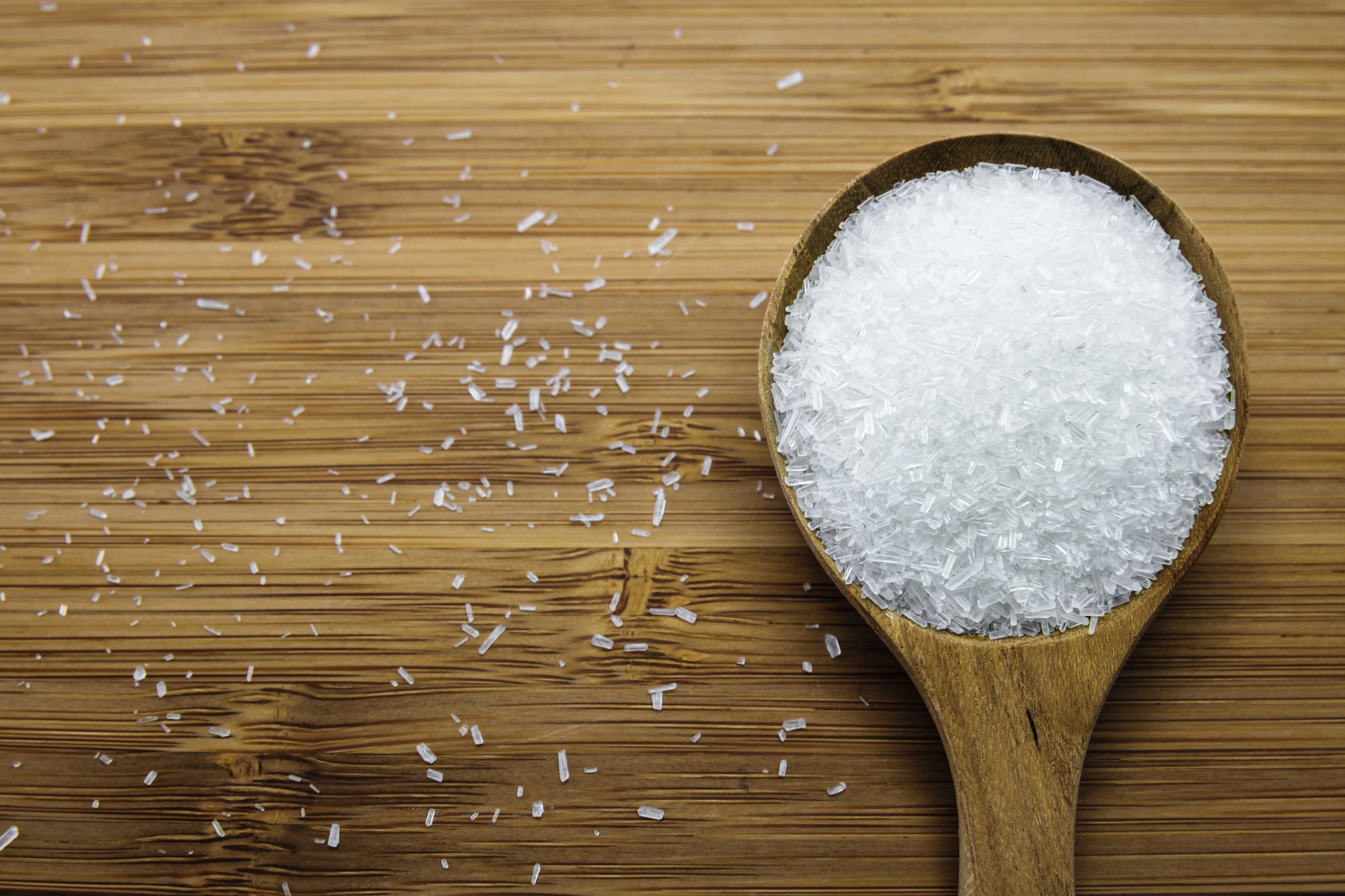
People often confidently assert that monosodium glutamate (MSG) is toxic and causes headaches, claiming Chinese food gives them “MSG headaches.” Scientific studies have failed to establish a causal link between MSG consumption and health problems. The fear emerged partly from xenophobia toward Chinese cuisine and partly from an unverified report in 1968. Double-blind studies show people report no more adverse effects from MSG than from placebo. The dinner party anxiety about MSG has no scientific basis.
Microwaves Make Food Radioactive
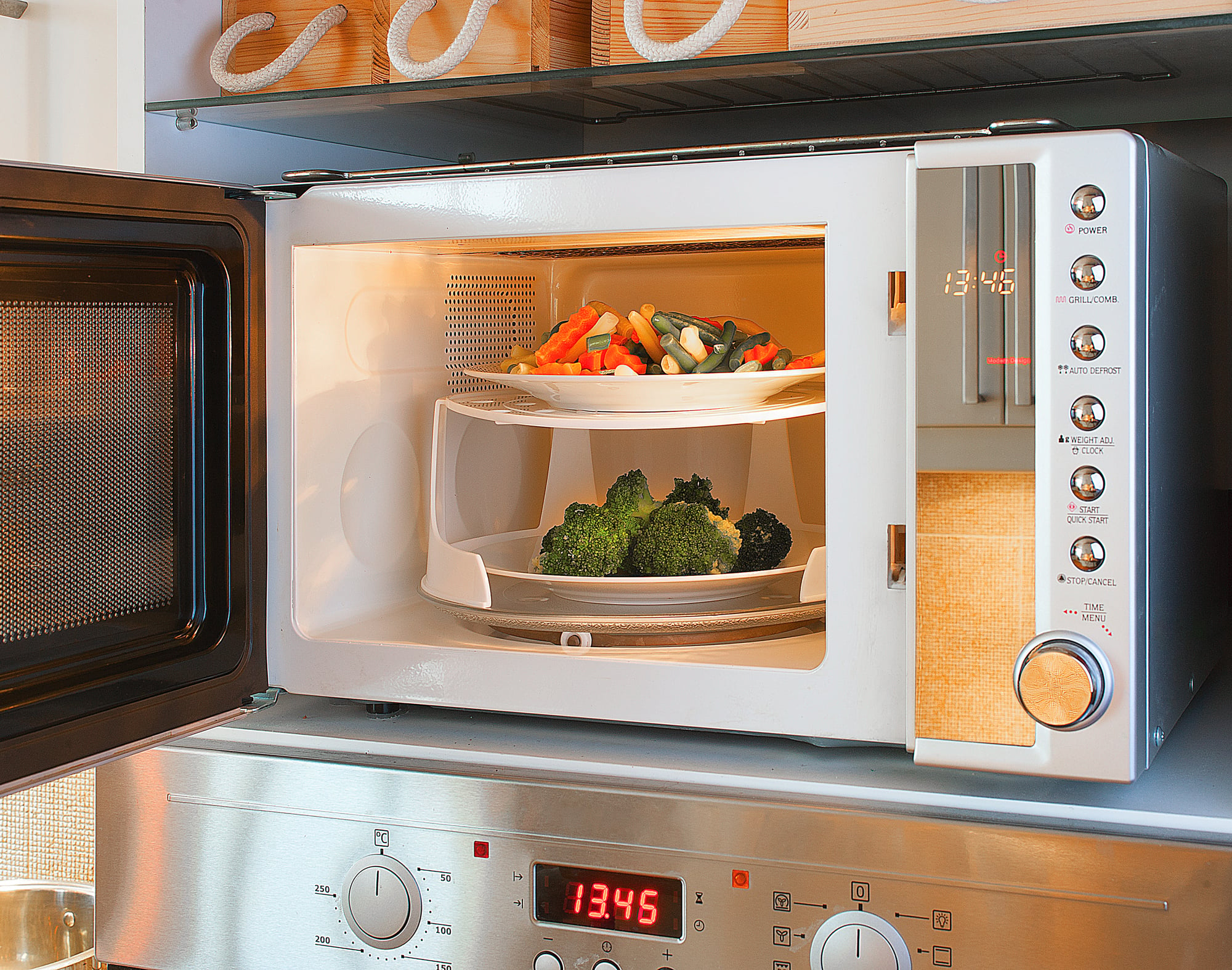
Confident diners warn that microwaves emit radiation that makes food radioactive. Microwave ovens use non-ionizing radiation (radio waves) that heats food but doesn’t change the atomic structure or make anything radioactive in the dangerous sense. This is fundamentally different from ionizing radiation (which includes nuclear radiation). The word “radiation” terrifies people because they conflate it with radioactivity, but microwaves are as safe as infrared heating—they’re just different frequencies of the same electromagnetic spectrum.
Ostriches Bury Their Heads in Sand

The standard dinner party zoology claim asserts that ostriches bury their heads in sand to hide from danger. Ostriches actually dig pits in the ground for nesting and use their beaks to turn eggs, creating the illusion of burying their heads. They don’t use this as an escape behavior. The myth probably emerged from the visual appearance of their head-down posture near the ground at a distance, which superficially looks like burial. Confidently explaining this at dinner feels knowledgeable but is simply perpetuating a false animal fact.
Chocolate Is Toxic to Dogs
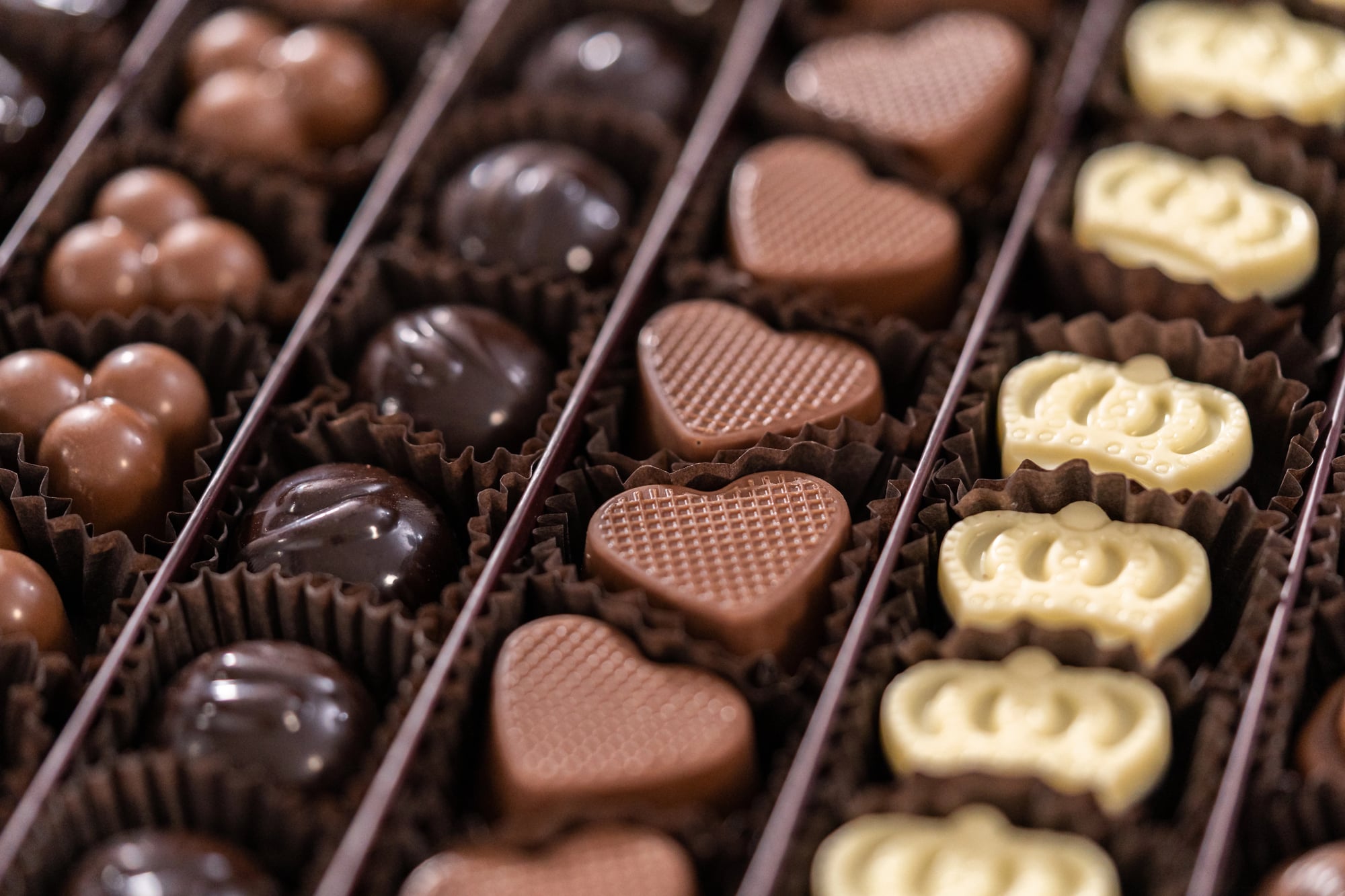
Dinner party pet owners warn that chocolate is poison to dogs, which is partially true. Chocolate contains theobromine, which dogs metabolize slowly and which can be toxic in large quantities. However, the toxicity depends on the type of chocolate (dark chocolate is more dangerous than milk chocolate) and the amount consumed relative to body weight. A single chocolate chip won’t poison most dogs, yet this nuance is lost in the confident assertion that “chocolate is toxic to dogs.” The real danger exists, but the framing is often absolutist and misleading.
Honey Never Spoils
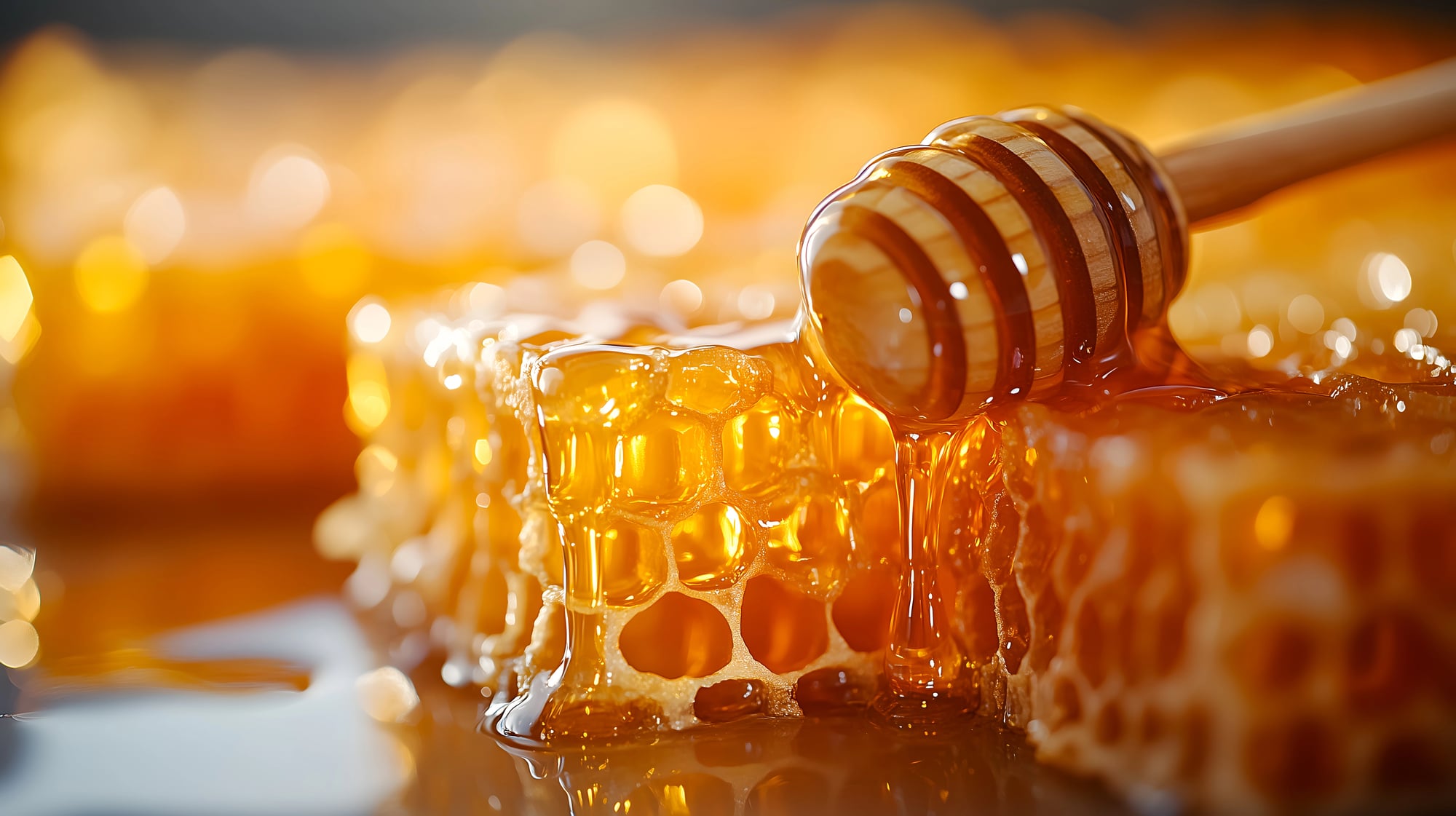
Someone confidently explains that honey can be stored indefinitely because it never spoils, a claim based on the occasional discovery of honey in Egyptian tombs. While honey is remarkably stable due to its low water content and acidic nature, it’s not literally eternal. Honey can crystallize, ferment under certain conditions, and absorb moisture from the air if stored improperly. The claim is close enough to true that it sounds credible but leaves out the practical details that matter.
Vitamin C Prevents Colds

The dinner party health expert insists that vitamin C consumption prevents colds, a claim that has been studied extensively with disappointing results. Vitamin C is necessary for immune function, but supplementing beyond normal dietary intake doesn’t prevent colds in most people. Studies show it might modestly reduce cold duration by a day or so, but the dramatic prevention effect suggested at dinner parties has no evidence. The myth became popular after Linus Pauling’s claims in the 1970s, which were not well supported.
Penguins Are Monogamous for Life

The charming assertion that penguins mate for life and are symbols of perfect monogamy gets deployed confidently at dinner. Some penguin species do form long-term pair bonds, but many don’t. Even those with long-term partnerships engage in infidelity. Penguin monogamy is situational, not the romantic ideal suggested in popular culture. The myth persists because it fits the narrative of animal innocence and makes for better dinner conversation than complex mating behaviors.
Metabolism Slows with Age

People confidently explain that metabolism inevitably slows as people age, implying weight gain is an inescapable consequence of getting older. While metabolism does change slightly with age, most age-related metabolic changes are driven by decreasing muscle mass and activity levels, not an intrinsic slowdown in metabolic rate. People who maintain muscle mass and exercise don’t experience significant metabolic decline. The dinner party explanation skips the causation and presents decline as inevitable.
Red Wine Is Good for Your Heart
The dinner party wine drinker confidently asserts that red wine is heart-healthy because of resveratrol and other antioxidants. Recent large-scale studies suggest any cardiovascular benefits from moderate wine consumption are modest at best and may be outweighed by alcohol’s negative health effects. The French paradox (lower heart disease rates in France despite high saturated fat intake) was attributed to red wine, but this correlation was never clearly established as causal. The myth is convenient for wine lovers.
Different Tongue Regions Taste Different Flavors
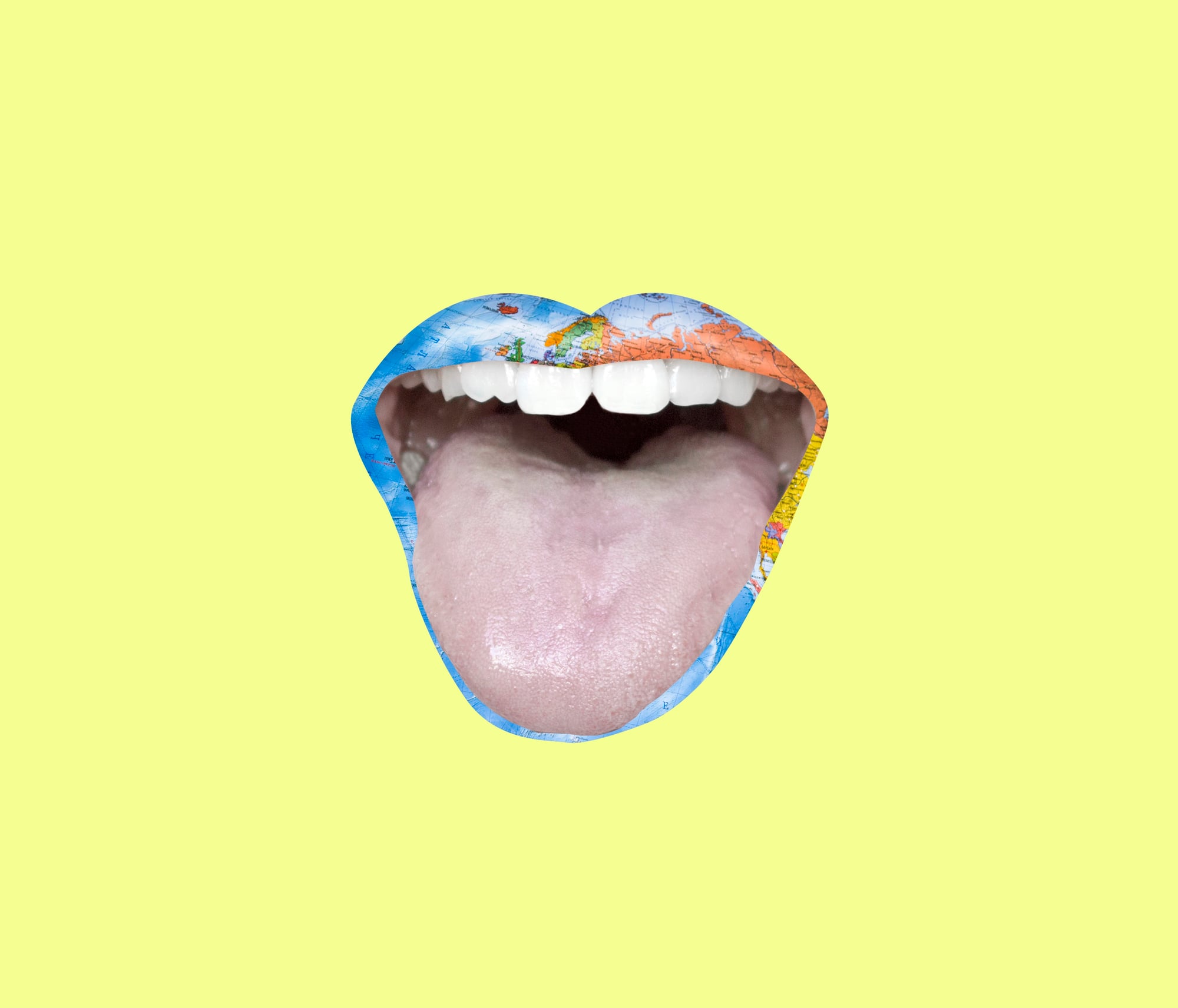
The diagram showing taste buds concentrated in different tongue regions for different flavors (sweet at the tip, bitter at the back, etc.) has been presented at dinner parties for decades as neuroscientific fact. Taste buds are distributed throughout the tongue fairly evenly, and all can detect all flavors. You can taste bitterness at the tip of your tongue and sweetness at the back. The myth originated from a misinterpretation of a 1942 research paper and was perpetuated in textbooks for decades despite being wrong.
Shaving Makes Hair Grow Back Thicker

Dinner party beauty experts confidently assert that shaving makes hair grow back thicker and darker. This is false. Shaving cuts hair at its blunt edge, which might feel slightly coarser or darker compared to the finer, tapered tip of unshaved hair. This visual effect is not thickness or darkness of the actual hair but a perceptual artifact of the cutting method. Hair growth isn’t affected by shaving. This myth is so persistent that millions have avoided hair removal based on a misunderstanding.
Poinsettias Are Poisonous

Dinner party warnings about poinsettia toxicity are common, based on the assumption that the plant is dangerously poisonous. Poinsettias are mildly toxic if ingested in large quantities, but they’re not the deadly plant popular belief suggests. A person would need to eat a massive quantity to experience serious effects. The myth likely stems from an incorrect estimate made in the 1950s that was widely circulated and never fully corrected. The warnings at dinner parties vastly overstate the danger.
Bats Are Blind

The dinner party fact-provider explains that bats are blind and navigate using echolocation, implying that lack of vision makes them helpless above ground. Bats aren’t blind—they have functional eyes and use them to navigate, especially in brighter conditions. They supplement vision with echolocation, which gives them additional sensory information. Saying they’re blind is a dramatic oversimplification that makes echolocation seem like a substitution technology rather than a complementary sense.
Glass Is a Liquid
The confident scientific assertion that glass is actually a liquid that flows extremely slowly, supported by pointing to old windows that are thicker at the bottom, is repeated at dinner parties with pseudo-intellectual certainty. Glass is an amorphous solid, not a liquid. The thicker glass at the bottom of old windows reflects the uneven manufacturing and installation methods of centuries past, not molecular flow. This myth gained traction among scientists before better techniques dispelled it, but it persists at dinner tables as though it’s cutting-edge fact.
More from Go2Tutors!

- The Romanov Crown Jewels and Their Tragic Fate
- 13 Historical Mysteries That Science Still Can’t Solve
- Famous Hoaxes That Fooled the World for Years
- 15 Child Stars with Tragic Adult Lives
- 16 Famous Jewelry Pieces in History
Like Go2Tutors’s content? Follow us on MSN.