Peculiar Professions That No Longer Exist
Jobs shaped by necessity used to fill days long ago. Without power grids or instant messages, people built lives on labor we’d now watch through museum glass.
Refrigerators hadn’t arrived yet machines stayed silent. Whole professions existed just to handle what clicks on automatically today.
Earning a wage meant doing things that could pass for stage acts now. Rent got covered by efforts few would recognize anymore.
Out of nowhere, tools began taking over jobs bit by bit. When a device handles what hands once did, tasks shift without warning.
Over time, those roles fade like old handwriting on paper. Still, glimpses remain of clever fixes folks dreamed up just to keep things moving.
A glance back reveals jobs so odd they seem made up – yet people actually did them. Some paid well, others barely survived on such work.
Not one of these careers exists now, vanished without much notice. Each had its moment, strange as it looks today.
Time wiped them out like chalk marks in rain.
Knocker-Uppers

Before alarm clocks became reliable household staples, waking up on time required human intervention. In parts of Britain and Ireland during the Industrial Revolution, ‘knocker-uppers’ were hired to tap on clients’ windows each morning.
They often used long sticks or pea shooters to reach upper floors. Factory workers depended on these early risers to avoid being late.
The arrangement ran on trust. Once the client stirred, the knocker-upper moved on to the next house.
The role faded as mechanical alarm clocks became affordable and dependable. What once required a steady hand and a good sense of timing now fits on a nightstand.
Ice Cutters

Before electric refrigeration, keeping food cold meant harvesting ice from frozen lakes and rivers. Ice cutters worked in brutal winter conditions, sawing large blocks from thick ice sheets.
These blocks were then stored in insulated ice houses for use throughout warmer months. The job demanded physical endurance and careful coordination.
A single misstep on slippery surfaces could prove dangerous. Entire industries formed around transporting and selling natural ice.
With the widespread adoption of electric refrigerators in the early 20th century, the need for harvested ice collapsed. What had once been a vital winter occupation vanished almost overnight.
Switchboard Operators

Early telephone systems required manual connections. When someone placed a call, a switchboard operator physically plugged wires into a panel to connect the caller to the recipient.
The job demanded concentration and clear communication. For decades, this role was a significant source of employment, particularly for women.
Operators became the human backbone of long-distance communication, managing busy networks with remarkable speed. Automated switching technology eventually rendered manual boards obsolete.
Today, digital systems route calls invisibly, leaving the image of a cord-filled switchboard as a nostalgic relic.
Lamplighters

Before electric streetlights illuminated cities, lamplighters walked nightly routes to ignite gas-powered lamps. At dawn, they returned to extinguish them.
The job required routine, reliability, and a willingness to work in all weather. The soft glow of gaslight shaped urban life, extending productive hours and enhancing safety.
Lamplighters were familiar figures in many 19th-century cities. As electric lighting systems spread, manual lamp maintenance became unnecessary.
The quiet figure carrying a ladder and flame faded from city streets.
Leech Collectors

In the 19th century, leeches were widely used in medical treatments. Physicians believed bloodletting could cure a variety of ailments, and demand for leeches surged.
Collectors waded into ponds and marshes, allowing leeches to attach to their legs before removing and storing them. The work was unpleasant and often physically taxing.
Exposure to cold water and repeated bites carried health risks. Yet it provided steady income in rural areas.
As medical science advanced and bloodletting fell out of favor, the leech trade declined sharply. Modern medicine still uses leeches in specialized procedures, but industrial-scale harvesting is no longer common.
Town Criers

Before newspapers became widespread and literacy rates improved, town criers served as public announcers. They rang bells and delivered news, proclamations, and local updates aloud in marketplaces and town squares.
The position carried authority. In some regions, interfering with a town crier could result in penalties.
Their voices connected governments to citizens in an era before mass media. The rise of print journalism and later electronic media made the role largely ceremonial.
Today, town criers appear mostly in historical reenactments rather than daily civic life.
Rat Catchers
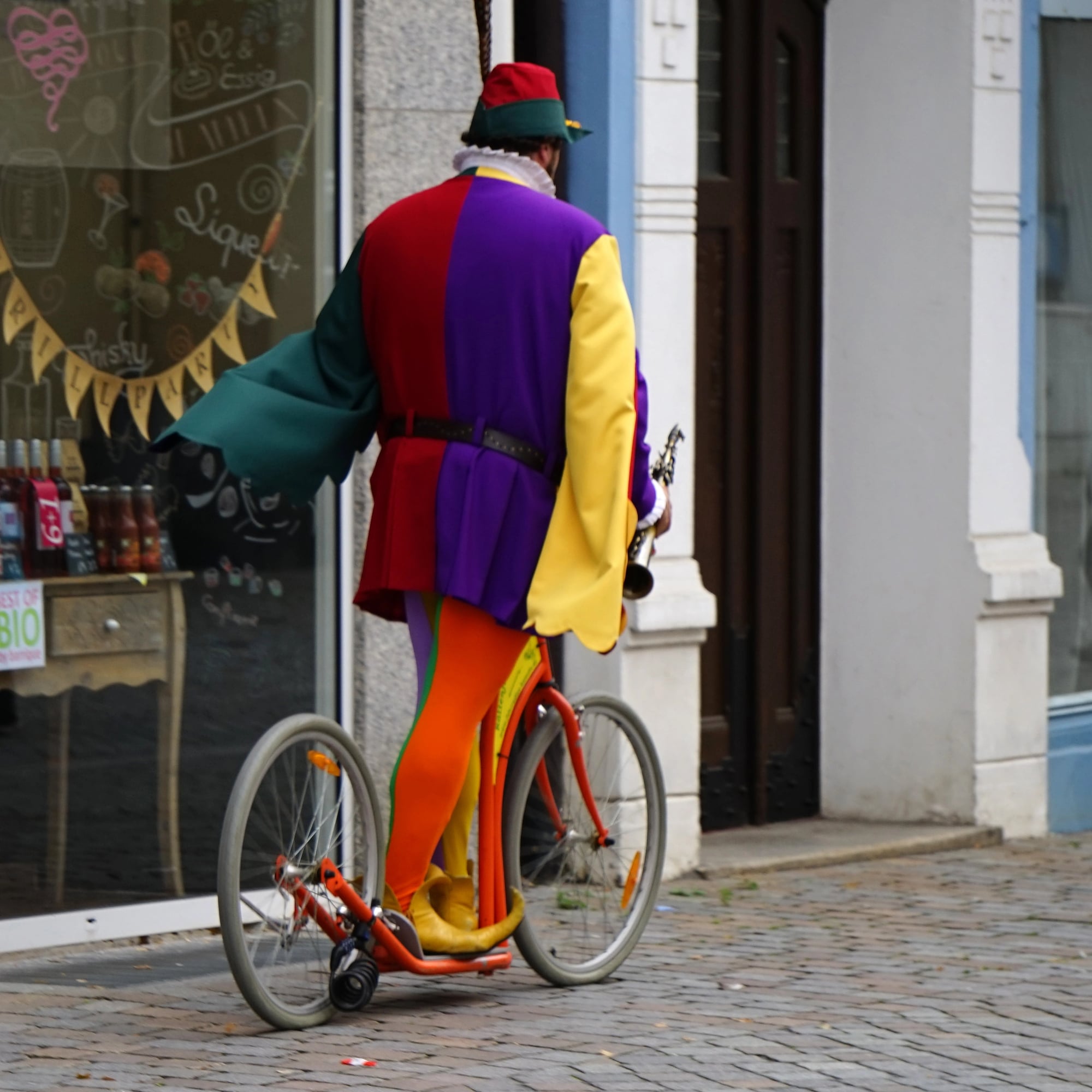
Urban expansion in the 18th and 19th centuries brought serious rodent infestations. Rat catchers were hired to control populations in cities, factories, and ships.
The work involved traps, terriers, and hands-on removal. The job required knowledge of rodent behavior and resilience in unsanitary conditions.
Rat catchers played a quiet but essential role in public health before modern pest control methods emerged. Advances in sanitation systems and chemical control methods reduced reliance on specialized rat-catching professions.
Pest management still exists, but the old image of a lone catcher roaming alleyways has largely disappeared.
Log Drivers

In North America’s timber industry, log drivers guided massive quantities of cut timber down rivers to sawmills. They balanced atop floating logs, using long poles to prevent jams and keep the wood moving.
The work was dangerous and required exceptional balance. A misstep could mean being swept under by fast-moving water.
Entire communities depended on this seasonal labor. The construction of roads, railways, and trucks eventually replaced river transport.
Log driving declined sharply as safer, mechanized methods took over.
Milk Deliverymen

Before widespread refrigeration and supermarket chains, milk was delivered daily to doorsteps. Deliverymen traveled early in the morning, leaving glass bottles in insulated boxes outside homes.
The service ensured families had fresh dairy products without needing long-term storage. It also fostered neighborhood familiarity, as delivery routes became routine.
As refrigeration improved and grocery stores expanded, daily milk delivery became less necessary. While some specialty services remain, the once-common sight of clinking bottles on porches is far less frequent.
Human Computers

Before electronic computers transformed calculation, large institutions employed ‘human computers’ to perform complex mathematical tasks. These individuals calculated trajectories, engineering formulas, and scientific data by hand.
The role required precision and patience. In the early space program, teams of human computers contributed critical calculations that guided missions.
As digital computers advanced, manual calculation teams were phased out. The term ‘computer’ shifted from describing a person to describing a machine.
Why These Jobs Matter Now

Strange jobs appeared whenever life required answers. Not technology killing off odd work by accident – instead it stepped into spaces left open.
Things we now find charming used to hold up towns, pay wages, keep systems running. The outdated once kept people fed.
Back then, those lost jobs show how fast new ideas shift work. One lifetime passes – skills people relied on fade out.
Change keeps moving; now common careers might someday look odd. Familiar jobs fade when new tools arrive.
Not every ending means something broke. Each vanishing role tells how people adapt, build, then rebuild again.
Change moves quietly beneath routines we barely notice.
More from Go2Tutors!

- The Romanov Crown Jewels and Their Tragic Fate
- 13 Historical Mysteries That Science Still Can’t Solve
- Famous Hoaxes That Fooled the World for Years
- 15 Child Stars with Tragic Adult Lives
- 16 Famous Jewelry Pieces in History
Like Go2Tutors’s content? Follow us on MSN.



