27 Cereal Boxes From the ’80s That Kids Begged Their Parents For
The 1980s were the golden age of sugary breakfast cereals, when the prizes and packaging mattered more than what was actually in the bowl. Cartoon mascots with absurd stories, rare collectible toys, and box designs that doubled as play sets transformed breakfast into a high-stakes negotiation between children and parents navigating supermarket aisles.
Kids didn’t eat cereal for nutrition—they ate it for whatever plastic artifact promised adventure at the bottom of the box. This was the era when cereal was worth begging for, when opening a new box meant possibility.
The competition between brands wasn’t subtle. Free toys, temporary tattoos, coupons for comic books, and interactive games printed directly on the back of the box made each purchase feel like a lottery ticket.
Parents who refused to buy the sugary options were genuinely unpopular people. The breakfast cereal aisle wasn’t just food; it was negotiation space between childhood desire and parental resistance.
Frosted Flakes—Tony’s Premiums Inside
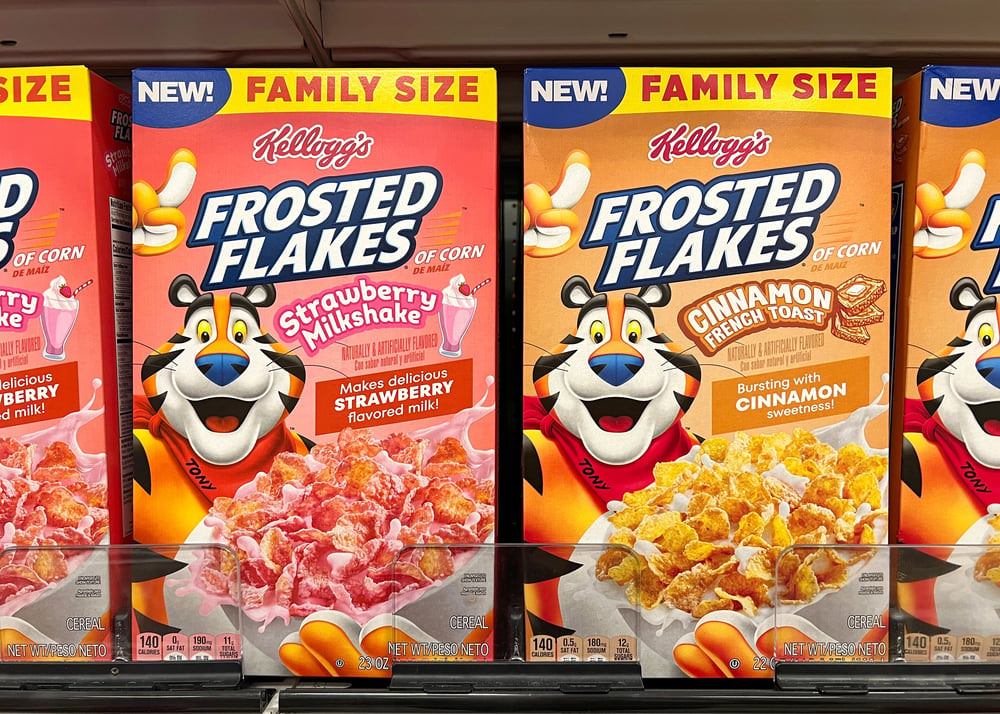
Frosted Flakes promised bonus premiums with every box, and kids collected everything Tony pushed. The cereal itself was secondary to whatever 3D plastic toy was sealed in a small envelope at the bottom.
Getting the complete set meant your parents had to buy multiple boxes, which made this a parent’s financial trap masquerading as a cereal.
Froot Loops—Toucan Sam’s Adventures
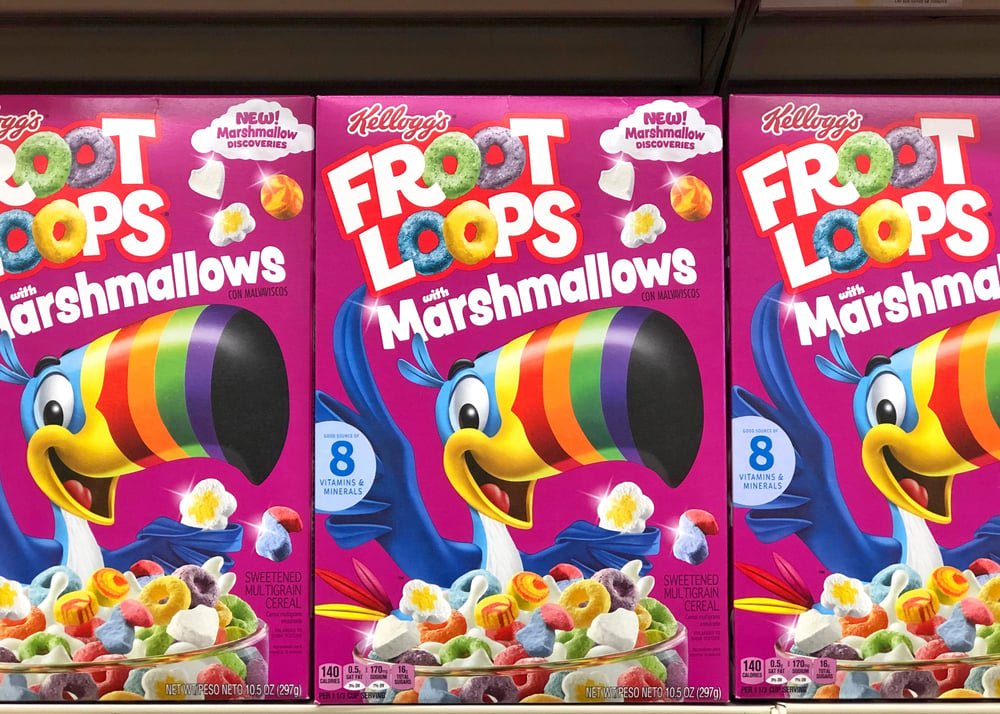
Kids loved Froot Loops not because they were particularly good but because Toucan Sam made breakfast entertaining. The character’s catchphrase “Follow your nose, it always knows” was genuinely compelling when you were six, and the boxes always promised something collectible hidden inside.
Lucky Charms—Finding the Marshmallows
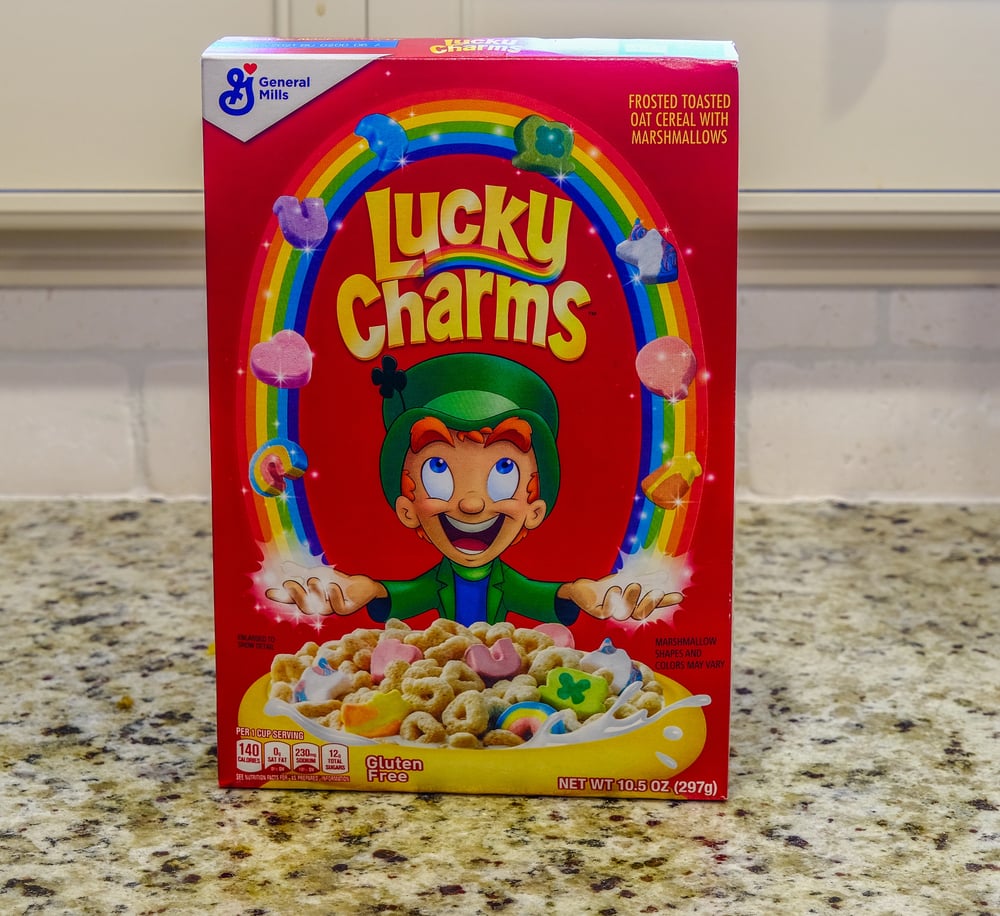
Lucky Charms positioned itself as a treasure hunt. Kids ate the oat pieces to get to the colored marshmallows, making the experience less about nutrition and more about patience and delayed gratification.
Every box promised a secret surprise premium, and the quest to find it kept kids engaged.
Cinnamon Toast Crunch—Sugar and Spice
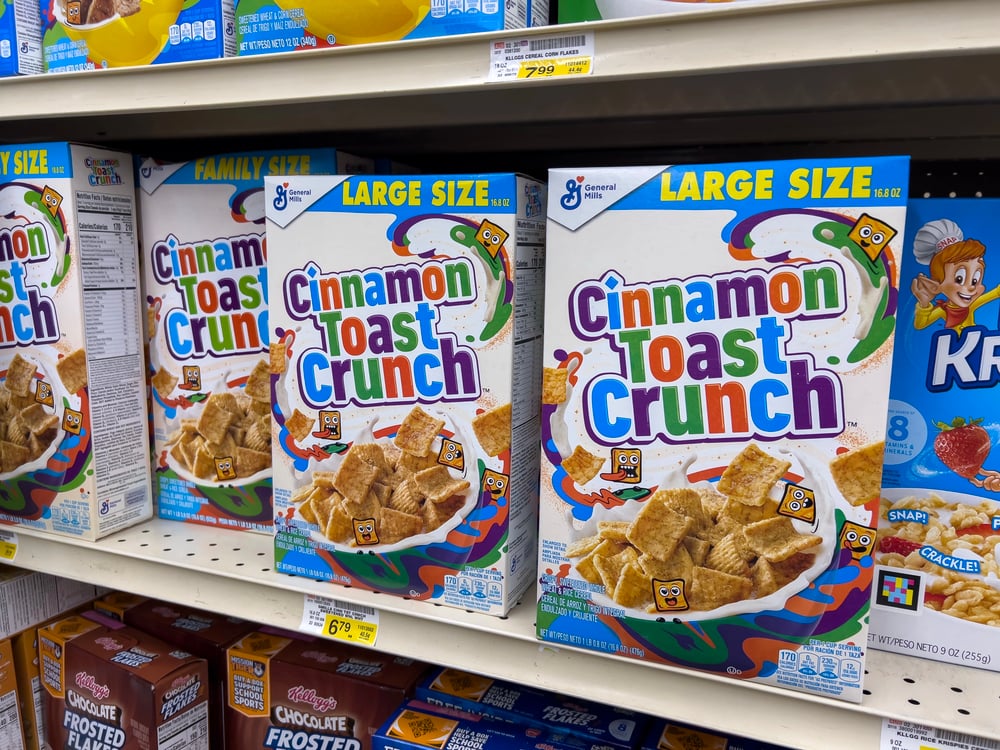
Cinnamon Toast Crunch came with premium offers printed directly on the box back. The cereal itself was intensely sweet, but the real draw was collecting everything from t-shirts to Walkmans via cereal box coupons—making breakfast cereals a legitimate path to consumer goods.
Capn Crunch—Pirate Prizes
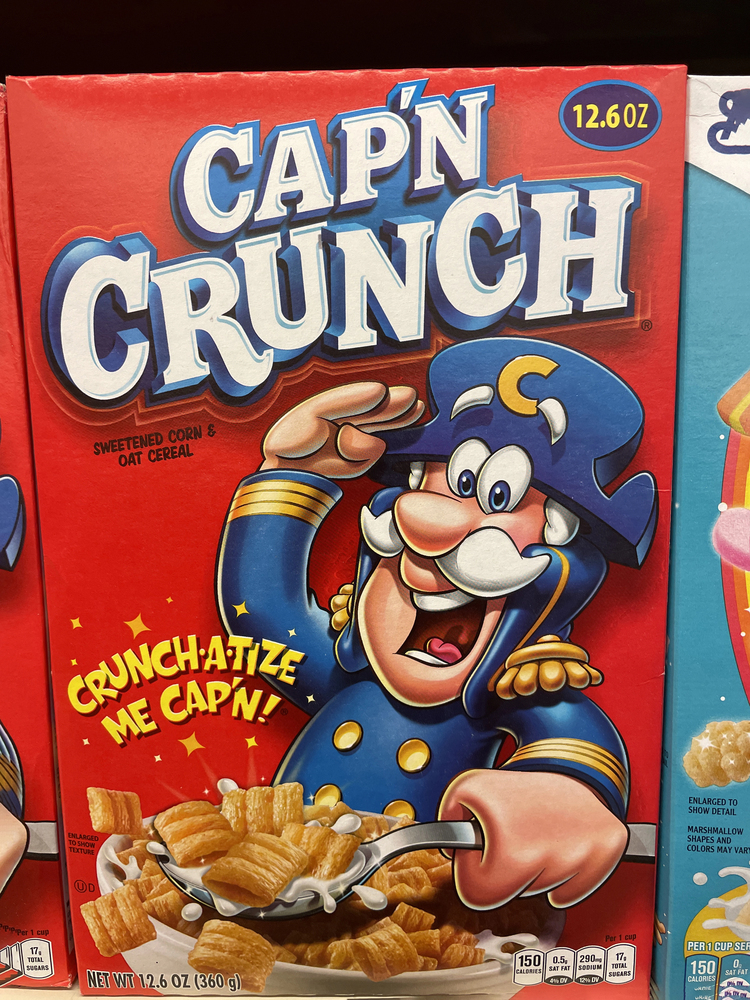
The Capn Crunch boxes were decorated like pirate ships, and the promise of “Crunch-a-tizing” your milk made the experience feel like an adventure. The cereal came with mail-in offers that took weeks to arrive, but the anticipation was part of the fun.
Apple Jacks—Ride the Characters
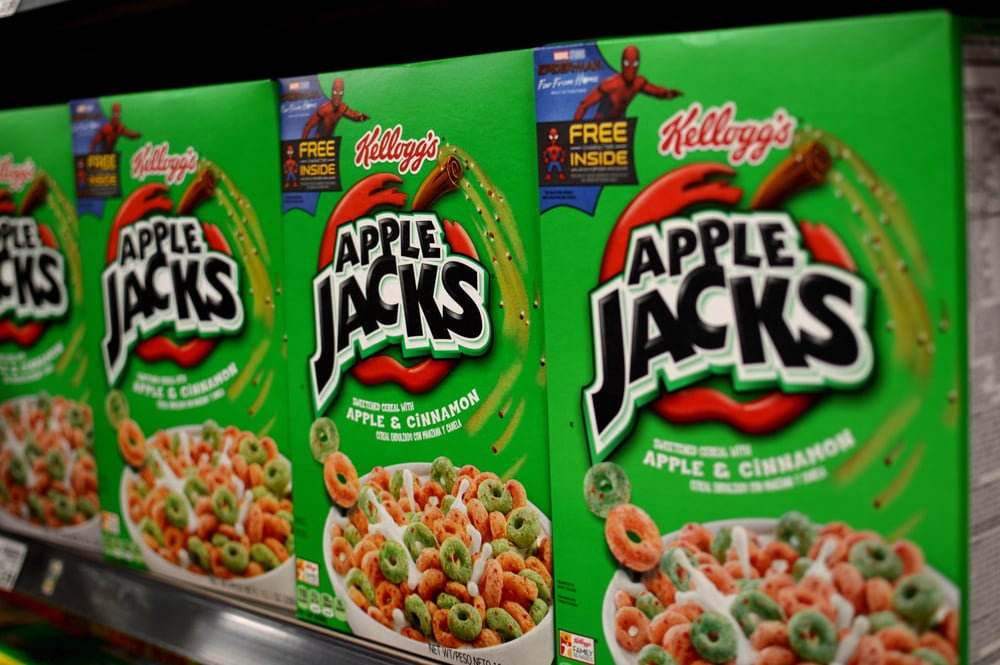
Apple Jacks featured colorful characters on packaging that doubled as maze games and collectible trading cards. The novelty of the box design made Apple Jacks visible from across the grocery store, and kids could identify their preferred version from 20 feet away.
Trix—Trick into Trix
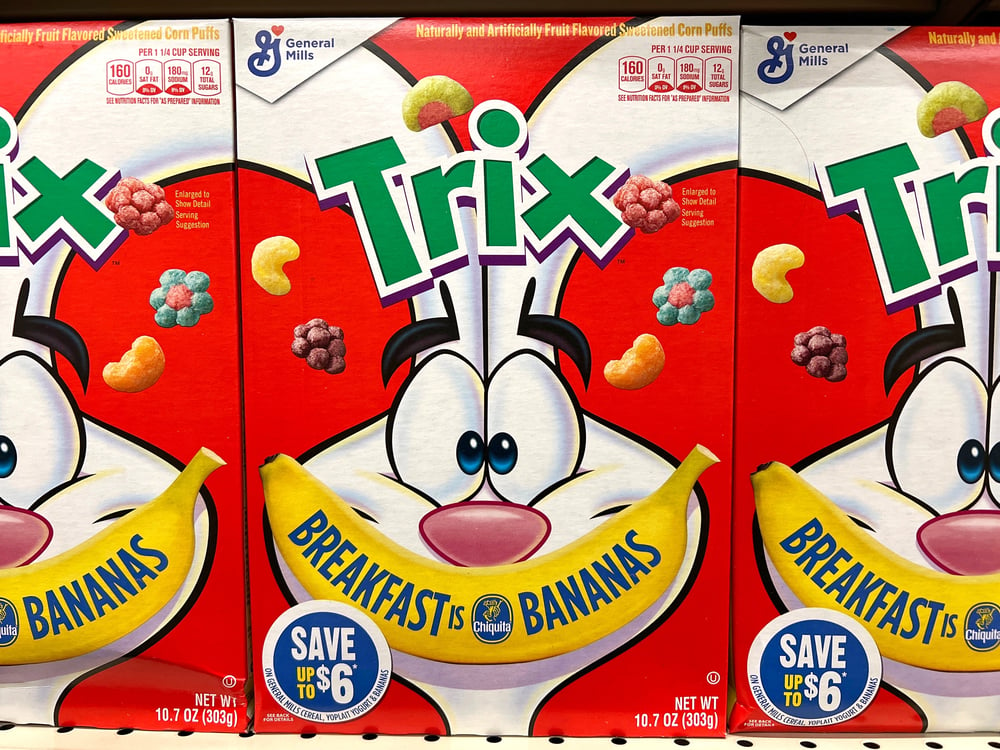
Trix promised exclusive premiums, and the marketing focused on tricking kids into wanting what the rabbit wanted. The boxes featured games and activities that turned eating cereal into an interactive experience.
Count Chocula—Halloween Collectibles
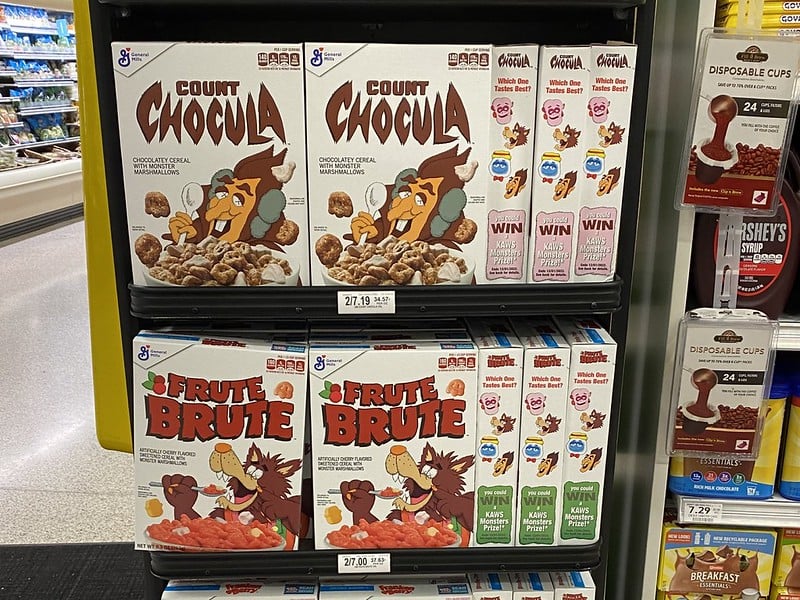
Count Chocula boxes from the 1980s featured seasonal character designs that collectors still seek today. The chocolate-flavored cereal was secondary to the novelty of the character box, which made it a special-occasion purchase that kids anticipated all year.
Cocoa Puffs—Cuckoo for Collectibles
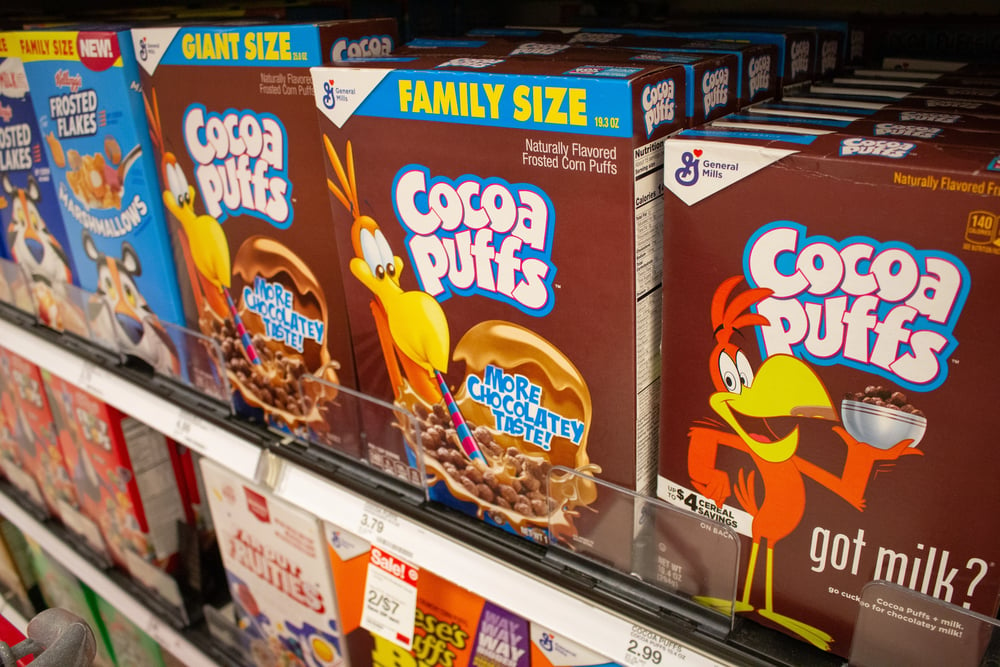
Cocoa Puffs promised action figures and premium toys that ranged from decent to laughably small. The mystery of not knowing what toy was inside made kids push their parents to buy multiple boxes, hoping for the rare variant.
Honey Nut Cheerios—Sweet Bee Rewards
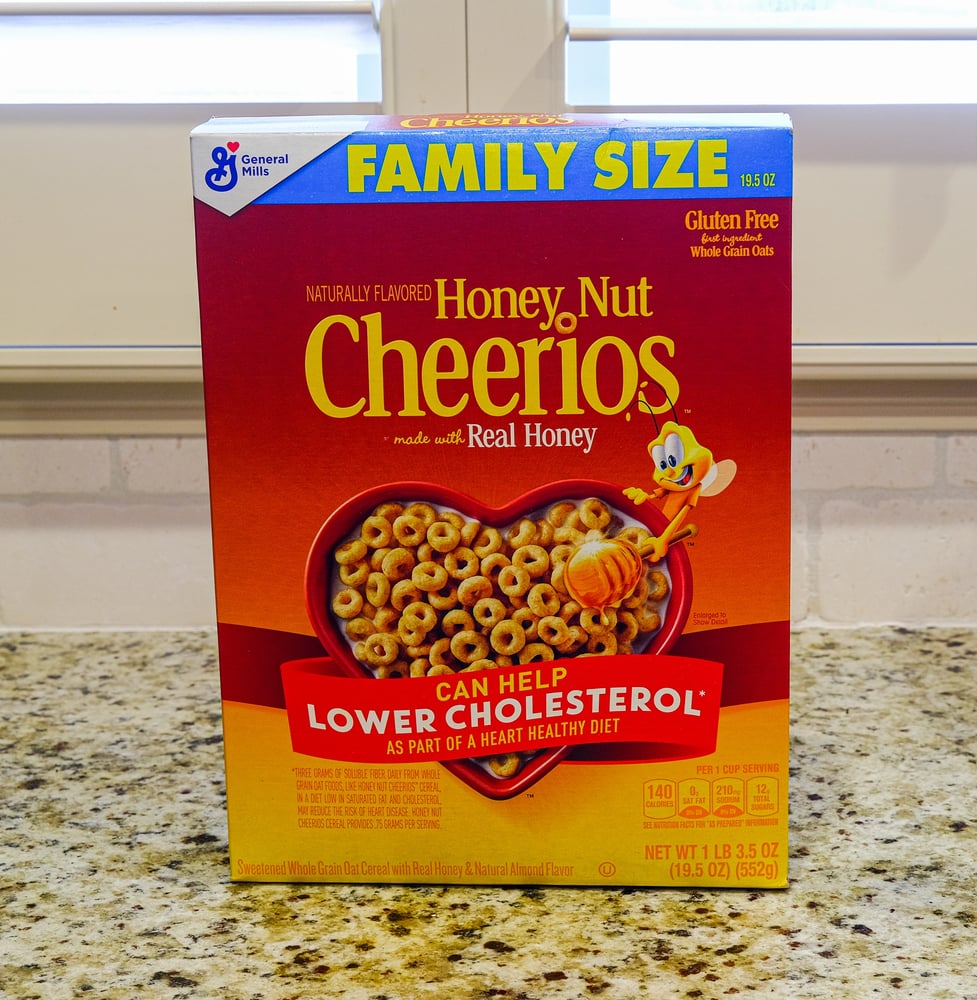
Honey Nut Cheerios’ Buzzy the Bee mascot appeared on boxes offering mail-in premiums and collectible bee-themed toys. Kids wanted the cereal specifically for the bee references and the promise of bee-related rewards.
Rice Krispies—Premium Proof
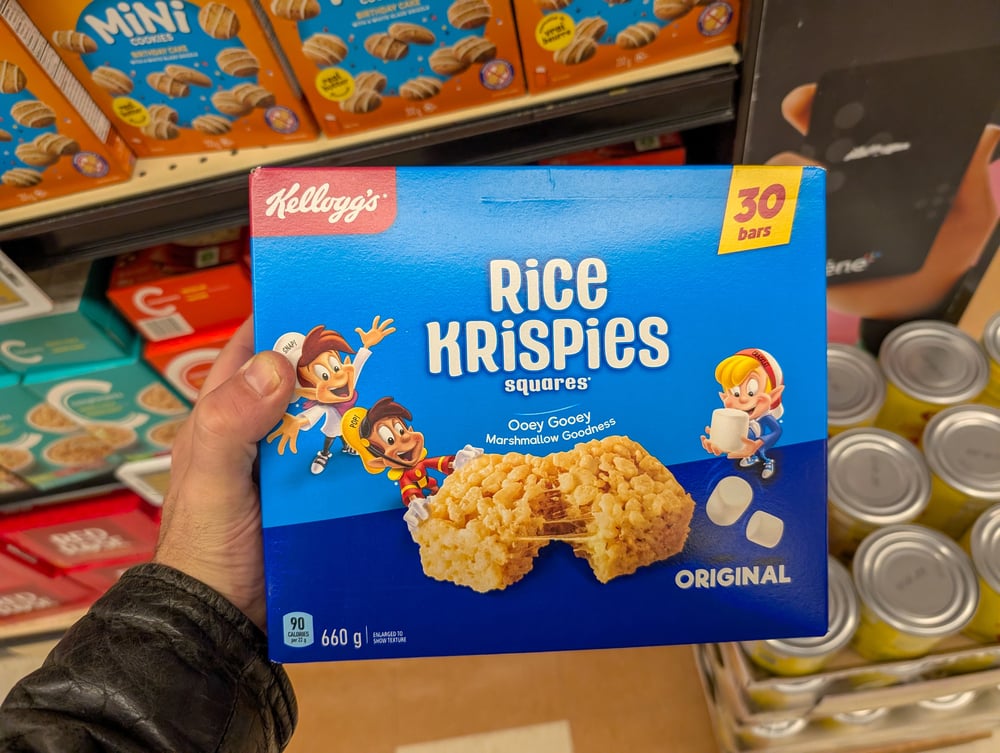
Rice Krispies boxes in the 1980s came with offers for premiums that ranged from toys to video game credits. The cereal’s mild flavor appealed to fewer kids than the heavily sugared options, but the prizes made it competitive.
Raisin Bran—Collecting Against Expectations
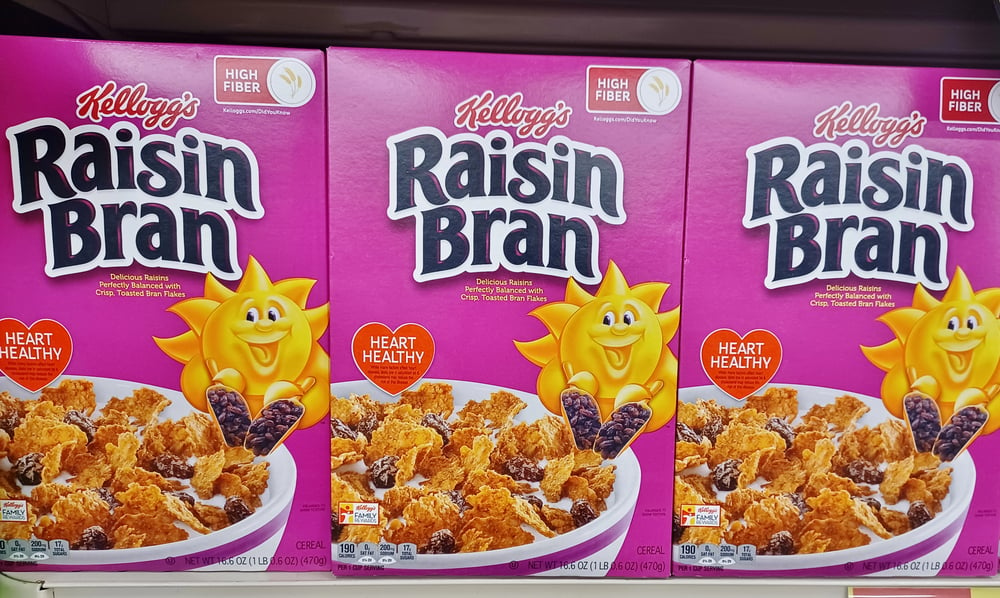
Raisin Bran somehow convinced kids it was a treat despite being genuinely healthy. The box design featured colorful elements and premium offers that made health-conscious parents feel less guilty about buying cereal.
Quisp—Alien Excitement
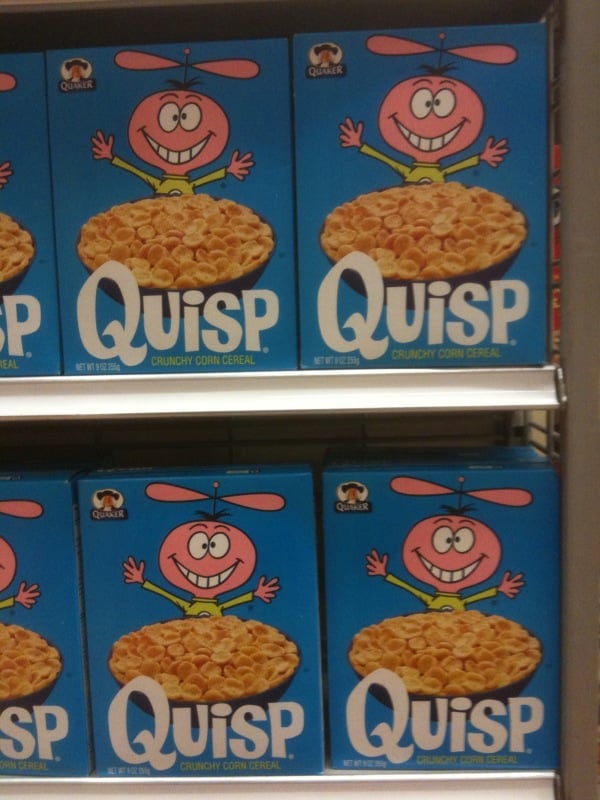
Quisp, with its alien character and spaceship-themed boxes, promised futuristic toys and mail-in premiums. The cereal was aggressively sugared and positioned as the “cool” alternative to more established brands.
Cap’n Crunch with Crunch Berries—Enhanced Adventure
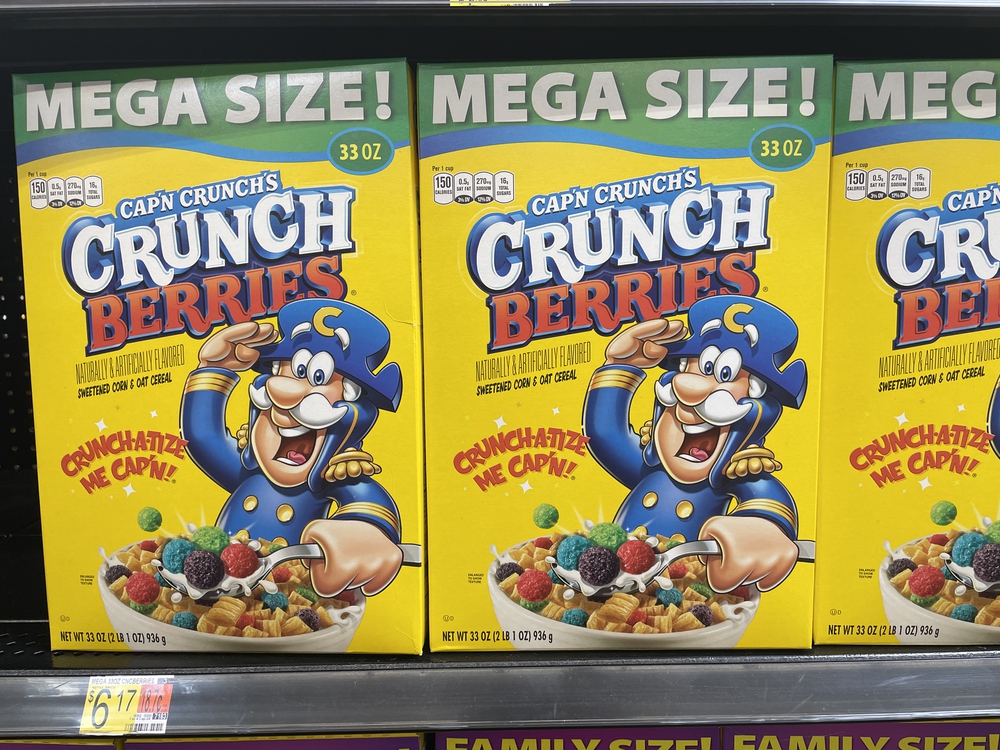
The berry version came with different box designs each month, turning the cereal aisle into a “gotta catch ’em all” situation before the Pokemon era. Kids wanted specific box variations for their completionist collections.
Honeycomb—Geometry and Rewards
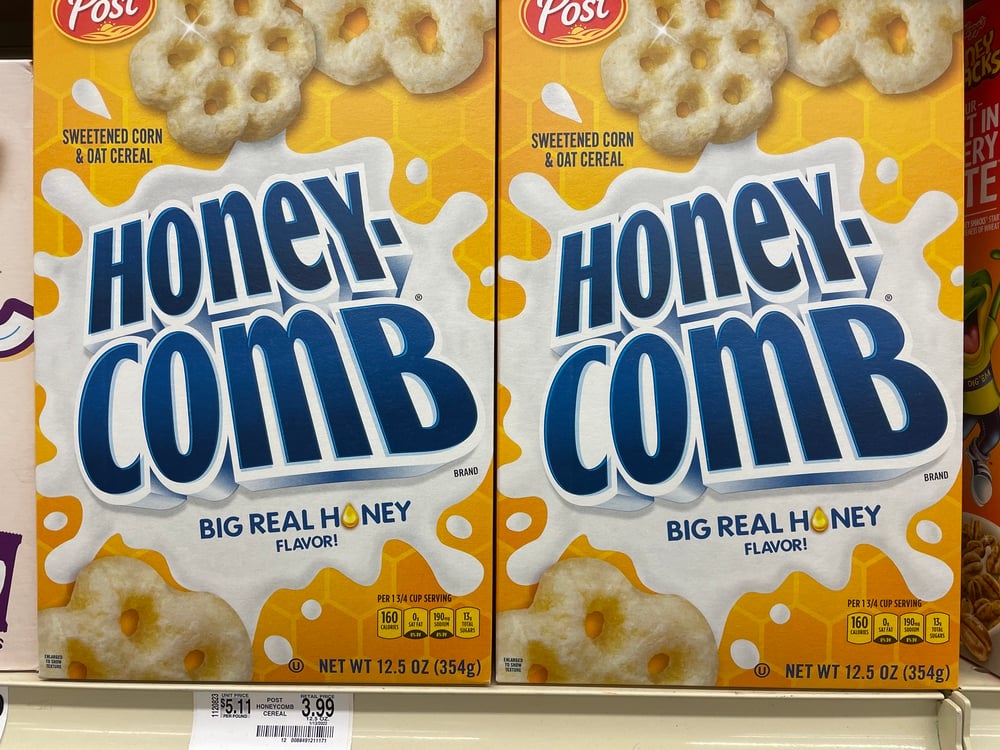
Honeycomb positioned itself with geometric patterns and promises of collectible rewards. The cereal’s unique shape made it interesting to kids, and the box design featured games and activities.
Grape-Nuts—Adult Marketing, Kid Appeal
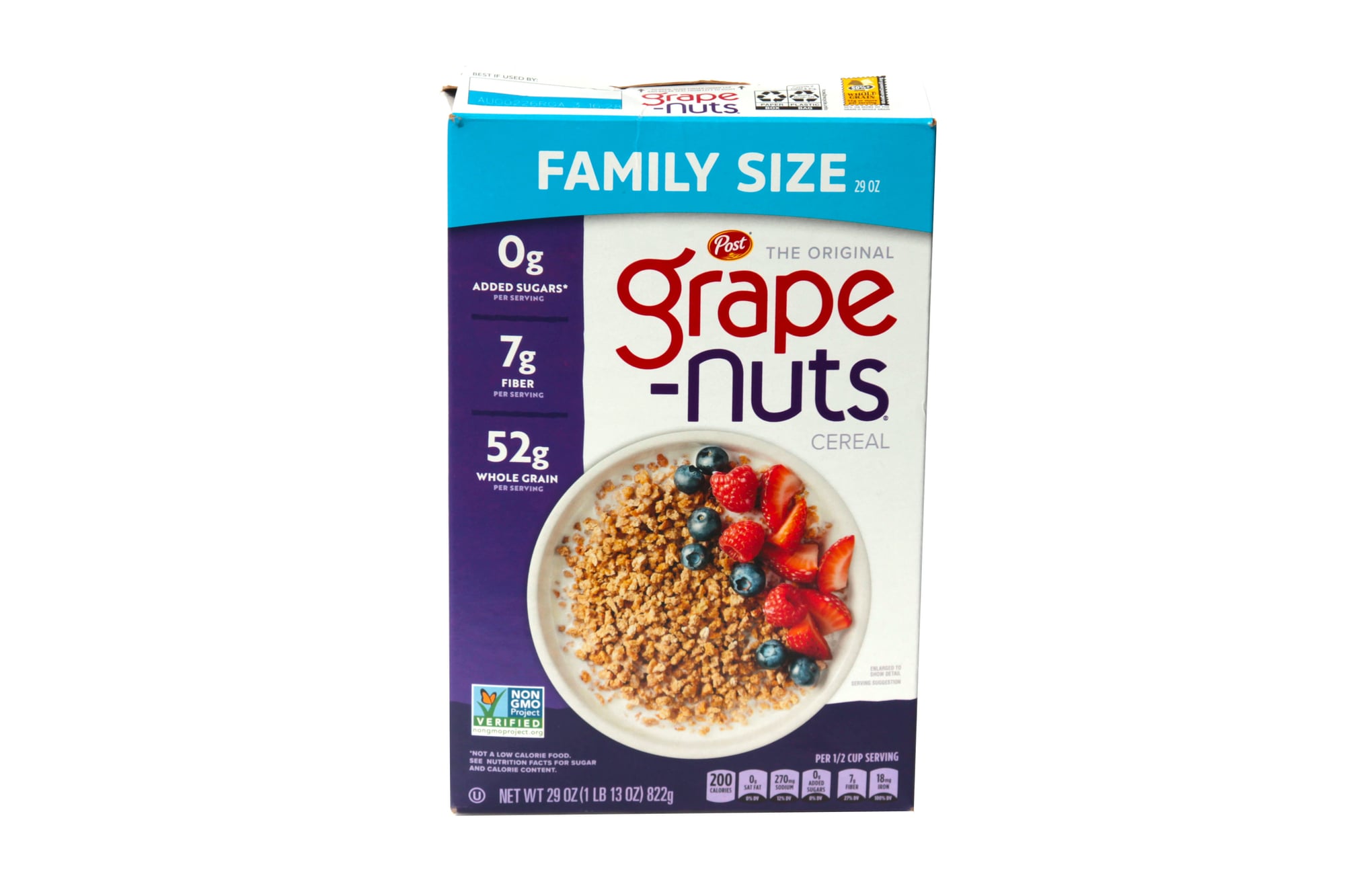
Grape-Nuts somehow targeted kids despite being a serious adult cereal. The 1980s boxes featured premium offers that confused adults and intrigued kids, creating an unusual market niche.
Corn Pops—Flavor Adventure
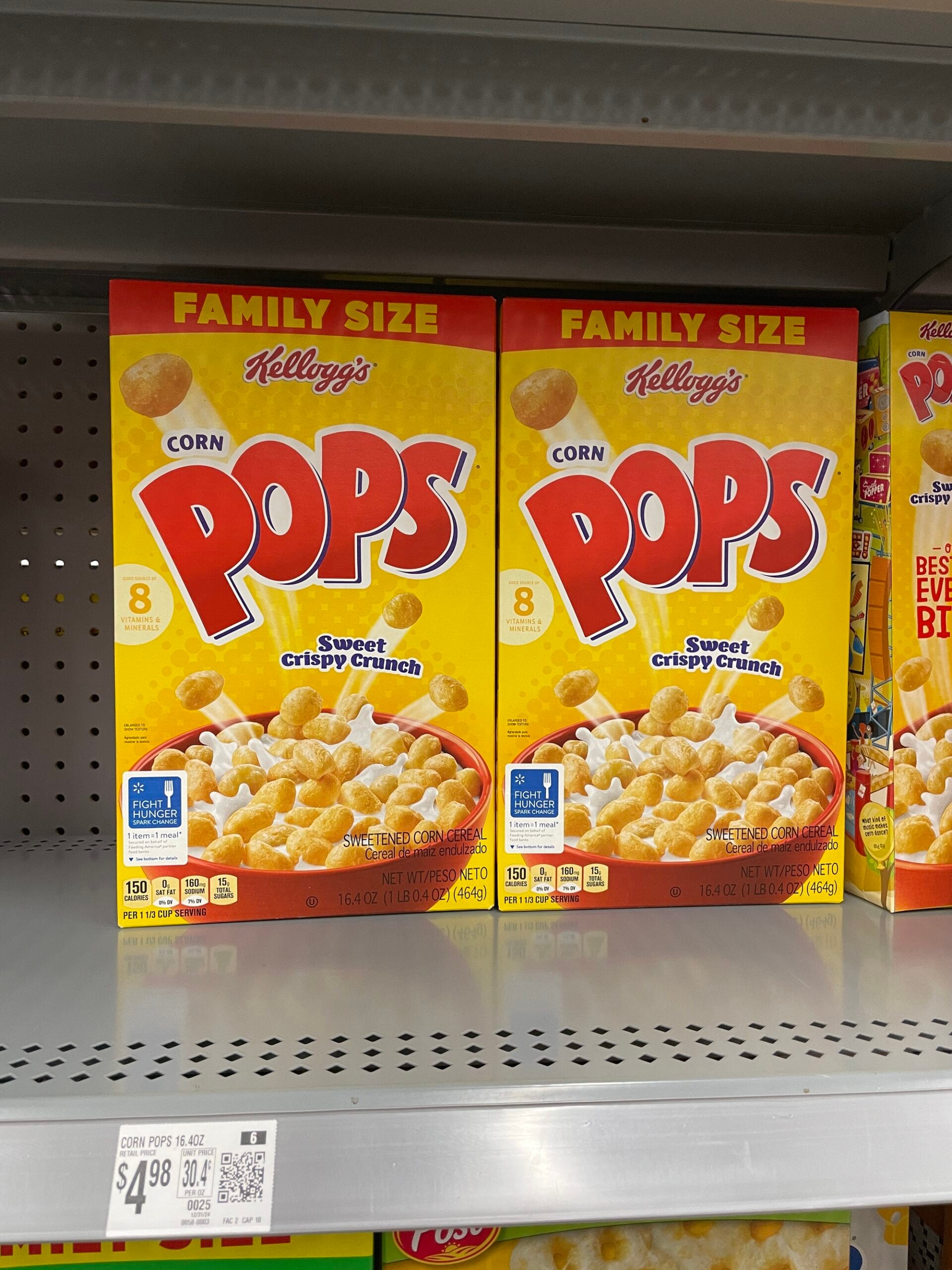
Corn Pops’ boxes promised taste adventures and mail-in premiums. The cereal appealed to kids who wanted something sweeter than corn flakes but different from the chocolate options.
Oat Squares—Puzzle Box Designs
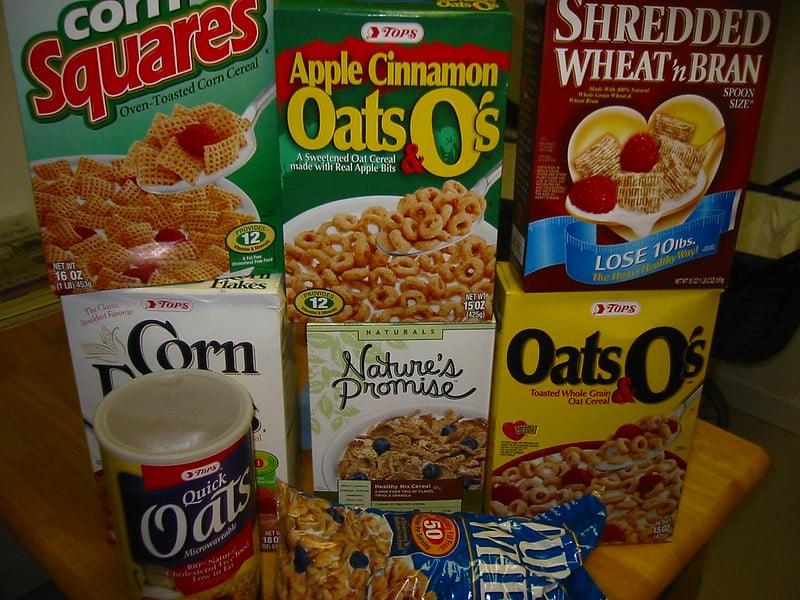
Oat Squares boxes featured puzzle designs on the back that kids could cut out and assemble. The premium experience was integrated into the box itself, making ownership feel more interactive.
Cookie Crisp—Literally Cookies for Breakfast
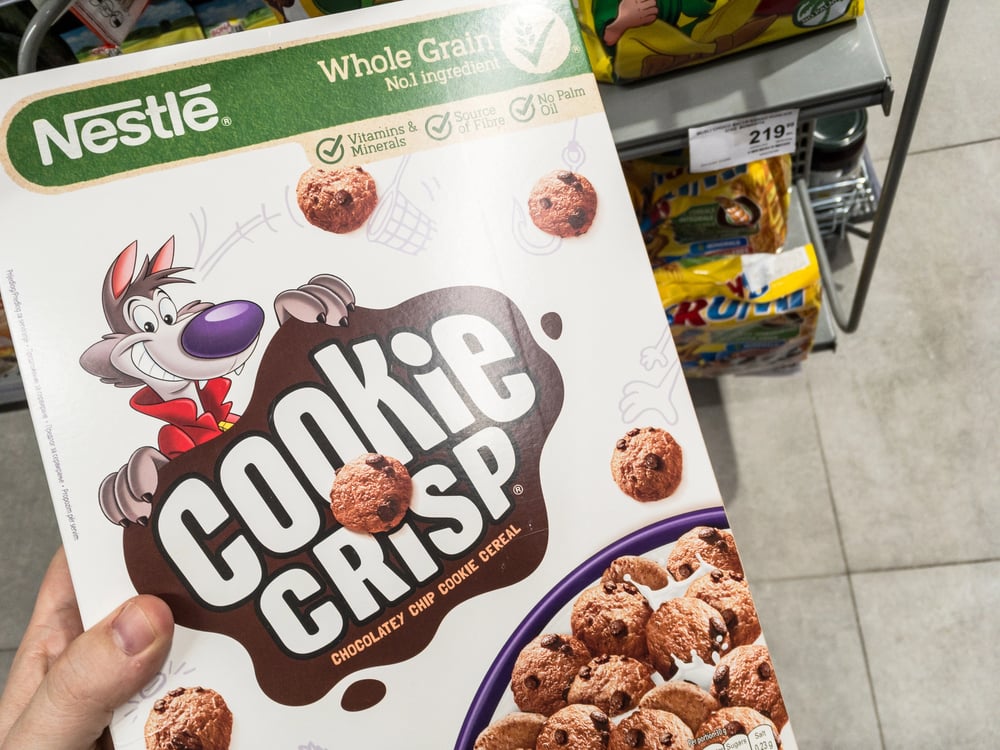
Cookie Crisp’s revolutionary marketing sold actual cookie-flavored cereal. The box featured bandit characters and promised that breakfast could taste like dessert, which was genuinely appealing to kids who had no say in what went in their bowl.
Nerds Cereal—Sugar Delivery System
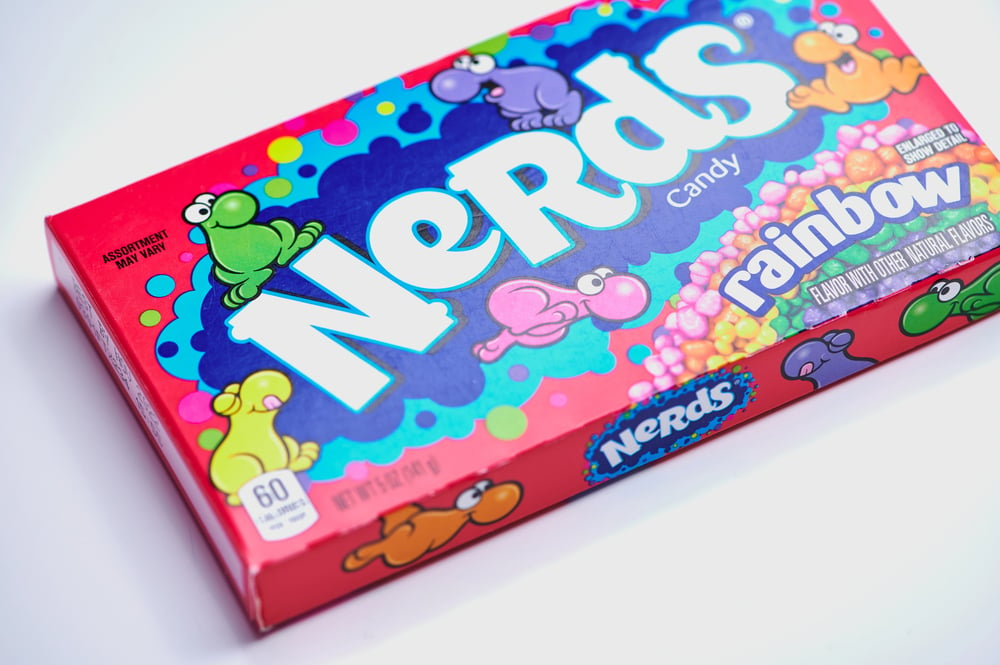
Nerds Cereal took the popular candy and turned it into a breakfast option. The 1980s boxes featured candy collectibles and the promise that breakfast was actually candy, which was the entire appeal.
Reese’s Puffs—Chocolate and Peanut Butter Dreams
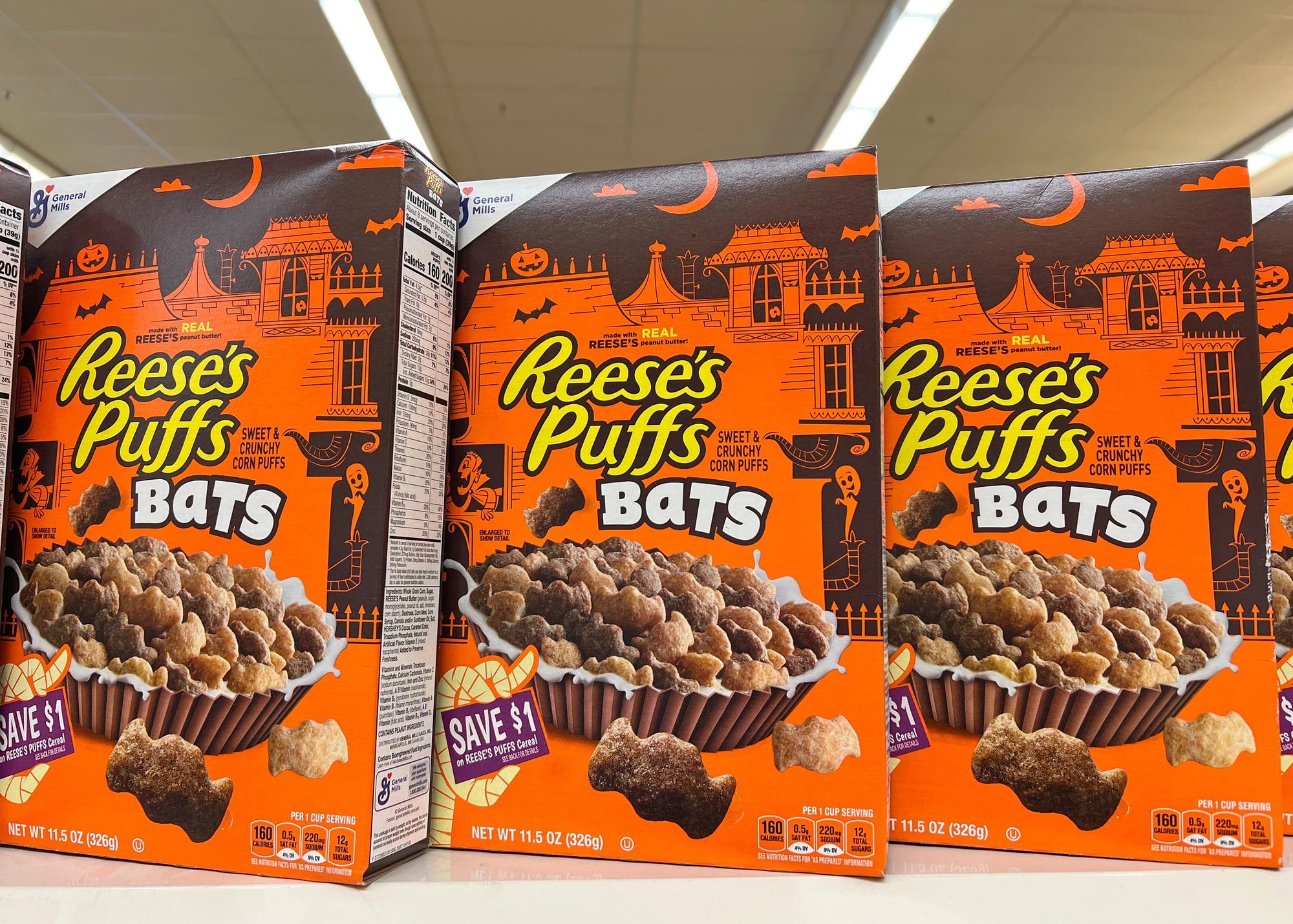
Reese’s Puffs positioned chocolate and peanut butter as a legitimate breakfast combination. The boxes came with premiums that made the cereal feel like a special treat rather than a breakfast staple.
Franken Berry—Monster Marketing
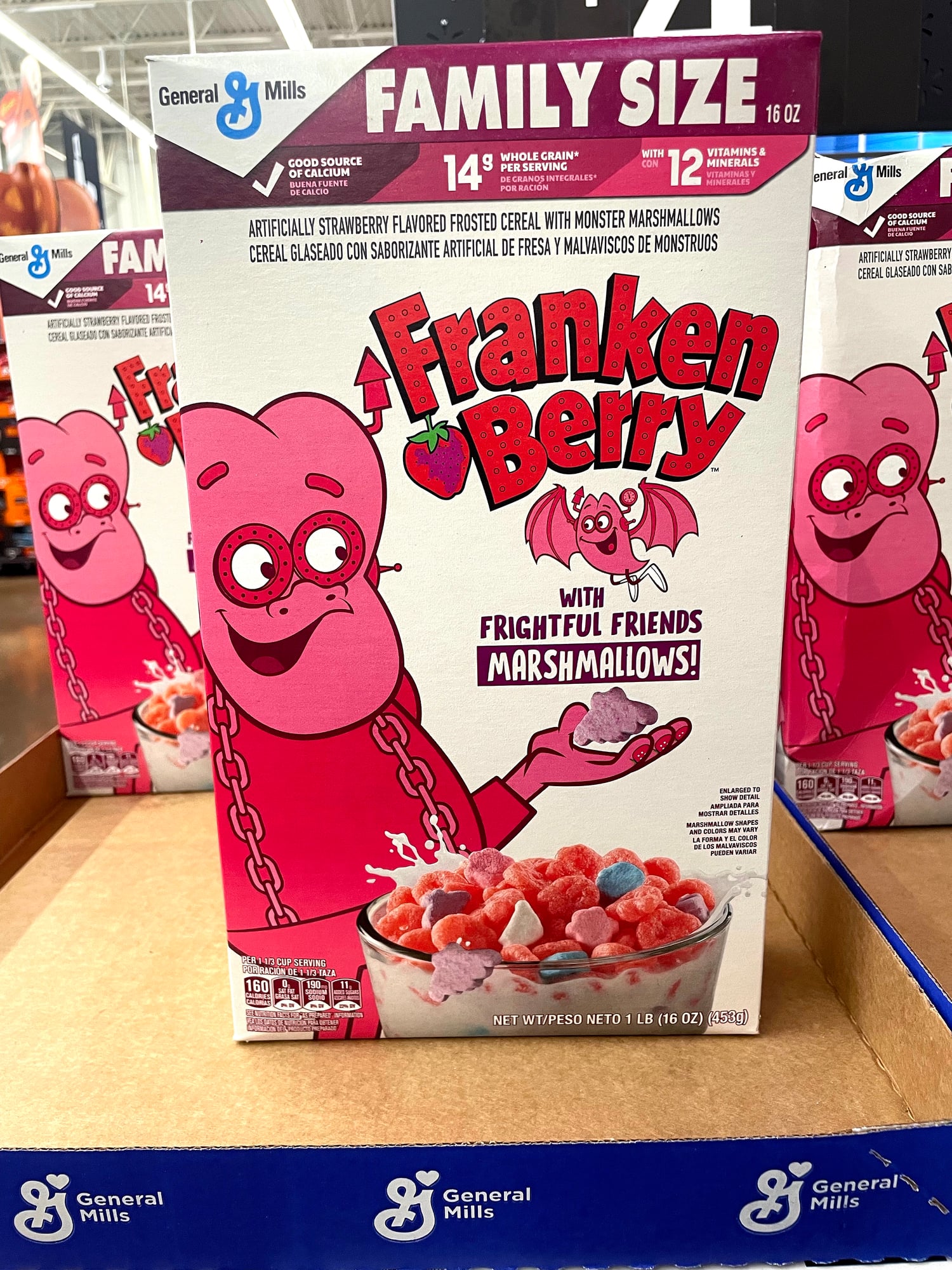
Franken Berry’s pink monster design made boxes instantly recognizable. The strawberry-flavored cereal came with monster-themed premiums and collectible box designs that changed seasonally.
Boo Berry—Spooky Collectibles
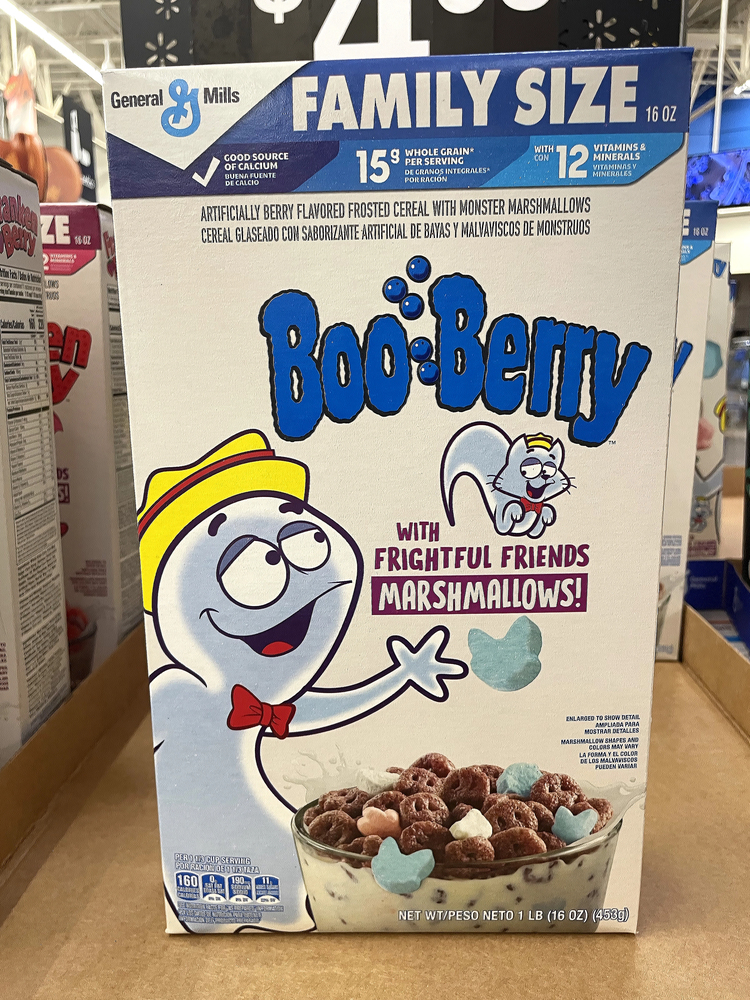
Boo Berry’s blueberry flavor and ghost mascot made it a limited-season must-have. Kids begged for boxes specifically because they weren’t available year-round, creating artificial scarcity.
Sprinkle Spangles—Rainbow Promise
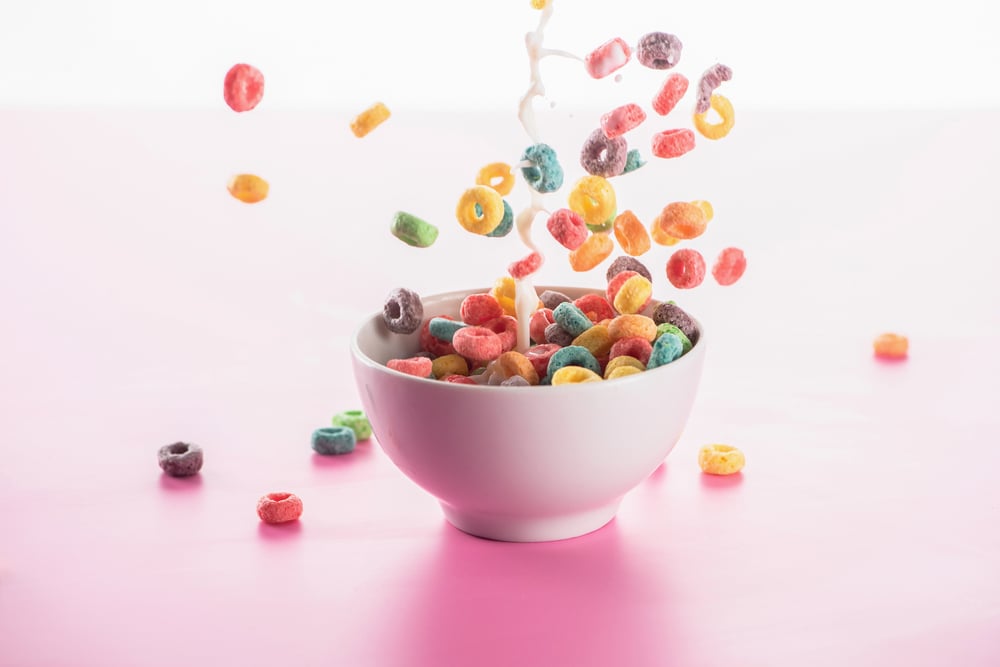
Sprinkle Spangles’ colorful designs promised that breakfast could be rainbow-colored. The novelty of the concept and the box design made this a high-demand item despite mediocre actual cereal quality.
Kix—Humble Nostalgia
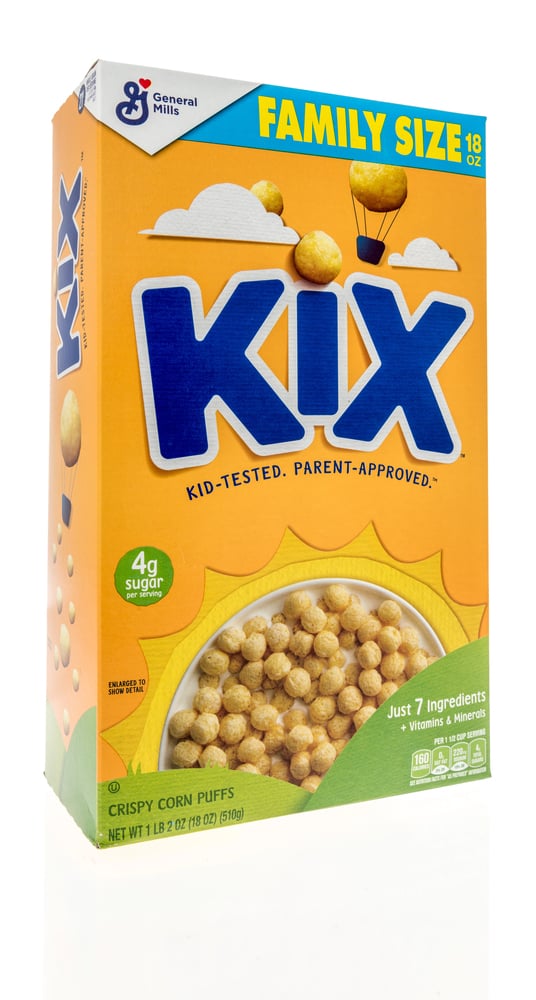
Kix managed to appeal to kids despite being fundamentally bland. The boxes featured simple games and activities that turned eating into participation, and the mild flavor actually tasted better than many of the heavily sugared options.
Chex Cereal—Mix Your Own Adventure
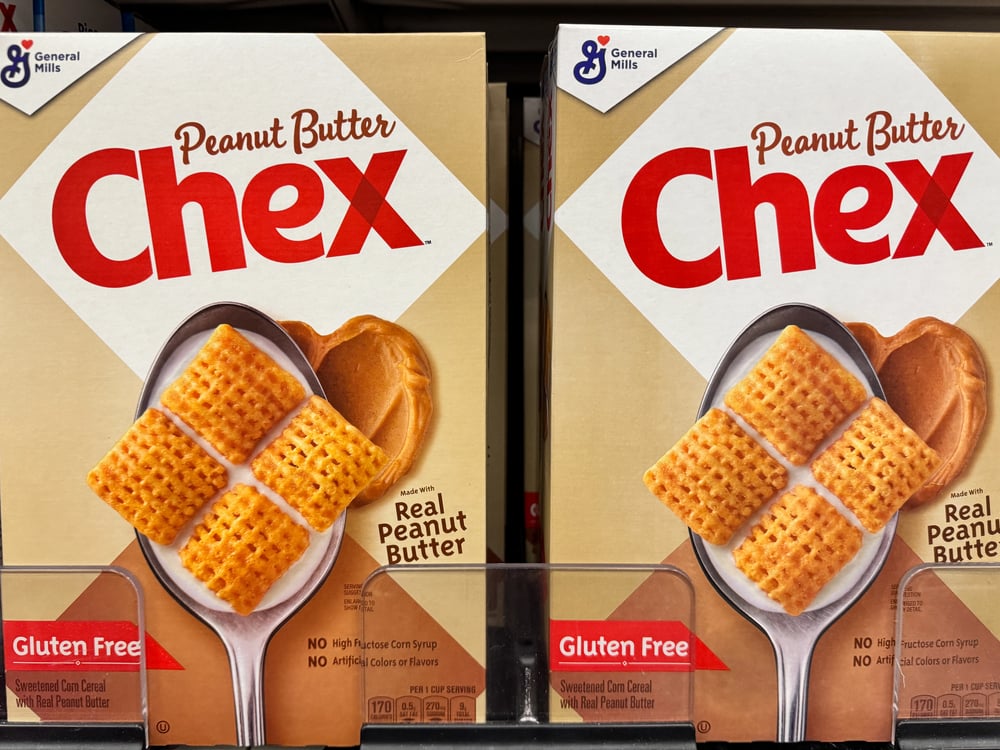
Chex boxes in the 1980s featured “Chex Mix” recipes and cereal combinations, positioning the product as a base for creating your own breakfast adventure. The novelty of mixing cereals turned eating into creative play.
Post Toasties—Forgotten Classic
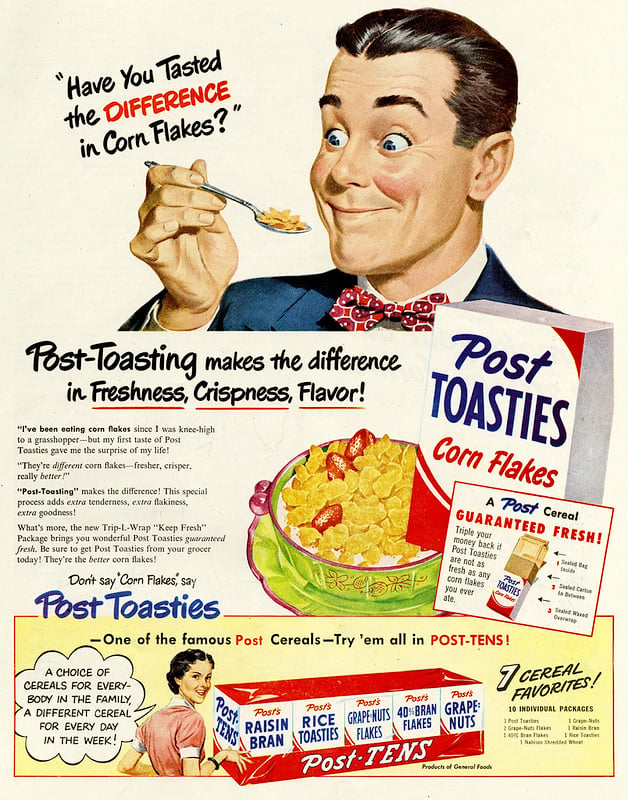
Post Toasties’ simple toasted grain approach appealed to fewer kids, but the boxes featured mail-in premiums that made them competitive when premiums were the primary draw.
Why Kids Loved Cereal Boxes Then
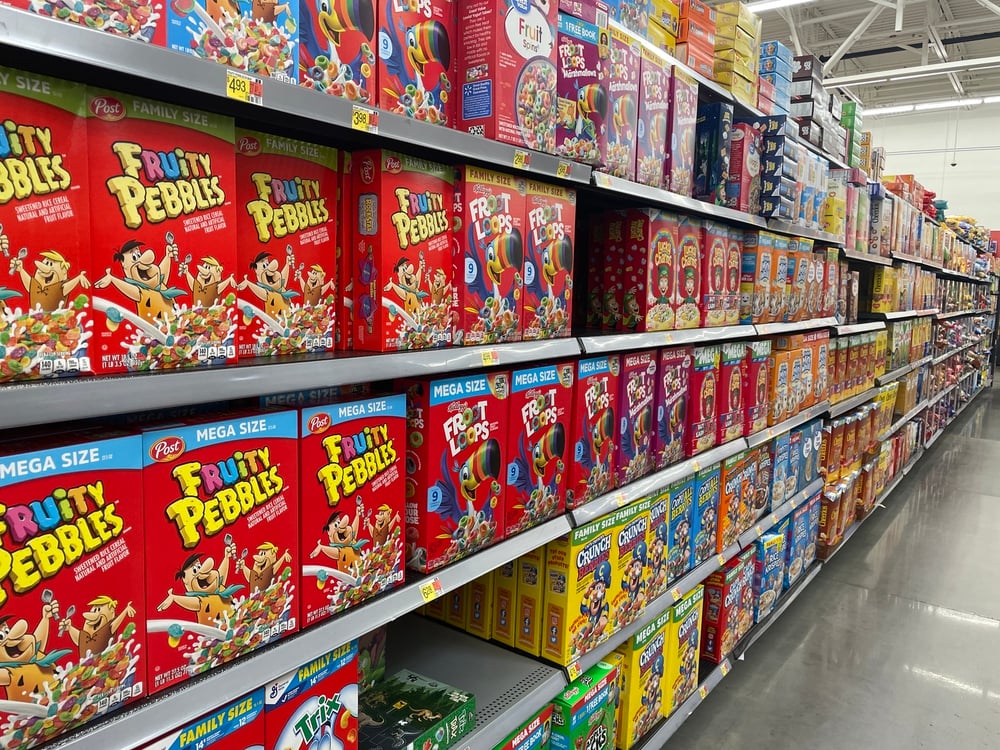
The cereal aisle of the 1980s represented a moment in consumer history when marketing directly to children was unrestrained and premiums were expected. Parents learned quickly that the only way to win a breakfast negotiation was to find a compromise: a cereal that satisfied both the child’s desire for treats and the parent’s basic nutritional concerns.
The boxes mattered more than the food inside, and kids understood that eating breakfast wasn’t about sustenance—it was about collecting, completing sets, and the thrill of finding the prize at the bottom.
More from Go2Tutors!

- The Romanov Crown Jewels and Their Tragic Fate
- 13 Historical Mysteries That Science Still Can’t Solve
- Famous Hoaxes That Fooled the World for Years
- 15 Child Stars with Tragic Adult Lives
- 16 Famous Jewelry Pieces in History
Like Go2Tutors’s content? Follow us on MSN.