21 Toys From the ’90s That Classrooms Argued Over Daily
The 1990s were peak playground negotiation—when possession of the right toy determined social status and arguments erupted over whose turn it was to have a piece of plastic. Toys weren’t just playthings; they were currency, status symbols, and genuine sources of playground conflict.
Teachers learned quickly that confiscating a desired 1990s toy was as effective as detention. The jealousy was real, the disputes were constant, and the pressure to have the same toys as peers was legitimate social survival.
The internet didn’t exist to make children feel inadequate about what other kids had—that was still a neighborhood-based discovery. But the concentration of kids in schools meant that toy trends moved through classrooms like epidemics.
If one kid had it, everyone wanted it. If you didn’t have it, you were the kid without the thing.
Playground arguments in the 1990s were almost entirely about toys, and trading them was a complex economy that teachers didn’t understand and couldn’t regulate.
Tamagotchi—Digital Possession
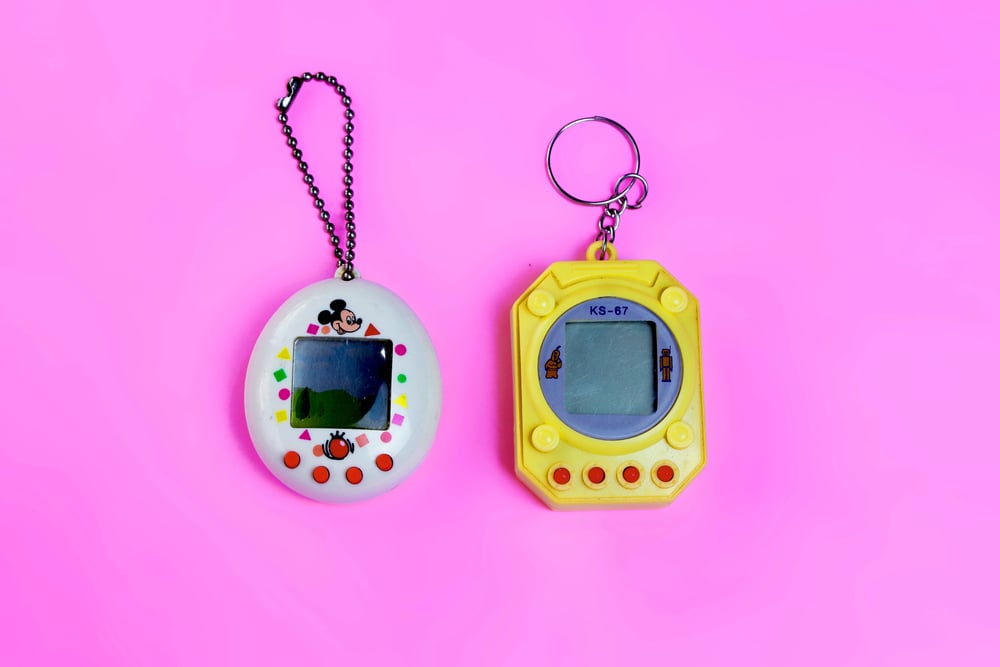
Tamagotchis created classroom obsession. Kids who had one had constant responsibility and status.
Kids who didn’t have one begged their parents every single day. The virtual pet required attention during class, and teachers confiscated them despite knowing this made kids genuinely anxious about their digital pets’ survival.
Pog Collections—Cardboard Status Symbols
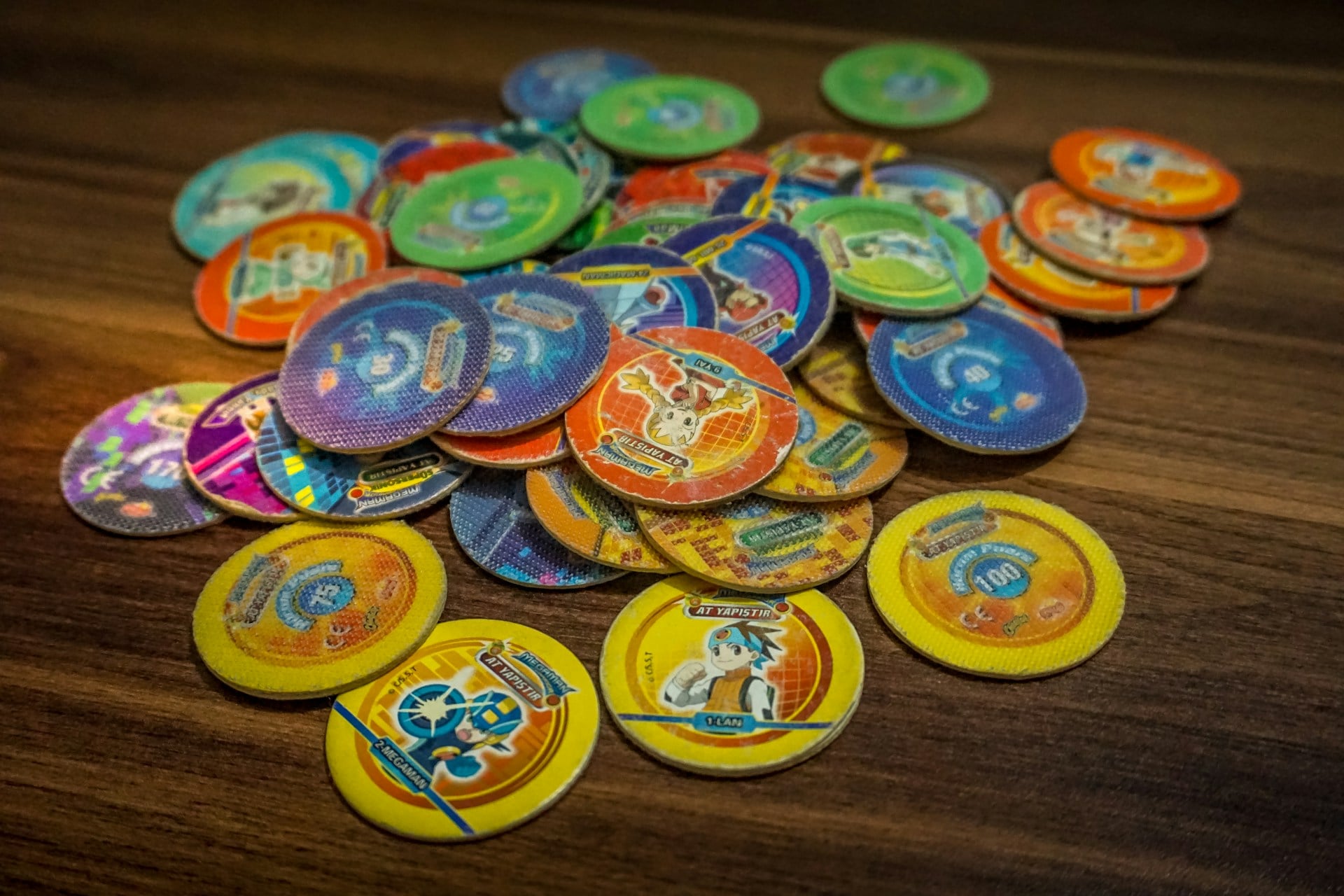
Pogs were cardboard discs with pictures, and the competition was collecting complete sets. Kids brought tubes of pogs to school, made trades, and argued about which designs were rare.
Owning holographic pogs meant status; owning only basic pogs meant you were behind the trend curve.
Slap Bracelets—Snap-On Status
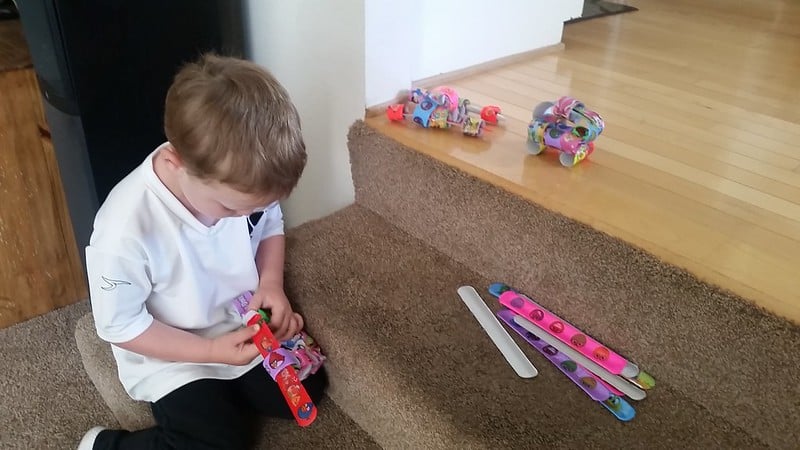
Slap bracelets were coiled metal strips that snapped around your wrist. The novelty was the mechanism, but the status was having multiple colors.
Sharing slap bracelets was currency, and having none meant playground invisibility.
Beanie Babies—The Investment Craze That Reached Kids
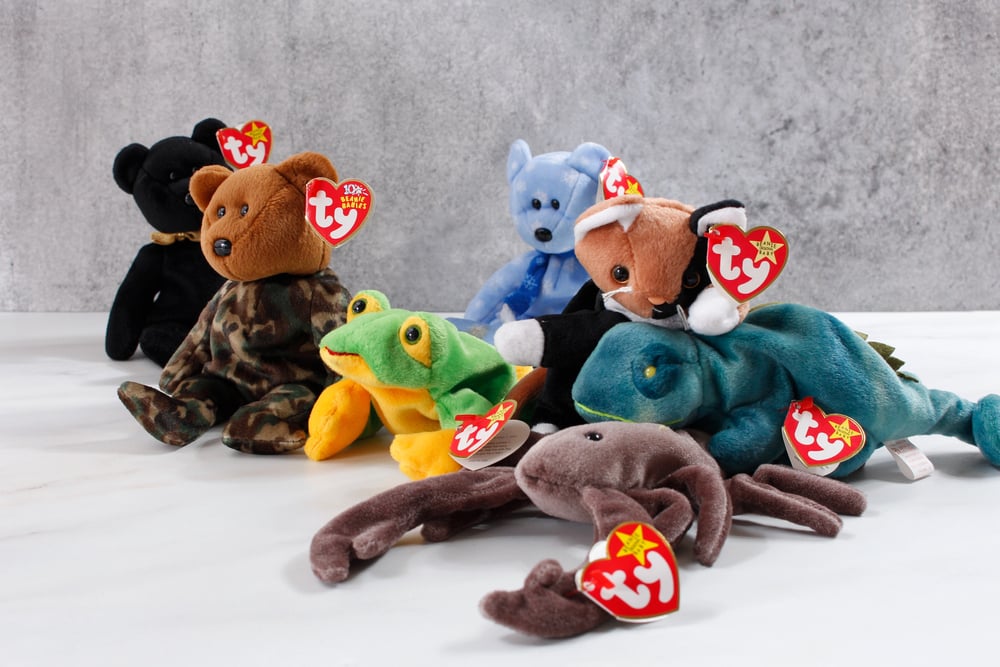
Beanie Babies’ artificial scarcity and collector hype filtered down to kids who actually wanted to play with them. The pressure to own rare varieties meant kids begged for specific releases, and playground arguments erupted over trading value.
Magic: The Gathering Cards—Game Status
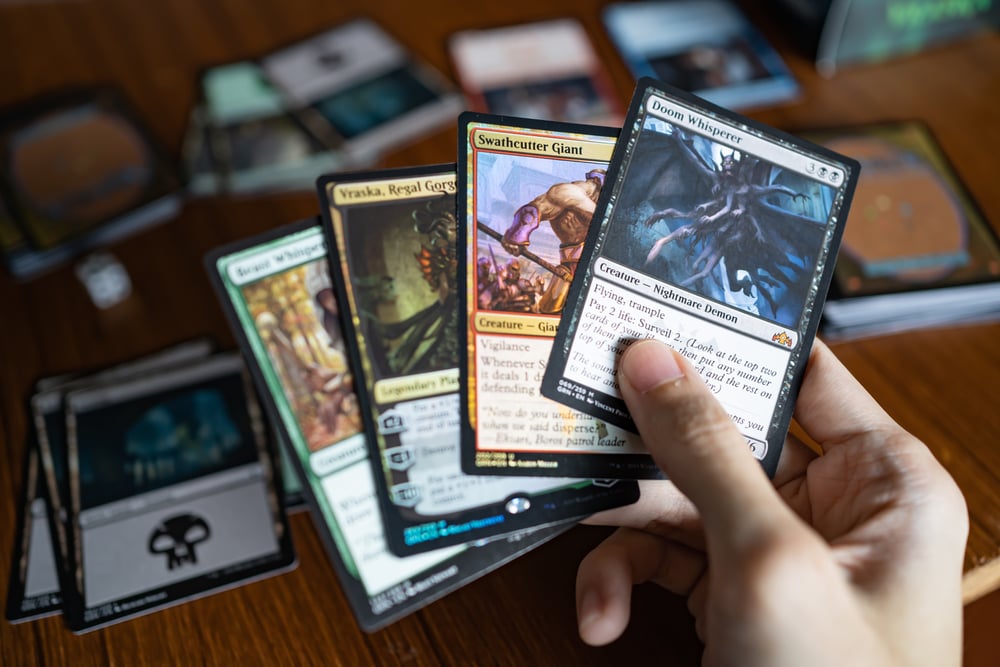
Magic cards created an immediate hierarchy: those who knew the game and had powerful cards, and those who didn’t. Kids pooled money for booster packs and argued about whose deck was stronger.
Teachers couldn’t understand the social currency of specific cardboard rectangles.
Pokemon Cards—Trading Economy
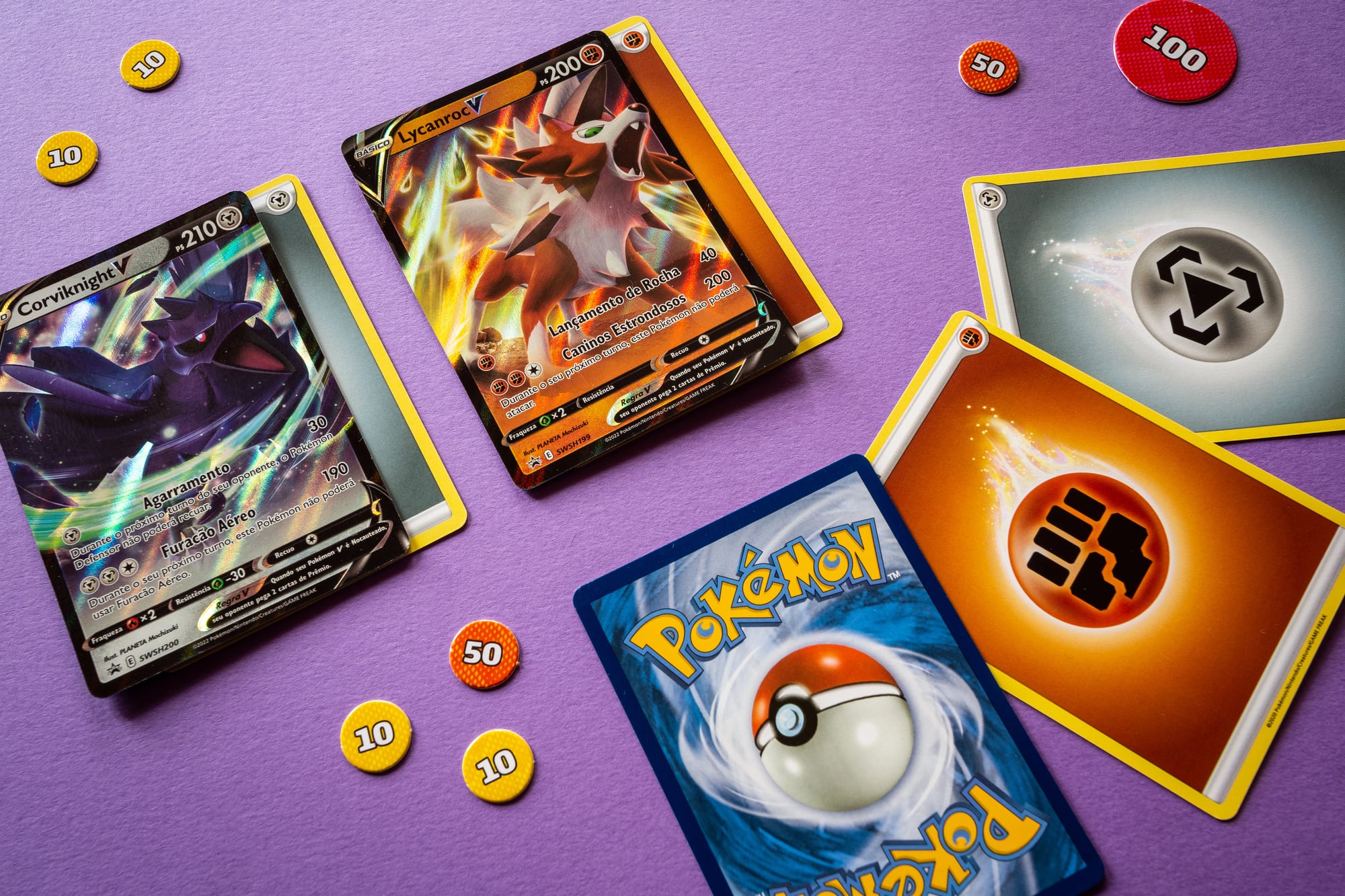
Pokemon cards hit schools like an economic revolution. Specific cards were worth significant trades, fakes were a serious problem, and kids experienced real financial anxiety about losing valuable cards.
Playground arguments about card value were daily occurrences.
Yo-Yos—Skill-Based Status
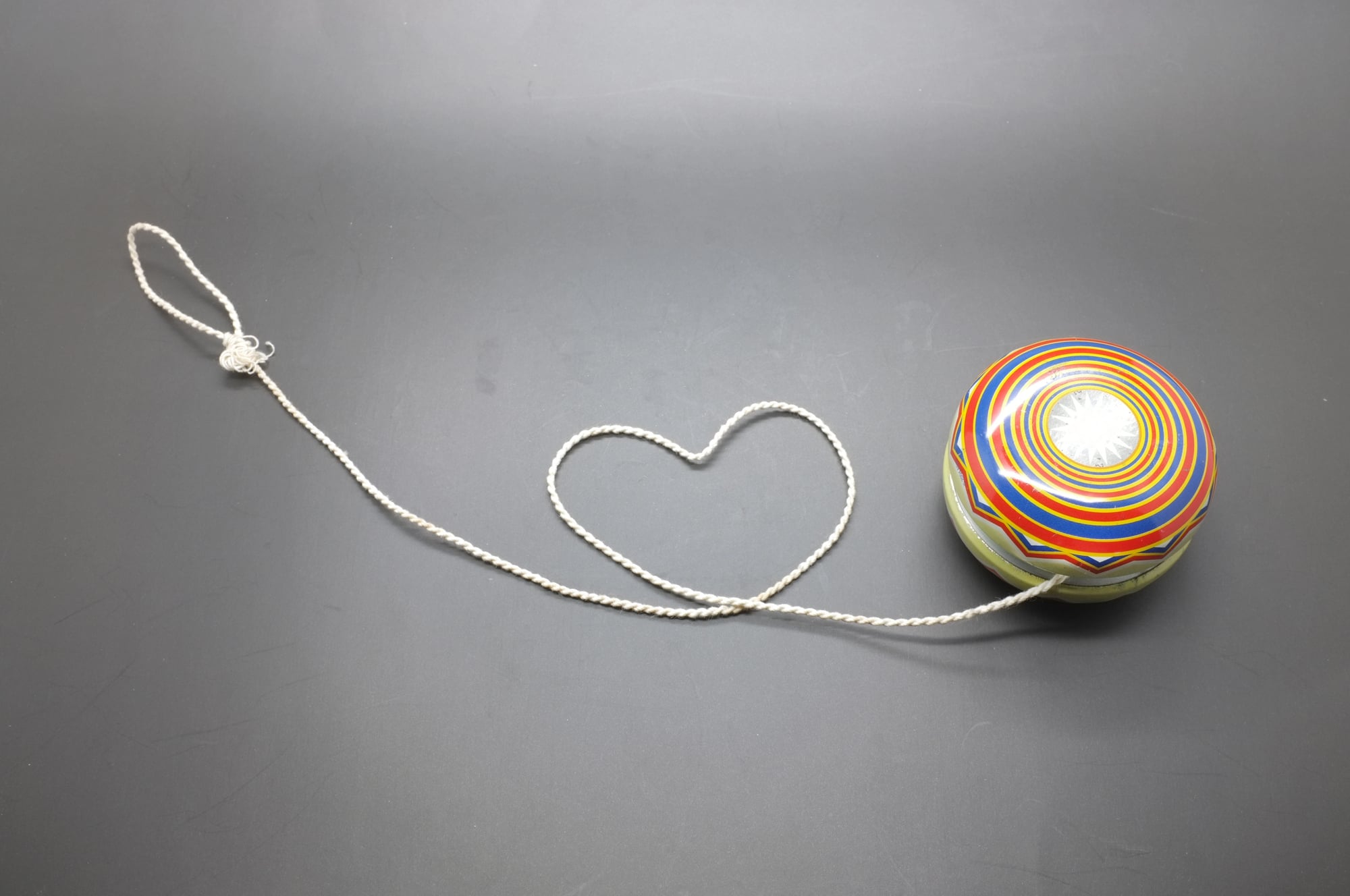
Advanced yo-yo tricks determined playground status. Kids who could do “Walk the Dog” or “Around the World” were admired.
Kids who couldn’t were determined to get better, which meant yo-yos were simultaneously toys, status objects, and practice equipment.
Power Rangers Action Figures—Team Affiliation
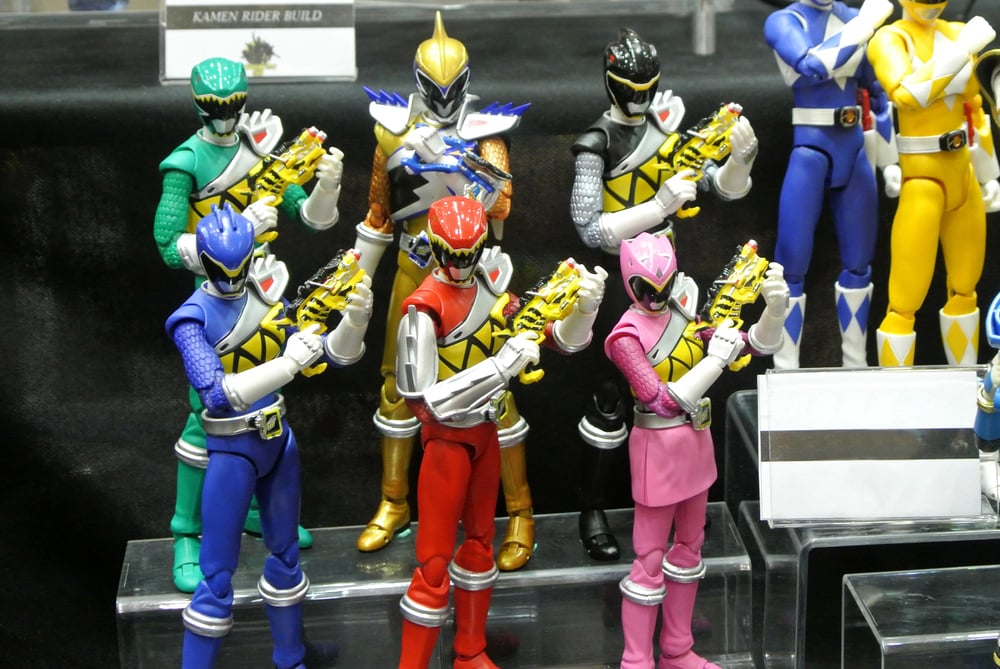
Power Rangers figures let kids take sides. Choosing a favorite Ranger determined your personality, and action figure debates became genuine arguments about which Ranger’s powers were most impressive.
Parents bought figures as gifts, and classroom trading made certain colors more valuable than others.
Nerf Foam Blasters—Playground Warfare
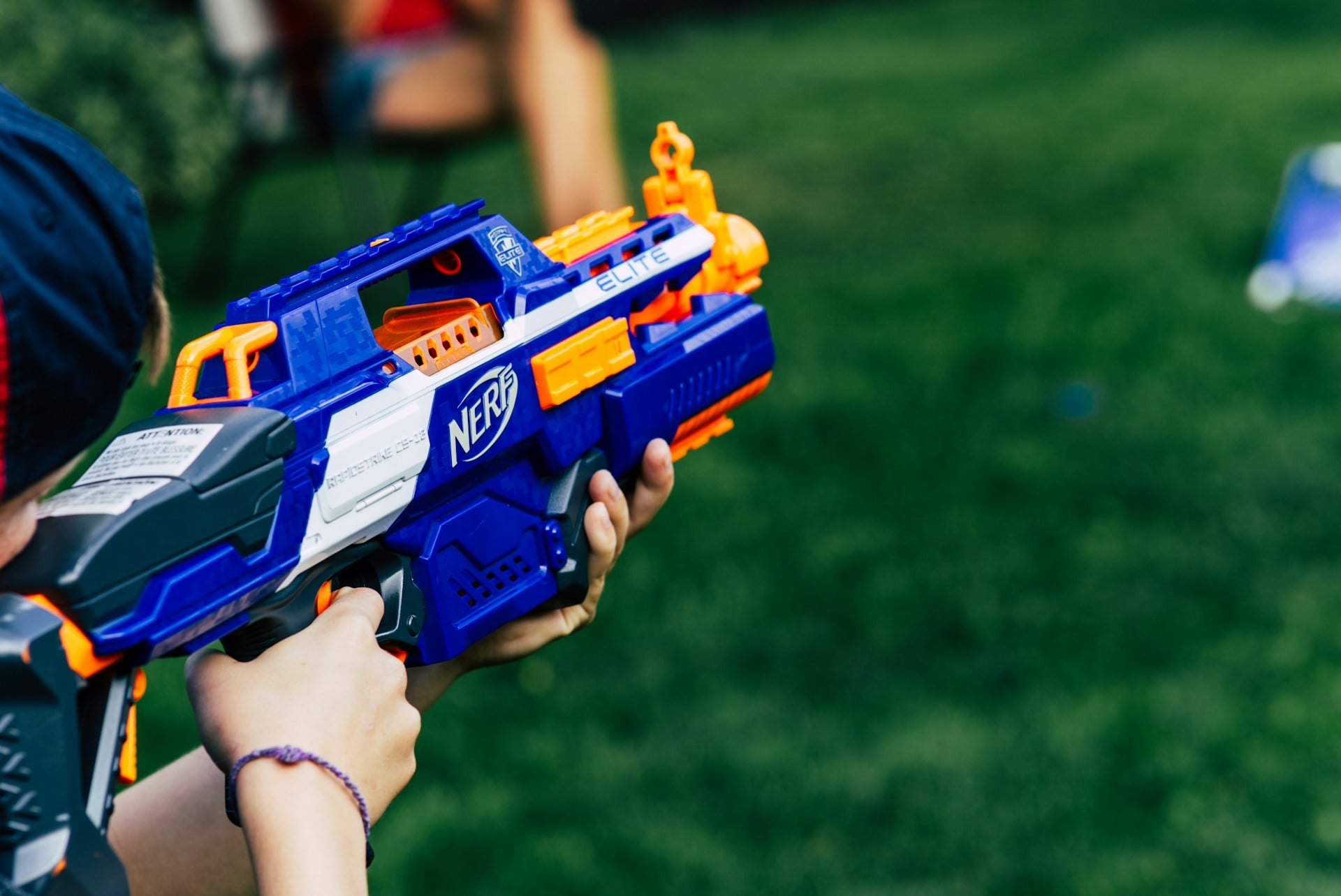
Nerf foam blasters transformed recess into mock combat. Having the most advanced blaster meant respect, and kids who couldn’t afford the expensive models felt disadvantaged.
Teachers allowed them but set strict rules because the intensity of play was real.
Skip-Its—Jumping Contests
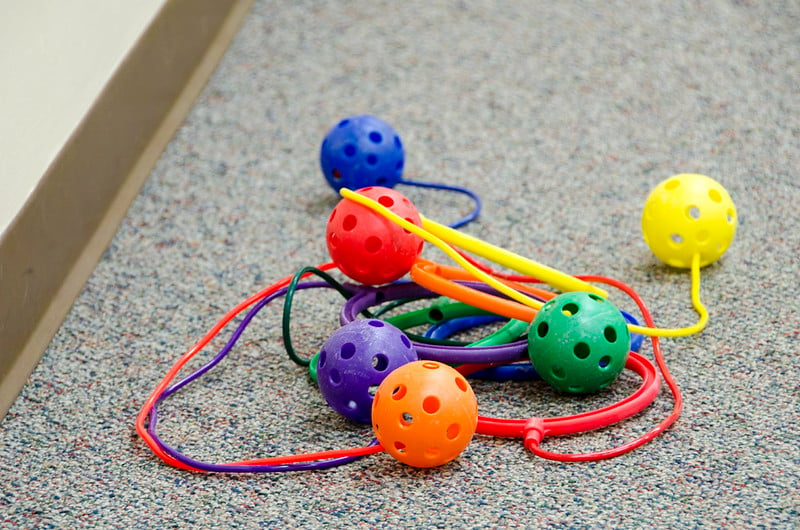
Skip-Its were mechanical devices on your feet that counted jumps. Kids competed for high scores, and possession of the newest model meant recess credibility.
Arguments about high scores and cheating accusations happened constantly.
Heelys—Wheeled Shoes Status
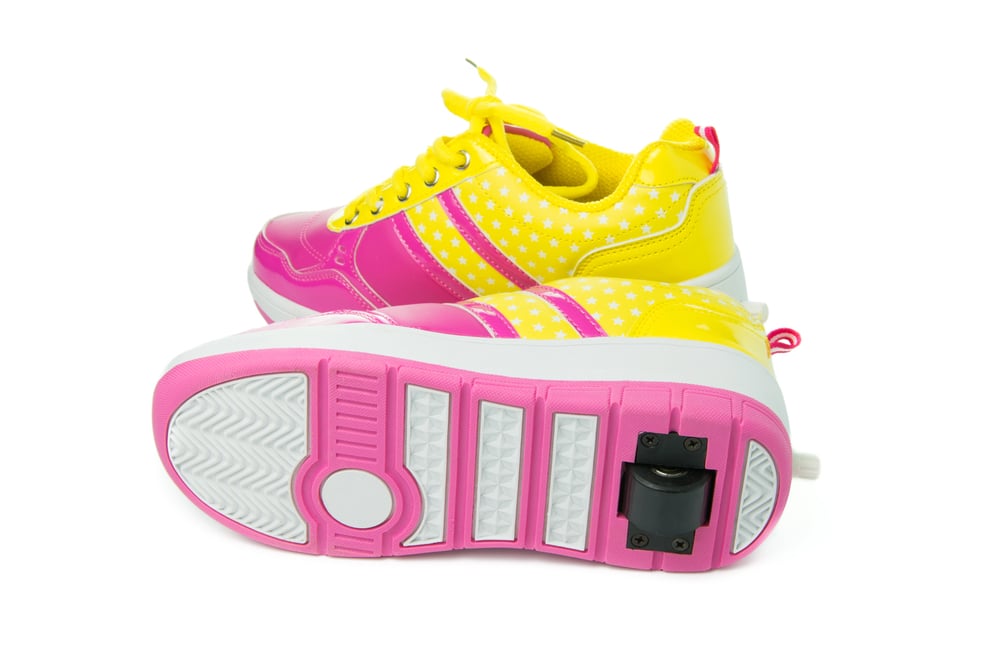
Heelys were shoes with wheels in the heels. They were dangerous and most schools banned them, but kids who had them had playground fame.
The desire to own them was intense, and trading access to wear someone else’s Heelys was major currency.
Furby—Annoying But Collectible
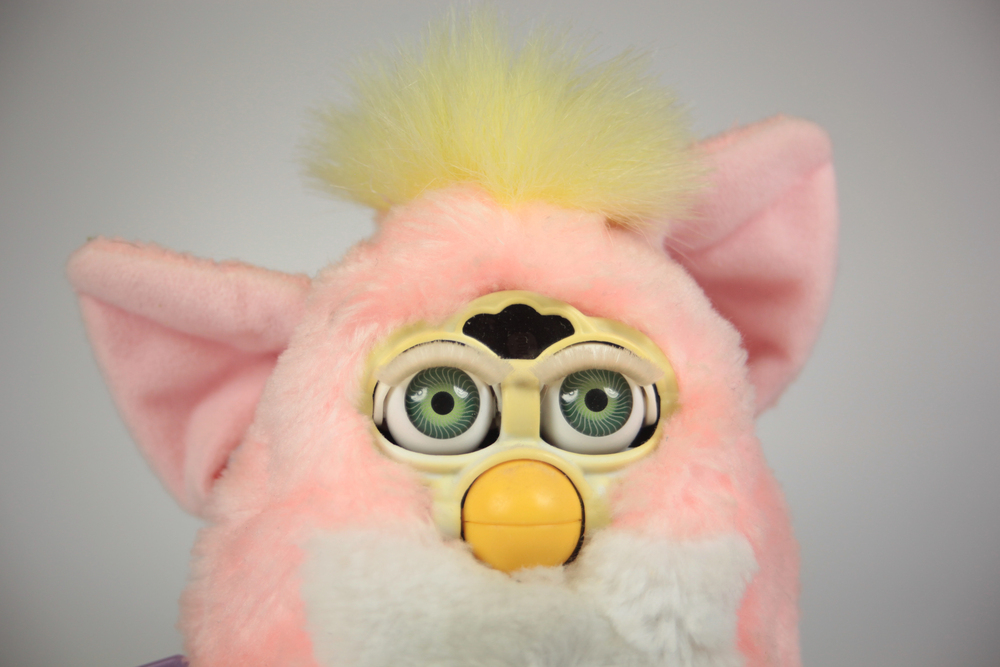
Furbies were battery-powered talking toys that kids brought to school despite bans. The novelty of the talking feature made them high-status, and the fact that parents found them annoying made them even more appealing.
Entire groups of kids would gather around one Furby just to hear it speak.
Light-Up Sneakers—Shoe Status
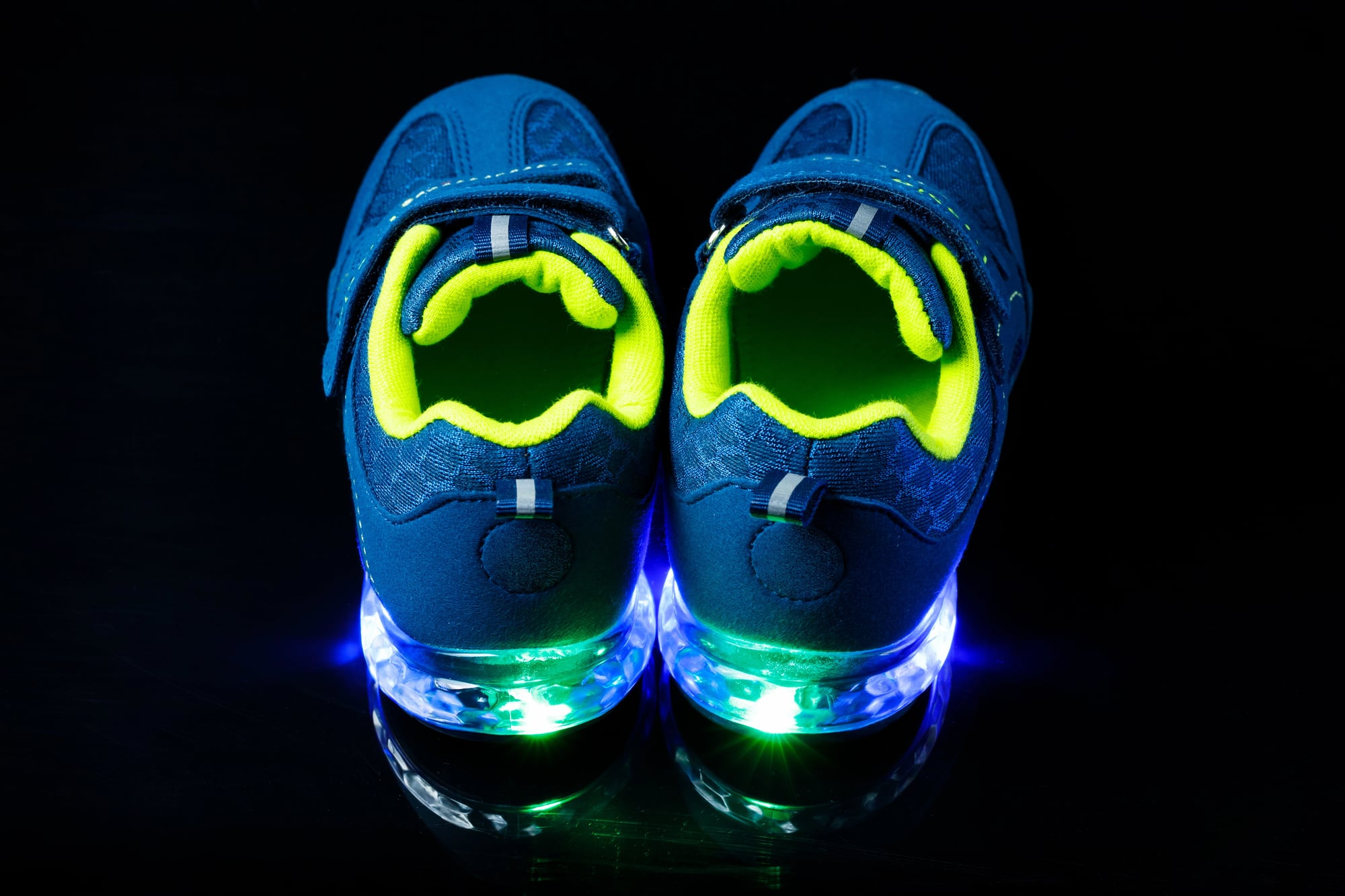
Light-up sneakers with blinking heels and toes were immediate attention-getters. Kids without them noticed kids with them, and pressure to have the same model was real.
Walking into class with light-up shoes meant instant visibility and often jealousy.
Walkie-Talkies—Neighborhood Espionage
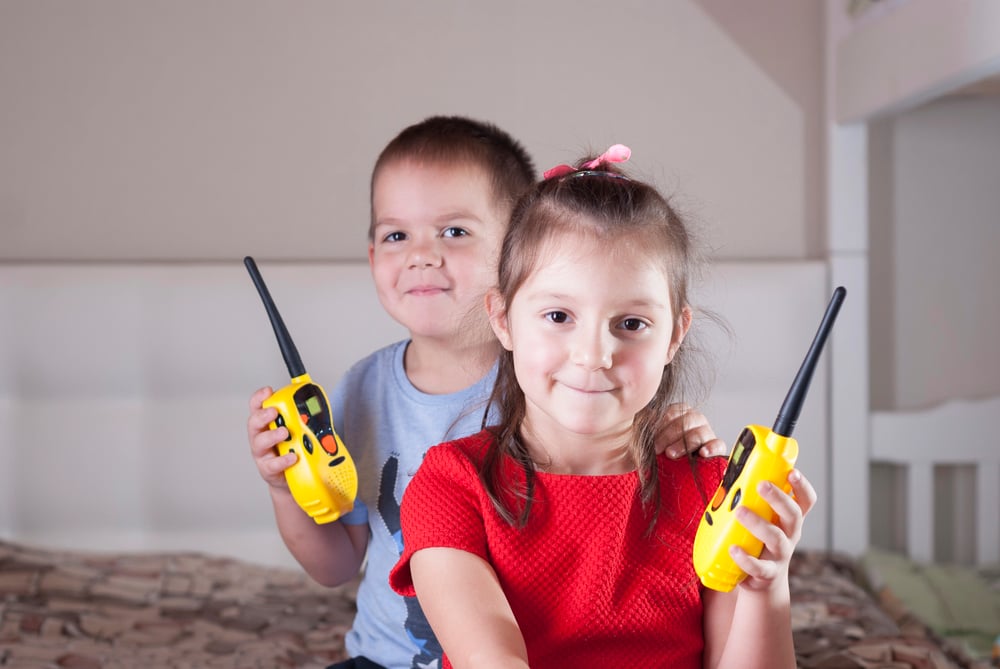
Quality walkie-talkies let kids communicate across distance, creating a sense of organized neighborhood group. The technology meant status, and kids without walkie-talkies felt excluded from a communication system they couldn’t access.
Nintendo Game Boy—Portable Gaming Elite
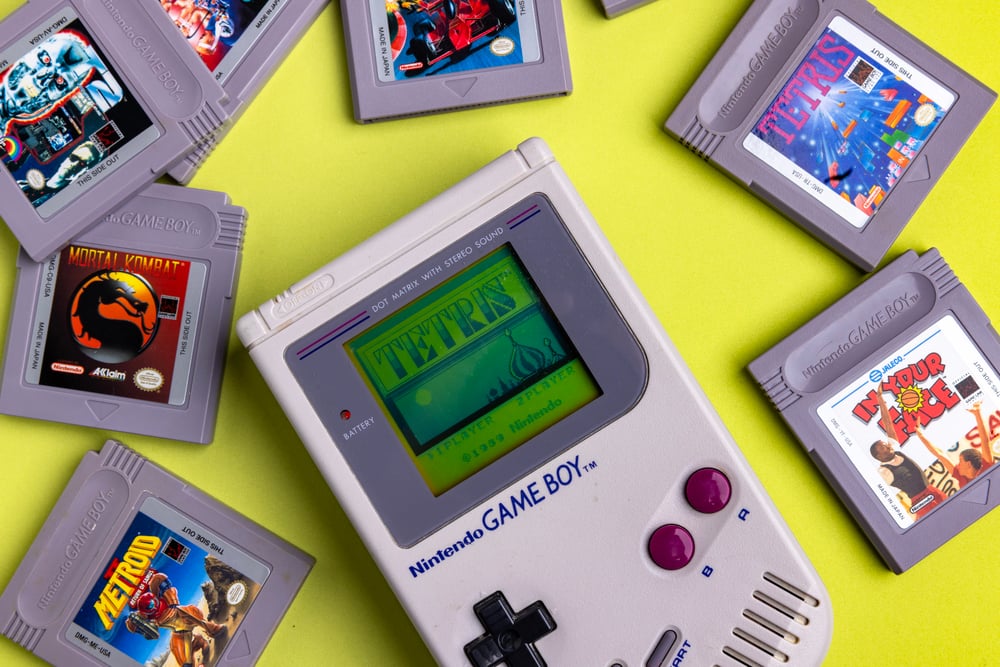
Game Boy ownership meant access to gaming others didn’t have. The ability to play tetris or Pokemon on the go was status, and kids without one watched others play with visible jealousy.
Game Boy trades determined playground friendships.
Trading Cards of Every Type—Collectible Mania
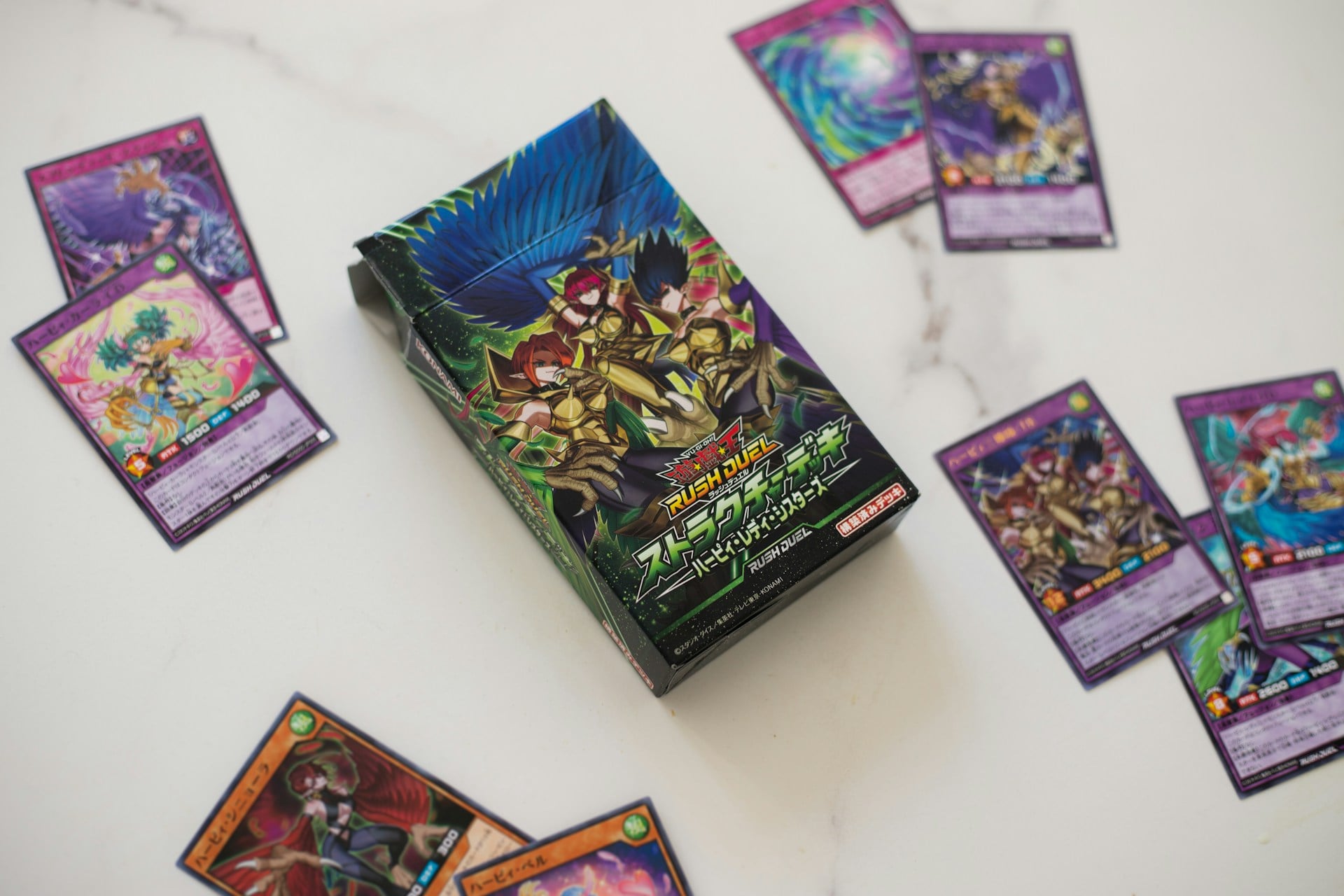
Beyond Pokemon and Magic, kids collected cards of sports players, dinosaurs, and movie characters. Completing sets was an ongoing project, and trading networks determined who was connected and who was on the fringe.
Latch Hook Keychains—Craft Status

Pre-made latch hook keychains let kids make (sort of) crafts, and the completed designs became traded items. Having unique or impressive designs meant status in craft-conscious peer groups.
Spinner Toys—Anti-Anxiety Pioneers
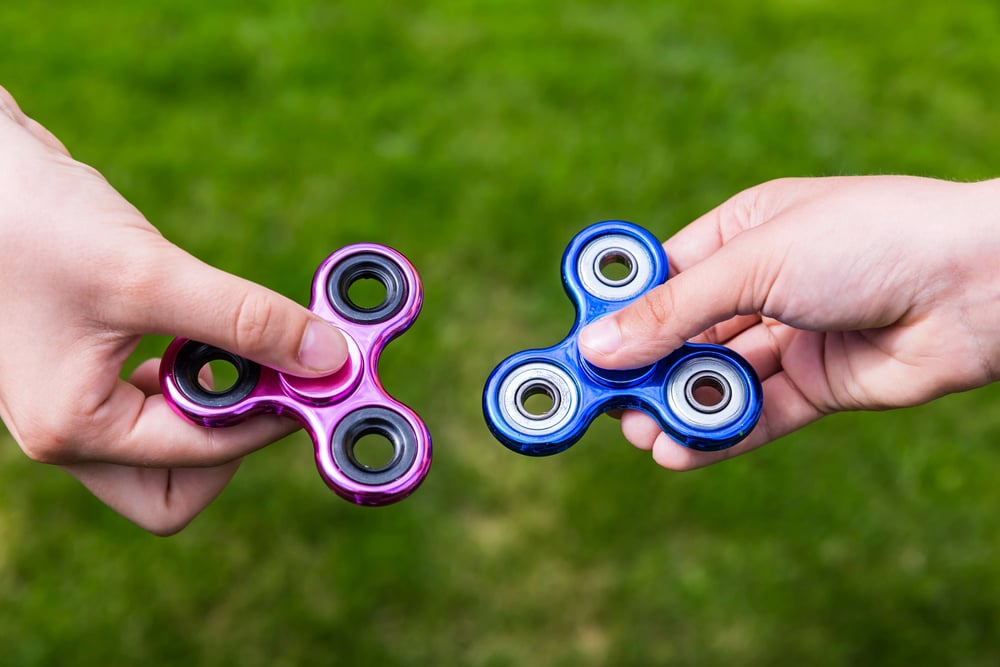
Before fidget spinners became ubiquitous, basic spinner toys existed and kids loved them. The visual appeal and tactile satisfaction made them status objects, and kids tried to outdo each other with tricks.
Glow Sticks and Glow-in-Dark Items—Novelty Brightness
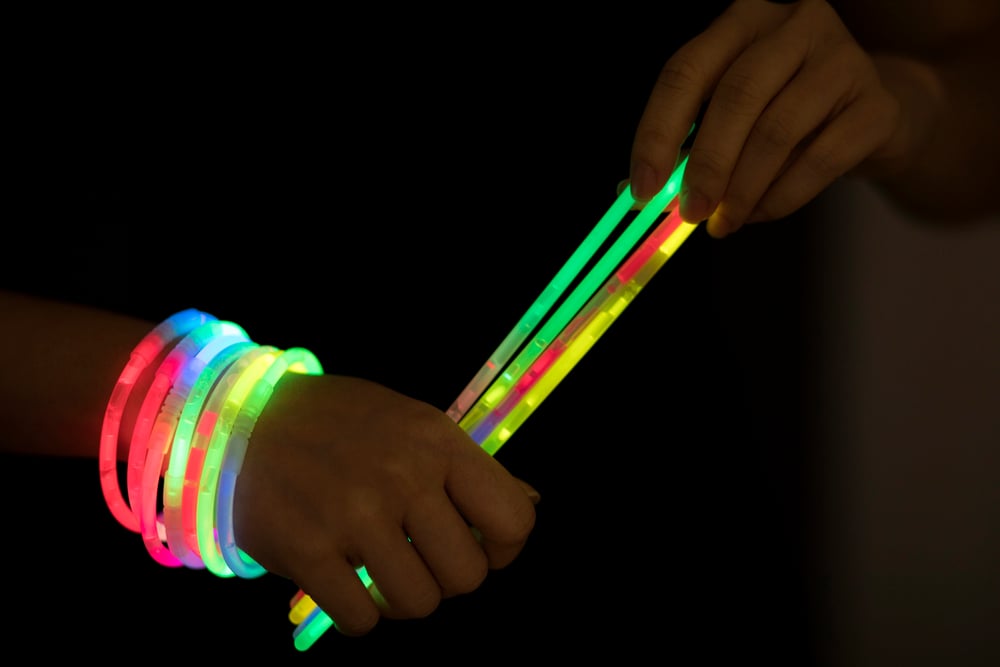
Glow sticks transformed the playground at night events. Access to them during field trips meant status, and trading them became a sophisticated negotiation.
Troll Dolls—Collectible Hair Objects
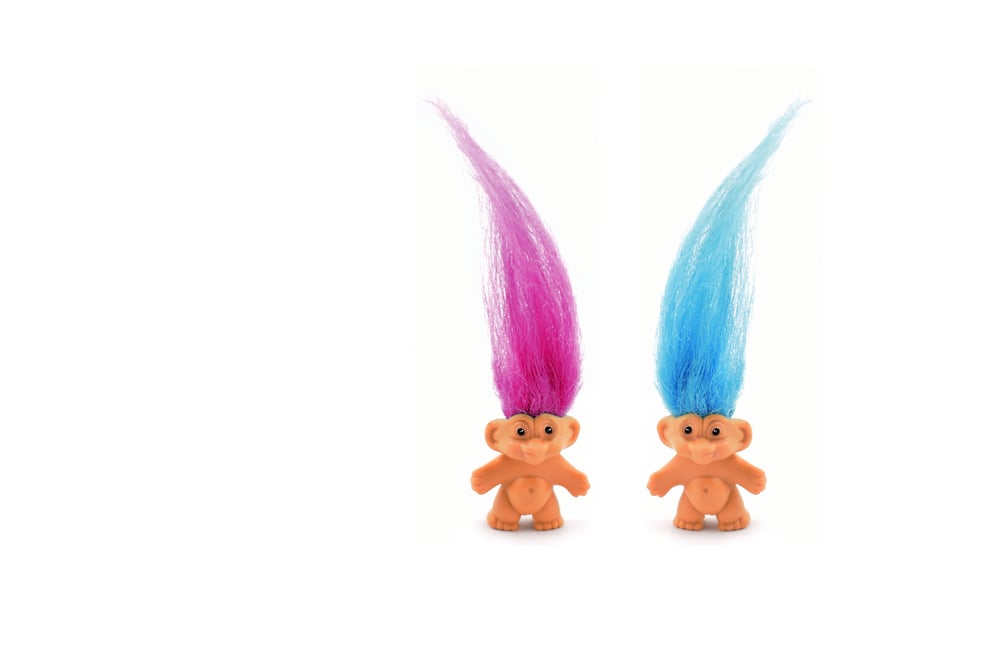
Troll dolls with wild hair and gem-filled designs were collected obsessively. Specific versions were rarer, and kids maintained elaborate collections that determined peer status.
Hacky Sacks—Skill and Style
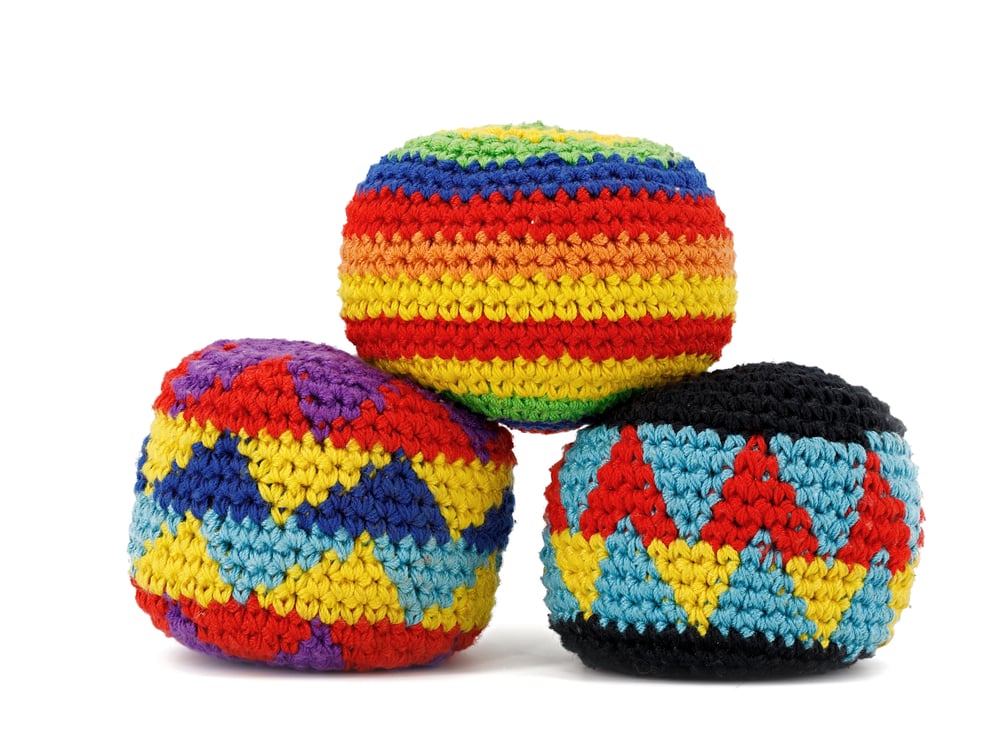
Hacky sacks let kids show off coordination while hanging out. Having a unique, cool design meant status, and trading hacky sacks was a side economy to the main toy ecosystem.
When Toys Mattered Completely
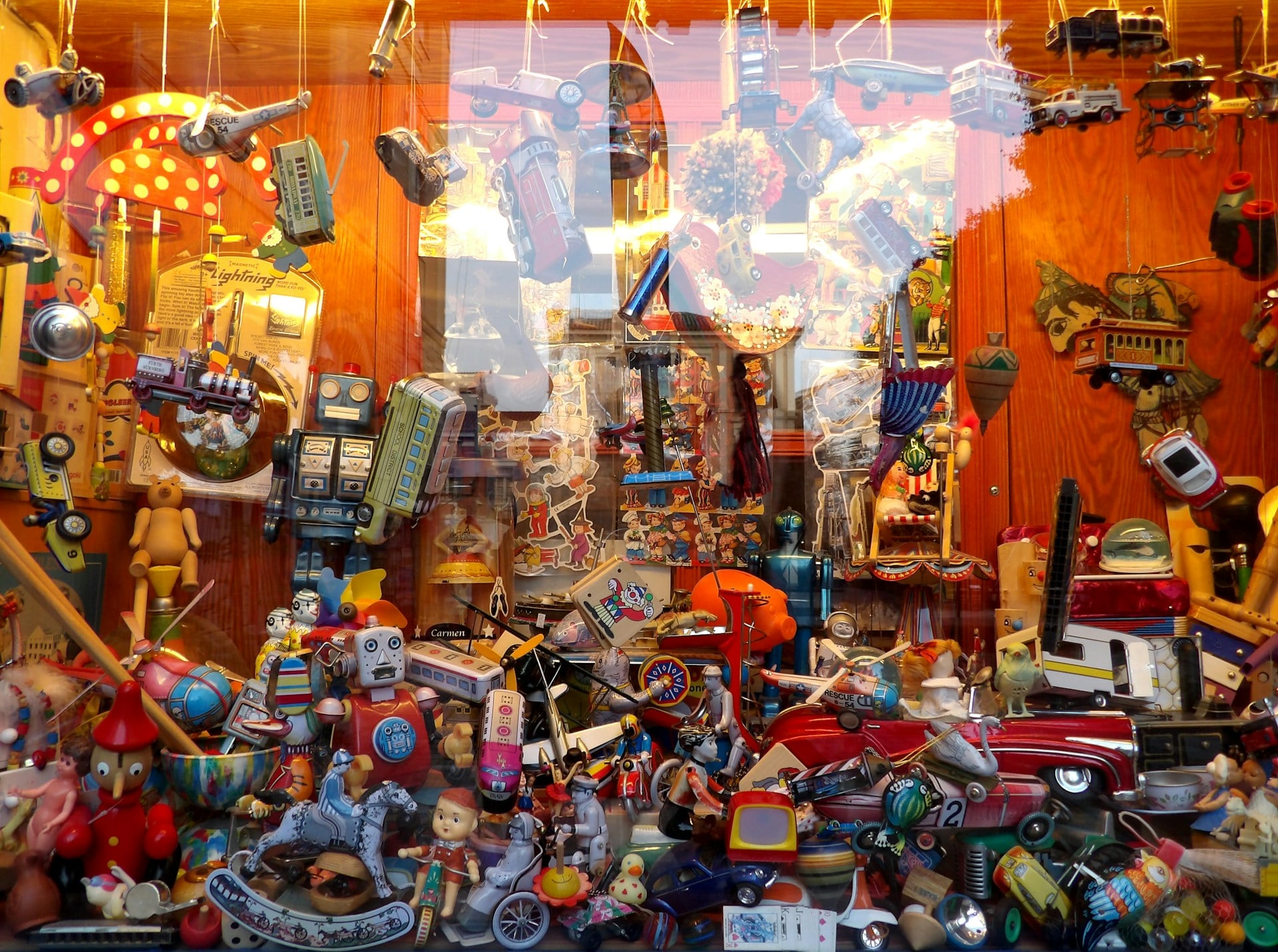
The 1990s classroom didn’t have social media to broadcast possession and deprivation. Instead, physical presence of toys determined status, and playground arguments about who deserved which toy happened constantly.
Teachers learned that confiscating toys was punishment worse than detention because it threatened a child’s social standing. Parents learned that refusing to buy the right toy meant their child faced genuine social disadvantage.
The toy economy of the 1990s was real, immediate, and entirely visible to anyone paying attention to the playground.
More from Go2Tutors!

- The Romanov Crown Jewels and Their Tragic Fate
- 13 Historical Mysteries That Science Still Can’t Solve
- Famous Hoaxes That Fooled the World for Years
- 15 Child Stars with Tragic Adult Lives
- 16 Famous Jewelry Pieces in History
Like Go2Tutors’s content? Follow us on MSN.