14 Largest Predators From The Ice Age Discovered
Frost stretched forever back then. Big cats stalked plains under gray skies.
Temperature swings carved new rules for life. Some hunters grew thick fur without warning.
Muscles packed tighter than today’s beasts ever carry. Cold did not stop them – it shaped their teeth instead.
Prey ran hard across snowfields at dawn light. Hunting meant patience, sudden bursts, silence most of all.
Bodies changed slowly, bone by bone, season after season. No warmth lingered near these killers when they moved.
They thrived because hunger outlasted winter. Big beasts once roamed lands shaped by cold, where hunters of fur and scale held sway.
Fossils dug from ancient layers show life built on reach, strength, cunning. These animals thrived in climates long gone, their bones telling quiet stories of chase, flight, hunger.
Study after study pieces together how they moved, fed, competed – without drama, just evidence. Survival wasn’t given.
It was taken. A few of the biggest hunters from the Ice Age are up next.
What you see now were among the most massive meat-eaters ever found. These animals ruled their worlds long ago.
Each one shaped life around them just by surviving. Some had teeth longer than a hand.
Others moved like shadows through frozen forests. Their bones tell stories we’re still learning to read.
Smilodon (Saber-Toothed Cat)
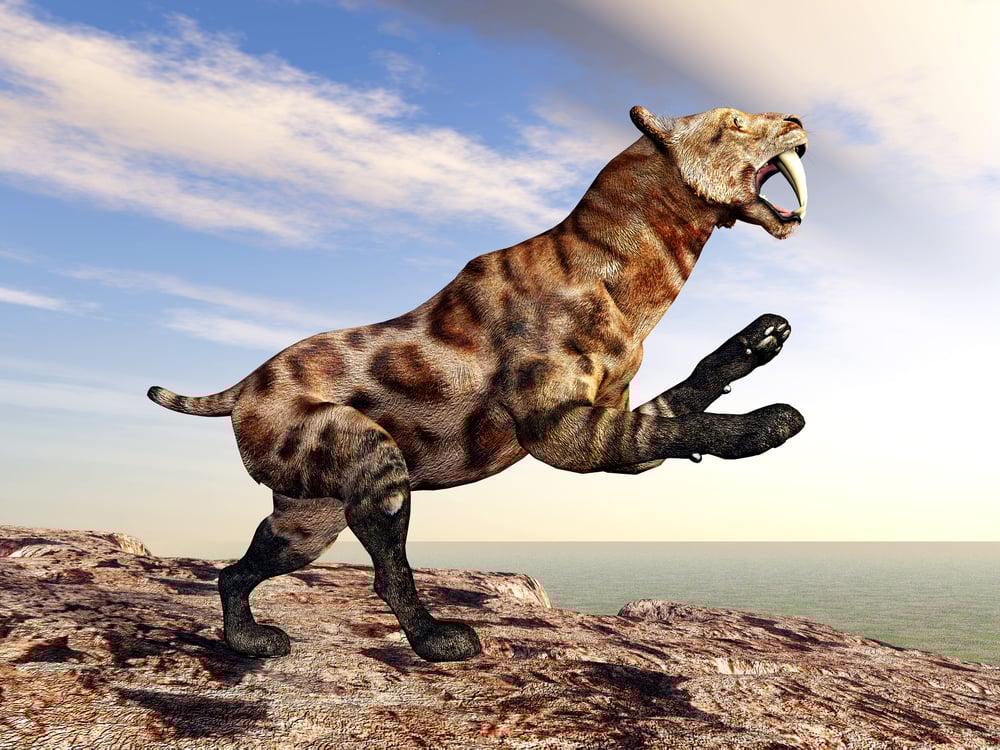
The Smilodon is one of the most iconic predators of the Ice Age. Built like a powerhouse rather than a sprinter, it had muscular forelimbs and elongated canine teeth designed for precise, powerful bites.
Its body was compact and heavily built, giving it the strength to grapple with prey much larger than itself. Unlike modern big cats, it likely relied on ambush tactics rather than long pursuits.
Fossil evidence suggests it targeted large herbivores, using its strength to pin them before delivering a controlled bite. Its design reflects a predator optimized for close-range power rather than speed.
American Lion
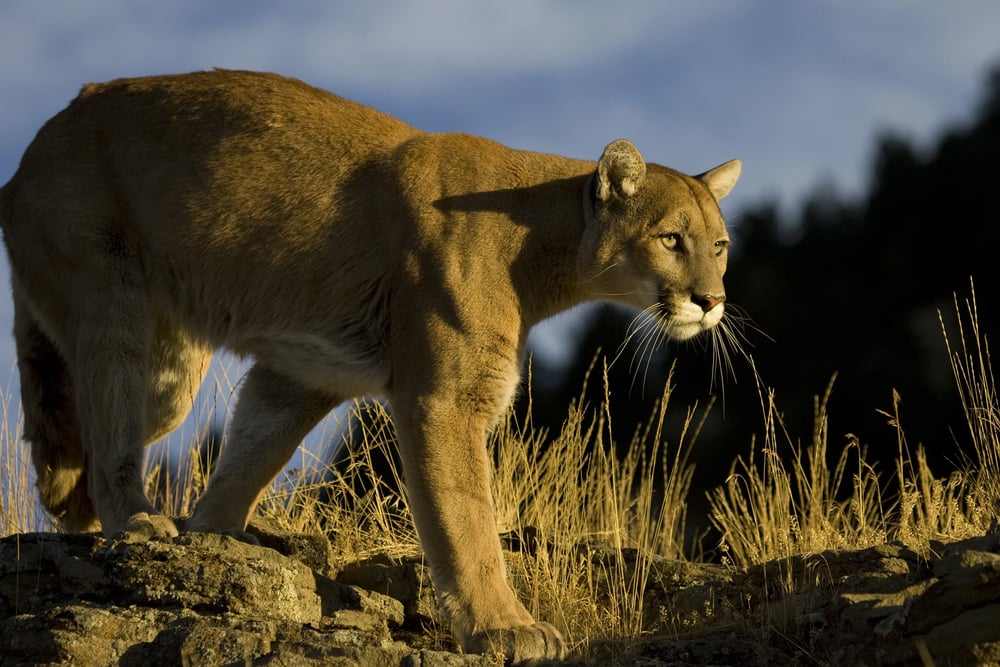
The American lion was one of the largest cats to ever exist, even bigger than modern lions. It roamed across North America, occupying a wide range of habitats from open plains to woodlands.
Its size alone gave it a clear advantage, but it likely relied on strategic hunting to bring down large prey. Some researchers believe it may have hunted in groups, though evidence remains debated.
Regardless, its presence would have shaped the behavior of many herbivores around it.
Short-Faced Bear
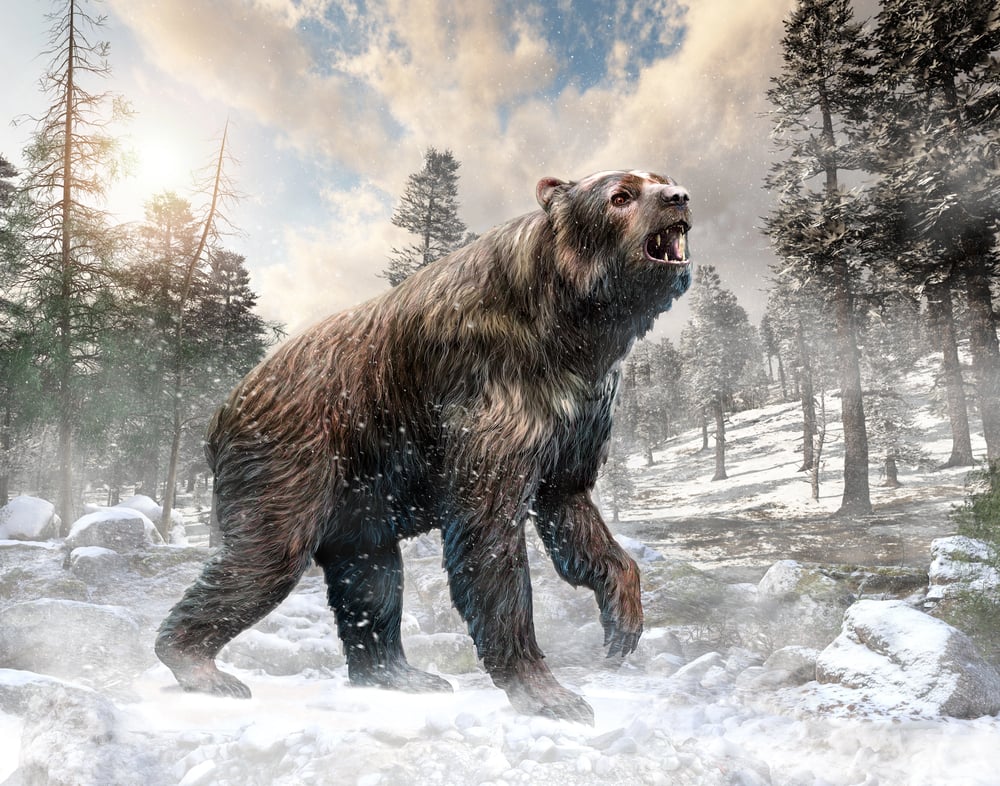
The short-faced bear was among the largest land carnivores ever, capable of standing over 11 feet tall on its hind legs. Its long limbs suggest it was built for covering large distances quickly, rather than wrestling prey.
Some theories suggest it acted more as a dominant scavenger, using its size to intimidate other predators. Even so, its physical capabilities meant it could hunt when necessary, making it a versatile and imposing presence in its ecosystem.
Dire Wolf

The dire wolf was larger and more robust than modern wolves, with stronger jaws and teeth suited for tackling large prey. Fossil sites show that it often lived and hunted in packs.
This cooperative behavior allowed it to target animals much larger than a single wolf could handle. Its strength lay not just in size, but in coordination, making it one of the most effective group hunters of the Ice Age.
Cave Lion
The cave lion lived across Europe and parts of Asia, adapting to colder climates. It was larger than modern lions and likely hunted large herbivores such as deer and horses.
Cave art suggests it may have had social behaviors similar to modern lions. If so, this would have allowed it to hunt more efficiently in challenging environments where prey was both large and mobile.
Megalania
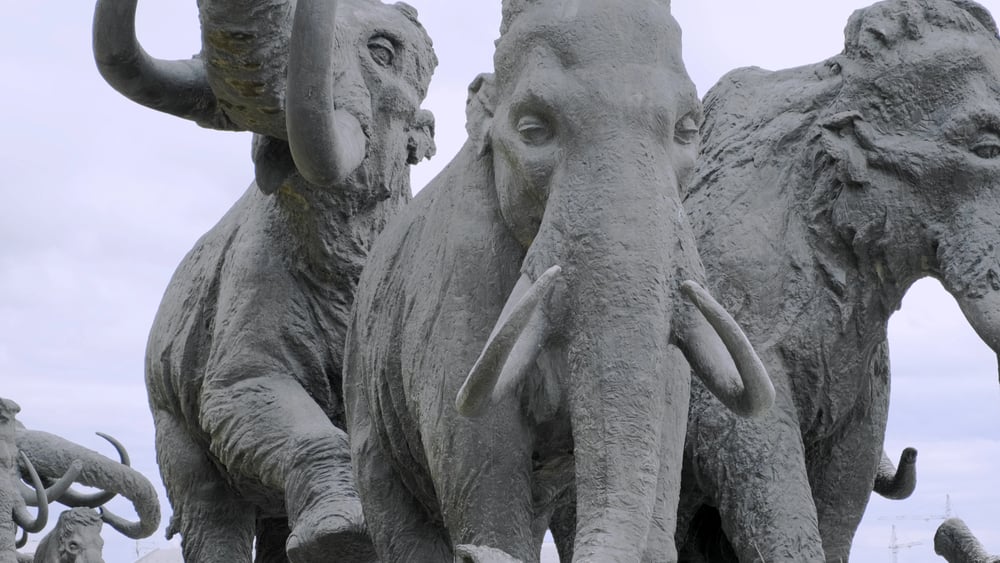
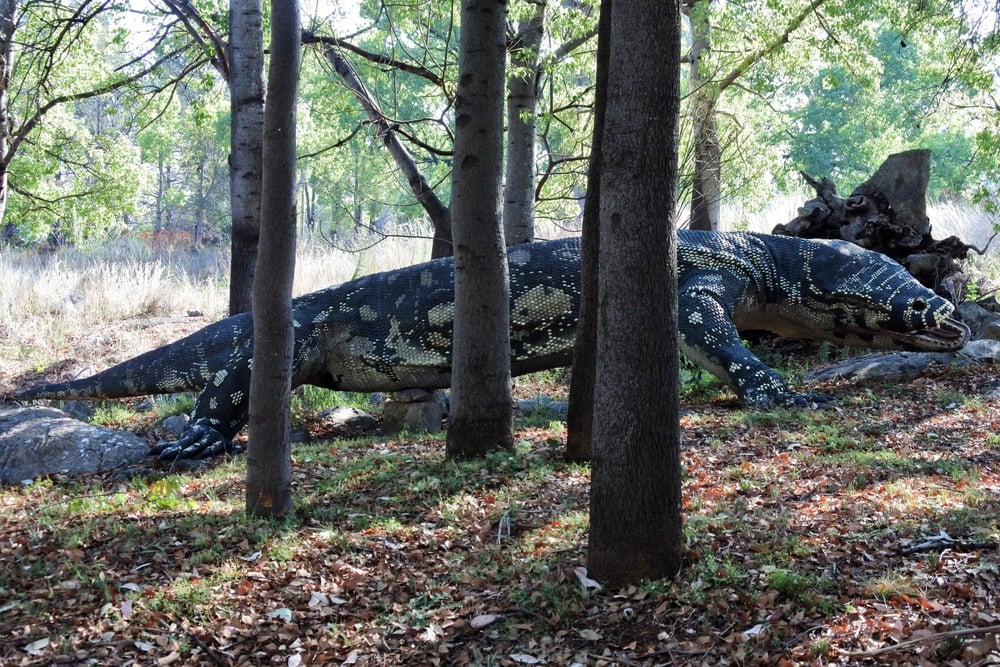
The Megalania was a giant monitor lizard that lived in Australia, reaching lengths of over 20 feet. It was one of the largest terrestrial reptiles to ever exist.
Its size, combined with a likely venomous bite, made it a formidable predator. It likely hunted large mammals, relying on both strength and stealth.
Its existence shows that reptiles, not just mammals, dominated parts of the Ice Age food chain.
Andrewsarchus

The Andrewsarchus is known primarily from a massive skull, suggesting a predator with immense bite force. While it lived earlier than the peak Ice Age, it is often included due to its size and ecological similarity.
Its exact behavior remains debated, with some theories suggesting it was more of a scavenger. Even so, its size indicates it could have taken advantage of a wide range of food sources.
Cave Bear
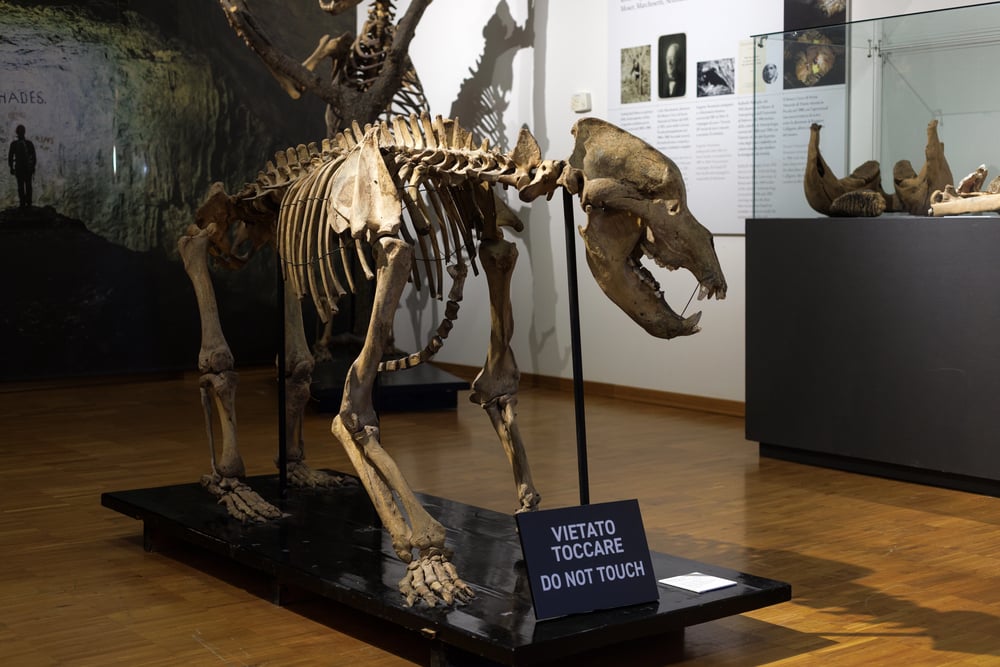
The cave bear was enormous, with some individuals exceeding 2,000 pounds. While primarily herbivorous, its size and strength made it a potential threat when provoked.
Its presence alone would have influenced other predators, as few animals would challenge it directly. It highlights how size alone could shape ecosystems, even without active hunting.
Saber-Toothed Salmon
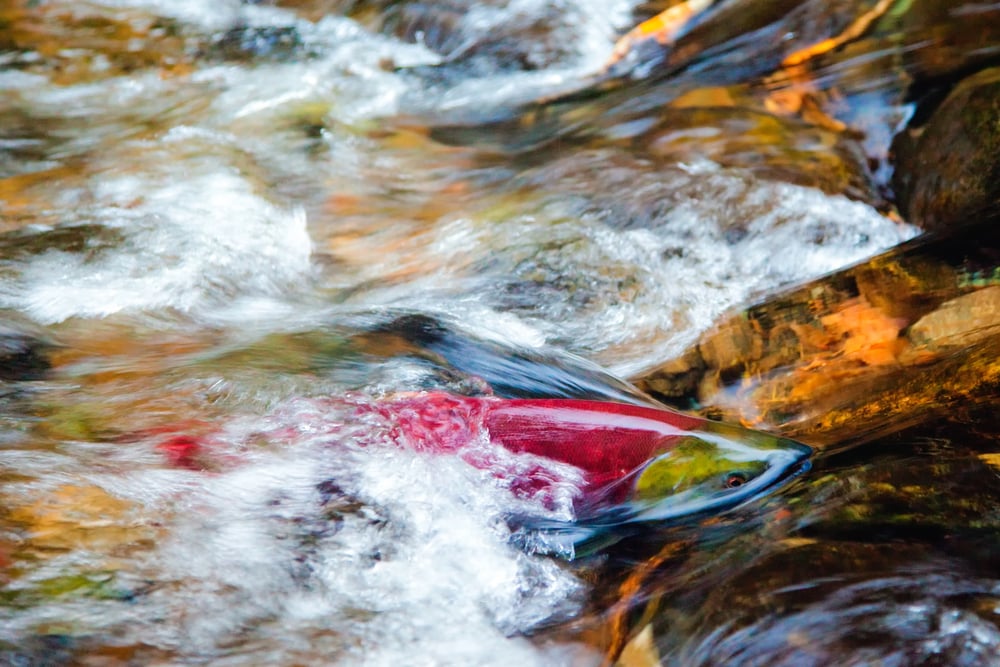
The saber-toothed salmon reached lengths of up to 9 feet, making it one of the largest fish of its time. Despite its name, it likely fed on plankton rather than acting as a predator.
Its unusual teeth remain a subject of study, showing that Ice Age ecosystems produced not only large predators but also uniquely adapted species across all roles.
Titanis (Terror Bird)
The Titanis was a flightless bird that stood over 8 feet tall. It used its powerful beak to strike and subdue prey, relying on speed and precision.
Its height gave it a clear line of sight over open terrain, while its legs allowed it to chase down smaller animals. It represents a very different style of predator compared to mammalian hunters.
Homotherium
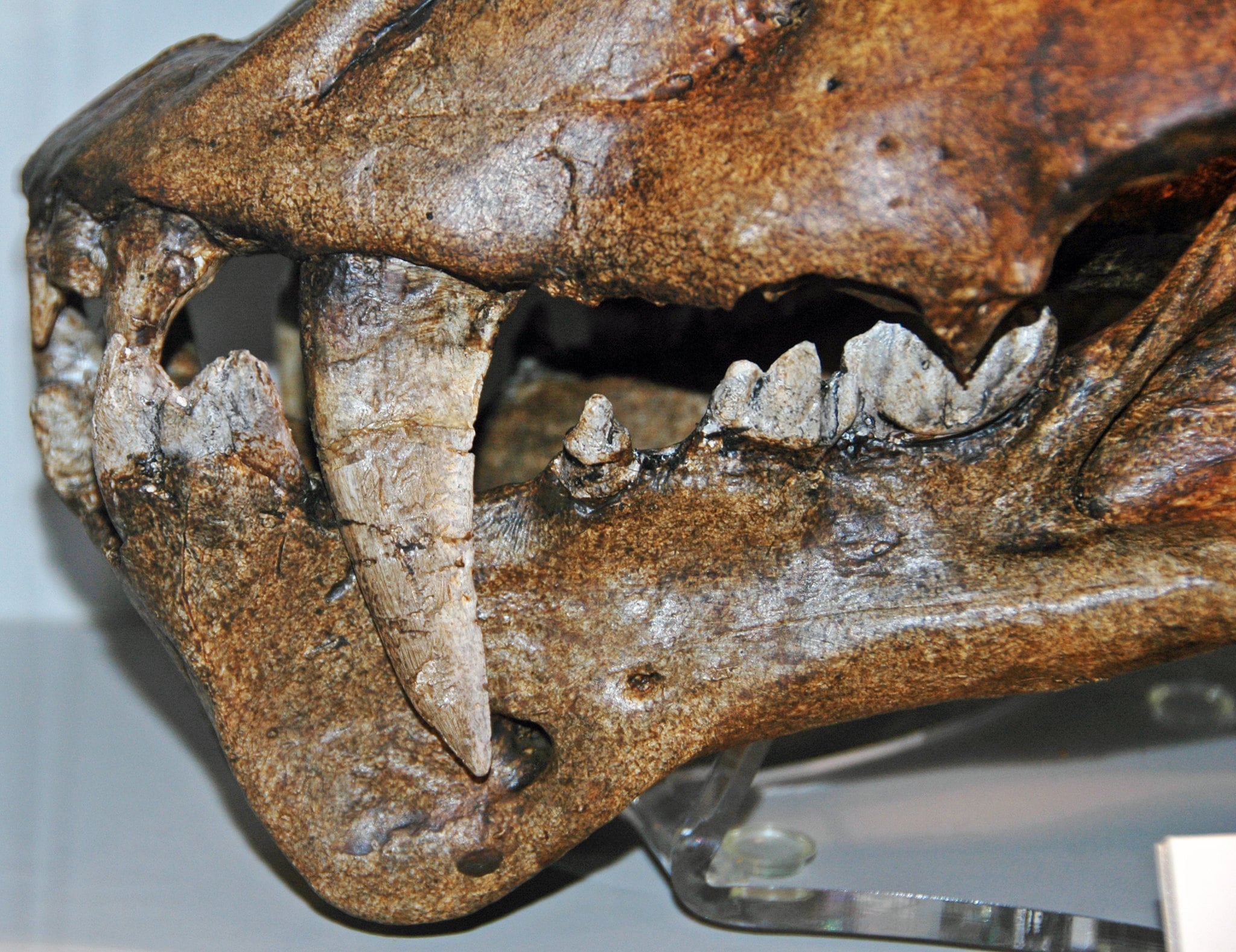
The Homotherium had a more streamlined build than Smilodon, suggesting it was better suited for endurance and group hunting. Its shorter, serrated teeth were adapted for slicing rather than puncturing.
Evidence suggests it may have hunted in groups, targeting large prey in coordinated attacks. This made it one of the more adaptable predators of its time.
Amphicyon (Bear Dog)
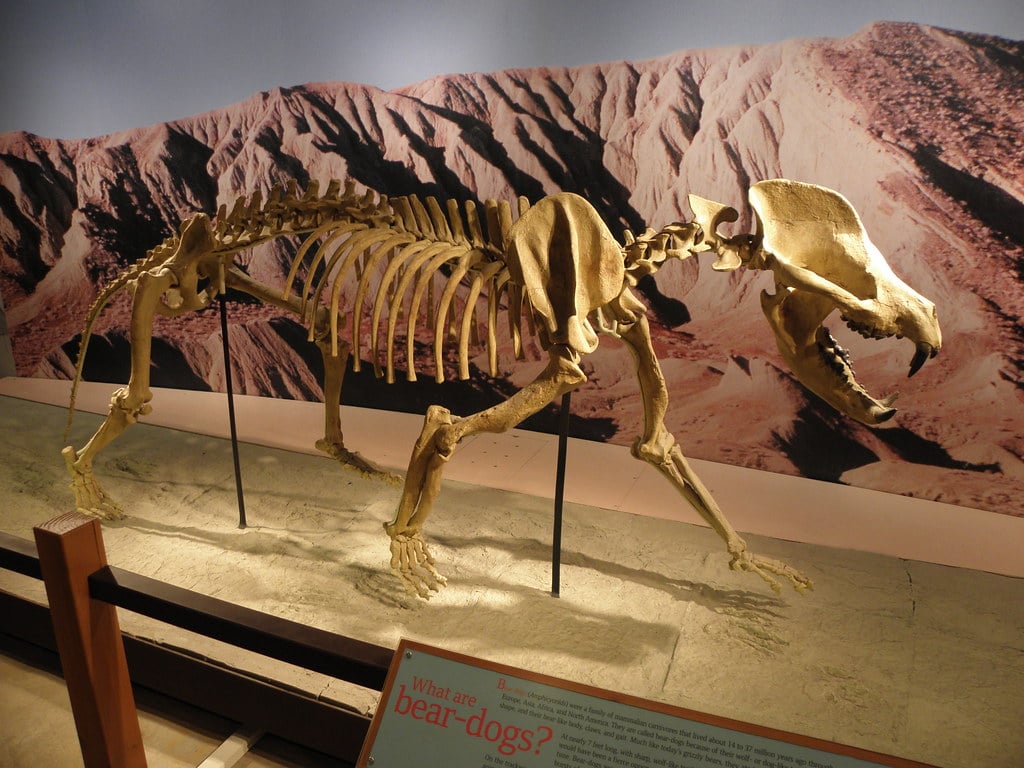
The Amphicyon combined traits of both bears and dogs, resulting in a powerful and adaptable predator. Some species reached large sizes and occupied top positions in their ecosystems.
Its versatility allowed it to hunt, scavenge, and adapt to changing conditions. This flexibility likely contributed to its widespread presence across different regions.
Thylacoleo (Marsupial Lion)

The Thylacoleo lived in Australia and was one of the continent’s most powerful predators. Despite its moderate size, it had an exceptionally strong bite for its body weight.
Its sharp teeth and clawed limbs made it highly effective at capturing prey. It demonstrates that power doesn’t always come from size alone, but from how that size is used.
Quinkana
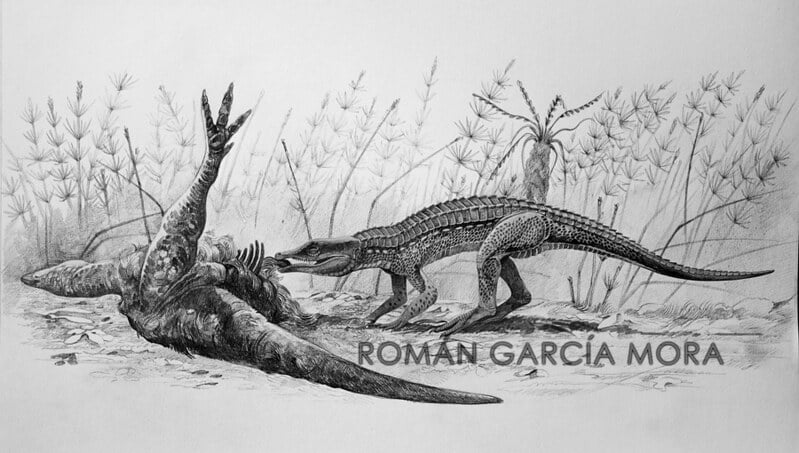
The Quinkana was a land-dwelling crocodile that hunted on solid ground. It had long legs and a more upright posture compared to modern crocodiles.
This adaptation allowed it to pursue prey rather than waiting in water. Its existence highlights how even familiar animal groups evolved in unexpected ways during the Ice Age.
Why These Giants Still Matter
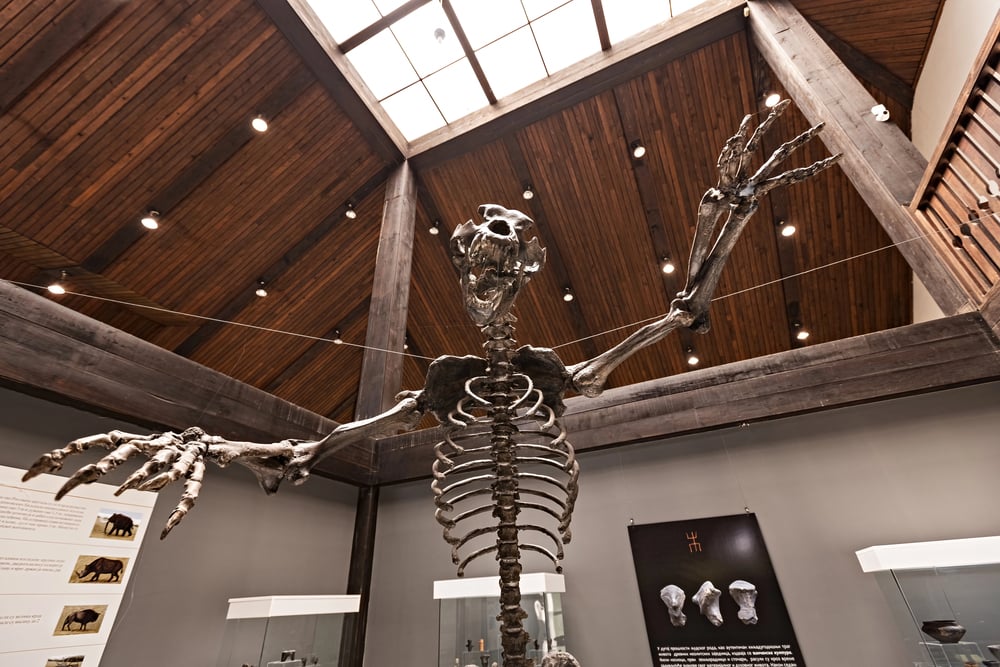
Big Ice Age hunters didn’t only grow bigger – ecosystems pushed them toward wild limits. Matching the massive animals they hunted shaped their bodies in ways modern nature rarely shows.
Often, rival predators shared landscapes, clashing and balancing in tangled chains researchers continue unpacking piece by piece. Fossils now mark where life once thrived, when shifting climates altered entire worlds.
With each vanished creature, space opened – modern beings stepped into transformed lands, learning different rhythms. Still today, those findings shape the way researchers see evolution, survival shifts, and species loss.
What sticks out is how control can fade, showing even top hunters change over time – then get boxed in by the very worlds they rely on.
More from Go2Tutors!

- The Romanov Crown Jewels and Their Tragic Fate
- 13 Historical Mysteries That Science Still Can’t Solve
- Famous Hoaxes That Fooled the World for Years
- 15 Child Stars with Tragic Adult Lives
- 16 Famous Jewelry Pieces in History
Like Go2Tutors’s content? Follow us on MSN.