29 Presidents Who Made Decisions That Baffled Their Own Advisors
Presidents operate under enormous pressure with incomplete information, facing crises that demand immediate decisions. Yet history reveals countless moments when presidents chose courses of action that baffled their closest advisors—decisions that seemed illogical at the time, counterintuitive, or simply wrong.
Sometimes these decisions turned out brilliantly. More often, they led to disaster.
What’s consistent is that the people closest to the president—the advisors, generals, and cabinet members who knew the situation best—found themselves confused, disturbed, or actively opposed to the president’s choice.
Thomas Jefferson’s Louisiana Purchase, 1803
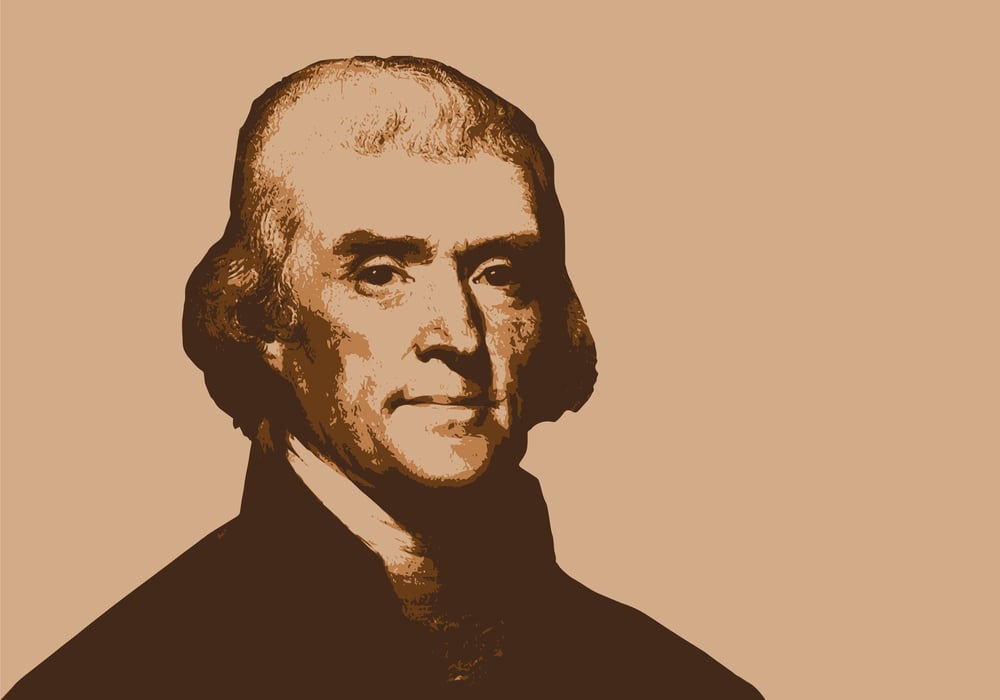
Jefferson’s own Secretary of the Treasury doubted the constitutionality of the purchase. His administration worried that the cost would bankrupt the new nation.
Jefferson proceeded anyway, doubling the nation’s size with a purchase most advisors thought foolish or legally dubious.
James Madison’s War of 1812
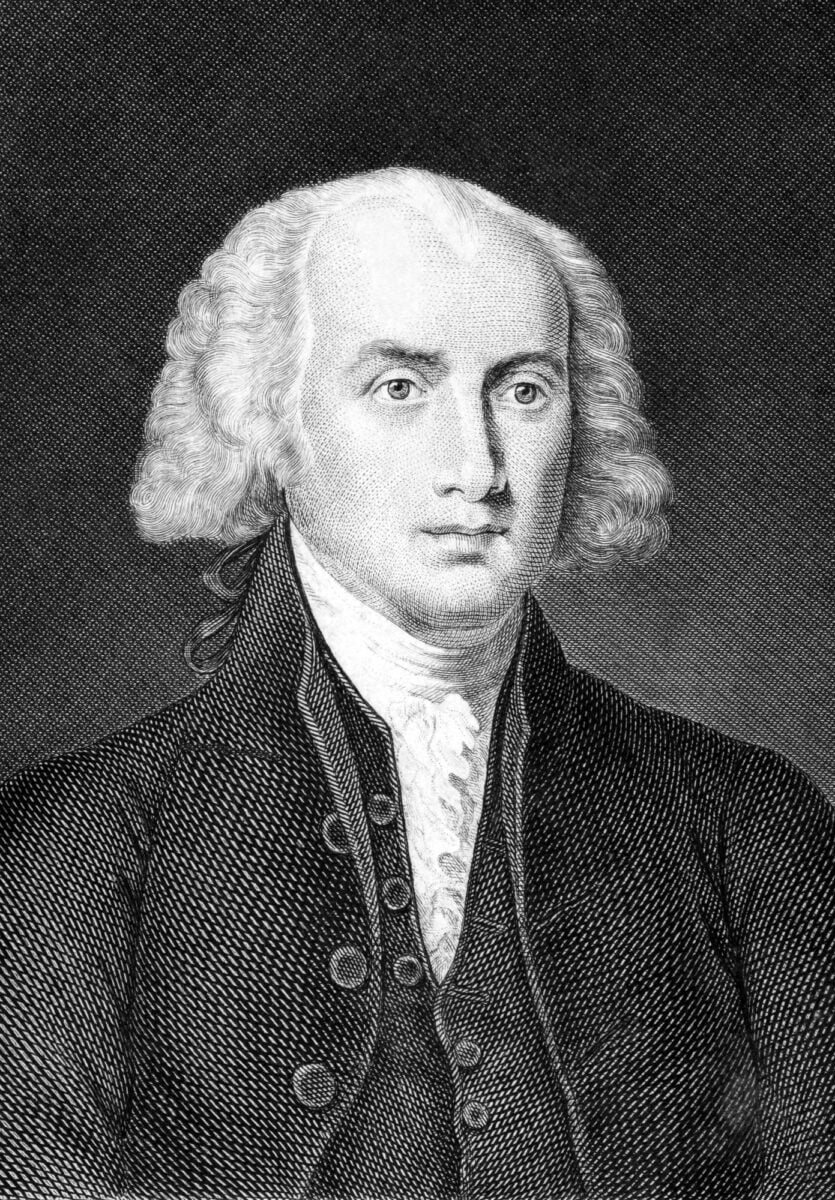
Madison’s Cabinet was divided, with Secretary of War John Armstrong warning against the conflict. Many advisors believed the young nation unprepared for war with Britain.
Madison declared war anyway, leading to military setbacks and the burning of Washington.
Andrew Jackson’s Removal of Federal Deposits, 1833
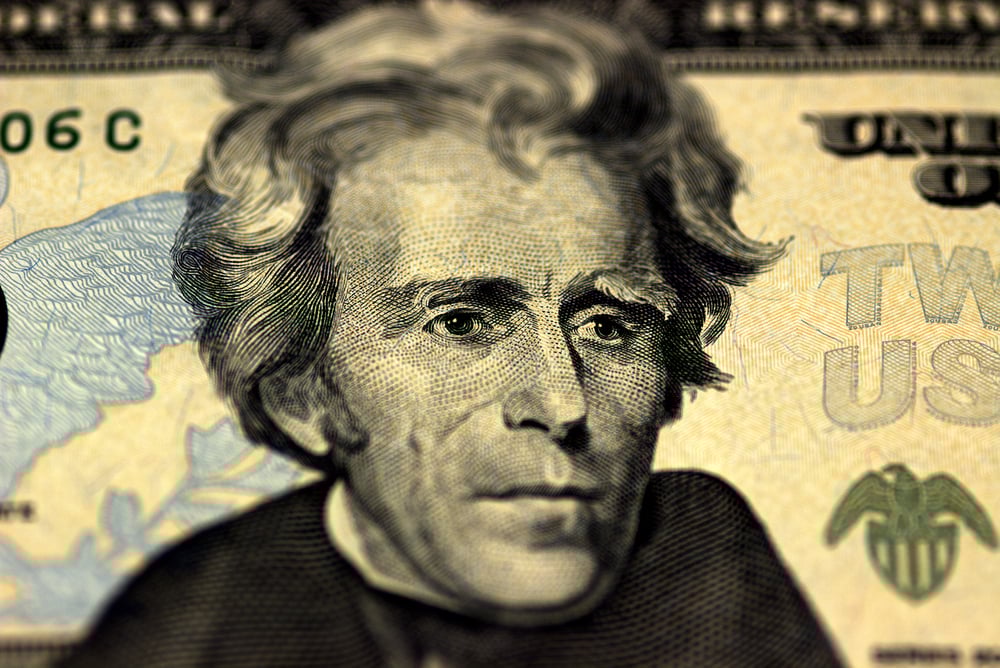
Treasury Secretary William Duane refused to execute Jackson’s order to remove federal deposits from the Bank of the United States. Jackson dismissed him and appointed a new secretary who obeyed.
Jackson’s own advisors thought the financial consequences catastrophic, yet Jackson persisted with a decision that destabilized the economy.
James K. Polk’s Expansion into Mexican Territory, 1846
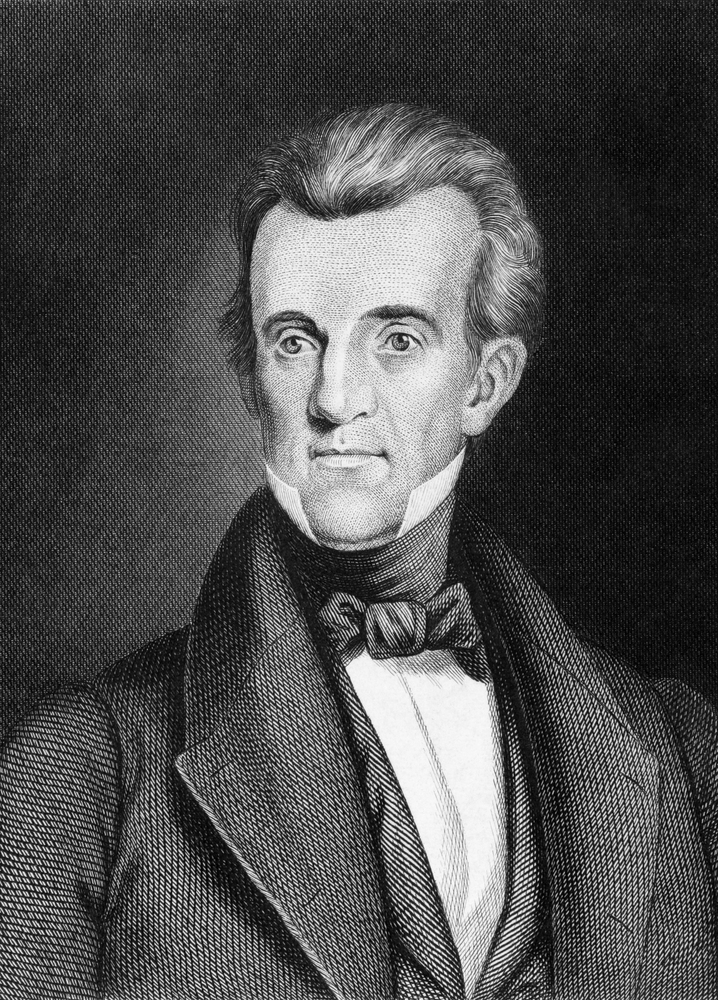
Secretary of State James Buchanan expressed doubt about Polk’s aggressive expansion policy, fearing it would destabilize the nation and extend slavery. Polk’s Cabinet was deeply divided, but Polk pushed forward with acquisitions that split the nation over slavery.
Abraham Lincoln’s Emancipation Proclamation, 1863
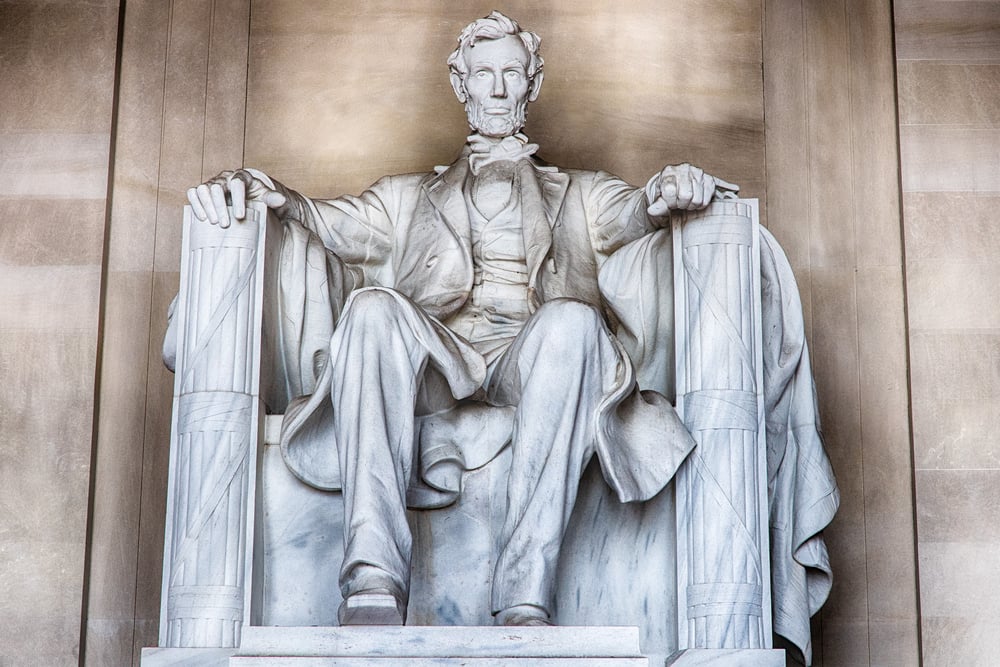
Conservative members of Lincoln’s Cabinet, including Postmaster General
Montgomery Blair and others, warned that emancipation might provoke border states
to rebellion. Some advisors urged postponement.
Lincoln issued the proclamation
anyway, a decision his opponents called reckless.
Andrew Johnson’s Veto of Reconstruction Acts, 1866-1867
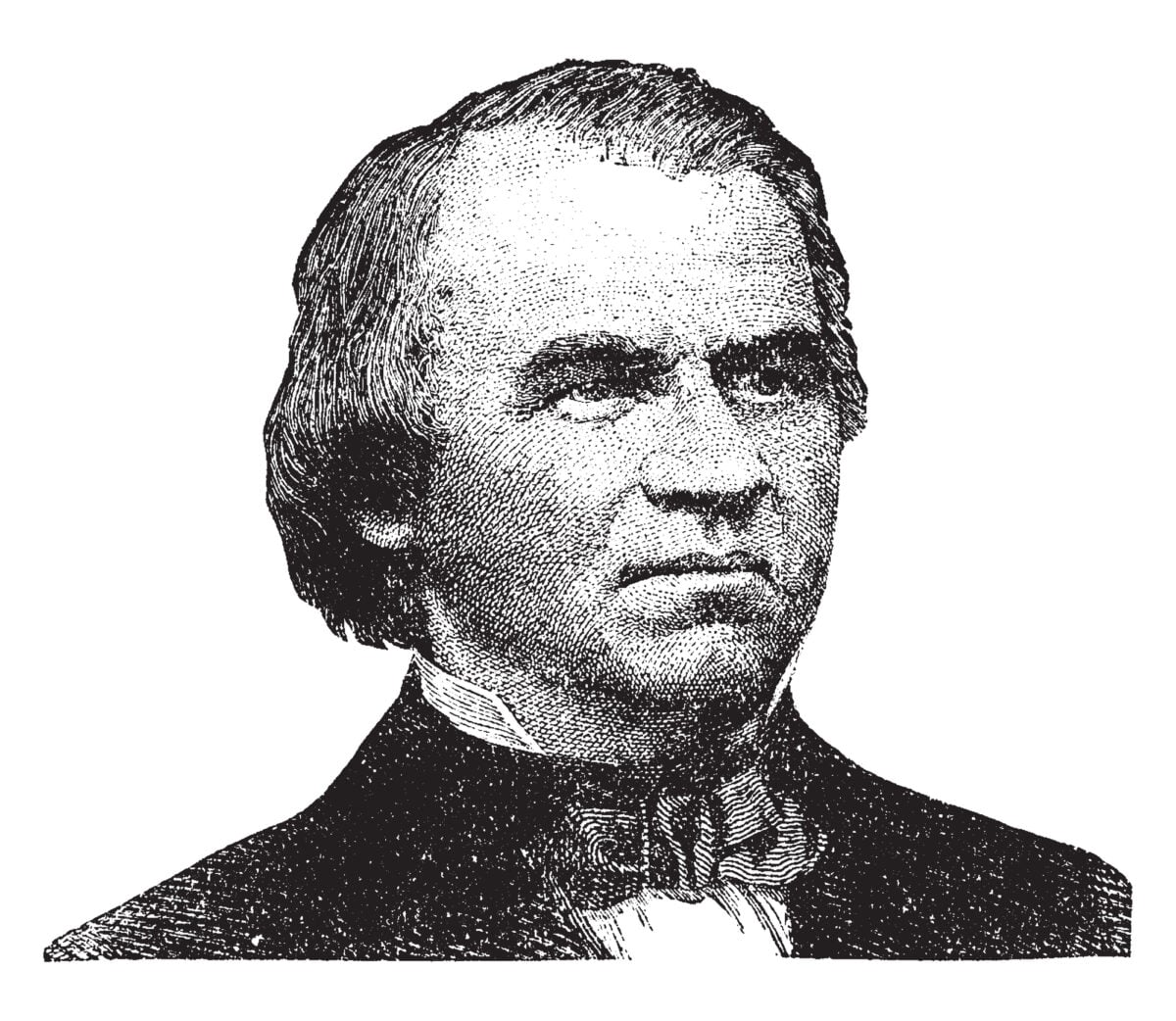
Johnson’s entire Cabinet opposed his vetoes of Reconstruction legislation. Secretary of War Stanton so objected that Johnson’s attempt to remove him triggered the first presidential impeachment.
Yet Johnson remained convinced his position was correct.
Rutherford B. Hayes’s Withdrawal from Reconstruction, 1877
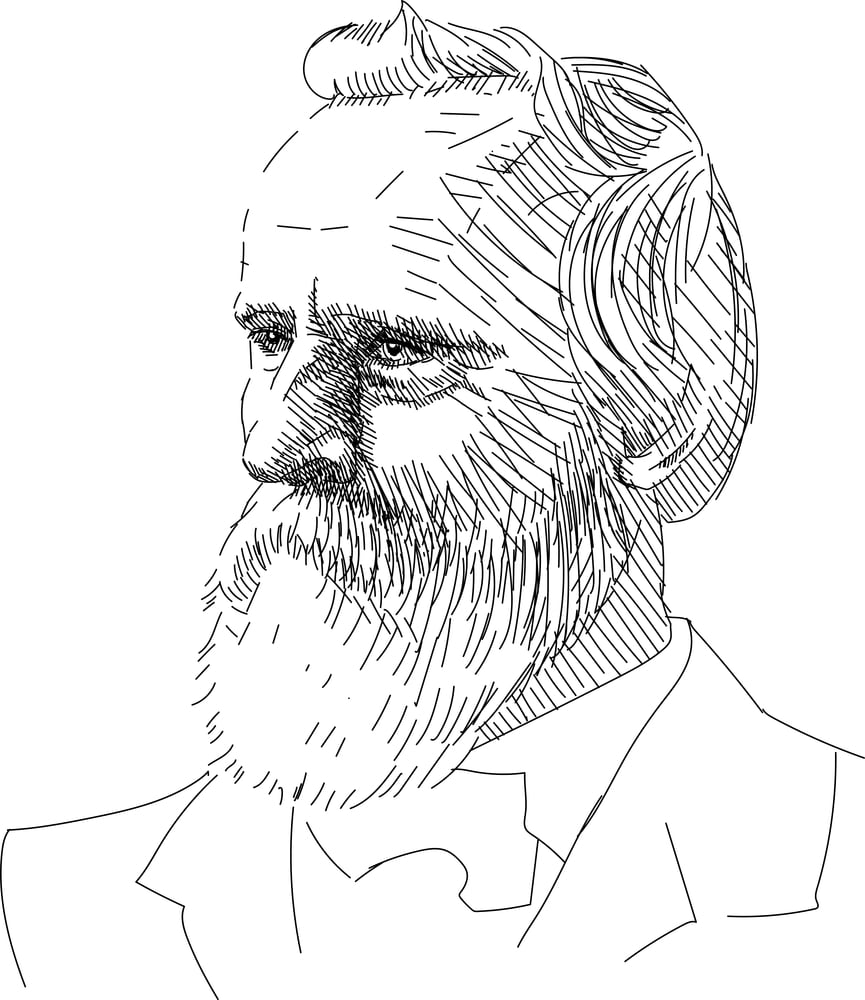
Hayes ended federal protection for freedmen in the South through the Compromise of 1877, a decision that horrified his more radical advisors and left African Americans vulnerable to retaliation and disenfranchisement.
Grover Cleveland’s Second Tariff Veto, 1894
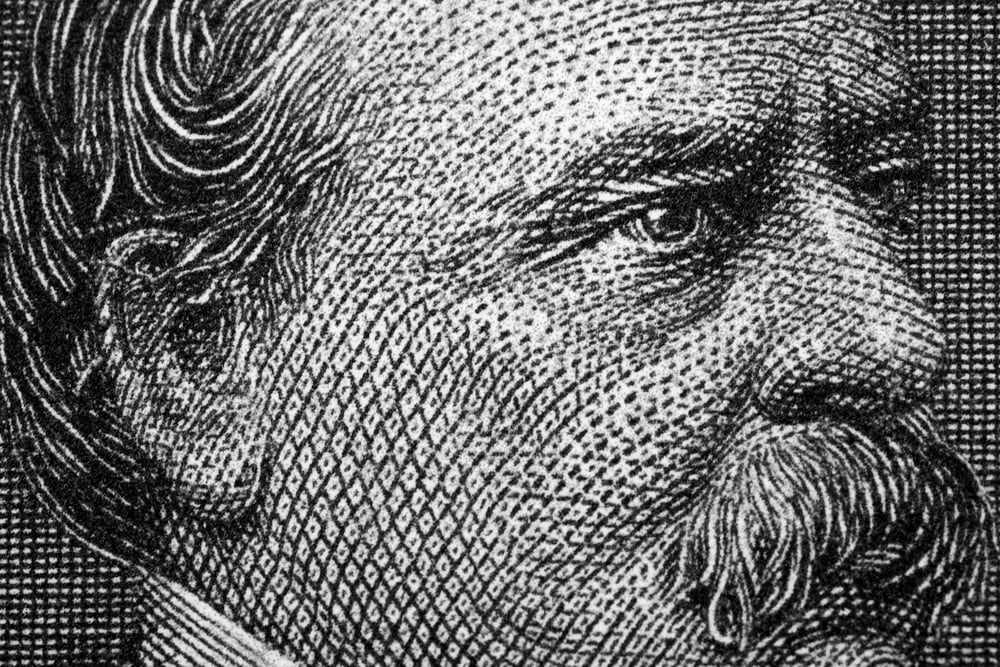
Cleveland’s advisors warned that high tariff rates were economically destructive, yet Congress pushed for tariffs. Cleveland’s consistent vetoes baffled advisors who questioned whether principle was worth the political cost.
Theodore Roosevelt’s Panama Canal, 1903

Roosevelt’s acquisition of the Panama Canal Zone through support of Panamanian independence from Colombia troubled many advisors. Secretary of State John Hay had reservations about the methods used, yet Roosevelt proceeded with what he saw as America’s destiny.
William Howard Taft’s Firing of Gifford Pinchot, 1910
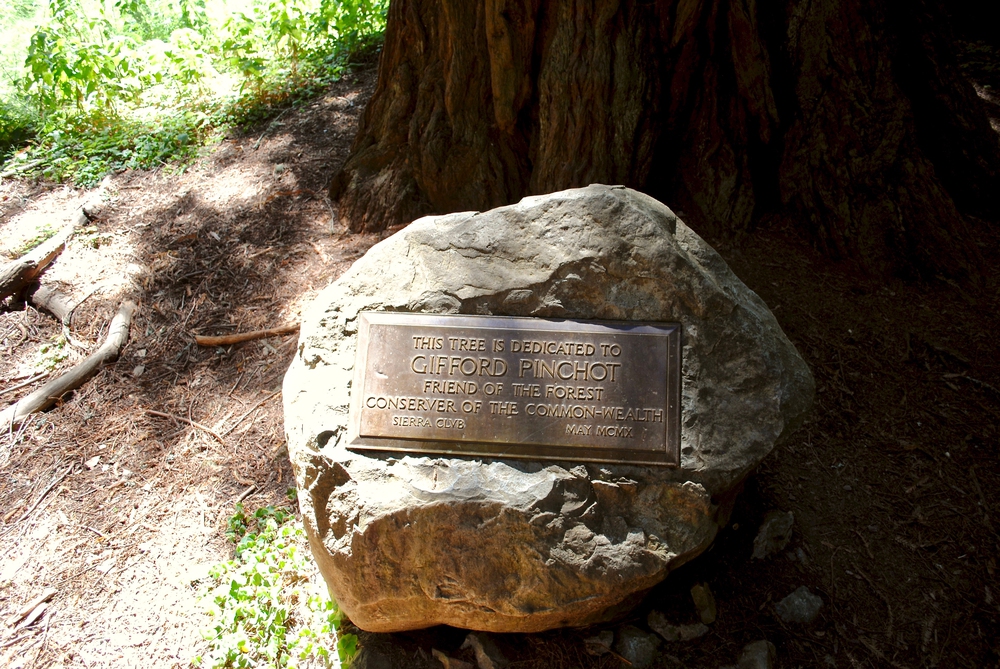
Taft fired the beloved conservationist Pinchot, a decision that shocked his advisors and split the Republican Party. Pinchot had strong support within the administration and Taft’s firing of him mystified his own supporters.
Woodrow Wilson’s Fourteen Points, 1918
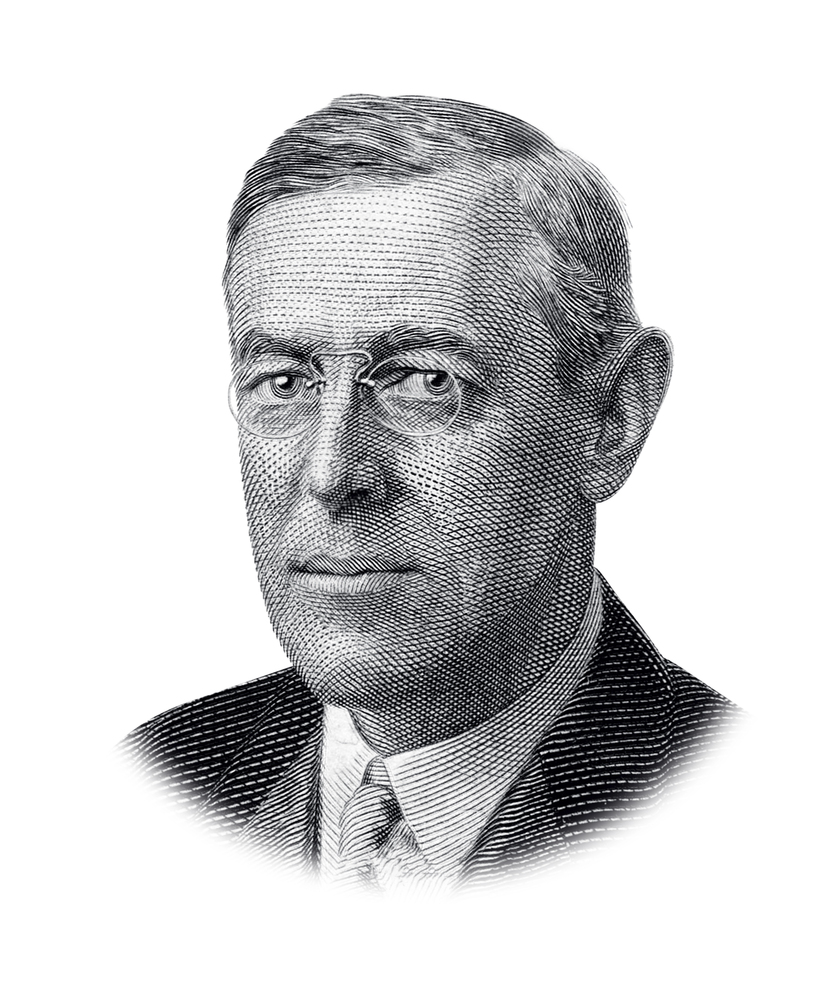
Wilson’s advisors thought his idealistic peace proposal naive and impractical. Many American diplomats believed the Fourteen Points would never be accepted by European powers seeking harsh terms against Germany.
Warren G. Harding’s Teapot Dome Leases, 1921
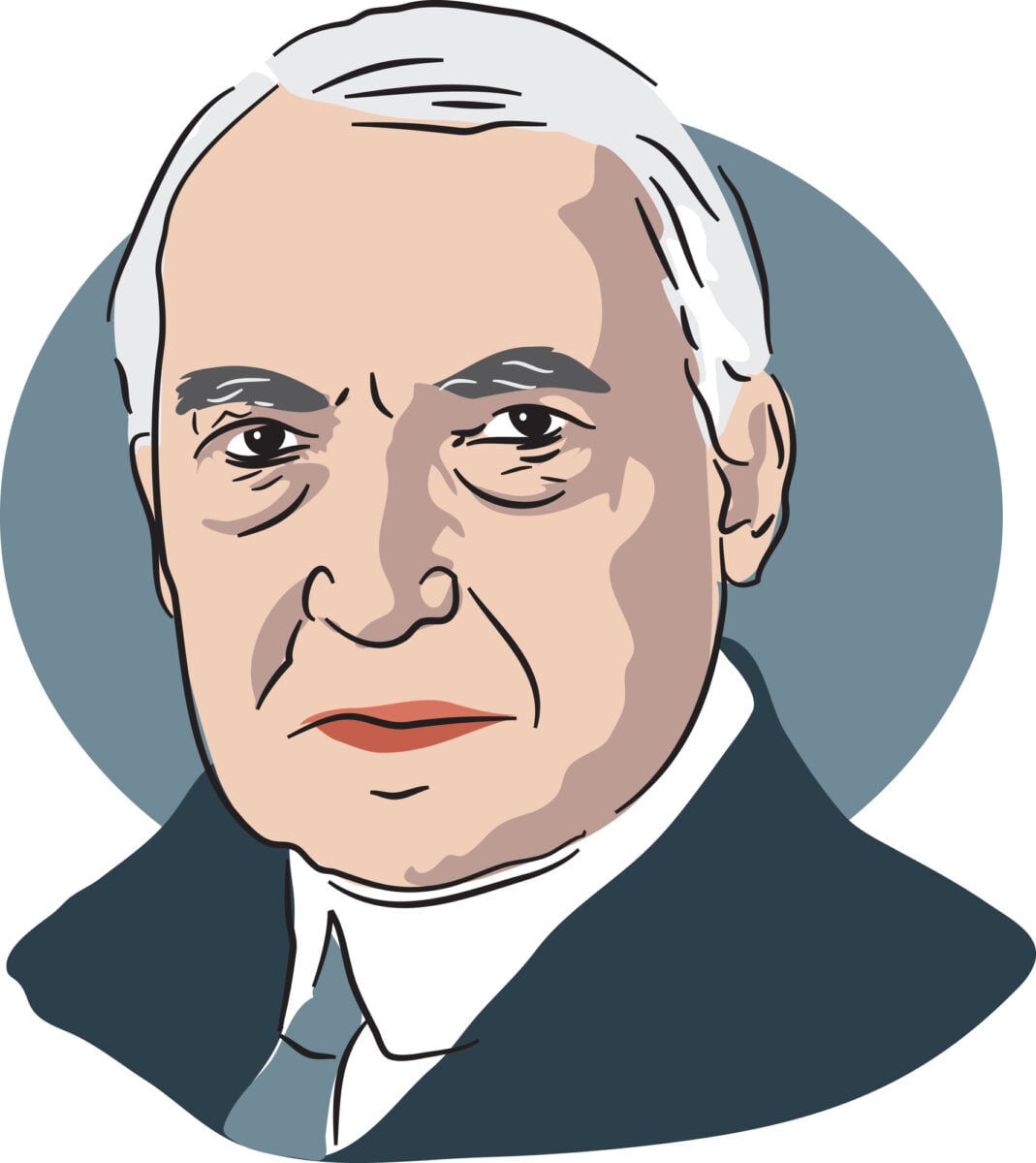
Secretary of the Interior Albert Fall’s corruption was eventually exposed, but Harding’s initial support for transferring naval oil reserves to the Interior Department baffled advisors who sensed impropriety.
Herbert Hoover’s Veto of Relief Bills, 1932
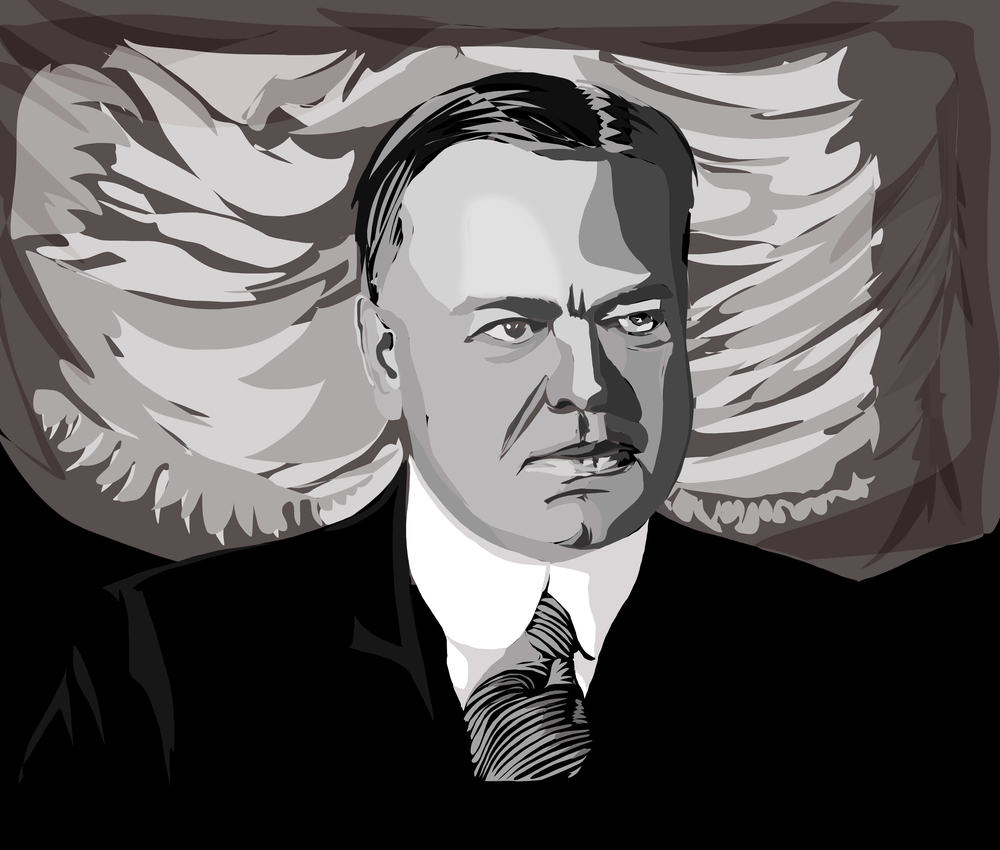
Hoover’s advisors urged him to support federal relief for the unemployed during the Depression. Hoover’s philosophical opposition to federal relief baffled his own Cabinet members who saw suffering populations and wanted to help.
Franklin D. Roosevelt’s Court Packing Scheme, 1937
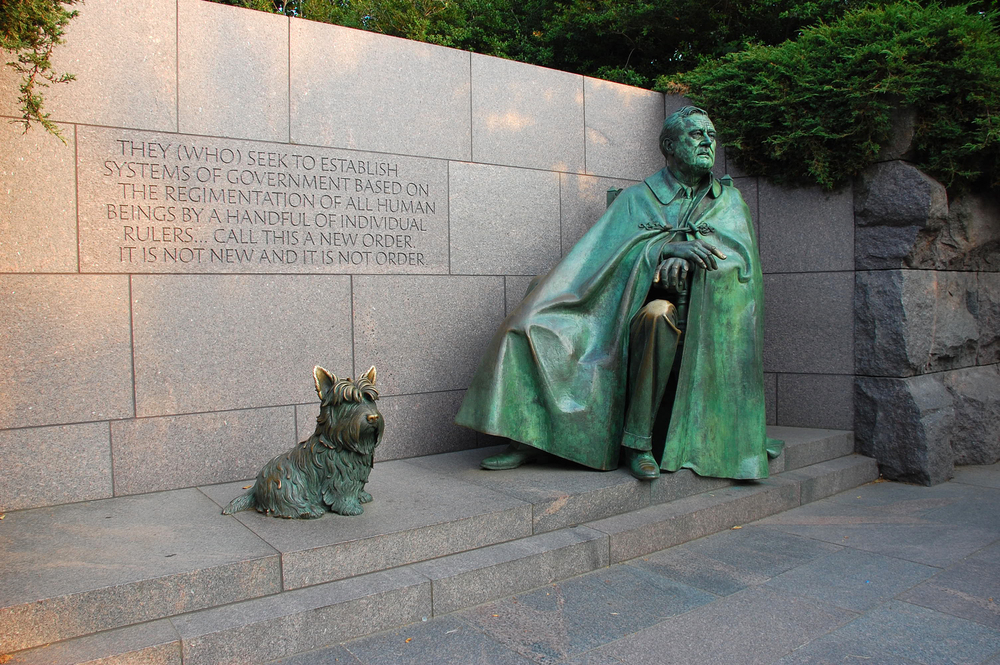
FDR’s attempt to expand the Supreme Court baffled his own advisors and many supporters. Even allies thought the plan was constitutionally dangerous and politically foolish, and it failed in Congress.
Franklin D. Roosevelt’s Internment of Japanese Americans, 1942
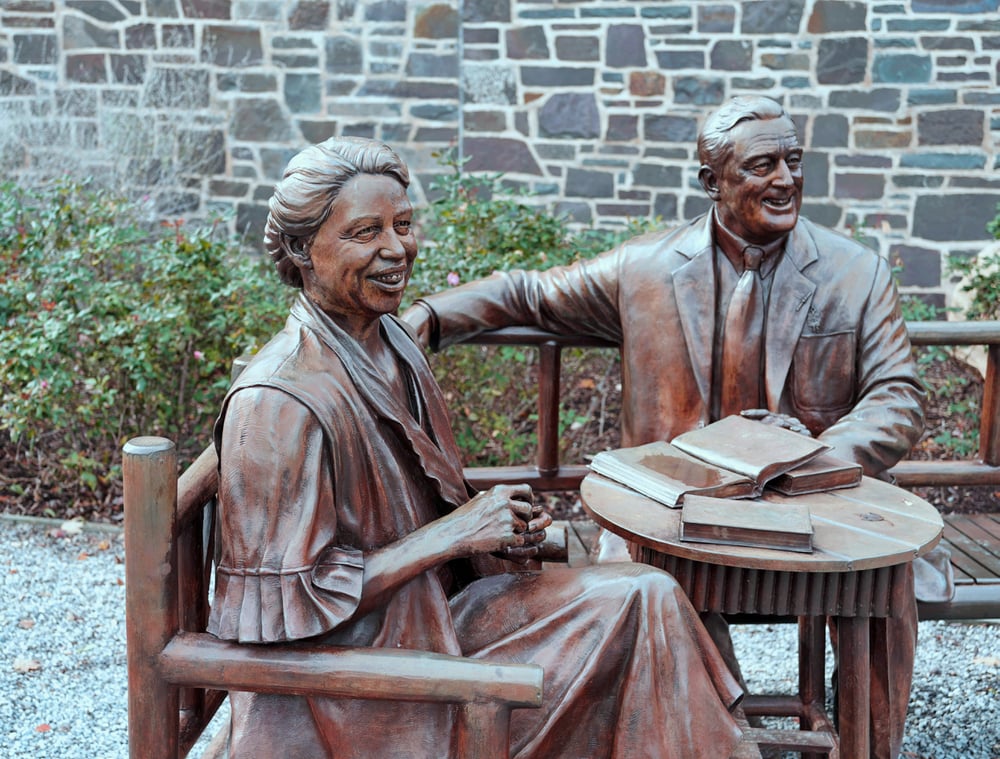
Roosevelt’s support for internment troubled some of his advisors, including Secretary of Interior Harold Ickes. The decision conflicted with FDR’s civil rights rhetoric and baffled supporters who saw him as a champion of minorities.
Harry Truman’s Dismissal of General Douglas MacArthur, 1951
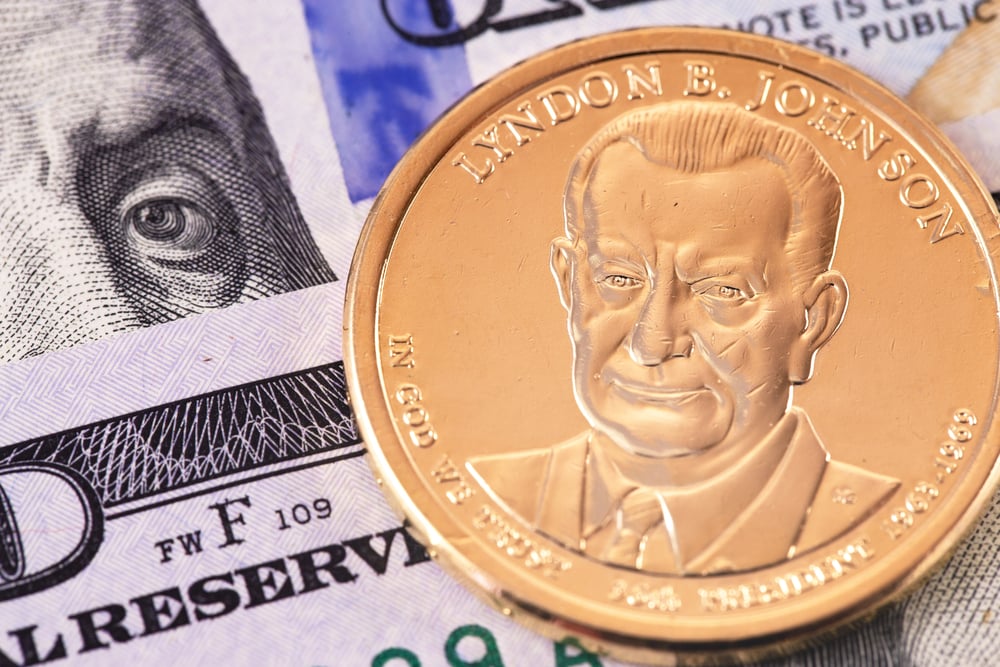
Truman’s firing of the popular MacArthur during the Korean War shocked the nation and baffled some of his advisors, though others supported the decision. The public reaction was furiously negative.
Dwight D. Eisenhower’s U-2 Spy Flights, 1960
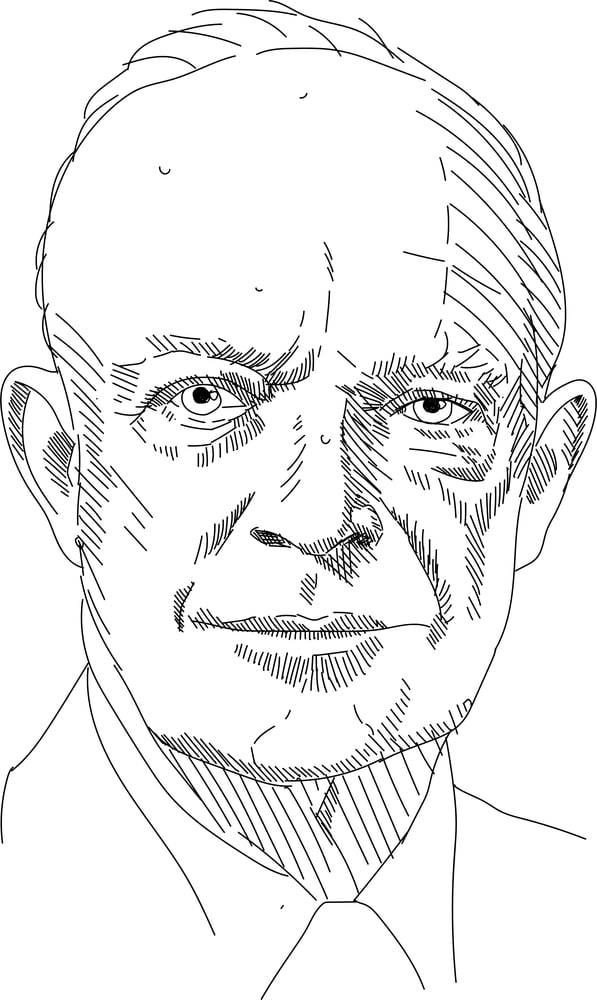
Eisenhower authorized continued U-2 flights over the Soviet Union despite warnings from advisors that the risk of exposure was escalating. When a plane was shot down, it embarrassed Eisenhower and shattered summit possibilities.
John F. Kennedy’s Bay of Pigs Invasion, 1961
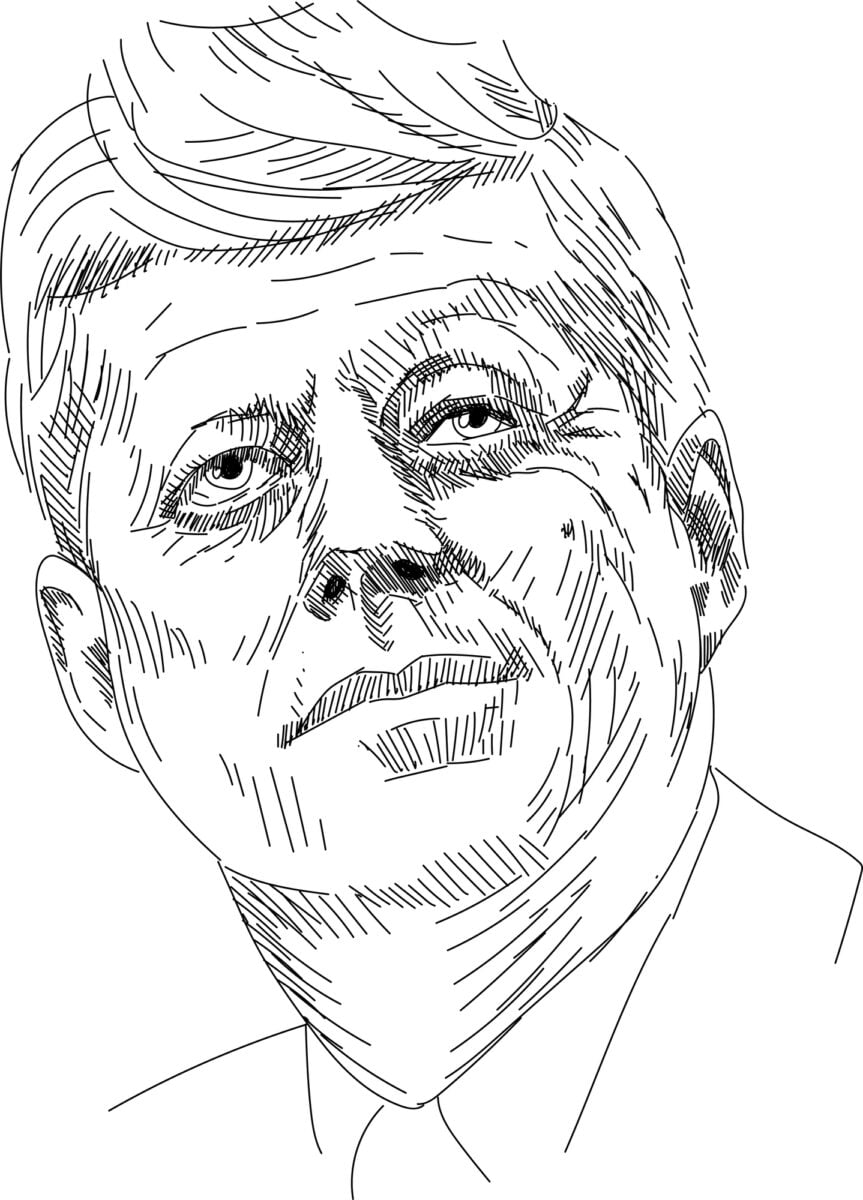
Kennedy’s approval of the invasion plan baffled his more experienced advisors, including Joint Chiefs chairman General Lyman Lemnitzer, who privately doubted the plan’s viability. The invasion was a disaster.
John F. Kennedy’s Cuban Missile Crisis Response, 1962

Some advisors urged an air strike on Soviet missiles. Kennedy chose the blockade instead. While it worked out, the decision troubled advisors who feared it was too passive.
Lyndon B. Johnson’s Escalation in Vietnam, 1964-1965
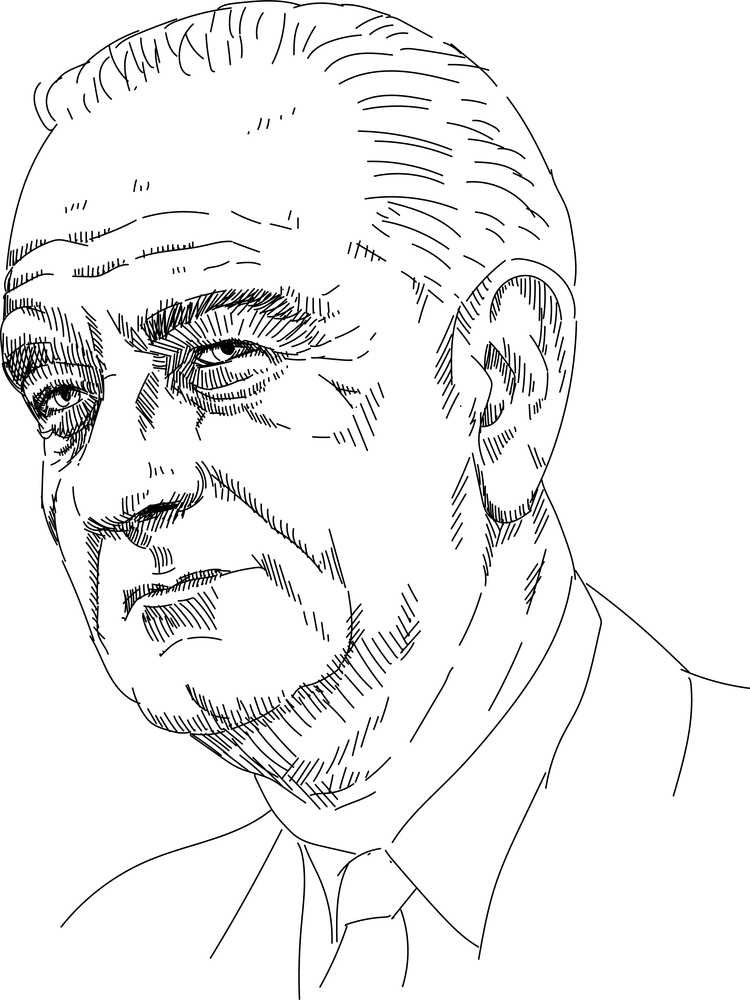
Johnson’s expansion of the Vietnam War baffled some advisors, including Undersecretary of State George, who warned the war was unwinnable. Johnson proceeded despite deep doubts from thoughtful advisors.
Richard Nixon’s Wage and Price Controls, 1971
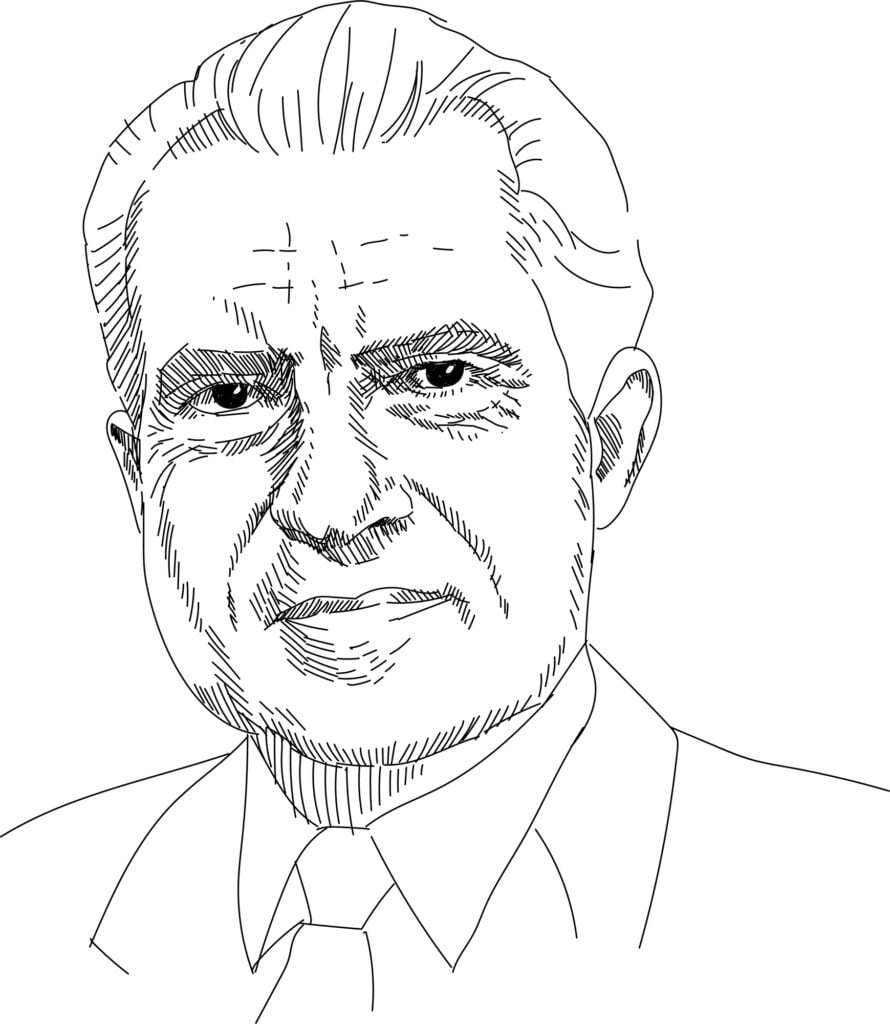
Conservative economists and some Cabinet members opposed Nixon’s imposition of wage and price controls as economically unsound. Nixon’s decision to override their concerns surprised his own administration.
Richard Nixon’s Opening to China, 1972

Nixon’s historic opening to China baffled advisors accustomed to Cold War rigidity. The surprising shift toward rapprochement mystified allies and some within his own administration.
Gerald Ford’s Pardon of Richard Nixon, 1974
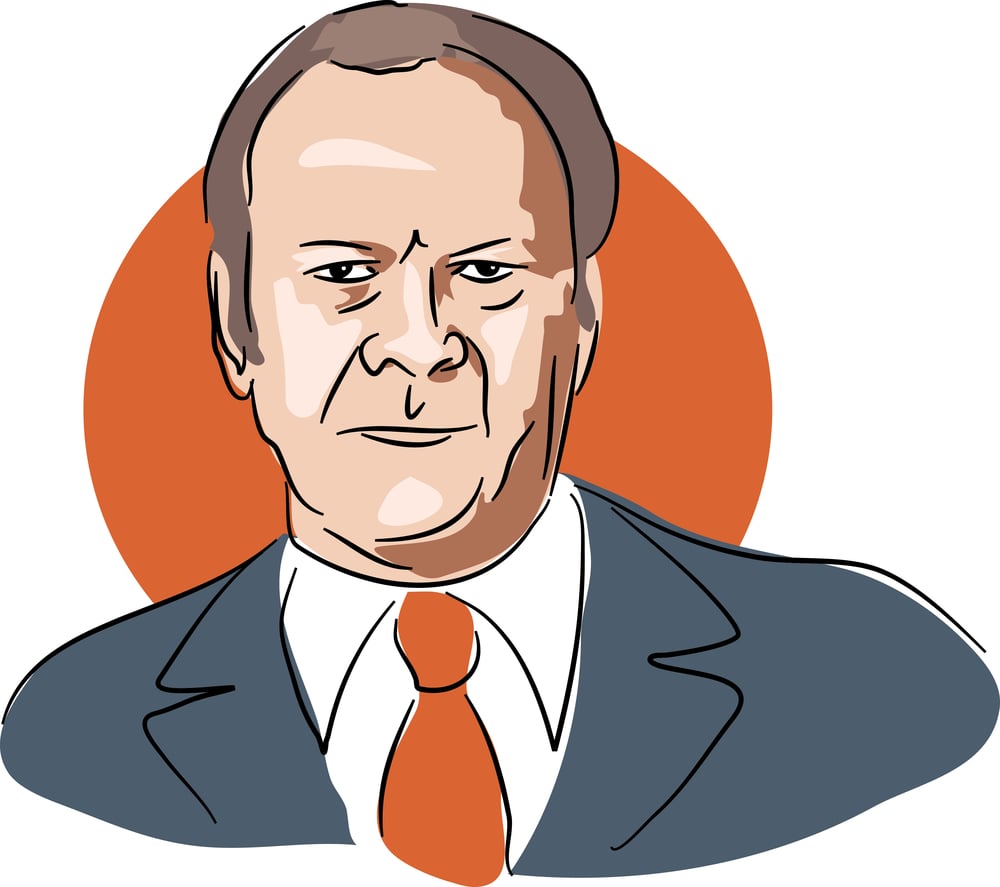
Ford’s decision to pardon Nixon baffled his advisors and shocked the nation. Most counseled against it, yet Ford believed it necessary for national healing.
Jimmy Carter’s Iran Rescue Mission, 1980
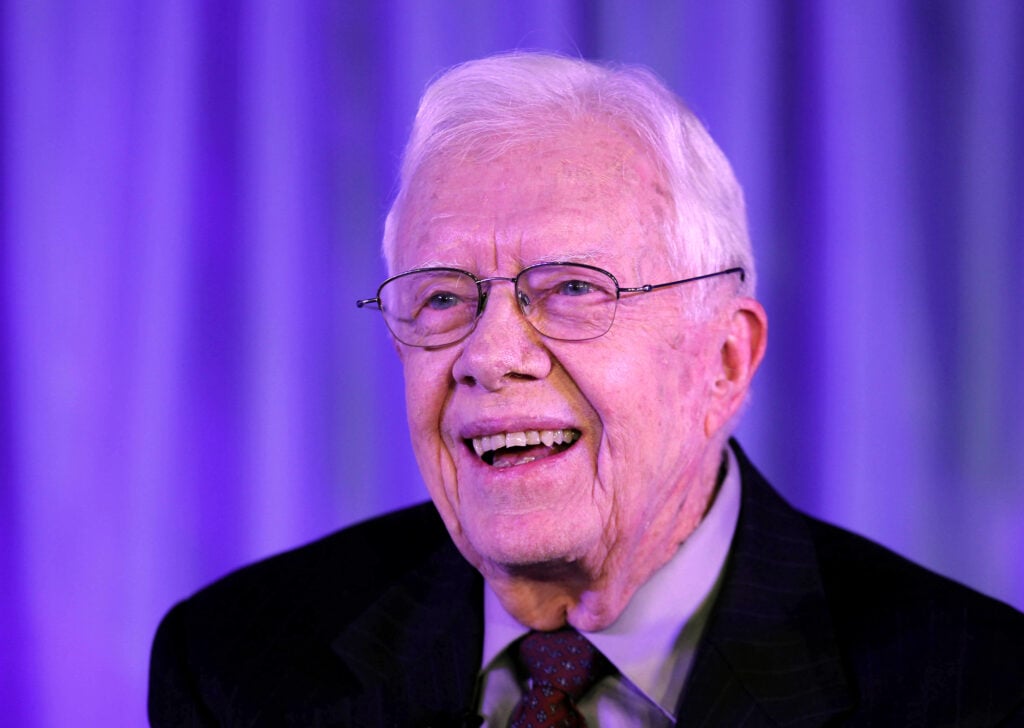
Carter’s approval of Operation Eagle Claw to rescue hostages baffled military advisors who questioned the mission’s feasibility. The mission failed catastrophically, reinforcing doubts about Carter’s judgment.
Ronald Reagan’s Iran-Contra Dealings, 1985-1987
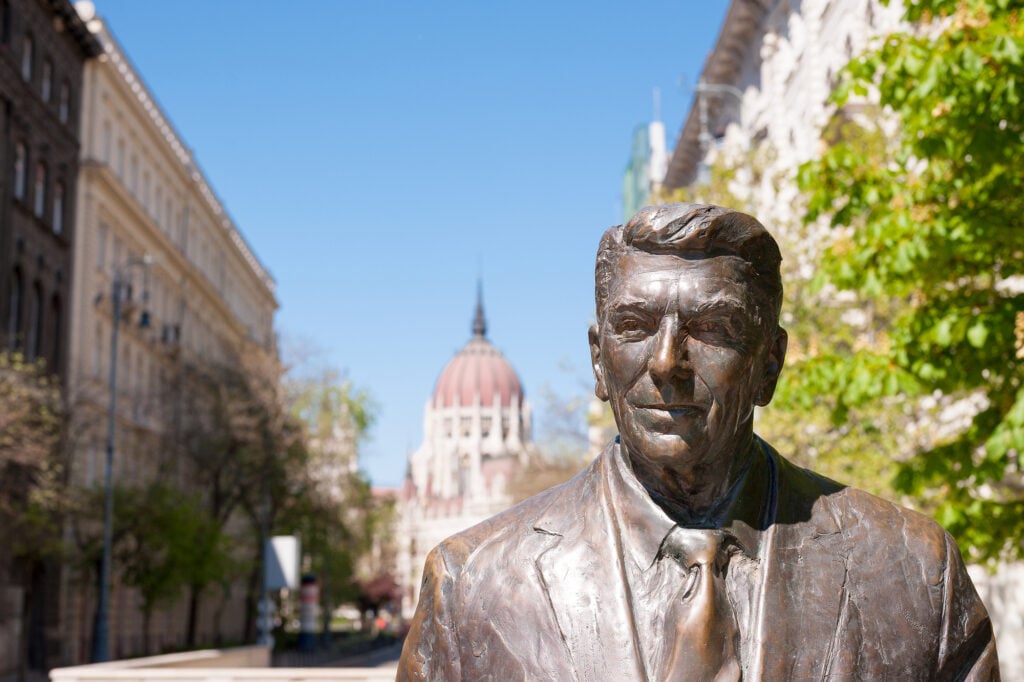
Reagan’s administration engaged in secret arms sales to Iran and funding of Nicaraguan contras despite legal prohibitions. Advisors who knew were worried about the legal exposure and wisdom of the operations.
George H.W. Bush’s Gulf War Ceasefire, 1991
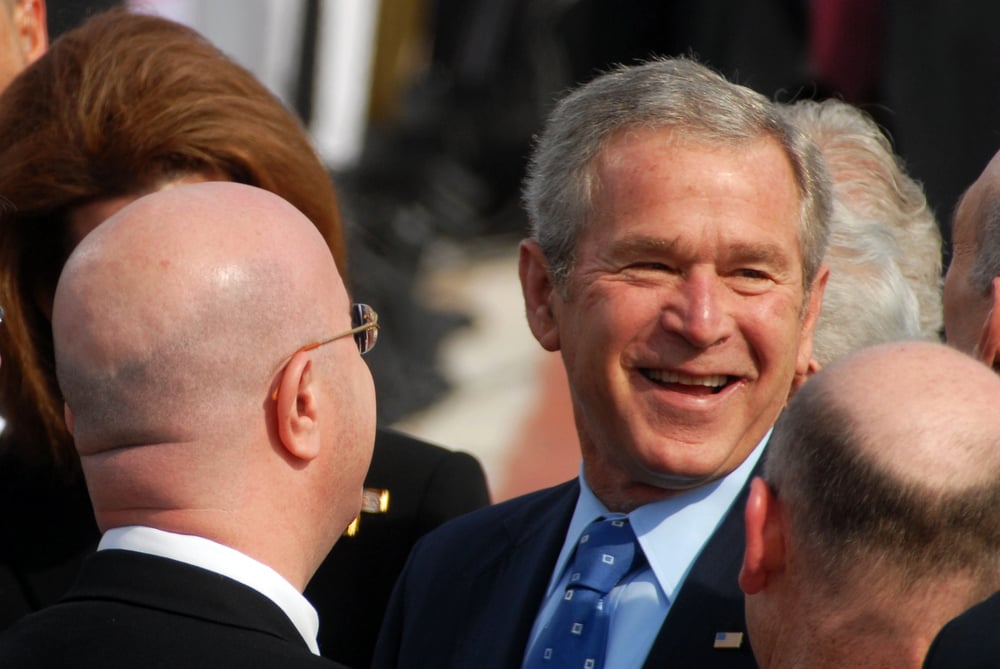
Bush’s decision to end the Gulf War without removing Saddam Hussein baffled military advisors who believed the job was incomplete. The decision haunted his presidency.
Bill Clinton’s Cruise Missile Strikes on Sudan and Afghanistan, 1998
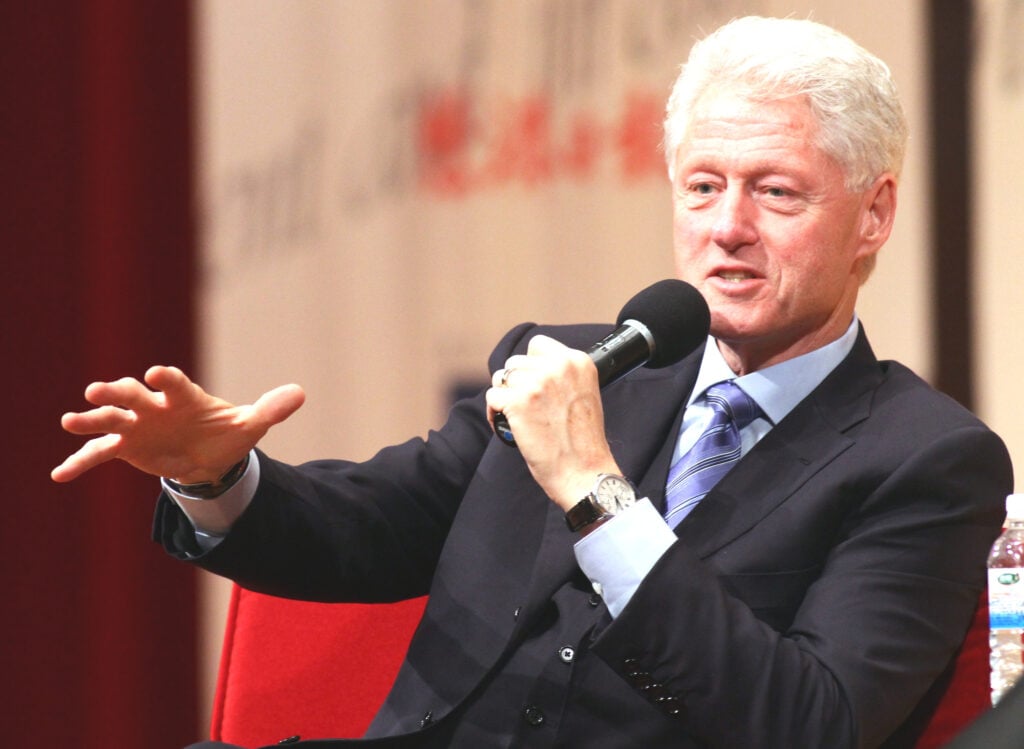
Clinton’s ordering of strikes on an alleged chemical weapons facility in Sudan baffled foreign policy advisors who questioned the target’s legitimacy. Investigations later suggested the facility was a pharmaceutical plant.
George W. Bush’s Invasion of Iraq, 2003
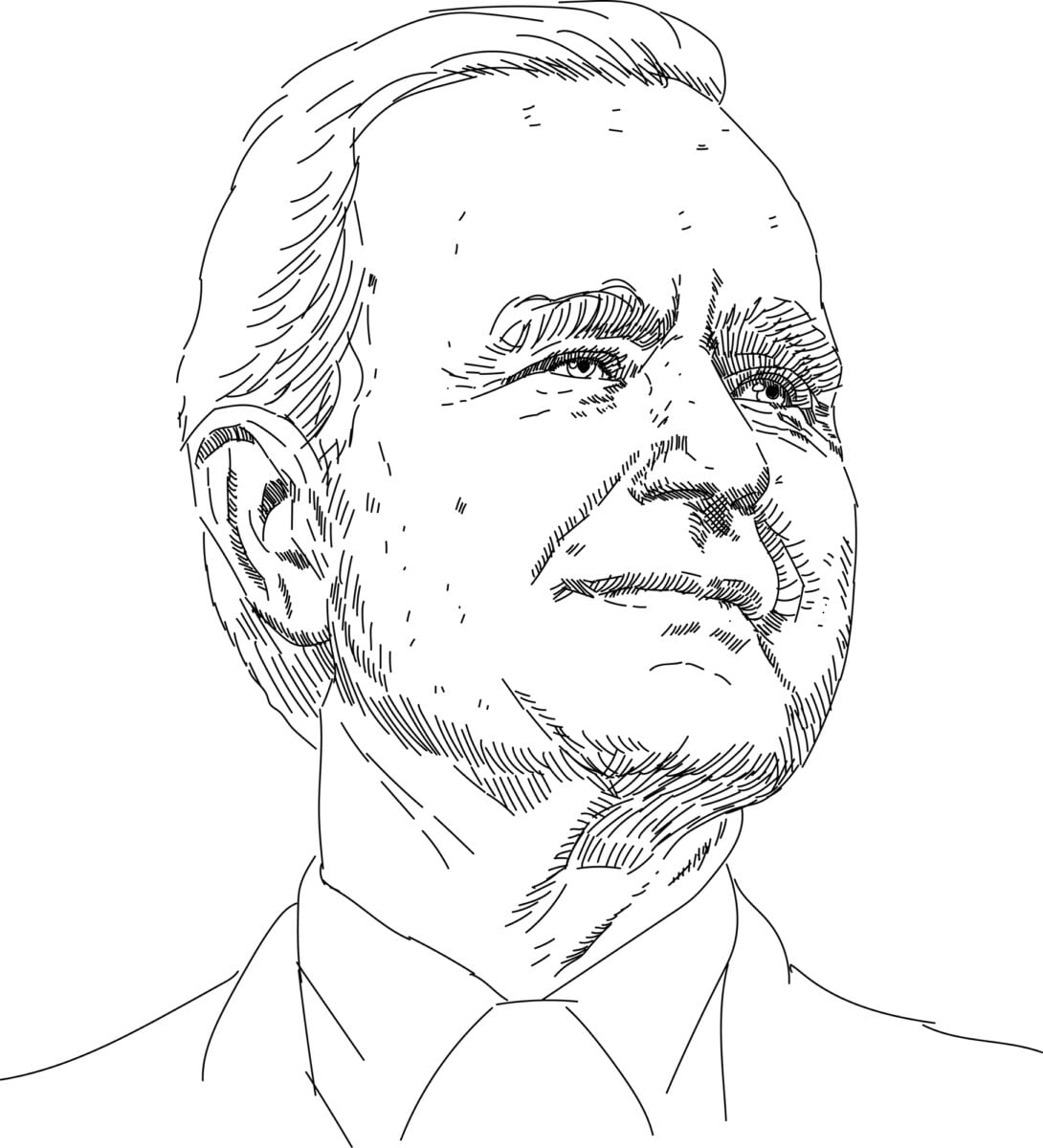
Bush’s decision to invade Iraq without finding weapons of mass destruction baffled military planners and intelligence advisors. General Eric Shinseki’s warnings about troop requirements were dismissed.
Barack Obama’s Syria Red Line, 2013
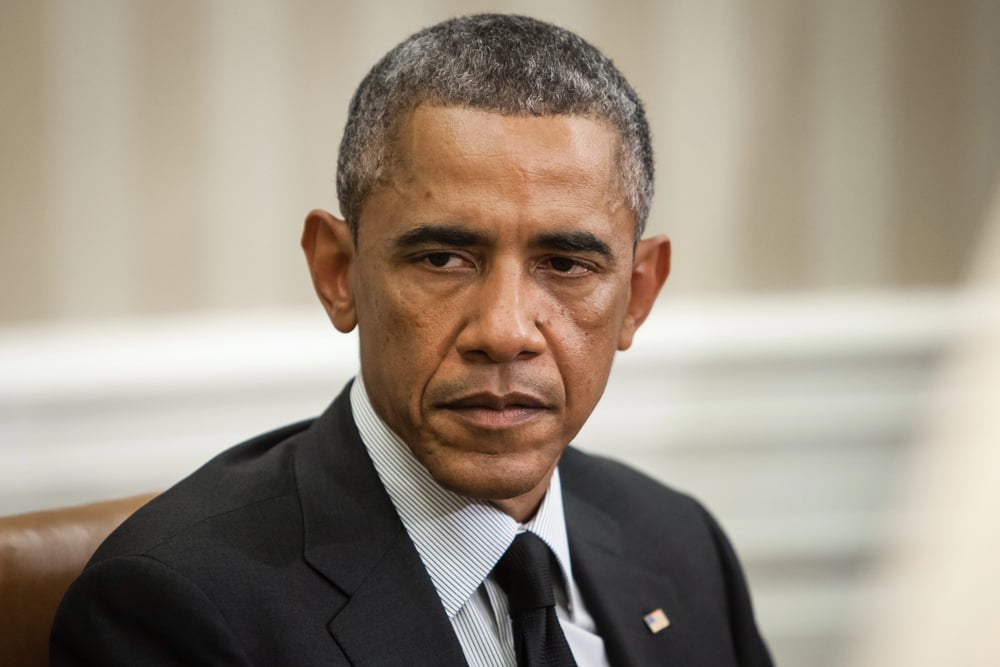
Obama’s threat to strike Syria if chemical weapons were used, followed by his decision not to strike when they were used, baffled advisors and foreign leaders who questioned the consistency of his policy.
The Price of Conviction

These decisions reveal that presidential conviction sometimes trumps advisors’ counsel. Presidents operate on information, intuition, and ideology. When those three misalign, even experienced advisors find themselves baffled by choices their presidents make.
History judges some of these decisions brilliantly presciently and others catastrophically wrong—but in every case, the advisors watching at the time recognized they were witnessing a president deciding alone, against counsel.
More from Go2Tutors!

- The Romanov Crown Jewels and Their Tragic Fate
- 13 Historical Mysteries That Science Still Can’t Solve
- Famous Hoaxes That Fooled the World for Years
- 15 Child Stars with Tragic Adult Lives
- 16 Famous Jewelry Pieces in History
Like Go2Tutors’s content? Follow us on MSN.