28 Neighborhood Traditions That Faded Out of Summer
Summer used to run on a loose, unspoken schedule set by an entire neighborhood rather than any single household. Kids moved freely between yards, adults sat outside long enough to actually talk to each other, and the whole season had a rhythm built around small, repeated rituals nobody had to plan very far in advance.
Most of these traditions didn’t end because anyone decided to stop them. They just stopped happening, one summer at a time, as schedules filled up and neighborhoods grew quieter.
Ice Cream Truck Chimes
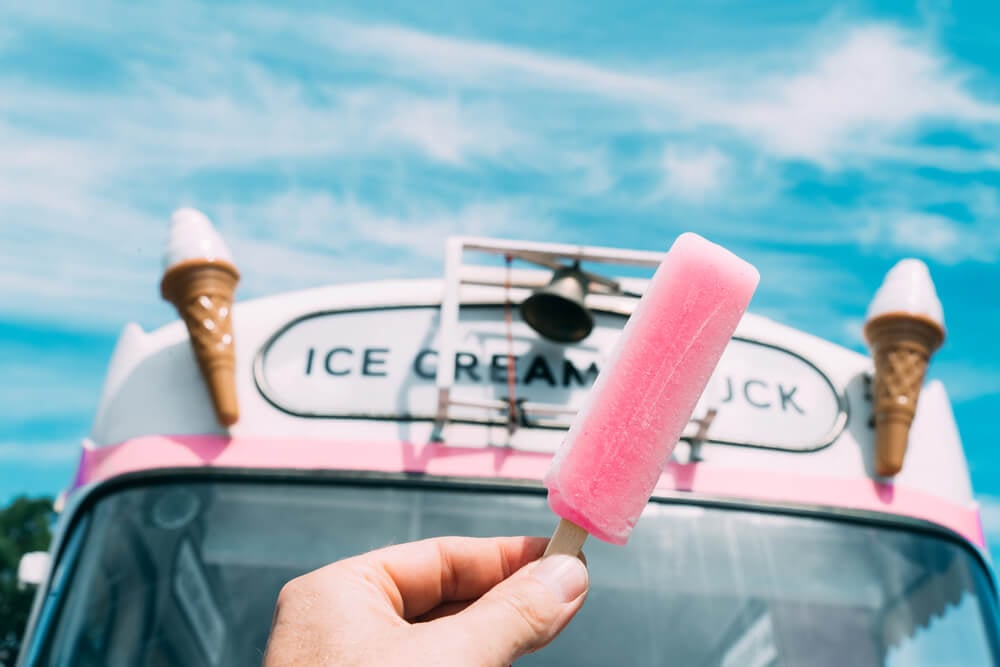
The specific jingle of an approaching ice cream truck used to trigger an immediate, neighborhood-wide response, with kids sprinting home for change and adults calling out orders from front porches before the truck rolled past.
Running Through Sprinklers
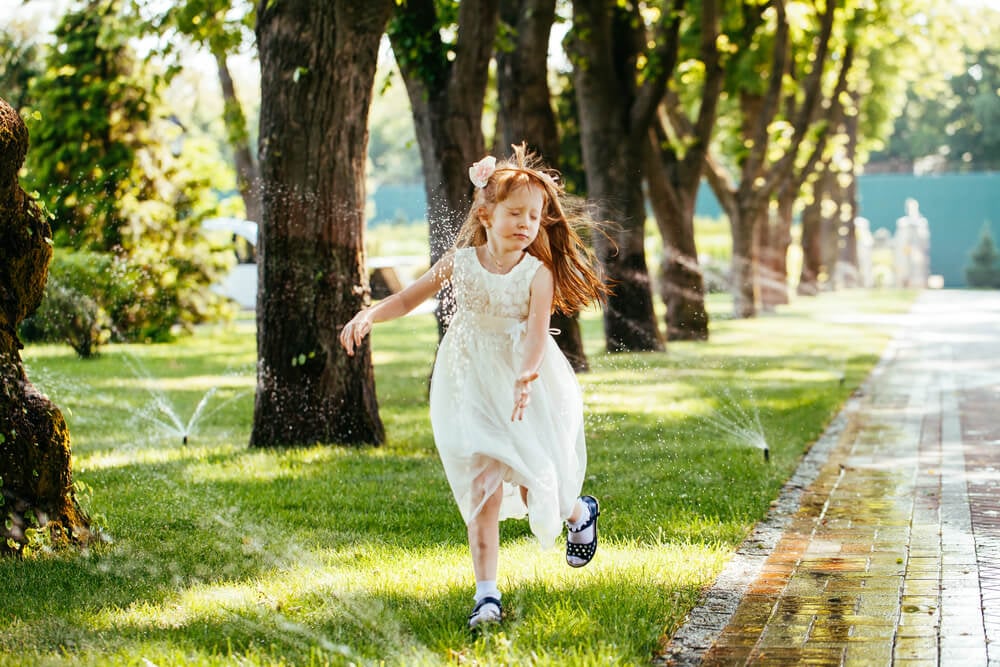
A simple oscillating sprinkler set up in a front yard functioned as the entire neighborhood’s unofficial water park, drawing kids from several houses down without anyone needing an invitation.
Catching Fireflies in Jars
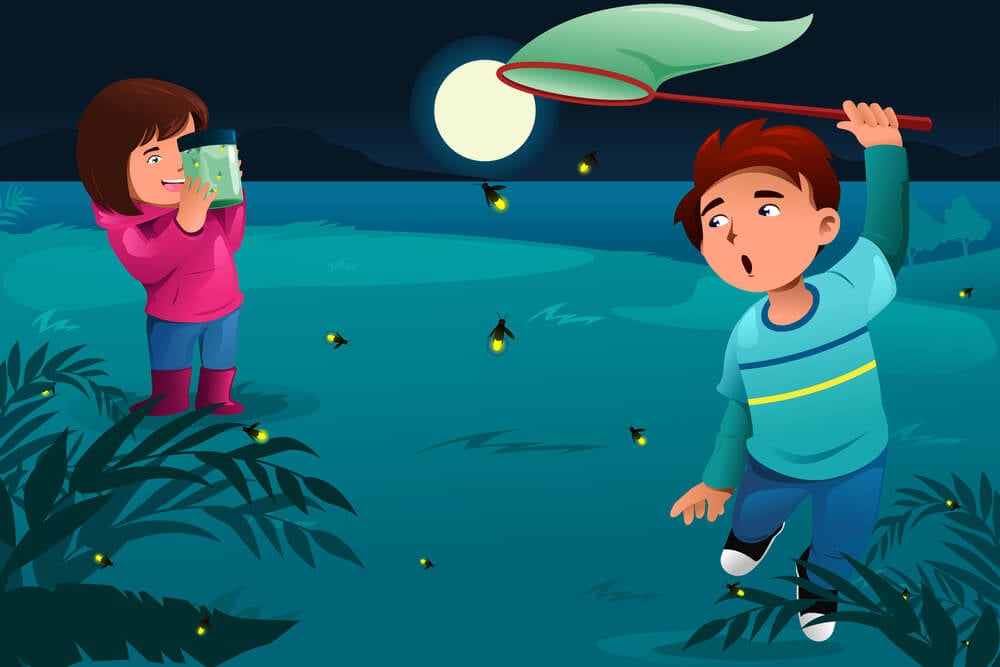
Dusk brought a predictable ritual of kids collecting fireflies in mason jars with a punched lid, usually releasing them before bed after a brief stint as a makeshift nightlight.
Drive-In Movies
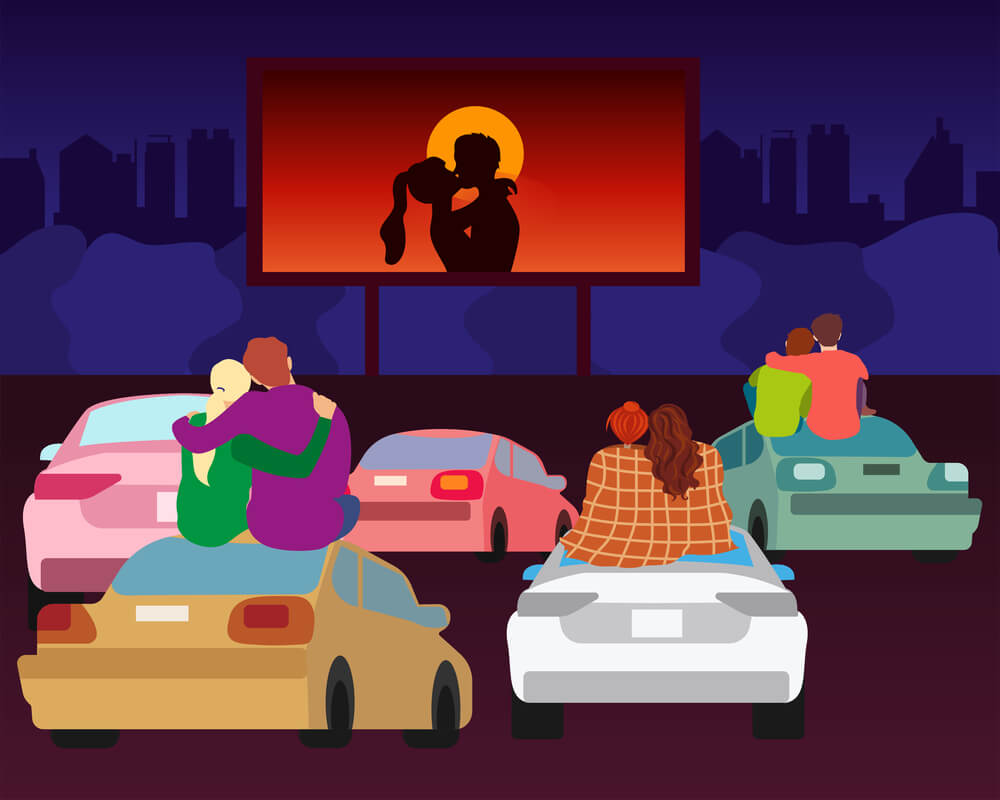
Families packed into cars at dusk to watch a film projected onto an outdoor screen, tuning the car radio to a specific frequency for audio while kids often changed into pajamas before the show even started.
Sitting on Front Porches
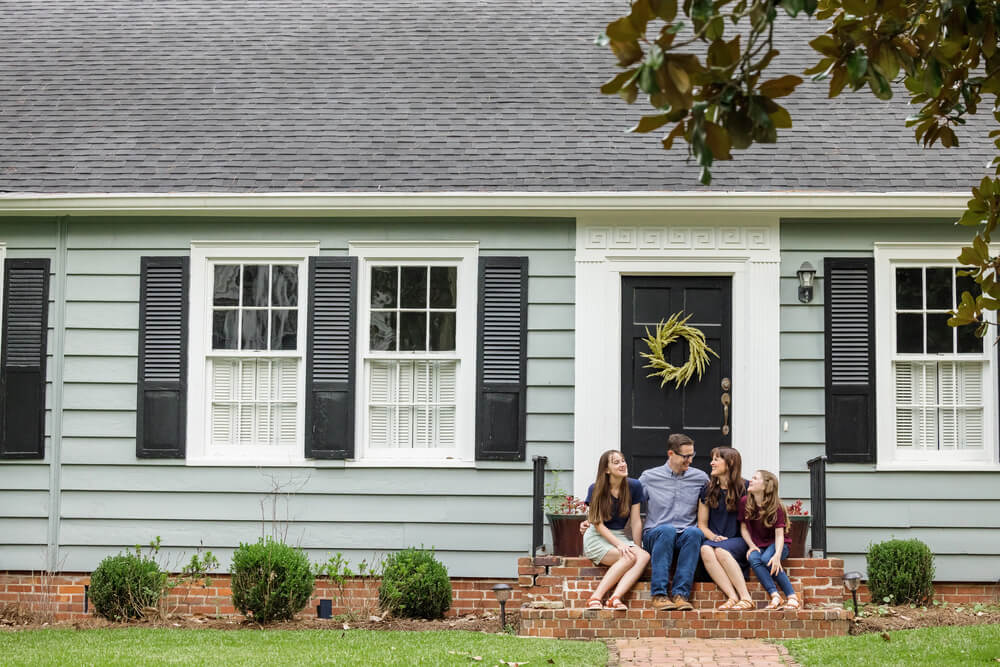
Entire evenings used to be spent simply sitting outside, greeting neighbors walking past and catching up on the day, a habit that faded as air conditioning made staying indoors more comfortable than the front step.
Penny Candy Counters
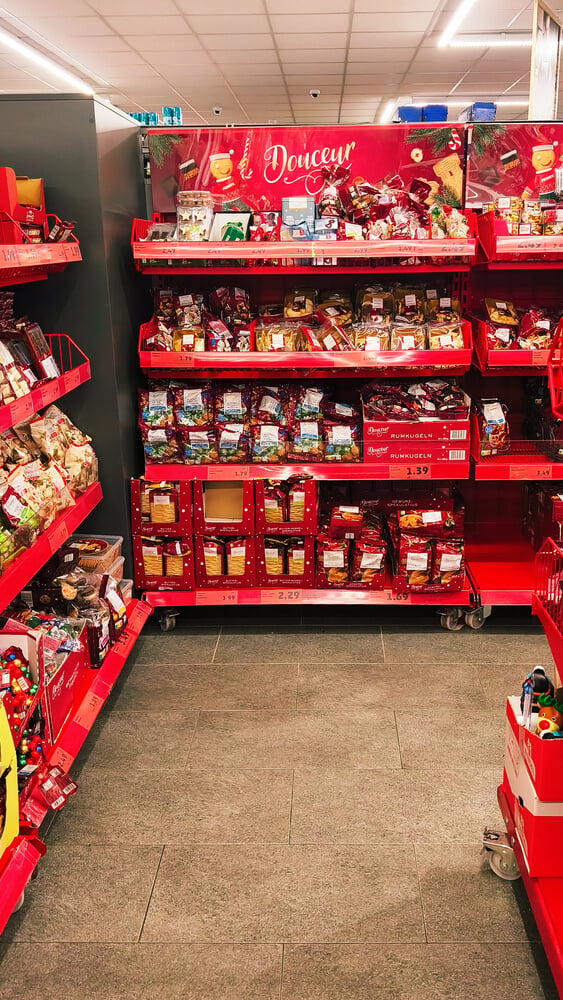
Corner stores and pharmacies once kept a dedicated counter of individually priced candy, letting kids spend a handful of loose change on a small paper bag of selections chosen one piece at a time.
Lemonade Stands
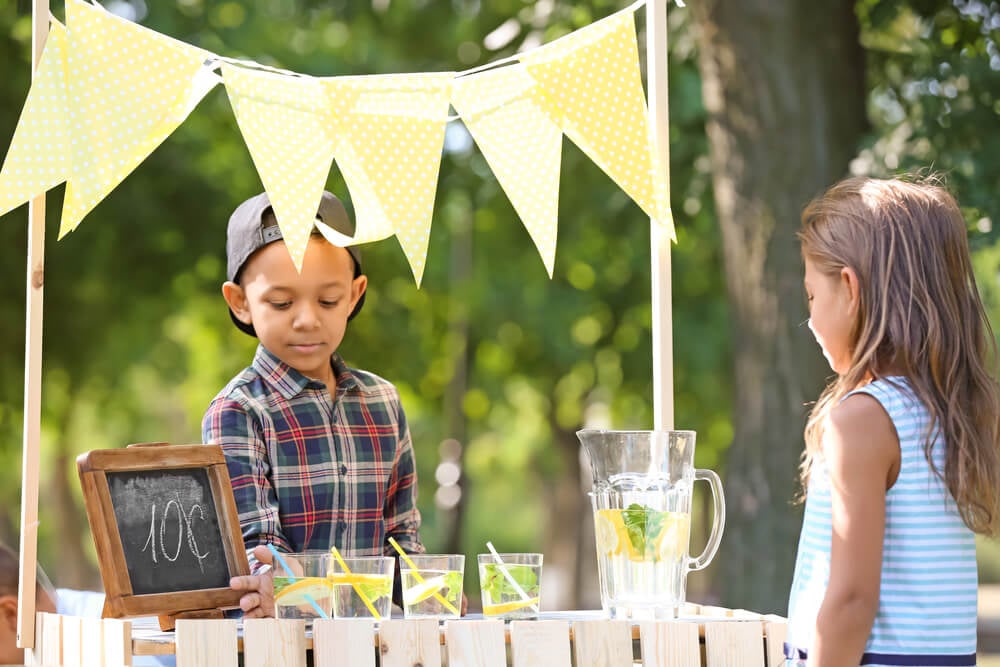
A handmade sign, a folding table, and a pitcher of lemonade constituted an entire neighborhood business, usually run by kids hoping to earn enough for a specific toy by the end of the week.
Door-To-Door Cookie Sales
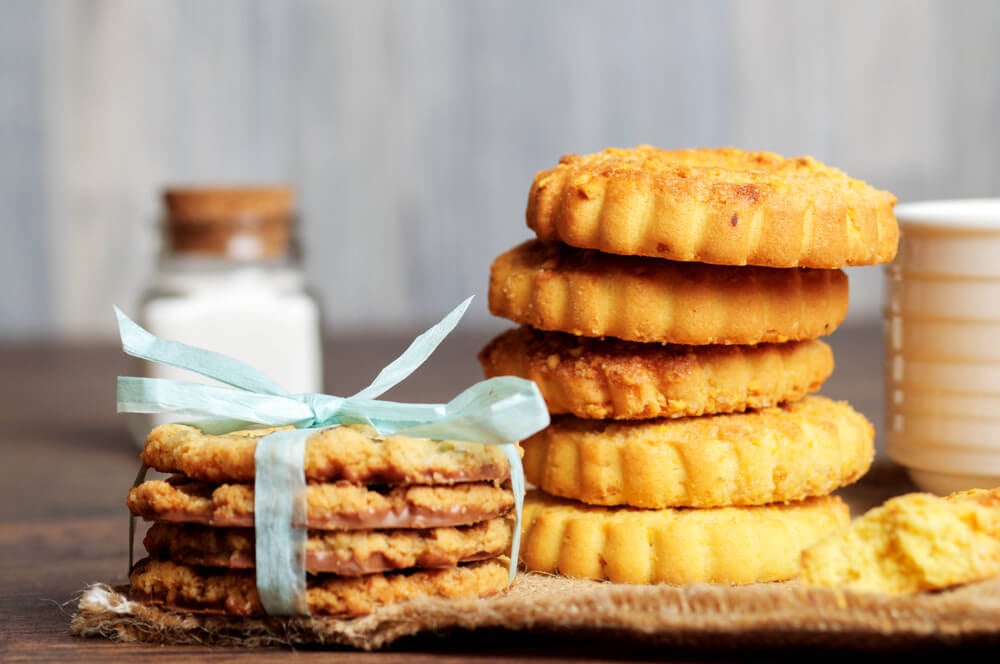
Scout troops once sold cookies primarily by walking door to door within their own neighborhoods rather than through online ordering systems, a process that doubled as a way for kids to practice talking to adults.
Kick the Can at Dusk
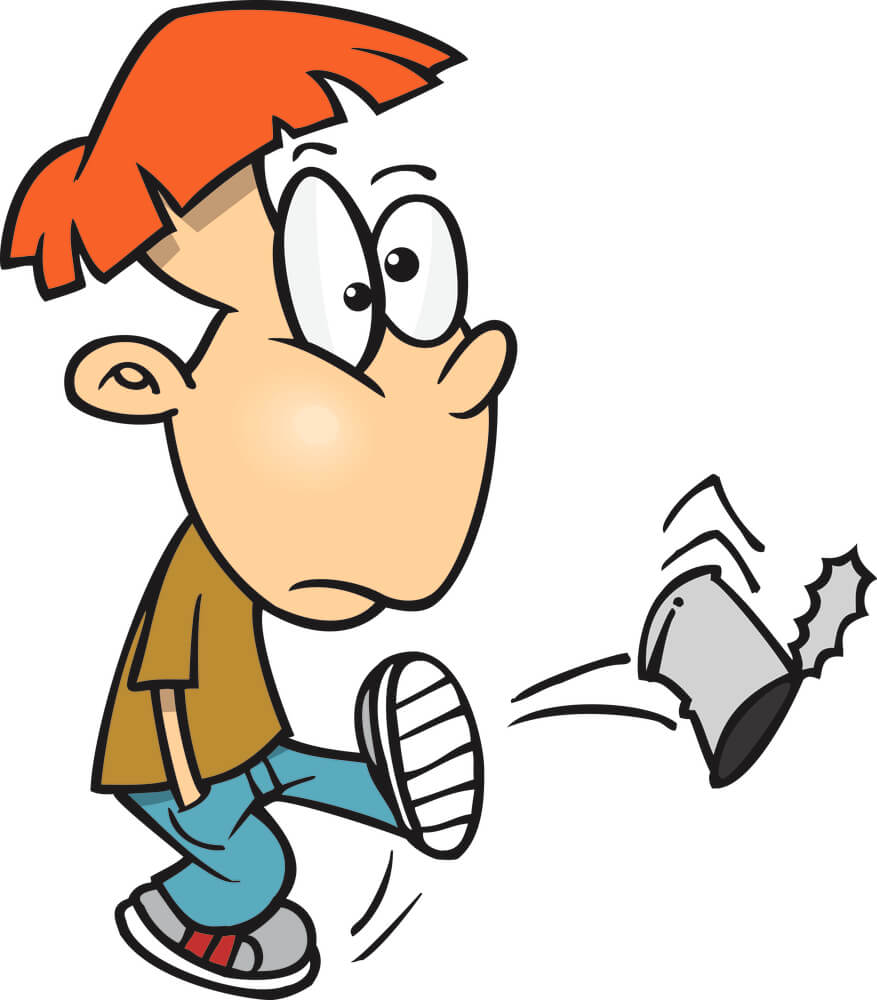
A neighborhood-wide hide-and-seek variant played across multiple yards as streetlights came on, kick the can often continued until parents started calling names out into the dark to bring everyone home.
Sidewalk Chalk Art
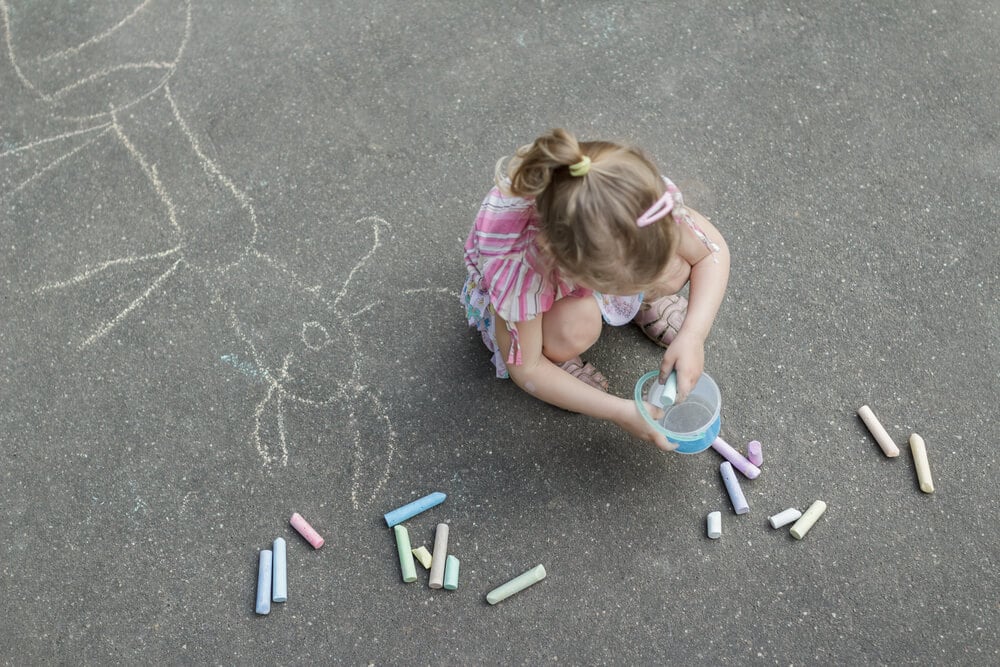
Entire driveways and stretches of sidewalk used to fill up with elaborate chalk drawings during long summer afternoons, left to fade naturally under foot traffic and rain rather than washed away deliberately.
Community Pool Passes
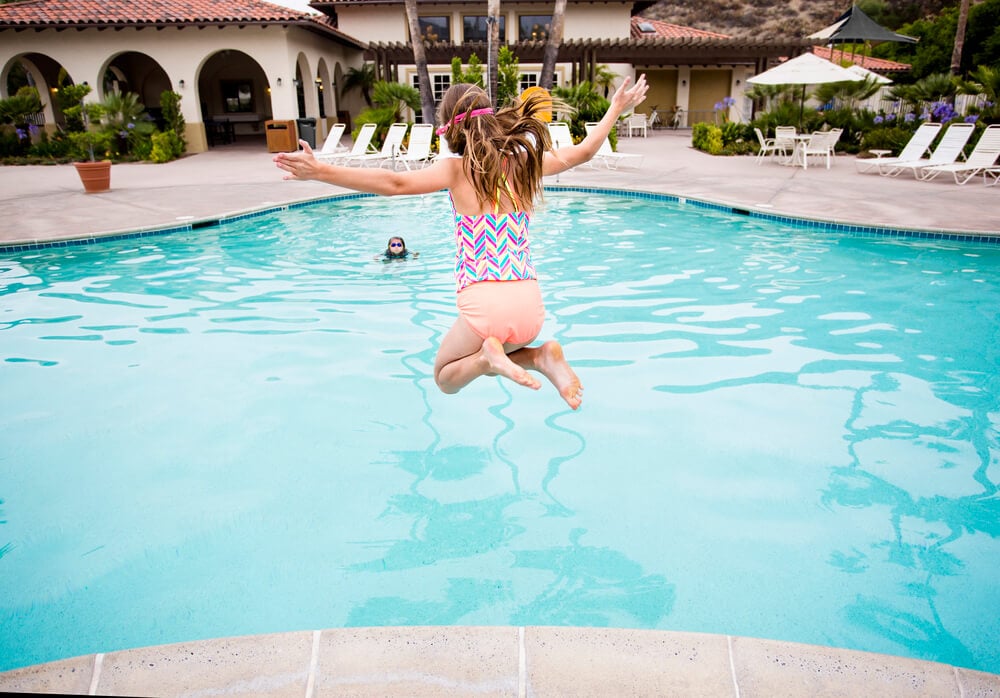
Neighborhood or municipal pools sold season passes that functioned as an entire summer’s daily destination, with kids biking over independently and parents trusting the pool’s lifeguards to supervise for hours at a stretch.
Fourth of July Neighborhood Parades
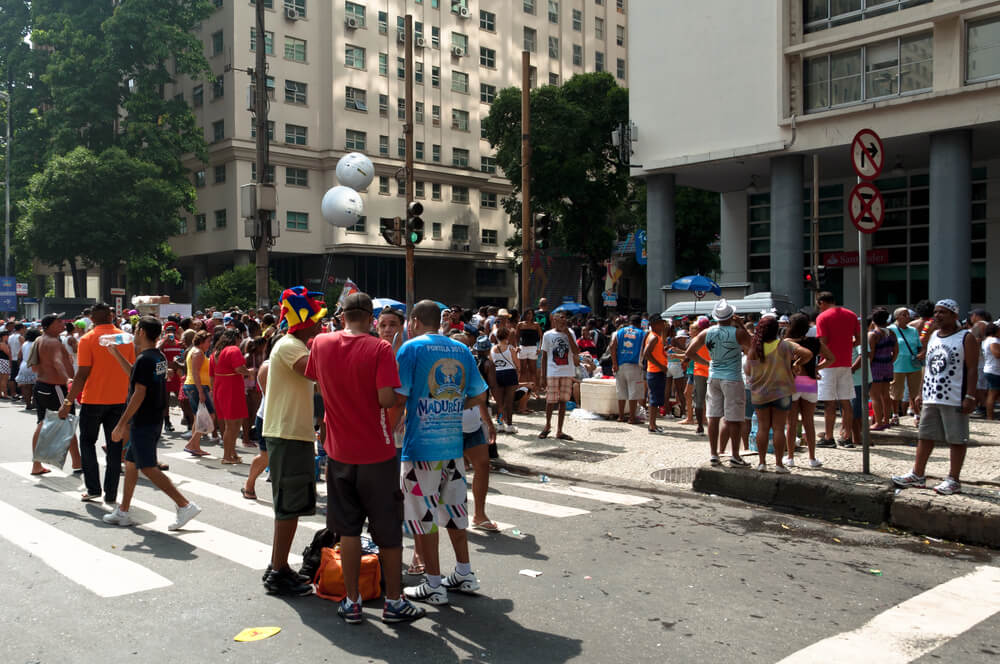
Smaller, informal parades organized entirely by residents, often featuring decorated bikes and wagons rather than official floats, once ran through blocks of houses before converging on a shared picnic or fireworks viewing spot.
Vacation Bible School

A week-long summer program run by local churches, vacation Bible school functioned as an unofficial childcare option for many families regardless of their level of regular attendance, filling mornings with crafts, songs, and snacks.
Paper Route Deliveries

Kids and teenagers once delivered morning or afternoon newspapers by bike throughout their own neighborhoods, collecting subscription payments directly from customers on a set schedule each month.
Hide-And-Seek Until Streetlights Came On
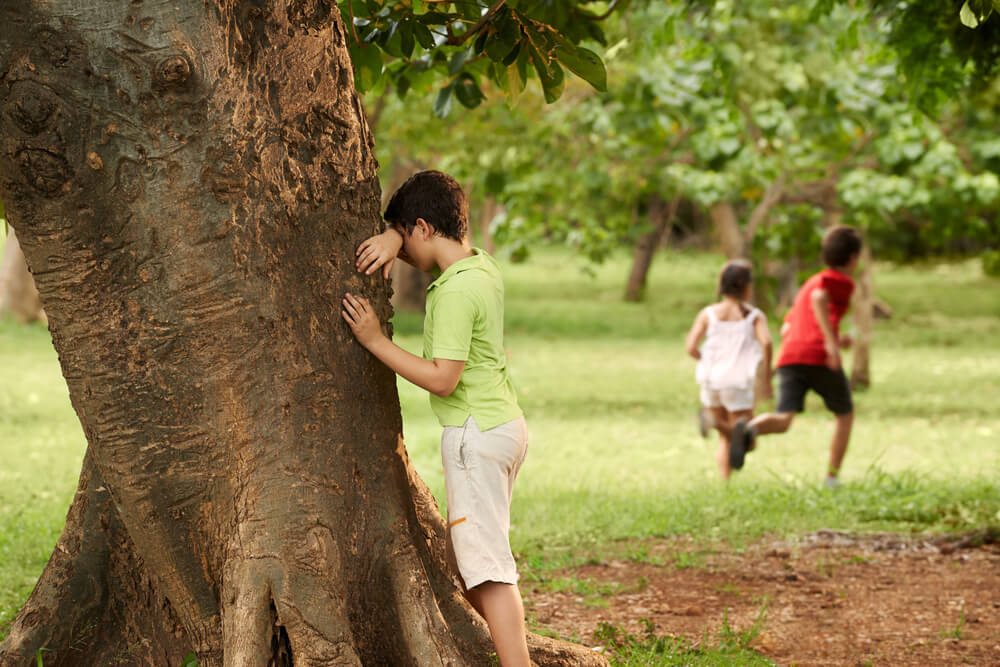
An entire summer evening’s entertainment often boiled down to a single extended game of hide-and-seek across connected yards, with the streetlights turning on serving as the unofficial signal to head home.
Backyard Tent Sleepovers
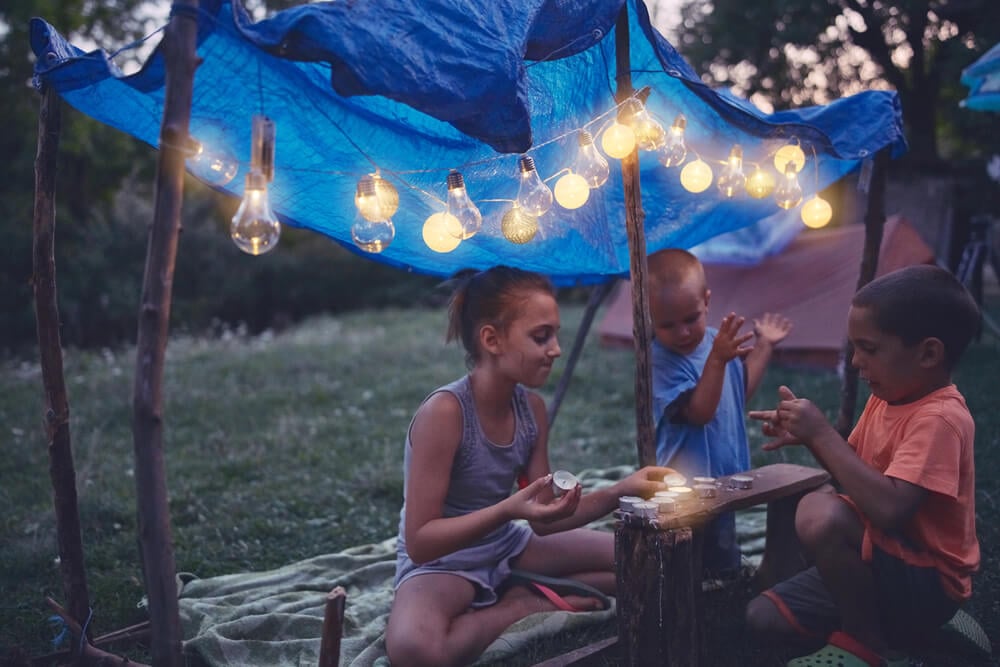
Pitching a tent in a backyard for an overnight sleepover let kids feel like they were camping without leaving the safety of their own property, usually accompanied by a flashlight and a portable radio.
Carpooling to Little League Games
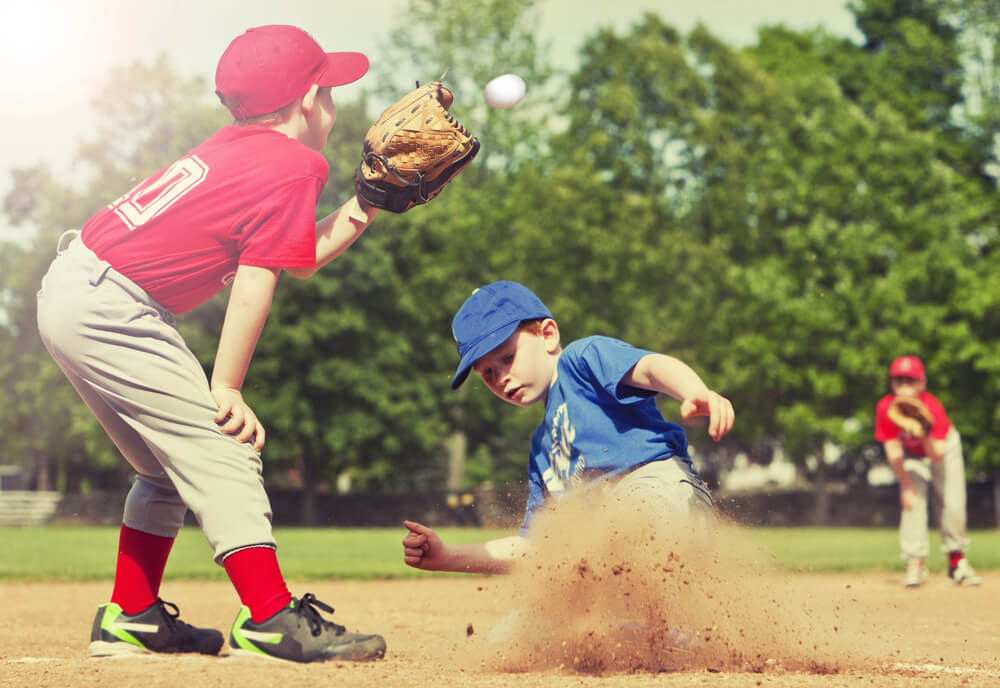
Parents organized informal carpool schedules among neighbors to shuttle kids to weekday practices and weekend games, a system that ran almost entirely on verbal agreements rather than any formal scheduling app.
Drive-In Root Beer Stands
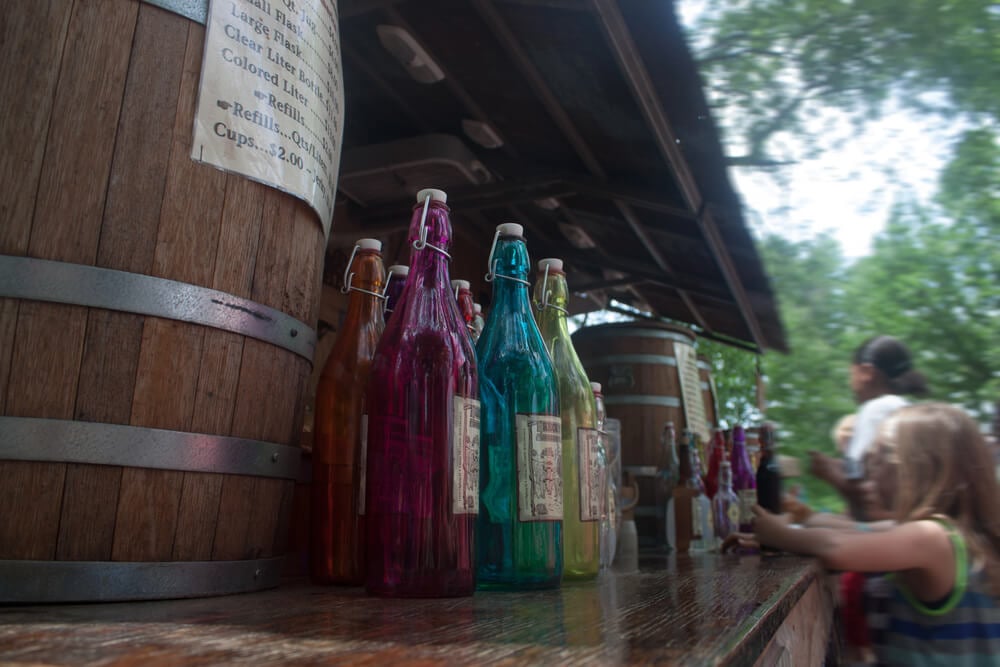
Regional root beer stand chains once drew entire neighborhoods for carhop service, where servers delivered frosted mugs directly to parked cars on trays that hooked onto the window.
Neighborhood Fireworks Stands
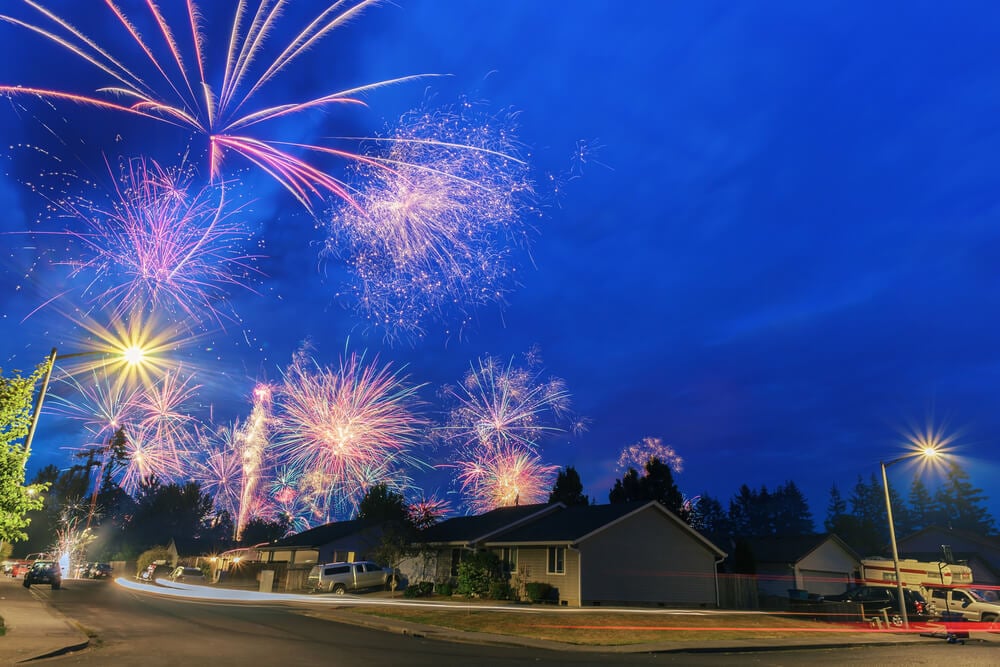
Roadside stands selling legal fireworks used to pop up seasonally on the edge of many neighborhoods, drawing families out for an annual pre-holiday shopping trip that doubled as a small social event.
Church Picnics
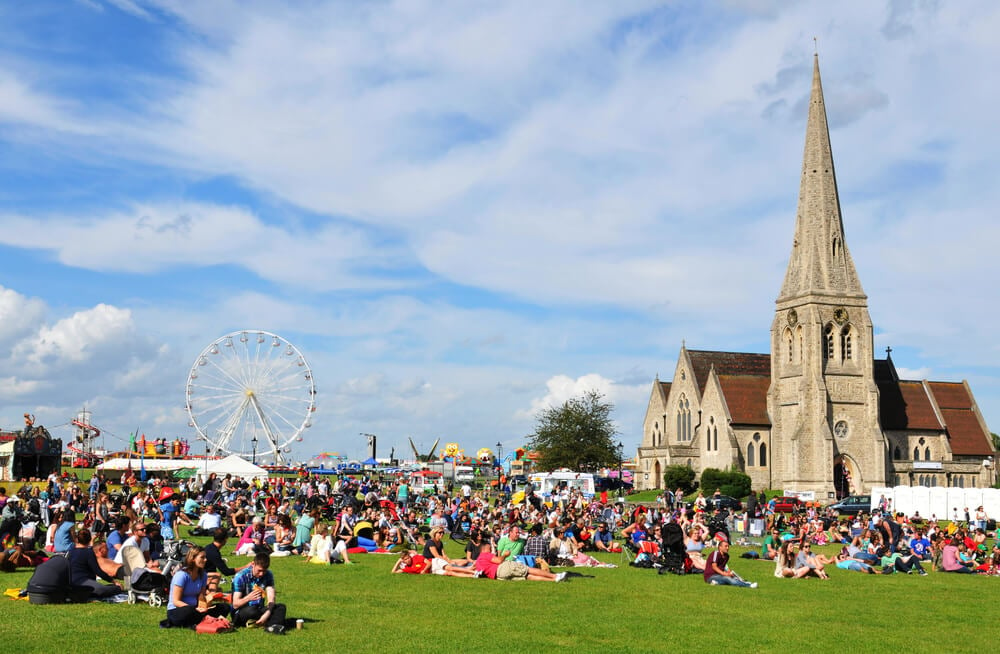
Congregations once organized large outdoor summer picnics that drew entire extended families, complete with potluck-style food tables and organized games that ran through an entire afternoon.
County Fair Exhibits
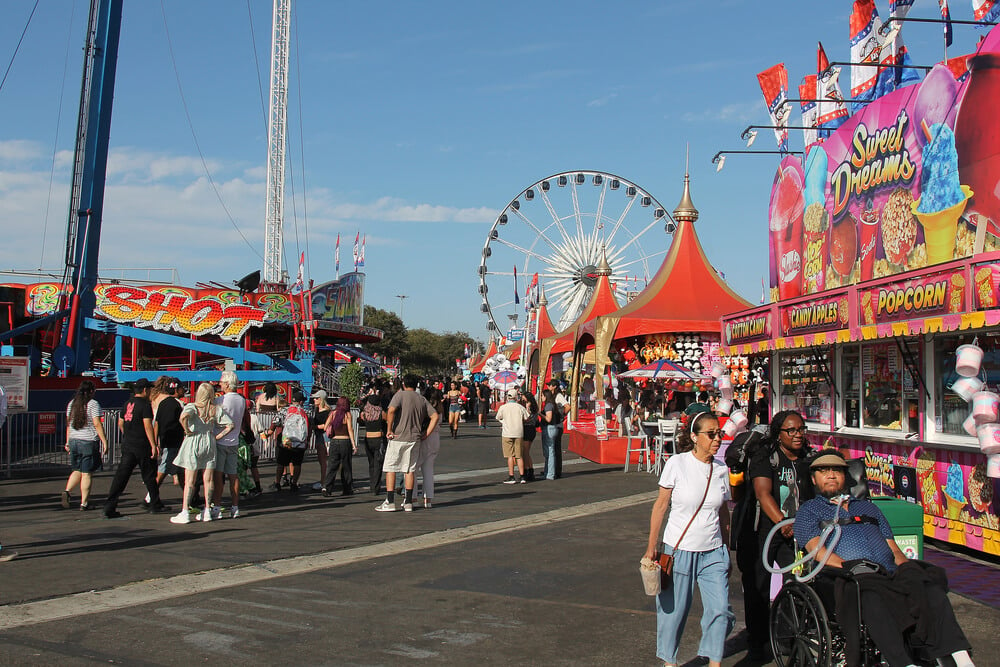
Kids involved in 4-H or similar programs spent portions of the summer raising animals or crafting projects specifically for entry into county fair competitions, culminating in a week of judged exhibits each August.
Roller Skating Rinks
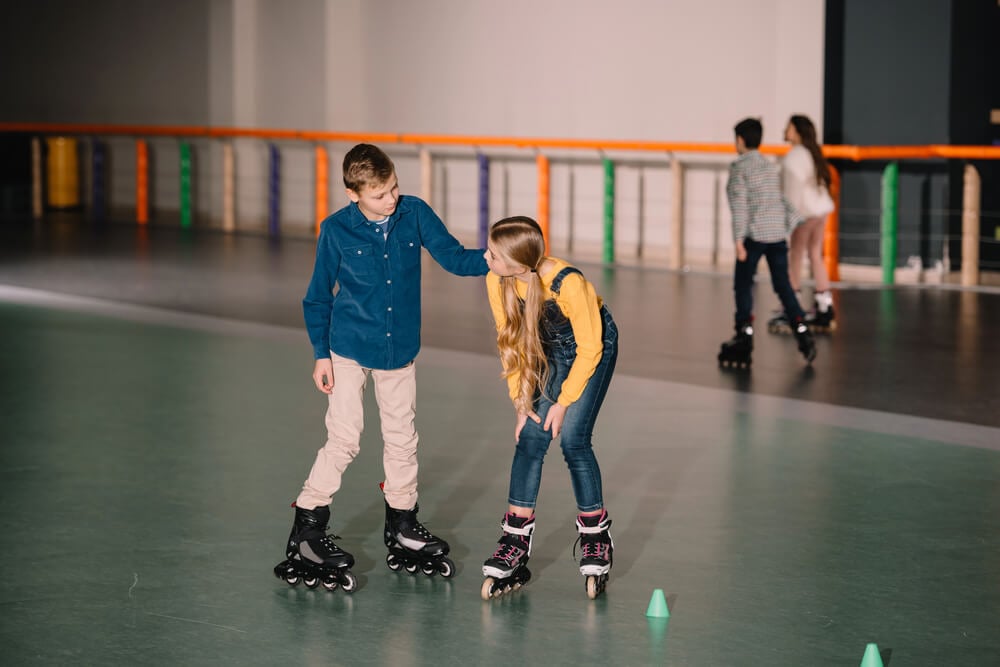
Local roller rinks hosted regular summer sessions complete with themed music nights, functioning as one of the few indoor social gathering spots specifically built around teenagers and preteens.
Trading Mixtapes
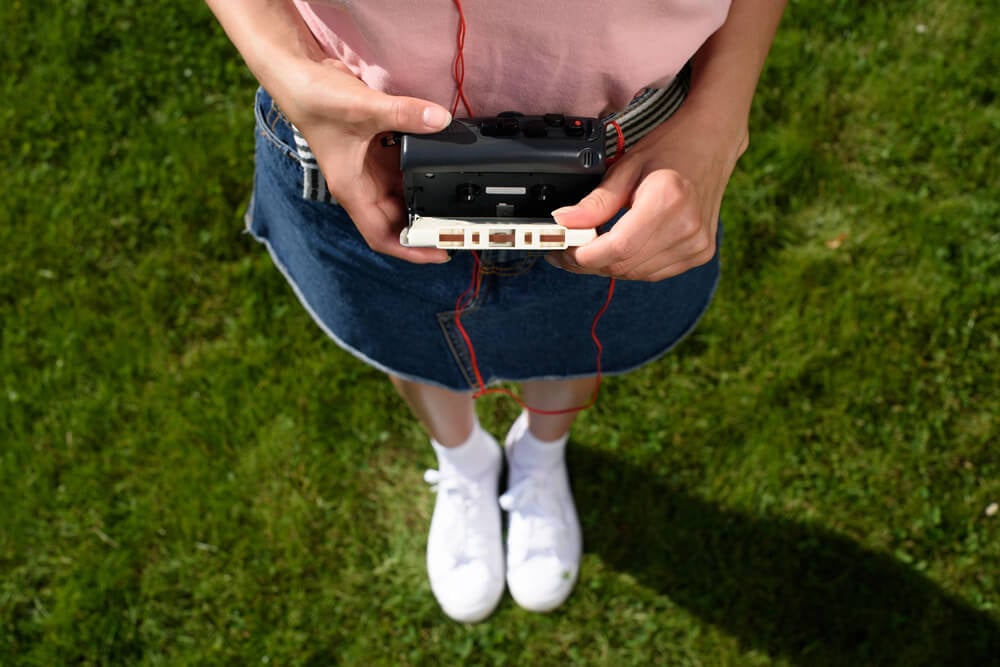
Making and swapping personally curated cassette mixtapes was a common way for neighborhood friends to share music discoveries before streaming made the entire concept unnecessary.
Writing to Pen Pals

Many kids maintained a summer-long letter correspondence with a pen pal met through school programs or summer camp, checking the mailbox regularly for a reply.
Video Rental Store Visits
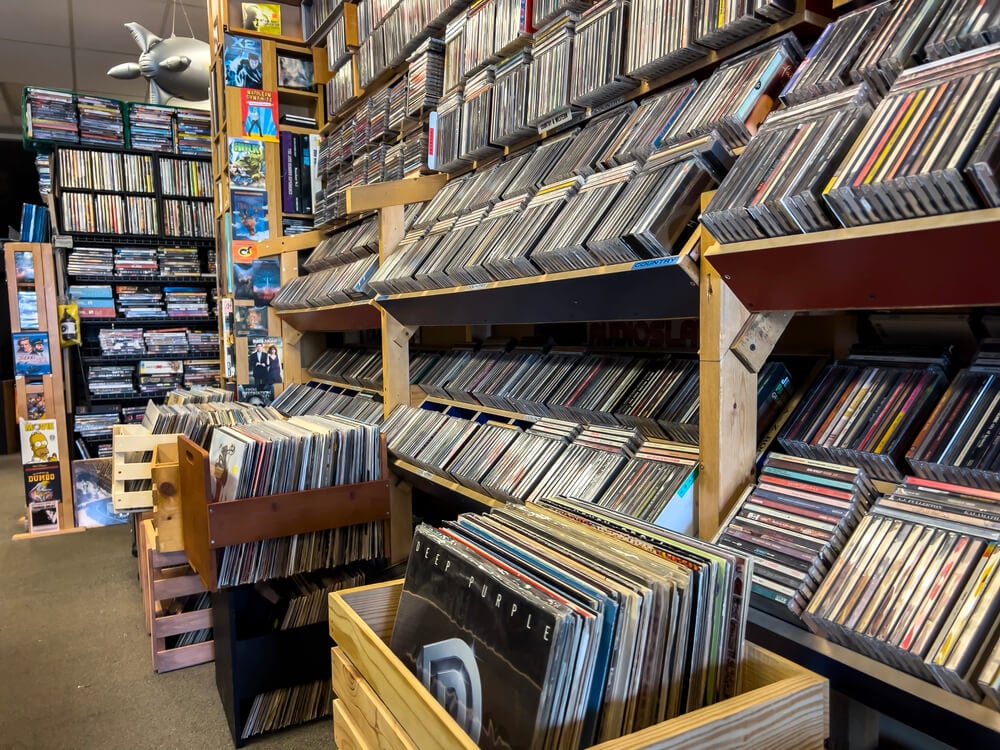
A weekly trip to the video rental store to pick out a movie for the weekend was a reliable family ritual, complete with browsing the new release wall and occasionally arguing over which tape to choose.
Paper Map Road Trips
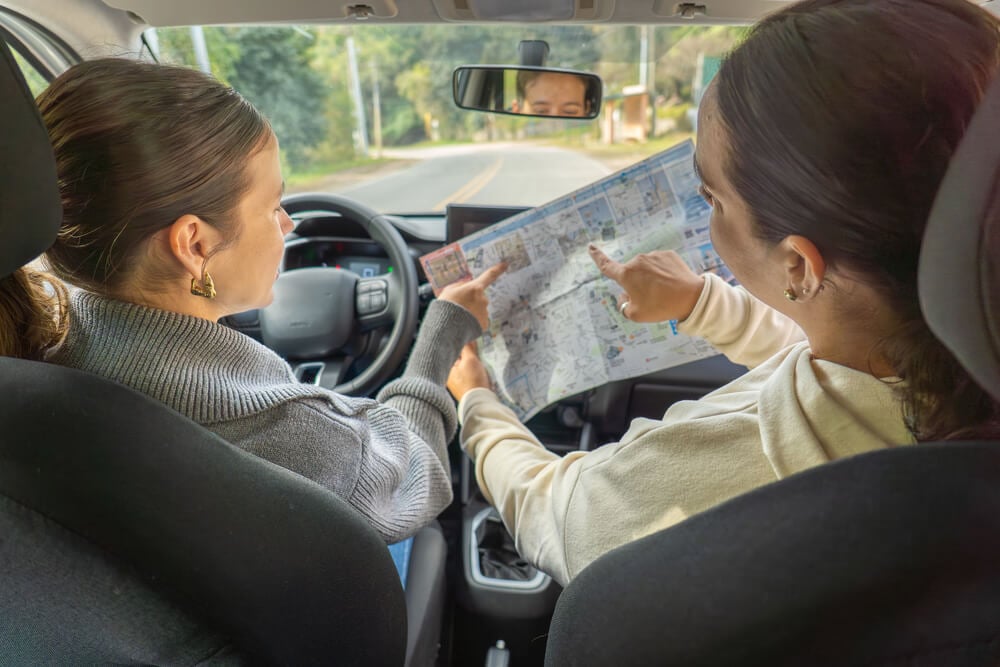
Family road trips once relied entirely on folded paper maps and printed directions, with navigation duties often assigned to whichever kid could read a map without getting carsick.
Watching Fireworks From Car Hoods
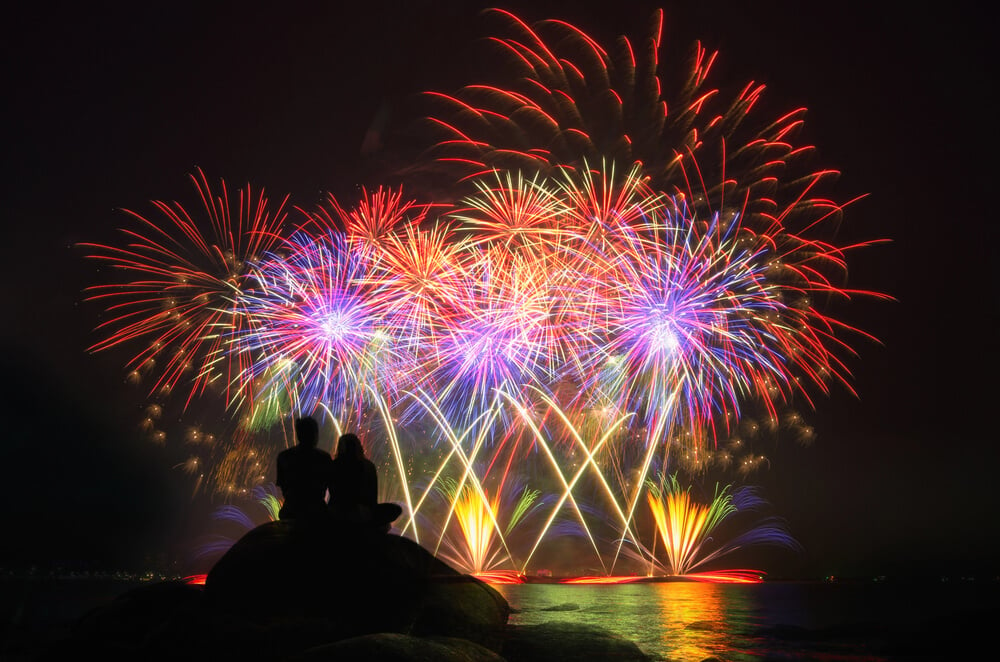
Rather than attending an organized viewing area, many families simply parked along a road with a clear sightline and watched a municipal fireworks display from the hood or roof of the car.
Block Parties
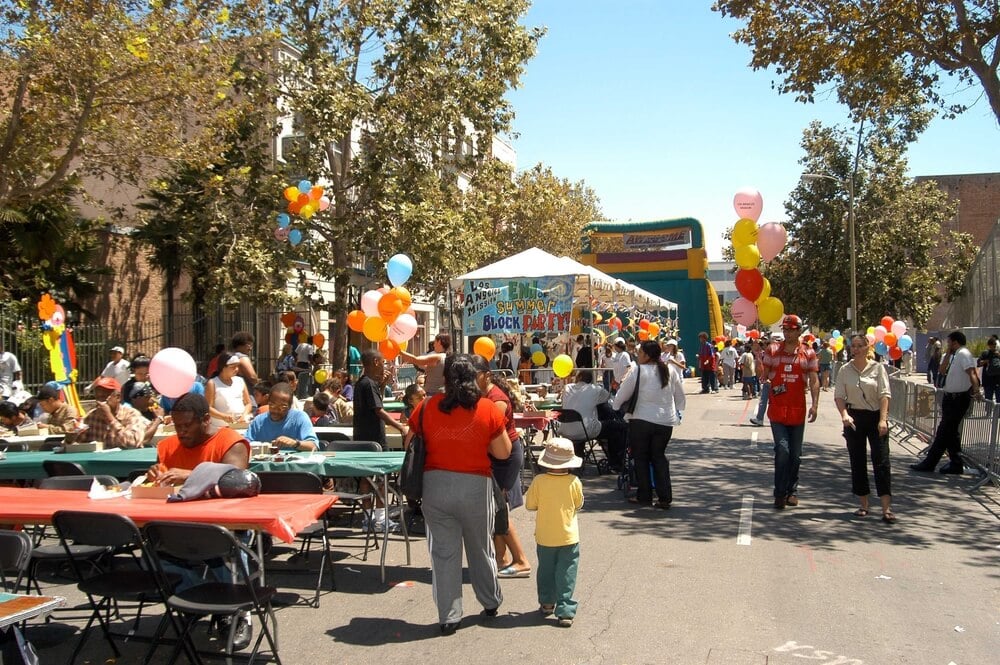
An entire street would occasionally close itself off informally for a shared cookout and games, organized by a rotating cast of neighbors rather than any official city permit process.
Where the Summers Went

None of these traditions required much money or planning, which is part of why they worked. They ran on proximity and unstructured time, two things that got harder to come by as families filled summers with scheduled camps, longer work hours, and screens that made staying inside feel like enough.
What’s harder to replace isn’t any single activity on this list but the underlying condition that made all of them possible: a neighborhood full of kids who knew each other well enough to show up at someone’s yard uninvited, and parents who trusted the whole block to look out for them until the streetlights came on.
More from Go2Tutors!

- The Romanov Crown Jewels and Their Tragic Fate
- 13 Historical Mysteries That Science Still Can’t Solve
- Famous Hoaxes That Fooled the World for Years
- 15 Child Stars with Tragic Adult Lives
- 16 Famous Jewelry Pieces in History
Like Go2Tutors’s content? Follow us on MSN.