Ruins Governments Keep Off Limits
Some ruins are protected by nothing more than a rope and a sign. Others are guarded by law, by armed patrol, or by the simple fact that nobody has figured out how to open them without destroying what is inside. Here is a look at ancient and modern sites where access has been deliberately, officially, and sometimes permanently restricted.
The Third of Pompeii Still Under the Ash
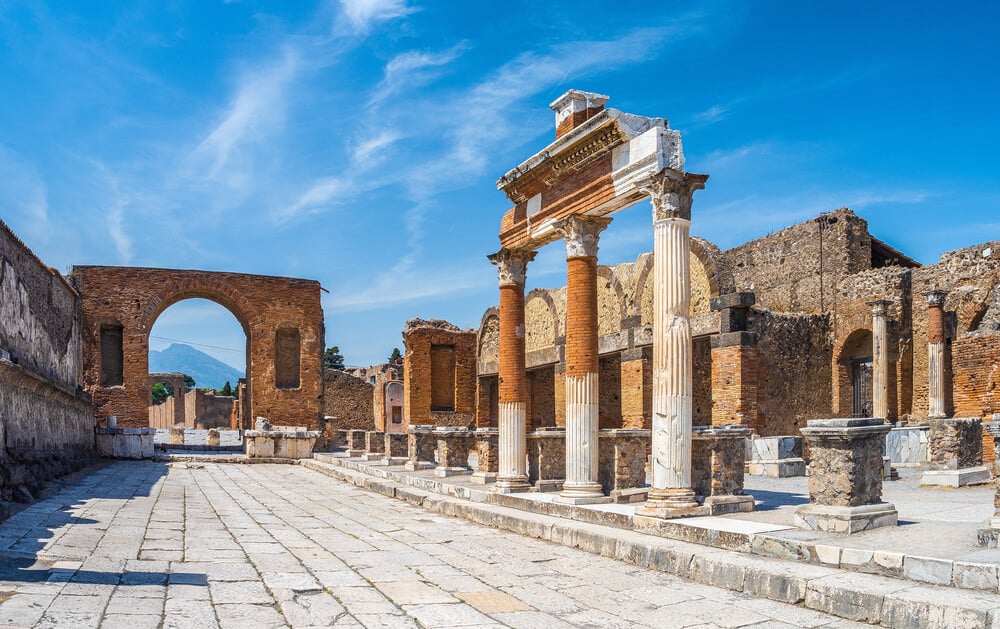
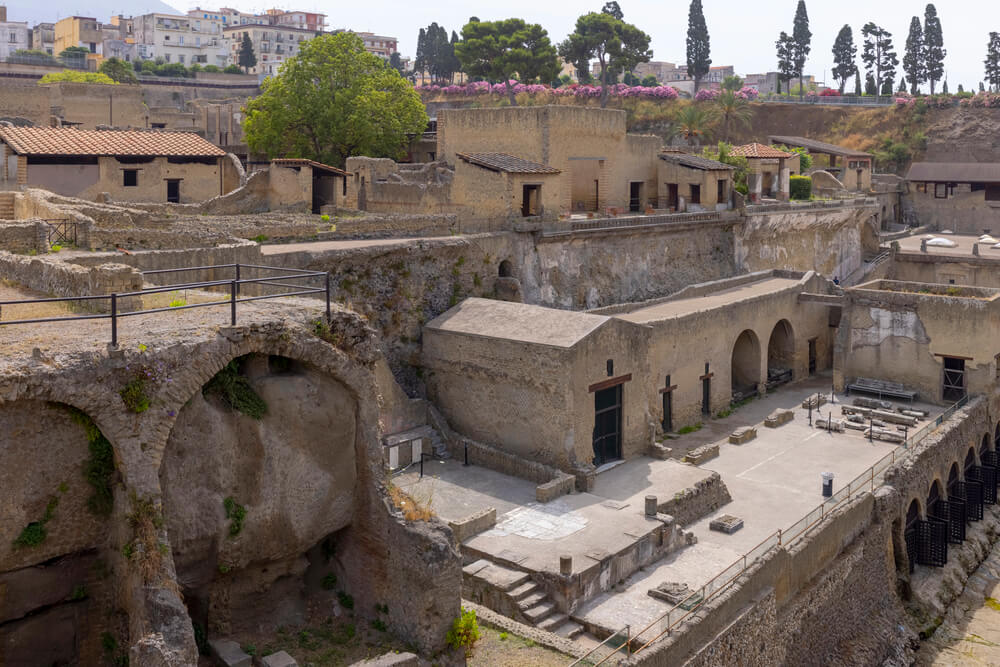
Roughly a third of Pompeii, something like fifteen hectares of streets and houses, remains buried under volcanic debris more than two and a half centuries after excavation first began there in 1748. Italian officials have made this a formal policy rather than a funding shortfall: exposed plaster, frescoes, and carbonized wood begin decaying within years of being uncovered, and every dig outpaces the country’s ability to conserve what it finds.
Ground-penetrating radar and other remote techniques let researchers map streets and buildings without lifting a shovel, and the working assumption at the Pompeii Archaeological Park is that future tools will read the buried third far better than today’s do. Sheep now graze some of the still-covered blocks to keep them from being overtaken by weeds while they wait.
The Sealed Tomb Mound of China’s First Emperor
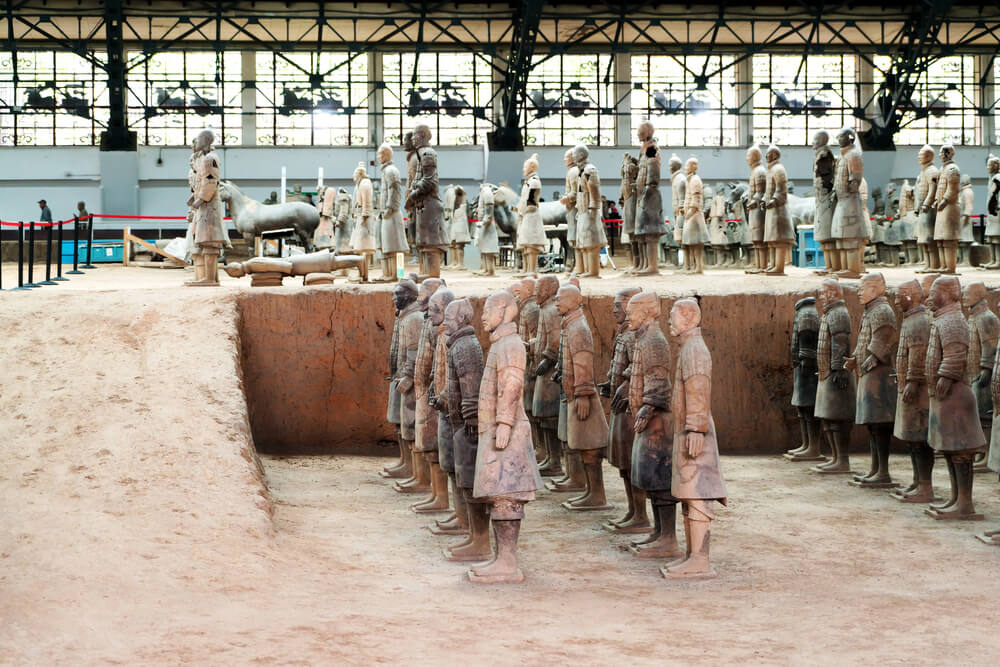
Near the pit that holds the Terracotta Army, a grass-covered mound roughly the size of a small hill contains the actual tomb of Qin Shi Huang, China’s first emperor, and Chinese authorities have never opened it. Ancient accounts describe a burial chamber built with rivers of mercury simulating the empire’s waterways, and soil samples taken from the mound have shown mercury concentrations far above background levels, lending some support to the old descriptions.
The official reason for leaving it sealed is preservation: the Terracotta Army itself lost its painted color within minutes of exposure to air in the 1970s, and officials have concluded that current technology cannot guarantee the tomb’s contents would survive being opened. The site remains fenced and monitored, its main chamber untouched since it was sealed roughly 2,200 years ago.
The Original Chamber at Lascaux
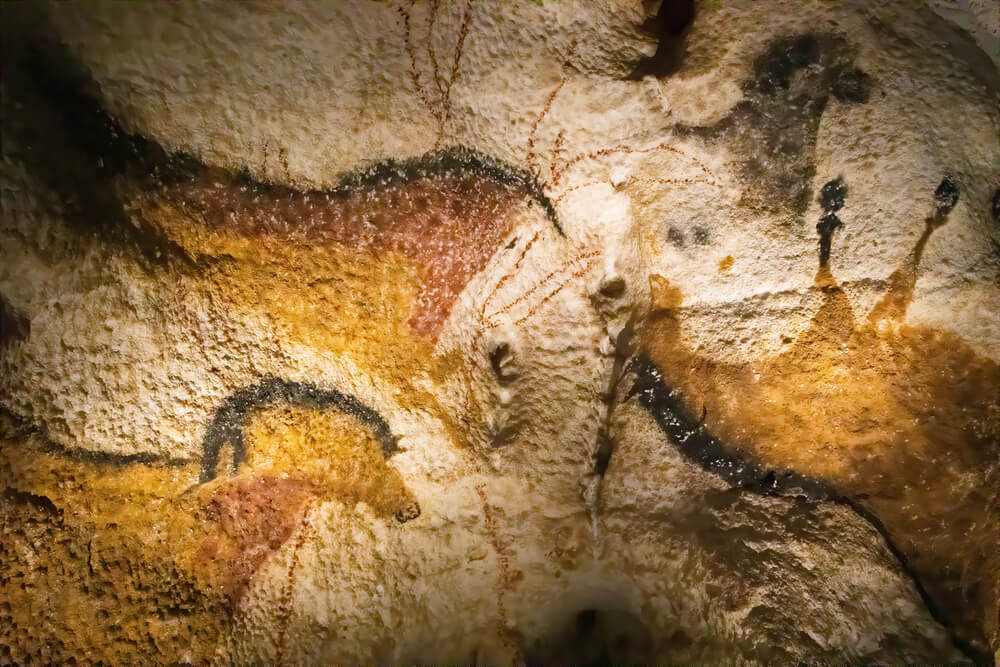
Lascaux’s painted caves in southwestern France, decorated some 17,000 years ago with horses, bulls, and deer, were closed to the public in 1963, more than two decades after their rediscovery, once officials noticed mold and lichen spreading across the walls in response to visitors’ breath and body heat. A meticulous replica, Lascaux II, opened nearby in the 1980s so tourists would have something to see, and further replicas have followed since.
Access to the real cave is now limited to a small number of scientists and conservators for a few days each year, and even they follow strict decontamination procedures before entering. The paintings are considered too fragile to ever reopen to regular visitors, making Lascaux one of the rare sites where the fake has permanently replaced the original in the public experience.
The Inner Circle at Stonehenge
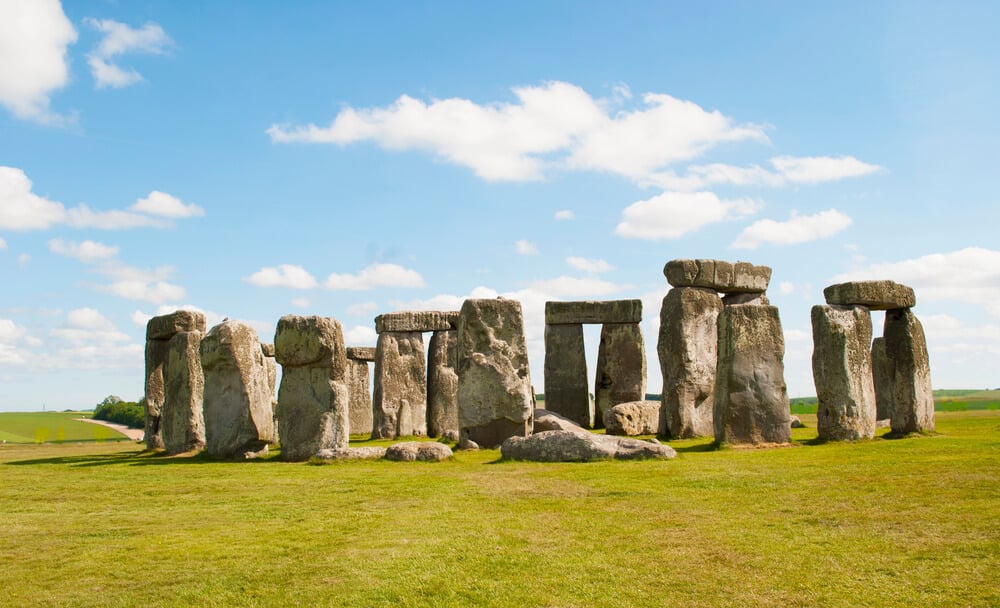
General visitors to Stonehenge are kept beyond a roped perimeter roughly ten meters from the stones themselves, a restriction put in place after decades of foot traffic wore paths into the turf and chipped at the monument’s base. English Heritage does allow limited, pre-booked access inside the circle at dawn or dusk outside normal hours, but only in small groups and only under supervision.
The wider restriction reflects damage that had already been done before the rope went up in 1978: earlier generations of visitors were permitted to touch, climb on, and even chip souvenir fragments from the stones. What remains standing today is managed as a resource that cannot absorb another century of unrestricted contact.
Pripyat and the Chernobyl Exclusion Zone
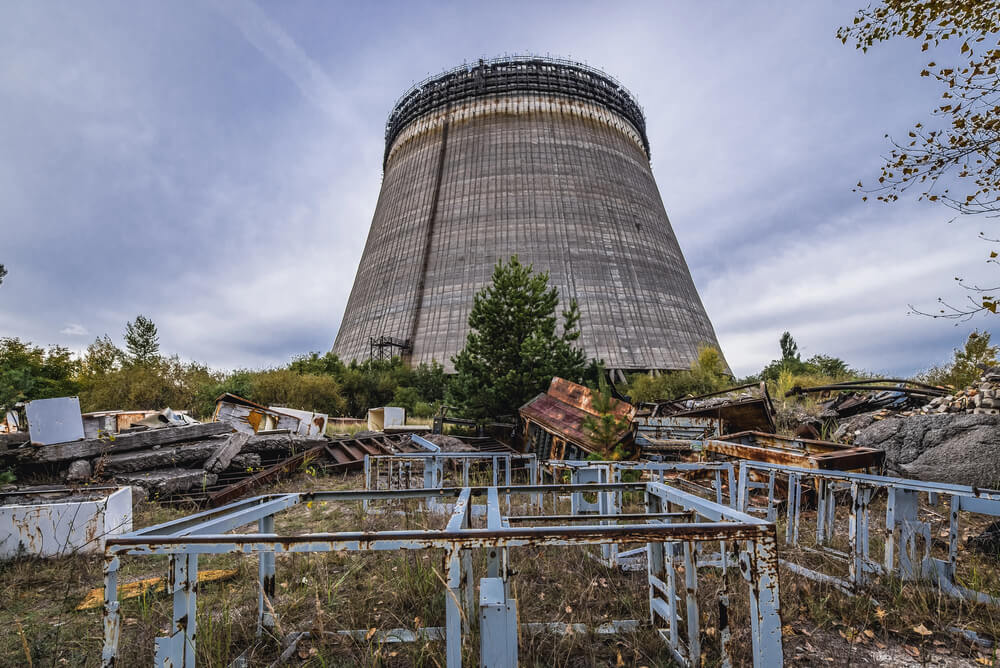
The city of Pripyat, evacuated within 36 hours of the 1986 Chernobyl reactor disaster, sits inside a roughly 30-kilometer exclusion zone that Ukrainian authorities still control by permit. Apartment blocks, the amusement park that never opened to the public, and the hospital where the first responders were treated remain standing, and some of the most contaminated buildings and basements are off-limits even to the licensed tour groups that now visit the outer zone.
Radiation levels vary enormously across short distances within the zone, and certain interiors, particularly the hospital basement where firefighters’ irradiated clothing was dumped, are considered too dangerous to enter at all. Ukraine’s government has periodically tightened and loosened access rules depending on the political and military situation in the surrounding region.
Landmine-Restricted Temple Ground Near the Cambodian Border
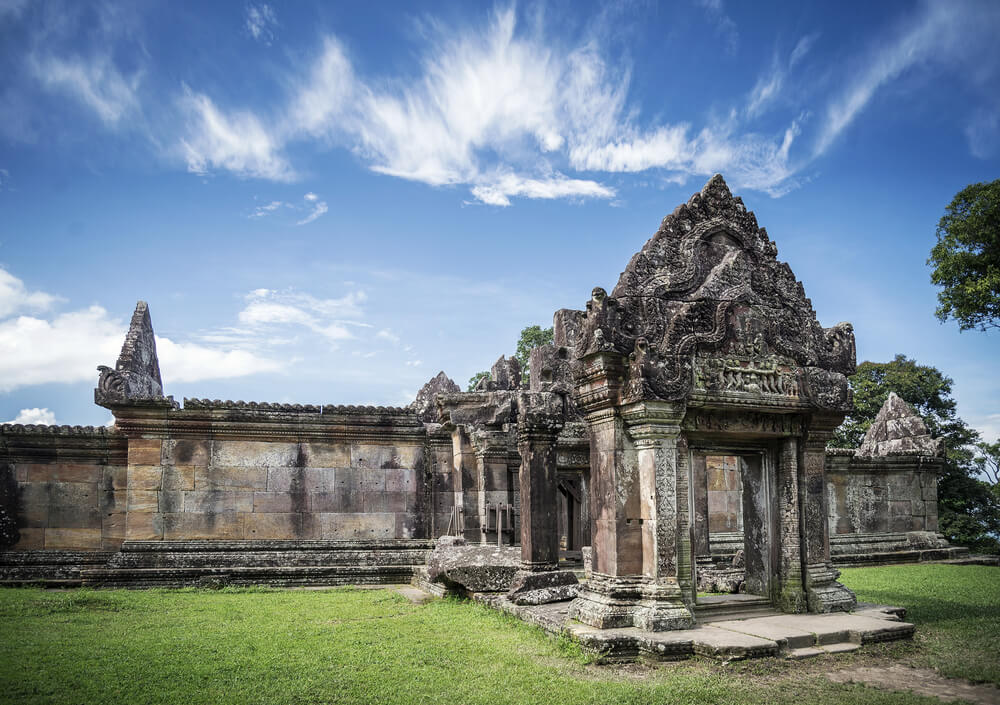
Cambodia’s decades of civil conflict left large numbers of landmines buried around temple sites near the Thai border, including areas around Preah Vihear and other Angkorian-era ruins that were fought over as recently as the 1990s and 2000s. Demining organizations have cleared marked paths and the most-visited structures, but wooded and unmapped ground beyond those paths remains genuinely dangerous and is fenced off by both government order and simple self-preservation.
Signs marking cleared versus uncleared land are a routine part of visiting these border temples, and guides steer visitors firmly away from any unmarked ground. Full clearance of the region remains a multi-decade project, so restrictions here are less about preserving history than about the ongoing physical risk buried beneath it.
The Ground Beneath the Nazca Lines
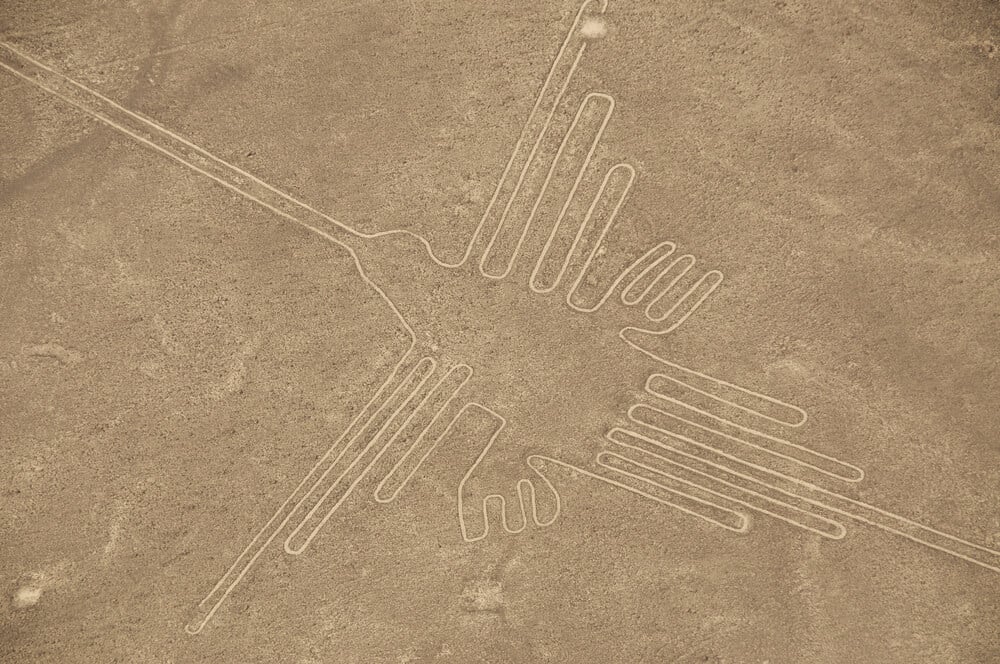
Peru’s Nazca Lines, the enormous animal and geometric figures scratched into the desert floor around 2,000 years ago, are protected from the one thing that would erase them fastest: footsteps. Visitors are barred from walking on the plain itself and are instead directed to a metal viewing tower beside the highway or a small-plane flight overhead, since a single set of tire tracks or careless footprints can scar the desert surface for centuries.
The lines survive largely because the region gets almost no rain and little wind at ground level, but that same stability makes any physical disturbance essentially permanent. Peruvian authorities have prosecuted trespassers who ignored the barriers, including, in one widely reported case, environmental protesters who left tracks near the hummingbird figure.
The Unopened Tunnels of Teotihuacan’s Pyramid of the Moon
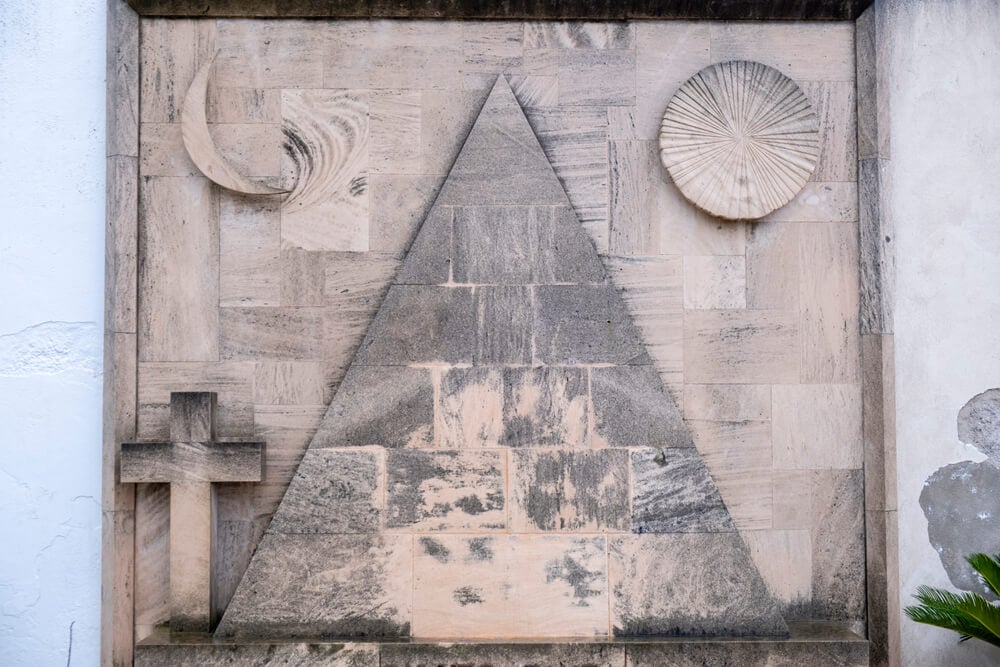
Beneath the Pyramid of the Moon at Teotihuacan, outside Mexico City, archaeologists have found tunnels and sealed chambers that the Mexican government has kept closed to the public even as the pyramid’s exterior draws millions of visitors a year. Excavations have periodically revealed sacrificial burials and offerings within the structure, but ongoing research and structural concerns have kept the interior passages closed rather than opened for tourism.
Officials have been candid that some of this is about pacing: opening every discovery to foot traffic as soon as it is found would compromise both the science and the structure. What tourists see at Teotihuacan today is a small, carefully managed fraction of what the site’s own archaeologists have already found underneath it.
What Stays Buried on Purpose
The pattern across these sites is not secrecy for its own sake. It is an admission, repeated by different governments in different centuries, that discovery and destruction often travel together, and that the safest way to preserve something is sometimes to stop looking at it. Every rope line and mine-clearance fence is really a bet on some future version of archaeology that hasn’t been invented yet.
That bet requires a kind of institutional patience rare in most other areas of government, the willingness to leave a resource untouched for a generation or more rather than exploit it now. Whether that patience holds, as funding pressures and tourist demand keep growing, may end up mattering more to the survival of these places than anything buried in the ground itself.
More from Go2Tutors!

- The Romanov Crown Jewels and Their Tragic Fate
- 13 Historical Mysteries That Science Still Can’t Solve
- Famous Hoaxes That Fooled the World for Years
- 15 Child Stars with Tragic Adult Lives
- 16 Famous Jewelry Pieces in History
Like Go2Tutors’s content? Follow us on MSN.



