26 Book Adaptations That Changed the Ending
Adapting a novel for the screen almost always means cutting something, but a surprising number of films go further and rewrite how the story actually resolves. Sometimes it is a studio softening a bleak final chapter.
Sometimes a director decides the book’s ending simply will not work on screen. Either way, readers who go in expecting the same conclusion are often in for a surprise.
The Shining
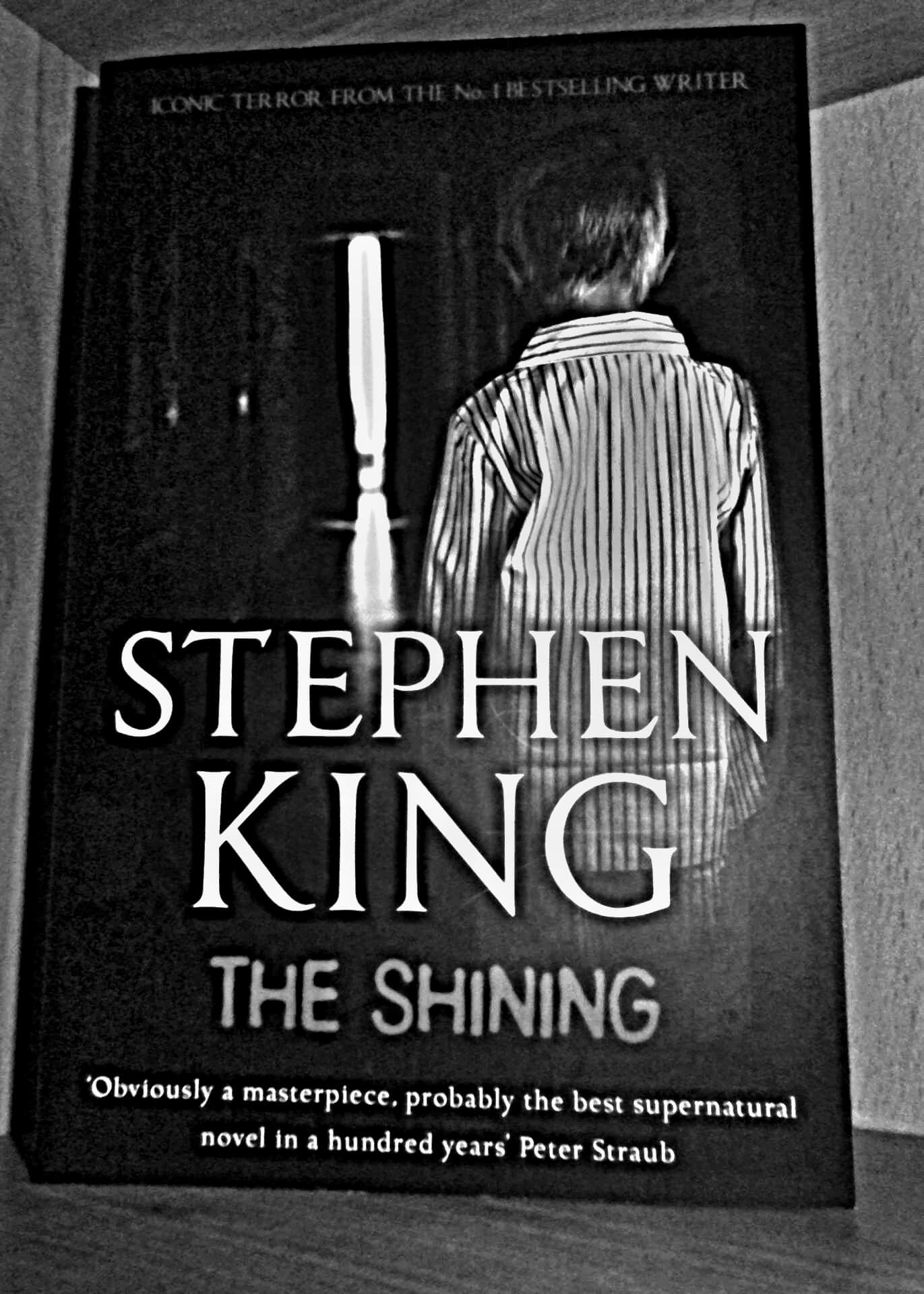
Stephen King’s novel ends with the haunted hotel burning to the ground after a faulty boiler explodes, with the caretaker’s family escaping before the collapse. Stanley Kubrick’s 1980 film instead has the caretaker freeze to death lost in a hedge maze that does not exist in the book at all.
King has been vocal for decades about disliking Kubrick’s version, and later helped produce a 1997 television miniseries closer to his original ending.
Forrest Gump
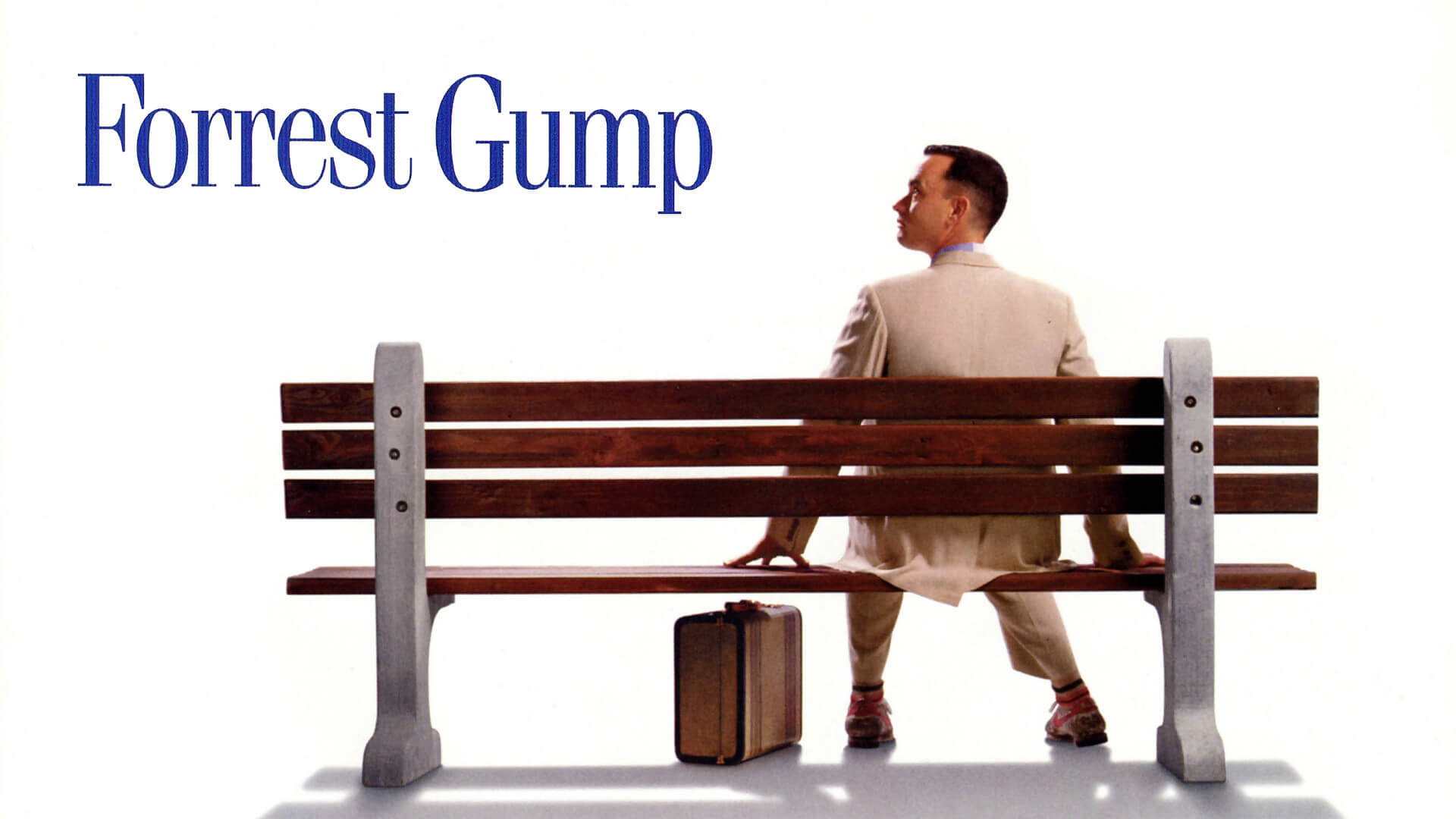
Winston Groom’s 1986 novel keeps its central romantic interest alive and gives Forrest a considerably stranger set of adventures, including a stint as a professional wrestler and an astronaut. The 1994 film trims most of that and gives the character’s love interest a terminal illness that kills her, a plot point invented for the screen.
The film’s quieter, more sentimental ending has little in common with the novel’s chaotic final chapters.
Fight Club

Chuck Palahniuk’s 1996 novel ends with its narrator surviving a self-inflicted gunshot wound and waking up in a psychiatric facility, with hints that his alternate identity persists even there. David Fincher’s 1999 film instead stages a visually explicit climax in which buildings collapse around the narrator and his love interest as they watch, a far more conclusive and cinematic resolution than the novel’s ambiguous, institutionalized ending.
I Am Legend
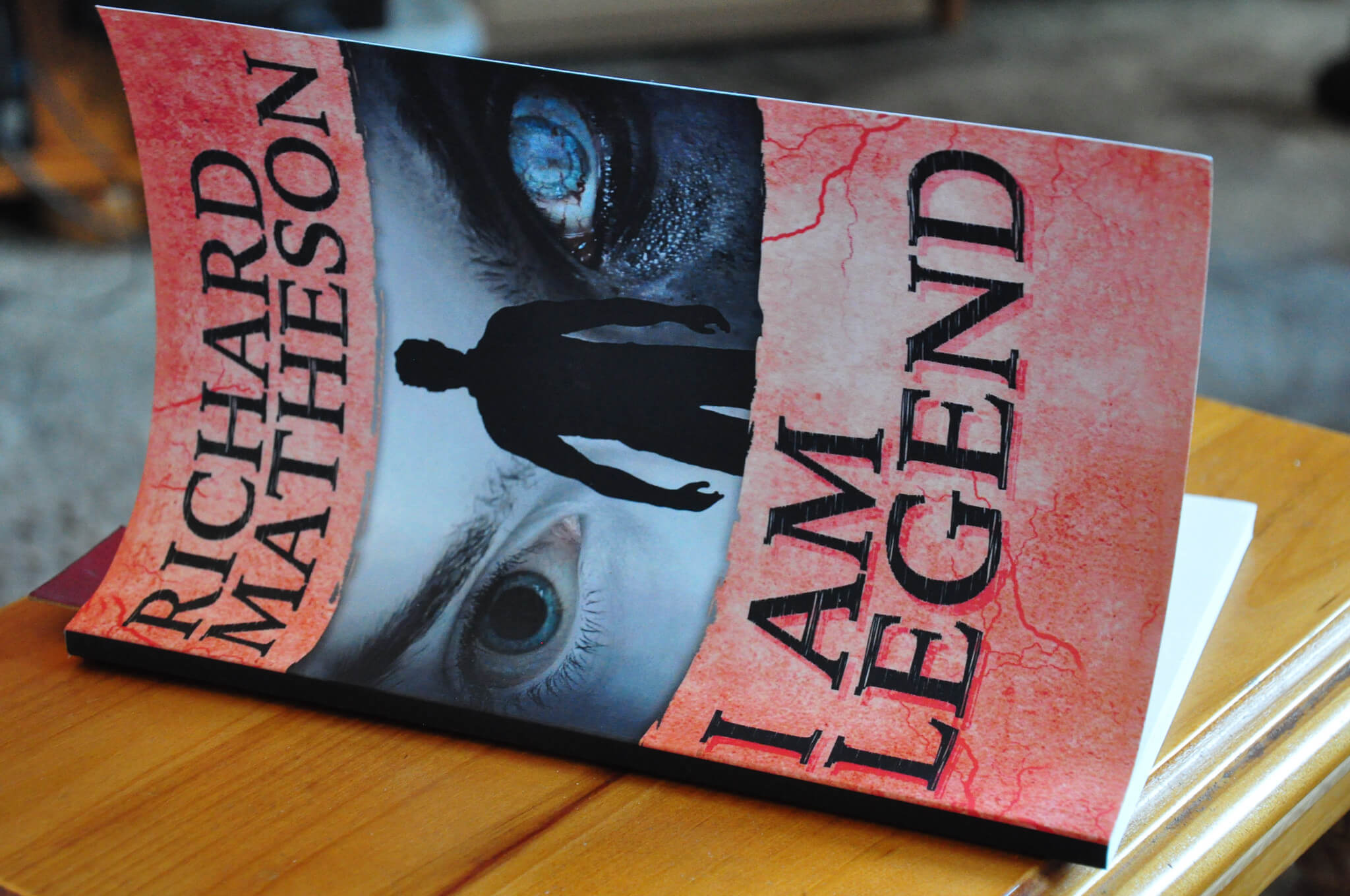
Richard Matheson’s 1954 novel ends with its protagonist realizing he has become the monster of legend to a new society of infected survivors, a twist that gives the title its meaning. The 2007 film’s theatrical ending instead has the protagonist die heroically defending a cure, discarding the novel’s central irony entirely.
An alternate ending closer to the book’s themes was filmed but not used in the wide theatrical release.
Blade Runner
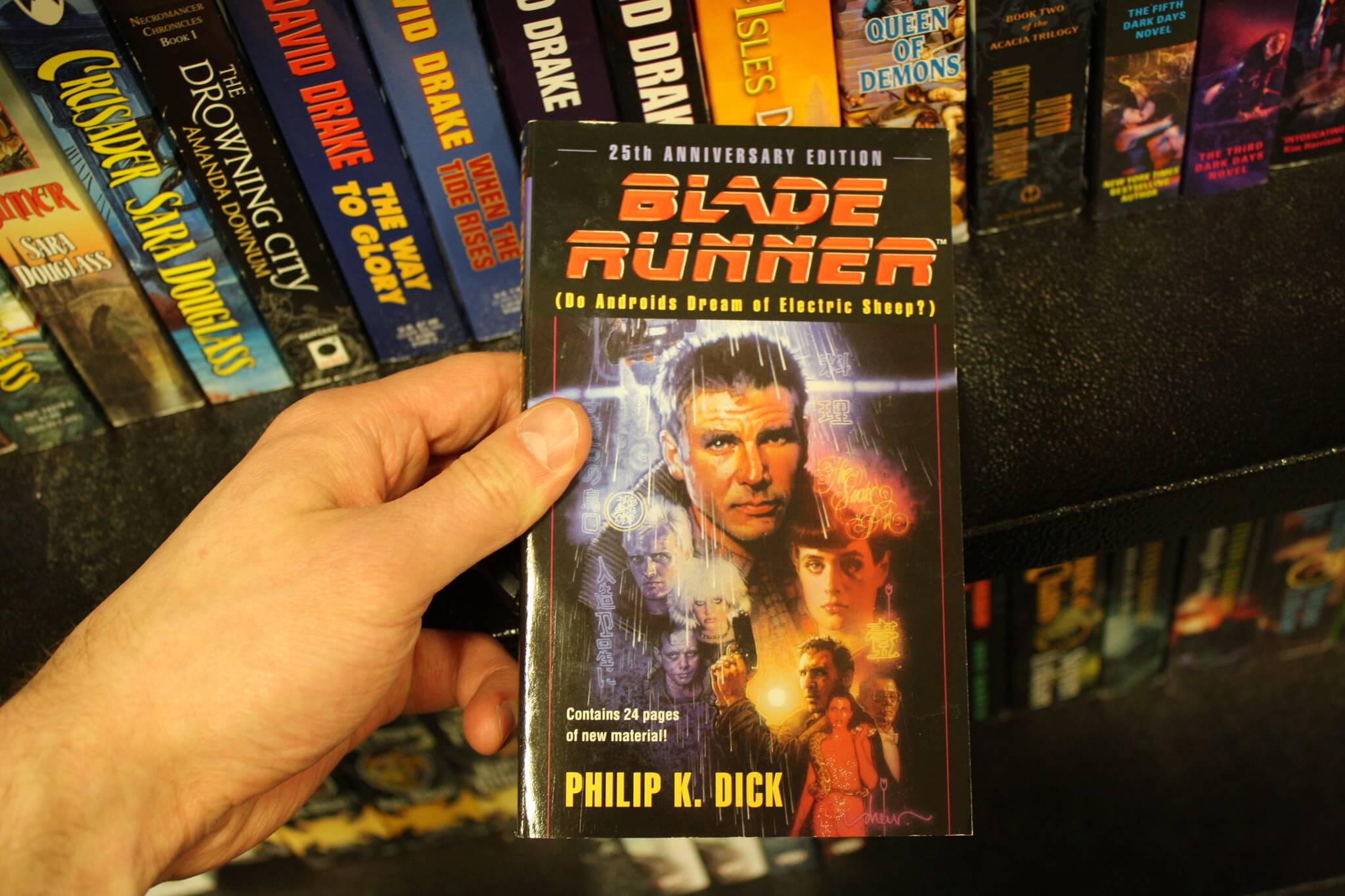
The 1968 source novel, Do Androids Dream of Electric Sheep?, ends with its protagonist disillusioned and increasingly uncertain about his own humanity, without a clear resolution to the android hunt. Ridley Scott’s 1982 film restructured the ending into a more conventional chase and rooftop confrontation, and early theatrical cuts added a driving-into-the-sunset finale that Scott later removed from subsequent versions.
The Mist

Stephen King’s 1980 novella ends on a note of uncertain hope, with survivors driving through the fog toward a radio signal that might mean rescue. Frank Darabont’s 2007 film adaptation instead invents a starkly bleaker ending in which the protagonist makes an irreversible decision moments before rescue arrives.
King has publicly said he wished he had thought of the film’s ending himself.
Stardust
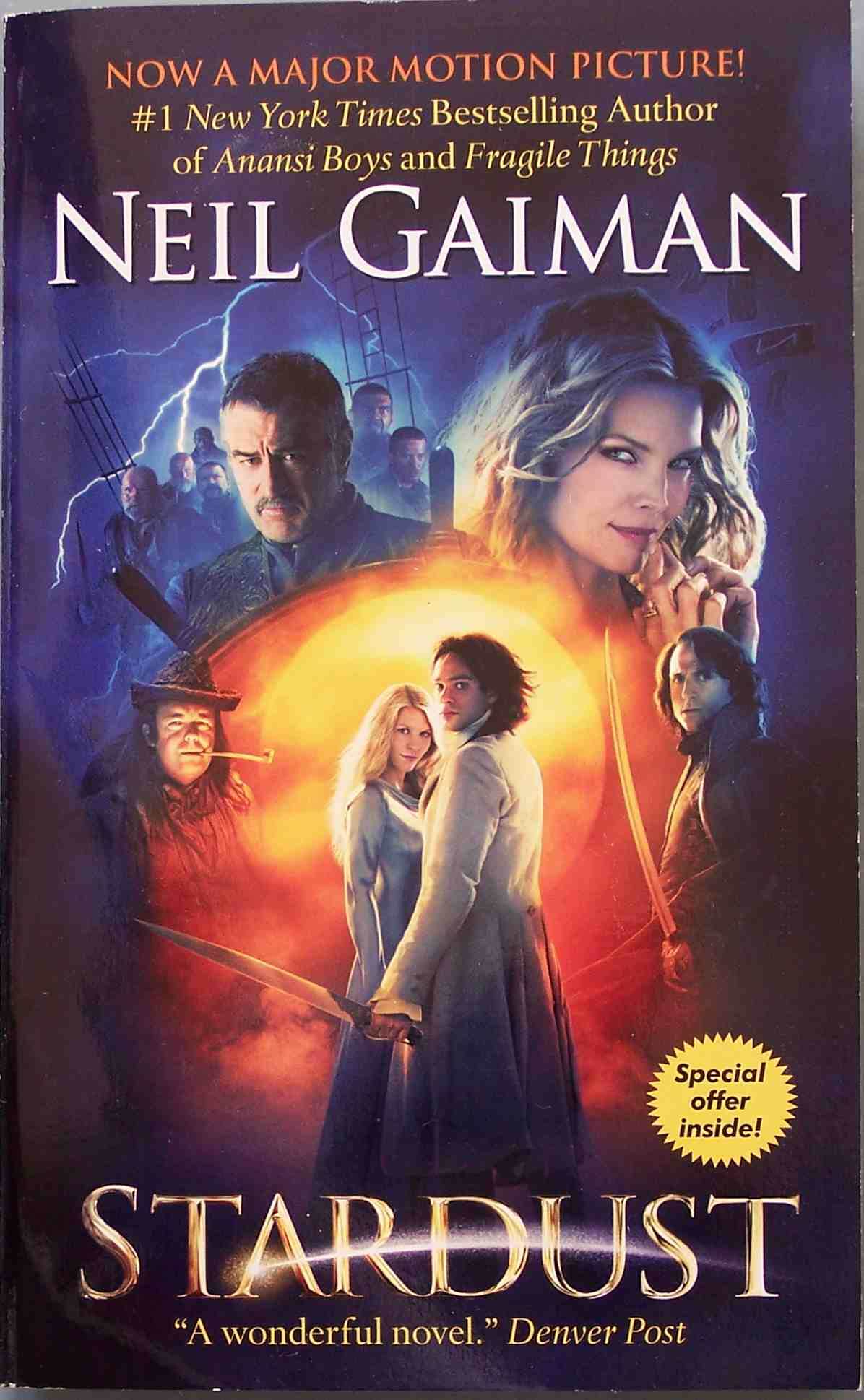
Neil Gaiman’s 2002 novel ends on a more melancholic, fairy-tale note, with its protagonist eventually succeeding his love interest as ruler of the sky. The 2007 film gives the couple a more straightforwardly triumphant happy ending and resolves its villains more decisively through the story’s climax.
Gaiman has spoken favorably of the changes, noting film and prose can resolve differently without either being wrong.
World War Z
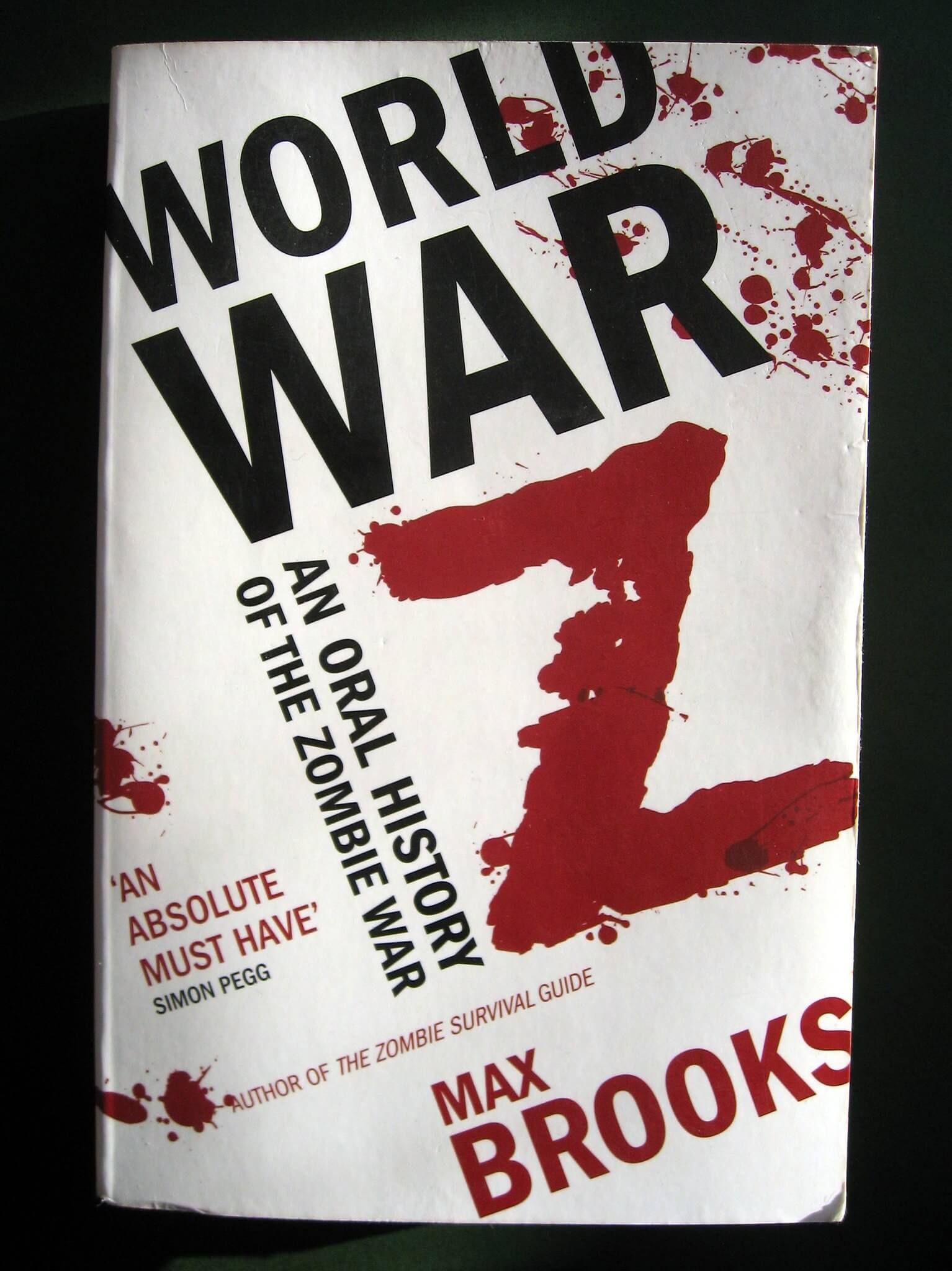
Max Brooks’s 2006 novel is structured as an oral history told after the war has already ended, with no single central character or climactic battle. The 2012 film invented a wholly new plot and protagonist, built around a race to find a vaccine, and closes with a hopeful but open-ended global response.
Almost nothing about the film’s resolution resembles the novel’s structure.
Starship Troopers
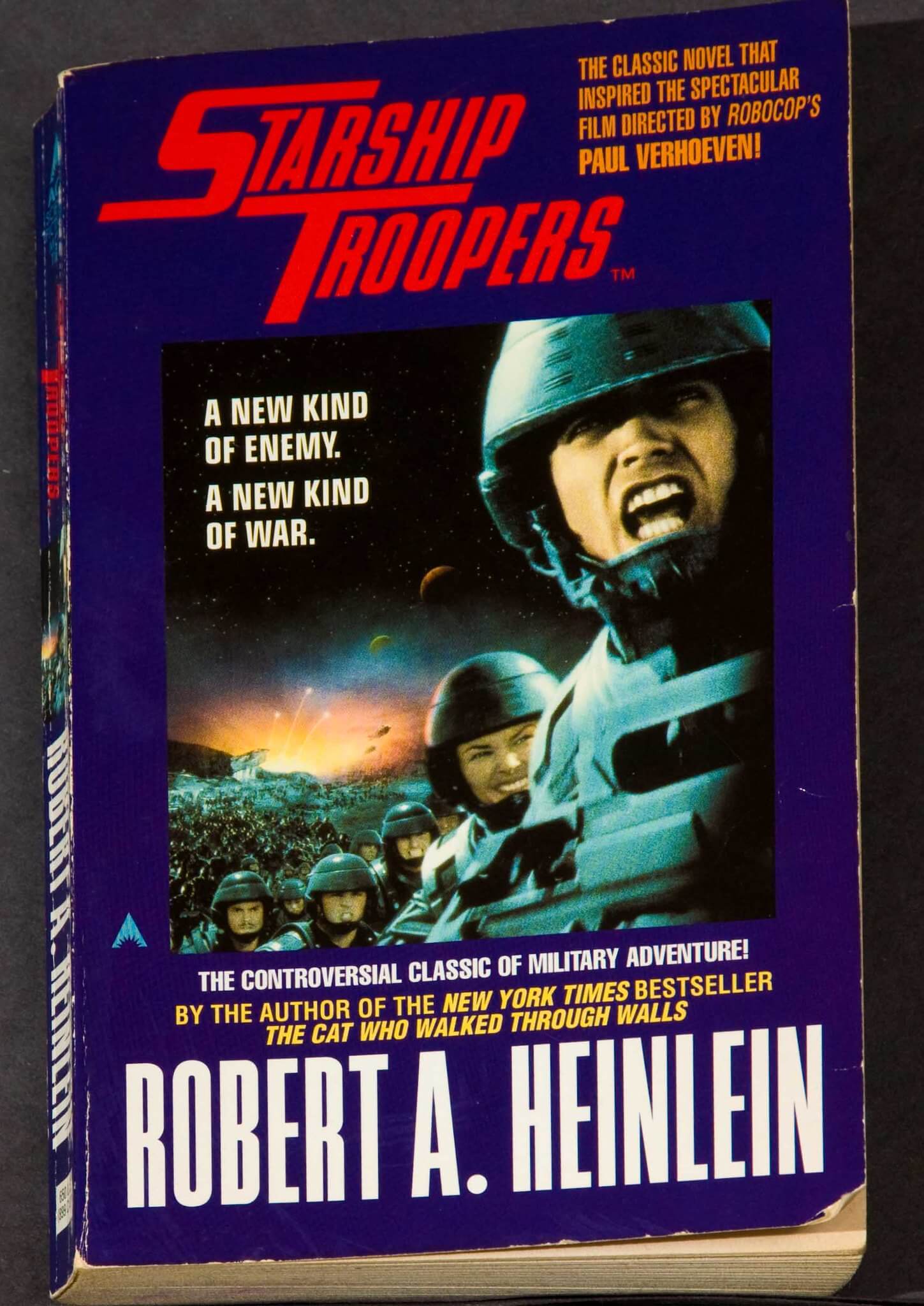
Robert Heinlein’s 1959 novel treats its military conflict earnestly and ends with its protagonist committed to a lifelong career defending humanity. Paul Verhoeven’s 1997 film reframes the same events as satire, undercutting the novel’s sincerity, and closes on a tone of ironic propaganda rather than triumphant resolution.
The shift in tone changes the meaning of the ending even where the plot events are similar.
Big Fish
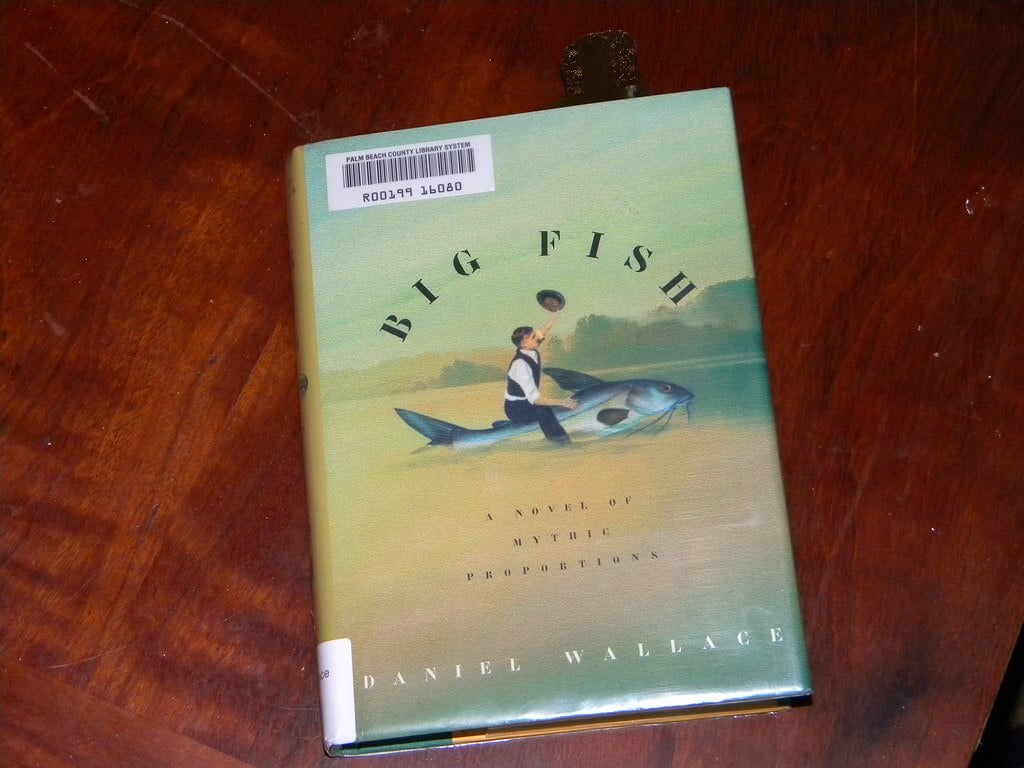
Daniel Wallace’s 1998 novel ends with its dying father’s tall tales left deliberately unresolved, never confirmed or denied by the son narrating the story. Tim Burton’s 2003 film adds a literal, fully realized final tale at the father’s deathbed and funeral, giving the story a more definitive emotional closure than the novel’s ambiguity allows.
The Firm
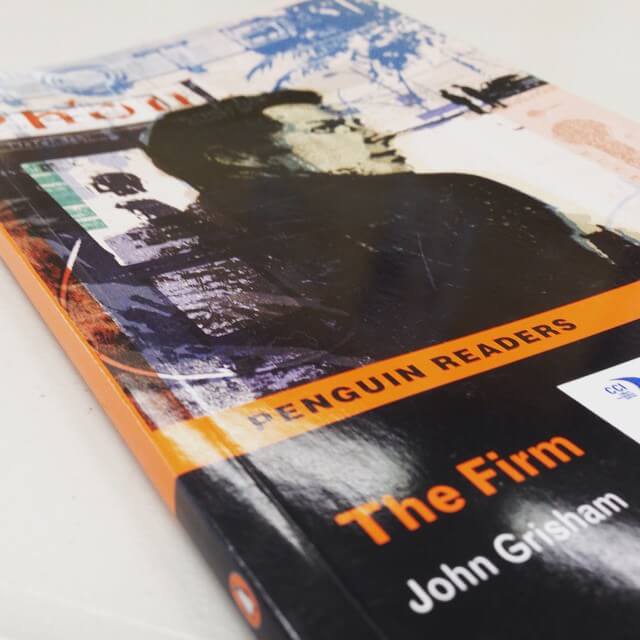
John Grisham’s 1991 novel ends with its lawyer protagonist outmaneuvering both the mob-connected firm and the FBI through a complex financial scheme, then going into hiding. The 1993 film simplifies this considerably and lets the protagonist stay in his old life by exploiting a legal technicality instead.
The film’s resolution is notably less cynical about the justice system than the book’s.
Jurassic Park
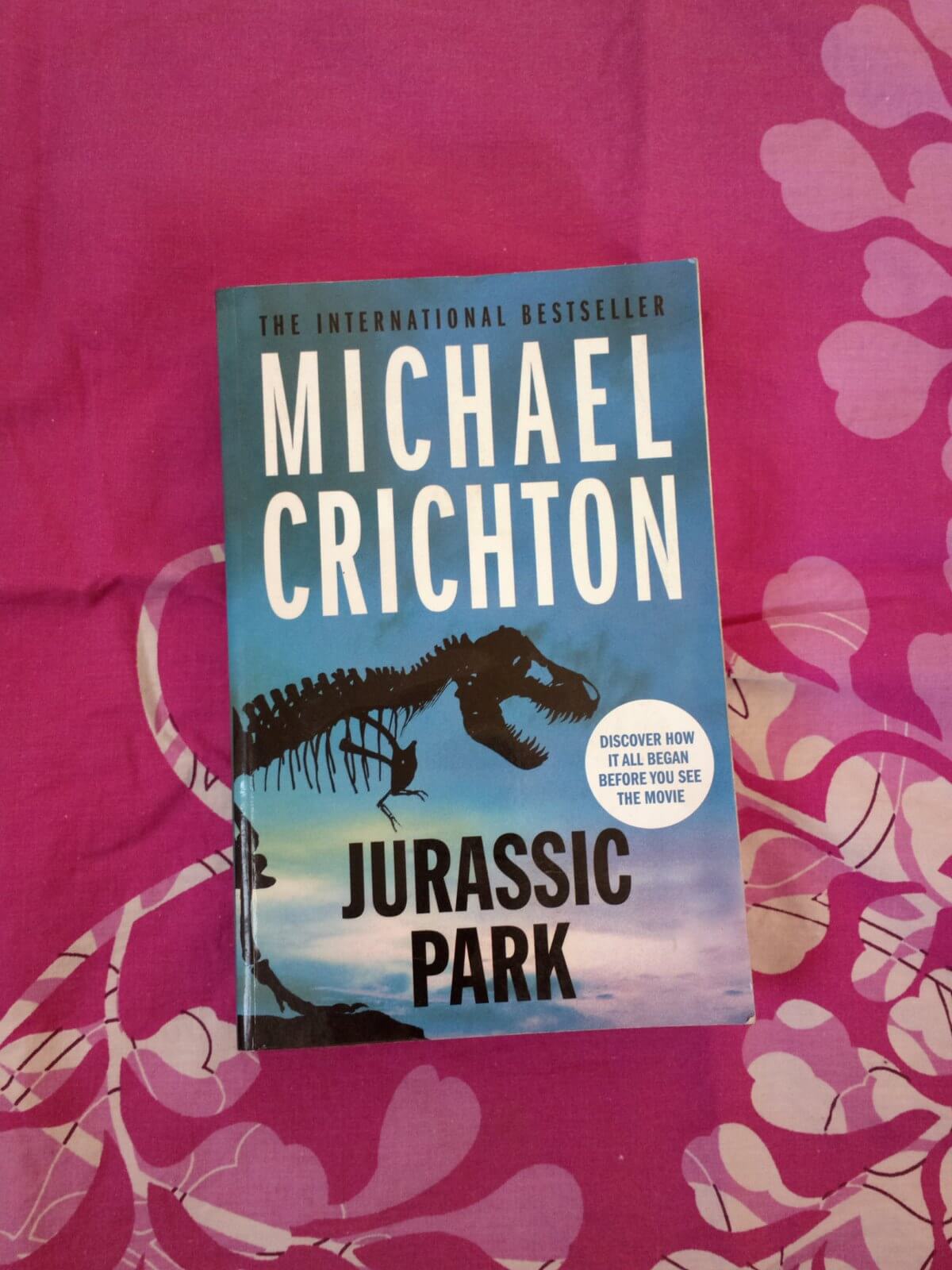
Michael Crichton’s 1990 novel ends with the military destroying the island by air strike after most of the main characters, including several who survive the film, are killed off. Steven Spielberg’s 1993 film spares nearly the entire cast and ends with a helicopter evacuation rather than the island’s destruction, setting up a very different sequel than the book’s own follow-up.
The Golden Compass
Philip Pullman’s 1995 novel ends on a dark cliffhanger, with its young protagonist witnessing a devastating betrayal and setting off toward an uncertain new world. The 2007 film cut this entire final sequence, ending instead on an optimistic note before the source material’s darkest turn.
Poor box-office results meant the planned sequels adapting the rest of the trilogy were never made.
Eragon
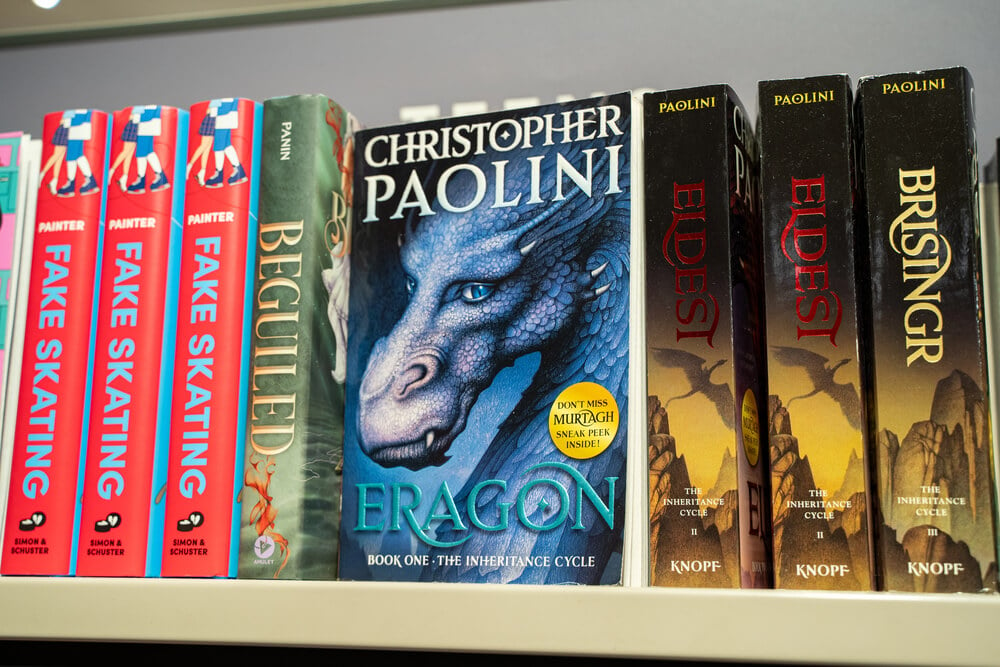
Christopher Paolini’s 2002 novel ends with its dragon rider forced to leave his homeland after a battle that claims his mentor figure. The 2004 film restructures the final battle significantly and changes who survives it.
Reception was poor enough that the planned sequels were scrapped, leaving the story permanently altered from its source at just one installment.
American Psycho

Bret Easton Ellis’s 1991 novel ends ambiguously, suggesting its narrator’s confessed murders may exist only in his own delusion, with no external confirmation either way. Mary Harron’s 2000 film keeps that ambiguity but frames it more explicitly through a confession scene invented for the screen, giving audiences a clearer, if still unresolved, final beat than the novel’s more disorienting close.
The Bourne Identity
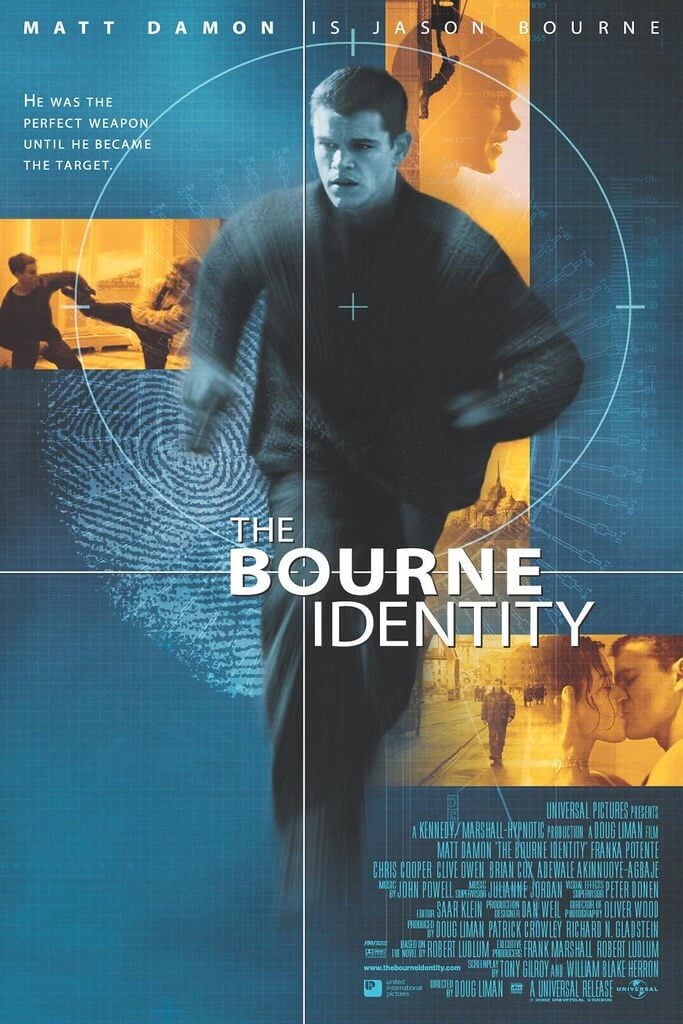
Robert Ludlum’s 1980 novel resolves around a Cold War arms-dealer plot and a villain never adapted into the film series. The 2002 film discards that storyline almost entirely in favor of a plot about a rogue intelligence program, giving the amnesiac protagonist a different central antagonist and a considerably different final confrontation than the book provides.
The Hobbit Trilogy
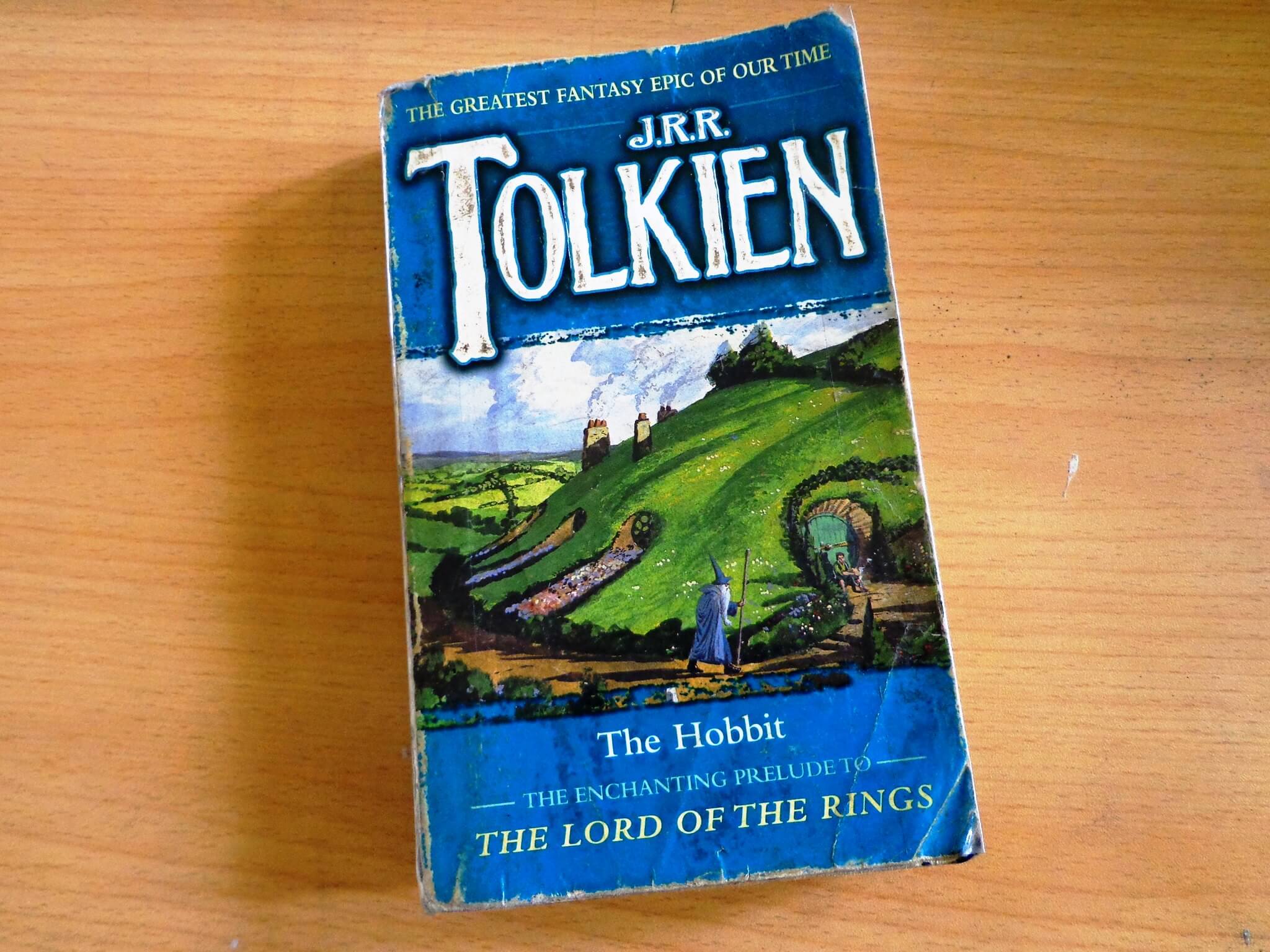
J.R.R. Tolkien’s 1937 novel ends relatively quickly after the death of the dragon, with a modest battle and a swift return home. Peter Jackson’s film trilogy, concluding in 2014, expands that single battle into a full-scale war spanning most of the final film’s runtime, adding character deaths and plot threads borrowed from other Tolkien writings not present in the original book’s ending.
How to Train Your Dragon
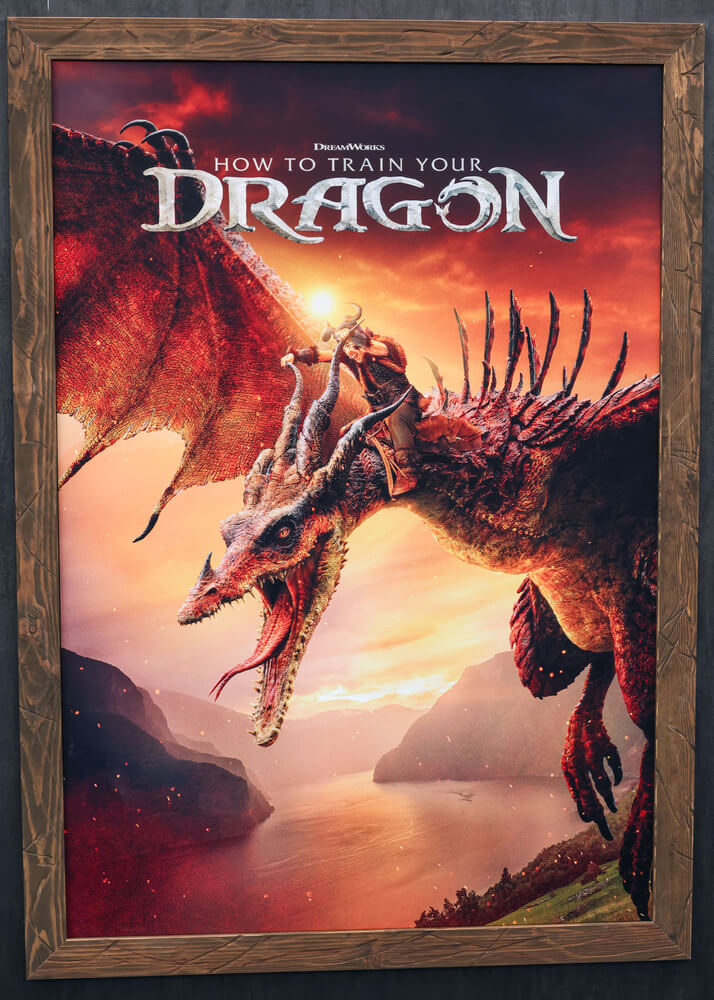
Cressida Cowell’s book series treats its dragons as comedic, barely trainable creatures and follows a very different plot than the film. DreamWorks’s 2010 film invents an entirely new central relationship, injury, and climactic battle not present in the source material.
The film’s ending, in which the protagonist loses part of a limb, has no equivalent in the book it is nominally based on.
Watchmen
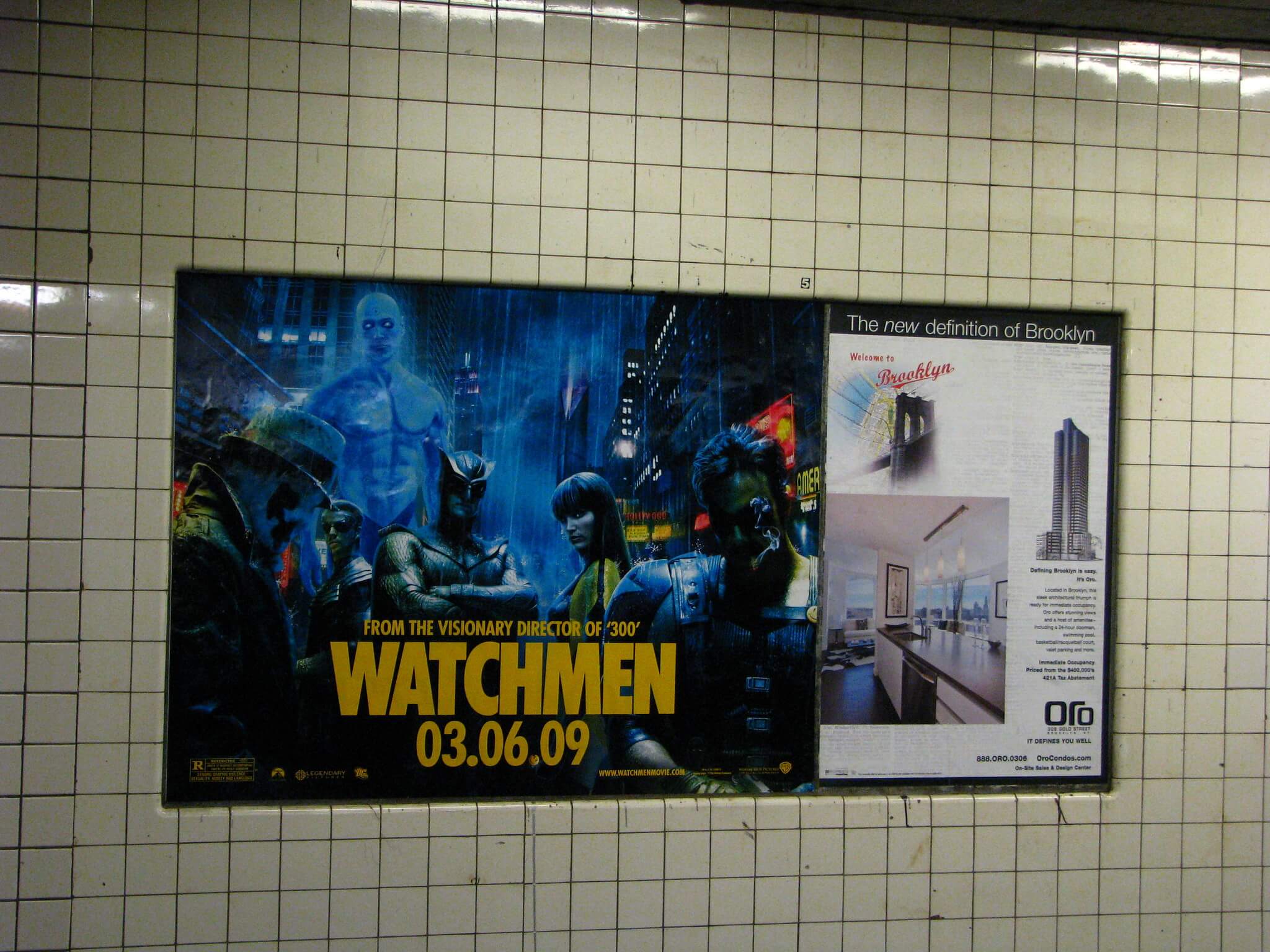
Alan Moore’s 1986 comic ends with a fabricated alien creature engineered to unite the world against a false common threat. Zack Snyder’s 2009 film replaces this with a scheme framed around a nuclear energy source connected to one of the story’s own characters instead.
The mechanism of the ending’s central deception is entirely different between the two versions, even though its consequences are similar.
The Running Man
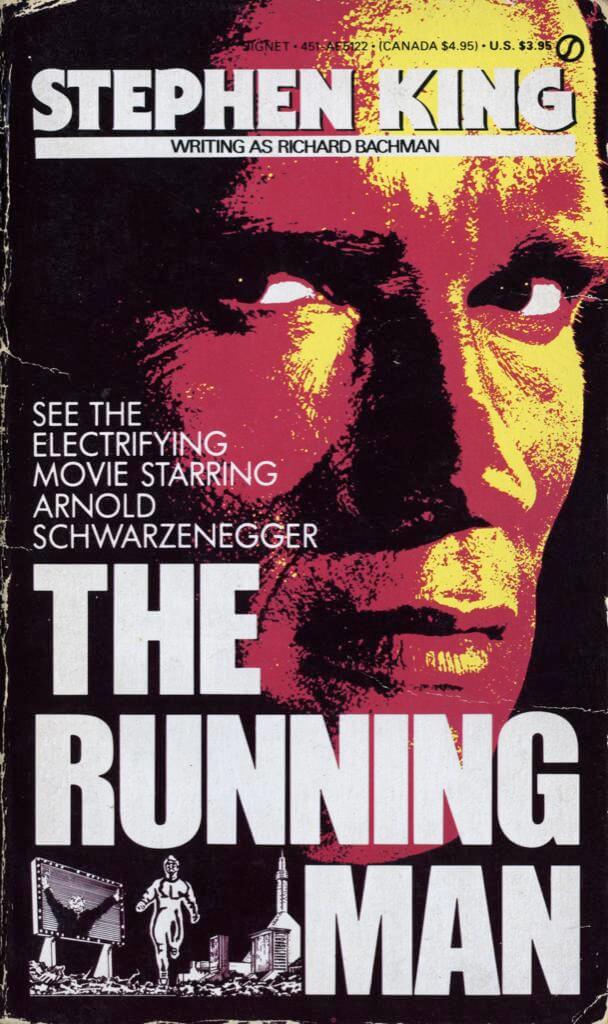
Stephen King’s 1982 novel, written under a pseudonym, ends with its protagonist crashing a hijacked plane into the headquarters of the network broadcasting his pursuit, killing himself in the process. The 1987 film instead lets its protagonist survive and helps spark a public uprising against the same network.
The two endings could not be more different in tone or outcome.
Practical Magic
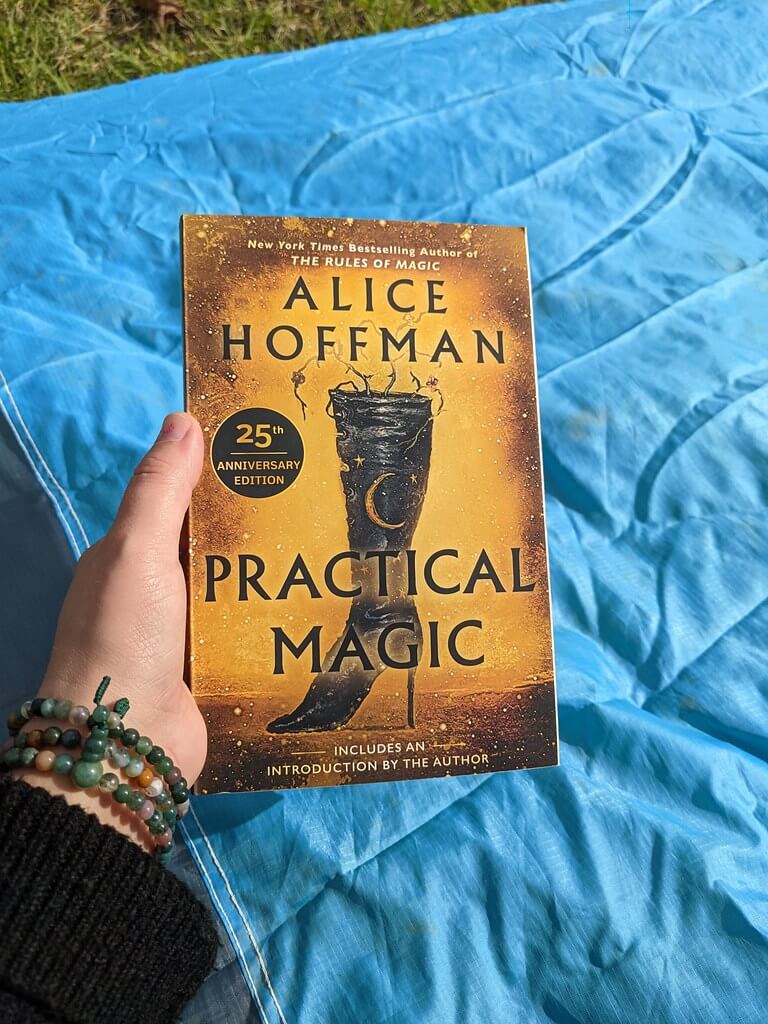
Alice Hoffman’s 1995 novel resolves its central family curse plot with a quieter, more internal sense of closure. The 1998 film builds toward a more dramatic communal exorcism-style climax involving the whole town, a sequence invented for the screen.
The shift moves the story’s resolution from a private family matter to a public spectacle.
The Stepford Wives
Ira Levin’s 1972 novel ends bleakly, with its protagonist implied to have been replaced just like the other women in town. The 1975 film kept that tone, but the 2004 remake reversed the ending into a comedic twist in which the town’s men are the ones ultimately punished, discarding the source material’s horror entirely in favor of satire.
A Clockwork Orange
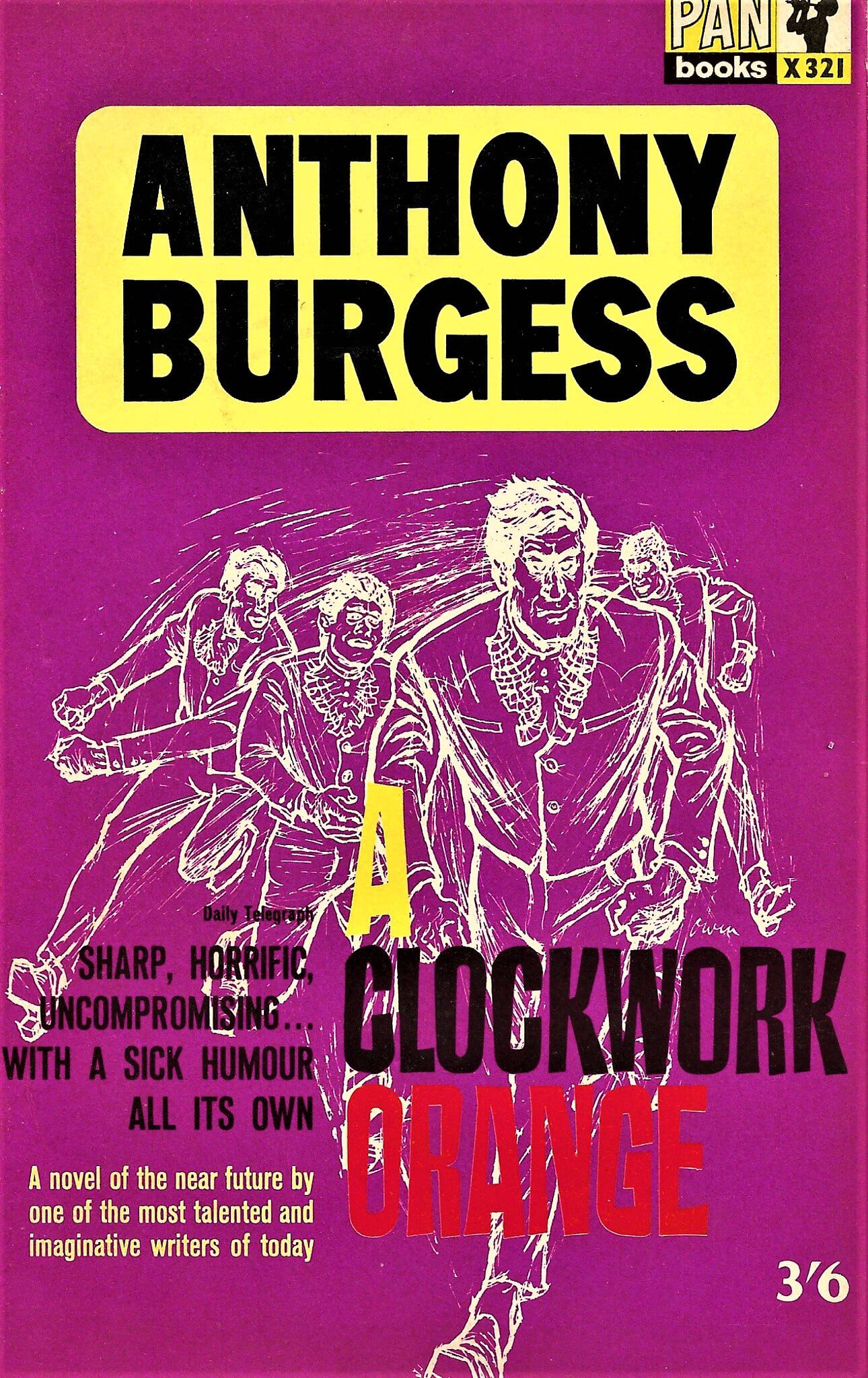
Anthony Burgess’s 1962 novel, in its original British edition, ends with its protagonist choosing to abandon violence on his own, a chapter meant to demonstrate genuine growth. Stanley Kubrick’s 1971 film was based on the American edition, which omitted that final chapter, so the film ends instead on the protagonist’s unreformed, self-satisfied return to his old habits.
Rebecca

Daphne du Maurier’s 1938 novel reveals that its central male character deliberately killed his first wife. Alfred Hitchcock’s 1940 film changed this to an accidental death, a revision reportedly required to satisfy the era’s production code, which would not allow a murderer to go unpunished.
The mansion fire that closes both versions plays out slightly differently as a result.
Divergent
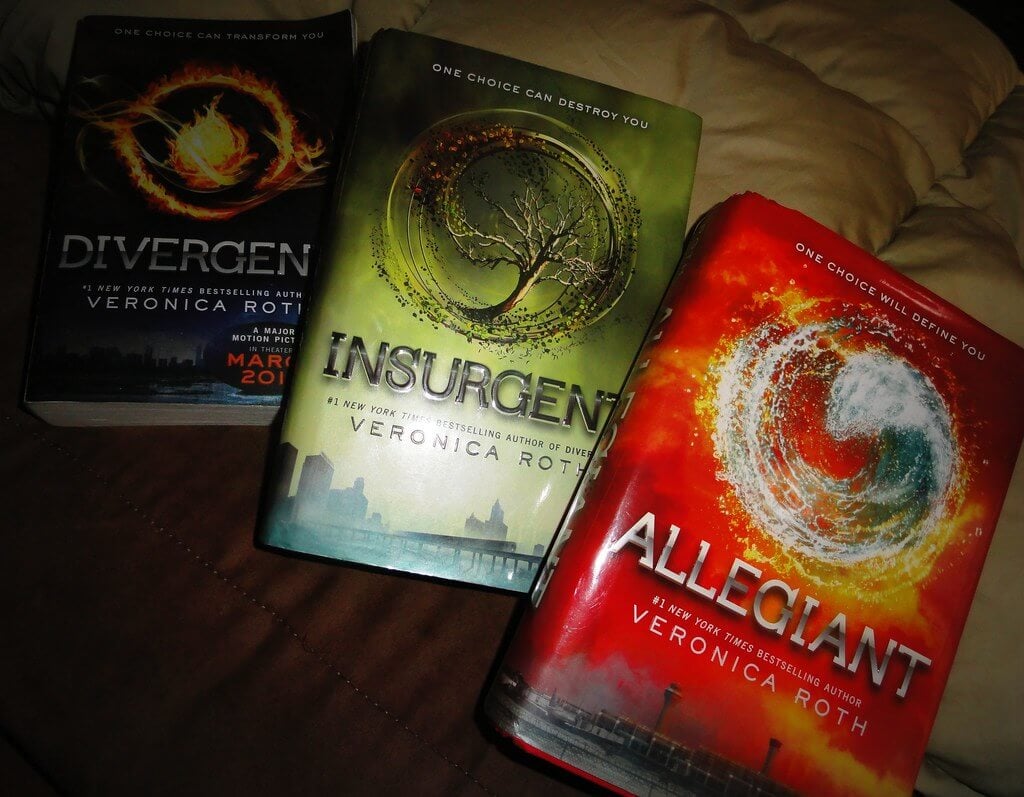
Veronica Roth’s book trilogy ends with a major character death and a significant restructuring of its dystopian society. The film franchise, launched in 2014, was never fully completed after its later installments underperformed, leaving the story’s true ending unfilmed and replaced by a scaled-down television movie that most fans do not consider canon to the series.
Percy Jackson: The Lightning Thief
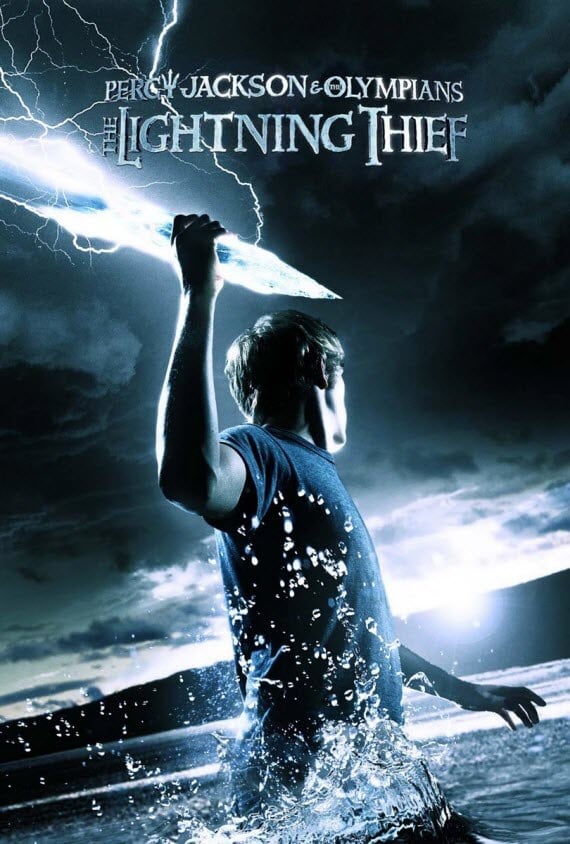
Rick Riordan’s 2005 novel resolves its central theft plot with a relatively low-key confrontation among the young demigod characters. The 2010 film adaptation restructures the climax considerably, altering who is responsible for the theft and adding a different final setting.
Riordan has been openly critical of how far the film’s ending strayed from his book.
Two Endings, One Story
What separates these films from ordinary adaptations is not just an omitted scene or a trimmed subplot. Each one arrives at a genuinely different final meaning than its source material, whether because a studio wanted a friendlier note to send audiences home on, a production code demanded it, or a director simply believed the story worked better resolved a different way.
Readers who discover these differences often treat them as betrayals, but plenty of the writers involved have said otherwise. A novel and a film are built from different materials, and an ending that lands as ambiguous on the page can feel unfinished on screen, just as a visually spectacular film climax can read as excessive on paper.
The changes say less about fidelity than about two different mediums solving the same problem in their own ways.
More from Go2Tutors!

- The Romanov Crown Jewels and Their Tragic Fate
- 13 Historical Mysteries That Science Still Can’t Solve
- Famous Hoaxes That Fooled the World for Years
- 15 Child Stars with Tragic Adult Lives
- 16 Famous Jewelry Pieces in History
Like Go2Tutors’s content? Follow us on MSN.