25 Things About Saturday Mornings in the ’70s That Defined Childhood for Millions
Saturday morning in the 1970s was the only time during the entire week when television belonged entirely to children. No parents monopolized the set for news broadcasts or daytime talk shows. No siblings negotiated for shared control. For three to four glorious hours between 8 AM and noon, the entire broadcast landscape—NBC, CBS, ABC—aligned in perfect synchronization to serve an audience that had zero purchasing power but infinite enthusiasm. The experience was so consistent, so ritualistic, and so completely different from any other form of entertainment available that an entire generation would wake up before dawn on their only chance to sleep in, driven by something not quite explainable to anyone who didn’t live through it.
The specifics mattered tremendously. It wasn’t just about the cartoons themselves, though they were often clever and visually inventive. It was the entire ecosystem of the Saturday morning experience—the food, the pajamas, the light through the living room window at an hour when that light quality happened nowhere else in the week, the negotiation about which show everyone would watch, and the knowledge that this was all temporary and belonged only to you.
Waking Up Before Your Parents Without Feeling Guilty

The entire point of Saturday morning was that you had to get there early, when the programming actually started. Kids would set alarms for 7 AM on a day when they could theoretically sleep until noon, driven by the fear that if they didn’t, they’d miss something. This taught a generation of children the value of rising early for something they wanted, a lesson no parent lecture could have instilled.
The Specific Smell of the Living Room at 8 AM on Saturday

The way a room smells at 8 AM on a Saturday morning is entirely different from any other time. The combination of cooler morning air, the fabric of overnight-undisturbed furniture, and the particular way sunlight interacts with dust particles created a sensory experience kids would encounter nowhere else during their week.
Sugary Cereal Was Only Acceptable on Saturday Morning

Parents who would never allow Lucky Charms, Frosted Flakes, or Count Chocula on any other day made an exception for Saturday morning. The bowl of sugar-coated cereal wasn’t just breakfast; it was a ceremonial marker that differentiated Saturday morning from every other day of the week.
The Sound of the Television Warming Up
Older televisions in the 1970s made a distinct sound when powered on—a hum that would grow slightly higher-pitched before the image came into focus. Kids learned to recognize this sound as the signal that their time had begun.
The Remote Control Argument the Night Before
Because there were only three networks and no recording capability, the decision of which cartoon to watch had to be made in advance. Families negotiated these choices Friday night with the seriousness of international treaties, with older siblings attempting to secure their preferred shows and younger ones having less leverage.
Scooby-Doo’s Predictable Unmasking Formula
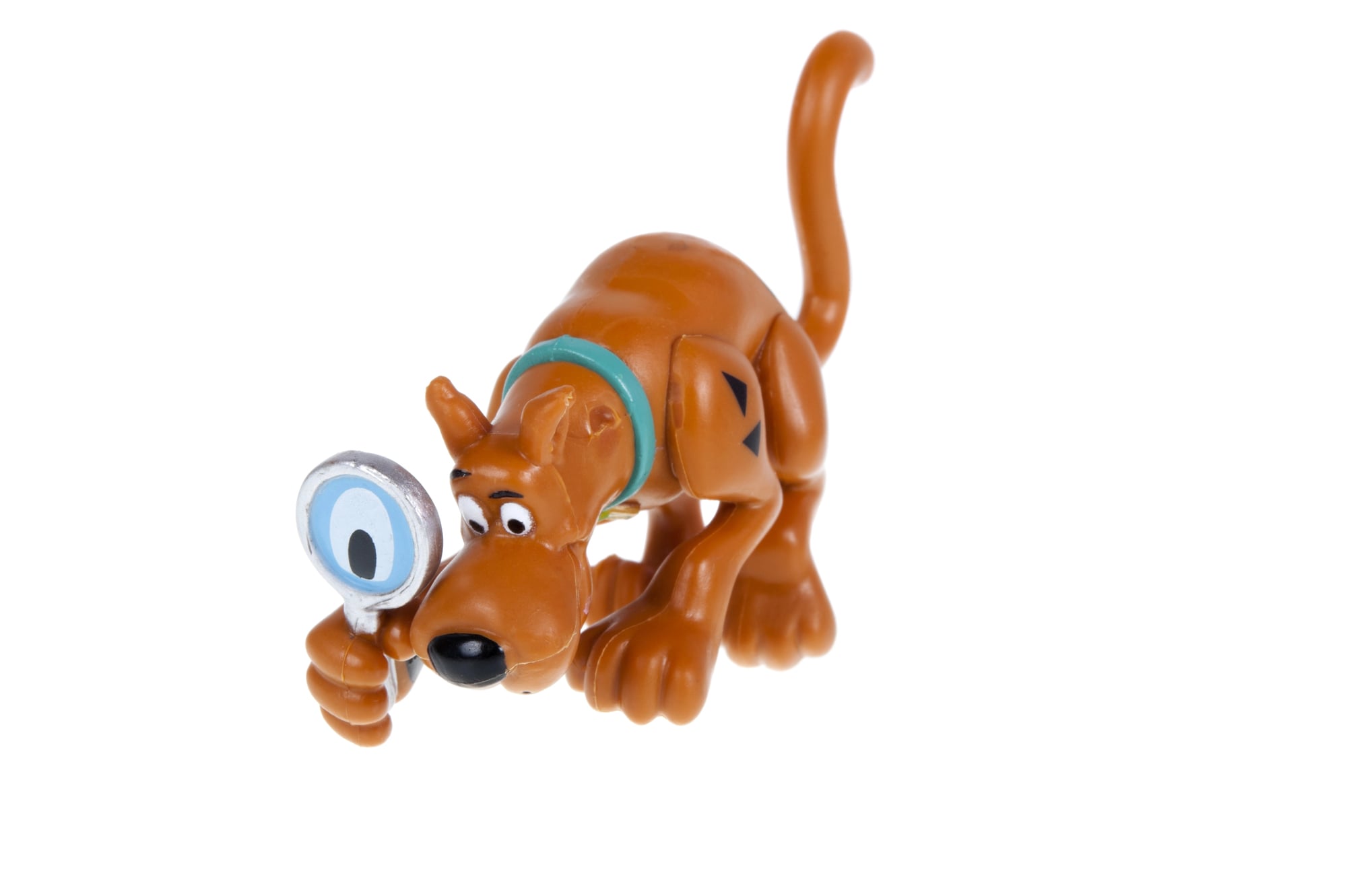
Though Scooby-Doo premiered in 1969, it dominated 1970s Saturday mornings through constant reruns and new episodes. Every episode followed an identical formula: spooky situation, investigation, false scares, and finally the revelation that the ghost was actually the creepy old janitor or some other authority figure. Kids watched anyway.
The Hall of Justice Opening Sequence
Super Friends, which premiered in 1973, opened with its iconic narration: “Meanwhile, at the Hall of Justice…” The sequence showed DC Comics heroes assembling for duty, and for millions of kids, it was the first exposure to coordinated team dynamics and superhero collaboration before those concepts existed anywhere else in popular culture.
Learning Conjunctions From a Cartoon

Schoolhouse Rock! debuted in 1973 and embedded itself into Saturday morning programming as educational musical shorts between cartoons. “Conjunction Junction, what’s your function?” became so effective at teaching that a generation learned English grammar from animation rather than textbooks, and nobody complained.
Looney Tunes Was Already Old But Felt Brand New

The Bugs Bunny/Road Runner Hour aired theatrical shorts that had been created in the 1940s and 1950s, but kids watching them in the 1970s experienced them as current programming because they had no way to know the footage predated their births.
The Difference Between Commercial Breaks

Saturday morning commercial breaks were unlike any other programming block. They advertised toys, cereals, and breakfast foods entirely foreign to any other time slot. Kids learned to distinguish between the actual show and the advertisement, a cognitive skill that emerged specifically from Saturday morning viewing.
The Flintstones Was Actually a Rerun From the Previous Decade

The Flintstones originally aired in the early 1960s, but Saturday morning packages kept it in constant rotation throughout the 1970s, giving kids the impression they were watching current episodes when they were often seven to ten years old.
The Jetsons Represented Tomorrow Through Yesterday’s Technology
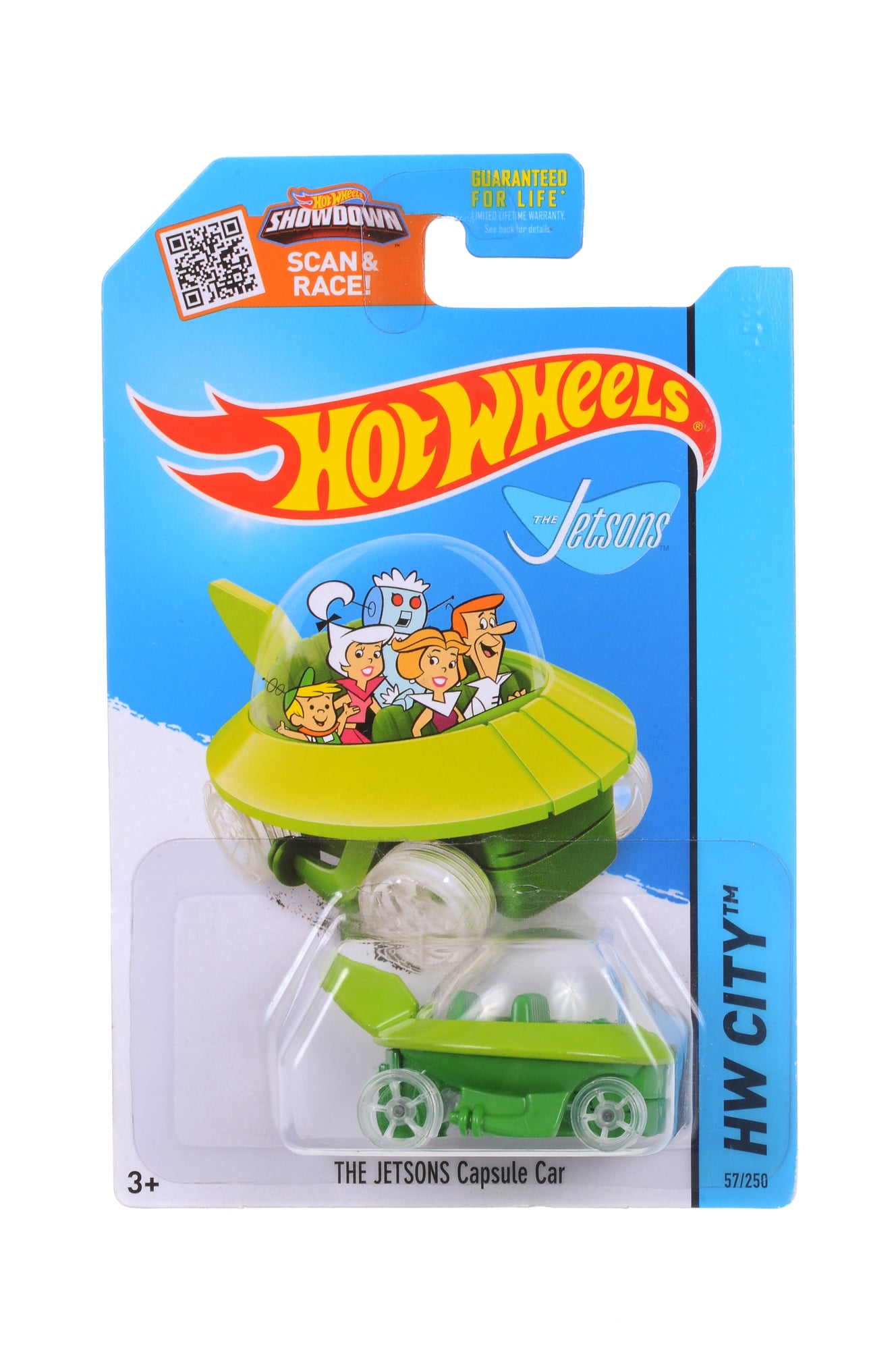
The Jetsons, which originally aired in 1962 but was syndicated throughout the 1970s, showed kids a future with flying cars and robot maids. The utopian vision of the future depicted in Jetsons episodes was sometimes more memorable than the actual cartoons airing as new productions.
Shaggy and Scooby’s Appetite for Sandwiches
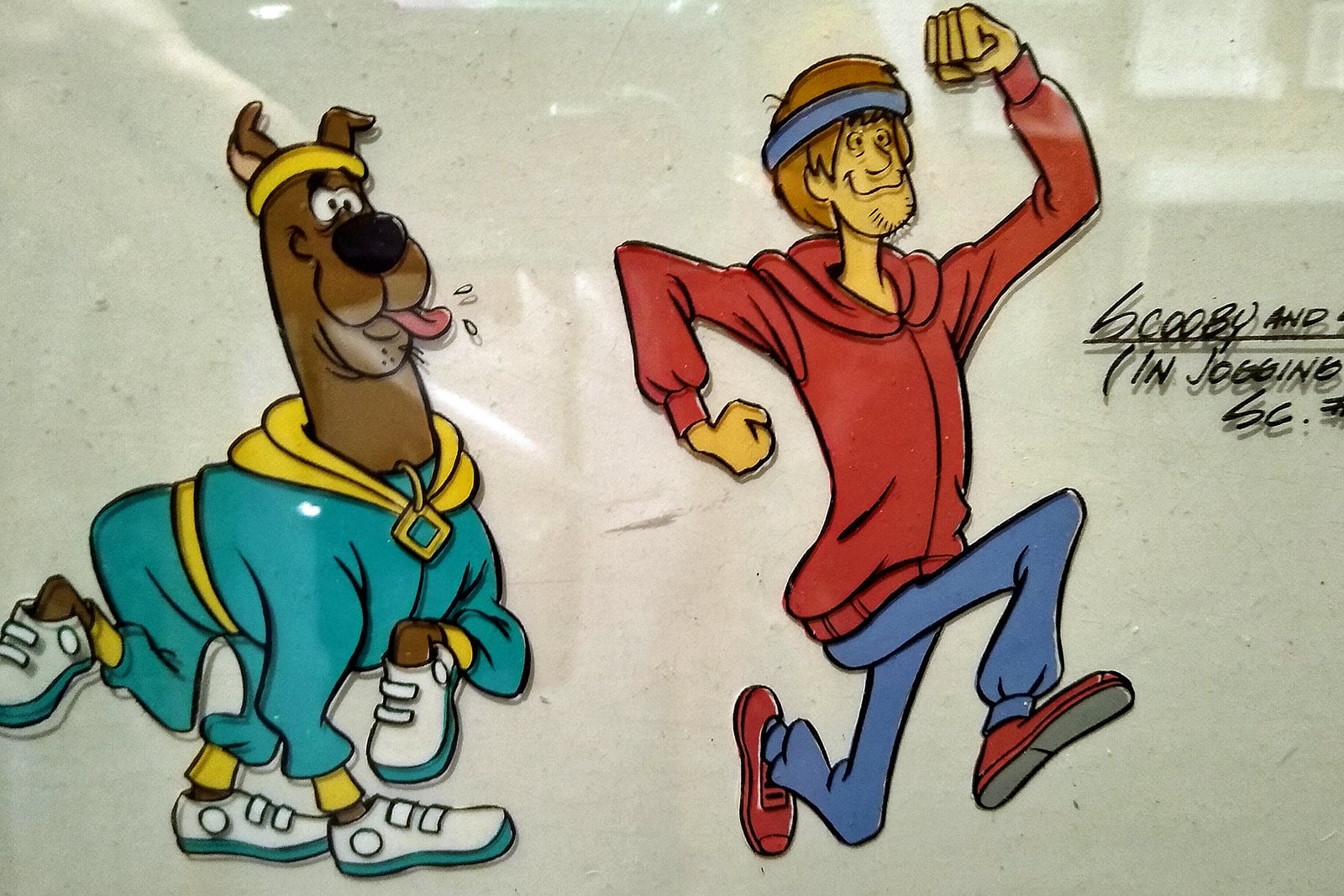
The running joke in Scooby-Doo involved Shaggy’s constant hunger and his ability to produce enormous sandwiches from seemingly nowhere, usually while running from whatever monster was chasing them. Kids learned that cartoon logic didn’t require explanation.
Bugs Bunny Had Already Won Before the Cartoon Started
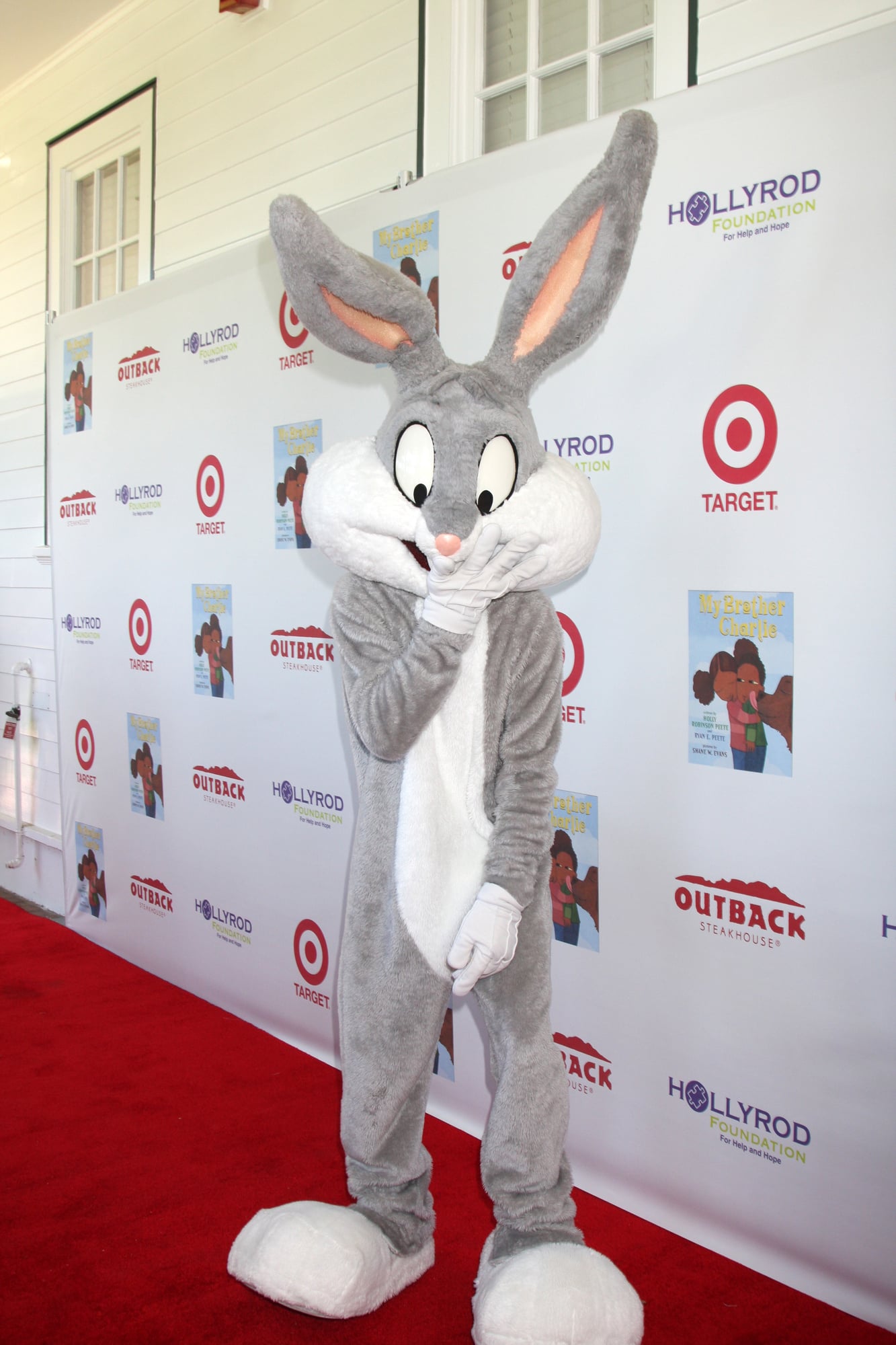
Bugs Bunny’s entire character premise was that he would always outwit his pursuer—whether Elmer Fudd, Yosemite Sam, or Daffy Duck—through cleverness and casual manipulation. Watching him work toward an inevitable victory became a guaranteed form of entertainment.
The Wonder Twins Could Do Anything If They Held Hands
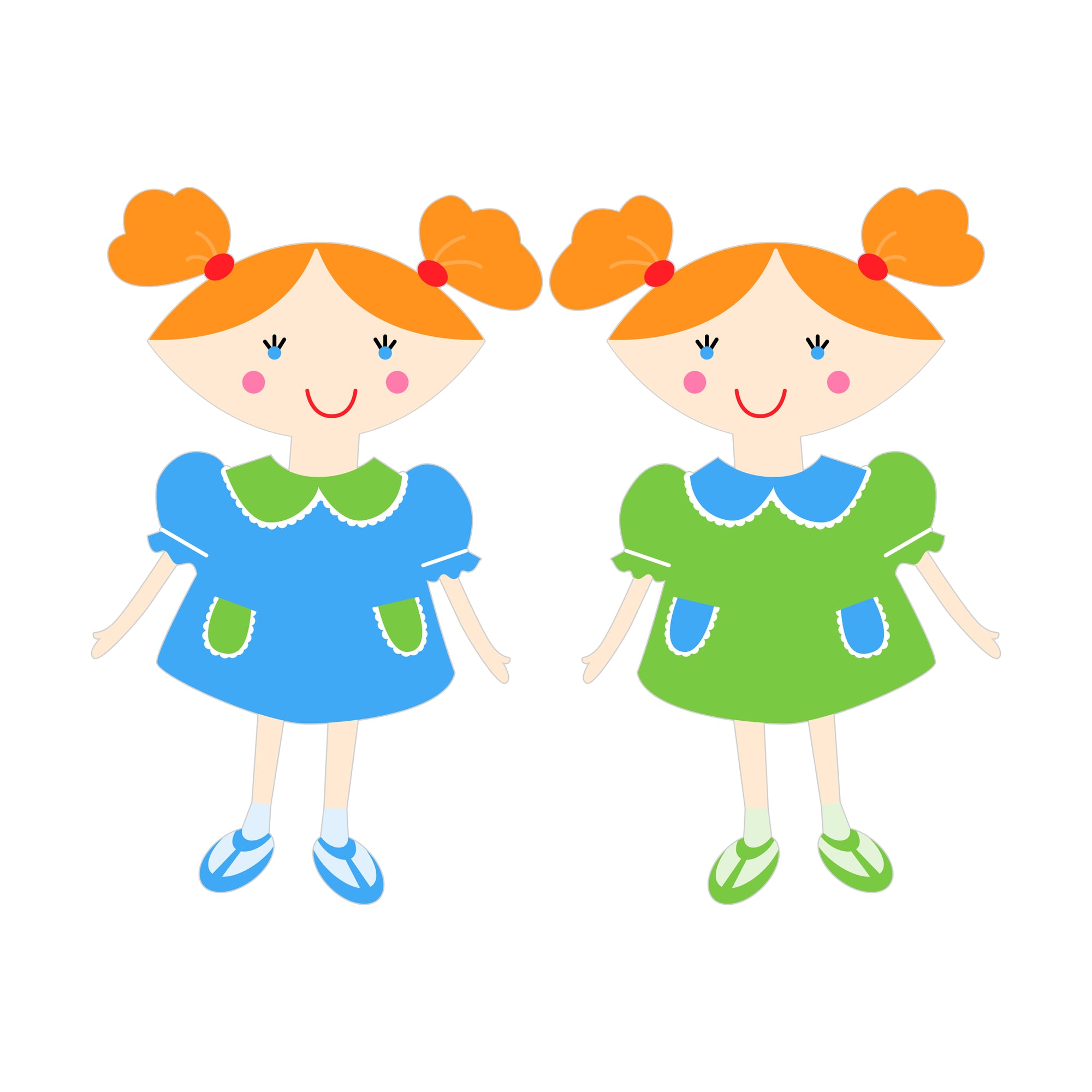
Super Friends featured the Wonder Twins, teenage superheroes who gained their powers by connecting their hands and announcing what they would transform into. Kids liked them less for their powers than for the fact that they were young people with genuine agency in a team of adults.
Saturday Morning Stretched Time Differently Than Any Other Daypart

The hours between 8 AM and noon on Saturday felt subjectively longer than any equivalent amount of time during the rest of the week. Kids could finish breakfast, watch multiple cartoons, and still feel like their Saturday hadn’t actually started yet.
The Pink Panther Was Funnier Than You Remembered It
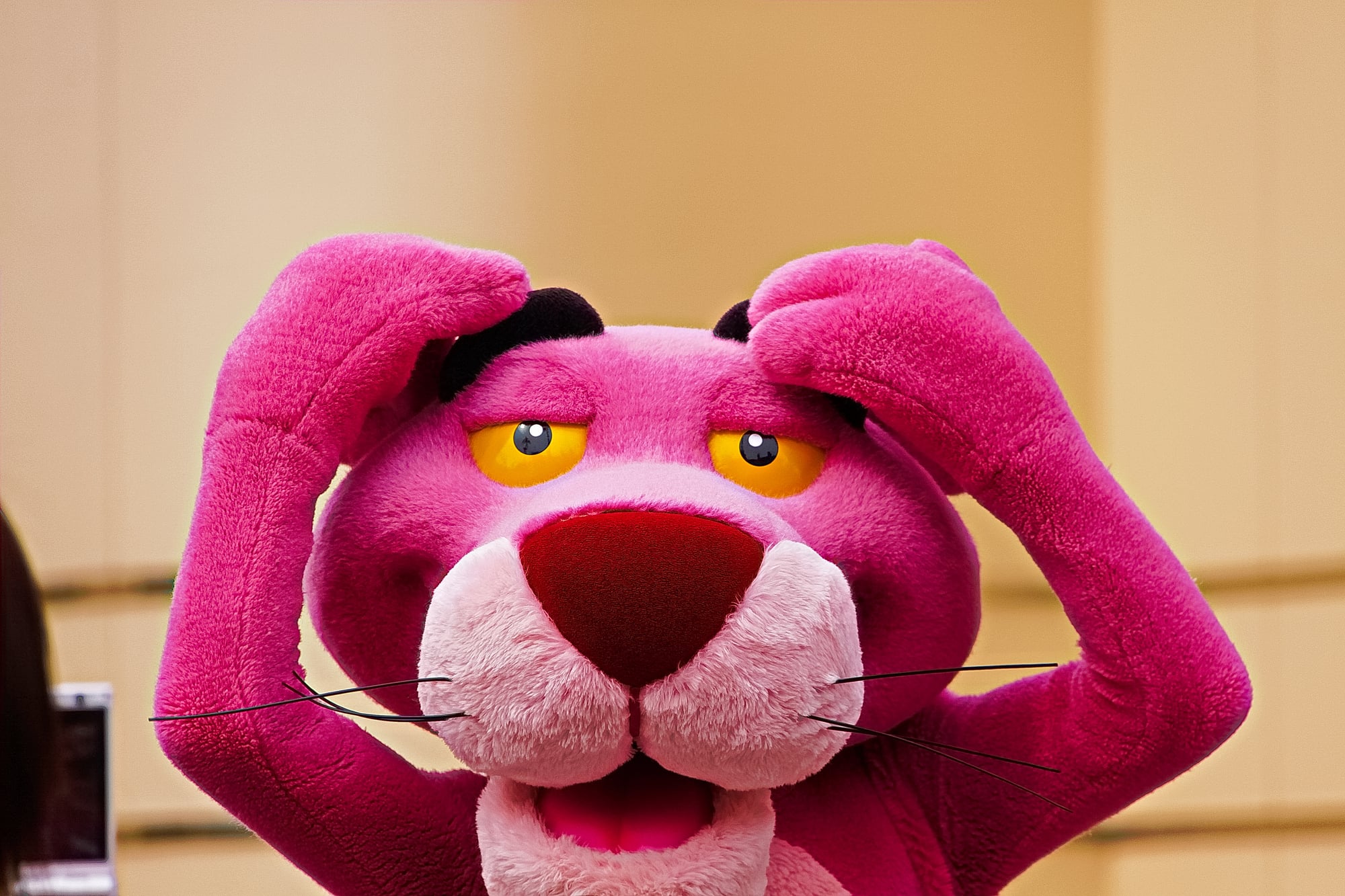
The Pink Panther Show aired theatrical shorts from the 1960s, usually featuring the Panther outthinking Inspector Clouseau-style adversaries through physical comedy and minimal dialogue. The humor worked across generations because it didn’t rely on cultural references or dialogue-based jokes.
Fat Albert’s Educational Moral Lessons Came From an Actual Teaching Moment
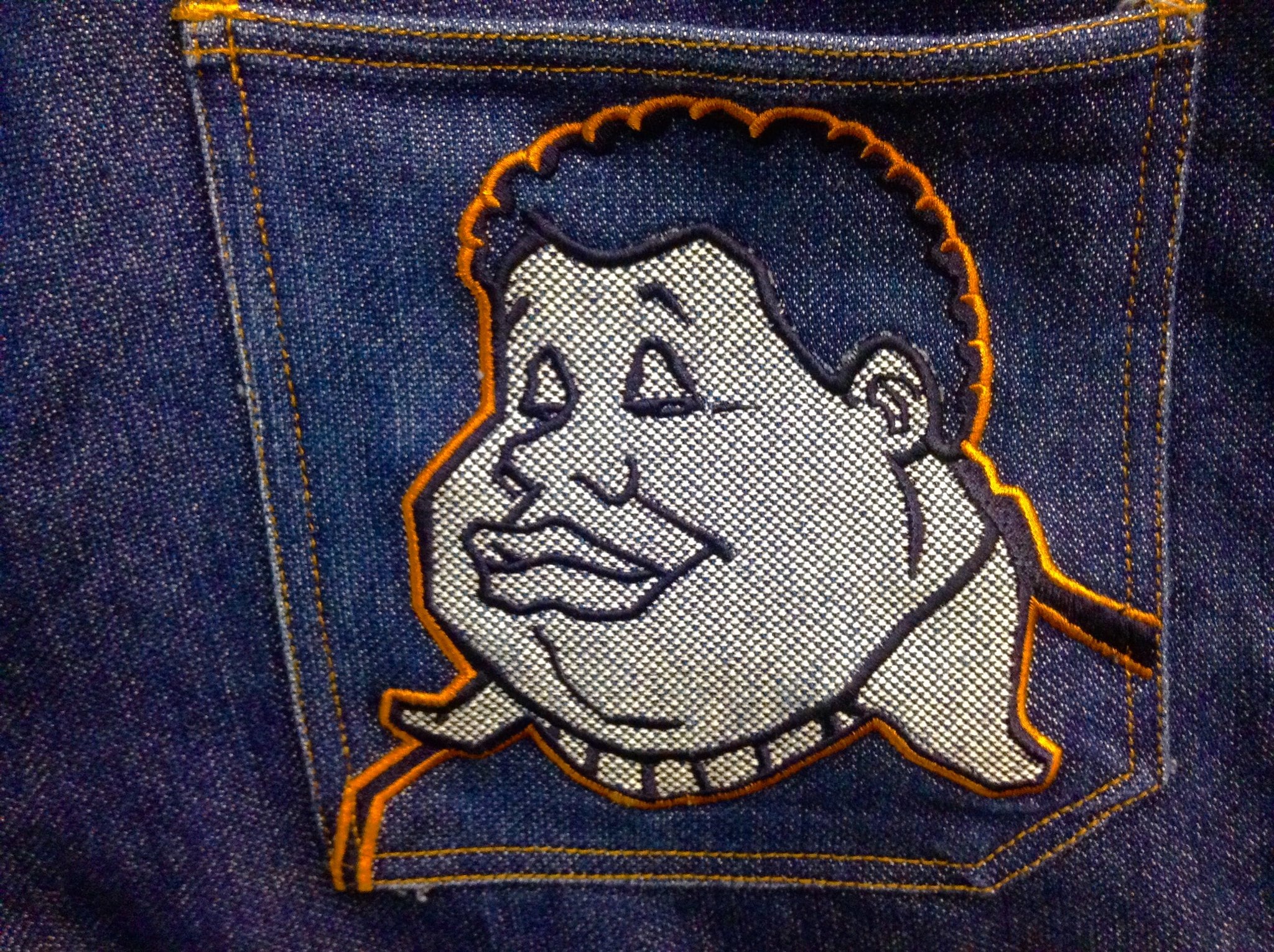
Fat Albert and the Cosby Kids was created to include social lessons, but rather than feeling preachy, the show had actual characters who existed in circumstances kids recognized, making the lessons feel less like instruction and more like advice from cool older kids.
The Brady Kids Turned a Sitcom Into a Saturday Morning Cartoon
When a live-action series became successful, networks would create Saturday morning animated versions to capitalize on that success. The Brady Kids adapted the blended family premise into an animated adventure series that ran for two seasons before cancellation.
Josie and the Pussycats Were Girl Heroes Before That Was Standard

Josie and the Pussycats featured a band of teenage girls who solved mysteries while also being rock performers. For 1970s Saturday mornings, the show offered something rare: female protagonists who didn’t require rescue and were smart, brave, and “seriously cool” without needing validation from male characters.
Tarzan’s Jungle Represented Adventure Without Rules
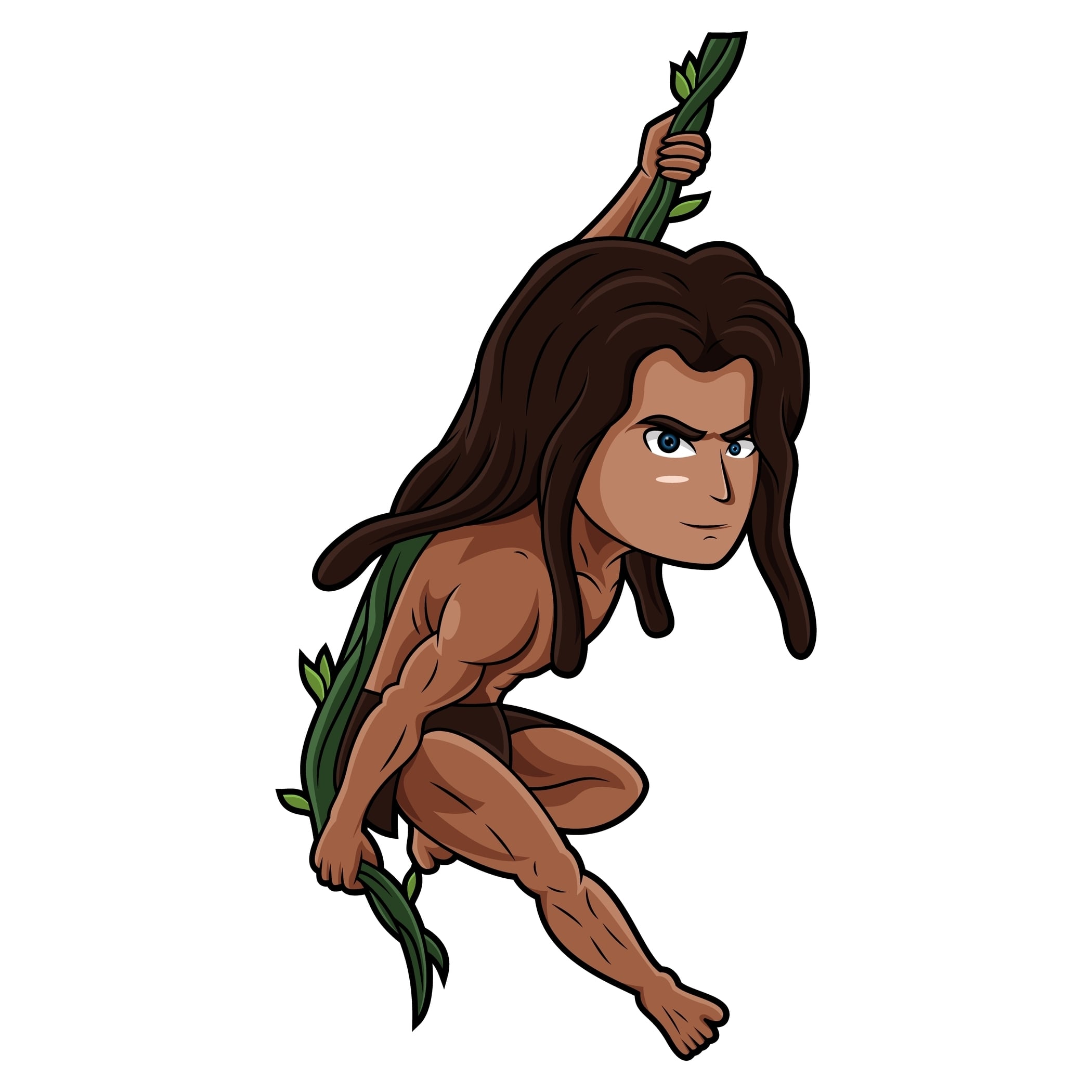
Filmation’s Tarzan series in 1976 brought the ape-man to Saturday morning audiences as a hero solving problems through intelligence and adaptation rather than superhuman strength, appealing to kids who liked action without needing superpowers.
The Pace of Saturday Morning TV Was Incomparable to Modern Programming

Without commercial-free streaming, Saturday morning cartoons had built-in commercial breaks that actually gave viewers a brief mental rest. The pacing was leisurely compared to modern animated programs, and the animation, while economical, never felt rushed.
You Couldn’t Record It, So Missing a Episode Meant It Was Gone Forever
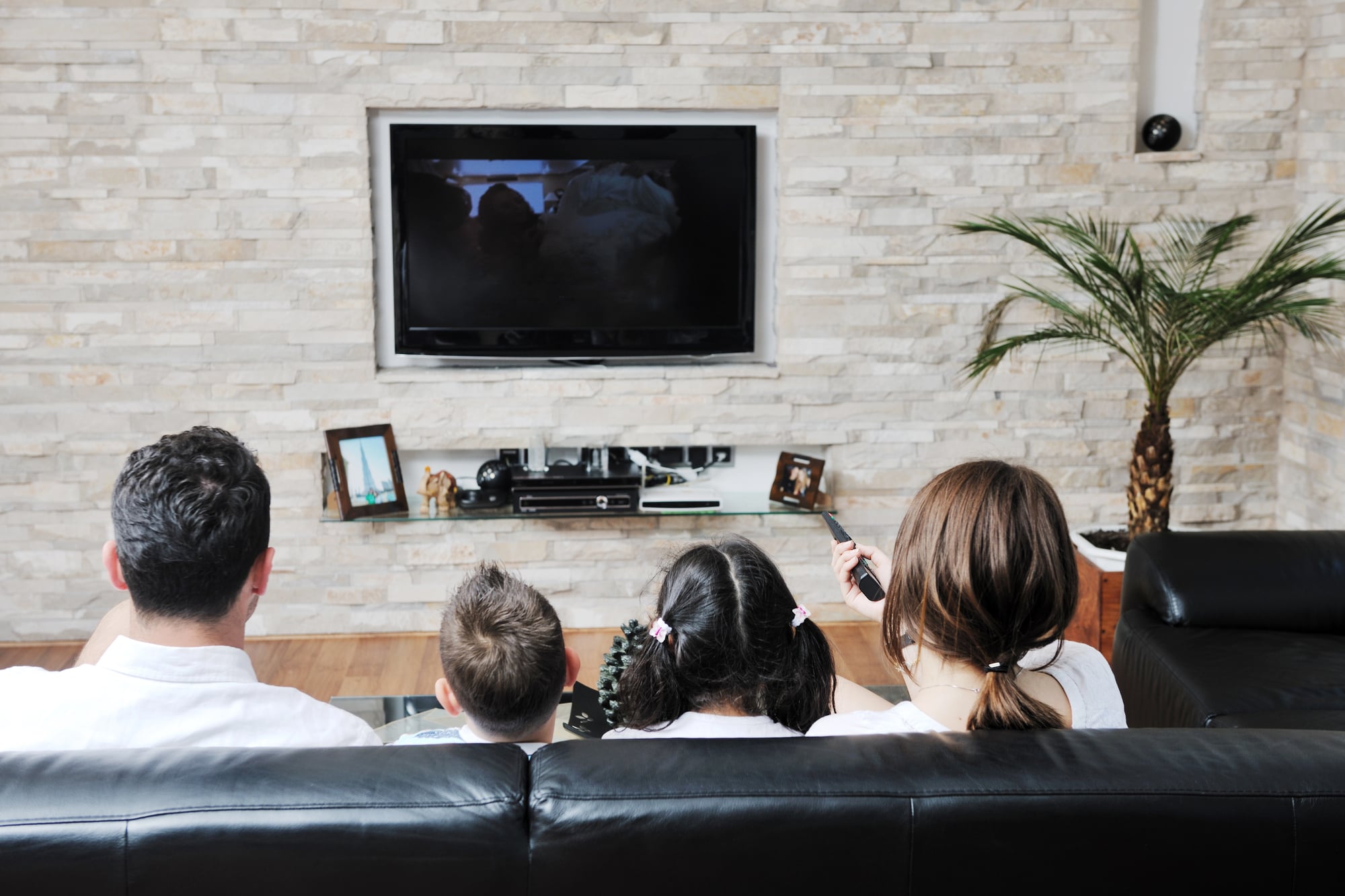
The absence of VCRs, DVRs, or streaming meant that if you missed an episode of your favorite cartoon, it simply didn’t exist for you until it came around again in summer reruns. This created actual stakes around being present on Saturday morning.
Paperback Books Based on Your Favorite Cartoons Were Everywhere

Department store paperback book racks featured novelizations of current Saturday morning cartoons, offering kids extended narrative possibilities beyond what aired on television. These books were often the only way to revisit episodes.
The Experience Ended Abruptly at Noon When Adult Programming Resumed

Saturday morning lasted exactly until noon or 1 PM, depending on the network, at which point it was gone entirely and wouldn’t return until the following Saturday. This created an artificial scarcity that intensified its specialness.
Generation-Wide Collective Memory of Identical Saturday Mornings

Because national broadcasts were identical across the country, millions of kids experienced the same shows, the same commercials, and the same Saturday morning environment simultaneously. School Monday mornings included discussions of Saturday cartoons, a shared cultural experience that required no explanation.
More from Go2Tutors!

- The Romanov Crown Jewels and Their Tragic Fate
- 13 Historical Mysteries That Science Still Can’t Solve
- Famous Hoaxes That Fooled the World for Years
- 15 Child Stars with Tragic Adult Lives
- 16 Famous Jewelry Pieces in History
Like Go2Tutors’s content? Follow us on MSN.



