Circus Animals Whose Stories Changed Public Opinion on Captive Entertainment
For most of the twentieth century, the circus was a place where the animal acts proceeded without substantial ethical questioning from mainstream audiences. Elephants performed tricks, tigers jumped through flaming hoops, and primates did human dances.
No one protested outside the big top. No one filed lawsuits. No one organized boycotts.
Then, gradually, a shift occurred. Documentaries exposed training methods.
Undercover videos showed the conditions in which animals were kept. Social media allowed activists to reach millions.
Performers themselves began refusing to work with wild animals. What had seemed normal for generations became, quite suddenly, intolerable to a majority of the American public.
Several individual animal stories and broader movements drove this transformation.
Ringling Brothers’ Elephants
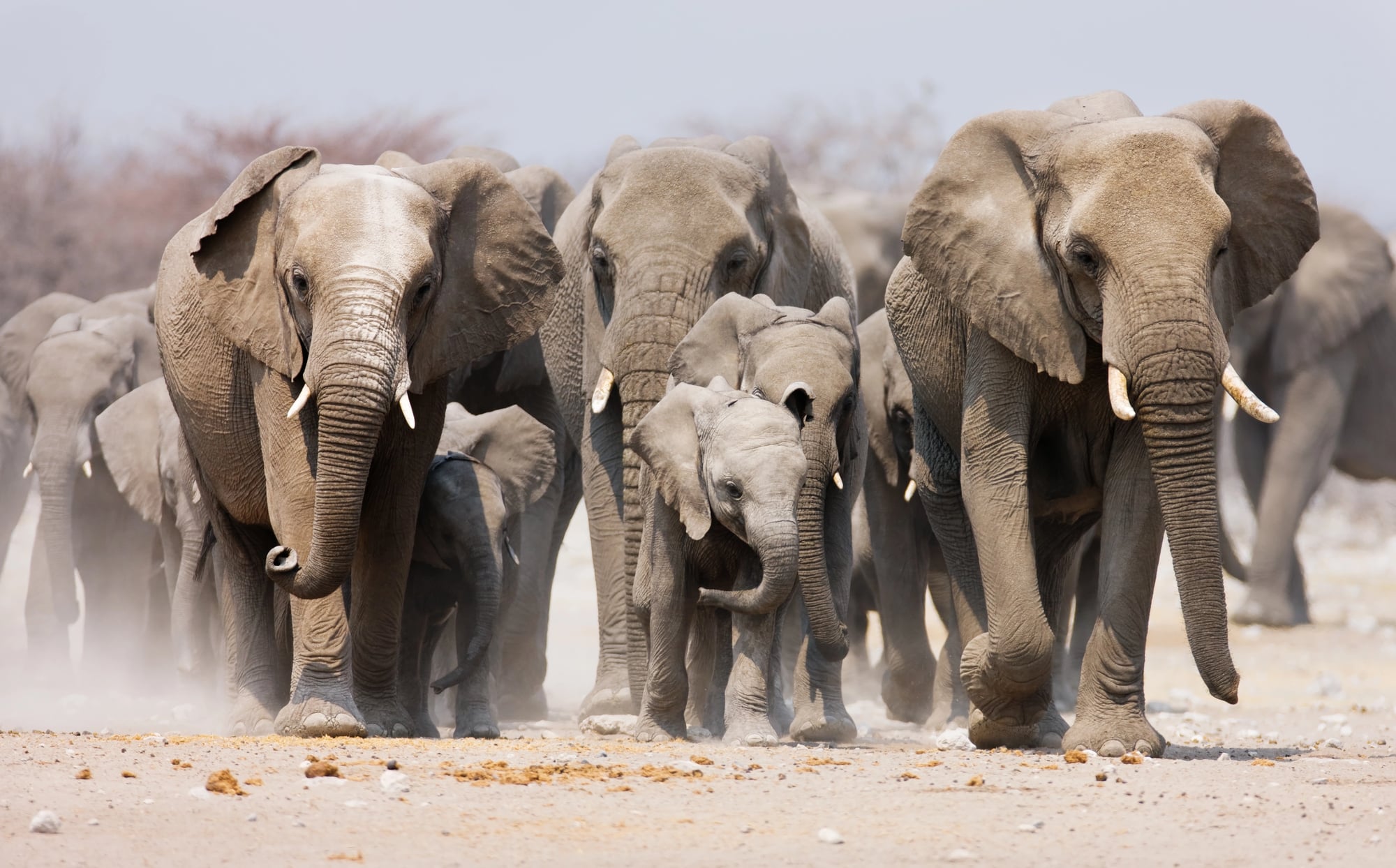
For 145 years, Ringling Brothers and Barnum & Bailey Circus made elephants the centerpiece of its performances. Elephants appeared on posters, in advertisements, and as the final act of the show.
PETA began targeting Ringling in 1980, conducting undercover investigations, organizing protests, and filing lawsuits. In 2009, PETA released an undercover video documenting trainers striking elephants with bullhooks during training sessions, generating widespread outrage.
By 2015, pressure from animal welfare groups combined with changing consumer sentiment forced Ringling to announce the phaseout of elephants by 2018. The decision marked a turning point in American culture, with the Humane Society comparing it to “the fall of the Berlin Wall within the animal welfare community.”
The circus ended elephant performances permanently and eventually closed entirely in 2017, though it has since attempted to return without animals.
SeaWorld’s Killer Whales
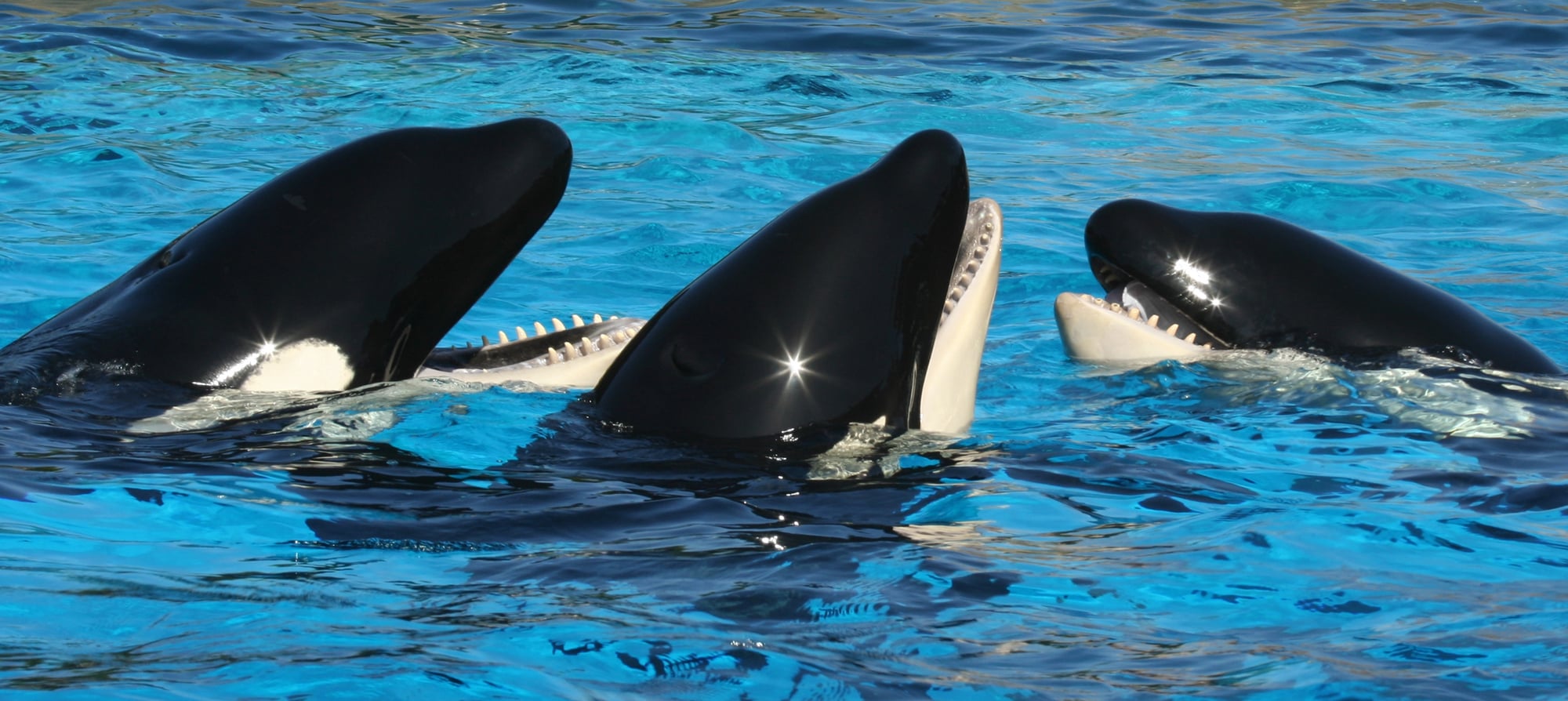
SeaWorld’s orca breeding and training program became the target of unprecedented public scrutiny following the 2013 documentary “Blackfish,” which examined the death of trainer Dawn Brancheau and the apparent psychological distress of captive orcas. The film interviewed former trainers and marine biologists who described how orcas in captivity exhibited abnormal behaviors, including self-harm and aggression toward human trainers.
Public opinion shifted so dramatically that in 2016 SeaWorld announced an end to the orca breeding program and phaseout of performances. What was once regarded as family entertainment became recognized as animal abuse.
The documentary reached millions worldwide and fundamentally changed how the public viewed marine mammals in captivity.
Tilikum the Orca
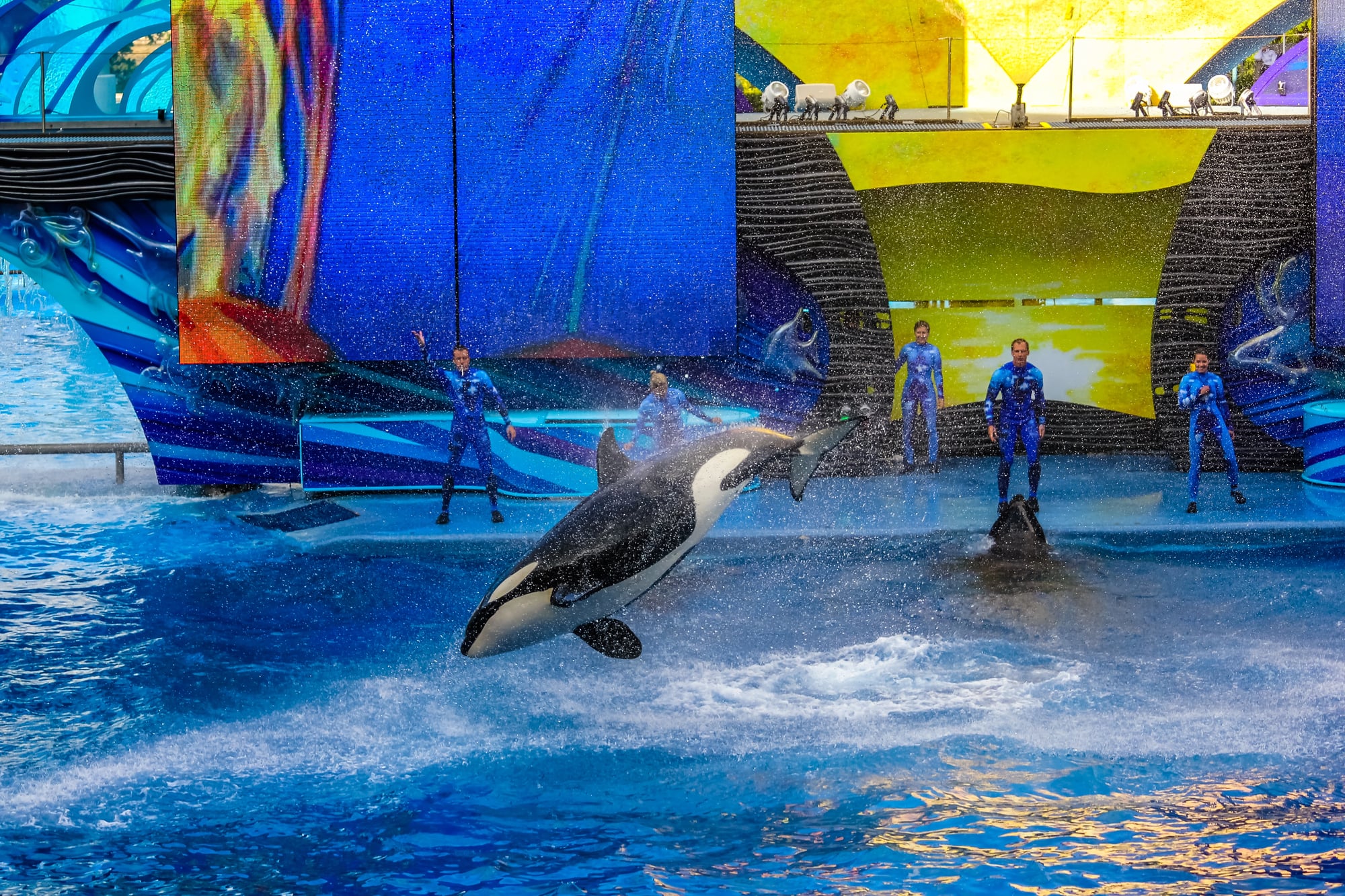
Another SeaWorld orca, Tilikum, was captured in the North Atlantic in 1983 and held in a Canadian facility before being sold to SeaWorld. Over his 33 years in captivity, Tilikum was involved in the deaths of three people, including trainer Dawn Brancheau.
Rather than viewing Tilikum as a killer, many observers recognized him as a traumatized animal whose violent incidents reflected the psychological damage of captivity. His story became a focal point for arguments against whale captivity and contributed significantly to the shift in public sentiment that led SeaWorld to abandon orca performances.
Luna the Humpback Whale
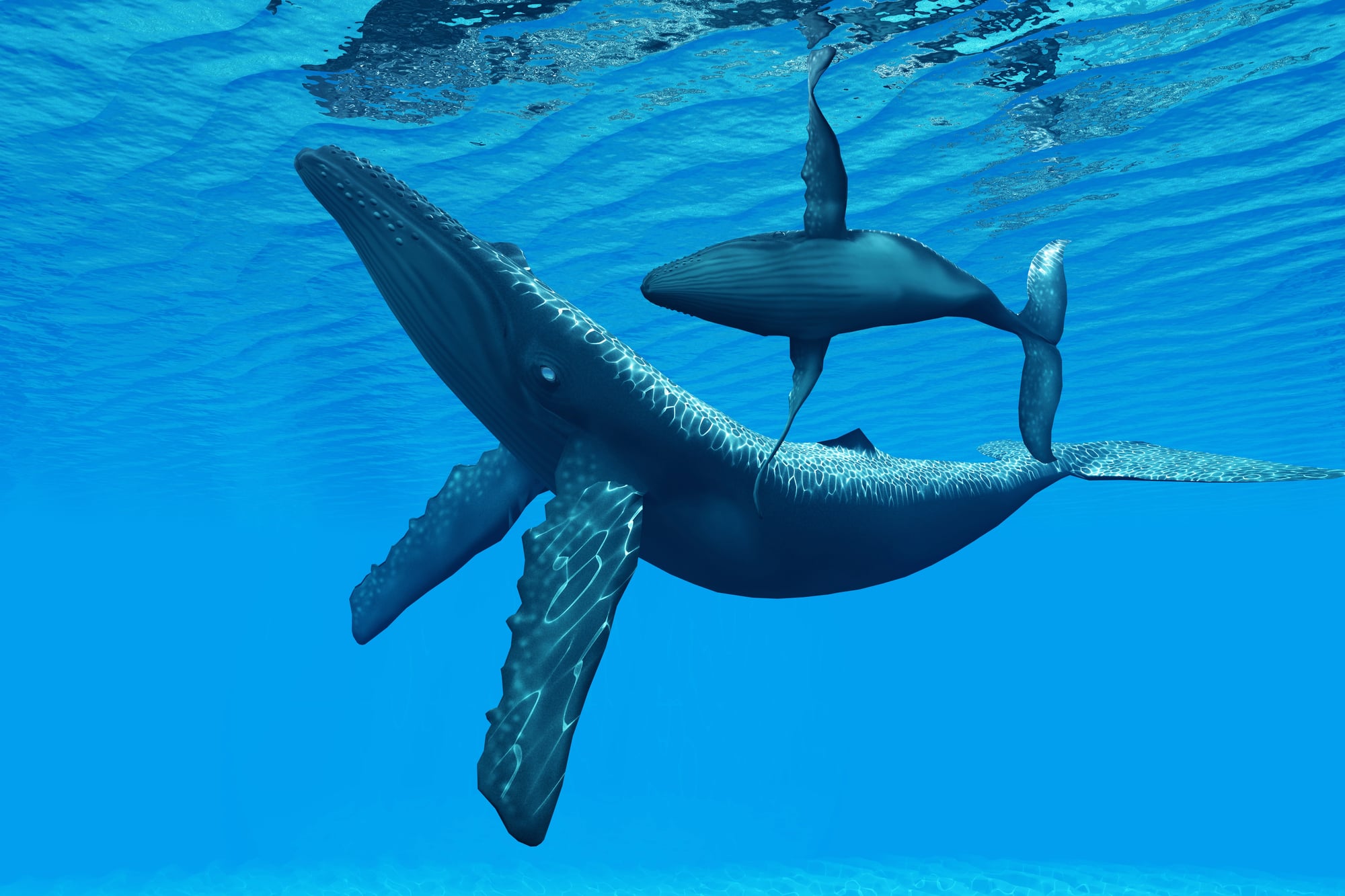
Though not a circus animal, Luna the humpback whale became famous through interactions with humans in a Canadian bay. When Luna was separated from his mother, he sought human companionship, approaching boats and allowing people to pet him.
Authorities initially tried to discourage interaction, then attempted to relocate him. Luna was eventually struck and killed by a ship.
His story became a symbol of how wild animals cannot be “tamed” through human contact and illustrated the risks of removing wild animals from their natural social structures.
Corky the Orca
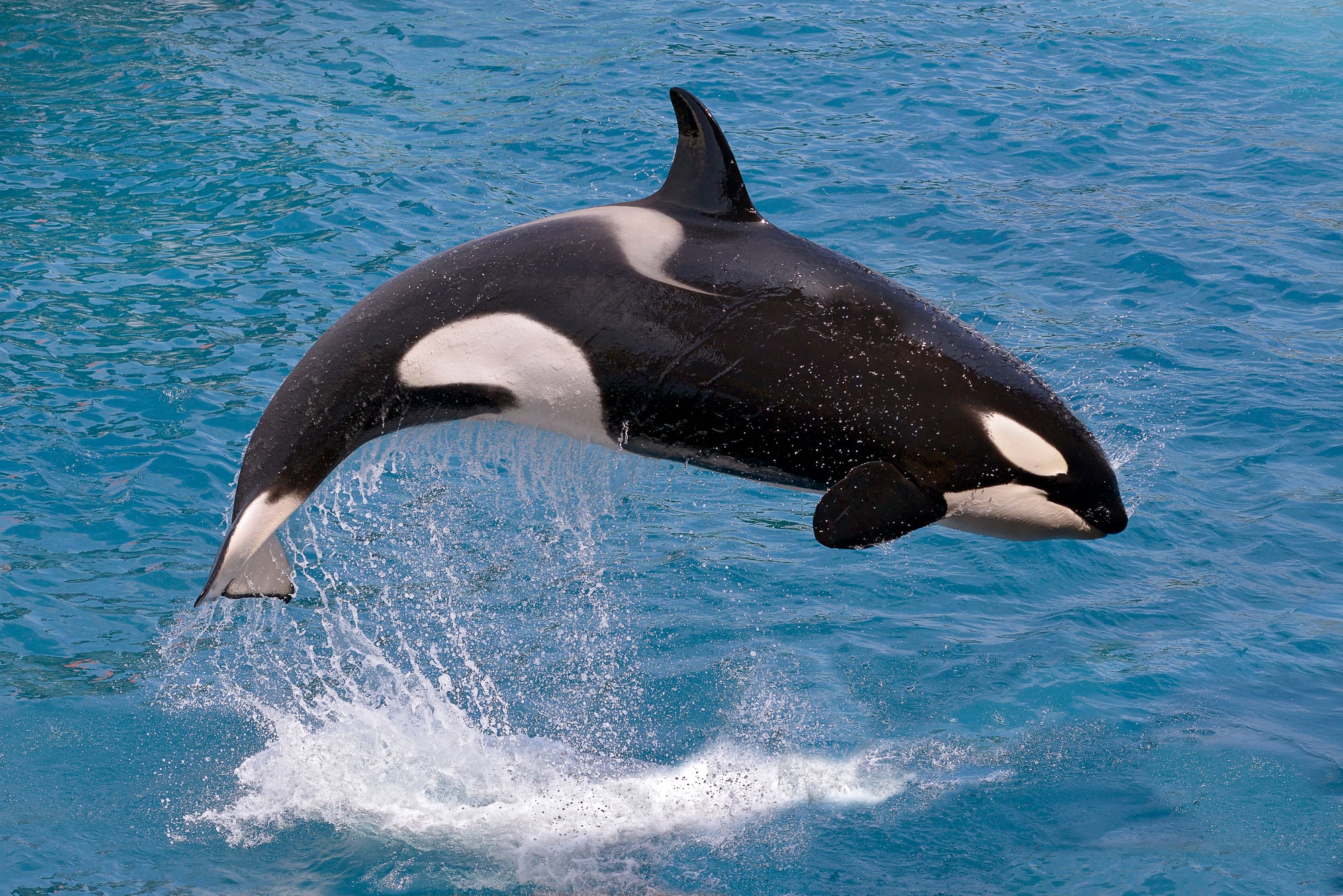
Captured off the British Columbia coast in 1969, Corky has been held in captivity longer than any other orca, over 55 years. Unlike other famous orcas that made headlines through dramatic incidents, Corky represents the quiet tragedy of long-term captivity.
Her story became a focus for activists arguing that cetaceans’ complex social needs and vast ocean ranges make any captive facility inadequate. Corky never bred successfully in captivity despite decades of attempts, and her continued confinement at SeaWorld served as an ongoing symbol of the orca captivity industry’s failure to provide appropriate care.
African Elephants in Traveling Circuses
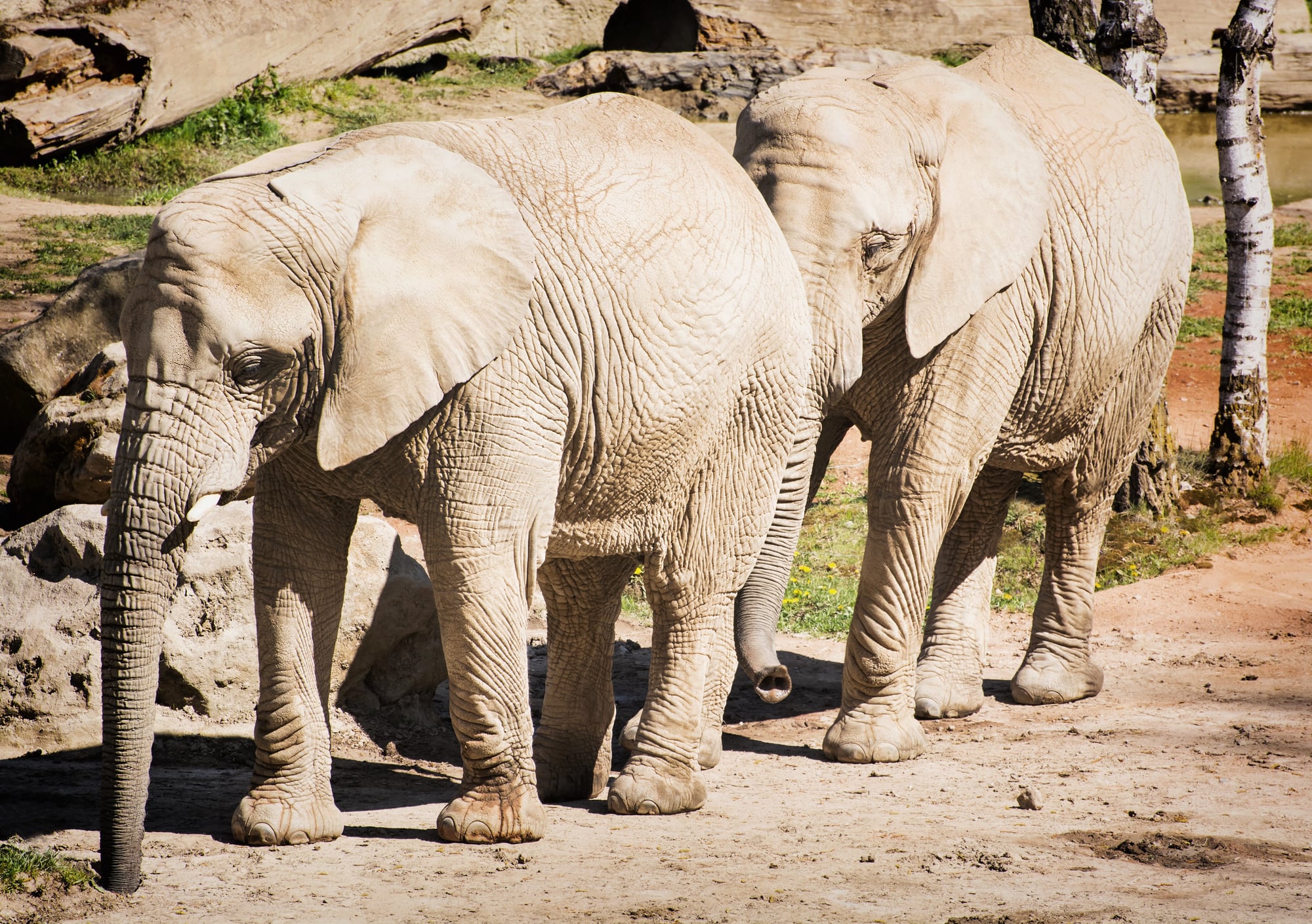
Beyond Ringling’s elephants, African elephants have been part of numerous traveling circuses globally. Animals including African elephants from Kenya were documented being transported across continents for circus performances.
The stress of travel combined with inadequate housing and training using painful methods led to numerous welfare violations. Documentaries and photographic evidence of these animals’ conditions helped galvanize international opposition to exotic animals in traveling entertainment.
Many countries have now banned or severely restricted the use of wild animals in circuses.
Big Cats in Circuses
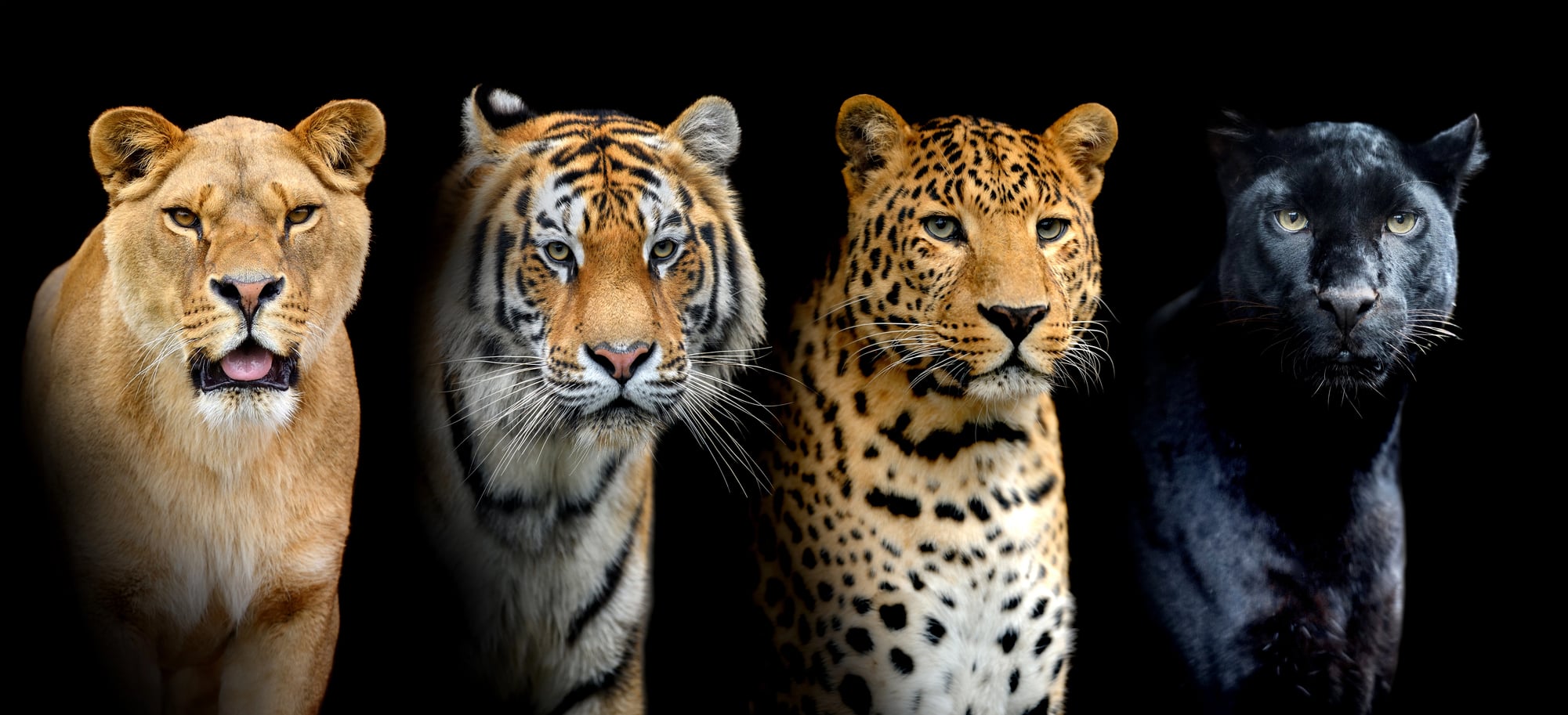
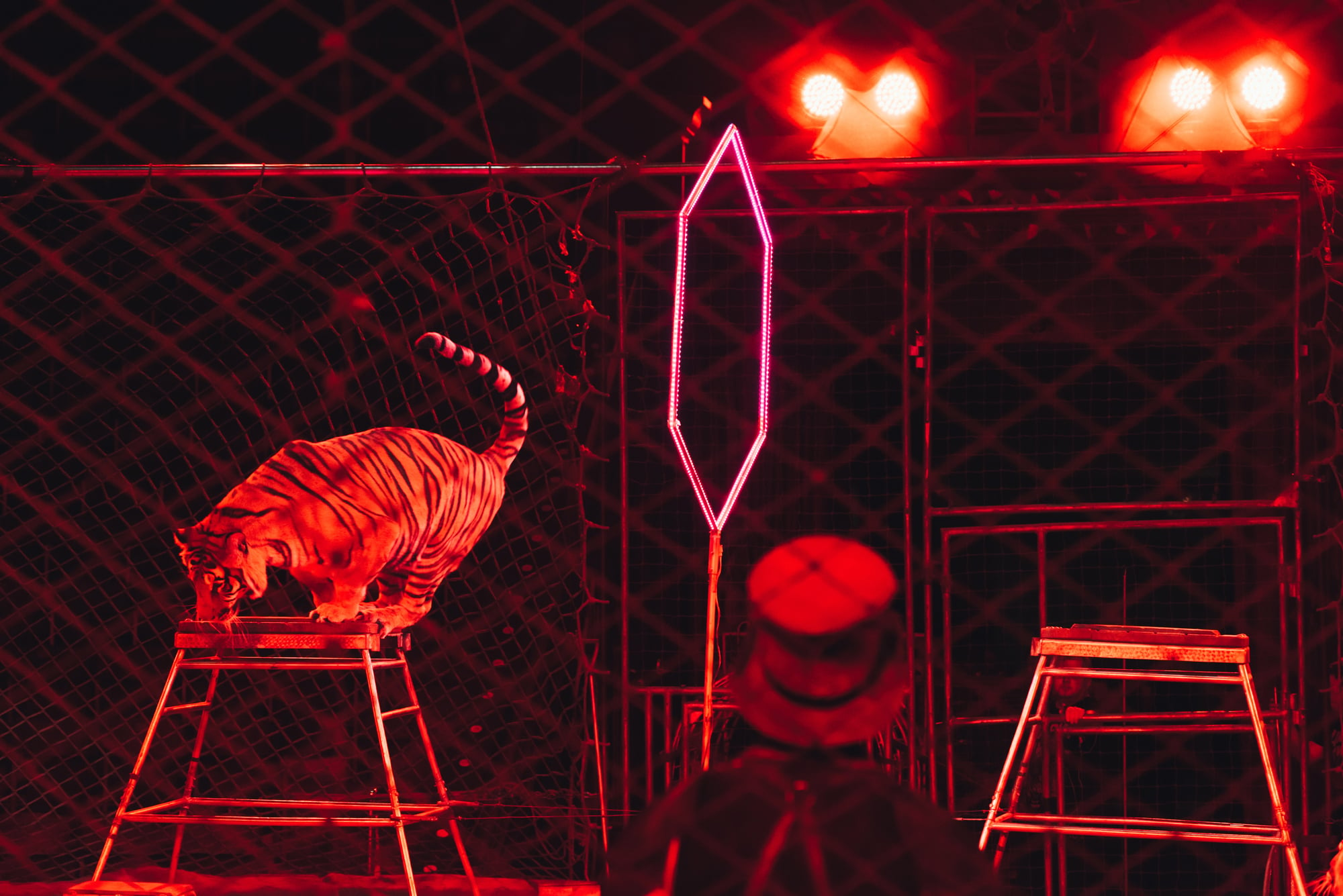
Lions, tigers, and leopards used in circus acts have been documented experiencing stress-related health problems including stereotypic behaviors, malnutrition, and untreated injuries. Training methods involving whips and shock collars became increasingly scrutinized by animal welfare organizations.
The image of big cats performing unnatural tricks became less associated with wonder and more with exploitation. Many jurisdictions have now banned the use of big cats in traveling circuses, and the shift in public sentiment makes revival of such acts unlikely.
Chimpanzees and Primates in Entertainment
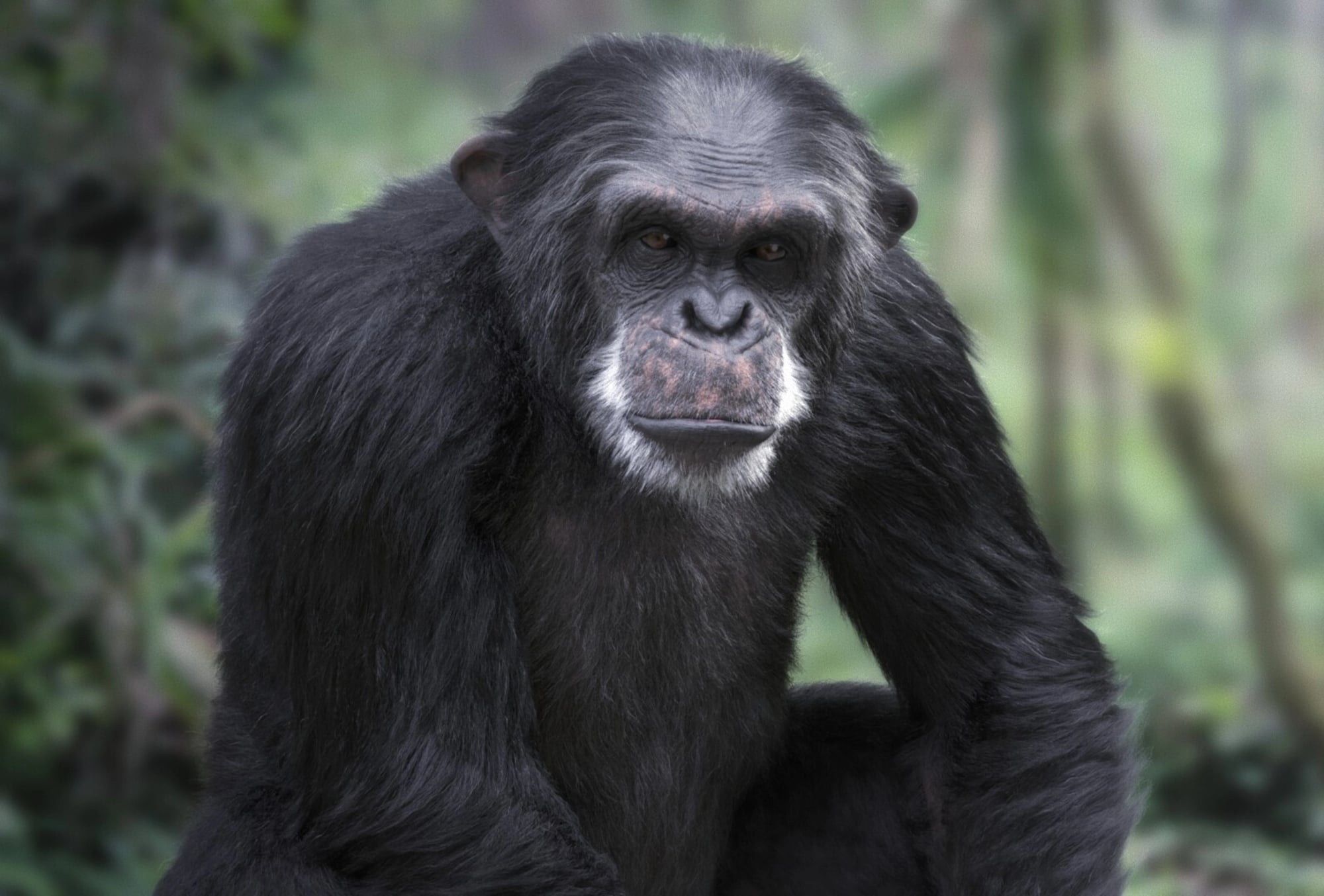
Chimpanzees and other primates were common in circus performances throughout the mid-twentieth century. Documentation of training methods and the animals’ subsequent behavioral problems—including aggression toward trainers and self-harm—demonstrated that primates suffer significant psychological damage from captive entertainment.
Several high-profile incidents where trained primates attacked humans further turned public opinion against the practice. Most countries have now banned or severely restricted using primates in entertainment, though some smuggling and illegal entertainment facilities persist.
Dancing Bears
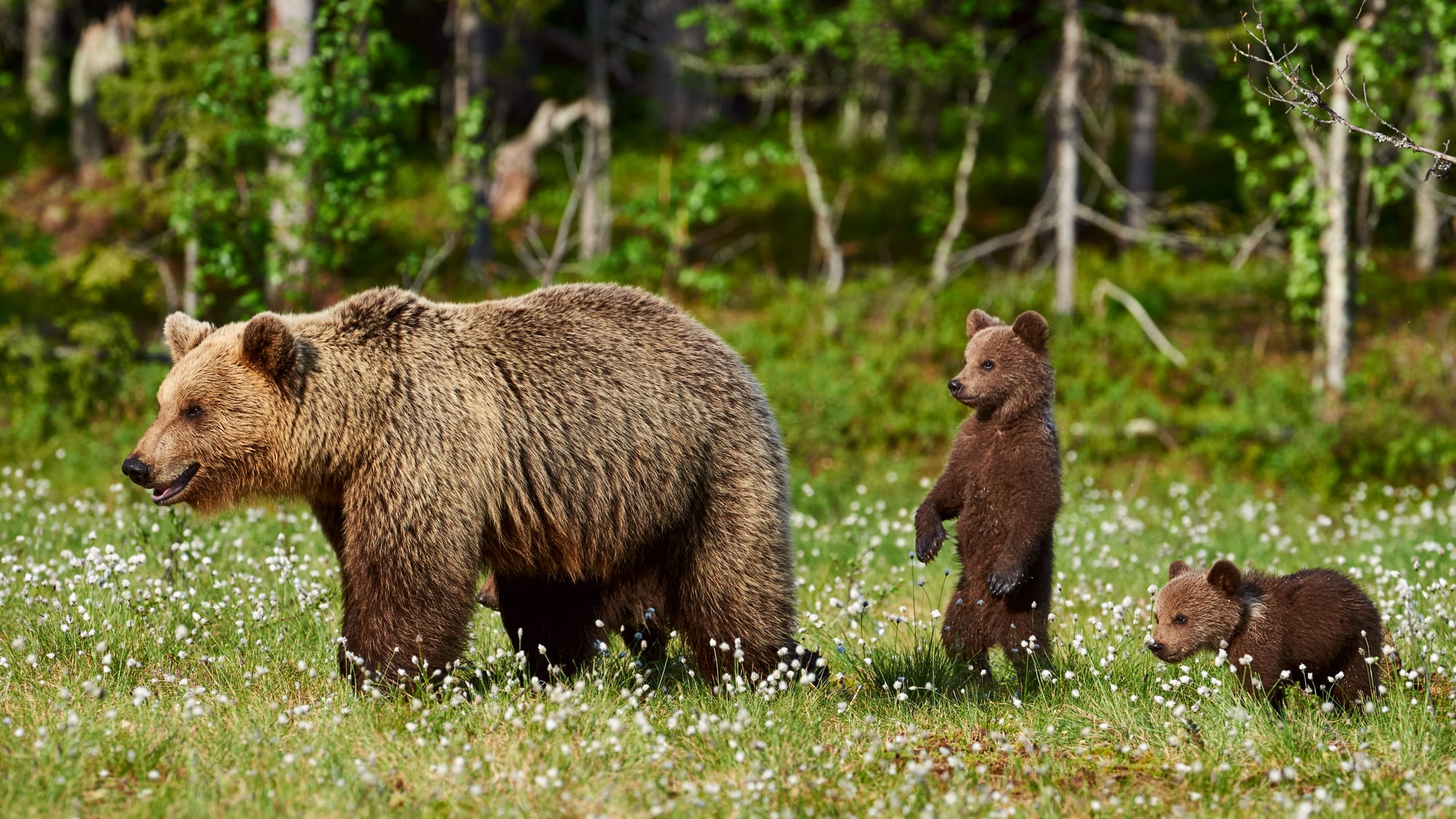
In parts of Europe, Asia, and the Middle East, bears were kept specifically for performances in which they were forced to “dance.” The bears were typically tortured during training—often through the use of hot irons on their feet or rings pierced through their noses.
Documentation of these practices by animal welfare organizations generated international outrage. Several countries have banned the practice, and rescue sanctuaries now care for retired dancing bears.
The visibility of these animals’ stories led to international agreements restricting bear entertainment.
Shift in Regulatory Response
As public opinion changed, governments responded by implementing bans and restrictions. Cities including Los Angeles, Oakland, and San Francisco prohibited the use of bullhooks in elephant training.
Several U.S. states and numerous countries passed laws banning wild animals from circuses entirely. European nations coordinated restrictions through the European Union.
The shift from permitting wild animal entertainment to prohibiting it represents one of the fastest changes in animal welfare regulation, driven almost entirely by public opinion change rather than scientific discovery. The evidence of harm existed for decades; what changed was whether society was willing to acknowledge and act on it.
Documentary Impact
Films including “Blackfish,” “The Cove,” and “Food Inc.” reached millions of viewers and fundamentally altered public perception of animal entertainment and exploitation. These documentaries presented evidence of abuse, interviewed former trainers who had experienced moral distress over their work, and offered viewers a framework for understanding animal welfare.
Social media amplified the reach of these messages, allowing them to spread faster and more widely than previous animal rights messaging. The combination of documentation, emotional narrative, and social media distribution created sufficient public pressure that entertainment companies chose to abandon profitable practices rather than weather continued protests.
Animal Performer Refusals
Some of the most important statements came from the animals’ handlers themselves. Trainers who had worked with wild animals for years began publicly expressing regret and refusing to continue work they had come to view as abusive.
Their testimony carried special weight because it came from people who had previously participated in and benefited from the industry. Trainer defections communicated that concerns about animal welfare were not sentimental projection but observations grounded in daily interaction with the animals.
From Entertainment to Retirement
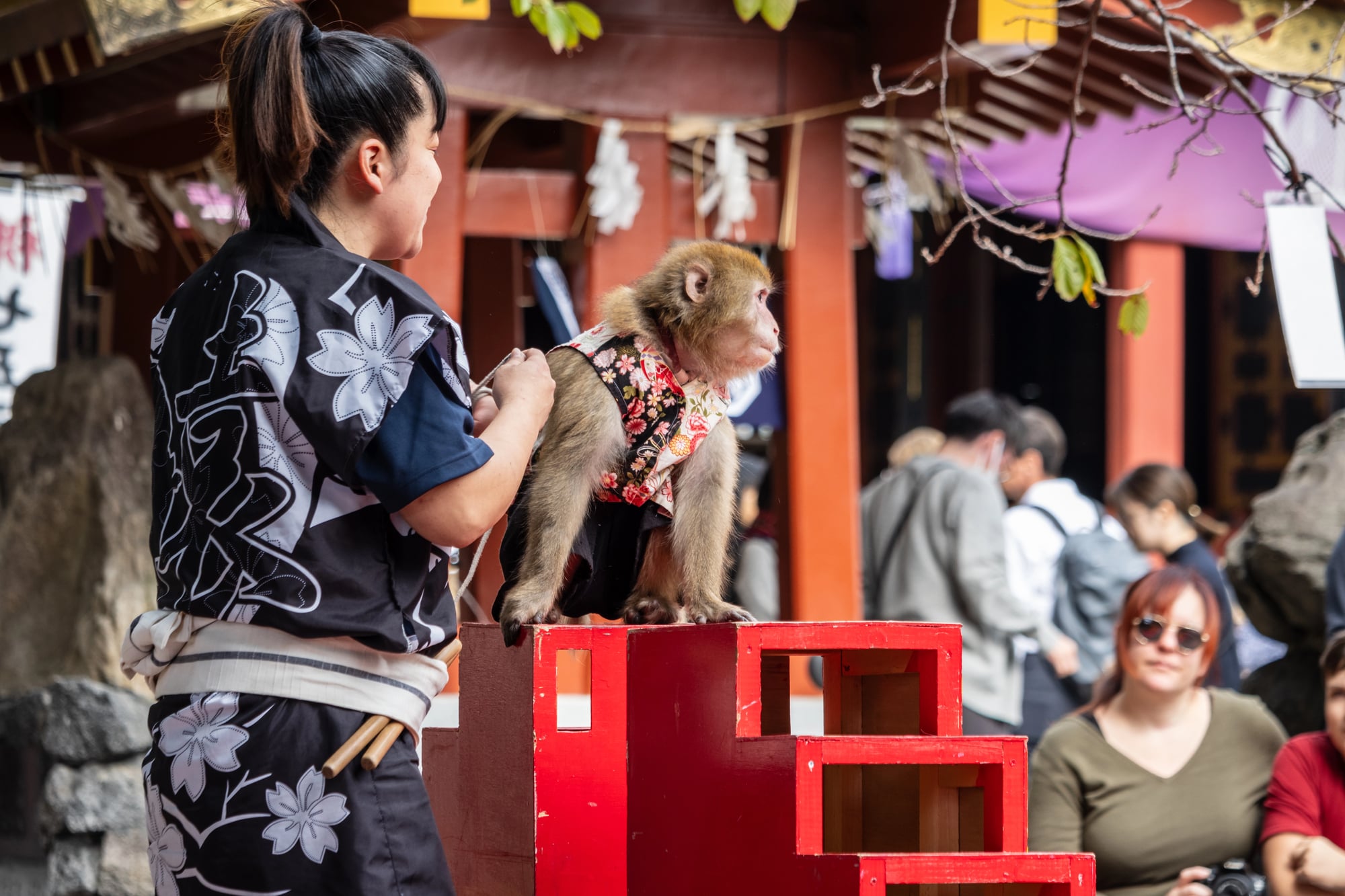
The transformation means that former circus animals now have options previously unavailable to them. Sanctuaries have been established to provide lifelong care for retired performing animals.
Laws have been passed requiring adequate living space and veterinary care for rescued animals. Some facilities have successfully transitioned performing animals into retirement, allowing them to develop more natural behaviors and social relationships.
The existence of humane alternatives to captive performance helped shift the debate, as the question shifted from “Should we have wild animal entertainment?” to “How do we provide the best life for animals currently in captivity?”
A Permanent Shift
The change in American attitudes toward wild animal entertainment has been remarkably rapid and appears permanent. Surveys showing increasing majorities opposed to circuses with animals, streaming services declining to promote circuses with animals, and corporate sponsors withdrawing support all indicate that a return to the entertainment model of the twentieth century is unlikely.
The stories of individual animals—Tilikum and Corky—combined with systematic documentation of harm transformed what had been normalized exploitation into something the majority of people recognize as abuse. The rise of animal welfare considerations represents one of the few areas where public opinion has moved decisively toward restricting an industry rather than expanding it.
More from Go2Tutors!

- The Romanov Crown Jewels and Their Tragic Fate
- 13 Historical Mysteries That Science Still Can’t Solve
- Famous Hoaxes That Fooled the World for Years
- 15 Child Stars with Tragic Adult Lives
- 16 Famous Jewelry Pieces in History
Like Go2Tutors’s content? Follow us on MSN.