Most Detailed Photos of Saturn Ever Captured by NASA
The rings shimmer like scattered starlight frozen in motion. Saturn, that distant jewel of the solar system, has captivated humanity for centuries through telescopes and imagination alike.
But the images arriving from NASA’s spacecraft have transformed our relationship with this gas giant entirely — these aren’t the blurry, distant dots our ancestors squinted at through early telescopes. These are portraits so detailed they reveal individual particles dancing in Saturn’s rings, storms larger than Earth swirling through its atmosphere, and moons that look close enough to touch.
Each photograph tells the story of a world both alien and achingly beautiful, captured by machines that traveled billions of miles to bring Saturn’s secrets home.
The Great Hexagon
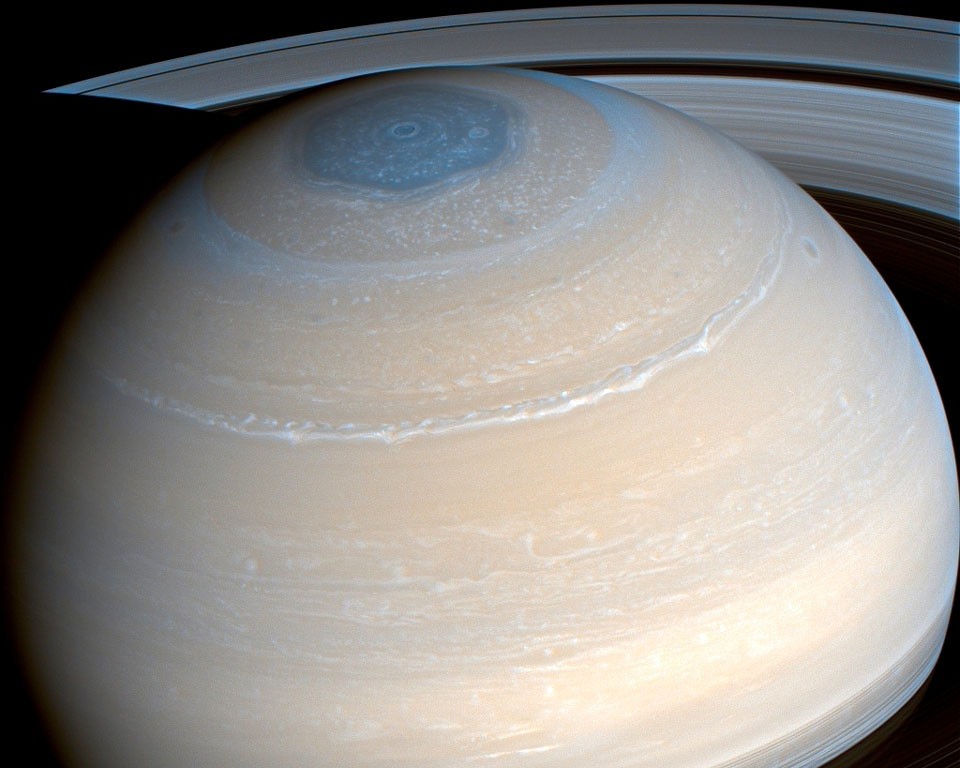
Saturn’s north pole defies explanation. A perfect hexagon, each side longer than Earth’s diameter, sits spinning at the planet’s crown like some cosmic blueprint drawn by an engineer with impossible precision.
Ring Particle Resolution
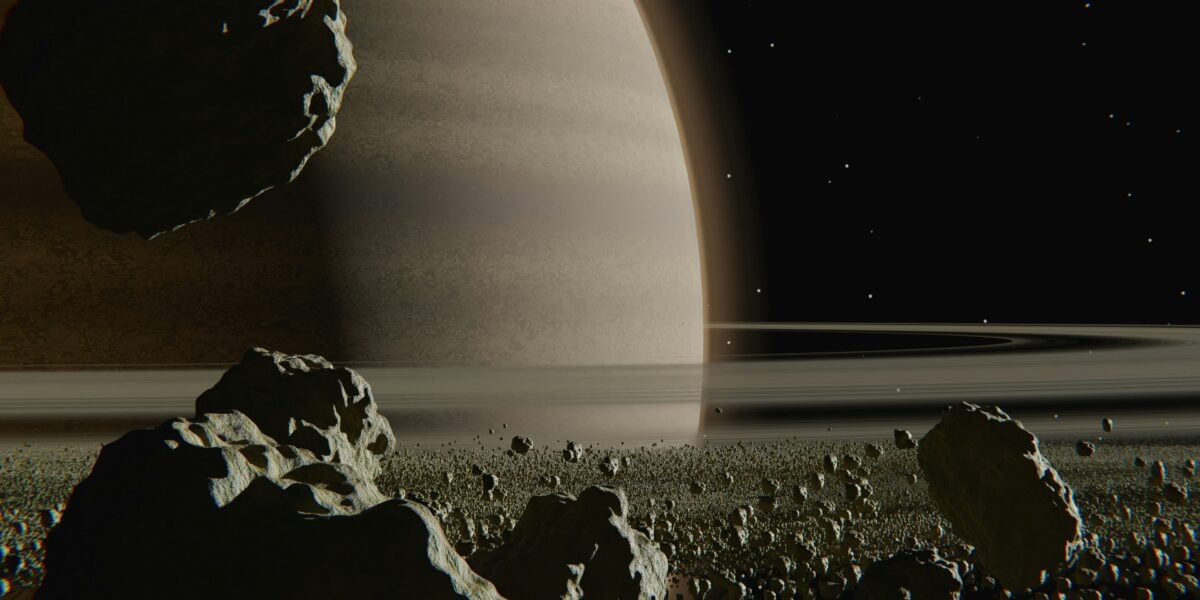
The images show something remarkable: Saturn’s rings aren’t smooth bands of light (as telescopes suggested for centuries) but countless chunks of ice and rock, some no bigger than snowballs, others the size of houses, all caught in an eternal orbital dance that creates the illusion of solid rings from a distance. And yet the detail goes deeper — you can see the gaps between ring systems, the braided patterns where shepherd moons corral particles into line, the spokes that appear and vanish like ghostly wheel spokes turning through cosmic dust.
But here’s what strikes you most: the realization that this beautiful, orderly system is actually chaos made elegant by physics, billions of individual objects that somehow arrange themselves into patterns so perfect they look designed rather than natural.
Storm Systems
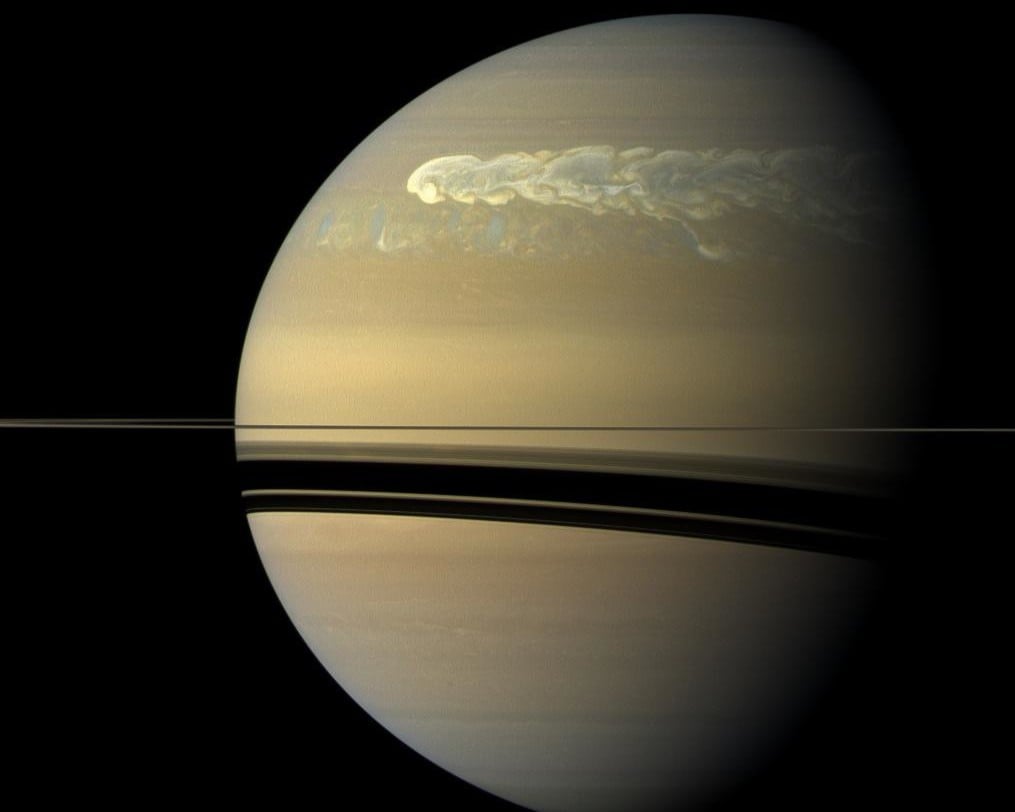
Complex weather dominates Saturn’s atmosphere. The planet generates storms that dwarf Earth’s hurricanes — some lasting decades, others appearing and vanishing within months.
Lightning flashes illuminate cloud bands from within.
Cassini’s Final Dive
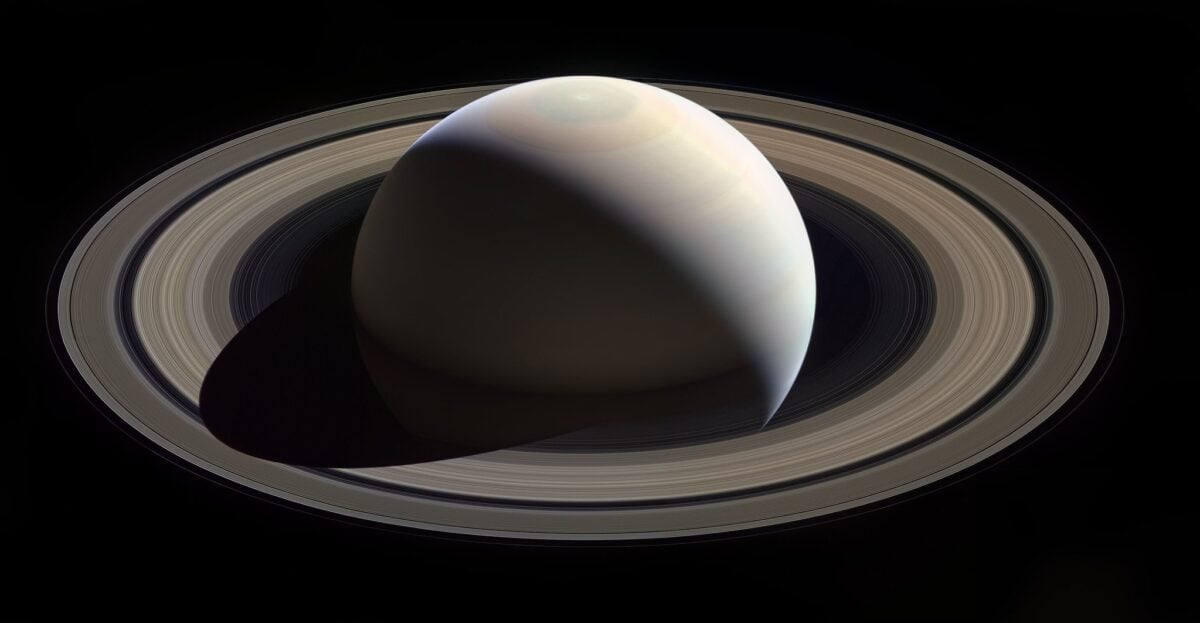
There’s something both triumphant and melancholy about Cassini’s last photographs — a spacecraft that spent thirteen years circling Saturn, sending back image after image, finally plunging into the planet’s atmosphere in a controlled death dive that prevented any chance of contaminating Saturn’s moons with Earth bacteria. The final images arrive grainy and desperate, transmitted at the last possible moment before the spacecraft disintegrated, like final letters sent from an explorer who knows there’s no journey home.
Those last pictures capture Saturn’s atmosphere from the inside, a perspective no human eyes will likely see again for decades, maybe longer.
Moon Details
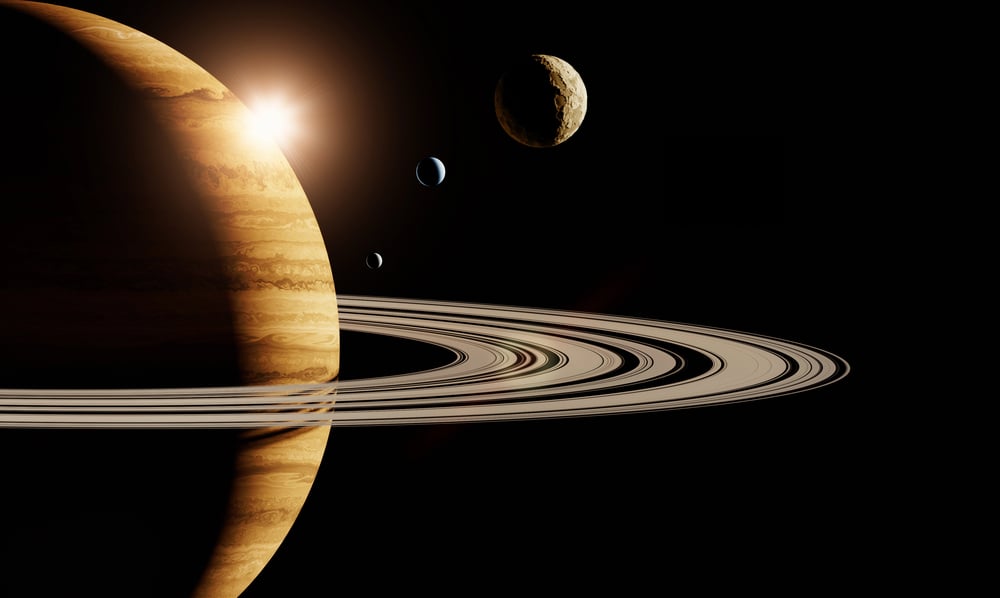
Saturn’s moons look nothing like Earth’s single, crater-marked companion. Enceladus shoots geysers of water into space through cracks in its icy surface — clear evidence of an ocean beneath that could harbor life.
Titan, larger than Mercury, sports lakes of liquid methane and an atmosphere thicker than Earth’s. These aren’t dead rocks orbiting a gas giant.
Atmospheric Layers
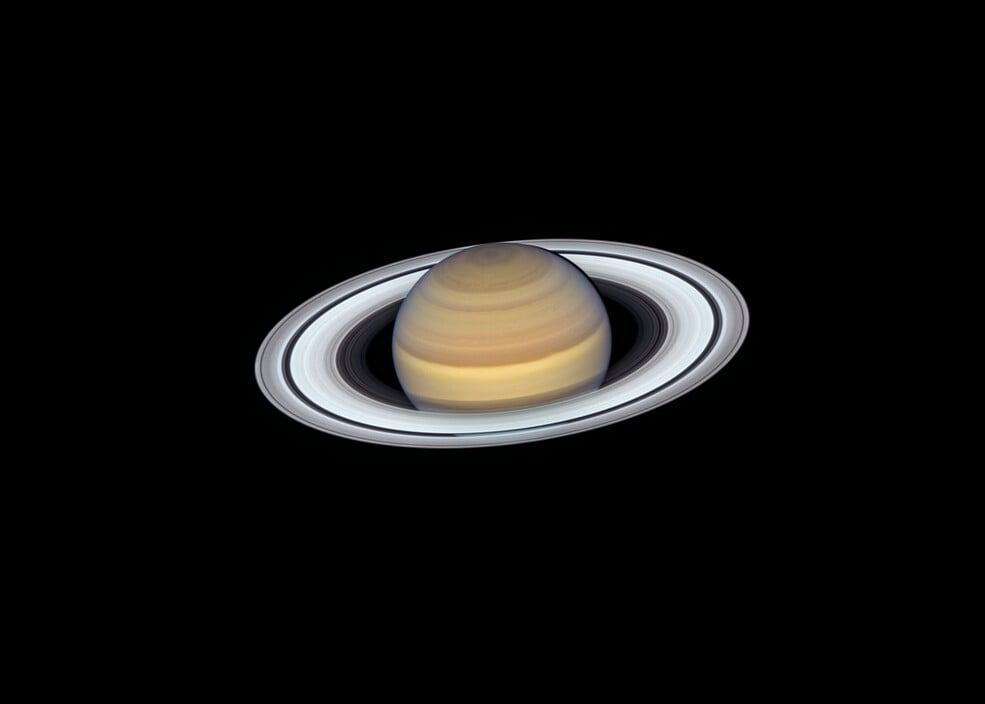
The photographs reveal Saturn’s atmosphere in cross-section, showing distinct layers of clouds at different altitudes — some cream-colored, others golden, still others nearly invisible except where they cast shadows on the layers beneath them (creating depth that makes Saturn look less like a flat disk and more like the three-dimensional world it actually is). And the wind speeds boggle the mind: jet streams racing at hundreds of miles per hour, carrying clouds around the planet in neat, organized bands that never seem to mix or blur together despite the violence of their motion.
but perhaps most startling is how the atmosphere changes color as you move from pole to equator, shifting through subtle variations that suggest different chemical compositions, different temperatures, different pressures — a world where the very air tells the story of planetary physics written large.
Ring Shadows
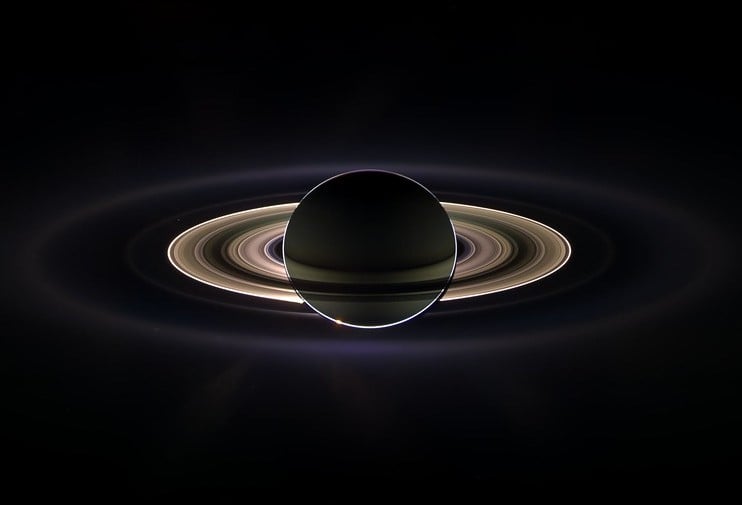
Saturn casts shadows on its own rings. The planet blocks sunlight from reaching portions of the ring system, creating dark bands that shift and change as Saturn orbits the Sun.
The rings also cast shadows on Saturn itself.
Surface Texture of Moons
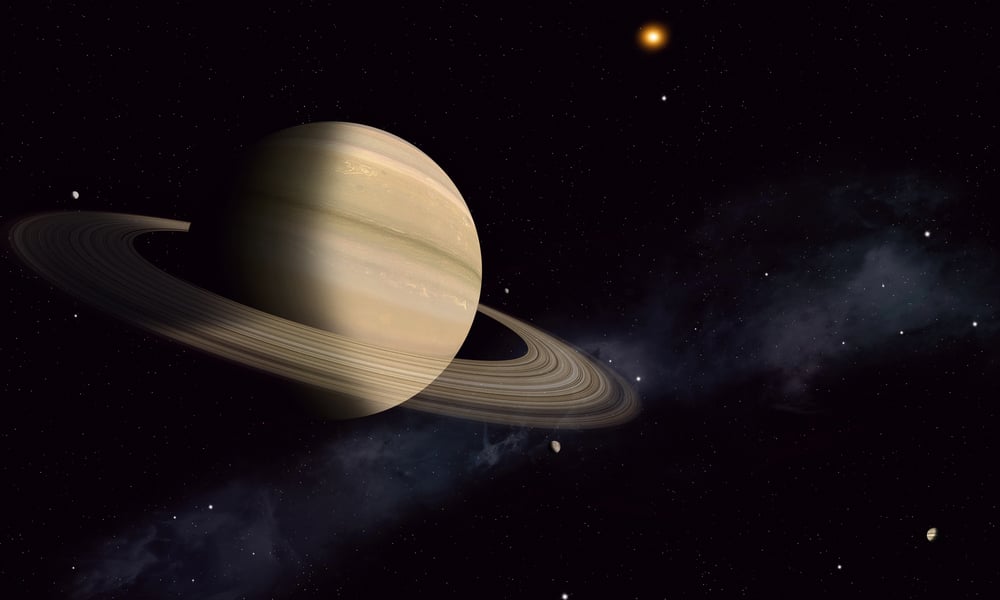
Each of Saturn’s major moons tells its own story through surface features that the detailed images reveal with startling clarity — Iapetus, half bright as fresh snow, half dark as charcoal, with a ridge running along its equator like a seam where two different worlds were stitched together. Dione’s cliffs and valleys speak of ancient geological violence.
Rhea’s craters overlap like bullet marks in cosmic target practice, each impact preserved in ice for millions of years. These aren’t the smooth, featureless spheres that early astronomy suggested, but complex worlds with their own weather patterns, their own geology, their own mysteries that become more intriguing the closer the cameras look.
Spokes in the Rings
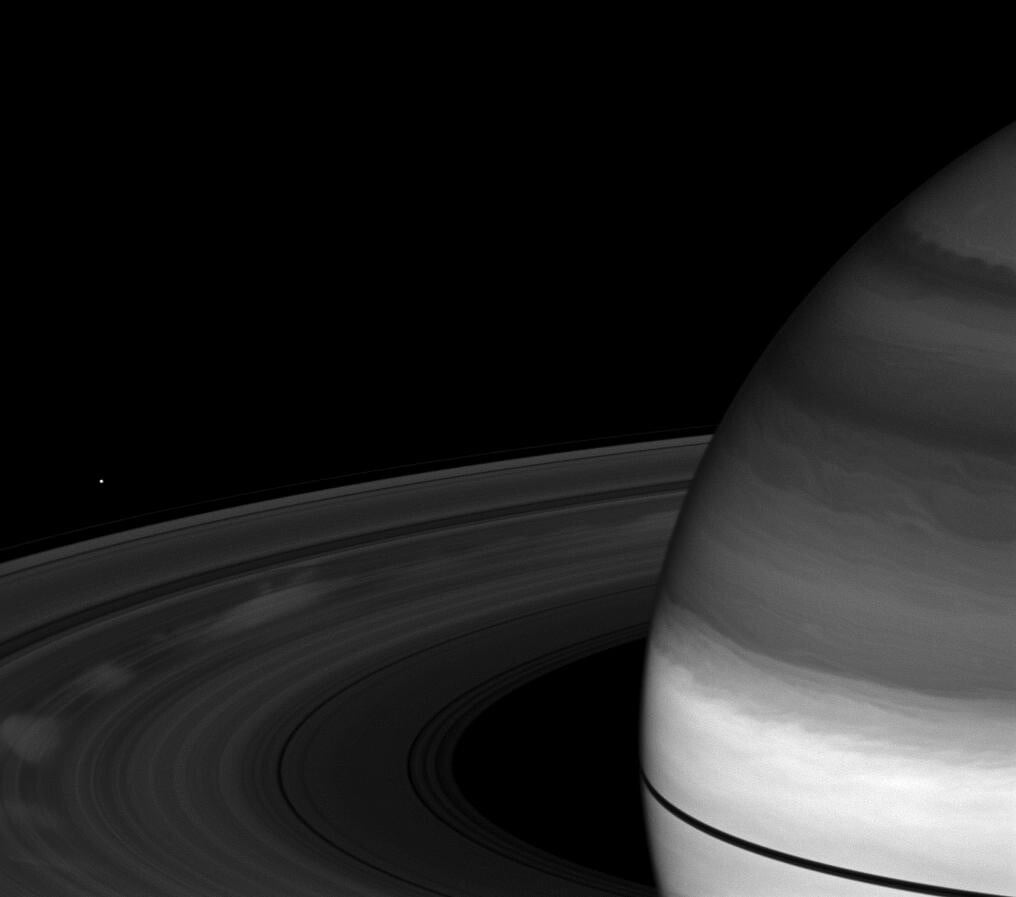
Mysterious dark spokes appear in Saturn’s B ring. They rotate with the planet’s magnetic field rather than following orbital mechanics. Scientists suspect electromagnetic forces create these temporary features.
Color Variations
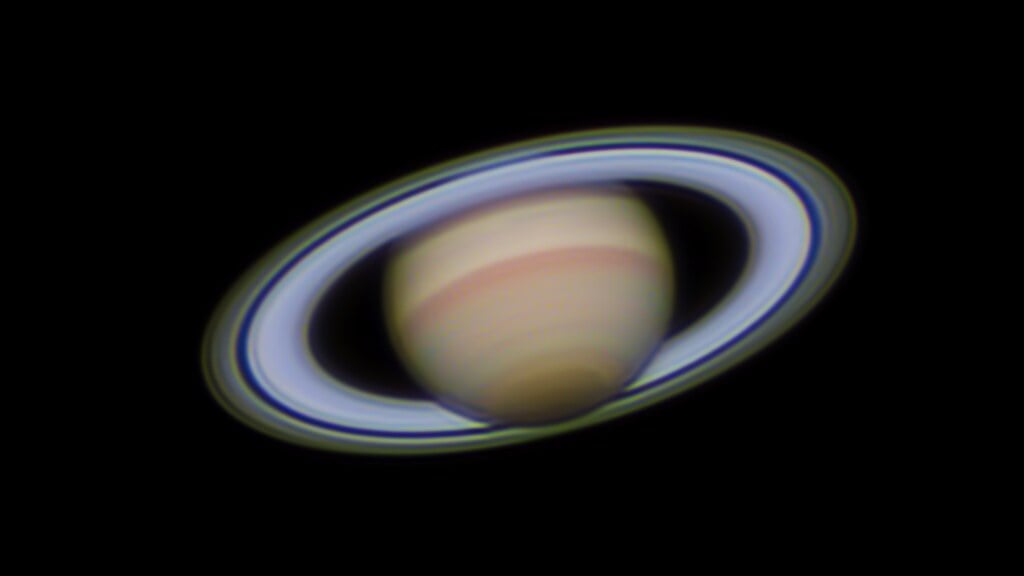
The most detailed Saturn images capture color variations that human eyes would never detect from Earth — subtle shifts in hue that reveal the chemical composition of different atmospheric layers, ring particles that range from nearly pure water ice (appearing blue-white) to contaminated chunks that show rust-colored or golden tints depending on what minerals they’ve collected over millions of years of cosmic bombardment. And then there are the seasonal changes: Saturn’s tilt creates seasons that last seven Earth years each, and the photographs document how the planet’s appearance shifts as different hemispheres receive more or less sunlight, how the rings themselves seem to change color as the Sun’s angle shifts, how atmospheric patterns reorganize themselves in response to these glacially slow but inevitable changes in solar heating.
Gravitational Effects
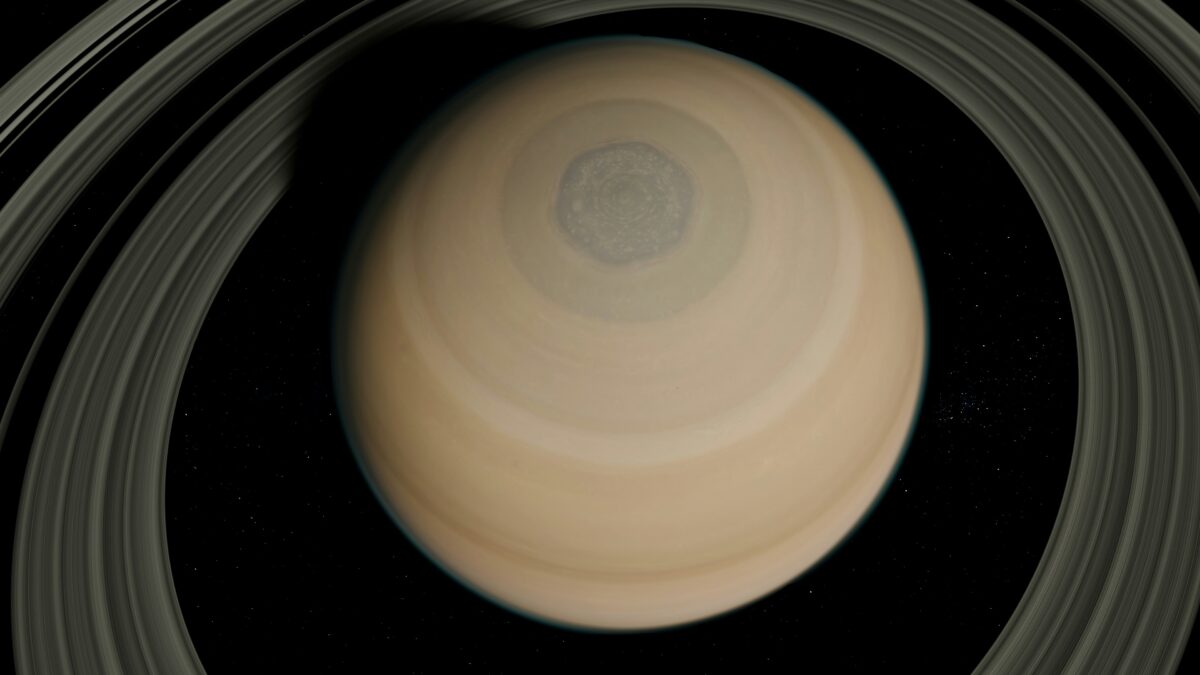
Ring particles don’t orbit randomly. Gravitational resonances with Saturn’s moons create gaps, density waves, and shepherding effects that maintain the ring structure against forces that should scatter the particles.
Lightning on Saturn
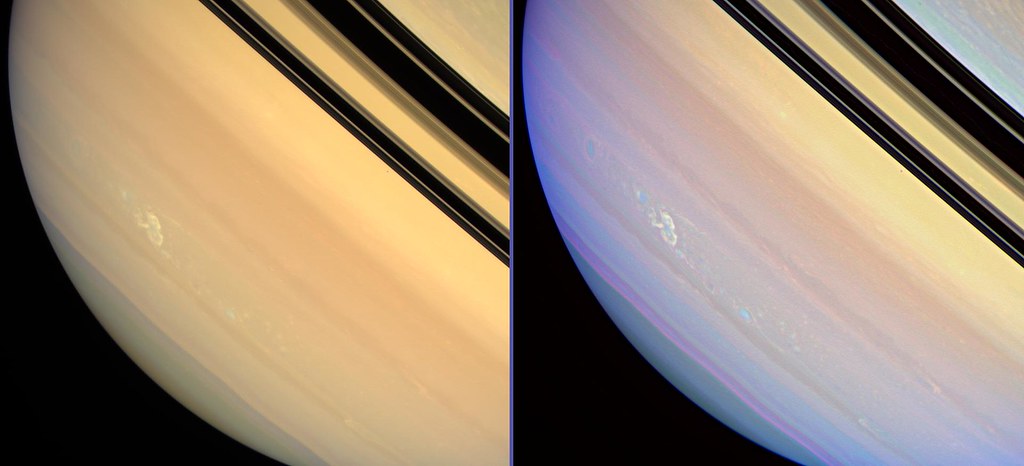
The images capture something extraordinary: lightning bolts flickering through Saturn’s atmosphere, some of them thousands of times more powerful than Earth’s lightning, creating radio signals that NASA’s instruments detected long before the cameras could actually photograph the flashes themselves. These aren’t brief sparks but sustained electrical storms that can rage for months, generating more energy in a single bolt than some countries produce in a year.
What makes this even more remarkable is that Saturn’s lightning occurs in the planet’s water cloud layer, suggesting that despite being a gas giant orbiting nearly a billion miles from the Sun, Saturn experiences weather phenomena surprisingly similar to Earth’s — just scaled up to planetary proportions that make our hurricanes look like gentle breezes by comparison.
Temperature Mapping
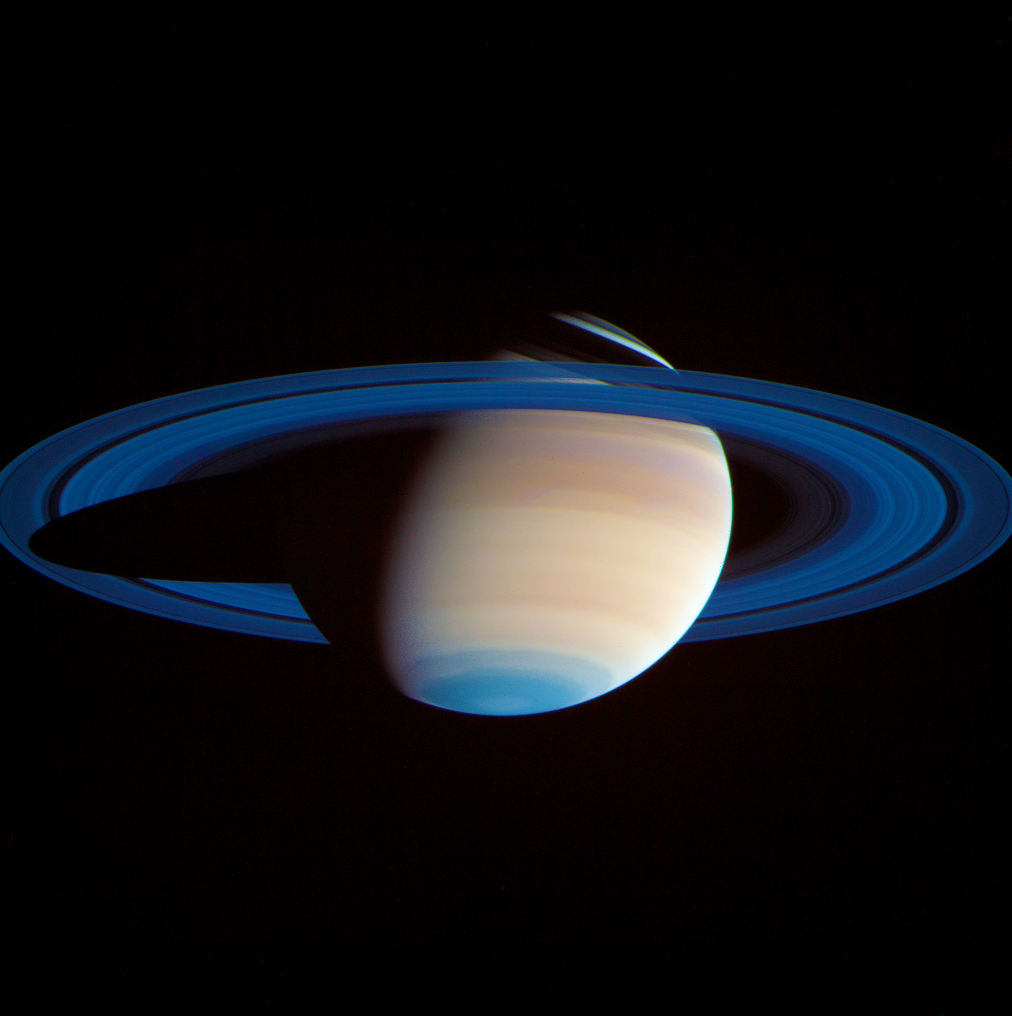
Saturn radiates more heat than it receives from the Sun. Infrared images reveal hot and cold regions across the planet’s surface, showing how internal heat generation affects atmospheric circulation patterns.
Ring Dynamics
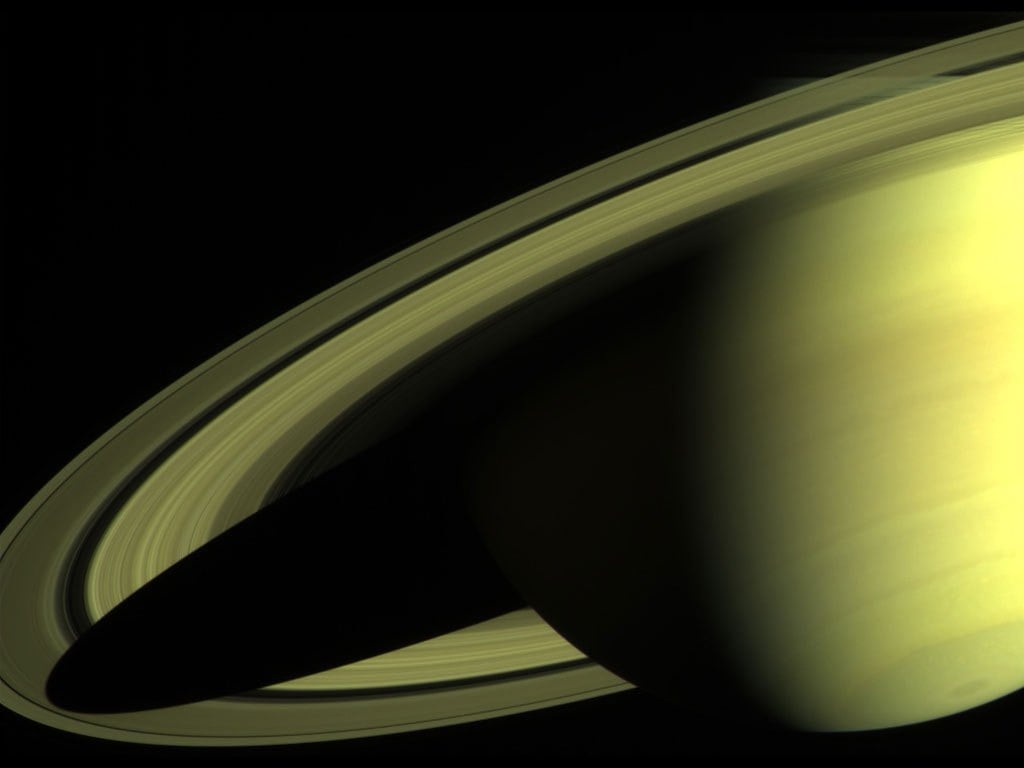
Think of Saturn’s rings as a cosmic laboratory where physics plays out on a scale visible from space — individual ring particles constantly colliding, sticking together, breaking apart, all while maintaining the overall ring structure through a delicate balance of gravitational forces, orbital mechanics, and electromagnetic effects that scientists are still working to fully understand. The most detailed images show this process in action: clumps forming and dissolving, spiral density waves propagating through the ring system like ripples in a pond, gaps opening and closing as shepherd moons migrate in their orbits.
It’s a dynamic sculpture created by mathematics, beautiful precisely because it follows physical laws rather than artistic intention.
Beyond the Visible Spectrum
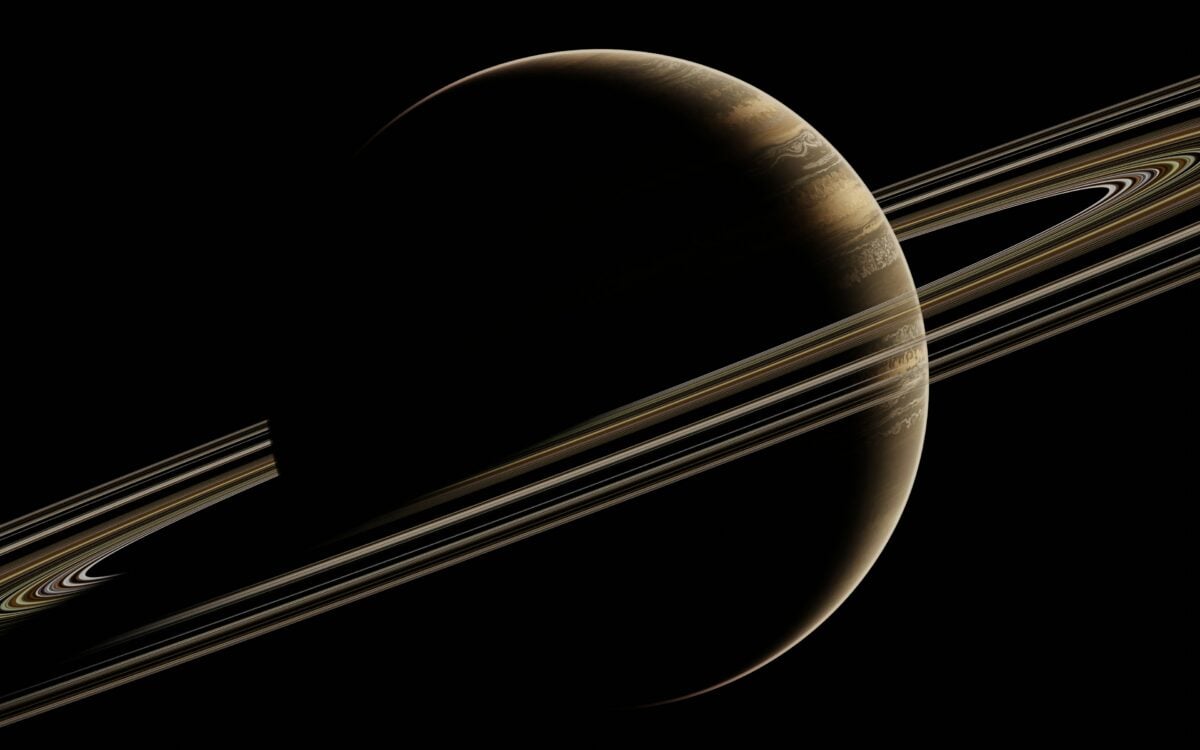
The most revealing Saturn photographs aren’t always the ones that look most spectacular to human eyes but rather the images captured in infrared, ultraviolet, and other wavelengths that reveal hidden details about atmospheric composition, temperature variations, and chemical processes occurring in Saturn’s upper atmosphere — wavelengths that strip away the haze and cloud cover to show deeper atmospheric layers, or that highlight specific molecules like methane, ammonia, and water vapor as they move through the planet’s complex weather systems.
These false-color images often look alien, rendering Saturn in purples, greens, and reds that no human eye would see, but they contain information that visible light alone could never provide, turning Saturn from a beautiful but mysterious object into a world whose secrets become readable to those who know how to interpret the electromagnetic spectrum.
A Portrait of Deep Time
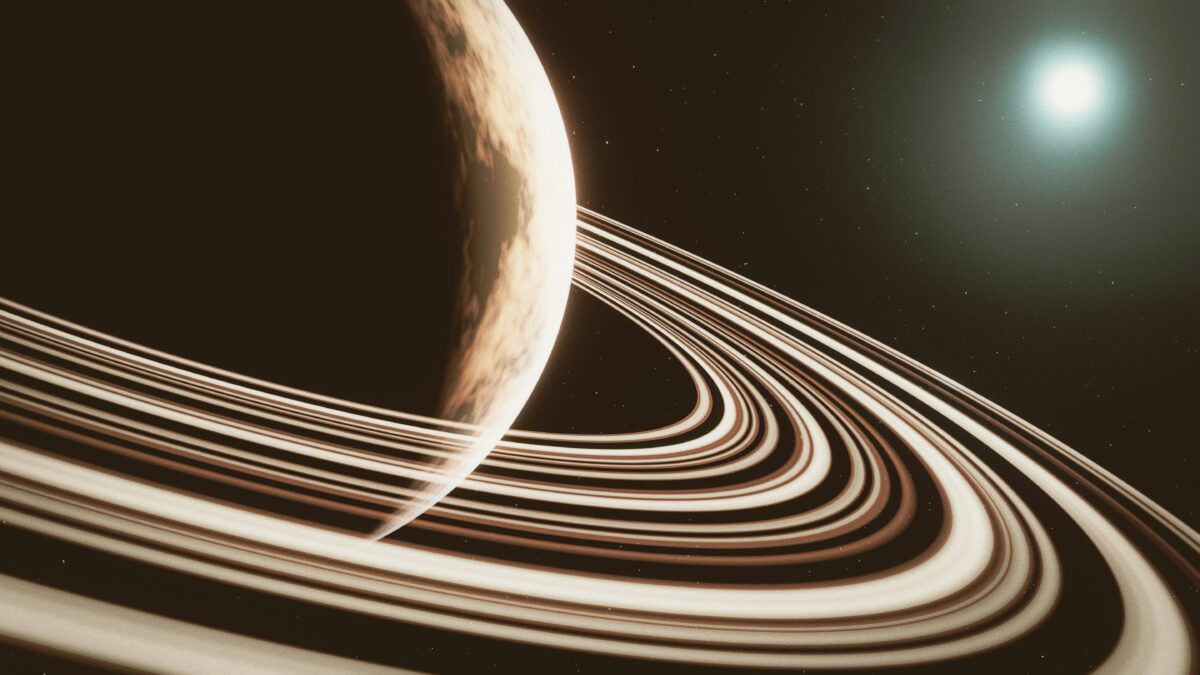
Saturn’s photographs capture something that defies human comprehension: a world operating on timescales that dwarf civilizations. Those rings have been spinning for possibly hundreds of millions of years, maybe longer.
The storms we see today began before humans walked upright. The moons have been locked in their orbital dance since before complex life existed on Earth.
And yet here we are, clever primates who learned to build machines capable of traveling across the solar system to bring back portraits of worlds our ancestors could only imagine. The images aren’t just technically impressive — they’re proof that curiosity, given enough time and resources, can bridge any distance.
More from Go2Tutors!

- The Romanov Crown Jewels and Their Tragic Fate
- 13 Historical Mysteries That Science Still Can’t Solve
- Famous Hoaxes That Fooled the World for Years
- 15 Child Stars with Tragic Adult Lives
- 16 Famous Jewelry Pieces in History
Like Go2Tutors’s content? Follow us on MSN.