25 Facts About Twins That Sound Too Strange to Be True
Twins have captivated human imagination since ancient times, yet the biological reality of how they develop and behave continues to defy expectations. The twin phenomenon isn’t simply a matter of two babies sharing a womb—it’s a complex interplay of genetics, chance, and environment that produces outcomes so unusual they read like science fiction.
These aren’t the heartwarming bonding moments found in pop culture; these are the genuinely strange truths about human development that even genetic researchers find astonishing.
Identical Twins Have Completely Different Fingerprints

Despite sharing nearly 100% of their DNA, identical twins maintain distinct fingerprints throughout their lives. This happens because fingerprints form between weeks 13 and 19 of fetal development through a combination of genetics and environmental factors in the womb, including umbilical cord positioning, amniotic fluid pressure, and nutrition.
The odds of two people sharing identical fingerprints are less than one in 64 billion, making even identical twins forensically distinguishable from birth.
Around 40% of Twins Invent Their Own Secret Language

Twin infants frequently create private communication systems that only they understand, a phenomenon linguists call “cryptophasia” or twin speech. This custom language usually emerges between six and twelve months and remains the dominant form of communication until the children expand their vocabulary or enter social environments with other language models.
In most cases, the private language disappears as standard vocabulary develops, though some twins report lingering traces into adulthood.
Taller Women Are Significantly More Likely to Have Twins

A 2006 study found that mothers of twins were on average more than one inch taller than mothers of singletons. This occurs because taller women naturally produce higher levels of insulin-like growth factor (IGF), a protein that increases ovary sensitivity and triggers spontaneous ovulation of multiple eggs.
This biological quirk means height directly influences the probability of conceiving fraternal twins without fertility intervention.
Mirror-Image Twins Exist and Are Actually Stranger Than Identical Twins

Mirror-image twins occur when a single fertilized egg splits between eight and twelve days after conception, creating two individuals who are anatomically reversed versions of each other. One twin may be left-handed while the other is right-handed, and distinctive marks or birthmarks appear on opposite sides of their bodies.
Though rare, these twins represent one of nature’s most remarkable symmetries.
One Twin Can Be Absorbed Into the Other Before Birth

Vanishing twin syndrome occurs in an estimated 21 to 30% of twin pregnancies when one fetus ceases developing and is reabsorbed by the surviving twin, the placenta, or the mother’s body. The condition often results from chromosomal abnormalities in the vanishing fetus and may go entirely unnoticed if it occurs before early ultrasound detection.
In rare cases, the absorbed fetal tissue remains within the surviving twin, creating a chimeric individual with two distinct sets of DNA.
Women Who Eat Dairy Products Are Five Times More Likely to Have Twins

Research by Dr. Gary Steinman at Long Island Jewish Medical Center found that women who regularly consume dairy have significantly elevated rates of fraternal twin conception. The mechanism relates to dairy’s influence on insulin-like growth factor levels and ovulation patterns.
This dietary connection is one of the few modifiable factors that demonstrably increases the chances of natural twin pregnancy.
Identical Twins Actually Have Slight Genetic Differences

Recent genomic analysis has revealed that “identical” twins accumulate individual genetic mutations throughout development, making them technically non-identical at the molecular level. These mutations occur independently in each twin after the initial embryo split and can lead to subtle differences in metabolism, disease susceptibility, and physical development.
The notion of perfect genetic identity has become a scientific myth.
Mothers of Twins Live Significantly Longer Than Other Mothers

A University of Utah study analyzing birth and death records spanning 1800 to 1970 found that women who gave birth to twins had longer lifespans than women who carried only singletons. The evolutionary trade-off suggests that the physiological capacity required to produce twins may correlate with overall longevity and health resilience.
This counterintuitive finding challenges assumptions about the physical toll of multiple births.
Twins Born to Left-Handed Parents Are Twice as Likely to Be Left-Handed

Approximately one in five twin pairs exhibit left-handedness, roughly double the rate in the general population. This elevated prevalence appears linked to the biological conditions that influence twinning rather than genetic inheritance patterns.
The mechanism remains incompletely understood but suggests environmental factors during twin development favor left-dominant neural organization.
Candy Godoi, Brazil, Has a Twin Birth Rate Nearly Ten Times the Global Average

The Brazilian town of Candy Godoi boasts an astonishing 18% twin birth rate, with many twin births involving children with blonde hair and blue eyes, unusual characteristics for the region. Some researchers have speculated about the cause, though the phenomenon remains scientifically unexplained.
The town has become an international curiosity for geneticists studying the environmental or hereditary factors that influence twinning rates.
Conjoined Twins Form When the Embryo Splits Incompletely Between Days 8-13

When a single fertilized egg fails to completely separate beyond 12 days after conception, conjoined twins develop with physically connected bodies. The extent and location of connection varies dramatically, from shared skin to fused internal organs.
Surgical separation may or may not be possible, depending on the nature and complexity of the anatomical union.
Parasitic Twins Represent One of the Rarest Variations of Twinning

Parasitic twins occur when one twin fails to develop fully and becomes physically dependent on the body of the surviving twin, sometimes remaining undiscovered for years. The underdeveloped twin may exist as an attached mass lacking independent organ systems, living off the circulation of the dominant twin.
Fewer than 100 documented cases exist in medical literature.
Twins Can Be Conceived Three Weeks Apart Through Superfetation

In an extraordinarily rare phenomenon called superfetation, a woman already pregnant becomes pregnant a second time, with the second fetus conceived one to three weeks after the first. A documented case in the United Kingdom involved a woman whose twins had different gestational ages and a three-week age gap between conception and birth, yet both children were delivered on the same day.
Fewer than ten confirmed cases appear in the entire medical literature due to the body’s hormonal mechanisms designed to prevent this occurrence.
Irish Twins Born 87 Days Apart Both Survived and Thrived
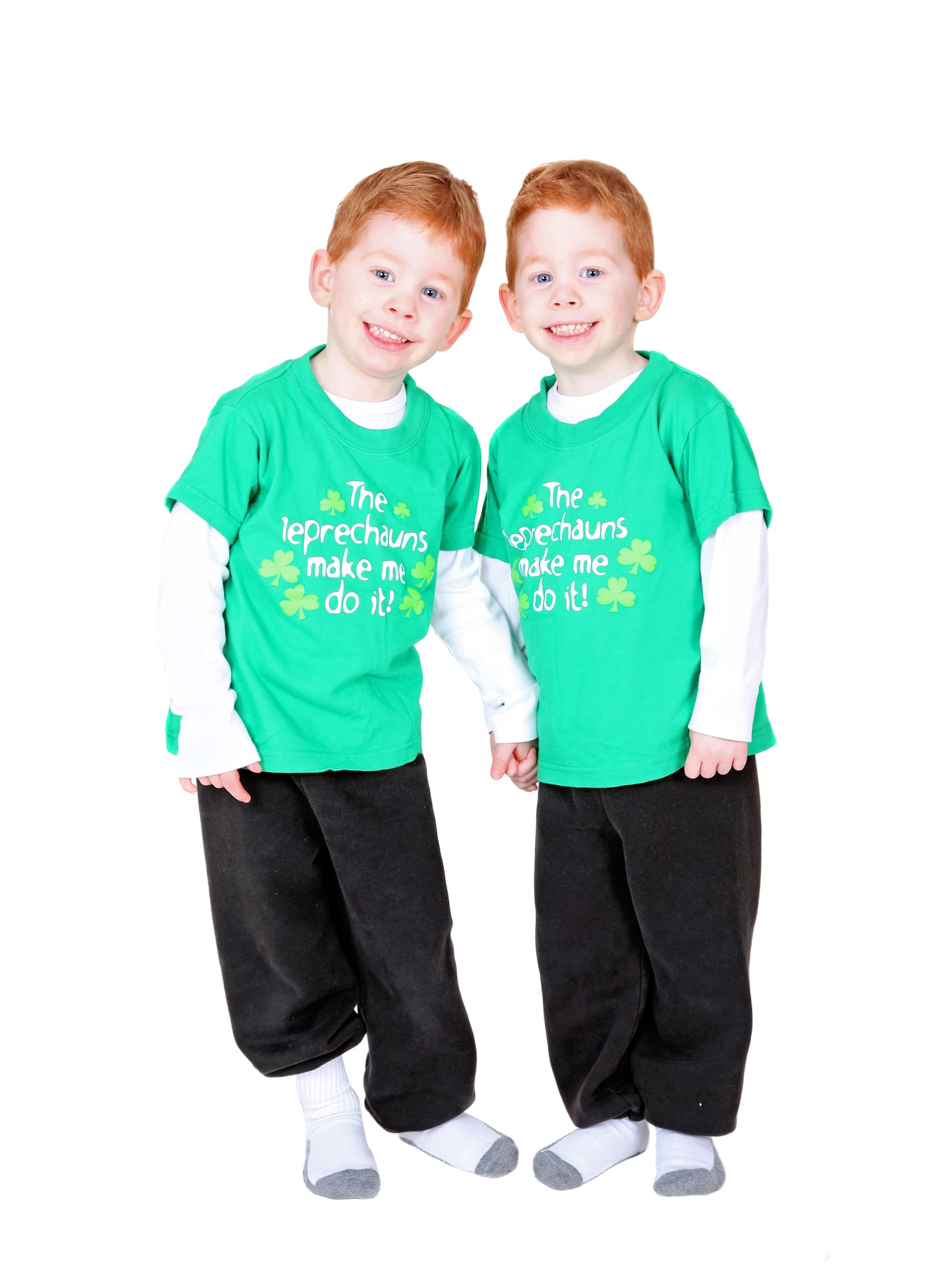
In 2012, an Irish woman delivered her first twin at just 23 weeks gestation, but doctors halted labor to allow the second twin additional time in the womb. The second child was born nearly three months later at 36 weeks, representing one of the longest delayed interval deliveries on record.
Both children survived and developed normally, though such extreme spacing is almost unheard of in modern medicine.
Twins Can Be Born in Different Calendar Years

When twin births occur around midnight on New Year’s Eve, minutes between deliveries can result in different birth years. A documented case involved twins born minutes apart, with one arriving on December 31 and the other on January 1, giving them birth dates in different years.
Parents sometimes request timed cesarean delivery specifically to achieve this unusual circumstance.
Twins Can Be Born on Different Calendar Dates in Leap Year

Twin brothers born on February 28 and February 29 in California will celebrate birthdays on different dates, since one arrived on the standard date and the other on Leap Day. The rarity of Leap Day births (occurring once every four years) combined with the chances of twin delivery makes this an extraordinarily uncommon event.
The brothers will technically age differently despite being born minutes apart.
Belly Buttons Are Different Even in Identical Twins
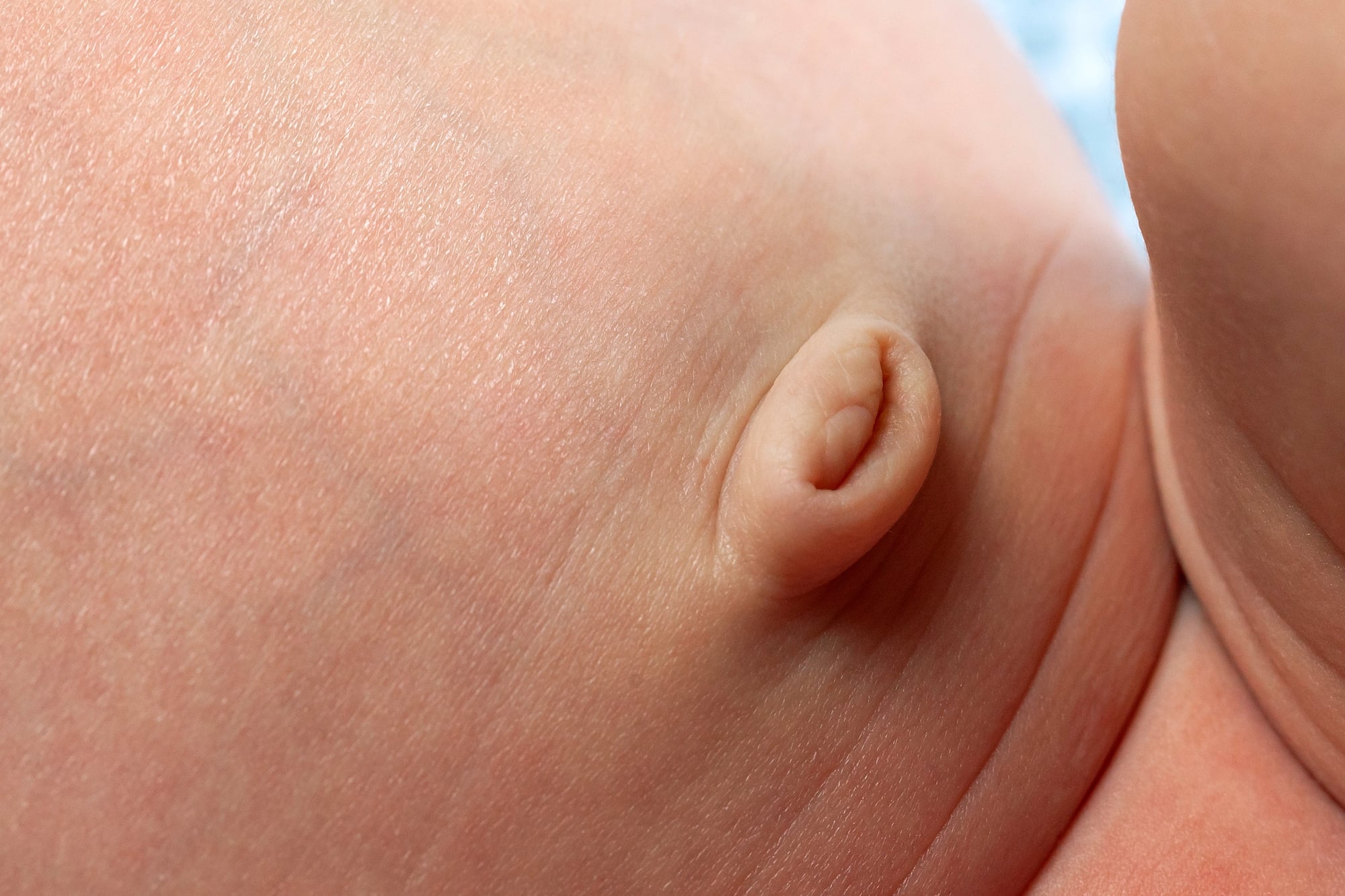
Identical twins have different belly buttons despite sharing the same genetics, because belly buttons are scars from umbilical cord attachment sites rather than genetically determined features. The exact position, size, and shape of the cord scar varies based on individual placental positioning and cord handling during birth.
This is one of the few reliable physical markers that can distinguish between identical twins who otherwise appear virtually indistinguishable.
Twin Pregnancies Have Different Rates Across U.S. States
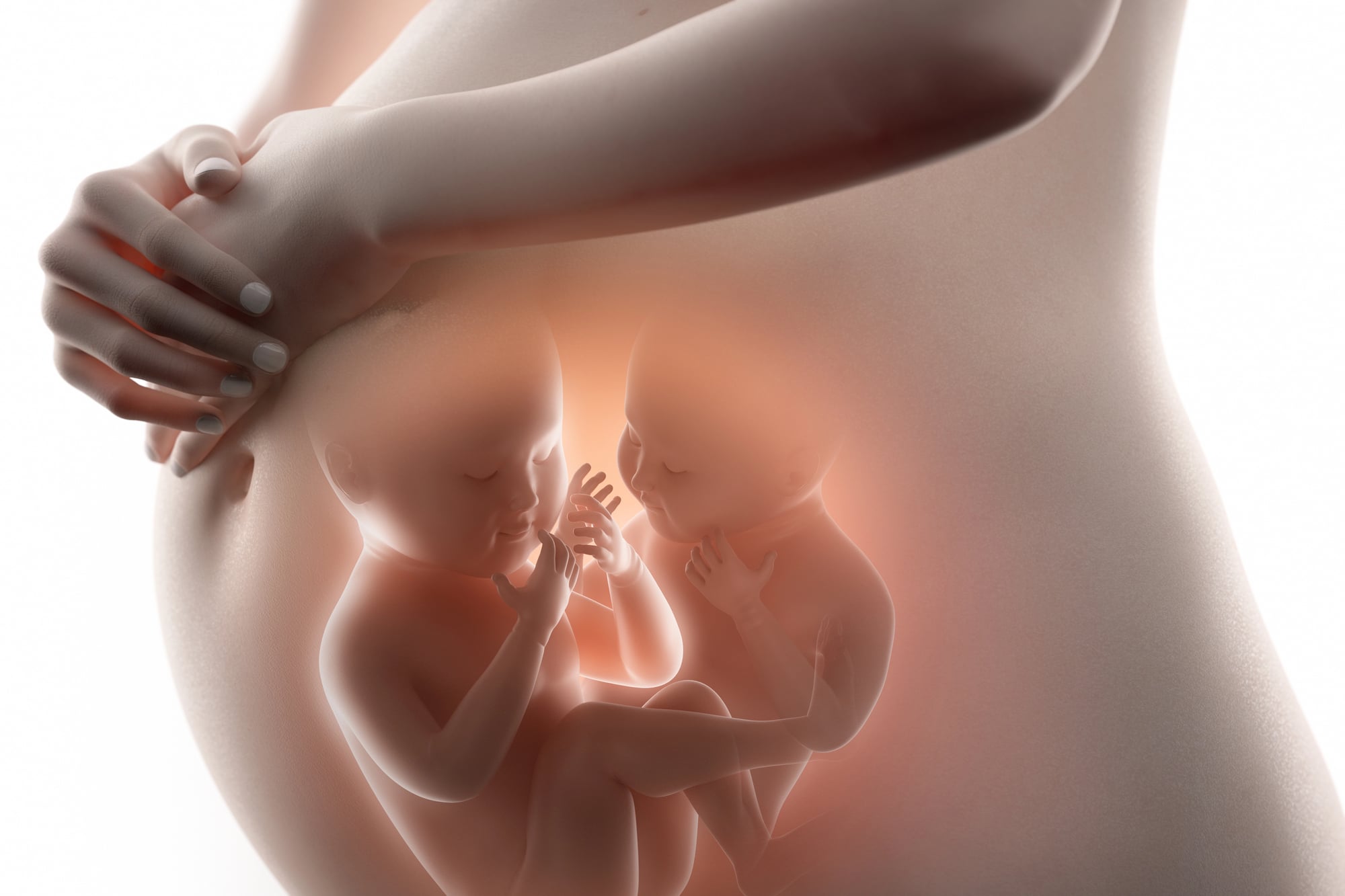
New Jersey holds the highest percentage of twin births among U.S. states at 4.31% of all deliveries, while New Mexico has the lowest at 2.4% according to 2014 CDC data. However, California recorded the most total twin births that year with 46,559 pairs, while Vermont had the fewest with only 599 pairs.
These regional variations remain incompletely explained and suggest undiscovered environmental or demographic factors influence twinning rates.
Fetus Papyraceous Forms When One Twin Dies and Mummifies in the Womb
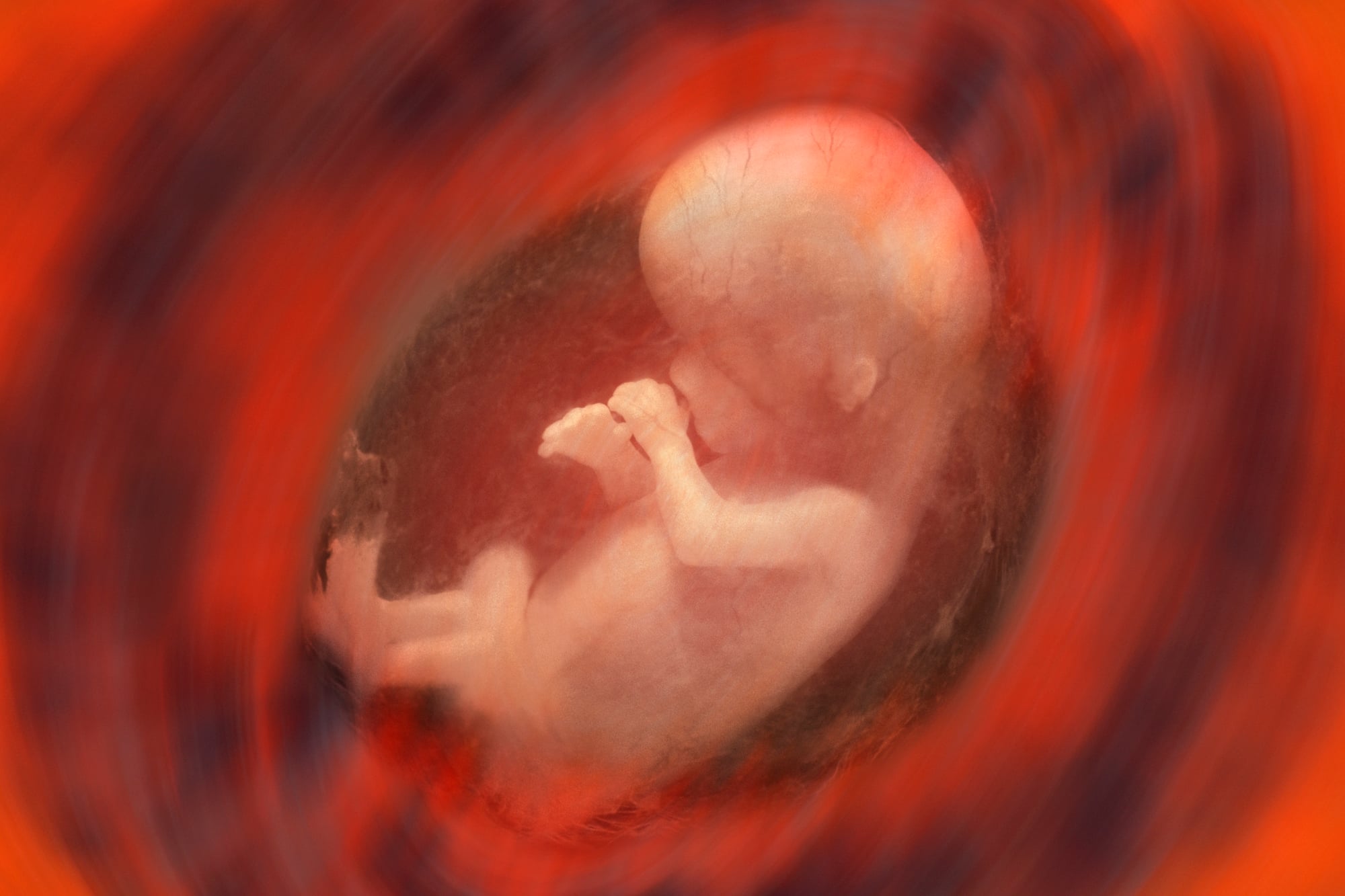
When a twin dies early in pregnancy and is not fully reabsorbed, the fetal tissue can undergo a process called mummification, creating a flattened, parchment-like remnant called a fetus papyraceous. This condition may go completely unnoticed until delivery, when physicians discover the mummified remains among the placental tissues.
The surviving twin is typically unaffected by the presence of this compressed tissue.
Identical Twins Can Look Dramatically Different Due to Life Experiences

Environmental factors after birth—including diet, exercise, sun exposure, and stress—can cause identical twins to develop noticeably different appearances over time. Some adult identical twins have been mistaken for ordinary siblings due to divergent weight, skin tone, and facial features.
This environmental sculpting demonstrates that genetic identity provides a starting point rather than a final blueprint.
Twin-to-Twin Transfusion Syndrome Causes Extreme Birth Weight Disparities
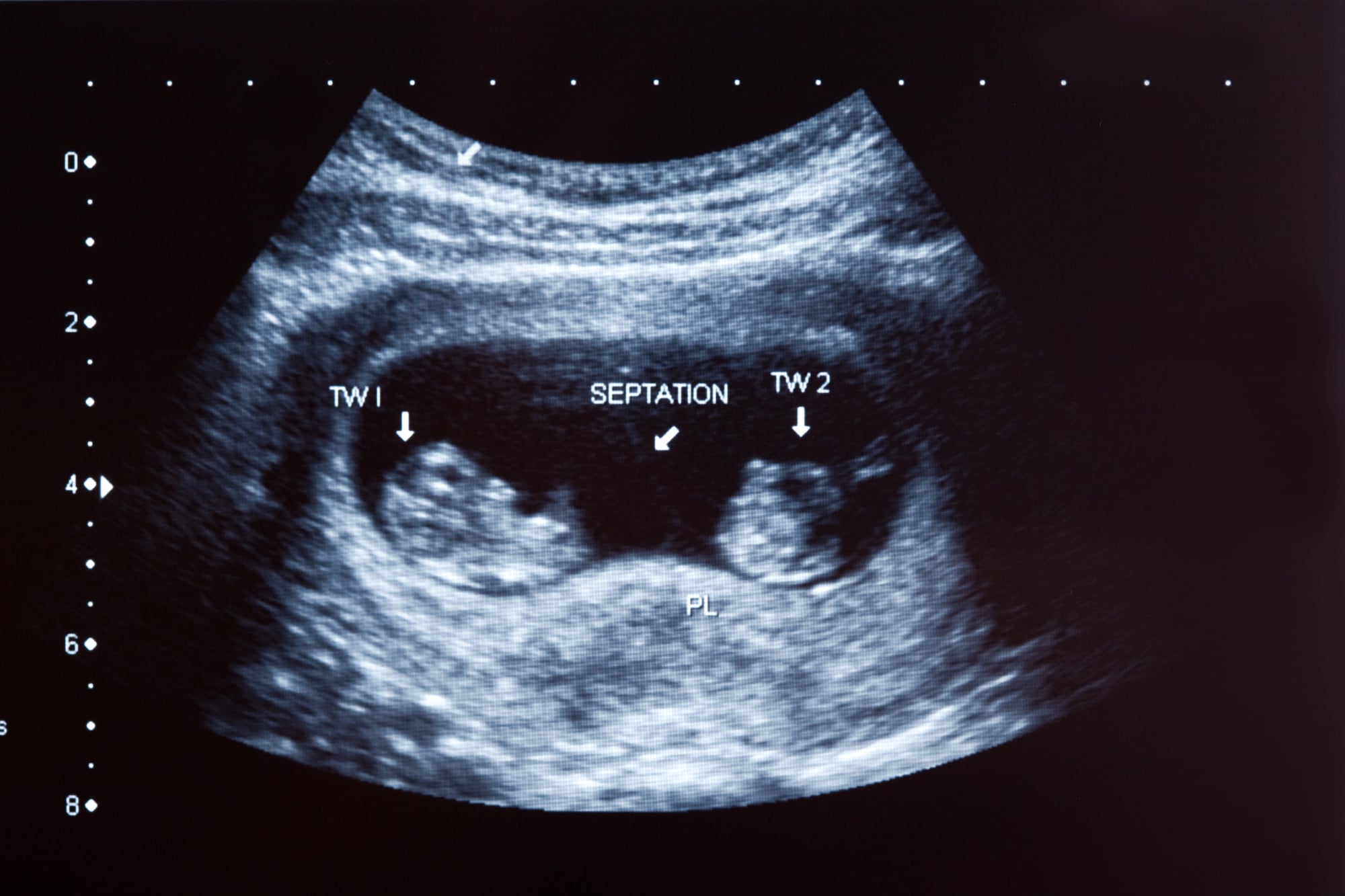
In some monochorionic twin pregnancies (where twins share a placenta), blood vessels connecting the fetuses can create an imbalanced circulation where one twin receives disproportionate blood flow. The recipient twin becomes enlarged and overfed while the donor twin becomes severely growth-restricted.
This condition can cause birth weight disparities exceeding several pounds and requires specialized prenatal monitoring and sometimes intervention.
Women With Mixed Racial Heritage Can Give Birth to Twins With Different Skin Tones

Fraternal twins born to parents of mixed racial heritage can inherit dramatically different combinations of genes, resulting in twins with noticeably different skin colors, hair textures, or facial features. Because fraternal twins share only 50% of their DNA (similar to non-twin siblings), the visible differences can be as striking as comparing regular siblings born years apart.
This genetic outcome remains relatively rare but occurs regularly enough to challenge common assumptions about sibling appearance.
Identical Twins Retain Higher Correlations for Intelligence Than Fraternal Twins

Twin studies consistently show that identical twins score more similarly on IQ tests than fraternal twins, suggesting a substantial genetic component to cognitive ability. The correlation remains strong even when identical twins are raised apart, demonstrating that shared environment contributes less to intelligence than genetic inheritance.
This research has been foundational to nature-versus-nurture arguments across psychology and education.
Twin Pregnancies Dramatically Increase Preterm Birth Risk

Pregnancies carrying twins are significantly more likely to end before 37 weeks of gestation, with many twins arriving at 34 to 36 weeks. The physical demands of carrying two developing fetuses, combined with complications like twin-to-twin transfusion or vanishing twin syndrome, elevate the risk of premature delivery.
As a result, twins are more likely to spend time in neonatal intensive care and face developmental challenges common to preterm infants.
The Twin Bond May Have Neurological Roots in Shared Prenatal Development

Research suggests that the commonly reported “special connection” between twins may have biological origins in their shared intrauterine environment. Twins experience coordinated movement, simultaneous neurological development, and sensory stimulation of each other throughout gestation.
Some researchers hypothesize that this synchronized development creates neural patterns that persist into childhood and adulthood, forming the basis for the reported intuitive understanding many twins describe.
The Mysteries of Twinning Continue to Expand
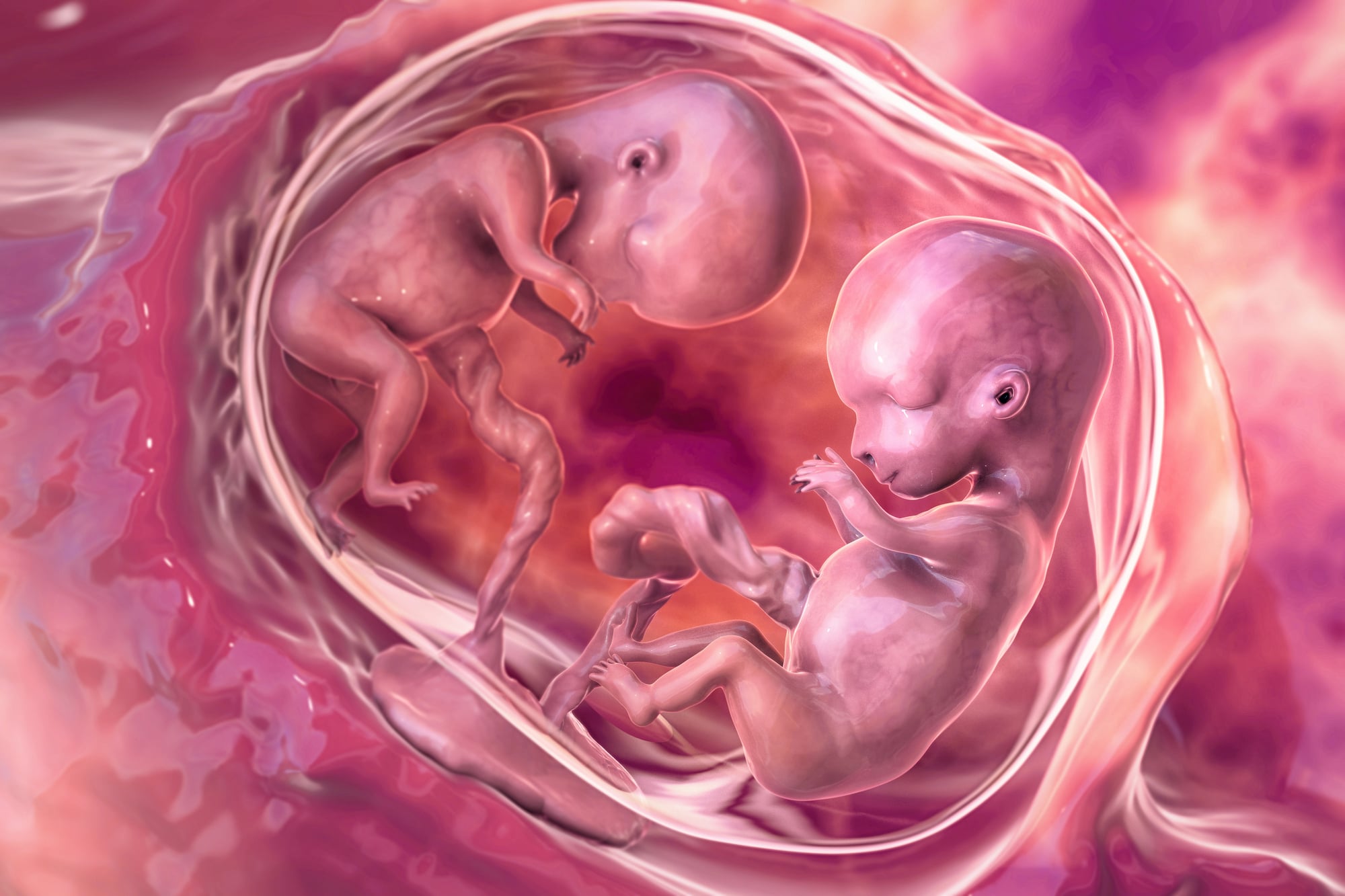
The phenomenon of human twinning encompasses far more than simple genetics or chance—it involves complex interplay between evolutionary adaptation, maternal physiology, environmental influence, and cellular processes barely understood by modern medicine. As reproductive technology and genetic sequencing advance, new variations and mechanisms continue to emerge, revealing that nature’s capacity for creating multiples far exceeds what most people imagine.
These twenty-five facts barely scratch the surface of twin biology, which remains one of development’s greatest remaining puzzles.
More from Go2Tutors!

- The Romanov Crown Jewels and Their Tragic Fate
- 13 Historical Mysteries That Science Still Can’t Solve
- Famous Hoaxes That Fooled the World for Years
- 15 Child Stars with Tragic Adult Lives
- 16 Famous Jewelry Pieces in History
Like Go2Tutors’s content? Follow us on MSN.