Everyday Things That Were Invented Because Of Smartphones
The smartphone revolution didn’t just change how people communicate — it spawned an entire ecosystem of products, services, and gadgets that wouldn’t exist otherwise. Some are obvious, like phone cases and screen protectors. Others are more subtle, woven so deeply into daily life that their smartphone origins fade into the background.
These inventions range from the practical to the peculiar, from billion-dollar industries to quirky solutions for problems nobody knew they had. Each one tells a story about how a single device reshaped not just technology, but human behavior itself.
Selfie Sticks
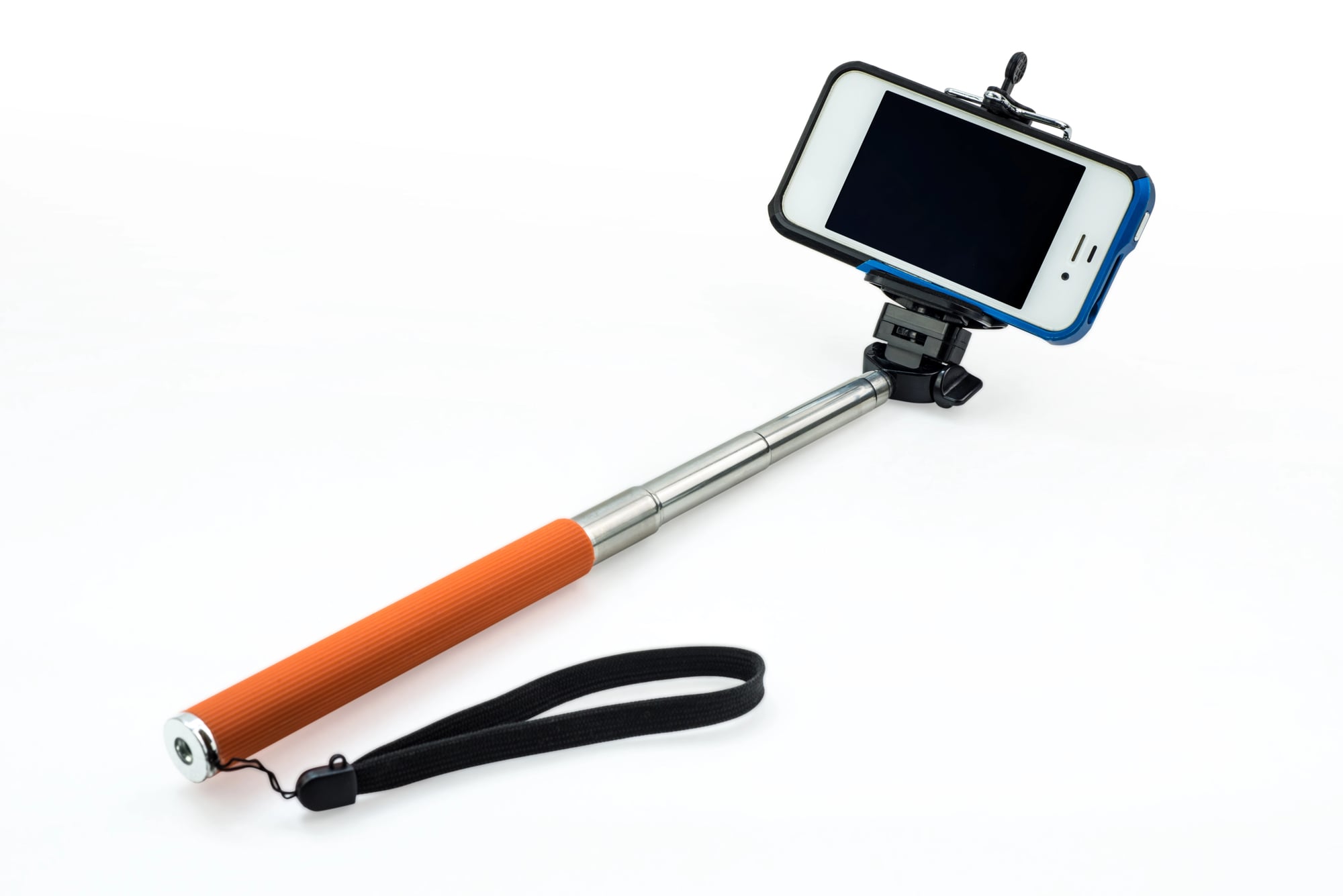
The selfie stick exists for one reason: phone cameras made everyone a photographer, but arms aren’t long enough for group shots. Before smartphones, people handed their cameras to strangers or set timers and ran.
Now they extend their reach with a telescoping pole and click a button.
Critics called them narcissistic. Cities banned them from tourist sites.
None of it mattered — the selfie stick became a billion-dollar industry anyway.
Wireless Earbuds
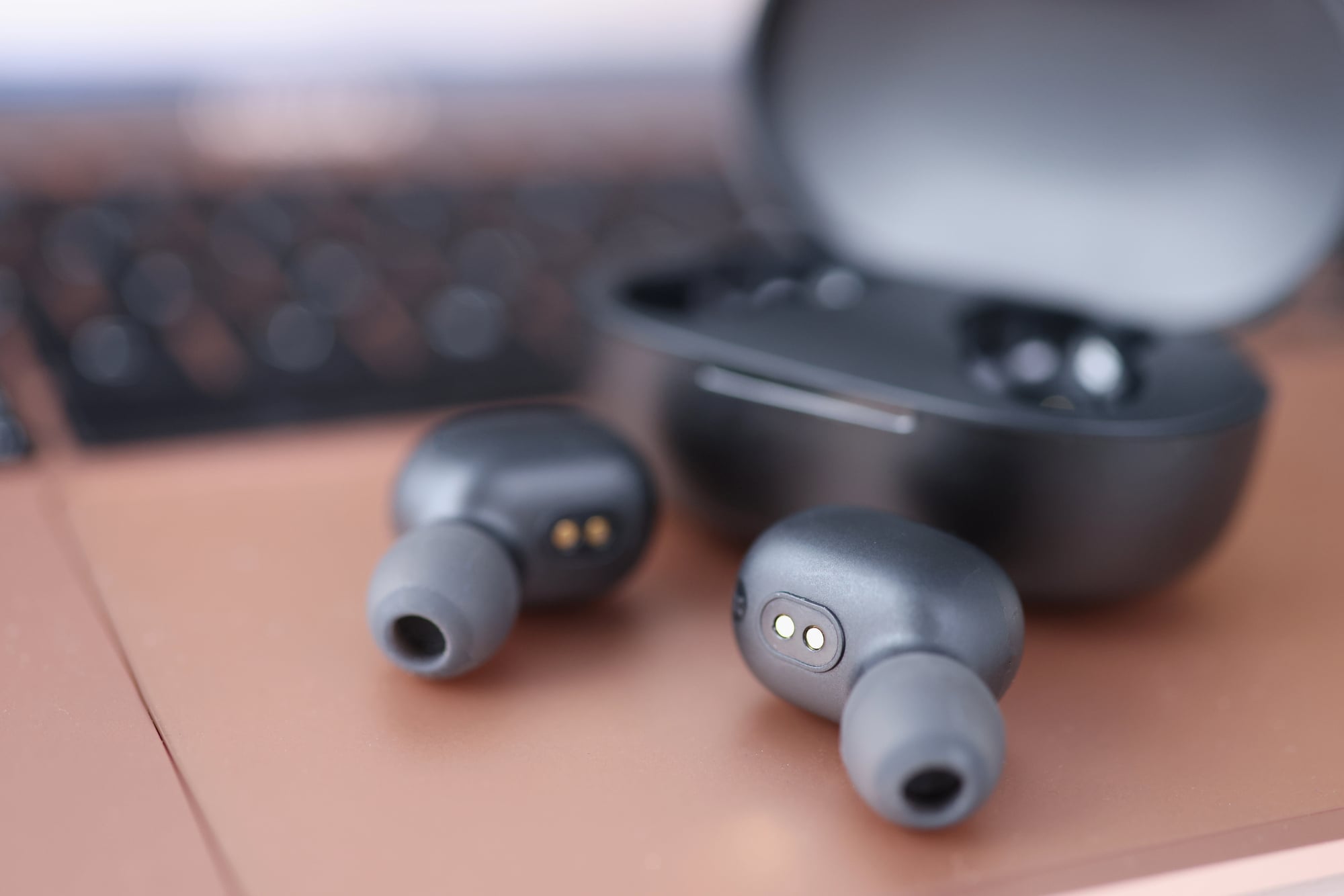
When Apple removed the headphone jack from the iPhone in 2016, it created a problem that required an immediate solution (though some would argue Apple created the problem to sell the solution, but that’s another conversation entirely — and one that’s been debated endlessly in tech circles where people have strong feelings about dongles and adapters). So wireless earbuds went from being a niche product for fitness enthusiasts to something everyone needed, and the technology had to catch up fast to make them actually work reliably instead of cutting out every thirty seconds.
The result was a complete reimagining of how people listen to music, take calls, and interact with their devices — and suddenly everyone looked like they were talking to themselves on the street.
Phone Cases
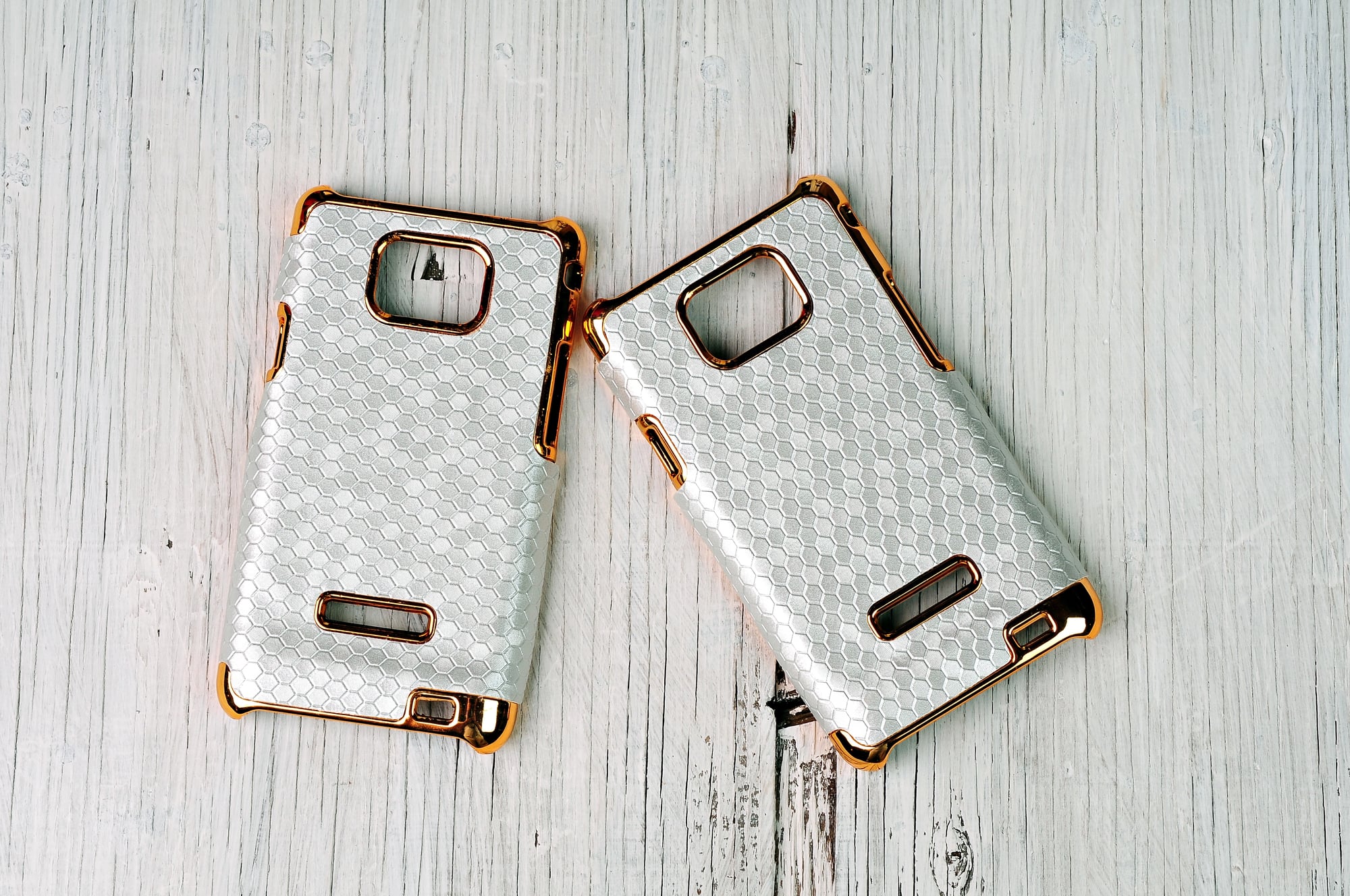
Like armor for something precious. The smartphone created an entirely new category of protective accessories because people realized they were carrying around a $1,000 piece of glass that could shatter if dropped wrong.
The phone case industry doesn’t just protect devices — it lets people express personality through patterns, colors, and textures.
Phone cases range from basic rubber bumpers to elaborate designs with built-in wallets, stands, and battery packs. Some are purely functional.
Others are small works of art. All exist because smartphones are simultaneously essential and fragile.
Portable Phone Chargers
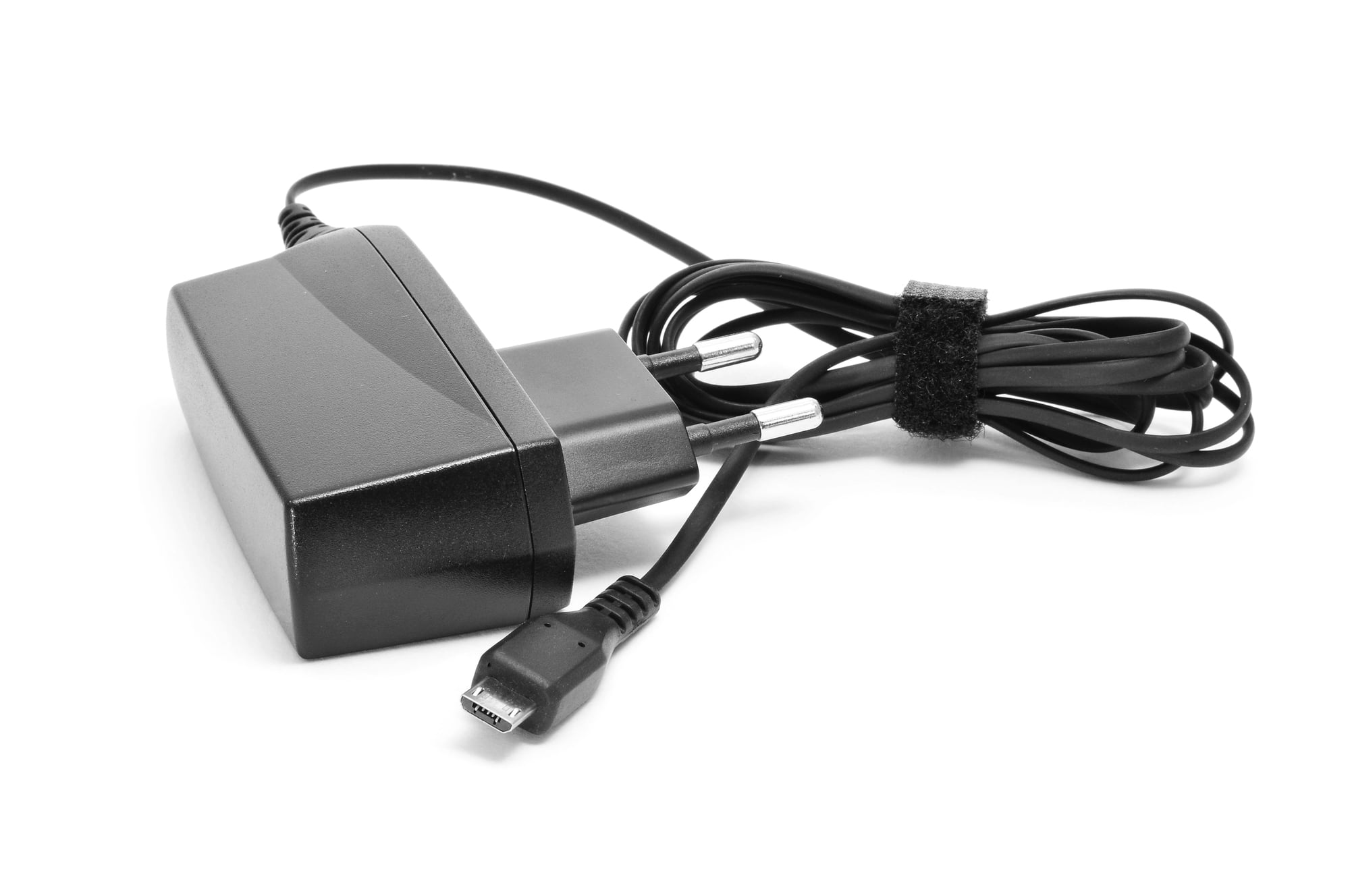
Smartphone batteries are terrible. This isn’t controversial — it’s engineering reality. Cramming that much computing power into something pocket-sized means battery life gets sacrificed, and portable chargers exist to compensate for this fundamental limitation.
The portable charger market exploded not because people wanted another gadget to carry around, but because they had no choice.
Dead phone equals social isolation in the modern world. To be fair, some people now carry chargers that are bigger and heavier than the phones themselves, which is saying something about our priorities.
Phone Grips And Stands
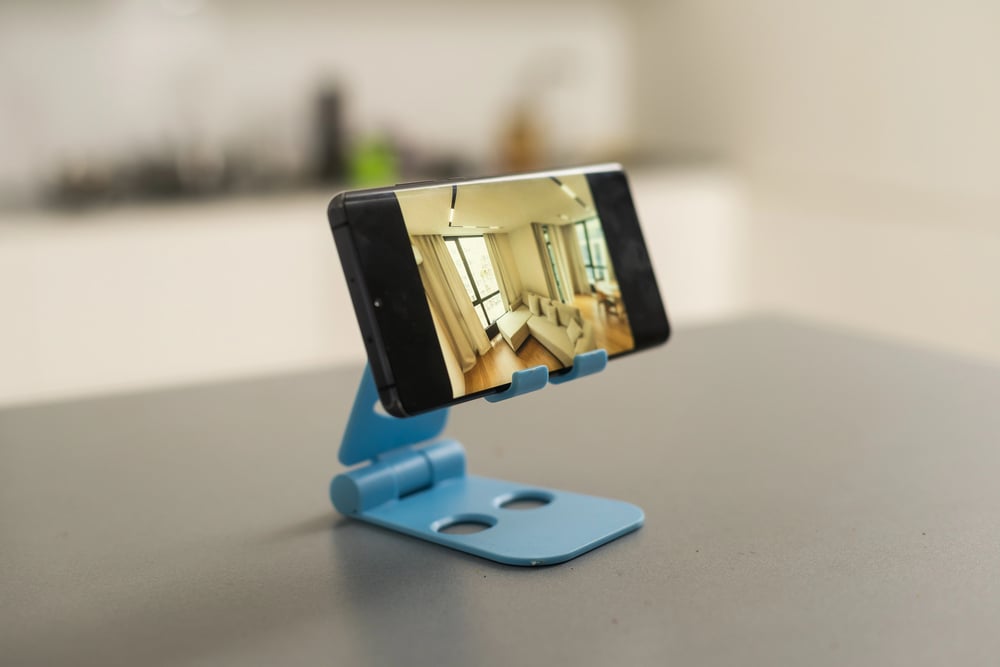
Phones keep getting bigger, but hands stay the same size. Phone grips solve this basic geometry problem by giving fingers something to hold onto while texting, scrolling, or taking photos.
PopSockets became the most recognizable version, turning a simple adhesive grip into a cultural phenomenon.
The same physics problem created phone stands — devices too large to prop up comfortably without support. Both products exist because smartphone screens grew faster than human dexterity could adapt.
Bluetooth Speakers
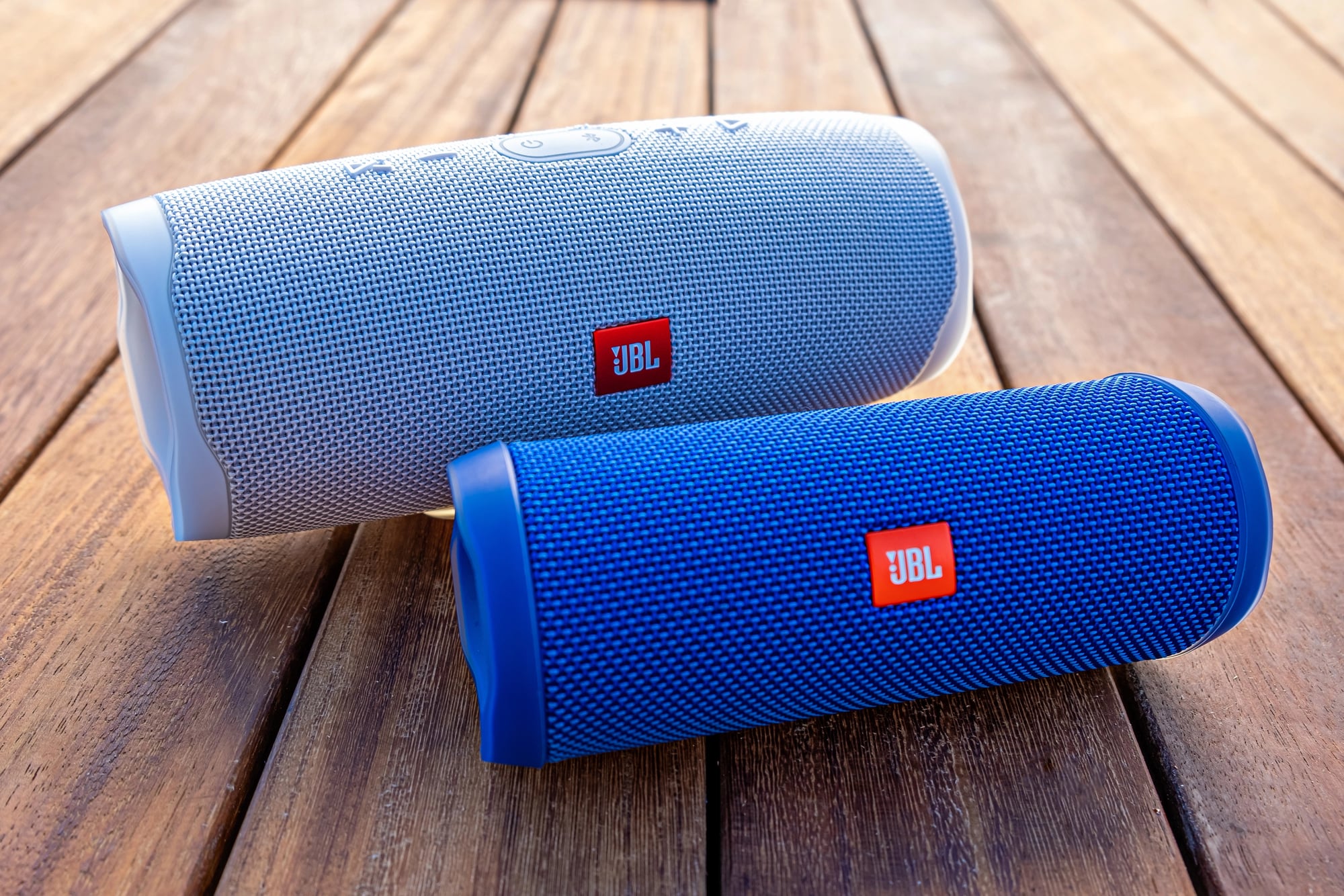
The smartphone killed the home stereo system (along with CD players, boom boxes, and any other dedicated music device that couldn’t fit in a pocket), but people still wanted to share music with others — so Bluetooth speakers emerged to fill that gap.
What started as a way to amplify tinny phone speakers evolved into a massive market of portable audio devices that range from shower-friendly pucks to party-grade sound systems.
And here’s the thing about Bluetooth speakers: they had to be portable because the music source (your phone) was portable, which created an entirely different relationship between people and their audio equipment than the old days of massive speakers tethered to wall outlets and component systems.
Screen Protectors
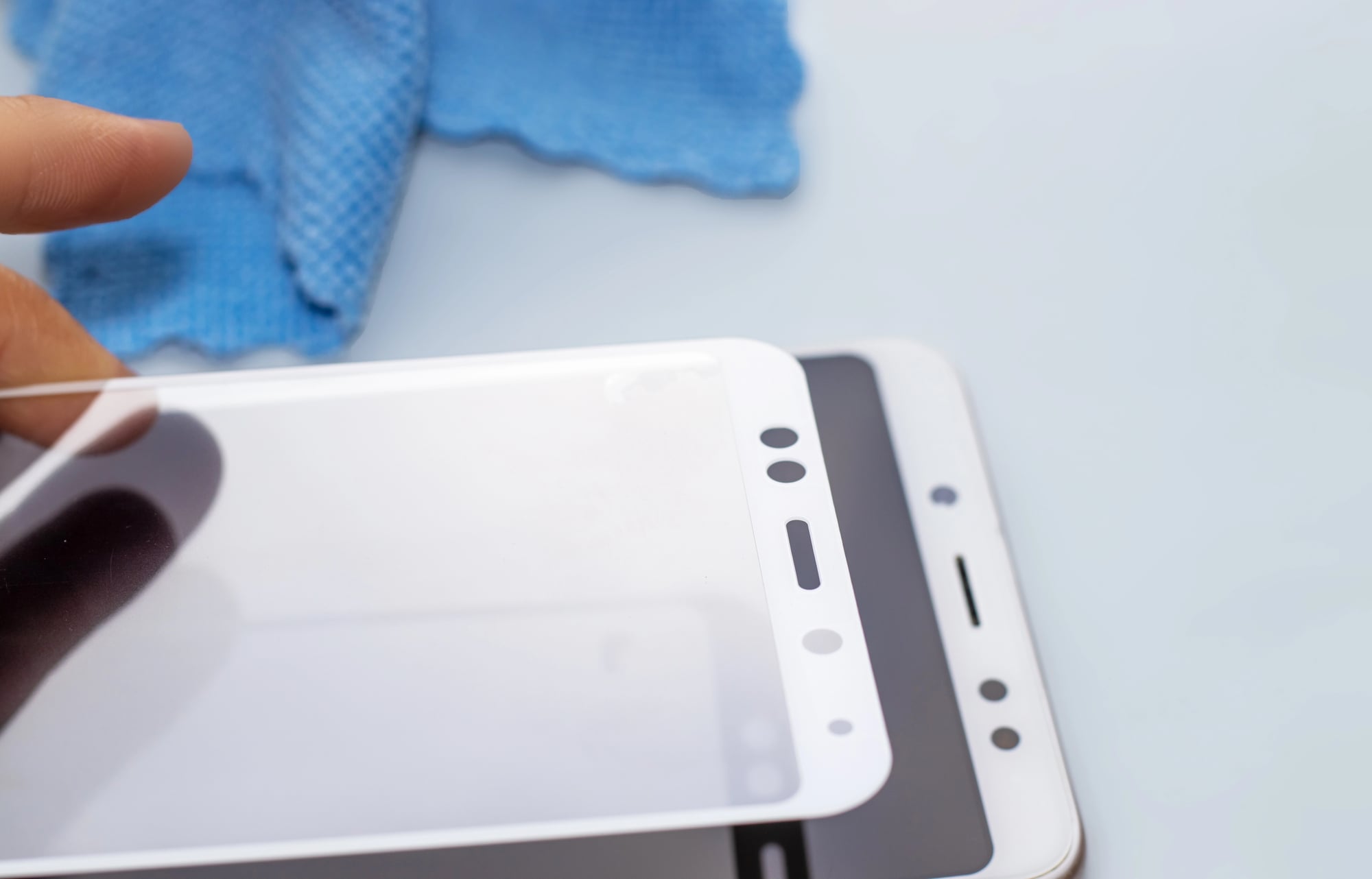
Glass breaks. Physics doesn’t negotiate. Screen protectors exist because smartphone screens are large, exposed, and expensive to replace — a combination that makes a $10 piece of tempered glass feel like essential insurance rather than an optional accessory.
The screen protector industry is built entirely on anxiety about fragility.
Before smartphones, phone screens were small, often recessed, and usually made of plastic that could scratch but wouldn’t shatter into sharp pieces. Modern smartphones reversed all of these design elements, creating a market for protection.
Car Phone Mounts

Car phone mounts are mandatory because smartphones replaced dedicated GPS devices, and people still need directions while driving (though this created the entirely separate problem of distracted driving, but car manufacturers and accessory makers focused on the mounting solution rather than the attention problem). So suddenly every car needed a way to position a phone at eye level where it could display maps, accept voice commands, and stay visible without requiring drivers to look down at cup holders or passenger seats.
But the real reason car phone mounts became ubiquitous wasn’t just navigation — it was because phones became the primary interface for music, calls, and entertainment, which meant they needed to be accessible and visible throughout every drive, and car makers were slow to integrate this functionality into dashboards.
Wireless Charging Pads
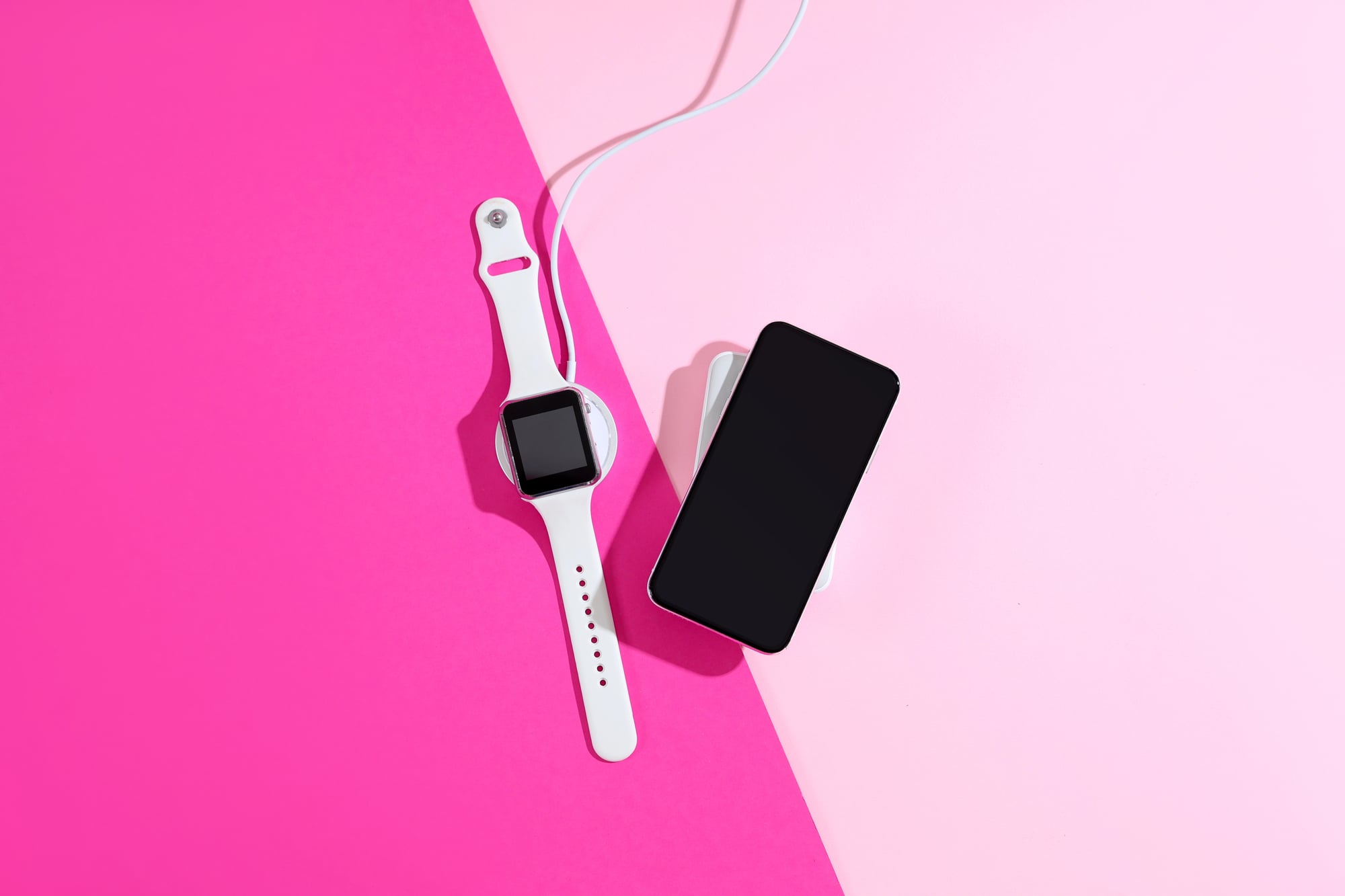
Plugging in cables got annoying when smartphones required daily charging. Wireless charging pads let people drop their phones onto a surface and walk away, eliminating the ritual of finding the right cable, plugging it in correctly, and remembering to unplug it later.
Wireless charging isn’t more efficient than wired charging — it’s actually slower and wastes more energy.
But convenience beats efficiency when the alternative is fumbling with cables multiple times per day. The wireless charging pad exists because smartphones made charging a constant background task rather than an occasional necessity.
Phone Sanitizers
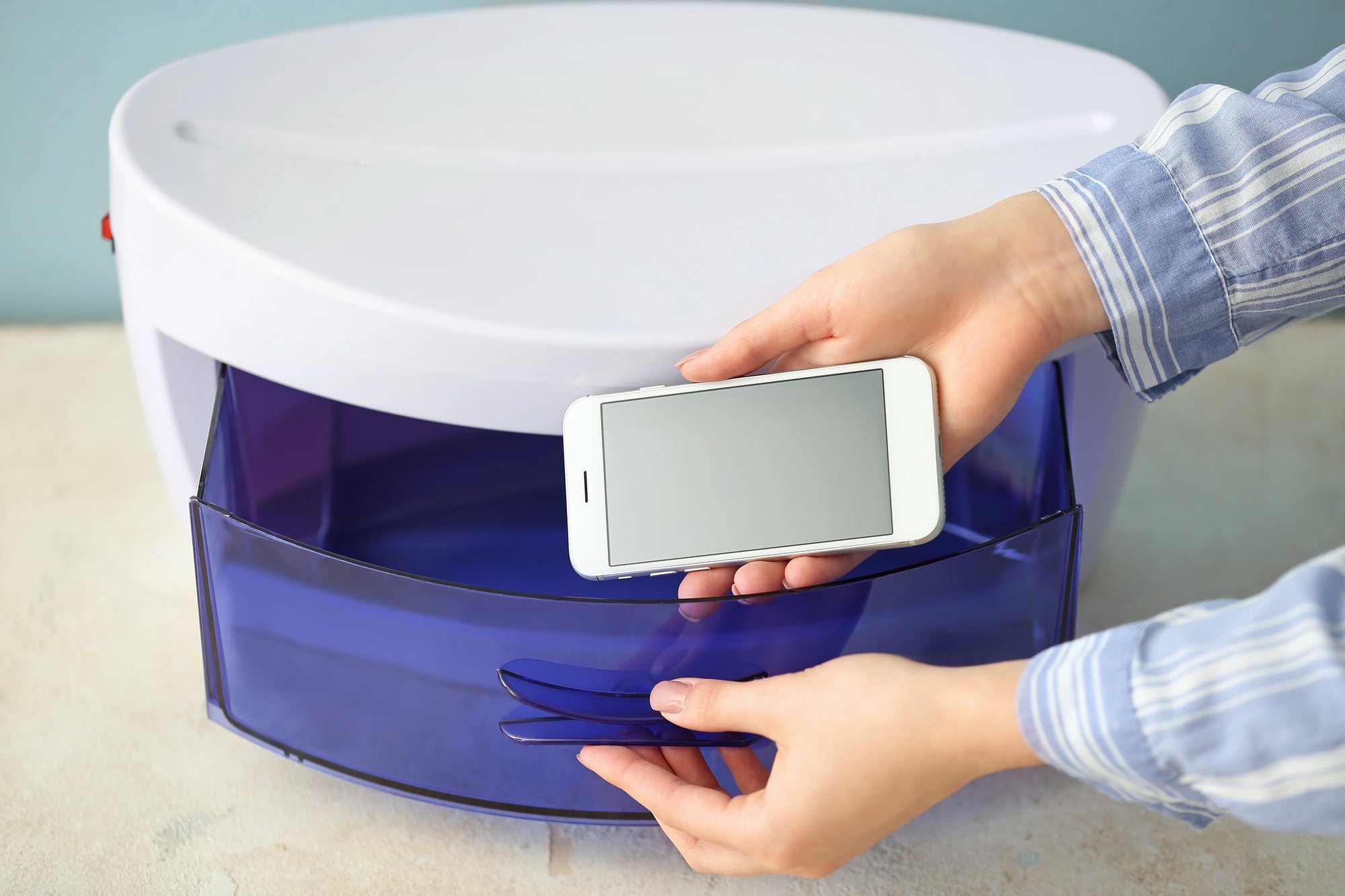
Phones are filthy. Studies show smartphone screens carry more bacteria than toilet seats, which sounds alarming until one considers how often phones get touched, where they get set down, and how rarely they get cleaned. Phone sanitizers — usually UV light boxes or specialized wipes — exist because traditional cleaning methods can damage touchscreens and protective coatings.
The phone sanitizer market exploded during the pandemic when people became hyperaware of surface contamination.
But the underlying problem existed long before COVID-19: smartphones created the first personal device that gets constant skin contact but can’t be easily washed.
Phone Camera Lenses
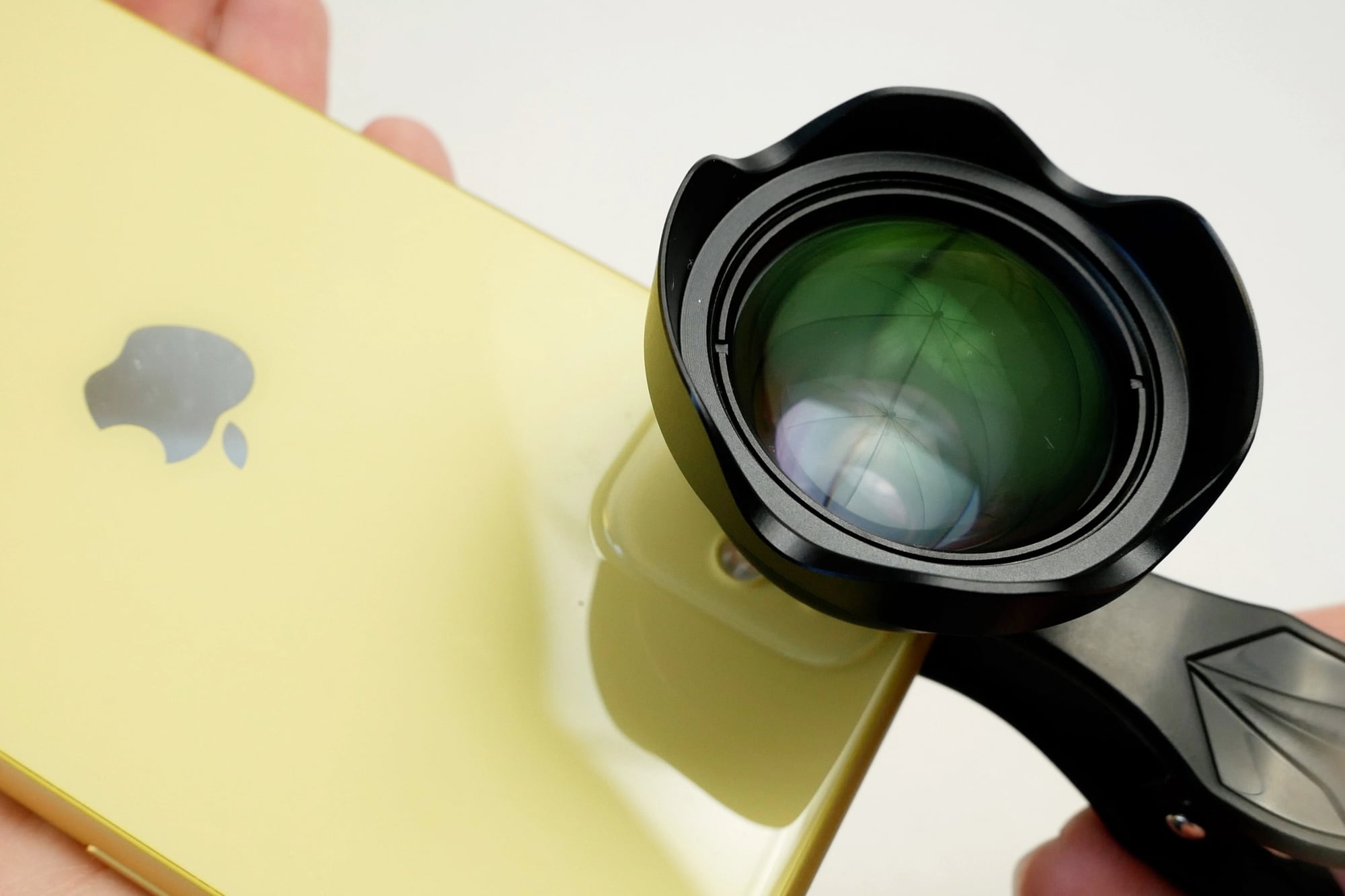
Smartphone cameras are impressive but limited by physics — specifically, the physics of cramming quality optics into a device that’s only a few millimeters thick. External camera lenses clip onto phones to provide wide-angle, macro, telephoto, and fish-eye capabilities that built-in cameras can’t match.
These lens attachments exist in the gap between smartphone convenience and dedicated camera quality.
Professional photographers still use real cameras, but casual users want better photos without carrying separate equipment. Phone camera lenses split the difference, offering improved optics without abandoning the smartphone ecosystem.
Smartphone Gimbal Stabilizers
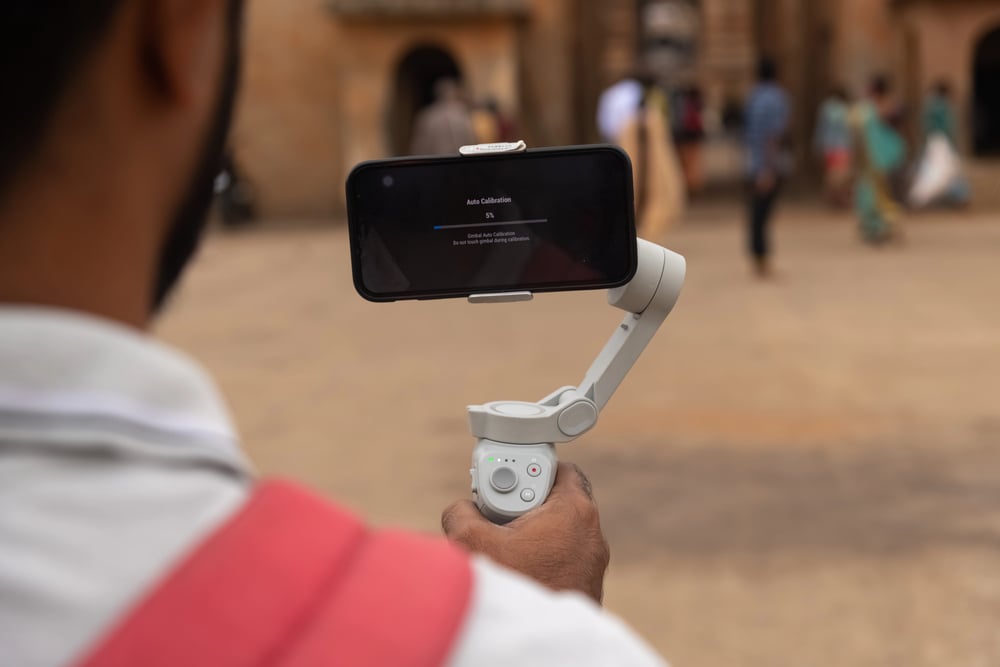
Shaky video looks amateur. Smartphone cameras can record high-definition footage, but human hands aren’t steady enough to make it look professional. Gimbal stabilizers use motors and sensors to counteract hand movement, creating smooth, cinematic shots from devices that fit in a pocket.
The gimbal market exists because smartphones democratized video creation but couldn’t solve the fundamental problem of human motor control.
Before smartphones, steady video required expensive equipment and technical expertise. Gimbals made professional-looking footage accessible to anyone willing to carry a stabilizing device.
Smartphone Thermometers
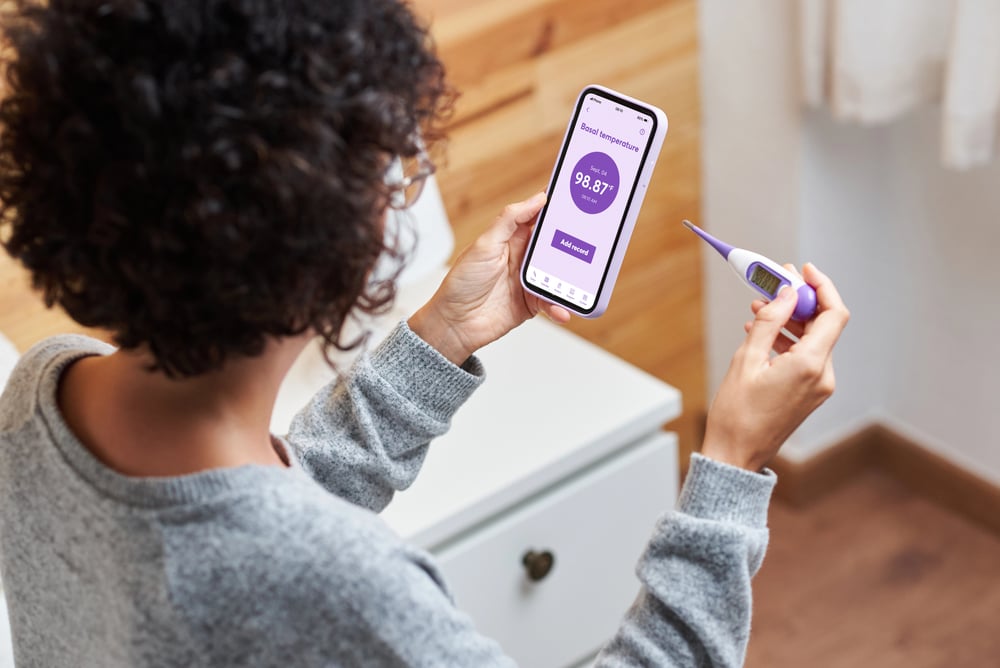
Smartphones can measure heart rate through camera sensors, track steps through accelerometers, and monitor sleep through motion detection, but they can’t measure body temperature — so external thermometers plug into phone charging ports or connect via Bluetooth to fill this gap. These devices exist because health tracking became a smartphone function, but not all health metrics can be measured through existing phone sensors.
The smartphone thermometer market represents a broader trend: as phones became health monitoring devices, accessory manufacturers created external sensors to measure things phone hardware couldn’t detect internally.
Phone-Controlled LED Light Strips

LED light strips controlled through smartphone apps exist because phones became universal remote controls for everything, and lighting was an obvious target for smart home integration. These strips can change colors, dim, flash to music, or turn on and off remotely — functionality that requires smartphone control because traditional wall switches can’t handle that level of customization.
But the real reason phone-controlled lighting took off wasn’t just convenience — it was because smartphones made complex lighting control accessible to people who would never program a dedicated lighting controller or install complex home automation systems.
The Ripple Effect

These inventions share something beyond their smartphone origins: they reveal how a single device can reshape entire categories of human behavior. The smartphone didn’t just replace existing tools — it created needs people didn’t know they had, then spawned industries to meet those needs.
Some of these products will disappear as smartphones evolve. Others will outlast the devices that inspired them. But all of them represent a moment when technology moved faster than human adaptation, creating gaps that entrepreneurs rushed to fill with ingenuity, plastic, and hope.
More from Go2Tutors!

- The Romanov Crown Jewels and Their Tragic Fate
- 13 Historical Mysteries That Science Still Can’t Solve
- Famous Hoaxes That Fooled the World for Years
- 15 Child Stars with Tragic Adult Lives
- 16 Famous Jewelry Pieces in History
Like Go2Tutors’s content? Follow us on MSN.



