28 Bizarre Festivals From Around the World That Still Pack Huge Crowds
Around the globe, communities continue to gather by the thousands for celebrations that defy logic and challenge the boundaries of what people will enthusiastically participate in. These aren’t refined cultural ceremonies held in hushed reverence—they’re raucous, often messy affairs where grown adults willingly subject themselves to tomato bombardment, bun tower climbing, and cheese-chasing down steep hills.
The most remarkable aspect is that these events draw hundreds of thousands of participants and spectators annually, attracting tourists from every continent who are willing to plan their entire vacations around these peculiar traditions.
La Tomatina, Spain
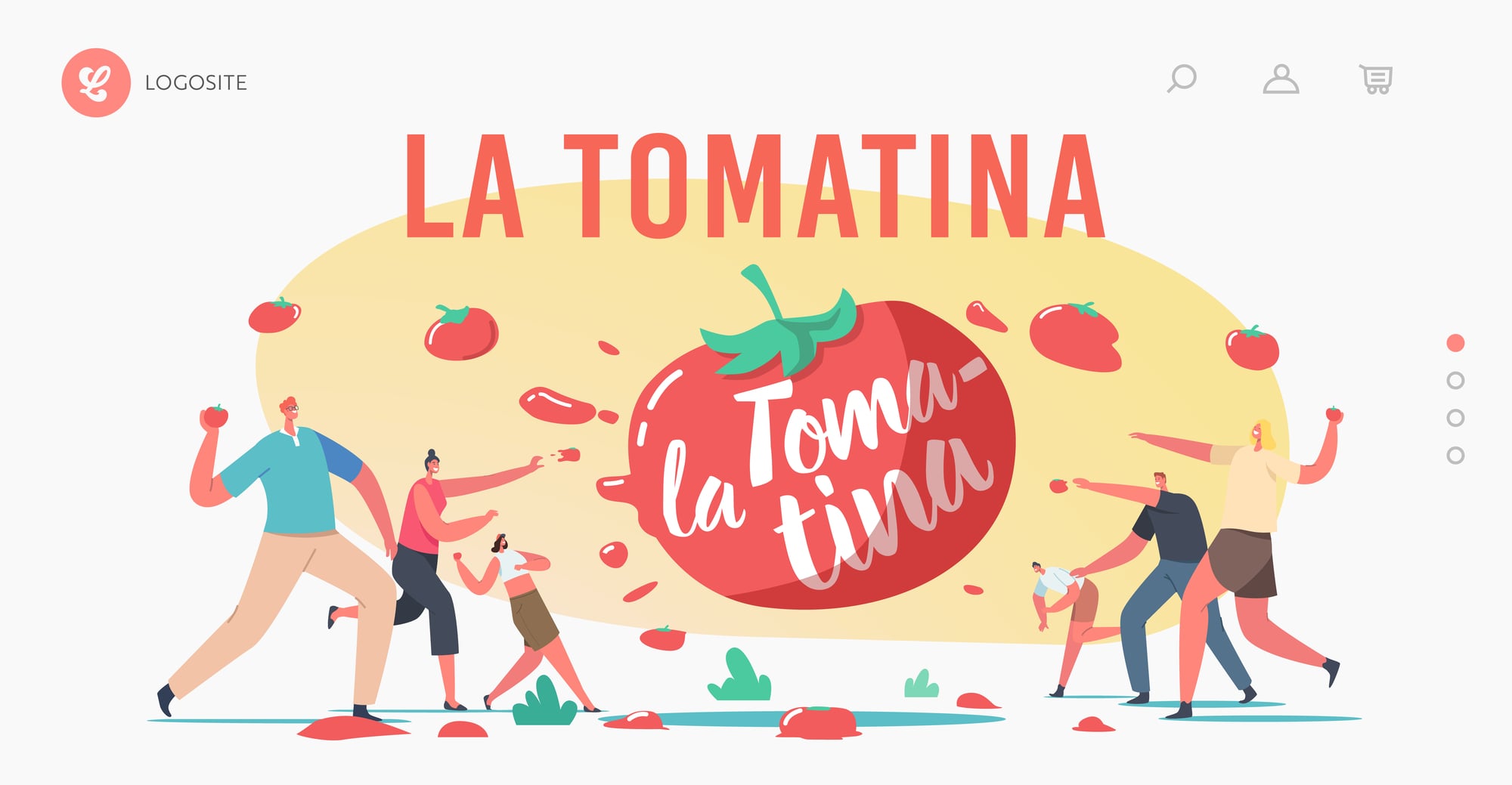
Every last Wednesday of August in the Spanish town of Buñol, over 100,000 kilograms of ripe tomatoes are purchased and hurled at revelers in what has become the world’s largest food fight. The event lasts exactly one hour, and participants don red and white clothing as tradition dictates.
Thousands of international visitors book accommodations months in advance for the privilege of being struck repeatedly by overripe produce.
Cooper’s Hill Cheese-Rolling, England
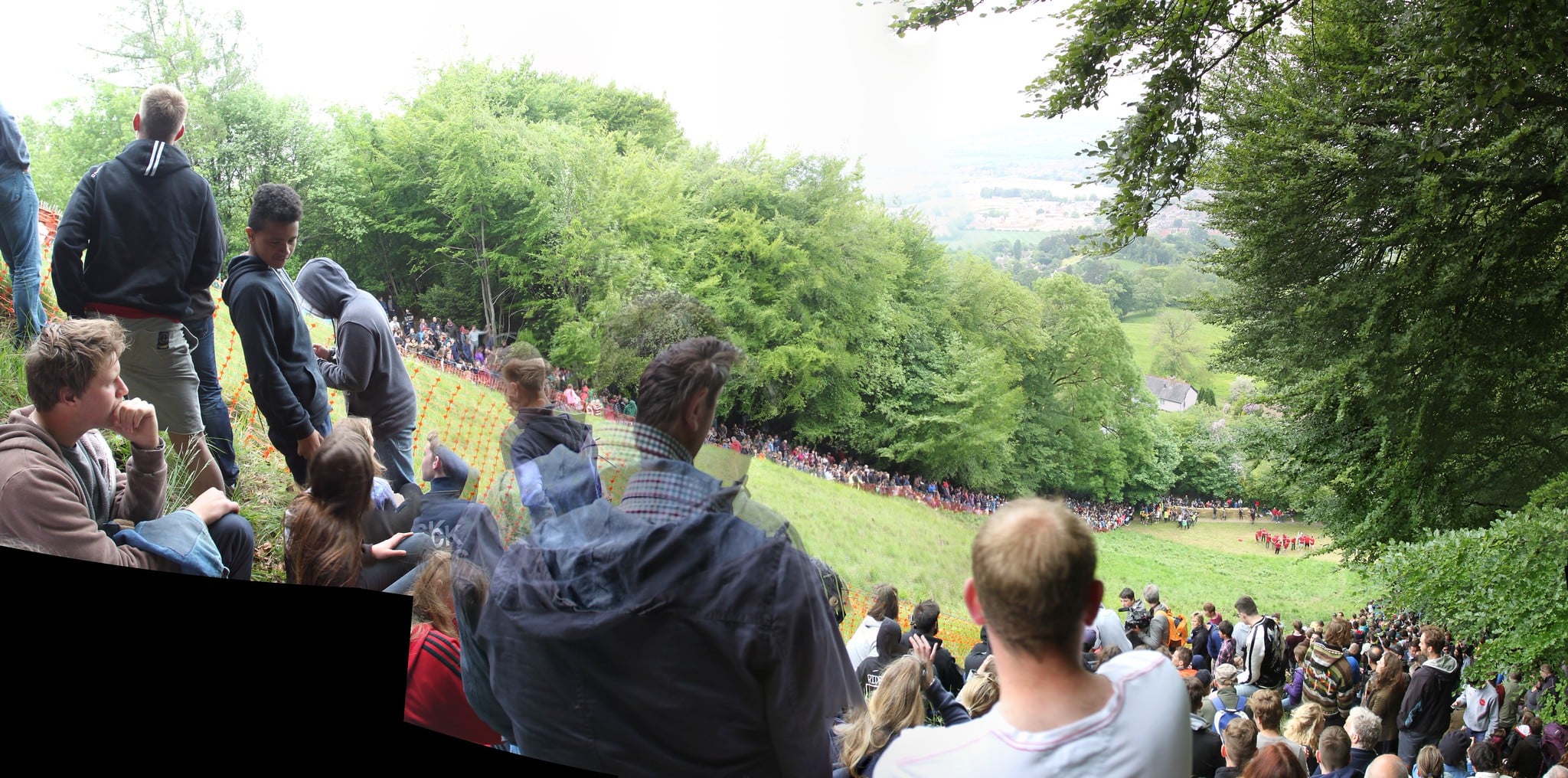
On Spring Bank Holiday in Gloucestershire, contestants chase a nine-pound wheel of Double Gloucester cheese down a steep 180-meter hill, with the cheese reaching speeds exceeding 70 miles per hour. Most participants tumble uncontrollably down the slope rather than run, making it equal parts athletic competition and comedy.
Paramedics stationed at the bottom treat dozens of injuries annually, yet the event attracts hundreds of competitors worldwide.
El Colacho (Baby Jumping Festival), Spain
Every June in the village of Castrillo de Murcia, men dressed as red and yellow devils race through streets while babies born the previous year lie on mattresses directly in their path. The costumed performers literally jump over the infants as part of an ancient ritual believed to protect them from evil.
Remarkably, not a single injury has been recorded in the festival’s 400-year history.
Boryeong Mud Festival, South Korea
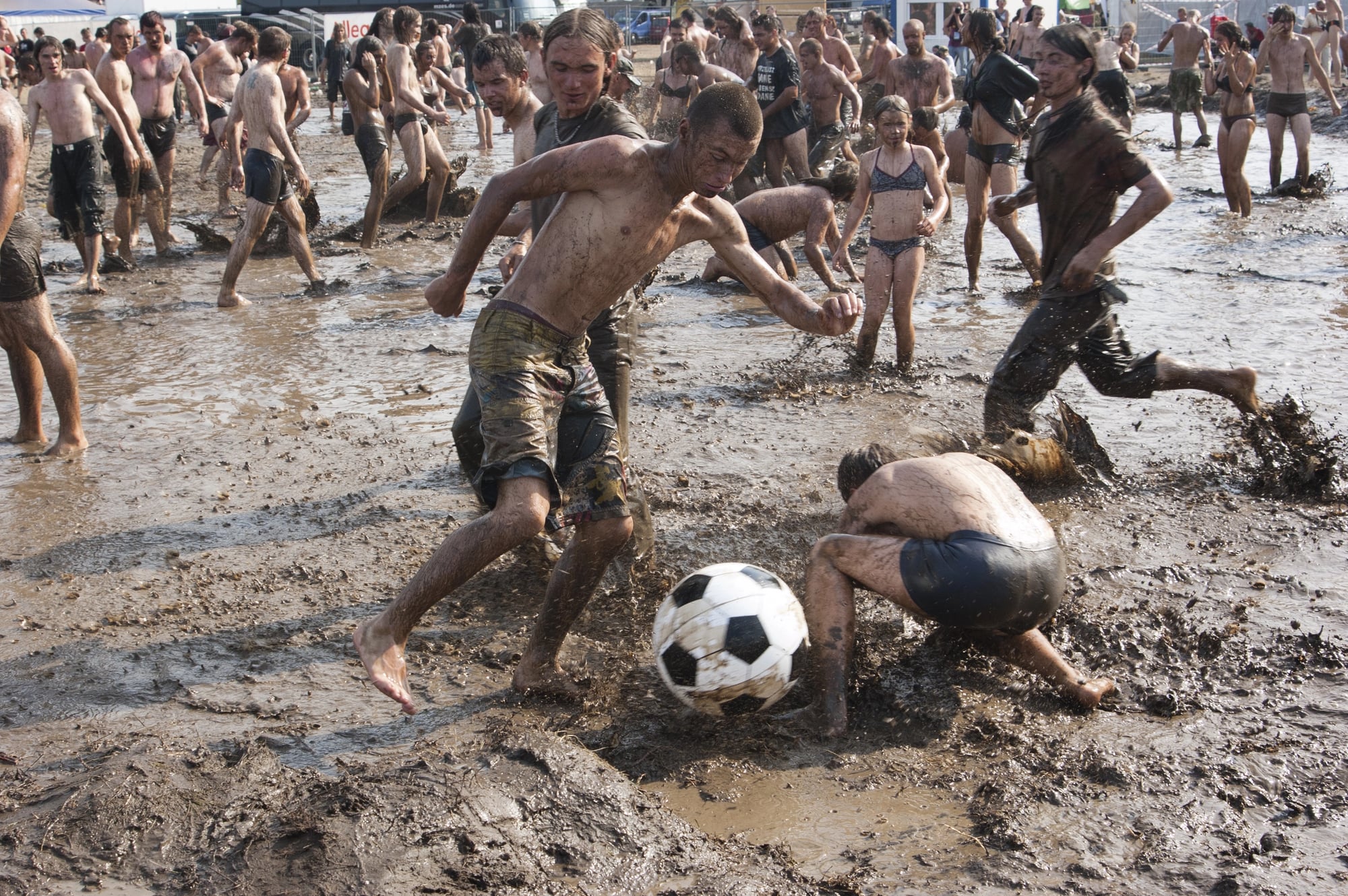
Drawing over two million visitors annually to Daecheon Beach, this summer festival transforms an entire beach into a mud wrestling arena complete with elaborate sculptures, theatrical performances, and contests. Participants slide through mud pools, engage in mud wrestling matches, and compete in mud skiing events while live music plays.
Air Guitar World Championships, Finland

Since 1996, the Finnish city of Oulu has hosted an international competition where contestants perform rock songs on invisible guitars with dramatic flair and conviction. Competitors from across the globe gather to mime their most enthusiastic rock performances, with judges evaluating their air guitar technique, stage presence, and commitment to the fantasy.
World Toe Wrestling Championship, England

In the village of Llanwrtyd Wells in Mid-Wales, competitors lock feet and attempt to pin each other’s foot to a leather strap in best-of-three matches. The sport originated in a local pub and has developed into a serious international competition attracting toe wrestlers from multiple countries for this bizarre display of lower-body strength.
Wife Carrying World Championship, Finland

The Finnish sport of eukonkanto began in 1992 in Sonkajärvi and involves male participants carrying their wives across a 253.5-meter obstacle course using various carrying techniques. The prize is awarded based on the wife’s weight in beer, creating an incentive structure that rewards marrying heavier spouses.
The event has spawned international qualifying competitions.
Monkey Buffet Festival, Thailand
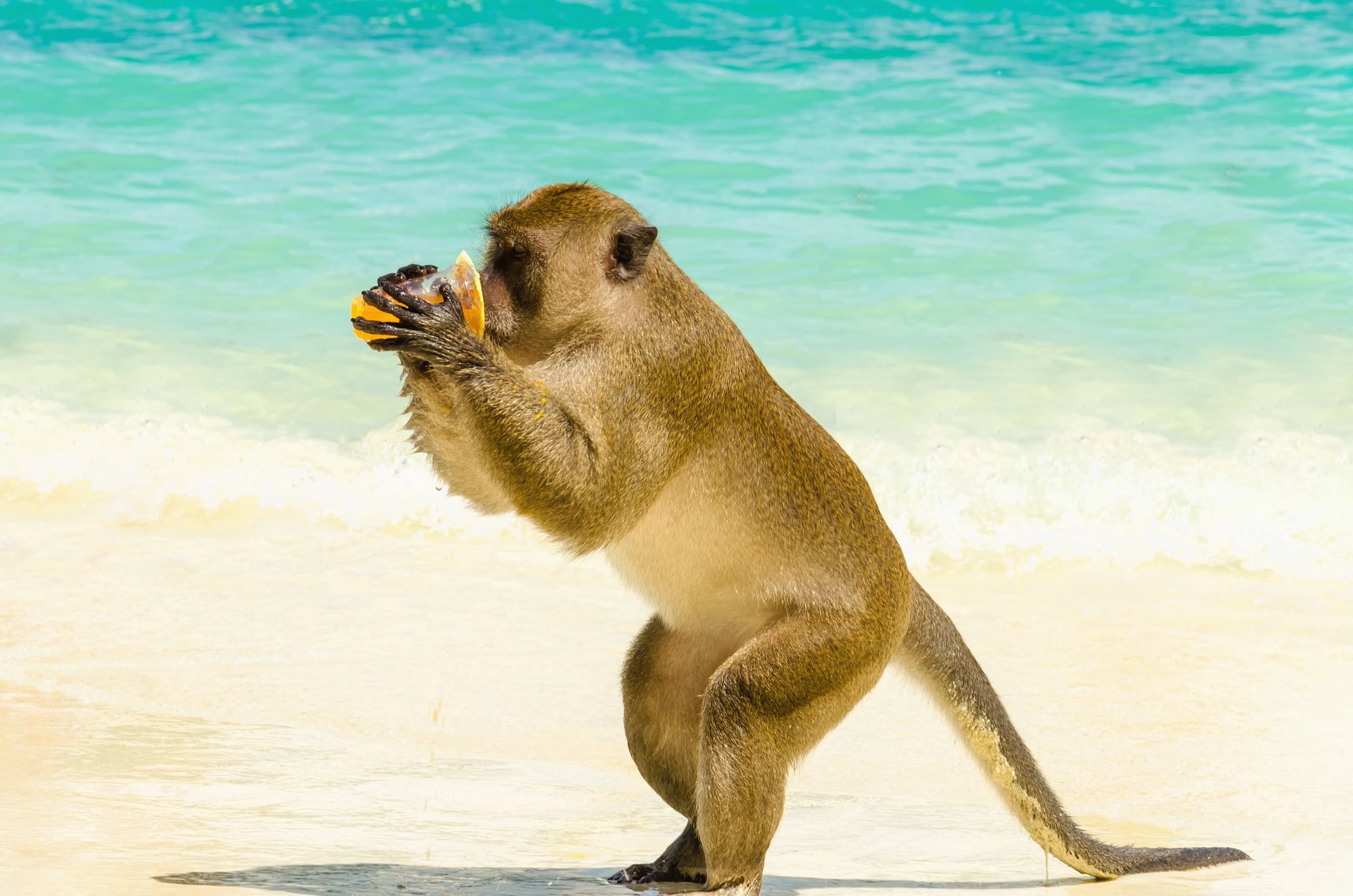
Every November in Lopburi, the local human population spends approximately $10,000 to prepare nearly two metric tons of fruits, vegetables, and desserts as a feast for the city’s 3,000 to 4,000 crab-eating macaques. The monkeys descend upon elaborate banquet tables, causing controlled chaos as they consume, fight over, and hoard the offerings.
The tradition dates back to 1989.
Battle of the Oranges, Italy
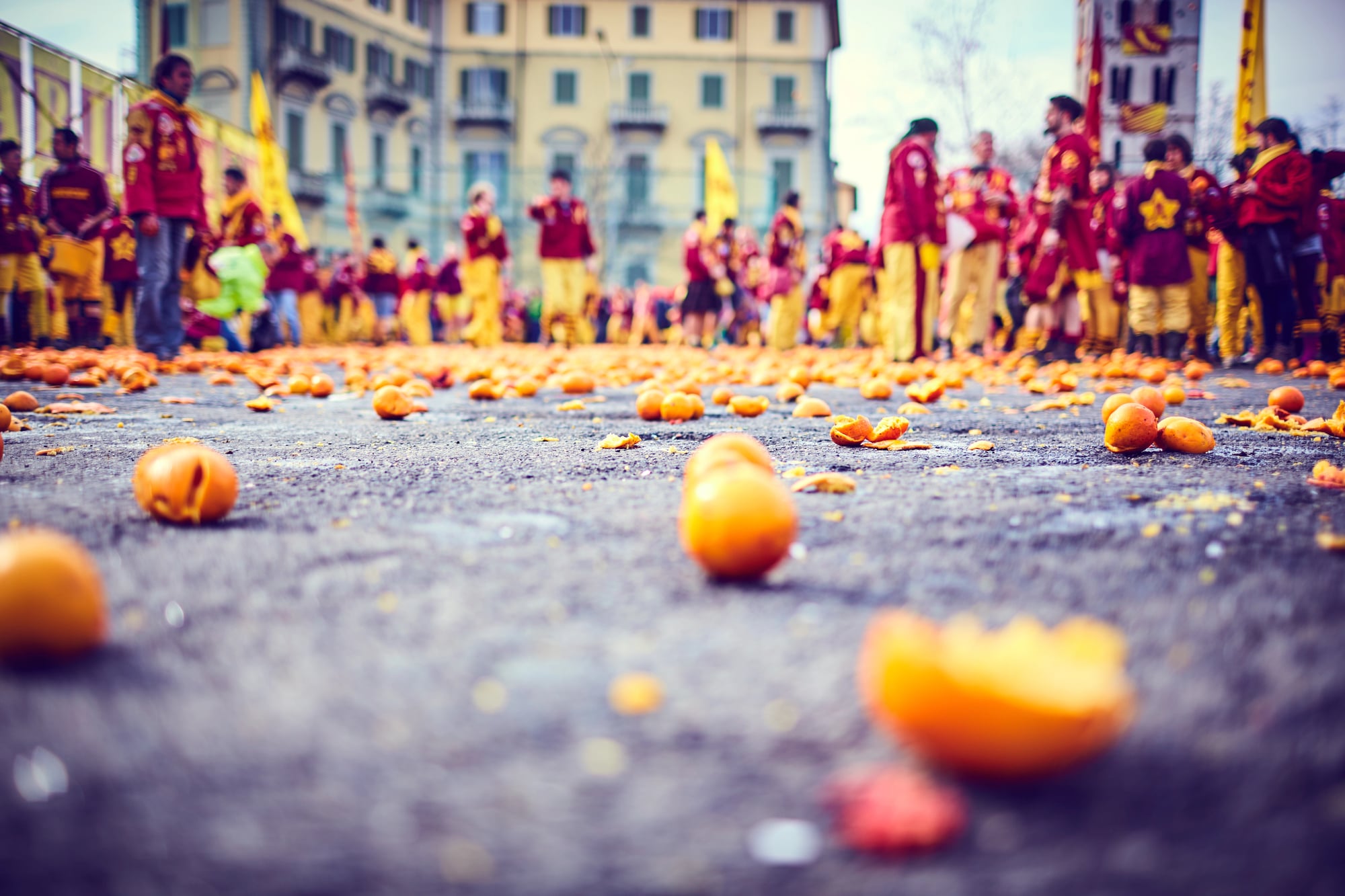
In the Italian city of Ivrea every February, citizens reenact a historical rebellion by hurling thousands of oranges at one another during Carnival. Teams hurl fresh citrus from carts while crowds engage in city-wide orange warfare.
The event uses approximately 500,000 kilograms of oranges annually.
Water Gun Festival, Seoul, South Korea
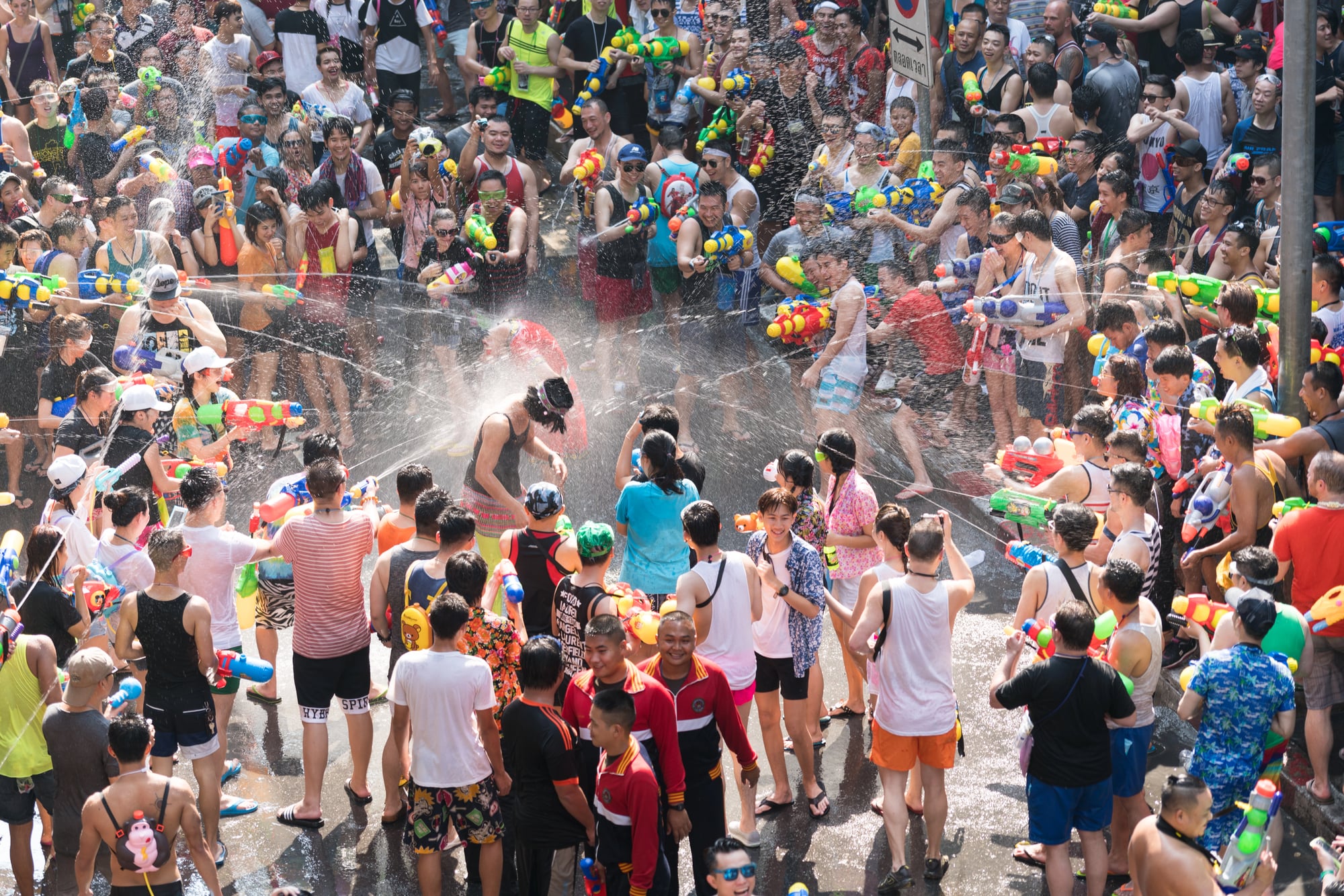
The Sinchon district transforms into an aquatic battle zone each summer when the Water Gun Festival prompts tens of thousands of participants to engage in massive water battles. The festival originated as a way to escape summer heat and has evolved into one of the city’s most popular seasonal events.
Night of the Radishes, Mexico
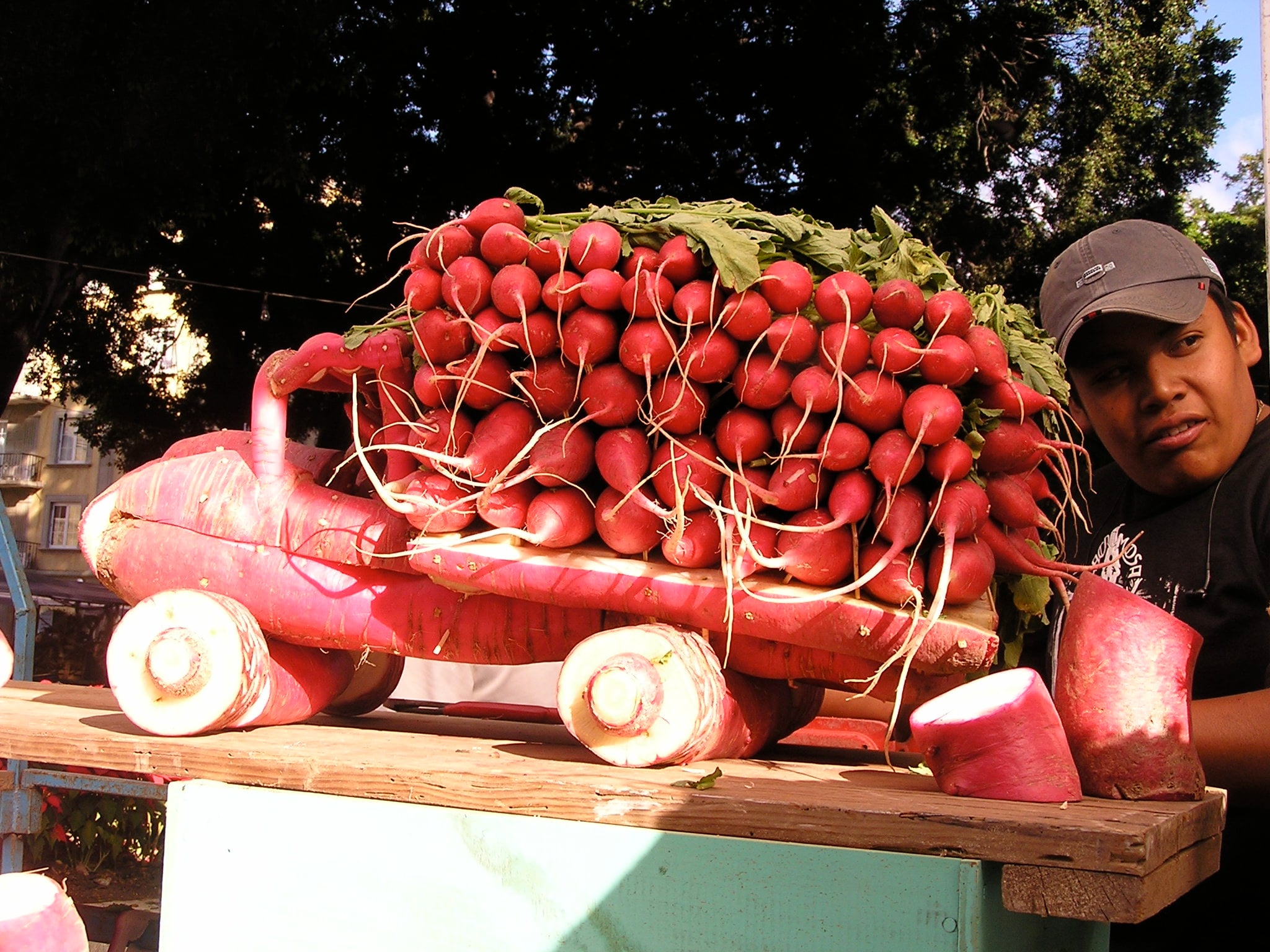
Every December 23rd in Oaxaca, local artisans display intricately carved radishes depicting historical scenes, religious figures, and fantastical creatures. The radishes, which can weigh several kilograms, are transformed into elaborate sculptures that showcase artistic skill and local tradition.
Sitges Carnival Bed Race, Spain
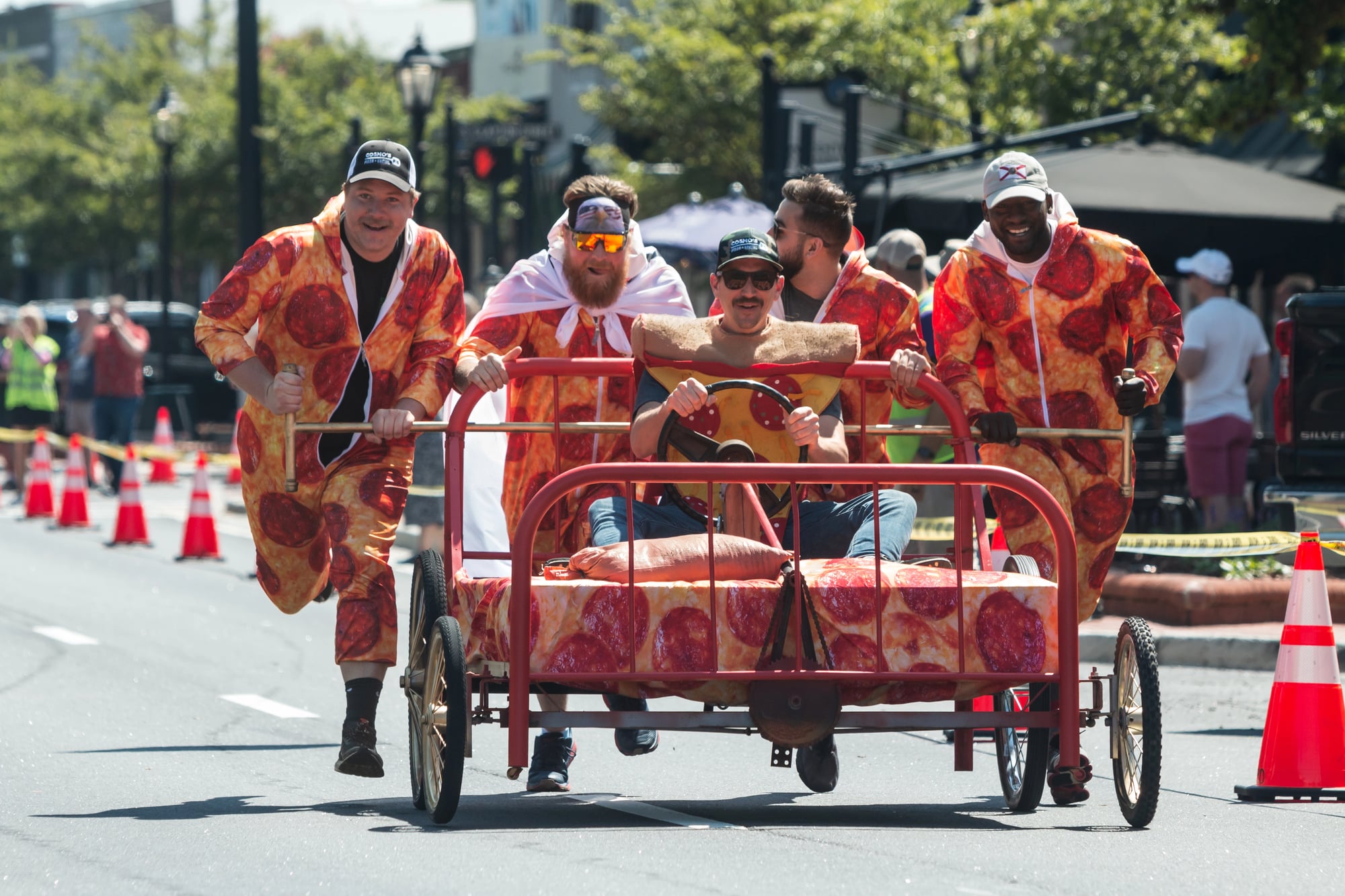
Near Barcelona, the coastal town of Sitges hosts an annual race where teams push ornately decorated beds on wheels in competitive races during Carnival season. The beds are elaborately costumed and the participants add entertainment value through theatrical performances while racing them down city streets.
International Kite Festival, Gujarat, India
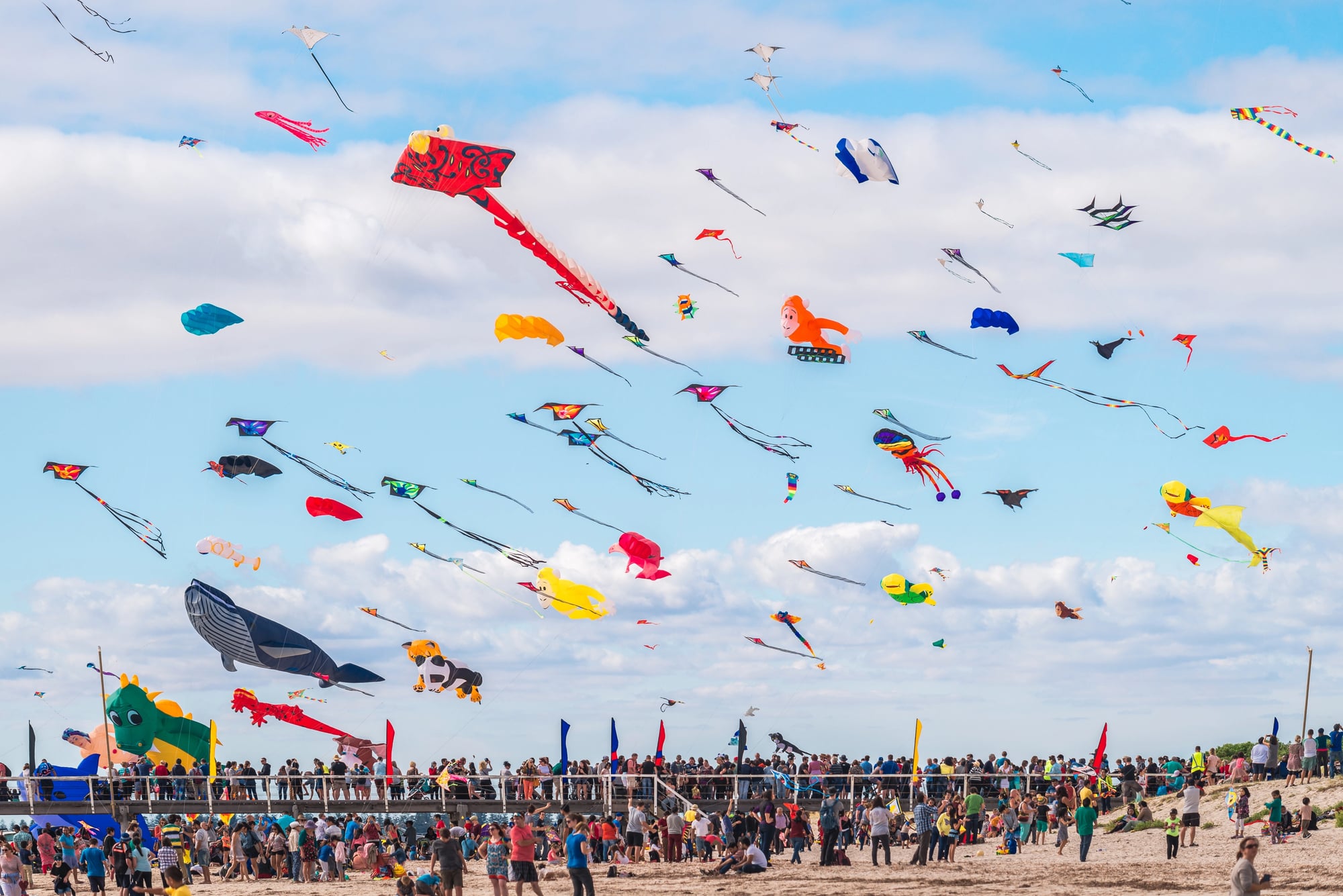
Every January, the skies above Gujarat fill with colorful kites as hundreds of thousands participate in this ancient festival marking the end of winter. Participants compete in aerial kite battles while enjoying local sweets and festival food.
The tradition dates back centuries.
Festival of Exploding Hammers, Mexico

In the town of San Juan de la Vega every February, participants throw firecracker-style explosive hammers at each other in a festival supposedly celebrating a Mexican folk hero. The event is one of the world’s most dangerous festivals, with spectators regularly suffering minor injuries from the explosions.
Hadaka Matsuri, Japan
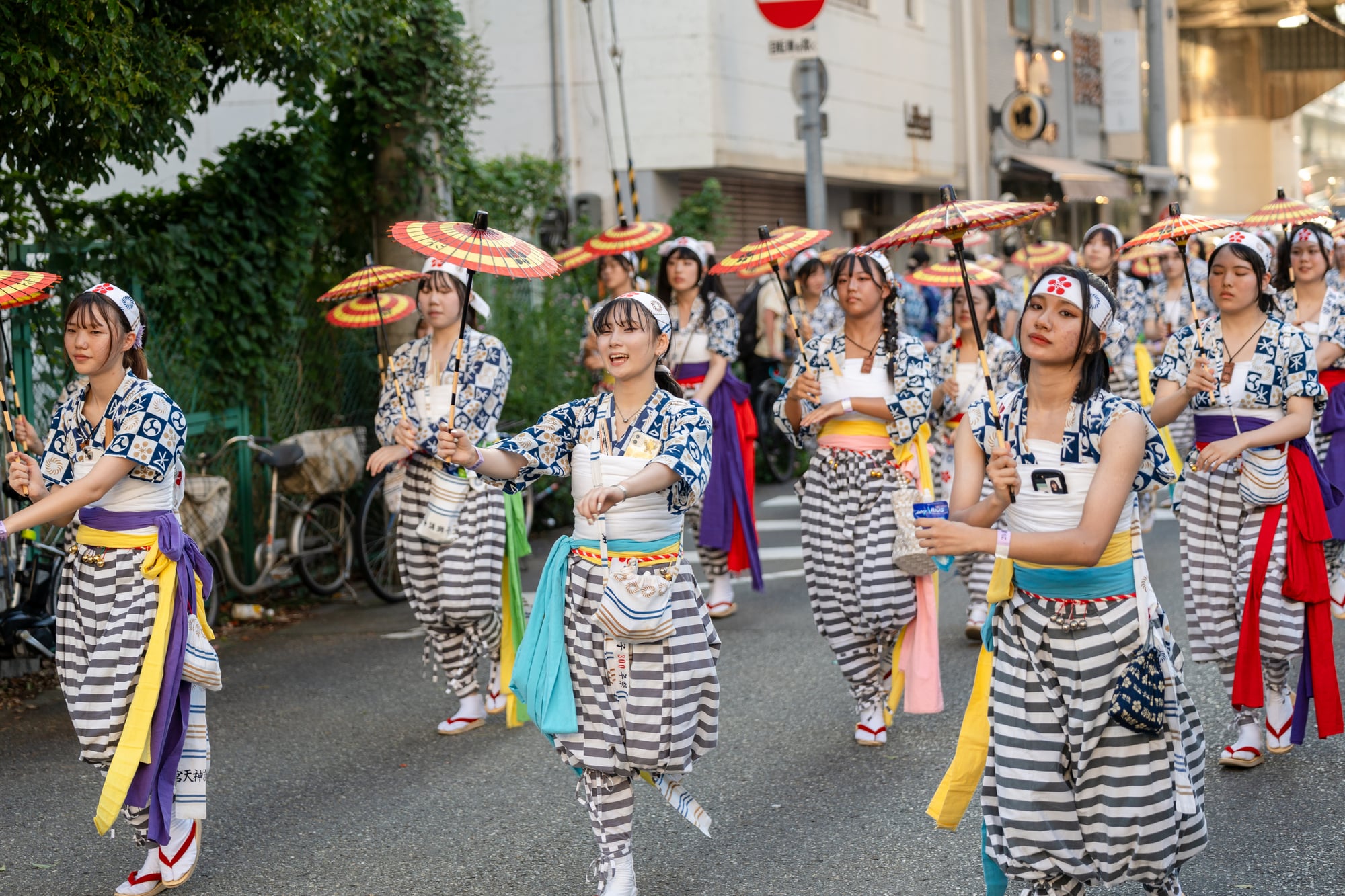
In Okayama every February, thousands of men wearing only loincloths brave winter weather to participate in this ancient Japanese fertility ritual. The half-unclothed participants jostle and push each other at the temple grounds in an effort to be pushed forward toward the priest, as proximity brings good fortune.
Elvis Festival, Parkes, Australia
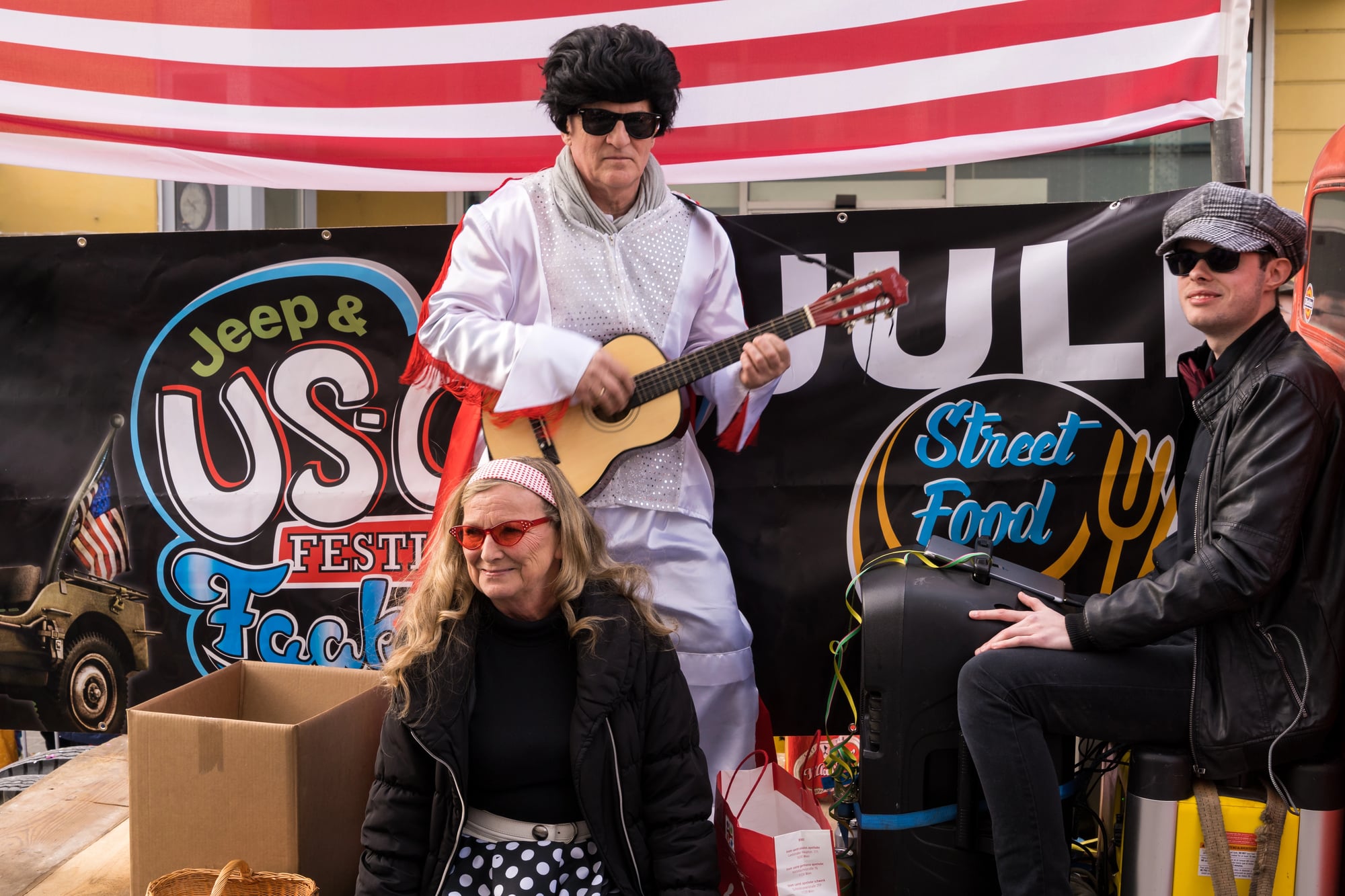
Every January, the Australian town of Parkes hosts an international festival celebrating Elvis Presley where fans don their best Elvis costumes and compete in impersonation contests. Hotels fill to capacity months in advance for what has become the Southern Hemisphere’s largest Elvis celebration.
Songkran Water Festival, Thailand
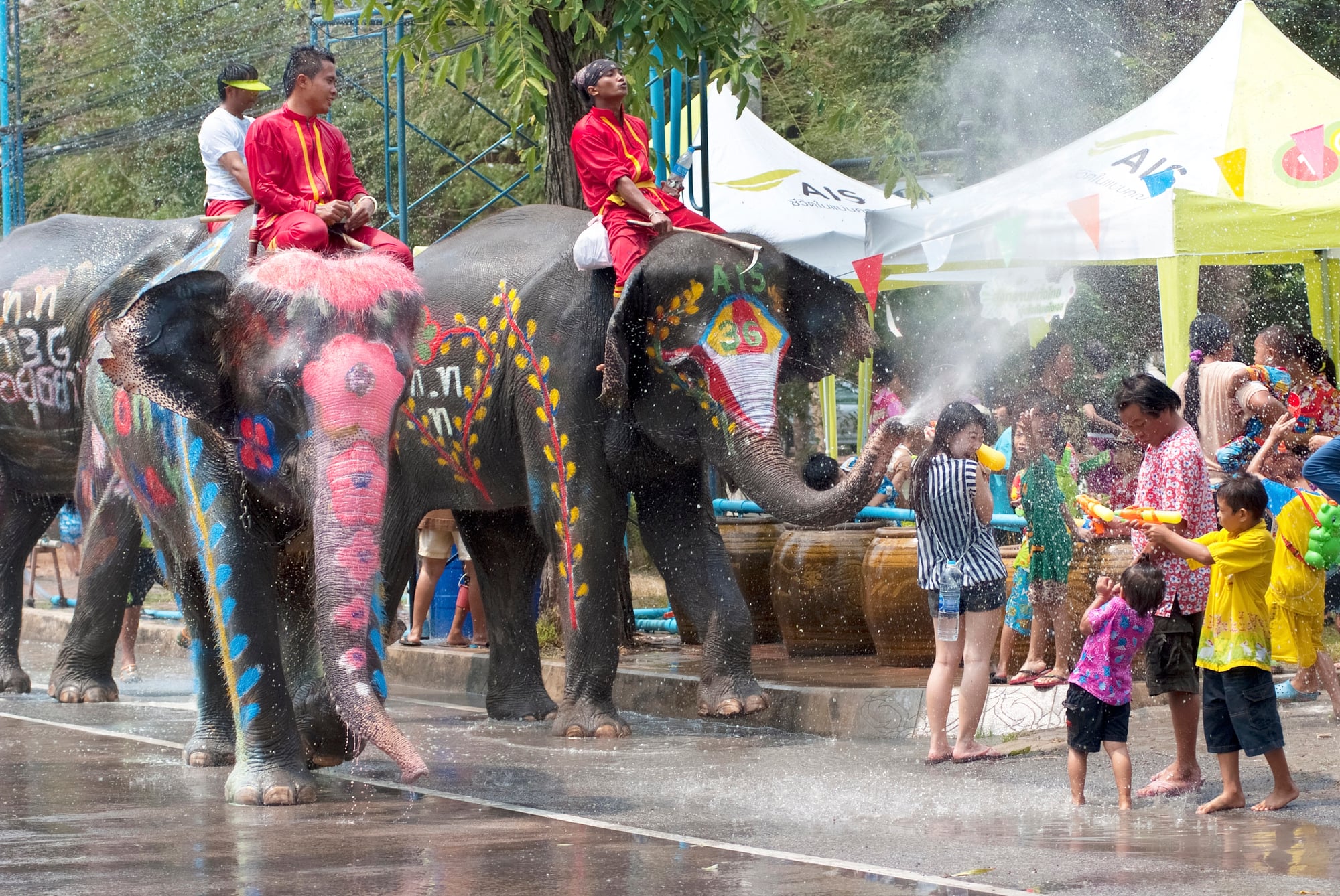
Thailand’s New Year celebration transforms Bangkok and other cities into water battle zones where the entire population engages in massive water fights. The festival symbolizes washing away sins and welcoming the new year, with participants armed with buckets and water guns soaking everyone in sight.
Rio Carnival, Brazil
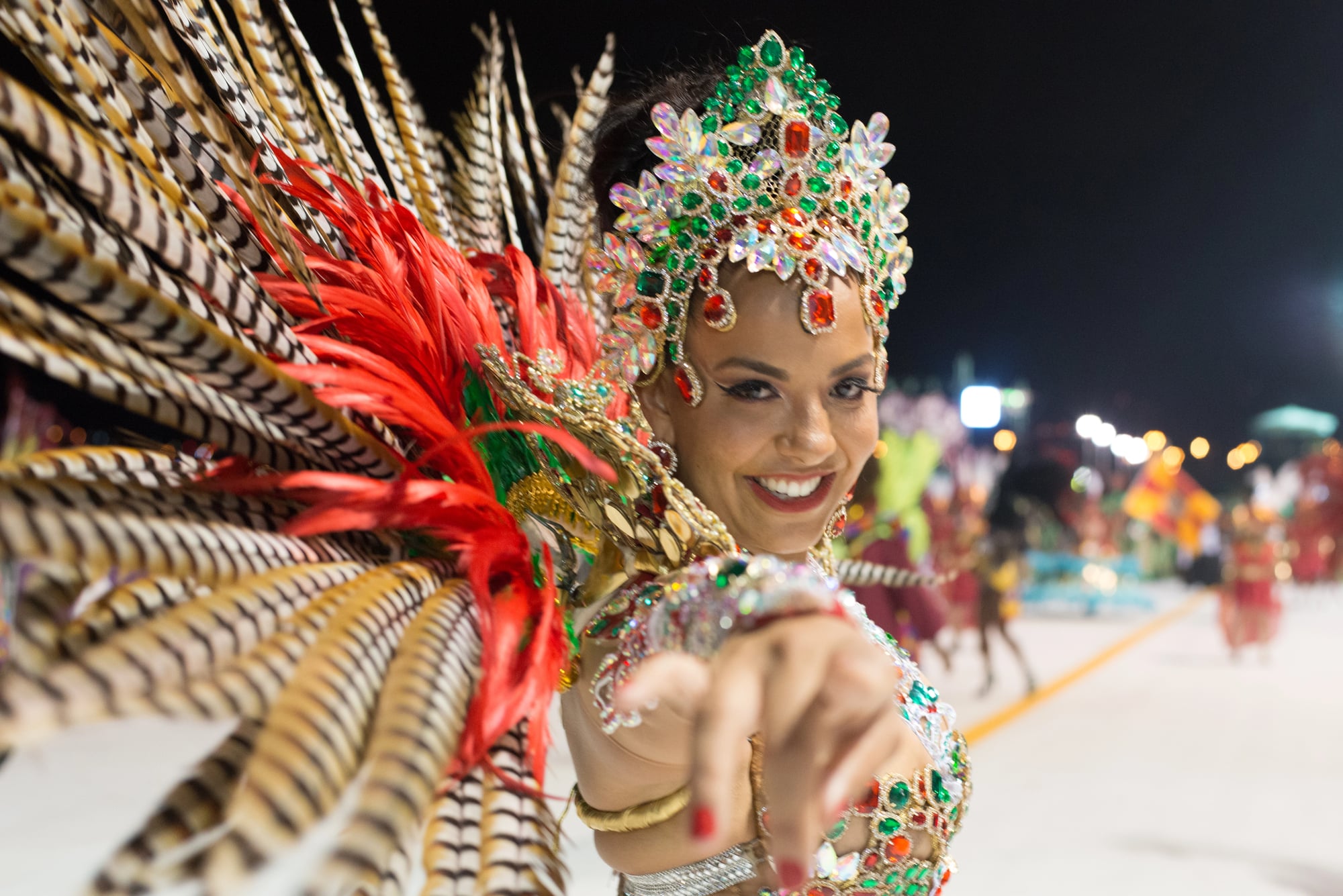
Drawing nearly two million visitors annually, Rio’s Carnival features five-seven days of continuous street festivals, elaborate float parades, and samba dancing. Competing samba schools spend all year preparing their costumes and choreography for this world-famous celebration that dominates the city.
Oktoberfest, Germany
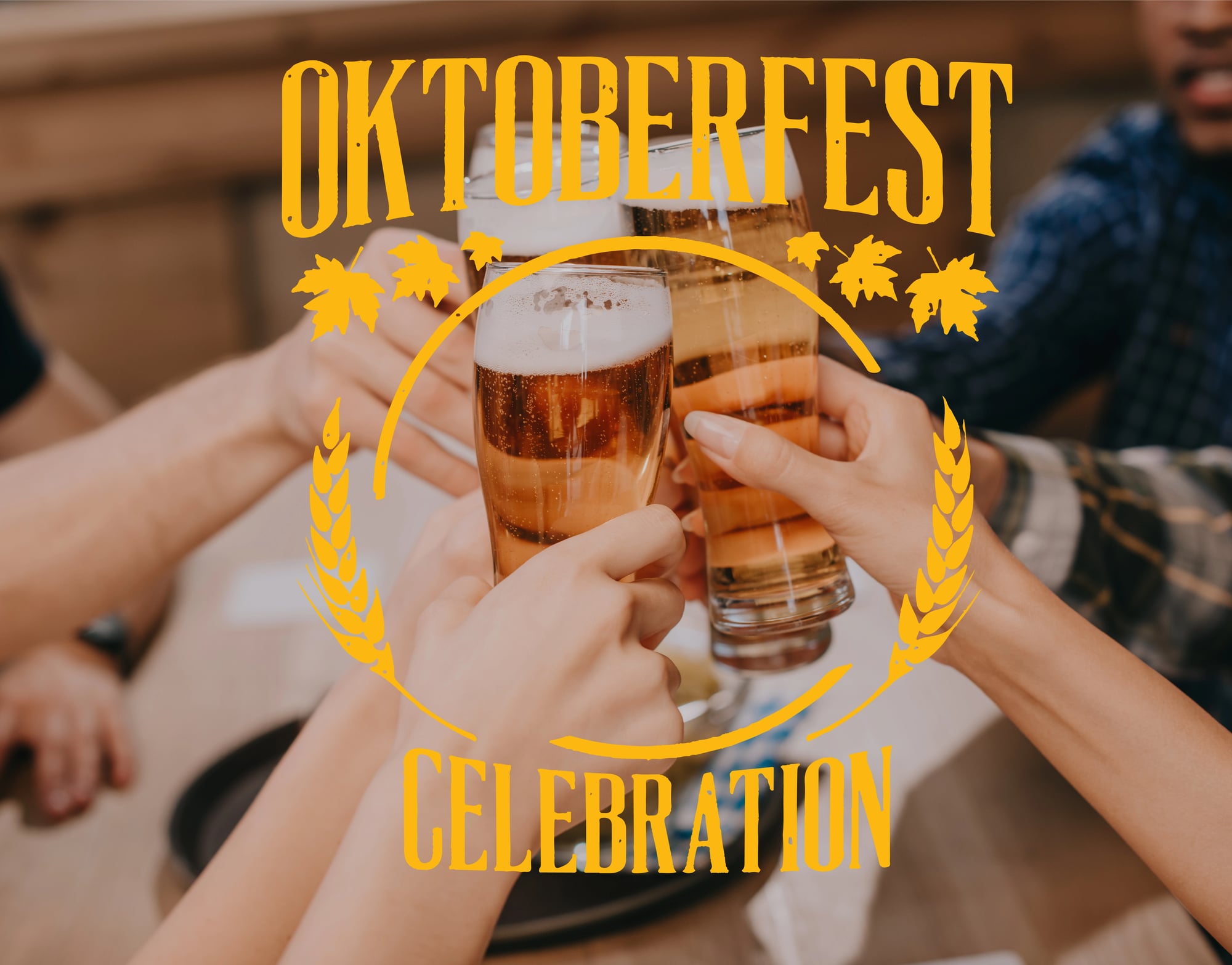
Munich’s annual beer festival attracts over six million visitors who drink from giant steins while wearing traditional Bavarian costumes. The sixteen-day event features beer gardens, food stalls, amusement rides, and parades celebrating Bavarian culture and, most importantly, enormous quantities of beer.
Burning Man, Nevada, USA
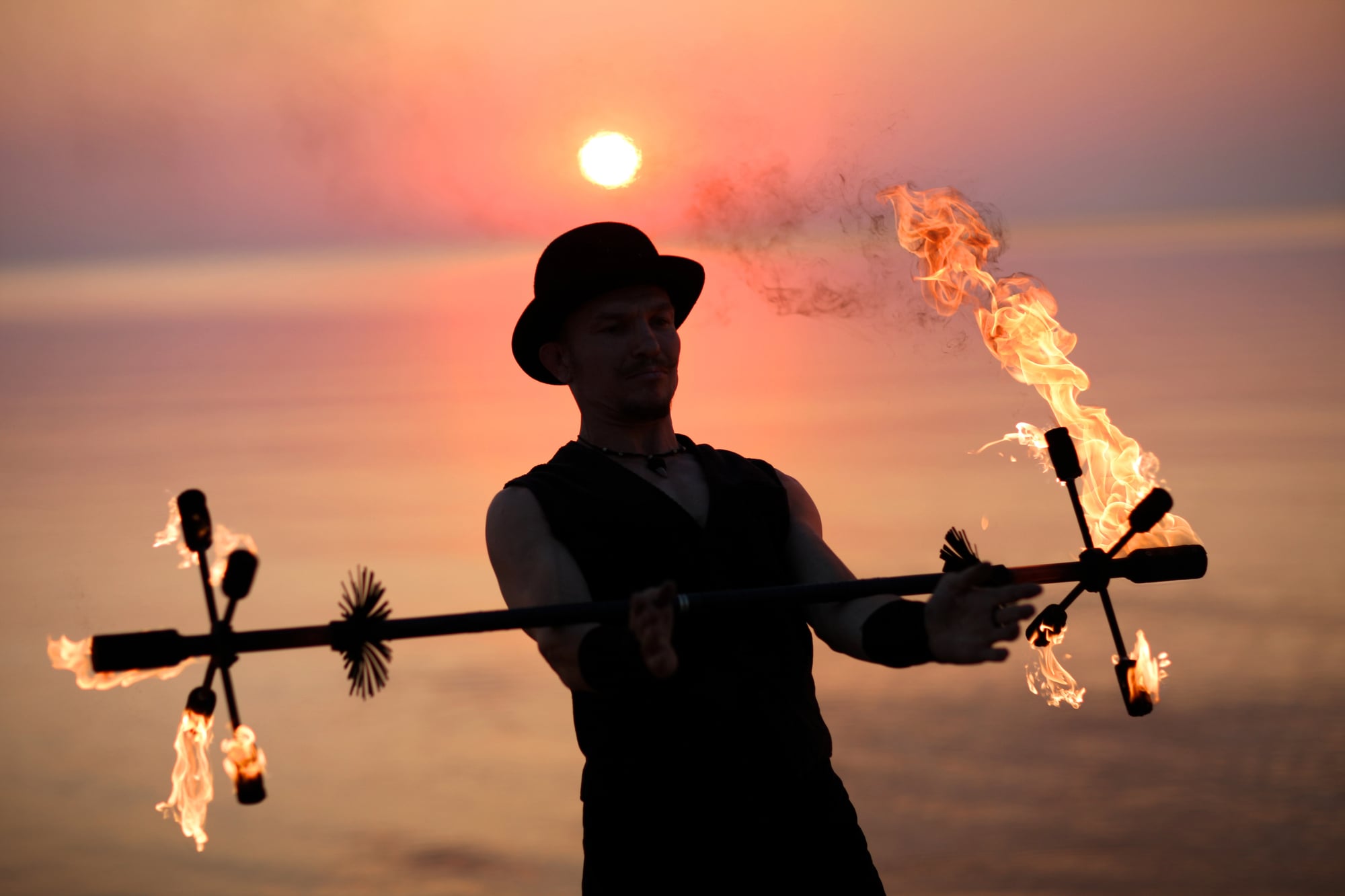
Every summer, approximately 70,000 participants construct a temporary city in the Black Rock Desert, creating art installations, music stages, and themed camps. The event emphasizes radical self-expression and community, culminating in the burning of a giant wooden man structure before the city is dismantled.
Running of the Bulls, Spain
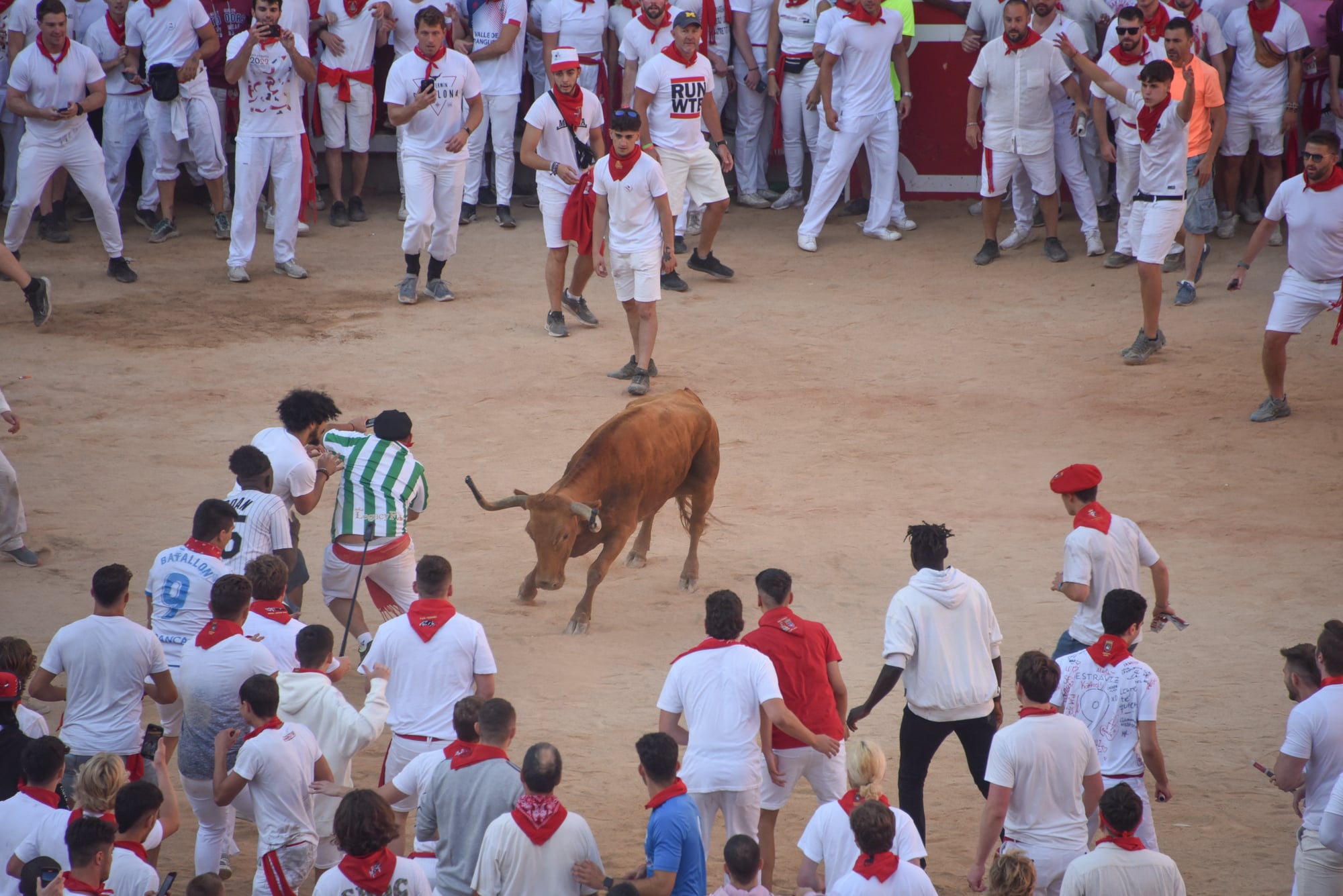
During the San Fermin Festival in Pamplona every July, participants race ahead of six fighting bulls down 930-yard streets toward the city’s bullring. The tradition attracts hundreds of thousands of spectators and causes dozens of injuries annually from gorings, trampling, and falls.
Camel Wrestling Festival, Turkey
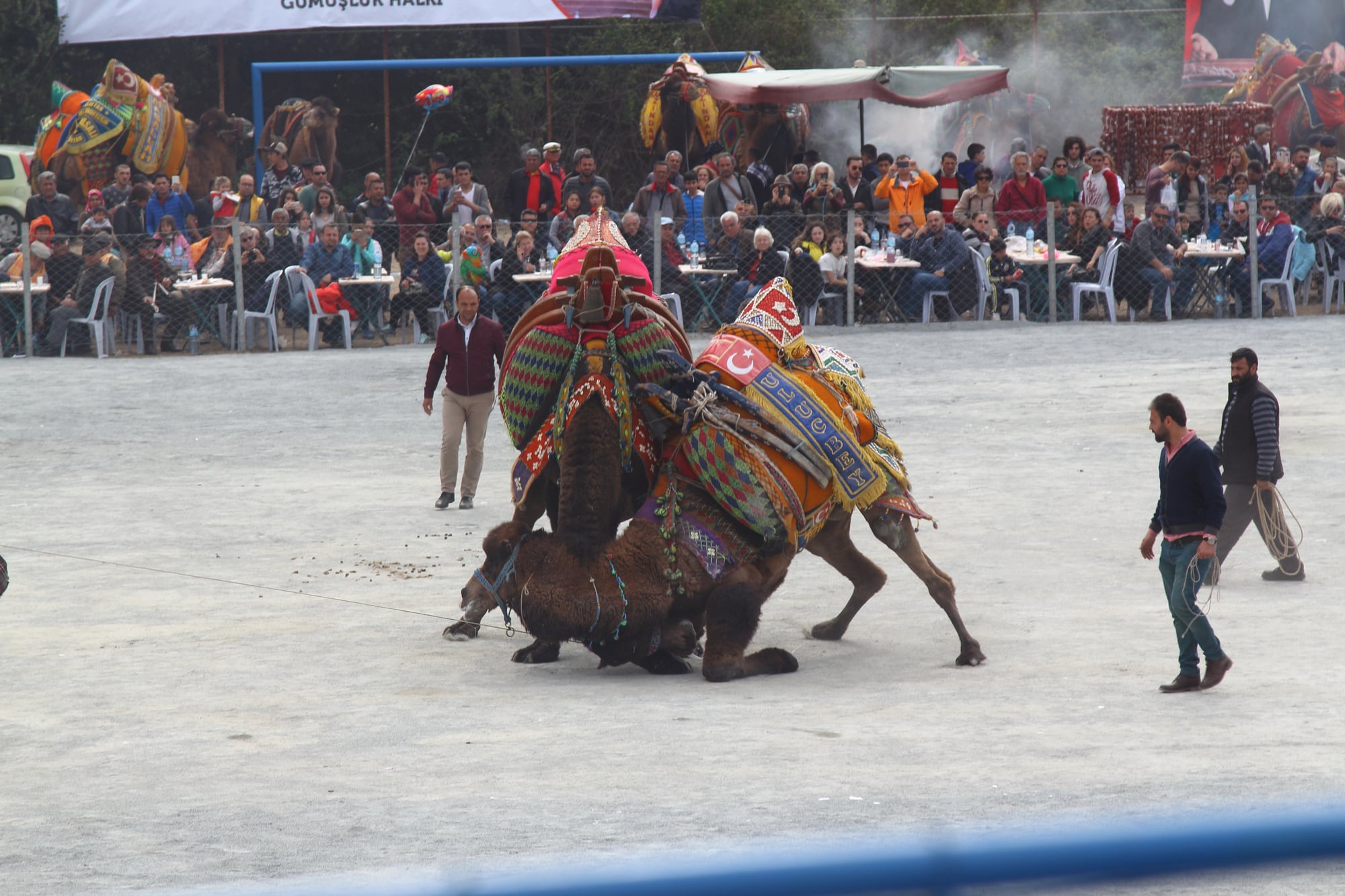
Every January in Selcuk, camel wrestling competitions unfold over three months during the traditional breeding season when male camels are naturally aggressive. Handlers direct the animals into wrestling matches where they grapple and push each other using their necks and bodies.
Abbots Bromley Horn Dance, England
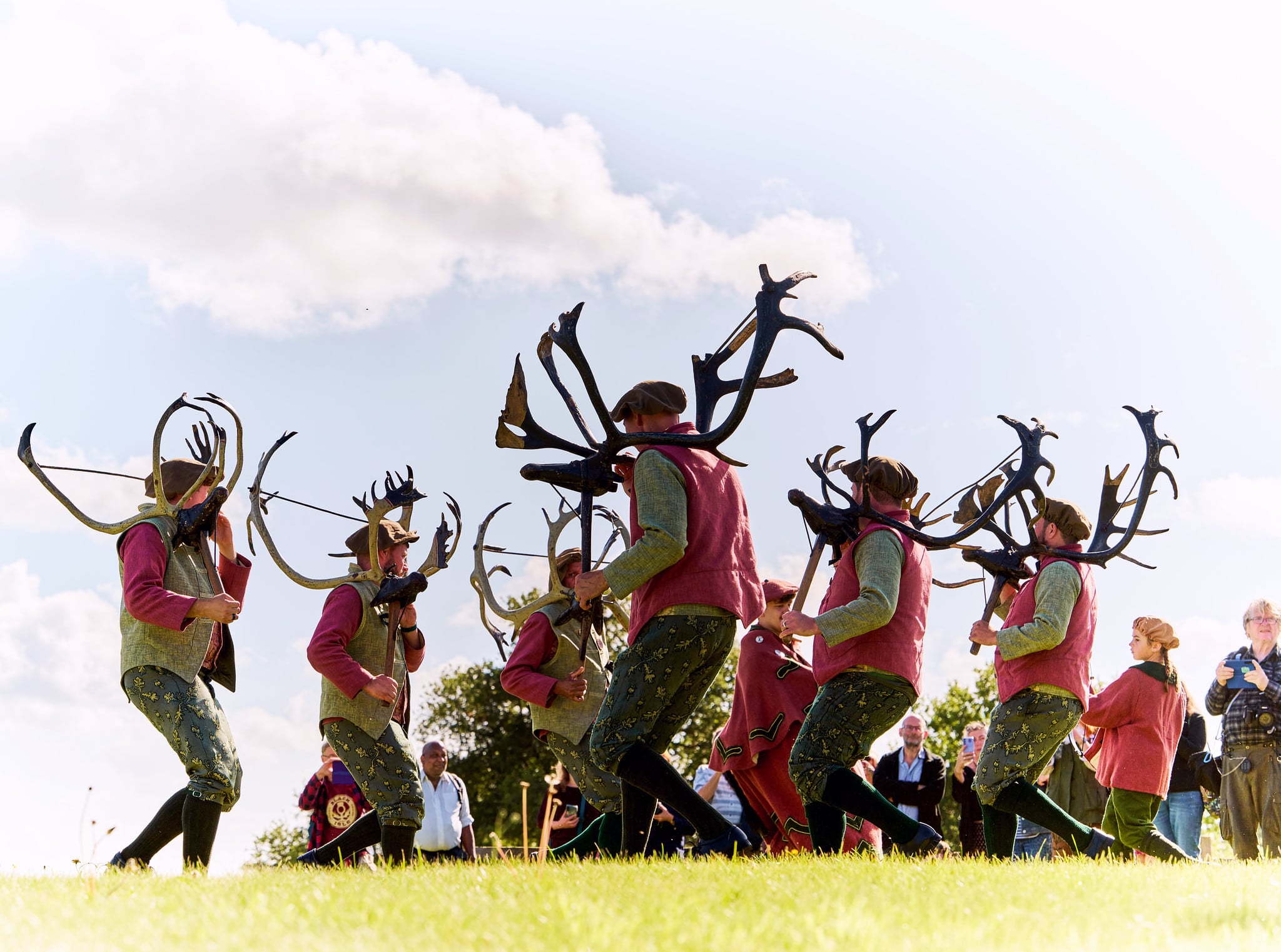
Every September, performers in the English village of Abbots Bromley process through the parish carrying ancient reindeer horns. The origins remain mysterious, though radiocarbon dating shows the horns date to the eleventh century.
The dancers perform an elaborate folk ritual whose meaning has never been fully explained.
Kanamara Matsuri (Penis Festival), Japan
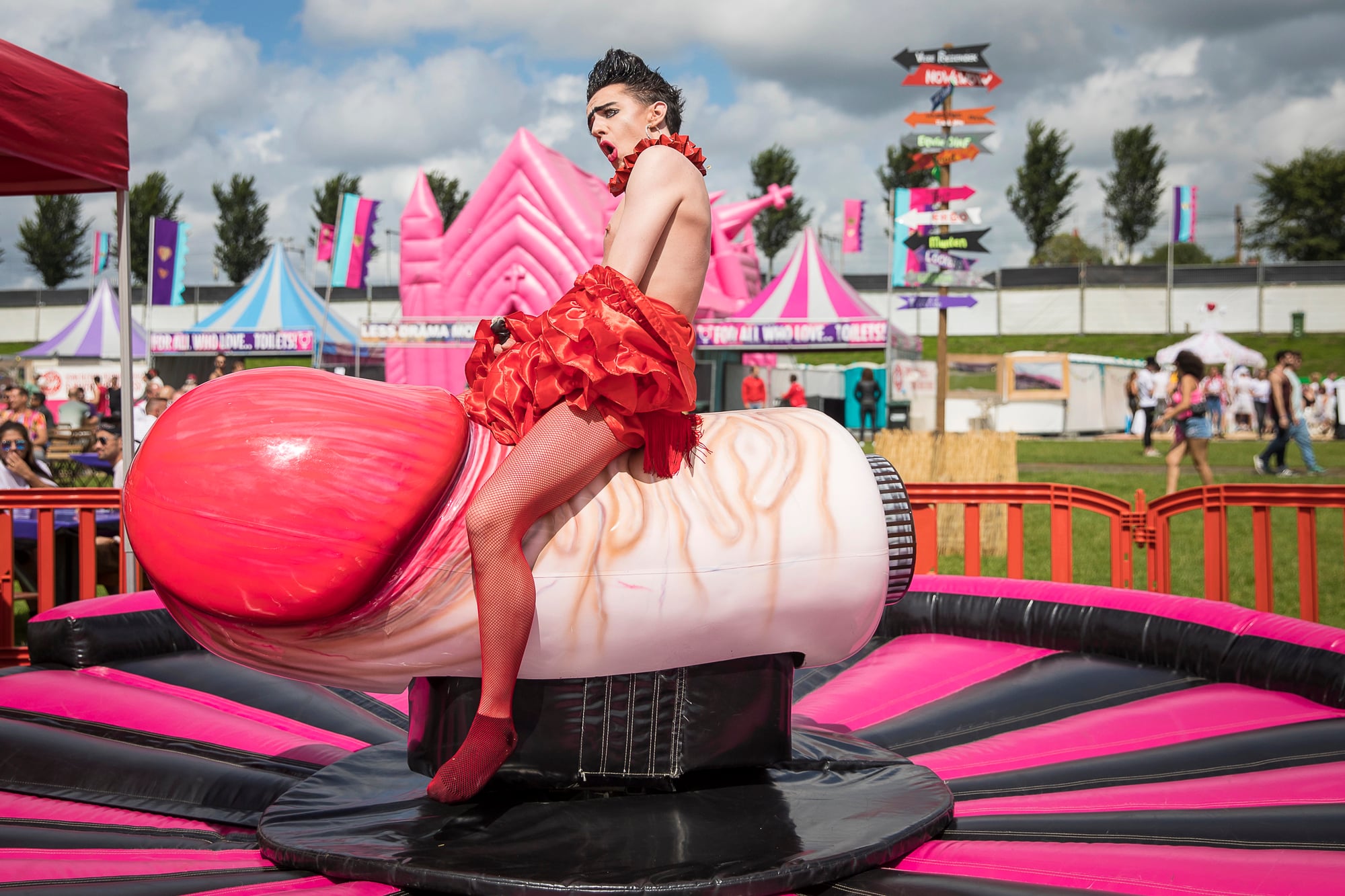
In Kawasaki every April on the first Sunday of the month, Kanayama Shrine celebrates with giant phallic portable shrines carried through the streets amid phallic candy, carved vegetables, and decorations. The tradition began centuries ago when intimate workers prayed for protection from disease, and has evolved into a fertility celebration.
Cheung Chau Bun Festival, Hong Kong
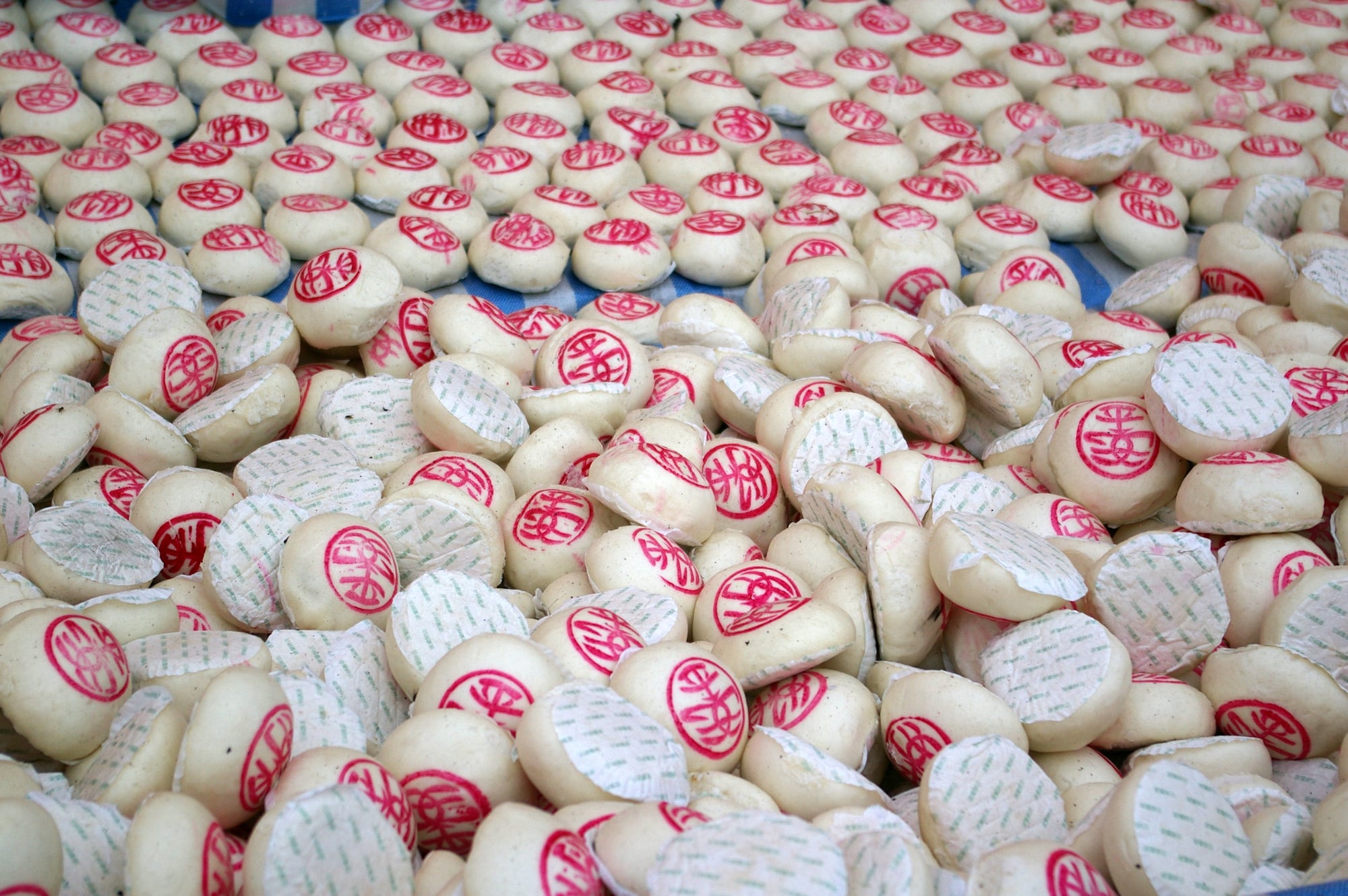
On the island of Cheung Chau every May, participants race up a 46-foot bamboo tower covered with buns, attempting to grab as many buns as possible within three minutes. The higher the buns on the tower, the more points they’re worth, causing climbers to scramble dangerously upward.
Bog Snorkeling Championship, Wales

In the Welsh town of Llanwrtyd Wells, competitors don diving gear and snorkel through a water-filled peat bog channel. The event measures success by swimming speed through murky bog water, with international participants traveling to Wales specifically to compete in this absurd aquatic challenge.
Ferret Legging Championship, England

The British sport of ferret legging involves placing live ferrets down one’s pants and keeping them there while they attempt to escape. The competitor who keeps their ferrets contained longest wins, resulting in painful bites and scratches as entertainment.
Shin-Kicking Championship, England

Participants in the Cotswold Olympics compete by attempting to kick each other’s shins while grabbing the opponent’s collar for balance. Competitors often stuff their pants with straw for minimal protection, creating what can only be described as sanctioned leg violence performed for spectator amusement.
Celebrating the Genuinely Absurd
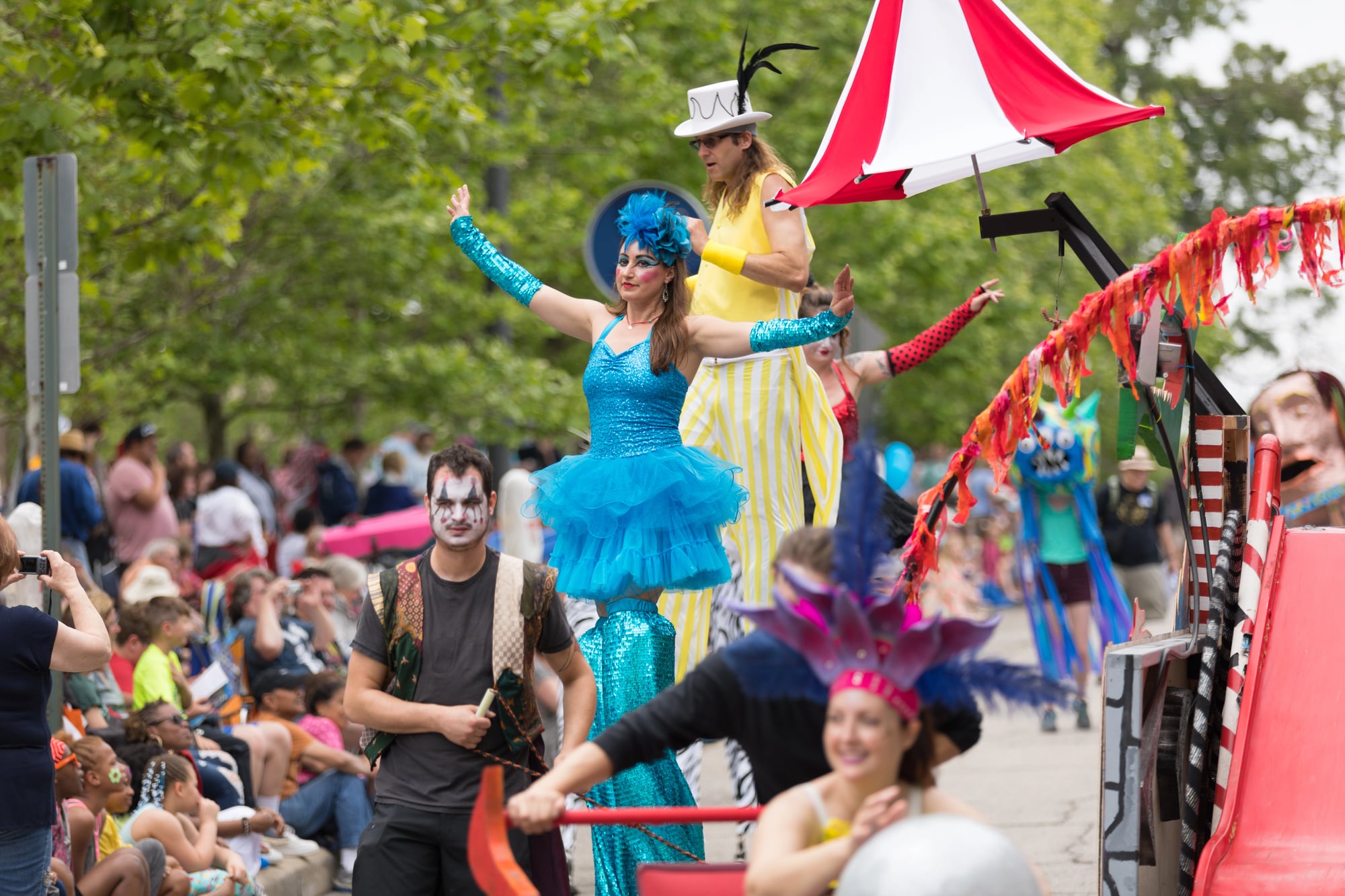
These twenty-eight festivals demonstrate that the impulse to gather and celebrate transcends cultural boundaries and logical reasoning. Communities worldwide invest tremendous resources and personal discomfort to maintain traditions that offer no practical benefit beyond the joy of shared strangeness.
Whether hurling vegetables, racing after dairy products, or engaging in bizarre physical competitions, humans repeatedly choose spectacle and community over comfort—a reminder that tradition and shared laughter matter as much as the logical organization of modern life.
More from Go2Tutors!

- The Romanov Crown Jewels and Their Tragic Fate
- 13 Historical Mysteries That Science Still Can’t Solve
- Famous Hoaxes That Fooled the World for Years
- 15 Child Stars with Tragic Adult Lives
- 16 Famous Jewelry Pieces in History
Like Go2Tutors’s content? Follow us on MSN.