Penny Candy Counter Items That Made a Dollar Feel Like a Fortune
The penny candy counter represented economic power for children in ways no contemporary retail experience can replicate—a dollar granted genuine abundance and required careful decision-making about whether to purchase quantity or quality. Unlike modern candy retailing where individual items typically cost 50 cents to several dollars, penny and nickel candy distributed purchasing power across dozens of items, making childhood allowances genuinely meaningful.
The counter itself occupied sacred retail space, positioned at exact child eye-level with glass barriers separating temptation from purchasing decisions. Variety exceeded anything contemporary candy aisles offer—obscure regional brands, products that vanished decades ago, and options so numerous that the same dollar consistently produced different purchases as children adjusted preferences.
The penny candy counter was the primary economy through which children learned value assessment, delayed gratification, impulse control, and the mathematics of scarcity and abundance.
Wax Bottles Filled with Sugar Syrup
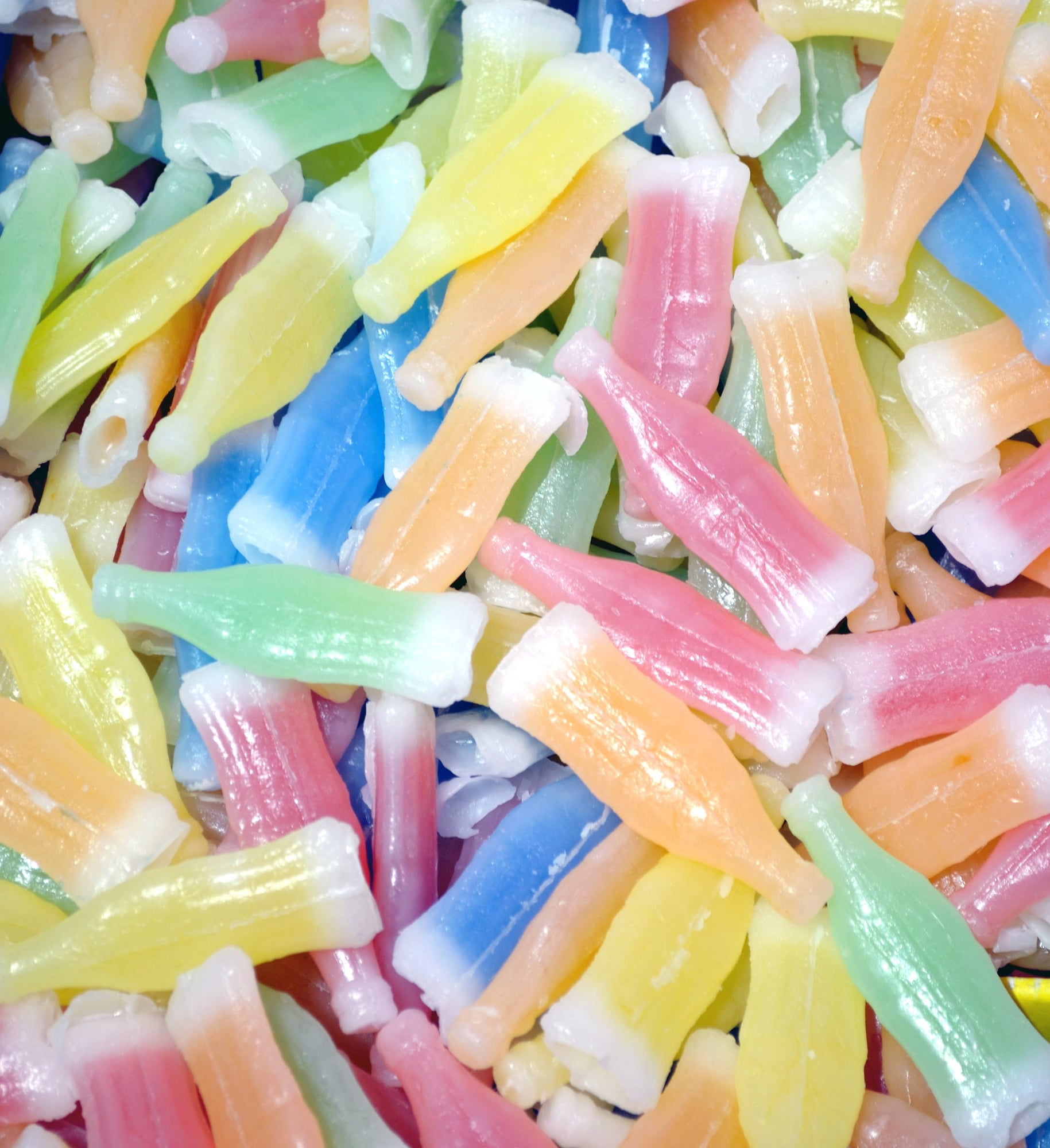
These tiny wax bottles contained mere milliliters of colored sugar syrup that children drank then chewed the wax as gum. Three or four bottles cost a penny, making them extraordinarily efficient at creating the illusion of multiple purchases from minimal investment.
Pixie Stix and Lik-M-Aid
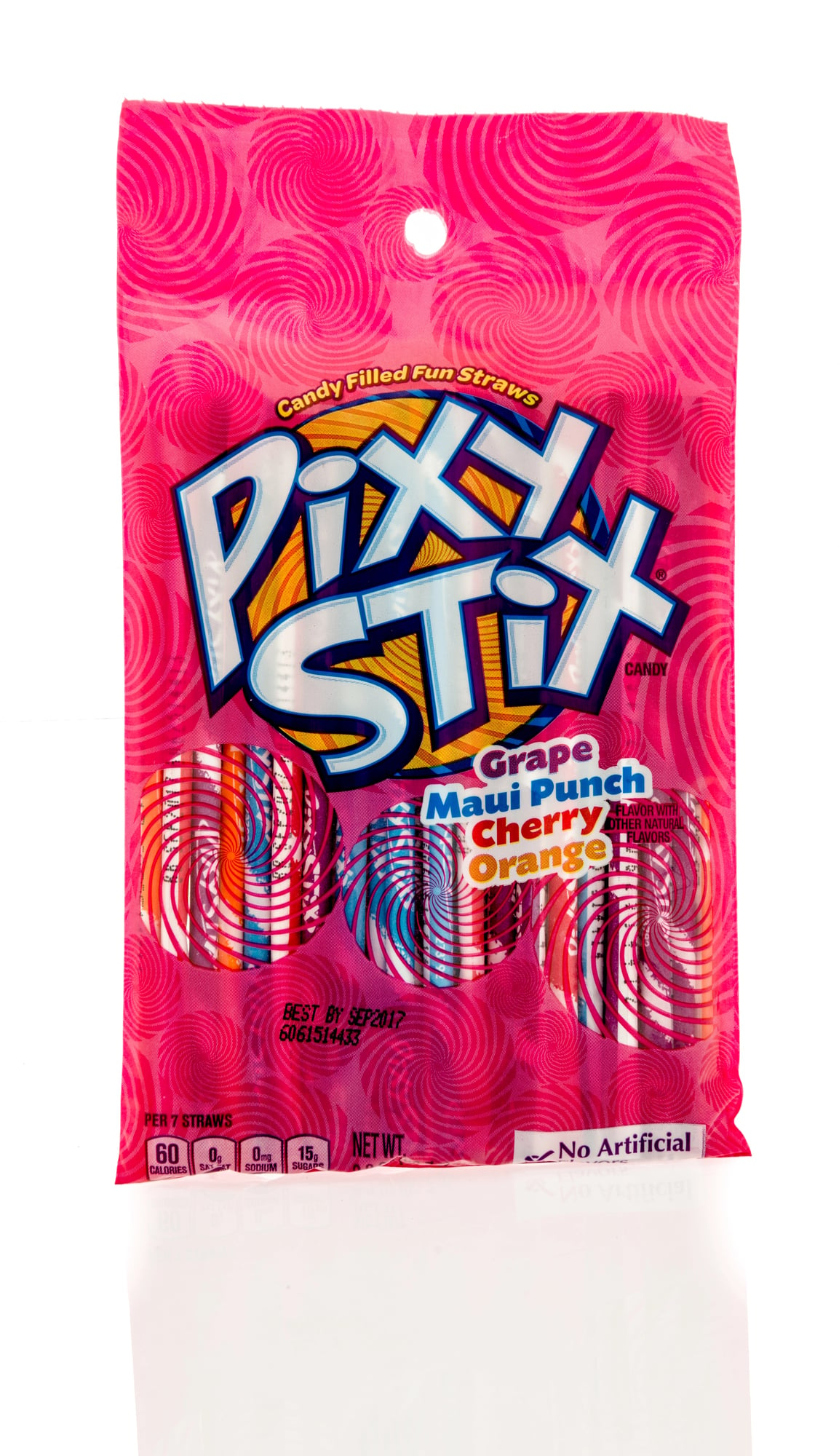
These wax paper tubes filled with colored, flavored sugar powder delivered intense flavor sensation with absolutely no actual food content. Kids could purchase dozens for a dollar.
Tootsie Rolls and Miniature Candy
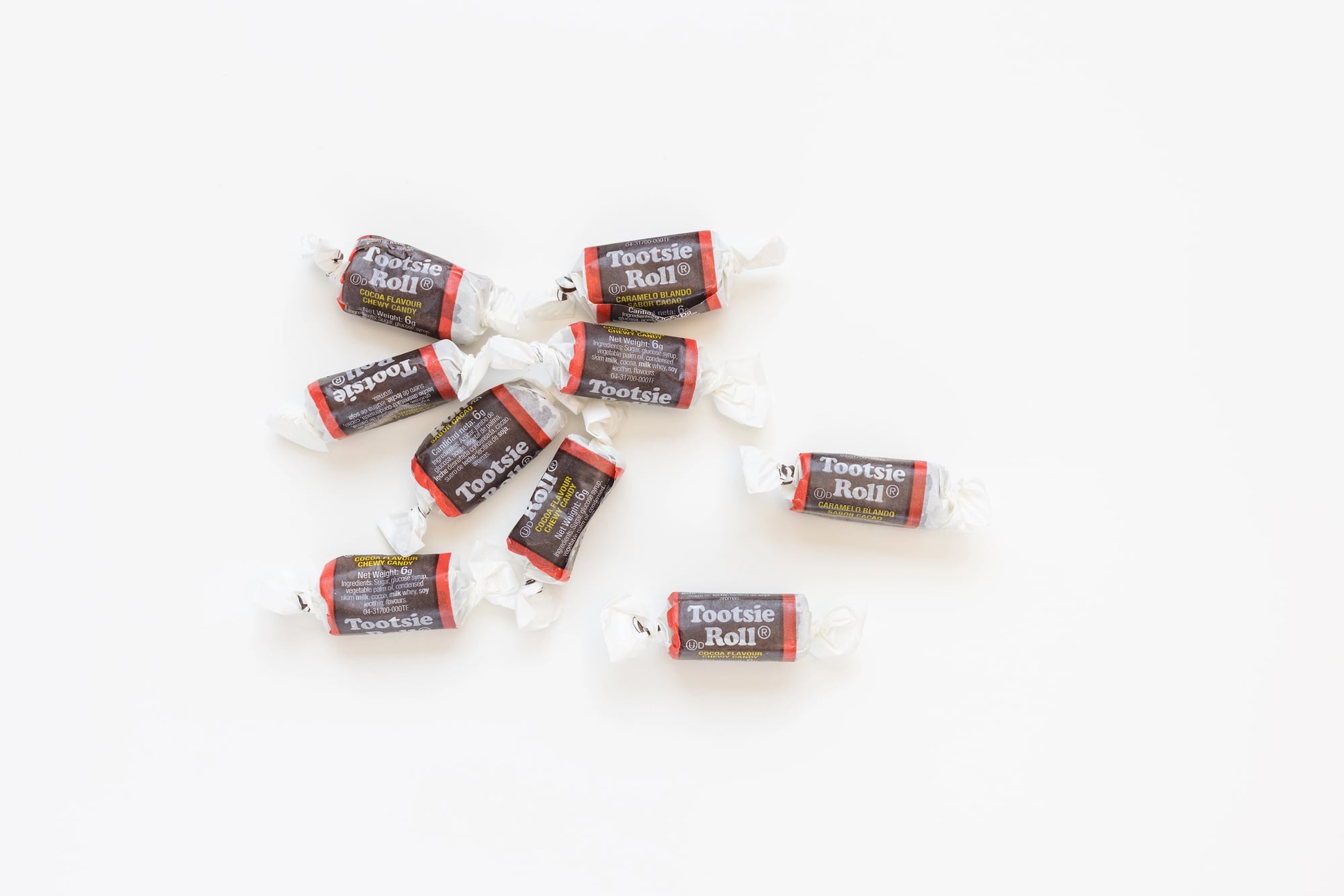
Tiny chocolate tootsie rolls cost mere pennies, making them stackable purchases that created the illusion of significant quantity for minimal investment.
Lollipops of Enormous Variety
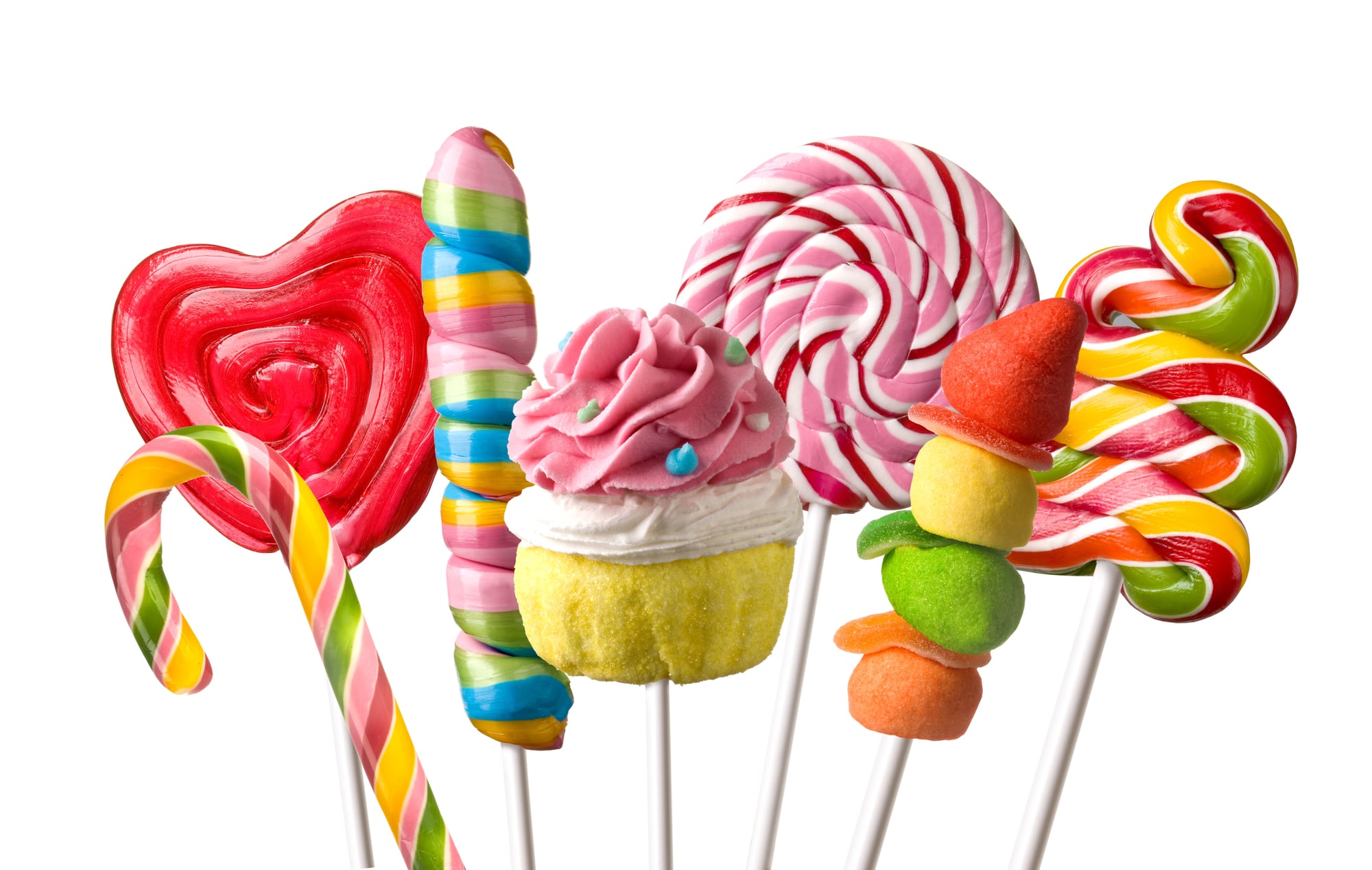
Round candies on sticks came in countless flavors and sizes, allowing children to select specific varieties rather than accepting whatever remained. Mystery lollipops offered slight discounts for unknown flavors.
Licorice Ropes and Strips
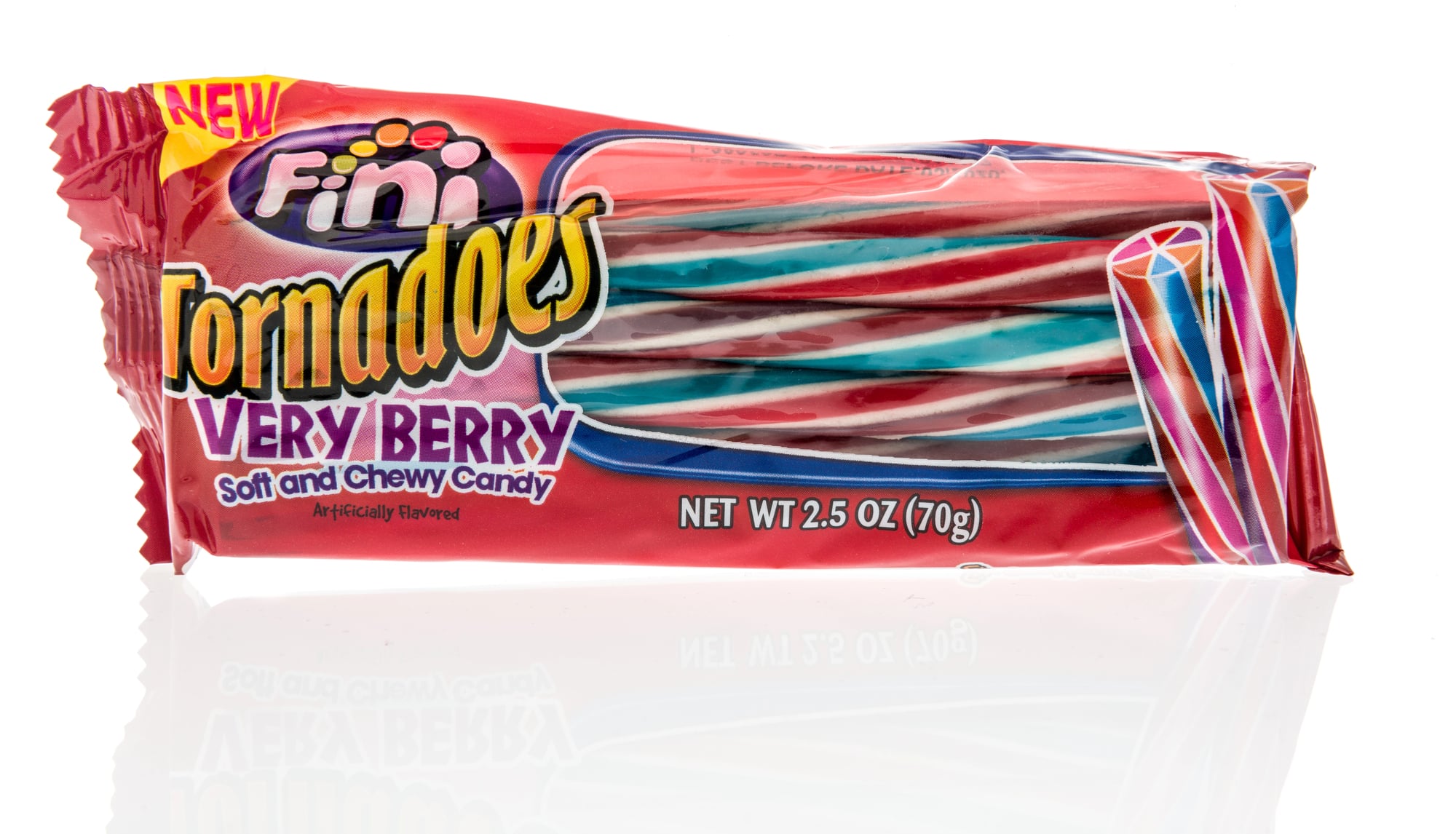
Various licorice configurations—twisted ropes, flat strips, or coiled versions—came in cherry, strawberry, and black varieties, offering long consumption time relative to cost.
Gumdrops in Bulk
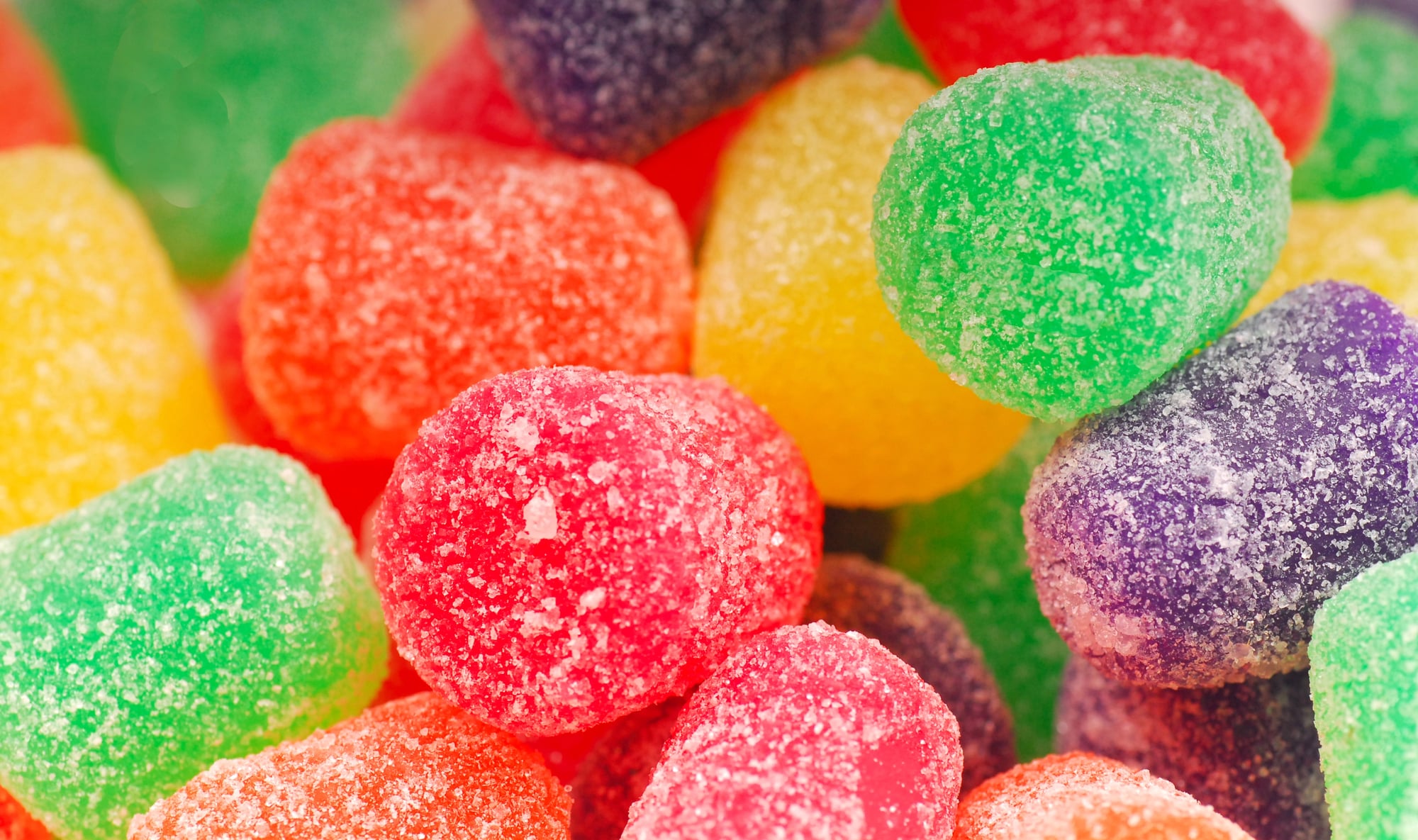
Scooped from bulk containers into small paper bags, gumdrops could be purchased by weight or by the scoop. Flavor selection was entirely personal, making each purchase customized.
Sour Candy in Multiple Configurations
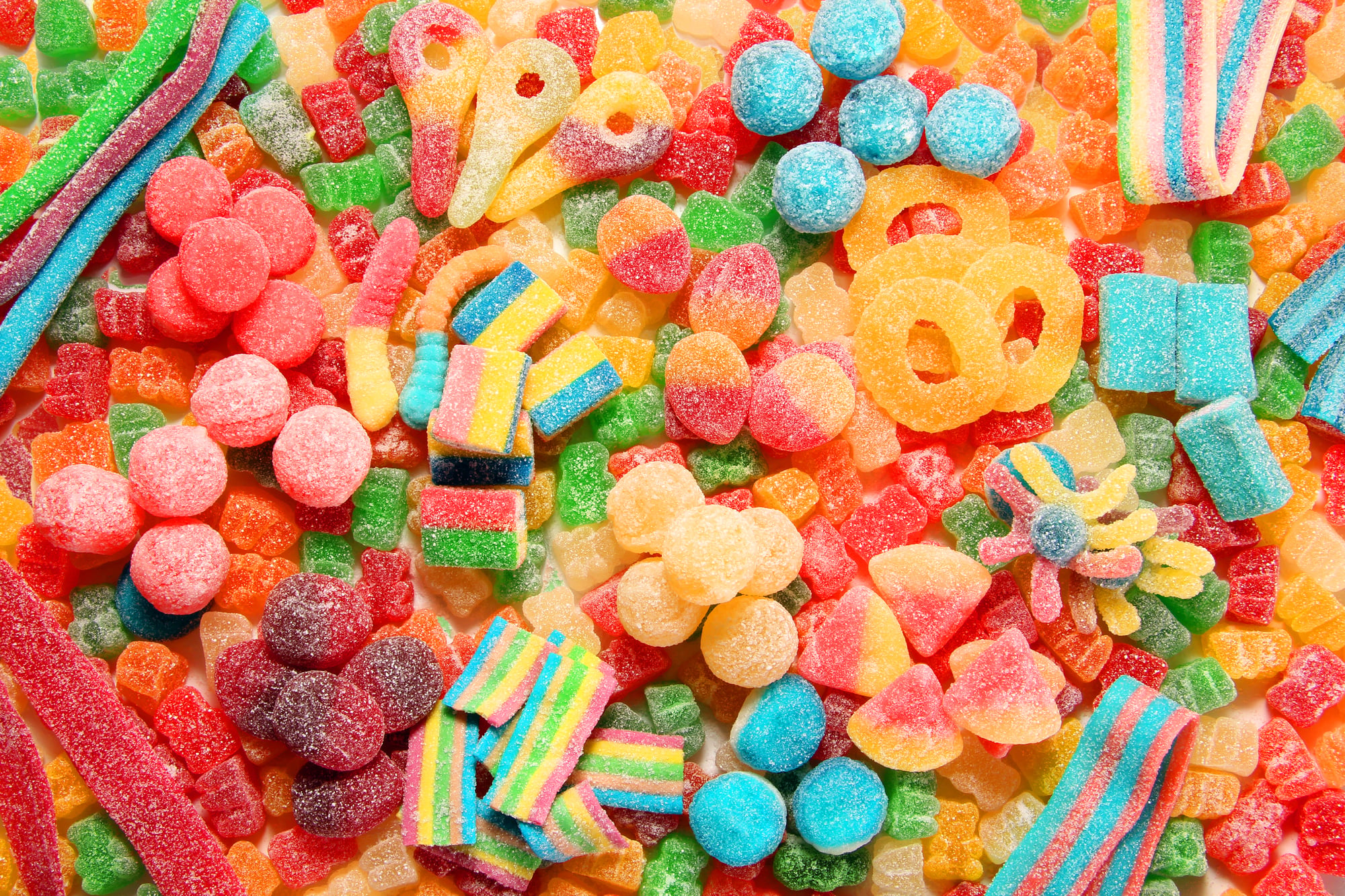
Sour straws, sour belts, and sour crystals created extreme flavor sensations that children particularly prized. Multiple configurations allowed diverse sour experiences across a single dollar.
Candy in Regional Varieties
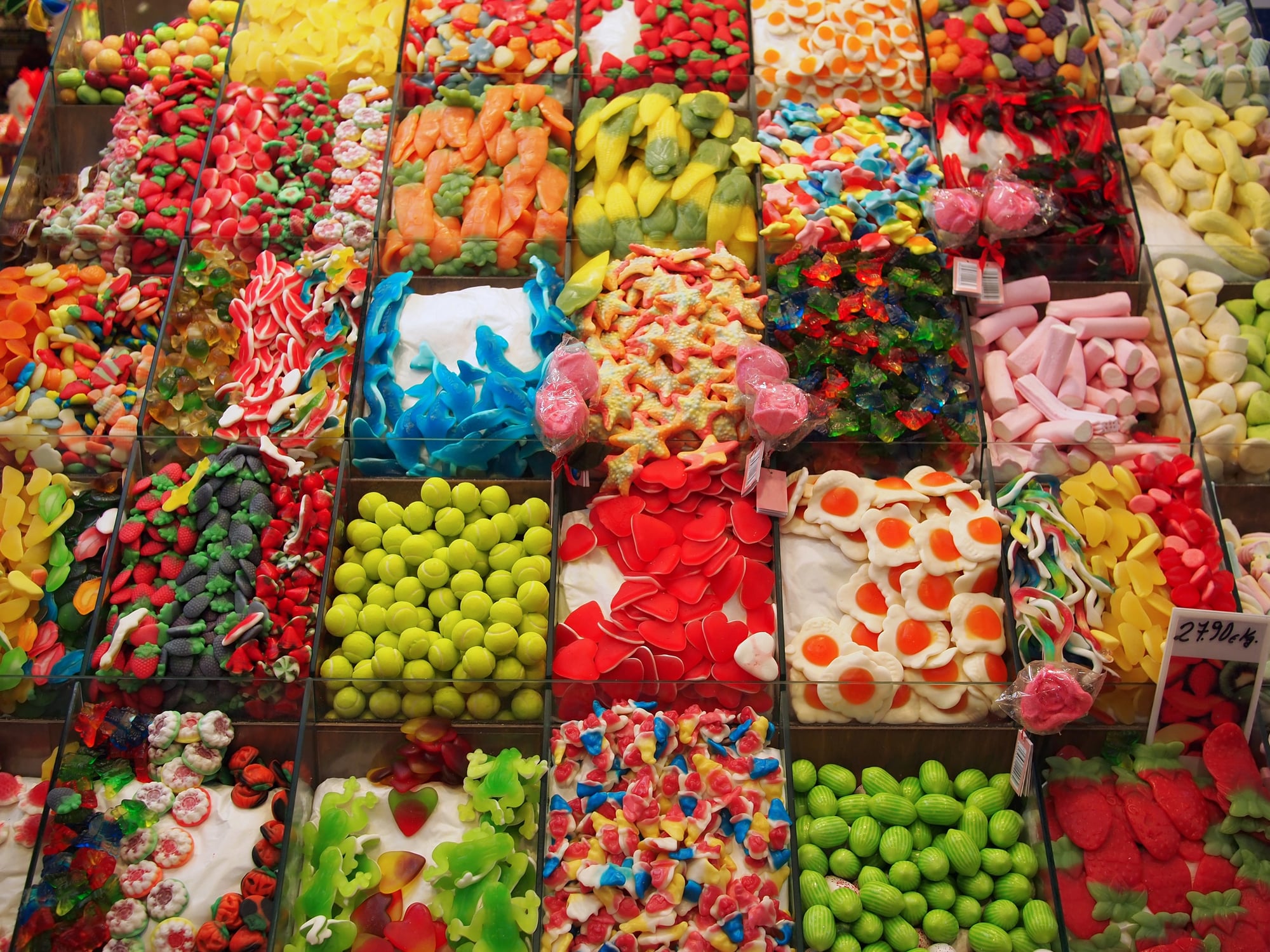
Various regional producers filled candy counters with their specific offerings. Colors indicated flavor—pink for strawberry, yellow for banana, brown for chocolate.
Marshmallow Pieces and Circus Peanuts
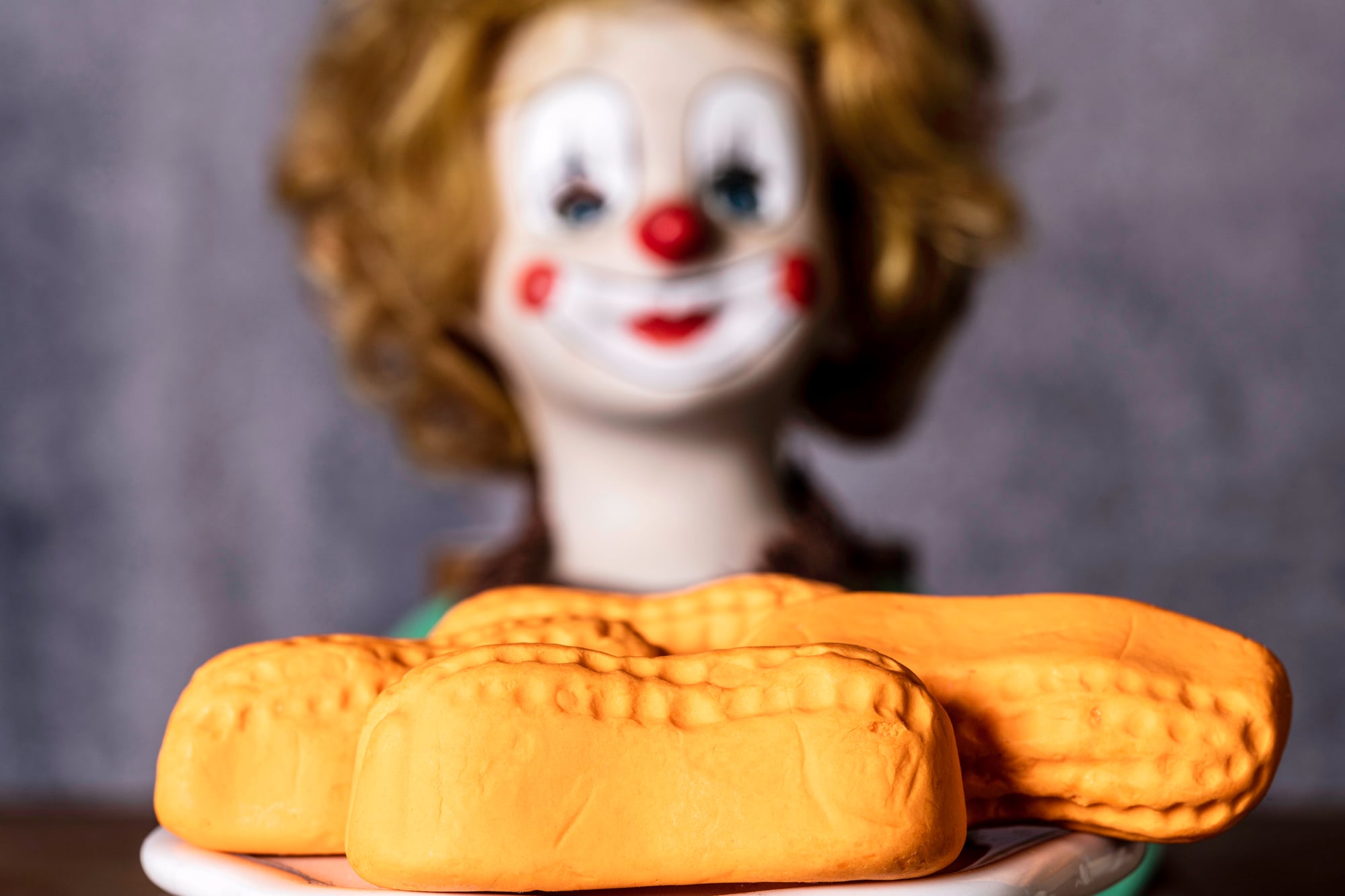
These foam candies provided minimal substance but created impression of abundance because weight and volume created illusion of value.
Fruit Slices and Gummy Bears
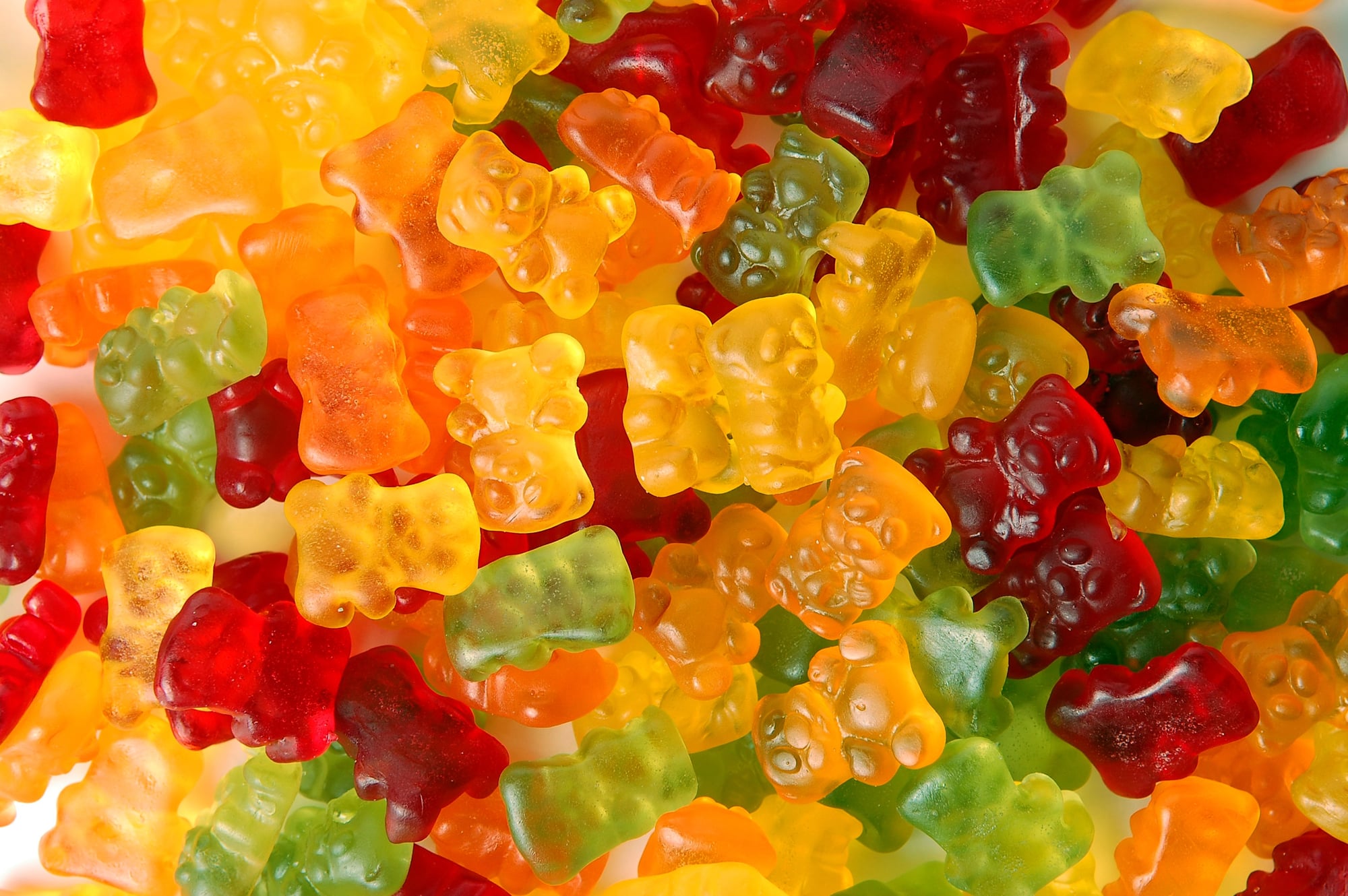
Gelatin-based candies came in bulk allowing children to fill bags with their preferred flavors and discard rejected options, creating entirely personalized selections.
Rock Candy Crystals

These sugar crystal formations created the impression of scientific sophistication while costing minimal amounts, appealing to children interested in edible geology.
Bubble Gum in Stick Form
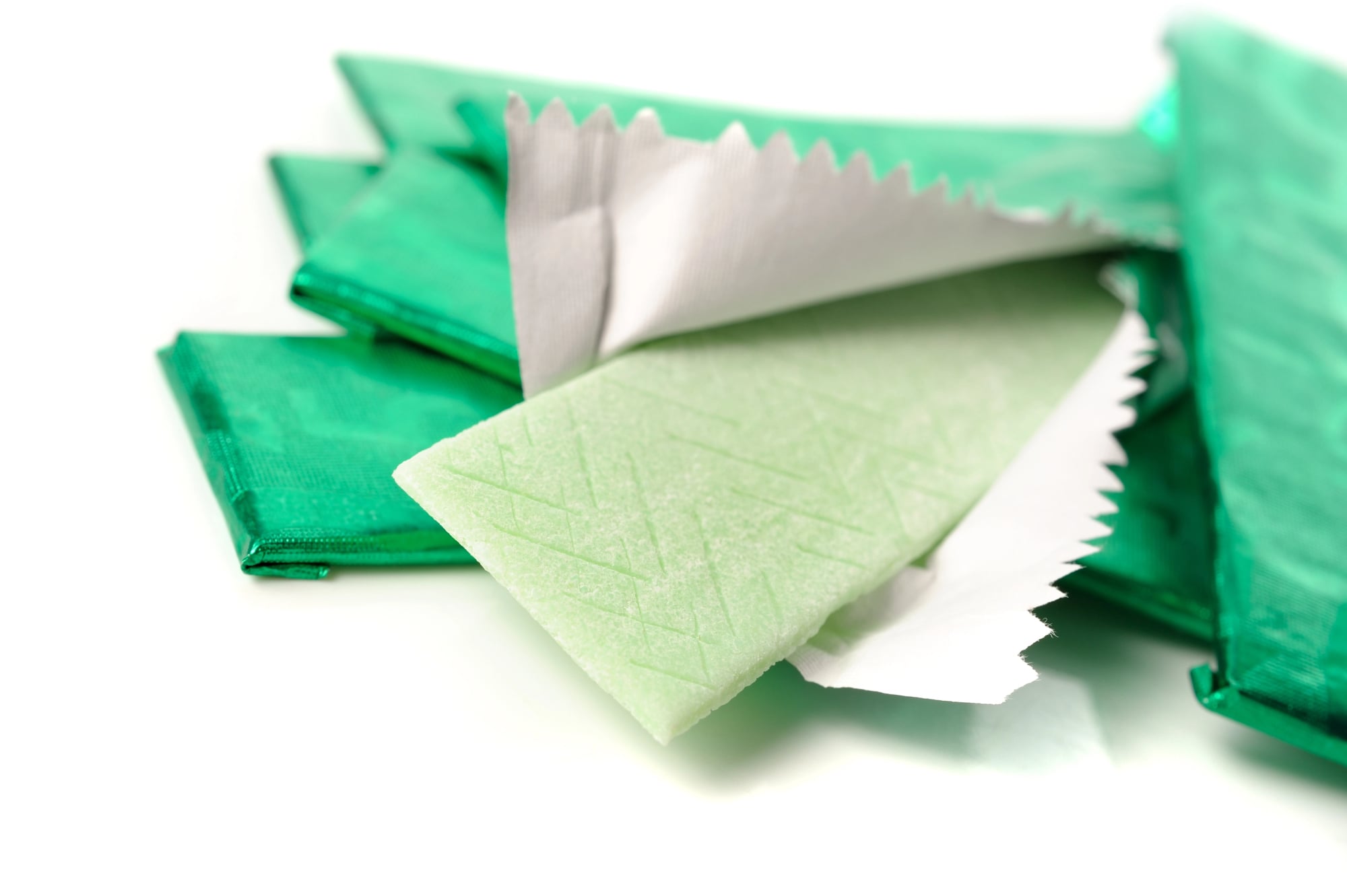
Individual stick gum cost pennies, allowing children to purchase multiple varieties. The gum’s flavor lasted longer than chewing gum, making it more economically efficient.
Comic Strip Gum

Thin slices of gum printed with comic strips provided both candy and entertainment simultaneously, offering functional value beyond mere sweetness.
PEZ Dispensers with Candy Rolls
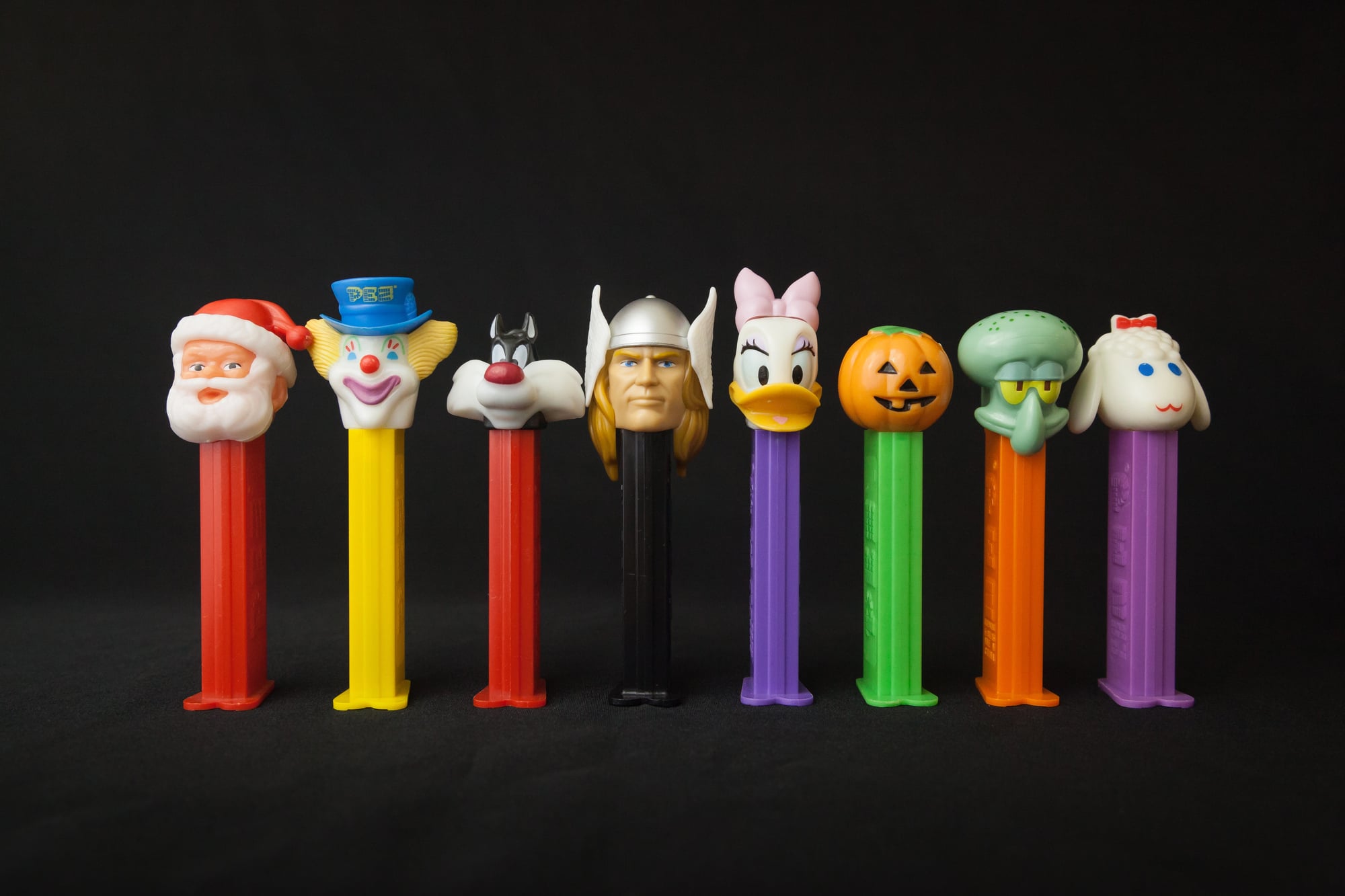
Though the dispenser had higher cost, PEZ candy refills remained affordable, creating ongoing reason to visit the candy counter for refills.
Dots in Roll Form
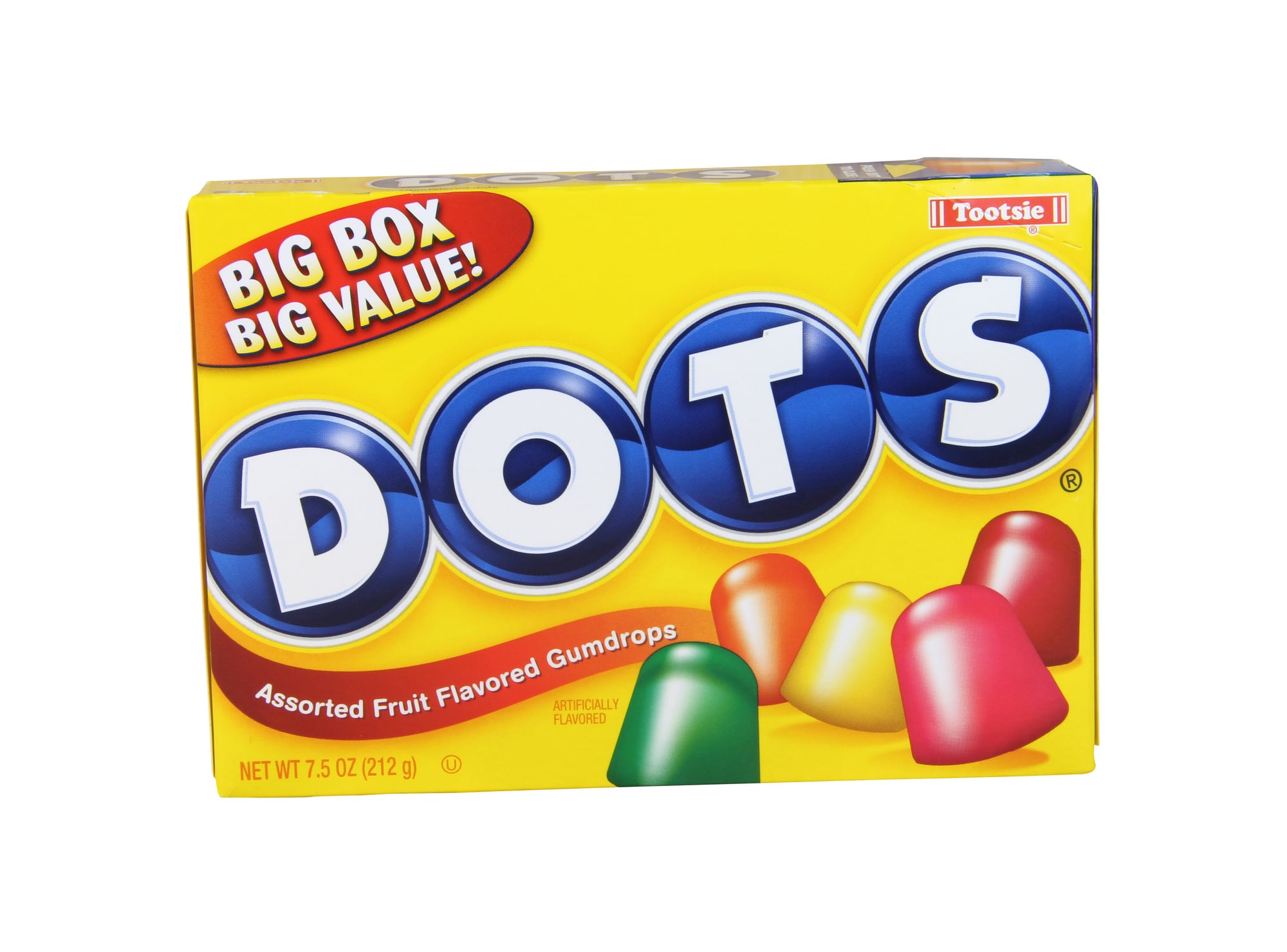
These tiny gel candies came in paper rolls, creating the sensation of multiple pieces for minimal cost. The act of eating them individually extended consumption time.
Bottle Caps and Candy Necklaces
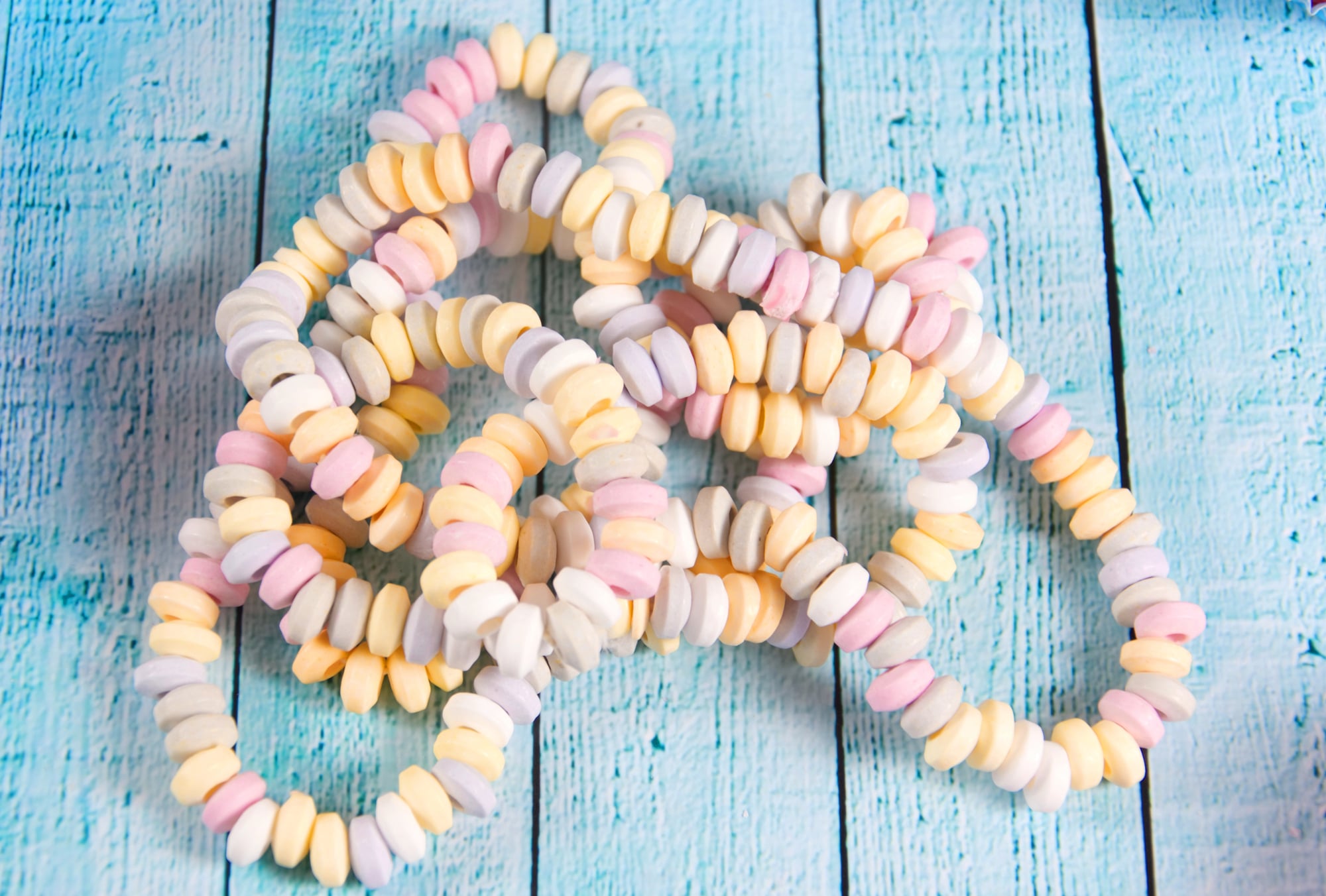
Bottle-shaped candies and edible necklace strings provided novelty beyond flavor, offering wearable consumption experiences for children prioritizing fun over pure sweetness.
Jawbreaker Variations
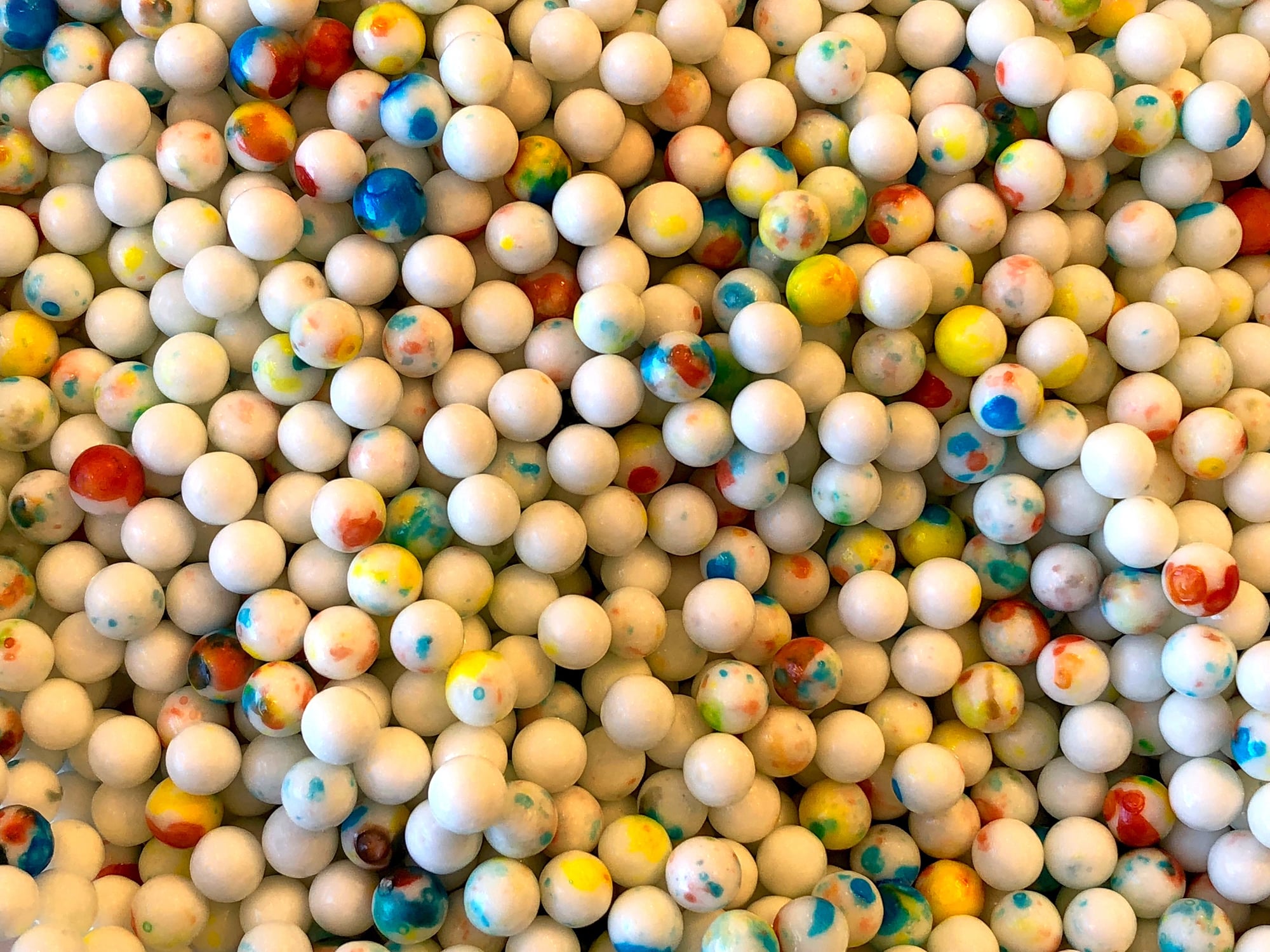
Spherical candies of various sizes offered different consumption timelines—small jawbreakers could be consumed quickly while large ones required significant time commitment.
Root Beer Barrels and Cinnamon Discs
These pressed sugar candies with flavor impregnation throughout provided intense flavor from minimal substance, offering flavor intensity children particularly valued.
Tootsie Pops and Lollipop Varieties
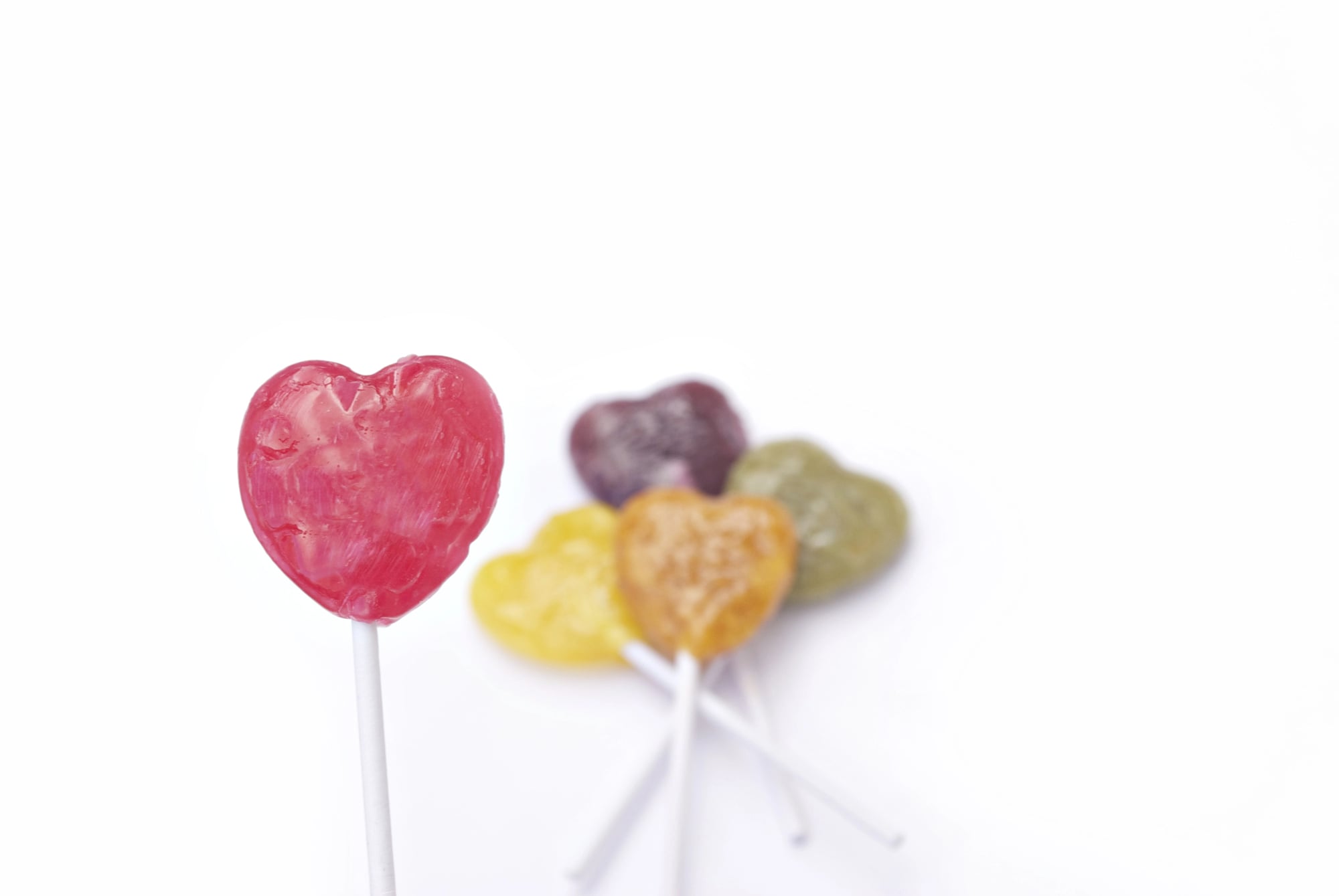
These combination candies with chocolate centers or filled candy cores provided two distinct taste experiences in single confection, justifying slightly higher prices.
Candy Cigarettes

These paper-wrapped stick candies created the impression of adult sophistication while costing minimal amounts, appealing to children’s role-play impulses.
Wacky Wafers
These waxy, disc-shaped candies came in enormous variety of flavors and created sensation of volume because the packaging appeared to contain significant quantity.
Smarties Tablets
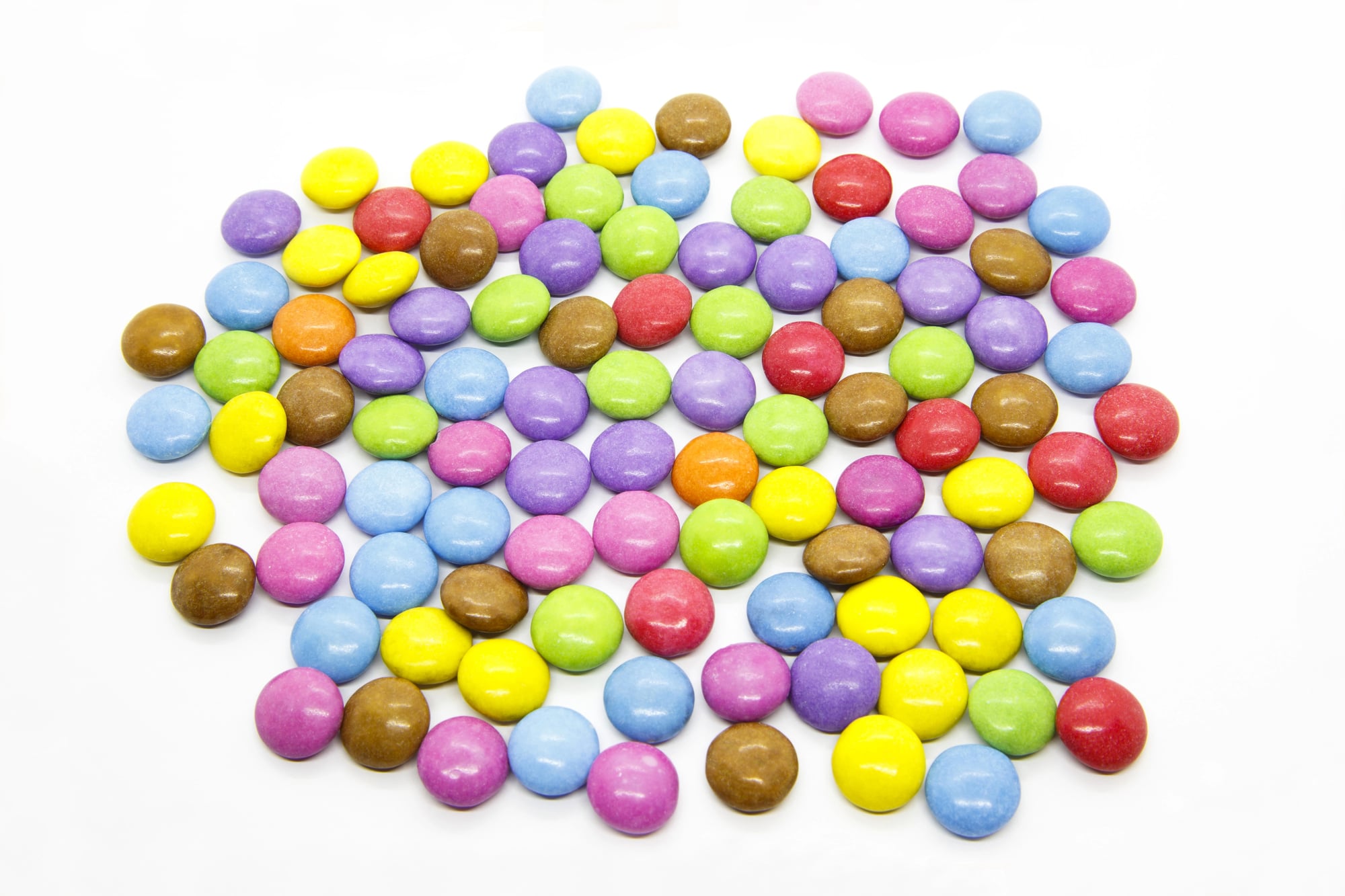
These tablets of compressed sugar came in paper rolls, offering flavor intensity and flavor variety for minimal cost, with the paper packaging creating impression of substance.
Necco Wafers
These multicolored candy discs came in substantial paper rolls, creating illusion of value because the quantity and variety seemed substantial relative to actual cost.
Sugar Wafers in Cookies and Cream Format

These thin wafer cookies sandwiching cream filling provided texture variety and flavor complexity for minimal investment, making them efficient choices.
Mary Jane Peanut Candy
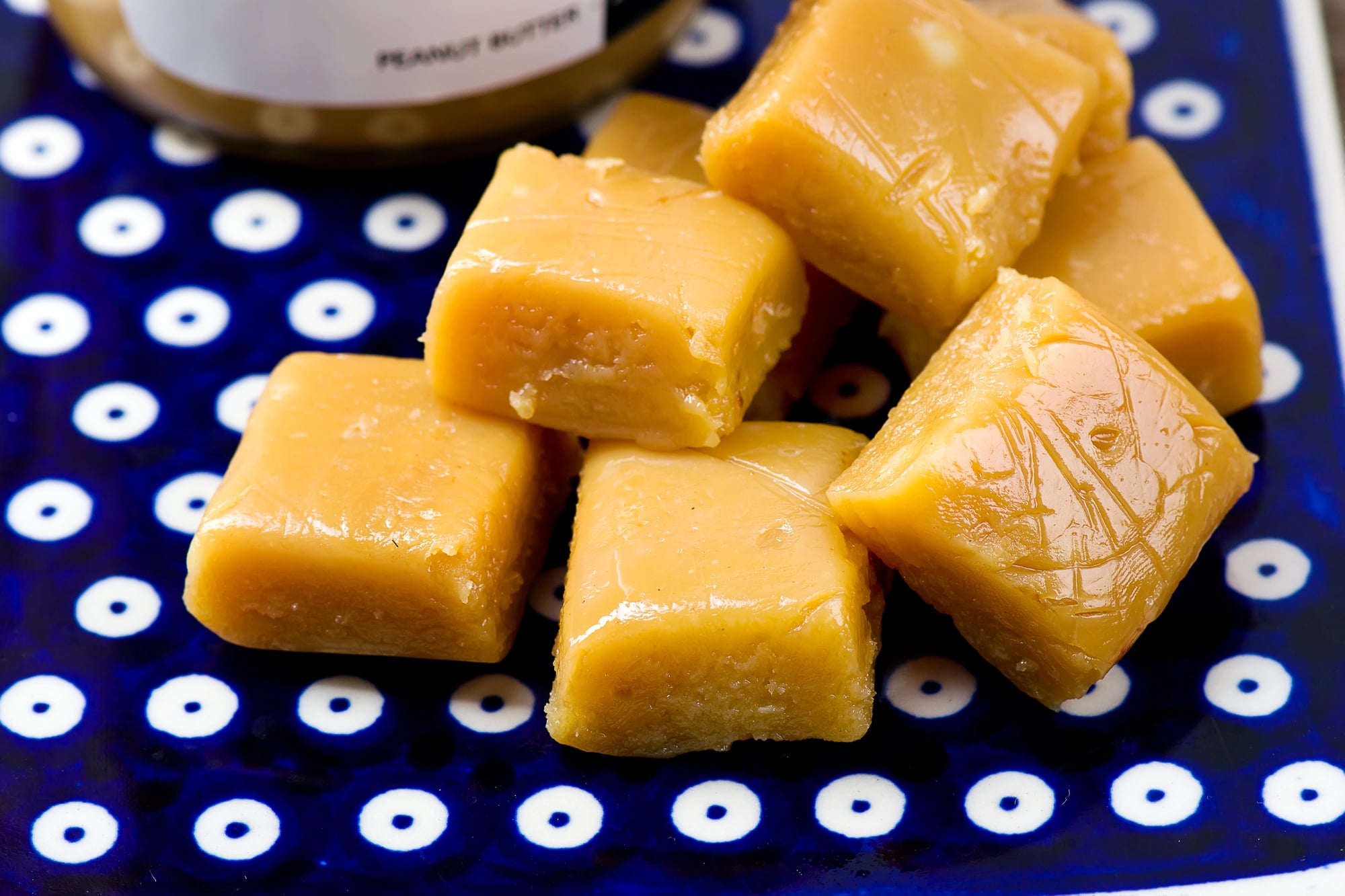
These small wrapped candies with peanut filling cost pennies and came in envelopes, creating impression of receiving substantial package for minimal expenditure.
Hard Candy in Bulk
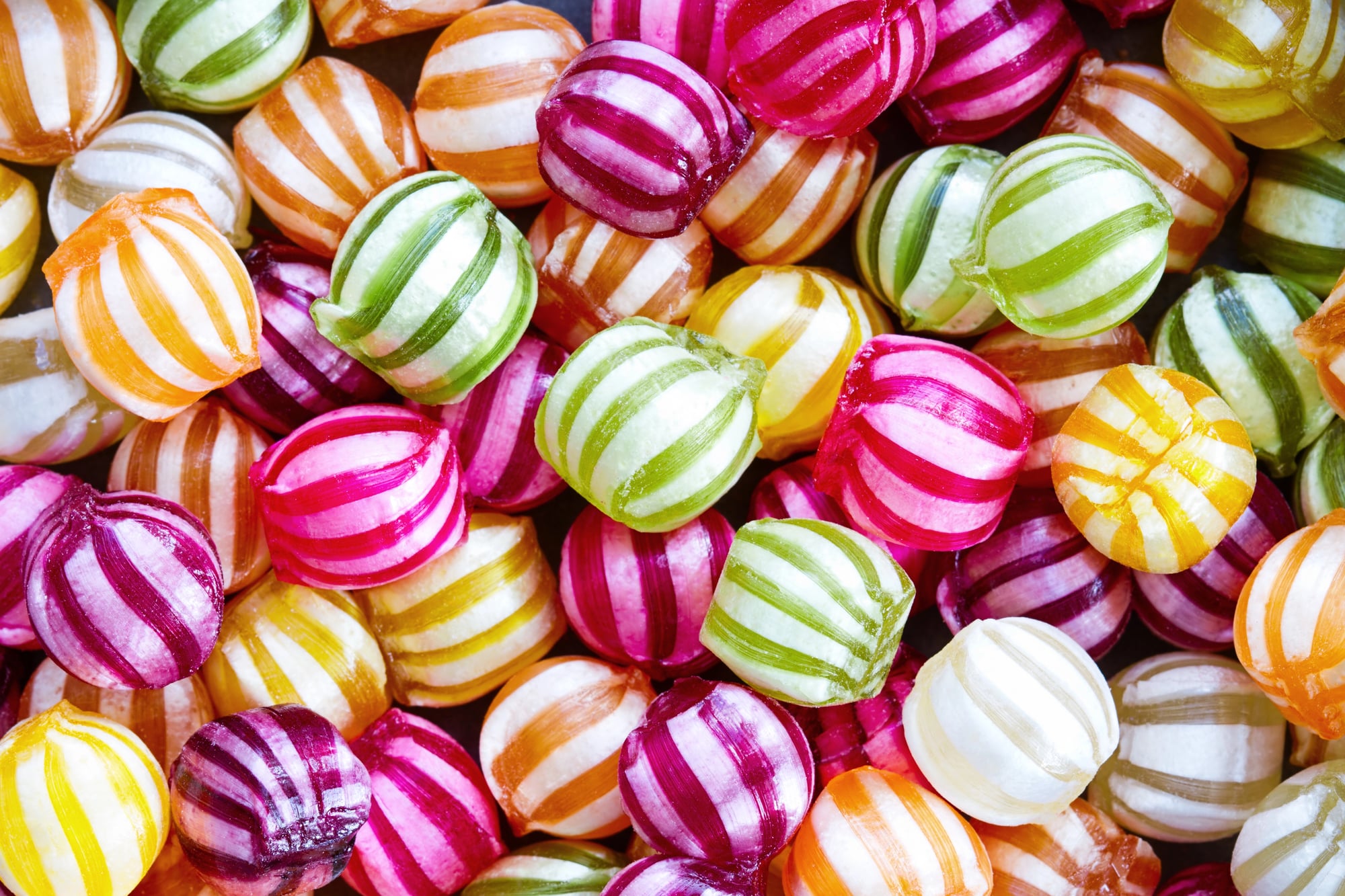
Scooped from large jars, hard candies of every flavor imaginable allowed children to create personalized selections, making each candy dollar entirely customized to preference.
The Irreplaceable Abundance of Penny Economics
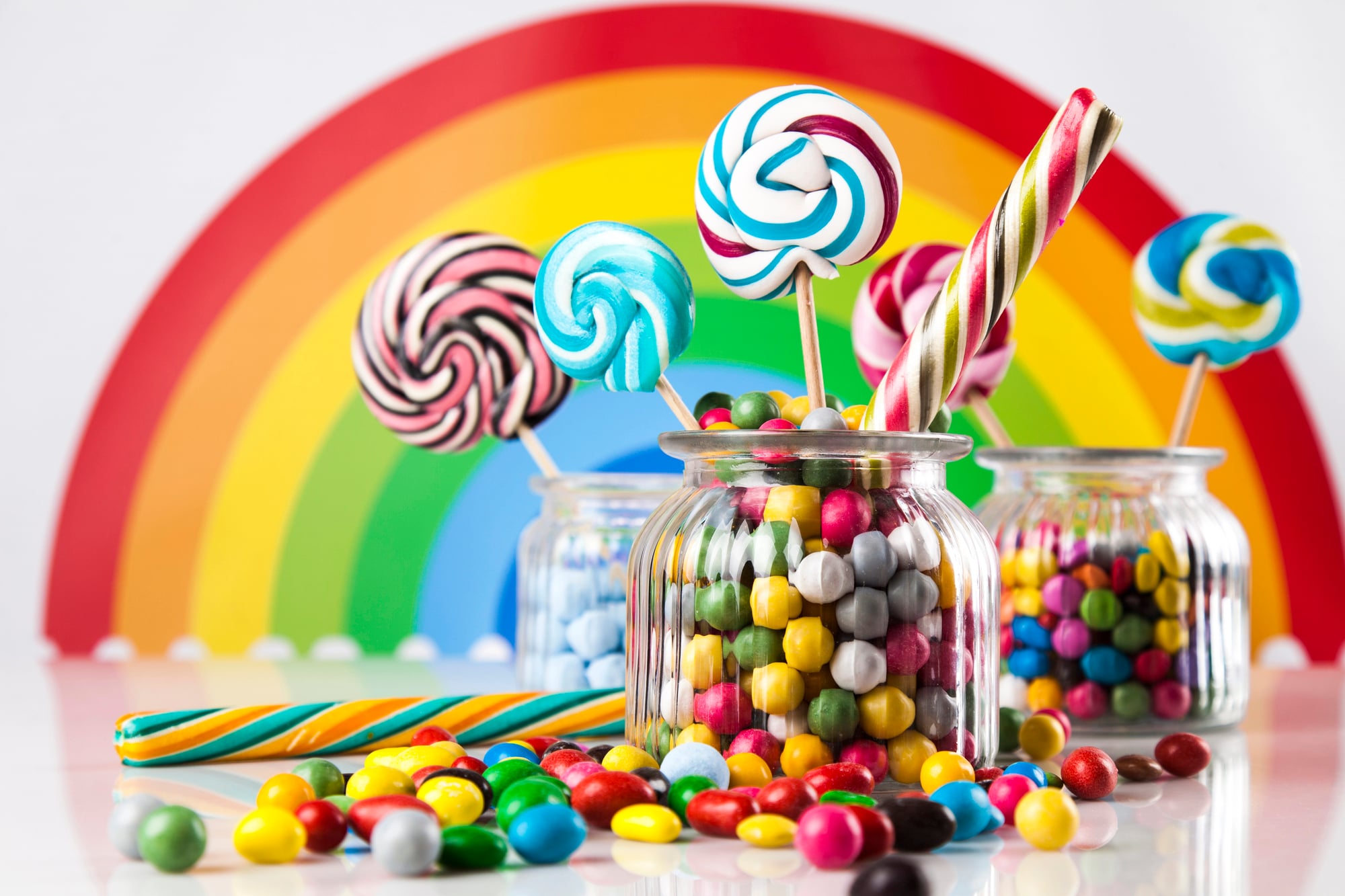
The penny candy counter represented an economy where children actually possessed purchasing power and scarcity created meaningful decision-making. A dollar created the option of purchasing 20-40 items depending on selection and variety, creating genuine abundance impossible in contemporary retail where individual candies often cost more than entire penny candy counter purchases.
The counter’s elimination reflected both inflation making penny candy economically impractical and retail consolidation that eliminated specialty candy retailers in favor of mass-market convenience stores. Modern children never experience the particular satisfaction of making deliberate choices across dozens of options, the pleasure of acquiring multiple items from limited resources, or the community aspect of the local candy counter where choices reflected regional preferences and individual shopkeeper selections.
More from Go2Tutors!

- The Romanov Crown Jewels and Their Tragic Fate
- 13 Historical Mysteries That Science Still Can’t Solve
- Famous Hoaxes That Fooled the World for Years
- 15 Child Stars with Tragic Adult Lives
- 16 Famous Jewelry Pieces in History
Like Go2Tutors’s content? Follow us on MSN.