Essential Etiquette Rules That are Obsolete
Social rules shift faster than most of us realize.
What passed as proper behavior a generation ago can feel awkward or even patronizing today.
Contemporary etiquette now focuses less on rigid protocols and more on genuine consideration for others, which means plenty of once-sacred conventions have quietly retired.
Some deserved their exit.
Others might’ve been worth keeping.
Either way, the landscape of politeness looks dramatically different than it did even twenty years ago, and understanding which rules no longer apply can save you from unnecessary social gymnastics.
Here’s a closer look at the etiquette standards that modern society has left behind.
Men waiting for women to extend their hand first
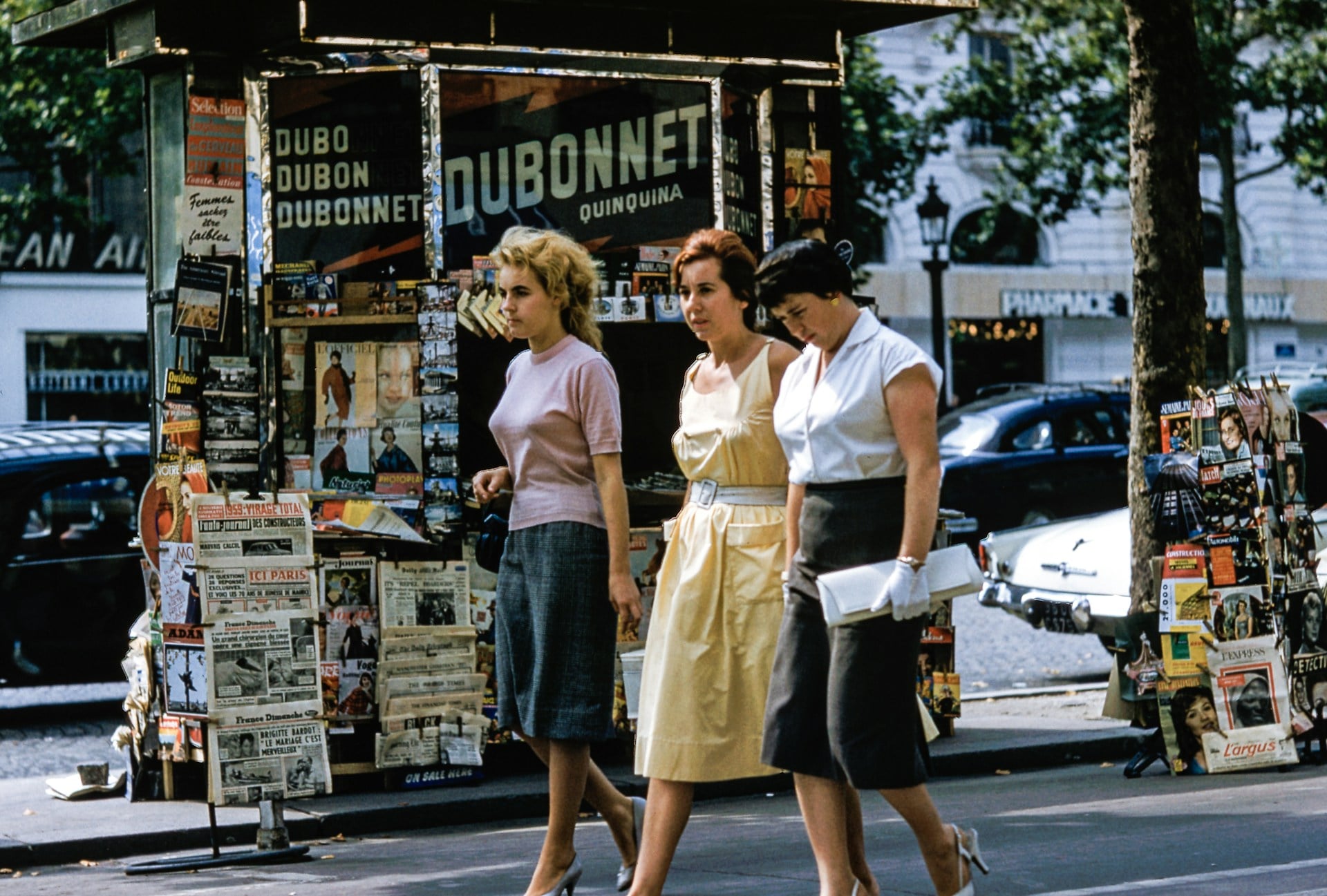
The old rule dictated that a man had no right to take a lady’s hand until it was offered, with this standard appearing in etiquette guides as recently as 2000.
The reasoning stemmed from Victorian ideas about propriety and power dynamics, where women controlled the terms of physical contact in social settings.
Today, anyone can initiate a handshake regardless of gender, and waiting around for someone to make the first move just creates awkward pauses.
The modern approach prioritizes equality and efficiency over outdated gender hierarchies.
If you meet someone new, extend your hand confidently and shake with purpose.
The only real rule that remains is making sure your grip is firm but not crushing, and that you’re not leaving people hanging while you decide who should move first.
Women getting served first at restaurants

As recently as the 1970s, women were forbidden from entering restaurants without a man in certain American jurisdictions, and it was customary to serve women first.
This practice reinforced gender roles that positioned women as delicate creatures requiring special accommodation.
Restaurants are increasingly eliminating gender-specific service in favor of more neutral approaches, which better reflects how people actually live and dine together.
Servers now often ask if guests want separate checks or simply place the bill in the middle of the table, removing assumptions about who pays or who gets priority.
The shift recognizes that dining companions come in all configurations, and that preferential treatment based solely on gender feels dated and sometimes uncomfortable.
Modern service aims for efficiency and fairness rather than performative chivalry.
The one-year wedding gift window

Traditional etiquette once permitted guests to wait a full year after attending a wedding to send a gift to the newlyweds.
Where this bizarre timeline originated remains unclear even to etiquette experts, though some speculate it related to seeing whether couples survived their first year together.
Current standards expect guests to send a wedding gift within a month or sooner after the ceremony.
Waiting twelve months to acknowledge someone’s marriage now reads as either forgetful or deliberately dismissive.
The accelerated timeline makes practical sense given how quickly people move through life events today, and it shows respect for the couple who likely has immediate needs as they start their household together.
Procrastinating on a wedding gift for nearly a year would strike most people as genuinely odd behavior now.
Standing only when women enter the room

It wasn’t long ago that proper etiquette required a man to stand when greeting a woman entering the room, but nowadays standing up is proper etiquette whenever anyone greets anyone.
The gender-specific version of this rule positioned women as special figures deserving ceremonial acknowledgment, which sounds respectful until you realize it also implied they needed differential treatment to function in social spaces.
Standing to greet someone sends a signal that you’re eager to engage with that person, and limiting that gesture to one gender diminishes its genuine warmth.
The updated version makes more sense because it extends basic courtesy to everyone equally.
Whether you’re meeting your boss, your friend’s parents, or a new colleague, standing up shows attentiveness and respect regardless of who’s walking through the door.
Men walking on the left side of women

This etiquette rule stems from the Middle Ages when knights wore their swords on the left side of their bodies, making it uncomfortable and potentially unsafe for a lady to walk beside him on the left.
The positioning allowed knights quick access to their weapons to defend their companions from danger.
The etiquette continued in similar fashion so a man could walk on the left to protect his lady if a horse or carriage got out of control.
Unless you’re regularly encountering runaway carriages or need quick access to a broadsword, this rule has zero practical application in modern life.
There is no rule about the sides that men and women should walk on relative to one another anymore.
People naturally position themselves based on conversation flow, crowd navigation, or simple preference, and obsessing over which side someone walks on comes across as theatrical rather than thoughtful.
Women needing to keep their ankles crossed

This rule is firmly planted in antiquated ideas of femininity, suggesting that women who crossed their legs at the knee rather than keeping their ankles primly together were somehow less refined or ladylike.
The standard reflected restrictive notions about how women should occupy space and present themselves physically.
The focus remains on sitting up straight without slumping, slouching, or leaning to avoid conveying laziness or disrespect, but the specific positioning of legs has become irrelevant.
Whether someone crosses at the ankle or knee doesn’t communicate anything meaningful about their character or manners.
The lingering obsession with this detail mostly reveals discomfort with women taking up space comfortably, and modern etiquette has rightfully abandoned it.
The elaborate backseat car entry procedure

An obscure rule dictated that when entering the backseat of a car, the gentleman would open the door for the lady, then step in front of her and enter first, leaving her to close the car door.
The logic was that ladies often wore dresses, and it’s difficult to slide graciously to the other side of the backseat in a dress.
The modern approach has whoever can most quickly navigate to the seat behind the driver enter and scoot over, allowing the other person to enter and close the door.
This change acknowledges that other drivers have become less patient and that blocking traffic for the sake of ceremonial procedure makes little sense.
The updated version prioritizes practical efficiency over performative gallantry, recognizing that most people just want to get in the vehicle and move on with their day.
Never adding seasoning before tasting

One etiquette rule adjacent to this standard that still stands is to refrain from adding salt or pepper before trying at least one bite, as this can be seen as an insult to the chef.
Still, you are the only person who knows how you like your food, so you shouldn’t be embarrassed to add whatever seasonings you want, including hot sauce or any other condiment.
The original rule made some sense in formal dining contexts where insulting the host’s cooking could create genuine social friction.
But obsessing over whether someone reaches for the salt shaker before tasting their meal elevates minor preferences into moral judgments.
Most chefs and home cooks understand that people have different taste preferences and dietary needs, and automatically interpreting seasoning adjustments as criticism creates unnecessary tension.
Season your food however you like it.
Wearing white only between Memorial Day and Labor Day

Once considered an accepted rule of fashion, the restriction on wearing white after Labor Day is no longer observed.
In the past, higher society wore white during summer months to stay cool, but after Labor Day the color was no longer practical for daily tasks.
The wealthy would switch out white linens for darker colors indicating the summer season was over and it was time to get back to work.
This arbitrary calendar-based dress code originated from class distinctions and seasonal practicality that don’t translate to contemporary life.
Modern fabrics, climate control, and year-round fashion collections have made the rule obsolete.
Wearing white in October or February won’t cause any actual problems, and clinging to this outdated standard mostly signals that you’re overly concerned with rules that lost their meaning decades ago.
Buttering bread one bite at a time

According to proper etiquette, you should butter your bread one bite at a time by placing a small pat of butter onto your bread plate, then tearing off a piece of bread, slathering it with butter, and popping it straight into your mouth.
While this sounds lovely, it is unrealistic, and most people prefer to evenly spread butter across a slice of bread.
The original rule aimed to prevent overly casual behavior at formal dinners, but it also made eating bread into an elaborate production that interrupted conversation and flow.
Many restaurants provide individually-wrapped portions of butter for each diner rather than a butter dish, making this rule basically obsolete.
Unless you’re dining at a state dinner, nobody’s scrutinizing your bread-buttering technique, and the bite-by-bite method mostly wastes time.
Keeping elbows off the table at all times

One of the oldest rules of etiquette is to keep your elbows off the table while you eat, with debatable origins ranging from leaving ample space on the table for food and settings to preventing outbreaks of violence at feudal tables during the Middle Ages.
While it’s still considered polite to do so, keeping your elbows off the table is no longer seen as a hard and fast rule, and people often rest their elbows on the table between courses while engaging in conversation or awaiting the next course.
The distinction matters because the rule was never really about elbows being inherently offensive.
It was about not crowding others or appearing too casual during the actual eating process.
Resting your elbows during conversation between courses shouldn’t trigger any etiquette alarms, and treating this as an absolute standard makes dining feel unnecessarily rigid.
Women exiting elevators first

It’s not chivalrous to let women off the elevator first, as if it were the sinking Titanic, but instead just annoying and a little condescending, especially when the women in question are at the back of the elevator.
The basic rule with elevators and subways is to let people off before you get on, and letting women off first does not apply here.
If a guy is standing in an elevator full of ladies but he’s closest to the door, he should get out of the way.
This rule perfectly illustrates how gender-based etiquette can actually create more problems than it solves.
Standing there awkwardly while women squeeze past you from the back of an elevator doesn’t demonstrate respect.
It demonstrates a commitment to outdated theater over common sense.
The person nearest the door should exit first, regardless of their gender, because that’s how efficient crowd movement works.
Turning the table during dinner parties

There was a time when it was considered the norm to change conversational partners with each new course at a dinner party, first talking to the person on your right throughout the first course, then turning attention to the person on your left when served the second course.
The etiquette was called turning the table and ensured everyone was included in the conversation.
While the intention behind this rule had merit, the execution was absurdly mechanical.
Conversations don’t naturally segment themselves into course-length intervals, and good hosts can facilitate inclusive discussion without imposing rigid rotation schedules.
Modern dinner parties succeed when people feel comfortable talking naturally across the table rather than following choreographed conversation shifts.
The updated approach trusts that adults can navigate social dynamics without needing to be directed like chess pieces.
Silverware positioning signals

While some people still follow silverware position signals, it is no longer a sign of bad manners if you don’t, and even in fine dining restaurants your server will simply ask whether you are done with a plate or not.
Placing your silverware together across your plate pointing toward 11 or 12 o’clock means you are finished, while an inverted V position signals you are resting and not ready for your plate to be removed.
The code made sense in an era when formal dining involved minimal verbal interaction between diners and servers, but it’s become unnecessarily complicated for little benefit.
Most servers prefer just asking if you’re finished rather than trying to decode your utensil arrangement, and the average diner has no idea these signals even exist.
Learning an elaborate silverware semaphore system when simple communication works fine seems like wasted mental energy.
Why they stopped mattering

With the impact of technology and social media on society, manners and etiquette are evolving fast to keep up because people need the best practices for these new norms and technologies now.
The rules that have fallen away share common themes.
Many reinforced gender hierarchies that feel patronizing or limiting in contemporary contexts.
Others prioritized elaborate formality over genuine human connection.
Some simply addressed problems that no longer exist, like sword-wielding knights or dress-wearing women sliding across car seats.
Manners evolve and change to meet the needs and sensibilities of the current culture, which is why using good manners will always make us more approachable, likable, and confident.
The shift away from rigid etiquette codes toward principles of mutual respect and practical consideration represents progress, not decline.
Modern politeness works better when it adapts to how people actually live rather than demanding they perform outdated social theater.
More from Go2Tutors!

- The Romanov Crown Jewels and Their Tragic Fate
- 17 Halloween Costumes Once Considered Taboo
- Famous Hoaxes That Fooled the World for Years
- 15 Child Stars with Tragic Adult Lives
- 16 Famous Jewelry Pieces in History
Like Go2Tutors’s content? Follow us on MSN.