25 Songs Played at School Dances That Instantly Bring Back Memories
School dances operated according to an unwritten musical schedule that transcended individual DJ preference. The same songs appeared at dances across regions, decades apart, creating a shared soundtrack that millions recognize instantly.
These songs served specific functions within the social machinery of school dances—some facilitated the courage required to ask someone to dance, others soundtracked the first physical contact of adolescence, still others became the default background to social interaction. The songs weren’t necessarily the best songs of their eras; they were the songs that existed in the specific context of the gymnasium, decorated with streamers and paper snowflakes, where social hierarchies could temporarily rearrange themselves through the power of a slow dance.
The memory of these songs is inseparable from the context of the dance itself. Years later, a single note recreates not the song but the entire sensory experience—the nervousness, the lighting, the smell of the gymnasium, the specific person you danced with or didn’t.
The songs became the physical embodiment of a specific moment in adolescence.
“Can’t Fight This Feeling” by REO Speedwagon

This power ballad dominated ’80s school dances with its slow build and emotional conviction. The song treated teenage romance as genuinely significant, validating feelings of genuine intensity.
“Careless Whisper” by Wham!
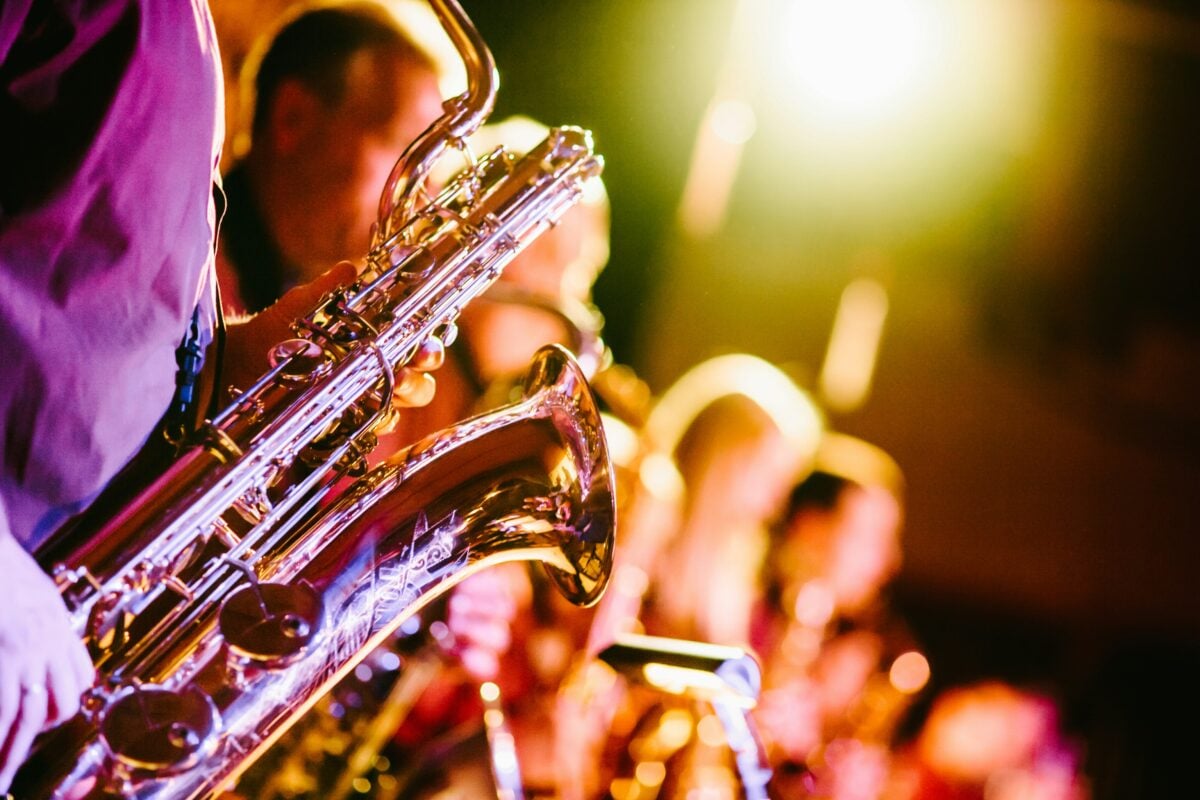
The saxophone opening became synonymous with school dances, cuing even teenagers who’d never heard the song that they were about to witness or participate in a slow dance. The melodic wailing suggested romance and sophistication.
“Holding Back the Years” by Simply Red
The soul-influenced ballad made slow dancing feel emotionally weighty. The song’s vulnerability created permission for teenagers to feel their feelings intensely.
“Lost in Love” by Air Supply
Air Supply epitomized ’80s slow dance ballads, with soaring vocals and lyrical focus on devotion. The song created a context where romantic intensity seemed not only acceptable but encouraged.
“Glory of Love” by Peter Cetera
Featured on The Karate Kid Part II soundtrack, this ballad carried the cultural weight of multiple media properties. The association with a beloved film made the song feel cinematic.
“Songbird” by Kenny G
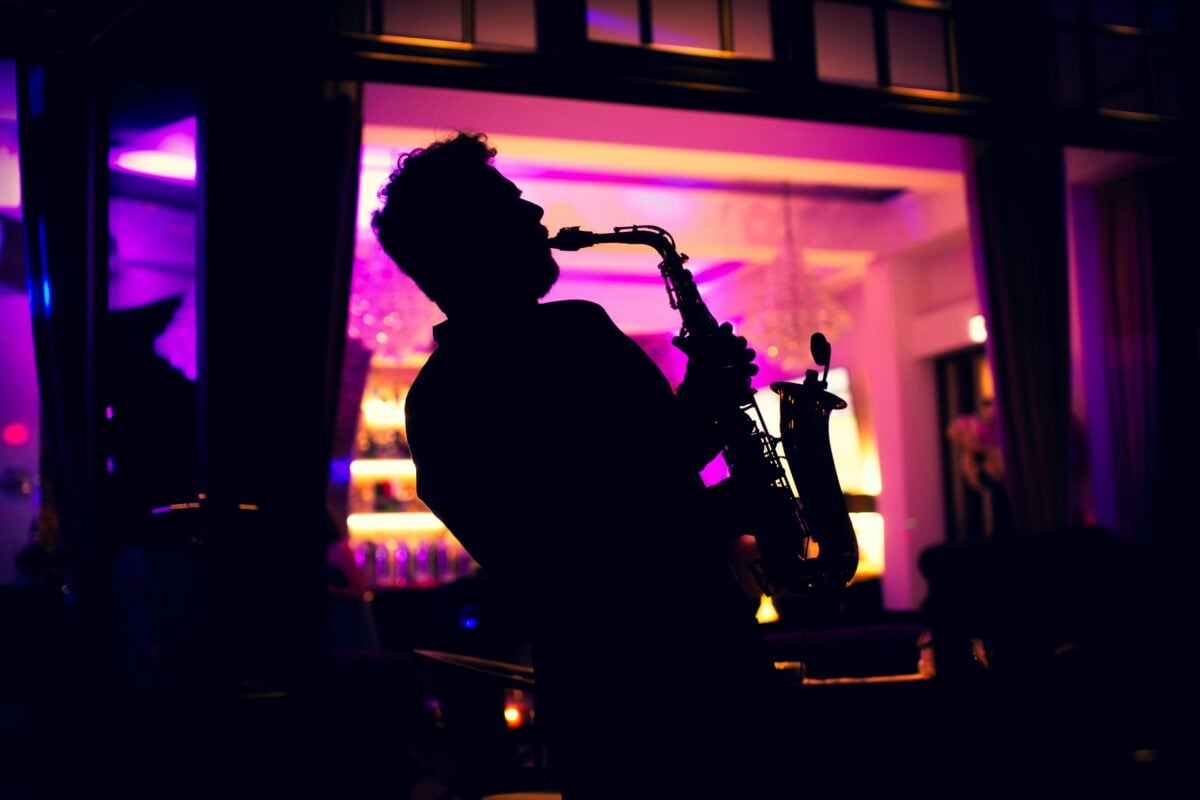
The instrumental saxophone piece worked for school dances by avoiding words entirely, creating pure musical space for dancing without distraction. The smooth jazz aesthetic suggested sophistication.
“Red Red Wine” by UB40
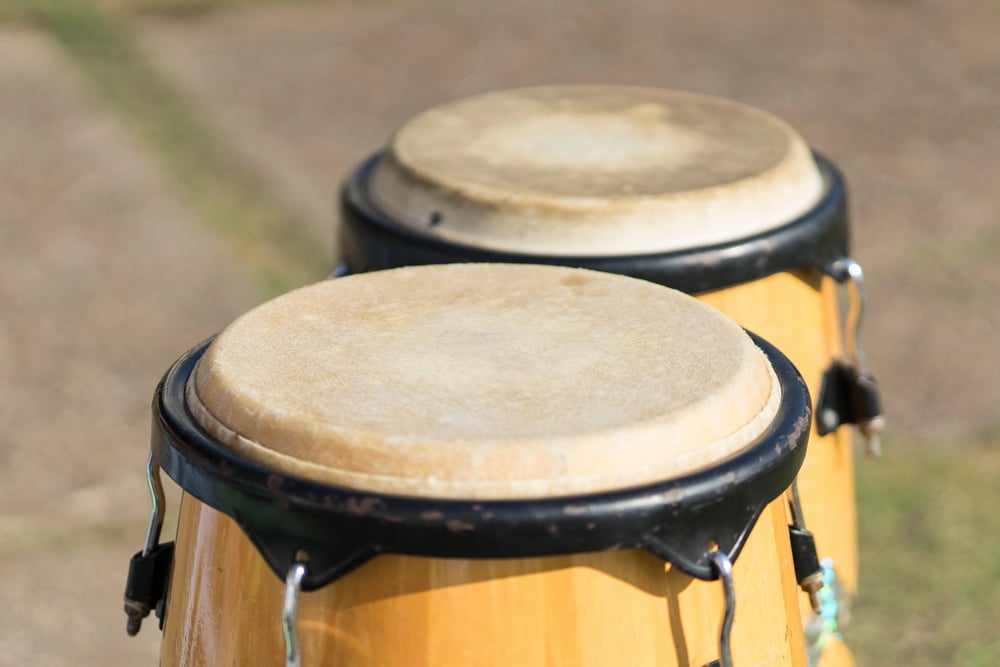
The reggae-influenced cover of this classic provided upbeat alternatives to pure ballads, allowing dancing without the commitment of a slow dance. The laid-back aesthetic contrasted with more serious romance songs.
“Never Surrender” by Corey Hart
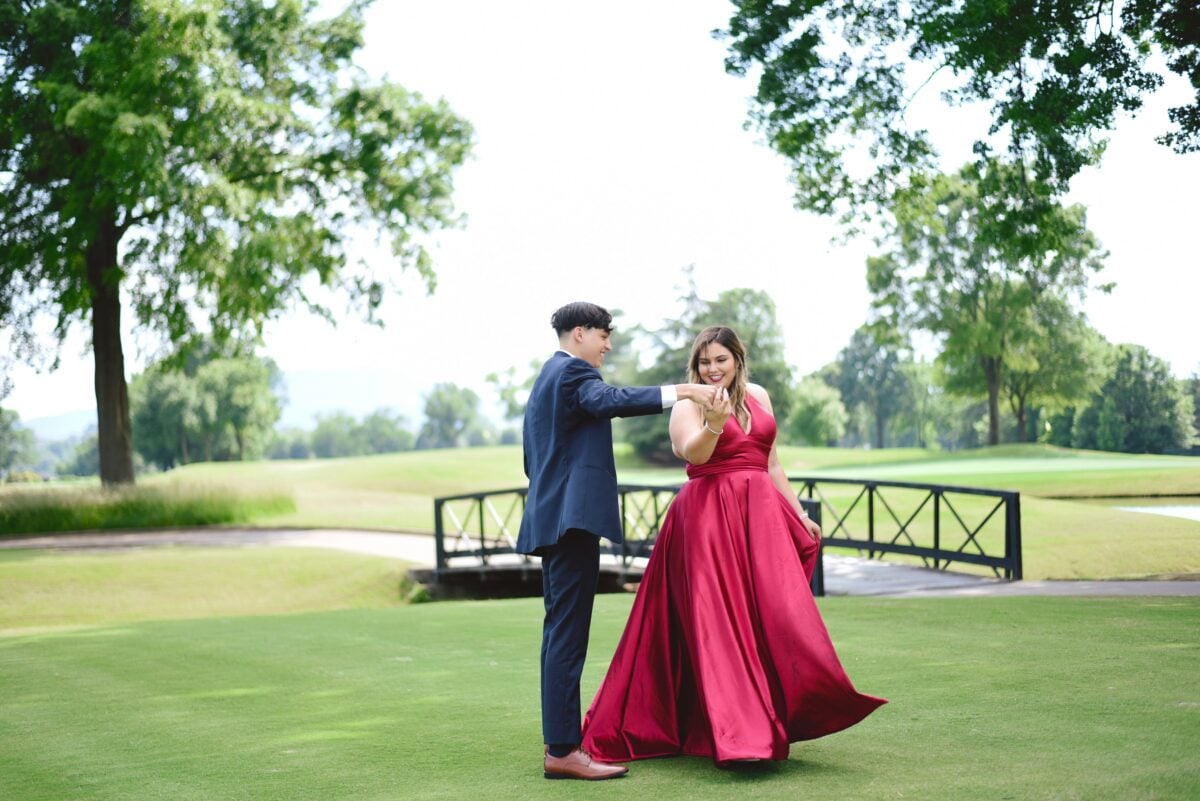
This power ballad from the mid-’80s treated teenage persistence as romantic virtue. The song’s confident assertion of emotional commitment resonated with adolescent intensity.
“I’ll Make Love to You” by Boyz II Men
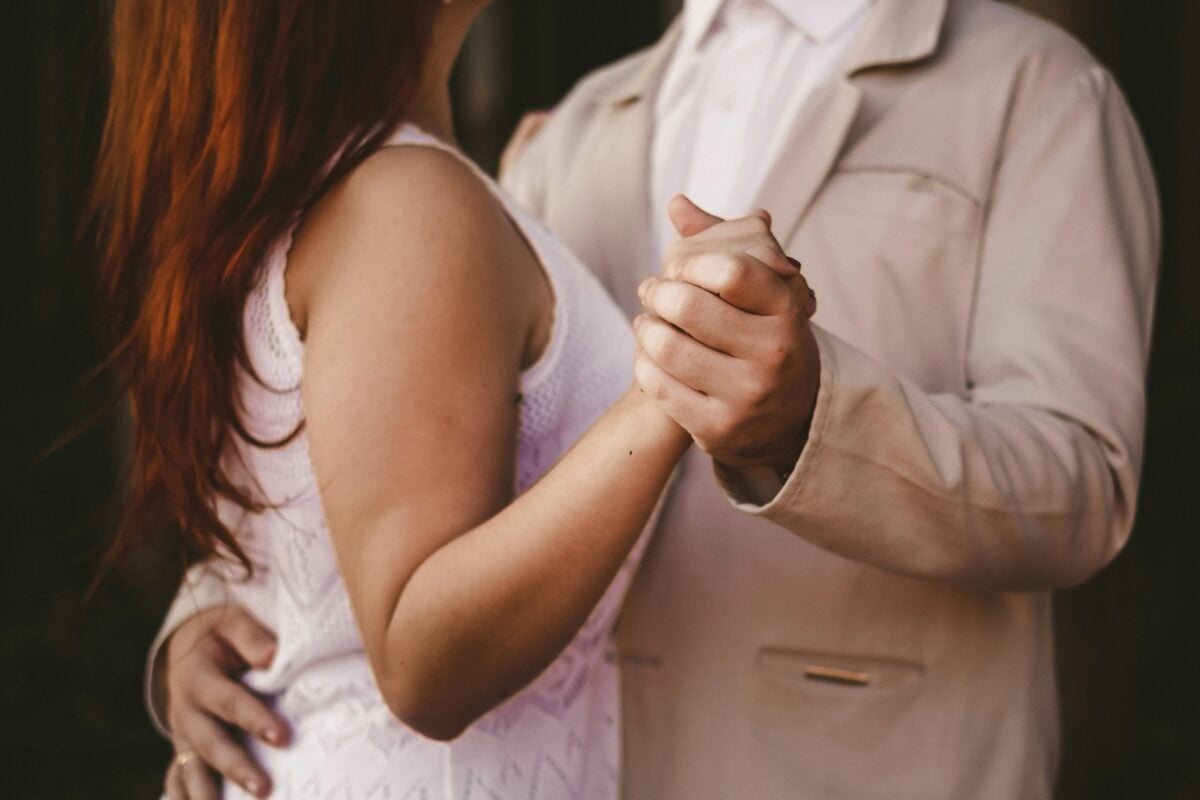
The Grammy-winning 1994 single’s smooth harmonies facilitated countless slow dances despite lyrical content designed for adult audiences. The silky production masked the song’s graphic nature.
“End of the Road” by Boyz II Men
The number-one hit spent 13 weeks at the top of the Billboard chart, making it omnipresent at school dances. The song articulated the specific sadness of knowing a relationship was ending.
“One Sweet Day” by Mariah Carey and Boyz II Men

The collaborative ballad combined pop and R&B aesthetics with emotional directness. The duet format created a dialogue about devotion.
“Down on Bended Knee” by Boyz II Men

This ballad brought the physical gesture of kneeling into the discourse of school dance romance, treating teenage relationships with elaborate romantic ceremonies. The vocal arrangement showcased Boyz II Men’s trademark harmonies.
“Motown Philly” by Boyz II Men

Less of a pure slow dance and more of an accessible Boyz II Men track, this song represented the uptempo alternatives available at school dances. The group’s omnipresence meant their catalog provided multiple options.
“No Diggity” by Blackstreet featuring Dr. Dre and Queen Pen
This 1996 chart-topper topped R&B charts and penetrated mainstream consciousness through relentless radio play. The confident assertion of attraction worked for both slow and uptempo dancing.
“My Heart Will Go On” by Celine Dion
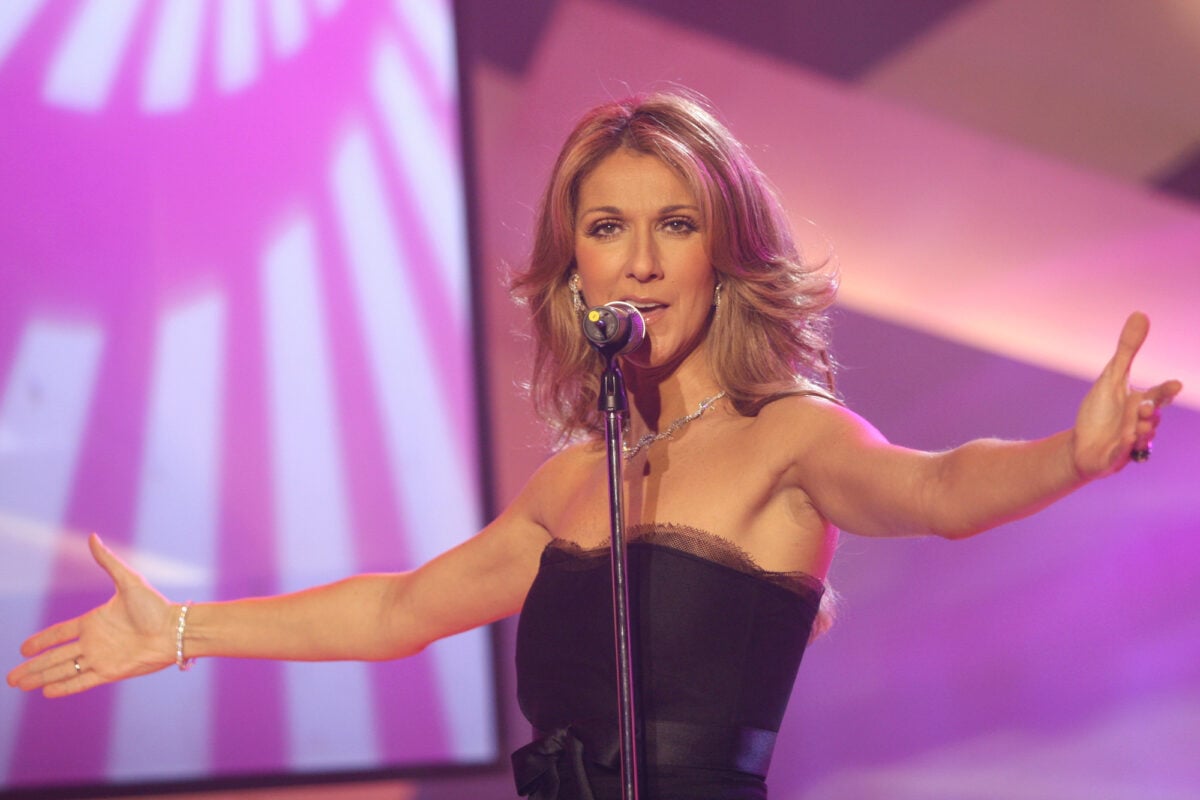
The Titanic theme became synonymous with late-’90s school dances, its dramatic orchestration and vocal performance creating theatrical romance. The film’s cultural dominance ensured the song’s omnipresence.
“Truly Madly Deeply” by Savage Garden
This Australian pop ballad arrived as the ’90s progressed, offering emotional directness combined with pop accessibility. The song’s vulnerability created a safe space for teenage emotion.
“I’ll Be” by Edwin McCain
Popularized through Dawson’s Creek, this ballad reached school dances through cultural association with television romance. The song’s specific vulnerability resonated with adolescent emotional intensity.
“A Kiss From a Rose” by Seal
The Batman Forever soundtrack contributed this unusual ballad, notable for its distinctive vocals and philosophical depth. The film’s commercial success ensured the song’s cultural presence.
“Amazed” by Lonestar
This country crossover hit offered romantic sentiment through a different musical genre than typical school dance ballads. The song’s accessibility across music-preference divides made it broadly danceable.
“I Will Always Love You” by Whitney Houston
The definitive ’90s power ballad, Whitney Houston’s version of this Dolly Parton standard achieved status as the ultimate dramatic romantic song. The vocal control demonstrated what dramatic emotional expression sounded like.
“Baby-Baby-Baby” by TLC
Released in 1992, this romantic track from TLC’s debut offered R&B sensibility combined with genuine vulnerability. The song only missed number one due to Boyz II Men’s dominance.
“Creep” by TLC
The lead single from CrazySexyCool, this hit addressed romantic and intimate complications from a female perspective. The song’s complex emotional territory made slow dancing feel sophisticated.
“Red Light Special” by TLC

This track addressed desire and attraction with unusual specificity and directness. The song’s willingness to engage with intimate content set it apart from more conventional school dance ballads.
“More Than Words” by Extreme
This acoustic power ballad by the red-and-yellow-clad hair metal band found massive success at school dances despite the band’s metal credentials. The song’s stripped-down production created unusual intimacy.
“If I Ever Fall in Love” by Shai
This a cappella single by the R&B quartet debuted in 1992 and became an immediate school dance staple. The absence of instrumental backing made the vocals the entire focus.
The Soundtrack of Adolescence

The songs that played at school dances became more significant through their context than through their musical qualities alone. A song becomes meaningful not through objective merit but through association with a specific moment—the exact dance, the specific person, the particular configuration of nervousness and hope that only school dances could create.
Decades later, these songs remain shorthand for entire emotional landscapes of adolescence. A single note recreates the gymnasium, the decorations, the specific social configurations that felt so crucial at the time.
In that sense, these songs became permanent even when they eventually left the radio, settling into a space that exists partly in memory and partly in cultural permanence, still playing at school dances for new generations who didn’t know that they’d been hearing these songs forever.
More from Go2Tutors!

- The Romanov Crown Jewels and Their Tragic Fate
- 13 Historical Mysteries That Science Still Can’t Solve
- Famous Hoaxes That Fooled the World for Years
- 15 Child Stars with Tragic Adult Lives
- 16 Famous Jewelry Pieces in History
Like Go2Tutors’s content? Follow us on MSN.