15 Famous Helicopters That Stole the Spotlight in Movies
There’s something magnetic about helicopters on screen. Maybe it’s the way they slice through dramatic moments, or how they hover between salvation and destruction.
Helicopters don’t just appear in movies — they announce themselves with that unmistakable thrum, commanding attention whether they’re rescuing heroes or hunting them down. Cinema has always loved these mechanical marvels, turning them into characters as memorable as the actors themselves.
Blue Thunder
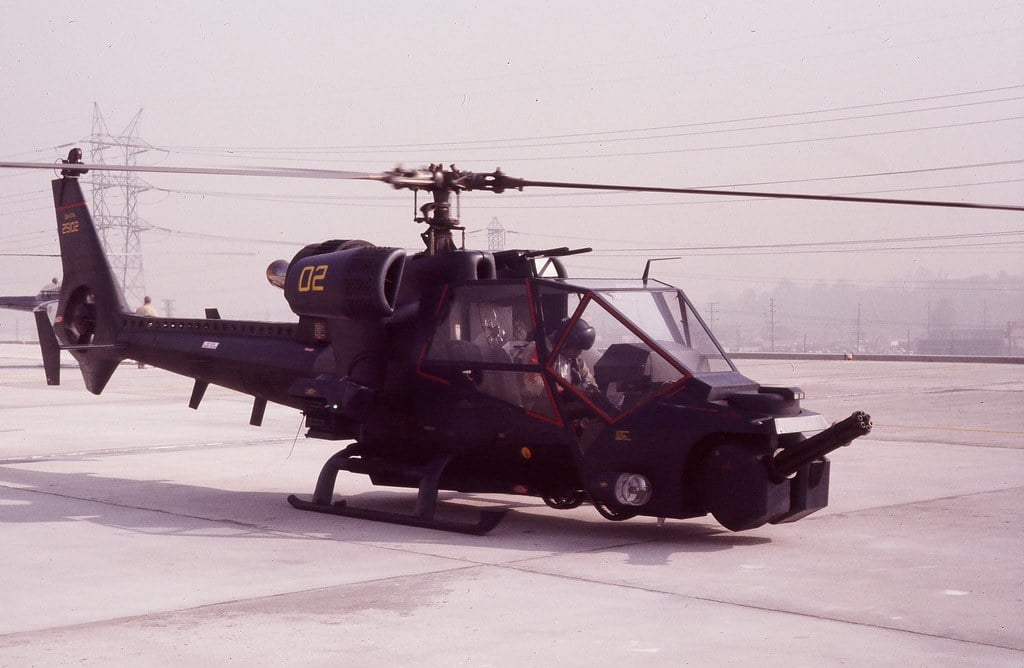
Blue Thunder doesn’t mess around. This high-tech police surveillance chopper from the 1983 film of the same name became an instant icon with its menacing black paint job and futuristic equipment.
The modified Aérospatiale Gazelle looked like it belonged in a sci-fi thriller, which was exactly the point.
Bell UH-1 Iroquois from Apocalypse Now
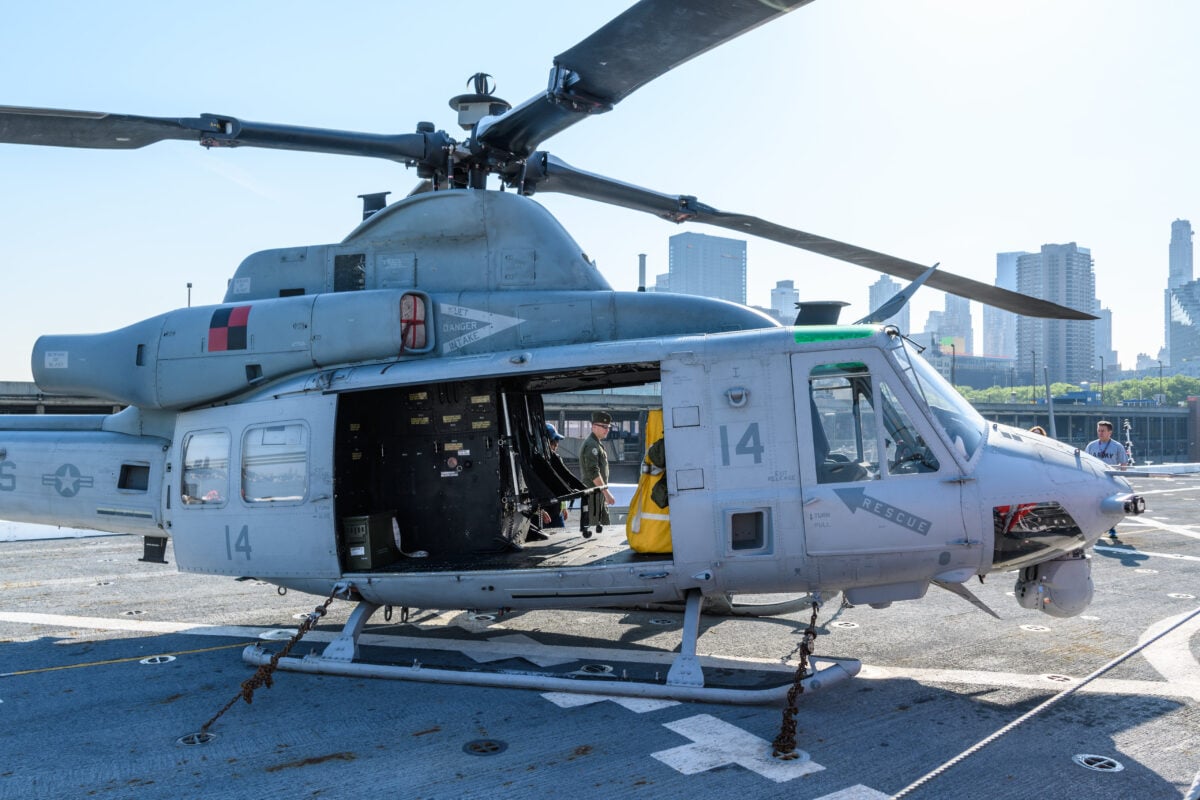
The “Huey” helicopters in Francis Ford Coppola’s masterpiece didn’t just carry soldiers — they carried the weight of the entire Vietnam War experience. Those rotor blades cutting through “The Ride of the Valkyries” created one of cinema’s most haunting sequences, where the mechanical and the mythical collided in ways that still give viewers chills decades later.
When you hear Wagner’s opera paired with helicopter rotors, something shifts in your understanding of both war and cinema. The UH-1s became vessels for exploring how technology transforms conflict, how machines can be both protector and destroyer within the same frame.
And yet, for all their symbolic weight, they remained grounded in brutal reality — these were the actual helicopters that defined a generation’s relationship with warfare.
Airwolf
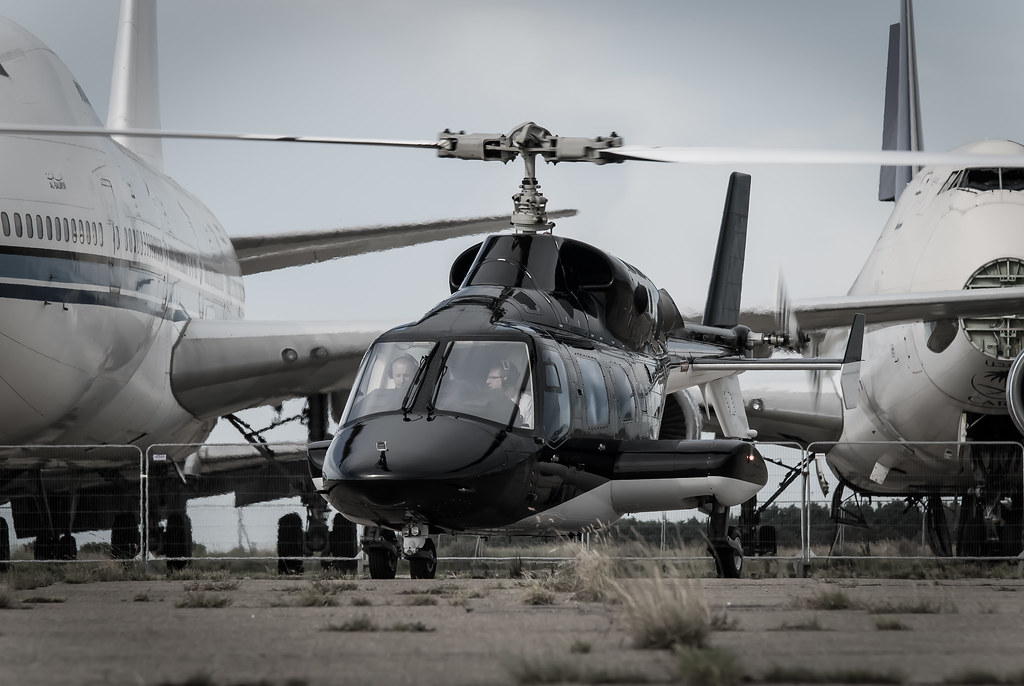
Airwolf was television’s answer to every kid’s helicopter fantasy. This sleek, black supersonic chopper could outrun fighter jets and packed enough firepower to level small cities.
The modified Bell 222 looked more like a stealth fighter than a traditional helicopter, which made perfect sense for a show that never bothered with realistic physics. The series ran from 1984 to 1987, and Airwolf became as much a character as Jan-Michael Vincent’s tortured pilot.
Pure escapist entertainment at its finest.
OH-6 Cayuse from Magnum Force
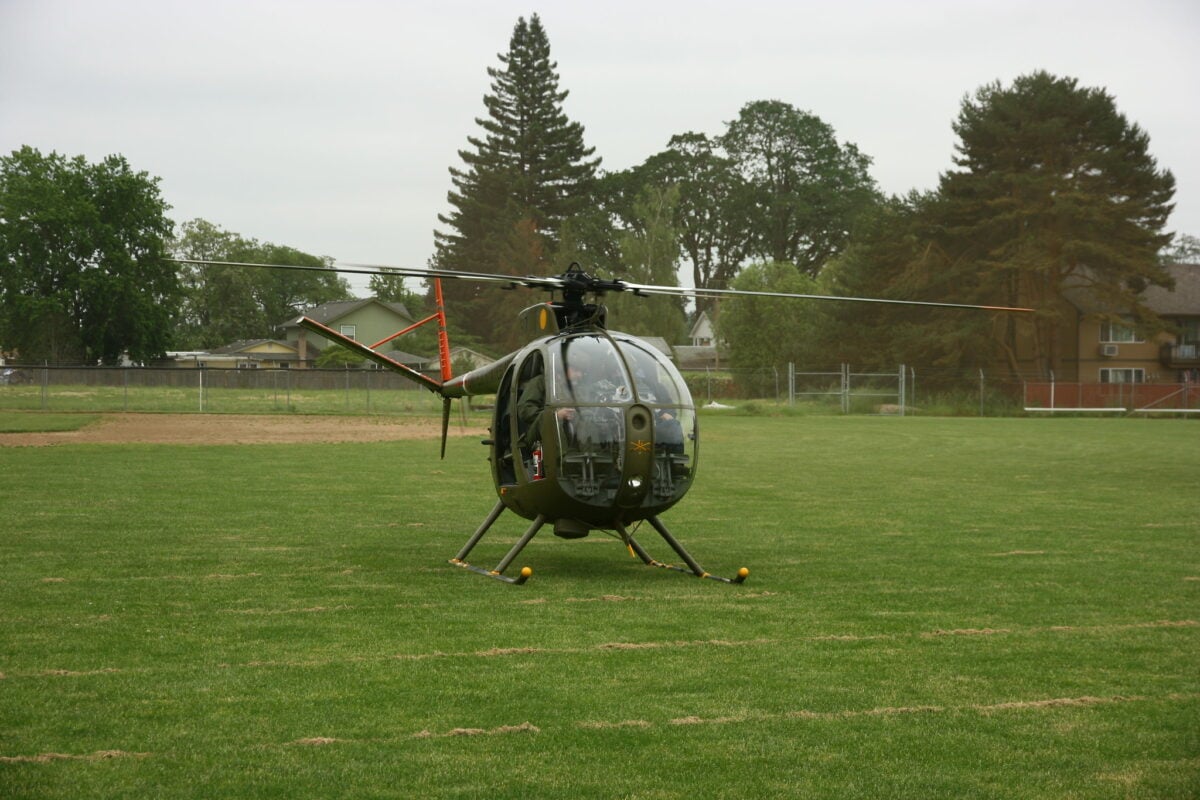
Dirty Harry’s helicopter chase in “Magnum Force” turned the small, agile OH-6 Cayuse into an urban predator (and this chase scene actually influenced countless action films that followed, though most people forget that particular detail). The compact observation helicopter weaved through San Francisco’s streets with mechanical precision, pursuing Harry Callahan across rooftops and through narrow alleyways in what became one of the most technically impressive aerial sequences of the 1970s.
But what made the Cayuse memorable wasn’t just its agility — it was how the film used its small size to create genuine menace, turning what was essentially a reconnaissance aircraft into something that felt genuinely threatening as it stalked Clint Eastwood through the city. So the helicopter became both hunter and symbol, representing the faceless authority that Dirty Harry always seemed to be fighting against, even when that authority was supposedly on his side.
The helicopter chase scene machines from The Matrix Reloaded
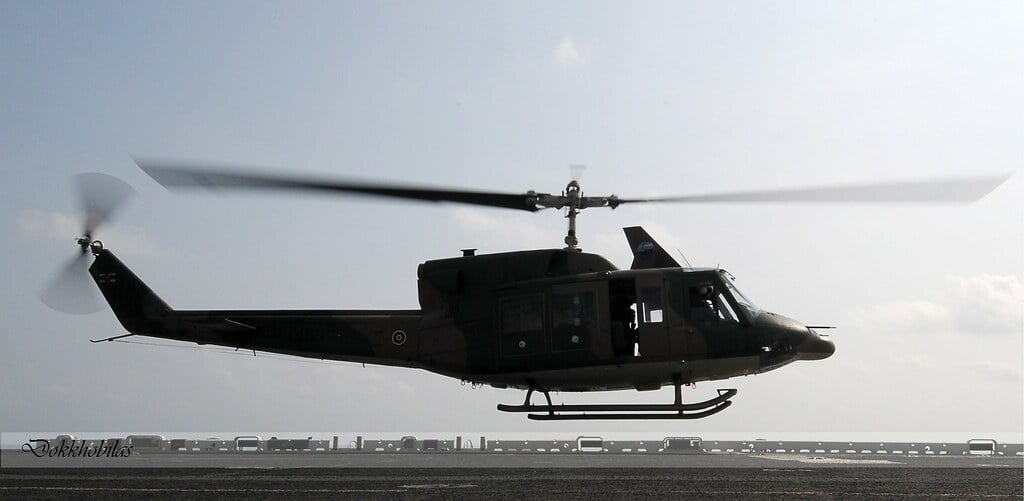
The Matrix Reloaded’s freeway chase wasn’t just about cars. That black helicopter weaving through traffic while Trinity commandeered it mid-flight created a sequence that redefined what audiences expected from action cinema.
The chopper became an extension of the digital world’s malleable reality, bending physics in ways that felt both impossible and inevitable.
Mil Mi-8 Hip from Behind Enemy Lines
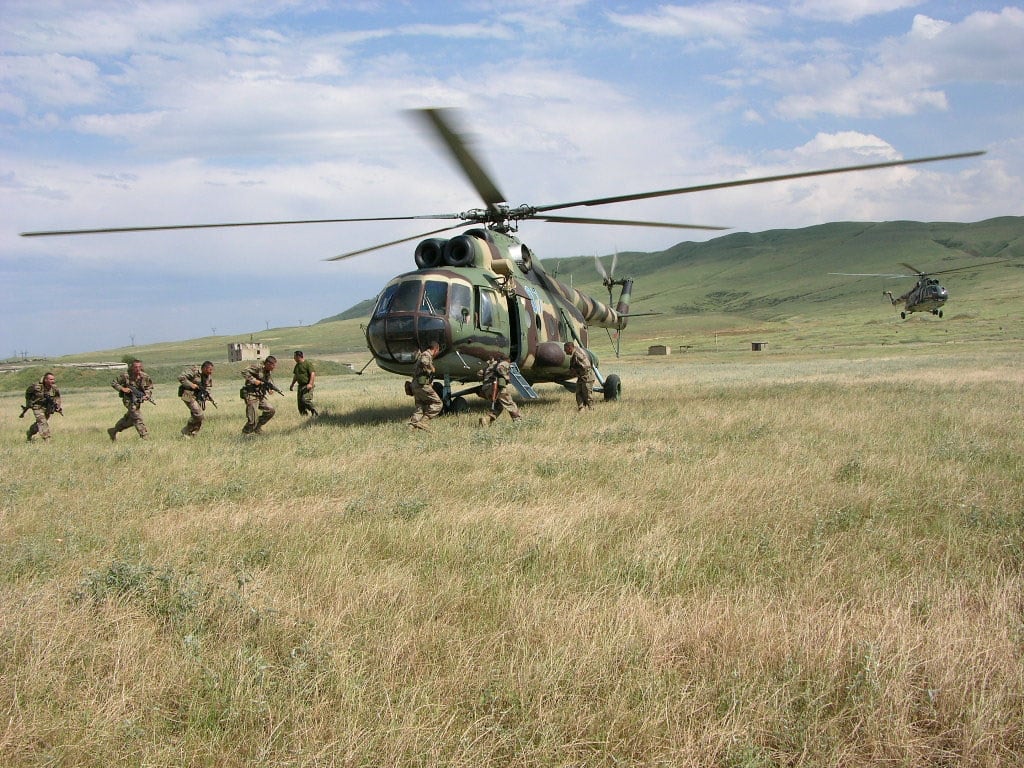
The Russian-made helicopters in “Behind Enemy Lines” brought a particular kind of menace to the screen. These Soviet-designed transport and assault helicopters hunted Owen Wilson’s downed pilot through Bosnia with mechanical ruthlessness, their distinctive silhouettes serving as reminders of Cold War-era military hardware repurposed for a Balkan conflict.
Their pursuit felt relentless and impersonal — exactly what the film needed to create genuine tension.
Bell 206 JetRanger from Blue Thunder TV series
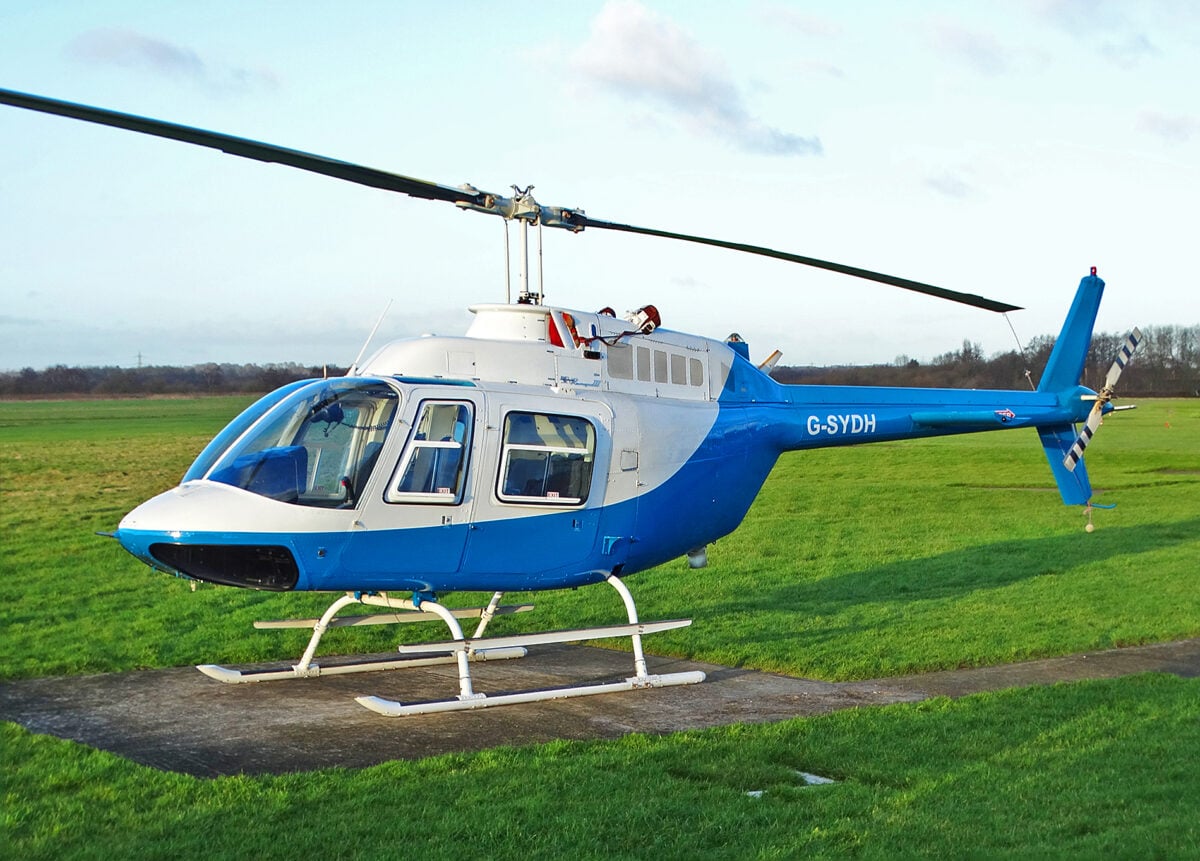
Television’s version of Blue Thunder used a different helicopter than the movie, settling on the more practical Bell 206 JetRanger painted in that distinctive blue and white scheme. While it lacked the movie version’s intimidating presence, the JetRanger brought Blue Thunder to weekly episodic adventures from 1984.
The TV series never quite captured the movie’s edge, but the helicopter itself remained compelling enough to carry the show for its single season run.
MD 500 series from various action films
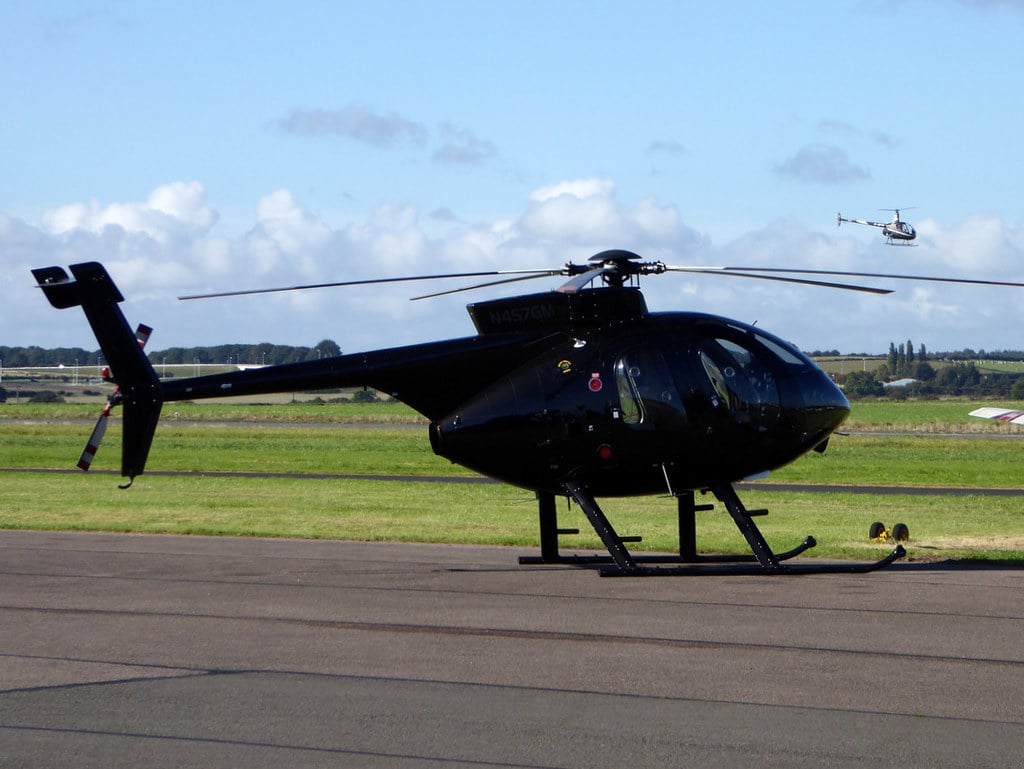
The MD 500 series helicopters have become the reliable workhorses of Hollywood action sequences, appearing in everything from “Goldeneye” to “Rambo: First Blood Part II” (and if you start paying attention, you’ll notice them in far more films than seems statistically reasonable, which says something about their versatility as both filming platforms and on-screen subjects). These compact, agile helicopters can dart through canyon chases, hover menacingly outside skyscraper windows, or crash spectacularly when the script demands it — their size makes them perfect for close-quarters aerial work that larger helicopters simply can’t handle.
And yet for all their technical capabilities, what makes the MD 500 series truly valuable to filmmakers isn’t just what they can do, but how they look doing it: sleek enough to seem sophisticated, small enough to feel vulnerable, aggressive enough when painted black to serve as credible threats. So they’ve become cinema’s Swiss Army knife of helicopters, adaptable to whatever role the story needs them to fill.
Sea King from The Perfect Storm
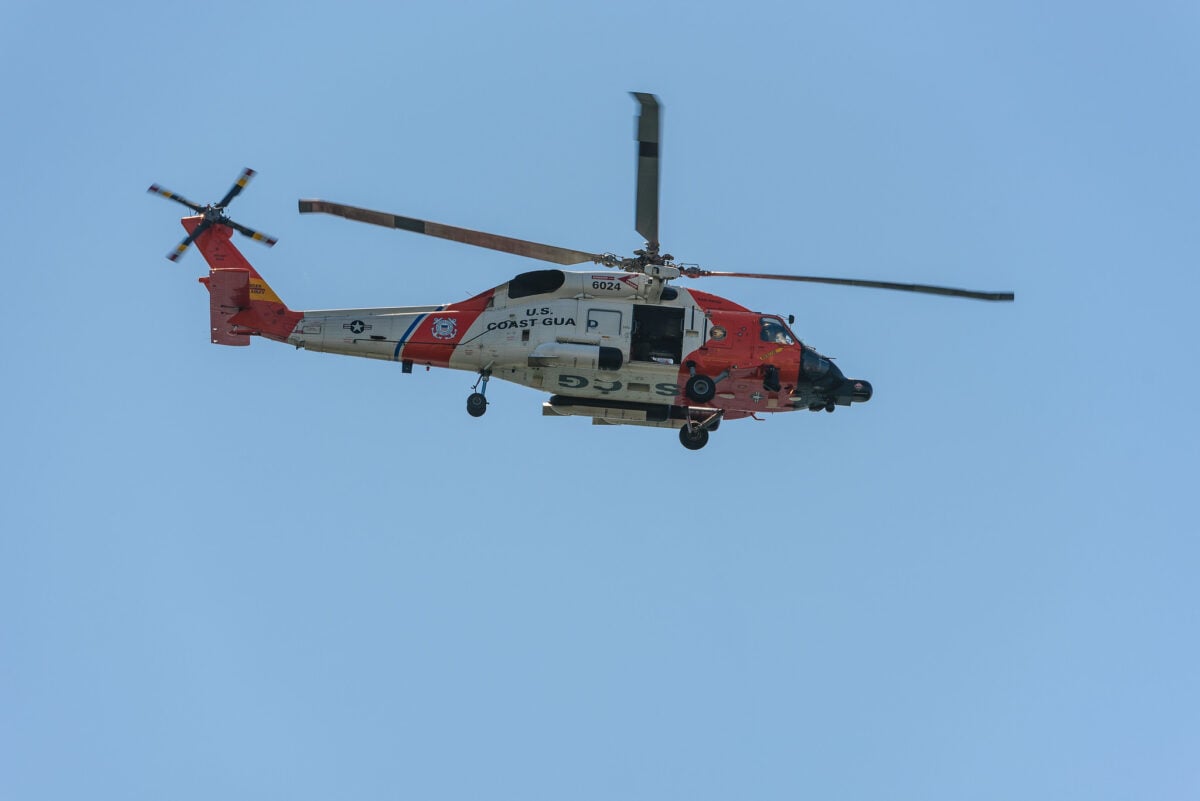
The Coast Guard’s HH-60 Jayhawk and older HH-3F Pelican helicopters in “The Perfect Storm” faced nature’s fury head-on. These rescue aircraft became symbols of human determination against overwhelming odds, battling hurricane-force winds and mountainous seas to reach sailors in distress.
Watching these helicopters struggle against the storm’s power created some of the film’s most visceral tension. They represented the thin line between salvation and disaster, mechanical hope in an indifferent ocean.
AH-64 Apache from Fire Birds
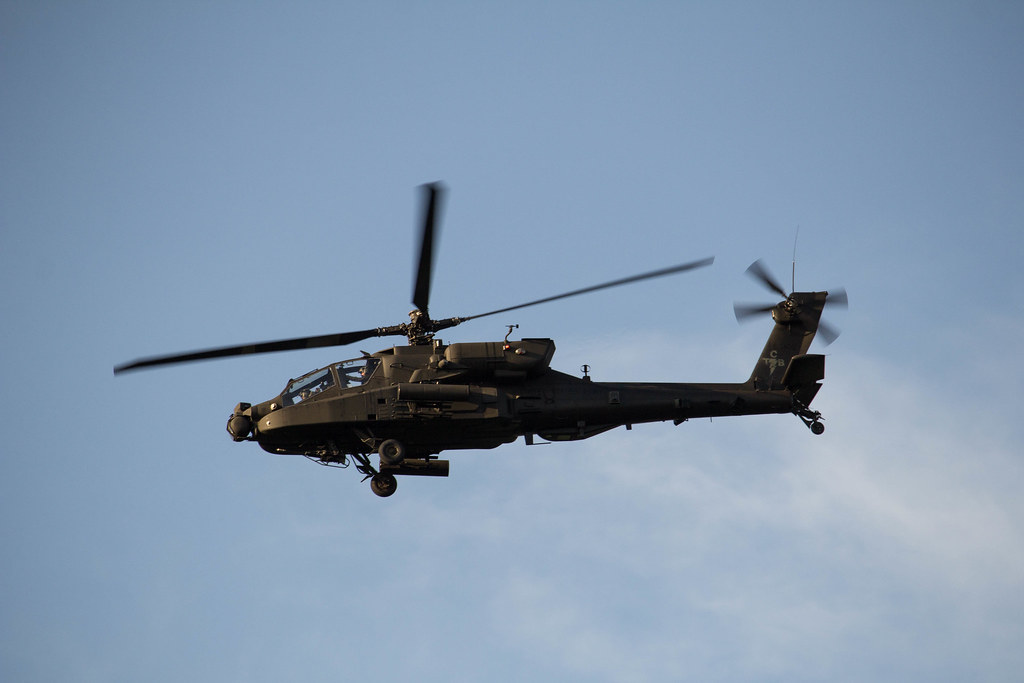
“Fire Birds” tried to do for Apache helicopters what “Top Gun” did for fighter jets. The AH-64 Apache attack helicopters looked impressive with their angular, predatory design and advanced weapons systems.
Nicolas Cage and Tommy Lee Jones piloted these mechanical monsters through aerial combat sequences that showcased the Apache’s lethal capabilities. The film itself was forgettable, but the Apaches were genuinely spectacular on screen.
Bell 47 from MAS*H
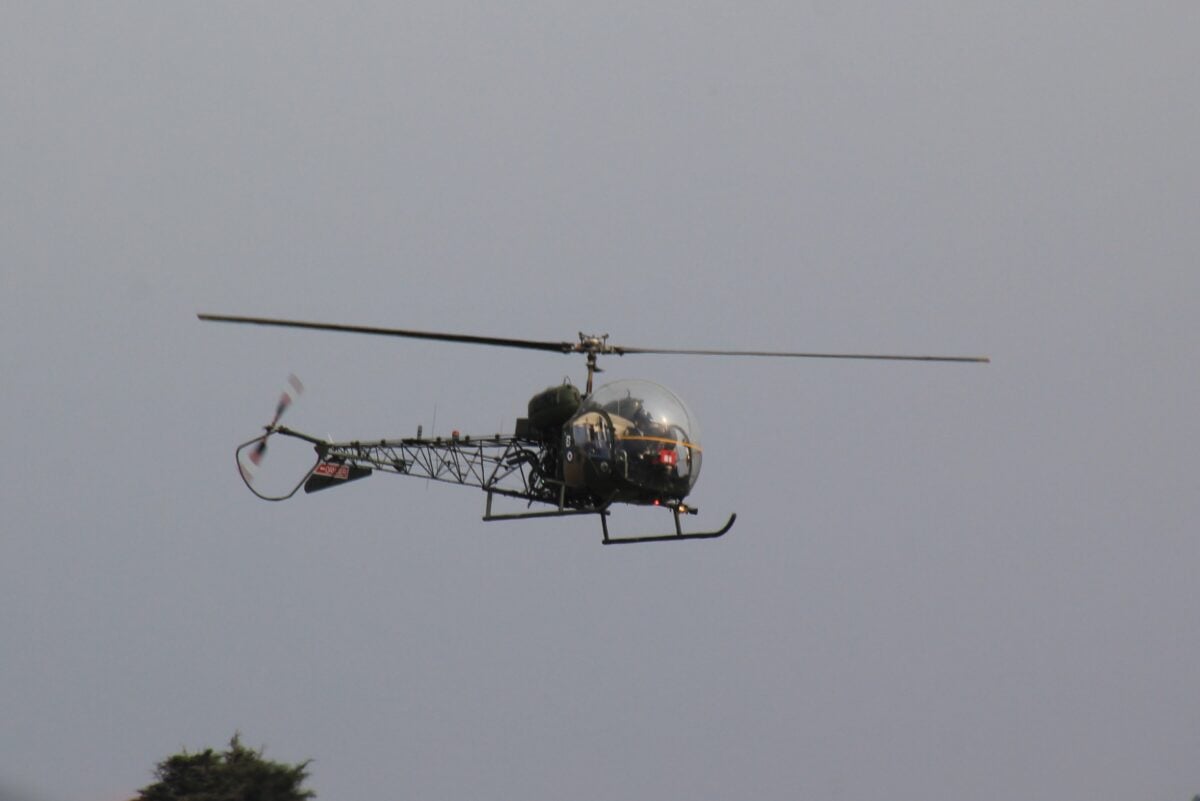
The Bell 47 helicopters arriving at the 4077th Mobile Army Surgical Hospital carried more than wounded soldiers — they carried the entire emotional weight of war’s casualties (and those distinctive bubble cockpits became as recognizable as any character on the show, appearing in the opening credits of every episode for eleven seasons). The helicopters’ arrival always signaled the transition from comedy to drama, from the camp’s interpersonal conflicts to the brutal reality of the Korean War that surrounded them.
But what made these helicopters cinematically powerful wasn’t their mechanical specifications or dramatic potential — it was their ordinariness, the way they became part of the landscape, routine harbingers of chaos that the medical staff learned to live with. And yet each arrival still carried weight, still meant that someone’s son or father or brother needed saving, which kept both the characters and the audience grounded in the show’s underlying seriousness no matter how absurd the comedy became.
UH-60 Black Hawk from Black Hawk Down
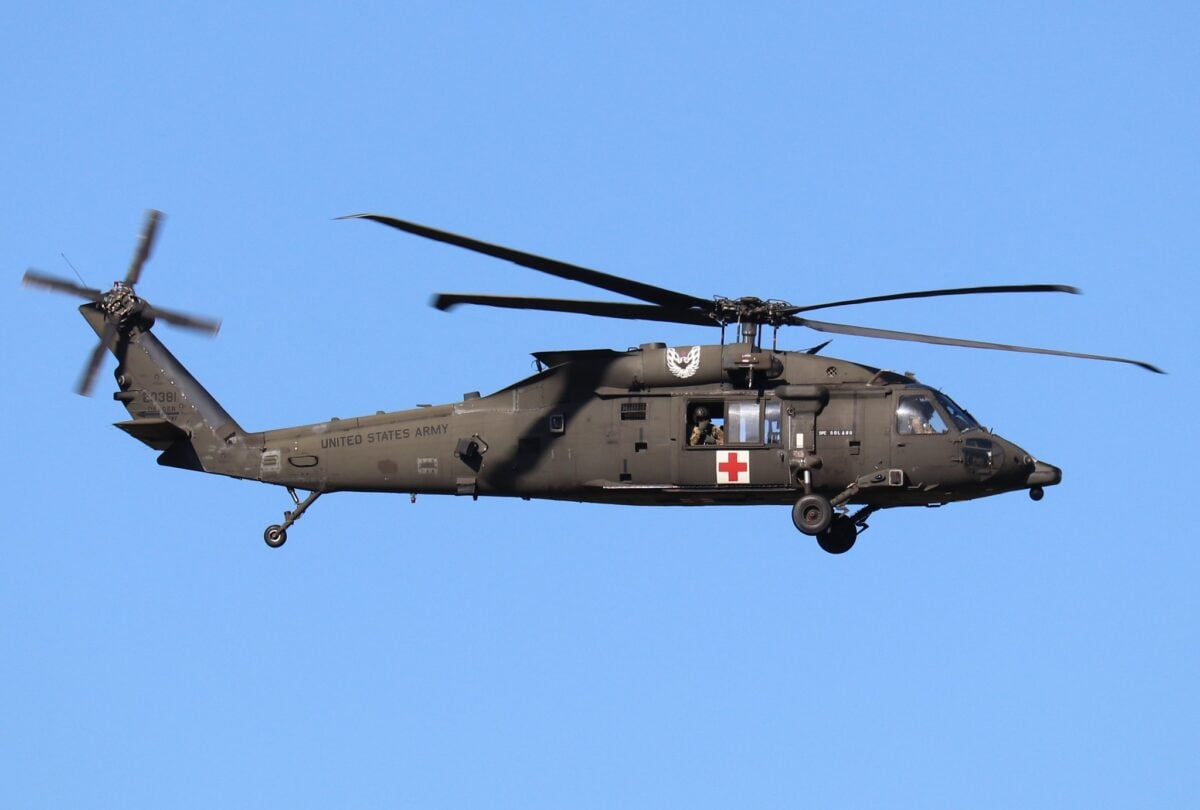
Ridley Scott’s “Black Hawk Down” made the UH-60 Black Hawk helicopter synonymous with modern military aviation. These workhorses of the U.S. Army became central characters in the film’s retelling of the 1993 Battle of Mogadishu.
When two Black Hawks went down over Somalia, the helicopters transformed from rescue vehicles into the epicenter of an urban warfare nightmare. The film showed both the Black Hawk’s capabilities and vulnerabilities, creating tension through the contrast between advanced technology and chaotic street combat.
Huey from The A-Team movie
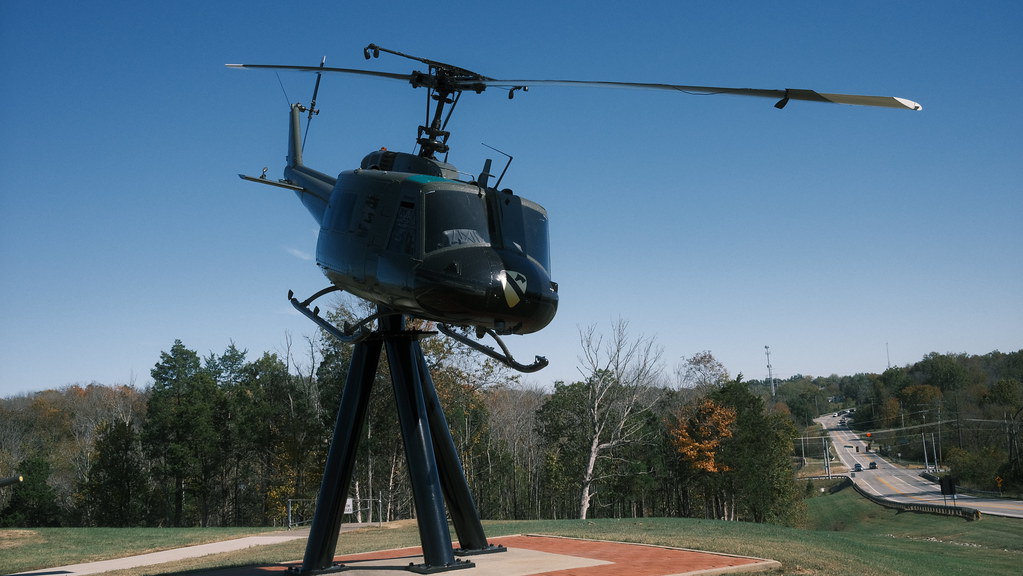
The 2010 “A-Team” movie gave Murdock his beloved helicopter back, and the filmmakers chose a classic UH-1 Huey for the team’s aerial adventures. While the film took liberties with physics and common sense, the Huey provided a nostalgic connection to the original television series while delivering modern action sequences.
Murdock’s relationship with his aircraft remained as unhinged as ever, making the helicopter feel like a natural extension of his eccentric personality.
Mi-24 Hind from Rambo III
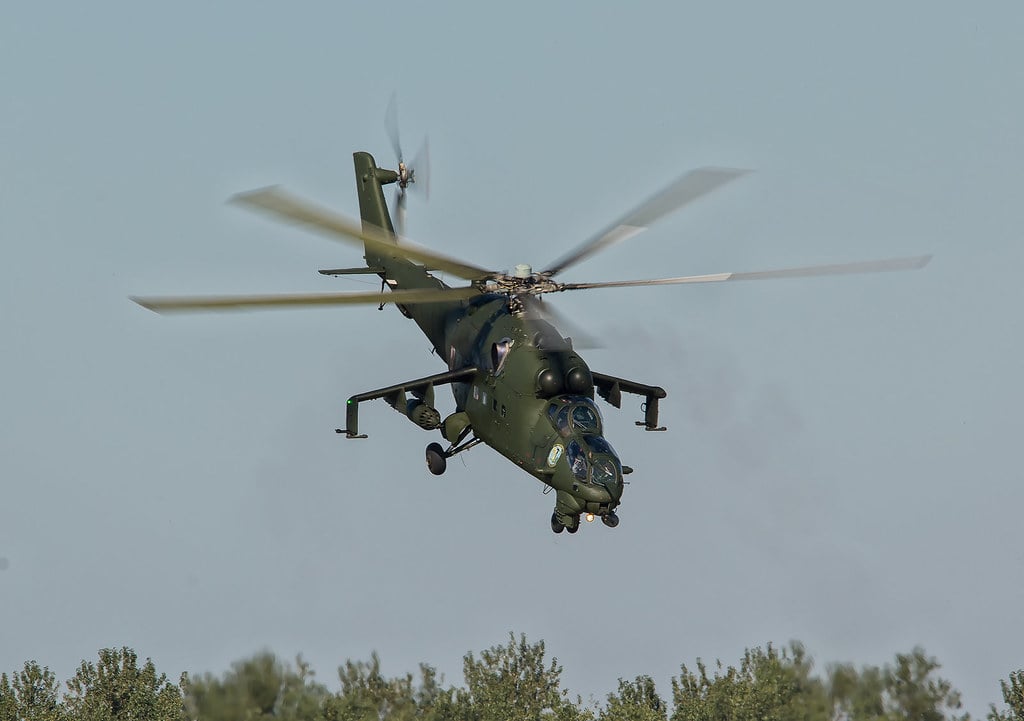
Soviet Mi-24 Hind helicopters served as the primary antagonists in “Rambo III,” hunting Sylvester Stallone through the mountains of Afghanistan. These heavily armed, heavily armored gunships brought Cold War menace to the screen with their distinctive tandem cockpits and stubby wings bristling with weapons.
The Hinds represented Soviet military might at its most intimidating, turning aerial sequences into David-versus-Goliath confrontations between one man and mechanical monsters.
Hughes OH-6 Cayuse from various Vietnam War films
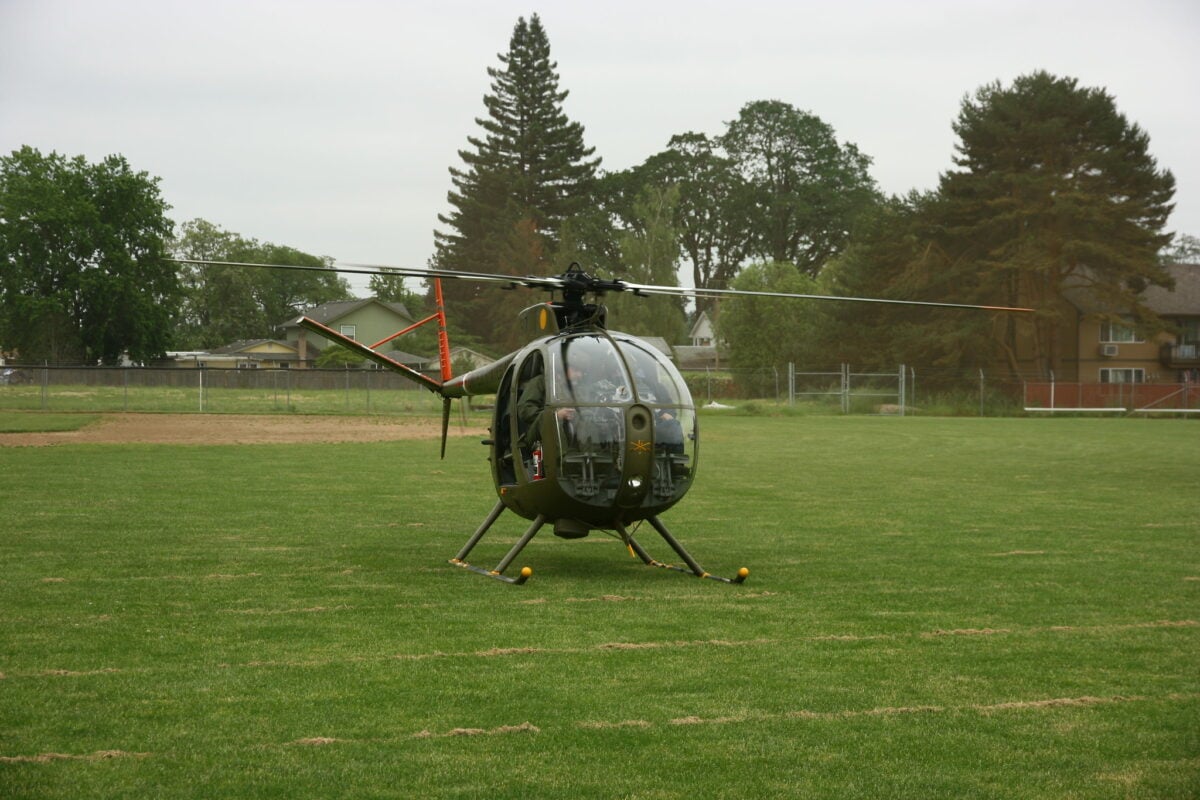
Beyond “Magnum Force,” the diminutive OH-6 Cayuse became a staple of Vietnam War cinema, appearing in films from “Platoon” to “We Were Soldiers” (though most viewers probably couldn’t distinguish it from other light observation helicopters, which is precisely what made it so effective in these roles — it never called attention to itself, never demanded to be the star). These small, agile aircraft served as the eyes and ears of larger military operations, darting through jungle canopies and over rice paddies with mechanical precision that contrasted sharply with the chaos of ground combat below.
But the Cayuse’s real cinematic value lay in its vulnerability — unlike the heavily armed Hueys or intimidating Cobras, these little observation helicopters felt fragile, expendable, which made every appearance dangerous for both the characters aboard and the audiences watching. And that fragility became a metaphor for the broader Vietnam experience, where advanced technology couldn’t guarantee safety, where even the machines designed to keep soldiers alive remained terrifyingly mortal.
When the rotor blades stop spinning
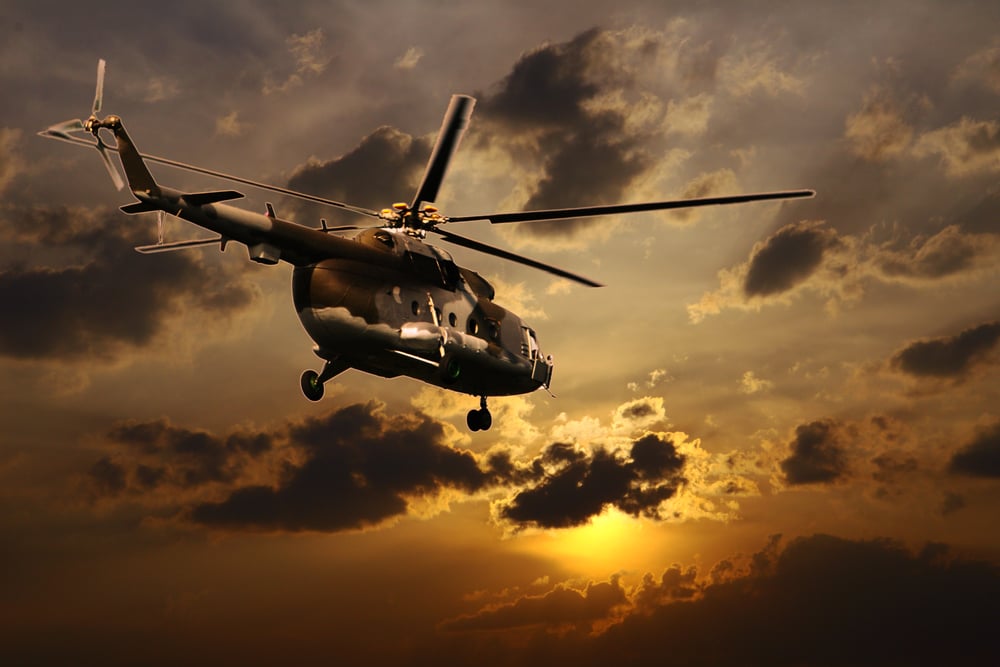
The best movie helicopters never feel like mere transportation. They become extensions of character, symbols of power or vulnerability, mechanical poetry written against sky and skyline.
Whether they’re carrying heroes to safety or hunting them through urban canyons, these aircraft have carved out their own permanent place in cinema history, proving that sometimes the most memorable performances come from machines that never speak a single line.
More from Go2Tutors!

- The Romanov Crown Jewels and Their Tragic Fate
- 13 Historical Mysteries That Science Still Can’t Solve
- Famous Hoaxes That Fooled the World for Years
- 15 Child Stars with Tragic Adult Lives
- 16 Famous Jewelry Pieces in History
Like Go2Tutors’s content? Follow us on MSN.



