27 Empires That Collapsed Faster Than Anyone at the Time Believed Possible
Empires that seem permanent from within collapse with startling abruptness when examined through historical distance. What appeared to be eternal institutions, blessed by providence and sustained by inevitable momentum, crumbled within decades or even years.
The Roman Empire took roughly three centuries to fragment in the west, yet this represented a faster dissolution than most contemporary observers expected. Other empires collapsed even more dramatically—the Mongol Empire fragmented within generations of its founder’s death, the Spanish American colonies revolted within decades of seeming permanent subjugation, and twentieth-century empires dissolved almost overnight.
What follows are historical examples of imperial collapse occurring faster than authorities anticipated, contemporaries believed possible, or modern observers expected.
The Mongol Empire Fragmentation (13th-14th Century)
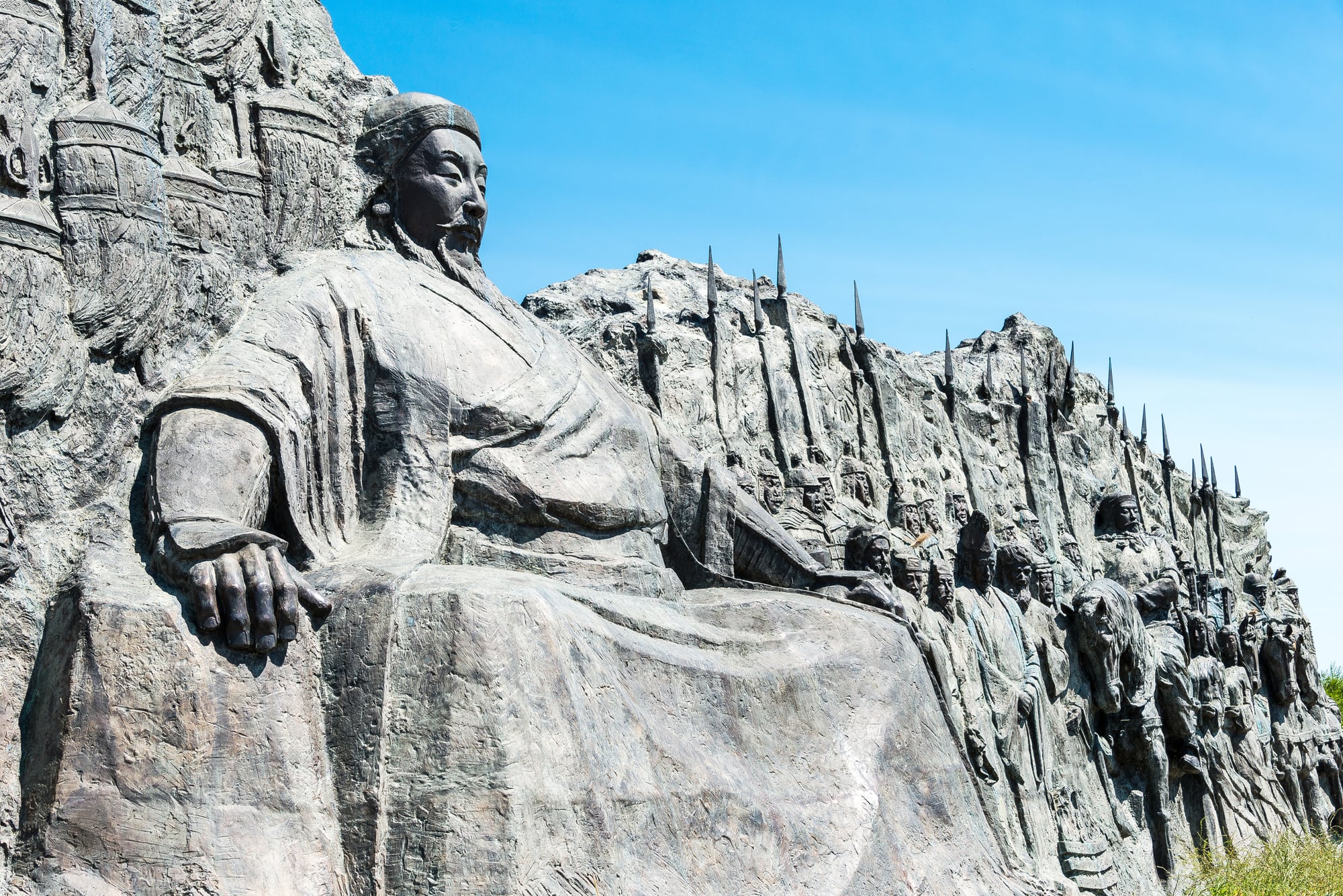
Genghis Khan unified the largest contiguous land empire in history within his lifetime. Within a generation of his death in 1227, the empire fragmented into competing khanates.
His grandsons divided the empire among themselves, and within a century, the unified Mongol dominion had dissolved into competing regional powers. The rapid dissolution seemed to contradict the apparent permanence of Mongol rule just years earlier.
What appeared to be an empire organized for eternity fragmented into regional kingdoms dominated by tribal aristocracies.
The Fall of Rome in the West (5th Century)

The Roman Empire, which had persisted for five centuries in the west, fragmented within a few decades as central authority collapsed. What appeared to be eternal institutional structures surrendered to barbarian kingdoms.
The process accelerated in the late 4th and early 5th centuries, with the Western Empire losing coherence by 476 CE. To contemporary observers in the early 300s, the idea that Rome would cease to exist as a unified political entity within centuries would have seemed impossible.
The Caliphate of Baghdad (13th Century)
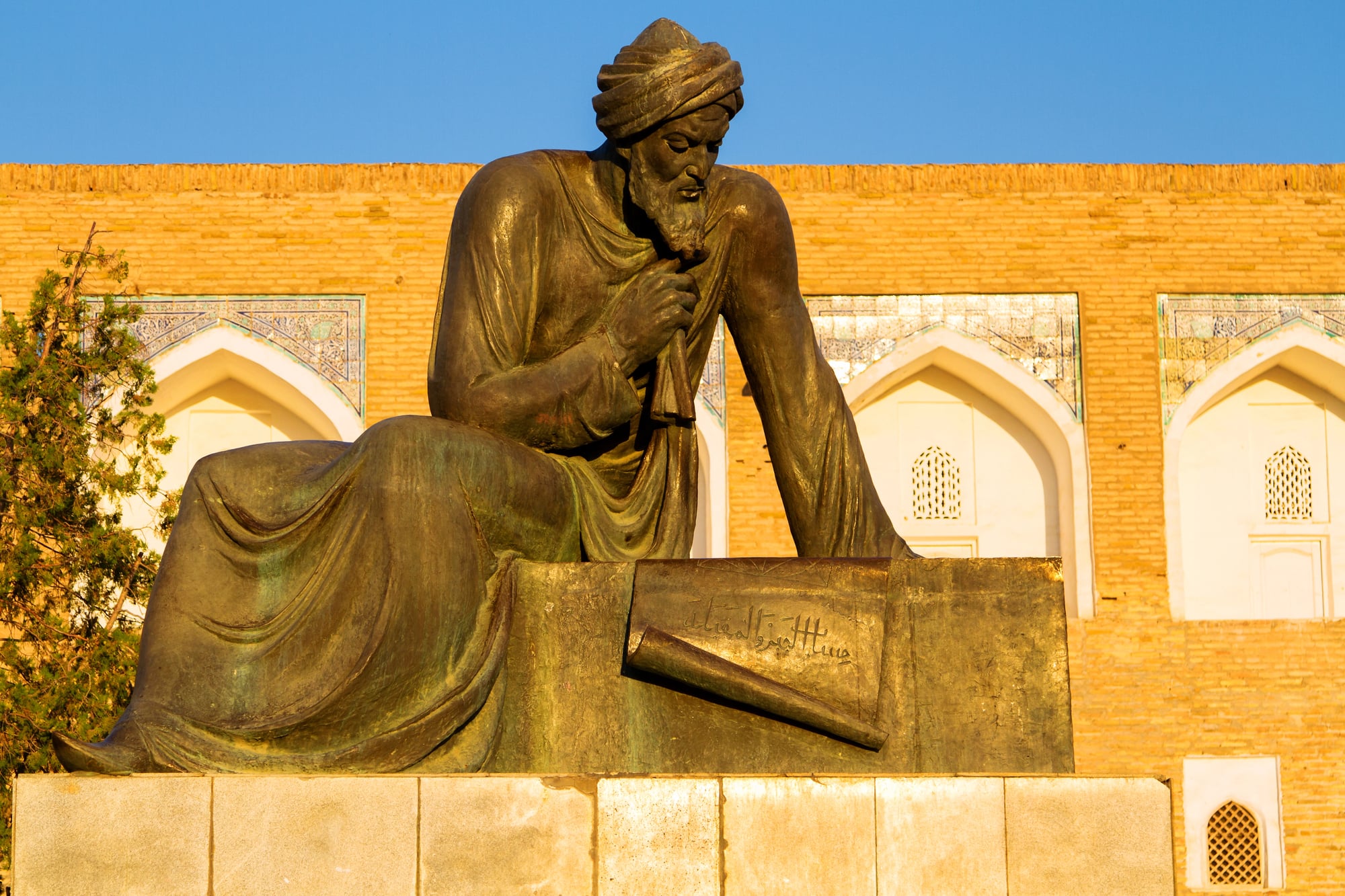
The Abbasid Caliphate, centered in Baghdad, had persisted as the primary Islamic political authority for nearly 500 years. The Mongol conquest of Baghdad in 1258 ended the caliphate with shocking abruptness.
The siege lasted less than two weeks. The destruction was comprehensive—the library was burned, the population was slaughtered, and the city that had been synonymous with Islamic civilization was nearly obliterated.
The speed of Baghdad’s fall contradicted expectations that so ancient and established an institution could be destroyed so thoroughly and so quickly.
The Spanish American Empires (Early 19th Century)

Spain’s vast American colonial empire, which had persisted for three centuries, dissolved within two decades. The wars of independence from 1808 to 1826 fragmented Spain’s American dominions into independent republics.
What appeared to be stable colonial relationships dissolved as independence movements succeeded. The metropolitan power’s inability to reassert control marked the rapid dissolution of what had seemed a permanent imperial structure.
The Ottoman Empire’s Balkan Territories (19th Century)
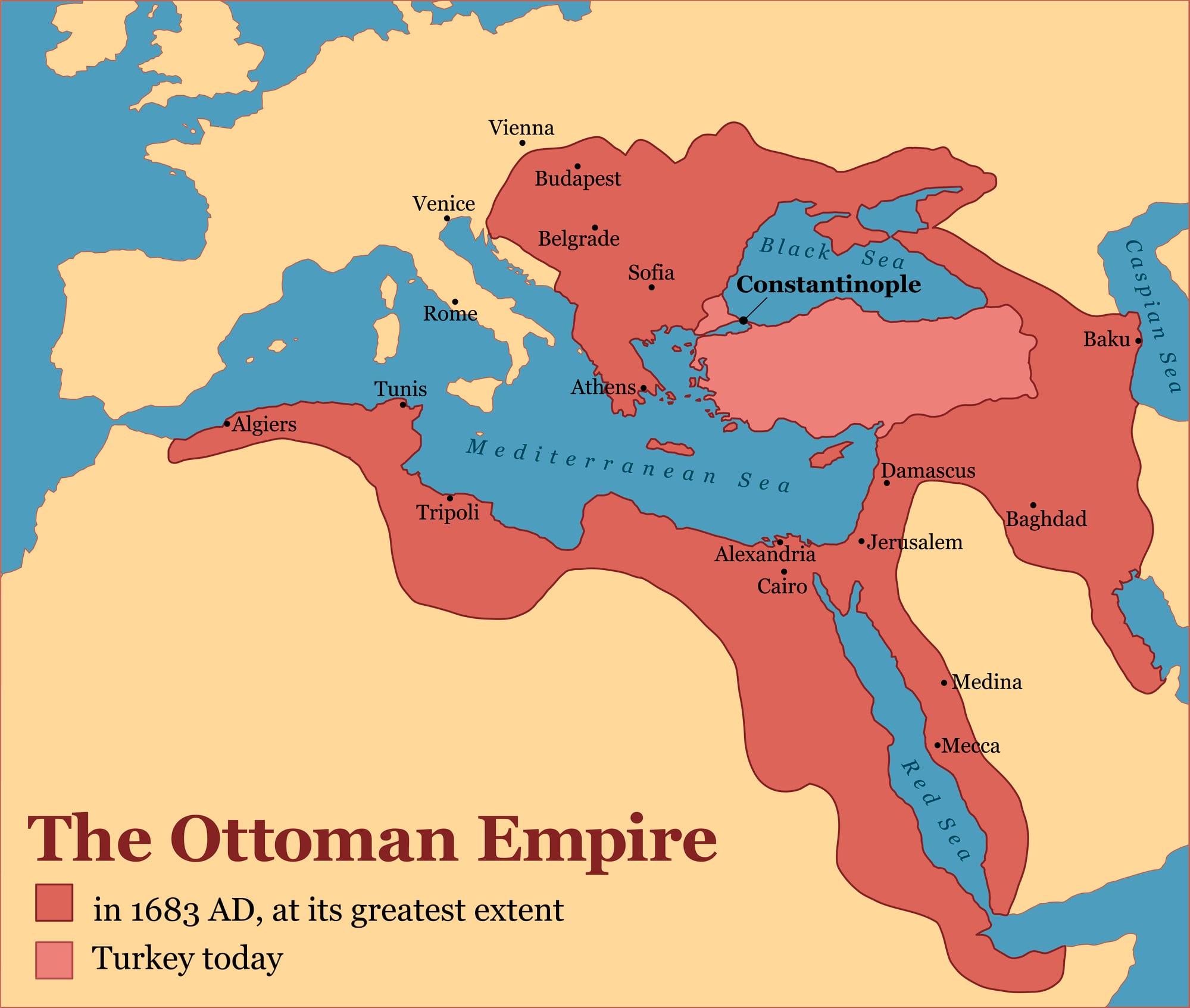
The Ottoman Empire retained Balkan territories for over 400 years before losing most of them within a few decades in the 19th century. The Greek War of Independence, Serbian independence, and subsequent Balkan Wars (1912-1913) rapidly reduced Ottoman European territories.
What appeared to be permanent Ottoman dominion fragmented as nationalist movements succeeded in establishing independent states. By 1918, Ottoman European territory was reduced to Eastern Thrace.
The Austro-Hungarian Empire (Early 20th Century)

The Austro-Hungarian Empire persisted for over 400 years before dissolving completely following World War I. The empire fragmented into multiple successor states within a few years of the war’s end.
What appeared to be a permanent multinational empire, despite evident ethnic tensions, dissolved rapidly once metropolitan military power was exhausted. The speed of dissolution surprised observers who had expected the empire to persist despite the war’s outcome.
The Russian Monarchy and Imperial System (1917)

The Russian Tsar had ruled for centuries, yet the imperial system collapsed in 1917 within a few months. The monarchy that appeared eternal dissolved within weeks.
The sudden collapse of institutions that had persisted for centuries seemed to occur almost overnight. What appeared to be permanent hierarchical structures crumbled as metropolitan authority evaporated.
The Chinese Imperial System (Early 20th Century)
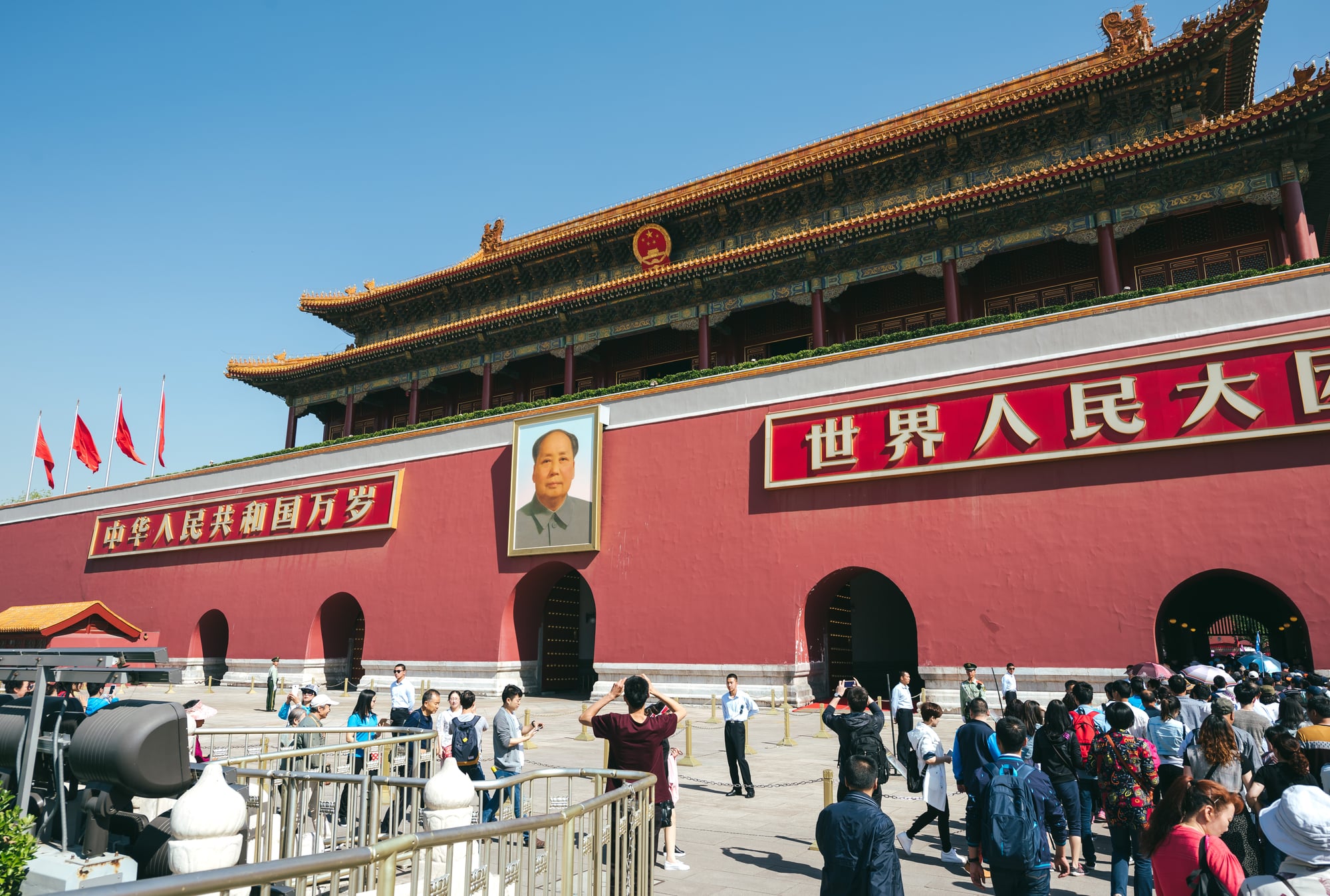
The Chinese imperial system had persisted for roughly 2,000 years before dissolving in 1912 following the Xinhai Revolution. The rapid dissolution of such an ancient system surprised observers who had expected imperial restoration would occur within years.
Instead, the system failed to restore itself, and the republic persisted despite numerous challenges to its authority. The speed at which the ancient system dissolved contradicted expectations that so established an institution would prove more resistant.
The French Colonial Indochina Empire (1950s)

French colonial rule in Indochina seemed secure in the immediate post-World War II period. Within less than a decade, the French had lost military control following their defeat at Dien Bien Phu in 1954.
The rapid loss of a colonial territory that France had possessed for nearly a century surprised international observers. The speed of French withdrawal contradicted expectations that colonial powers would persist in maintaining their holdings.
The Japanese Empire in East Asia (1940s)
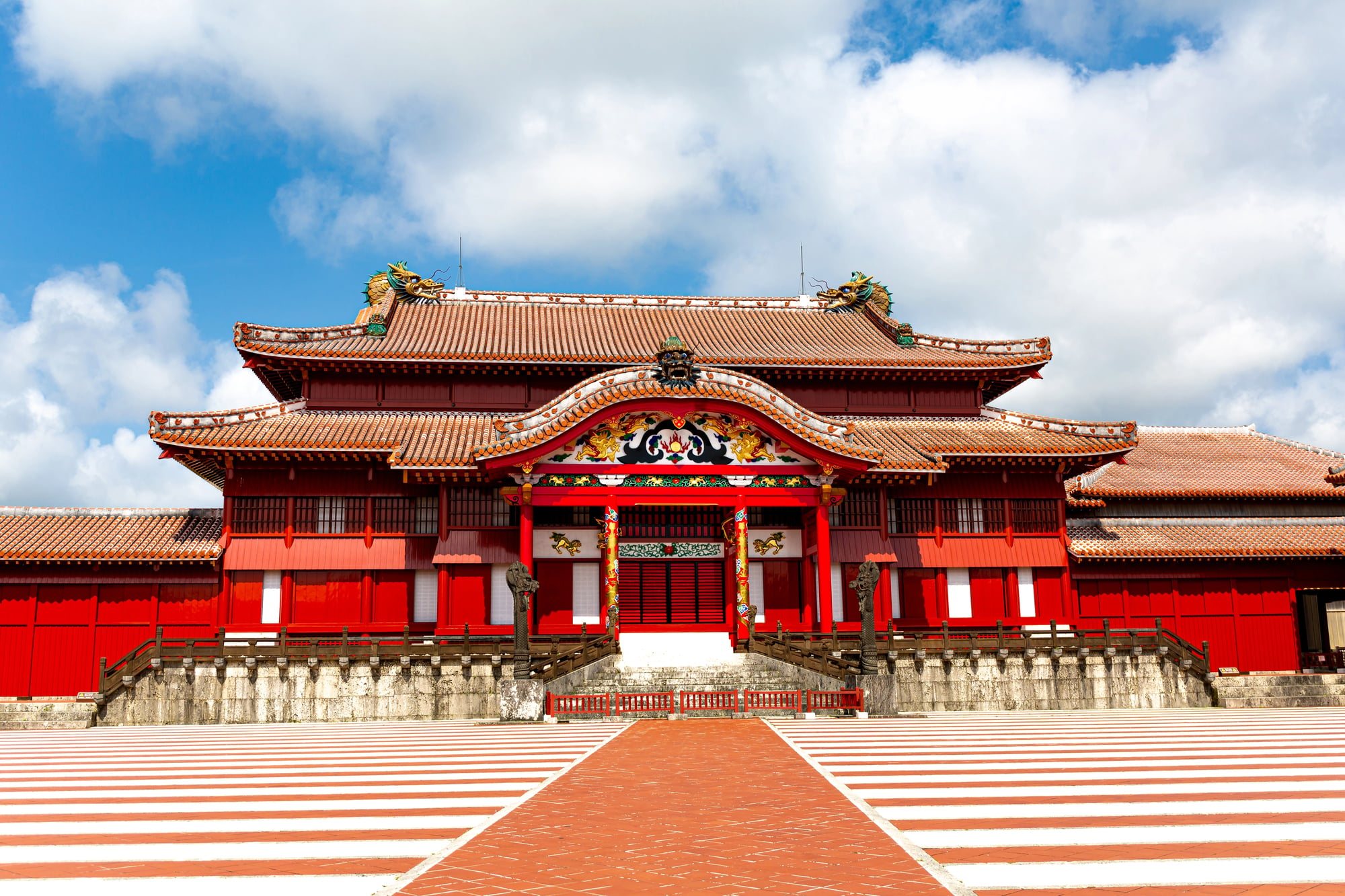
The Japanese Empire expanded rapidly in the 1930s and early 1940s, controlling vast territories in East Asia and the Pacific. Within less than a decade, the entire empire collapsed following defeat in World War II.
The rapid dissolution of what had appeared to be a permanent imperial structure occurred within years. The speed of the collapse surprised observers who had expected a longer imperial persistence.
Belgian Congo Independence (1960s)

Belgium’s colonial rule in Congo dissolved almost overnight. Independence occurred in 1960, followed by immediate political fragmentation and violence.
What appeared to be stable colonial administration dissolved into chaos within years. The speed of the transition from colonial stability to post-colonial disorder surprised international observers who had expected a more gradual process.
Dutch Colonial Empire in Indonesia (1940s-1950s)

Dutch colonial rule in Indonesia, which had persisted for over three centuries, dissolved within a few years following World War II. The independence wars lasted several years, but Dutch authority collapsed more rapidly than expected.
What appeared to be a permanent colonial relationship dissolved as independence movements succeeded. The speed of Indonesian independence surprised international observers who had expected Dutch resistance to persist longer.
The Soviet Union (1991)

The Soviet Union, established in 1922, persisted as a superpower for nearly seven decades before dissolving in 1991. The speed of dissolution surprised observers who expected the state to persist.
Within a year, the union fragmented into 15 independent republics. What appeared to be a permanent superpower dissolved rapidly once internal cohesion failed.
The speed of Soviet dissolution contradicted expectations that such a powerful state would persist longer.
The British Raj in India (1940s)
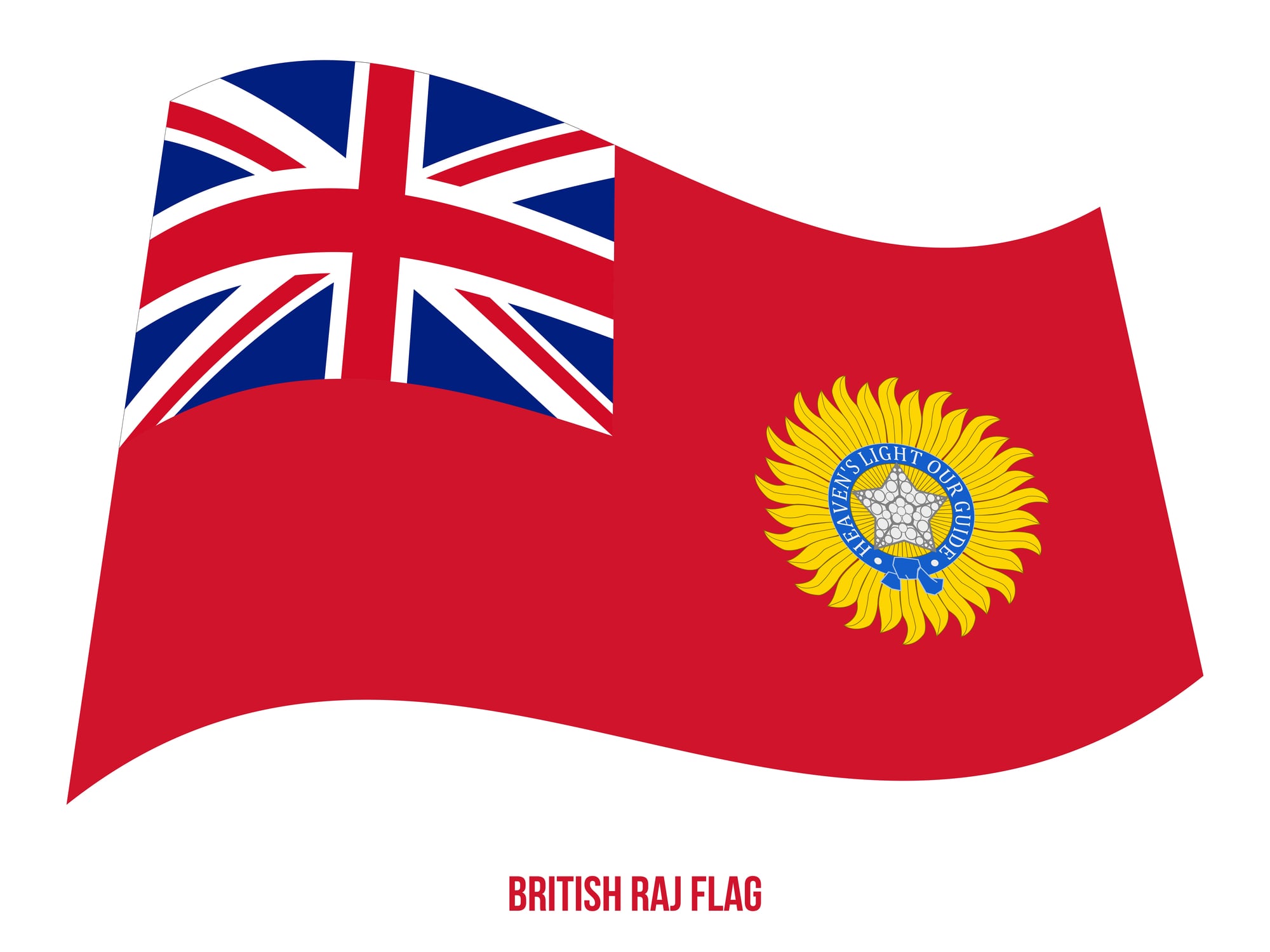
British colonial rule in India, which had persisted for nearly two centuries, dissolved within a few years following World War II. Independence movements succeeded in removing British authority more rapidly than expected.
What appeared to be a stable colonial relationship dissolved within years of serious nationalist pressure. The speed of Indian independence surprised observers who had expected British resistance to persist longer.
Nazi Germany (1930s-1940s)
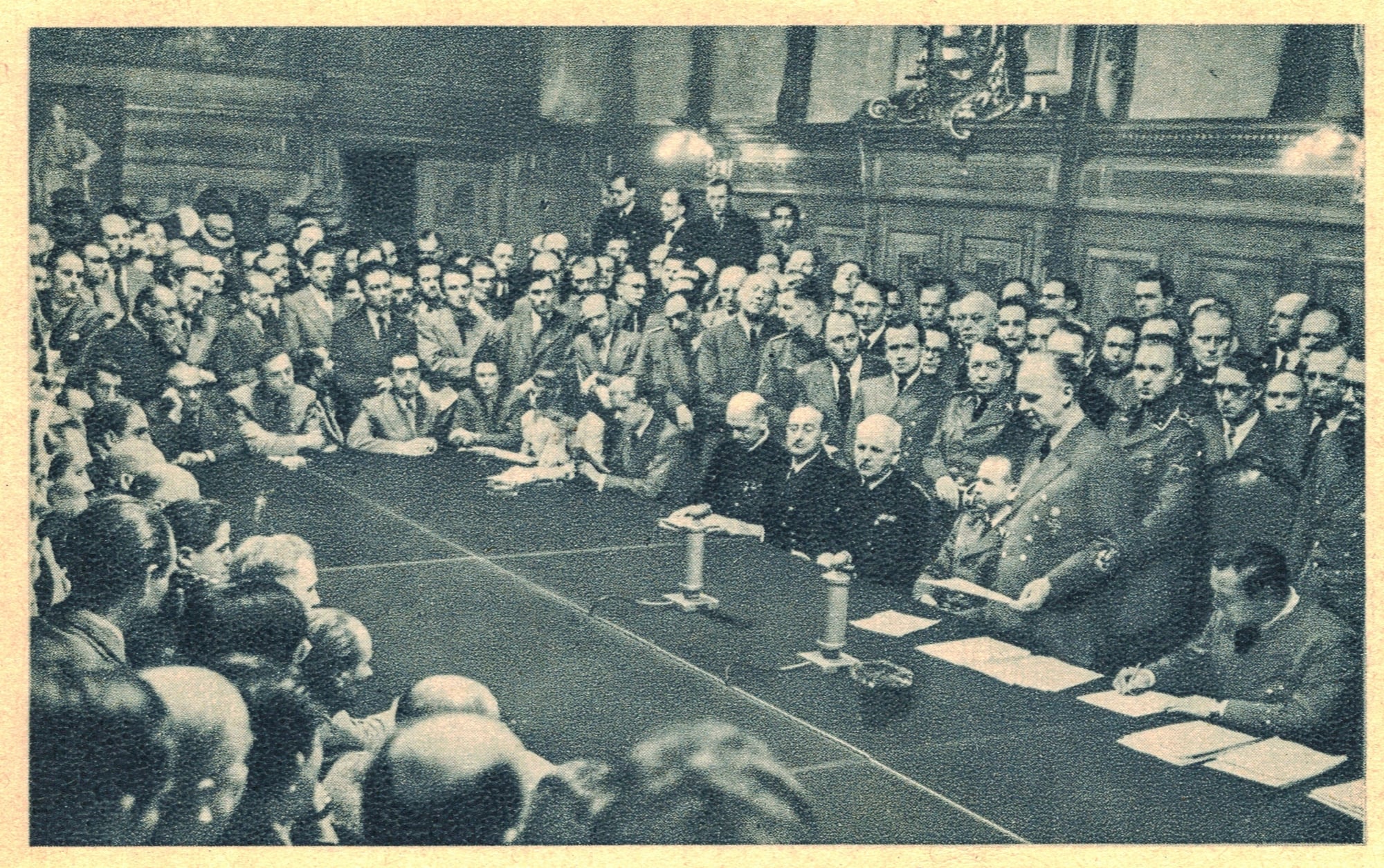
The Nazi Third Reich lasted only 12 years before military defeat ended the regime. The rapid establishment and equally rapid dissolution of the thousand-year empire seemed contradictory to observers.
What appeared to be a permanent new order collapsed within a decade. The speed of Nazi collapse surprised observers who had expected the regime to persist.
The Vietnamese War’s Impact on American Dominion (1970s)
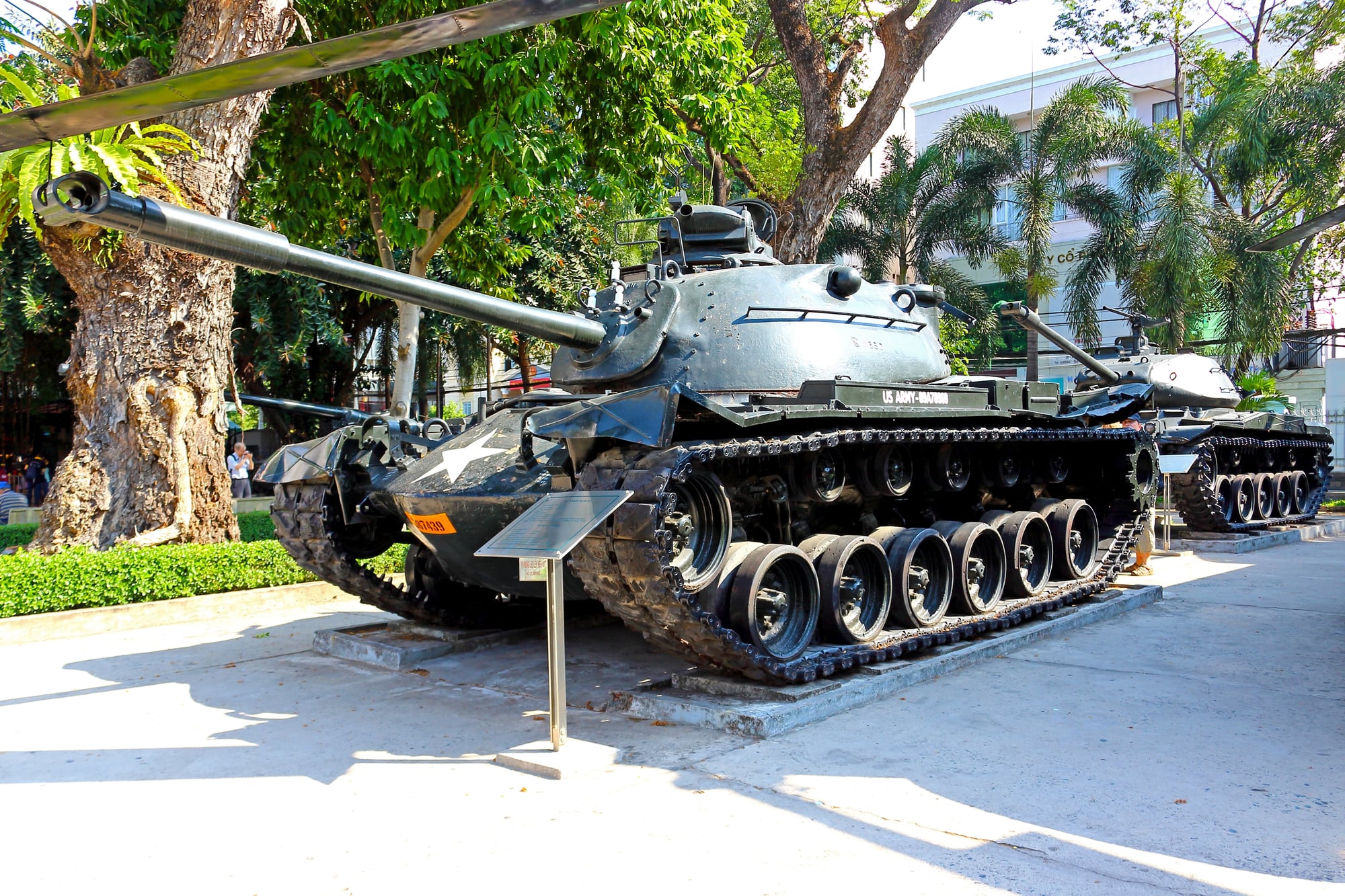
American military and political dominance in Southeast Asia, which appeared secure in the early 1970s, dissolved following the fall of Saigon in 1975. American withdrawal occurred more rapidly than expected.
What appeared to be permanent American influence dissolved within years. The speed of American retreat from Asia surprised observers who had expected American dominance to persist.
Italian East African Empire (1940s-1950s)
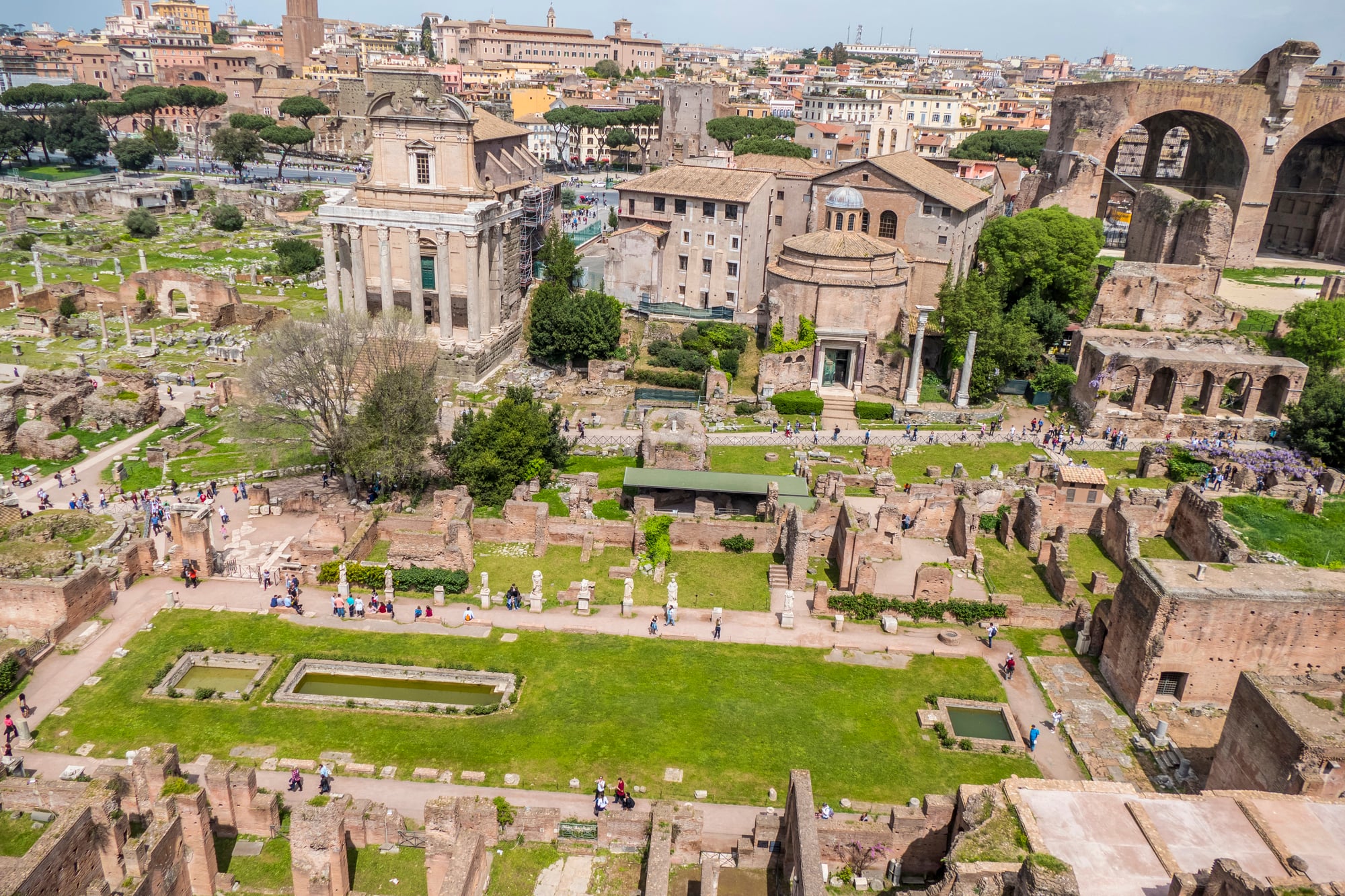
Italian colonial holdings in East Africa, including Ethiopia and Eritrea, dissolved following World War II. What appeared to be permanent Italian colonial territories dissolved through military defeat and independence movements.
The speed of Italian colonial collapse surprised observers who had expected Italian resistance to persist longer.
Portuguese Colonial Empire (1970s)
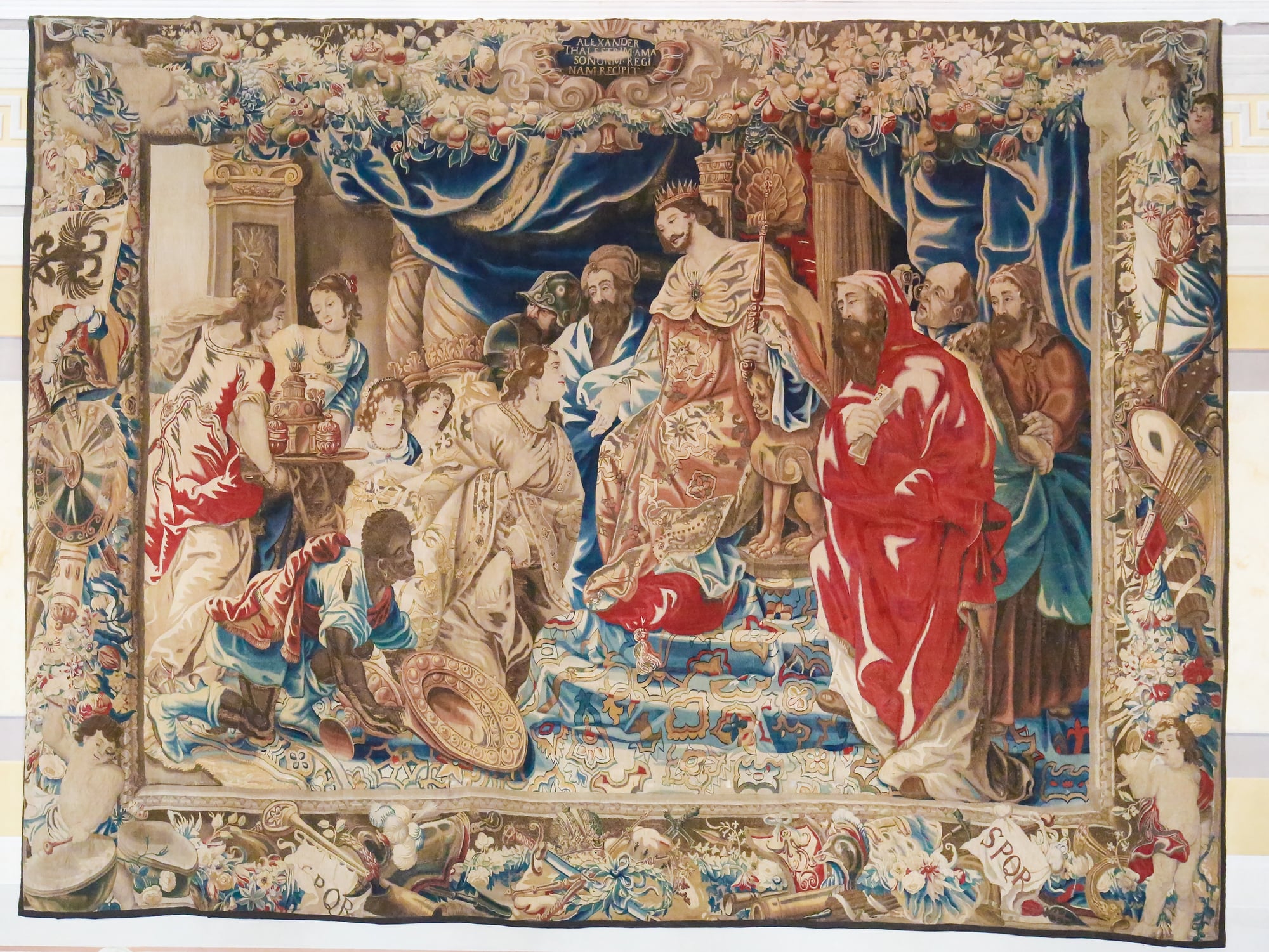
Portuguese colonial rule in Africa, which had persisted since the 16th century, dissolved within less than a decade following the Carnation Revolution in 1974. Independence occurred rapidly in Angola, Mozambique, Guinea-Bissau, and Cape Verde.
What appeared to be a permanent Portuguese empire dissolved more rapidly than expected. The speed of Portuguese decolonization surprised international observers.
The Mughal Empire’s Decline (18th Century)
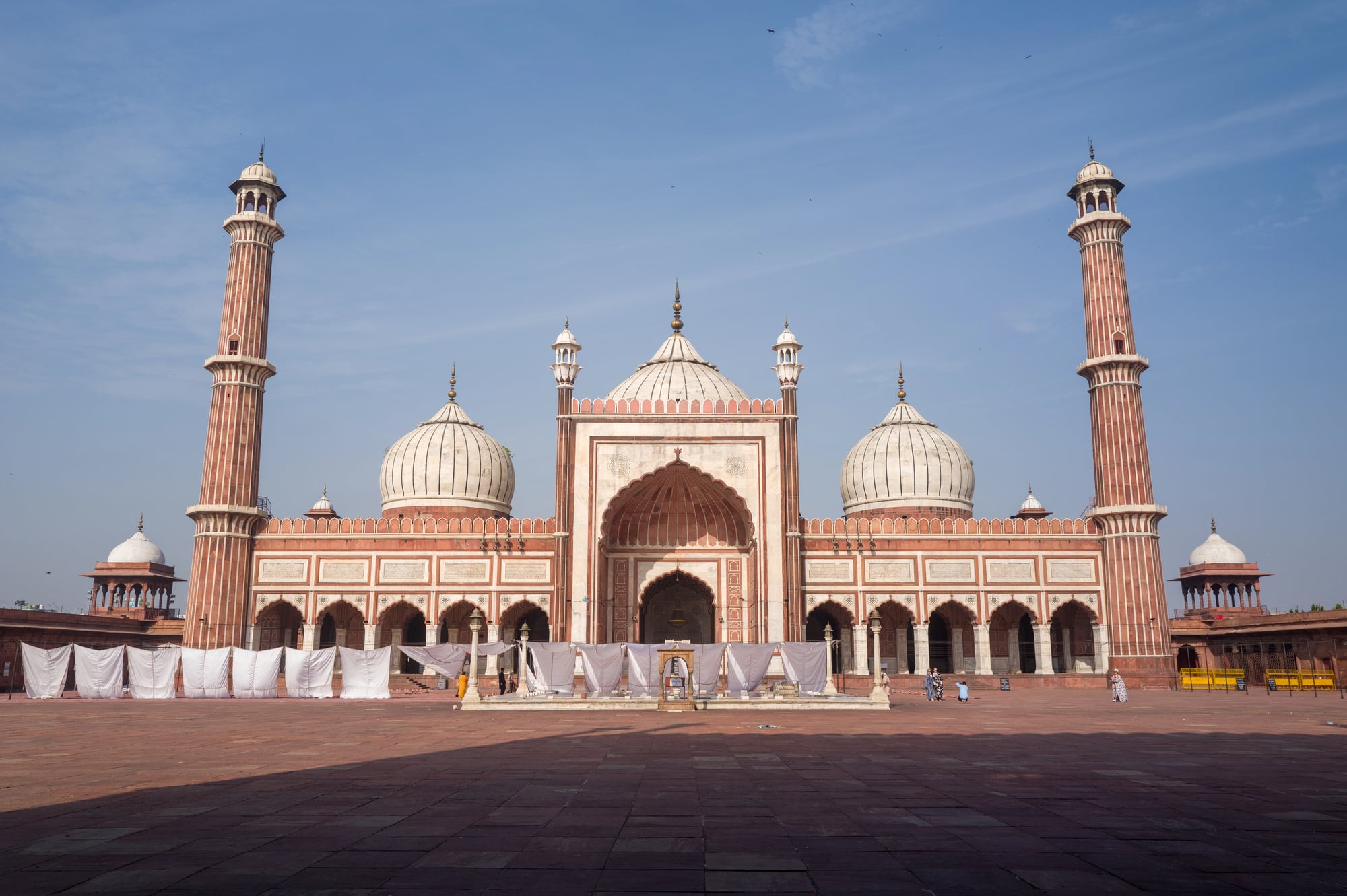
The Mughal Empire, which had ruled India for over two centuries, fragmented rapidly in the 18th century. What appeared to be a stable empire dissolved as regional powers established independence and British influence grew.
The speed of Mughal decline from apparent permanence to fragmentation surprised observers. Within a century, Mughal authority extended only to Delhi itself.
The Polish-Lithuanian Commonwealth Dissolution (18th Century)
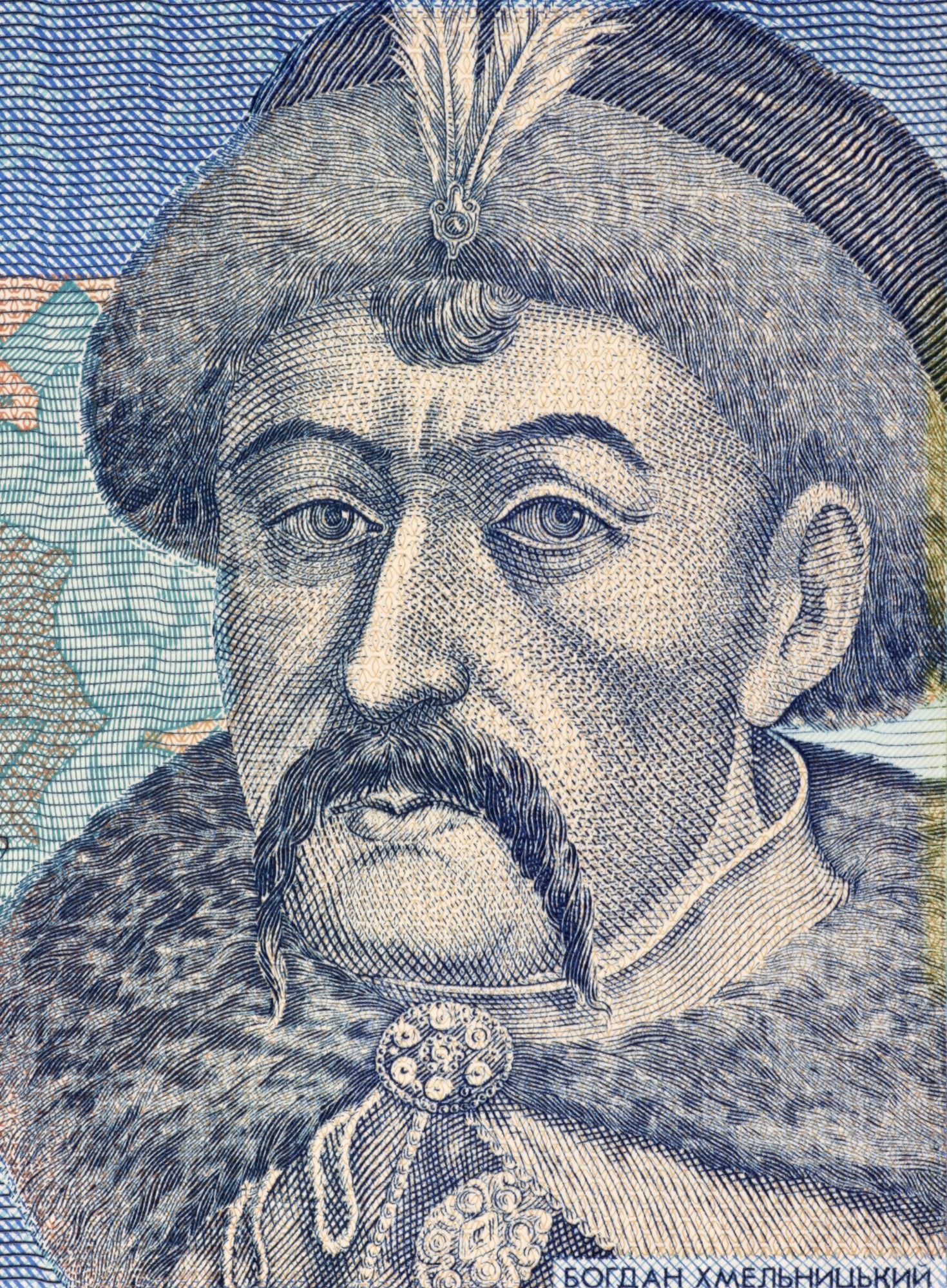
The Polish-Lithuanian Commonwealth, which had persisted as a significant European power for over two centuries, dissolved through partition within a few decades. What appeared to be a permanent political structure fragmented into Russian, Prussian, and Austrian territories.
The speed of the commonwealth’s dissolution seemed shocking to contemporaries who had expected the structure to persist.
The Khmer Rouge Regime’s Duration (1975-1979)
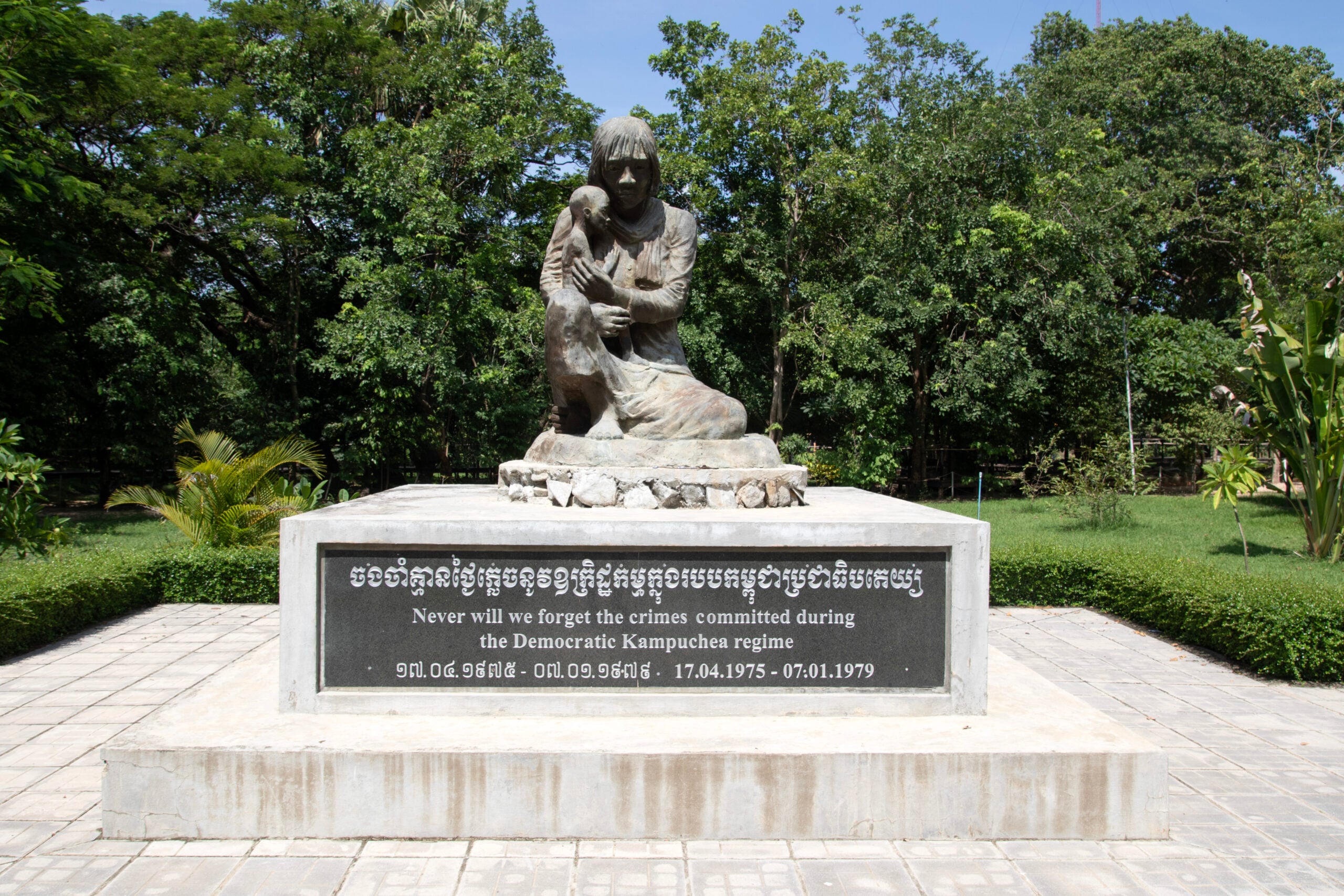
The Khmer Rouge regime in Cambodia lasted only four years before military defeat ended the regime. What appeared to be a permanent revolutionary government dissolved remarkably rapidly.
The speed of the regime’s fall surprised observers who had expected it would persist longer once established.
Byzantine Empire’s Shrinkage (13th-15th Centuries)
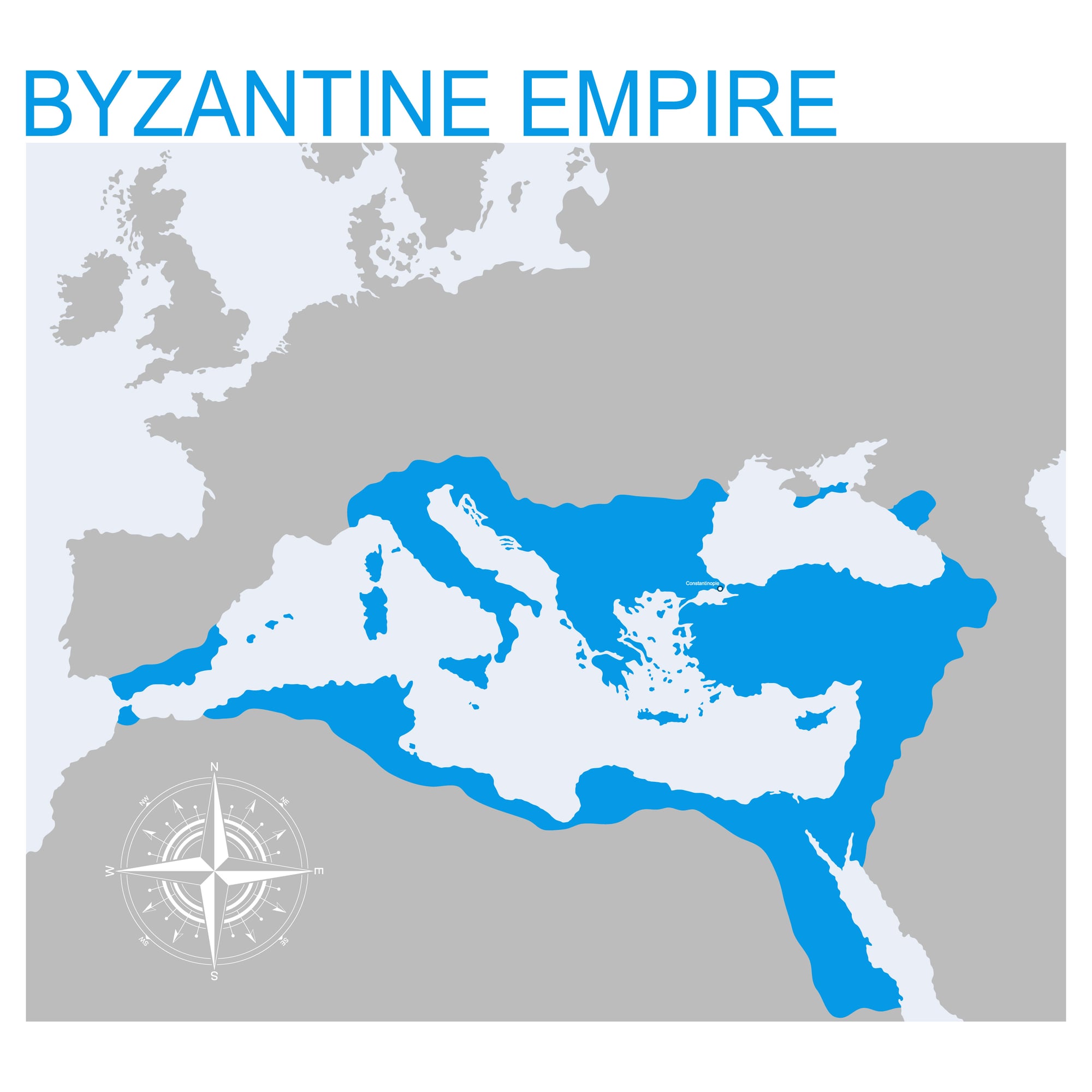
The Byzantine Empire, which had persisted for over 1,000 years, shrunk to the city of Constantinople by the 15th century. What appeared to be a permanent civilization declined to a single city.
The speed of Byzantine territorial loss in the final centuries surprised observers who had expected the empire to persist. The final fall of Constantinople in 1453 ended an empire after 1,123 years.
Qing Dynasty’s Decline (19th-20th Centuries)
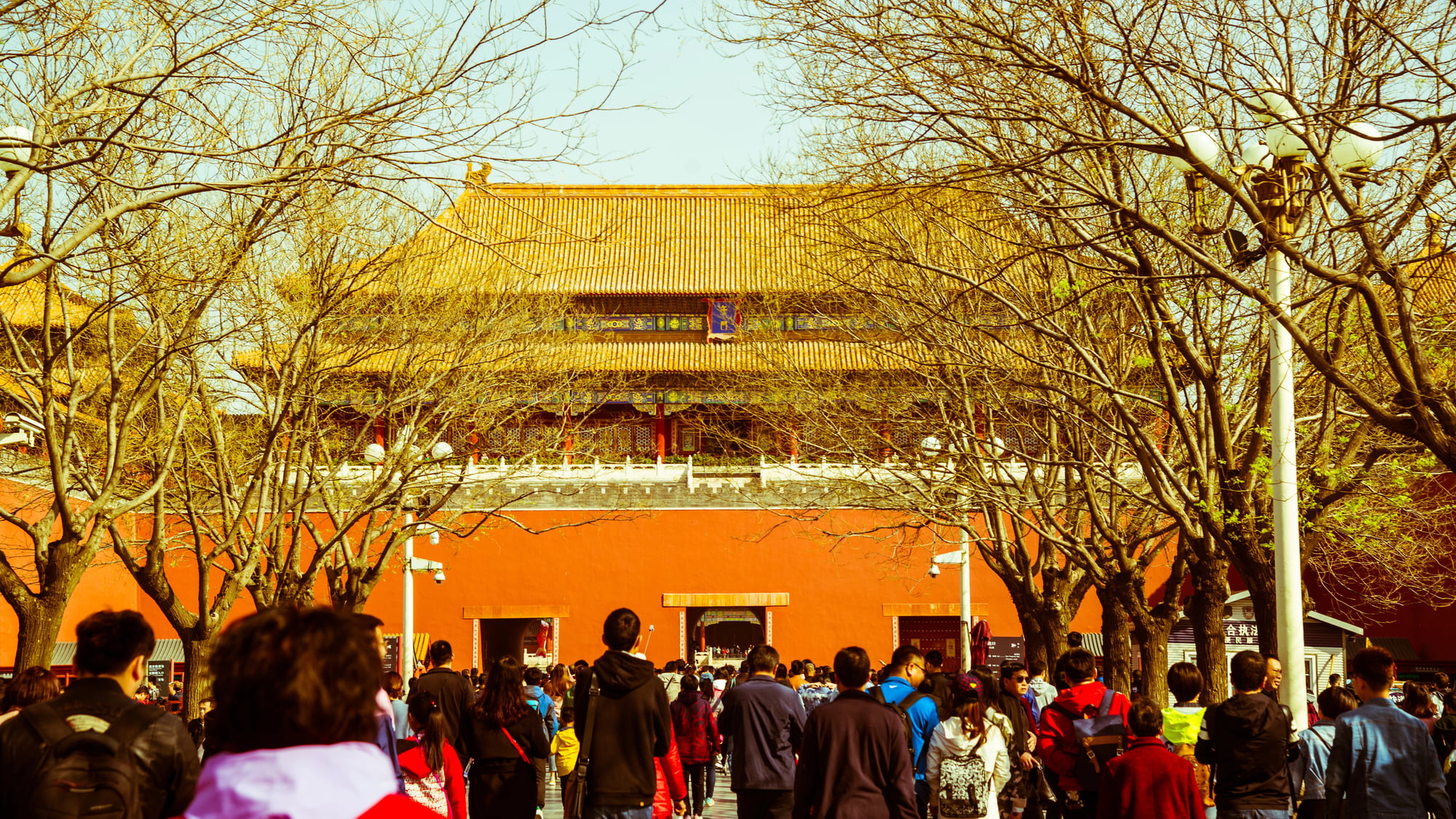
The Chinese Qing Dynasty appeared secure in the mid-19th century. By the early 20th century, the dynasty had lost authority to foreign powers and internal revolutionaries.
The speed of Qing decline from apparent permanence to complete dissolution surprised observers who expected the dynasty would restore control following internal disturbances.
The Berlin Wall and Soviet Eastern Europe (1989-1991)

Soviet dominance of Eastern Europe, which appeared permanent and stable in 1989, dissolved within two years. The fall of the Berlin Wall in November 1989 began a cascade of events that ended Soviet control within months.
What appeared to be a permanent Soviet sphere dissolved remarkably rapidly. The speed of Eastern European independence surprised observers who had expected Soviet control to persist.
The Taiping Rebellion’s Temporary Kingdom (1851-1864)
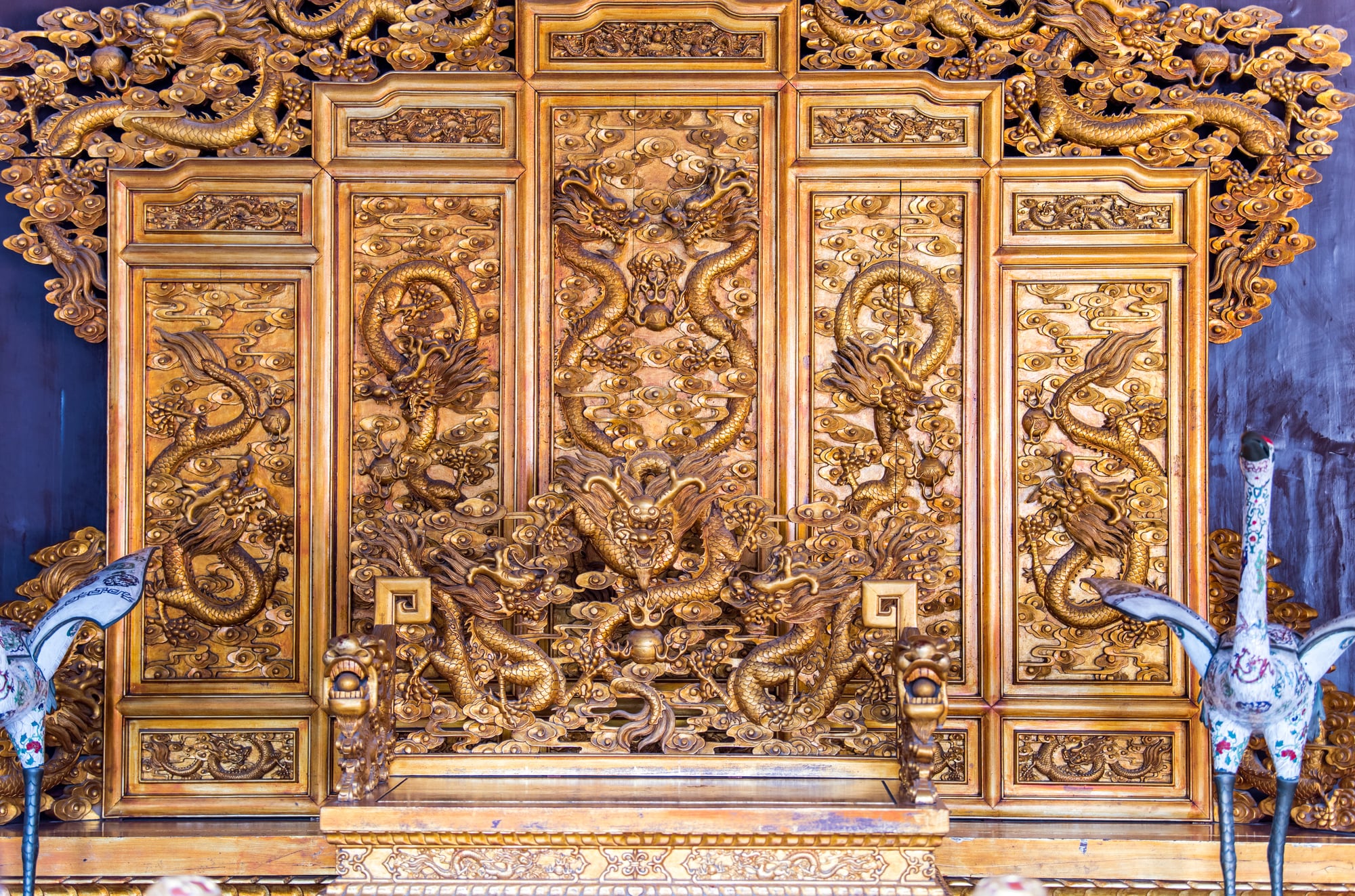
The Taiping Heavenly Kingdom established a state that controlled central China for 13 years before being defeated. What appeared to be a permanent rival kingdom to the Qing Dynasty dissolved rapidly following military defeat.
The speed of the Taiping Kingdom’s collapse surprised observers who had expected it might persist or win the civil war.
The Islamic Caliphate of Iraq and Syria (2014-2019)
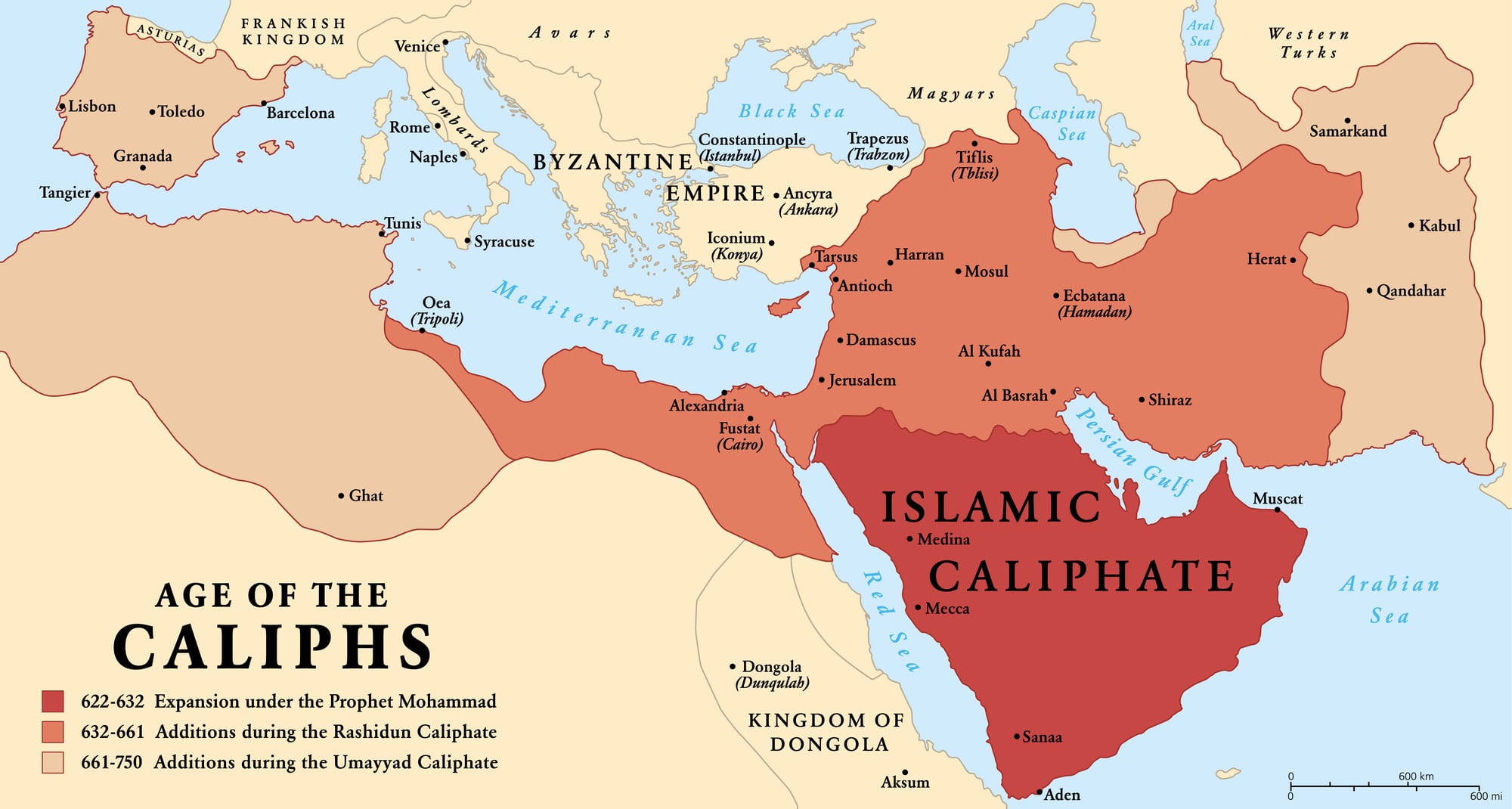
The Islamic State declared a caliphate in 2014 that controlled significant territory in Iraq and Syria. Within five years, the caliphate had lost all territorial control.
What appeared to be an emerging permanent state dissolved remarkably rapidly following military defeat. The speed of the Islamic State’s territorial loss surprised observers who had expected a longer period of persistence.
The Vichy French State (1940-1944)
The Vichy French regime persisted as a functional state for four years before being eliminated following the liberation of France. What appeared to be a permanent French successor state dissolved rapidly as metropolitan power reasserted control.
The speed of Vichy’s dissolution surprised observers who had expected the regime might persist beyond the war’s end.
More from Go2Tutors!

- The Romanov Crown Jewels and Their Tragic Fate
- 13 Historical Mysteries That Science Still Can’t Solve
- Famous Hoaxes That Fooled the World for Years
- 15 Child Stars with Tragic Adult Lives
- 16 Famous Jewelry Pieces in History
Like Go2Tutors’s content? Follow us on MSN.