25 Rarest and Most Valuable Stones on Earth
The most coveted gemstones in the world often occupy a paradox: the more inaccessible they are, the more desperately collectors pursue them. While diamonds dominate popular culture, a far more exclusive circle of stones exists in deep museum vaults and private collections—gems so scarce that only a handful of facetable specimens have ever been found.
Many remain virtually unknown outside gemological circles, their rarity so extreme that even accomplished jewelers may never encounter one in person. What separates these stones from diamonds is not beauty alone, but an almost mythical scarcity rooted in geology itself.
Some require such specific combinations of elements and temperature that nature has rarely produced them. Others come from single geographic sources now exhausted or nearly depleted; this combination of extreme rarity and exceptional value makes them far more than rocks—they are fragments of Earth’s hidden history.
Painite
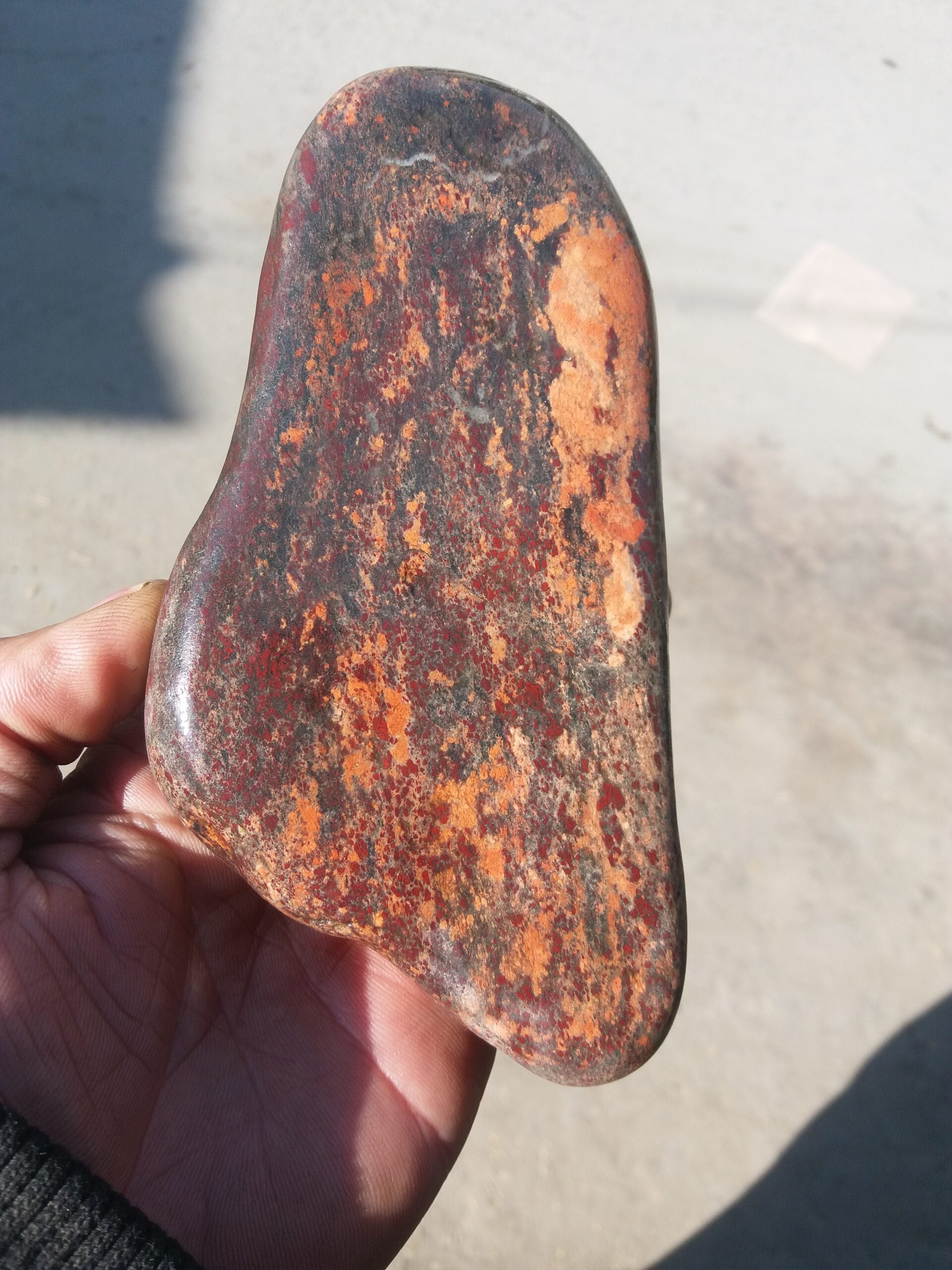
Painite once held the official title of world’s rarest gemstone in the Guinness Book of World Records. First discovered in Myanmar in 1951, fewer than 1,000 specimens have ever been found, and most are too small or flawed to facet.
The rarity stems from an extraordinarily specific geological requirement: zirconium and boron must interact under conditions rarely found together in nature. Faceted painite now commands prices exceeding $50,000 per carat, making even a modest stone worth more than a luxury vehicle.
Taaffeite
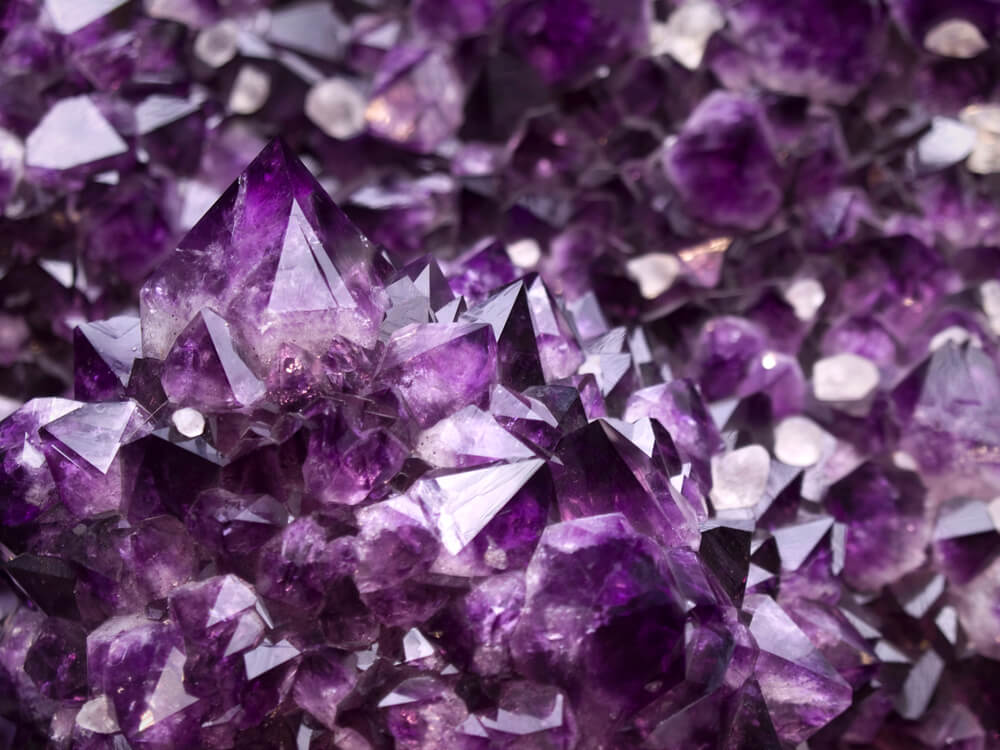
Taaffeite carries the distinction of being discovered backward: Irish gemologist Richard Taaffe identified it from a faceted stone in 1945, not from rough material. Only a few hundred specimens have surfaced since, making it roughly one million times rarer than diamonds.
The stone was initially mistaken for spinel due to visual similarity, but gemologists recognized its double refraction, revealing an entirely new mineral species. Prices range from $2,500 to tens of thousands per carat depending on color saturation.
Grandidierite
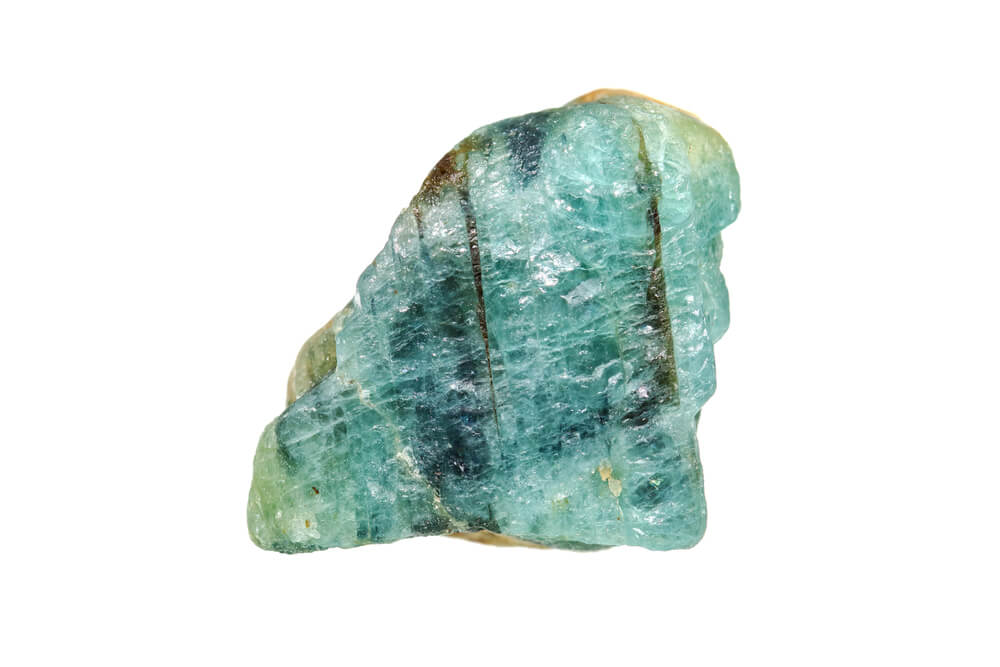
First discovered in Madagascar in 1902 and named after French explorer Alfred Grandidier, this bluish-green gem exhibits remarkable pleochroism—displaying different colors (blue-green, clear yellow, and jade green) depending on viewing angle. The original Madagascar deposit is nearly exhausted, and recent discoveries in Sri Lanka have only produced limited supplies of transparent material.
Fine specimens command $10,000 to $20,000 per carat, with larger stones selling for exponentially higher prices.
Red Beryl
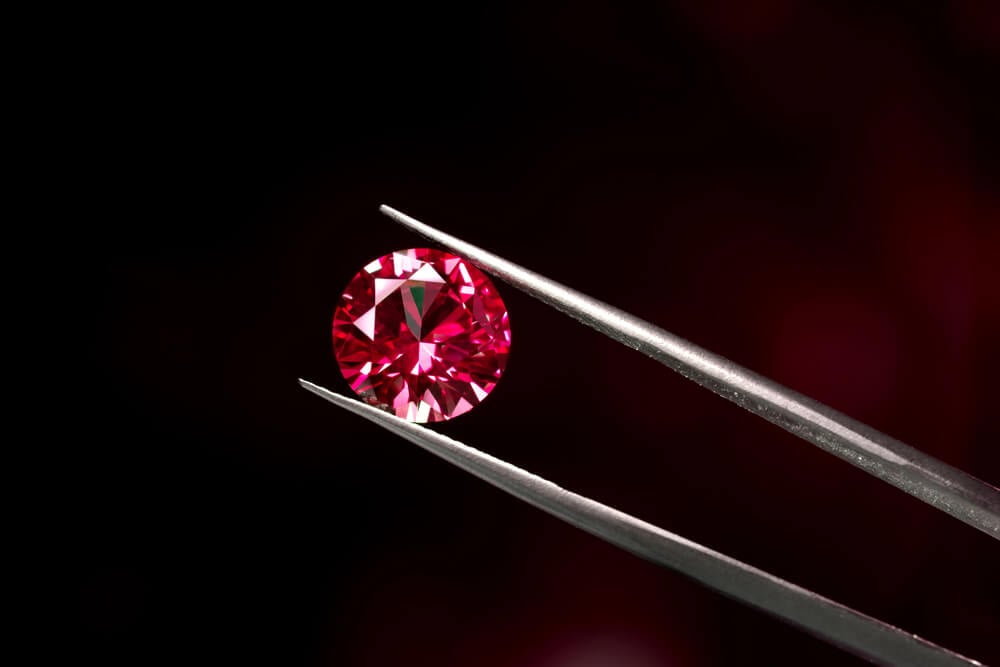
Also called bixbite, red beryl emerges from the beryl family that includes emerald and aquamarine, but red specimens are roughly 1,000 times rarer than diamonds. The striking red hue comes from manganese present during crystal formation, which occurs in very few locations.
Utah remains the primary source, with deposits now severely depleted. Gem-quality red beryl of even one carat can fetch $10,000 or more, and prices climb steeply with size.
Musgravite
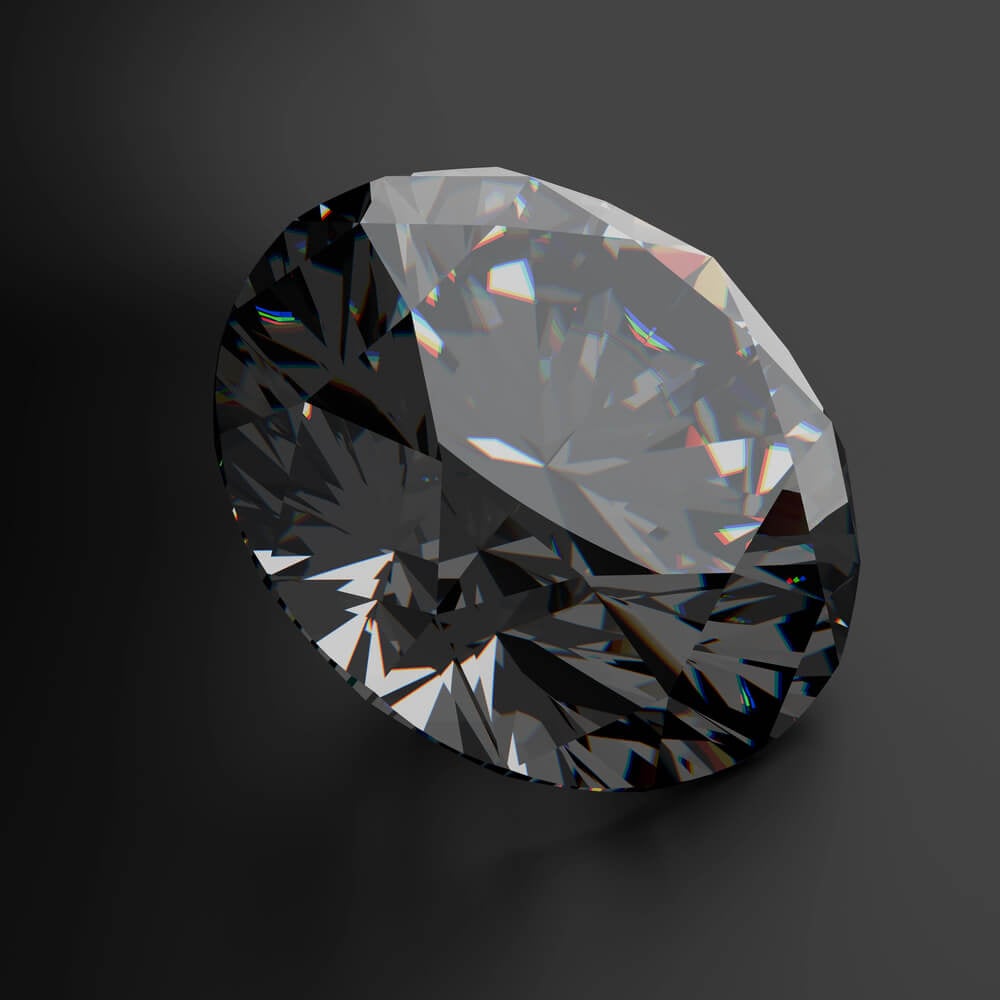
Discovered in Australia’s Musgrave Ranges in 1967, musgravite belongs to the already-rare taaffeite family yet proves even more elusive in gem-quality form. As of the early 2000s, fewer than ten facetable specimens had ever been found.
The stone typically appears in grayish-purple to deep violet hues and now comes primarily from Madagascar and Sri Lanka. Prices for high-quality musgravite reach $35,000 to $100,000 per carat, rivaling top rubies in value.
Serendibite
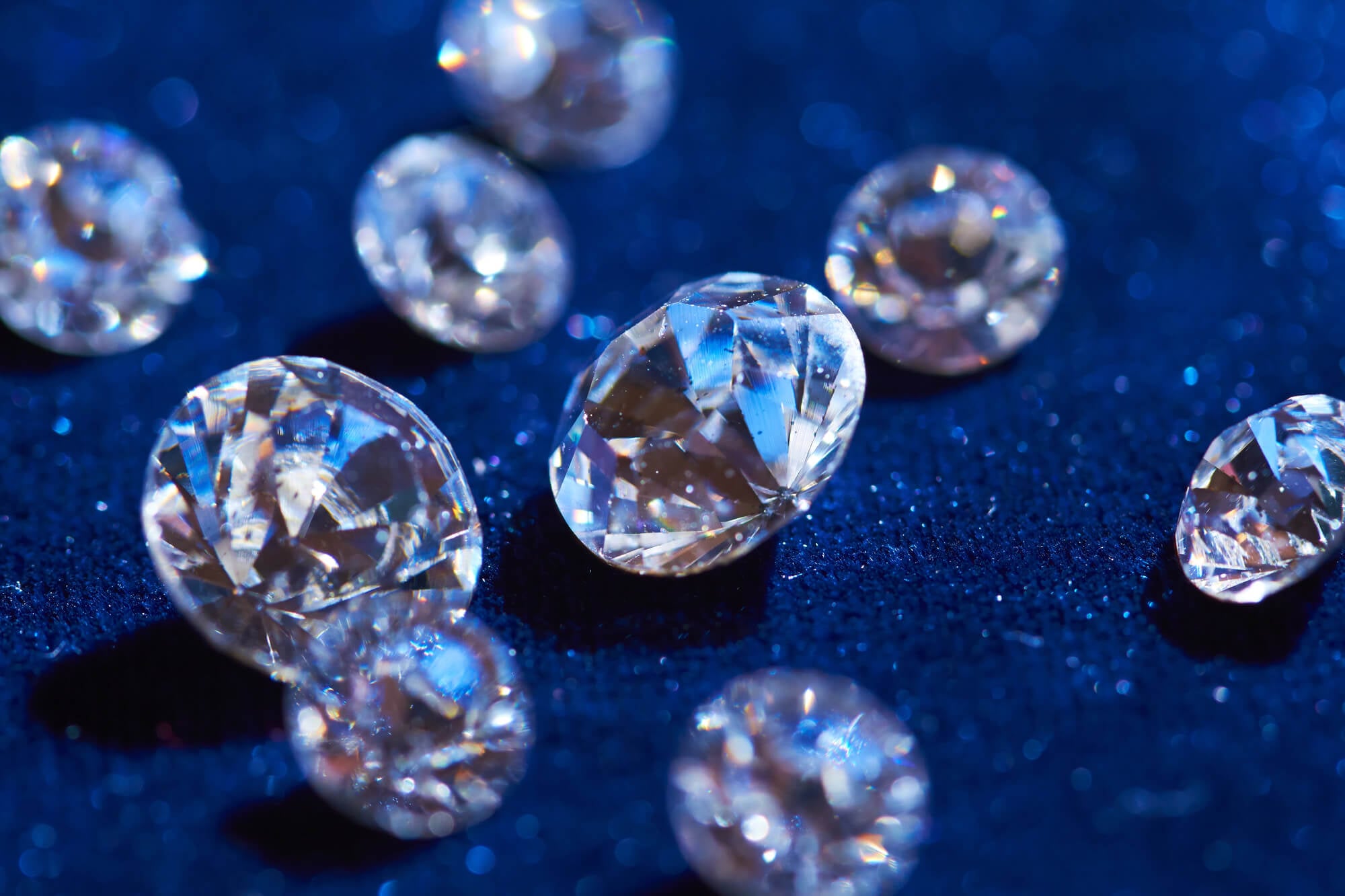
Named after Serendib, the ancient Arabic name for Sri Lanka, serendibite is so rare it remains almost mythical among collectors. First discovered in 1902, this silicate mineral contains a complex formula including calcium, magnesium, aluminum, silicon, boron, and oxygen—elements that rarely combine in nature.
The stone ranges from pale yellow to deep blue to nearly black, with transparent, facetable specimens commanding extraordinary prices due to extreme scarcity.
Benitoite
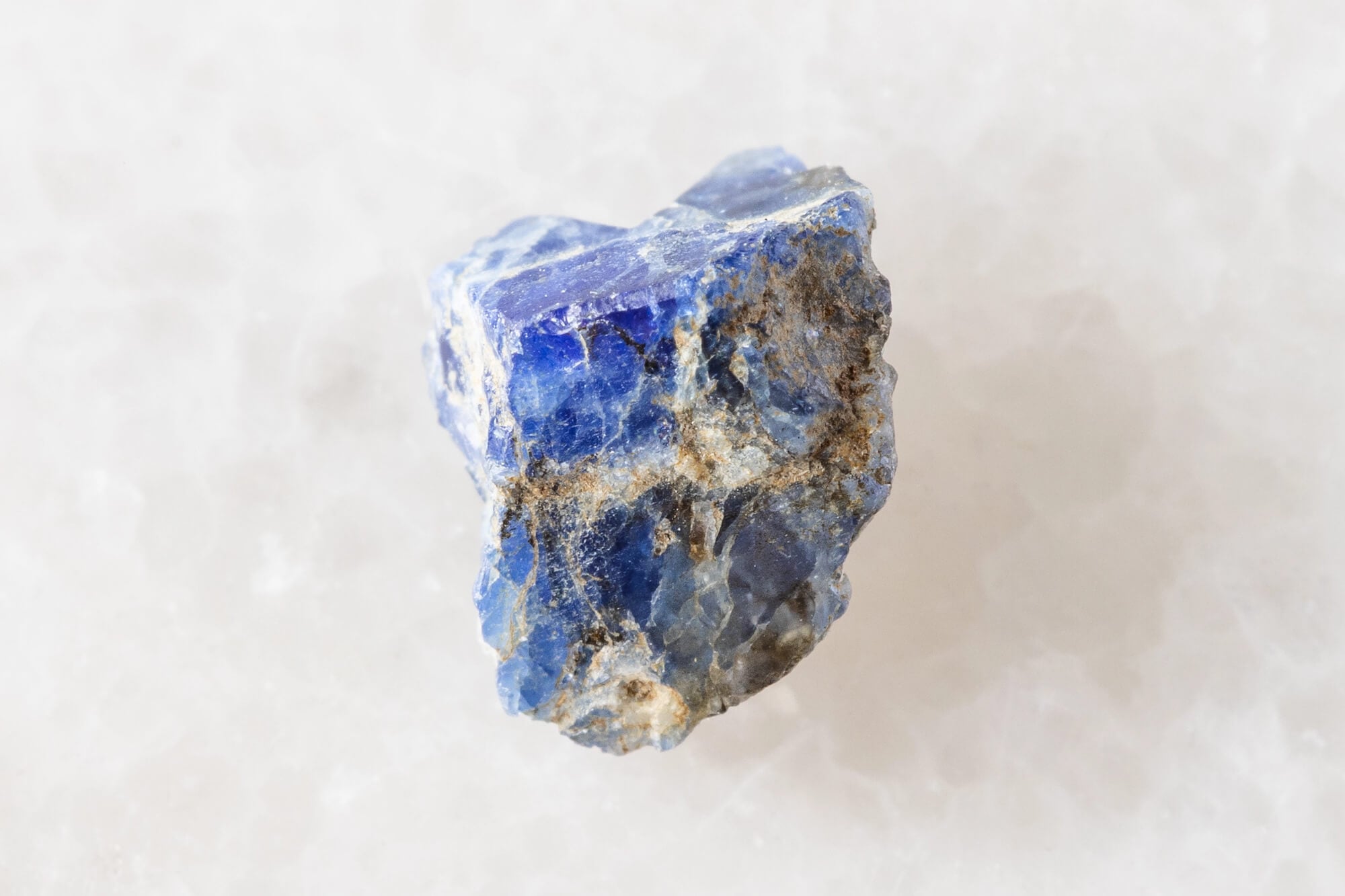
Benitoite occurs almost exclusively in San Benito County, California, and nowhere else on Earth with significant quantity. First mined in 1907, the primary deposit closed decades ago, meaning new stones are now vanishingly rare.
The gem displays an intense blue color with strong fire and fluorescence under ultraviolet light. High-quality specimens attract prices of $3,000 to $6,000 per carat, and their Californian origin makes them especially prized by American collectors.
Poudretteite
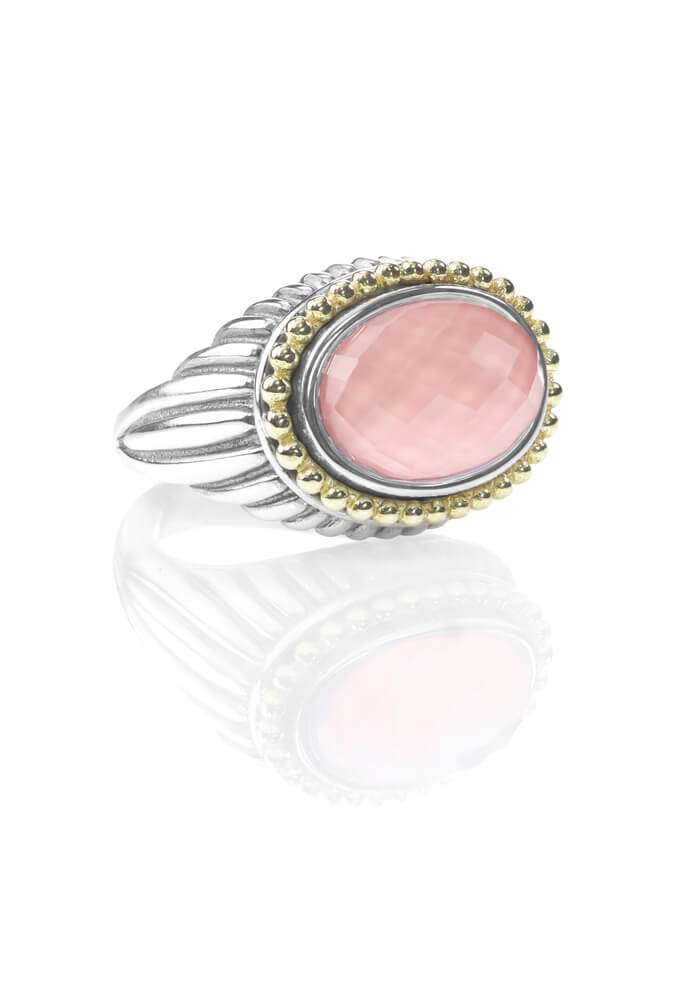
First recognized as a distinct mineral in the 1960s at the Poudrette quarry in Quebec, Canada, poudretteite remained unremarkable until gem-quality specimens emerged in Myanmar during the early 2000s. The stone exhibits delicate pink to purple coloring and pronounced pleochroism.
Very few faceted examples exceed one carat, making larger specimens extraordinarily collectible. Prices range from $3,000 to $10,000 per carat, depending on color intensity and clarity.
Jeremejevite
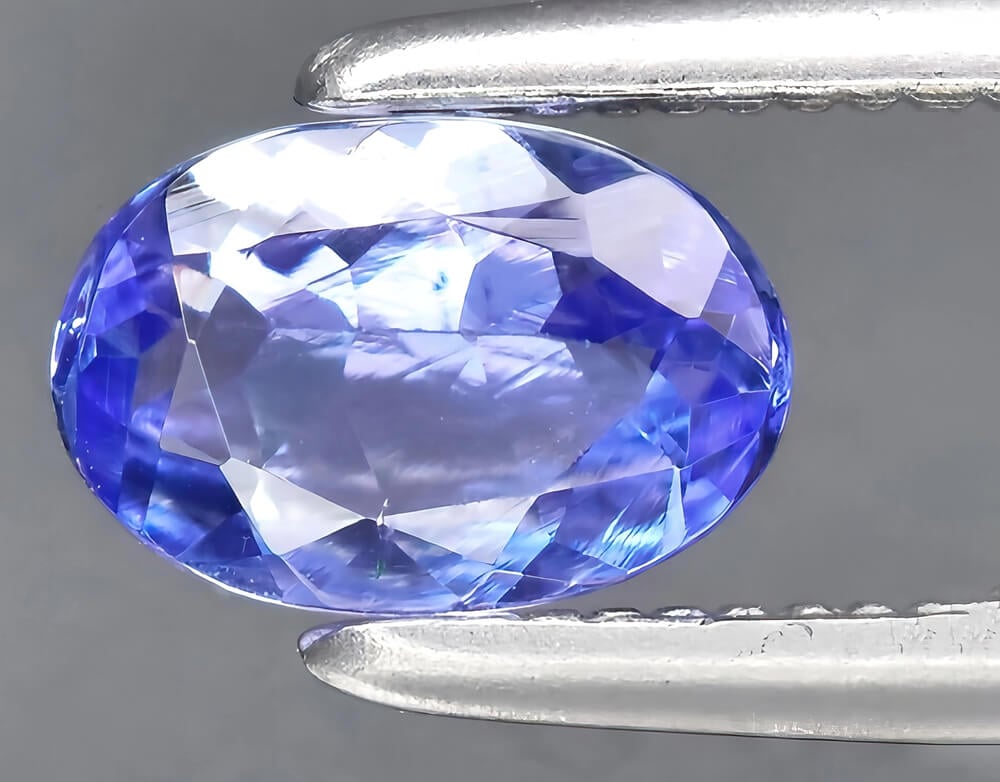
Pronounced “ye-REM-ay-ev-ite,” this aluminum borate mineral was named after Russian mineralogist Pavel Jeremejev and first identified in Siberia in 1883. The stone occurs in colorless to sky-blue forms, with the finest specimens coming from Namibia.
Jeremejevite forms as elongated crystals often unsuitable for cutting, making faceted gems exceptionally rare. A specimen housed in the Smithsonian weighs 11.3 carats—an extraordinarily large example—and prices for quality material approach $2,000 to $3,000 per carat.
Tanzanite
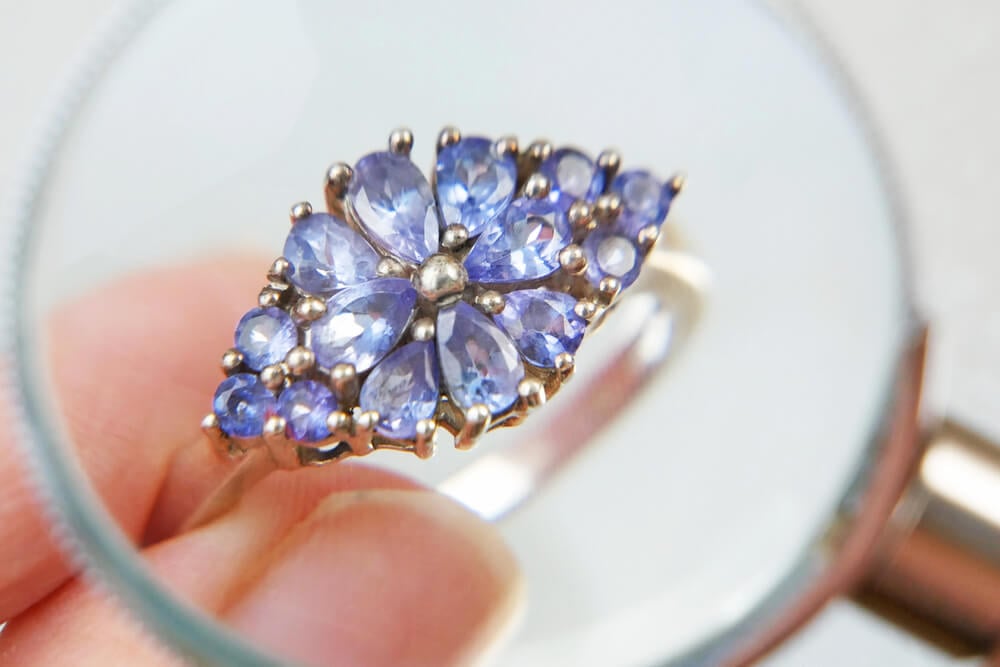
Discovered in 1967 near Mount Kilimanjaro in Tanzania by Maasai herders, tanzanite exists in only one geographic location on Earth. Initially mistaken for sapphire, it was officially recognized as a distinct gemstone and named tanzanite by Tiffany & Co. to emphasize its geographic rarity.
The stone exhibits violet-blue hues that shift depending on light source angle, with Mohs hardness of 6 to 7 requiring careful wear. Mining estimates suggest deposits may be exhausted within decades, making current specimens increasingly valuable.
Alexandrite
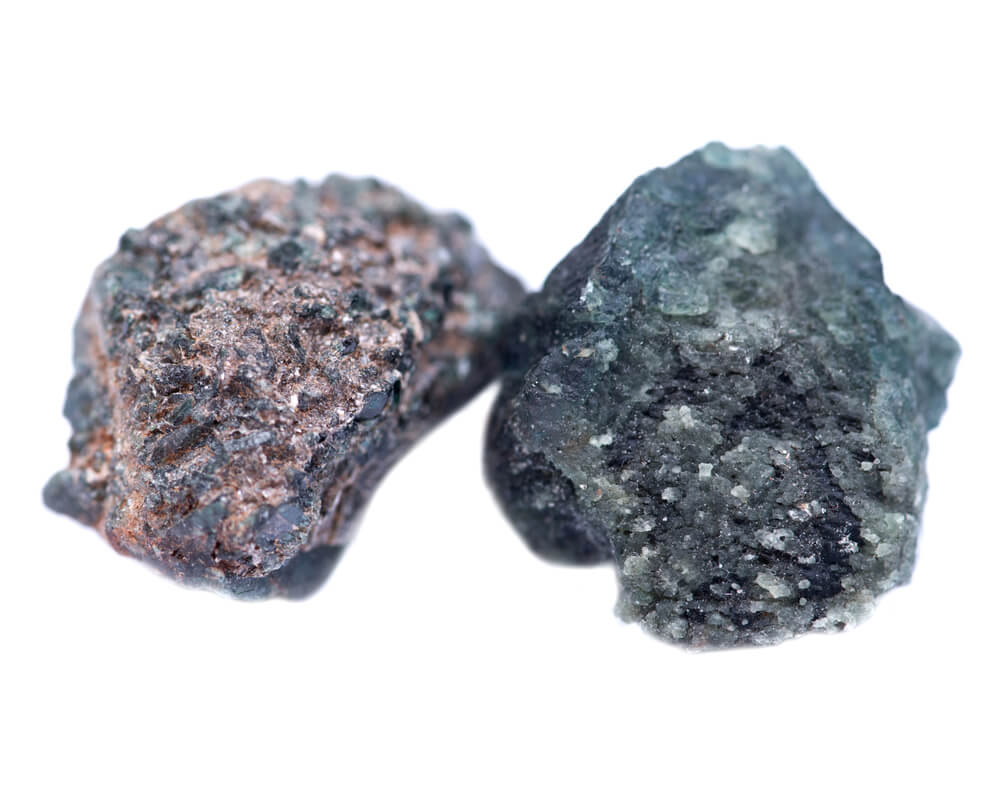
Often described as “emerald by day, ruby by night,” alexandrite belongs to the chrysoberyl family and changes from blue-green in daylight to purplish-red under incandescent light. Discovered in Russia’s Ural Mountains in 1830, it was named after Czar Alexander II due to its resemblance to imperial red and green colors.
The color-change phenomenon results from trace chromium in the crystal structure. High-quality specimens larger than one carat remain exceptionally rare, with the Smithsonian displaying a remarkable 66-carat example.
Paraiba Tourmaline
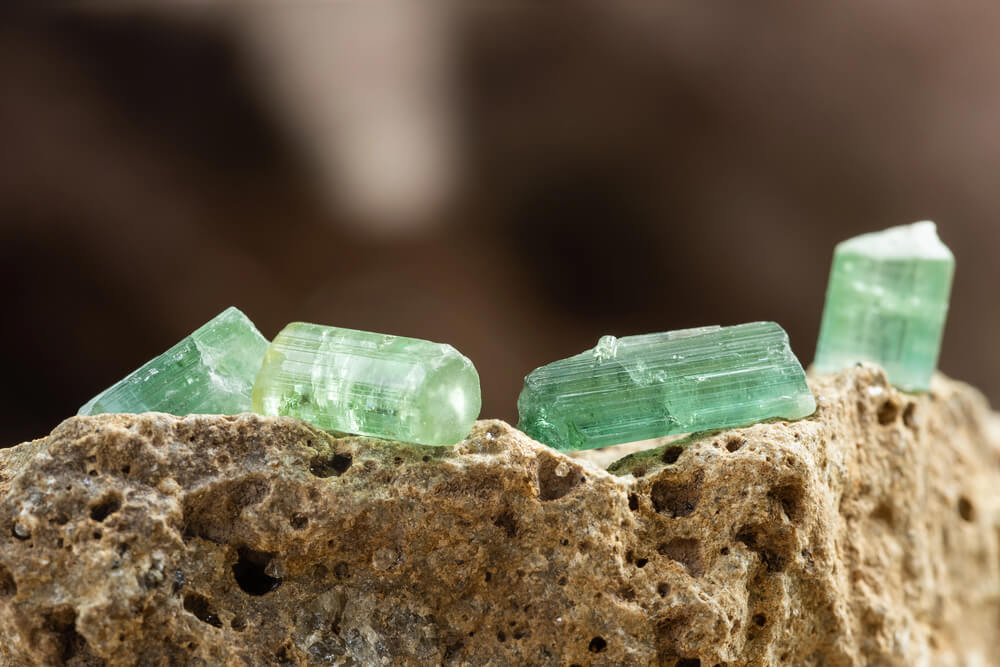
Discovered in Brazil in the 1980s and found later in Mozambique and Nigeria, this copper-bearing tourmaline displays an electric neon blue-green hue unlike any other gemstone. The intense color saturated collectors immediately, and prices soared within years of discovery.
The stone’s vivid coloration distinguishes it from standard tourmaline, making even small specimens highly desirable. Fine quality material commands premium prices that frequently exceed those of diamond per carat.
Red Diamond
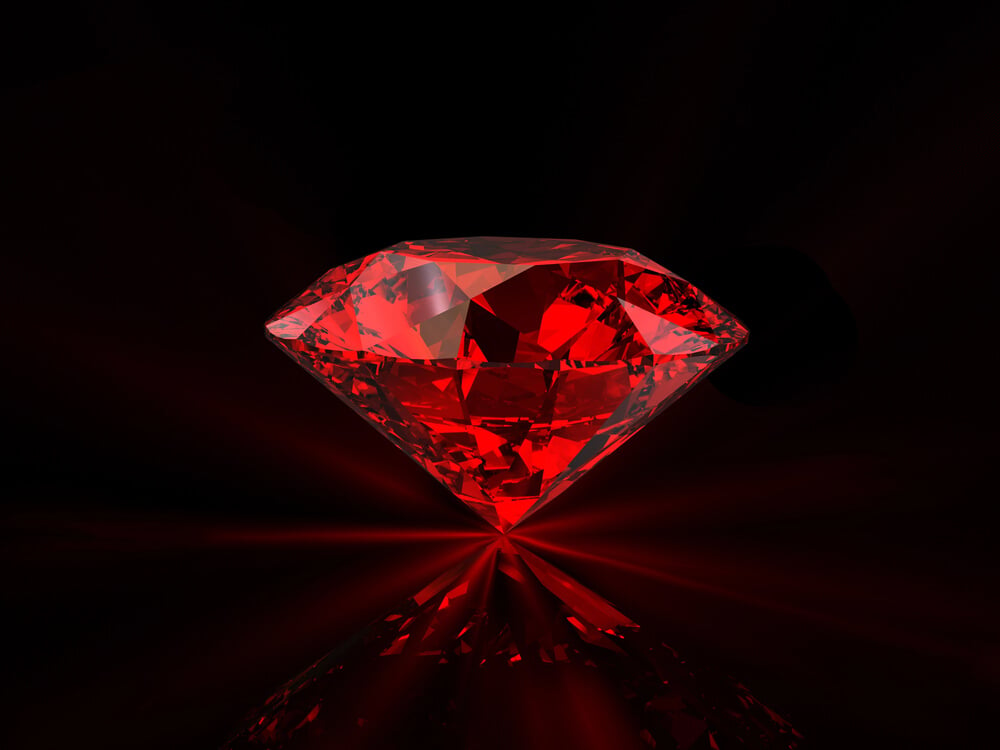
The rarest of all colored diamonds, red diamonds represent the absolute pinnacle of gemstone scarcity, with fewer than thirty authentic specimens documented in existence. The red color derives from lattice distortions in the carbon crystal structure rather than impurities, making it extraordinarily difficult to replicate synthetically.
The Moussaieff Red, weighing 5.11 carats, exemplifies the exquisite deep crimson hue that commands prices exceeding $1 million per carat.
Jadeite
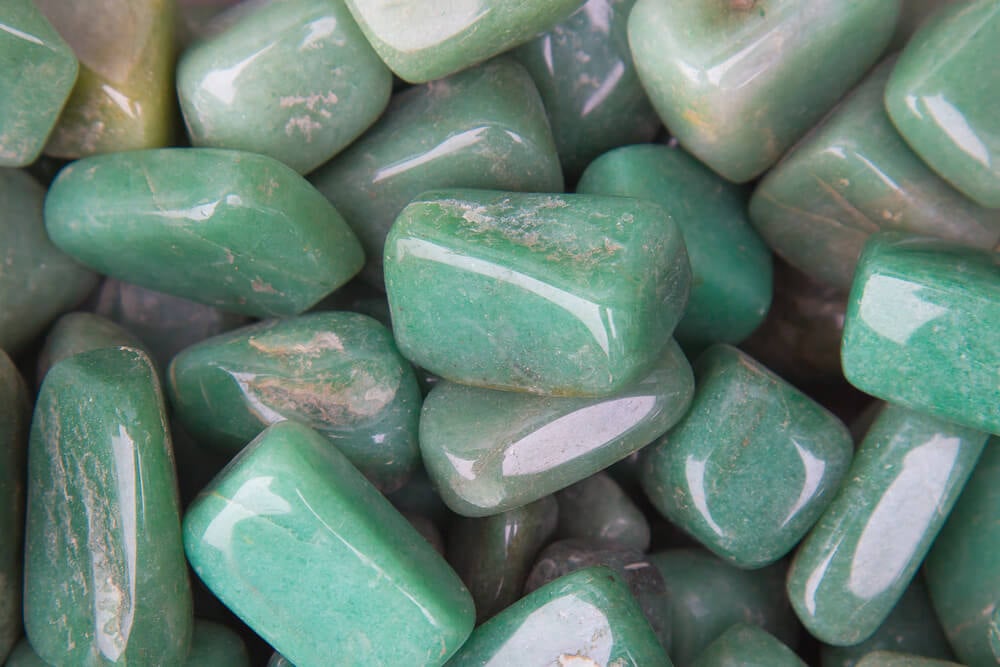
Often confused with nephrite, jadeite is a separate mineral that commands vastly higher prices in fine quality. Imperial jade—the vivid, translucent green form—appears in only tiny quantities from Myanmar, with deposits now severely depleted.
High-quality jadeite carvings can reach millions of dollars, and the finest material remains primarily available through auction houses. The gemstone’s cultural significance in Asia has sustained demand for centuries.
Larimar
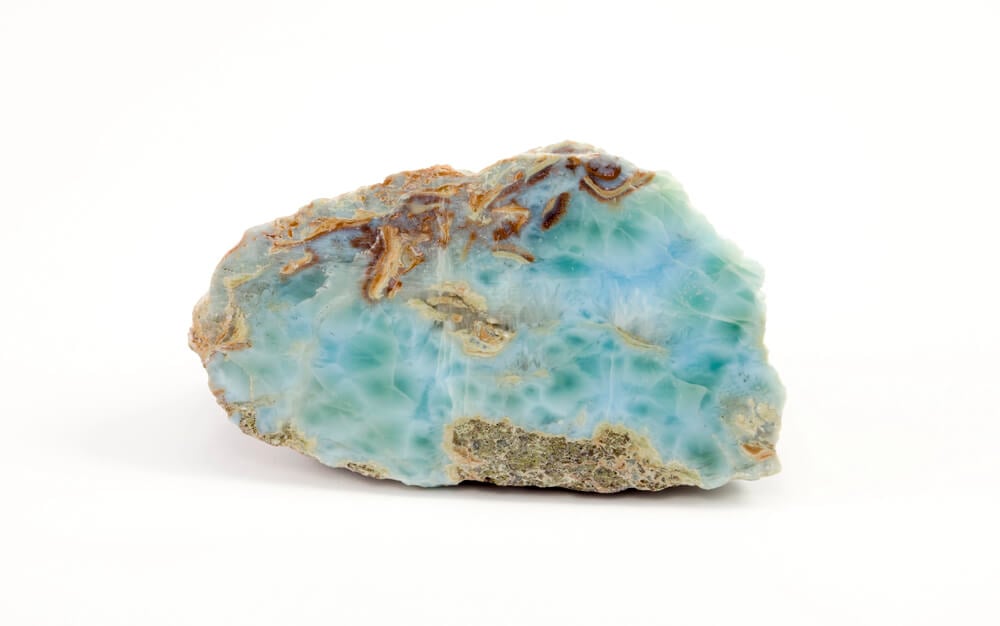
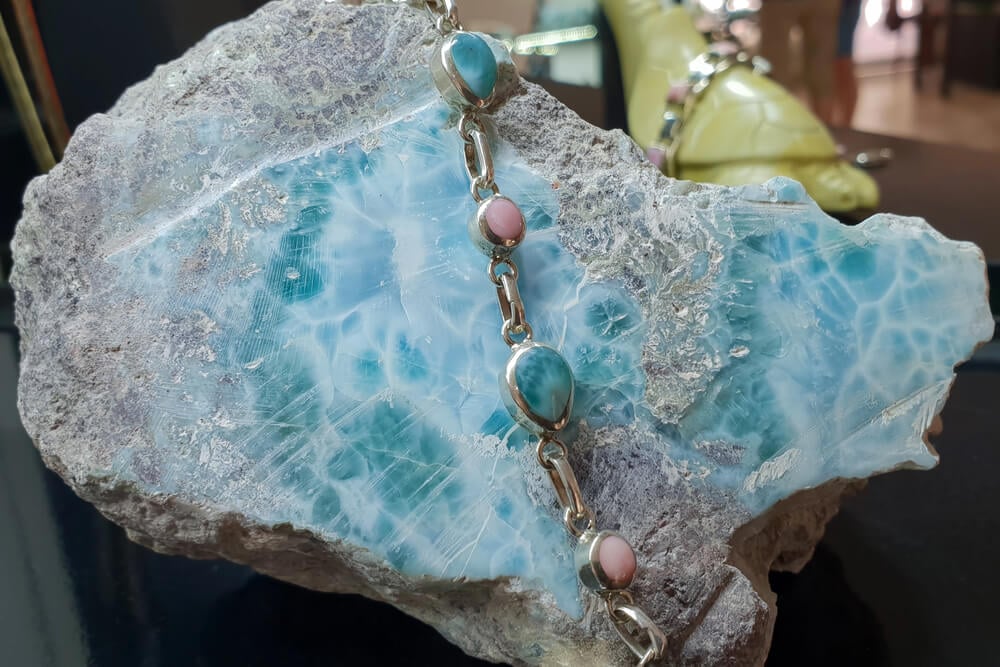
Endemic to the Dominican Republic, larimar appears in striking sky-blue and turquoise hues caused by copper. The crystal structure requires very specific conditions found nowhere else commercially, making geographic rarity absolute.
The name combines Larimar’s discoverer’s daughter (Larissa) with “mar” (sea), reflecting its ocean-like coloring. Supply remains limited to a small region near Baoruco National Park, ensuring consistent scarcity and collectibility.
Black Opal
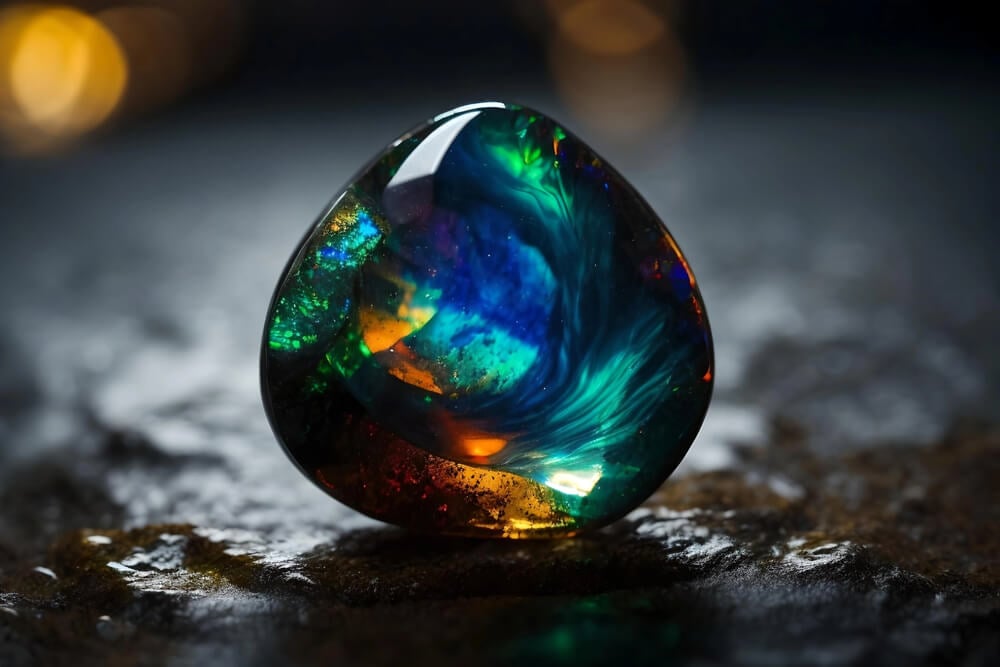
The rarest form of opal, black opal exhibits a dark body tone with brilliant color play that intensifies the visual effect. Lightning Ridge in Australia supplies the vast majority of gem-quality black opals, with deposits now significantly depleted.
The stone’s vulnerability to moisture and temperature changes means careful storage is essential, and many vintage specimens deteriorate. Fine examples command prices rivaling rubies and sapphires.
Burma Ruby
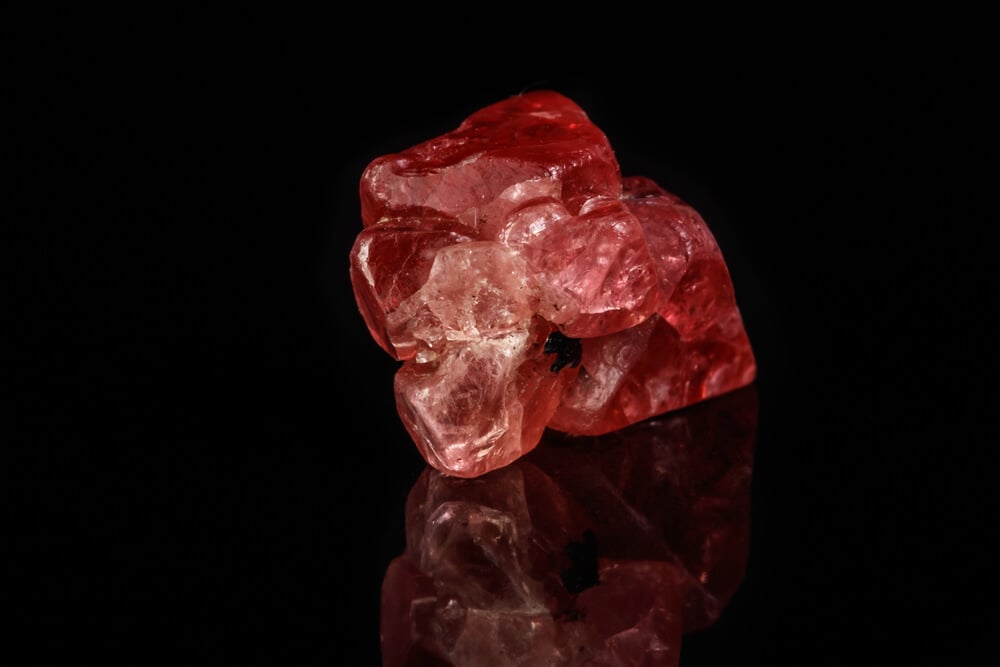
The most prestigious ruby sources—particularly those producing the legendary “pigeon blood” red—exist almost exclusively in Myanmar, formerly Burma. The mines operating there remain among Earth’s most politically and geographically difficult to access.
Top-quality Burmese rubies frequently exceed diamonds in price per carat and command auction records. The combination of geographic rarity, extreme beauty, and cultural prestige makes this stone perpetually sought.
Kashmir Sapphire
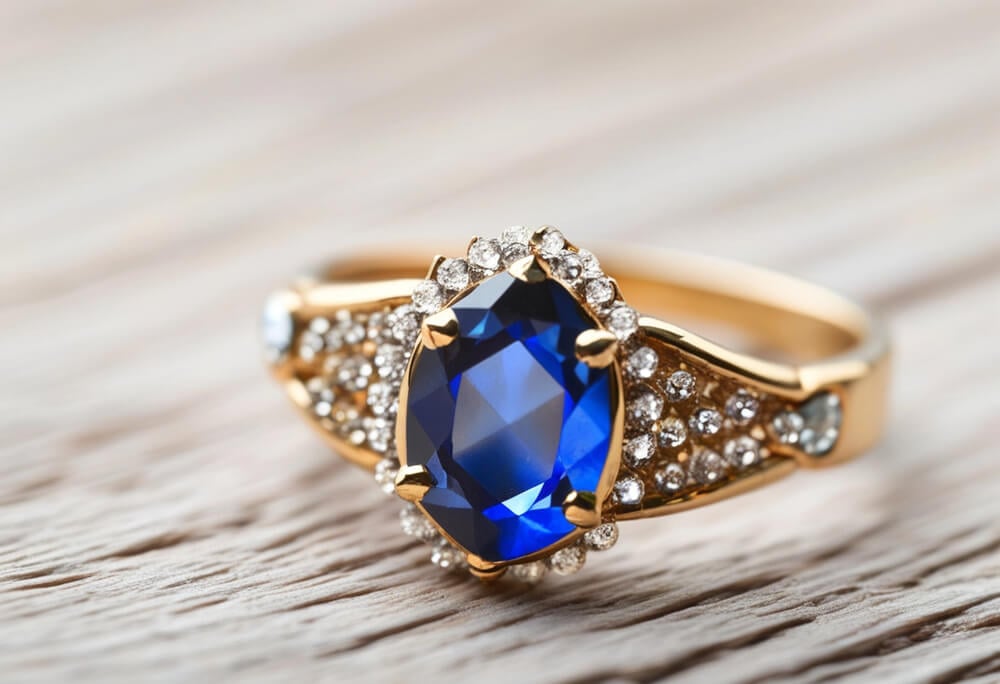
Discovered in the Himalayan peaks of Kashmir in 1881, these legendary blue sapphires display an incomparable velvety quality caused by silk-like rutile needles scattering light. Mining operations closed decades ago due to political instability, making new discoveries virtually impossible.
Antique Kashmir sapphires command extraordinary prices at auction, and the label “Kashmir” on a gemstone certificate significantly elevates value regardless of modern weight standards.
Serendipite (Zoisite Variety) / Tanzanite Alternative Entry
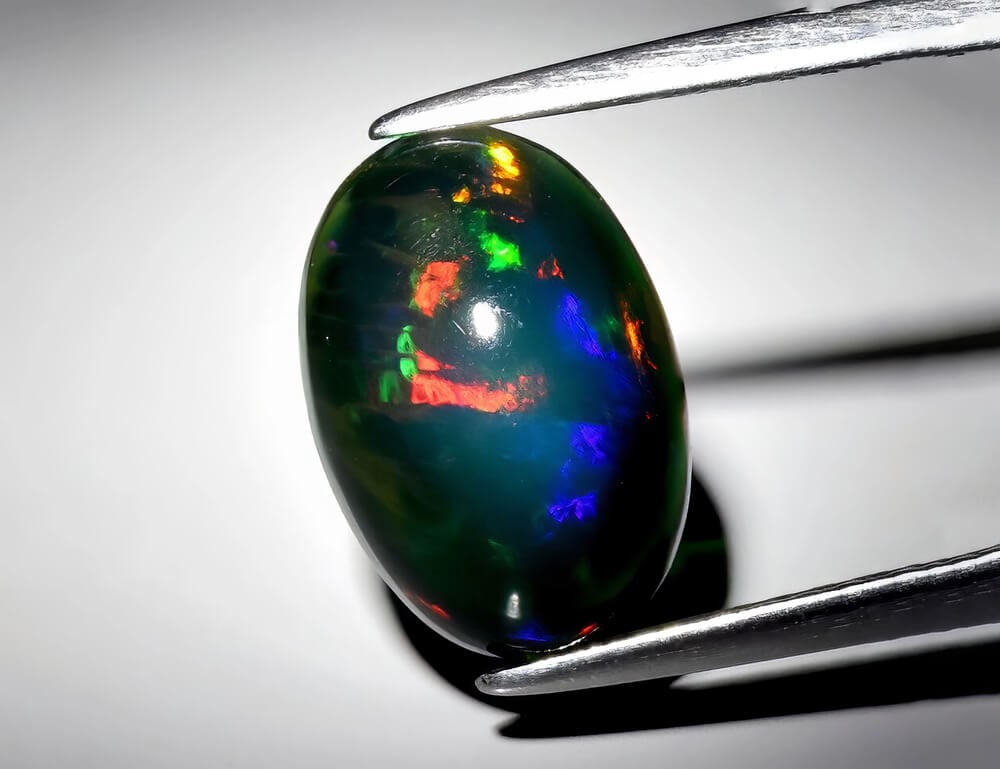
Some sources list variants like serendipite or rare zoisite forms alongside tanzanite, emphasizing the extreme geological specificity required for these stones. The conditions producing high-quality specimens occur in only handful locations globally, each geographically limited by tectonic and mineral composition factors unique to their formation.
Padparadscha Sapphire
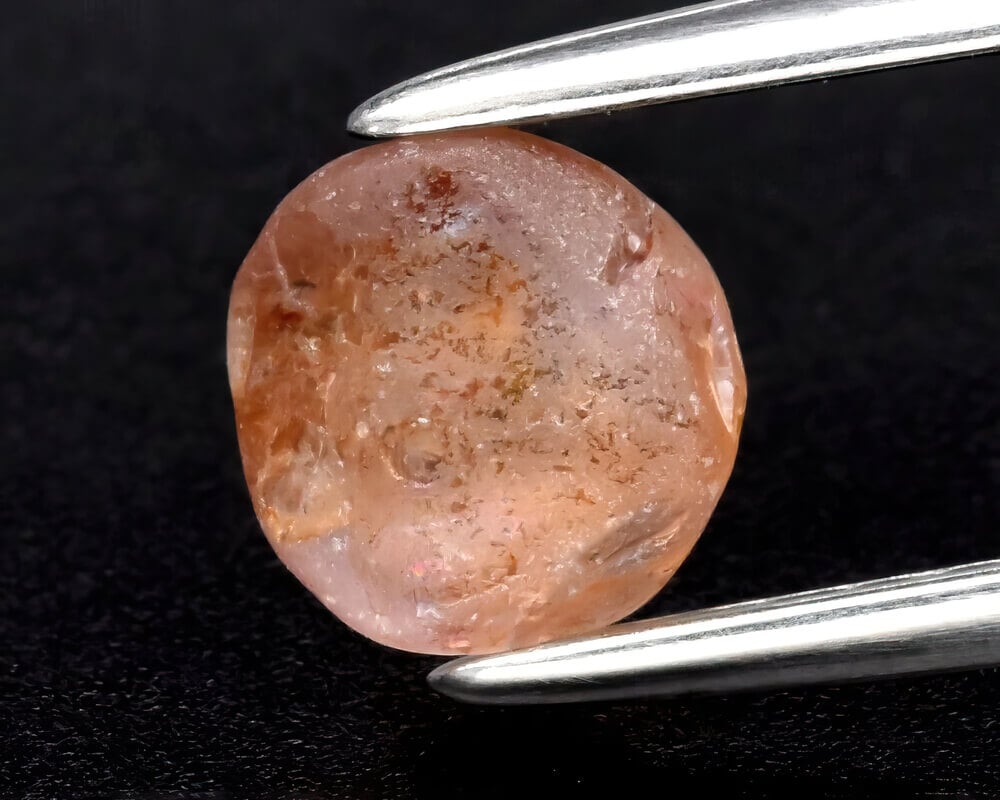
This rare pink-orange sapphire name derives from Sanskrit meaning “lotus blossom,” referring to its delicate peachy-pink hue. Sources remain extremely limited, with Sri Lanka and Madagascar producing most specimens.
The particular color combination—neither purely pink nor orange—makes it visually distinctive and highly collectible. Fine padparadscha sapphires now fetch prices exceeding $10,000 per carat.
Sugilite
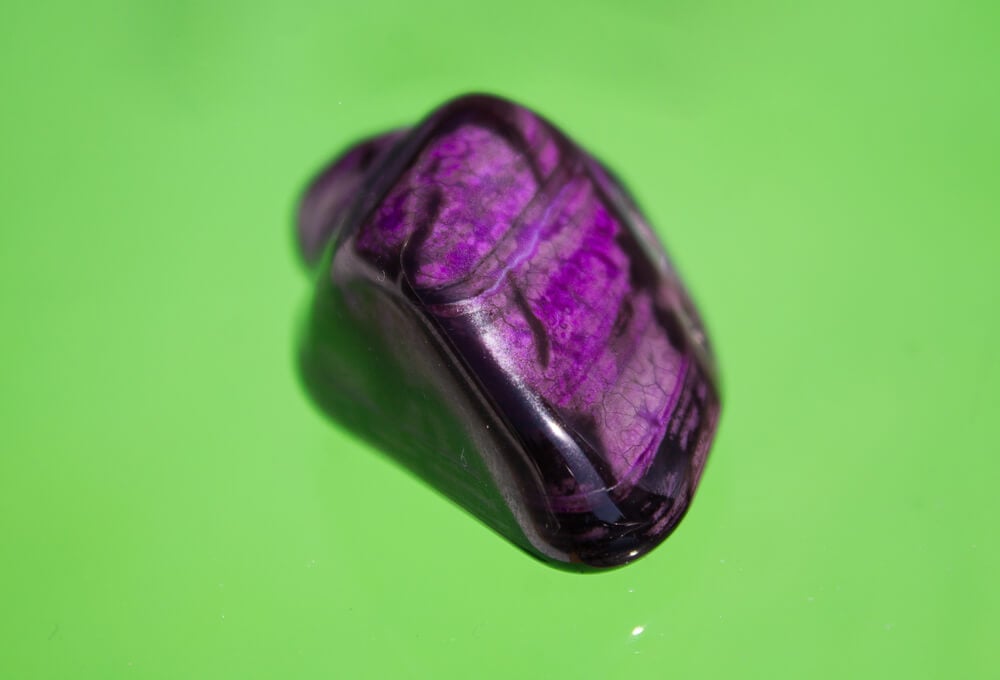
Discovered in Japan and later found in South Africa, sugilite appears in striking lavender-purple tones that make it immediately recognizable. Gem-quality material remains vanishingly rare, with most specimens showing significant fractures or inclusions.
The stone ranks relatively low on hardness (5.5 to 6 Mohs), requiring protective settings. Its rarity and unique color make it especially prized by metaphysical collectors and gemstone enthusiasts.
Ammolite
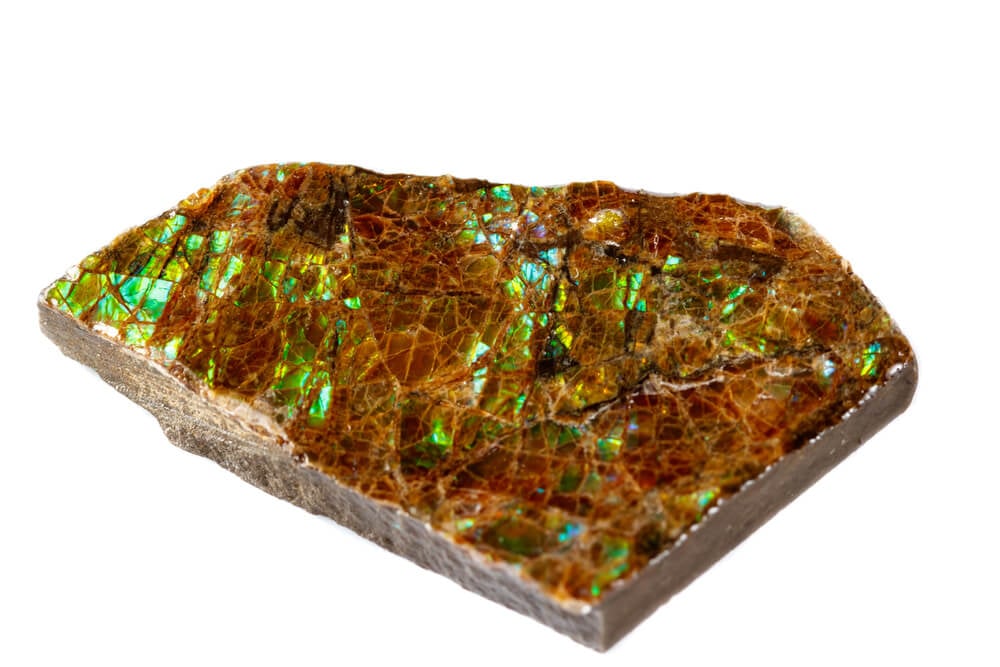
Recognized as an organic gem in 1981, ammolite comprises fossilized ammonite shell material displaying rainbow iridescence from microscopic aragonite layers. Found almost exclusively in southern Alberta, Canada, deposits have dwindled significantly.
The stone’s fragility requires careful handling and protective settings, and many specimens fade under direct sunlight. Collectors prize ammolite for its intersection of paleontological significance and gemological beauty.
Blue Garnet
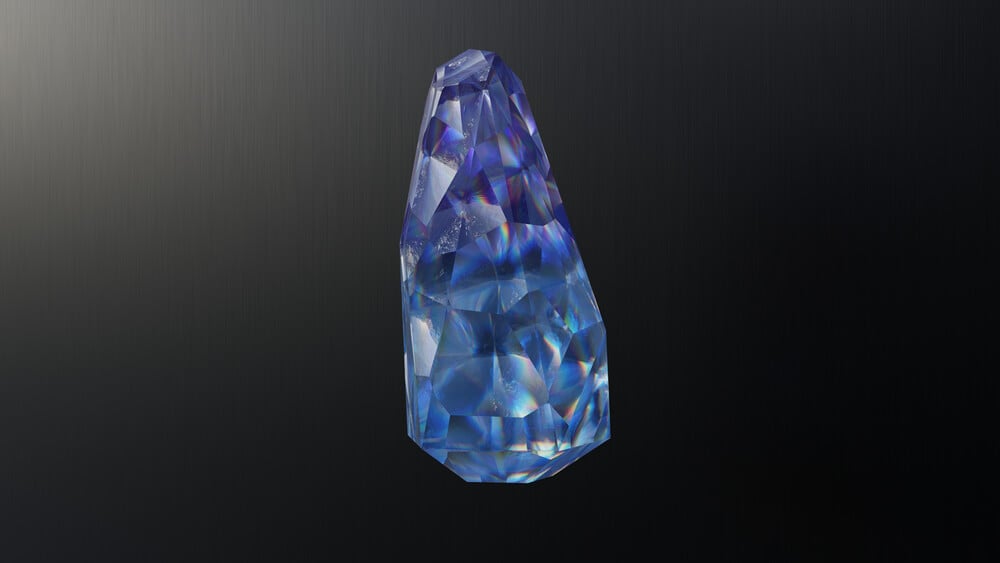
Unlike typical red garnets, rare color-change blue garnet exhibits blue tones in daylight and reddish under incandescent light—a phenomenon caused by vanadium content. Specimens remain extraordinarily scarce, with most high-quality examples coming from Madagascar.
The color-change characteristic and extreme rarity place it among the most sought-after contemporary collector stones, though few jewelers recognize it.
Chameleon Diamond
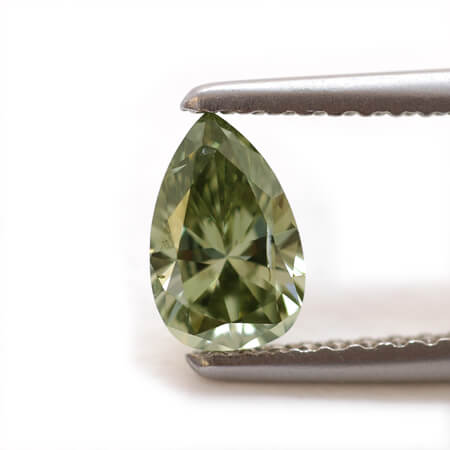
A vanishingly rare fancy green to yellowish-green diamond that spontaneously changes color over time or when heated, the chameleon diamond exhibits properties that still perplex gemologists. Fewer than a dozen authenticated specimens exist, with the mechanism driving color shifts remaining incompletely understood.
The Smithsonian’s collection includes a renowned example that alternates between yellowish-green and brown.
Fire Opal from Mexico
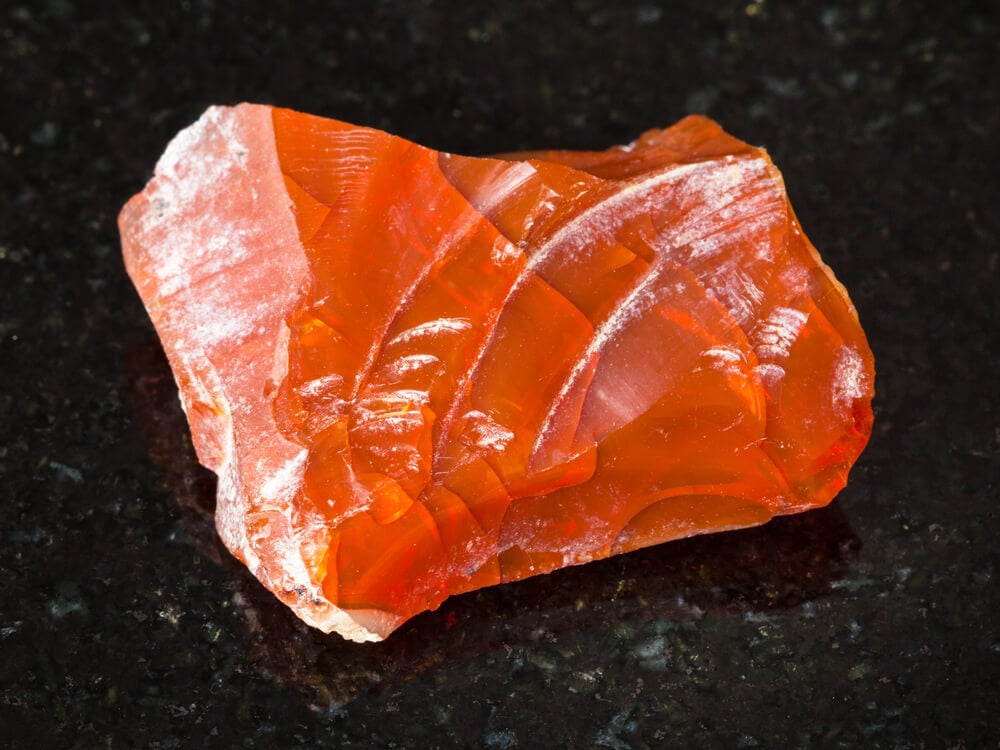
Distinguished from common opal by its transparent orange-to-red body and brilliant internal fire, Mexican fire opal represents the rarest opal variety with gemological significance. High-quality transparent specimens suitable for faceting appear in very small quantities.
Unlike black opal, which displays play-of-color, fire opal’s value derives from body color saturation and transparency, making flawless examples increasingly valuable.
The Perpetual Hunt for Rarity
The distinction separating these stones from diamonds illustrates a fundamental truth: rarity and exclusivity possess their own gravity, independent of marketing or cultural momentum. Many of these gemstones cost more than diamonds per carat, yet remain unknown to the general public.
Collectors spend decades assembling examples of these extraordinarily scarce minerals, often acquiring only modest specimens despite substantial investment. Each stone carries a geological history so specific and improbable that finding even one represents remarkable fortune.
More from Go2Tutors!

- The Romanov Crown Jewels and Their Tragic Fate
- 13 Historical Mysteries That Science Still Can’t Solve
- Famous Hoaxes That Fooled the World for Years
- 15 Child Stars with Tragic Adult Lives
- 16 Famous Jewelry Pieces in History
Like Go2Tutors’s content? Follow us on MSN.