35 Things About Shooting Stars Most People Get Completely Wrong
Shooting stars have captivated human imagination since we first looked upward, yet nearly everything we think we know about them is wrong. The moment you see a bright streak cross the night sky, your brain activates a cascade of misconceptions—about what it is, where it came from, how dangerous it might be, and whether wishing upon it actually works.
Below are the persistent myths that have survived from antiquity to the age of smartphones, along with the reality that astronomy has quietly established for decades.
They Are Not Actually Stars
A shooting star is not a star that fell from the sky. When you glimpse a bright streak of light darting across the night, you are witnessing a meteoroid—a piece of space debris typically no larger than a grain of sand—burning up in Earth’s atmosphere due to friction.
Calling it a “shooting star” is poetic misnomer that has endured for centuries despite having no basis in fact. The streak of light you see is not from the meteoroid itself but from the superheated gases surrounding it as it screams through the atmosphere at tremendous speed.
The Light Comes From Heated Air, Not the Rock
Most people assume the rock itself is what produces the light of a shooting star. The actual phenomenon is subtler: as the meteoroid descends at speeds ranging from 25,000 to 160,000 miles per hour (with typical shower meteoroids averaging around 35,000-40,000 mph), it compresses and heats the air in front of it to temperatures hotter than the surface of the sun.
This compressed, superheated air produces the visible glow. The meteoroid itself is largely a passenger in this process, though the heat from the compressed air usually causes it to disintegrate before reaching the ground.
Meteoroids, Meteors, and Meteorites Are Three Different Things
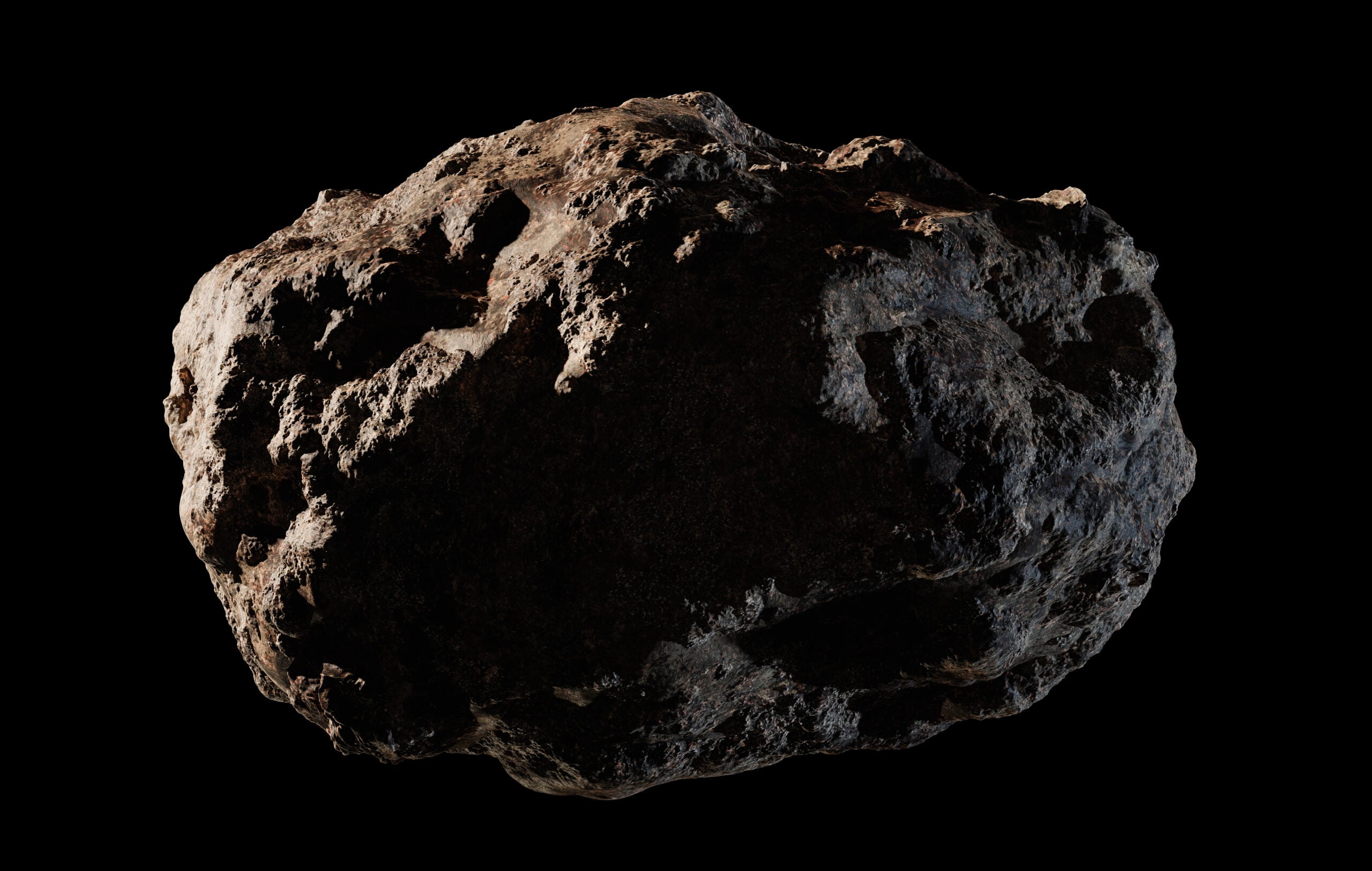
Most people use these terms interchangeably, but they represent three distinct stages in a cosmic object’s journey. A meteoroid is the space rock traveling through the void before it enters Earth’s atmosphere.
When it enters the atmosphere and creates the visible streak, it is then called a meteor. If fragments survive the descent and land on Earth’s surface, they are called meteorites.
Understanding this distinction reveals how many objects never complete the journey to become meteorites—most burn up entirely as meteors.
They Come From Comets, Not Asteroids
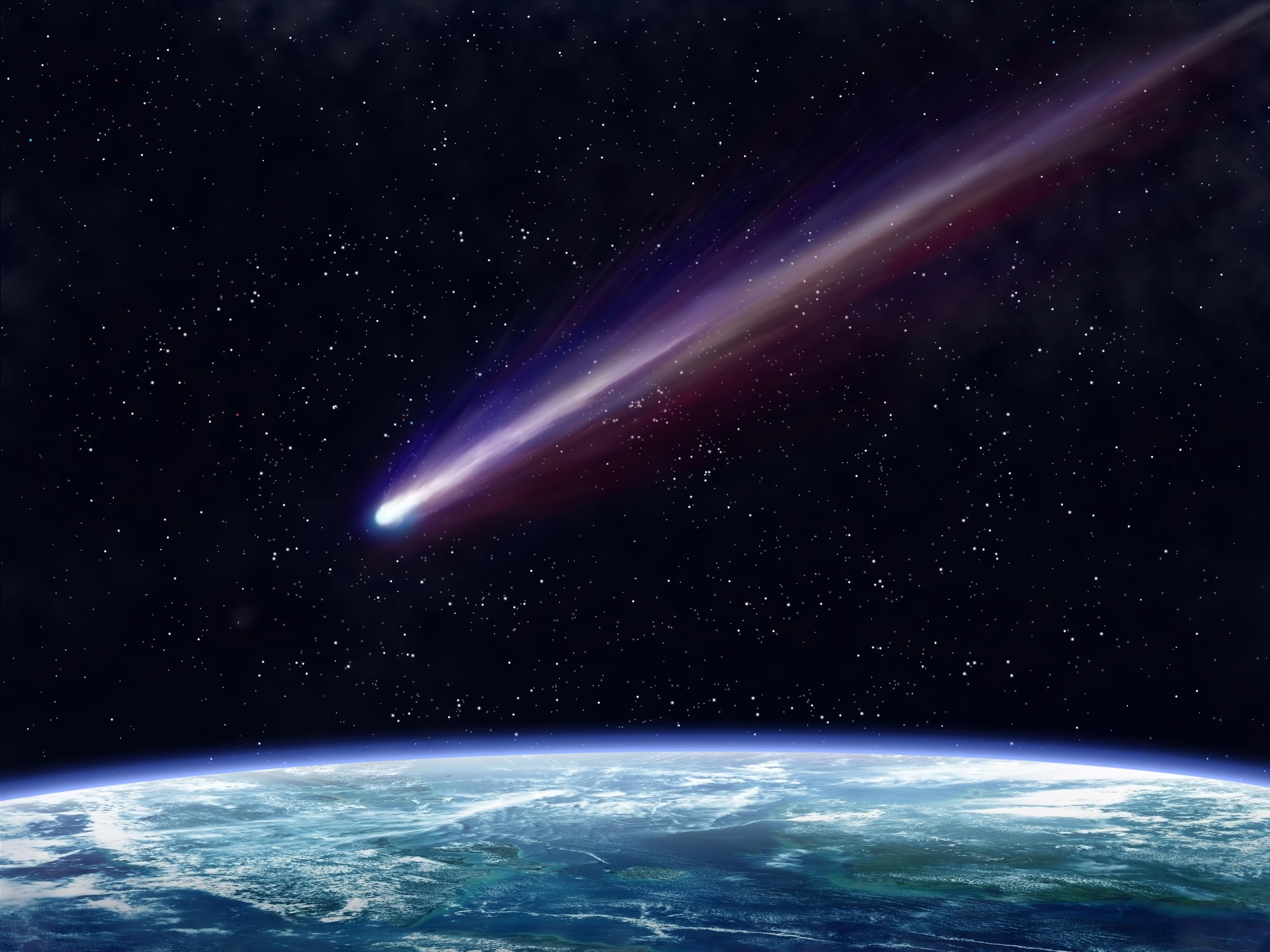
Meteor showers are created when Earth passes through the debris trail left behind by a comet, not an asteroid. As comets approach the sun, their icy compositions sublimate and release dust and rocky fragments that form a trail stretching behind them.
When Earth’s orbit intersects this trail, thousands of meteoroids enter our atmosphere within a matter of hours or days, creating the spectacular displays we call meteor showers. Asteroids exist in their own orbits and do not typically create the regular, predictable showers we observe throughout the year.
Meteoroids Are Almost Always Tiny Specks

The popular imagination conjures meteors as basketball-sized rocks screaming through the sky. The reality is that most meteoroids are smaller than grains of sand.
A typical meteoroid measures less than a millimeter across. Even the meteoroids that create the most brilliant fireballs visible across entire states usually measure only a few centimeters in diameter.
The energy released by these tiny objects comes not from their mass but from their extraordinary velocity and the heat generated by atmospheric friction.
Meteorites Are Cold When They Hit the Ground

A common misconception is that meteorites must be scorching hot when they strike Earth’s surface. In reality, meteorites are typically cool or only slightly warm to the touch when they land.
The intense heating during atmospheric entry affects only the outer surface of the object for a brief moment. The interior remains frozen from its transit through the vacuum of space.
NASA has confirmed that people can safely pick up meteorites immediately after they have fallen, though experts recommend using gloves to avoid contaminating the specimen with oils from your skin.
Meteors Do Not Glow Because They Are Hot
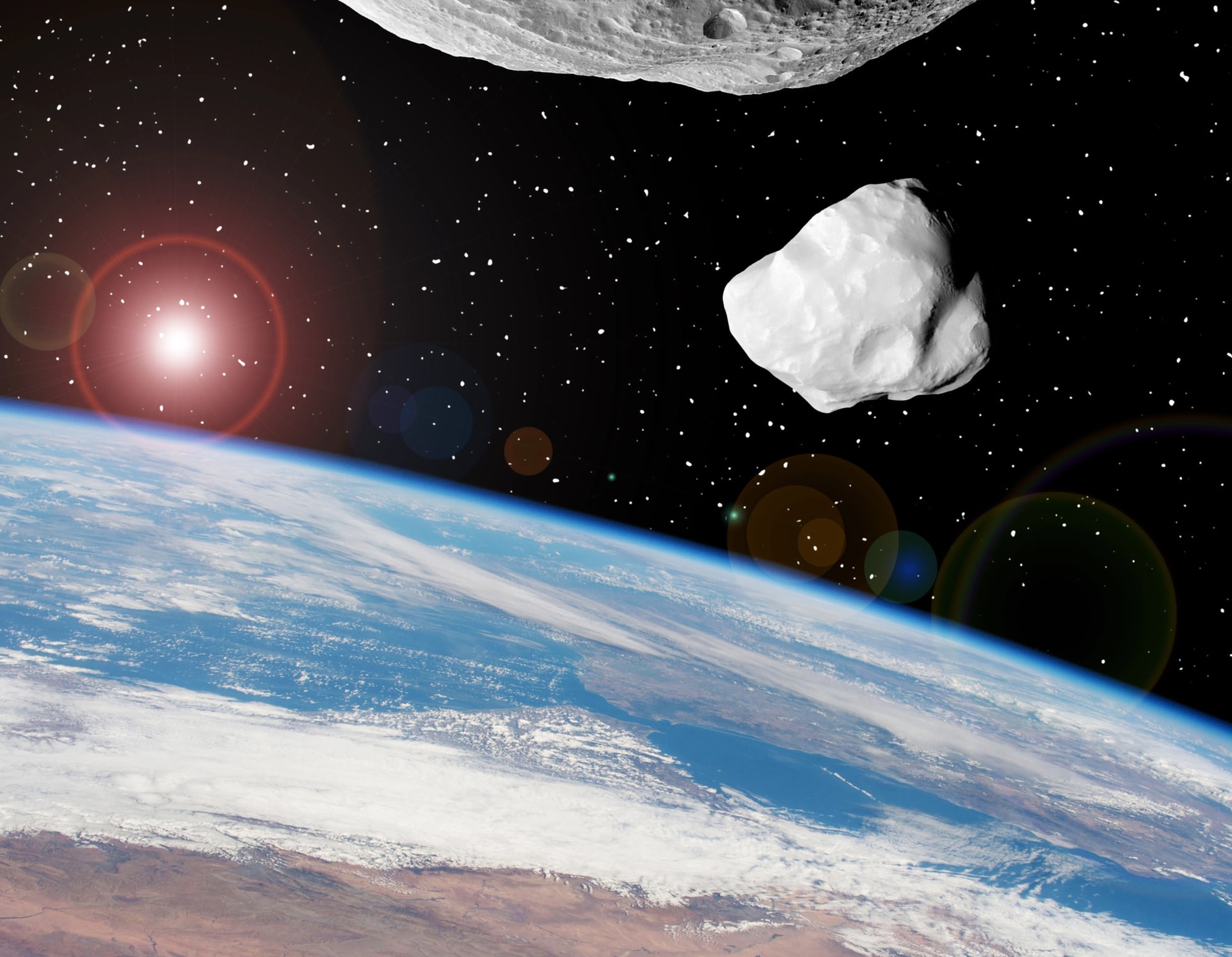
Counterintuitively, the glow of a meteor is not primarily from heat radiating from the meteoroid itself. The glow comes from the ionization of gases in the atmosphere.
As the meteoroid tears through the air at extreme speed, it strips electrons from oxygen and nitrogen molecules, creating a glowing plasma. This is the same process that creates lightning and the aurora borealis.
The rock itself is largely incidental to the visible phenomenon—a catalyst rather than a light source.
You Do Not Need Equipment to See Meteor Showers
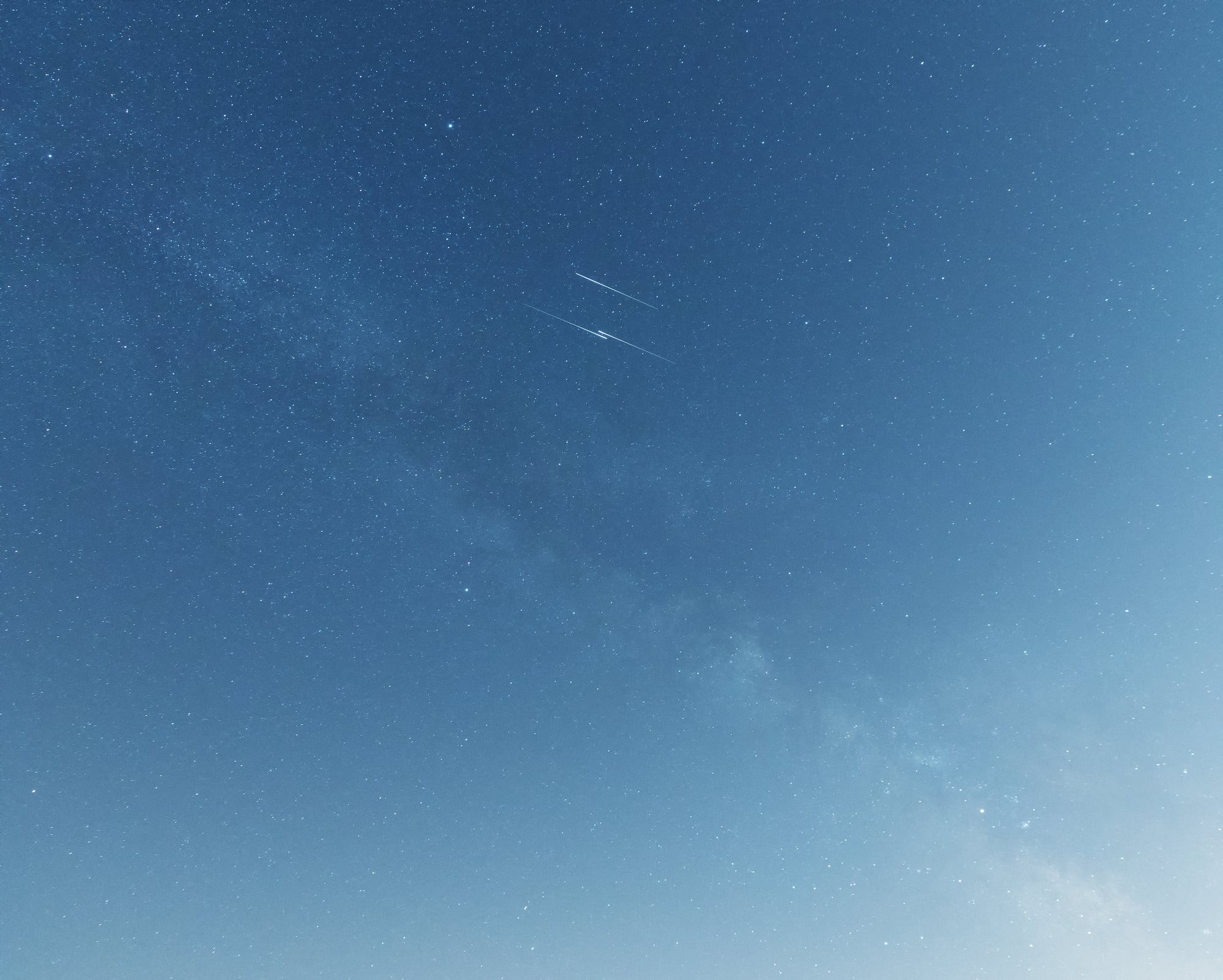
Many people believe that viewing meteor showers requires telescopes, binoculars, or other expensive equipment. This is incorrect.
The unaided eye is actually the best tool for meteor watching. Telescopes and binoculars severely limit your field of view, and meteors appear at unpredictable locations across the sky.
With the unaided eye, you can scan a wide area and catch meteors as they streak across the heavens. The best practice is to find a dark location away from city lights and allow your eyes to adjust for at least twenty minutes.
Meteor Showers Are Not Rare Events
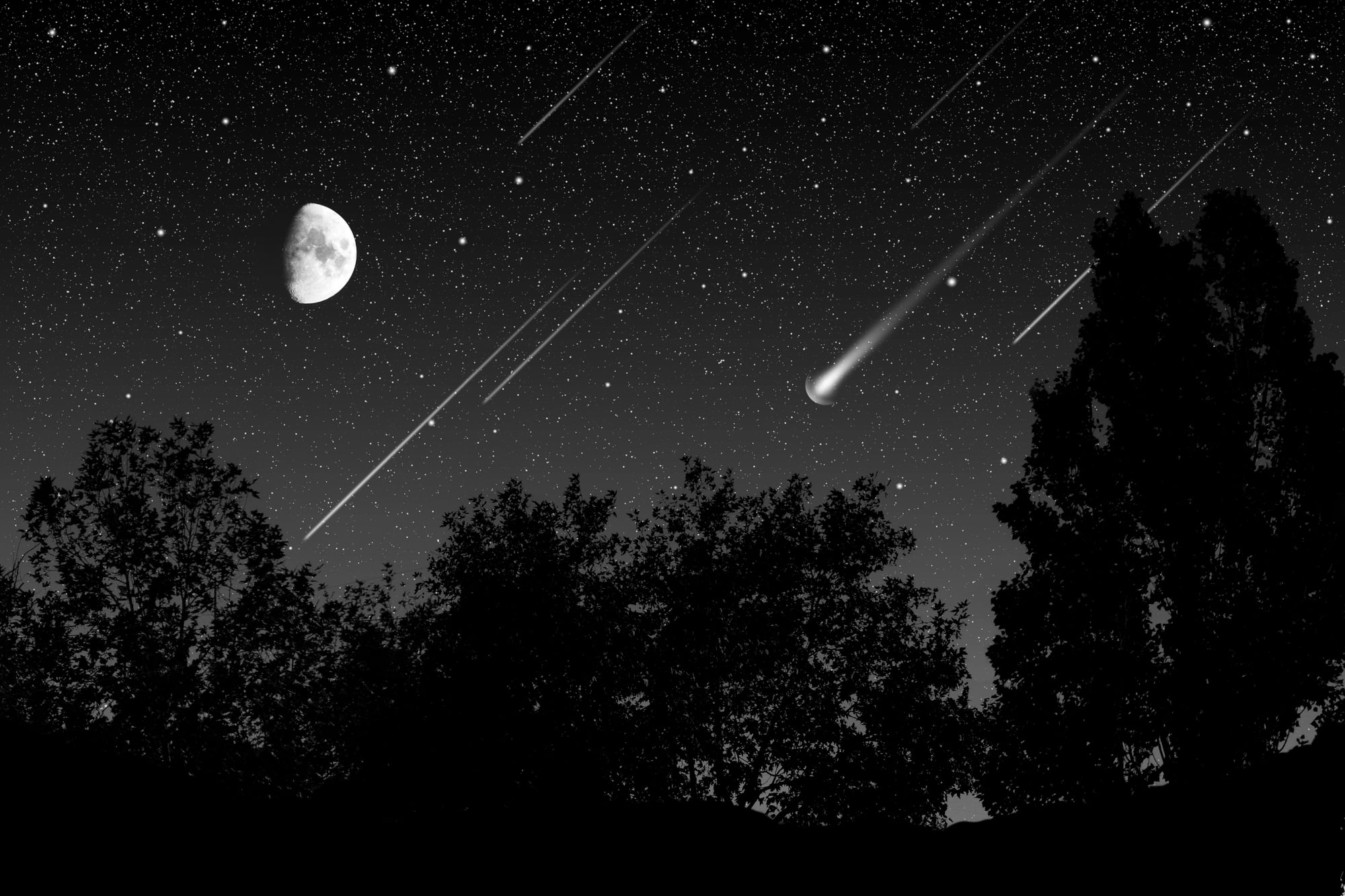
The popular impression that meteor showers are rare, special events is misleading. Earth passes through at least one significant meteor shower every month.
The Perseids in August, the Geminids in December, the Quadrantids in January, and dozens of others occur with predictable regularity throughout the year. Many of these showers have been occurring in the same months for centuries.
A person living in an area with dark skies and free from clouds can expect to see dozens of meteors every hour during peak nights of major showers.
Meteor Showers Peak for Only a Few Hours
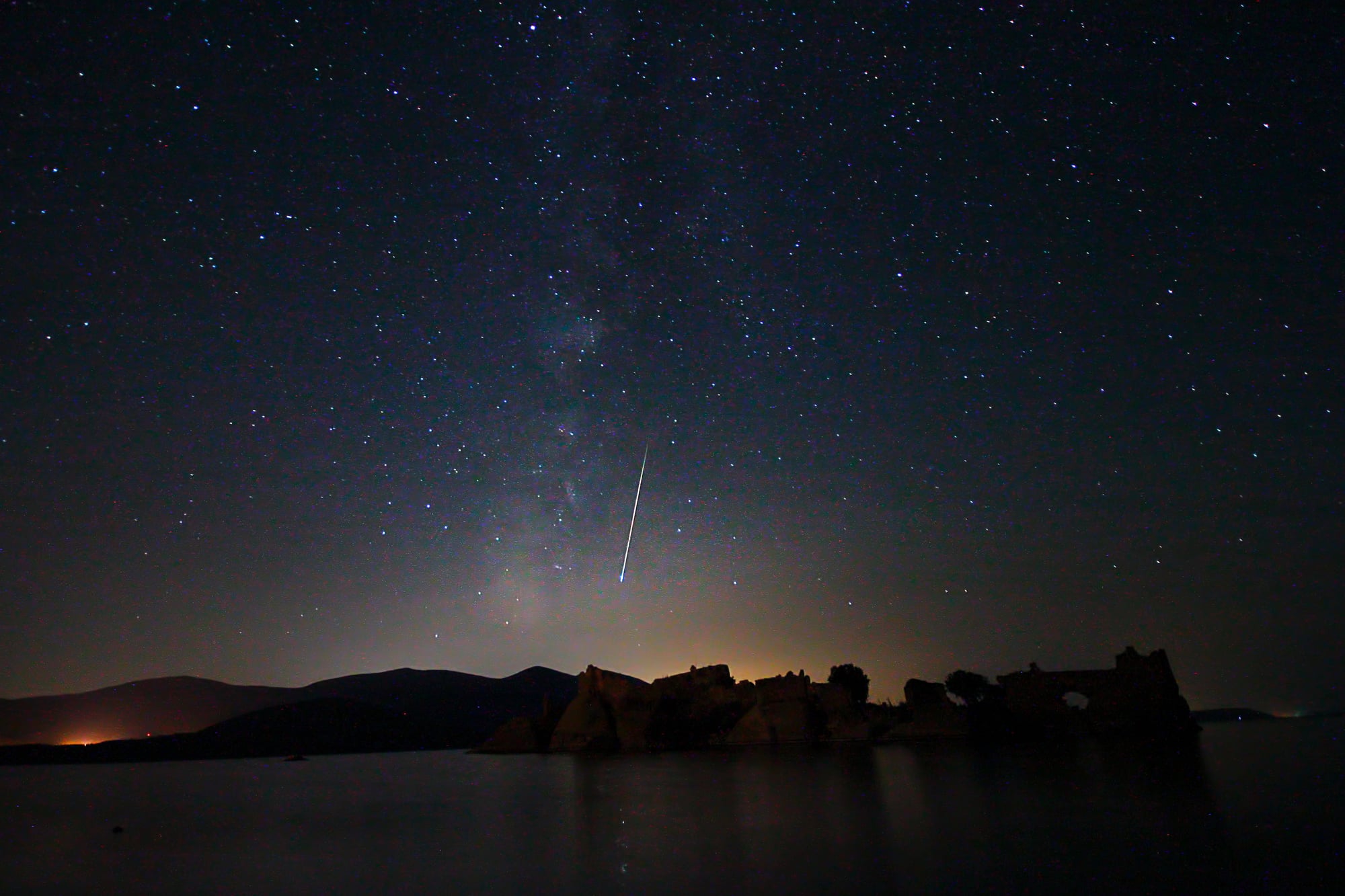
Contrary to popular belief, meteor showers do not last for only a single night or even a few hours. A typical meteor shower extends over several days or even weeks.
The “peak” is simply the night or nights when activity is highest and the greatest number of meteors are visible per hour. Observers often miss the peak night yet still see numerous meteors on nights before or after the peak window.
Earth’s passage through a comet’s debris trail is gradual, not instantaneous.
Wishing Upon Meteors Has No Scientific Basis

The tradition of making a wish upon a shooting star is charming but entirely without scientific merit. Meteor showers are natural phenomena caused by dust and rock entering the atmosphere.
They have no connection to human desires, fortunes, or fates. The wish-making tradition likely arose in ancient times when people attributed cosmic phenomena to divine communication.
Today, knowing the scientific explanation does not diminish the beauty of the experience, but it does clarify that the wish-making is merely tradition, not magic.
Astronomers Can Predict Meteor Showers With High Accuracy
Because meteor showers result from Earth passing through known debris trails from established comets, astronomers can predict them months or even years in advance. The Perseid shower will return in August at roughly the same time every year.
The Geminids will peak in December. This predictability means there is no excuse for missing major meteor showers—professional observers can tell you the exact dates and times of peak activity.
The dates shift by a day or two from year to year because Earth’s calendar does not perfectly align with its orbital period.
Most Meteors Burn Up Completely
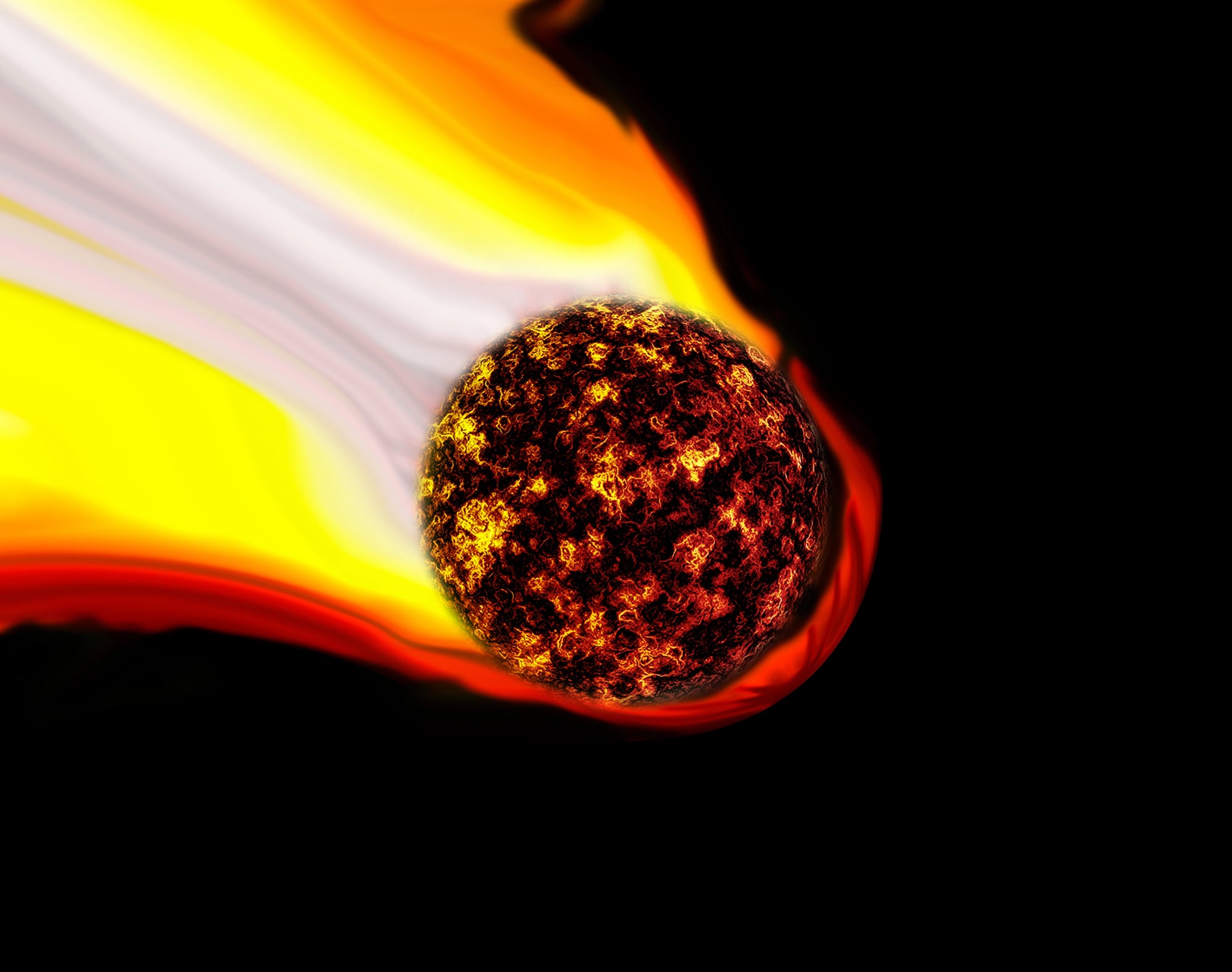
The vast majority of meteoroids that enter Earth’s atmosphere burn up entirely before reaching the ground. Only the largest meteoroids are able to survive the journey and become meteorites.
Scientists estimate that about 48.5 tons of meteoritic material reach Earth every day, but this arrives mostly as dust-sized particles. A complete meteorite large enough to hold in your hand is far rarer than most people imagine.
Meteor Showers Do Not Signal Asteroid Collisions
A meteor shower has no connection to dangerous asteroid impacts. The meteoroids that create meteor showers are typically small, icy fragments from comets—not from asteroids in near-Earth orbits.
An active meteor shower occurring in the night sky has zero predictive value regarding asteroid threat. Space agencies monitor near-Earth asteroids using dedicated telescopes and early warning systems, not meteor shower observations.
The Radiant Point Does Not Indicate Origin
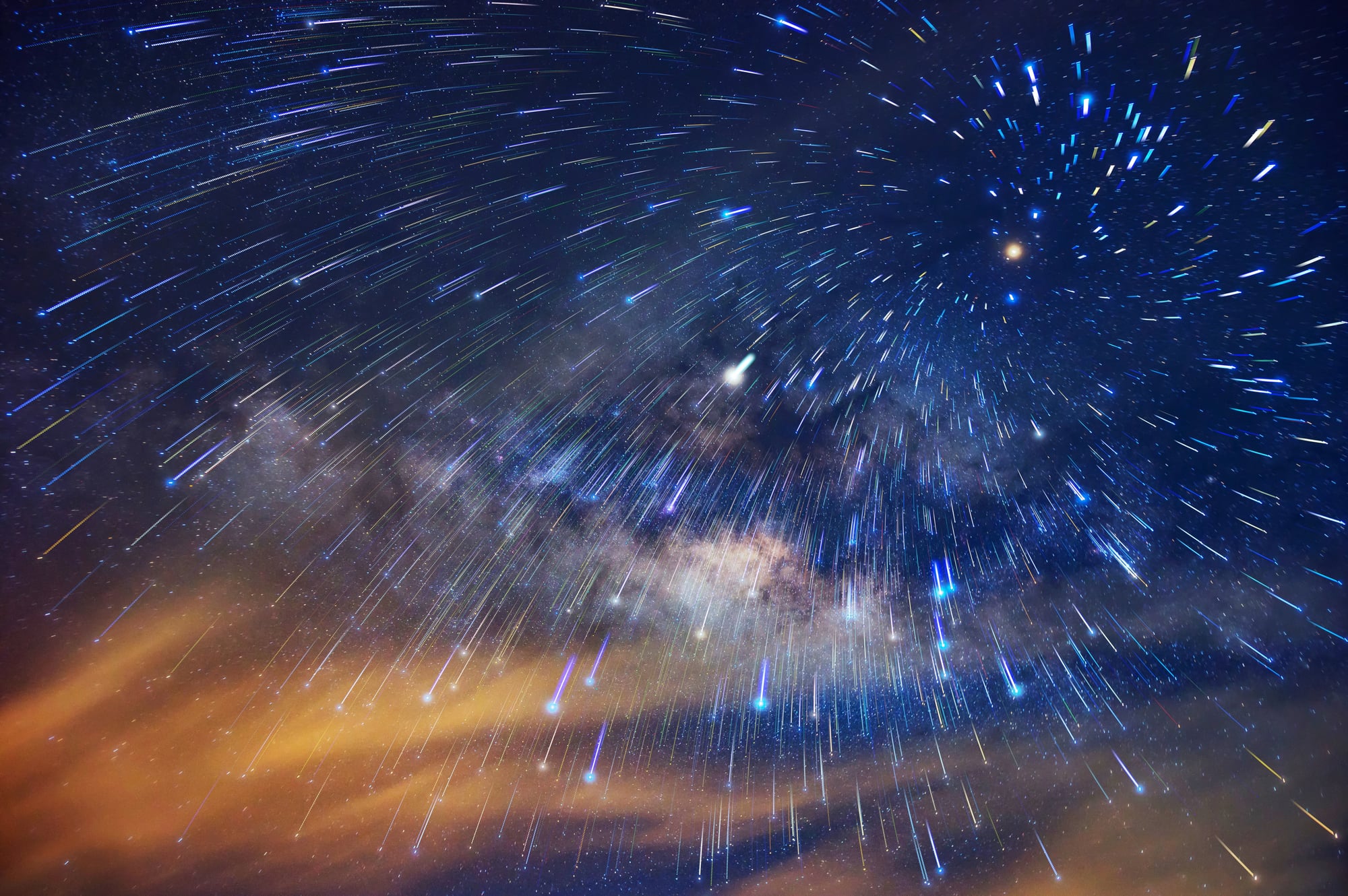
The point in the sky from which meteors appear to originate during a shower is called the radiant point. Many people assume this point marks where the meteoroids come from.
In reality, the radiant point is a perspective effect caused by the meteoroids approaching Earth at parallel trajectories. Much like railroad tracks appear to converge at a distant point, the parallel paths of meteoroids appear to radiate from a specific location in the sky.
The actual source of the meteoroids is the debris trail of a comet, which may be located elsewhere in space entirely.
Color Indicates Composition, Not Temperature
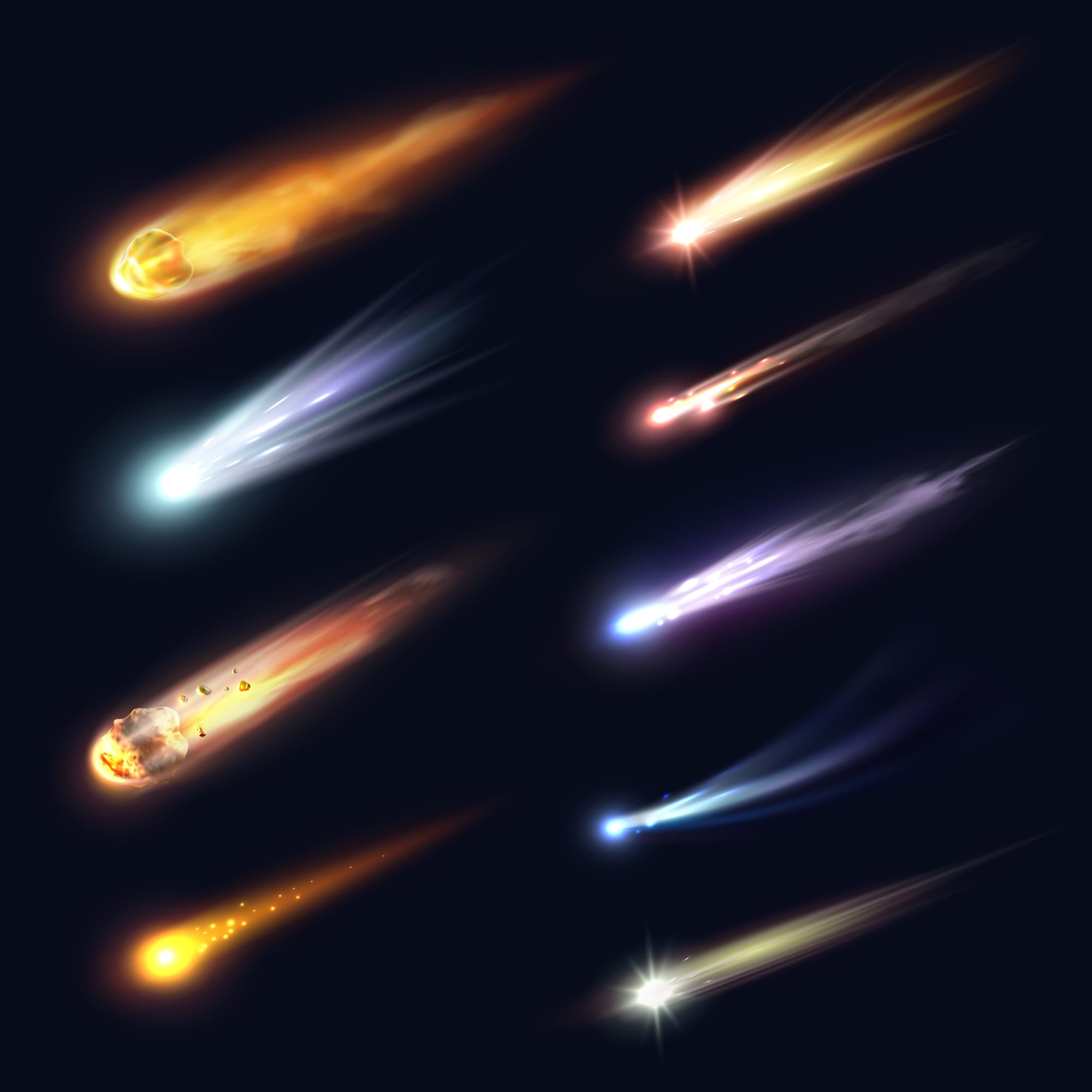
During meteor showers, observers often see meteors of different colors—red, blue, yellow, and green. People frequently assume that color indicates temperature, with blue being hotter than red.
This is incorrect. Color in meteors comes from the ionization of specific atmospheric gases.
Bright green meteors often result from magnesium in the atmosphere. Red and orange colors come from nitrogen.
Blue streaks indicate oxygen ionization. The color has little connection to the temperature of the meteoroid itself.
Fireballs Are Simply Bright Meteors
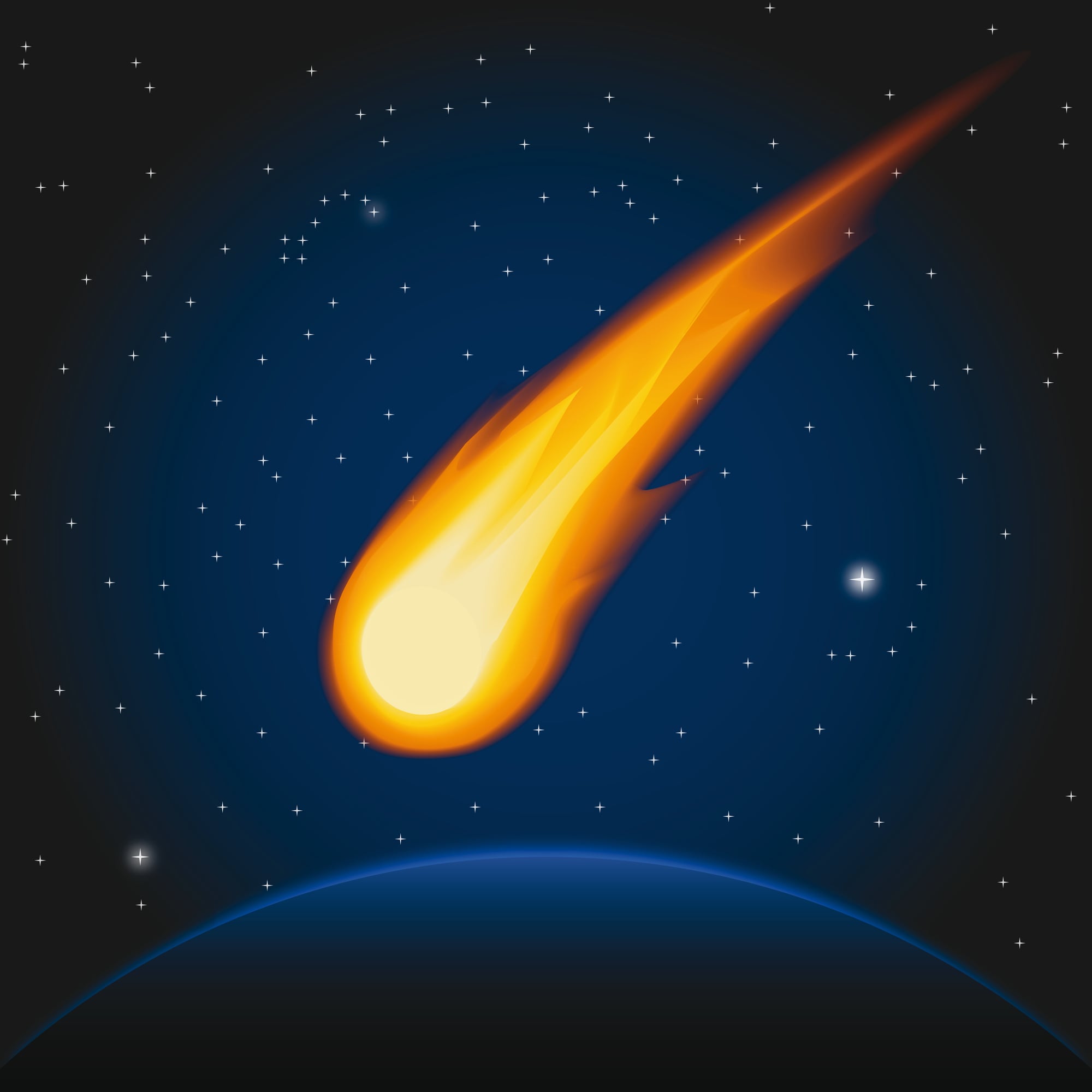
A fireball is nothing more than an exceptionally bright meteor—a meteoroid large enough to produce a visible glow brighter than Venus. The term “fireball” causes many people to imagine a dangerous, explosive object.
In reality, fireballs are just the brighter end of the meteor spectrum. They create spectacular displays but are no more dangerous than other meteors.
A fireball visible across multiple states is still caused by an object typically smaller than a fist.
Perseid Meteors Come From the Same Comet Every Year
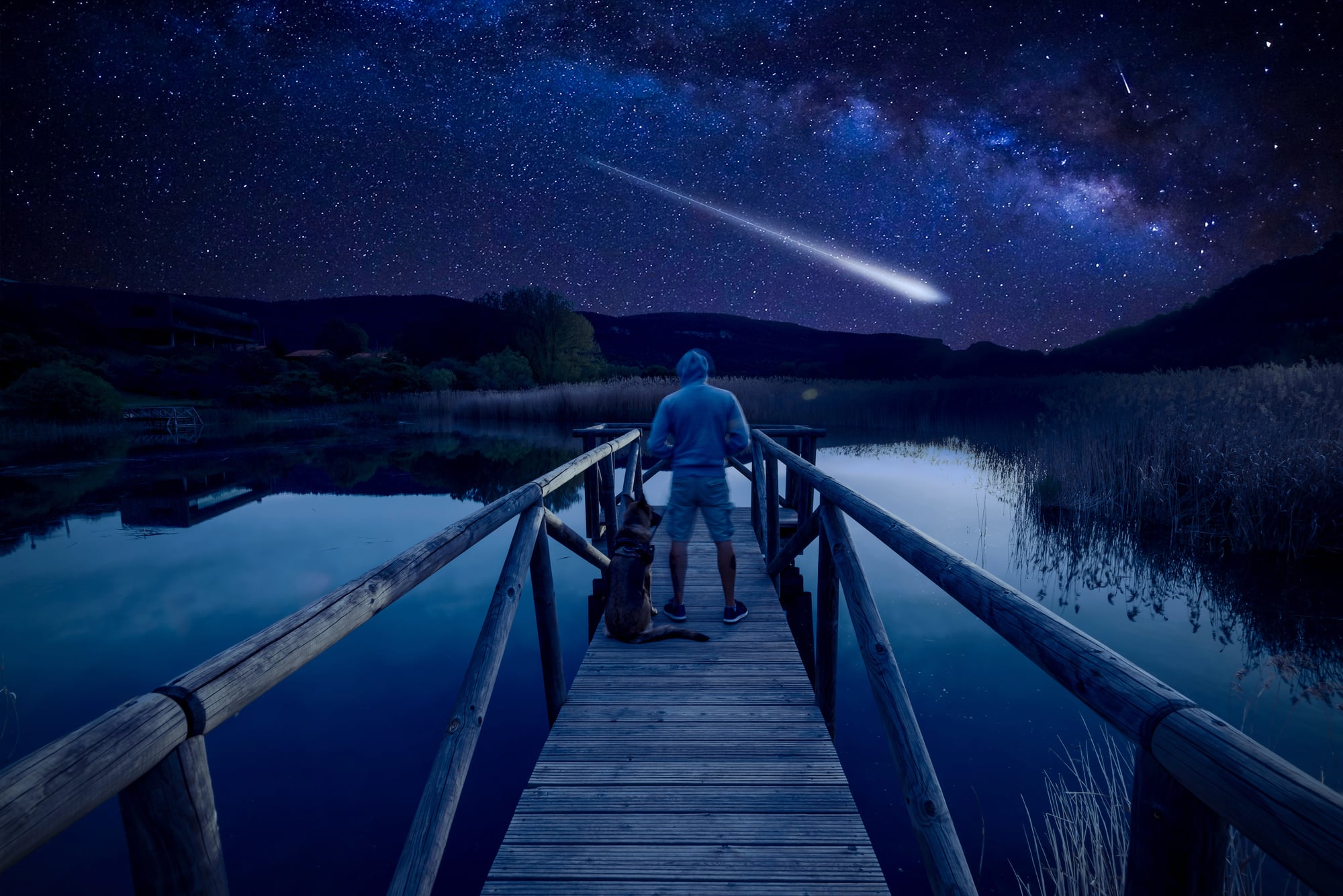
The Perseid meteor shower does not create meteors from a single comet. They originate from debris left behind by the comet Swift-Tuttle, which passes through the inner solar system every 135 years.
Every August, Earth passes through the orbital debris trail, producing the shower. This means the Perseids do not become less active over time because the comet has left behind a vast trail of particles spanning its entire orbit.
As long as Earth continues to orbit the sun, we will encounter this debris and experience the Perseids.
Meteor Showers Named After Constellations Do Not Come From Those Constellations
The Geminids shower is named after the constellation Gemini because the radiant point appears to be in Gemini—not because meteoroids originate from that constellation. The Leonids appear to originate from Leo.
The Quadrantids appear to originate from an obsolete constellation called Quadrans Muralis. Astronomers name the showers based on where the radiant point appears, which is convenient for observers but misleading if you assume it indicates the actual source or direction of the meteoroids.
Bright Moonlight Ruins Meteor Shower Viewing
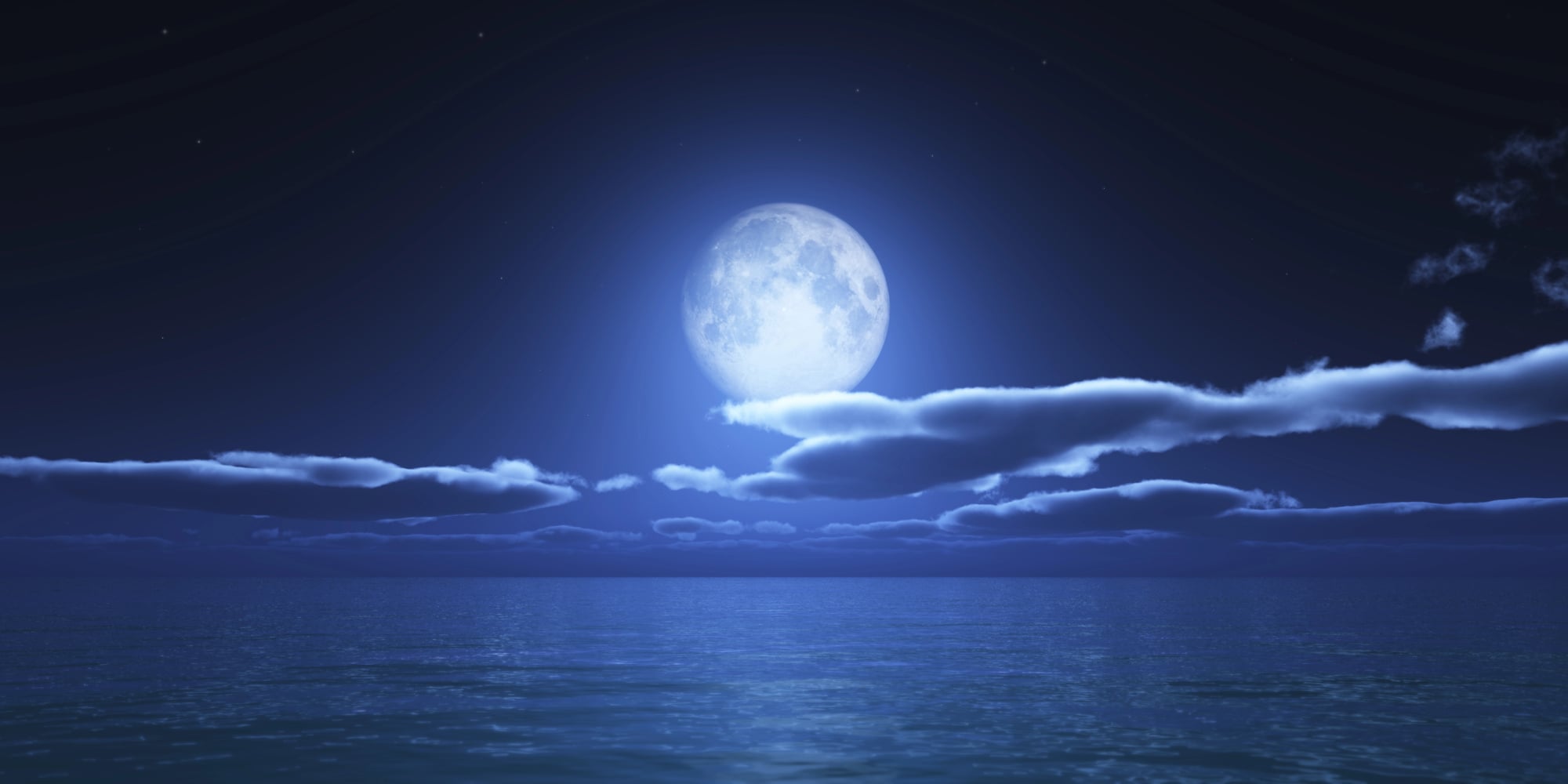
A full moon or bright moonlight can make it difficult to see fainter meteors because the moon’s brightness overwhelms the darkness your eyes need to see dim streaks. However, bright meteors and fireballs remain visible even during moonlight.
Many people skip meteor showers entirely if they coincide with a full moon, unaware that they would still see numerous bright meteors. The best viewing occurs during new moon phases when the night sky is darkest, but meteor showers do not disappear simply because moonlight is present.
Atmospheric Conditions Affect Visibility More Than Season
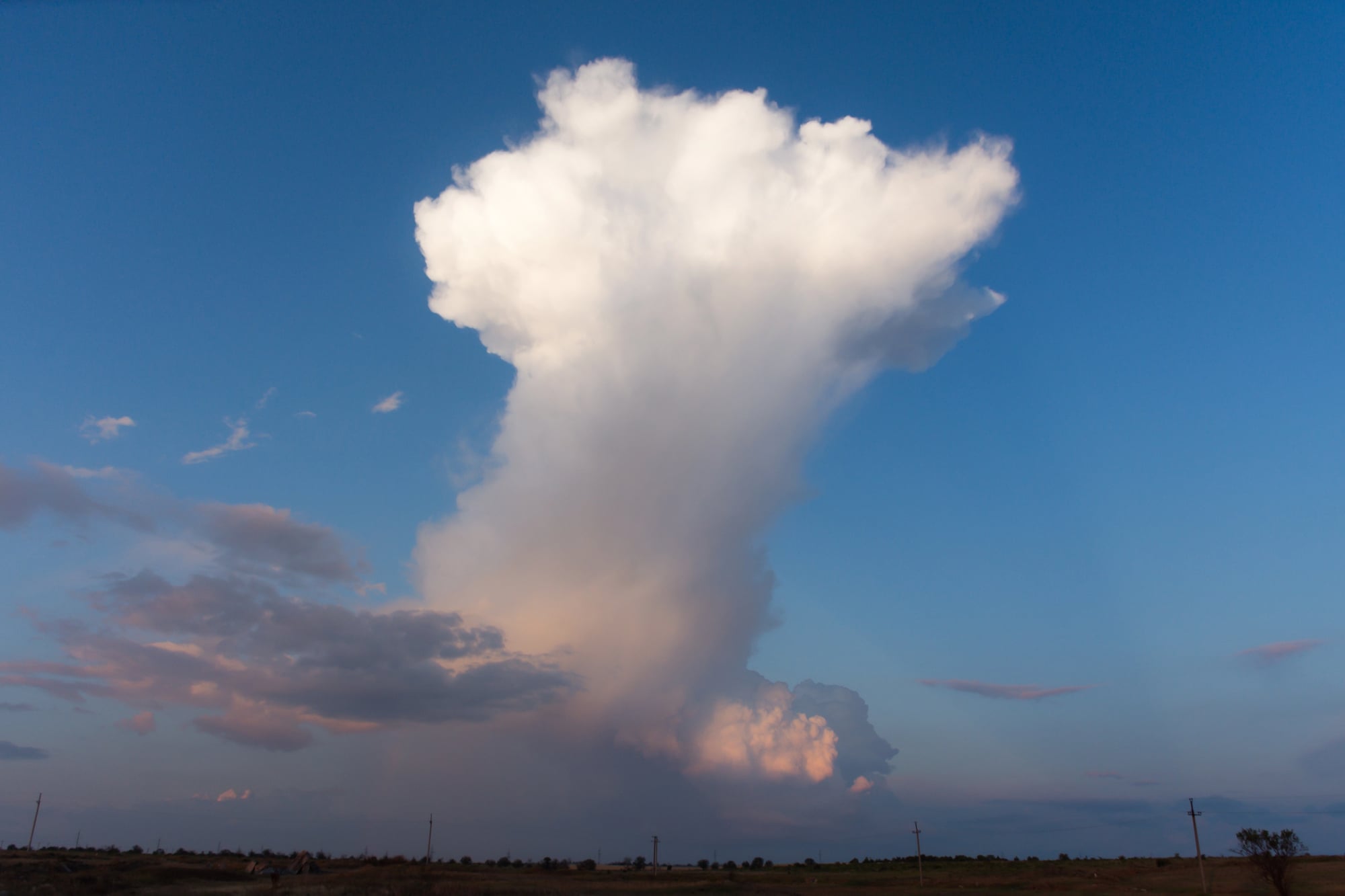
While meteor showers follow a predictable annual calendar, atmospheric conditions on the night of observation matter enormously. Clear, cloud-free skies with low humidity produce the best views.
Clouds completely obscure meteor activity. Light pollution from nearby cities drastically reduces the number of visible meteors.
A rural location with clear skies during a minor meteor shower will often yield more observed meteors than a city location during a major shower. The quality of observation depends as much on geography and weather as on the strength of the shower itself.
The Atmosphere Does Not Get Clogged With Meteoroids
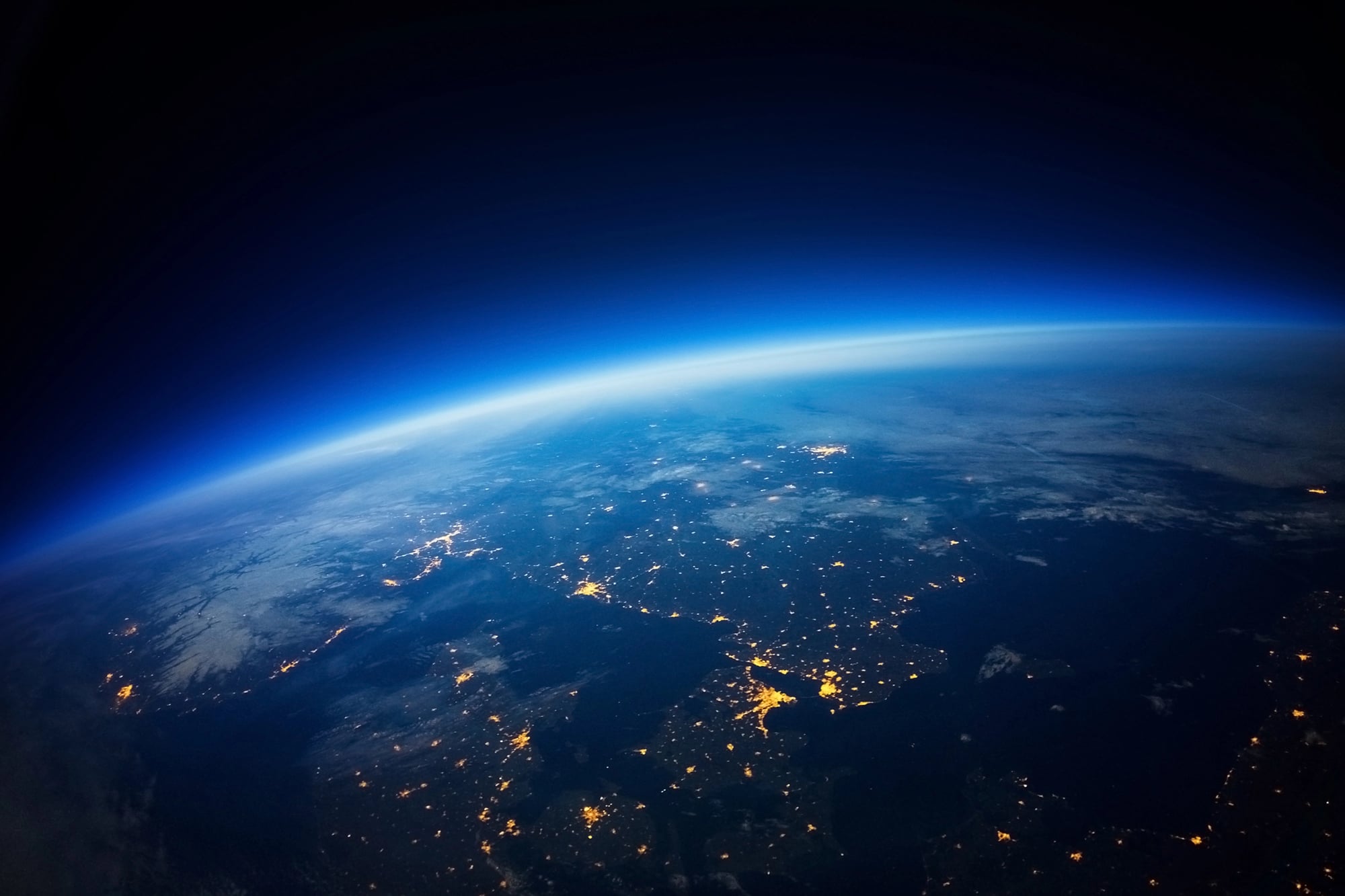
Despite 48.5 tons of space debris entering Earth’s atmosphere daily, the air does not become progressively more clogged. Meteoroid particles are incredibly small and dispersed across the entire upper atmosphere.
The atmosphere is so vast that the input is negligible. Most meteoroid material is spread across altitudes between 50 and 80 kilometers, where the air is already extremely thin.
The atmosphere effectively cleanses itself by precipitation and wind circulation, which removes particulates.
Meteor Showers Were Not Always Called Shooting Stars
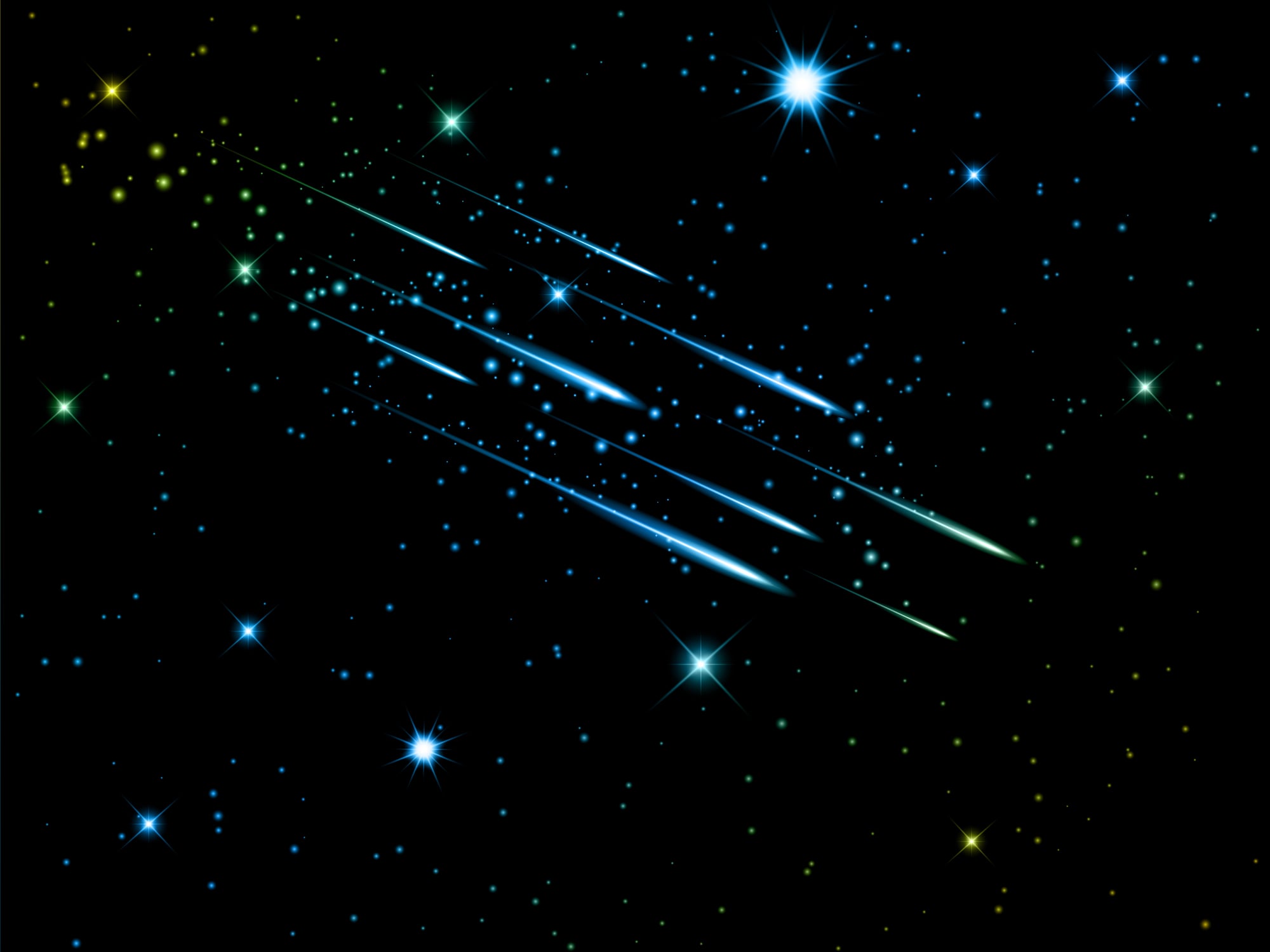
The term “shooting star” is relatively recent in human history. Ancient cultures used different terminology—some called them “falling stars,” others “arrow stars” or stars with tails.
The modern term “shooting star” emerged in medieval Europe and became standardized in English by the seventeenth century. Before the scientific revolution, cultures worldwide attributed meteor activity to divine signs or celestial battles rather than physical phenomena.
Scientists Determined Meteor Shower Origins Only 160 Years Ago

Before 1867, the source of meteor showers was unknown. People observed the recurring events but could not explain their origins.
It was not until scientists connected meteor showers to comets in the late nineteenth century that a scientific understanding emerged. This means that for the entire history of human civilization until very recently, meteor shower origins remained a mystery.
Ancient peoples developed elaborate mythological explanations for the phenomenon, which became embedded in cultural traditions.
Not All Meteors Come From Comets
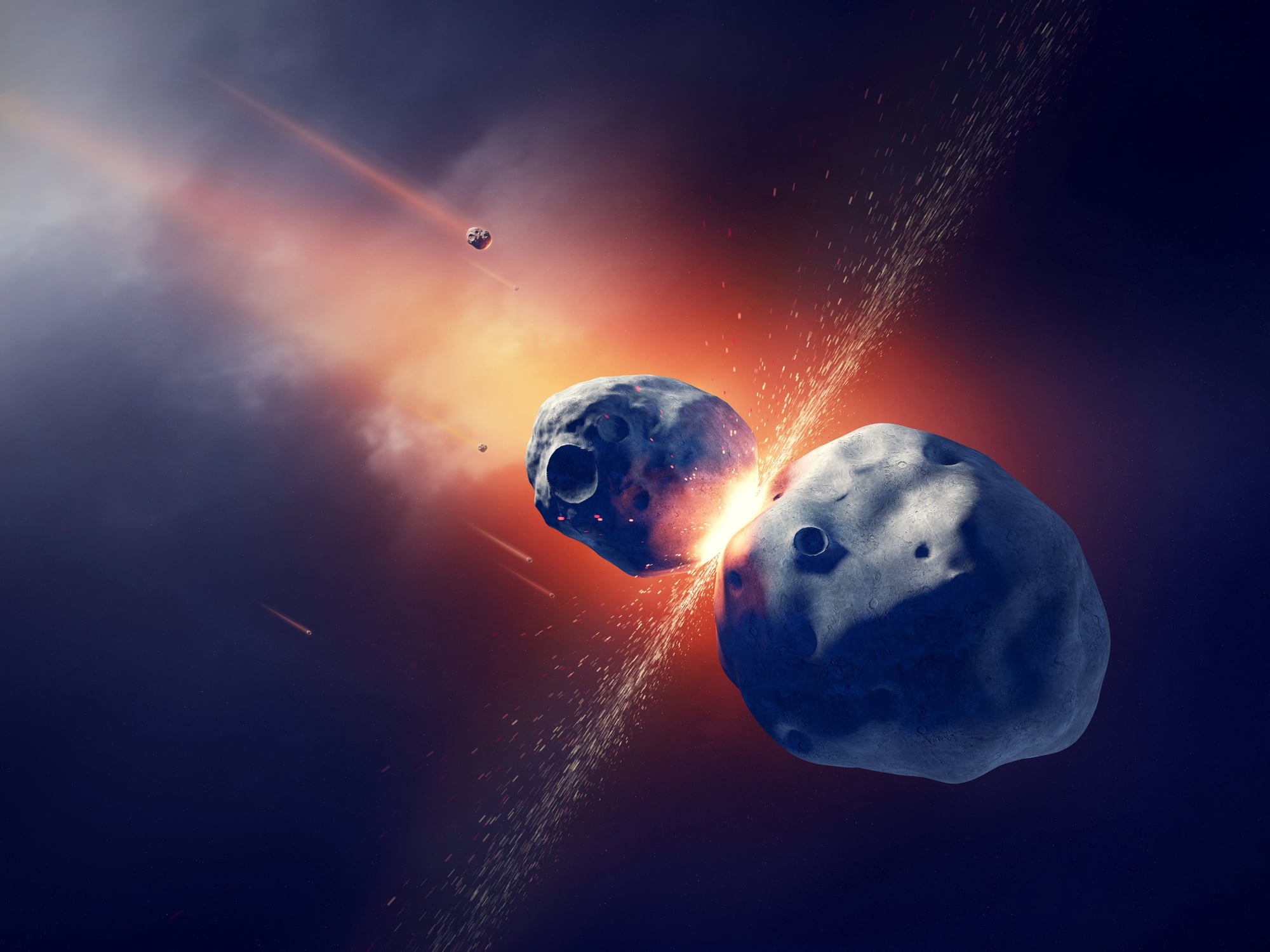
While most meteor showers result from cometary debris, some meteors originate from other sources. Sporadic meteors—those occurring outside formal meteor showers—can come from asteroid collisions or other celestial events.
Some meteoroid streams originate from extinct comets that have lost their icy composition. The distinction between shower meteors and sporadic meteors is a subtle but important one for astronomical understanding.
You Can See Meteors Even On Clear, Cloudless Nights
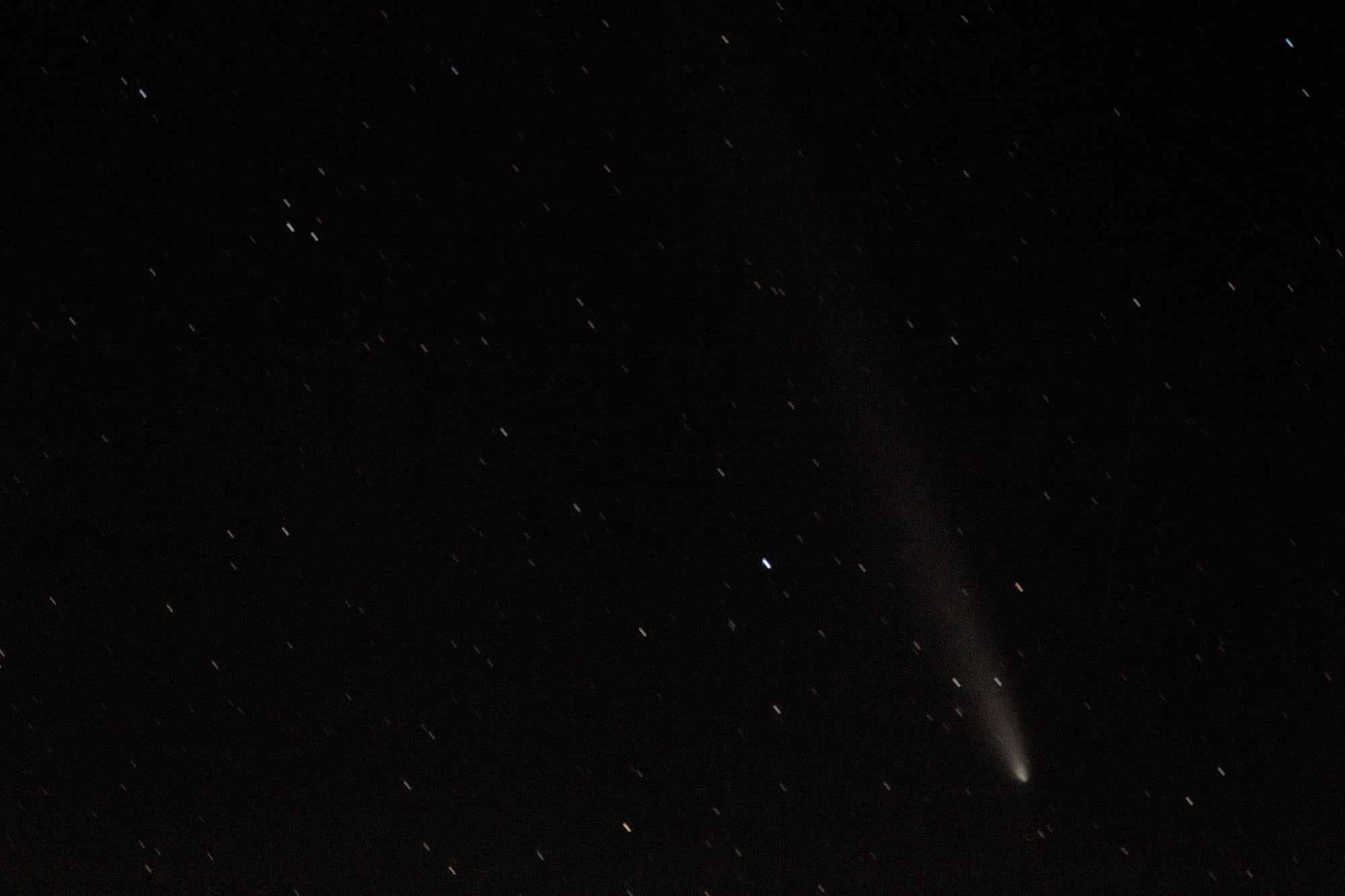
This seems obvious but is worth stating: the best meteor observing occurs when the sky is completely clear with no clouds. Yet many people check weather reports and assume clouds make observation impossible.
While clouds do obscure meteors, partial cloud cover sometimes allows observation of bright fireballs between cloud breaks. True darkness and patience often yield results even when conditions seem suboptimal.
The Fastest Meteors Burn Up More Quickly
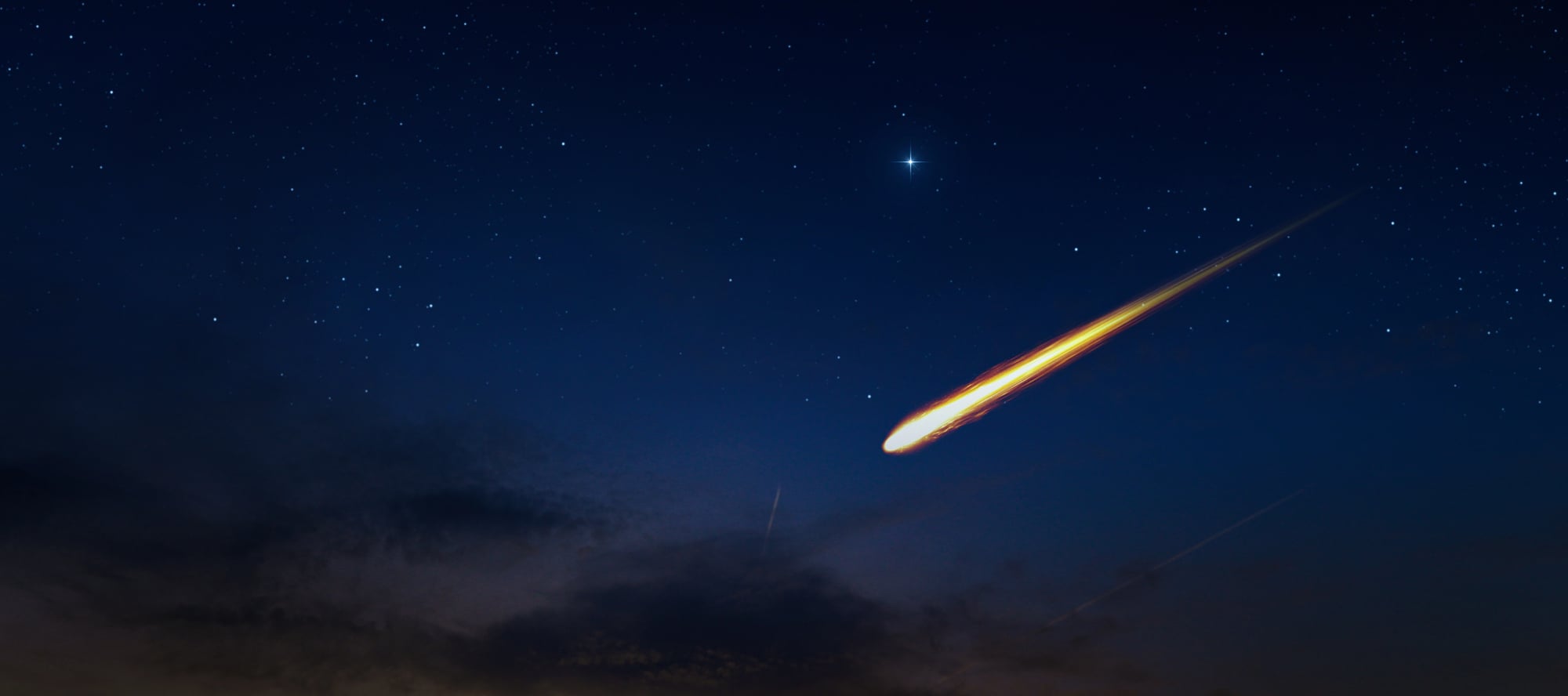
Meteoroids entering Earth’s atmosphere at different speeds produce different effects. Slower-moving meteoroids take longer to burn up and create longer streaks.
Faster-moving meteoroids generate more heat, causing more violent disintegration and shorter, more brilliant flashes. The speed matters more than the size in determining the visual characteristics of the meteor.
A tiny, fast meteoroid can create a brighter flash than a larger, slower one.
Zodiacal Light Is Not Part of Meteor Phenomena
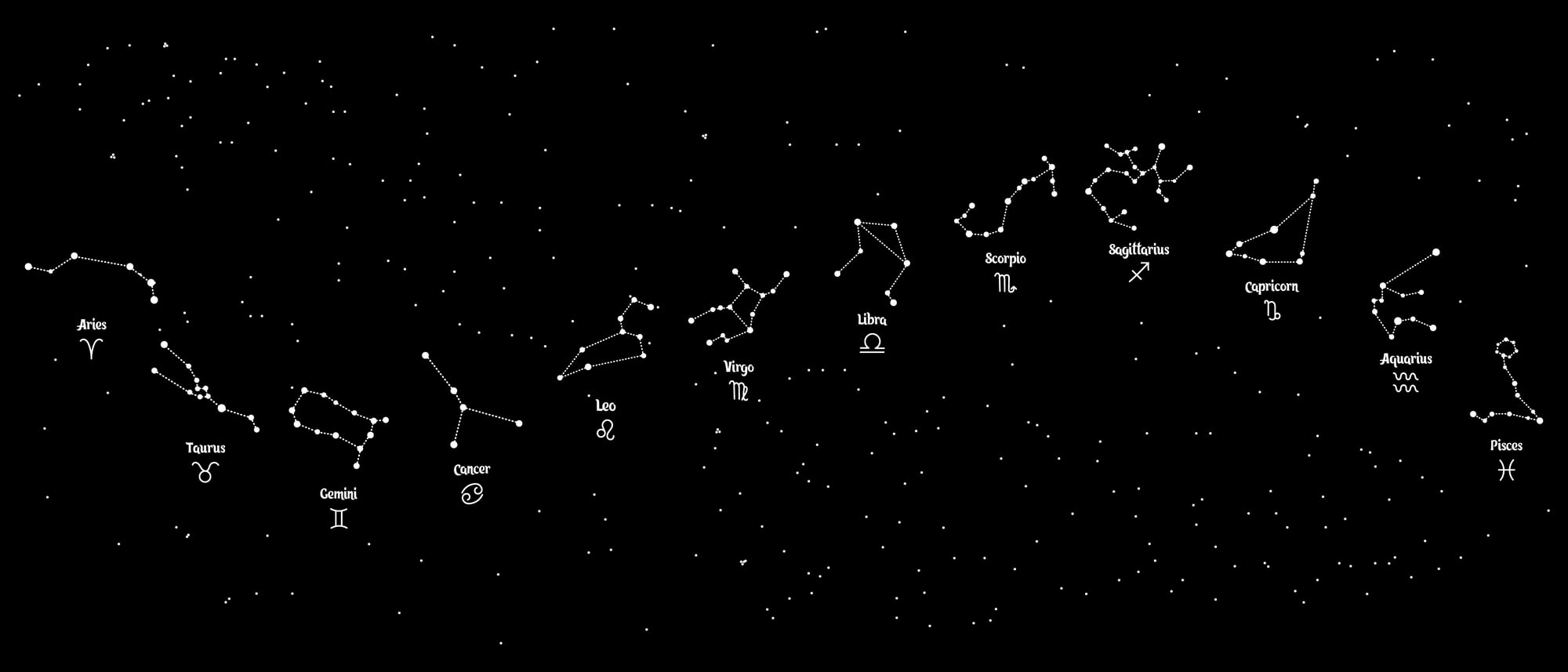
Many observers see a faint glow along the ecliptic before sunrise or after sunset and mistake it for meteor activity. This glow is called zodiacal light and results from sunlight scattering off dust particles in the plane of the solar system.
It is completely distinct from meteor phenomena and has nothing to do with meteoroid activity. The zodiacal light is visible throughout the year but is most pronounced in spring and autumn when viewing geometry is optimal.
Taurids Can Produce Larger Meteoroids Than Other Showers
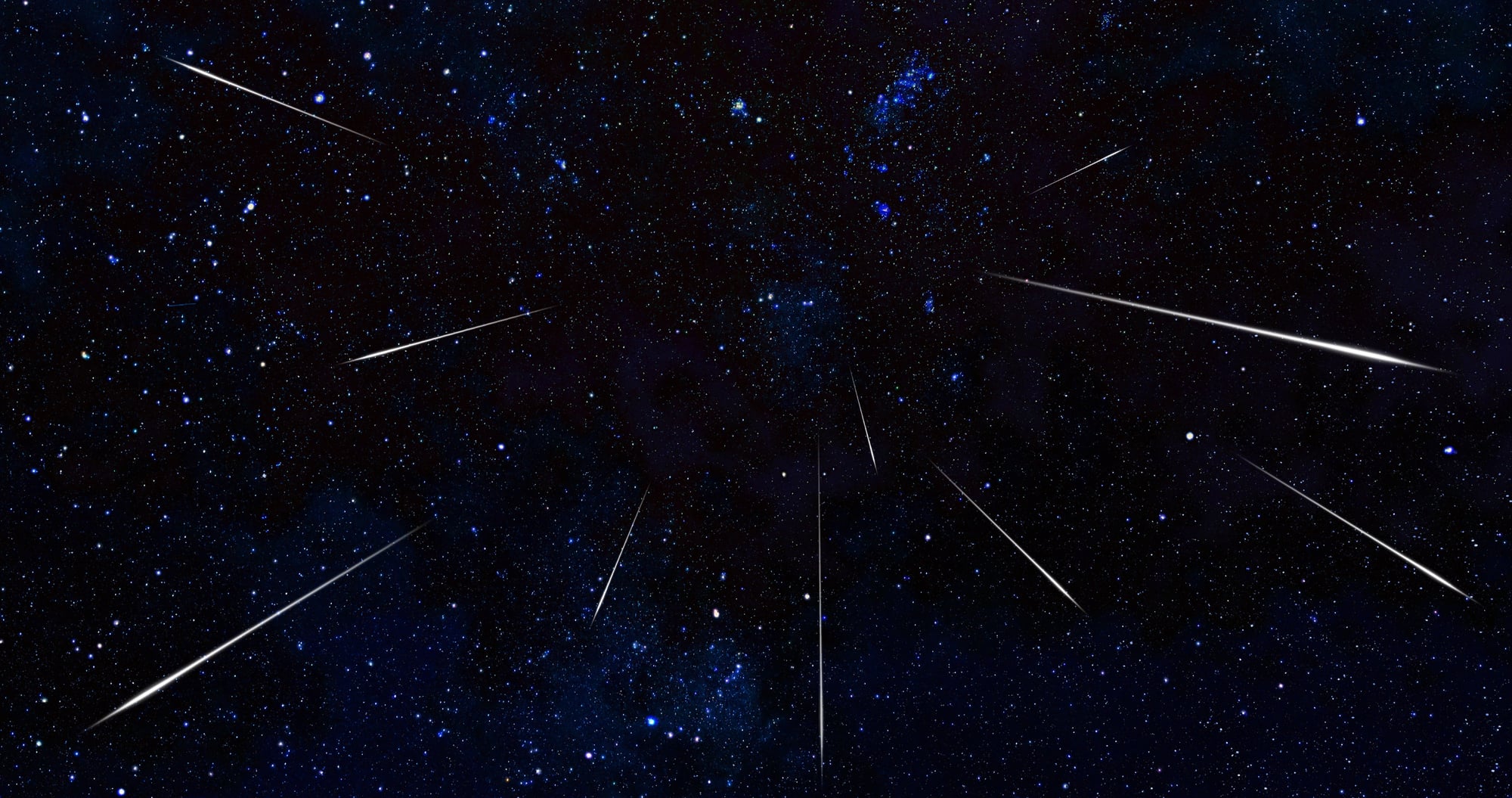
The Taurid meteor showers occur twice yearly (Northern and Southern) and are unusual because they are associated with debris from comet Encke and asteroid 2004 JG6. Some sources indicate that Taurid meteoroids may be larger than those from other showers.
Despite this, the Taurids remain relatively modest in display compared to the Perseids or Geminids. The occasional bright fireball associated with the Taurids likely results from larger than average meteoroid sizes.
Meteors Do Not Leave Trails That Last Minutes
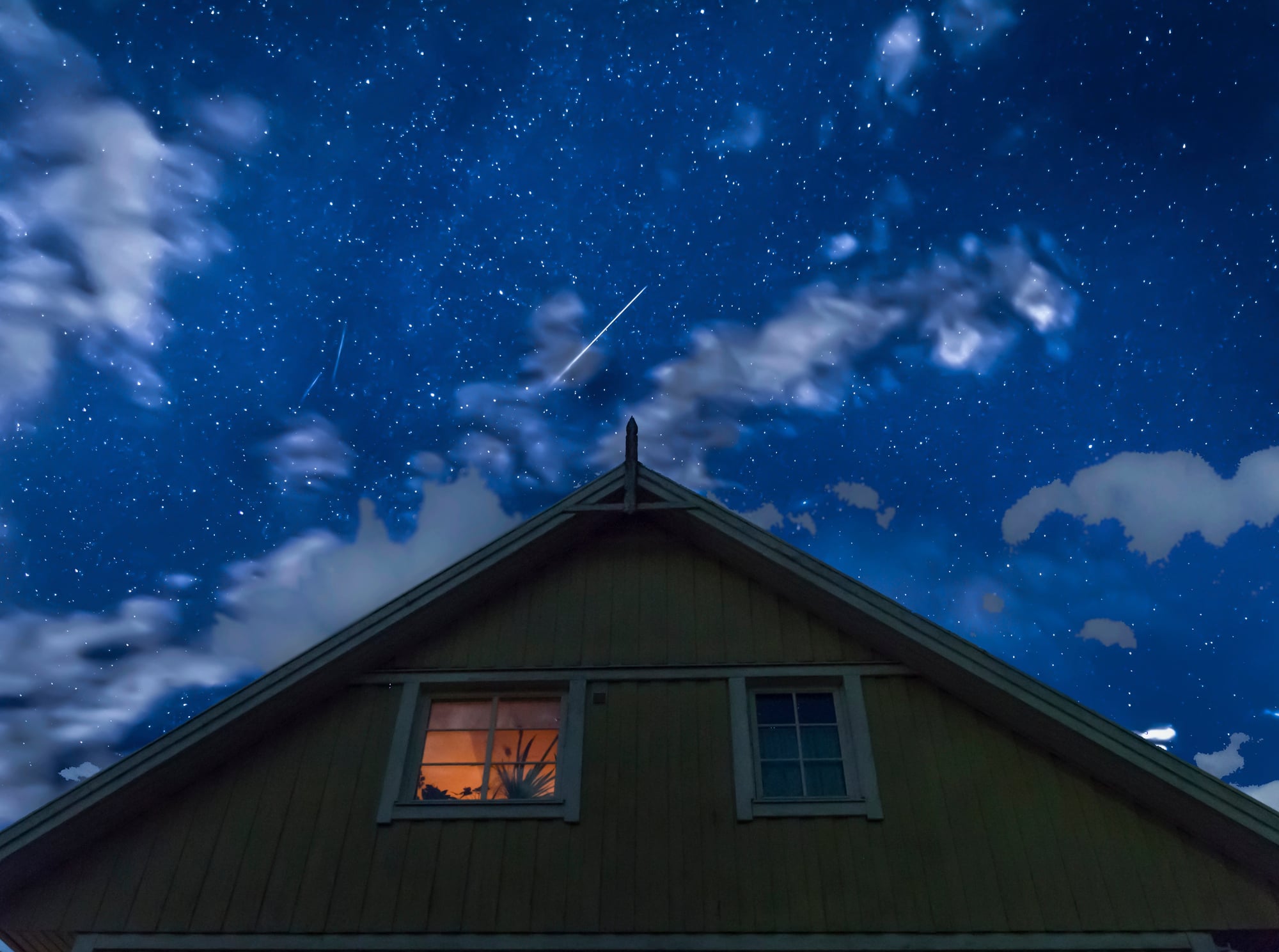
While bright meteors sometimes leave faint, glowing trails that persist for a few seconds after the meteor passes, these are not permanent marks in the sky. Some observers report seeing “persistent trains” that remain visible for a minute or more, but these are rare.
People sometimes confuse these phenomena with actual trails of burning debris, but they are ionized air columns that quickly dissipate as atmospheric winds disrupt the structure.
Modern Light Pollution Has Dramatically Reduced Observable Meteor Counts
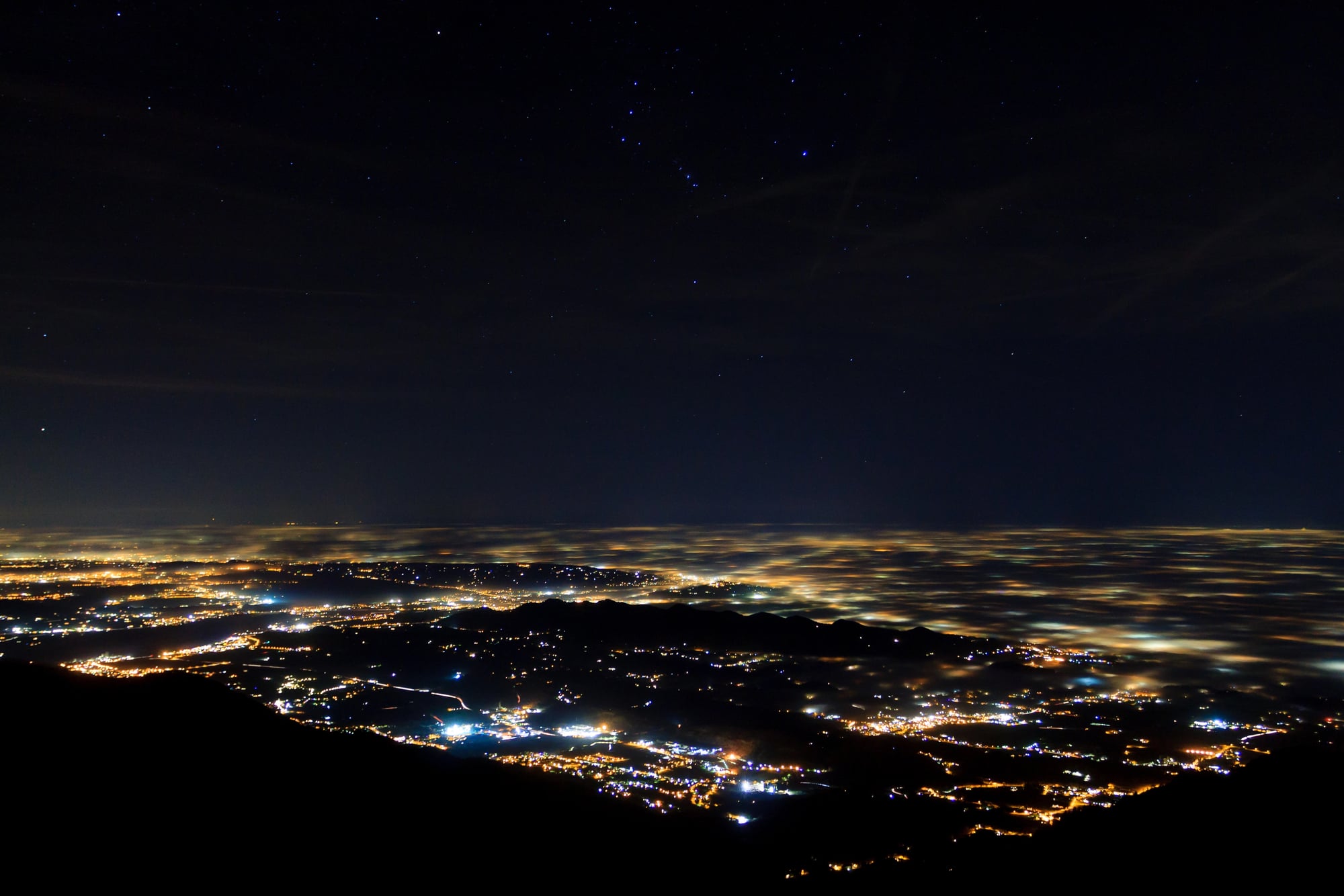
In areas with significant light pollution from cities and towns, the number of visible meteors drops dramatically compared to rural locations. Studies show that observers in truly dark locations can see three to four times more meteors than those observing from urban areas.
This means that many people’s experience of meteor showers is severely diminished by their geographic location, not by the actual activity level of the shower. Moving to an area with dark skies can dramatically improve the viewing experience.
Meteors Do Not Indicate Upcoming Weather
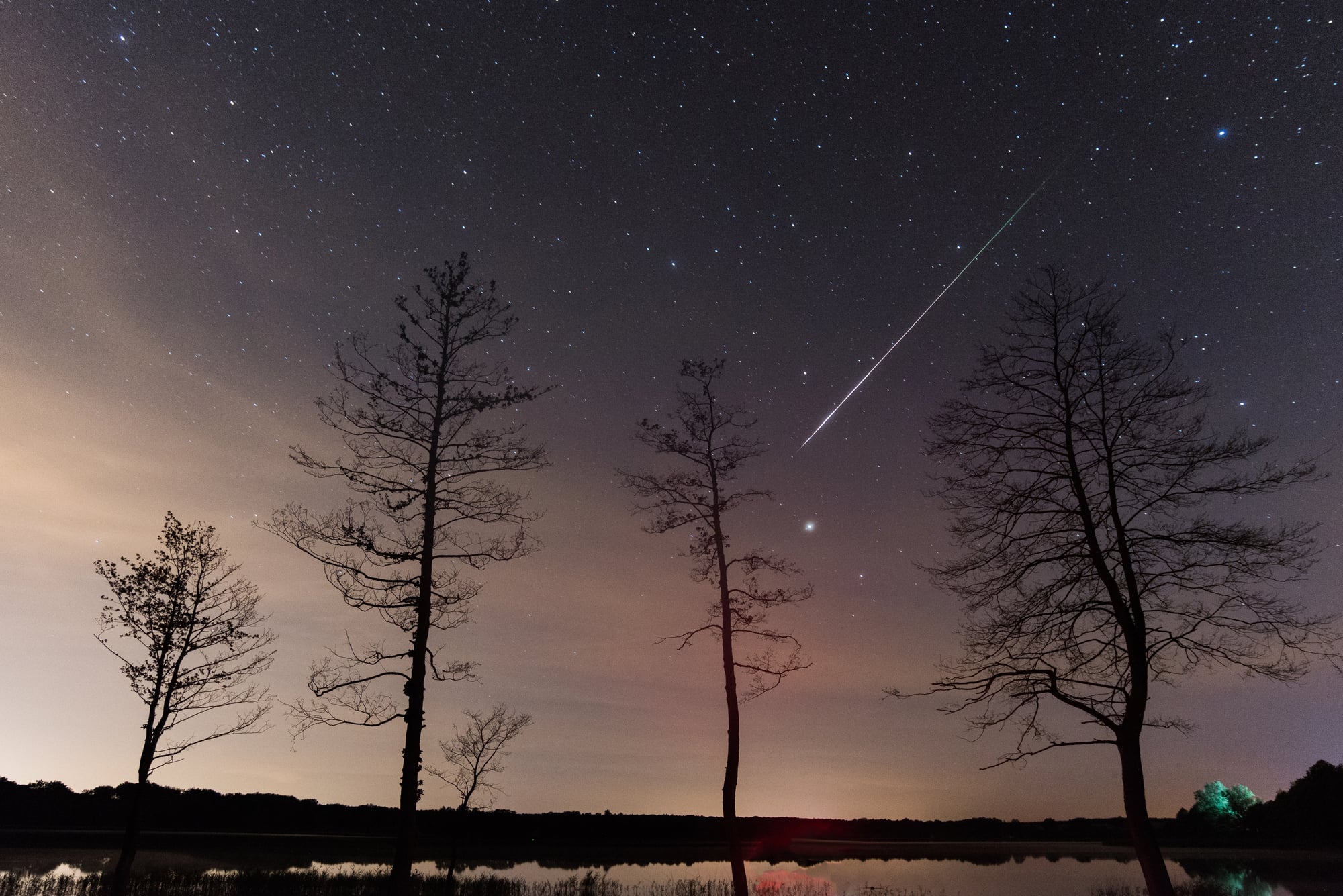
Some traditional weather folklore associates meteor activity with changing weather patterns or approaching storms. There is no scientific basis for this belief.
Meteor showers are entirely unrelated to terrestrial atmospheric conditions and have no predictive value for weather forecasting. The association likely arose because meteor showers occur in specific seasons, and people confused seasonal weather patterns with the meteor activity itself.
You Cannot Predict Which Sky Direction Will Have Meteors
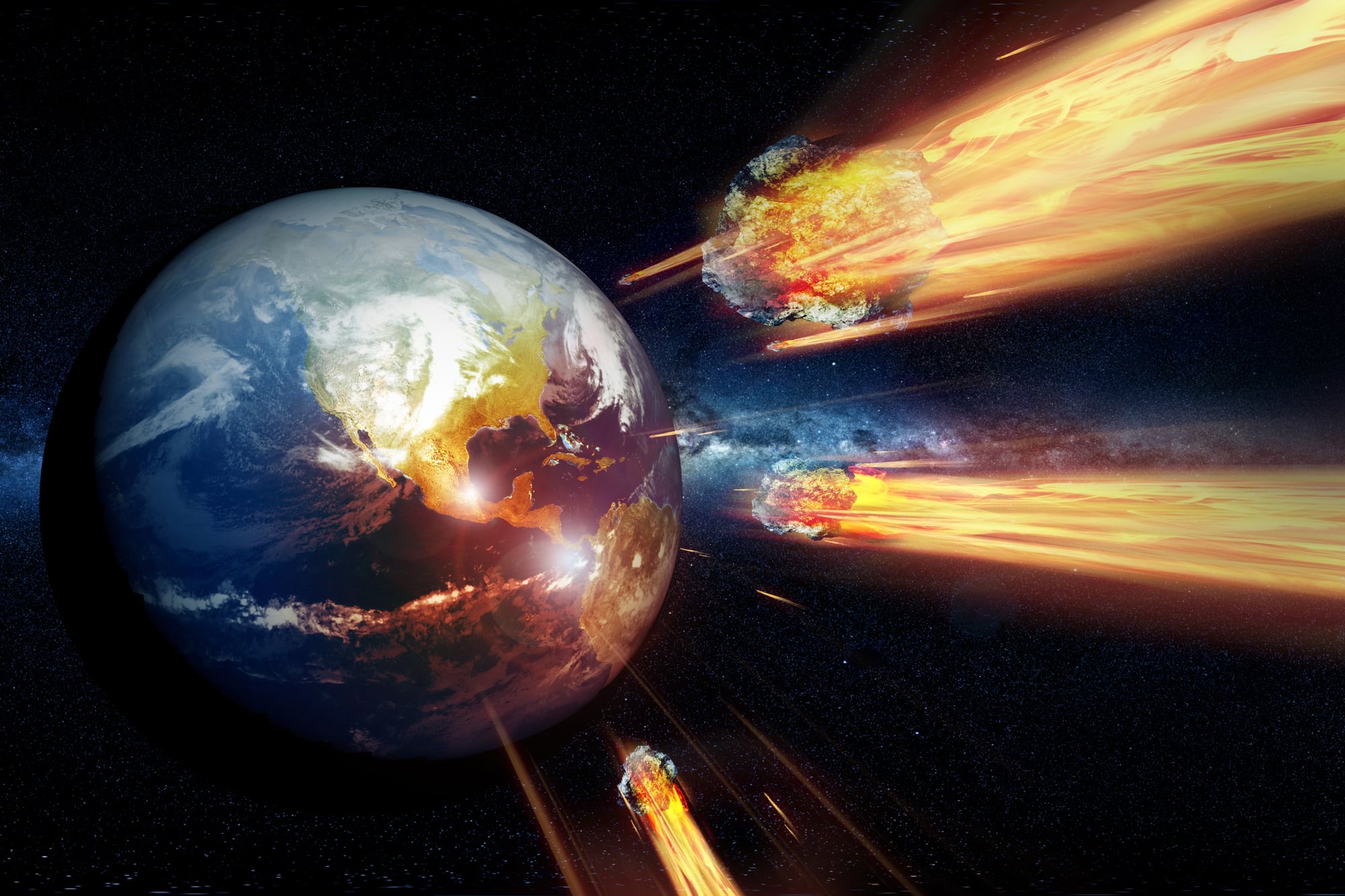
While the radiant point of a meteor shower is fixed in the sky, the meteoroids do not only appear from that direction. Meteors can appear anywhere in the sky, with only the radiant point being predictable.
Many people wrongly assume that all meteors will appear to come from the radiant point. This misunderstanding leads to disappointing viewing experiences when observers look only in one direction and miss meteors appearing elsewhere.
The Path of Comets Has Been Altered by Meteor Loss
Some people wonder whether comets lose so much material creating meteor showers that their orbits must be affected. In reality, the mass loss from comets due to meteor creation is negligible compared to the comet’s total mass.
The solar radiation and gravitational effects of planets have far more significant impacts on cometary orbits than the particle loss that creates meteor showers.
Meteors Have Provided Valuable Meteorite Specimens

While most meteorites are small, they have provided scientists with extraordinary data about the early solar system. Meteorite analysis has revealed information about the composition of asteroids, the age of the solar system, and the chemical processes occurring in space.
Iron meteorites, for instance, provide evidence of planetary differentiation in the early solar system. The specimens collected after meteor showers have contributed significantly to our understanding of cosmic materials and planetary formation.
The Future of Meteor Observation
Astronomers continue to study meteor showers using sophisticated equipment including radar, spectroscopy, and high-speed cameras. These tools reveal details invisible to the unaided eye, such as the exact atmospheric altitudes where meteoroids burn up and the precise chemical composition of the meteoroid debris.
As technology improves, our understanding of these phenomena deepens, yet the basic experience of watching meteors on a clear night remains unchanged since ancient times. The shooting stars we see today follow the same physics as those observed by cultures throughout history.
More from Go2Tutors!

- The Romanov Crown Jewels and Their Tragic Fate
- 13 Historical Mysteries That Science Still Can’t Solve
- Famous Hoaxes That Fooled the World for Years
- 15 Child Stars with Tragic Adult Lives
- 16 Famous Jewelry Pieces in History
Like Go2Tutors’s content? Follow us on MSN.