Dance Moves Everyone Did In The 90s
Remember when dancing at school events meant something different? Before choreographed TikTok routines and YouTube tutorials taught us every step, the 90s gave us moves that spread through pure social osmosis.
Someone showed you at recess, or you picked it up from watching music videos on repeat. These dances became the physical language of a generation.
The Macarena
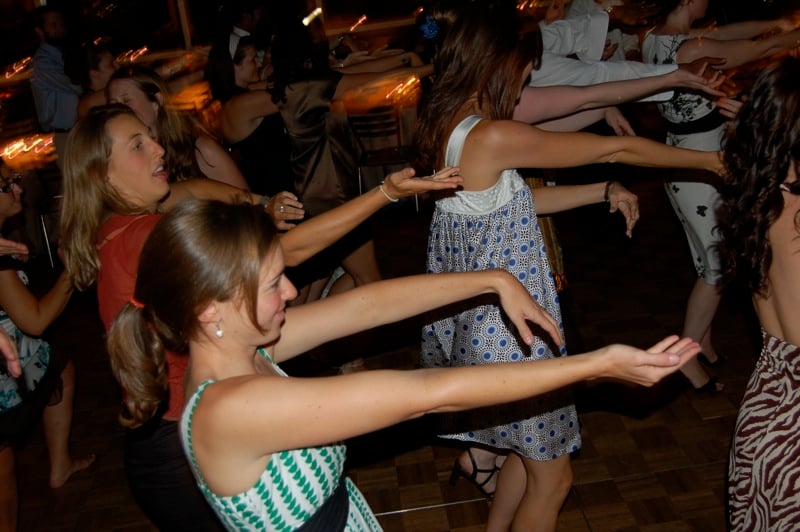
This one dominated wedding receptions and summer camps like nothing else. The Spanish song with its four simple moves—hands out, hands flip, hands on shoulders, hands on hips, hip wiggle, jump and turn—became a worldwide phenomenon.
You probably still remember the exact sequence without thinking about it. Every gathering had that moment when the DJ played it, and suddenly everyone formed lines on the dance floor, moving in perfect unison.
Running Man
DepositPhotos
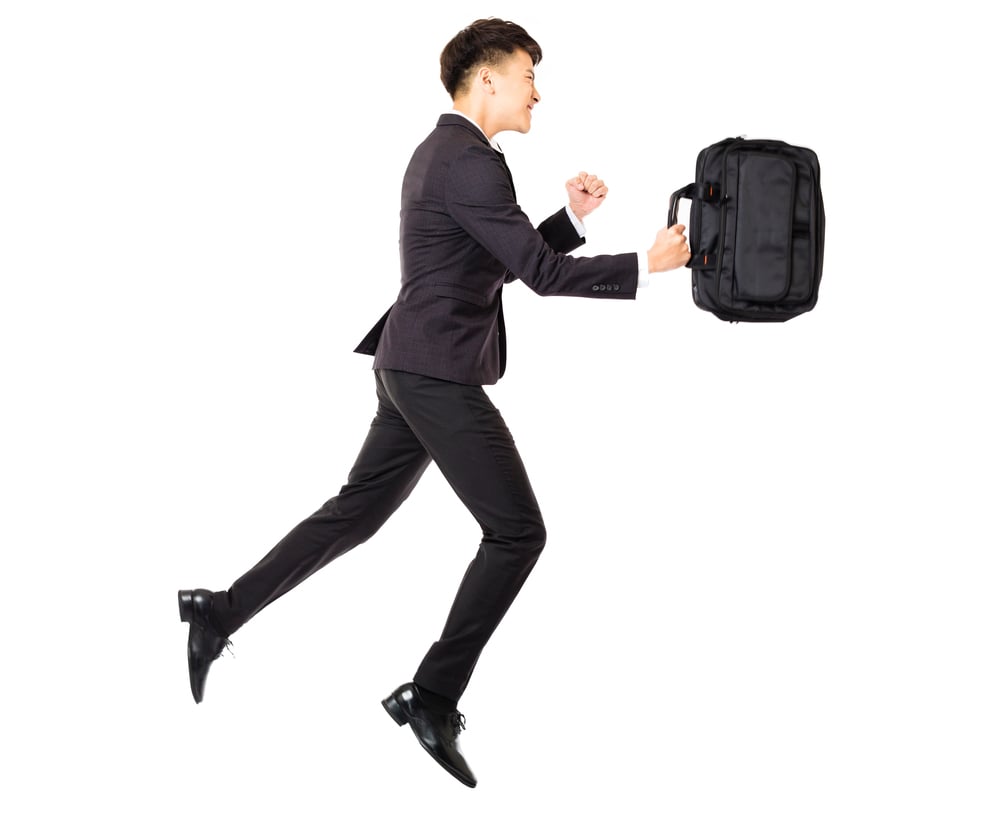
The illusion of running in place while sliding backward looked effortless when MC Hammer did it. The reality involved lifting your knees high while pushing back with the opposite foot, creating that signature gliding effect.
Kids practiced this one in socks on kitchen floors. The move showed up everywhere from talent shows to bar mitzvahs, and mastering it meant instant credibility on any dance floor.
The Electric Slide
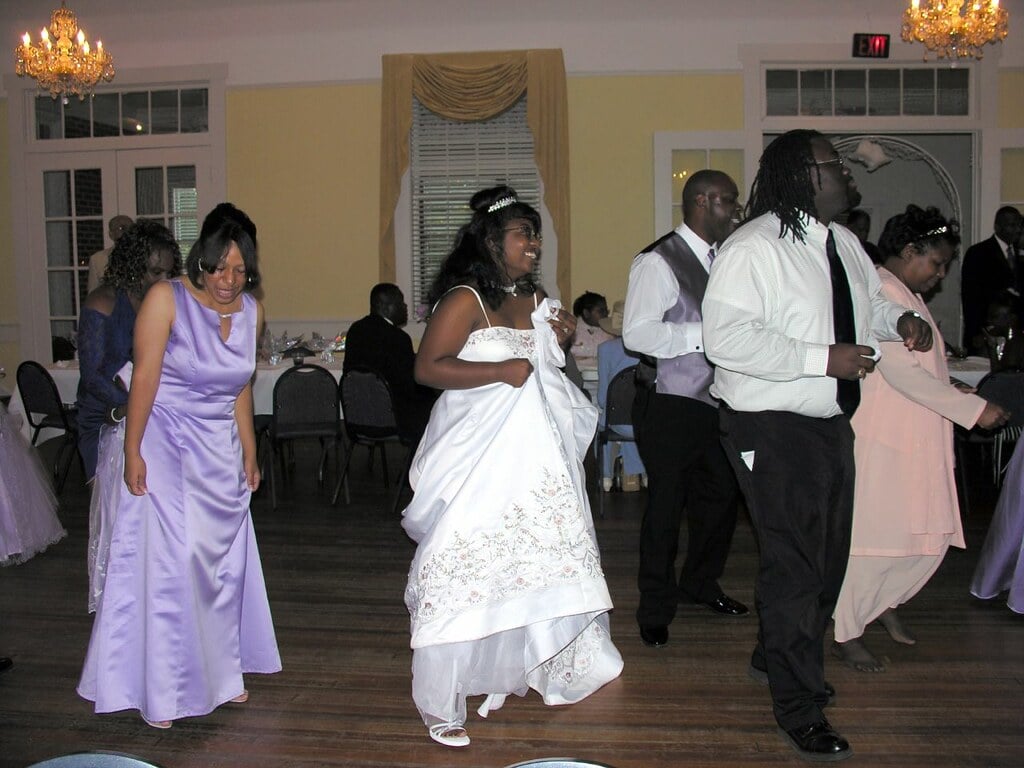
Line dances had their moment, and this one stuck around longer than most. Four steps right, four steps left, three steps back, stomp, step forward, turn.
The pattern repeated until the song ended. Your relatives knew this dance.
Your teachers knew it. Random people at community events knew it.
The beauty was that you could jump in at any point and catch the rhythm within seconds.
Tootsie Roll
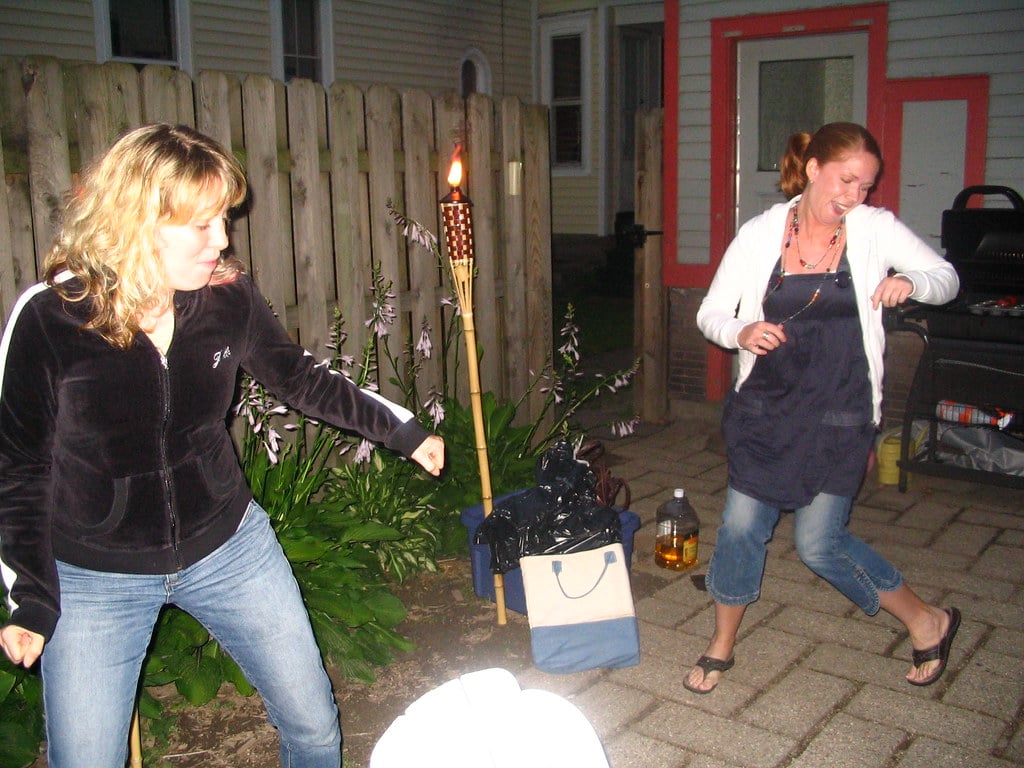
“To the left, to the left, to the right, to the right” became instructions for both the dance and the song. You bent your knees, leaned side to side, and rolled your arms like you were pulling candy.
The 69 Boyz made this move essential listening at every middle school dance. Groups formed circles and took turns showing off their version in the center.
The Sprinkler
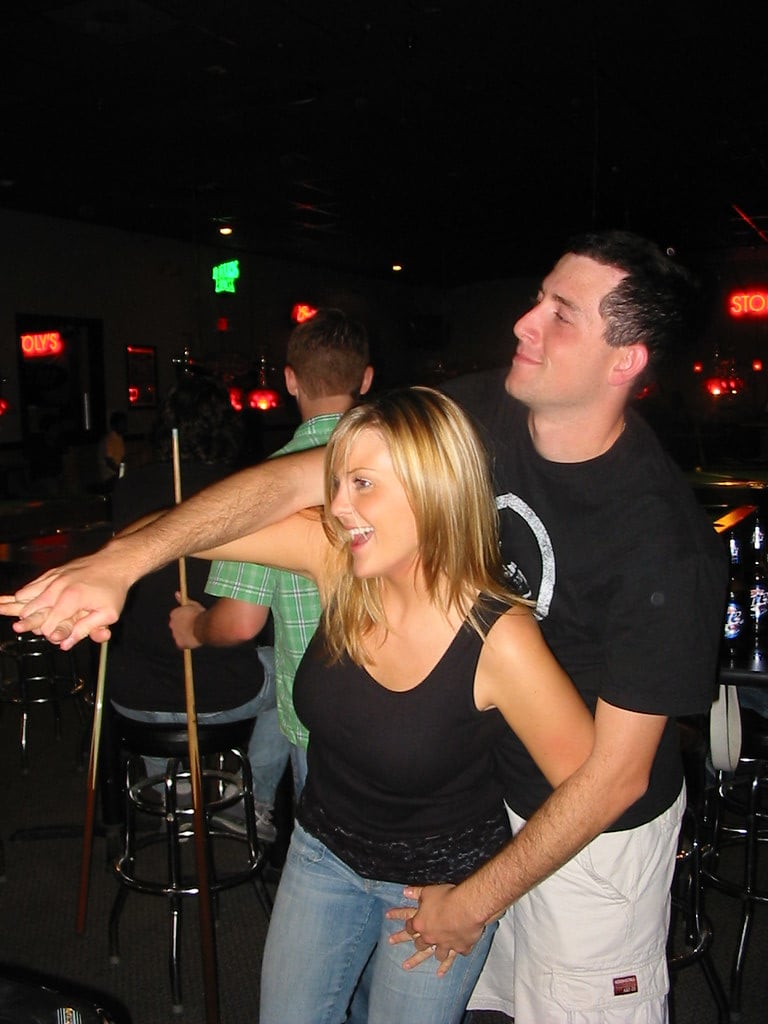
Part joke, part legitimate dance move. You extended one arm straight out and rotated it like a lawn sprinkler while your body turned in the opposite direction.
This one worked best when you committed fully to the absurdity. Nobody took it seriously, but everyone did it anyway, usually with exaggerated facial expressions to match.
Hammer Dance
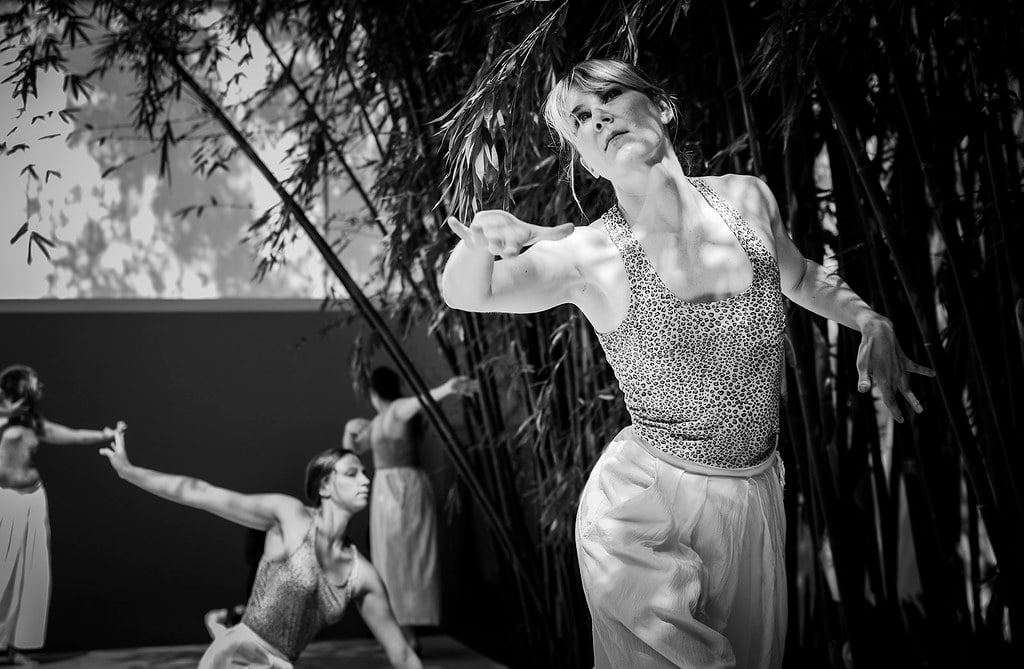
MC Hammer owned this era. The dance involved quick side-to-side steps, dropping into wide stances, and arm movements that swooped and curved.
Those parachute pants weren’t just fashion—they made the leg movements look even more dramatic. You couldn’t touch this, and trying to copy the full routine meant immediate respect or immediate embarrassment, depending on your skill level.
The Butterfly
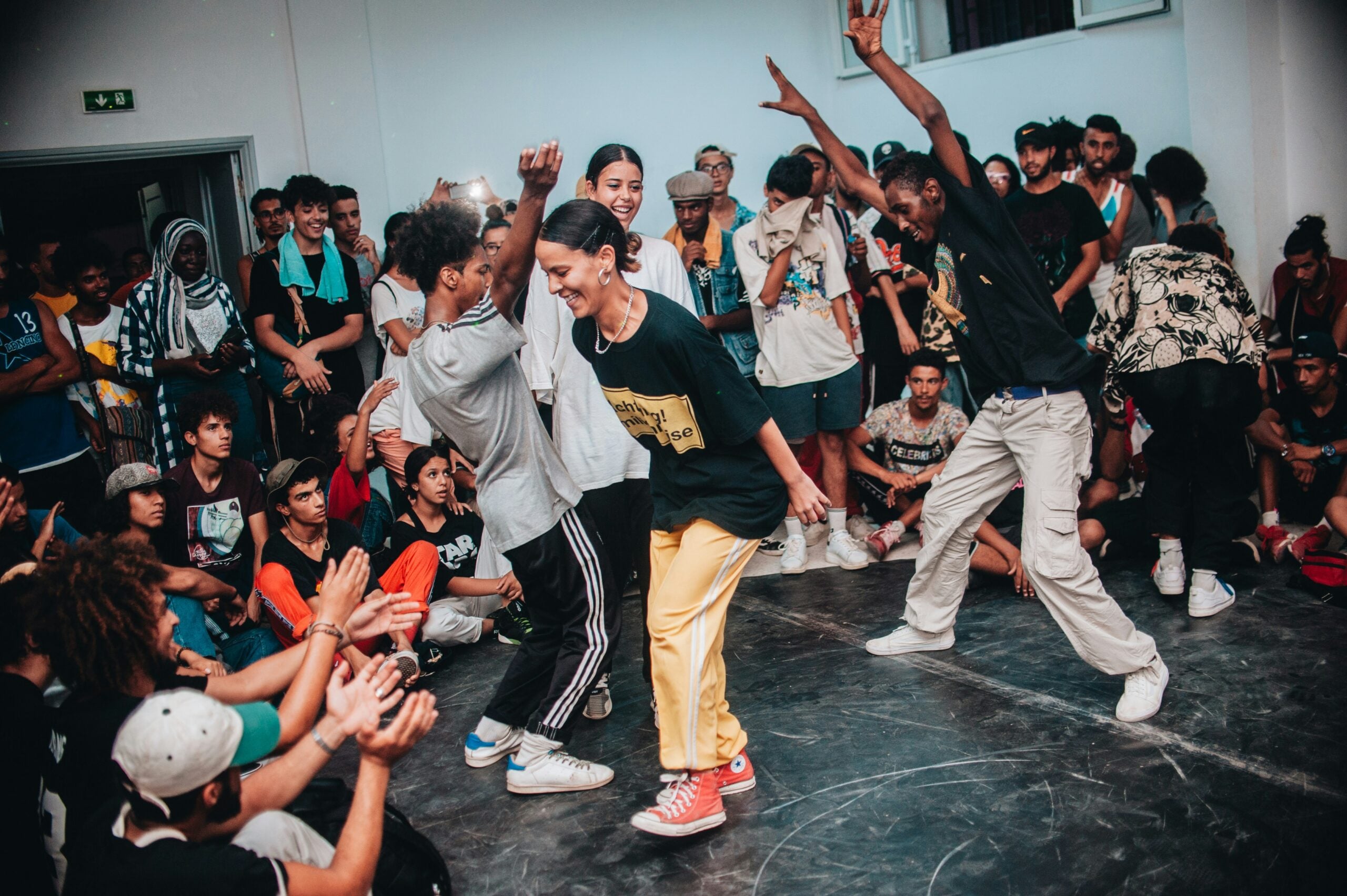
Hip-hop dance moves got complex, and this one required coordination. You jumped with your feet together, then landed with them apart while your arms swept outward.
Then reverse it—feet together, arms in. The rhythm mattered as much as the movement.
When done right, it looked smooth and effortless. When done wrong, it looked like you were fighting invisible bees.
The Worm
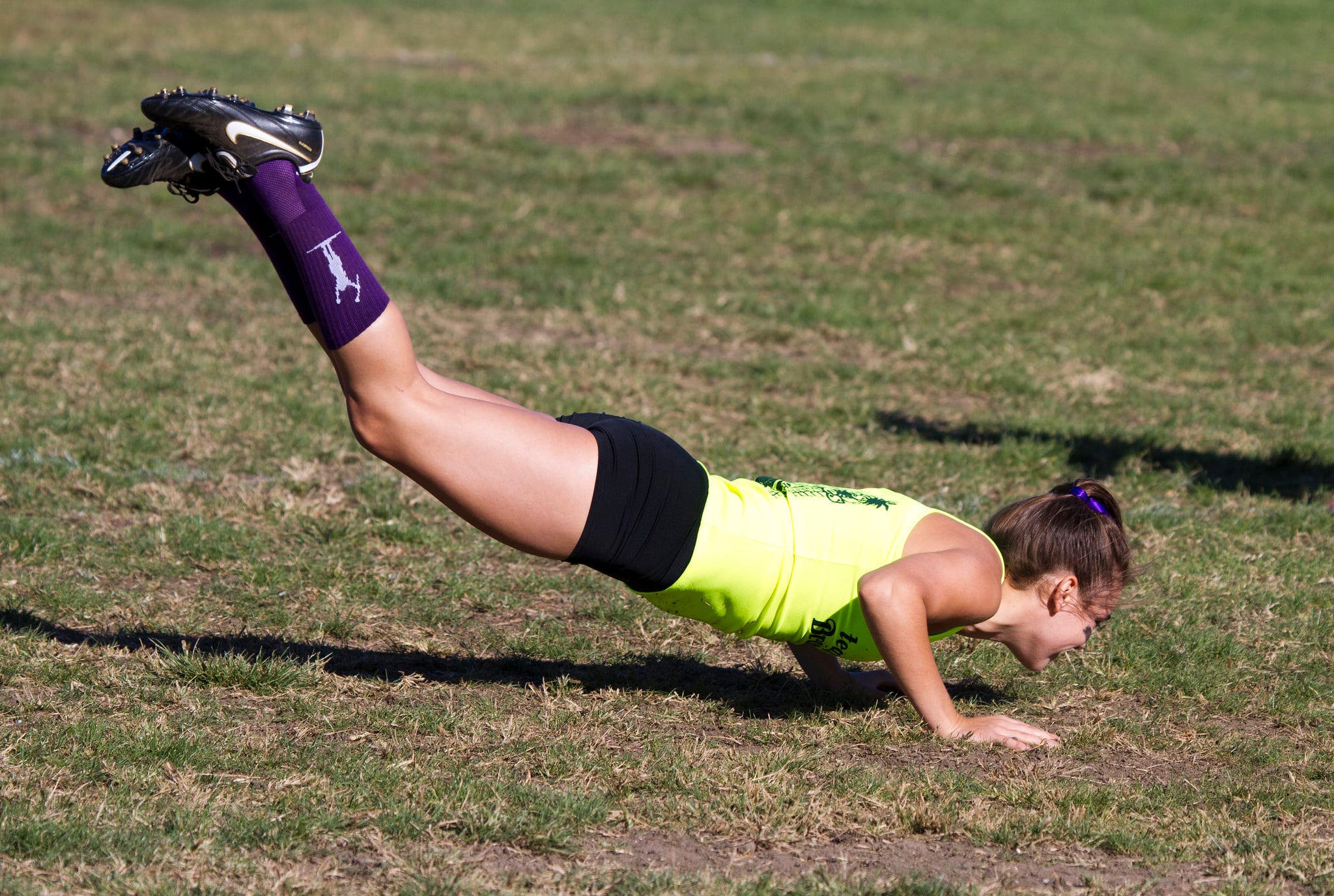
Floor work at its finest. You laid on your stomach and created a wave motion through your entire body, starting from your head and moving down to your feet.
Most people could manage a decent version, though the truly skilled made it look like actual rippling water. This move cleared circles at parties.
Someone always tried it, and everyone else either cheered or cringed.
Vogue
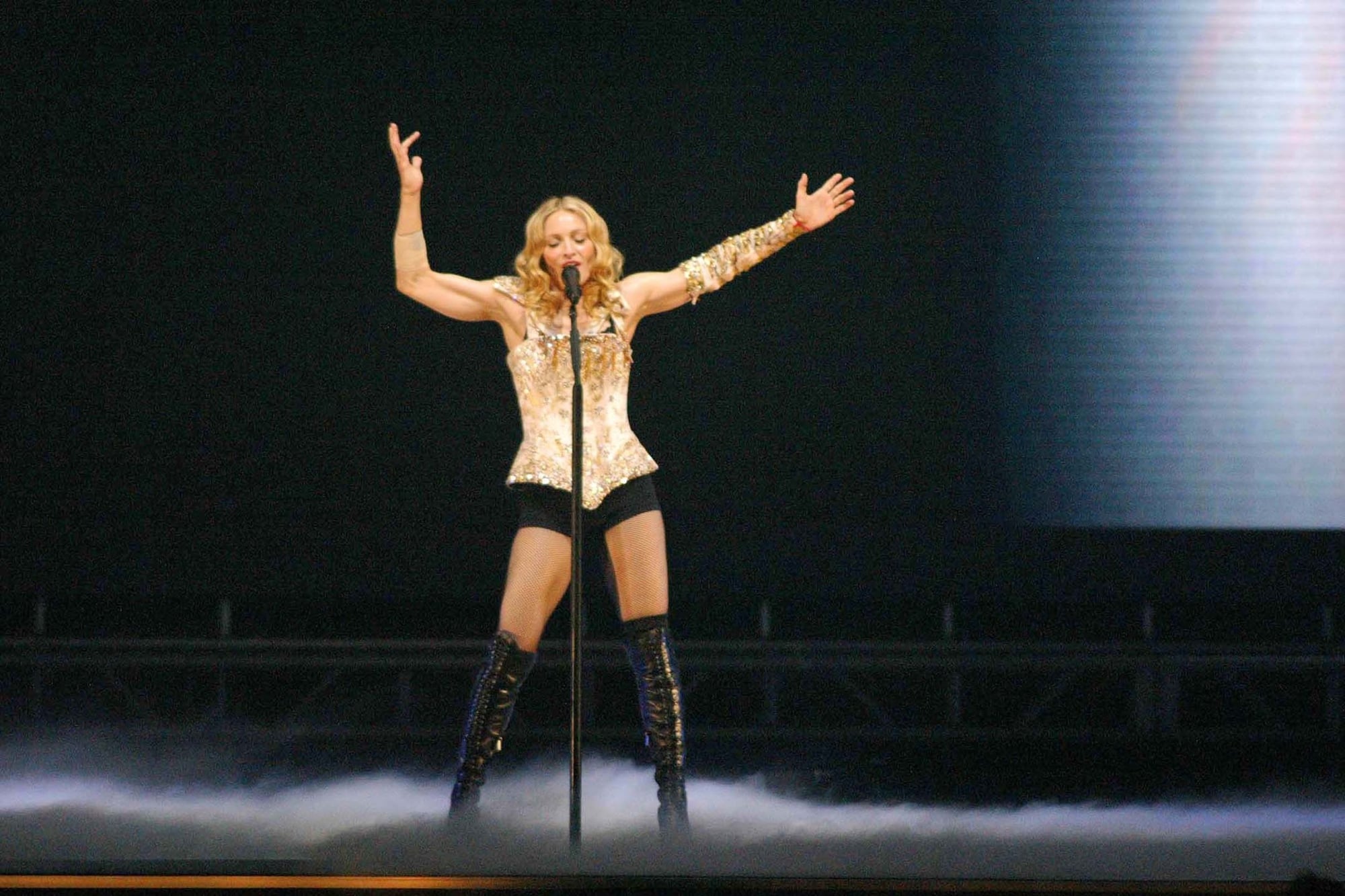
Madonna brought this ballroom culture dance to mainstream attention. The sharp, angular arm movements and dramatic poses came from the underground NYC scene.
Your hands framed your face, your arms created geometric shapes, and you struck poses like a fashion model. Dance crews got serious about perfecting the technique, while casual dancers just enjoyed the theatrical flair it brought to any routine.
The Roger Rabbit
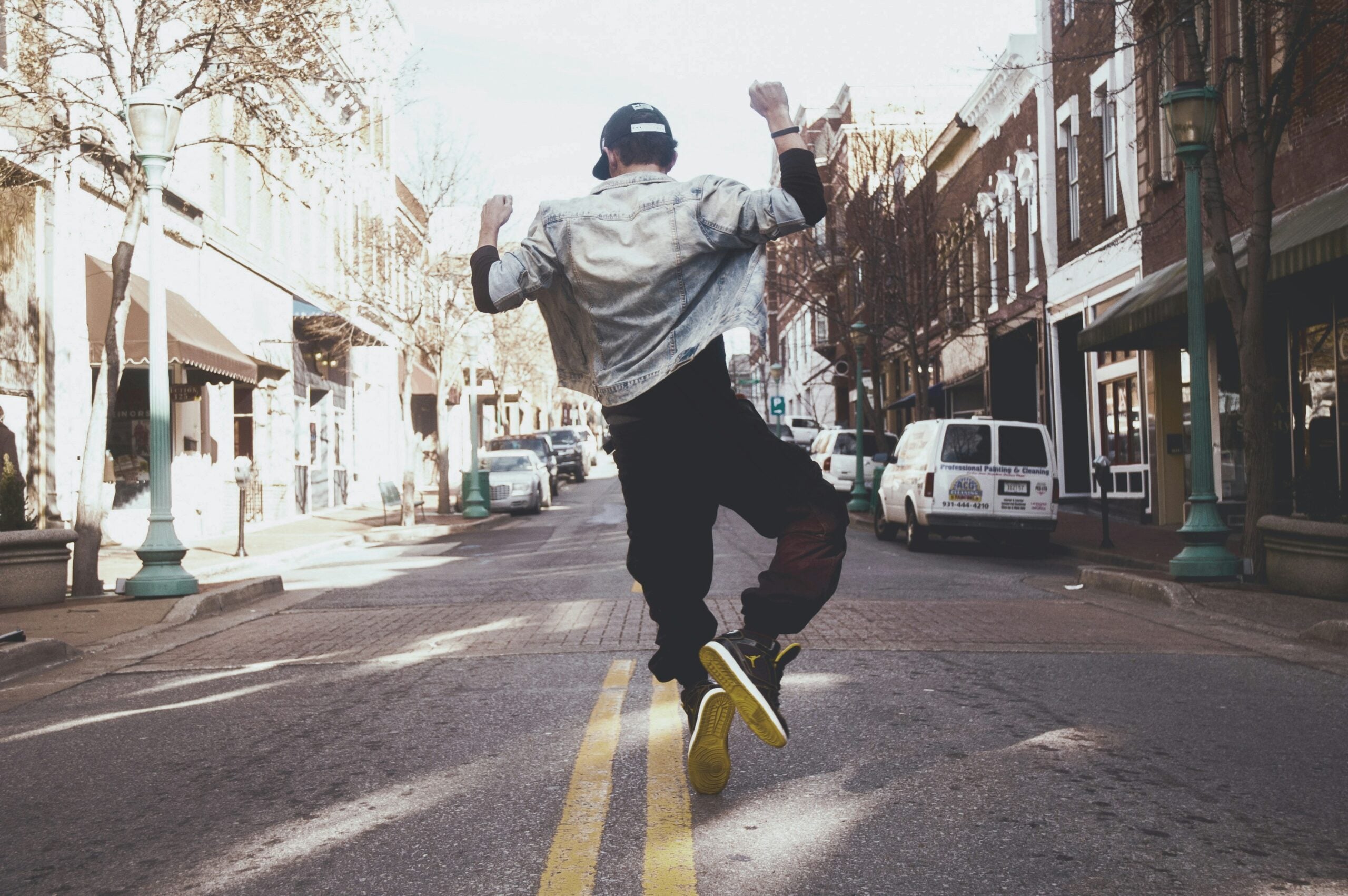
Another move that required practice to look decent. You hopped forward on one foot while the other leg bent and pulled back, creating a bouncing, rabbit-like motion.
Arms pumped in rhythm. The key was keeping your upper body loose while maintaining the hop.
When multiple people did this in sync, it looked incredible. When one person attempted it alone, results varied.
The Cabbage Patch
Bend your knees, rotate your fists in circles at chest level like you’re stirring two giant pots. Your whole body bounced with the rhythm.
This dance became shorthand for having a good time. It showed up in music videos, house parties, and anywhere people gathered to celebrate.
Simple enough that anyone could do it, but you could add your own style to make it personal.
The Humpty Dance
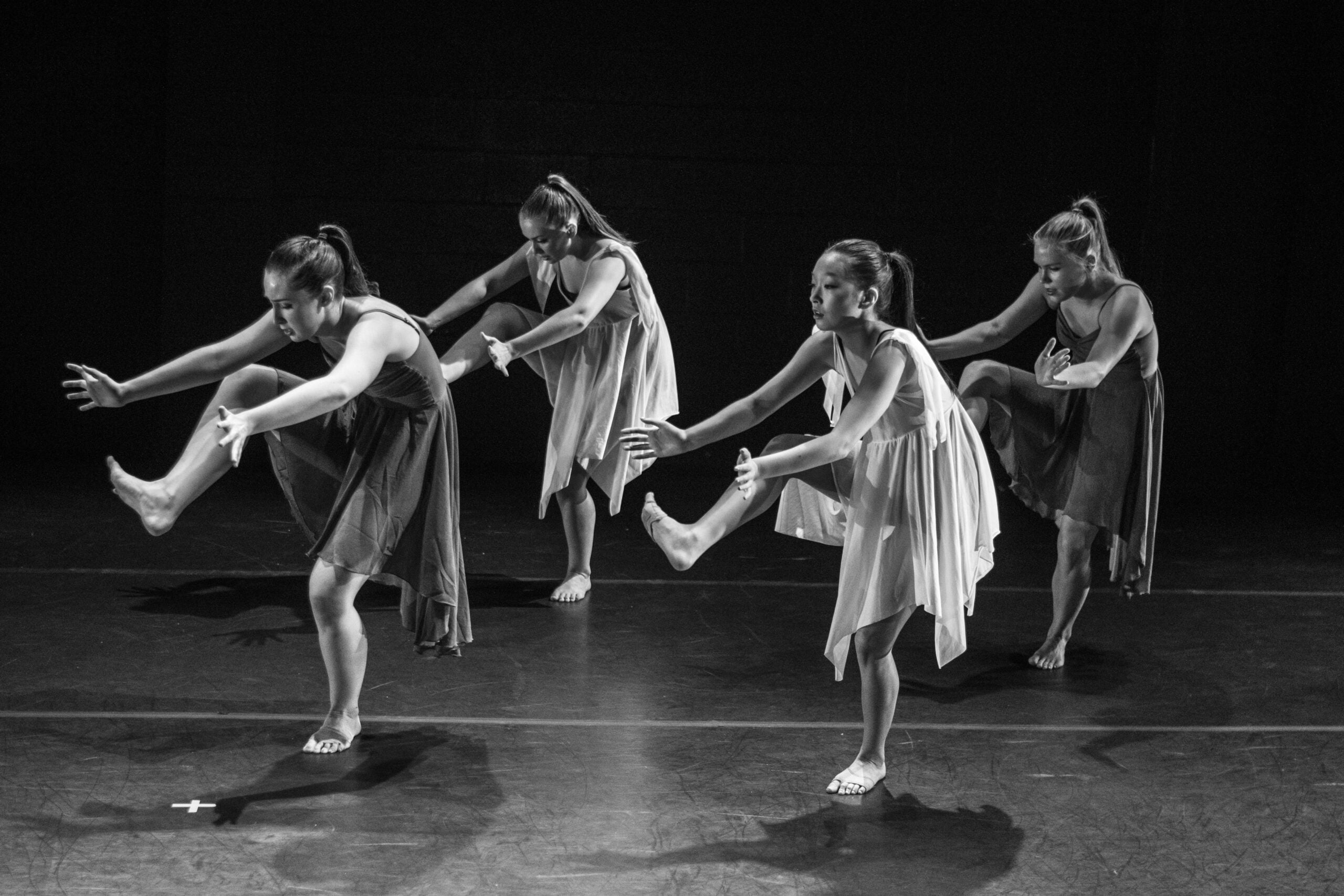
Digital Underground gave us specific instructions: “First I limp to the side like my leg was broken, shaking and twitching kinda like I was puffing cig.” You followed those directions literally.
The exaggerated limp, the bent posture, the jerky movements—it all looked ridiculous on purpose. That was the point.
This dance celebrated being weird and having fun with it.
The Kid ‘n Play
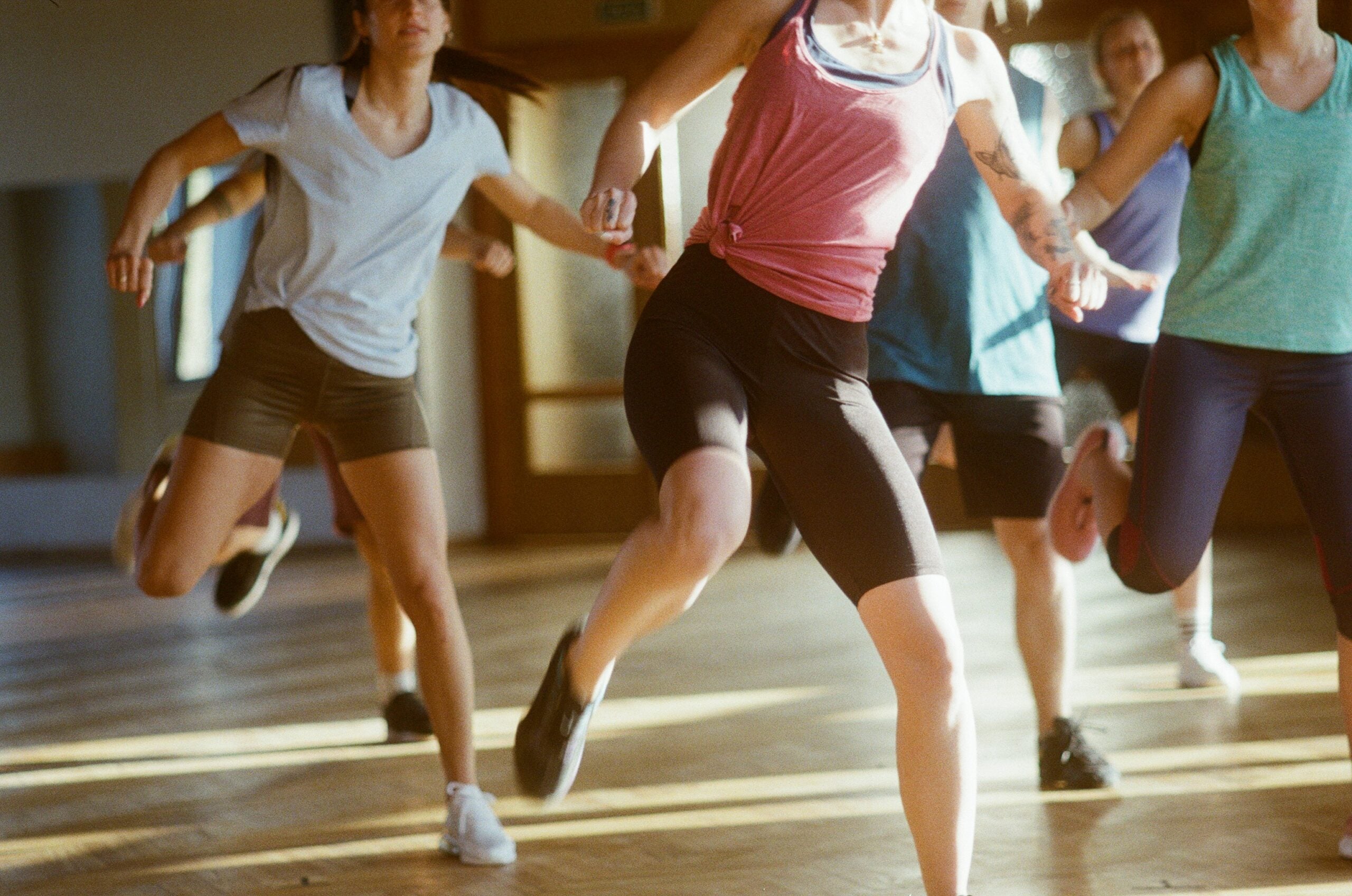
One pair turned dance into something you’d train for. Their go-to step?
A complete leg extension just as your counterpart mirrored it, switching on time like a well-tuned machine. At school events, pulling it off required someone fearless beside you – someone who trusted you wouldn’t land a boot near their nose.
Yet when everything clicked, people went silent before erupting out of nowhere.
The Cha-Cha Slide
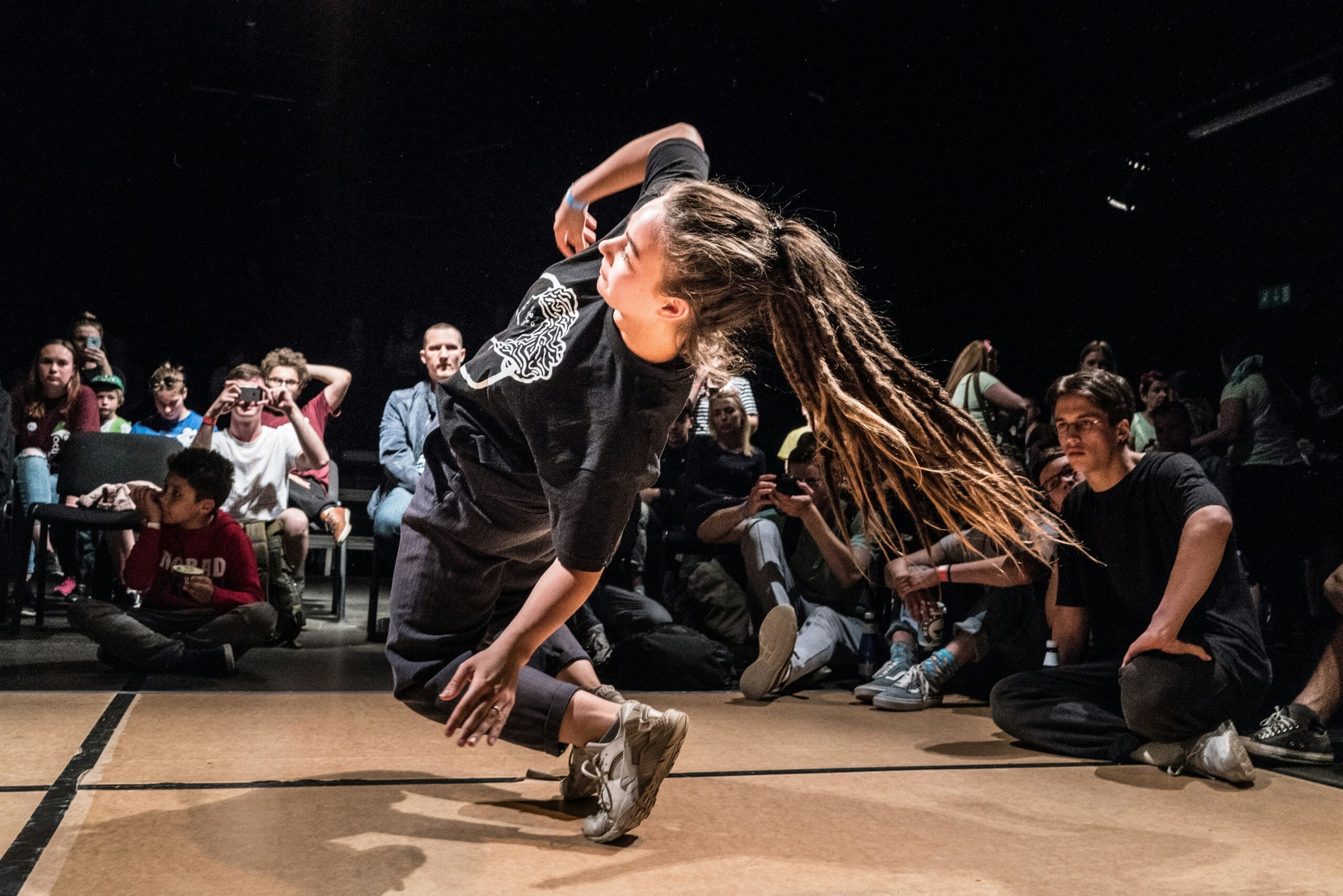
A teacher named DJ Casper dreamed up a dance that spoke straight to your feet. To the left now – then shift right, cross over, switch again, step lightly with flair.
Doing what you’re told felt like play instead of routine. Gymnasiums filled with kids stomping along during school gatherings.
At family get-togethers, uncles and cousins twisted through the steps together. No complicated patterns needed – just rhythm and laughter stuck in people’s minds.
The Carlton
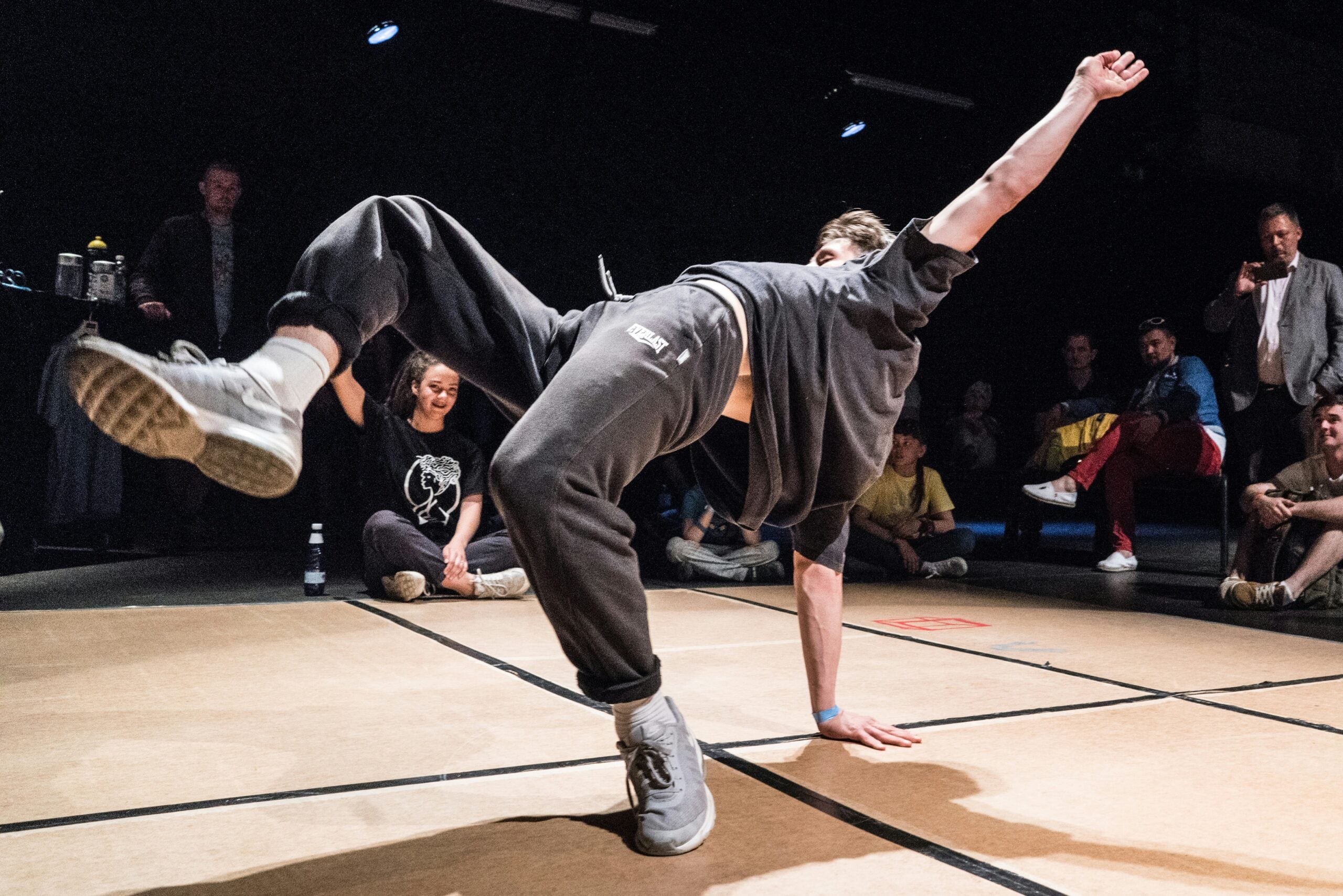
That quirky arm-swinging groove from Will Smith’s cousin on “The Fresh Prince of Bel-Air”? Born by accident, lived forever.
Set to Tom Jones tunes, it turned stiff moves into charm. Snap those fingers, swing wide – own the room like nobody’s watching.
Awkward? Sure. But somehow cool in its total lack of chill.
Decades later, folks still mimic that rhythm when laughter hits the beat.
Where Those Moves Ended Up
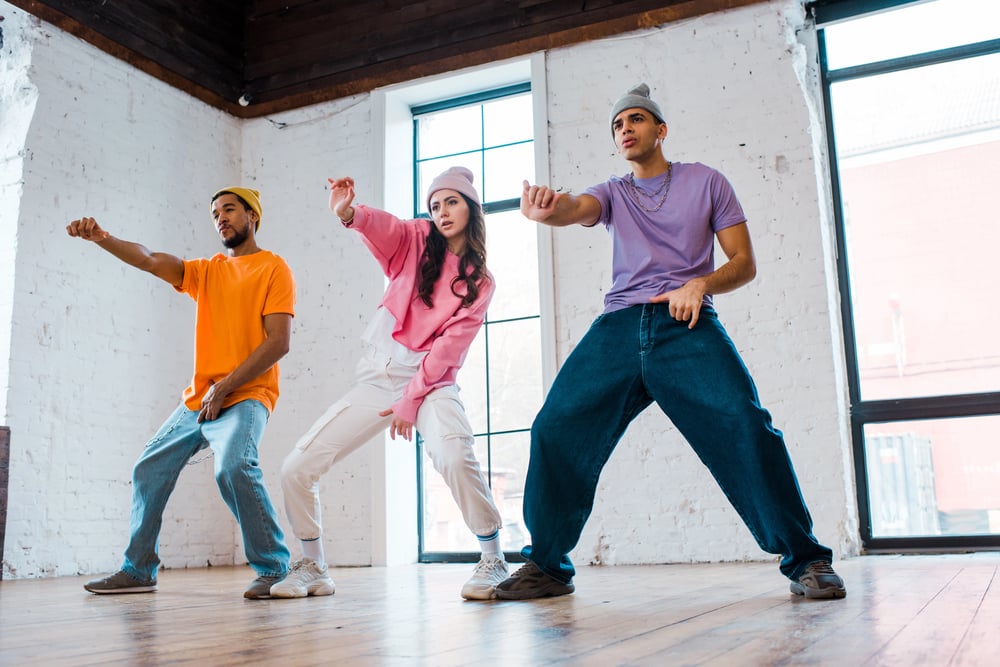
Now these steps stay locked in the body’s recall. Chances are they come back even if you’re not trying.
Suddenly there during wedding tunes, maybe sparked by some offhand remark that ties to an old beat. Dancing wasn’t new then, yet that time stamped its own physical slang onto culture.
Hit play on the correct track near anyone raised between the late seventies and first years of the nineties – see how fast they shift shape into who they were at sixteen. Just long enough for a chorus.
Long enough to remember what it was like thinking rhythm mattered above all.
More from Go2Tutors!

- The Romanov Crown Jewels and Their Tragic Fate
- 13 Historical Mysteries That Science Still Can’t Solve
- Famous Hoaxes That Fooled the World for Years
- 15 Child Stars with Tragic Adult Lives
- 16 Famous Jewelry Pieces in History
Like Go2Tutors’s content? Follow us on MSN.