15 Photographs Taken Moments Before History Changed Forever
Photography captures the irreplaceable instant before catastrophe: the seconds before assassination, disaster, or historical turning points. These photographs freeze time in a way that makes the subsequent events feel even more shocking because the people photographed have no idea what’s about to occur.
The photograph becomes a historical artifact precisely because it captures the moment before everything changed—the last image of someone who is minutes away from death or national leaders on the cusp of tragedy.
Archduke Franz Ferdinand Leaving the Sarajevo Senate (June 28, 1914)
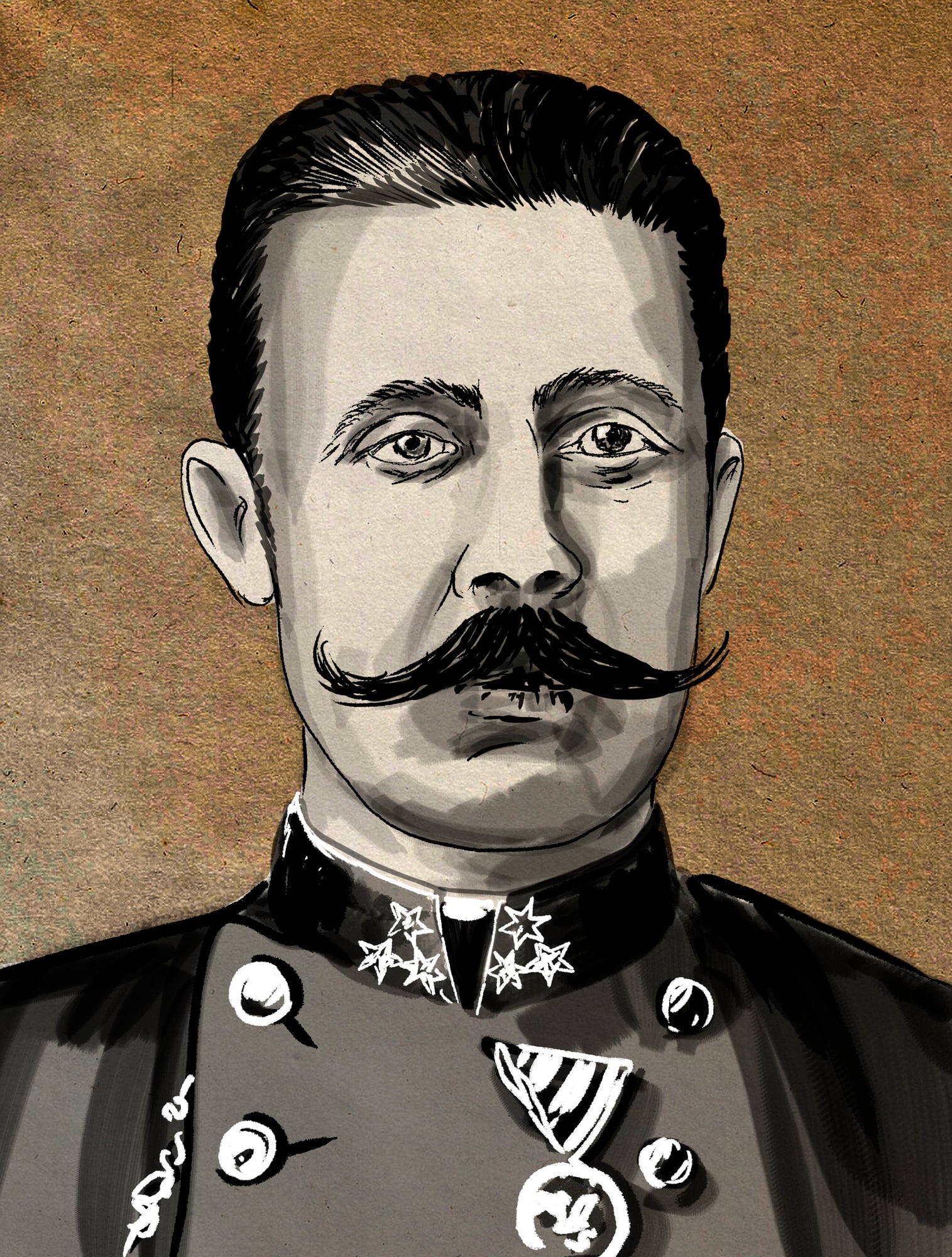
Photographer Walter Tausch captured Archduke Francis Ferdinand and his wife on an official visit to Sarajevo in June 1914, with this photograph taken shortly before their assassination by Gavrilo Princip, a member of the secret nationalist movement ‘Young Bosnia’. The photograph shows Archduke Franz Ferdinand and his wife, the Duchess of Hohenberg, leaving the town hall in a car, just moments before they were assassinated.
At 11am they were declared dead—the Duchess from a bullet that pierced her abdomen and severed her gastric artery, and the Archduke from his wounds—an assassination that triggered the chain of events leading to World War I.
President Kennedy in the Presidential Motorcade (November 22, 1963)
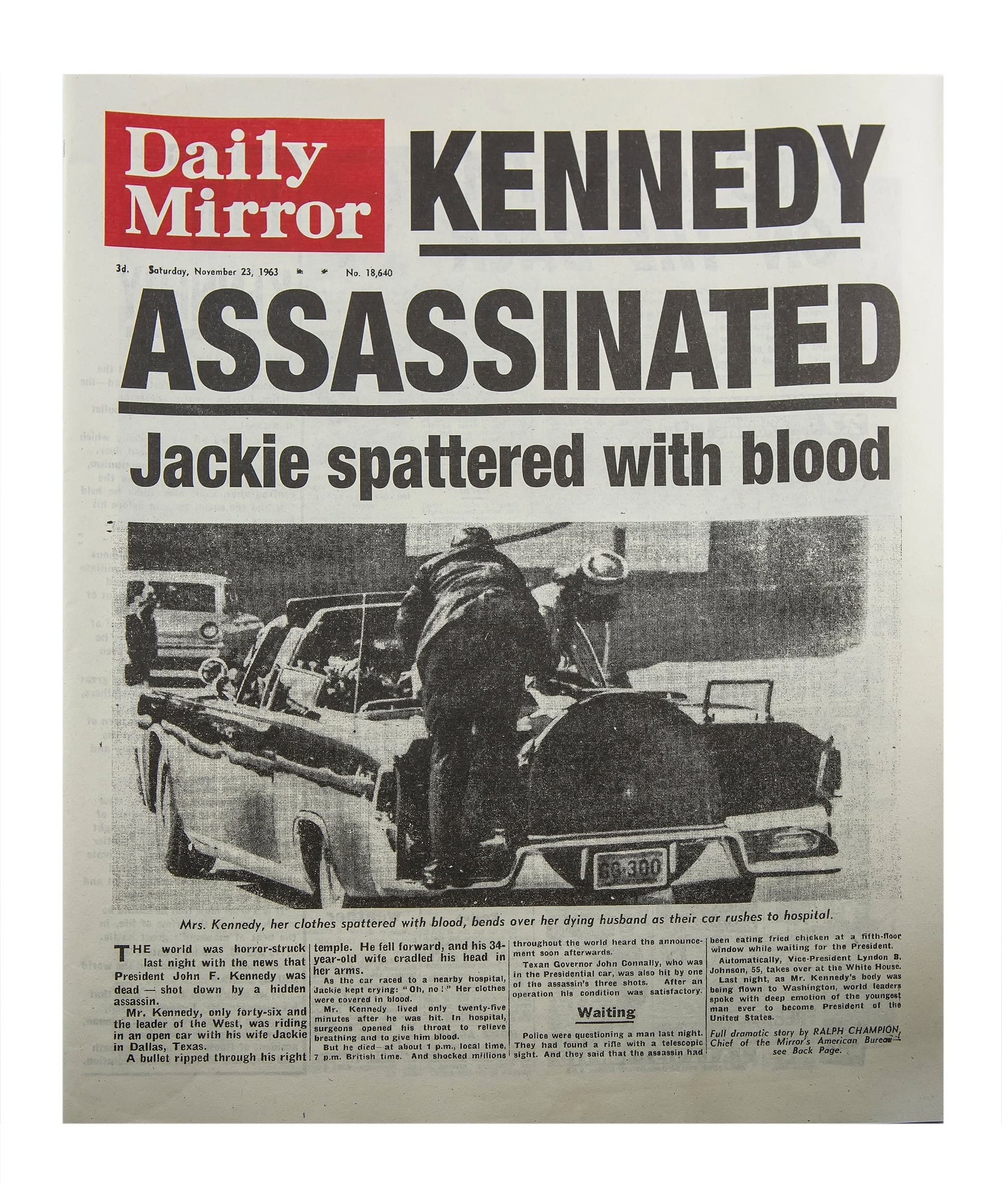
Photographs by White House photographer Cecil Stoughton show President John F. Kennedy in an open limousine on Elm Street in Dallas, Texas, waving to crowds moments before Lee Harvey Oswald’s fatal shots. Kennedy appears relaxed and smiling, completely unaware that within seconds his motorcade will pass the Texas School Book Depository.
The photographs capture the last minutes of his presidency, taken approximately 30 seconds before the first shot struck.
The Last Photograph of the Challenger Shuttle Crew (January 28, 1986)
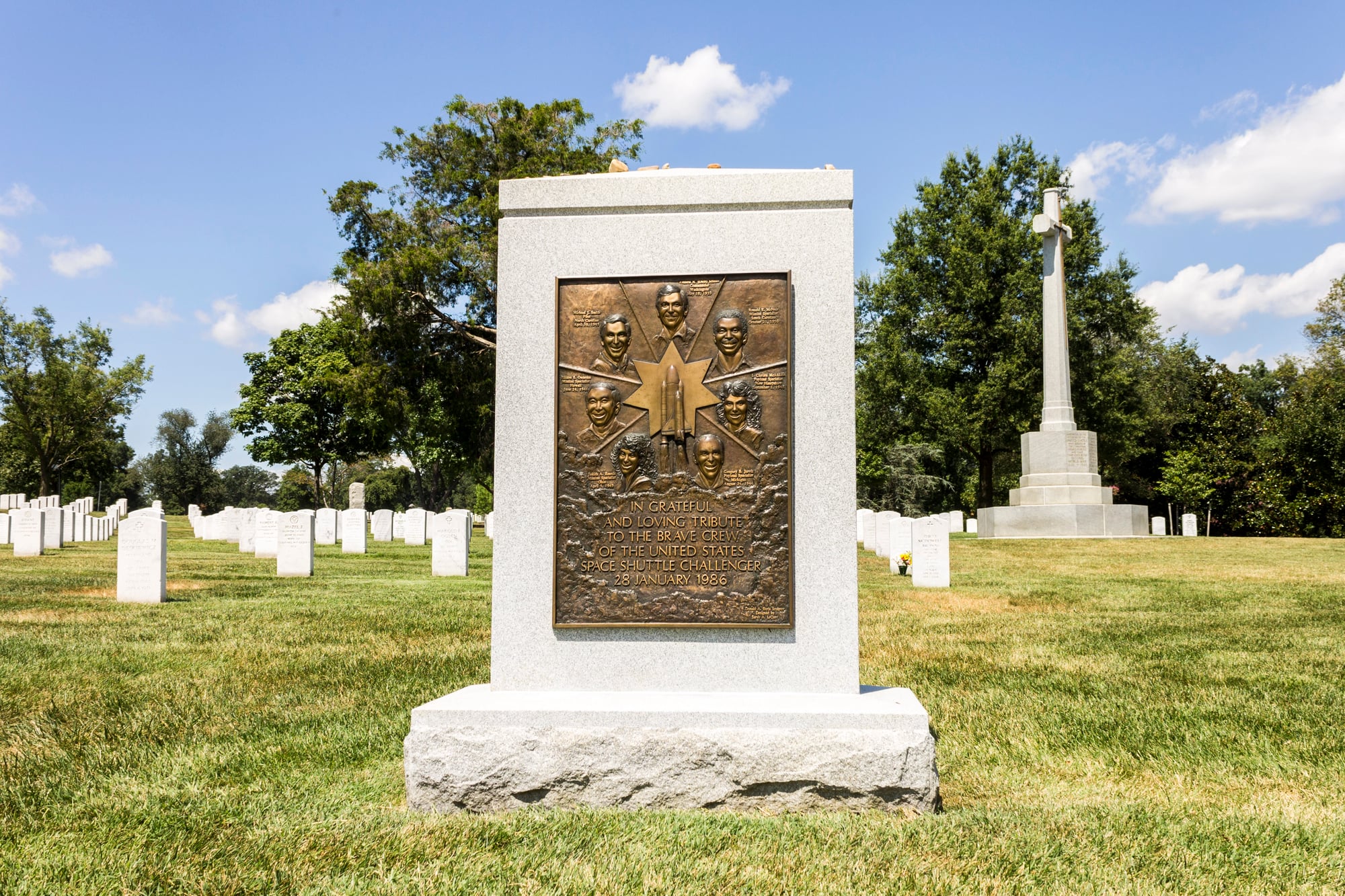
NASA photographs from the morning of January 28, 1986, show the Space Shuttle Challenger crew—Commander Dick Scobee, Pilot Michael Smith, and mission specialists Gregory Jarvis, Ronald McNair, Ellison Onizuka, Judith Resnik, and teacher Christa McAuliffe—walking across the launch pad in their white spacesuits. The crew was in good spirits, unaware that O-ring failure in the solid rocket booster would cause catastrophic failure 73 seconds after launch, killing all seven astronauts.
John Lennon Outside the Dakota Building (December 8, 1980)
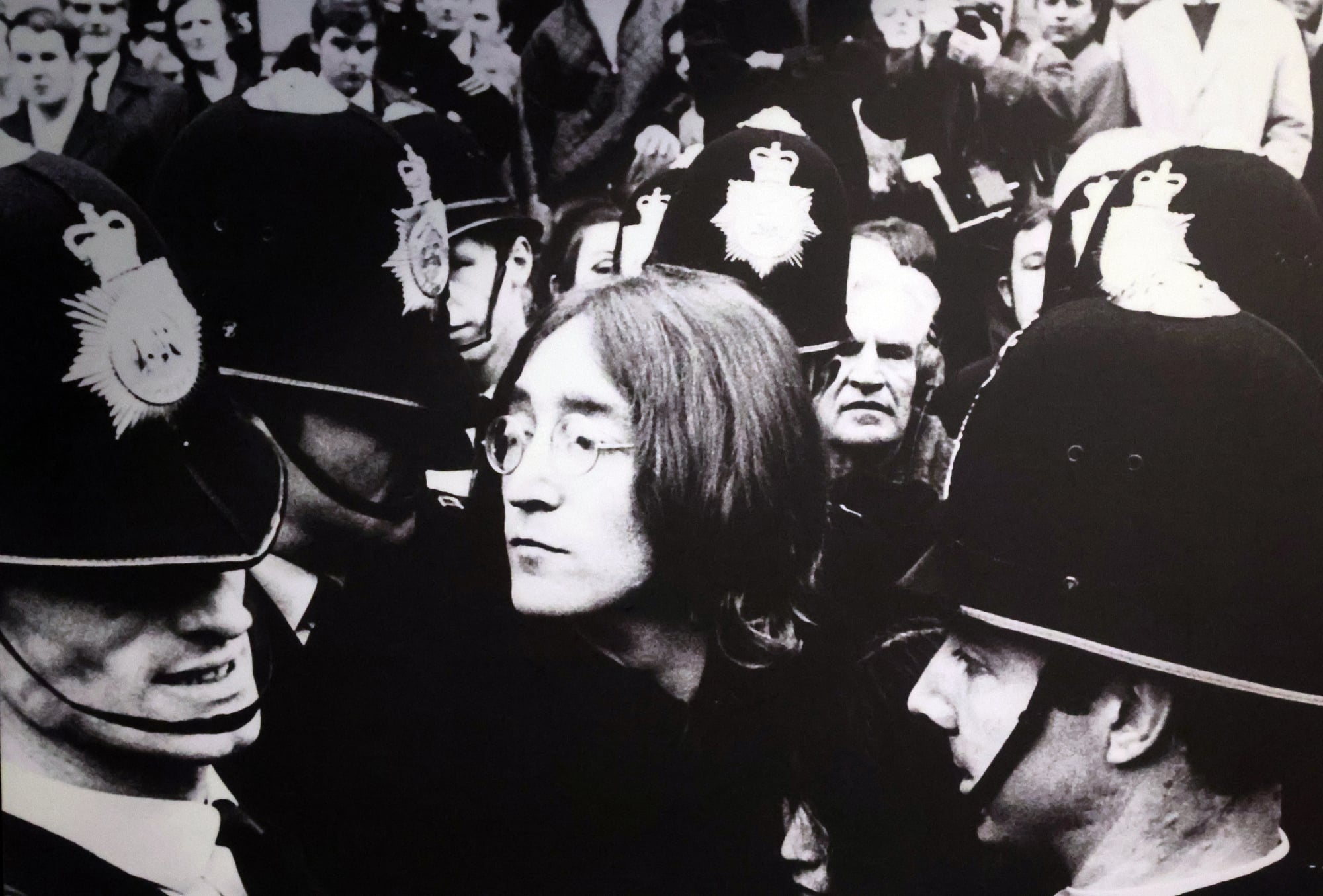
Photographer Paul Goresh captured John Lennon on December 8, 1980, signing an autograph outside the Dakota apartment building in New York City. The photograph shows Lennon in his familiar dark coat, hours before Mark David Chapman would shoot him four times in the back outside the same building that evening.
The image is one of the last photographs taken of the former Beatle alive.
The Last Photographs of the Titanic’s Departure (April 10, 1912)
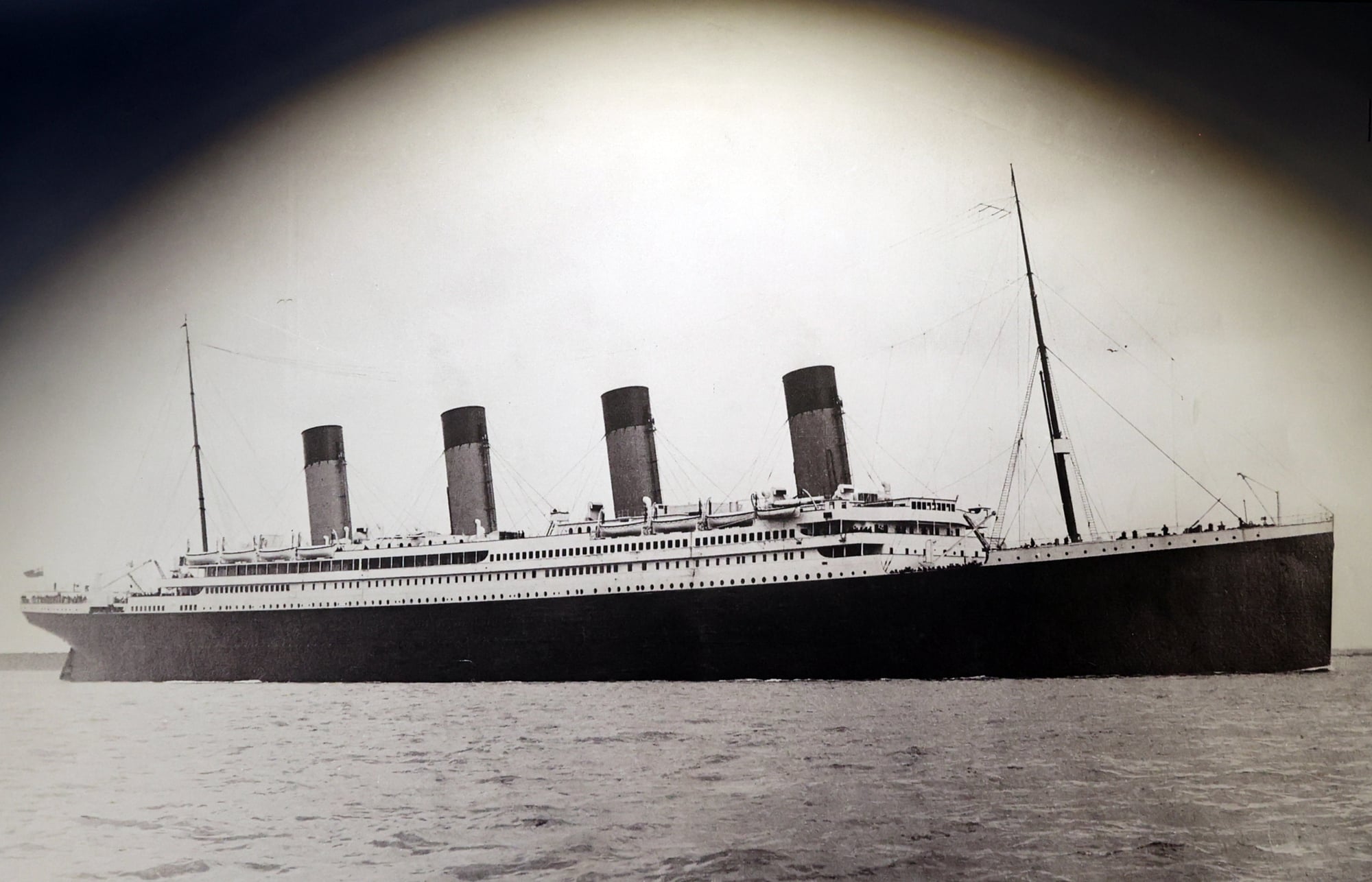
Photographers captured the RMS Titanic as it departed Southampton on April 10, 1912, with passengers waving from the deck railing. The ship appears massive and unsinkable in these images, taken hours before it struck an iceberg and sank in the North Atlantic.
The photographs document the last known images of the ship afloat, carrying over 2,200 passengers and crew, of whom 1,500 would perish.
Victims of Hiroshima Minutes Before the Atomic Bomb (August 6, 1945)
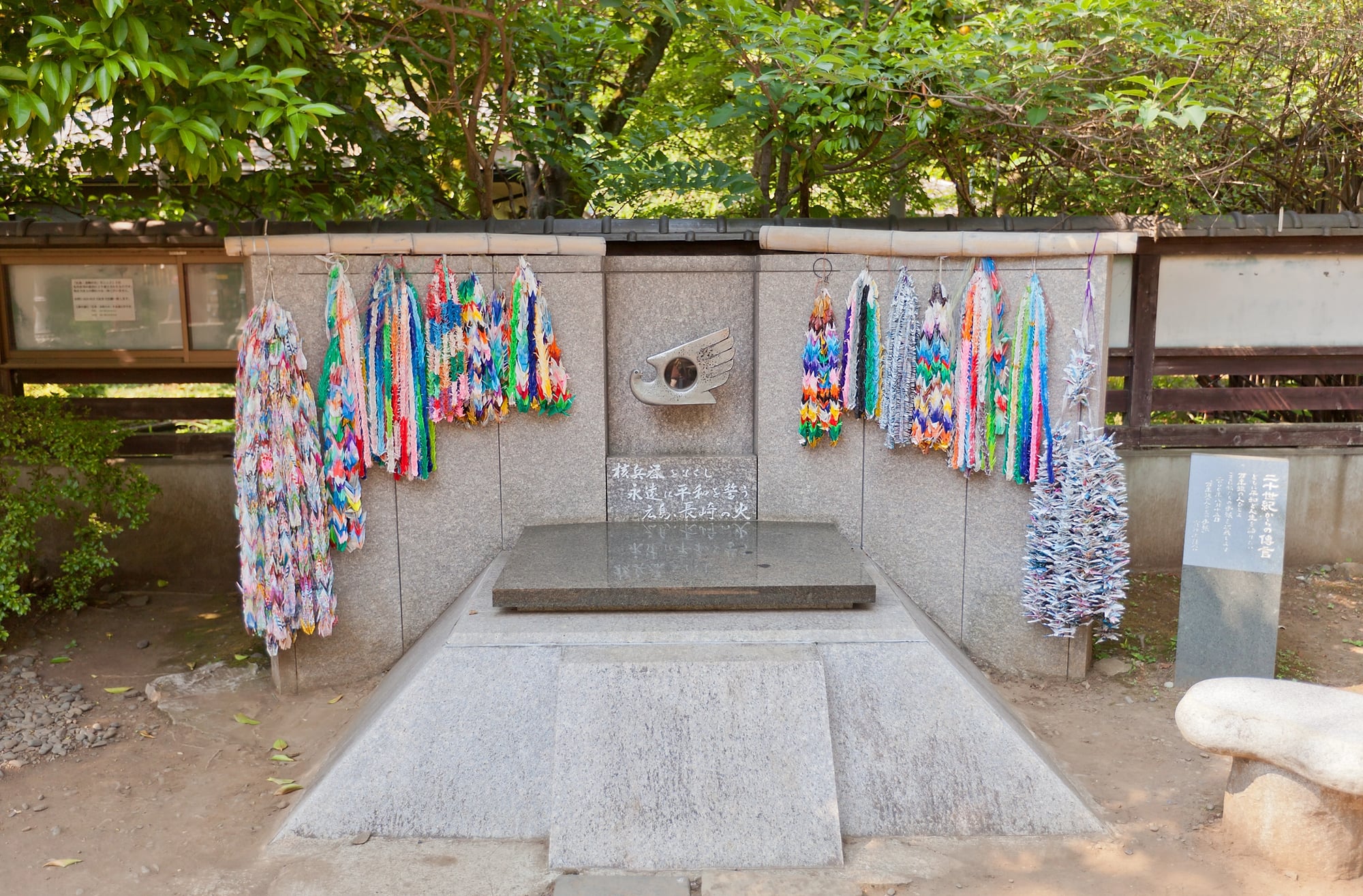
Photographs taken by unknown photographers show residents of Hiroshima going about their daily routines on the morning of August 6, 1945—children walking to school, people at market, mothers with infants. These photographs were taken between 8:00 and 8:15 AM, just moments before 8:15:17 when the Enola Gay dropped “Little Boy” on the city, instantly killing approximately 70,000 people and destroying 70% of buildings.
The Last Photograph of Marilyn Monroe (August 4, 1962)
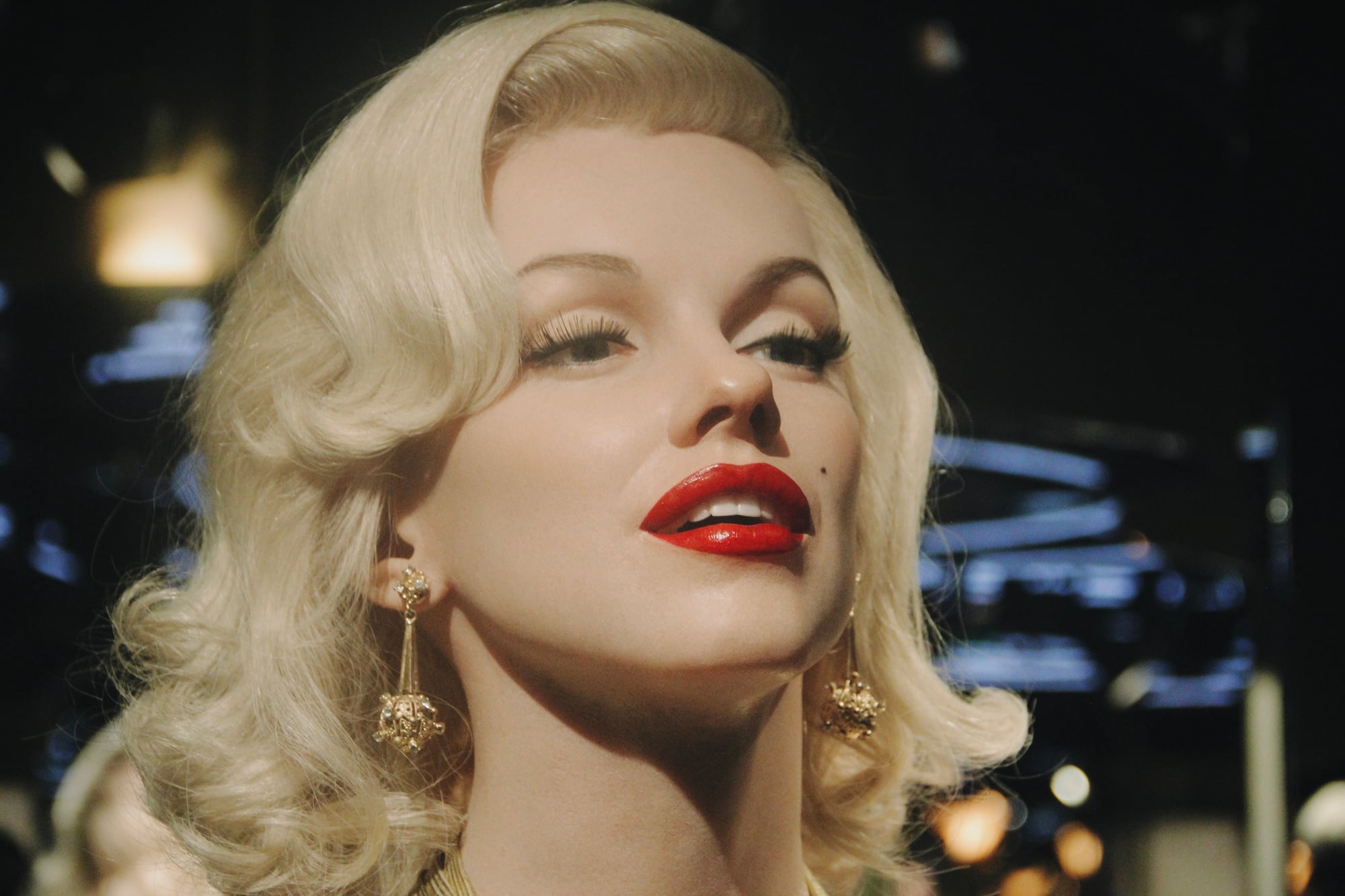
Photographer George Barris captured what is believed to be the last photograph of Marilyn Monroe on August 4, 1962, wearing a red Ferrari racing suit on a beach in Malibu. The photograph shows Monroe smiling and posing for the camera, hours before she was found dead in her Los Angeles home that evening from an overdose of barbiturates, at age 36.
The World Trade Center on September 11, 2001
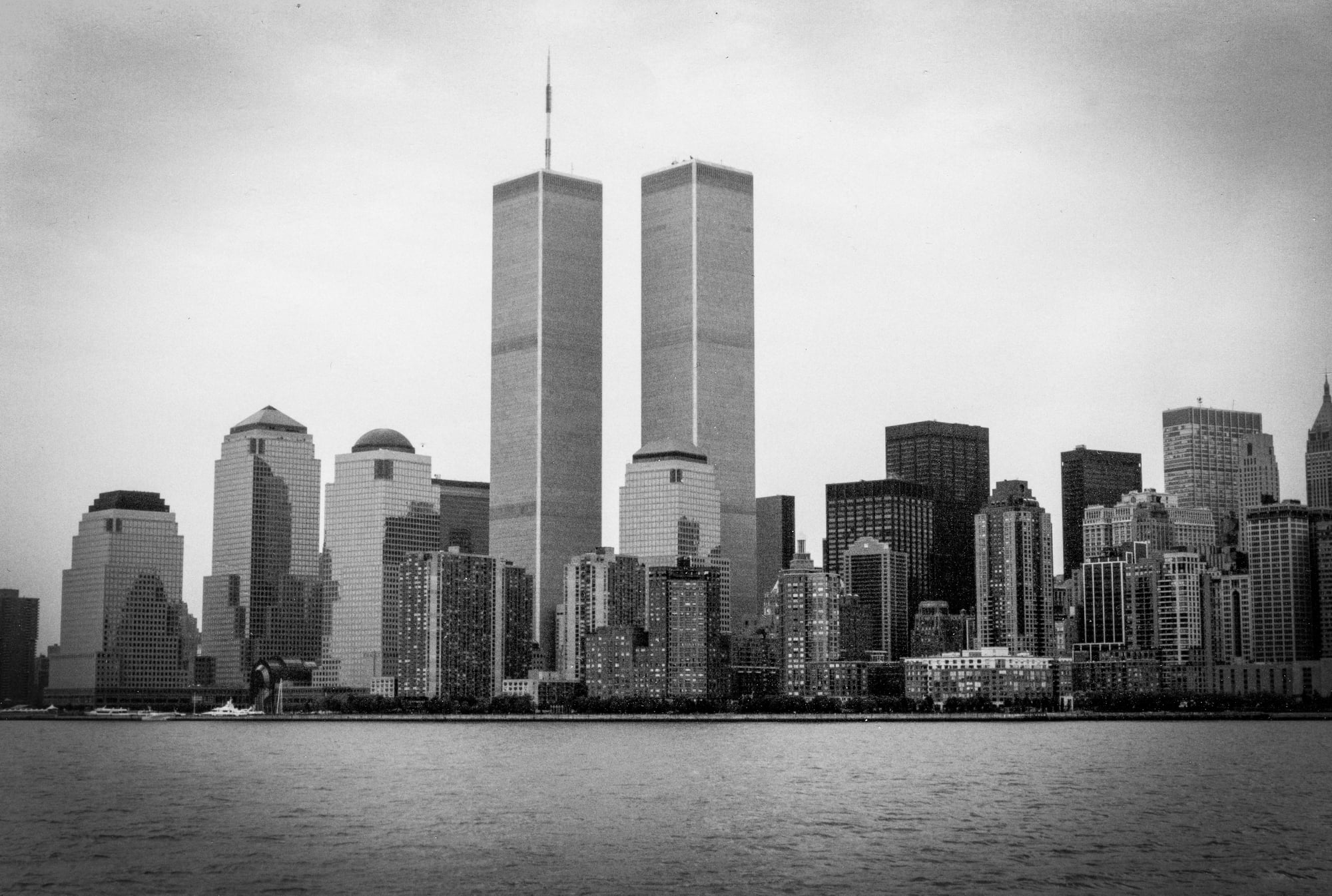
Photographs taken from windows of surrounding buildings and from people’s phones show the North Tower of the World Trade Center still standing in the early morning minutes of September 11, 2001, with smoke pouring from the impact zone where American Airlines Flight 11 had struck at 8:46 AM. The photographs capture the tower minutes before United Airlines Flight 175 struck the South Tower at 9:03 AM, beginning the sequence of collapses that would kill nearly 3,000 people.
The Last Photograph of Princess Diana (August 31, 1997)
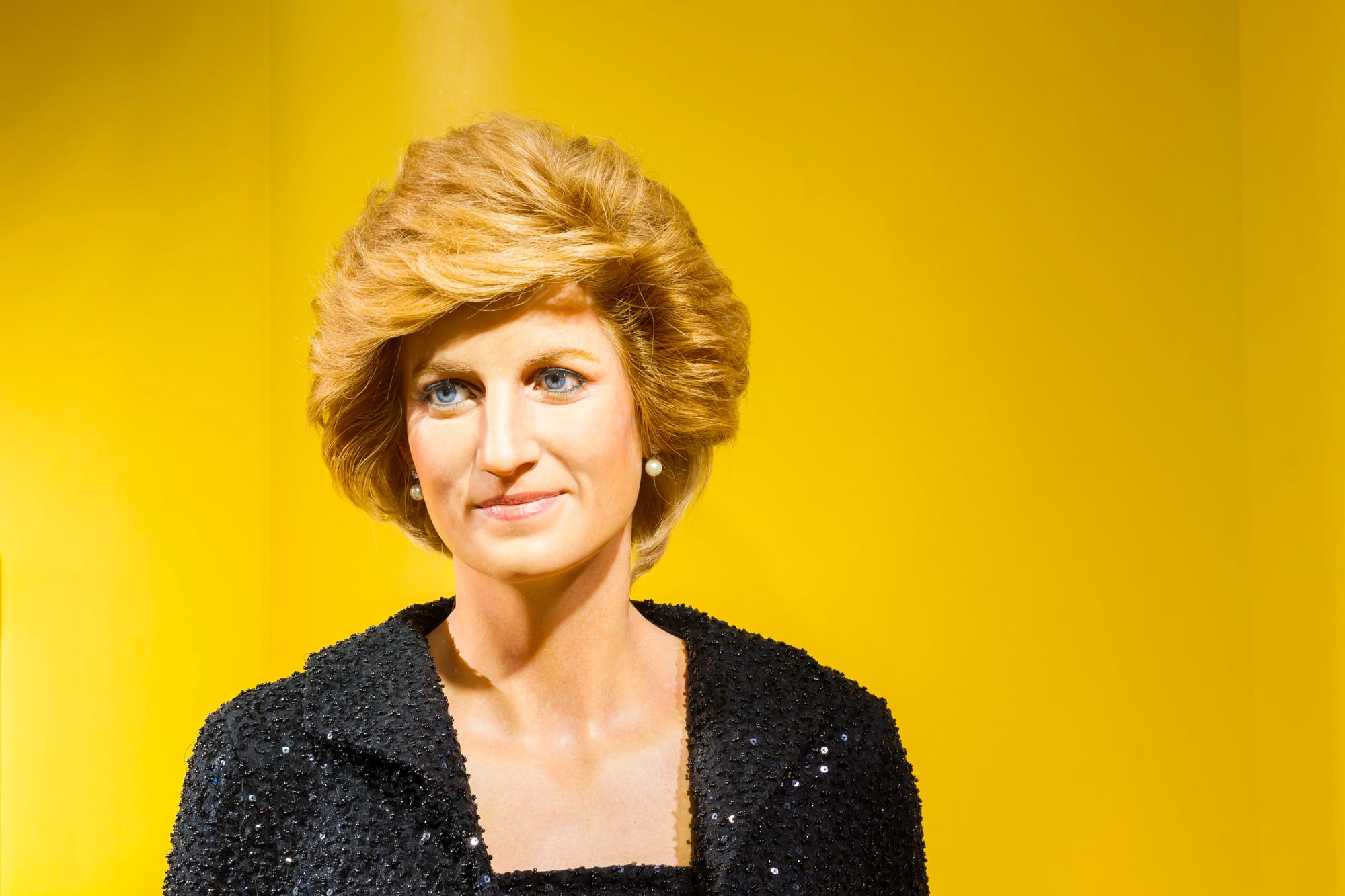
Photographers captured Princess Diana leaving the Ritz Hotel in Paris on August 31, 1997, at approximately 12:20 AM in a Mercedes-Benz driven by Henri Paul. The photograph shows Diana in the back seat moments before the car entered the Pont de l’Alma tunnel at high speed, crashed into a concrete pillar, and burst into flames, killing Diana, Dodi al-Fayed, and driver Henri Paul.
The USS Arizona Minutes Before the Pearl Harbor Attack (December 7, 1941)
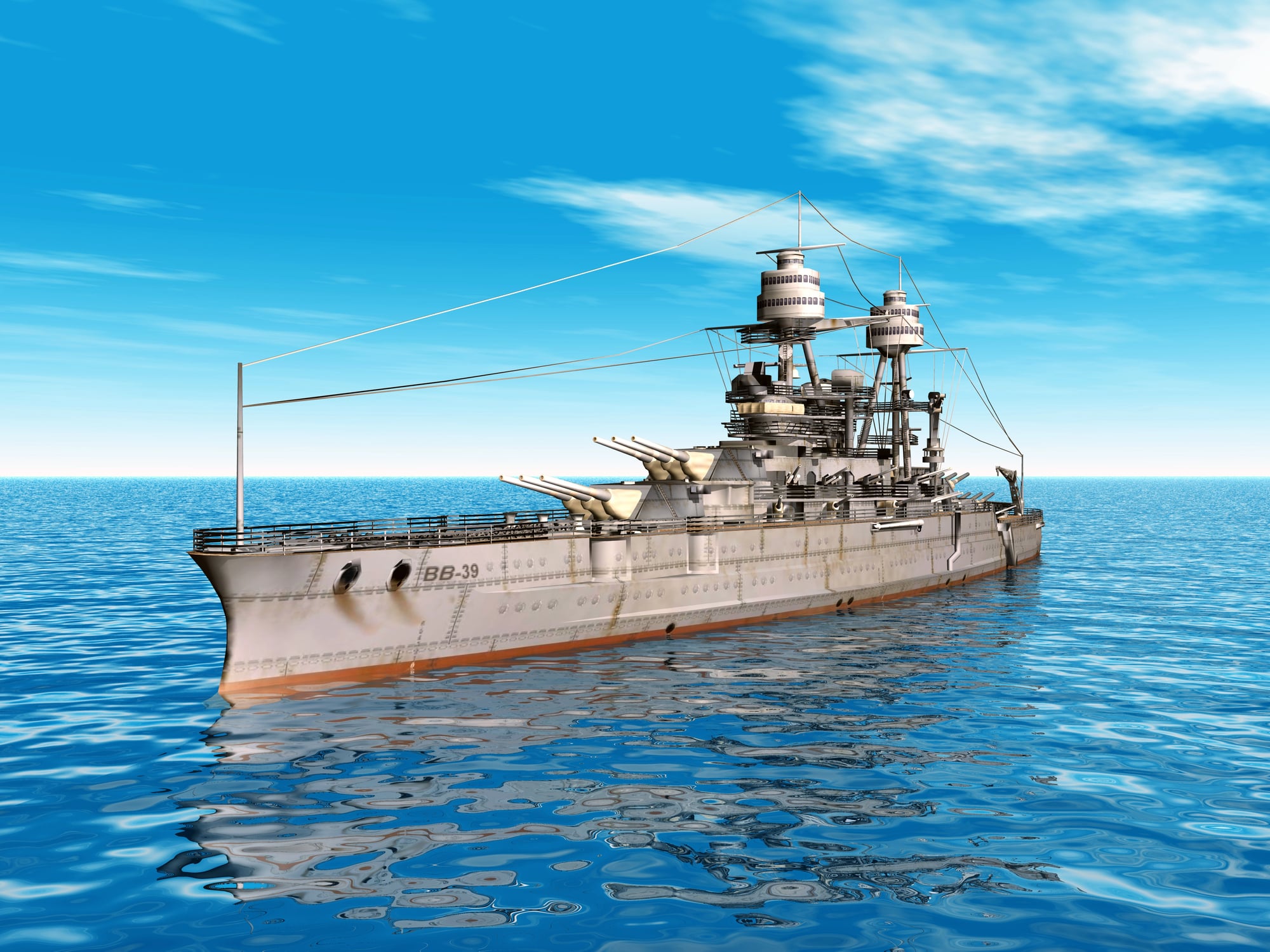
Naval photographers captured the USS Arizona battleship moored at Pearl Harbor on the morning of December 7, 1941, with sailors aboard conducting routine duties and morning routines. The photographs were taken between 6:00 and 7:00 AM, just before Japanese aircraft attacked at 7:48 AM.
At 8:06 AM, a bomb penetrated the Arizona’s forward ammunition magazine, causing a catastrophic explosion that killed 1,177 of the 1,512 sailors aboard, making it the single deadliest loss in U.S. naval history.
The Last Photographs of Jeffrey MacDonald’s Family (February 16, 1970)
Photographs taken at Fort Bragg show Captain Jeffrey MacDonald with his two daughters and pregnant wife Colette on February 16, 1970—approximately 12 hours before the family was brutally murdered in their home. MacDonald claimed intruders had killed his family, but investigation and trial established that MacDonald himself had committed the murders, and these photographs represent the last images of his wife and daughters alive.
The Hindenburg Departure from Lakehurst (May 6, 1937)
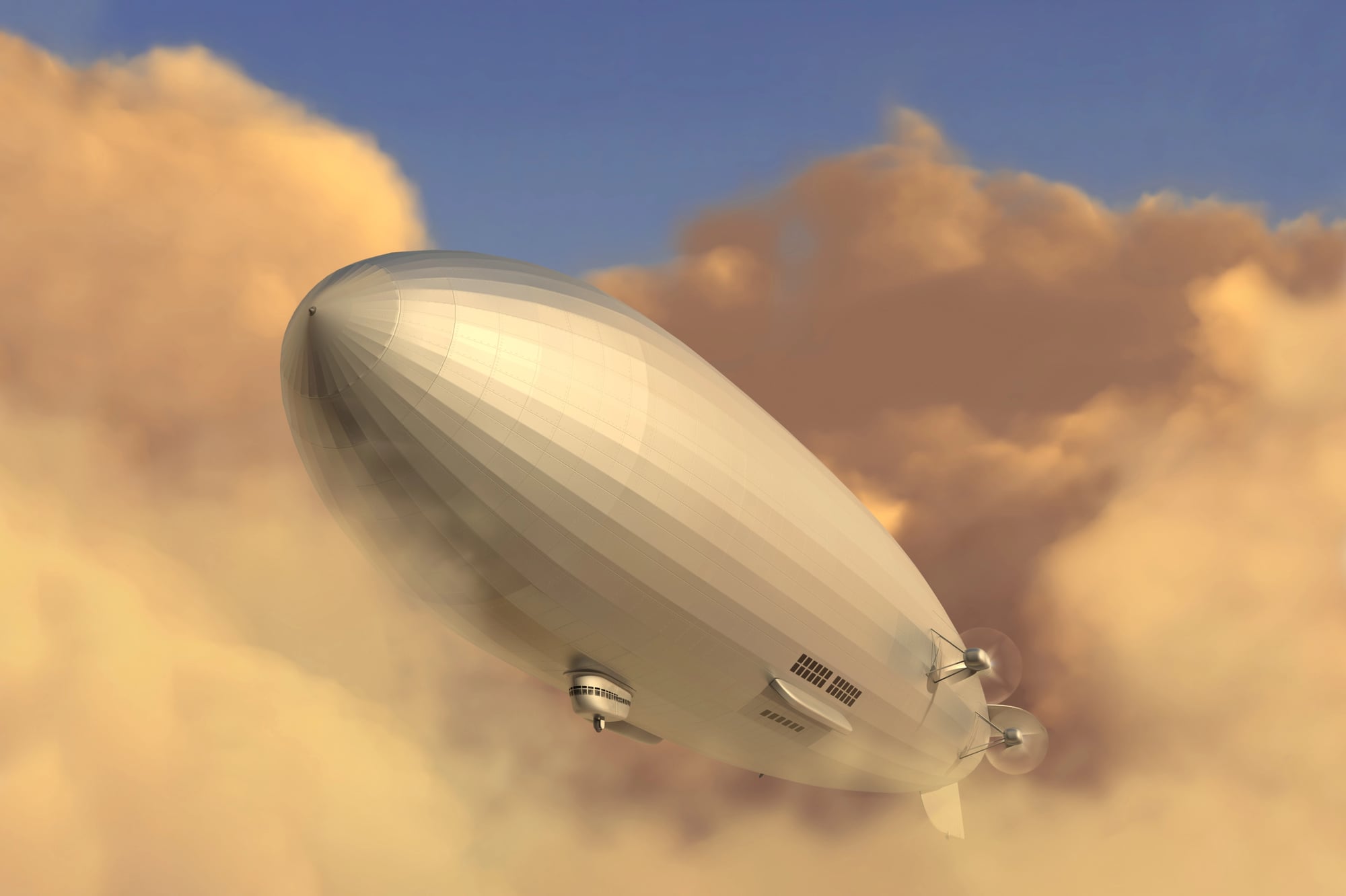
Photographers captured the German passenger airship LZ 129 Hindenburg preparing to dock at Lakehurst, New Jersey, on May 6, 1937. The massive zeppelin, filled with highly flammable hydrogen, appears stable and controlled in the final photographs, taken moments before it ignited during the docking procedure at 7:25 PM, killing 35 passengers and crew members and 13 people on the ground in one of history’s most famous disasters.
The Challenger Launch Day (January 28, 1986)
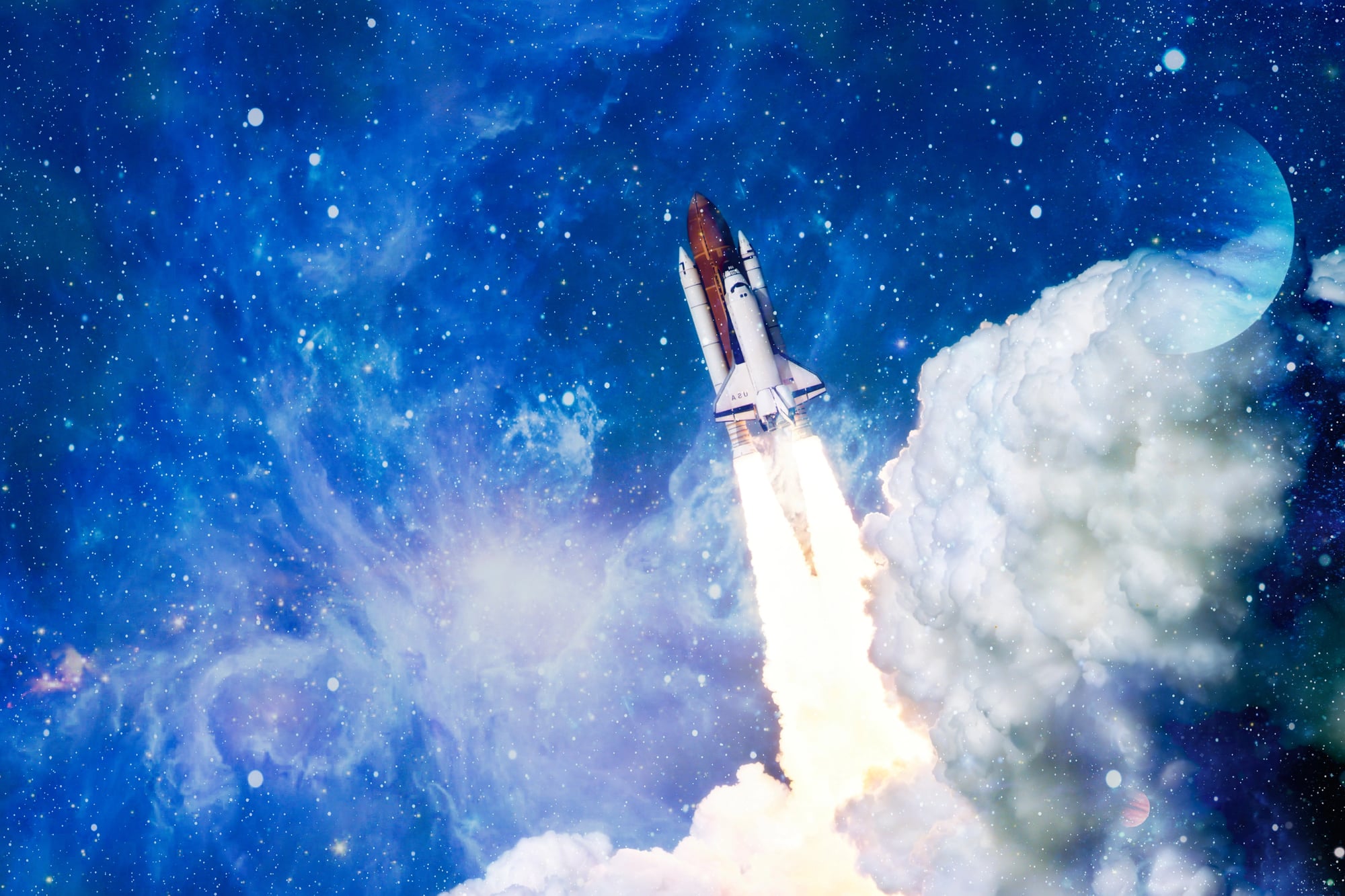
NASA photographs show Space Shuttle Challenger on the launch pad on the morning of January 28, 1986, with ice accumulating on the external tank and frost visible in the pre-dawn cold. The photographs document the final hours before launch, when engineers at Morton Thiokol had recommended against launch due to cold temperatures that would affect O-ring seals—a recommendation that was overruled by NASA management.
The Last Photograph of Osama bin Laden (December 1998 – Early 2001)
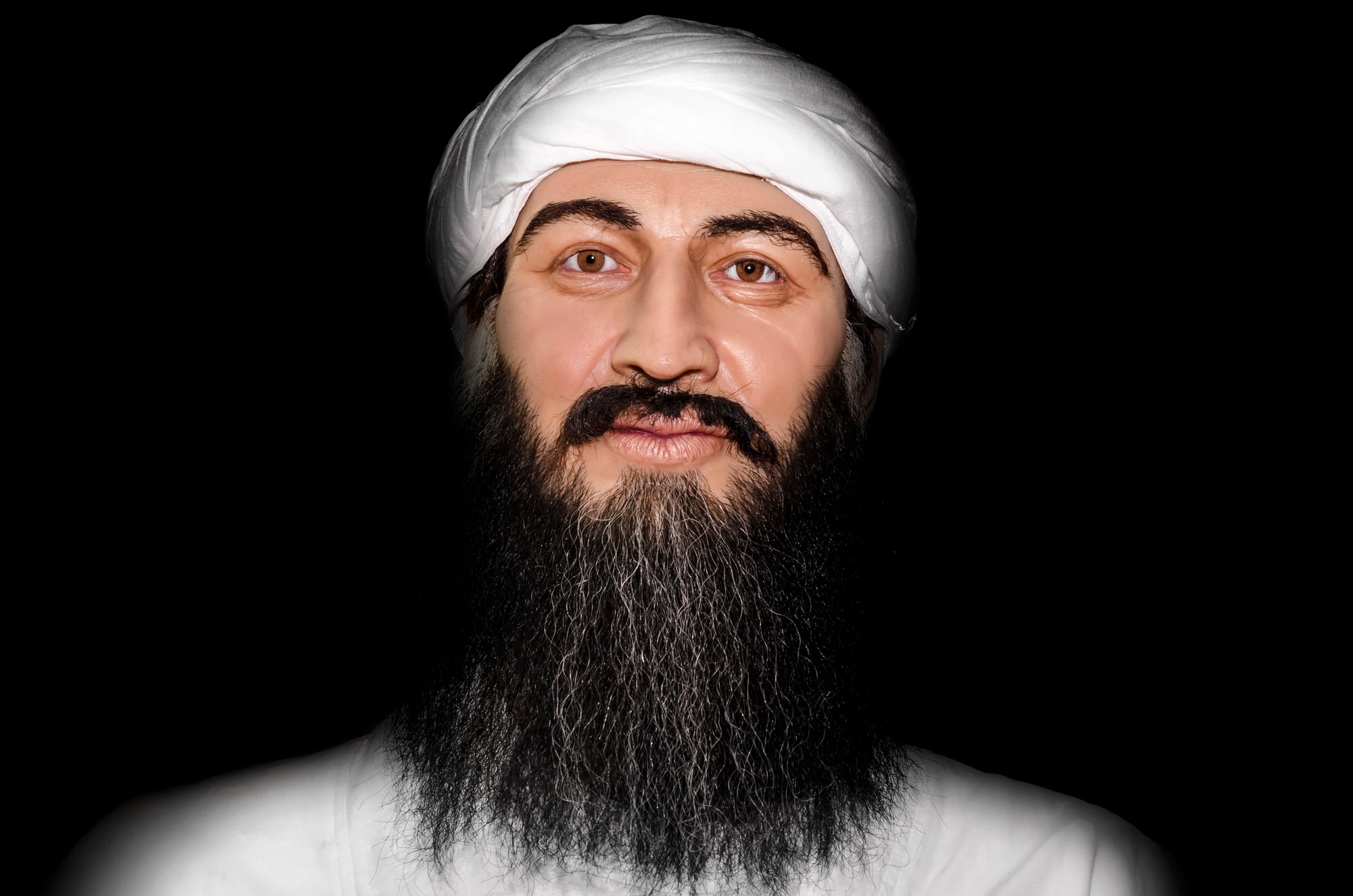
Photographs of Osama bin Laden taken in Afghanistan during the late 1990s and early 2000s—before U.S. military operations began in October 2001—represent among the last known images of the al-Qaeda leader before the extensive manhunt that would last a decade. These photographs show bin Laden alive in the years preceding 9/11, the attacks he had planned and authorized.
The Last Photograph of Robert Kennedy (June 4, 1968)
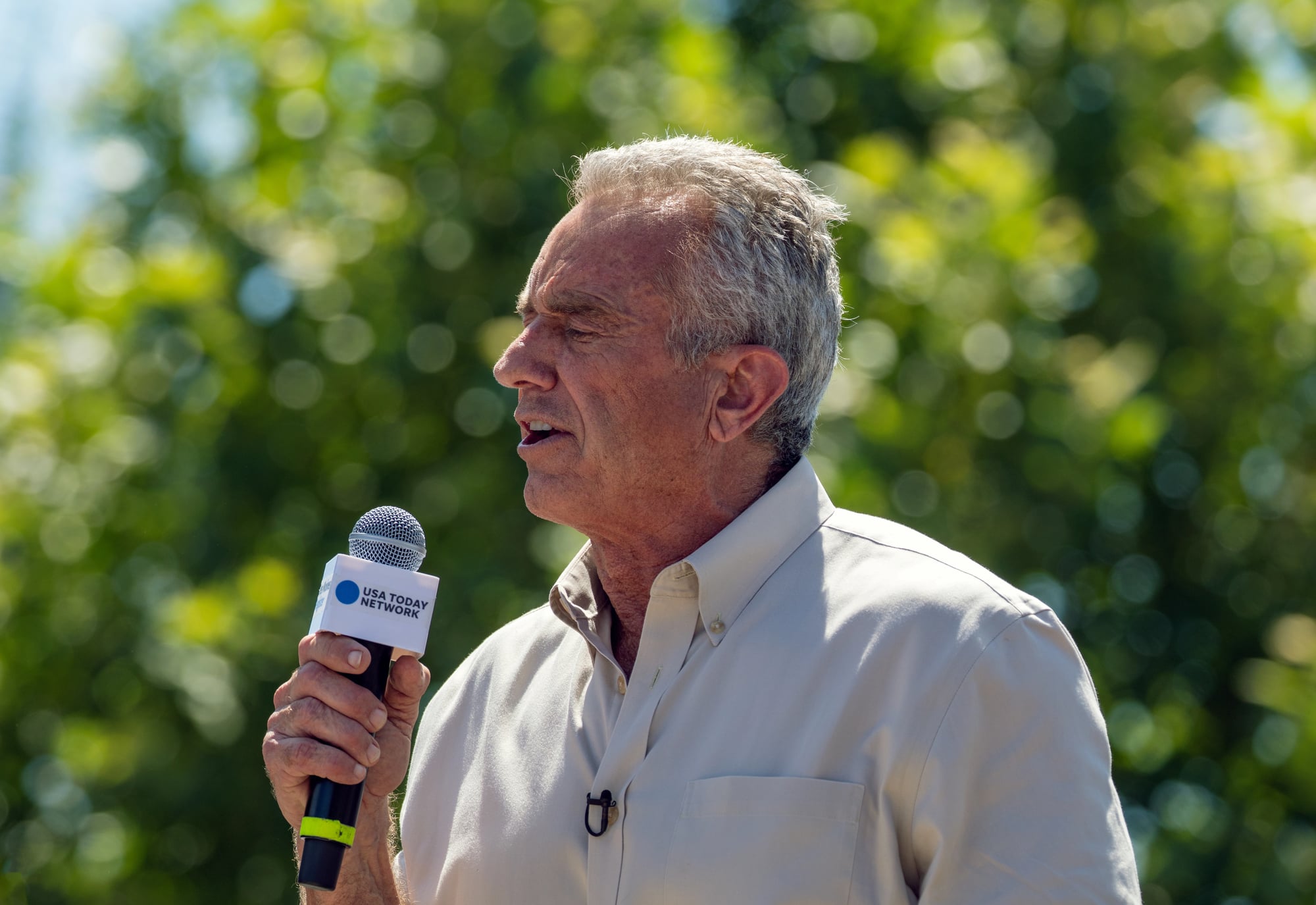
Photographs from Senator Robert Kennedy’s campaign on June 4, 1968, show him at the Ambassador Hotel in Los Angeles, celebrating his victory in the California Democratic primary. The photographs capture Kennedy hours before Sirhan Sirhan shot him at approximately 12:15 AM on June 5, 1968, killing him at age 42 and ending his presidential campaign.
The Moment Frozen Before Change
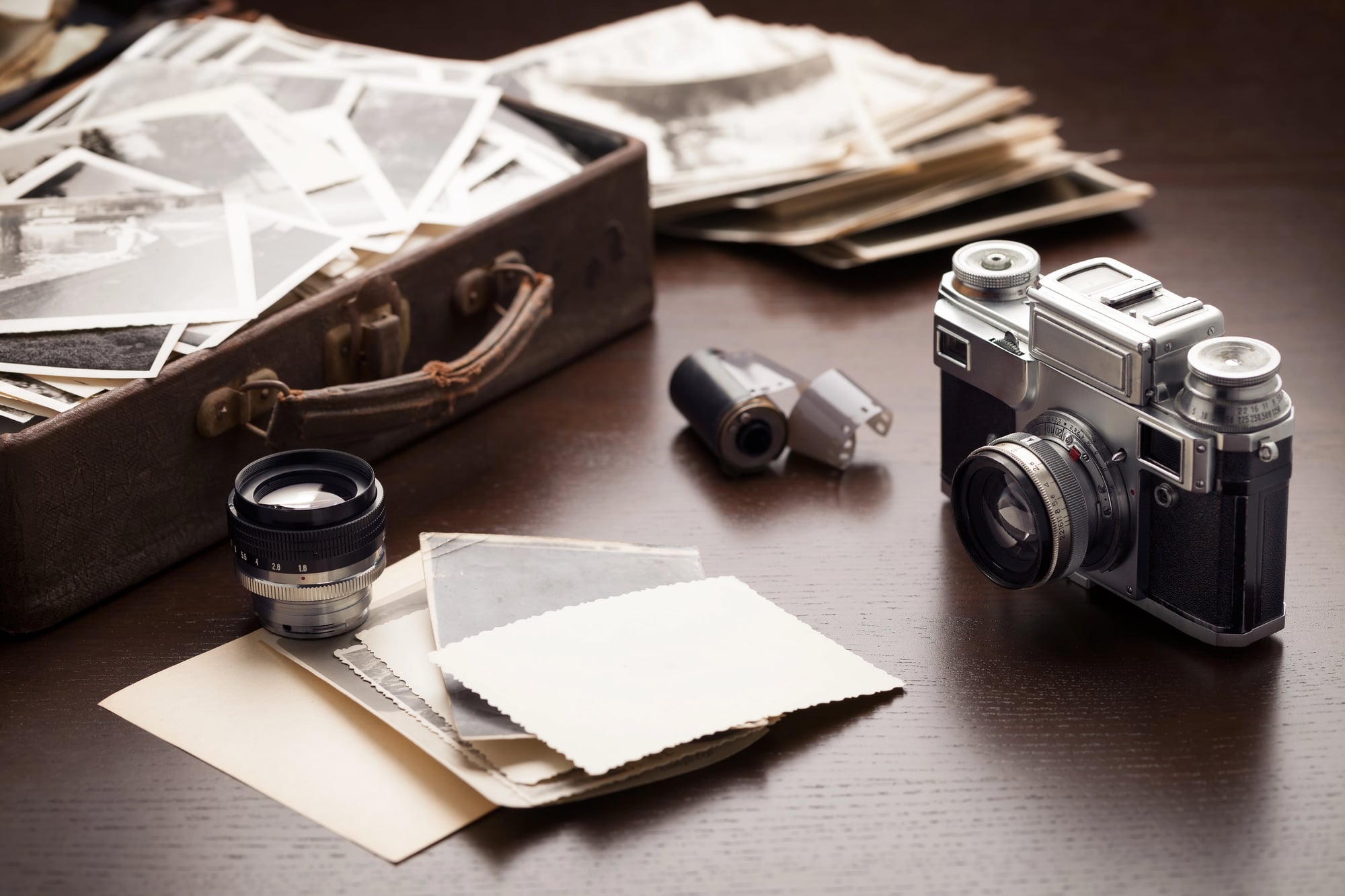
What makes these photographs historically significant is not simply that they capture the last moments of life, but that they document normalcy immediately before abnormality. The people photographed—kings and presidents, spacemen and celebrities, ordinary soldiers and sailors—had no way to know these images would become famous precisely because they preceded tragedy.
The photograph serves as a temporal marker: here is the world as it was, seconds before everything changed. These images remind us that history is not inevitable until it occurs, that catastrophe arrives without warning, and that the most ordinary moment can, within seconds, become historically irreversible.
More from Go2Tutors!

- The Romanov Crown Jewels and Their Tragic Fate
- 13 Historical Mysteries That Science Still Can’t Solve
- Famous Hoaxes That Fooled the World for Years
- 15 Child Stars with Tragic Adult Lives
- 16 Famous Jewelry Pieces in History
Like Go2Tutors’s content? Follow us on MSN.