Origins of Classic Comic Book Heroes
Heroes from comic books didn’t seem to be fully realized. Each one started as an idea in someone’s head, shaped by the world around them.
The characters that would define generations of storytelling were influenced by the Depression, World War II, the Cold War, and social movements.
Superman: The Immigrant’s Dream
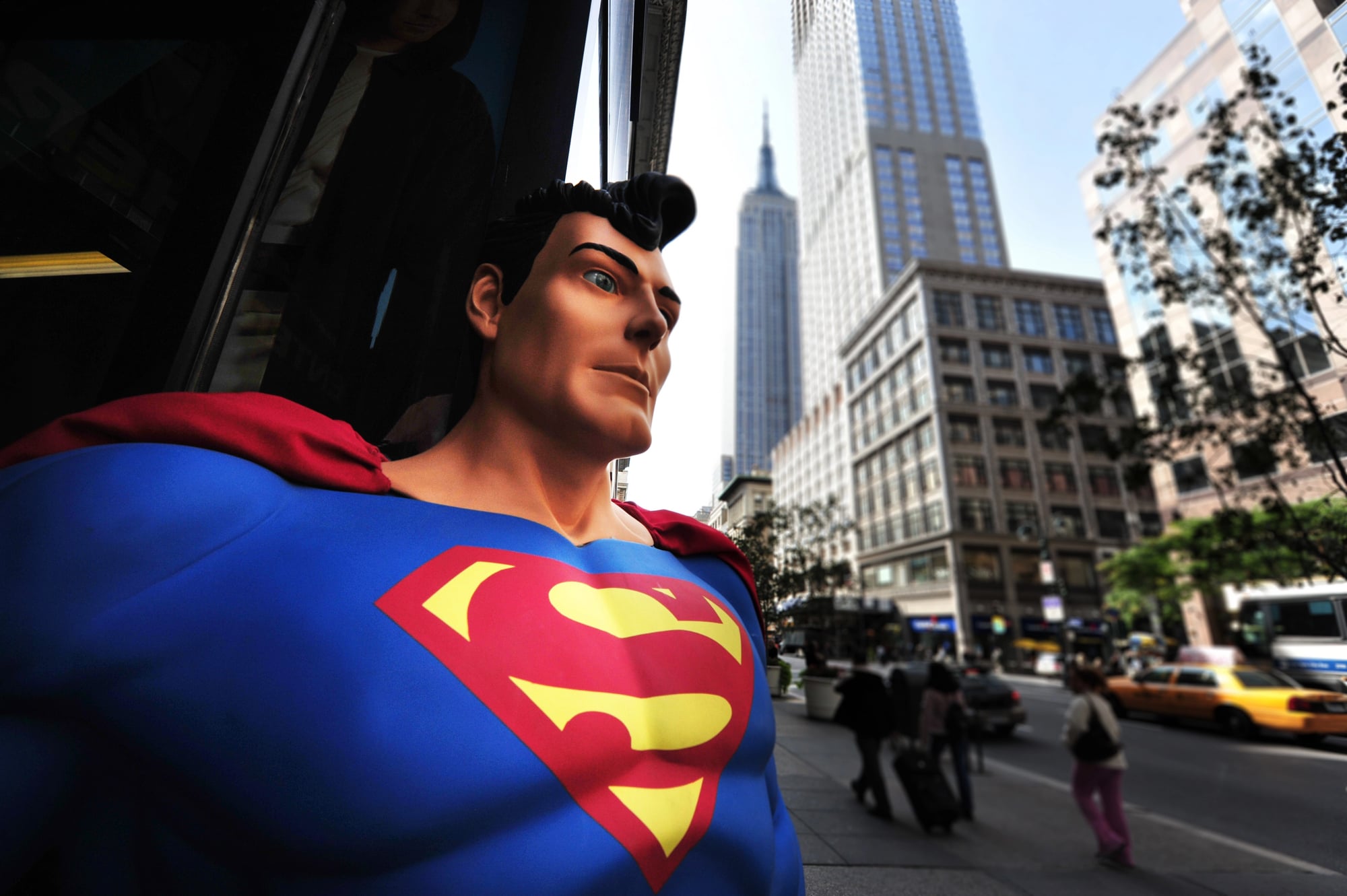
Siegel and Joe Shuster created Superman in 1938. Both were sons of Jewish immigrants living in Cleveland.
Siegel’s father suffered a heart attack at his clothing store after an attempted robbery. That loss shaped the character who would become invincible.
Superman arrived on Earth as a refugee from a dying planet. His birth name, Kal-El, resembles Hebrew naming conventions, though the creators never confirmed this was intentional.
The story mirrors the immigrant experience—arriving in a new land, hiding your true identity, trying to fit in while remembering where you came from. Clark Kent became the ultimate assimilation story, right down to the glasses and mild manners.
Batman: Born from Tragedy
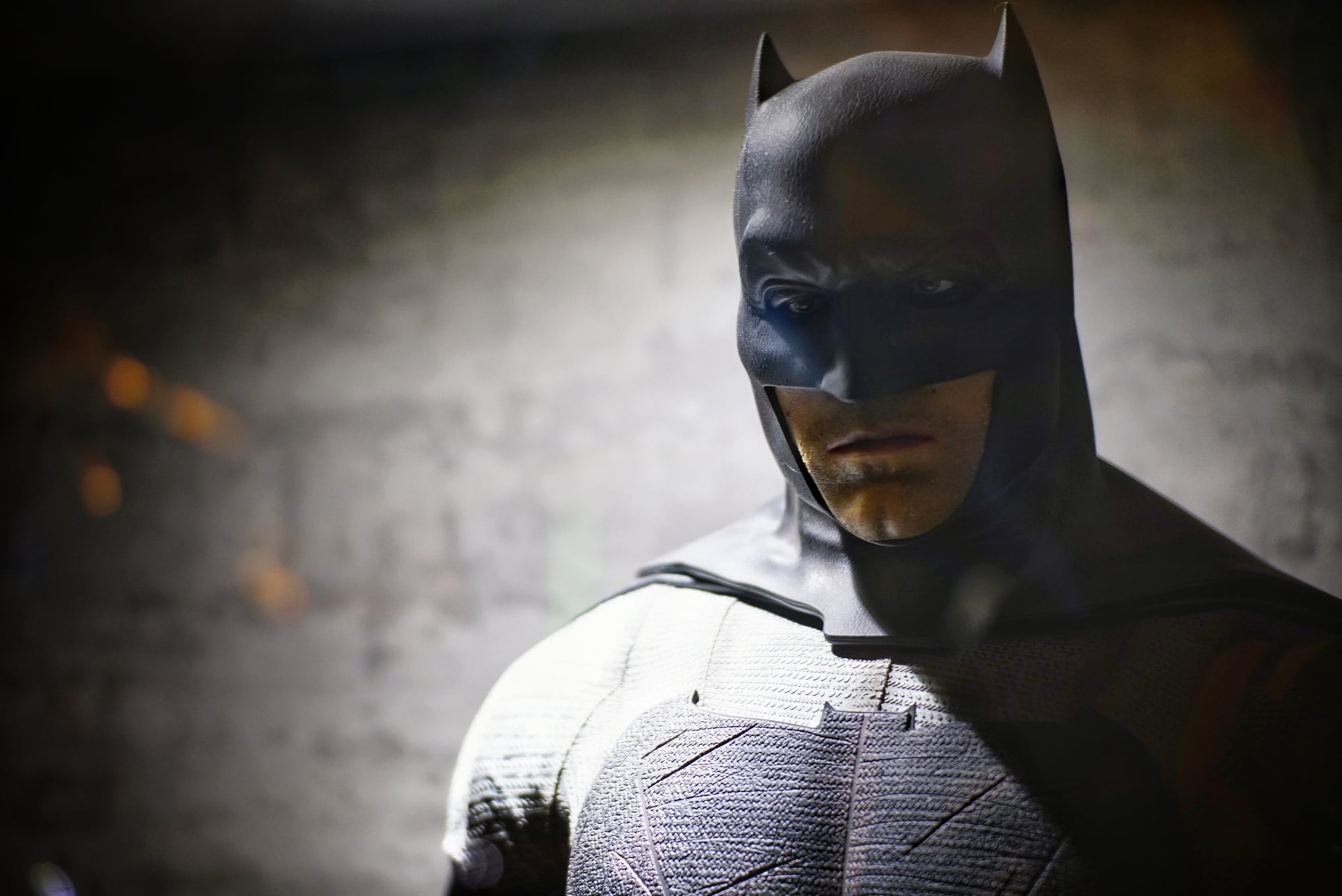
Bob Kane and Bill Finger introduced Batman in 1939, one year after Superman. Where Superman represented hope, Batman channeled fear and vengeance.
The character emerged from specific influences: the 1920 film “The Mark of Zorro,” pulp hero The Shadow, and a Leonardo da Vinci sketch of a flying machine.
Bruce Wayne watches his parents get murdered in an alley. That single moment defines everything that follows.
Finger added the gray costume, the cape styled like bat wings, and the detective elements. Kane’s early sketches featured a stiffer design with bat wings.
Finger convinced him to soften the look. Without Finger’s contributions, Batman would have looked completely different.
Wonder Woman: Feminism in Tights
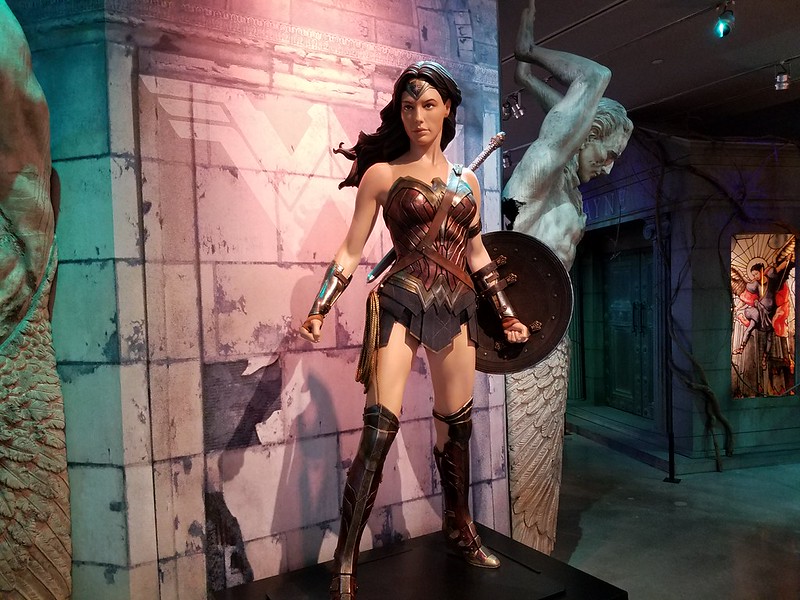
William Moulton Marston created Wonder Woman in 1941. Marston was a psychologist who contributed to early polygraph research.
He believed women were more honest and reliable than men. His wife, Elizabeth, suggested he create a female superhero.
Wonder Woman came from an island of women warriors. She wielded the Lasso of Truth—a direct reference to Marston’s lie detector work.
The character promoted female empowerment during a time when women were joining the workforce because men went off to war. After the war, comic publishers tried to make her more domestic, adding romance storylines and reducing her power.
It didn’t stick.
Captain America: Punching Nazis
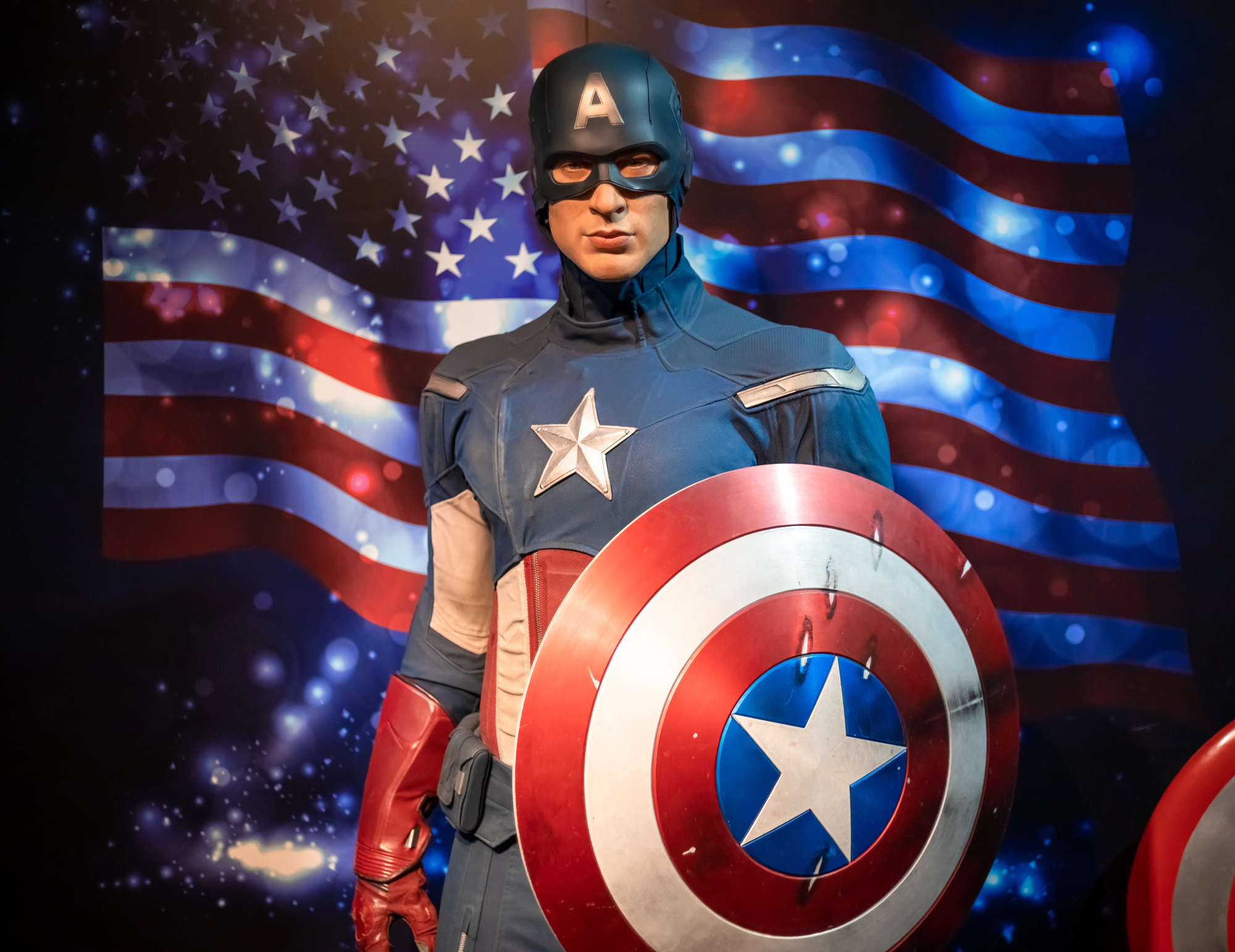
Joe Simon and Jack Kirby launched Captain America in 1941, months before Pearl Harbor. The first issue showed Cap punching Adolf Hitler in the face.
Isolationist sentiment was still strong in America, making this a bold stance.
Simon and Kirby, both Jewish, received hate mail and threats for their anti-Nazi position. They didn’t back down.
Captain America represented America’s potential, not its reality. Steve Rogers starts as a scrawny kid deemed unfit for military service.
The super-soldier serum transforms him physically, but his character was already there. The serum just made him visible.
Spider-Man: The Teenager Who Wasn’t a Sidekick
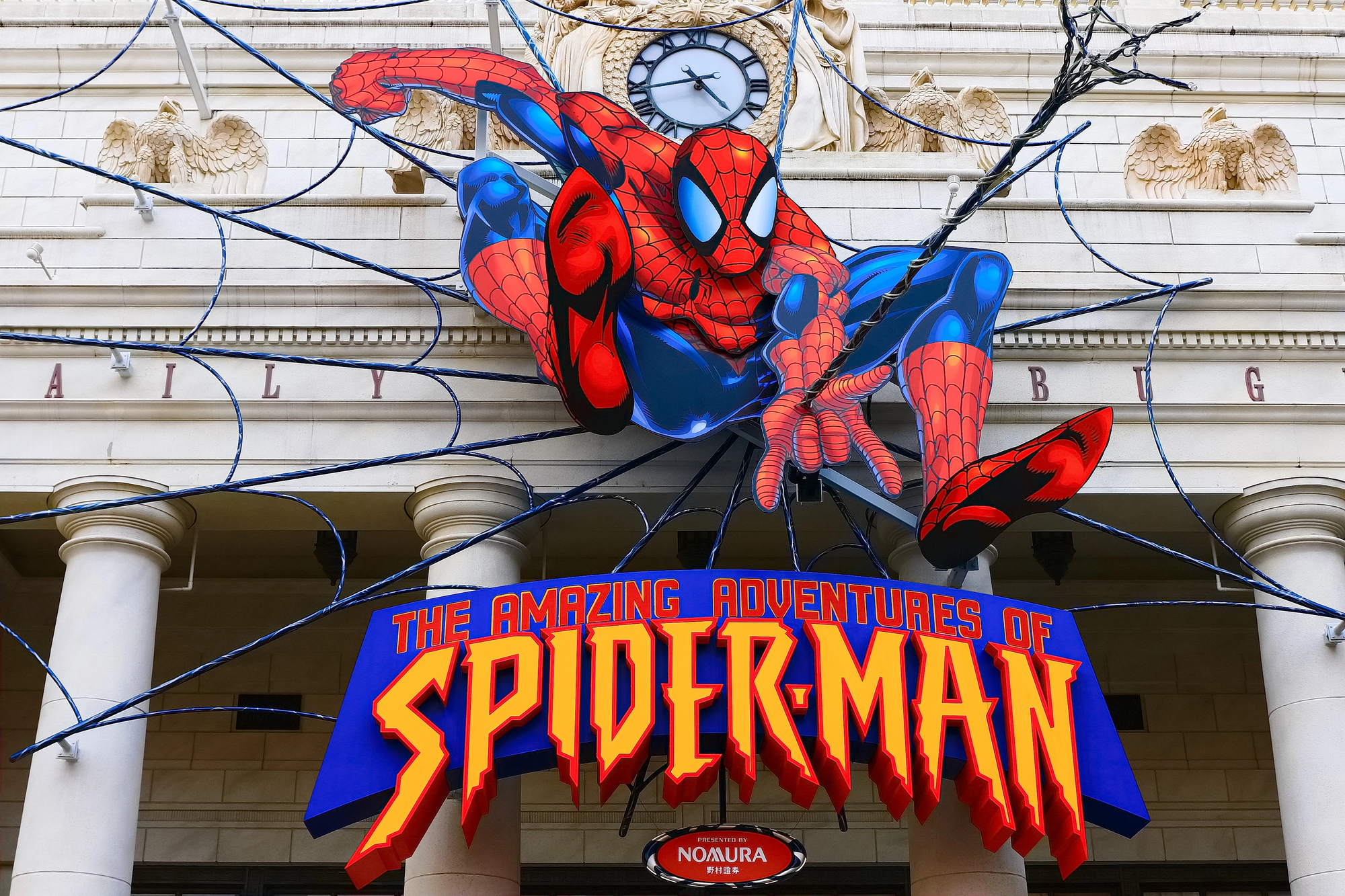
Stan Lee and Steve Ditko introduced Spider-Man in 1962. Lee wanted to create a teenage hero who wasn’t just a sidekick.
His publisher told him it was a terrible idea. Teenagers couldn’t be heroes. People hated spiders. It would never work.
Lee initially worked with Jack Kirby on the concept, but chose Ditko’s version for the final design. Lee put Spider-Man in the final issue of a failing comic called “Amazing Fantasy.”
If it bombed, nobody would notice. Peter Parker wasn’t a billionaire or an alien or a super-soldier.
He was a nerdy high school student who got bitten by a radioactive spider at a science exhibit. He worried about grades and money and girls.
His uncle’s death taught him that responsibility comes with power, not the other way around.
The Hulk: Cold War Anxiety
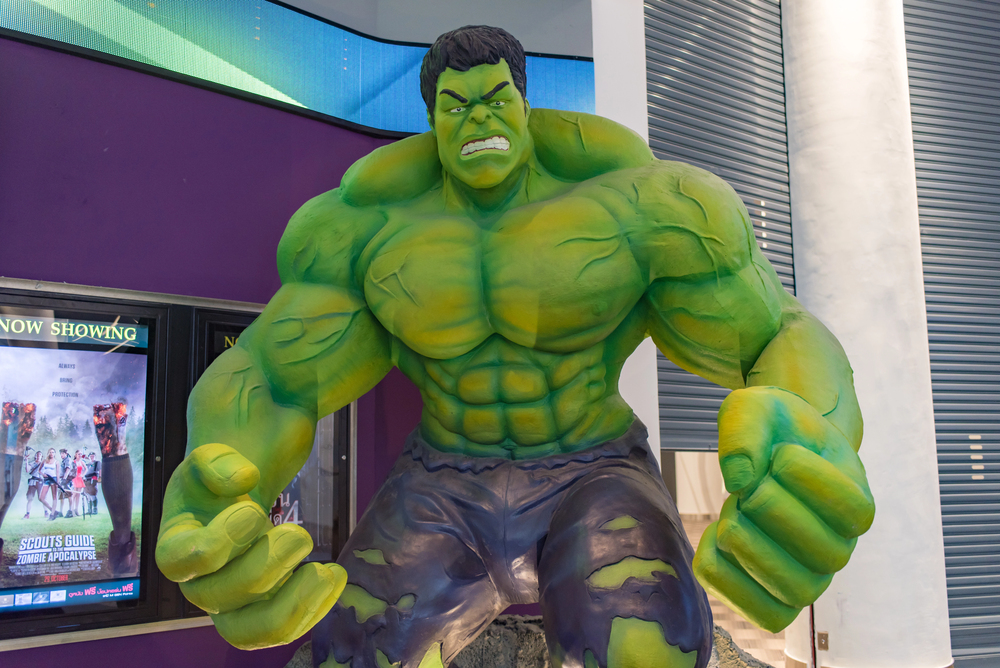
Stan Lee and Jack Kirby created the Hulk in 1962, the same year as the Cuban Missile Crisis. Bruce Banner is a scientist working on a gamma bomb.
He saves a teenager who wandered onto the test site and absorbs the blast himself.
The Hulk embodied nuclear anxiety that pervaded the early 1960s. Everyone feared radiation.
The monster inside Banner represented what might happen if we lost control of these weapons. The angrier Hulk gets, the stronger he becomes.
There’s no reasoning with him. Sound familiar? It should. The Cold War ran on the same logic.
Iron Man: Redemption Through Technology
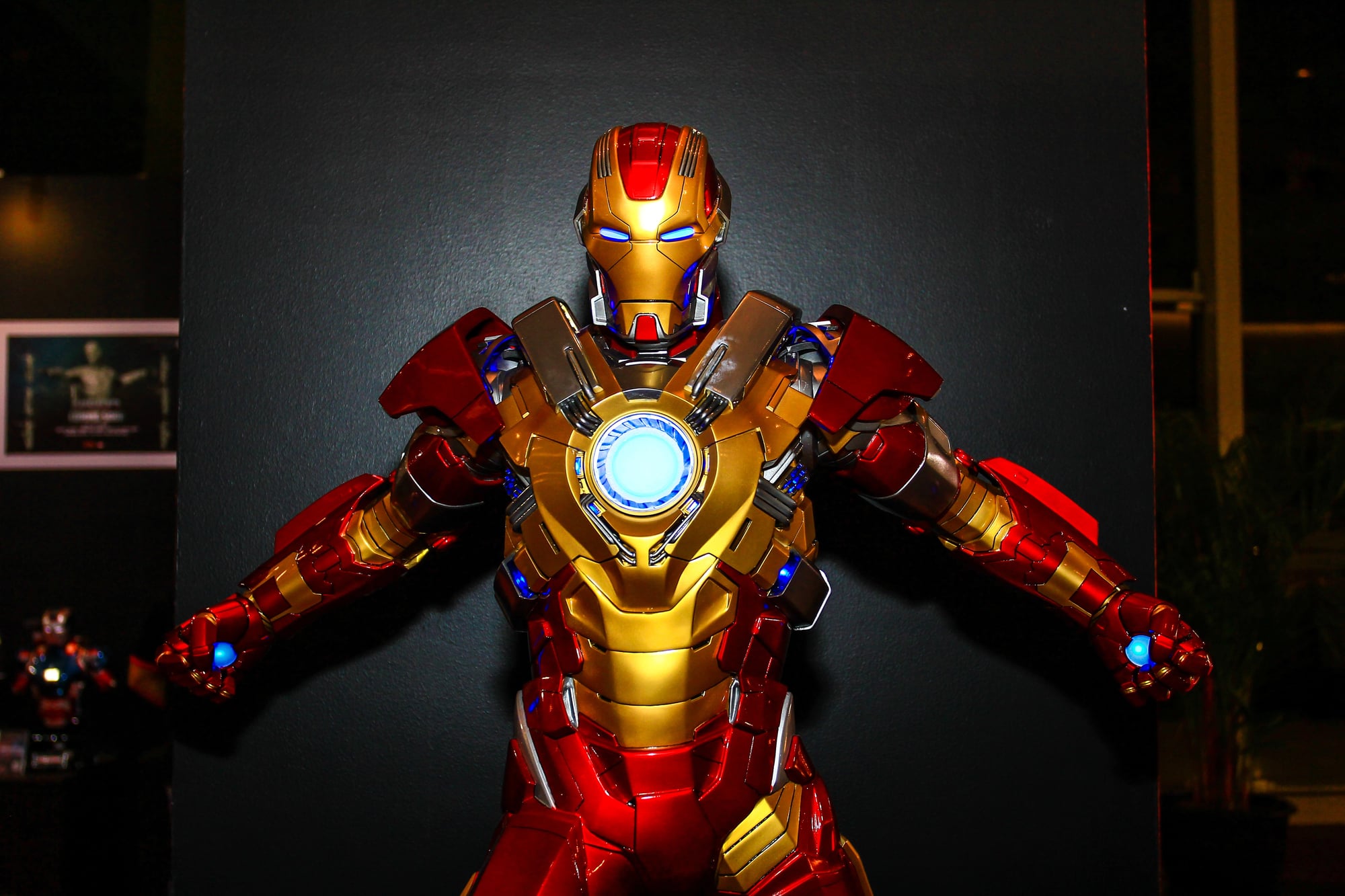
Stan Lee, Larry Lieber, Don Heck, and Jack Kirby created Iron Man in 1963. Lee challenged himself to make readers care about a wealthy arms dealer during the Vietnam War.
Tony Stark gets captured by enemy forces. Shrapnel lodges near his heart. He builds a suit to escape and keep himself alive.
The character’s relationship with weapons manufacturing evolved over time. Writers gradually shifted his motivation from military applications to personal protection and global defense.
Stark’s alcoholism, introduced in the 1979 “Demon in a Bottle” storyline, added another layer. He’s brilliant but flawed, powerful but vulnerable.
The X-Men: Fighting for Acceptance
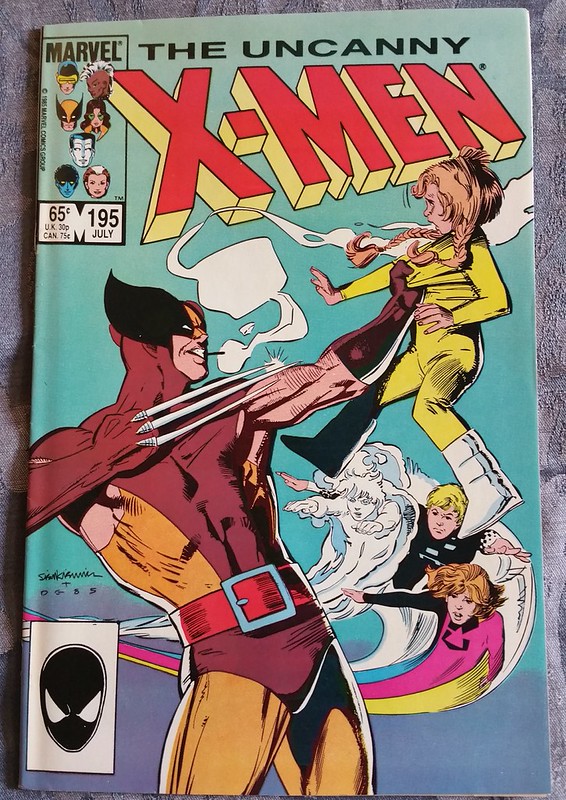
Stan Lee and Jack Kirby launched the X-Men in 1963. Professor Charles Xavier runs a school for mutants—people born with powers who face discrimination from regular humans.
The series dealt with themes of prejudice and acceptance.
Later readers interpreted Xavier and Magneto as parallels to Martin Luther King Jr. and Malcolm X—one advocating peaceful coexistence, the other taking a more militant stance.
This wasn’t Lee and Kirby’s stated intention at creation, but the themes resonated with Civil Rights struggles of the era. The X-Men weren’t fighting villains trying to take over the world.
They were fighting prejudice. That’s harder to punch.
Black Panther: African Royalty
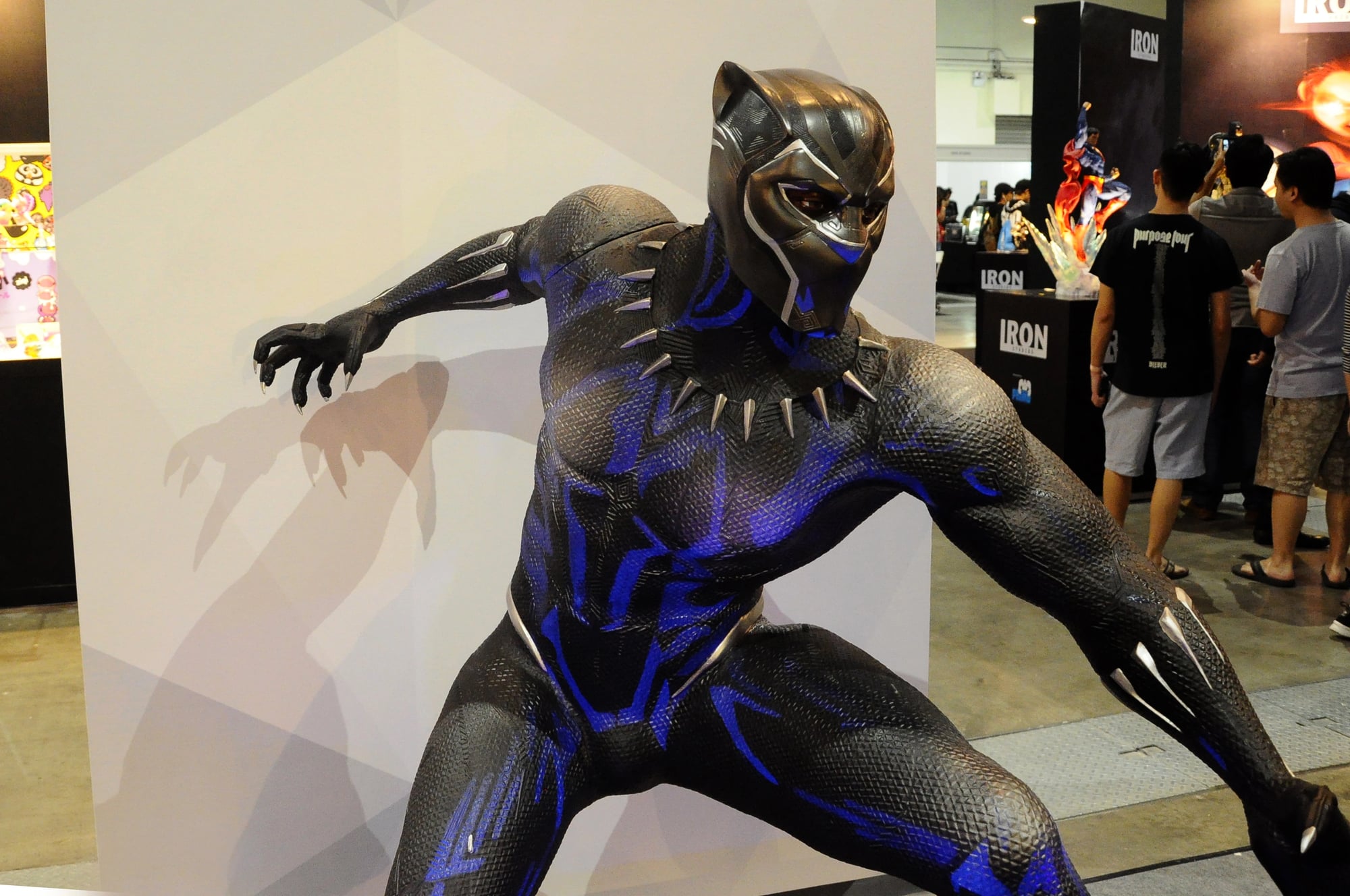
Stan Lee and Jack Kirby introduced Black Panther in 1966, making him the first Black superhero in mainstream American comics. T’Challa rules Wakanda, a technologically advanced African nation that was never colonized.
The character challenged every stereotype about Africa being primitive or needing saving. Wakanda possessed advanced technology and resources.
Black Panther had no origin story involving slavery or oppression. He was born into power and used it to protect his people.
The character’s debut coincided with the formation of the Black Panther Party that same year, though Lee and Kirby had no connection to the political organization.
Green Lantern: Space Cop with a Ring
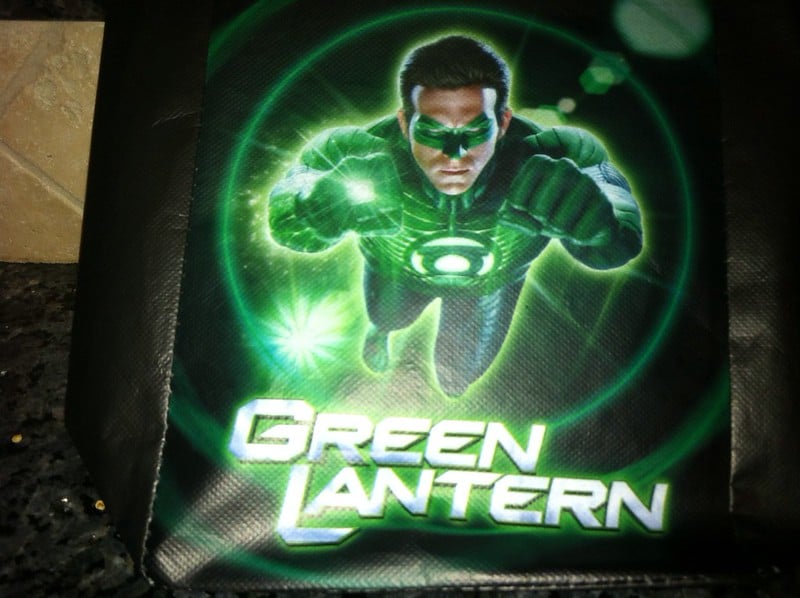
Martin Nodell created the first Green Lantern in 1940. Hal Jordan’s version, created by John Broome and Gil Kane in 1959, is the one most people know.
Jordan is a test pilot whose ring selects him after an alien crash-lands on Earth seeking a worthy successor.
The Green Lantern Corps represented the Cold War-era thinking about power and responsibility. Guardians of the Universe maintained order across galaxies.
The ring could create anything the wearer imagined, limited only by willpower and creativity. It wouldn’t work on anything yellow—a limitation that served as a plot device more than anything else.
Writers eventually changed this weakness.
Daredevil: Disability Isn’t Weakness
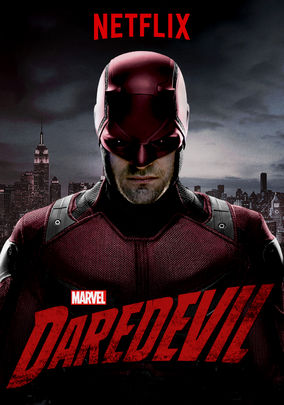
Stan Lee and Bill Everett created Daredevil in 1964. Matt Murdock loses his sight after pushing a blind man out of the path of a truck carrying radioactive material.
His other senses develop beyond normal human limits as a result.
Daredevil was Marvel’s first hero with a significant disability. Murdock doesn’t overcome his blindness.
He adapts to it. He becomes a lawyer by day and a vigilante by night, operating in Hell’s Kitchen, one of Manhattan’s roughest neighborhoods.
The character proved that heroes don’t need to be perfect physical specimens.
The Flash: Speed and Science
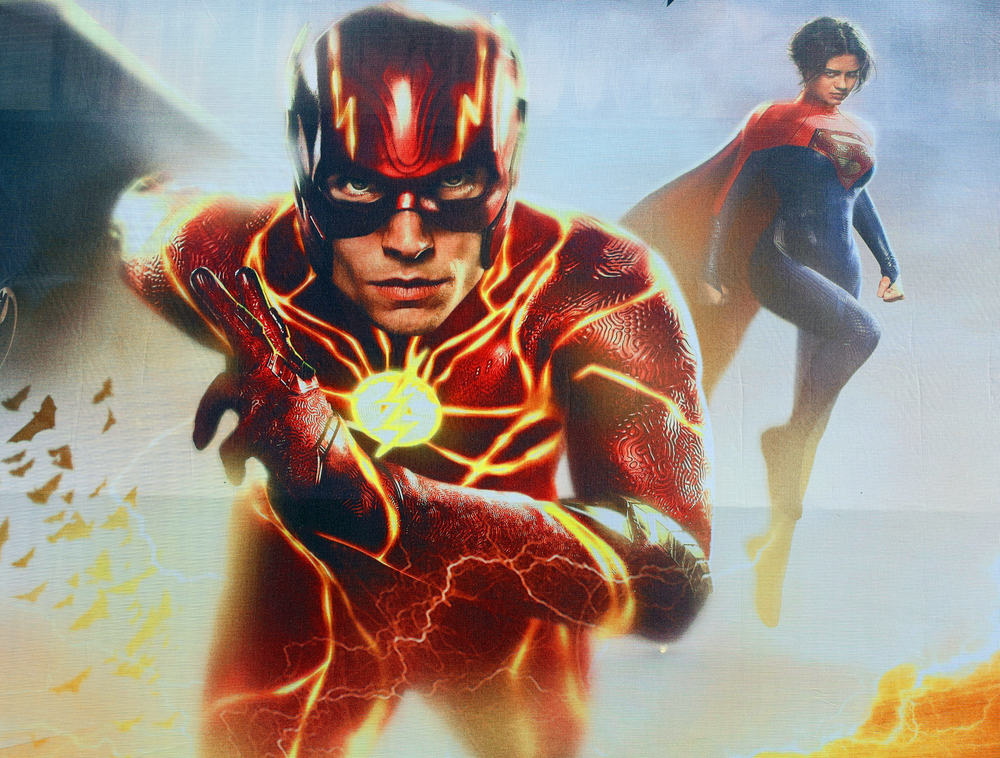
Gardner Fox and Harry Lampert created the first Flash in 1940. Barry Allen’s version, launched in 1956, kicked off the Silver Age of comics.
Allen is a police scientist who gains super-speed after lightning strikes a shelf of chemicals.
The Flash ran so fast he could vibrate through solid objects. Later stories expanded his abilities to include time travel and visits to parallel universes.
Writers eventually used him to explain the existence of multiple Earths in 1961’s “Flash of Two Worlds,” solving continuity problems between Golden Age and Silver Age heroes.
The character made science exciting. Allen used his brain as much as his speed.
Aquaman: More Than Fish Jokes
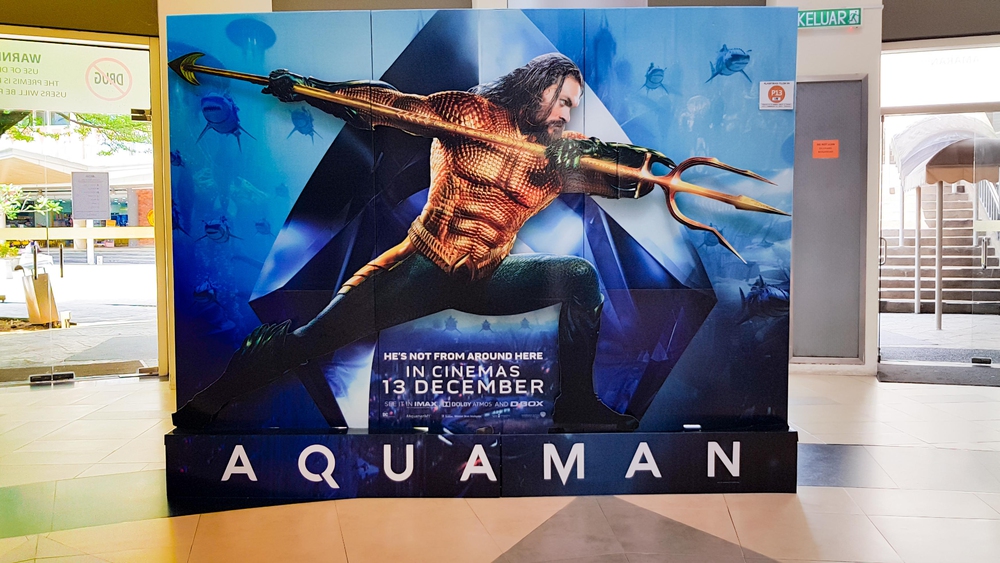
Paul Norris and Mort Weisinger created Aquaman in 1941. In the original version, Arthur Curry’s father raised him underwater using Atlantean science.
Later versions retold his origin as the son of an Atlantean queen and a lighthouse keeper. He rules an underwater kingdom and communicates with marine life.
People mock Aquaman for talking to fish. They miss the point.
He controls 71% of Earth’s surface. Atlantean technology surpasses anything on land.
Curry’s story deals with being caught between two worlds—similar to Superman, but underwater. Environmental themes became central to his character as ocean pollution and overfishing became global concerns.
When Creators Channeled Their World
These characters did not appear out of thin air. Their creators’ anxieties, aspirations, and hardships were mirrored in them.
Social justice movements, scientific advancements, war, and immigrant experiences all found their way onto the page.
The greatest heroes continue those traditions. They change with every generation while retaining the essence of what initially made them significant.
Characters from 60, 70, or 80 years ago are still important to people because of this. The issues shifted. There was no longer a need for heroes who stood in for our better selves.
More from Go2Tutors!

- The Romanov Crown Jewels and Their Tragic Fate
- 13 Historical Mysteries That Science Still Can’t Solve
- Famous Hoaxes That Fooled the World for Years
- 15 Child Stars with Tragic Adult Lives
- 16 Famous Jewelry Pieces in History
Like Go2Tutors’s content? Follow us on MSN.



