17 Royal Scandals Palaces Worked Hard to Keep Quiet
Royal courts have guarded embarrassing secrets for centuries, yet many have eventually emerged from archives, private letters, and historical documents. Illegitimacy, infidelity, madness, incompetence, and hidden relationships have marked royal lineages, yet courts maintained official narratives of rectitude and virtue.
The scandals that were successfully concealed often shaped history—royal succession decided by hidden paternity, wars triggered by undisclosed infidelities, or incompetent rulers sustained by courts that covered their incapacity. These hidden truths reveal how power depends not on reality but on what others believe to be true.
George III’s Secret Mental Illness and the Regency Crisis
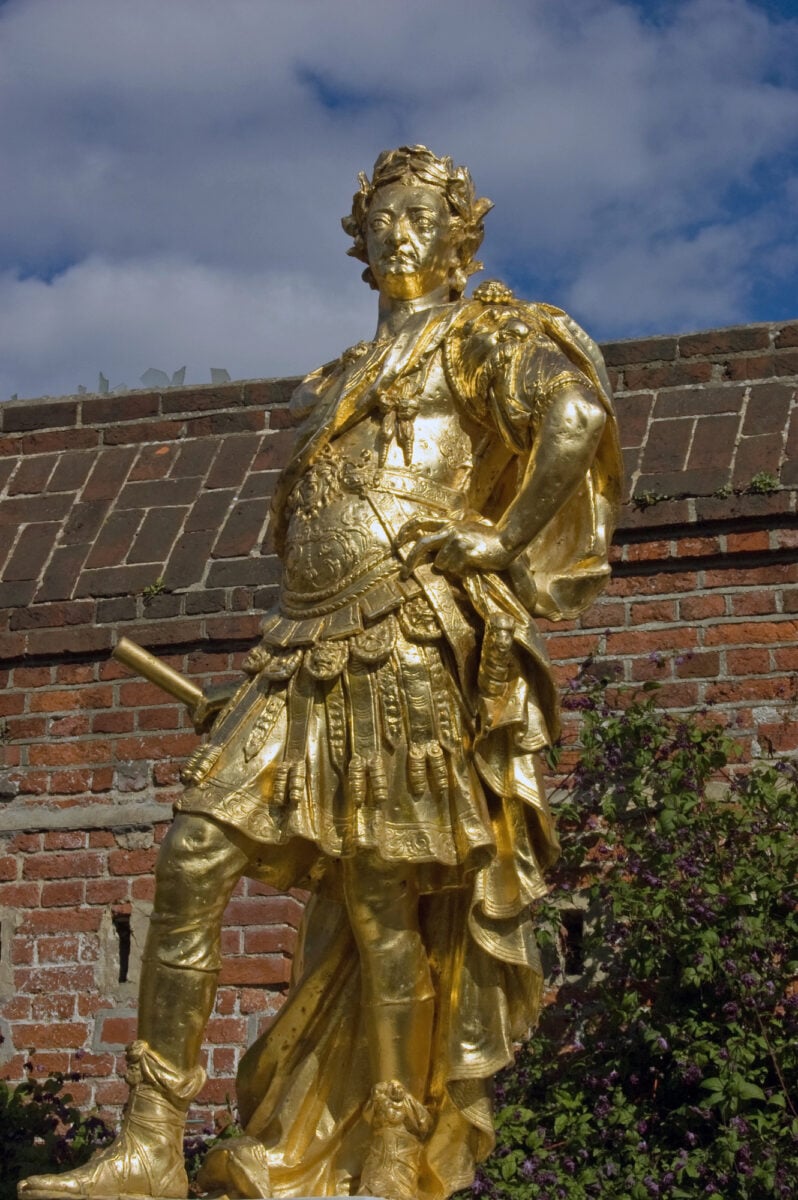
In 1788, George III suffered a severe mental illness lasting until March 1789, displaying hallucinations, violent behavior, and mania that forced politicians Pitt and Fox to debate establishing a regency. The Regency Bill passed the Commons but before the Lords could act, the king mysteriously recovered in February 1789, preventing the Prince of Wales from seizing control.
The court concealed the full severity of the king’s recurring episodes, which had plagued him possibly since 1765.
Peter III’s Mysterious Death After Deposition
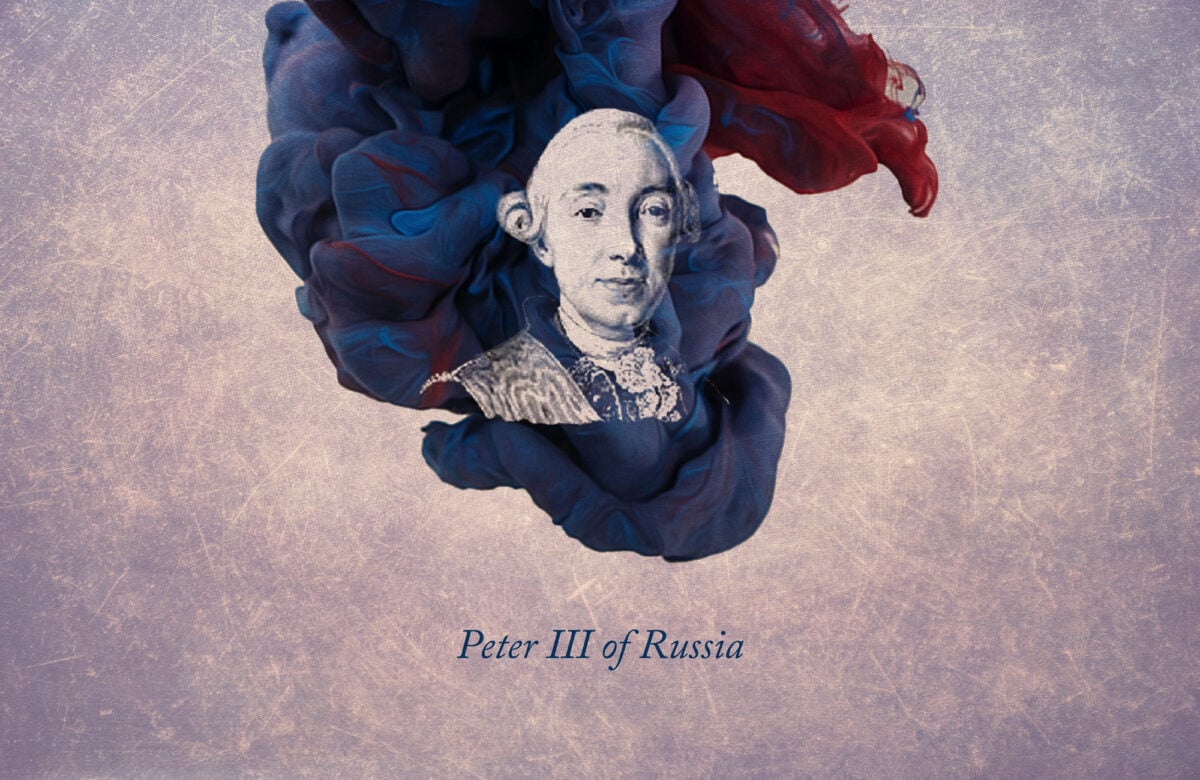
Peter III ruled Russia for only 186 days in 1762 before his wife Catherine staged a coup and forced his abdication. He was moved to Ropsha after renouncing the throne, where he died on July 18 under mysterious circumstances—official reports claimed hemorrhoidal colic, but diplomats across Europe immediately suspected murder.
Most historians believe Catherine’s lover’s brother, Alexei Orlov, killed the former tsar on Catherine’s orders, though she was never formally implicated.
Charles II’s Vast Network of Illegitimate Children
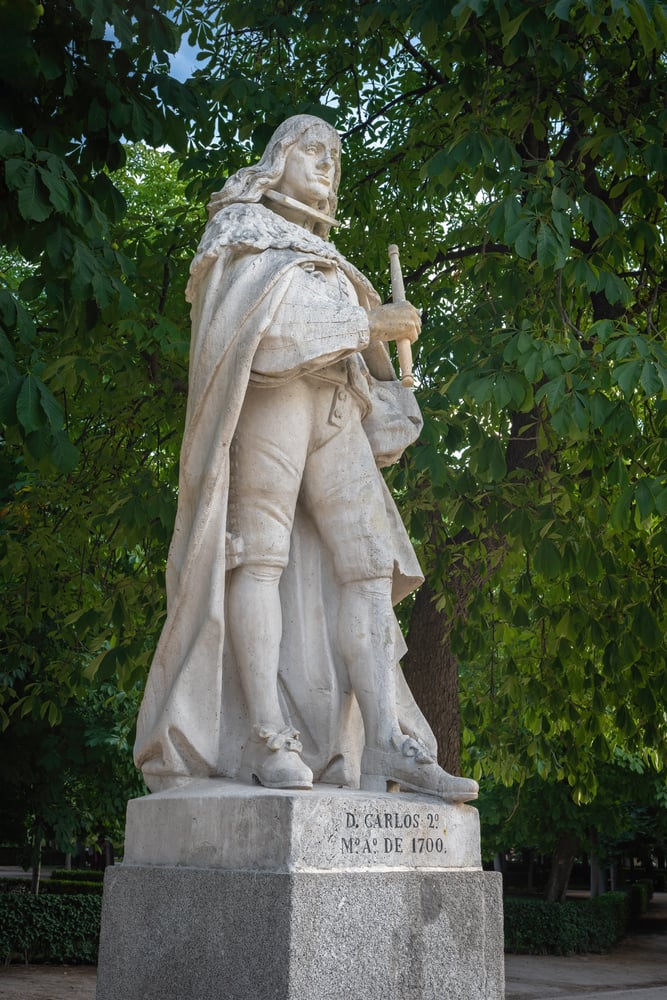
Charles II fathered at least fifteen illegitimate children with his mistresses, including the famous orange-seller Nell Gwyn, yet produced no legitimate heirs with his wife Catherine of Braganza. When Catherine insisted that Charles’s chief mistress Barbara Villiers be removed from court, Charles forced his wife to accept her.
The king openly acknowledged and elevated his illegitimate children with titles and money, while the official succession remained secure through the fiction of legitimacy.
Tsarevich Alexei’s Hemophilia and Rasputin’s Influence
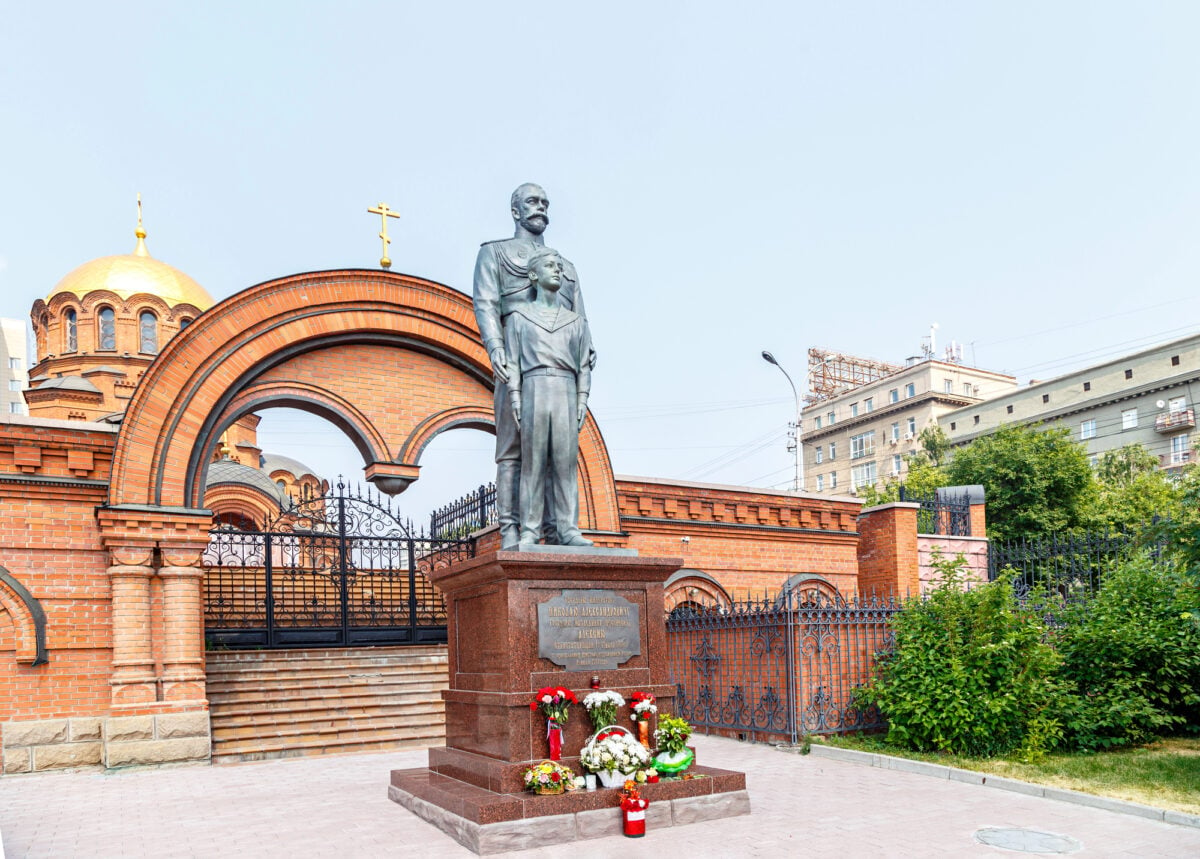
Tsarevich Alexei was born in 1904 as the longed-for male heir to Russia, but soon showed signs of hemophilia, a potentially fatal bleeding disease inherited from his mother Alexandra through Queen Victoria’s bloodline. Nicholas and Alexandra kept the diagnosis secret from everyone except the inner court, fearing it would destroy the monarchy’s authority if revealed.
The secrecy allowed the disreputable mystic Rasputin to gain extraordinary influence over state decisions, as his presence seemed to help during Alexei’s bleeding episodes.
Frederick the Great’s Concealed Intimate Preferences

Frederick II of Prussia surrounded himself exclusively with male courtiers and collected homoerotic art, yet never publicly acknowledged his intimate preferences despite persistent European rumors. His lover Hans Hermann von Katte was executed by Frederick’s father in front of him as punishment, an event that shaped the king’s lifelong caution about his private relationships.
Voltaire, whom Frederick invited to his court, was later accused of publishing an exposé of the king’s affairs with male favorites, though Frederick neither confirmed nor denied it.
King Ludwig II’s Contested Sanity and Mysterious Death
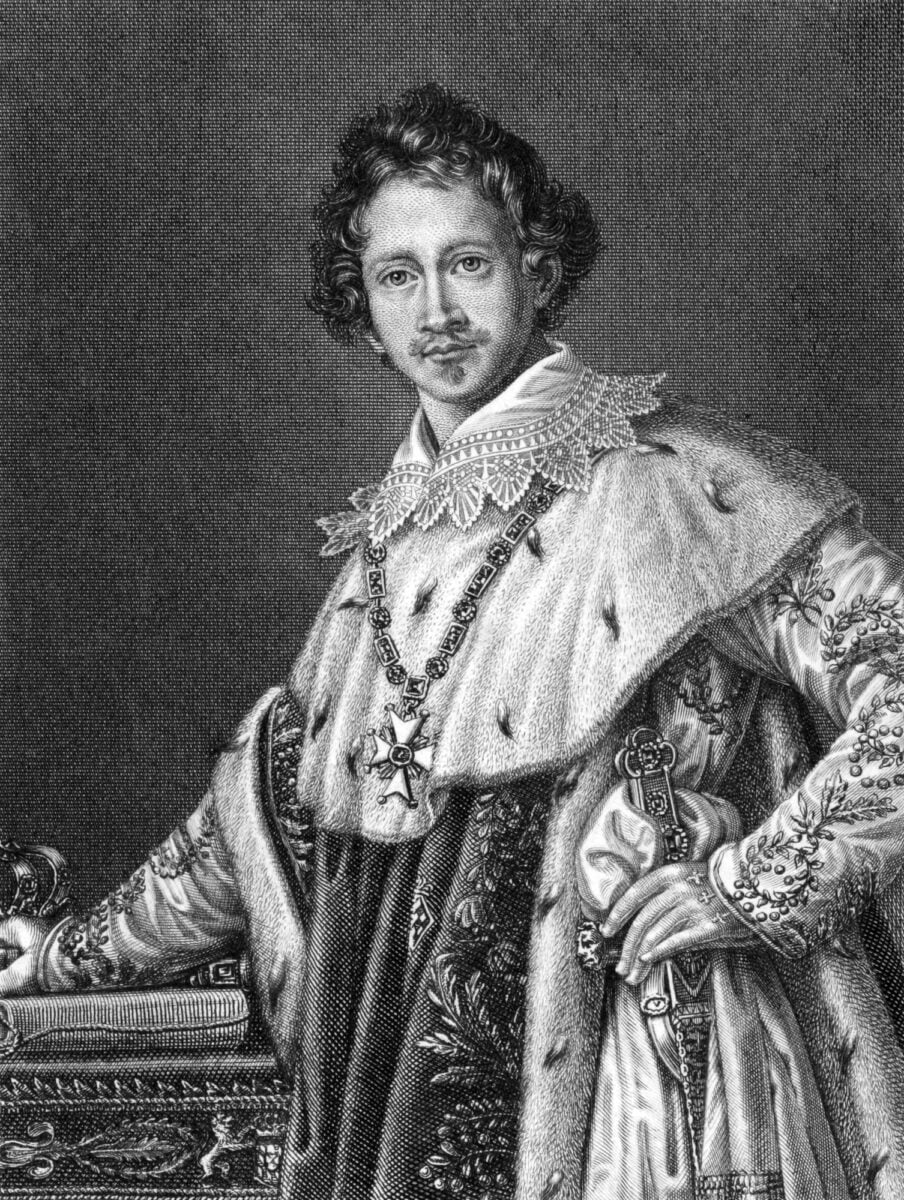
King Ludwig II of Bavaria was declared insane by his government on June 12, 1886, and arrested at Neuschwanstein Palace without any formal psychiatric examination. The next evening, he was found dead in Lake Starnberg alongside his psychiatrist Dr. von Gudden—officially ruled a suicide, though no water was found in his lungs.
Ludwig’s forced declaration of madness may have been politically motivated to stop his expensive castle-building projects, and his death remains unexplained.
Mary, Queen of Scots’ Son and the Paternity Question
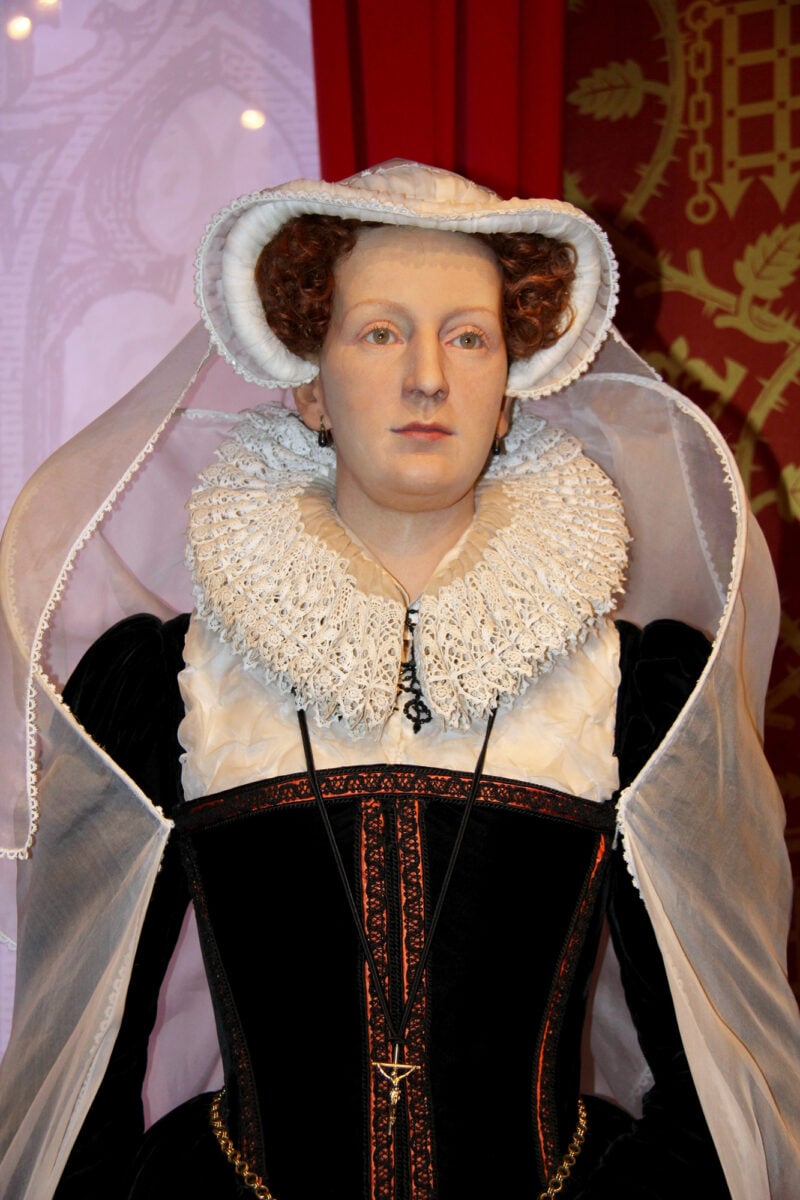
Questions about the paternity of James VI of Scotland (later James I of England) complicated succession claims, as historians debated who actually fathered the future king. The Scottish court maintained the official fiction of clear succession to prevent political upheaval and rival challenges to the throne.
The hidden doubts about the heir’s biological origins were concealed to preserve stability, and the true answer likely died with the participants.
Anne Boleyn’s Miscarriage and Fabricated Accusations
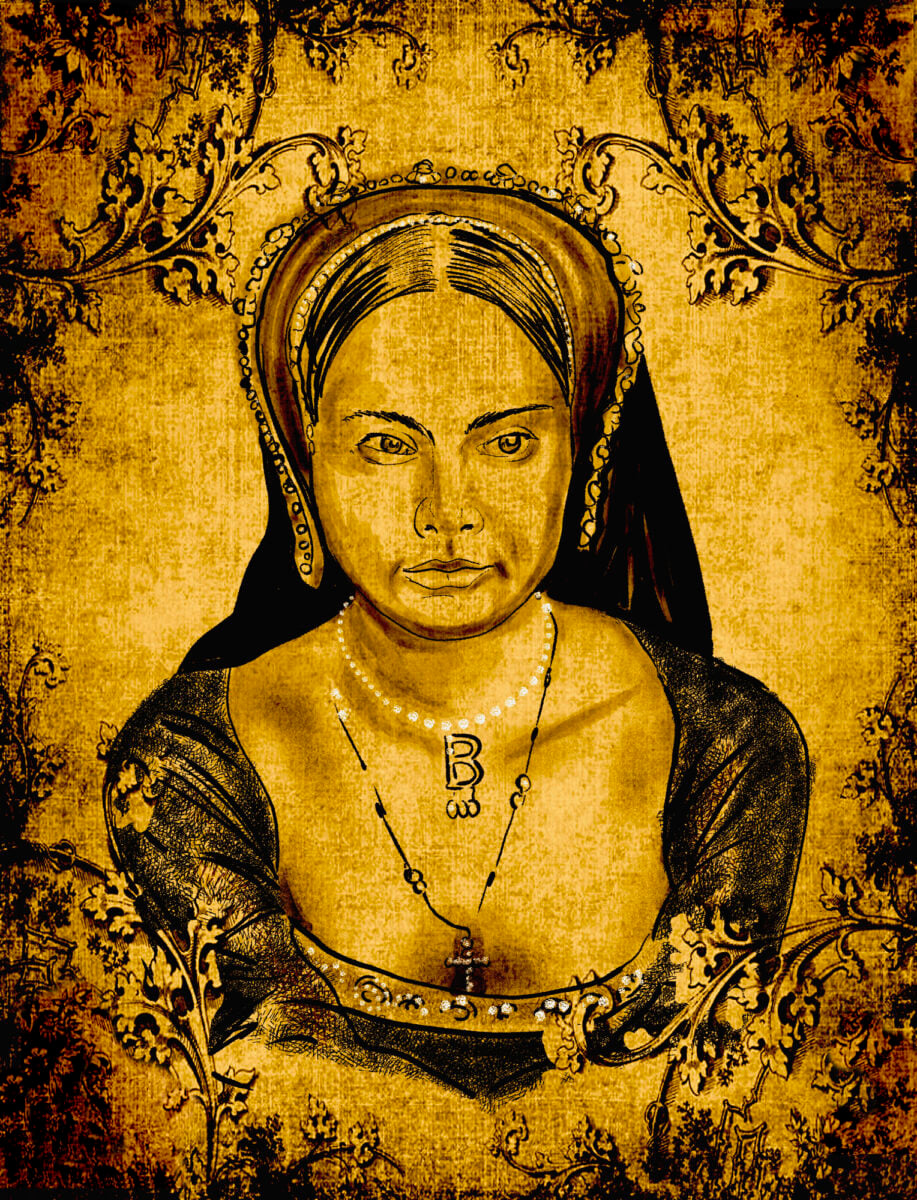
Henry VIII accused Anne Boleyn of adultery with multiple men, including her own brother, partly to justify her execution in 1536 and legitimize setting her aside. The exact truth of these allegations—whether they were genuine infidelities or politically motivated fabrications—remains contested by historians.
The court controlled the narrative entirely, ensuring Anne’s defenders were silenced or executed alongside her.
Richard III and the Princes in the Tower
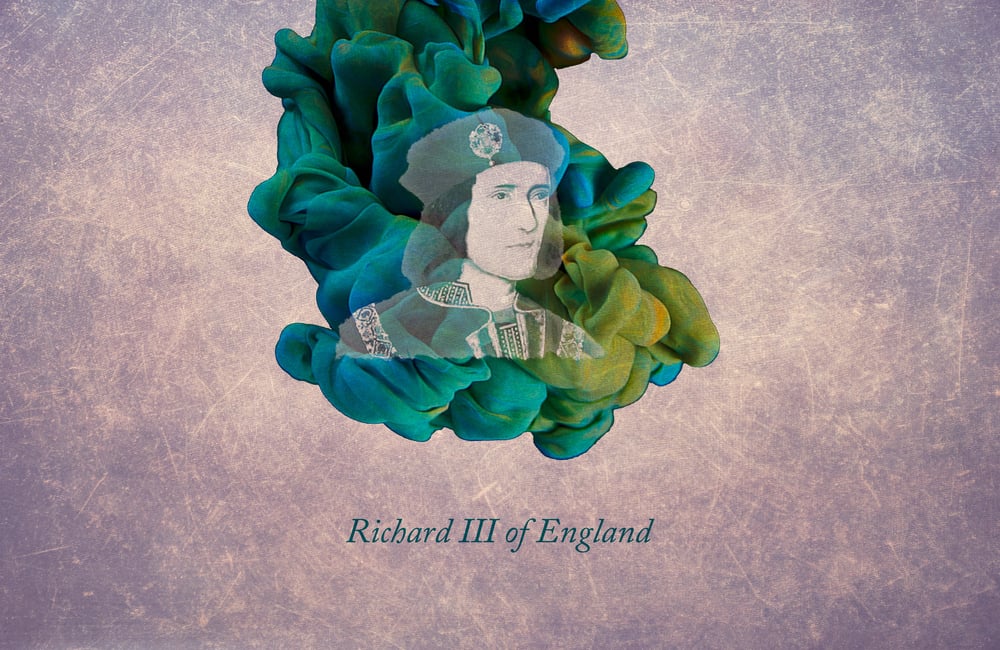
The disappearance of Edward V and Richard, Duke of York—Richard III’s young nephews—in 1483 while in his custody became history’s most enduring mystery. Whether Richard murdered them, allowed them to die, or they somehow escaped remains officially unresolved, though Richard’s swift seizure of the throne fueled centuries of suspicion.
Richard never publicly addressed what happened to the boys, and their remains were not formally identified until 1933.
Henry VIII’s Secret Marriage to Jane Seymour
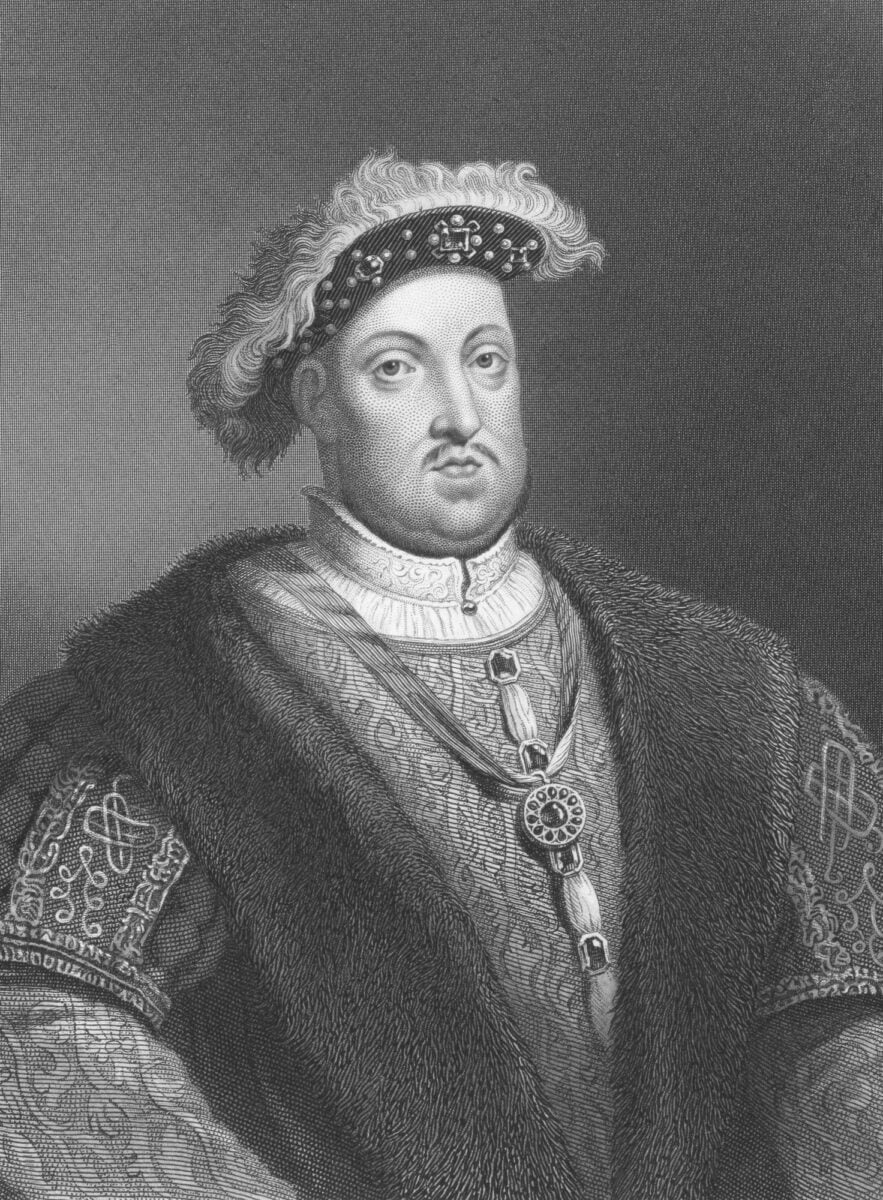
Henry VIII secretly married Jane Seymour shortly before Anne Boleyn’s execution in 1536, yet publicly maintained that Anne was still his wife until her death. The hidden ceremony was carefully concealed to avoid accusations of bigamy, and only revealed after Anne’s execution when Henry announced Jane as his legitimate wife.
The timing exposed the king’s infidelity but protected him from charges of marrying while already wed.
Catherine the Great’s Disputed Paternity of Paul I
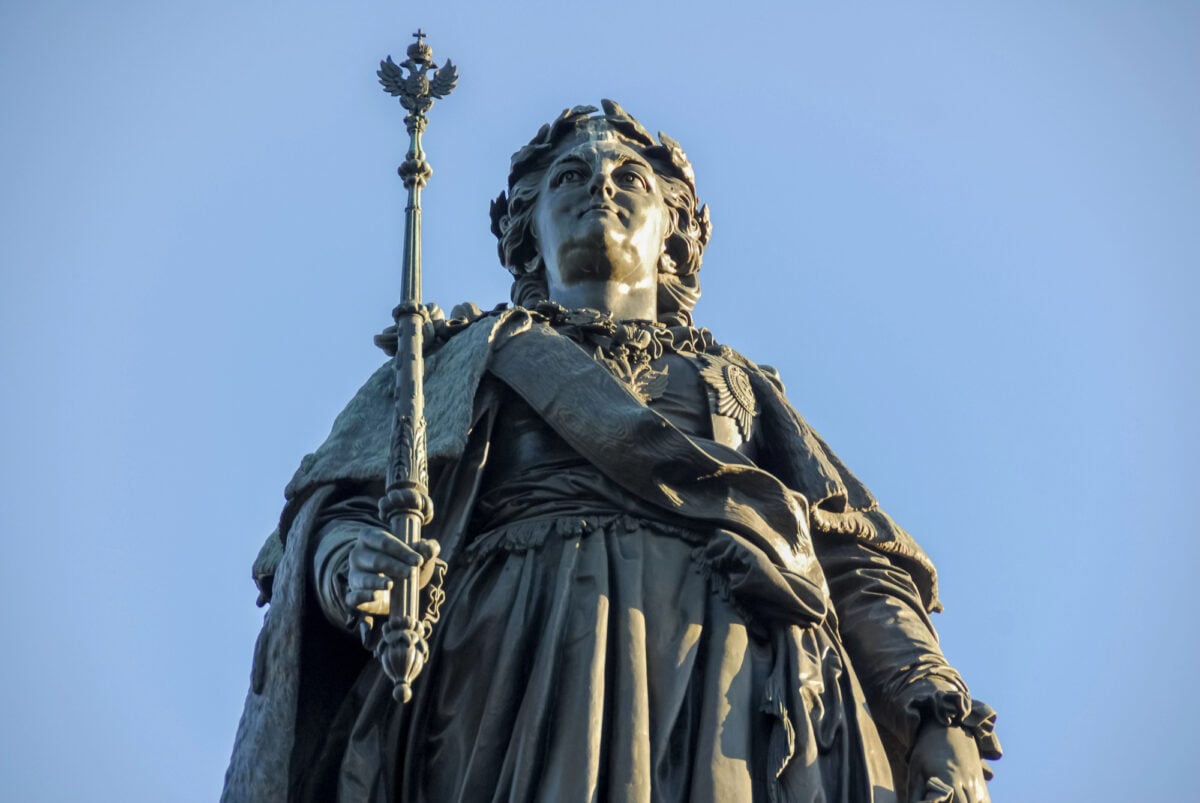
Catherine the Great’s son Paul I was officially recognized as heir, but persistent rumors suggested he was the biological son of her first lover Sergei Saltykov rather than her husband Peter III. Catherine herself hinted at these doubts in her private correspondence, yet never publicly addressed the question.
The uncertainty about the heir’s legitimacy was carefully concealed to preserve succession stability and Catherine’s authority.
Edward VIII’s Suppressed Private Scandals

Edward VIII’s 1936 abdication was publicly justified solely by his desire to marry divorced American Wallis Simpson, but the full extent of his personal scandals remained suppressed by British press censorship. Rumors of Edward’s intimate relationships and Simpson’s liaisons circulated in diplomatic circles but never appeared in official records or newspapers.
The court’s control of information protected the monarchy’s reputation far more effectively than the king’s public explanation of his abdication.
Philip V of Spain’s Mental Deterioration
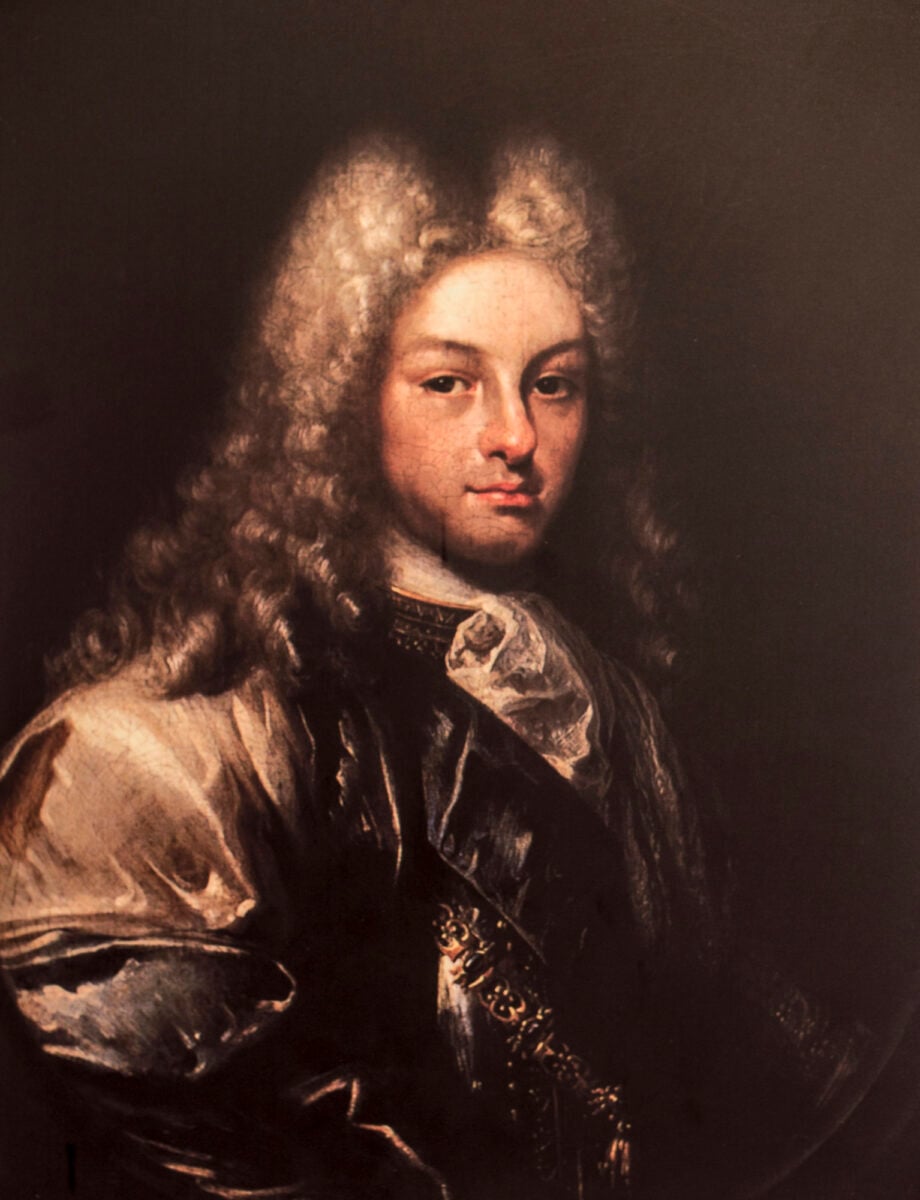
Philip V of Spain suffered from severe melancholia and psychological crises during the eighteenth century that periodically rendered him unable to govern. His ministers managed state affairs during his periods of incapacity without publicly acknowledging his illness, while official records maintained the fiction of continuous rule.
The king would alternate between apparent recovery and complete withdrawal, yet this pattern was concealed from the public.
Charles VI of France’s Hidden Madness
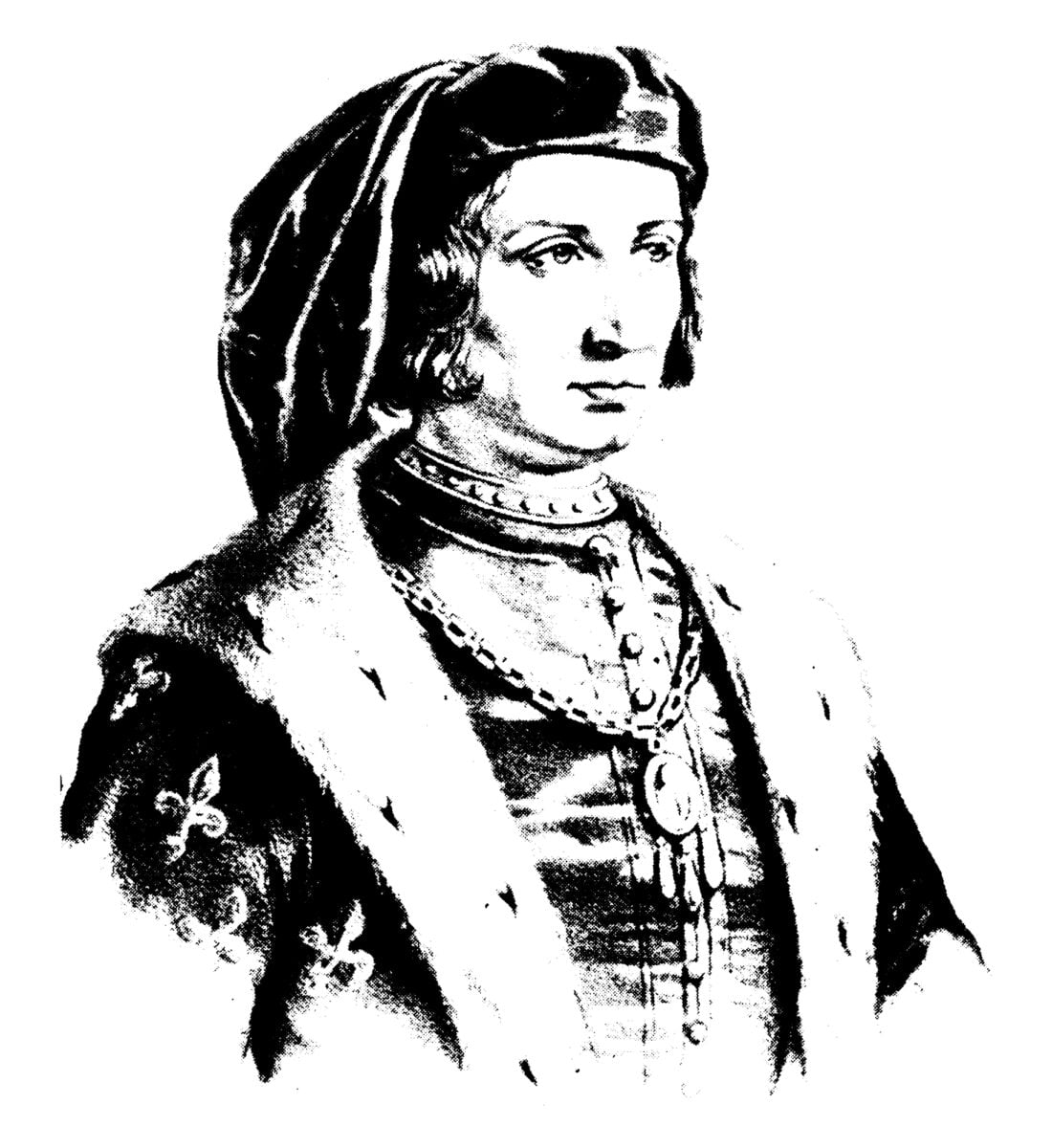
Charles VI of France, known as “Charles the Mad,” experienced severe mental illness beginning in 1392 that left him unable to rule for extended periods. Regents took control while the court publicly maintained that the king remained in command, attributing his condition to various causes including curses and inherited weakness.
The extent of his incapacity was consistently downplayed to prevent civil war among competing factions for power.
Ivan the Terrible’s Violent Act Against His Son
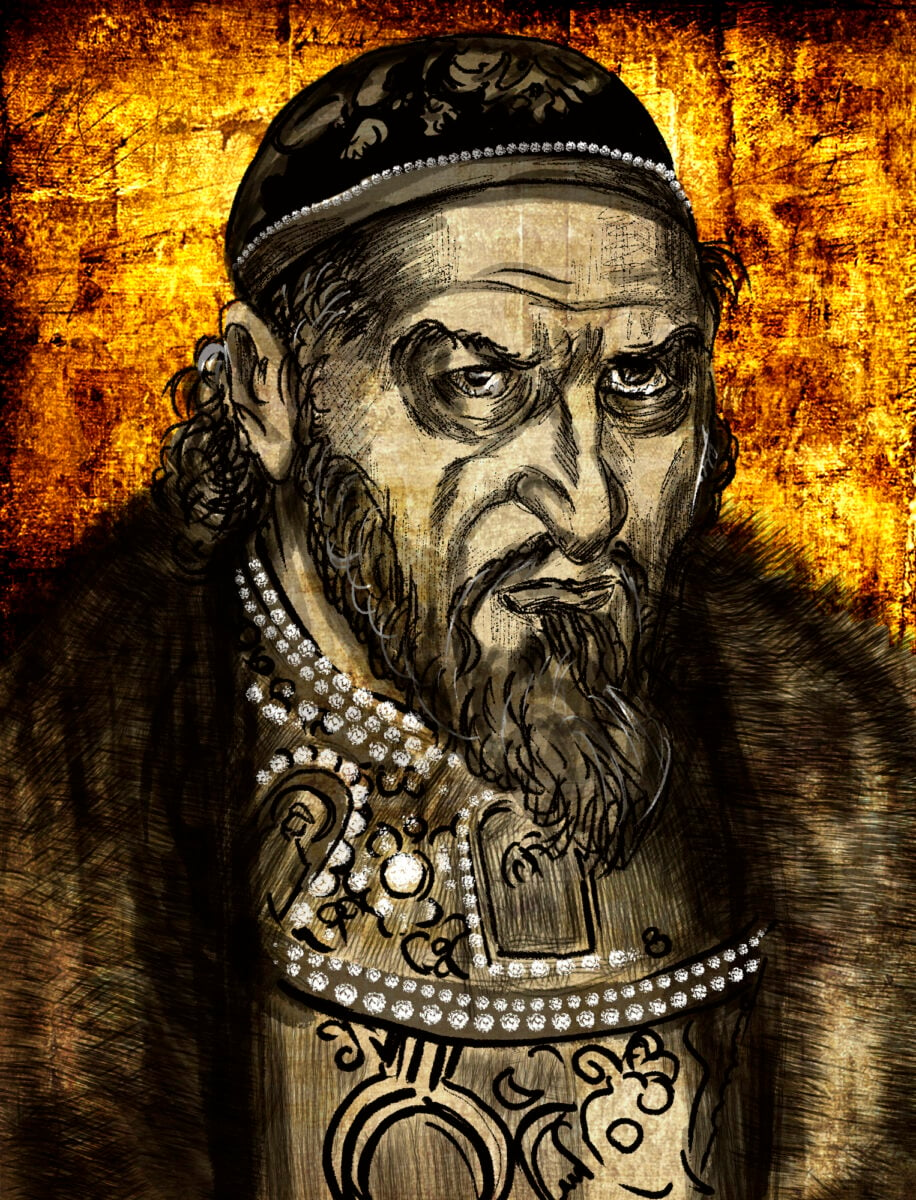
Ivan IV is widely believed to have killed his own son Ivan the Younger by striking him in the head during a fit of rage in 1580, though official records claimed the young prince died of illness. The court hushed up the circumstances and spread stories of natural causes to avoid acknowledging the tsar’s violent act.
The exact truth about how and why the heir died remained concealed throughout Ivan’s lifetime.
William IV’s Abandoned Illegitimate Children
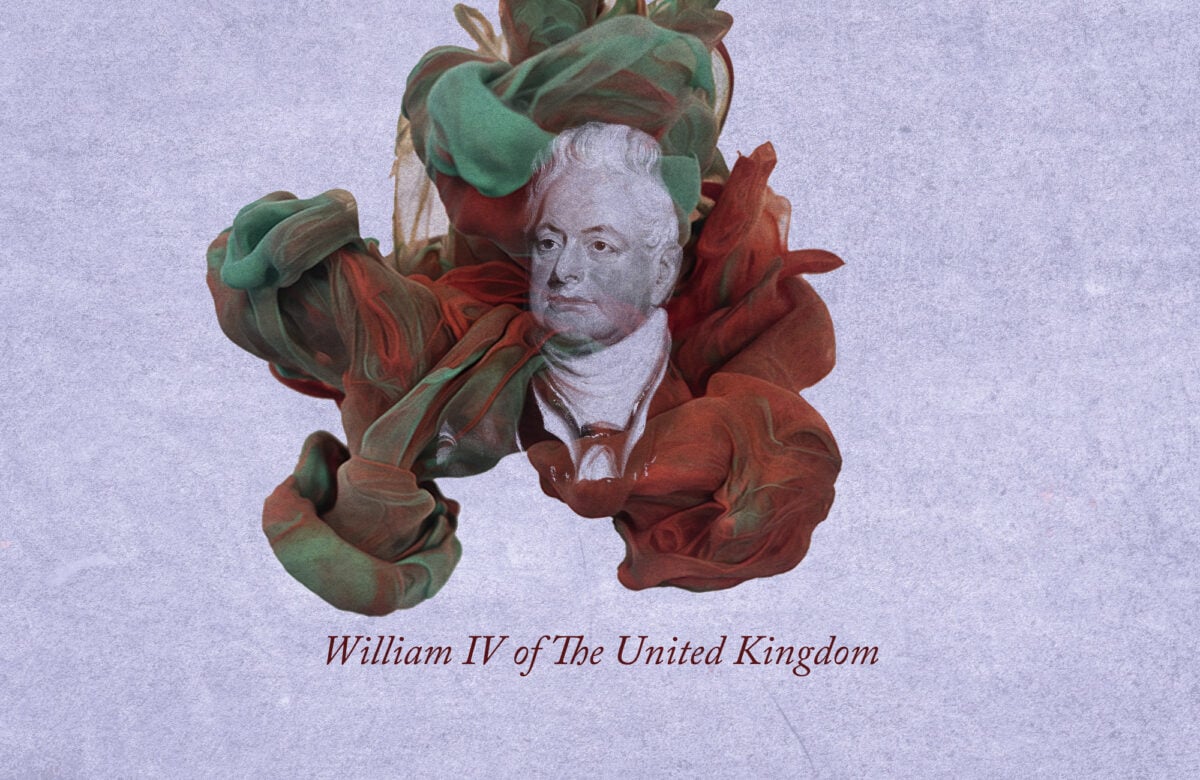
Before becoming King of England, William IV fathered at least ten illegitimate children with actress Dorothy Jordan, yet abandoned them both when he married legitimately to secure succession. The court deliberately erased Jordan and his illegitimate family from official histories once he ascended the throne.
His previous family was treated as though it had never existed, a complete rewriting of the king’s personal narrative.
James I’s Hidden Intimate Relationships
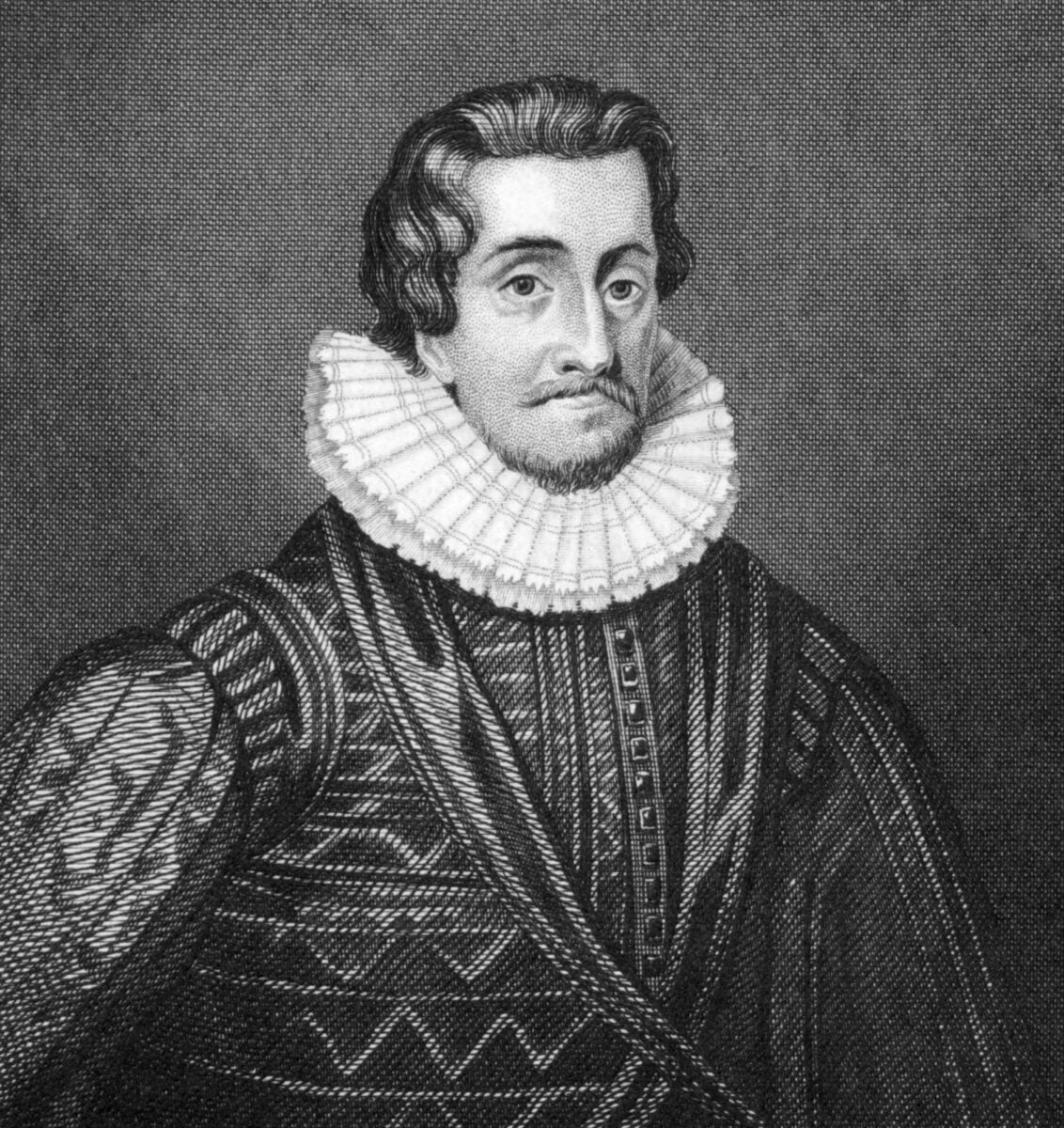
King James I of England was widely understood by contemporaries to prefer the companionship of handsome young men, notably Robert Carr and George Villiers, Duke of Buckingham. Though not explicitly condemned during his lifetime, the king’s preferences were never publicly acknowledged, and official court history omitted any reference to the nature of these relationships.
The court maintained protective silence that allowed the king to exercise authority while his personal life remained officially unexamined.
Secrecy in Royal Governance

Royal courts survived scandals not by virtue of superior morality but by superior access to silence. Courts controlled who knew what and whether it would ever be publicly acknowledged—a scandal successfully hidden was indistinguishable from innocence.
The machinery of concealment required more effort than the original transgression, yet royal secrecy eventually crumbled when time and curiosity proved stronger than court management.
More from Go2Tutors!

- The Romanov Crown Jewels and Their Tragic Fate
- 13 Historical Mysteries That Science Still Can’t Solve
- Famous Hoaxes That Fooled the World for Years
- 15 Child Stars with Tragic Adult Lives
- 16 Famous Jewelry Pieces in History
Like Go2Tutors’s content? Follow us on MSN.