Depression Era Glass Bowls That Dealers Grab Before Prices Rise
Depression glass was cheap by design, given away in oat boxes and at movie theaters to keep struggling families buying during the 1930s. Ninety years later, most of it is still affordable, which is exactly why dealers watch it so closely.
When a pattern’s serving bowls start climbing, they move fast, because the bowls are the pieces that broke, chipped, and vanished while the plates survived by the crate. The value hides in the color and the form.
A pink berry bowl is common, but the same pattern in cobalt, delphite, or ultramarine can be worth ten times as much, and a large console bowl is always scarcer than the dinner plates around it. The patterns below are where the informed buyers reach first, and the small details that separate a sleeper from a common piece.
Cherry Blossom
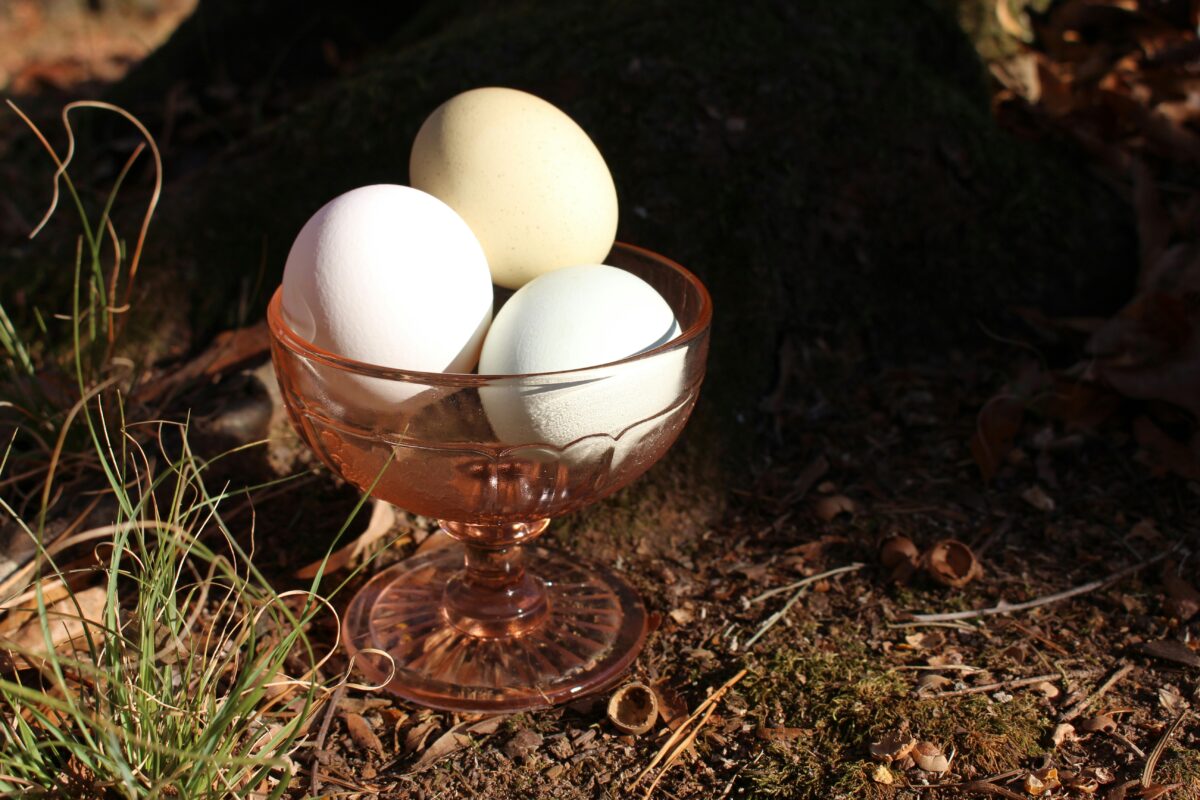
Jeannette’s Cherry Blossom is one of the most collected patterns, and its two-handled bowls, three-footed console, and berry sets are the sought-after serving pieces. The opaque pale-blue delphite examples command the strongest prices, running well into the hundreds.
Reproductions are rampant, so collectors count the bumps on each cherry, two per cherry on originals, and inspect the mold detail before paying up.
American Sweetheart
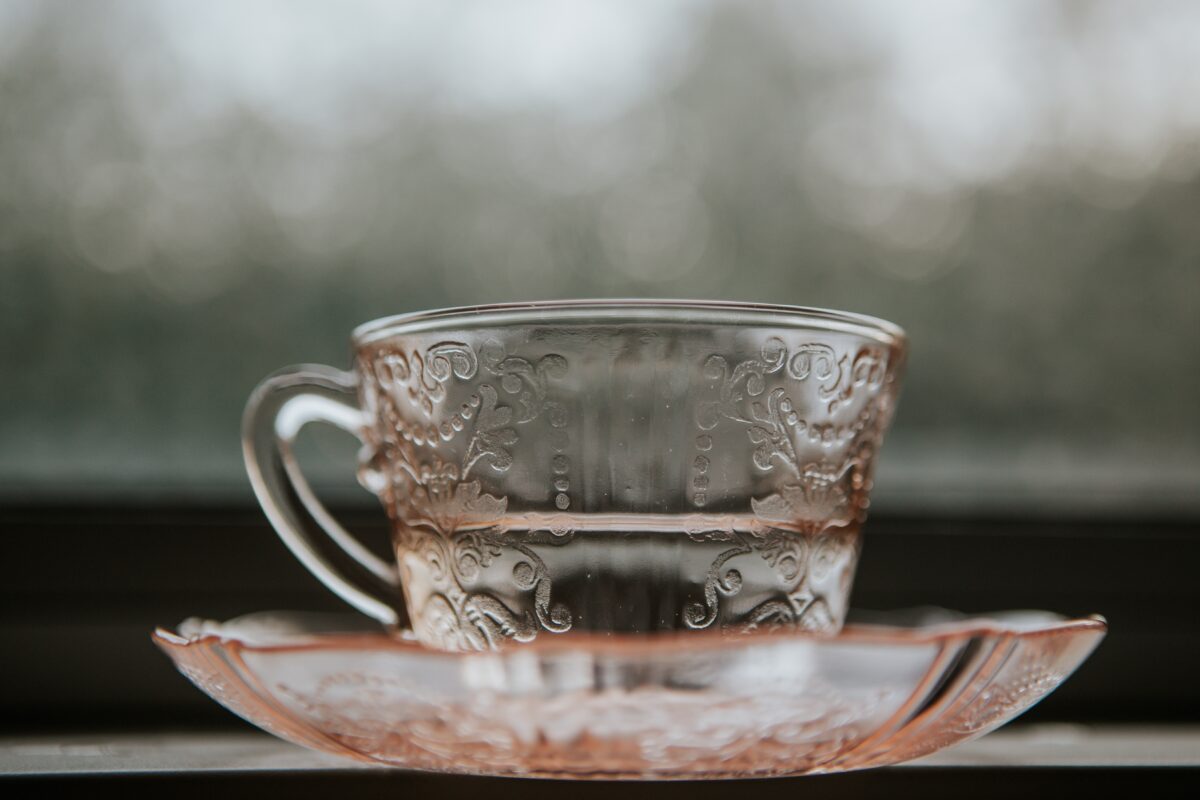
MacBeth-Evans made American Sweetheart in translucent Monax, pink, and the far rarer ruby and cobalt, and its large console bowls are showpieces. Because red and cobalt appeared only in limited forms, a console or serving bowl in those colors can reach into the high hundreds.
The delicacy of the glass means inner-rim chips are common, and a clean example is what dealers grab.
Royal Lace
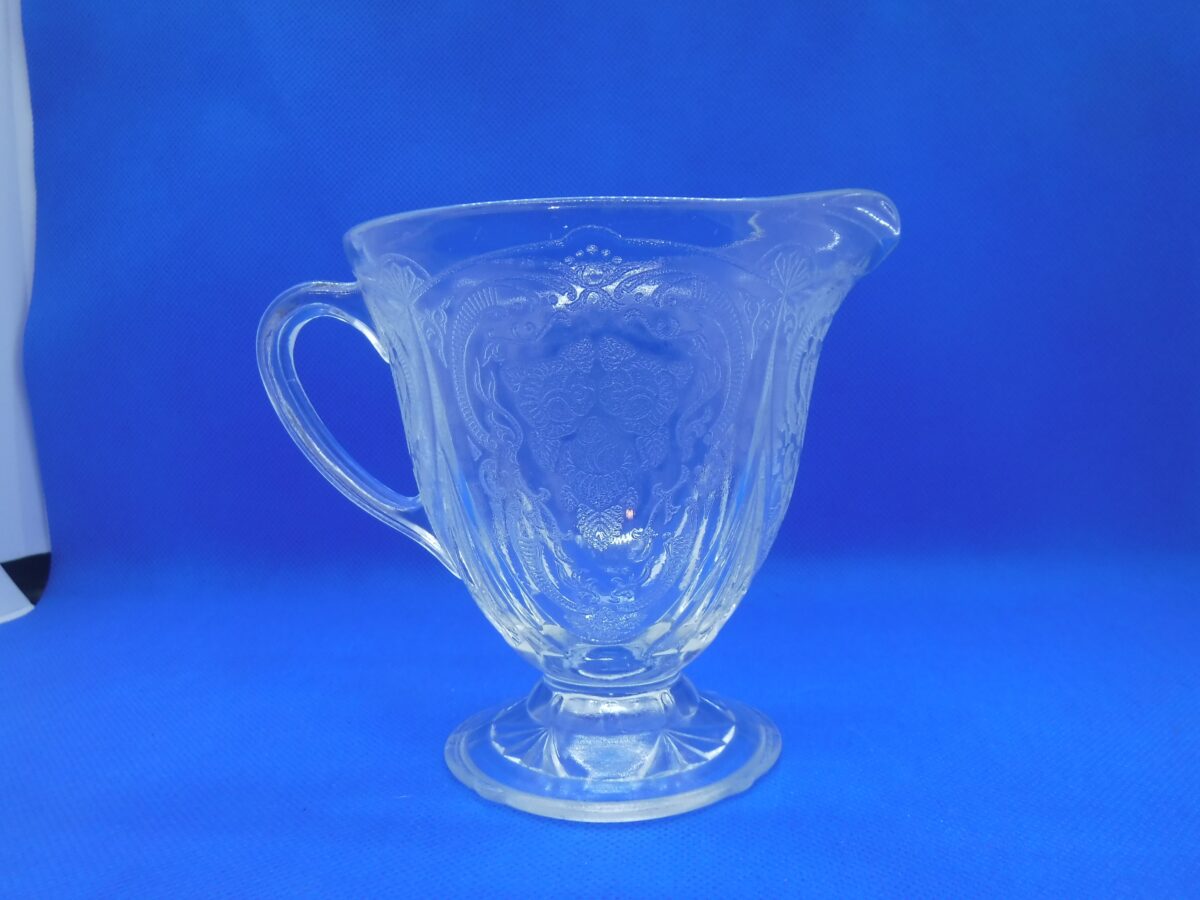
Hazel-Atlas produced Royal Lace in a striking cobalt “Ritz Blue,” and the rolled-edge console bowls and cream soups in that color are prizes. Cobalt serving pieces routinely bring $100 to $400 and more, far above the pink and green.
The intricate lace pattern shows every flaw, so crisp molding and no chips to the ruffled edge drive value.
Mayfair “Open Rose”
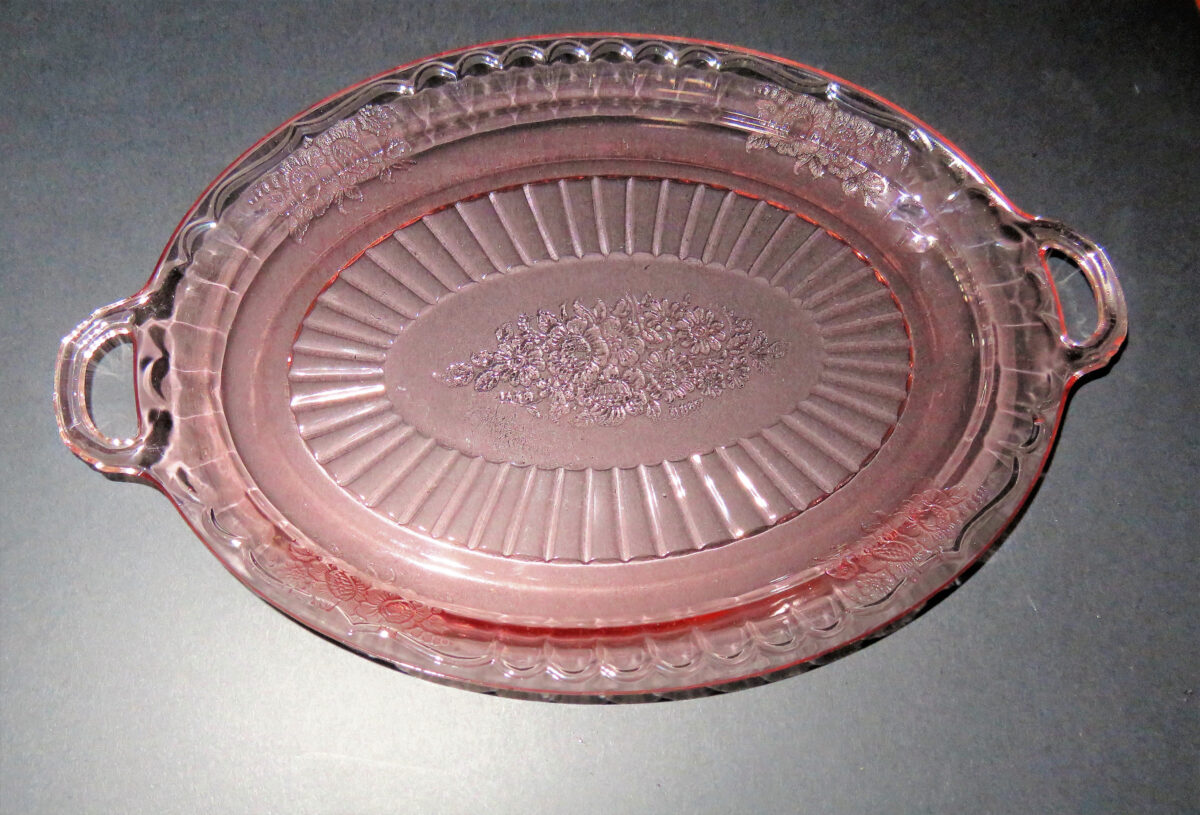
Hocking’s Mayfair, often called Open Rose, is a heavyweight pattern where the large low bowls and covered vegetable dishes are the serious pieces, especially in ice blue. Rare-color serving bowls reach $250 to $1,000 and beyond, with the covered forms at the top.
Reproductions exist, so collectors check the mold sharpness and color tone carefully.
Princess
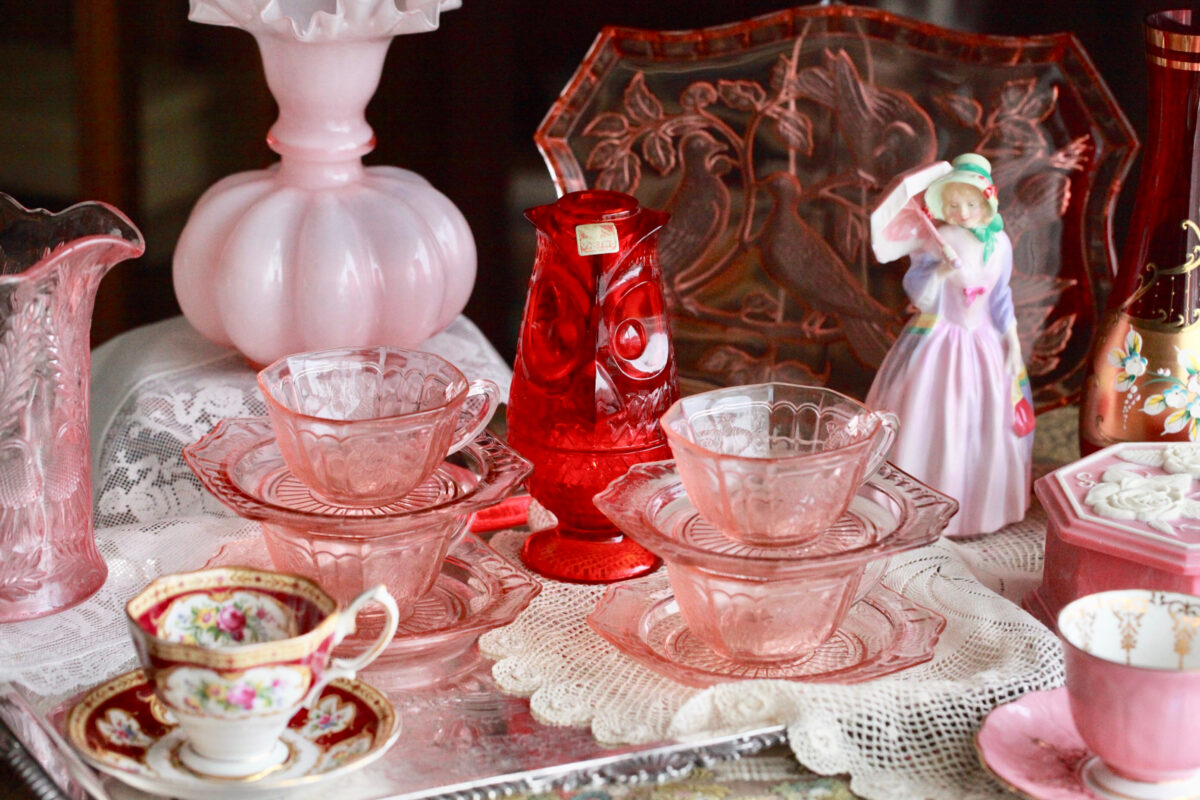
Hocking’s Princess appears in green, pink, and topaz, with an exceptionally rare light blue, and its octagonal and hat-shaped bowls stand out. The blue serving pieces are genuinely scarce and valuable, while topaz and green bring solid prices.
Even wear and a clean, un-chipped rim are what buyers reward.
Iris and Herringbone
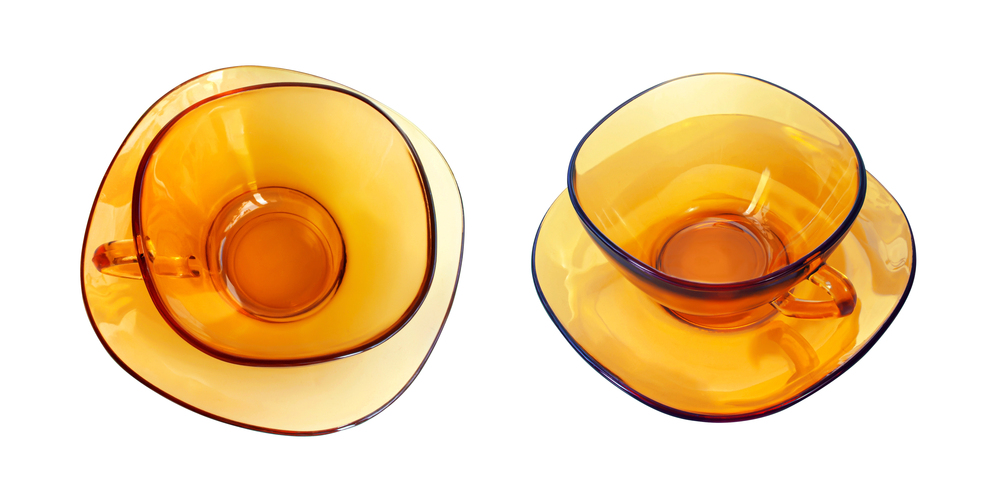
Jeannette’s Iris and Herringbone is prized in crystal and shimmering iridescent, with ruffled fruit bowls and berry sets among the standout forms. The large ruffled bowls in good condition bring $100 and up.
The pointed herringbone base chips easily, so clean edges and bright iridescence are what dealers look for.
Miss America
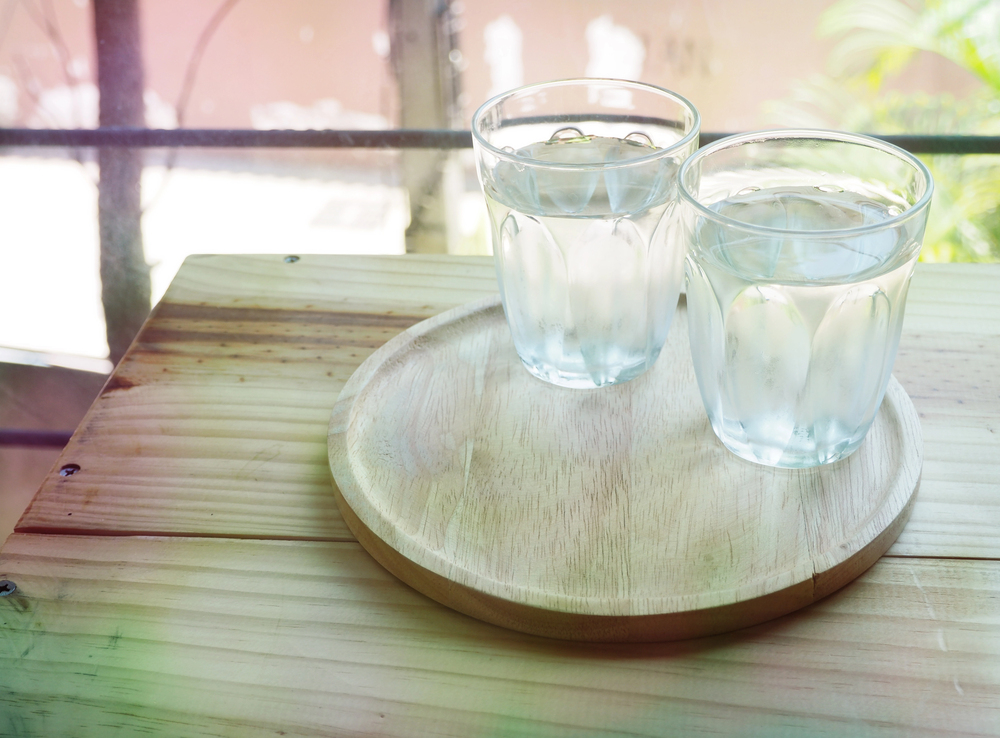
Hocking’s Miss America, with its sunburst hobnail design, came in pink, green, ice blue, and royal ruby, and its curved-in berry and serving bowls are collectible. Ice blue and ruby examples bring the strongest prices.
The pattern is reproduced, so collectors verify the mold detail and the correct color before paying for the rare shades.
Adam
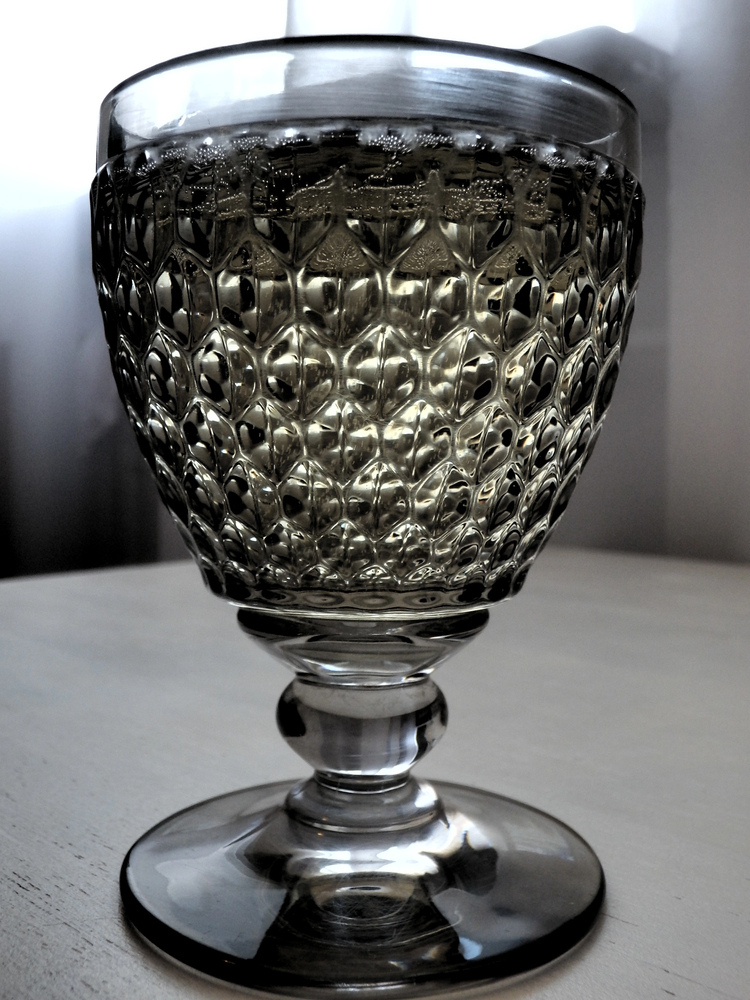
Jeannette’s Adam, an Art Deco pattern in green and pink, features distinctive square bowls that break from the usual round forms. The angular serving pieces are what set the pattern apart and draw collectors.
Clean corners and no chips to the raised design determine value.
Parrot “Sylvan”
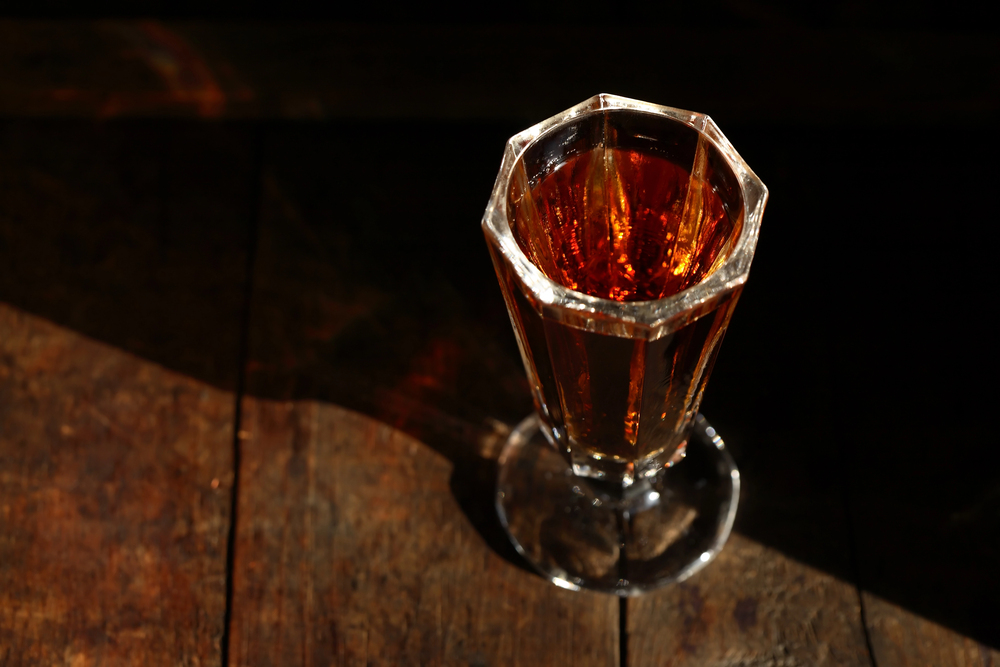
Federal’s Parrot, also called Sylvan, ran only in 1931 and 1932, making it one of the shortest-lived and scarcest patterns in the field. Serving bowls in green and amber can bring several hundred to several thousand dollars because so little was made.
The brief production is the whole story, and the condition then sets the final number.
Florentine “Poppy”

Hazel-Atlas made Florentine, nicknamed Poppy, in two closely related versions with ruffled and footed bowls in green, pink, yellow, and cobalt. The cobalt and yellow serving pieces are the scarce, valuable forms.
Bright color and a clean ruffled edge are what buyers reward.
Moderntone
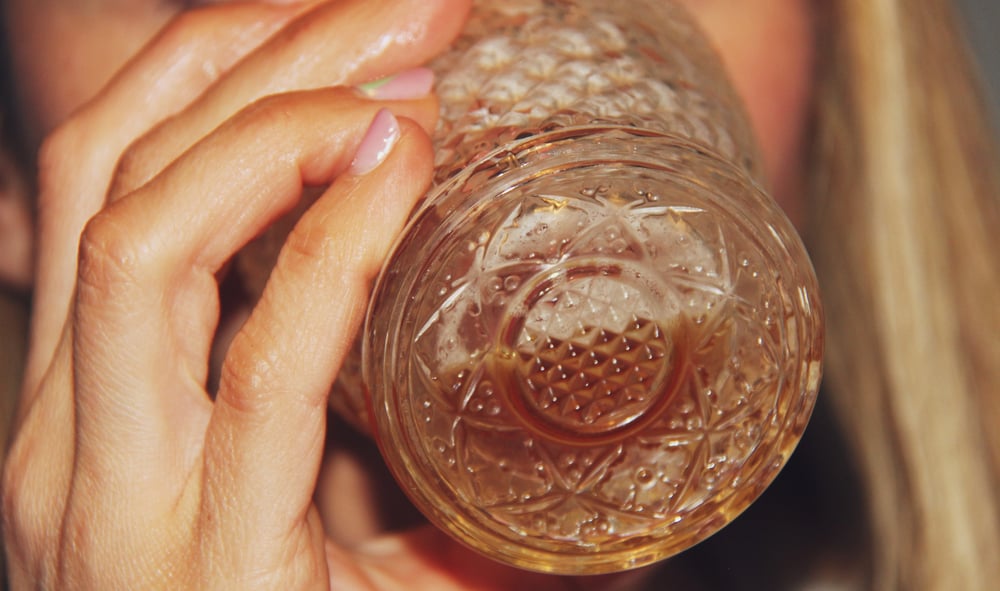
Hazel-Atlas produced Moderntone in deep cobalt and amethyst, with concentric-ring bowls and cream soups that suit the sleek Deco look. Cobalt serving bowls in good condition are steady sellers to collectors of blue glass.
The dark color shows scratches, so clean, unworn examples drive the price.
Windsor “Windsor Diamond”
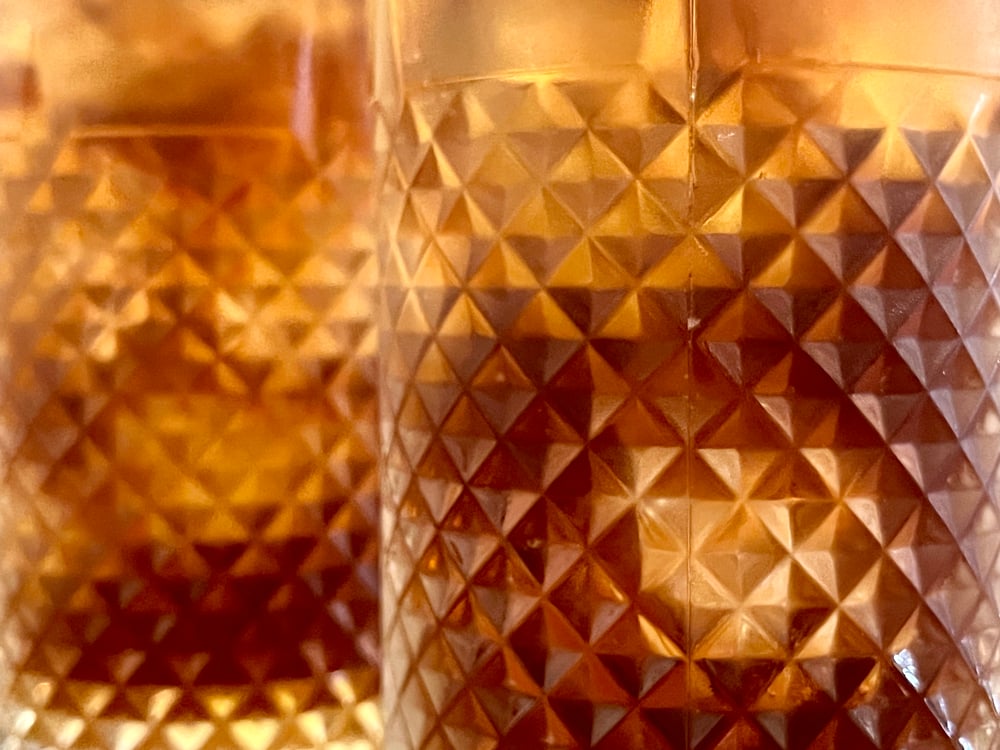
Jeannette’s Windsor offered unusual boat-shaped and pointed-edge bowls alongside the standard round forms, in pink, green, and crystal. The distinctive elongated bowls are the pieces collectors specifically seek.
Clean points on the edges and strong color set the value.
Doric
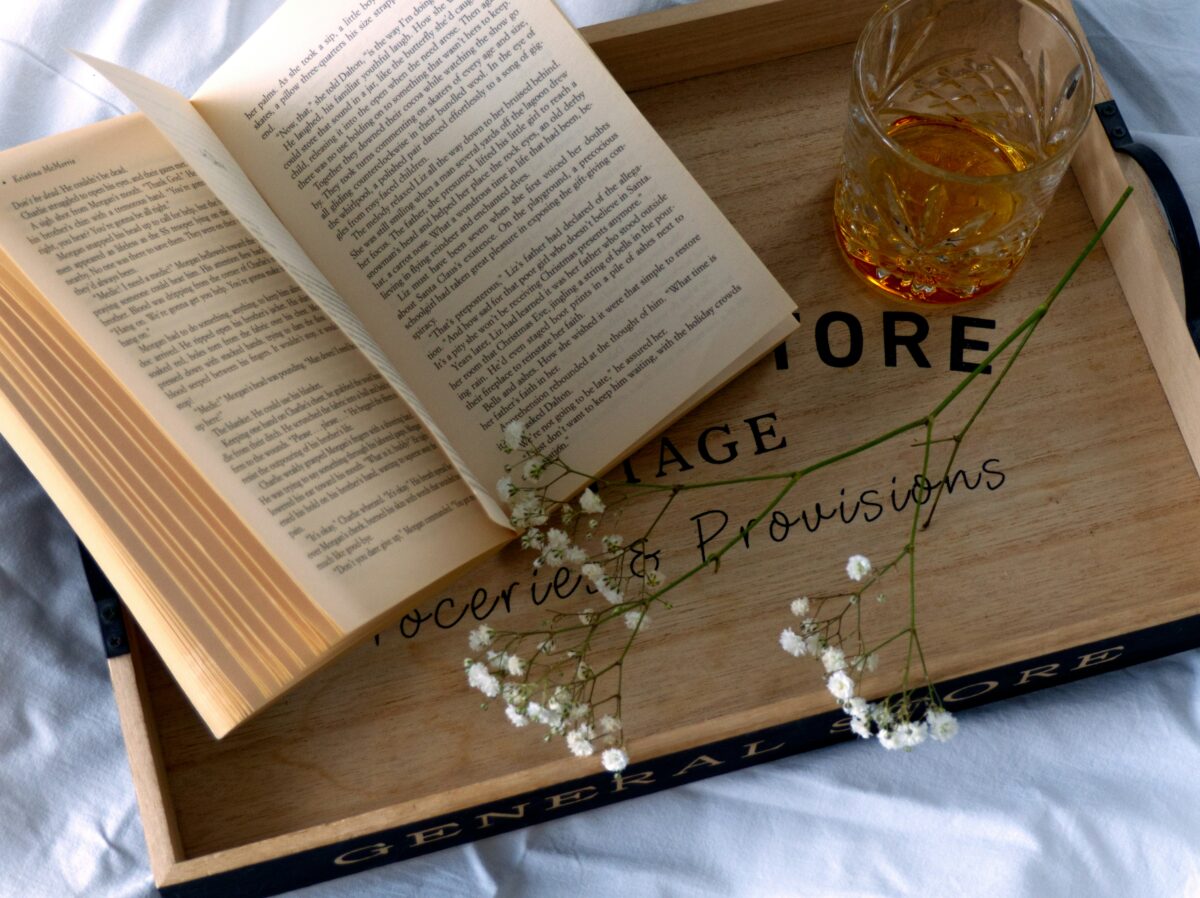
Jeannette’s Doric, with its snowflake-like geometric design, appears in green and pink with scarce delphite. The cereal and berry bowls in the rarer colors are the collectible forms.
Crisp pattern detail and no rim chips are what dealers check.
Colonial “Knife and Fork”
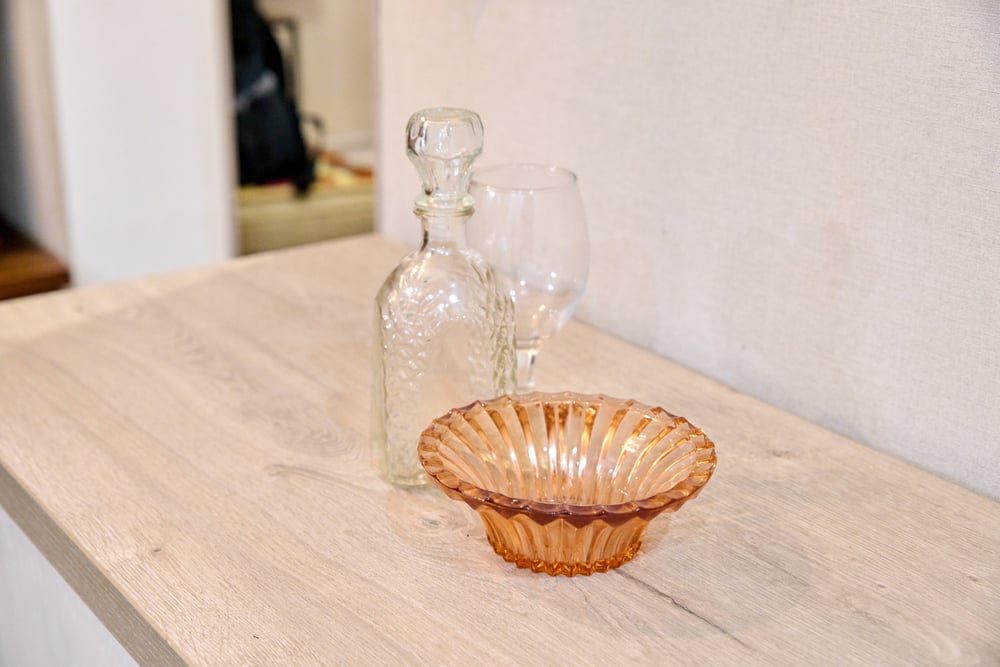
Hocking’s Colonial, nicknamed Knife and Fork, is a paneled pattern whose cream soups and low bowls are among the harder serving pieces to find. Green and pink examples in clean shape sell steadily.
The simple ribs show chips easily, so condition drives value.
Diana
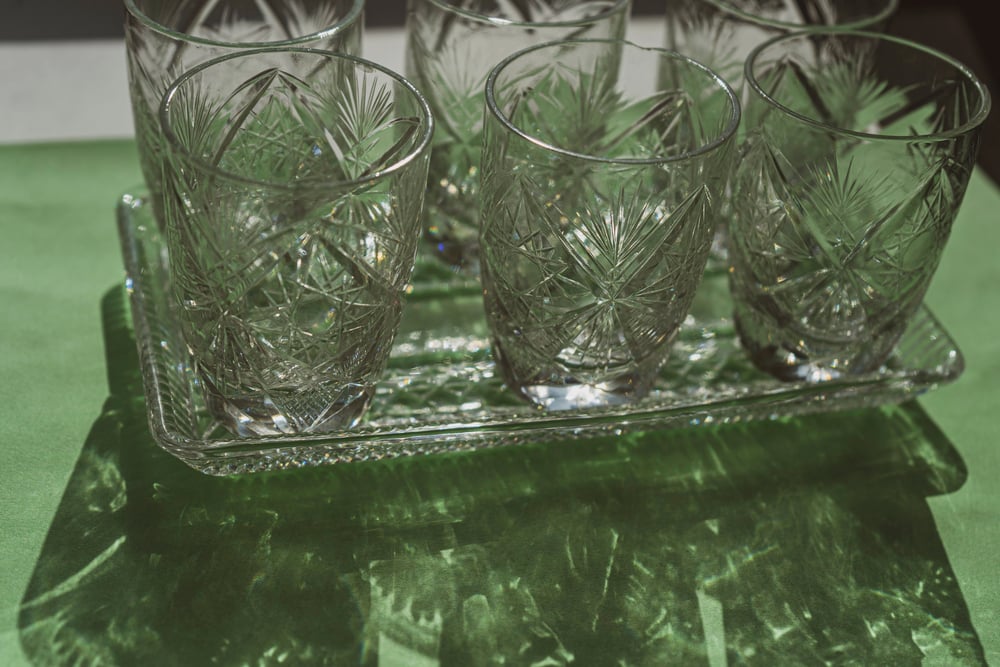
Federal’s Diana, with its spiral swirl, produced scalloped console bowls and cream soups in pink, amber, and crystal. The large scalloped bowls are the showpiece serving forms.
An intact scalloped rim and bright color are what buyers reward.
Manhattan
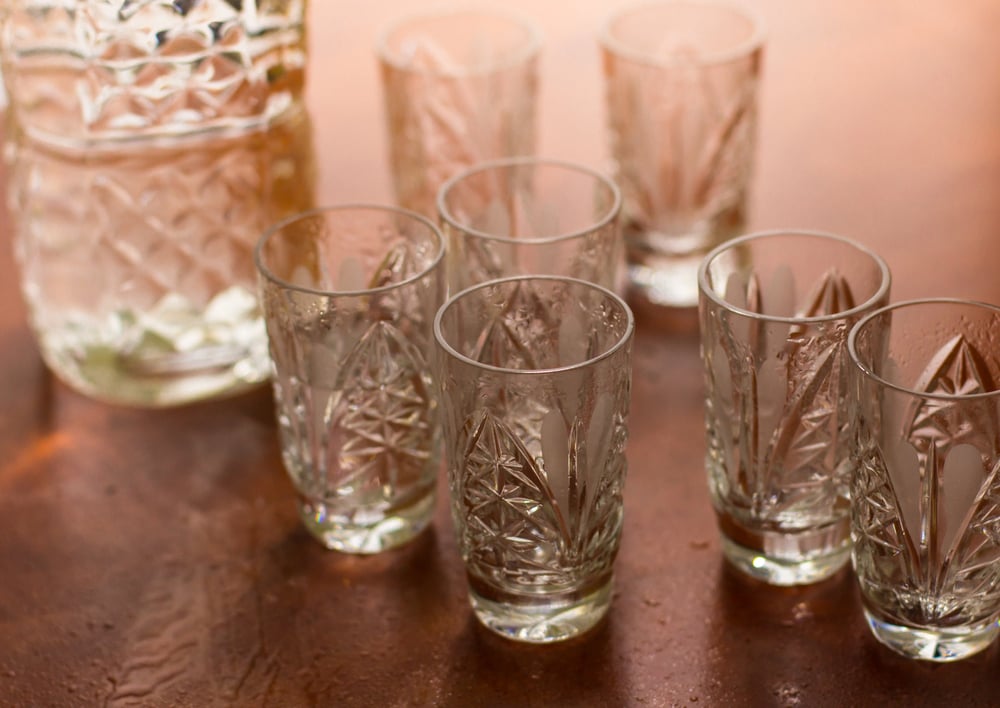
Hocking’s Manhattan is a bold Deco pattern of concentric rings, with tilted and open-handled bowls that look strikingly modern. Crystal and pink serving bowls are collected for that machine-age style.
Clean rings and no chips to the handles determine value.
Georgian “Lovebirds”
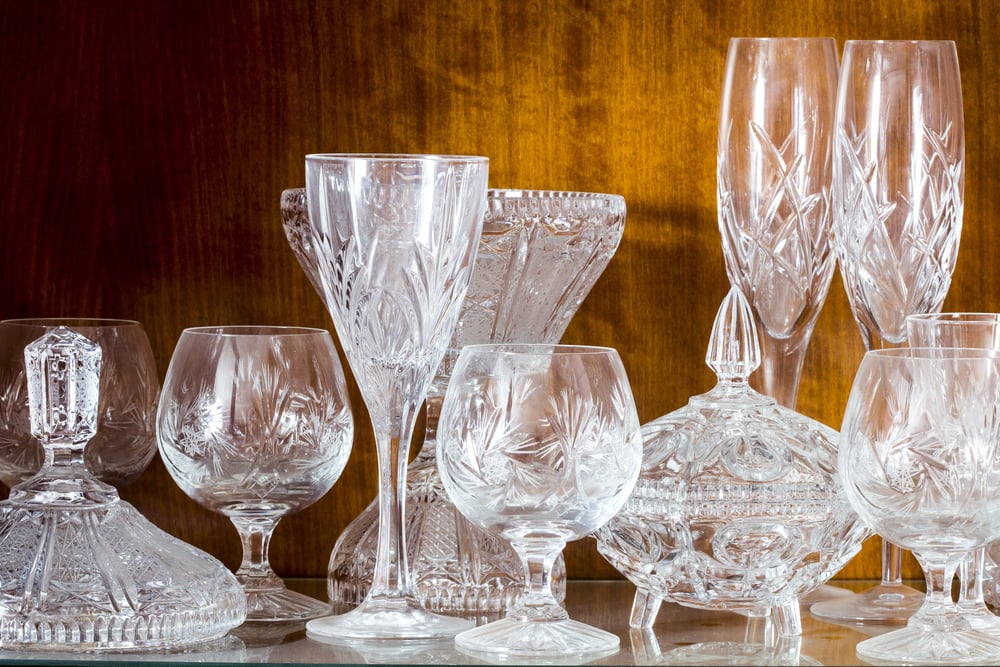
Federal’s Georgian, nicknamed Lovebirds for the birds working into the border, is a scarcer green pattern whose berry bowls are collectible. The bird motif gives it a following beyond general Depression glass buyers.
Crisp detail in the border and clean rims set the value.
Swirl “Petal Swirl”
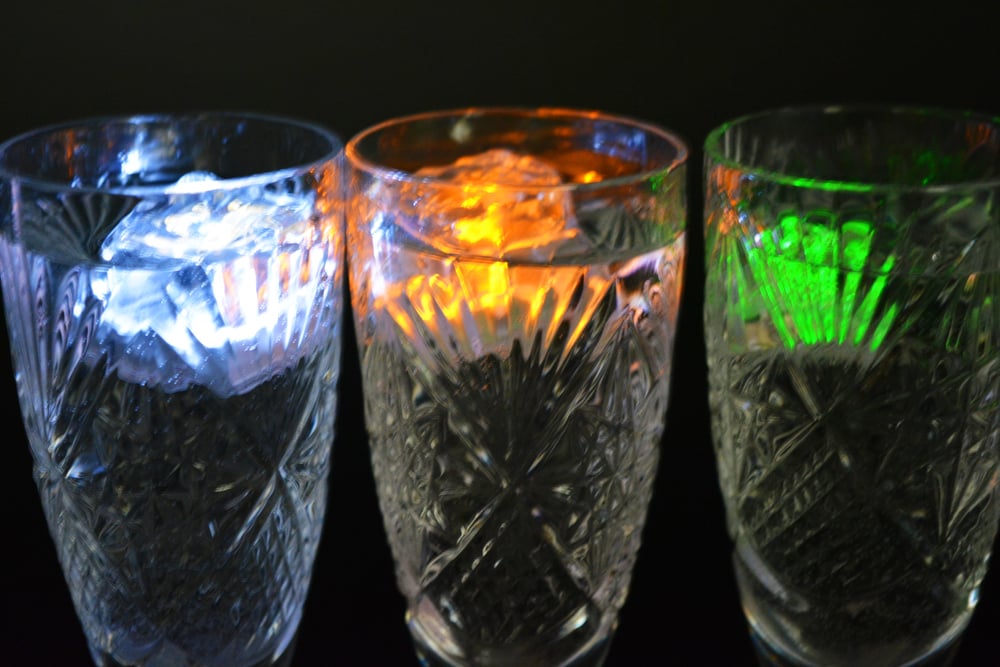
Jeannette’s Swirl is prized in ultramarine, a blue-green shade that appears in footed console bowls and salad bowls. The ultramarine serving pieces are the standouts and bring premiums over the pink.
The distinctive color and an unchipped rim are what dealers grab.
Cube “Cubist”
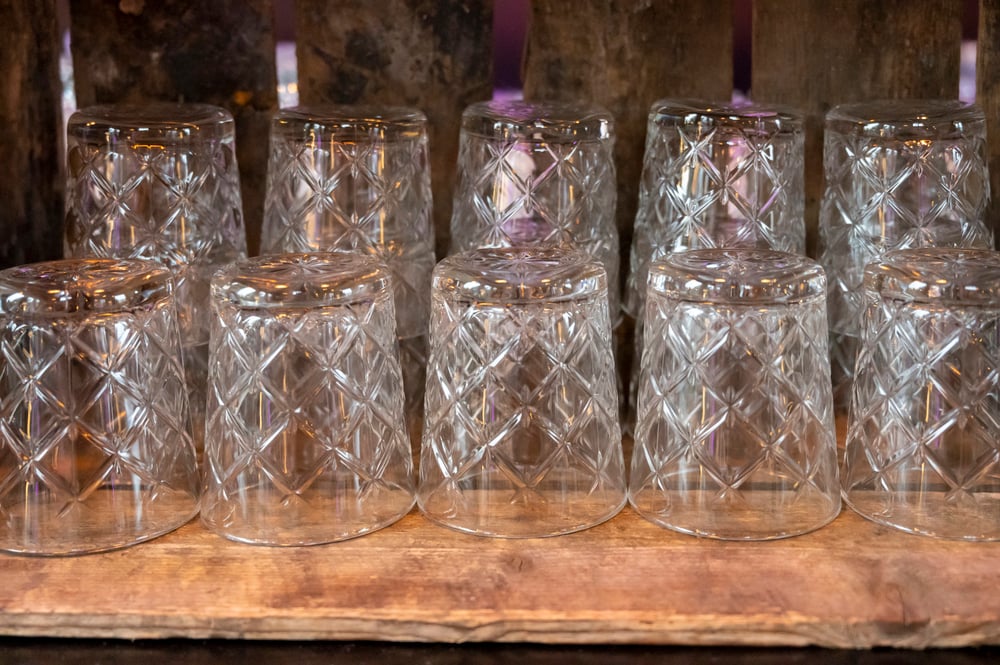
Jeannette’s Cube, an all-over cube pattern often confused with pricier elegant glass, offered berries and serving bowls in pink and green. The geometric design and affordability make it a collector favorite for building a set.
Sharp, unworn cubes and clean edges drive value.
Newport “Hairpin”
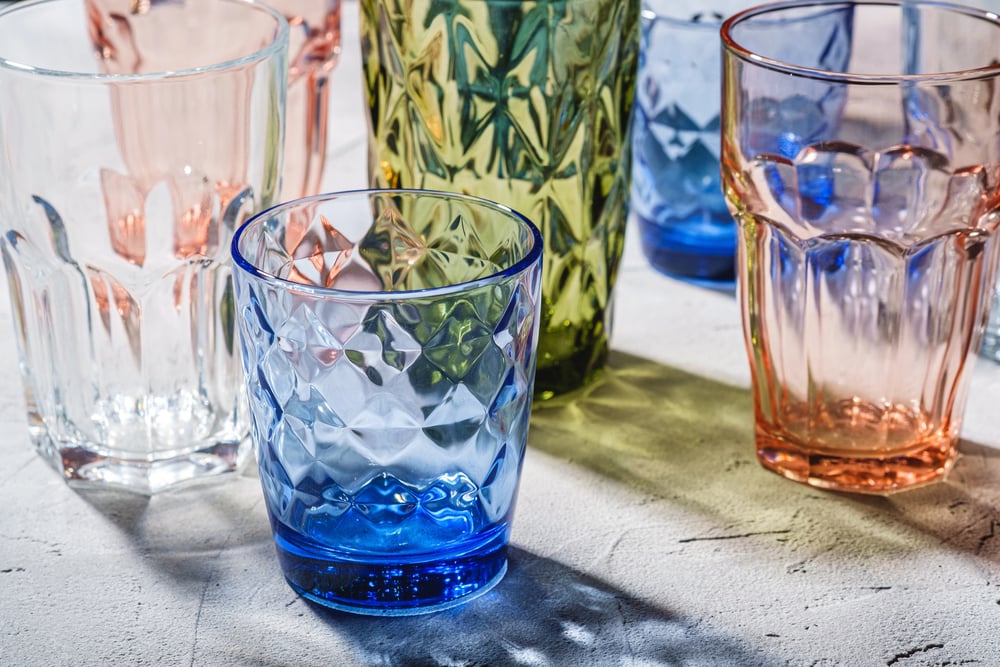
Hazel-Atlas made Newport, nicknamed Hairpin, in cobalt and amethyst, with cream soups and serving bowls in those rich colors. The cobalt pieces are the collectible forms, sought by blue-glass buyers.
Deep, even color and no rim damage are what determine the price.
Why the Bowls Move First

The thread through every one of these is survival math. Dinner plates stacked safely and endured by the dozen, while the serving bowls sat at the center of the table, took the ladle knocks, and chipped along their delicate rims.
Decades on, the plates are common and cheap and the bowls, especially in the scarce colors, are the pieces a collector still needs. That is why a dealer scanning a table of Depression glass barely glances at the plates and goes straight for the bowls.
A large console in cobalt or a berry set in delphite is where the money quietly sits, and the buyer who recognizes the color before the crowd does is the one who gets it before the price catches up.
More from Home As We Make It

- 18 Affordable Places to Retire in the U.S.
- Antique Glassware That’s Worth Collecting
- Stay-At-Home Jobs That Actually Pay
- 18 Forgotten Snacks from the ’80s and ’90s
- 20 Things That Make a House Look Cleaner Than It Is
Like Home As We Make It‘s content? Follow us on MSN.



