18 Historical Figures and Their Travel Routines
Travel has not always been about convenience, as the past has seen travelers face weeks of uncertainty, uncomfortable conditions, and journeys that have lasted weeks, even months. The roads were not always reliable, the weather was known to cause delays without warning, and communication was not possible during the course of the journey.
Yet, movement was necessary for those who wanted to shape the world around them. It is not the places that are interesting, but the way they got there, as the routines, preferences, and habits of these individuals were as telling of their personalities as anything else.
There were some who were constantly on the move, and others who did everything in their power to avoid it, only moving when necessary. For some, the act of moving was not something that was chosen, but rather something that was necessary for the role that they had to play.
Let’s take a look at some of the most recognizable names in the world and the role that movement played in their lives.
Marco Polo
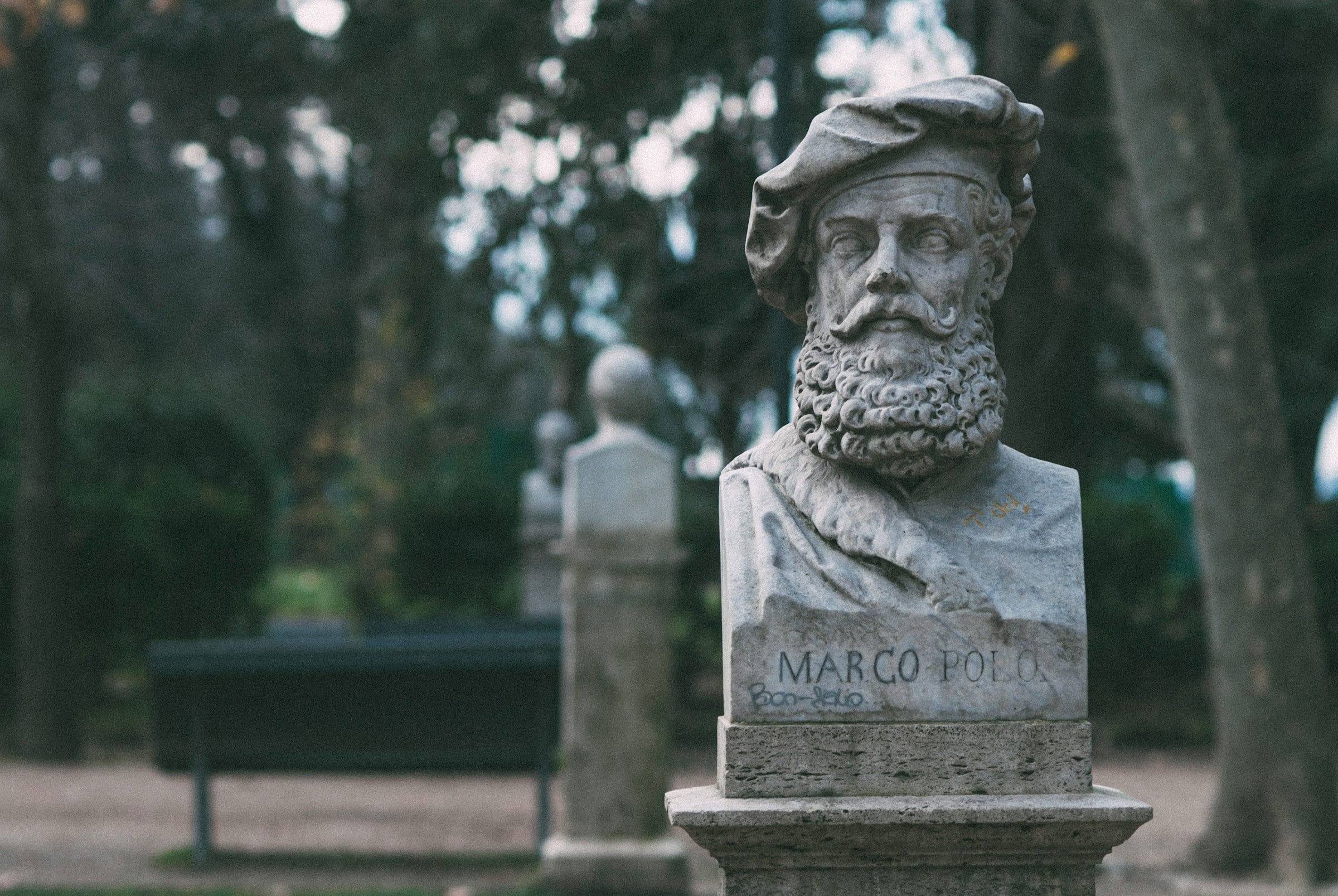
Marco Polo’s travels were defined by distance and endurance. He spent years moving along trade routes that connected Europe and Asia, often by caravan and ship.
His routine wasn’t structured in the modern sense. Instead, it depended heavily on conditions—weather, terrain, and political stability. Still, adapting to unfamiliar environments became second nature, allowing him to navigate regions that felt completely foreign at the time.
Napoleon Bonaparte

Napoleon traveled with purpose and urgency, often moving quickly between battlefronts. He relied on horseback and carriages, covering large distances in relatively short periods for his time.
His routine was highly strategic, focused on efficiency rather than comfort. Even so, he was known for working during travel, using the time to plan campaigns and issue orders without pause.
Charles Darwin
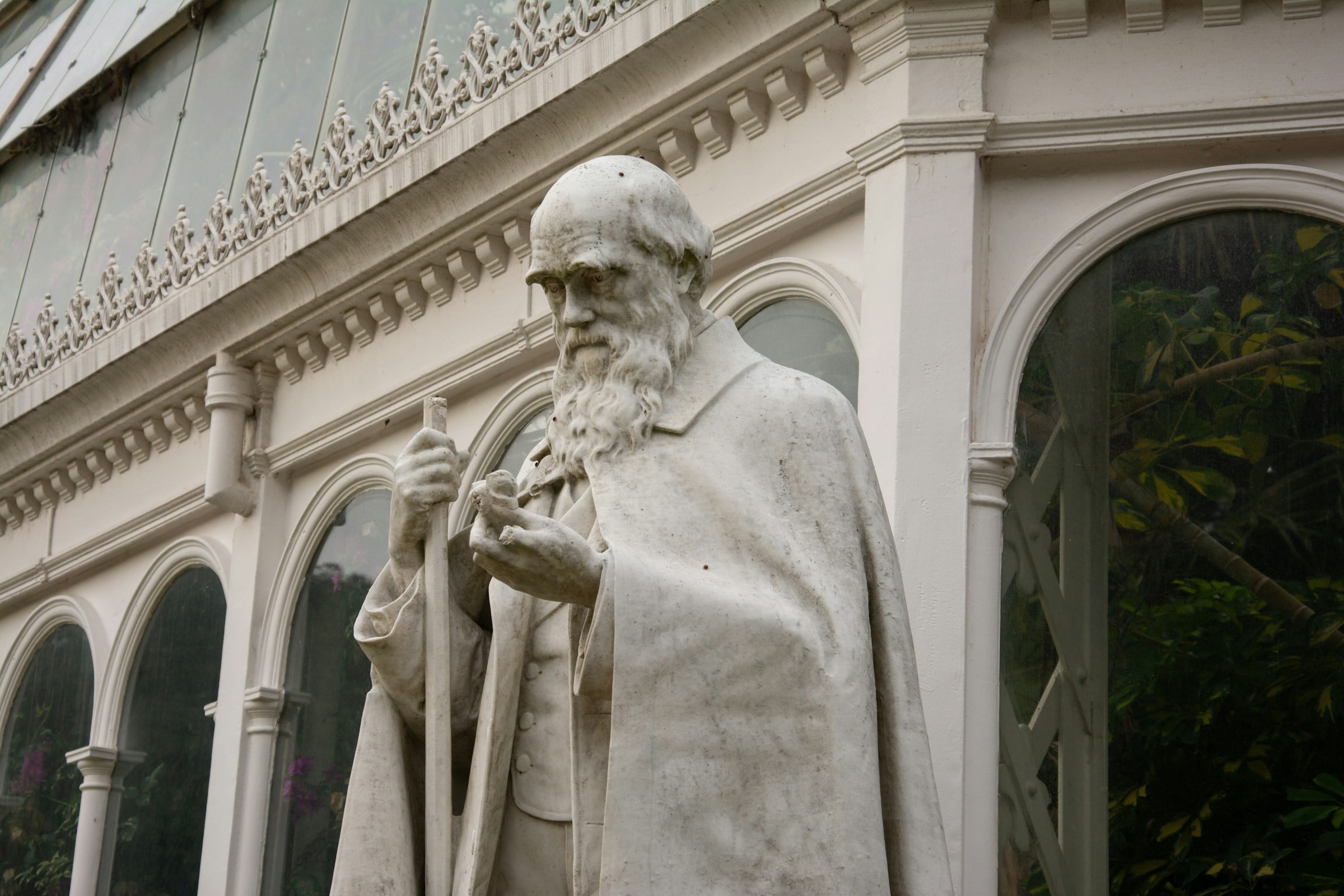
Charles Darwin’s most famous journey took place aboard the HMS Beagle. His travel routine was shaped by long periods at sea, broken up by detailed exploration on land.
He spent his time observing, collecting samples, and documenting everything carefully. That steady, methodical approach defined not just his travels, but his work as a whole, turning each stop into an opportunity for discovery.
Queen Elizabeth I

Queen Elizabeth I approached travel with careful planning. Royal ‘progresses’ involved moving her court from one residence to another, often to maintain political visibility.
These journeys were elaborate and slow, involving large entourages and detailed preparation. Still, they reinforced her authority, ensuring she remained present in different regions without staying in one place for too long.
Ibn Battuta

Ibn Battuta traveled extensively across Africa, the Middle East, and Asia, often covering vast distances over decades. His journeys were driven by curiosity and a desire for knowledge.
He relied on established routes but was known for venturing beyond them. That said, his routine evolved constantly, shaped by the people he met and the opportunities that came his way.
Christopher Columbus

Christopher Columbus’s travel routine centered around long sea voyages. These journeys required careful preparation, from supplies to navigation.
Time at sea followed a repetitive pattern, but conditions were unpredictable. Even so, the scale of these journeys pushed the limits of what was known at the time.
Jane Austen

Jane Austen’s travel was far more modest, usually limited to visits between family homes and nearby towns. She typically traveled by carriage, often over short distances.
Her routines were shaped by practicality and social expectations. Still, those smaller movements offered insight into everyday life, which later appeared in her writing.
Winston Churchill

Winston Churchill traveled frequently during wartime, often by train and aircraft. His movements were dictated by political and military needs.
He maintained a consistent routine, even while traveling, including working long hours and holding meetings. That structure allowed him to remain focused despite constant movement.
Albert Einstein
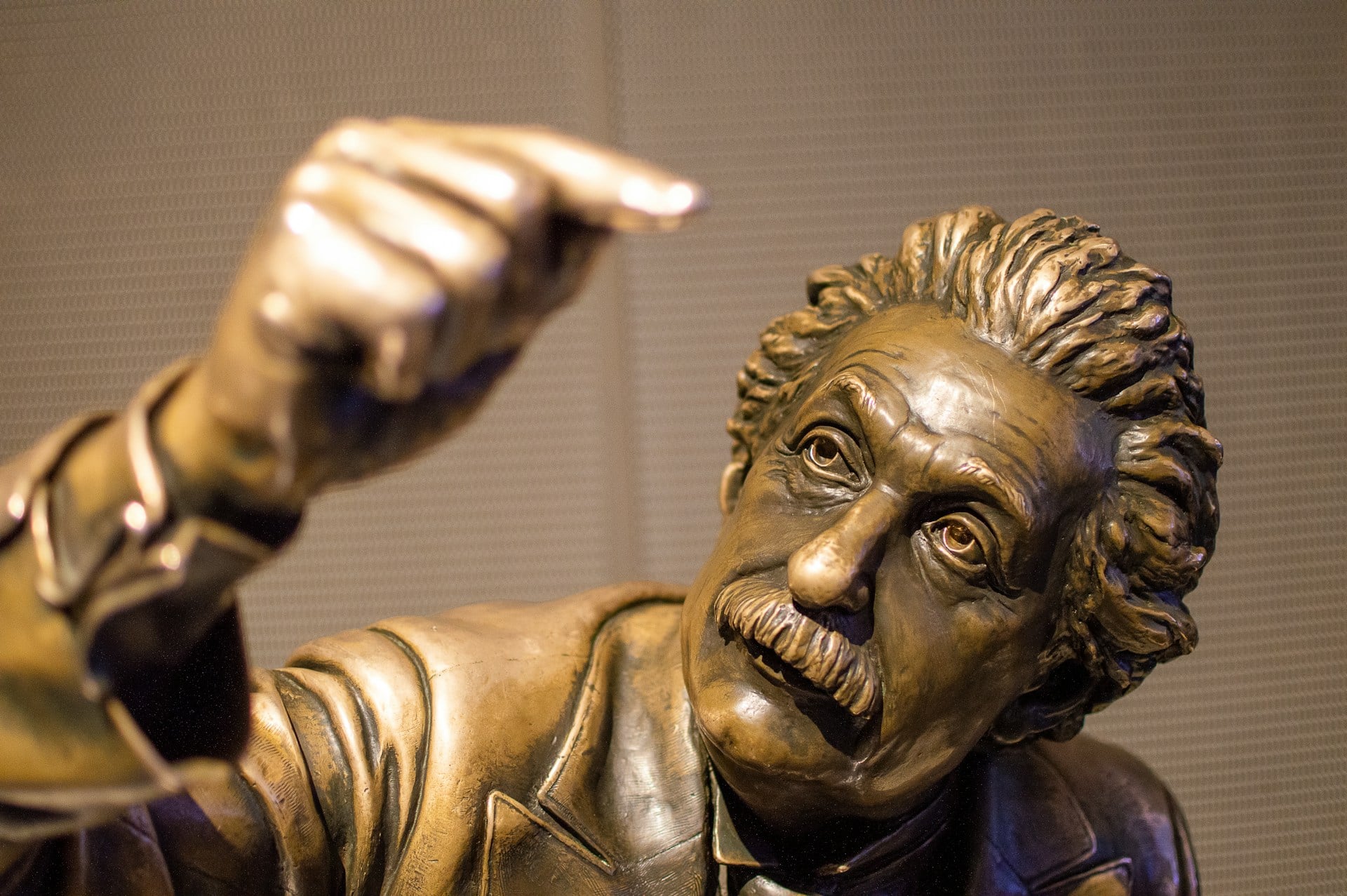
Albert Einstein traveled widely later in life, particularly for lectures and academic engagements. Trains and ships were his primary modes of transport.
He preferred simple arrangements and avoided unnecessary formality. Even so, his journeys helped spread his ideas, connecting him with audiences far beyond his home base.
Cleopatra

Cleopatra’s travel was closely tied to diplomacy and power. She often moved along the Nile by barge, surrounded by a carefully arranged entourage.
These journeys were designed to make an impression. Still, they served a deeper purpose, strengthening alliances and reinforcing her position.
Leonardo Da Vinci
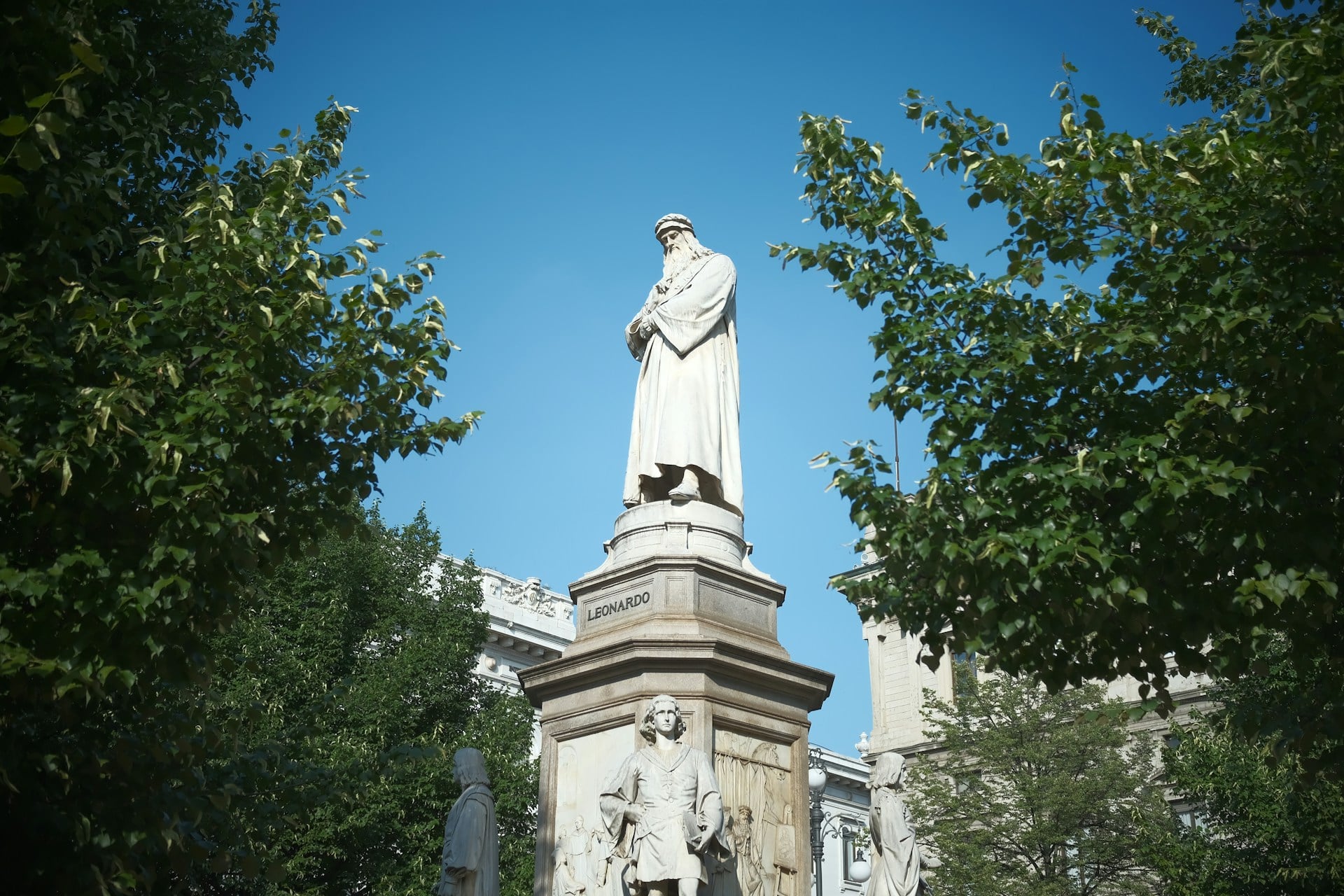
Leonardo da Vinci traveled between cities in Italy, often in search of patronage. His routine was shaped by opportunity and the needs of his work.
He carried sketches and ideas with him, using travel as a way to expand his knowledge. That movement allowed him to engage with different environments, influencing his creative output.
Mahatma Gandhi

Mahatma Gandhi’s travel routines were closely tied to his activism. He often traveled by train across India, engaging directly with people.
His journeys were purposeful but simple, reflecting his broader philosophy. Even so, they created opportunities for connection, allowing him to understand the realities people faced.
Amelia Earhart

Amelia Earhart’s travel routine was unlike most of her time. She relied on aircraft, pushing the boundaries of what was possible in aviation.
Her journeys required careful planning and resilience. Still, they represented a shift toward faster, more ambitious forms of travel that would later become standard.
Julius Caesar
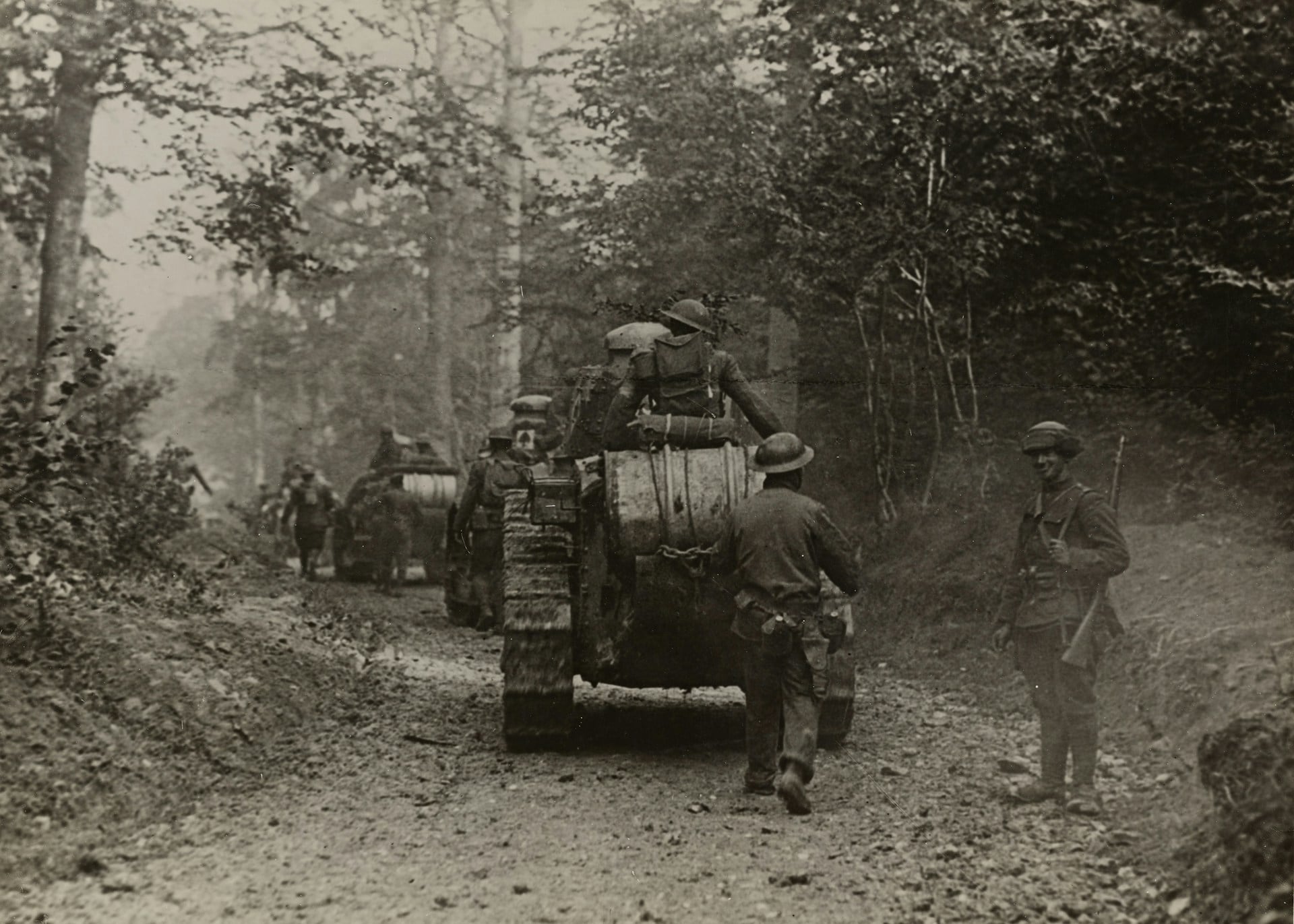
Julius Caesar traveled extensively during military campaigns, often moving with his troops across difficult terrain. His routine was dictated by strategy and timing.
He balanced speed with coordination, ensuring his forces remained effective. That said, his ability to move efficiently played a key role in his success.
Florence Nightingale

Florence Nightingale’s travel was driven by necessity, particularly during the Crimean War. She moved between locations where medical care was urgently needed.
Her routines were demanding and focused on purpose rather than comfort. Still, her presence in different locations helped bring lasting improvements to medical care.
Mark Twain

Mark Twain traveled both for personal interest and professional work. He often moved by steamboat and train, documenting his experiences along the way.
His routines were less rigid, shaped more by curiosity. Even so, travel gave him material that would later define much of his writing.
Queen Victoria

Queen Victoria’s travel evolved over time, from formal royal journeys to more private trips later in life. She often traveled by train, reflecting the technological changes of her era.
Her routines balanced public duty with personal preference. That said, her use of rail travel marked a shift toward more modern forms of movement.
Ernest Hemingway

Ernest Hemingway traveled frequently, often seeking new environments to inspire his writing. He moved between countries, sometimes staying for extended periods.
His routine was shaped by both work and lifestyle. Still, these changing surroundings influenced his perspective, adding depth to his storytelling.
Movement That Shaped History

Travel shaped their lives more than anything else seen at first glance. How they got around, what they dealt with along the way, yet also how they adjusted – each part quietly guided choices made later.
New thoughts entered their minds simply by being somewhere unfamiliar. Cultures unlike their own appeared through motion, bringing views that wouldn’t arrive any other way.
Travel today moves quick, yet those old ways show how things once unfolded slow. Journeys back then asked for calm nerves, flexibility, sometimes grit.
When schedules slipped – which they did – shifting course came with the territory. What someone achieved sometimes came down to how they moved through the world.
Often, the act of getting there shaped them more than arrival ever did – echoes lingering long after footsteps faded.
More from Go2Tutors!

- The Romanov Crown Jewels and Their Tragic Fate
- 13 Historical Mysteries That Science Still Can’t Solve
- Famous Hoaxes That Fooled the World for Years
- 15 Child Stars with Tragic Adult Lives
- 16 Famous Jewelry Pieces in History
Like Go2Tutors’s content? Follow us on MSN.