Reasons Some Countries Deleted Entire Decades From Their School Curriculums
National governments have erased decades from official school curriculums, teaching students selective history that omits inconvenient periods or events. These deletions shape what citizens believe about their nation’s past and future political orientation; what students never learn in school, they will not know as adults, leaving entire generations ignorant of historical truths their government deemed threatening.
The erasure of history from education systems is the most effective form of forgetting, turning inconvenient decades into blank pages.
The Soviet Union Erasing Leon Trotsky (1929-1991)
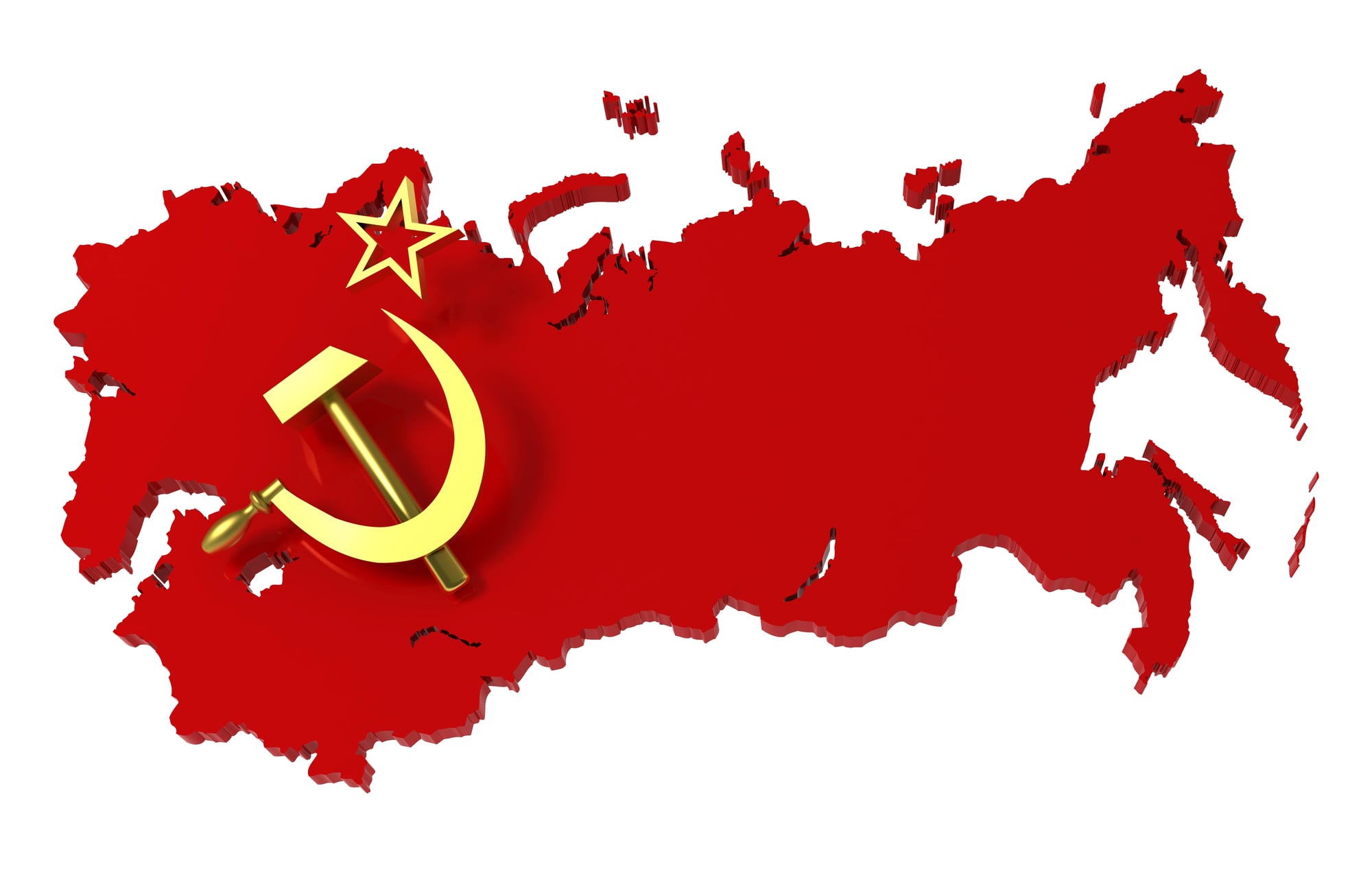
Leon Trotsky was expelled from Russia in 1929, and six years later, the Central Committee of the Communist Party ordered the removal of Trotsky’s works from libraries throughout the Soviet Union, with the ban later extended to cover anti-Trotsky material, since even a negative reference would show that Trotsky had existed. Following Trotsky’s death in 1940 after assassination by the NKVD in Mexico City, his memory was written out of Soviet history books, and children were encouraged to remove the denounced from their textbooks by lacerated pages with knives and scissors or smeared them with India ink to remove all evidence that these unpersons had ever existed.
For over 60 years, an entire generation of Soviet students learned nothing of one of the Revolution’s founding figures.
China’s Softened Version of the Cultural Revolution (1966-1976)
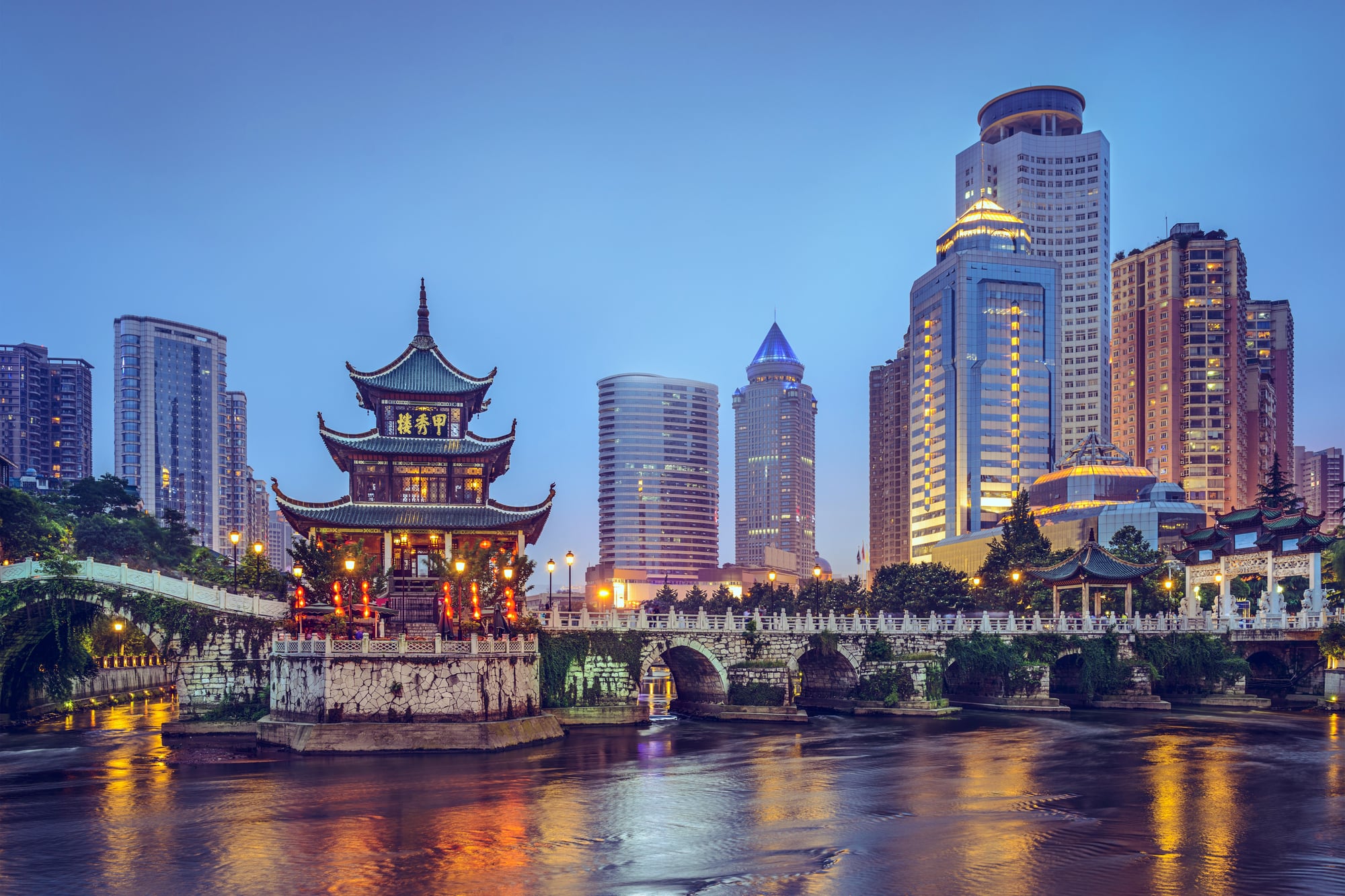
The Chinese government has removed references to former Communist leader Mao Zedong’s “mistakes” during the Cultural Revolution from 8th grade school textbooks, with the old version stating “In the 1960s Mao Zedong mistakenly believed…” replaced by new language emphasizing Mao’s ideological reasoning rather than error. During the Cultural Revolution itself, the Chinese government banned all textbooks written before the Cultural Revolution, and most of them were burned or recycled, with reading them considered a crime against Mao, the party, and the people.
What had officially been described as a “civil turmoil” that “brought disastrous consequences” was gradually reframed to present Mao’s intentions rather than acknowledge casualties officially estimated at 1.7 million dead.
Spain Under Franco: The Vanished Civil War (1939-1975)
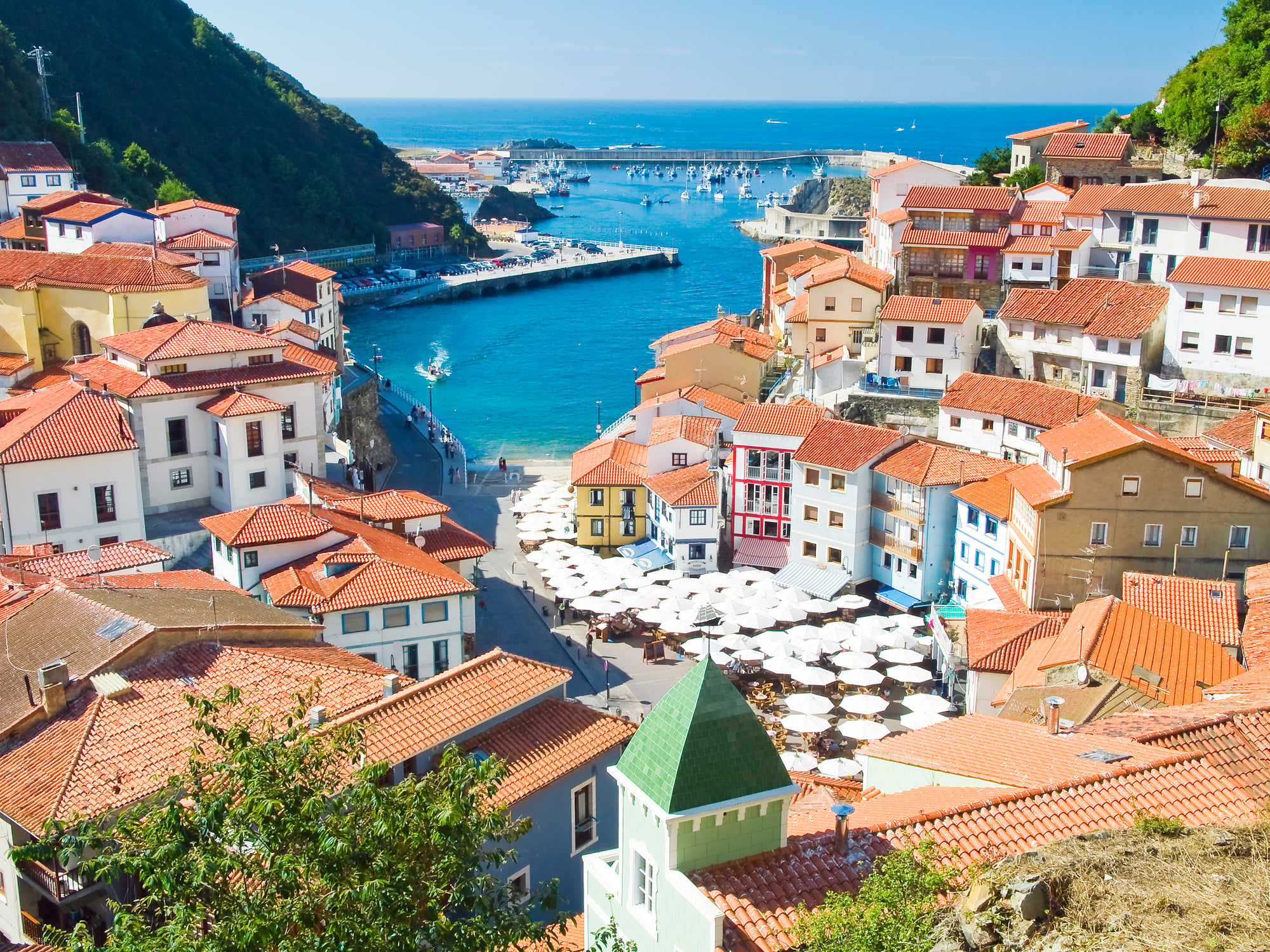
Franco’s government systematically deleted the Spanish Civil War from education during his 36-year dictatorship (1939-1975), teaching students that Franco had always ruled without acknowledging the brutal conflict that preceded his regime. According to analysis, the 44 years encompassing the Second Republic, the Civil War, and the Franquismo occupy only 9 percent of the content addressing the 20th century in Spanish school textbooks, an amount expressively disproportional, with the lack of criticism towards Franco’s oppressive regime in school textbooks a consequence of the transition pact towards democracy, which established the need to forget all crimes and atrocities committed.
Even after Franco’s death and Spain’s transition to democracy, curricula continued minimizing the conflict, leaving Spanish students without comprehensive understanding of their nation’s recent history.
Japan’s Minimized WWII Atrocities (Post-1950s)
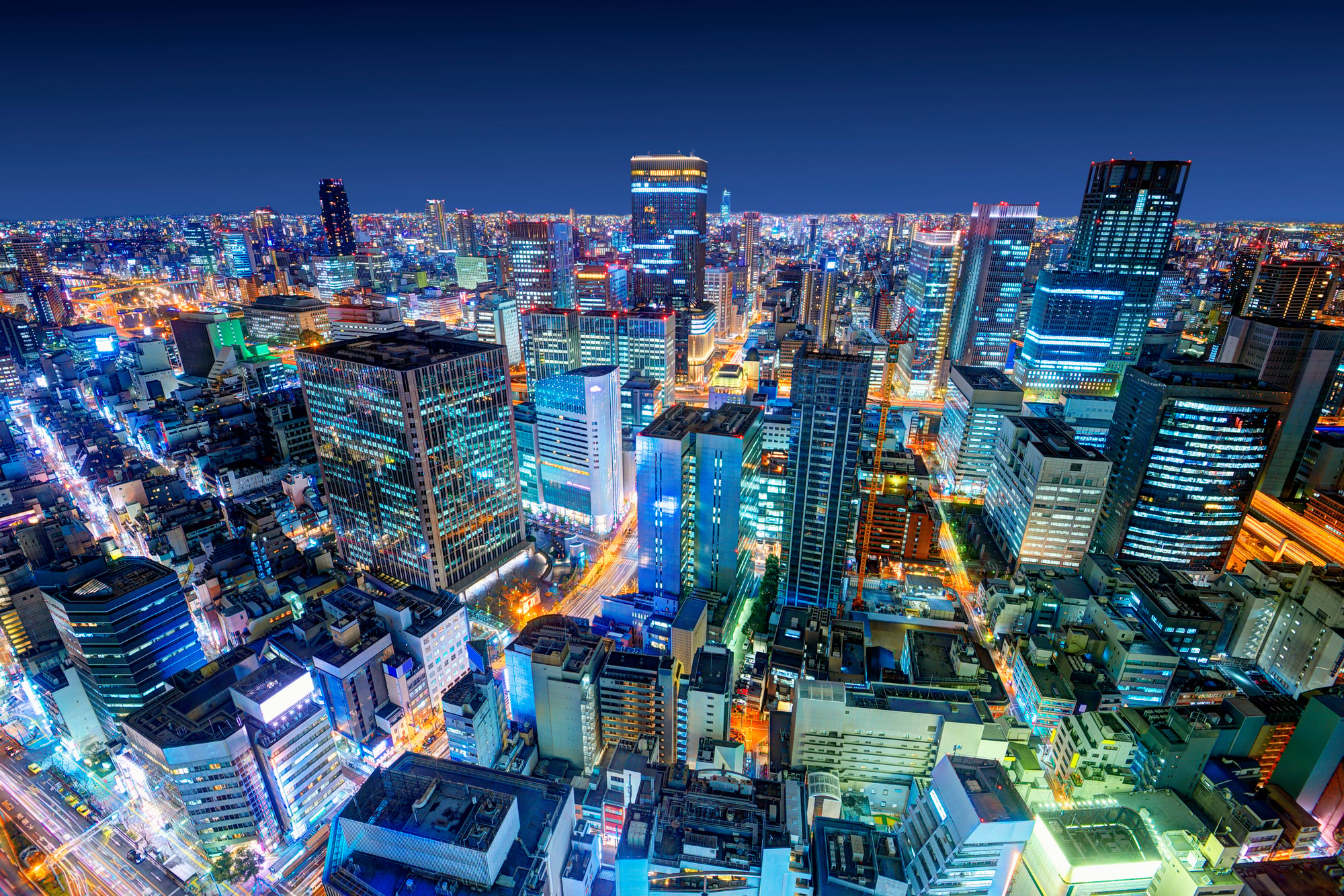
In July 1955, two years after the end of the War of Korea, textbooks containing the atrocities of the Japanese army were condemned by the Japanese parliament, with the stated reason that textbooks should not aid in presenting communist countries in a favorable light, and the invasion of China and the occupation of Manchuria were to be omitted when possible. In the spring of 2000, when publishers submitted final drafts of the 2002 textbooks for approval to the Ministry of Education, many descriptions concerning Japanese wartime atrocities had been cut back or removed altogether, with the most striking change being the near total erasure from textbooks of the comfort women issue that had been introduced in the early 1990s.
Decades of WWII curricula omitted Japan’s invasion of Manchuria, the Nanjing Massacre, and systematic rape camps, leaving generations of Japanese students ignorant of their nation’s imperial aggression.
Turkey’s Denial of the Armenian Genocide (1915 Onward)
Over the past several decades, Turkey’s narrative of the Armenian genocide has come under increasing scrutiny, both domestically and internationally, with state officials defending and adapting the official version of events by repeatedly turning to the educational system as one of a set of channels through which the state’s narrative is disseminated. Turkish textbooks refer to genocide claims as “unfounded Armenian claims,” describe the period using euphemisms like “relocation” and “population exchange,” and omit discussion of the 1.5 million Armenians who died during Ottoman deportations.
Turkish government authorities have, in their textbooks, characterized Armenians as people “who are incited by foreigners, who aim to break apart the state and the country, and who murdered Turks and Muslims,” while the Armenian Genocide is described as a lie perpetrated in order to meet these goals.
The Soviet Union Whitewashing Stalin’s Purges (1930s-1950s)
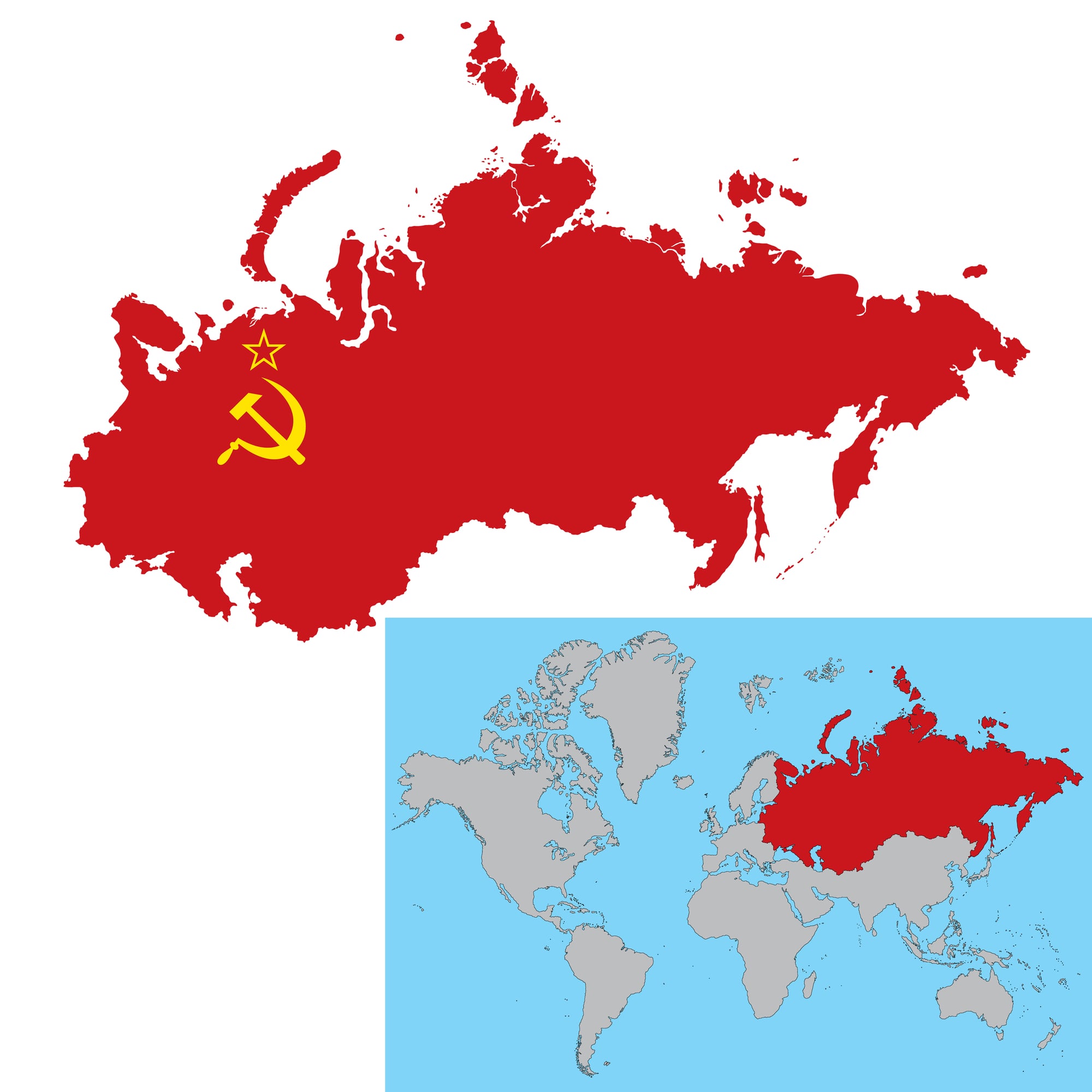
Stalin in the Soviet Union made censorship and personal “disappearance” an obsession and used it to control the millions under his governance, with all pre-Bolshevik books, journals and newspapers removed from libraries and other public arenas, and those found in possession of such literature arrested. All references to historic Russian art, music, literature, and culture were suppressed or destroyed.
Soviet schoolchildren learned sanitized versions of history that erased the Great Purge (1936-1938), which killed an estimated 750,000 people. Not until Mikhail Gorbachev’s glasnost in the late 1980s were the “blank spots” of Soviet history officially acknowledged in education.
Russia’s Return to Stalinist Rehabilitation (2023)
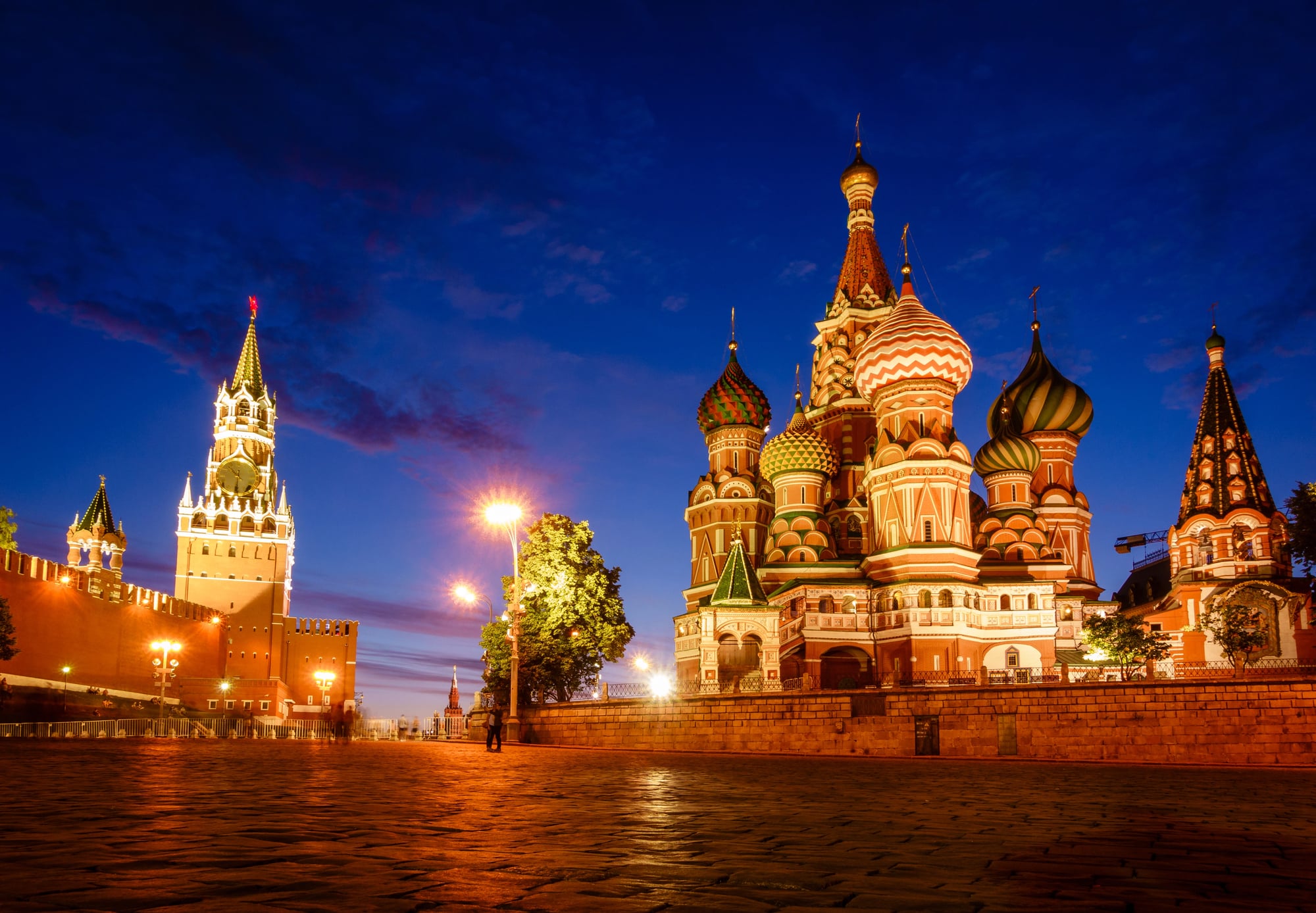
New Russian high school textbooks introduced in August 2023 on the instruction of President Vladimir Putin attempt to whitewash Stalinist crimes and rehabilitate the Soviet Union’s legacy, with these newly created textbooks mandatory reading for 10th and 11th graders in Russia and occupied territories. This represents a return to Soviet-era practice: Before September 2023, Russian universities had a certain freedom to shape their history curriculum, but now all universities must follow the idea of the one ‘true history,’ as presented by the Ministry of Education.
Decades after the Soviet collapse, Russia’s education system began reversing historical truth, with 63% of Russians expressing positive attitudes toward Stalin by 2023.
Poland Under Soviet Control: The Warsaw Uprising Minimized (1945-1989)
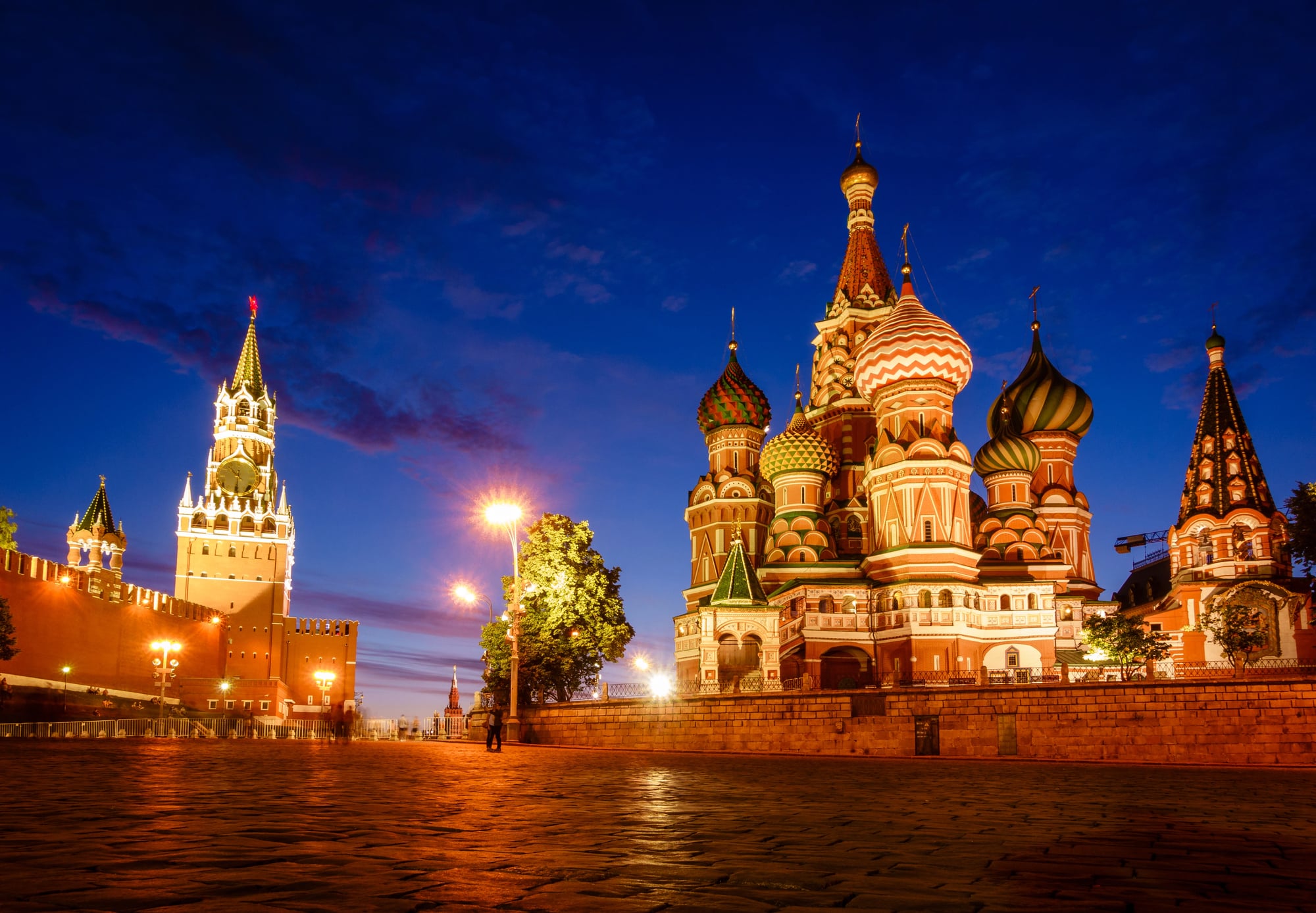
During Poland’s Soviet occupation after World War II, the authorities were determined to control the ideological transmission in the educational process, with the curriculum and content of textbooks unified across the country by state decree. The Warsaw Uprising of 1944—one of WWII’s largest resistance efforts and a symbol of Polish anti-Soviet independence—was either minimized or framed as a reckless adventure that endangered Soviet liberation efforts.
Soviet-imposed curricula emphasized communist heroism while deleting or downplaying Polish resistance to communism. Only after 1989 did Polish textbooks finally rehabilitate accounts of the uprising and the Katyn Massacre.
Germany’s Post-War Erasure and Reinstatement of Nazi Narrative (Disputed Regions)
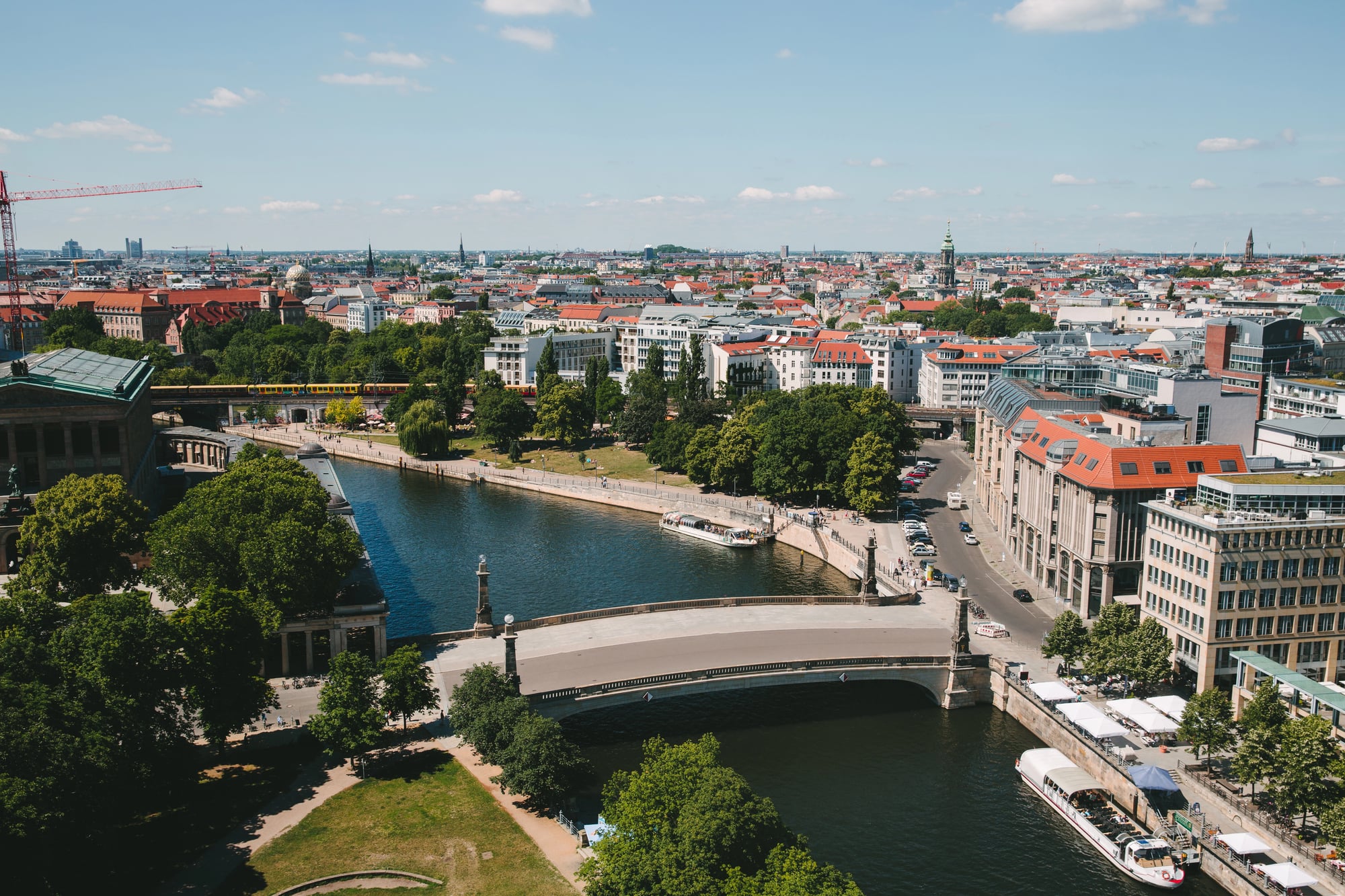
After WWII, West German curricula rigorously taught the Holocaust and Nazi atrocities as required national memory. However, in Soviet-occupied East Germany, textbooks minimized or reframed Nazi crimes, instead emphasizing fascism as a capitalist problem rather than a specific Nazi ideology.
East German schools taught that socialism had “defeated fascism” rather than examining the Holocaust in depth. Following reunification, these divergent curricula had to be reconciled, revealing how Cold War divisions had created competing historical narratives of the same events.
China’s Great Leap Forward Famine Minimized (1958-1962)
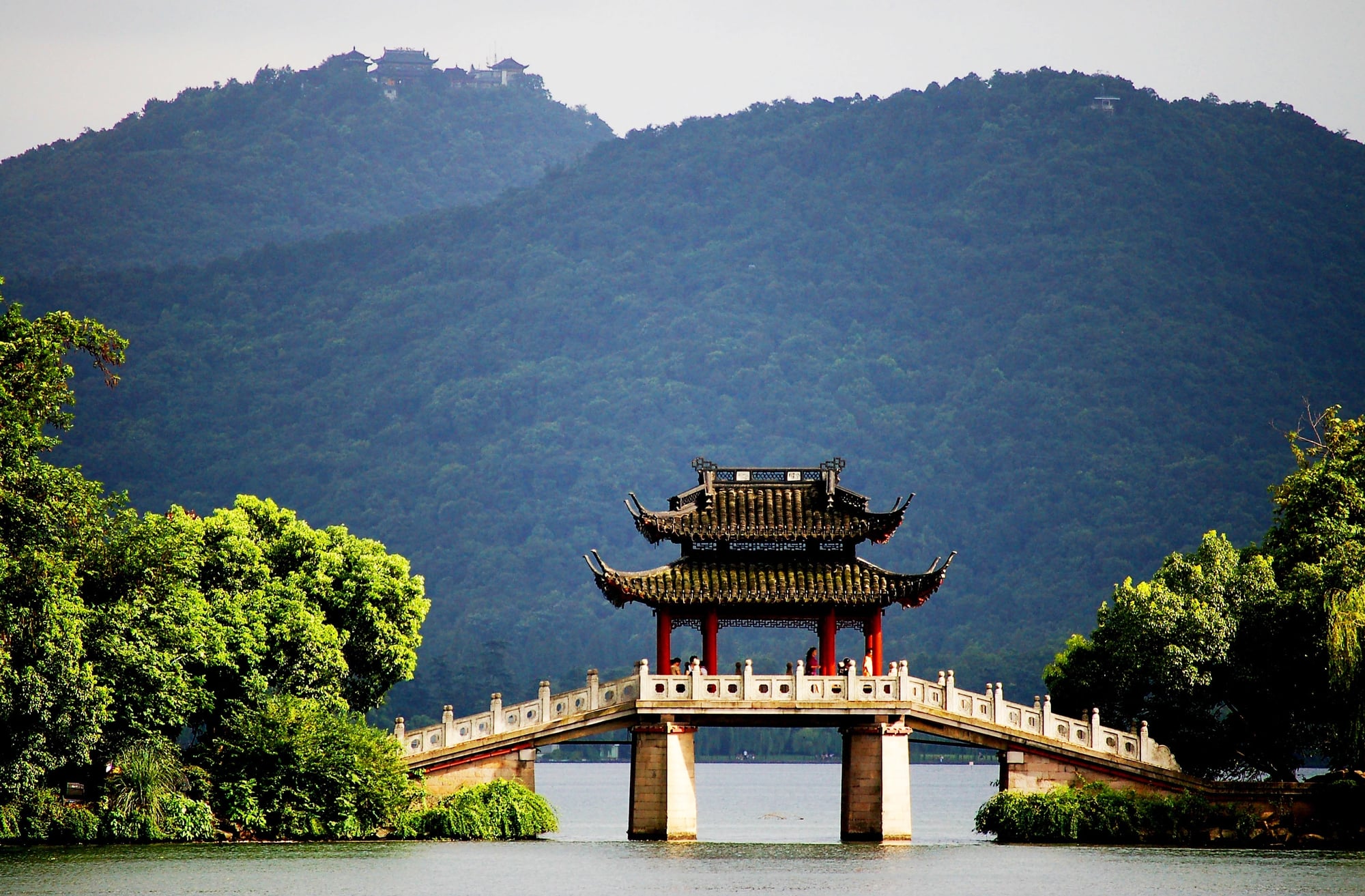
The Great Leap Forward, Mao’s economic policy that resulted in famine killing an estimated 15-55 million people between 1958-1962, was systematically downplayed in Chinese school curricula for decades. Textbooks referred to the period as one of economic “exploration” with “setbacks” rather than acknowledging state-induced mass starvation.
Contemporary Chinese curricula have only begun cautiously addressing the famine as a “historical mistake,” though discussion remains constrained compared to international historical consensus on the disaster’s scale.
Vietnam’s French Colonial Period Reframed (1887-1954)
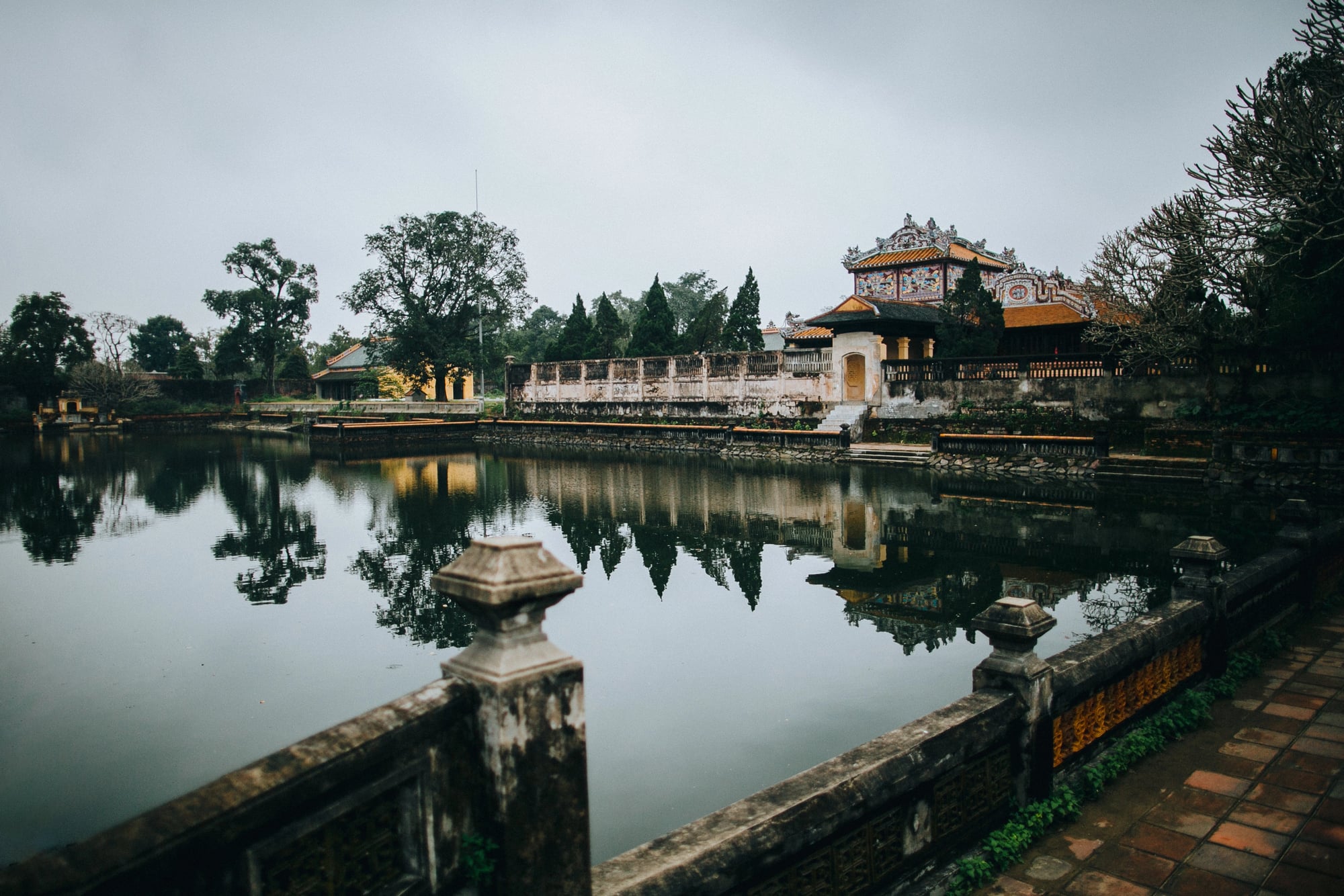
Vietnamese communist textbooks minimized or reframed the French colonial period not as an era of foreign subjugation but as a prelude to Vietnamese communist resistance. The nuanced history of Vietnamese collaboration, division, and resistance under French rule was flattened into a narrative of inevitable communist triumph.
For decades, Vietnamese students learned a simplified version that omitted the complexity of Vietnamese responses to colonialism and the diversity of anti-colonial movements.
South Korea’s Rewriting of North-South Relations (1950s-Present)
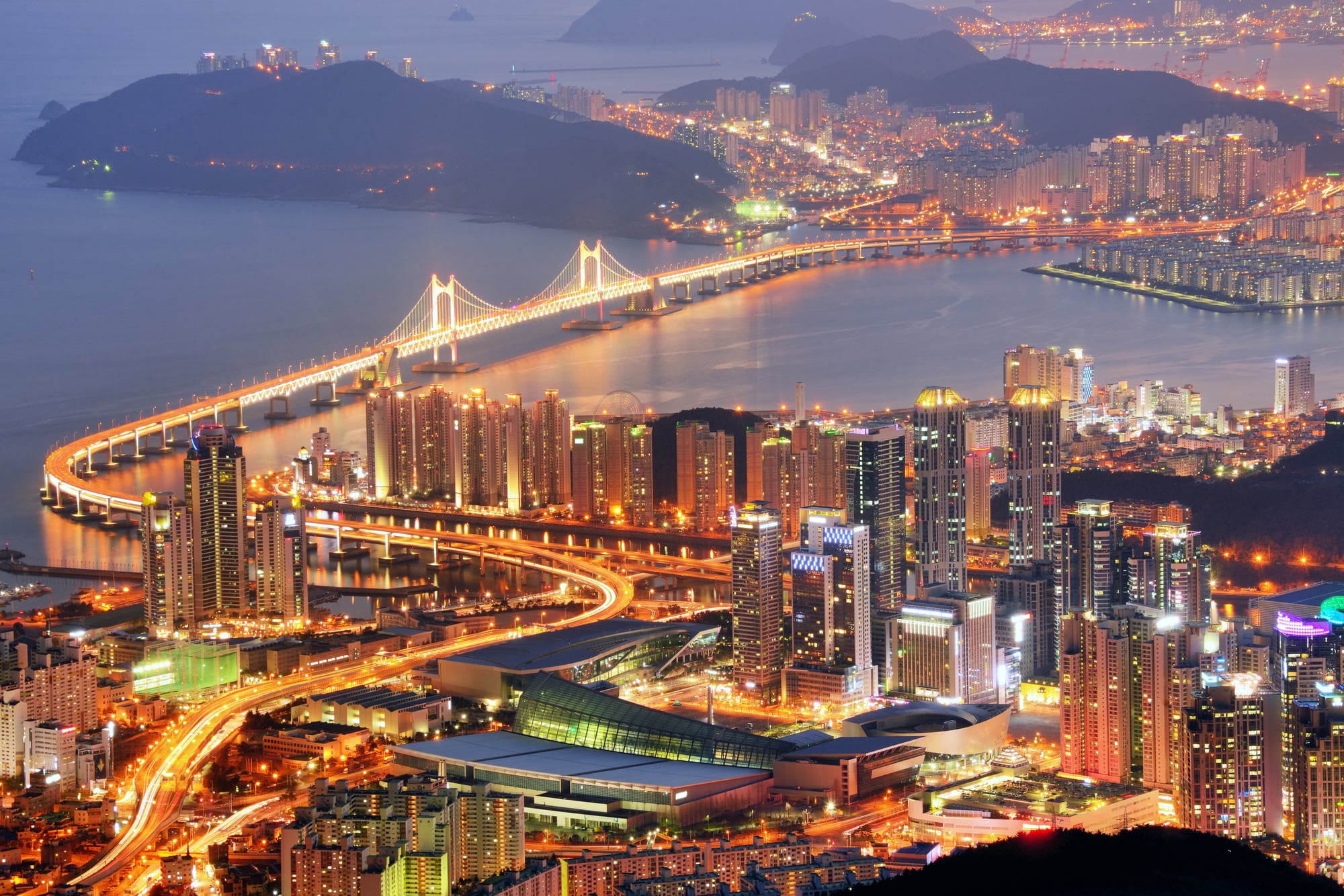
South Korean curricula have repeatedly reframed narratives of North-South relations and the Korean War depending on which political faction controlled the government, with conservative governments emphasizing North Korean aggression and communist ideology, while progressive governments attempted more nuanced accounts of the war’s origins and complexity. The result is that South Korean students educated under different governments learned fundamentally different versions of their nation’s most recent history, leaving citizens with divided historical understanding based on their generation’s political environment.
Saudi Arabia’s Deletion of Women’s Rights History (1950s-Present)
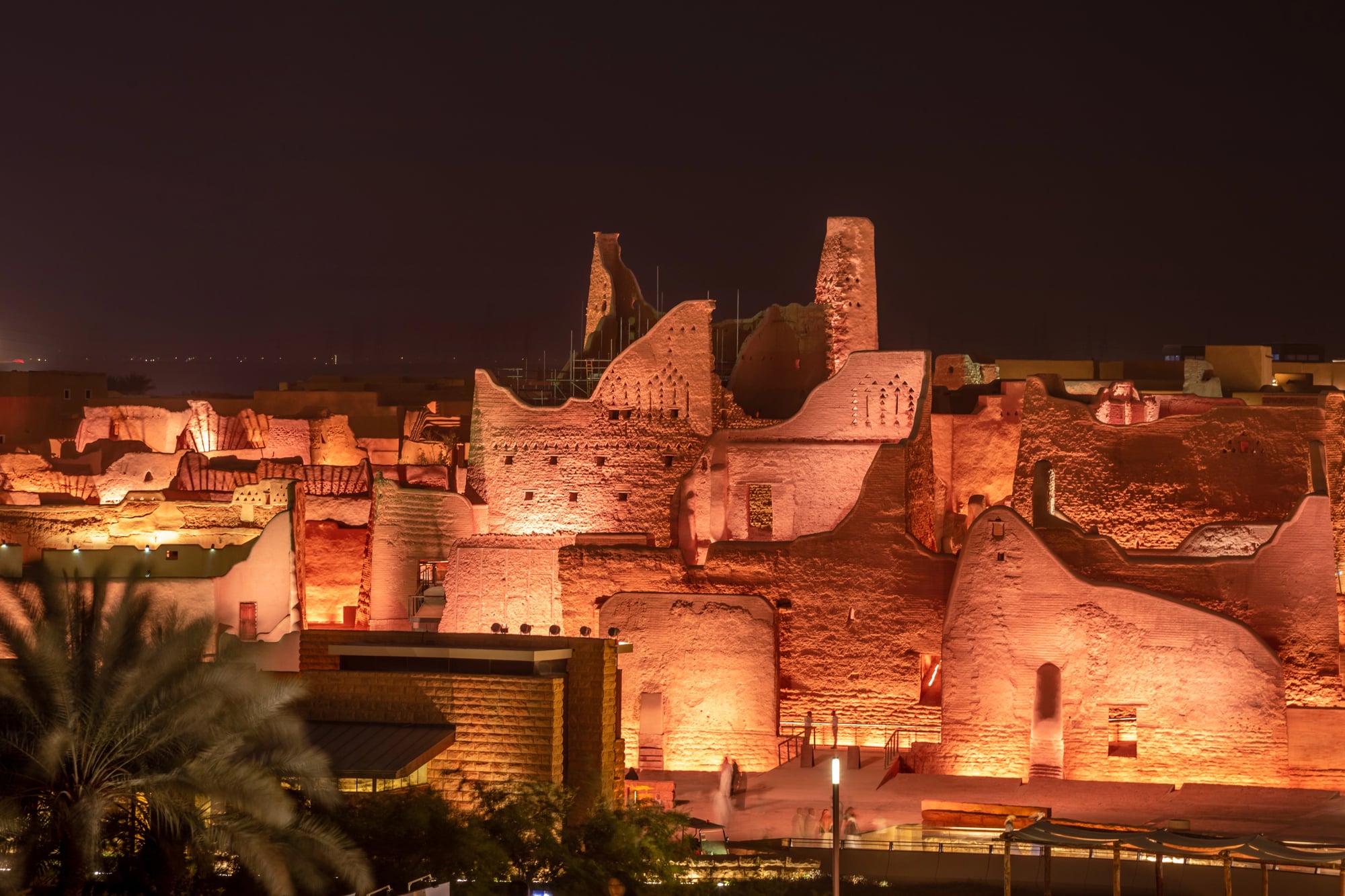
Saudi Arabia’s curricula systematically omitted or minimized the history of women’s activism, education access, and social change movements within the kingdom. Textbooks presented a static view of Islamic tradition without acknowledging debates, reforms, or resistance within Saudi society.
Historical figures who pushed for women’s rights were absent from curricula, leaving generations unaware of indigenous feminist history within their own nation. Only recently have some textbooks begun acknowledging women’s gradual educational and professional advancements.
Pakistan’s Partition Narrative Simplified (1947-Present)
Pakistani school curricula presented a simplified, nation-building narrative of Partition in 1947 that omitted or minimized the complexity of Hindu-Muslim relations, Hindu minority experiences, and the violence of partition from the Pakistani perspective. Textbooks emphasized the necessity of partition and Muslim-majority identity without adequately addressing the 1-2 million deaths during partition or the ongoing disputes with India.
For decades, Pakistani students learned a sanitized version that served state nation-building goals rather than historical complexity.
Brazil’s Military Dictatorship Minimized in Curricula (1964-1985)
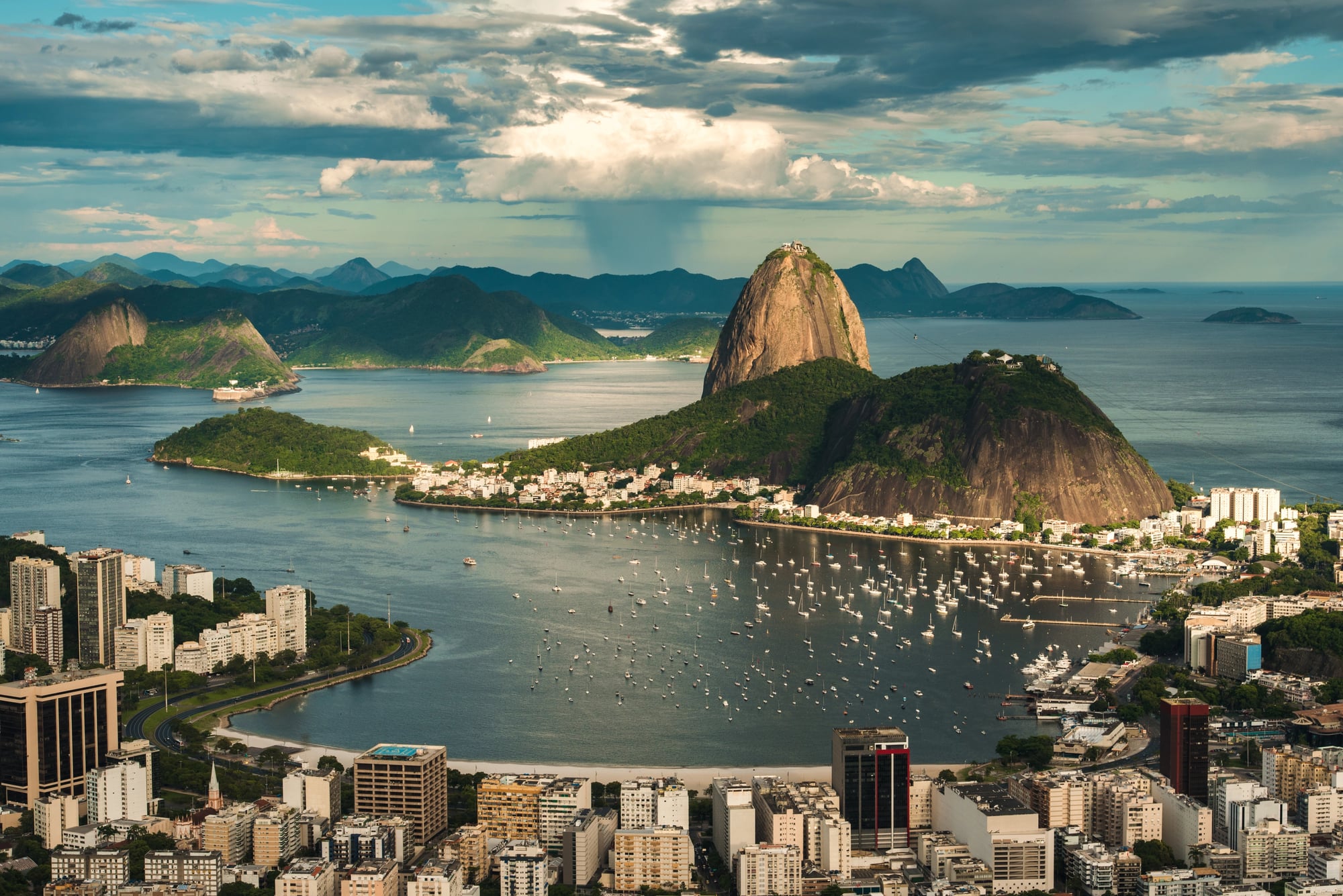
Brazil’s military dictatorship (1964-1985) was systematically downplayed in school textbooks for years after the regime’s end, with curricula describing the period as one of “economic development” and “modernization” while omitting or minimizing discussion of torture, disappearances, and political repression. Only decades later, after national truth commissions documented atrocities, did Brazilian textbooks begin adequately addressing the dictatorship’s human rights violations.
Many Brazilians educated during and immediately after the regime learned little of the violence their military government had committed.
When Silence Becomes Official History

These examples reveal a consistent pattern: governments use control of school curricula to shape national identity by determining what decades, events, or figures students will or will not learn. The erasure is rarely total—some accounts persist in alternative texts, family memories, or whispered histories—but official curricula reach the broadest audience during the formative years when citizens construct their understanding of national history.
What governments choose to delete from classrooms becomes what citizens later struggle to recover, turning historical truth into an act of resistance against official forgetting.
More from Go2Tutors!

- The Romanov Crown Jewels and Their Tragic Fate
- 13 Historical Mysteries That Science Still Can’t Solve
- Famous Hoaxes That Fooled the World for Years
- 15 Child Stars with Tragic Adult Lives
- 16 Famous Jewelry Pieces in History
Like Go2Tutors’s content? Follow us on MSN.