Iconic Retro Mall Stores That No Longer Exist
Walking through a modern mall feels different now. The anchor stores remain, some food court chains hang on, but the middle ground has changed completely.
Those specialty stores that defined mall culture disappeared one by one, victims of online shopping, changing tastes, and economic shifts. If you spent time in malls during the 80s, 90s, or early 2000s, certain store names trigger instant nostalgia.
You remember the layouts, the smells, the specific sections you headed to first. These stores weren’t just places to shop—they were destinations that shaped weekend plans and back-to-school rituals.
Borders

Books and music shared space in a store that encouraged browsing. The cafe inside meant you could grab coffee and flip through magazines or books before deciding to buy.
The music section was substantial, with listening stations where you could preview albums before purchasing. The atmosphere invited lingering.
People treated it like a library where you could actually talk. The selection was deep enough that you could find obscure titles alongside bestsellers.
When it closed, communities lost more than a bookstore. They lost a gathering place that felt less corporate than its competitors.
KB Toys
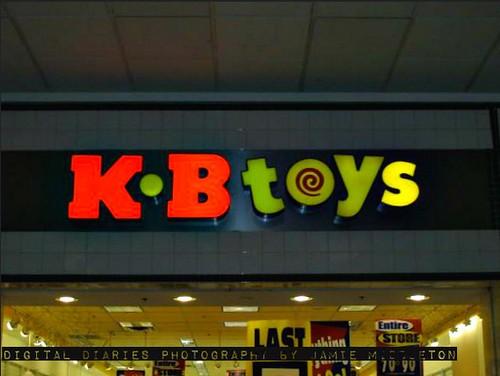
The toy store positioned near the food court was always packed during the holidays. Walking in meant sensory overload—bright colors, demo stations with toys running, and aisles packed with every popular toy line.
The employees knew which items were hot and which were sitting in the back collecting dust. Parents dreaded taking kids inside because the begging started immediately.
The clearance section in the back sometimes had incredible deals on toys from the previous season. When KB Toys closed, mall toy shopping essentially ended.
Big box stores and online retailers took over, but the experience wasn’t the same.
Sam Goody
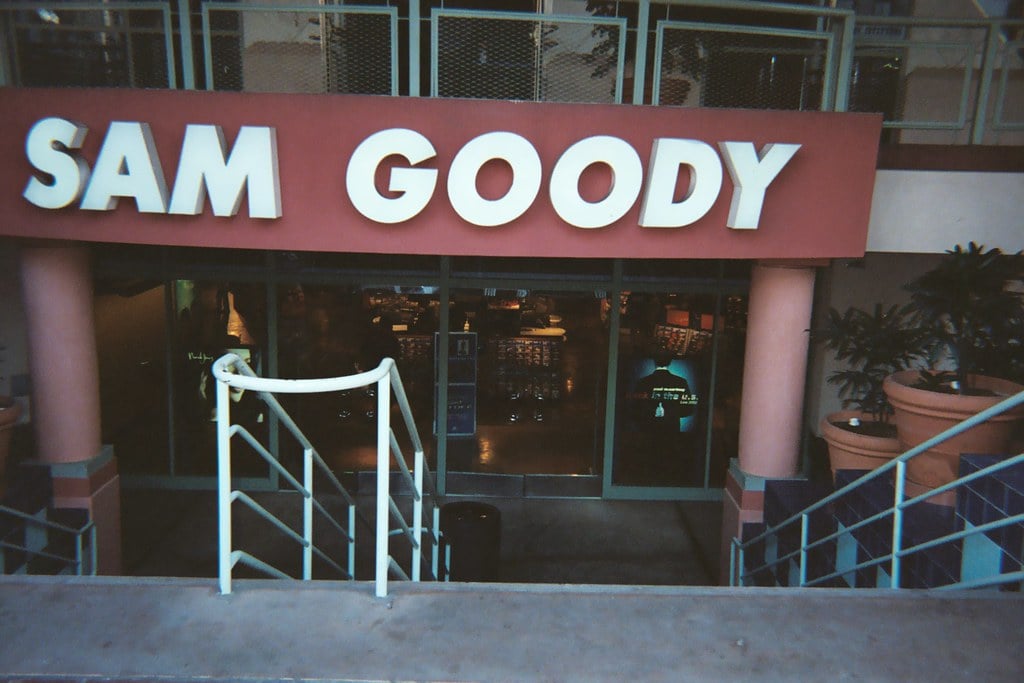
Music stores felt important before streaming existed. Sam Goody had walls of CDs organized by genre, with the new releases prominently displayed up front.
The posters covering the walls advertised upcoming albums and concerts. You could spend an hour just browsing, reading album backs, and discovering bands through the staff recommendations tags.
The listening stations let you preview albums, though they were usually occupied. Buying a CD there meant you valued the physical object and the experience of discovering music through browsing.
When digital music killed CD sales, Sam Goody couldn’t adapt fast enough.
Limited Too

The tween girl aesthetic got its own dedicated store. Everything was bright, sparkly, and designed for the narrow age range between kids and teenagers. The clothes had that specific early-2000s look—rhinestones, butterfly motifs, and lots of pink.
The accessories section sold everything needed to feel grown up without actually being grown up. School supplies, bedroom decor, and journals covered in glitter filled the non-clothing sections.
The store understood its audience perfectly and created a space where that age group felt catered to specifically. When it rebranded and changed focus, that specific niche disappeared from malls.
Waldenbooks

The smaller sibling to Borders occupied less space but served the same need. You found it tucked into mall corridors, offering a curated selection that hit major categories without overwhelming.
The bargain section near the entrance had paperbacks at steep discounts. The small size meant browsing the entire store took minutes, not hours.
Many readers discovered favorite authors from those bargain racks, taking chances on unknown books because the price was low. The staff knew regulars and made recommendations.
As mall foot traffic declined and e-readers gained popularity, small bookstores couldn’t justify the rent.
Circuit City

Electronics shopping meant actually going to a store and comparing specifications on display models. Circuit City had demo units for everything—TVs, stereos, computers, and cameras.
The employees ranged from genuinely knowledgeable to completely clueless, and figuring out which one you got was part of the experience. The appliance section in the back didn’t get much traffic but rounded out the inventory.
Black Friday sales were genuinely chaotic, with people lining up early for door-buster deals. When Best Buy dominated and online shopping took over, Circuit City couldn’t find its place anymore.
Warner Brothers Studio Store

Cartoon characters plastered every surface. The store sold merchandise from Warner Brothers properties—Looney Tunes, DC Comics, and Harry Potter later on. Life-size character statues greeted you at the entrance.
The clothing section had items you couldn’t find anywhere else, making it a destination for fans. Limited edition collectibles sat in display cases, priced for serious collectors.
The whole store felt like an extension of the entertainment properties rather than just a merchandise outlet. When Disney ramped up its retail presence and Warner Brothers changed strategies, these stores closed despite still drawing crowds.
The Disney Store

This one still exists in some locations, but the retro version had a specific magic. Entering through those large glass doors with projected animations overhead transported you.
Cast members, not employees, helped you find merchandise. The attention to detail made it feel special—even the checkout area had a theme.
Kids begged to visit even when parents had no intention of buying anything. The VHS and later DVD section took up significant space when home video sales were strong.
The theatrical release tie-ins meant new displays every few months. The modern versions are more streamlined and less immersive than what existed in the 90s and early 2000s.
Suncoast Motion Picture Company

Movie and TV merchandise filled every shelf. VHS tapes, then DVDs, then Blu-rays occupied most floor space. But the store also carried posters, collectible figures, and rare imports.
You found movies there that hadn’t hit other retailers yet or that never would. The staff actually watched movies and made genuine recommendations.
Anime fans found titles before streaming made everything accessible. Collectors hunted for limited editions and special packaging.
When streaming killed physical media sales, specialty stores like Suncoast lost their reason to exist.
Wet Seal

Fast fashion dominated before fast fashion dominated. The store targeted teenage girls and young women with trendy clothes at accessible prices.
The styles changed constantly, following whatever was popular at the moment. You could assemble an entire outfit for relatively little money, knowing it would probably fall apart after a season but not caring because styles would change by then anyway.
The store understood its demographic and priced accordingly. Multiple trips per season made sense because inventory rotated quickly.
When Forever 21 and H&M offered similar concepts with better locations and more variety, Wet Seal couldn’t compete.
Gadzooks
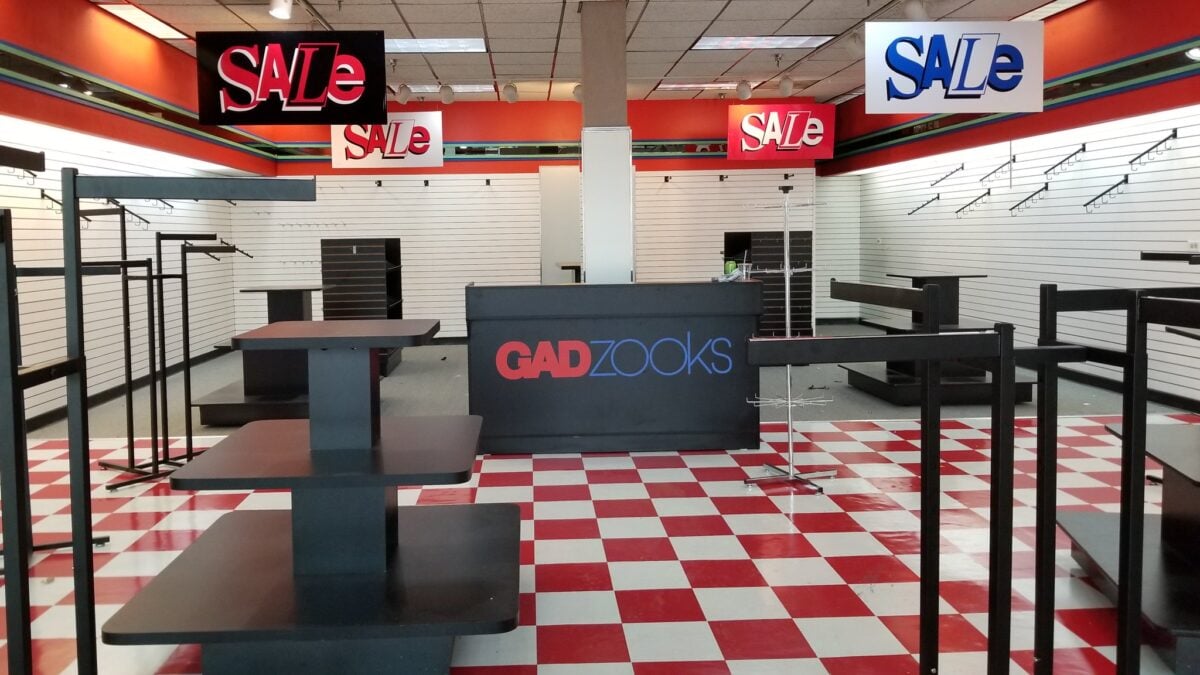
The name was ridiculous and the store leaned into that energy. Teen-focused clothing with attitude—graphic tees, alternative styles, and accessories that let you broadcast your interests.
The music playing was always too loud. The lighting was intentionally dim.
The whole vibe said this wasn’t for parents. The graphic tees covered every possible interest—bands, movies, cartoons, and inside jokes from internet culture.
Finding a shirt that represented your specific interests felt like discovering treasure. When Hot Topic dominated alternative teen retail and online shopping made niche interests easier to serve, Gadzooks faded away.
Structure

The male counterpart to Express occupied mall real estate targeting young professional men. The clothes were business casual before that became standard office wear.
The aesthetic was clean and streamlined, appealing to guys who wanted to look put-together without trying too hard. The sales staff actually helped with sizing and fit rather than just pointing to sections.
The price point hit a sweet spot—nicer than mall staples but not designer expensive. When Express absorbed it and rebranded everything, the specific identity that made Structure work disappeared.
Pacific Sunwear (PacSun)

Surf and skate culture came to inland malls through PacSun. The clothing carried brands that felt authentic to the lifestyle even if you never touched a skateboard.
The section with actual skate shoes drew the serious crowd while casual shoppers grabbed graphic tees and boardshorts. The store managed to feel both accessible and credible, not an easy balance.
Display posters featuring actual athletes and scene personalities. The music selection in-store reflected the culture.
While PacSun still exists in limited locations, it lost that cultural cachet it held in the 90s and early 2000s when skate culture was peaking in mainstream popularity.
The Icing

Accessories overload in a small footprint. Every surface was covered in jewelry, hair accessories, bags, and small gifts.
The store targeted the same demographic as Limited Too but focused purely on accessories. You could spend twenty dollars and leave with an armful of items.
The quality was questionable but the variety was impressive. Friend groups browsed together, picking out matching accessories or helping each other choose between similar items.
Birthday gifts came from here because something would fit every budget. When Claire’s dominated the accessories niche and online shopping offered more variety, The Icing closed most locations.
Malls as Ecosystems

These stores didn’t exist in isolation. They formed an ecosystem where you could spend an entire afternoon moving between them.
Start at the bookstore, hit the music store, grab food, check out the toy store, browse clothing stores, and end at the electronics retailer. Each store played its role in the larger mall experience.
The variety meant different age groups found their spaces. Parents shopped at anchor stores while teens congregated at the specialty retailers.
The mall worked because the collection of stores offered something for everyone. The business model depended on foot traffic and impulse buying.
You came for one thing but left having visited multiple stores. Window shopping was an actual activity because you had to walk past everything to get where you were going.
Sales associates could convert browsers into buyers. The anchor stores at each end forced you through the entire mall if you wanted to visit both.
That forced exposure benefited the smaller stores in between.
Empty Storefronts and Memories
Empty spots linger inside today’s shopping centers, even though walls and floors stay put. Where one shop closes, another opens – sometimes nothing fills the gap at all.
Seeing those bare windows can bring back moments: how things were arranged, small purchases, days spent browsing. What stands there now keeps the address yet loses the feeling entirely.
New brands move in, sure, but they blend into each other like copies without original charm. Online shopping wiped out certain shops through wider choices plus cheaper costs.
Shoppers turning away from traditional routines shut down more – CDs faded, paper books slipped, malls emptied slowly. Poor moves in management sank a few; recovery never came.
Yet each crumbled under one broad change: where folks now buy things, and what they do when relaxed. Home screens replaced storefronts one click at a time.
Shelves once filled with niche items now sit empty because digital warehouses hold more for fewer dollars. A couch becomes a marketplace when delivery promises beat travel plans.
Something slipped away when the shops closed. Not just aisles and counters, but wandering without purpose, stumbling on surprises while moving past shelves.
Finding odd treasures happened because you passed them by chance, eyes catching what algorithms would never suggest. Staff recognized regulars, remembered tastes, and pointed toward hidden stock with quiet confidence.
Friends met up midday, drifted from one entrance to another, killing time near fountains under glass ceilings. That slow rhythm shaped how people spent hours back then.
Places like that had gravity once – the kind that pulled you in even if you bought nothing. Back then, those shops stood for more than what sat on their shelves.
What made them real was how young you felt walking into one. Weekends often found you drifting through hallways with people who got you.
A new soundtrack or story meant stepping out, heading downtown, finding a spot that carried it. You had to move your body, touch things, wander aisles with no screen between you and surprise.
Faster times left old shopfronts behind, their quiet corners now just memories. Without them around, it hits harder – what feels solid today might be gone by tomorrow.
More from Go2Tutors!

- The Romanov Crown Jewels and Their Tragic Fate
- 13 Historical Mysteries That Science Still Can’t Solve
- Famous Hoaxes That Fooled the World for Years
- 15 Child Stars with Tragic Adult Lives
- 16 Famous Jewelry Pieces in History
Like Go2Tutors’s content? Follow us on MSN.