32 Everyday Objects Museums Now Display Behind Glass
Museums have expanded far beyond ancient pottery and royal regalia. Today they preserve, document, and exhibit the mundane items that defined ordinary life—the technologies, fashions, and household goods we consider disposable but that reveal deeper truths about how humans lived.
When something becomes common enough and dated enough, it transforms from trash to treasure. Museums now protect behind glass the everyday artifacts of our not-so-distant past, treating consumer products and domestic items with the same scholarly rigor once reserved for ancient artifacts.
These objects serve as tangible connections to the lives and choices of people like ourselves, preserved before they vanish entirely.
Rotary Telephone (1950s Models)
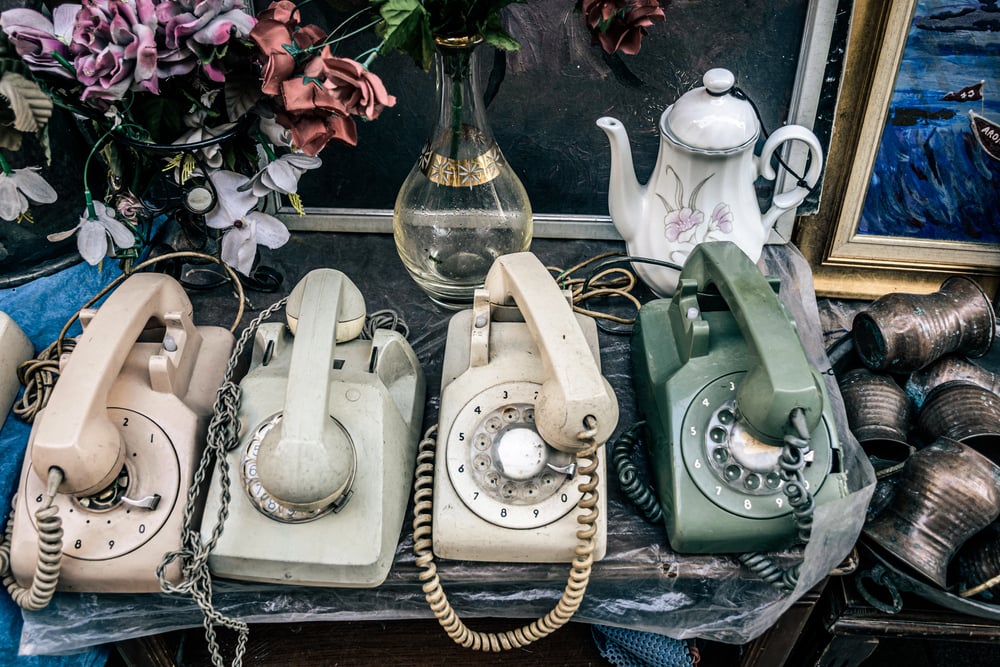
Museums now preserve vintage rotary phones as technological and design artifacts. The mechanical innovation of the rotary dial, the Bakelite housings, and the weight of handsets tell stories about communication technology before touch-tone systems.
Major technology museums and telephone museums dedicate entire exhibits to the evolution of the rotary dial, showing how this design persisted for nearly a century.
Candlestick Telephone (Wooden Base)
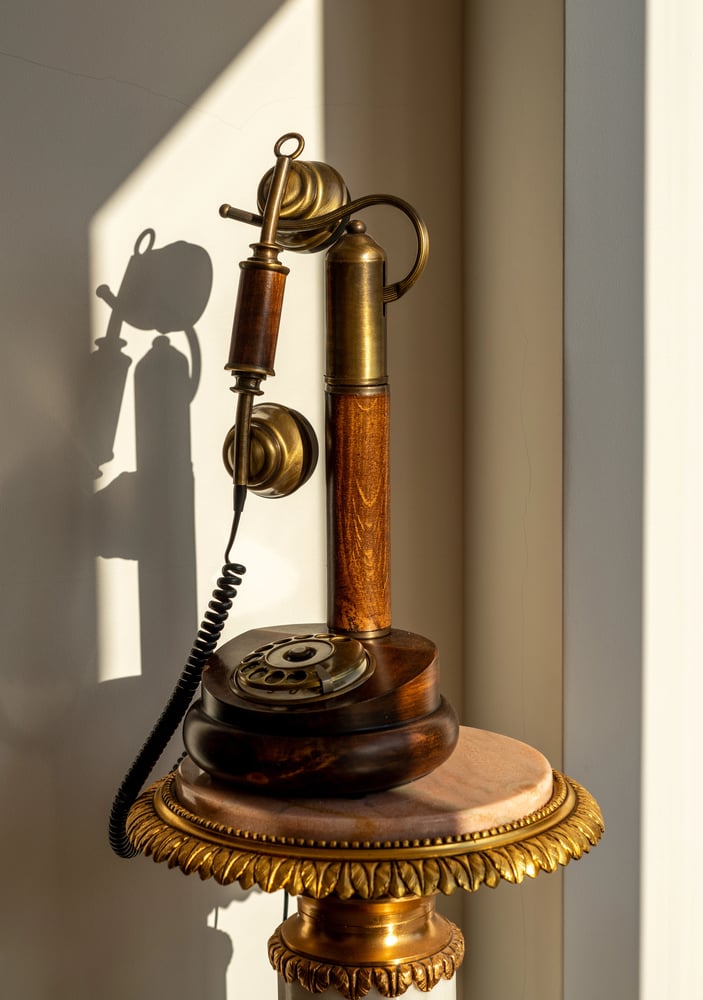
Early candlestick telephones with wooden bases and brass fittings are displayed as both craftsmanship and design artifacts. Museums document how these devices represented the marriage of fine woodworking with emerging electrical technology.
The craftsmanship visible in period examples demonstrates manufacturing standards no longer maintained.
Payphone (Glass Booth Version)
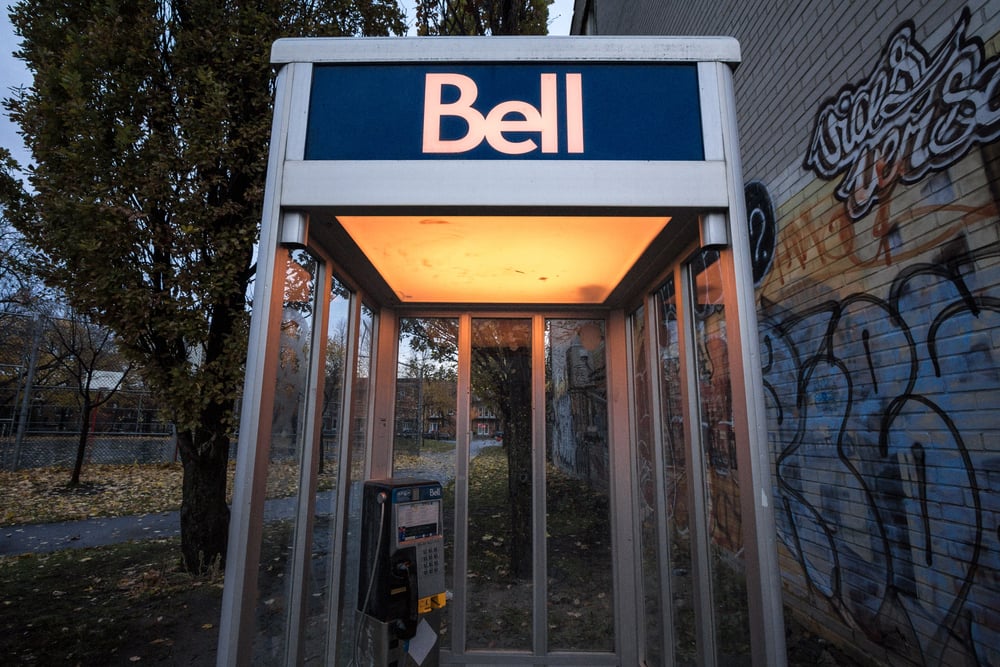
The street-corner payphone, once ubiquitous and now nearly extinct, appears in museum collections documenting public infrastructure and communication history. Complete phone booths are preserved as installations, showing how public communication technology created designated spaces in urban environments.
Tin Can (Vintage Commercial Example)
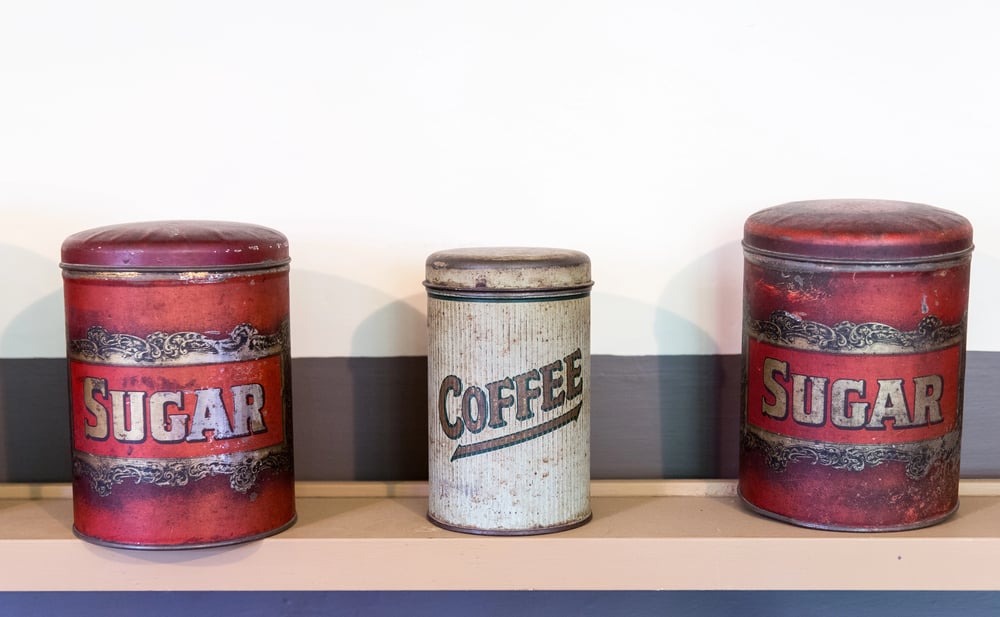
Museums collect period-specific tin cans to document branding, typography, and consumer product design. Food cans from the early 20th century reveal manufacturing techniques, ingredient histories, and how product advertising evolved.
The graphic design on vintage cans offers insights into period aesthetics and consumer culture.
Ceramic Household Pottery (Common Kitchen Bowls)
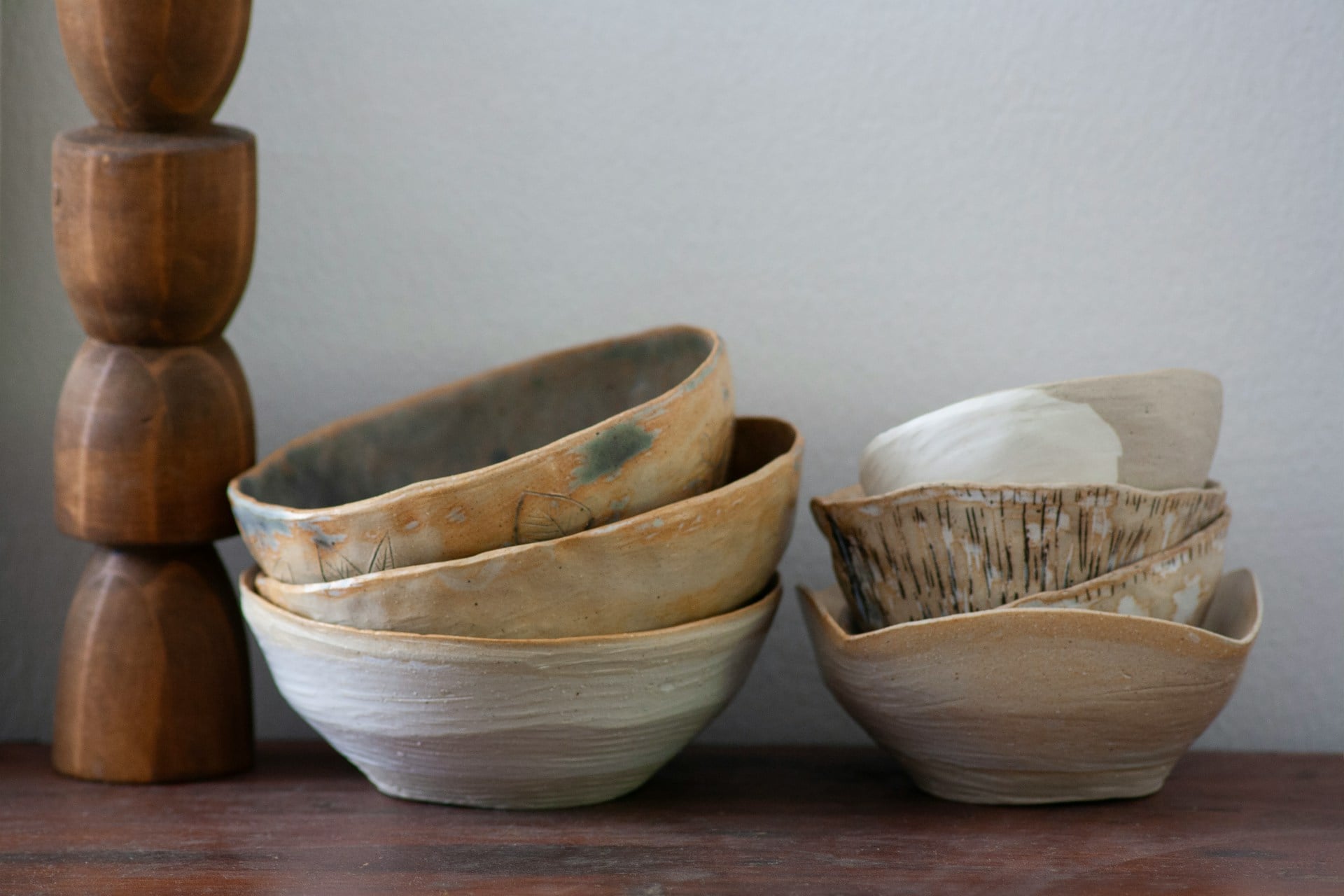
Unadorned ceramic mixing bowls and everyday dinnerware, once mass-produced and common, now appear in museum collections documenting daily domestic life. Simple earthenware examples from different eras show continuity in function while revealing shifts in manufacturing processes and design aesthetics.
Glass Milk Bottle (Vintage Dairy Example)
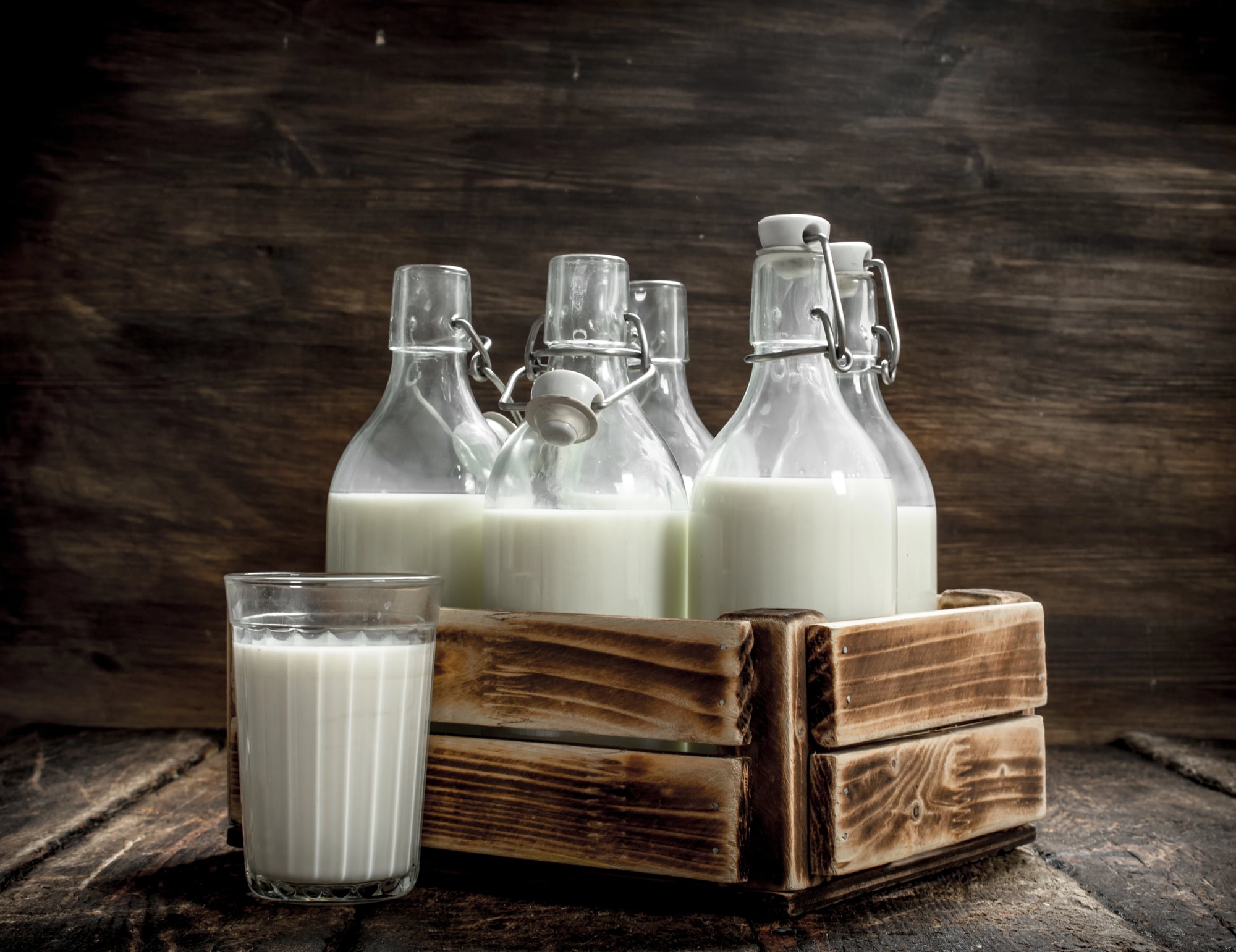
Milk bottles with local dairy markings and vintage design elements are preserved as examples of distribution systems, local commerce, and household staples. Museums document how milk delivery infrastructure shaped domestic routines and community commerce patterns.
Paper Lunch Box (Vintage Metal or Cardboard)
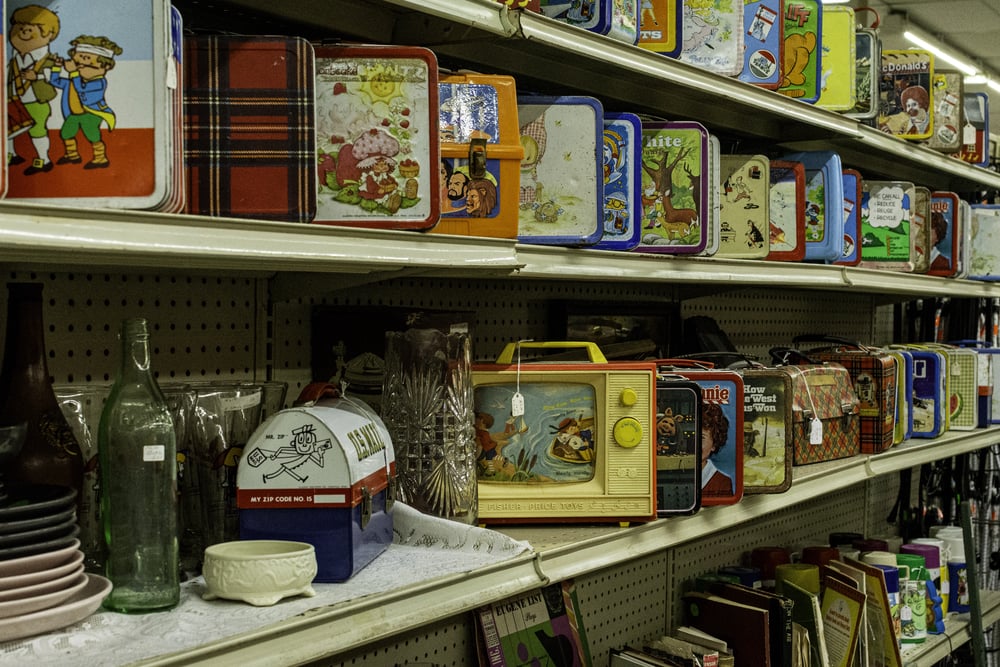
Vintage lunch boxes are collected as examples of both functional design and childhood culture. Museums preserve examples showing brand history, character licensing, and how commercial culture infiltrated domestic life through everyday objects.
Vinyl Record Album (First Pressing)
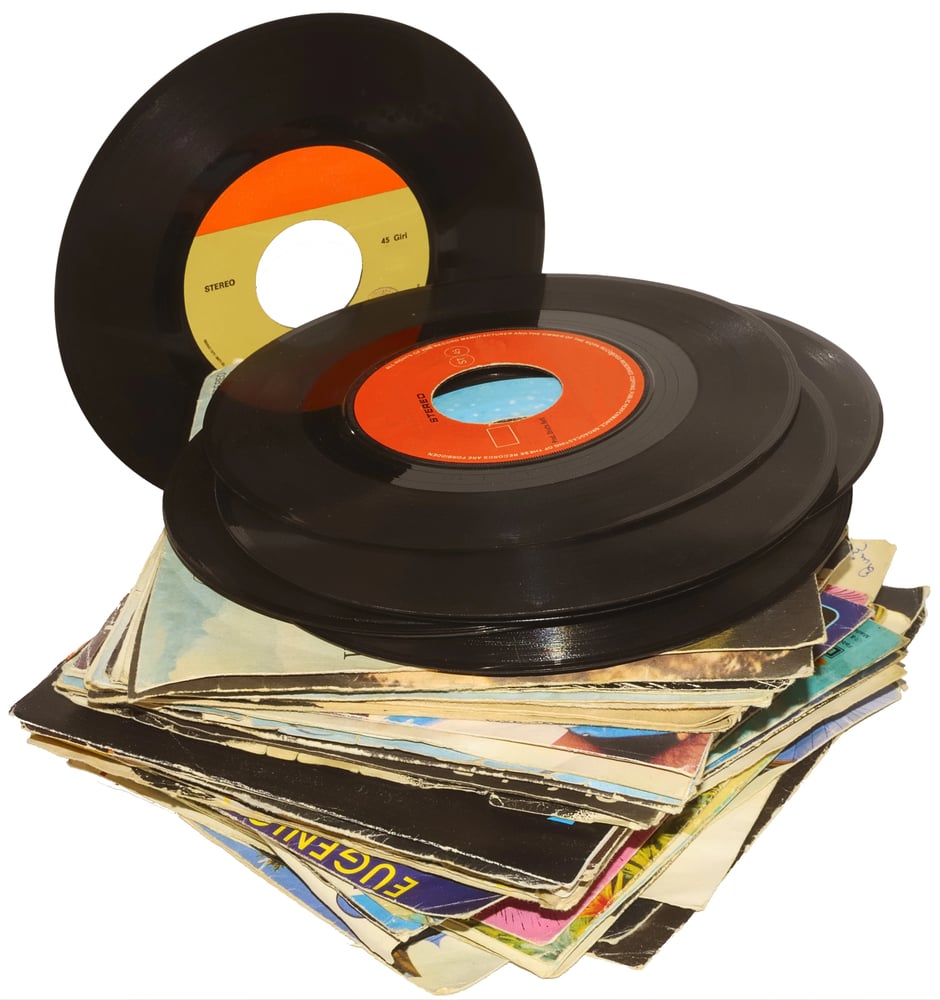
Early vinyl LPs and 45-RPM records are preserved as both musical artifacts and industrial design examples. Museums document the evolution of jacket design, packaging, and how the format shaped music consumption and social interaction around recorded music.
Audio Cassette Tape (1970s-80s Example)
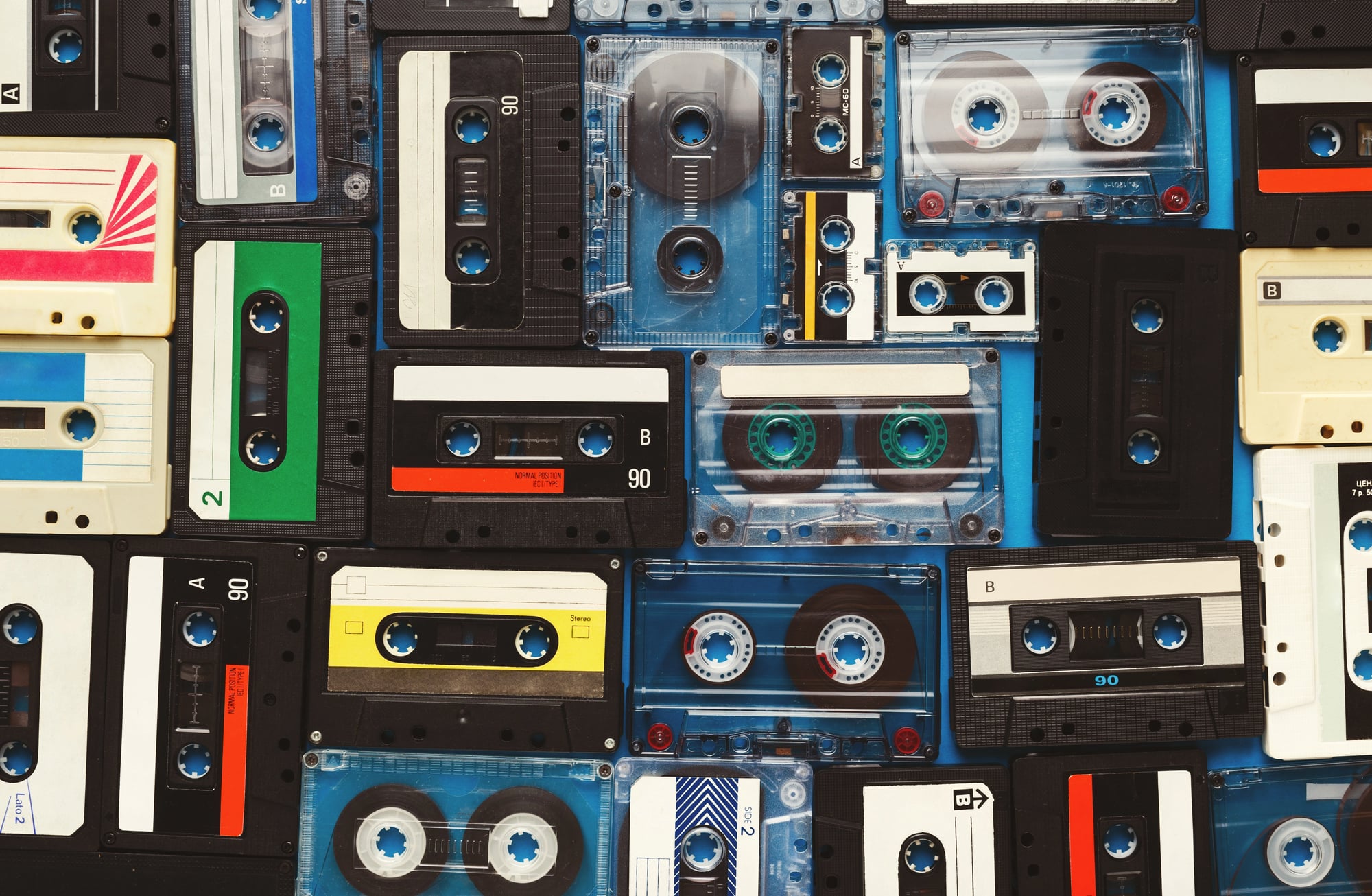
Museums now collect vintage cassette tapes as technological artifacts representing a specific era of music consumption and home recording. Cassettes document shifting formats and the democratization of music production and distribution.
Plastic Bag (Designer or Commercial Example)
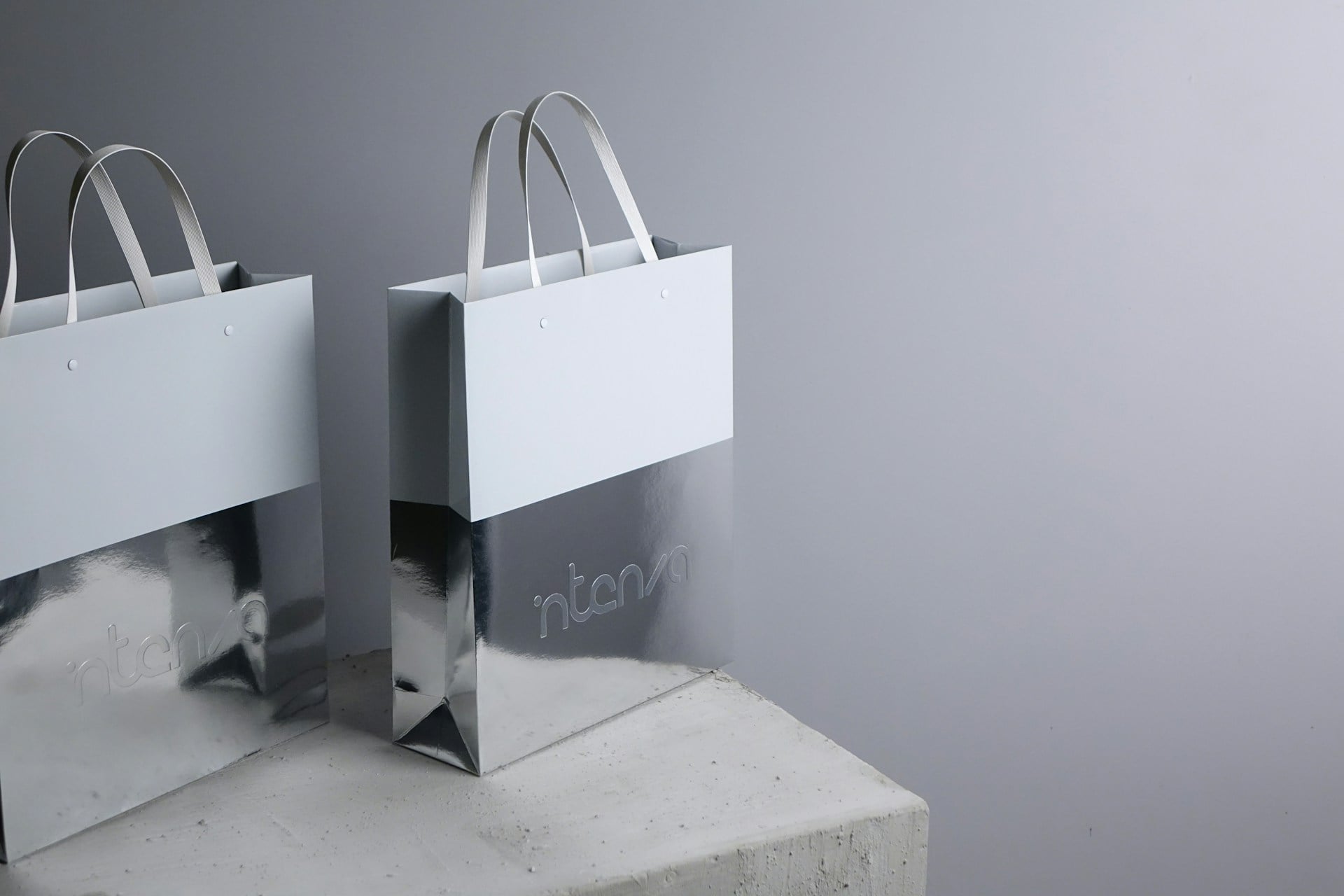
Museums increasingly preserve plastic bags—from designer shopping bags to commercial grocery bags—as examples of consumer culture and material innovation. These items document the rise of plastic as a material and the aesthetics of commercial branding.
Newspaper (Front Page from Historic Date)
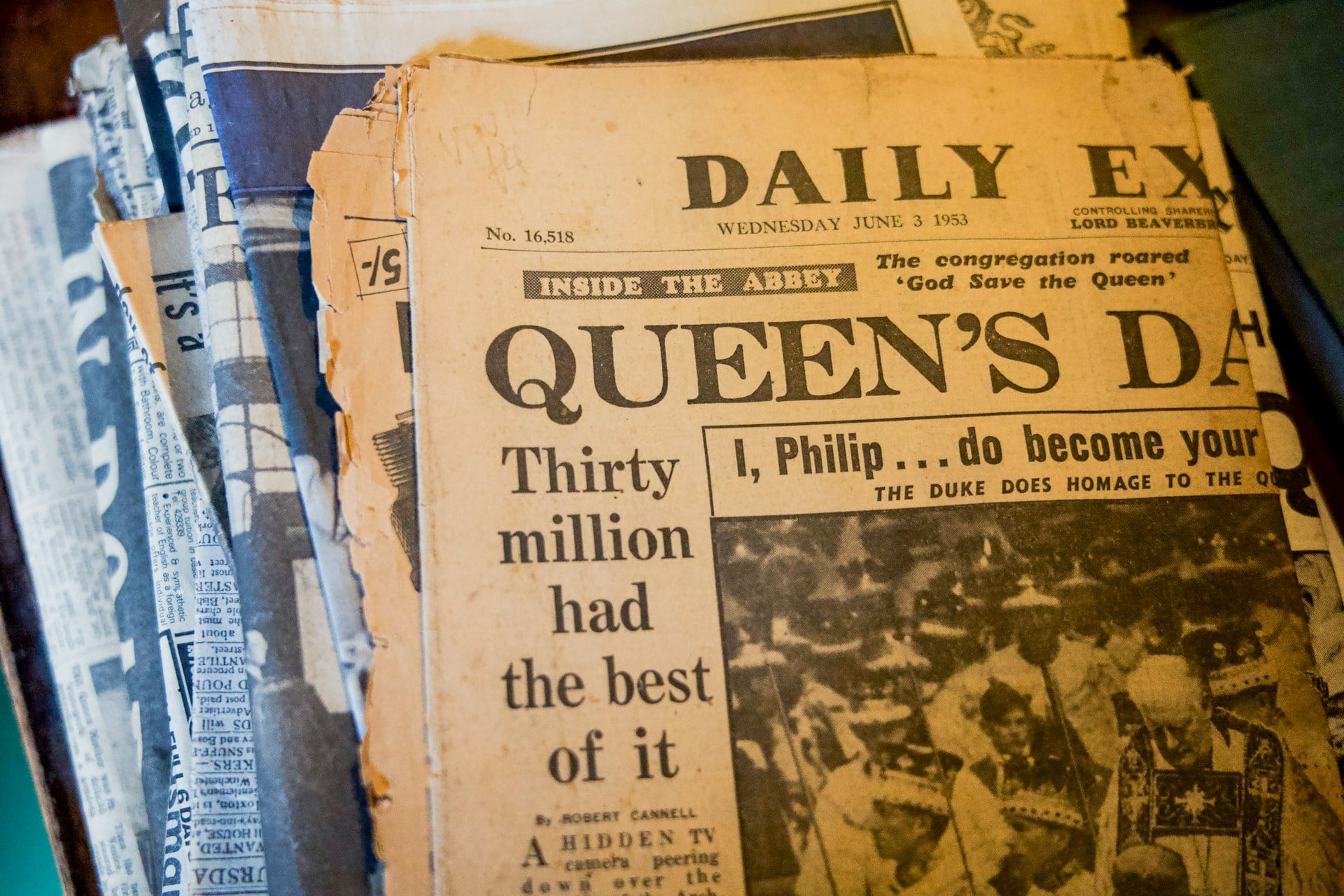
While newspapers seem common, museums preserve specific front-page examples from historically significant dates, treating them as primary source documents capturing moments of public awareness and information design.
Magazine from Specific Era (Fashion Example)
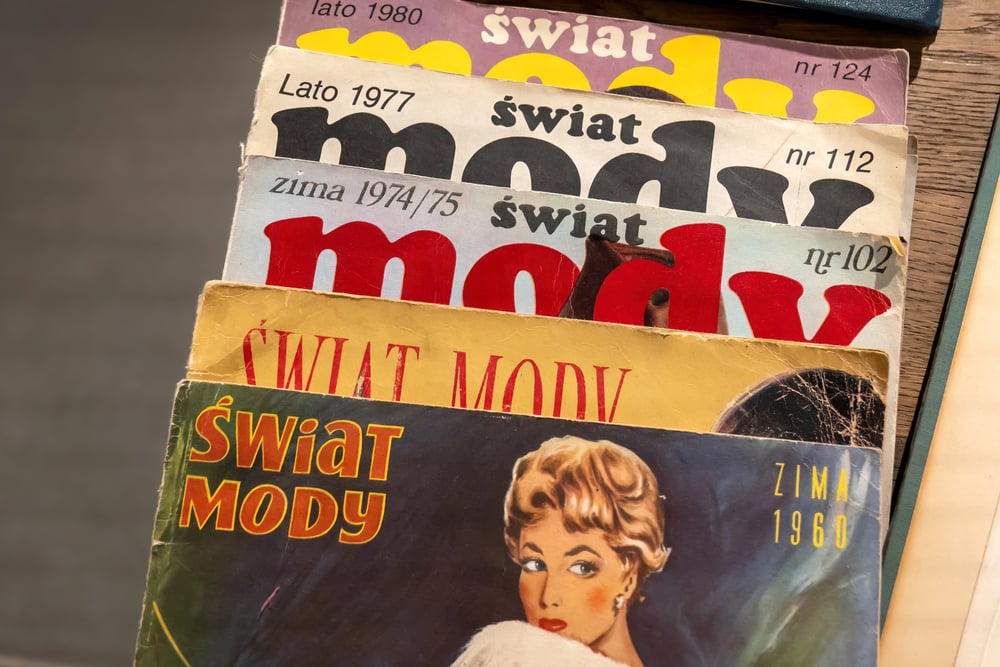
Vintage fashion magazines are preserved as repositories of design history, typography, and cultural values. Advertisements within magazines reveal consumer aspirations, economic conditions, and social norms of their era.
Wooden Kitchen Chair (Mid-Century Domestic Example)
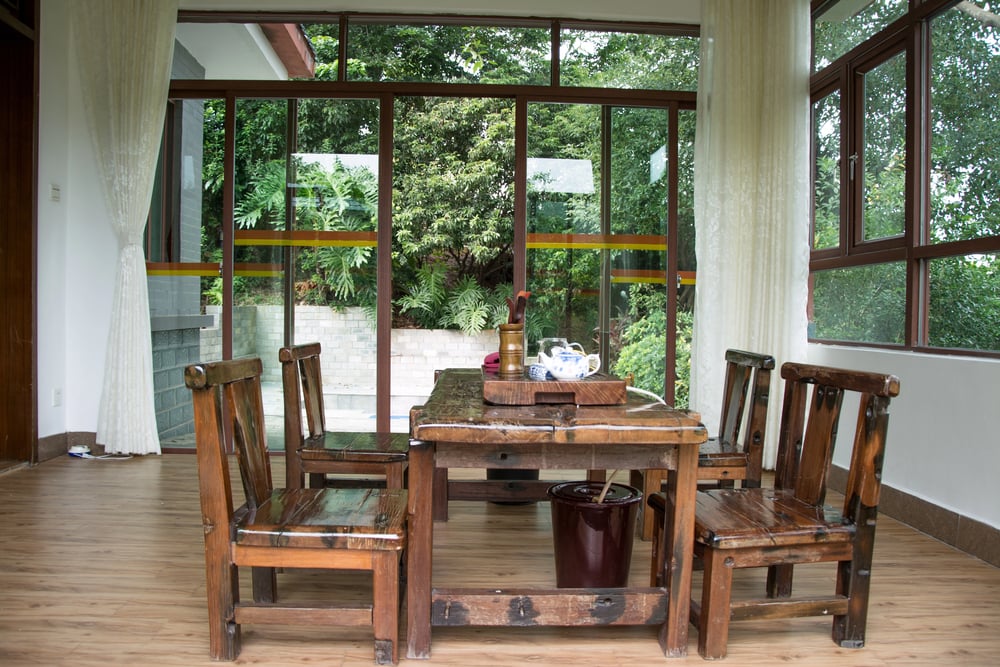
Simple wooden kitchen chairs from the mid-20th century appear in furniture collections documenting domestic design and manufacturing standards. These utilitarian pieces show design evolution and changing manufacturing capabilities.
Glass Drinking Glass (Promotional Diner Example)
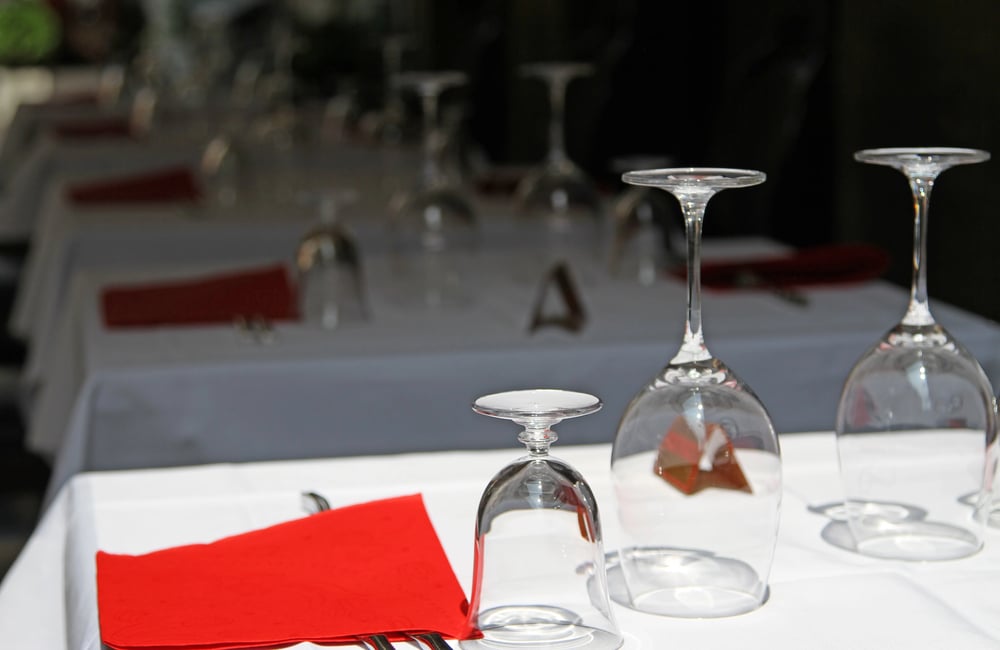
Diner glassware and promotional glasses distributed with commercial products are preserved as examples of everyday material culture and commercial branding strategies reaching into household collections.
Plastic Hairbrush (Vintage Bakelite or Early Plastic Example)
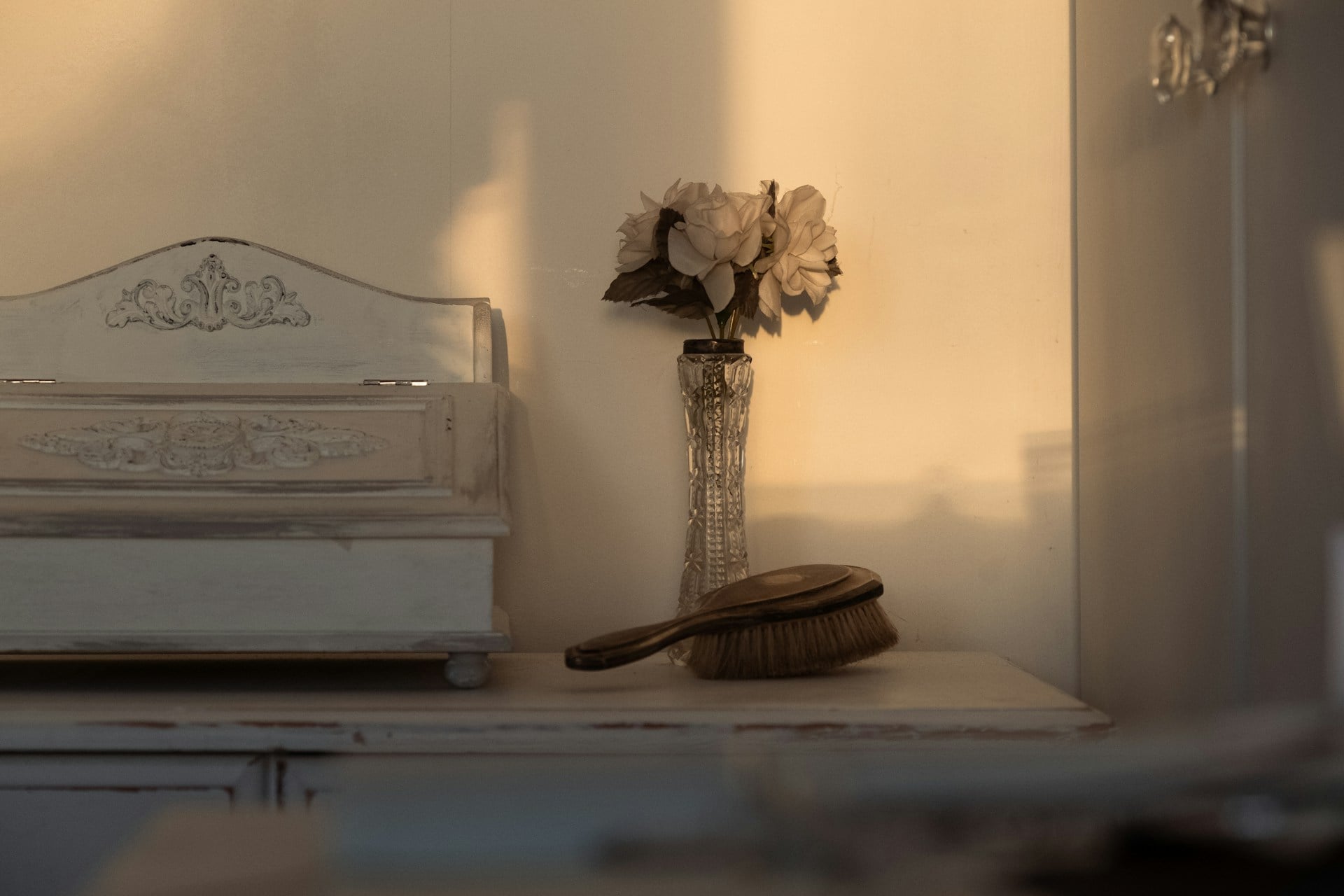
Personal care items like hairbrushes become museum pieces documenting the evolution of plastic materials, personal hygiene practices, and design in utilitarian objects. Museums preserve examples showing how new materials rapidly replaced traditional ones.
Electric Toaster (Mid-Century Model)
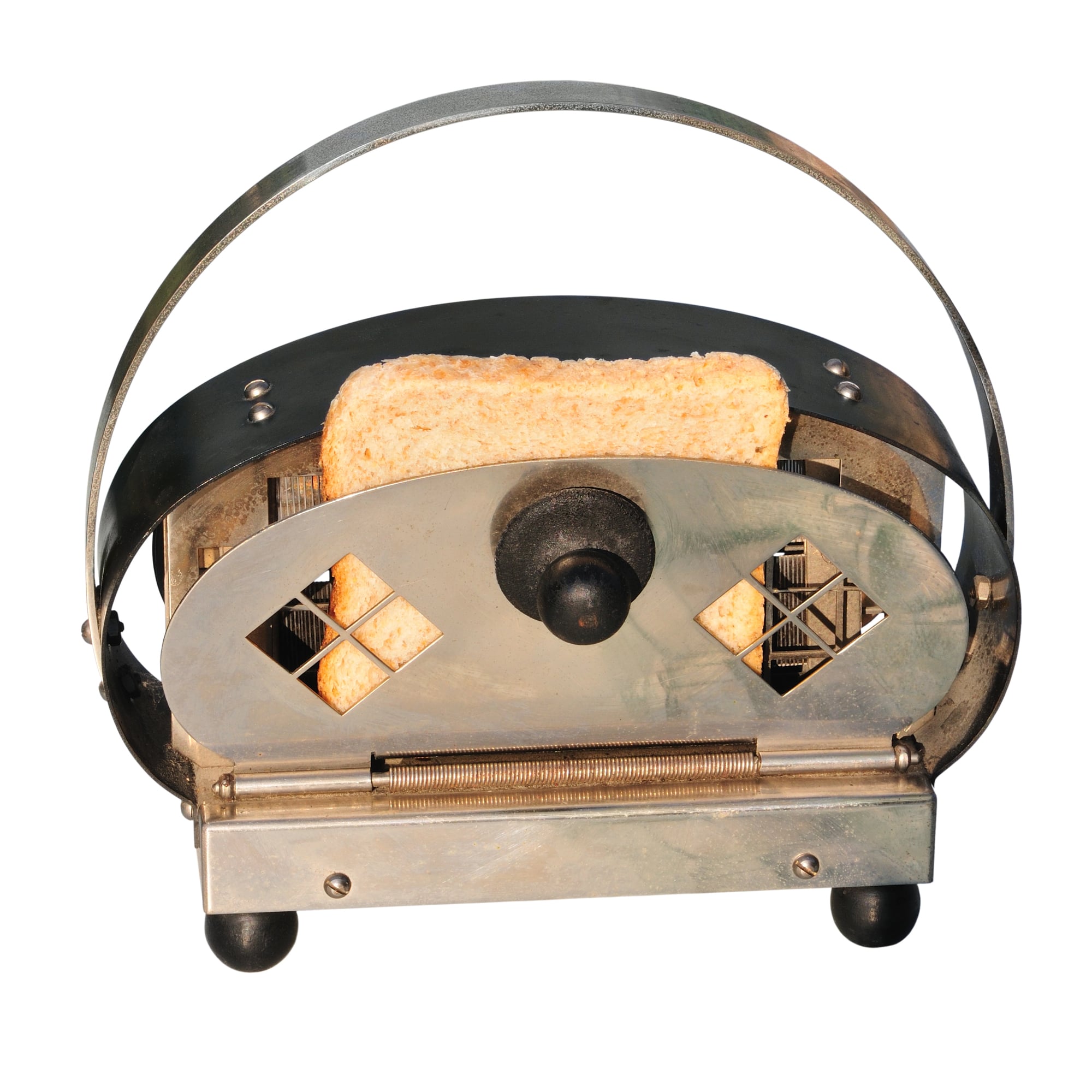
Vintage kitchen appliances are collected as examples of design, material innovation, and changing domestic labor. Toasters represent the electrification of home cooking and the domestication of electrical technology.
Television Set (1950s-1970s Model)
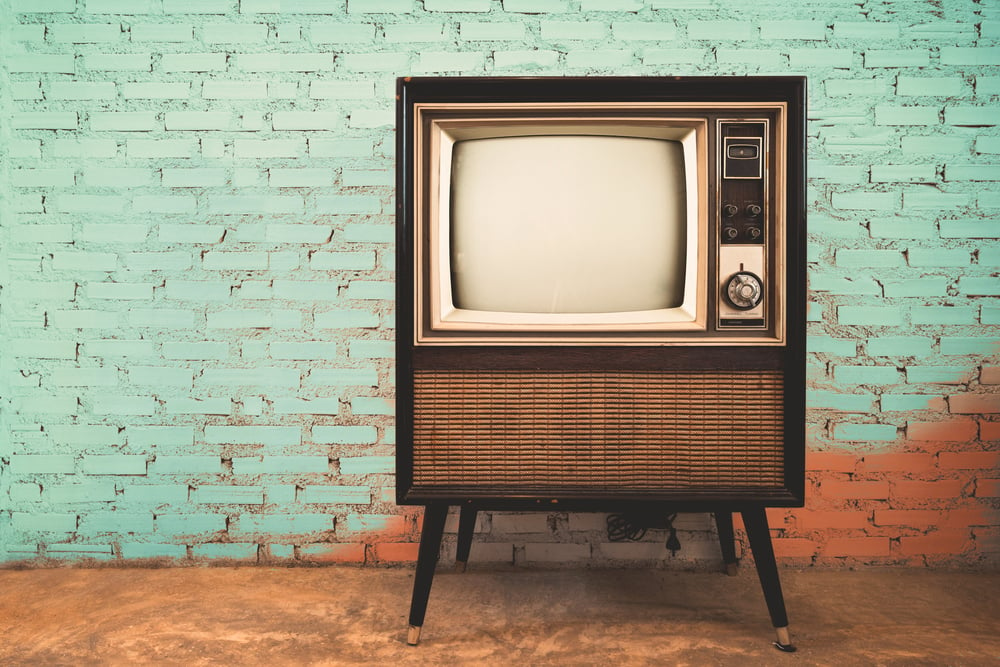
Vintage television sets are preserved as both technological and cultural artifacts, showing design evolution and the domestication of broadcast media. Museums document how television shaped family rooms and domestic routines.
Radio Receiver (Bakelite Housing Example)
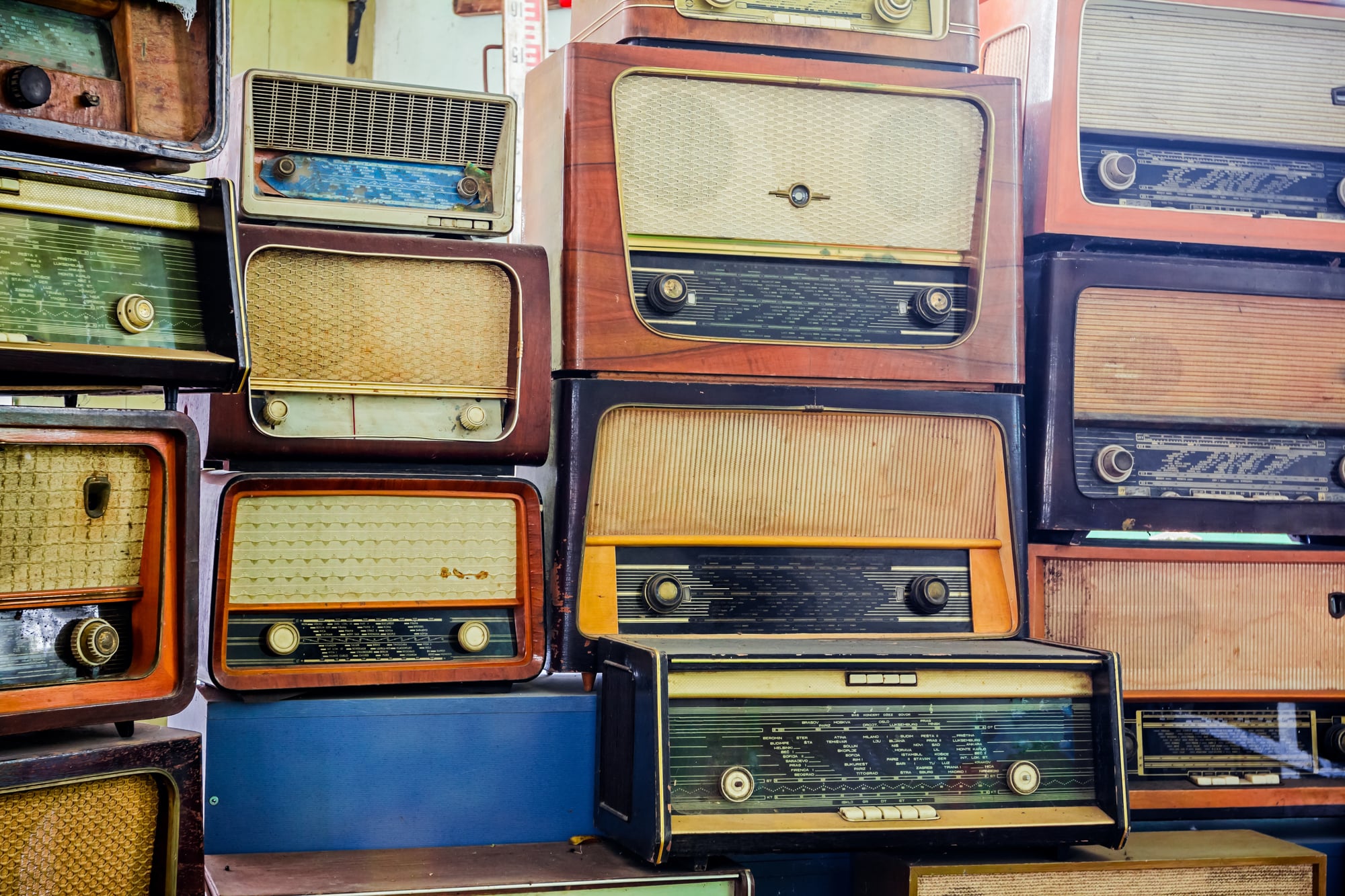
Early radios with distinctive Bakelite housings are preserved as design objects and technological examples. The radio represents an earlier phase of domestic media consumption and the aesthetic integration of electrical technology into home spaces.
Typewriter (Portable Version)
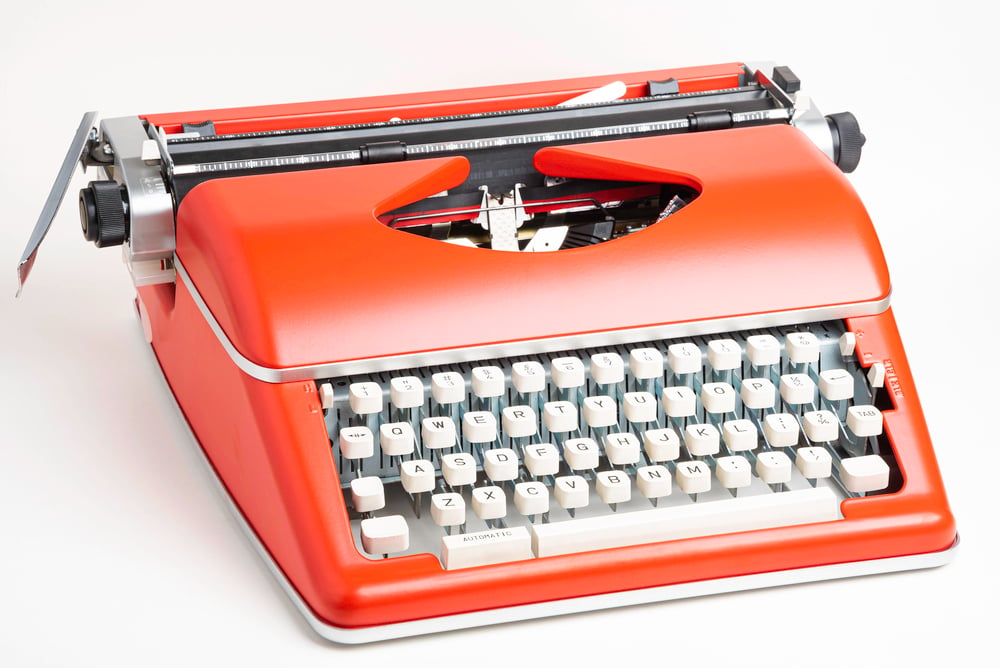
Portable typewriters from the mid-20th century are preserved as writing technology artifacts. Museums document how typewriters enabled authors and democratized composition before digital word processing.
Ballpoint Pen (Early Commercial Example)
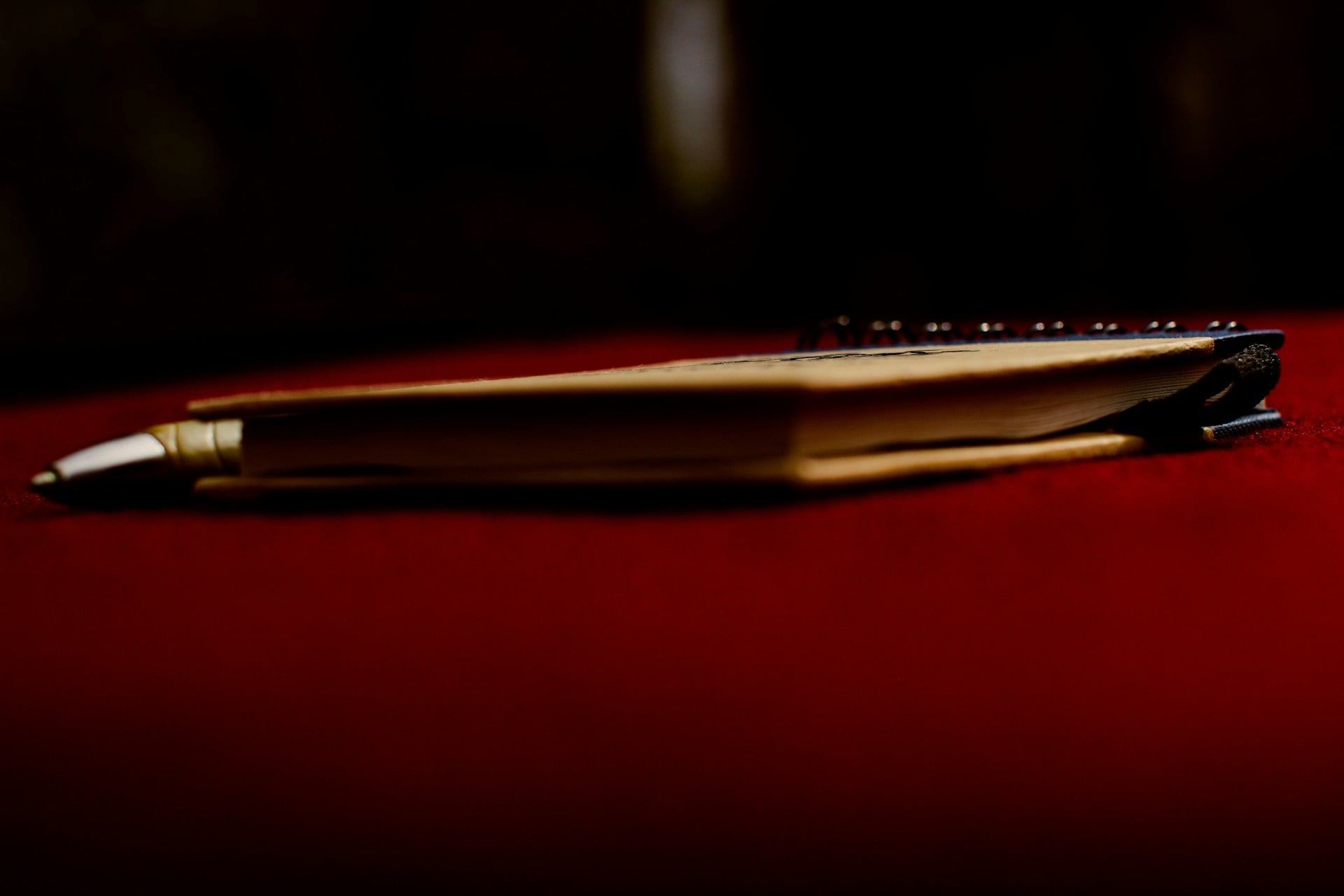
Early ballpoint pens are collected as technological innovations and everyday writing instruments. Museums document how the ballpoint pen replaced fountain pens and became ubiquitous global writing technology.
Plastic Comb

Simple plastic combs are preserved as examples of how plastic materials transformed everyday objects. Museums document the rapid substitution of plastic for traditional materials in personal care items.
Thread Spool (Vintage Manufactured Example)
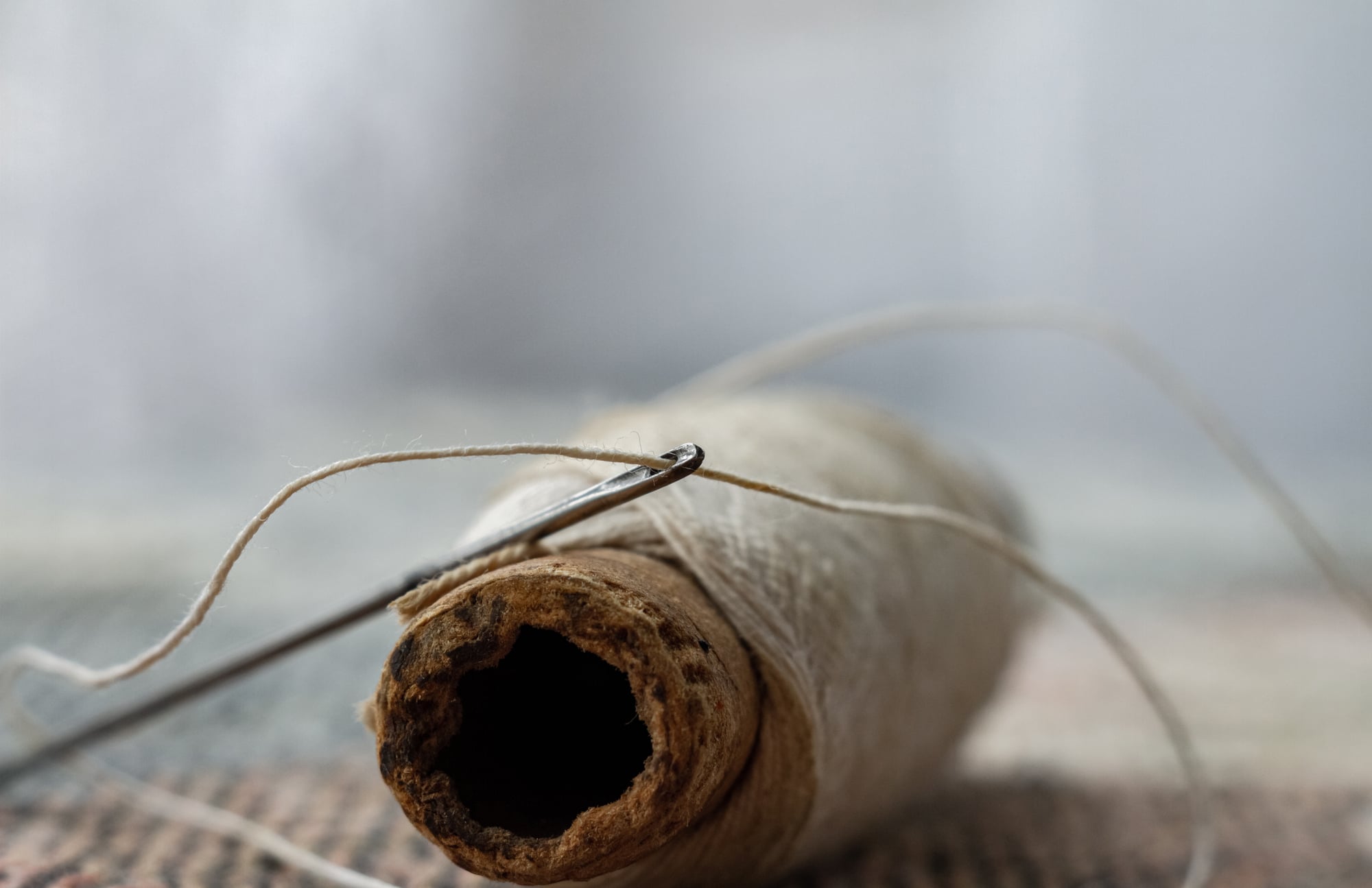
Thread spools in original packaging document textile manufacturing, product design, and how commercial organization extended into household crafting supplies. The graphics and branding reveal period aesthetics.
Envelope (Vintage Business Example)
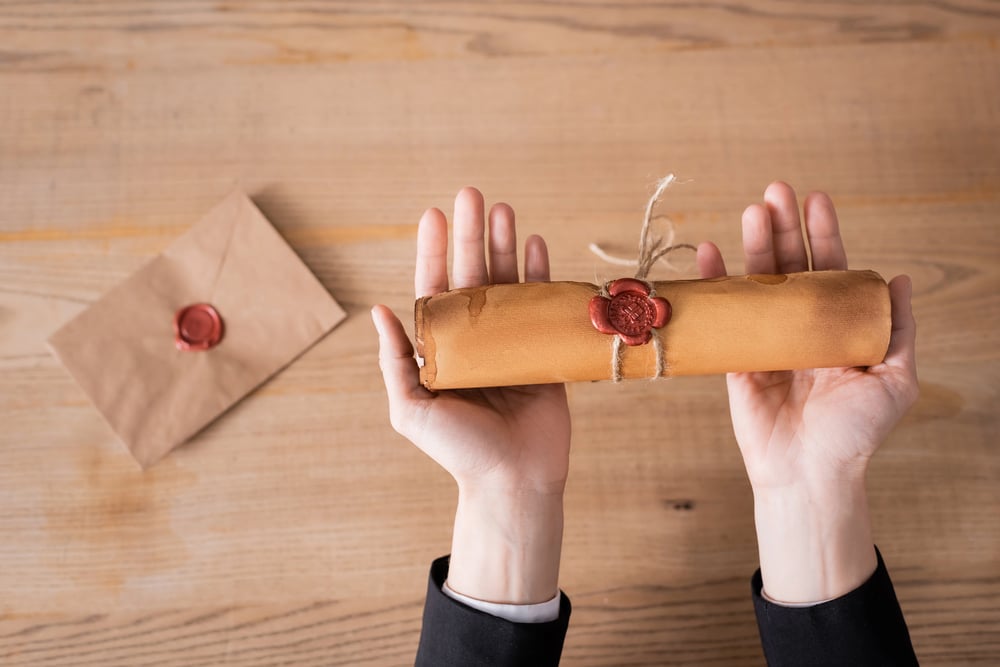
Period envelopes with period-correct stamps and cancellation marks are preserved as documents of communication technology and design. Museums study postal systems through these everyday transit objects.
Postcard (Vintage Tourist Example)
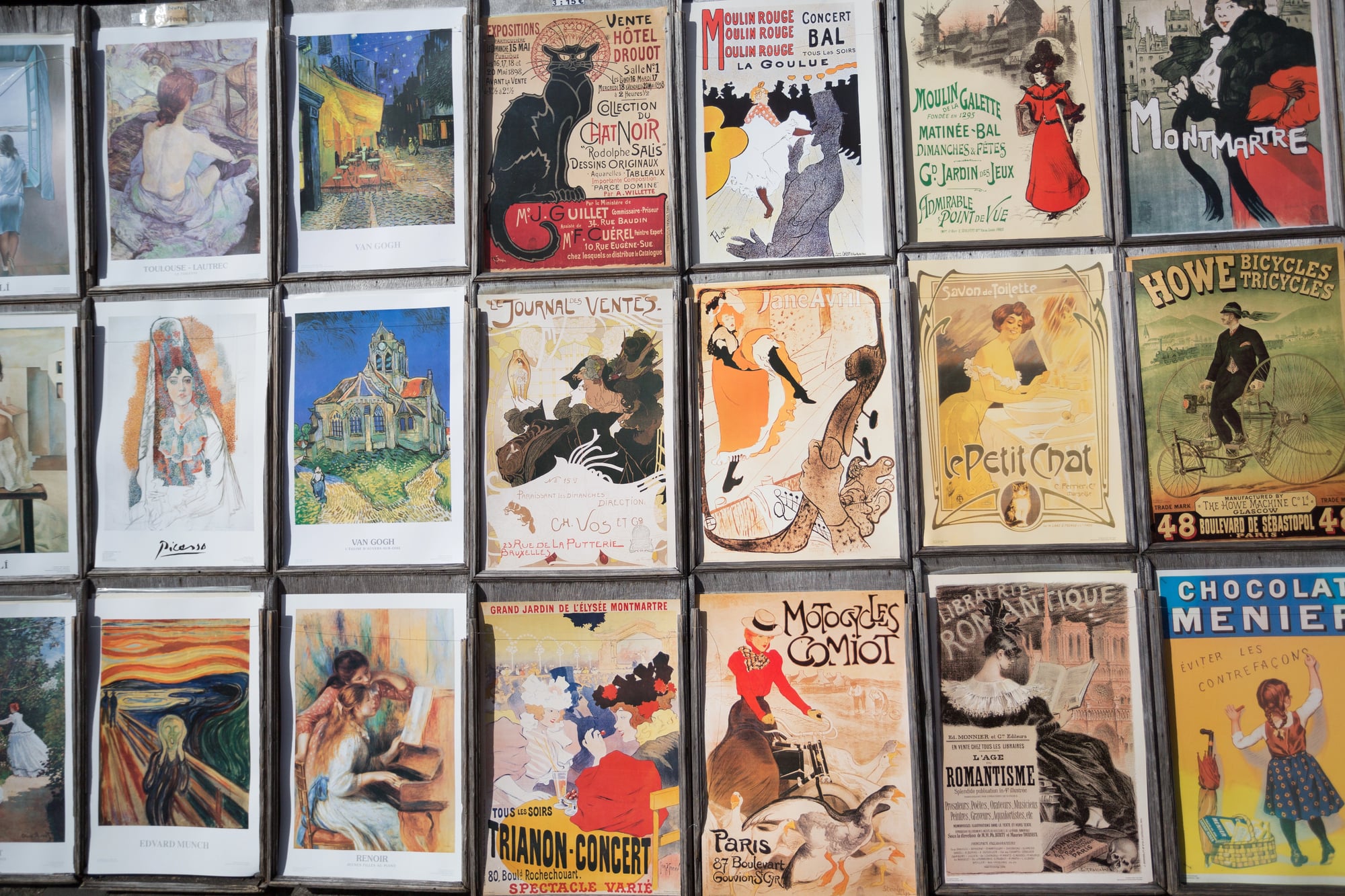
Vintage postcards are preserved as both art objects and documentary evidence of tourism, graphic design, and how communities represented themselves. The images reveal changing landscapes and cultural values.
Pencil (School Supply Example)
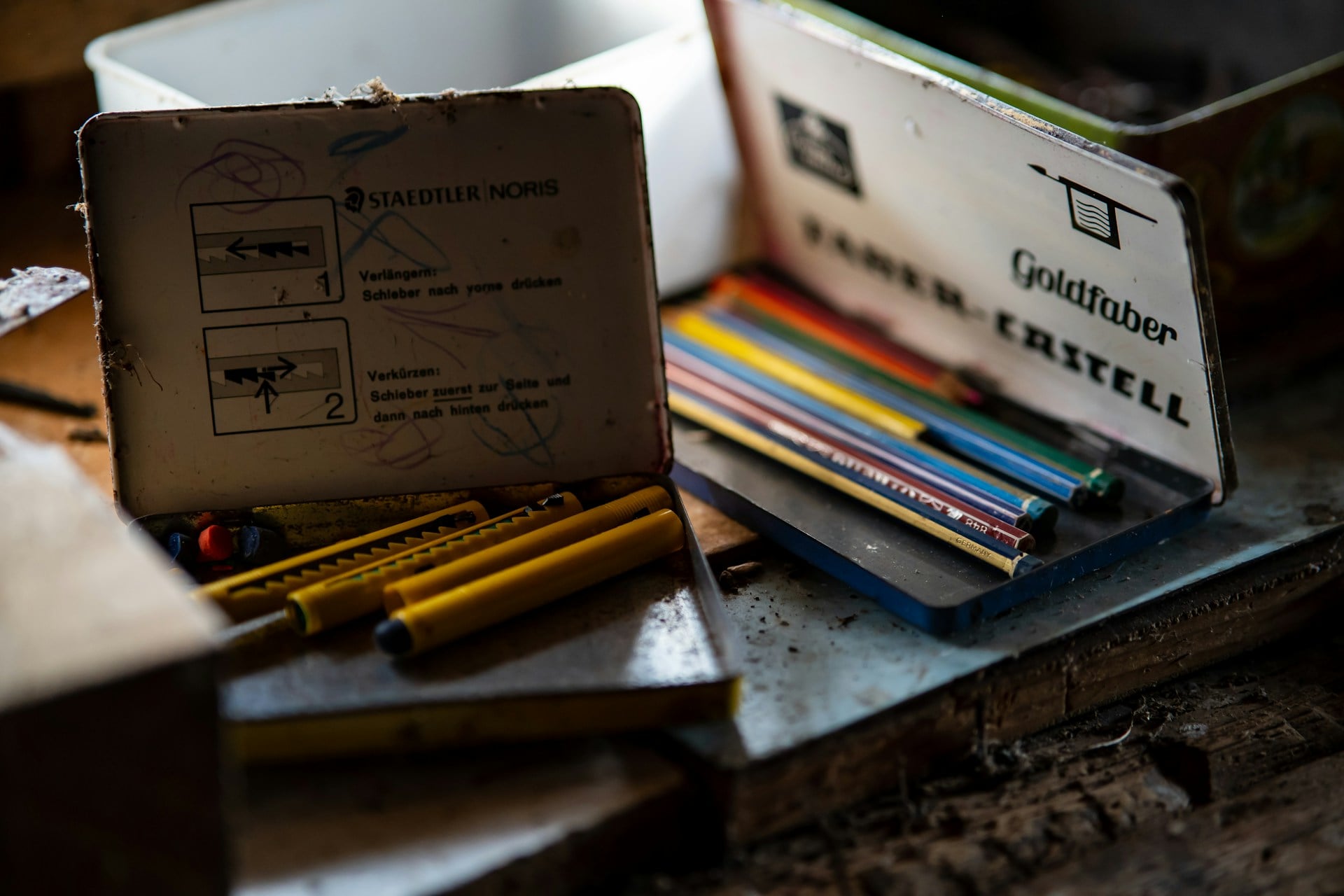
Vintage pencils in original boxes document manufacturing, product design, and educational infrastructure. Wood pencils represent a technology that persisted nearly unchanged for a century.
Rubber Eraser (Period Commercial Example)
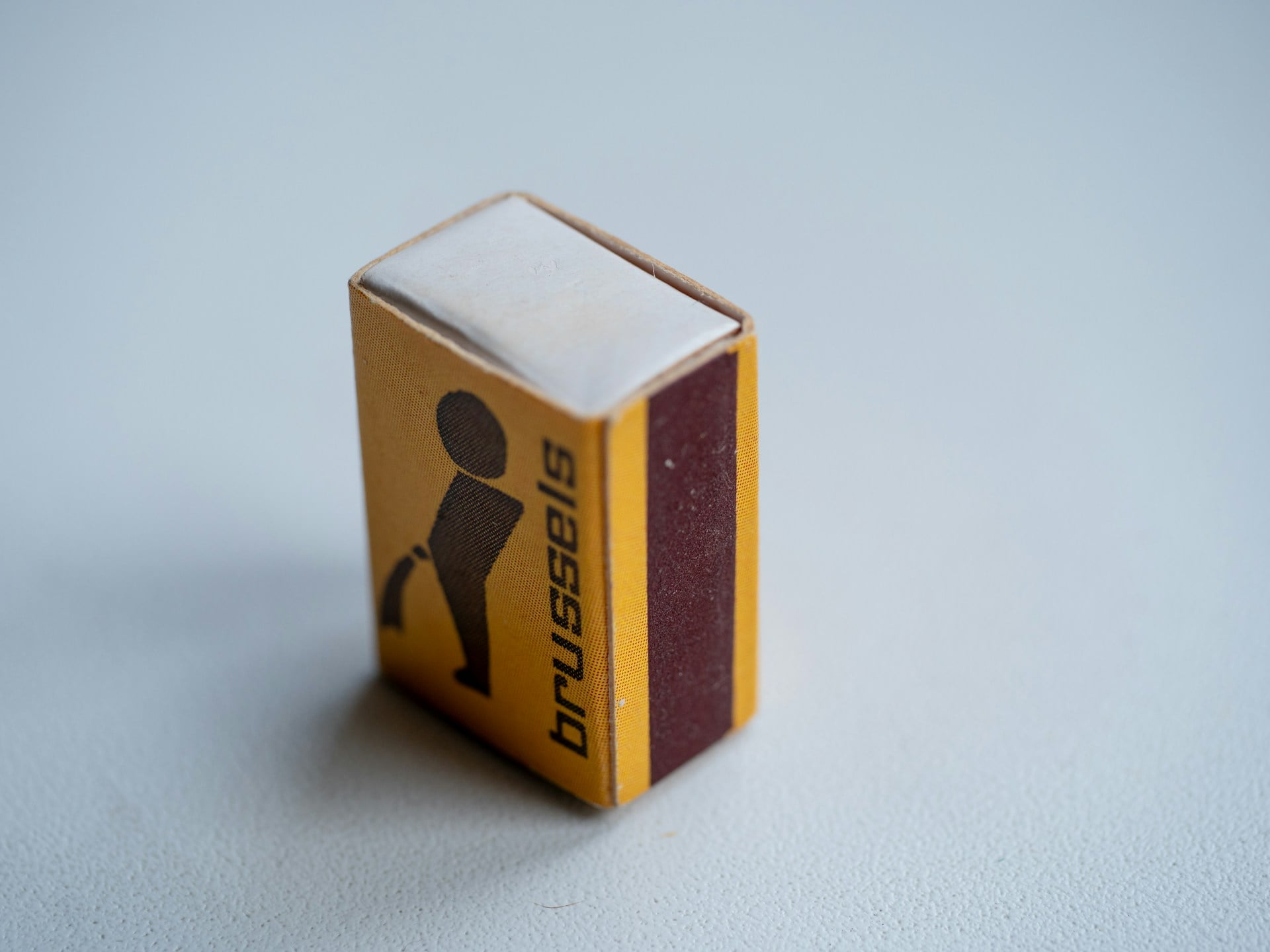
Erasers in original packaging document rubber material innovation and how simple objects acquired brand identity. Museums preserve examples showing evolution of eraser design and materials.
Bicycle (Vintage Model)
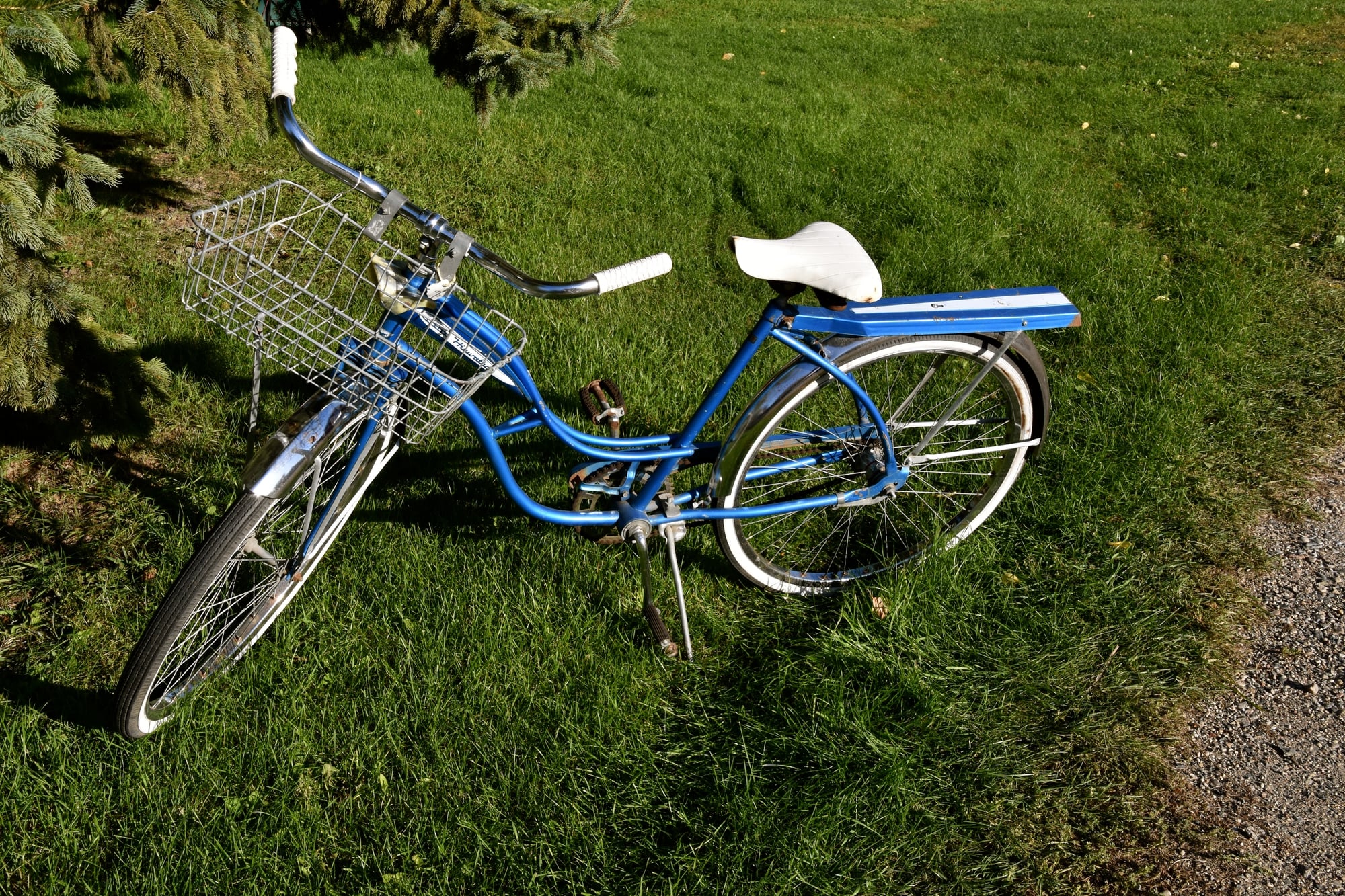
Complete bicycles from different eras are preserved as transportation technology and design objects. Museums document manufacturing methods, materials, and how bicycles shaped urban movement and youth culture.
Shoe (Vintage Daily Wear Example)
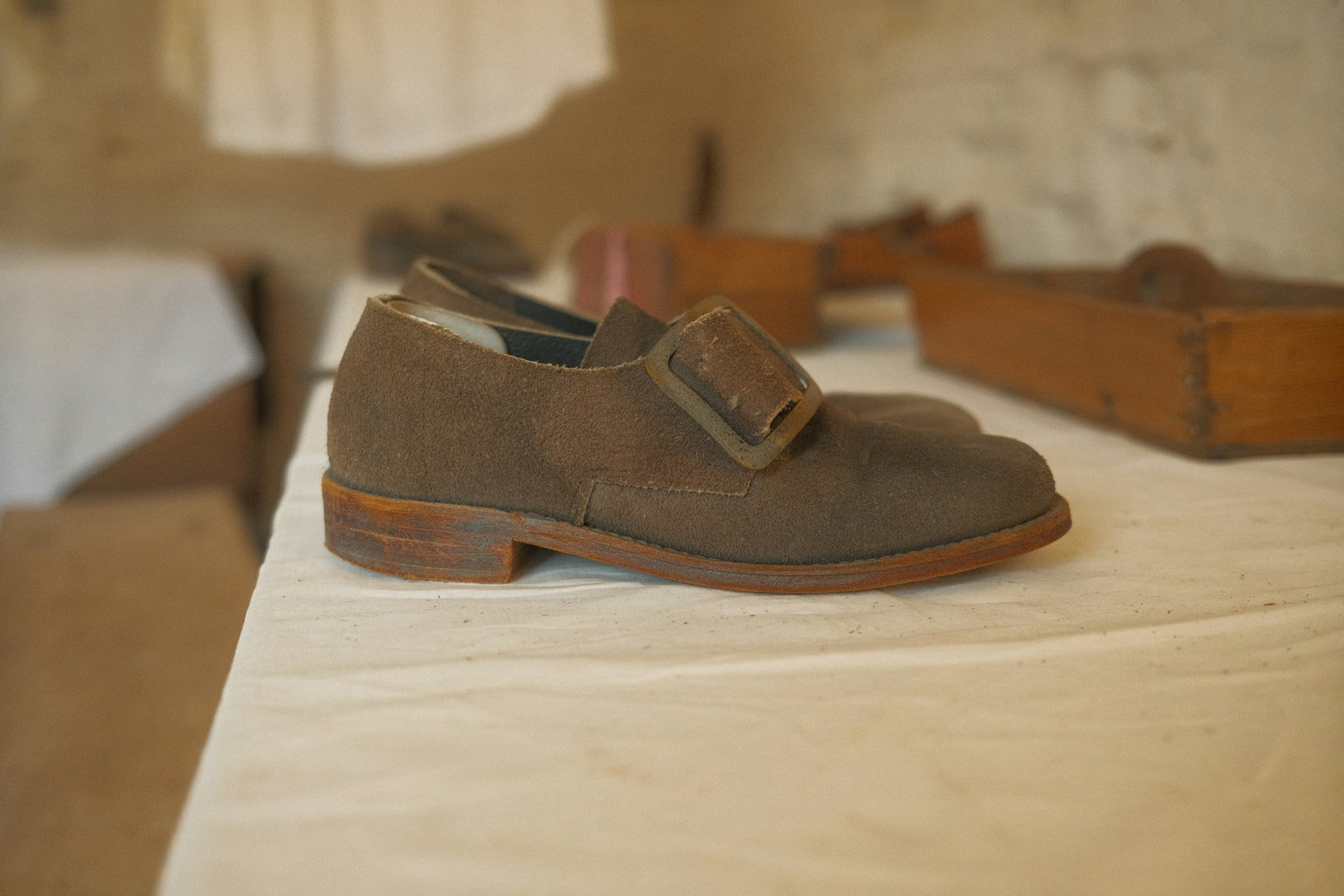
Everyday shoes are preserved as evidence of foot comfort, fashion, and manufacturing technology. Archaeological and historical museums document how shoes reveal social status, occupation, and physical demands of daily life.
Hat (Vintage Fashion Example)
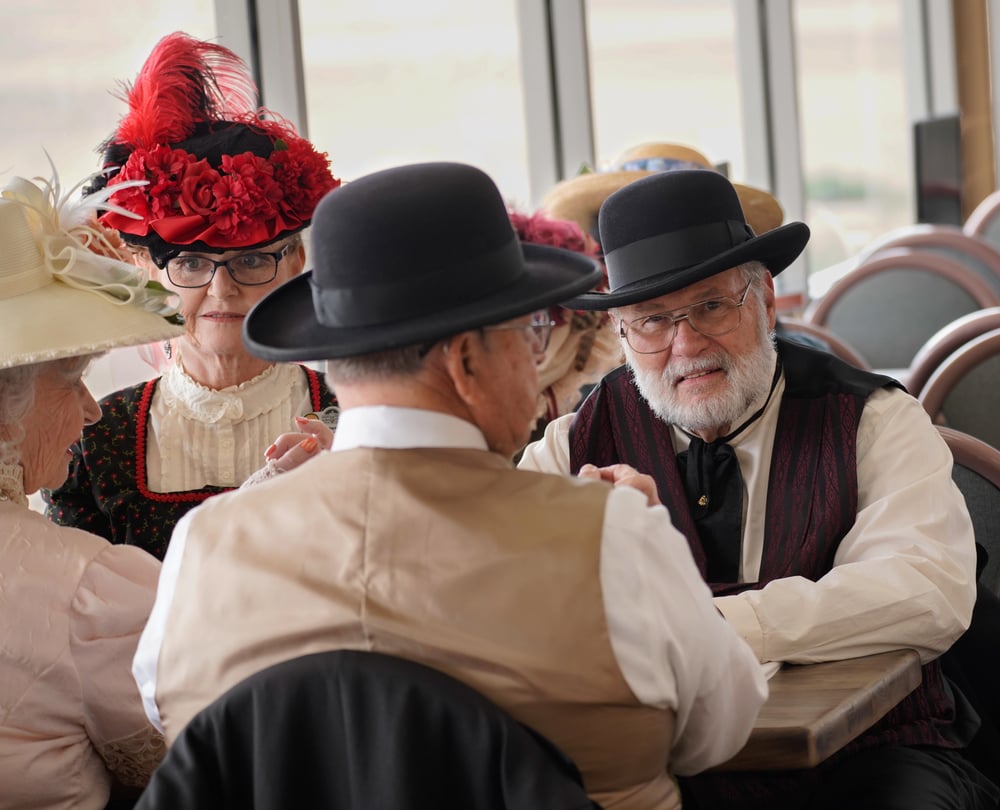
Period hats in varying styles are collected as evidence of fashion evolution and craft production. Museums document how hat construction techniques changed with new materials and manufacturing capabilities.
Apron (Vintage Household Textile Example)
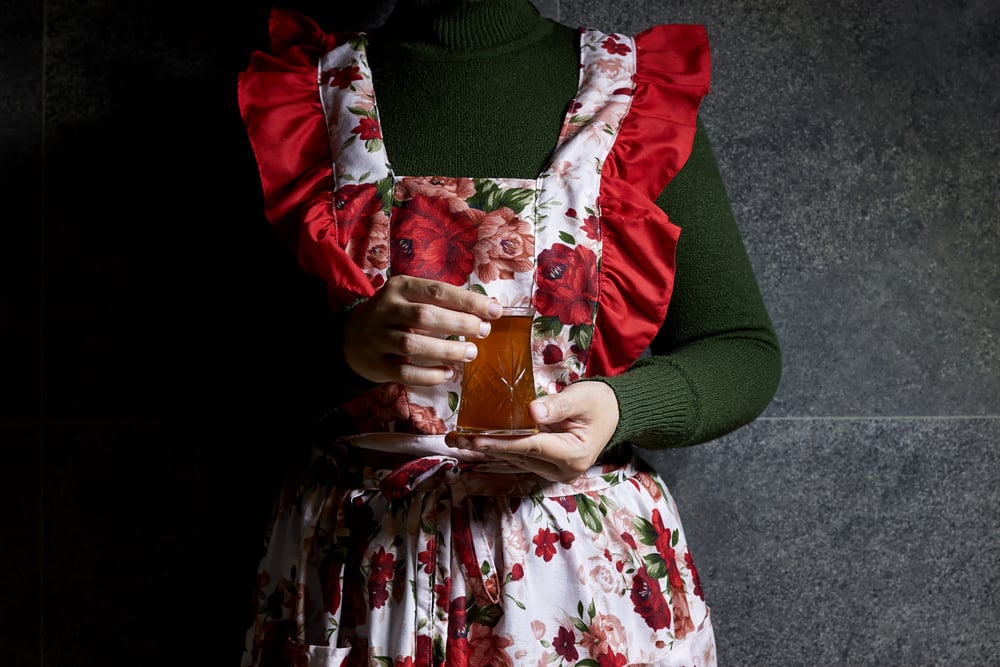
Domestic aprons are preserved as textiles documenting kitchen labor, fashion within functional clothing, and material innovations in everyday wear. Museums document how aprons represented domestic identity and labor.
Handkerchief (Vintage Textile Example)
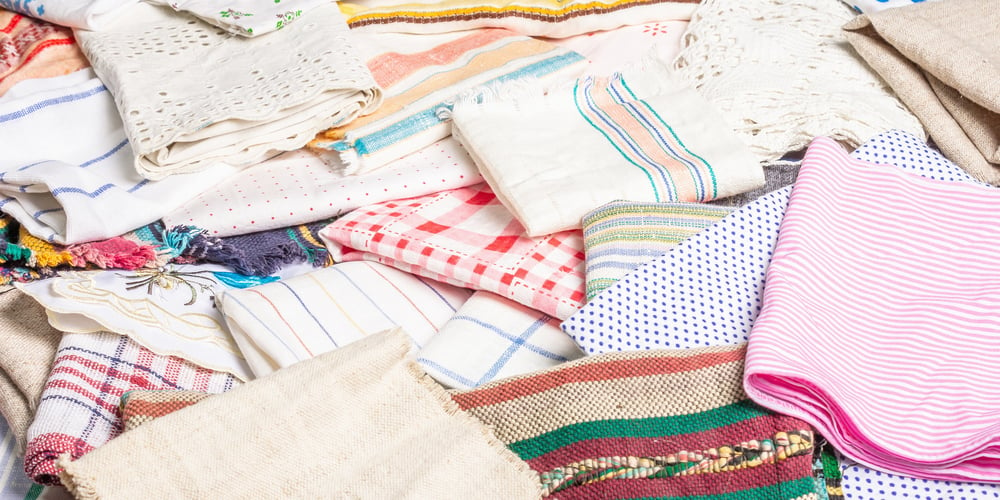
Handkerchiefs in original packaging document textile production, personal hygiene practices, and how these objects evolved from necessity to luxury. Museums preserve examples showing design evolution in mass-produced textiles.
Kitchen Utensil (Slotted Spoon Example)
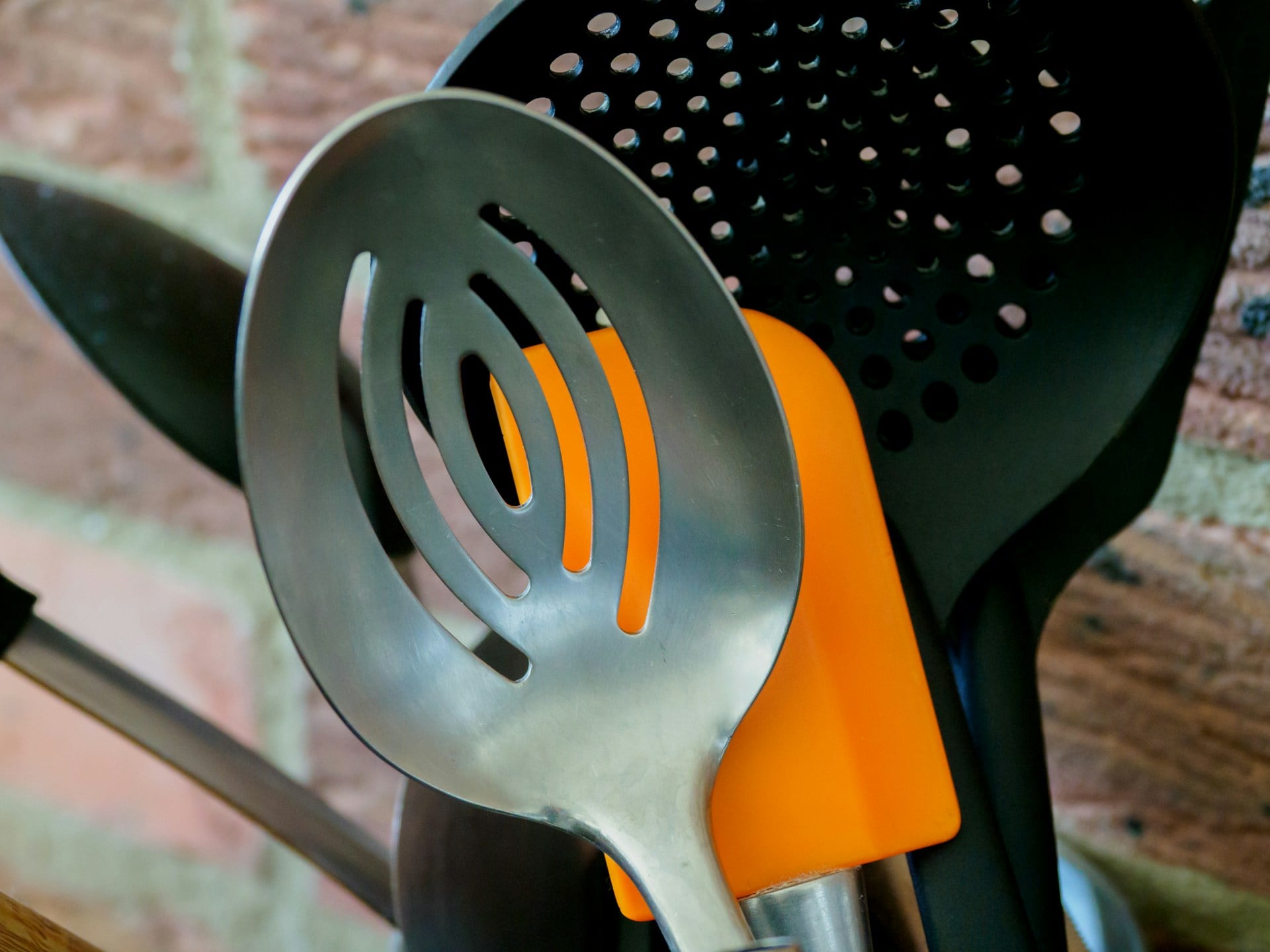
Utilitarian kitchen tools like slotted spoons are preserved as examples of material innovation, ergonomic design, and how kitchen work evolved with new tools. Museums document the hand tools preceding electrified kitchens.
The Significance of the Ordinary
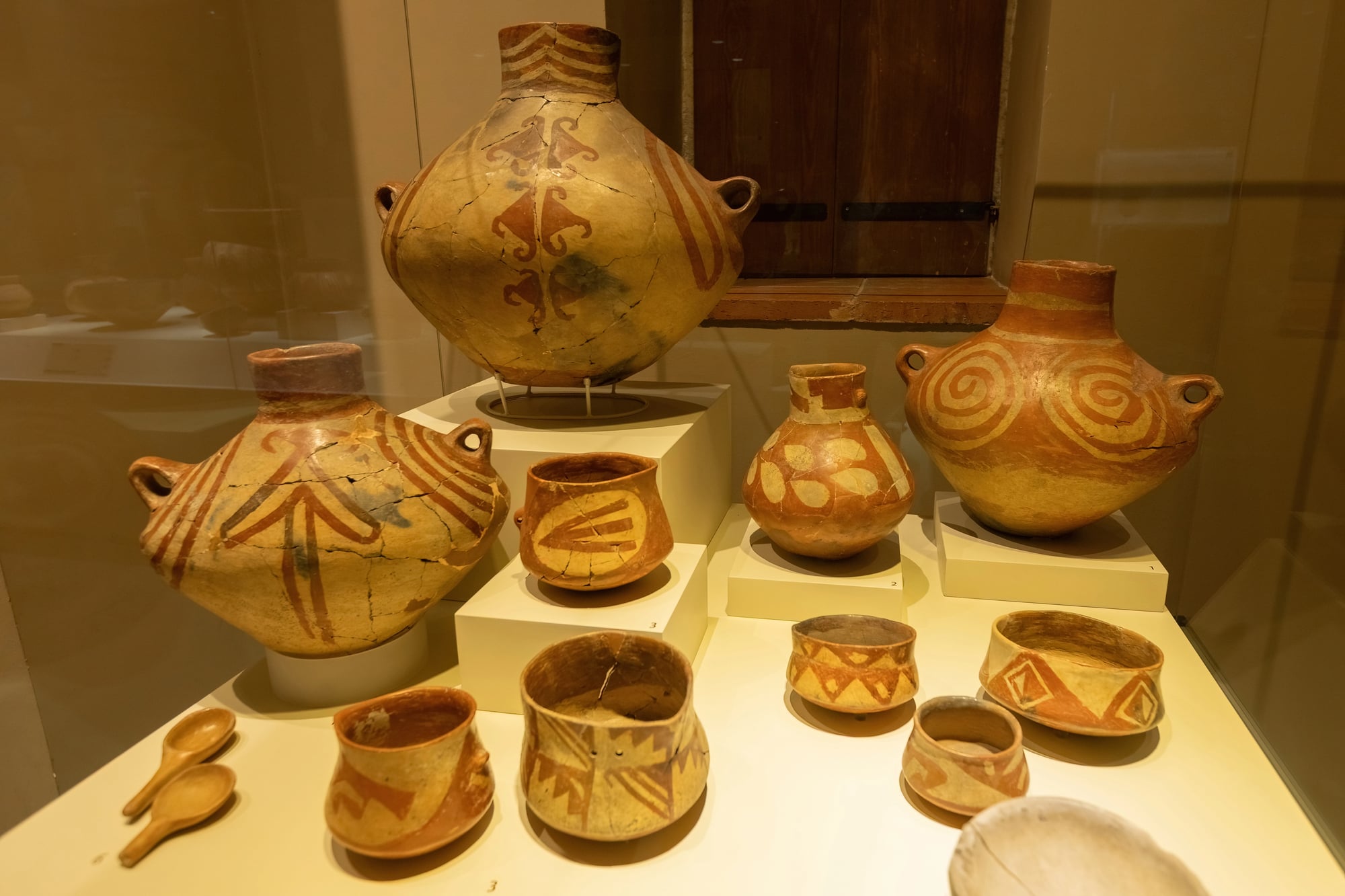
Museums increasingly recognize that everyday objects preserved from the past reveal truths that grand monuments cannot. A rotary phone teaches more about communication patterns than a history book.
A lunch box reveals more about childhood culture than abstract descriptions. Ceramic bowls document domestic life more vividly than written recipes.
By displaying these objects behind glass and applying scholarly attention to their manufacture, design, and use, museums transform the disposable into the permanent, ensuring that future generations can see and touch the material reality of how we lived.
More from Go2Tutors!

- The Romanov Crown Jewels and Their Tragic Fate
- 13 Historical Mysteries That Science Still Can’t Solve
- Famous Hoaxes That Fooled the World for Years
- 15 Child Stars with Tragic Adult Lives
- 16 Famous Jewelry Pieces in History
Like Go2Tutors’s content? Follow us on MSN.



