Movies that promised a lot but flopped hard
Hollywood has always been a game of high stakes and bigger dreams. For every blockbuster that prints money, there’s another film that arrives with fanfare, star power, and massive budgets—only to crash and burn at the box office. These aren’t just movies that underperformed; they’re spectacular disasters that lost studios hundreds of millions and sometimes ended careers.
The most painful flops are often those that seemed destined for success. They had everything going for them: acclaimed directors, A-list stars, beloved source material, or cutting-edge technology. Yet something went wrong, and audiences stayed home in droves.
John Carter

Disney’s John Carter lost $255 million at the box office, making it one of the most expensive failures in movie history. Based on Edgar Rice Burroughs’ classic sci-fi novels, the film had everything you’d expect from a big-budget adventure: alien worlds, epic battles, and stunning visuals.
The problem was that nobody knew what it was about. Disney’s marketing campaign was so vague that potential viewers couldn’t figure out if it was fantasy, science fiction, or some weird hybrid.
Cutthroat Island

This infamous pirate movie put the kibosh on both their careers. Its epic failure (only grossing $10 million after accruing a $90 million budget) is also responsible for the folding of Carolco Pictures.
Geena Davis and director Renny Harlin thought they were creating the next great adventure franchise. Instead, they created a cautionary tale about Hollywood hubris.
The Adventures of Pluto Nash

Eddie Murphy’s 2002 sci-fi comedy about a lunar nightclub owner is the stuff of legend—for all the wrong reasons. This 2002 sci-fi comedy holds the title of his biggest flop, recouping only $7 million of its reported $100 million budget.
The film was originally supposed to come out in the 1980s, but production delays pushed it into the new millennium, where it felt completely out of place. Murphy himself seemed to realize the movie was doomed, but by then it was too late to save it.
Waterworld

Kevin Costner’s post-apocalyptic epic became synonymous with Hollywood excess in the 1990s. The 1995 post-apocalyptic action film Waterworld was the most expensive film ever made at the time after undergoing significant production difficulties.
The production was plagued by disasters: sets destroyed by storms, cost overruns, and a director who was fired mid-shoot. At the time, spending over $200 million on a movie seemed insane.
Heaven’s Gate

Michael Cimino’s Western epic didn’t just flop—it changed Hollywood forever. Adjusted for inflation, Cimino’s Western lost $144 million.
Despite having directed the Best Picture winner, The Deer Hunter, this movie all but ended Cimino’s career. The film’s production was a masterclass in what happens when studios give directors unlimited creative control.
Gigli

Ben Affleck and Jennifer Lopez’s romantic crime comedy became a punchline before it even hit theaters. This vehicle for former couple Ben Affleck and Jennifer Lopez gained notoriety in 2003 for its callousness and general atrociousness.
To make matters worse, the two leads broke off their real-life relationship shortly after the movie failed to win over viewers. The film’s failure was amplified by the media’s obsession with ‘Bennifer,’ turning what might have been a forgettable flop into a cultural phenomenon of awfulness.
The 13th Warrior

Antonio Banderas and a bunch of Vikings should have been a winning combination, but this Michael Crichton adaptation proved that even sure things can go wrong. The 13th Warrior was the biggest box office bomb of 1999, lagging behind The Sixth Sense in its first weekend in theaters and performing so poorly that legendary actor Omar Sharif actually retired from acting for a while in disappointment at the movie’s reception.
The film went through extensive reshoots that doubled its budget, but all that money couldn’t fix fundamental problems with the story.
Catwoman

Halle Berry deserves credit for facing this disaster head-on. This campy superhero epic brought in just $40 million domestically on a $100 million budget and was considered one of the worst movies of 2004.
Berry even showed up to accept her Razzie Award in person, proving she had more class than the movie deserved. The film was so bad it nearly killed female-led superhero movies for a decade.
Alexander
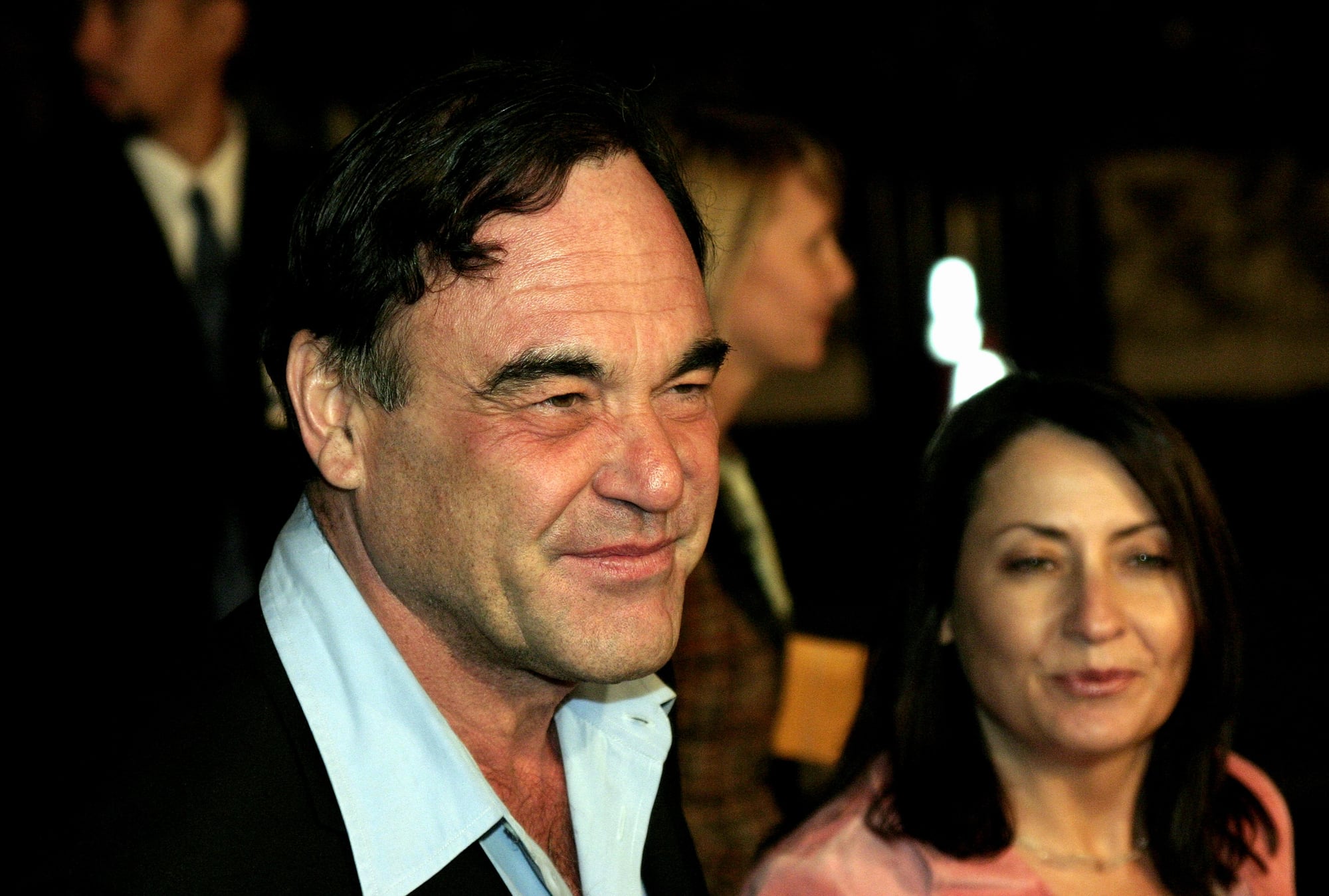
Oliver Stone’s historical epic about the Macedonian conqueror had everything: a massive budget, an all-star cast, and one of history’s most fascinating characters. That’s the case some made after ‘Alexander’ fell flat in 2004 despite a $150 million budget.
Stone’s decision to portray Alexander as bisexual may have contributed to its poor reception in some markets, but the real problem was a bloated script that never found its focus. Colin Farrell later said he thought he’d be up for awards, but instead found himself rethinking his career.
The Lone Ranger

Disney tried to recapture the magic of Pirates of the Caribbean with this Western starring Johnny Depp and Armie Hammer. Nonetheless, people hated it.
This film was reviled for its combination of a dark, violent tone and poorly received humor, and it was released alongside numerous other blockbusters. The film’s massive budget and poor reception essentially killed the Western genre for mainstream audiences.
Strange World

Disney’s sci-fi adventure was supposed to showcase the studio’s commitment to original storytelling. Disney was experimenting with delivering movies directly to streaming following the release of its Disney+ streaming service, but Strange World was released in theatres.
This dualistic release strategy confused audiences, and many simply missed the release entirely, expecting it to be readily available at home. The film’s environmental message got lost in a convoluted plot, and audiences never connected with the characters.
When Dreams Become Nightmares

These failures remind us that moviemaking remains an unpredictable art form despite all the market research and focus groups. Although any film for which the combined production budget, marketing, and distribution costs exceed the revenue after release has technically “bombed”, the term is more frequently used for major studio releases that were highly anticipated, extensively marketed, and expensive to produce, but nevertheless failed commercially.
Some of these films have found second lives on streaming or developed cult followings, proving that initial box office failure doesn’t always equal lasting irrelevance. Others remain cautionary tales that executives still whisper about in boardrooms, serving as expensive reminders that in Hollywood, there are no sure things—only expensive gambles that sometimes pay off spectacularly and sometimes crash just as hard.
More from Go2Tutors!

- The Romanov Crown Jewels and Their Tragic Fate
- 13 Historical Mysteries That Science Still Can’t Solve
- Famous Hoaxes That Fooled the World for Years
- 15 Child Stars with Tragic Adult Lives
- 16 Famous Jewelry Pieces in History
Like Go2Tutors’s content? Follow us on MSN.