15 Surprising Facts About Everyday Objects
Most of us go through our daily routines without giving much thought to the ordinary items we use. That coffee mug, the humble paperclip, or even the clothes we wear all have fascinating stories and unexpected features hiding in plain sight.
Here’s a list of 15 surprising facts about everyday objects that will change how you see the world around you.
Bubble Wrap Was Originally Wallpaper
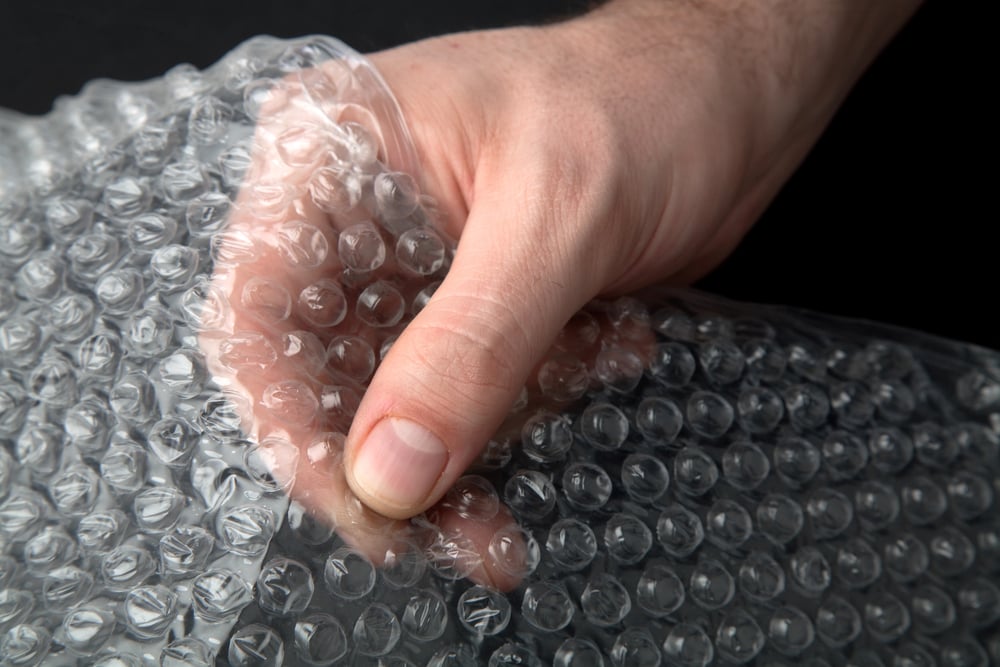
Bubble wrap wasn’t created to protect your Amazon packages. In 1957, engineers Alfred Fielding and Marc Chavannes were actually trying to create textured wallpaper by sealing two shower curtains together.
When that idea popped (pun intended), they pivoted to marketing it as greenhouse insulation before IBM finally discovered its potential as packaging material in 1961.
Your Microwave’s Power Comes from Radar Technology
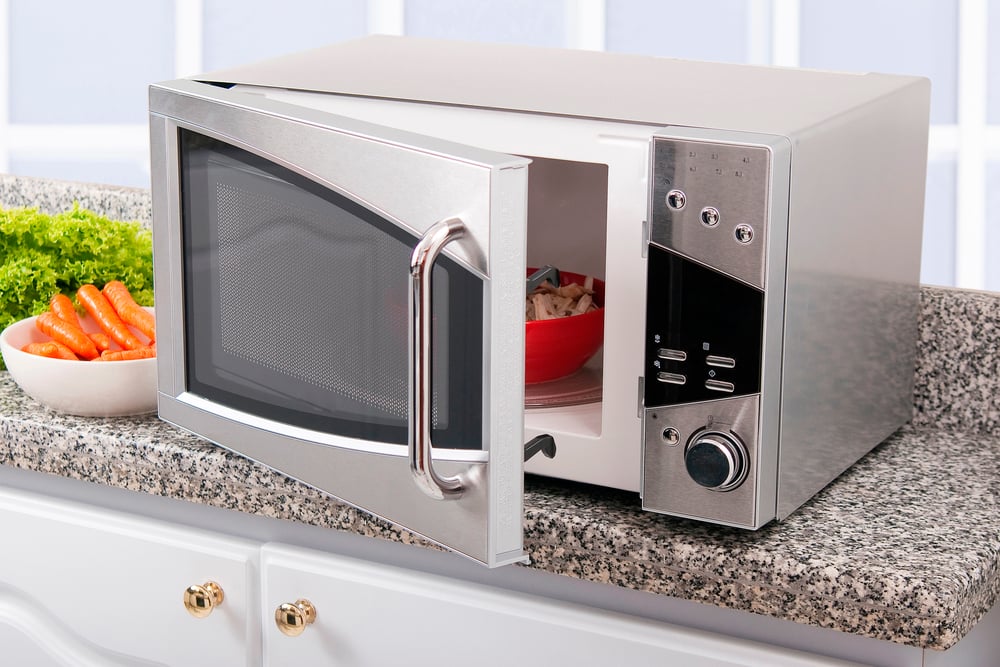
Percy Spencer, a Raytheon engineer working on radar systems during World War II, noticed that a chocolate bar in his pocket had melted while he stood near a magnetron. This accidental discovery led to the first microwave oven in 1947, which was about the size of a refrigerator and cost as much as a car.
The technology that once tracked enemy aircraft now heats your leftover pizza.
Velcro Was Inspired by Annoying Burrs
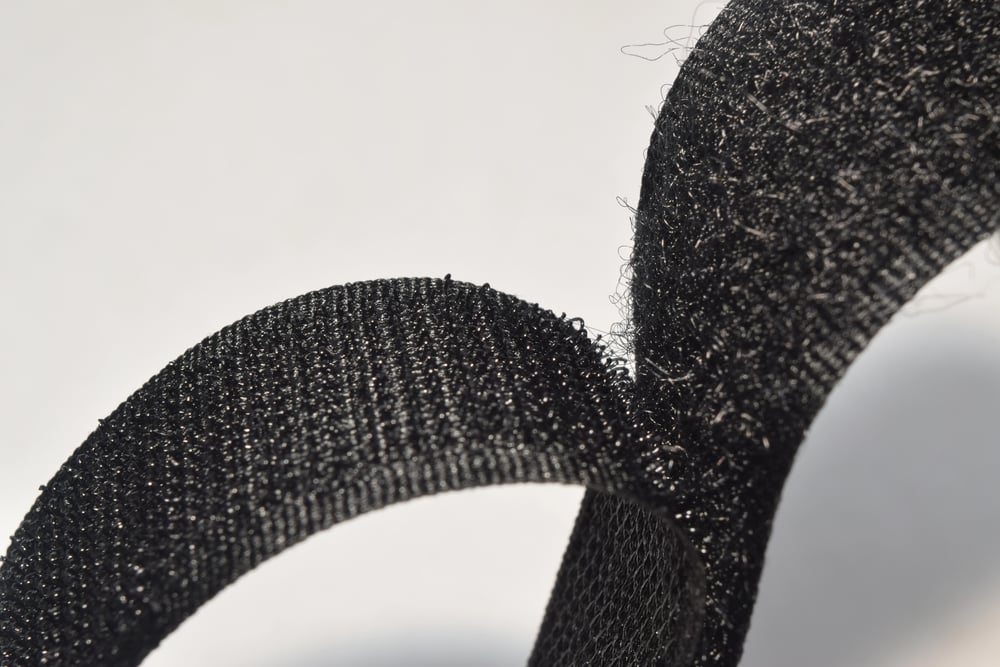
Swiss engineer George de Mestral got the idea for Velcro during a hunting trip in 1941 when he examined the burrs stuck to his dog’s fur under a microscope. He discovered tiny hooks that latched onto anything with loops, like fabric or animal fur.
It took him eight years to perfect the design, and he named it ‘Velcro’ by combining the French words ‘velours’ (velvet) and ‘crochet’ (hook).
Kleenex Started as a Gas Mask Filter
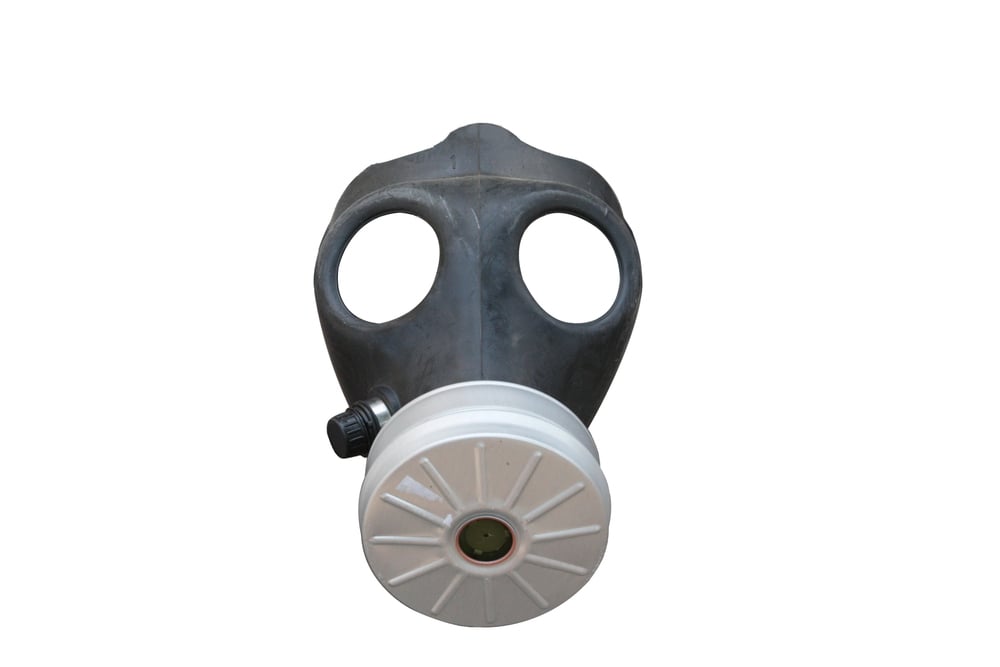
During World War I, Kimberly-Clark developed a cotton substitute called ‘cellucotton’ for gas mask filters and bandages. After the war, they marketed the material as disposable face towels for removing makeup, calling them Kleenex.
Women started using them to blow their noses instead, which initially horrified the company until they realized this use was far more profitable.
Duct Tape Was Originally Green
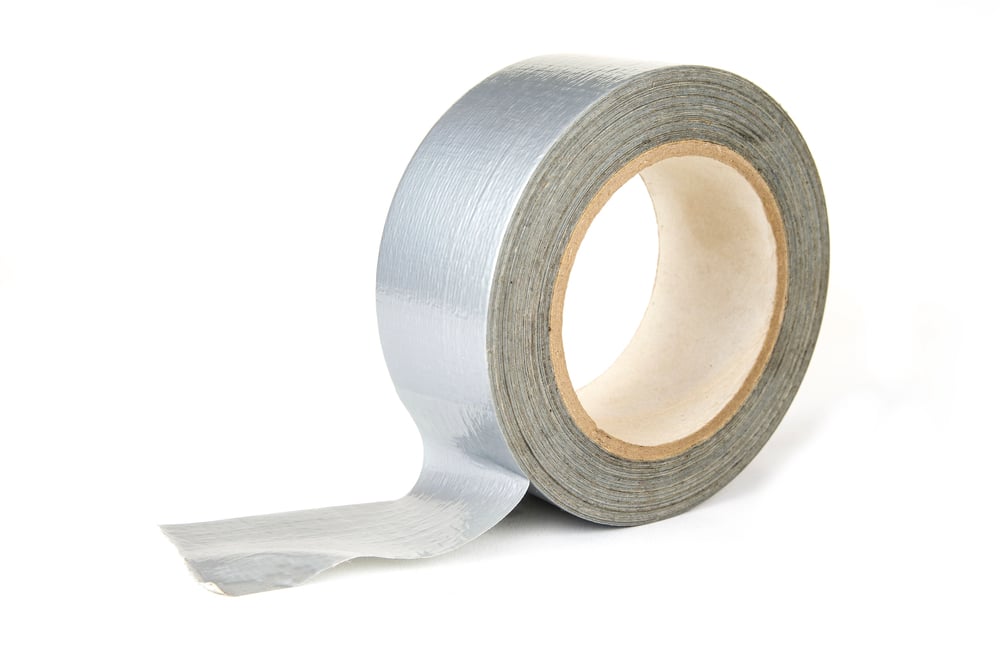
The versatile gray tape we know today started life as green ‘duck tape’ during World War II. Soldiers used it to seal ammunition cases and repair equipment in the field because it repelled water like a duck’s back.
When it moved into civilian use for sealing air ducts, the color changed to gray to match the ductwork, and somehow the name shifted from ‘duck’ to ‘duct.’
Champagne Bottles Have a Punt for Strength
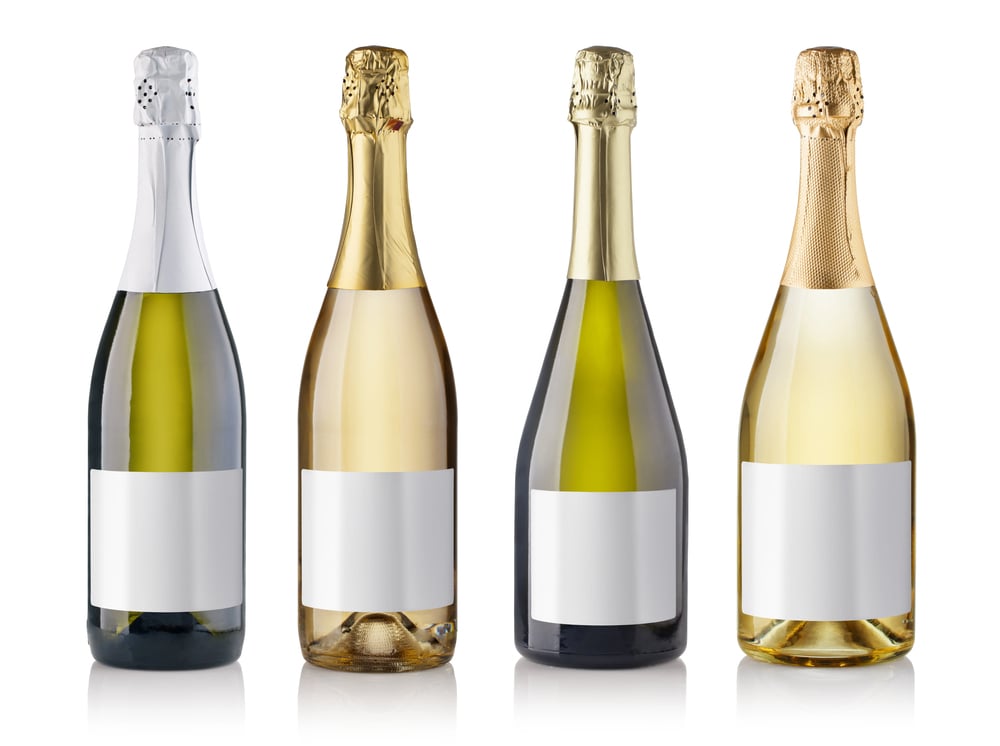
That dimple in the bottom of wine and champagne bottles isn’t just for show. Called a ‘punt,’ this indentation actually strengthens the bottle by distributing pressure more evenly.
It also makes the bottle easier to hold when pouring and helps sediment collect away from the neck during the wine-making process.
Post-it Notes Were a Failed Super Glue
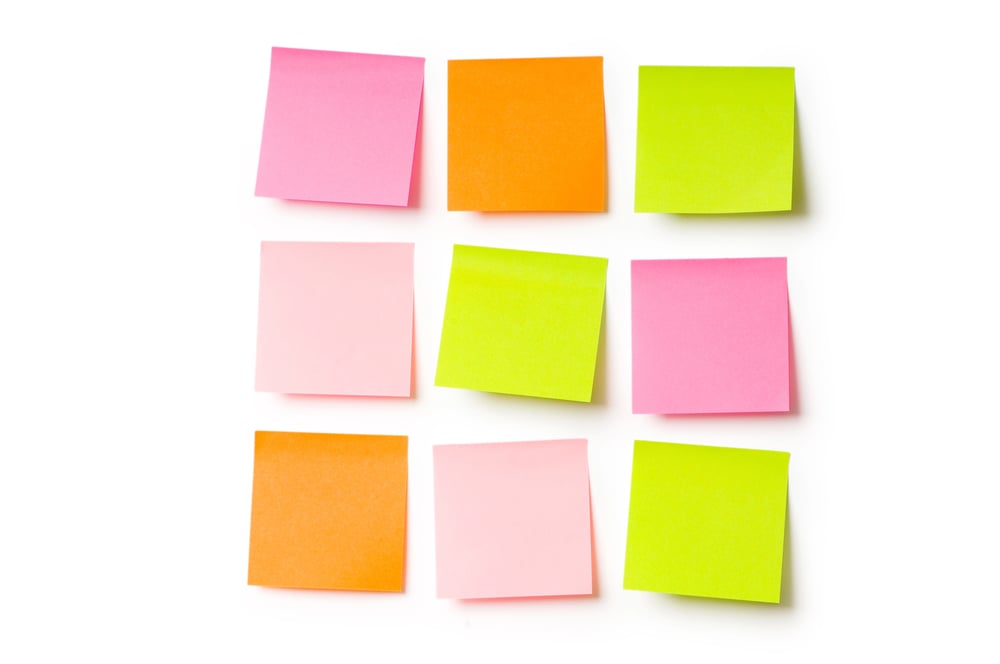
In 1968, 3M scientist Spencer Silver was trying to create an ultra-strong adhesive but ended up with a weak, pressure-sensitive glue that could be easily removed. The ‘failure’ sat unused for years until his colleague Art Fry realized it would be perfect for bookmarks that wouldn’t damage his hymnal pages.
The Post-it Note was born, and sometimes the best discoveries come from happy accidents.
Coca-Cola Was Originally Green
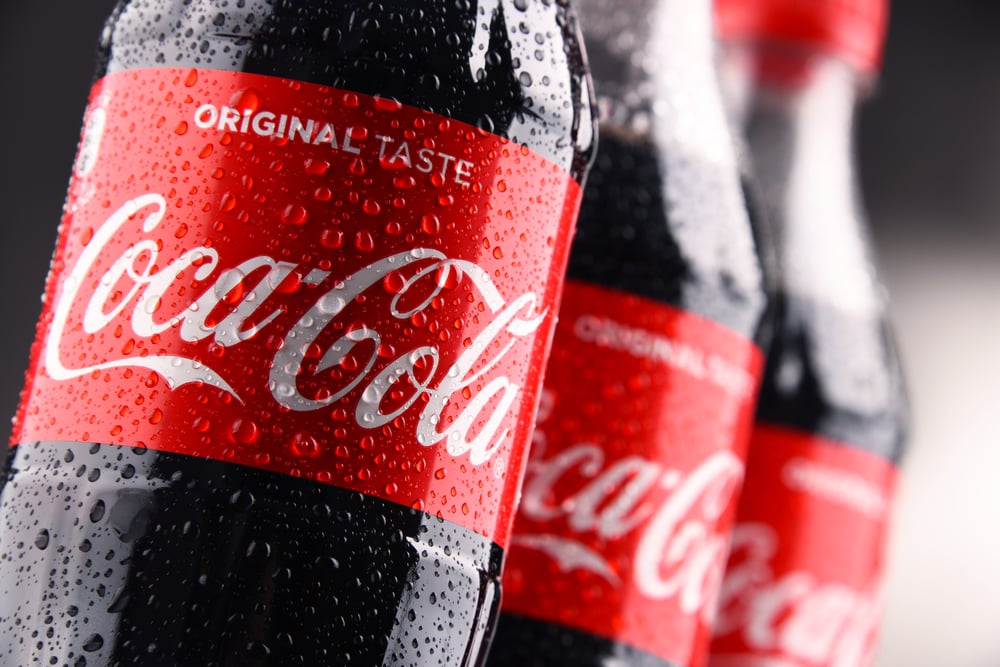
Before artificial coloring became standard, Coca-Cola had a greenish tint from its natural ingredients. The company started adding caramel coloring in the early 1900s to create the consistent dark brown color we associate with the brand today.
This also helped distinguish it from other cola competitors who were copying the original formula.
Cardboard Has Ancient Roman Roots
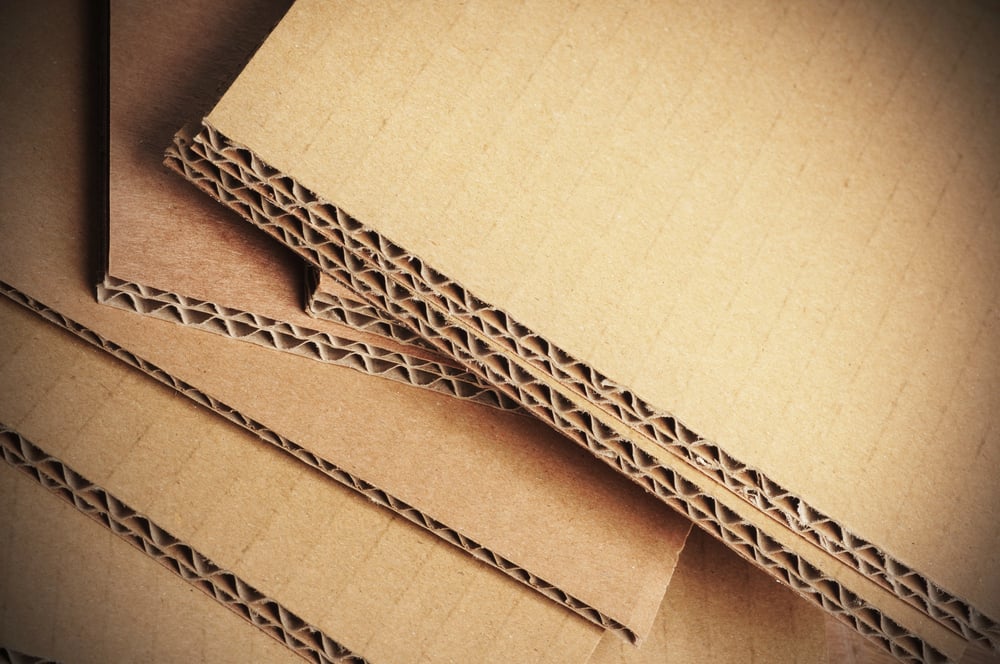
While modern corrugated cardboard wasn’t invented until 1871, the ancient Romans used a similar concept by gluing together layers of papyrus to create stronger writing surfaces. The corrugated design we use today was originally patented as a liner for tall hats before someone realized its potential for shipping boxes.
Aluminum Foil Once Cost More Than Gold
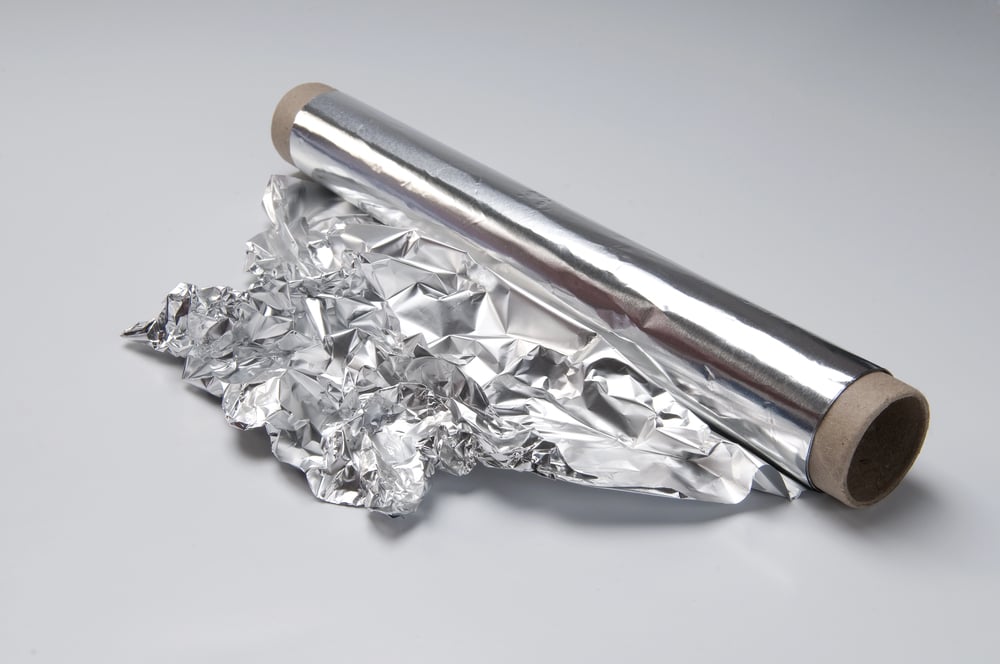
When aluminum was first isolated in the 1820s, it was so expensive that Napoleon III served his most honored guests with aluminum utensils while lesser guests got gold. The Washington Monument’s capstone is made of aluminum because it was the most precious metal available at the time.
The invention of an efficient extraction process in 1886 made aluminum affordable for everyone.
Scotch Tape Got Its Name from an Insult
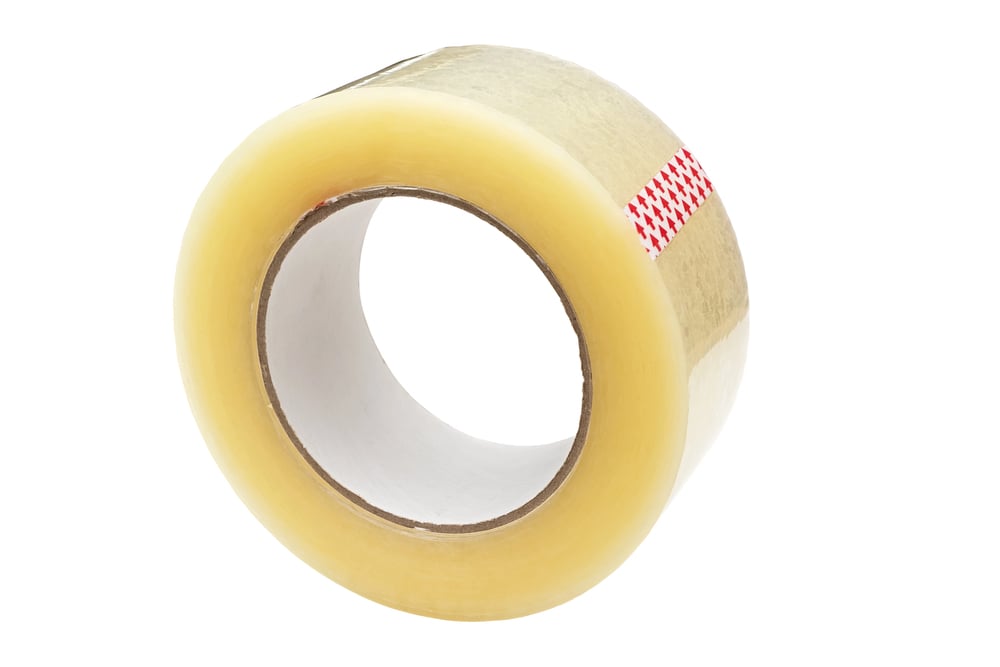
3M’s masking tape was originally much less sticky than advertised, leading frustrated auto painters to complain that the company was being ‘Scotch’ (slang for stingy) with the adhesive. Instead of being offended, 3M embraced the nickname and applied it to their new transparent tape in 1930.
The brand name stuck better than their original adhesive did.
Rubber Bands Last Longer in the Refrigerator
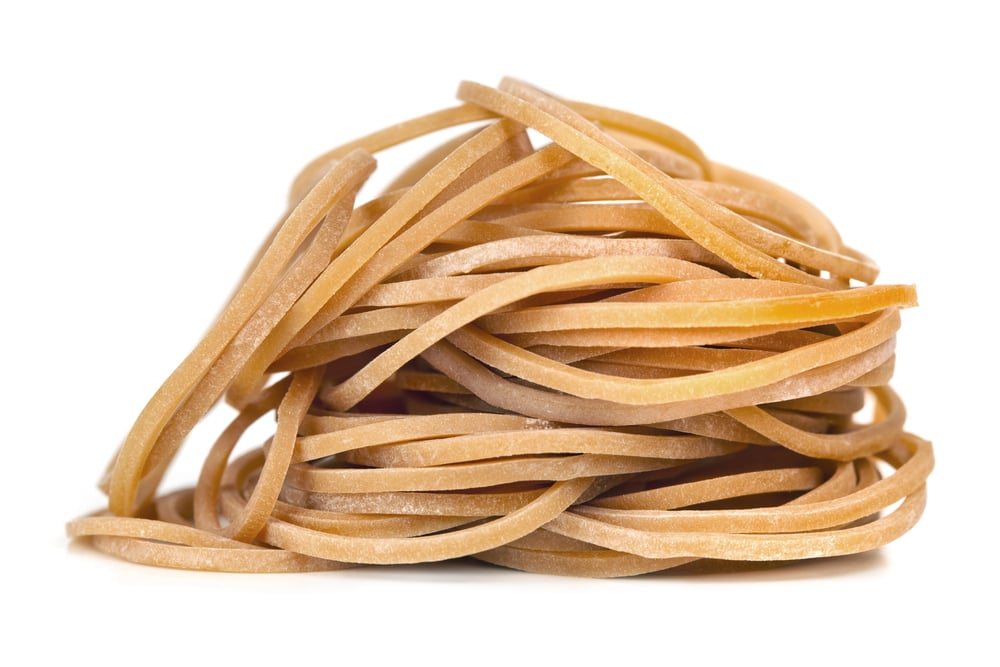
Heat breaks down the polymers in rubber, making bands brittle and prone to snapping. Storing them in the refrigerator significantly extends their lifespan because cold temperatures slow down the degradation process.
This trick works for other rubber items too, like gaskets and O-rings.
Bubble Solution’s Secret Ingredient Is Corn Syrup
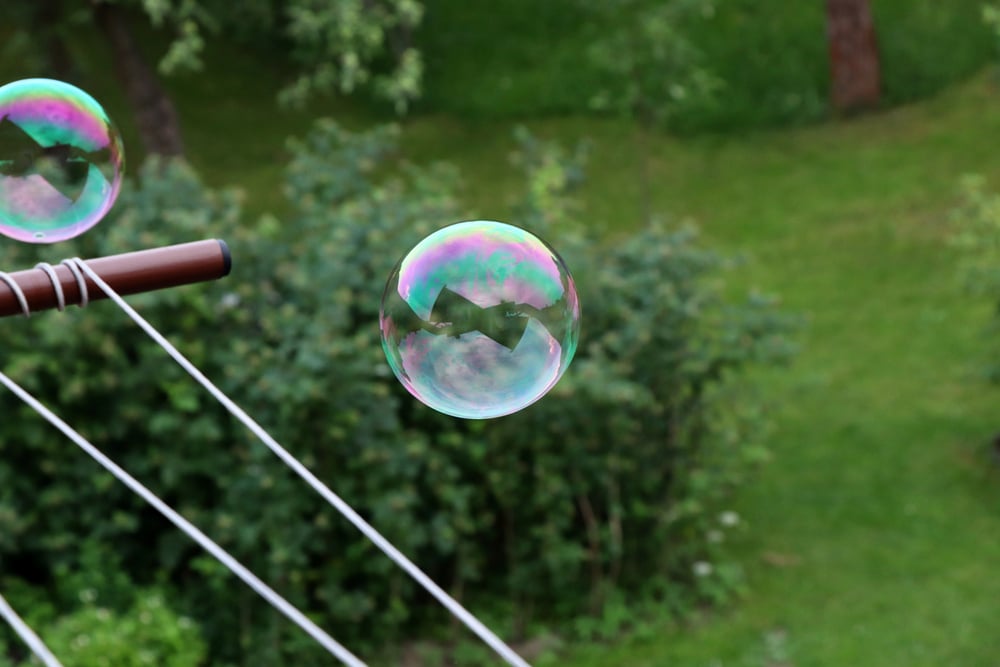
Professional bubble makers don’t just use dish soap and water. The secret to those massive, long-lasting bubbles you see at street performances is adding corn syrup or glycerin to the mixture.
These thickening agents slow down the evaporation process and create a stronger film that can stretch without breaking.
Paper Clips Can Hold More Than Paper
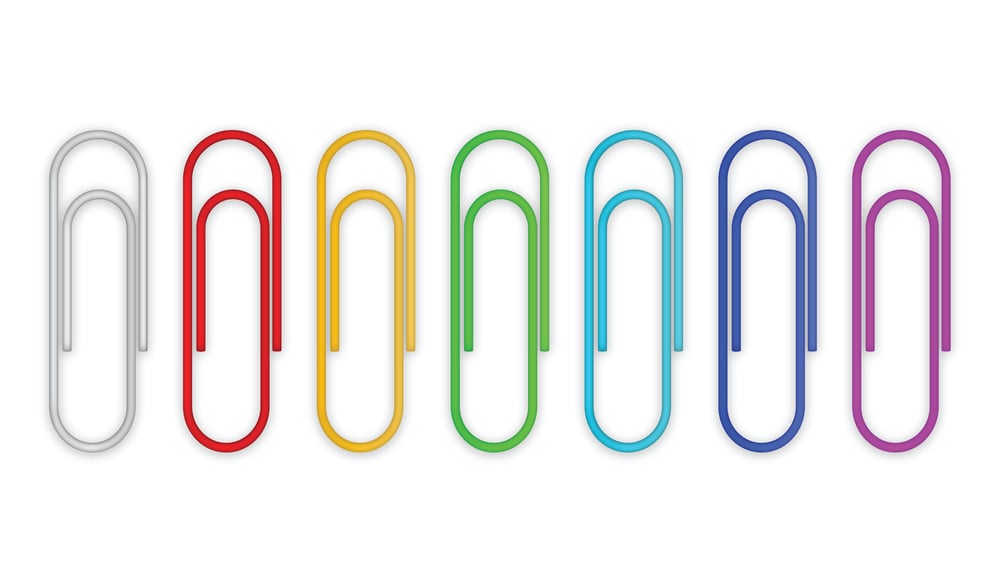
A standard paperclip can hold about 20 sheets of paper, but it can actually support up to 10 pounds of weight when used as a hook. During World War II, Norwegians wore paperclips on their lapels as a symbol of resistance against Nazi occupation, since paper clips represent binding together and unity.
Plastic Bottles Have Expiration Dates for the Container
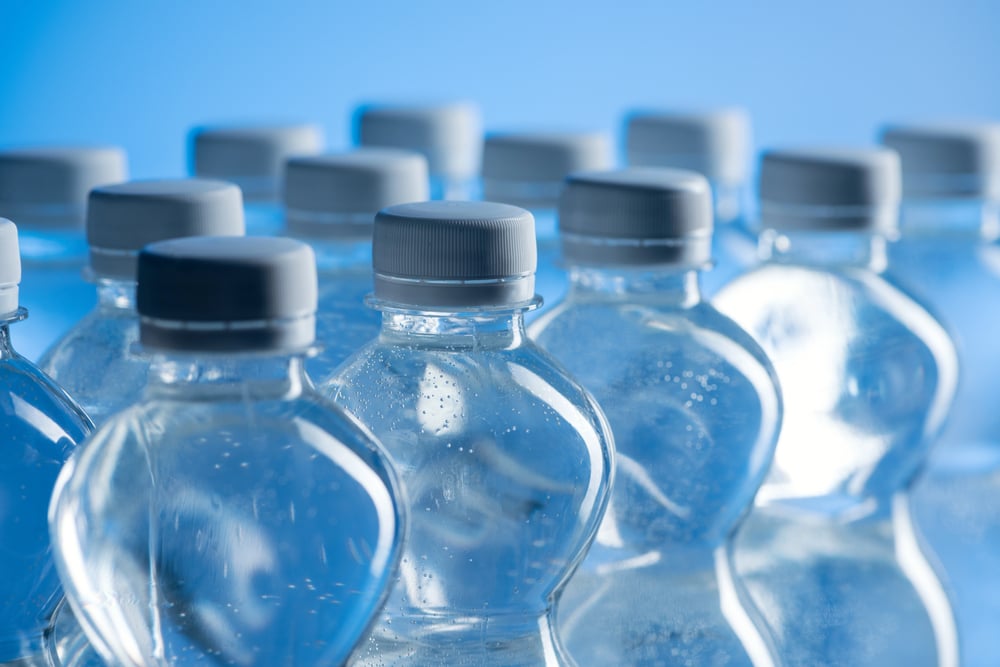
That expiration date on your water bottle isn’t for the water—it’s for the plastic container. Over time, chemicals from the plastic can leach into the water, especially when exposed to heat or sunlight.
The FDA requires these dates to ensure the container maintains its integrity and doesn’t affect the taste or safety of the contents.
The Hidden Stories Around Us
These everyday objects remind us that innovation often comes from unexpected places and that the most ordinary things usually have extraordinary backstories. Next time you grab a piece of duct tape or pop some bubble wrap, you’ll know you’re touching a piece of accidental history that solved problems in ways their inventors never imagined.
More from Go2Tutors!

- The Romanov Crown Jewels and Their Tragic Fate
- 13 Historical Mysteries That Science Still Can’t Solve
- Famous Hoaxes That Fooled the World for Years
- 15 Child Stars with Tragic Adult Lives
- 16 Famous Jewelry Pieces in History
Like Go2Tutors’s content? Follow us on MSN.



