Why Certain Monuments Around the World Were Deliberately Destroyed by Their Own Governments
Few acts carry as much symbolic weight as a government destroying its own cultural heritage. These demolitions represent more than the loss of statues or buildings; they signal rejection of an ideology, erasure of a regime’s memory, or the imposition of a new cultural order so absolute that even the physical reminders of the past must be obliterated.
In some cases, the destruction was conducted by successor governments seeking to break with their predecessors. In others, current governments demolished the monuments themselves as part of ideological purification campaigns.
The motivations vary, but the effect remains consistent: a deliberate severing of historical continuity. These destructions challenge our understanding of cultural preservation.
While international law now protects monuments from destruction during war and conflict, the destruction of one’s own heritage by one’s own government occupies a grayer legal and ethical space. Some acts have been universally condemned; others have been seen as necessary catharsis for nations healing from authoritarian rule.
Bamiyan Buddha Statues
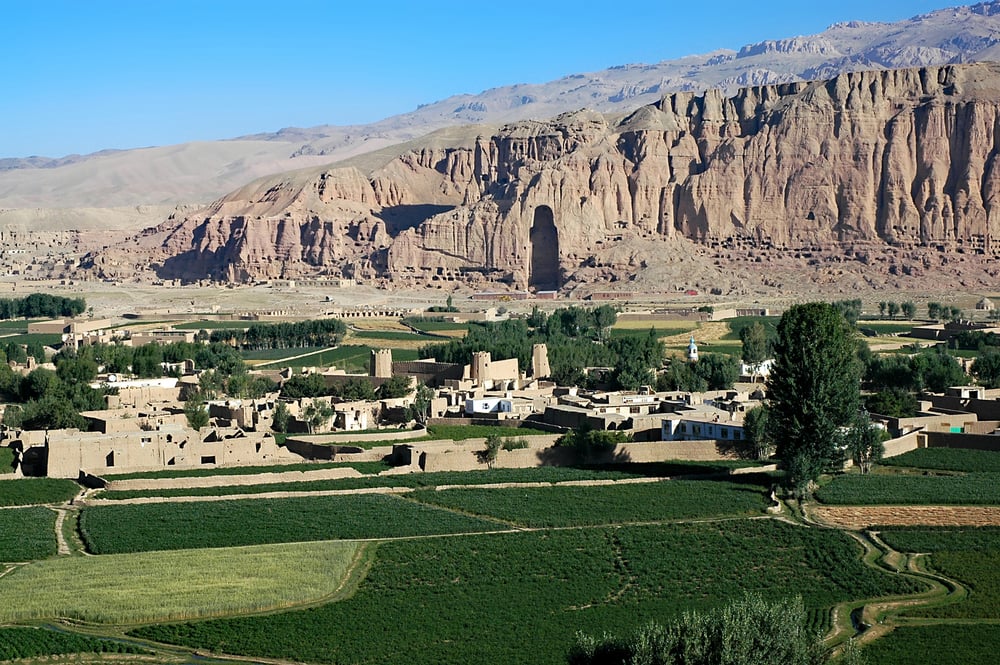
In March 2001, the Taliban regime in Afghanistan ordered the destruction of two colossal Buddha statues carved into sandstone cliffs between the 3rd and 6th centuries AD. Standing 38 and 55 meters tall respectively, the Buddhas had survived over 1,500 years of wars, invasions, and natural disasters only to be systematically demolished by their own government using dynamite, artillery, and mines.
Taliban leader Mullah Muhammad Omar declared the statues idolatrous under Islamic law, and hundreds of cadres spent more than three weeks bringing them down. The destruction occurred despite international pleas from UNESCO and Muslim religious leaders, demonstrating the Taliban’s determination to erase Afghanistan’s non-Islamic heritage from the physical landscape.
Nazi Destruction of Jewish Cultural Heritage
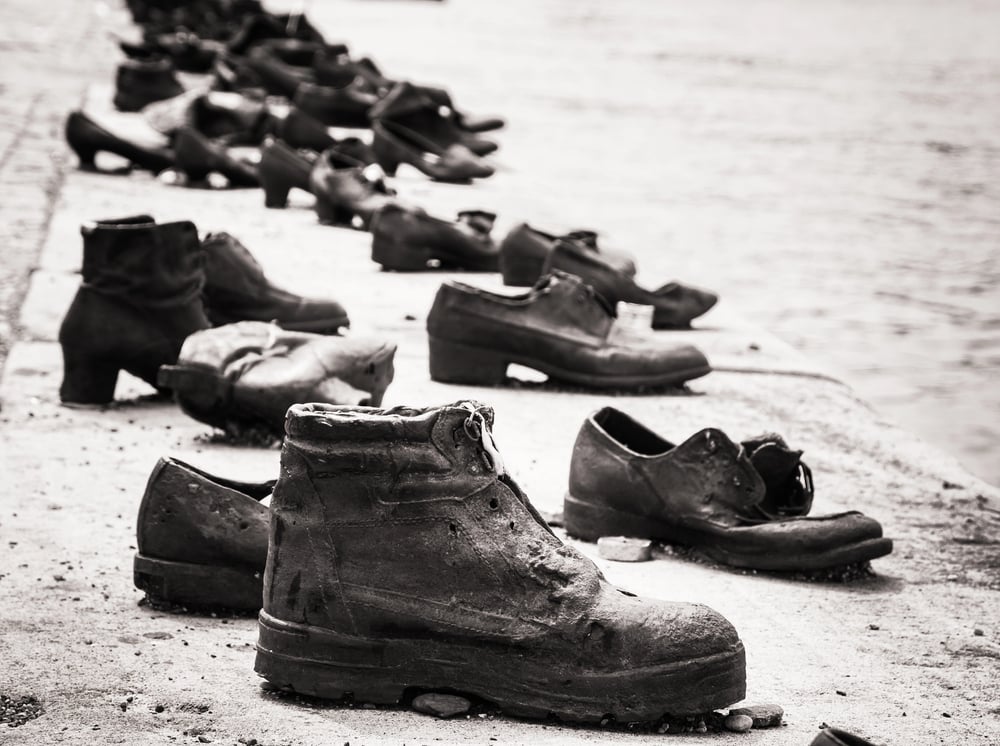
The Nazi regime deliberately destroyed centuries-old synagogues, Jewish cemeteries, and cultural monuments across Germany and occupied territories as part of their systematic persecution. During Kristallnacht in November 1938, Nazi-organized mobs burned synagogues, destroyed Jewish homes and businesses, and vandalized Jewish monuments with government sanction.
Beyond physical destruction, the Nazis ordered the systematic removal of Jewish cultural symbols from public spaces, rewriting Germany’s cultural identity to exclude its Jewish citizens. This destruction served as both propaganda and preparation for genocide, erasing visual evidence of Jewish belonging to German society.
Nazi Book Burning Campaign

On May 10, 1933, Nazi students and authorities burned approximately 20,000 books in front of Humboldt University in Berlin’s Bebelplatz Square, marking the beginning of systematic book destruction across Germany. The regime targeted works by Jewish authors, political opponents, and anyone deemed to produce “degenerate” literature. Works by Bertolt Brecht, Heinrich Mann, and other German writers were consigned to flames in public spectacles designed to reshape German culture.
The campaign demonstrated that authoritarian regimes could destroy not just monuments but entire intellectual traditions, erasing the written record of dissent and alternative thought.
Saddam Hussein’s Statue in Baghdad
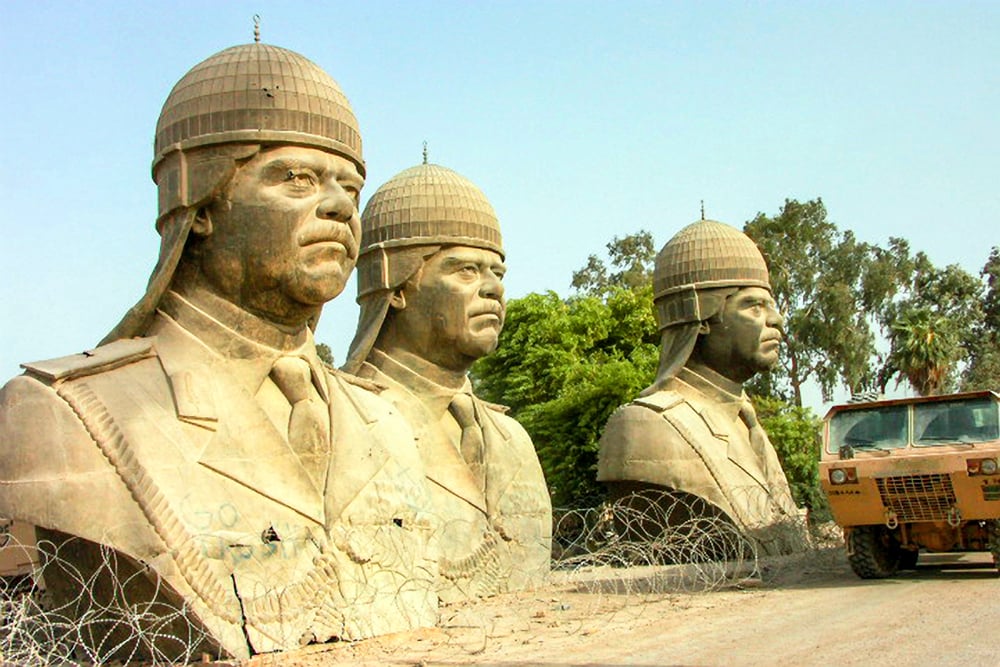
On April 9, 2003, following the U.S. invasion of Iraq, Iraqis and American troops toppled a massive statue of Saddam Hussein in Baghdad’s Firdos Square. The symbolic destruction marked the physical end of Hussein’s 24-year rule and was broadcast globally as a moment of liberation.
Rather than a government-ordered destruction, the statue’s demolition was a popular rejection of a regime that had itself destroyed countless monuments and cultural heritage sites. However, it represents a crucial turning point where citizens destroyed their own government’s monuments, reclaiming public space from authoritarian symbols.
Soviet Lenin Monuments During Collapse
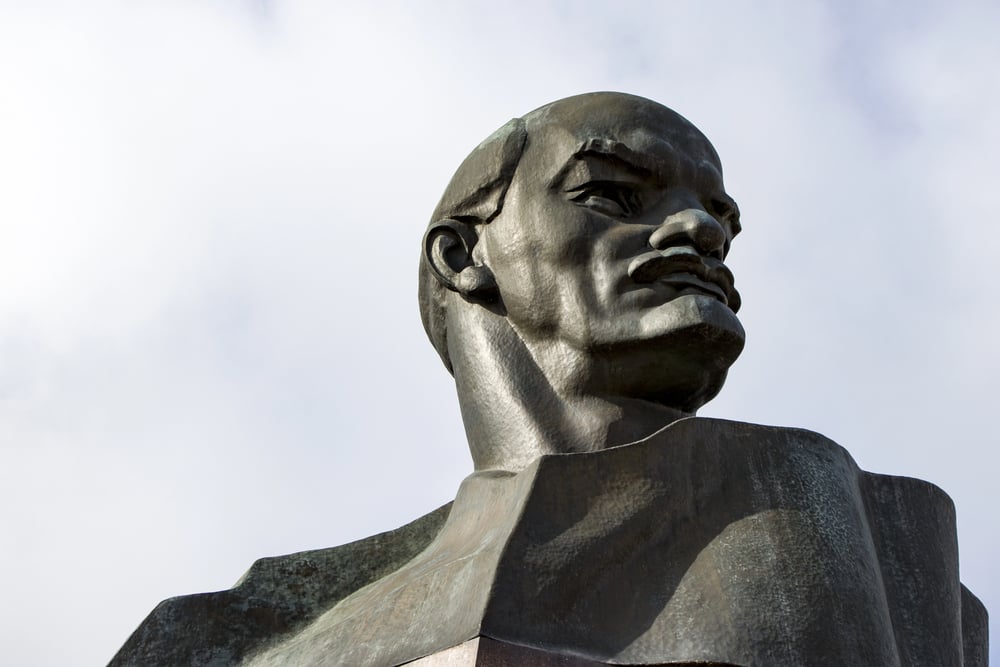
As the Soviet Union collapsed in 1989-1991, communities across Eastern Europe and the former Soviet republics systematically toppled statues of Vladimir Lenin and other communist leaders. These weren’t government-ordered destructions but popular iconoclasm targeting symbols of Soviet control.
The destruction of Lenin monuments in cities like Bucharest, Kyiv, and Moscow represented citizens reclaiming their public spaces from enforced communist symbolism. The removal was often spontaneous and celebratory, with crowds filming the moments when symbols of totalitarianism crashed to the ground.
Communist Monuments in Eastern Europe
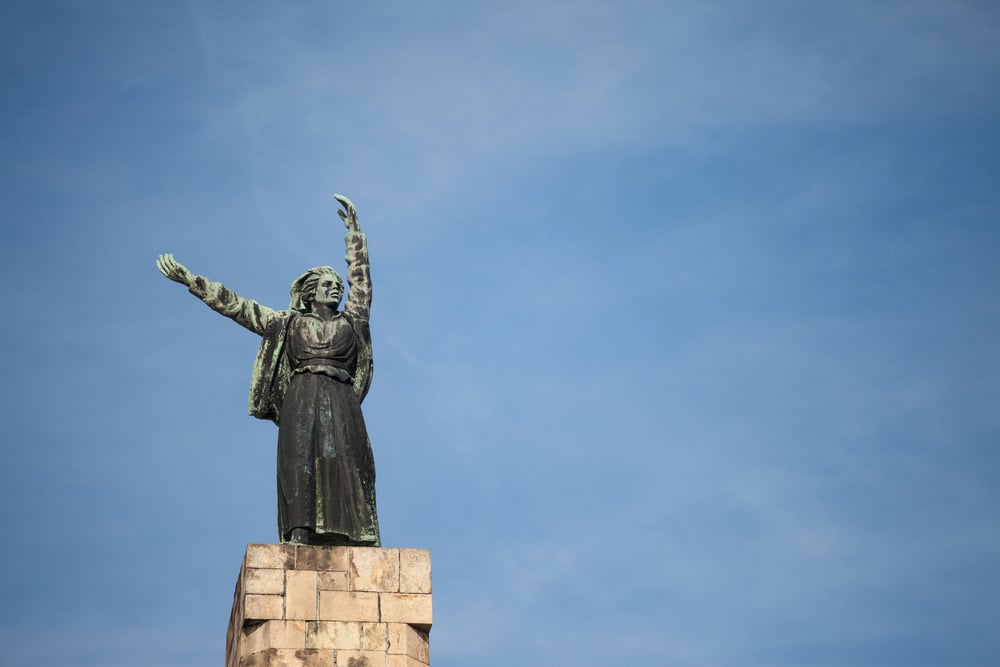
Beyond Lenin statues, entire monuments to communist regimes were deliberately dismantled across Poland, Czech Republic, Hungary, and other Eastern European nations following the end of Soviet dominance. These weren’t single acts but systematic campaigns by newly independent governments to purge communist iconography from public spaces.
Museums were created to house the removed sculptures, but they were removed from view as symbols of oppression and foreign control. The destruction represented a deliberate choice by new governments to signal rupture with their authoritarian past.
Nazi Monuments Ordered Demolished by Allied Powers
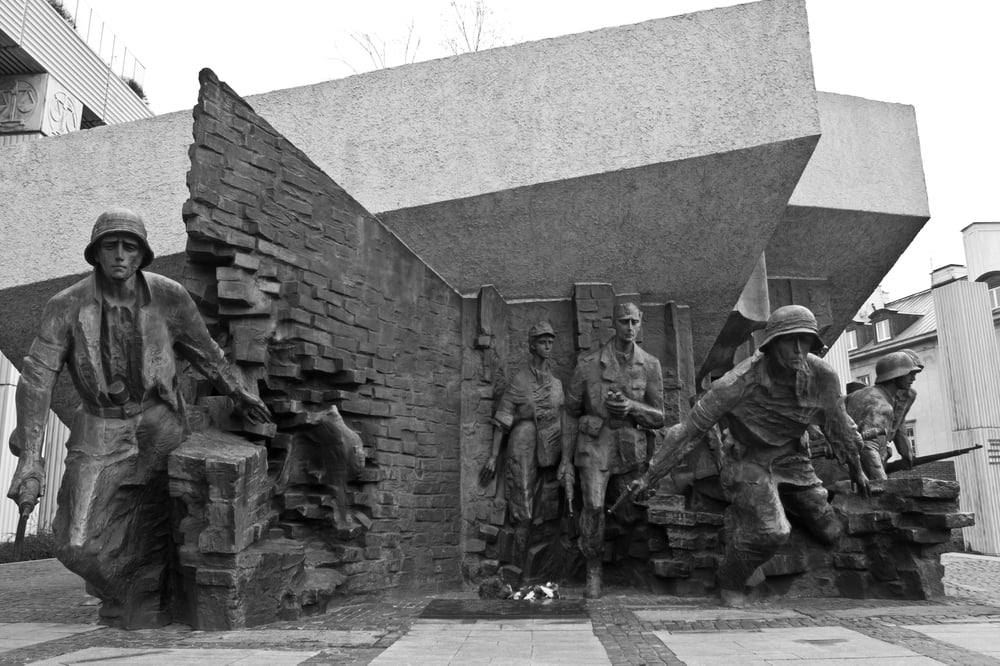
After World War II, the Allied Control Council ordered the destruction of Nazi monuments, statues, and symbols that had survived the war intact. The Allies systematically demolished buildings like the Reich Chancellery, Nazi party headquarters, and countless statues of Hitler and other Nazi leaders.
Germany later codified the prohibition on creating, displaying, or honoring Nazi symbols into their criminal code. This destruction of one’s own cultural infrastructure by occupying powers represented an unprecedented international agreement that some symbols were too dangerous to preserve even as historical records.
Egyptian Erasure of Hosni Mubarak Symbols

During Egypt’s Arab Spring uprising in 2011, citizens and military authorities systematically removed images, statues, and portraits of Hosni Mubarak from public spaces. Mubarak’s regime had erected numerous monuments to glorify his 30-year rule, and these were deliberately destroyed or hidden following his fall.
The erasure included renaming streets, removing his portraits from government buildings, and destroying golden statues that had been erected at public sites. The destruction was both popular and official, representing a deliberate severing from Mubarak’s era.
Gaddafi Monument Destruction in Libya
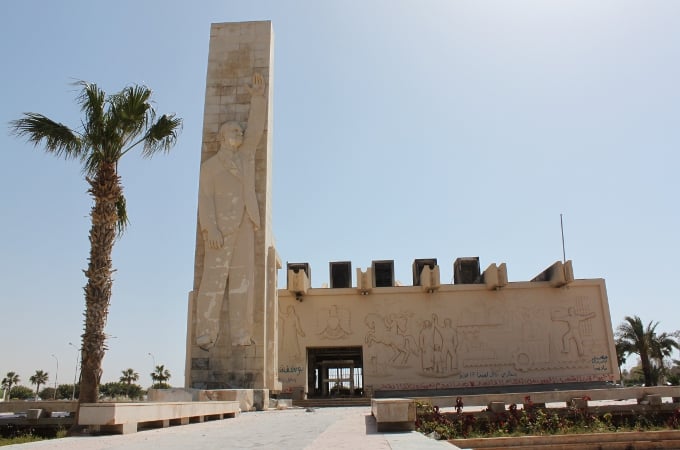
Following the 2011 civil war that toppled Libyan dictator Muammar Gaddafi, citizens and authorities destroyed numerous monuments to his regime. A famous sculpture depicting a fist crushing a U.S. fighter jet, erected in Tripoli as propaganda against American imperialism, was toppled during the conflict.
Gaddafi’s symbols were systematically removed from public spaces as Libyans reclaimed their nation from his authoritarian rule. The destruction represented not just rejection of a leader but reclamation of Libyan identity from decades of propaganda.
ISIS Destruction of Iraqi Museums
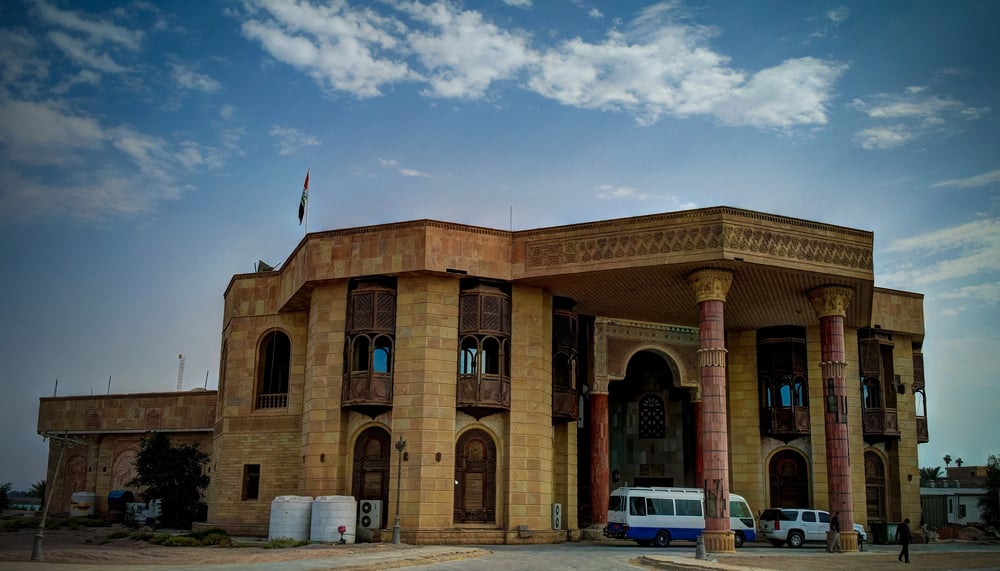
During the Islamic State’s occupation of Mosul and other Iraqi cities, state actors systematically destroyed ancient artifacts and monuments in museums using sledgehammers and power tools. While not a traditional government in international law, ISIS functioned as a territorial authority that deliberately destroyed Mesopotamian sculptures, Assyrian artifacts, and pre-Islamic statuary deemed idolatrous.
The destruction paralleled Taliban ideology but was carried out against Iraq’s own ancient heritage, erasing millennia of civilization recorded in stone.
Chinese Erasure of Tibetan Cultural Symbols
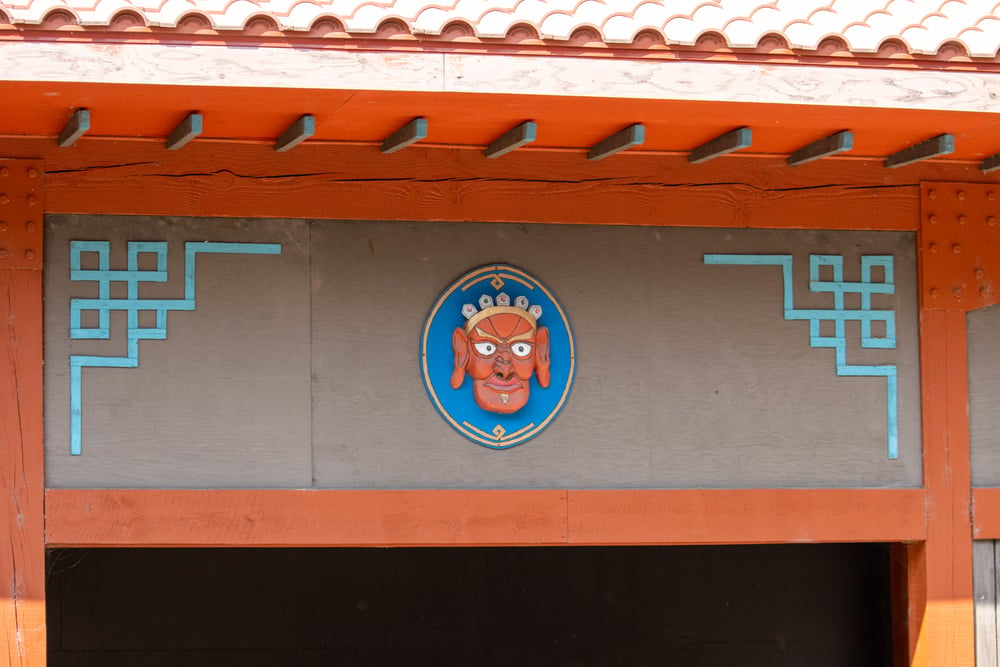
The Chinese government has systematically targeted Tibetan cultural monuments and religious sites as part of assimilation policies. Prayer wheels, monasteries, and monuments to Tibetan independence have been destroyed or restricted. This destruction by a government of cultural symbols within its own borders represents cultural genocide, deliberately severing Tibetan people from their heritage.
The destruction is ongoing and represents state-sanctioned iconoclasm against minority populations.
The Collapse of Soviet Monuments Across Russia
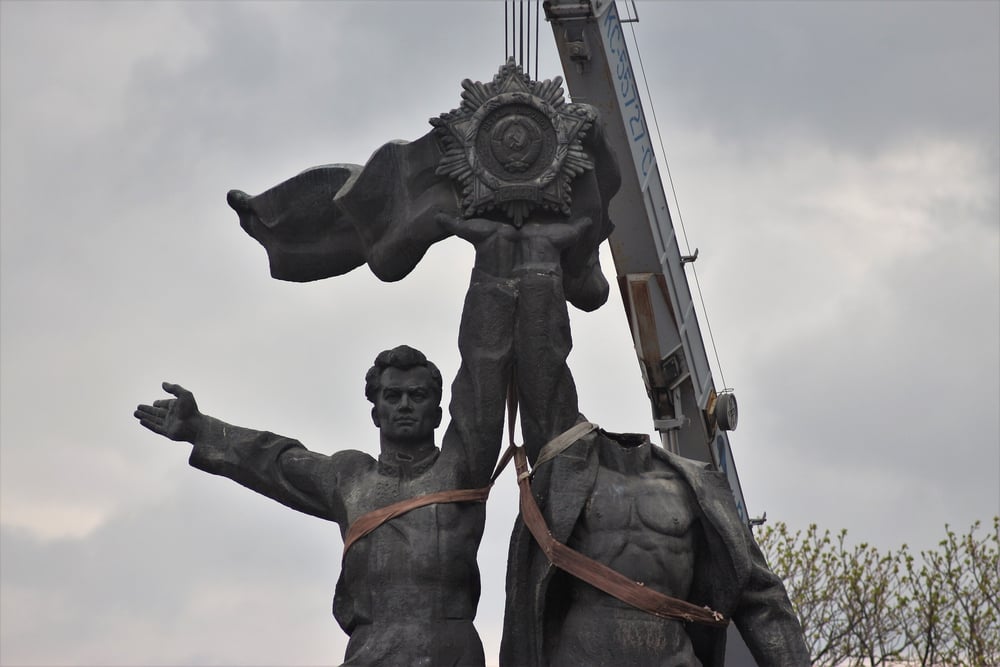
Following Russia’s transition from communism, numerous Soviet-era monuments were removed from prominent public spaces, though not as systematically as in Eastern Europe. Statues of Soviet leaders and monuments to communist achievements were relocated to parks or destroyed.
The destruction was less unified than in other post-communist nations, as Russia retained elements of Soviet nostalgia, but it represented a partial reclamation of public space from totalitarian symbolism.
Significance of Government-Ordered Destruction

When governments destroy their own cultural monuments, they signal the most radical break possible from their own past. Unlike conquest or war, which can be blamed on external forces, a government’s destruction of its own monuments represents deliberate choice to sever continuity.
These destructions often precede genocide, as authoritarian regimes erase the cultural identity of groups they intend to eliminate. The international community’s response has evolved to recognize destruction of cultural heritage as a war crime, a response born from witnessing the horrific consequences of allowing such erasure to proceed unchecked.
More from Go2Tutors!

- The Romanov Crown Jewels and Their Tragic Fate
- 13 Historical Mysteries That Science Still Can’t Solve
- Famous Hoaxes That Fooled the World for Years
- 15 Child Stars with Tragic Adult Lives
- 16 Famous Jewelry Pieces in History
Like Go2Tutors’s content? Follow us on MSN.