Most Mysterious Radio Signals
Out of sight, radio waves slip past us – silent, routine, almost forgettable. What shows up on screens often traces back to known origins: suns, worlds, machines built by people.
Once in a while, something else cuts through. Unannounced, odd in pattern, it refuses quick labels. Such events stick around afterward, not from offering solutions, but simply showing where knowledge falls short.
One hundred years ago, strange blips began appearing on radio dials – odd rhythms, peculiar shapes, coming from places nobody expected. A few got answers after long looks, piece by piece. The rest sit unanswered, sitting at the edge of knowledge like loose threads in fabric that won’t be tugged.
Peering into the quiet hum of space reveals whispers we still struggle to explain. Some echoes from deep out there refuse to settle into known patterns.
These odd transmissions sparked years of quiet wonder, not loud headlines. Long after the first reports slipped from public view, scientists kept listening.
What makes them stick around in research logs is not proof, but possibility. Each signal carries gaps where answers should be. Instead of fading, their mystery grew quieter, deeper. They remind us how much remains just beyond hearing.
The Wow! Signal
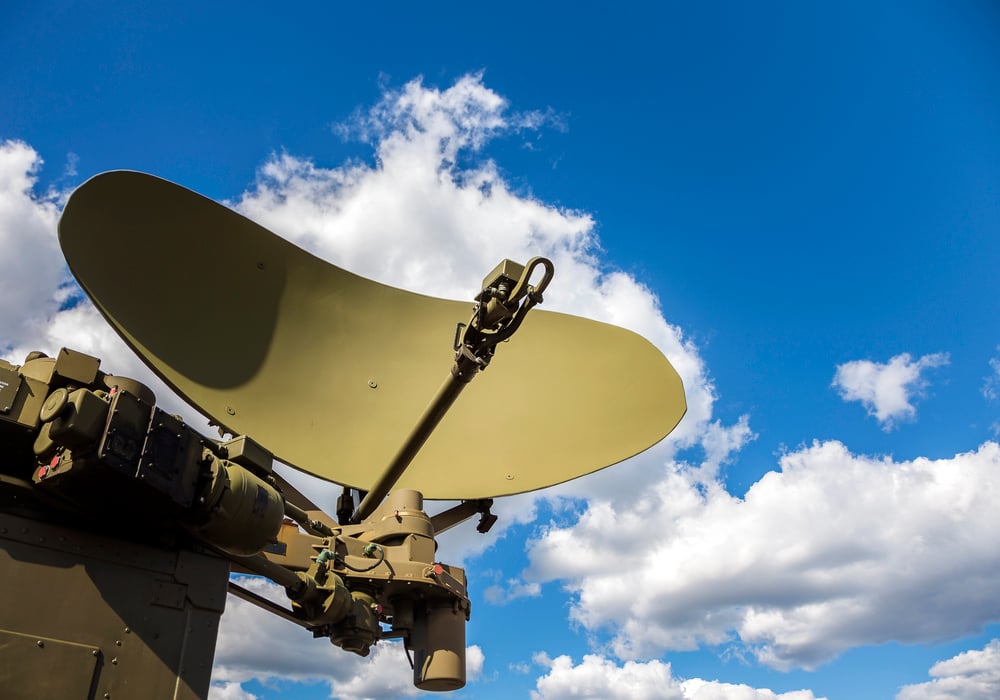
In 1977, a radio telescope in Ohio detected a strong, narrowband signal that lasted just over a minute. It appeared suddenly, peaked sharply, and then vanished without repeating.
The astronomer reviewing the data circled the signal and wrote ‘Wow!’ in the margin, unintentionally giving it a name that would last for decades. What made the signal unusual was its strength and frequency.
It closely matched the range scientists had long considered promising for interstellar communication. Extensive follow-up searches failed to find it again.
No natural source was ever confirmed, yet no definitive artificial explanation emerged either. The signal remains a benchmark for how a single, fleeting event can shape scientific curiosity for generations.
Fast Radio Bursts

Fast radio bursts, often shortened to FRBs, are brief flashes of radio energy that last only milliseconds. They were first identified in the early 2000s, initially dismissed as data errors due to their intensity and short duration.
As more examples appeared, it became clear that they were real and extremely powerful. Some FRBs originate billions of light-years away, releasing more energy in a fraction of a second than the Sun produces in days.
A few repeat, while most appear only once. Despite years of observation, their exact causes remain debated.
Proposed explanations range from exotic stellar remnants to extreme cosmic events. Their unpredictability keeps them at the forefront of modern radio astronomy.
The BLC1 Signal
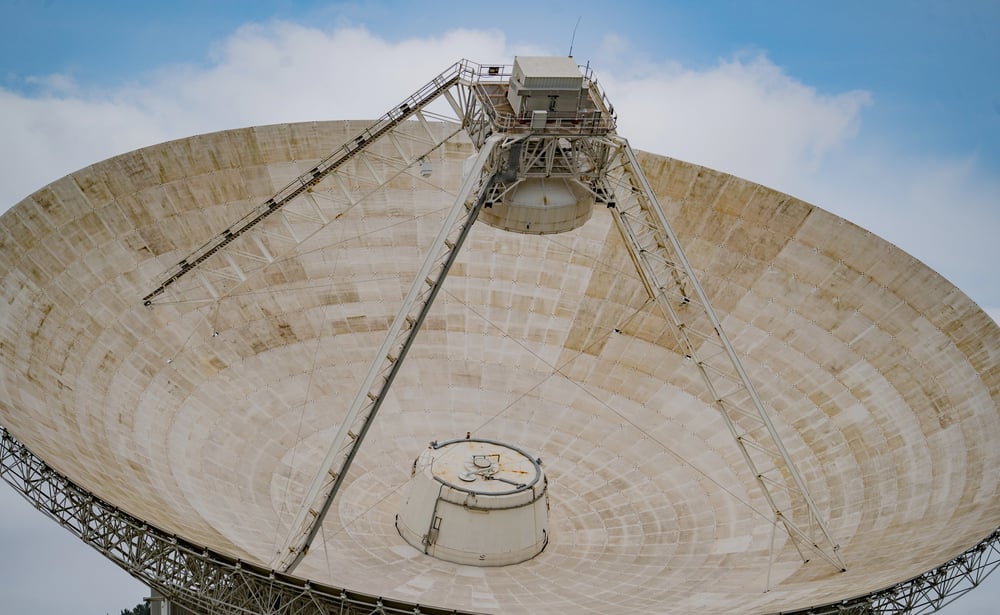
In 2019, researchers monitoring nearby star systems detected a narrowband radio signal that appeared to come from the direction of Proxima Centauri, the closest star to the Sun. The signal, later labeled BLC1, showed characteristics that initially ruled out obvious human interference.
For a time, it generated serious discussion within the scientific community. The signal appeared stable, frequency-specific, and persistent over several hours.
Later analysis suggested it was likely caused by previously unknown terrestrial interference rather than a distant source. Even so, the episode highlighted how difficult it can be to separate cosmic signals from increasingly complex human radio noise.
The Long Delayed Echoes

During the early days of radio experimentation in the twentieth century, some operators noticed a strange phenomenon. Signals they transmitted appeared to echo back seconds later, far longer than normal atmospheric reflection would allow.
These long delayed echoes puzzled scientists and engineers alike. Various explanations were proposed, including reflections from plasma clouds or distant space objects.
None fully accounted for the timing and behavior of the echoes. As radio technology improved, reports became less frequent, but no single theory ever conclusively solved the mystery.
The echoes remain an early reminder that radio propagation can behave in unexpected ways.
The Periton Signals

In the late 1990s and early 2000s, radio telescopes in Australia began detecting brief bursts that resembled fast radio bursts. These signals appeared suspiciously local, yet their cause remained unclear for years.
Researchers named them ‘peritons’ to distinguish them from true cosmic sources. The mystery was eventually solved in an unglamorous way.
The signals were traced to microwave ovens being opened prematurely at a nearby facility. While the explanation was mundane, the episode mattered.
It showed how easily unfamiliar interference can mimic cosmic phenomena and how careful validation is essential before drawing conclusions.
The Galactic Center Radio Emissions
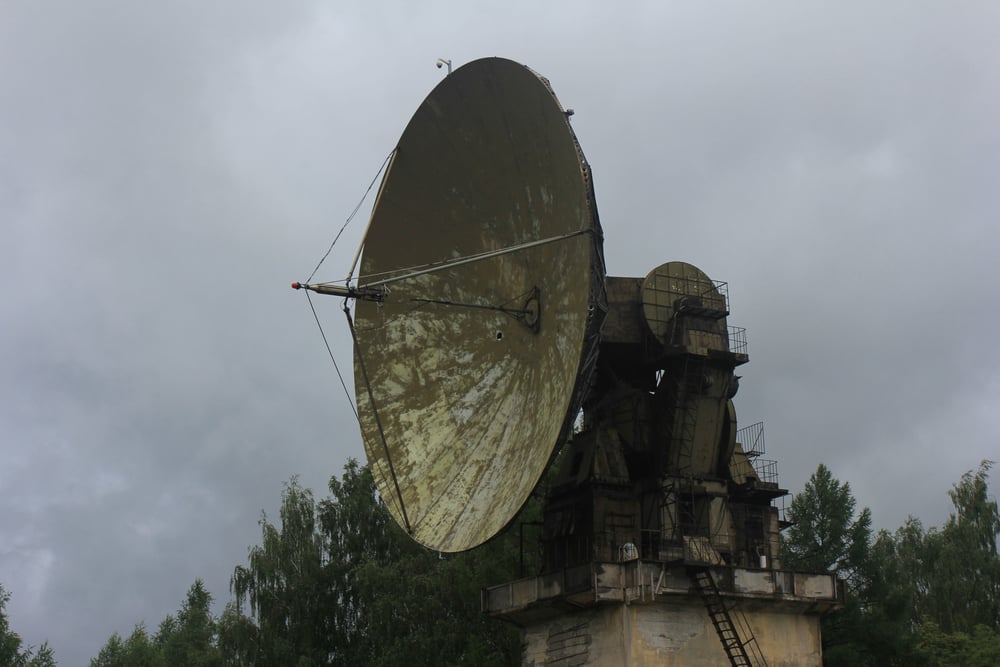
The center of the Milky Way is a noisy place in radio frequencies. Dense star clusters, magnetic fields, and energetic particles combine to produce complex signals.
Among this background, astronomers have detected unusual radio filaments and transient bursts that do not fit neatly into existing models. Some of these emissions appear to switch on and off without clear triggers.
Others show structures that suggest unknown processes at work. While none point to anything beyond natural astrophysics, their persistence challenges current theories.
They serve as ongoing puzzles rather than single events, evolving as observation improves.
The Mysterious Repeating Signals
Most transient radio signals appear once and never again. A small subset, however, repeats at irregular intervals.
These repeating signals raise different questions, since repetition allows for detailed study but also complicates explanation. Patterns have emerged in some cases, including periodic activity cycles and changes in signal strength.
While leading theories suggest highly magnetized stellar remnants, no single model explains all observed behavior. The fact that repetition does not always imply predictability adds to their intrigue.
The Parkes Telescope Anomalies

One of the world’s most sensitive radio telescopes has detected several unexplained signals over the years. Some arrived from unexpected directions or appeared during calibration periods, making them difficult to classify.
Initial excitement often gave way to caution as alternative explanations were explored. In several cases, improved instrumentation or analysis revealed subtle sources of interference.
In others, the origin remained uncertain. These anomalies underline how advanced instruments can reveal phenomena that outpace existing interpretive frameworks.
The Early Cold War Signals

During the early Cold War era, unexplained radio signals occasionally appeared amid military monitoring systems. Some were initially suspected to be foreign transmissions or experimental technologies.
Later investigation suggested natural ionospheric effects or misidentified reflections. Even so, these signals influenced policy and research funding.
They demonstrated how ambiguous data can shape decision-making when stakes are high. The line between mystery and misunderstanding proved thin, especially under pressure.
Why Radio Signals Are So Hard to Explain
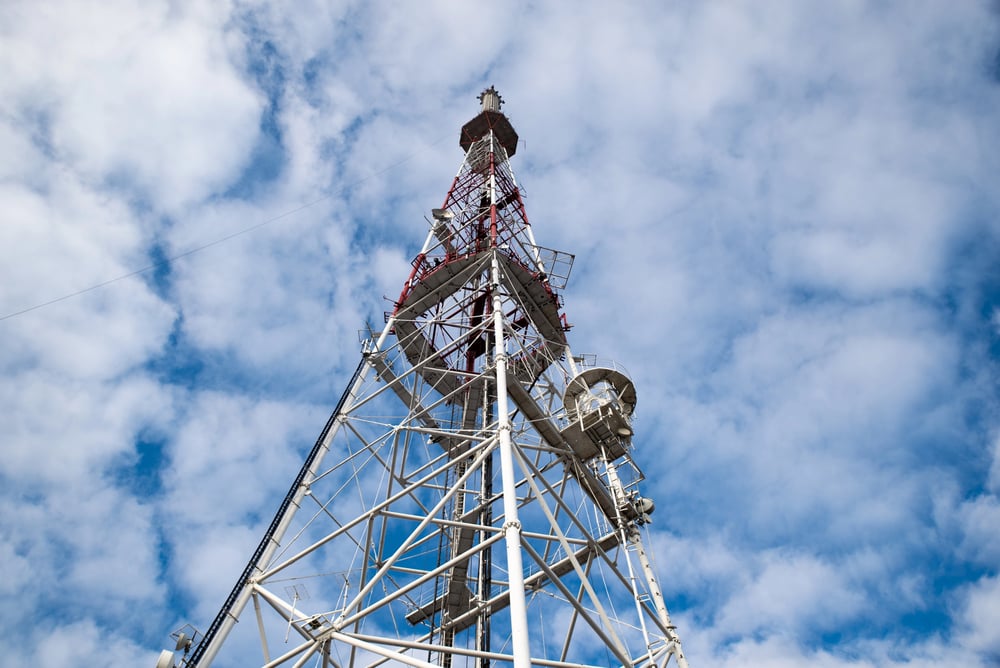
Radio waves interact with matter in complex ways. They bend, scatter, and distort as they pass through space, atmosphere, and equipment.
Add human-made interference, and interpretation becomes even more challenging. A signal that appears cosmic can turn out to be local.
One that seems artificial may have a natural origin not yet understood. Another challenge lies in timing.
Many mysterious signals are brief and unrepeatable. Without repetition, confirmation becomes nearly impossible.
Scientists must rely on indirect evidence, statistical analysis, and comparison with known phenomena.
Why These Mysteries Matter
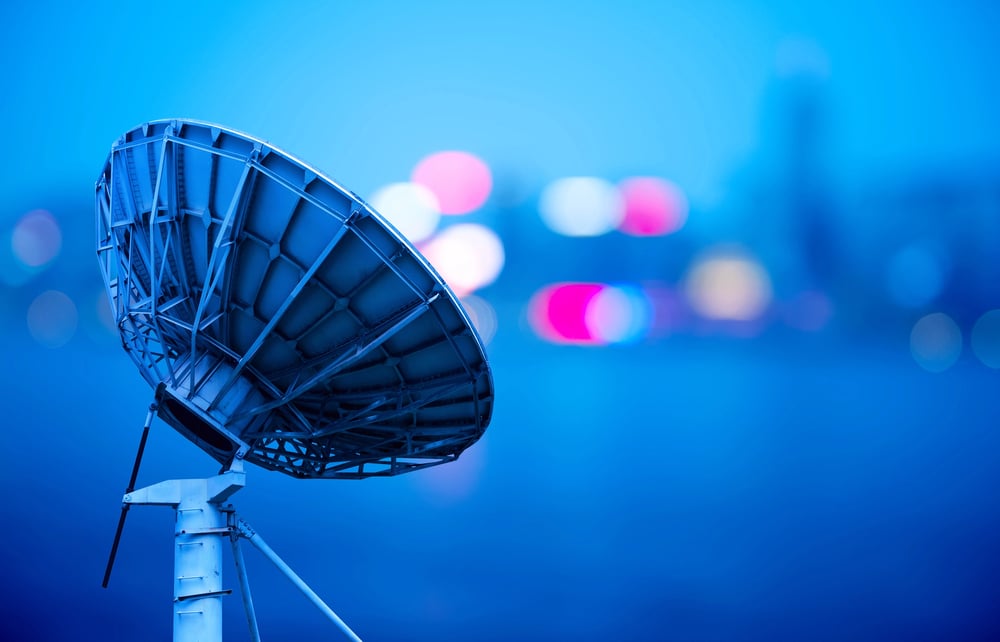
Unexplained radio signals are not failures of science. They are part of how scientific understanding advances.
Each anomaly forces researchers to test assumptions, refine instruments, and reconsider models. Even when a mystery resolves into something ordinary, the process strengthens confidence in future discoveries.
These signals also shape public imagination. They remind us that the universe is not fully mapped or understood.
Curiosity persists not because answers are guaranteed, but because uncertainty remains.
What We Learn from the Unknown
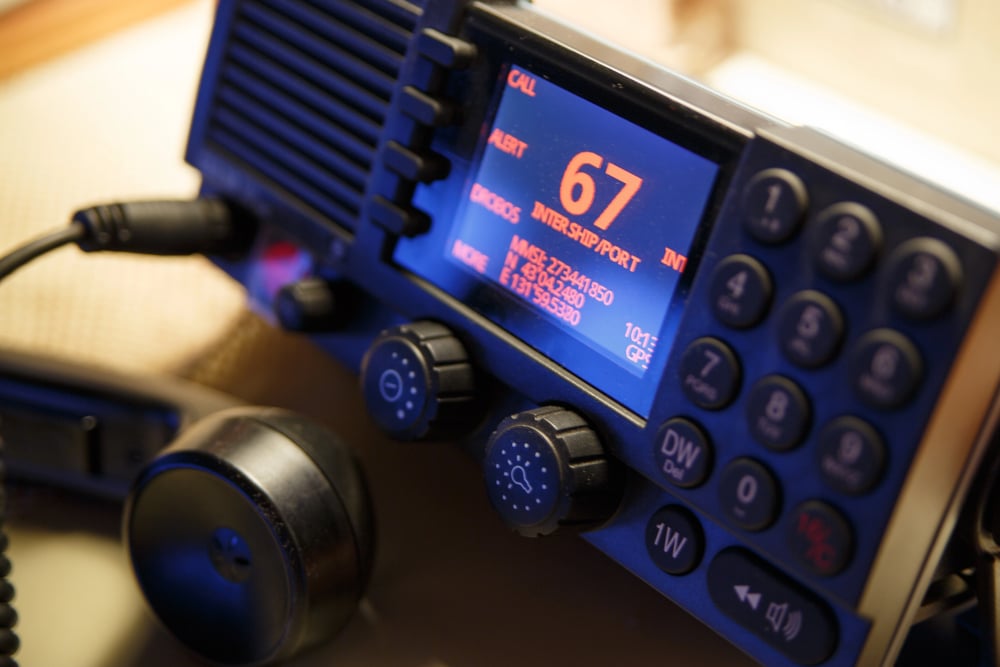
Patience shows up where you least expect it. Decades can pass before a single clue appears, sometimes nothing ever does.
Still, what matters is how the chase changes things along the way. With sharper tools and keener eyes, fresh clues will surely show up.
Later on, some will make perfect sense – so clear it feels like they always did. A few might never give up their secrets.
Still, each one pushes further into the unknown, slowly changing the way we hear what’s out there.
More from Go2Tutors!

- The Romanov Crown Jewels and Their Tragic Fate
- 13 Historical Mysteries That Science Still Can’t Solve
- Famous Hoaxes That Fooled the World for Years
- 15 Child Stars with Tragic Adult Lives
- 16 Famous Jewelry Pieces in History
Like Go2Tutors’s content? Follow us on MSN.



