24 Everyday Rules That Only Make Sense After You Learn Their Origin
Most of the rules we follow without question exist because someone, at some point, was solving a specific problem. We say “bless you” after a sneeze, help women from cars, shake with our right hand, put napkins on laps, and wait for everyone to be served before eating—all without knowing why these became rules instead of suggestions.
These aren’t arbitrary impositions by etiquette experts. They’re solutions that worked so well they became automatic.
Understanding their origins transforms them from tedious obligations into logical responses to genuine human needs. Etiquette didn’t develop spontaneously.
King Louis XIV of France printed small placards called “étiquettes” to remind courtiers of proper behavior at his palace. These rules spread throughout Europe and eventually the world because they solved the problem of how strangers share space without offense.
What follows are everyday rules that only make sense once you understand what they were actually designed to prevent or accomplish.
Shake with Your Right Hand

Your right hand held no weapon. In medieval times, extending your right hand to a stranger proved you couldn’t immediately draw a sword.
The rule persists because the meaning remains: you come unarmed and in peace. The tradition is older than handshakes with words.
Say Bless You After a Sneeze

Pope Gregory the Great may have commanded that anyone who sneezed receive an immediate blessing in the 6th century, though the reason likely involved beliefs about the soul or evil spirits rather than plague. The prayer was protection.
Centuries later, the words changed but the response remained automatic—a ghost of medieval superstition.
Place Napkins on Your Lap
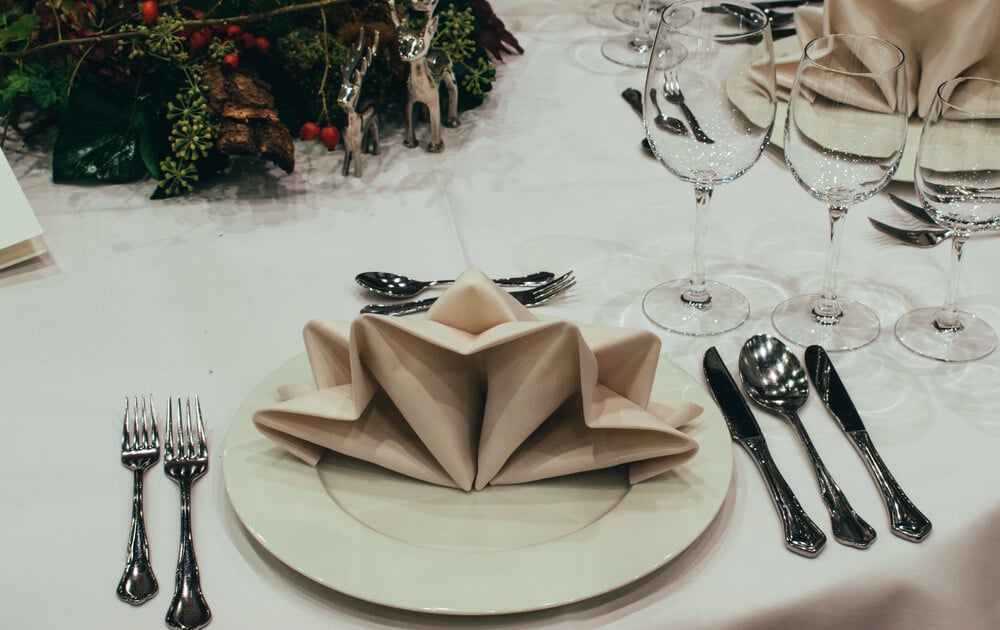
In the Renaissance, napkins protected expensive clothing. Workers in fine dining establishments used napkins to signal to guests that spilling was anticipated and prevented, not shameful.
The lap placement kept them accessible. The rule survived long after expensive clothing became common.
Wait Until Everyone Is Served Before Eating

This rule prevented one person from appearing greedy while others still had empty plates. It also solved a timing problem: if everyone waited for everyone else, food stayed warm longer as a group than if diners ate as soon their plate arrived.
Synchronization was efficiency before it became etiquette.
Don’t Use Toothpicks at the Table
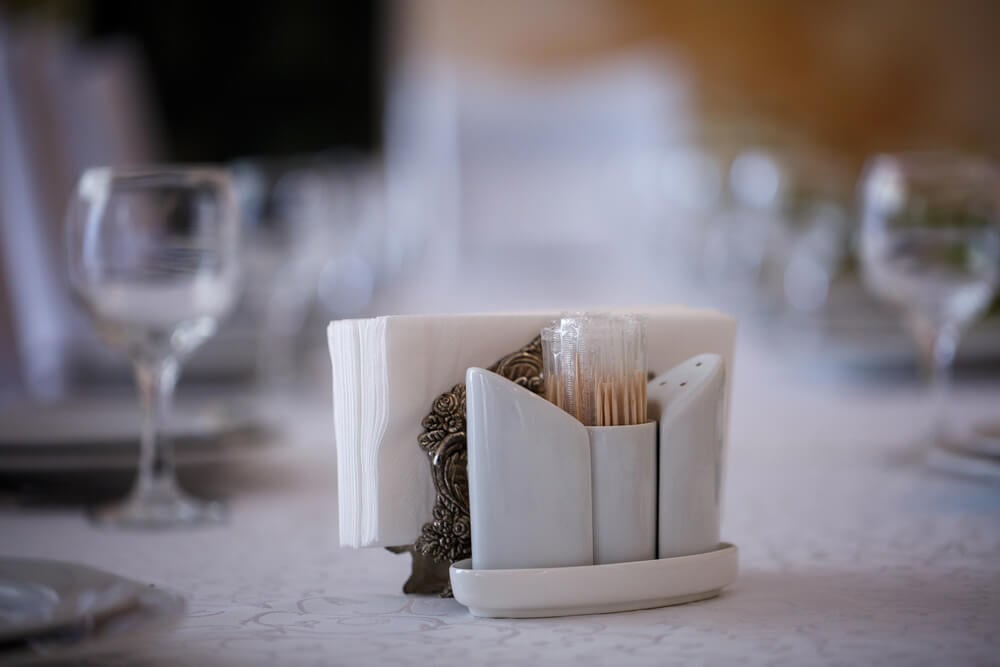
George Washington explicitly forbade using tablecloths, forks, or knives to pick teeth at dinner. The rule existed because people actually did this, and it was offensive to fellow diners.
Without the prohibition, people assumed it was acceptable. The rule created a boundary where behavior needed one.
Help Women from Cars

When women wore long dresses, stepping from a carriage required assistance—the skirts were too cumbersome to manage alone. A man offered his arm not from chivalry but from physics.
The rule persisted as a courtesy long after clothing changed.
Remove Your Hat Indoors

Removing headwear indoors originally signaled that you weren’t ready for combat and wouldn’t need to ride out immediately. It showed you intended to stay, that you weren’t suspicious of your hosts.
The meaning became simpler: respect for the space and people in it.
Elbows Off the Table

This rule prevented you from taking up excessive space. At crowded tables, elbows on the table meant your arms were extended and occupying the seat’s full width.
Keeping elbows down was a spatial rule before it became manners.
Don’t Chew with Your Mouth Open

Renaissance Italians established this rule because open-mouth chewing was genuinely unpleasant to watch. It also prevented food particles from landing on people seated nearby.
The rule was born from practical necessity, not arbitrary decoration.
Address People by Their Correct Title

Using someone’s proper title acknowledged their status and their place in the hierarchy. In formal settings where status mattered for everything from seating to who got to speak, correct address prevented accidental insult.
The rule remains even when hierarchy is less rigid.
Don’t Interrupt

In settings where only one person could speak at a time and everyone needed to hear, interruption was literally impossible to manage. The rule made listening possible.
Modern conversation still benefits from it, though the original reason—auditory necessity—disappeared.
Send Thank-You Notes

Before phones and email, a written note was the only way to confirm receipt of something, express gratitude to a person who’d given a gift, and document that both parties understood a transaction had occurred. The note created a paper trail.
Modern versions are less necessary but persist as formality.
Don’t Point

Pointing isolated and embarrassed its target. In close-quarters family and community settings, explicit non-verbal identification of someone violated their social cohesion.
The rule protected against shame. It remains even in contexts where shame is less relevant.
Use Both Hands to Receive Something

Receiving something with both hands showed respect and prevented dropping it. It also signaled full attention and gratitude.
Single-handed receipt seemed careless or dismissive. The rule persisted because it carries these meanings.
Don’t Speak About Money

Discussing specific financial details violated privacy and created hierarchy visibility. In societies where status was fragile and depended on appearance rather than declaration, talking about actual income was dangerous.
The rule kept social peace by keeping finances invisible.
Knock Before Entering

This rule signaled that you recognized someone else’s territory and wouldn’t enter without permission. It created a moment for the inhabitant to prepare—to hide things, compose themselves, or grant entry.
Knock meant: I acknowledge your sovereignty over this space.
Use the Correct Fork

Silverware placement indicated which utensil to use for each course. Without it, diners risked using the wrong fork and appearing uncultured.
The rule created order from potential chaos. It also told diners what was coming next by what was placed on their table.
Arrive On Time

Arriving late was presumptuous—it said your time mattered more than everyone else’s. In contexts where time was precious and schedules were rigid, lateness disrupted carefully planned sequences.
The rule was about respecting others’ time investment.
Cover Your Mouth When Coughing

Before understanding germ transmission, coughing into your hand was still seen as gross. Covering the mouth contained the noise and prevented projection of whatever came out onto nearby people.
The modern reason—germ prevention—works alongside the original one.
Don’t Stare

Sustained eye contact in some contexts is threatening. In others it’s intimate.
In formal contexts it can be challenging authority. The rule against staring was about maintaining the distance between strangers while sharing space.
It created privacy in public.
Excuse Yourself When Leaving the Table

This announcement prevented others from stopping you mid-exit, asking questions, or wondering if something was wrong. It made invisible transitions explicit.
The rule smoothed the social disruption caused by someone’s absence.
Don’t Wear White After Labor Day

Originally this was a practical rule: white fabrics showed dirt easily, and pre-Labor Day weather was cleaner. When fabric manufacture changed, the rule persisted as class marker—wealthy people who didn’t work in dirt could wear white year-round.
The rule was never about logic.
Maintain Eye Contact During Conversation

This rule signaled attentiveness and honesty. Lack of eye contact could suggest deception or disinterest.
In contexts where sincerity mattered, this was communication. Modern psychology supports it, though the original rule predates neuroscience.
Keep Your Voice Down in Public

Loud voices suggested rudeness, aggression, or lower-class origins. Quiet voices signaled control and refinement.
The rule was about class and presentation. It remains even though the original meanings have shifted.
Universal Practice Outlasts Reason

None of these rules would have survived if they didn’t work. Some still solve the original problem.
Others persist because they create predictable behavior in social situations, which itself is valuable. Rules are habit, and habit is security.
More from Go2Tutors!

- The Romanov Crown Jewels and Their Tragic Fate
- 13 Historical Mysteries That Science Still Can’t Solve
- Famous Hoaxes That Fooled the World for Years
- 15 Child Stars with Tragic Adult Lives
- 16 Famous Jewelry Pieces in History
Like Go2Tutors’s content? Follow us on MSN.