Radio Broadcasts That Made History
Radio changed everything. Before smartphones, before television, even before most people had electricity in their homes, radio brought the world into living rooms across the globe.
It turned isolated families into connected communities and made distant events feel immediate and real. The crackling voice coming through a wooden box wasn’t just entertainment—it was a lifeline to information, culture, and shared human experience.
Let’s look at the moments when radio did more than just fill the silence. These are the broadcasts that stopped people in their tracks and changed how we see the world.
The Hindenburg Disaster
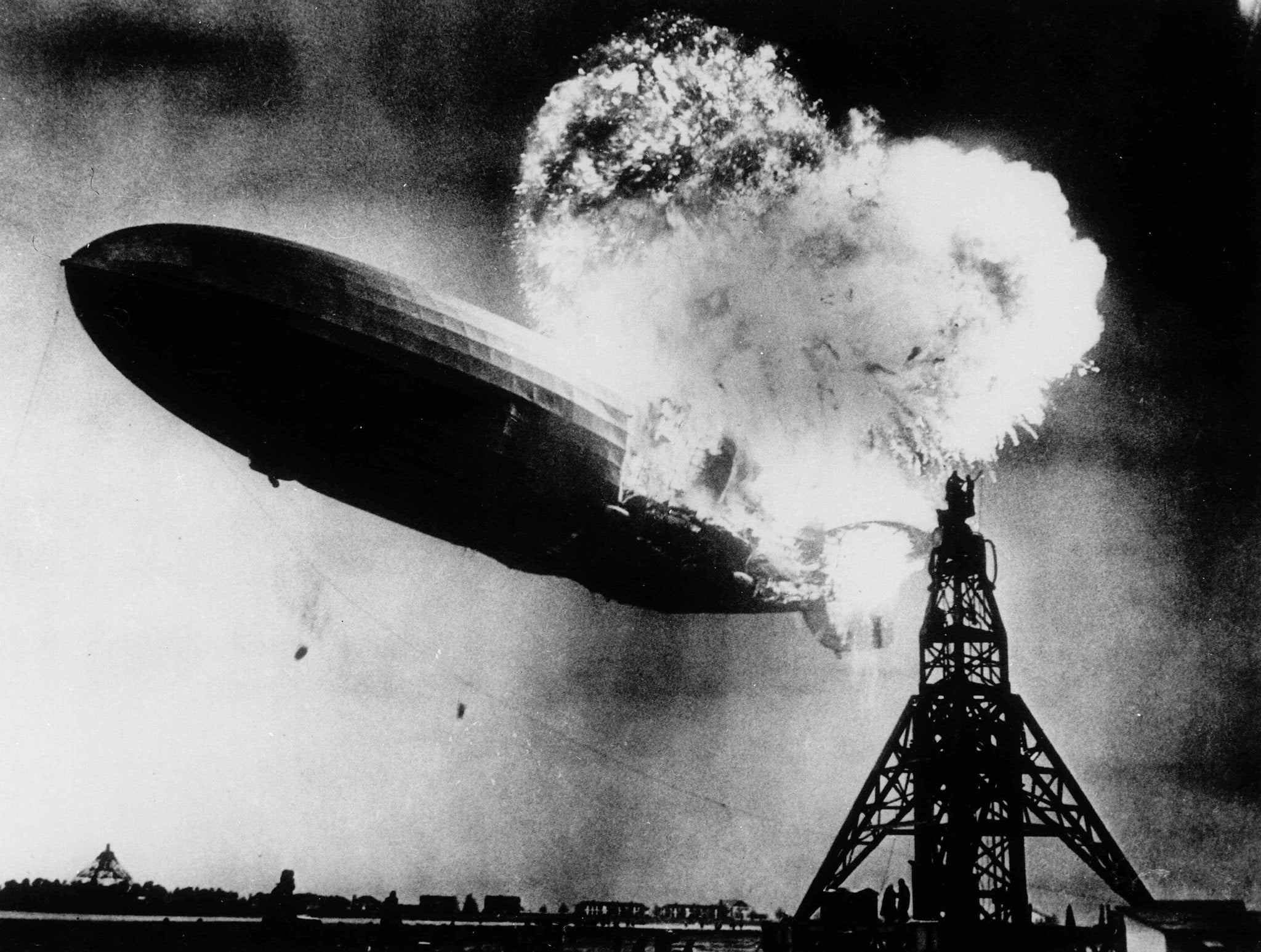
Herbert Morrison didn’t plan to become famous on May 6, 1937, but his voice captured one of the most shocking moments in aviation history. The German airship Hindenburg was landing in New Jersey when it suddenly burst into flames, and Morrison was there recording for a radio station.
His emotional breakdown on air—choking up as he watched people die—brought a new kind of raw honesty to broadcasting. The recording wasn’t played until the next day because live broadcasts weren’t standard yet, but when people finally heard his shaking voice saying the airship was “crashing terrible,” they experienced disaster in a completely new way.
War of the Worlds Panic
Orson Welles turned a Sunday night in October 1938 into mass confusion with a radio drama that sounded way too real. His adaptation of H.G. Wells’ science fiction story presented a Martian invasion as breaking news, complete with fake eyewitness reports and official-sounding announcements.
Thousands of listeners tuned in late and missed the disclaimer at the beginning, so they actually believed aliens were attacking New Jersey. People fled their homes, clogged phone lines calling loved ones, and some even claimed to smell poison gas.
The broadcast proved how much power radio had to shape reality in people’s minds.
FDR’s Fireside Chats
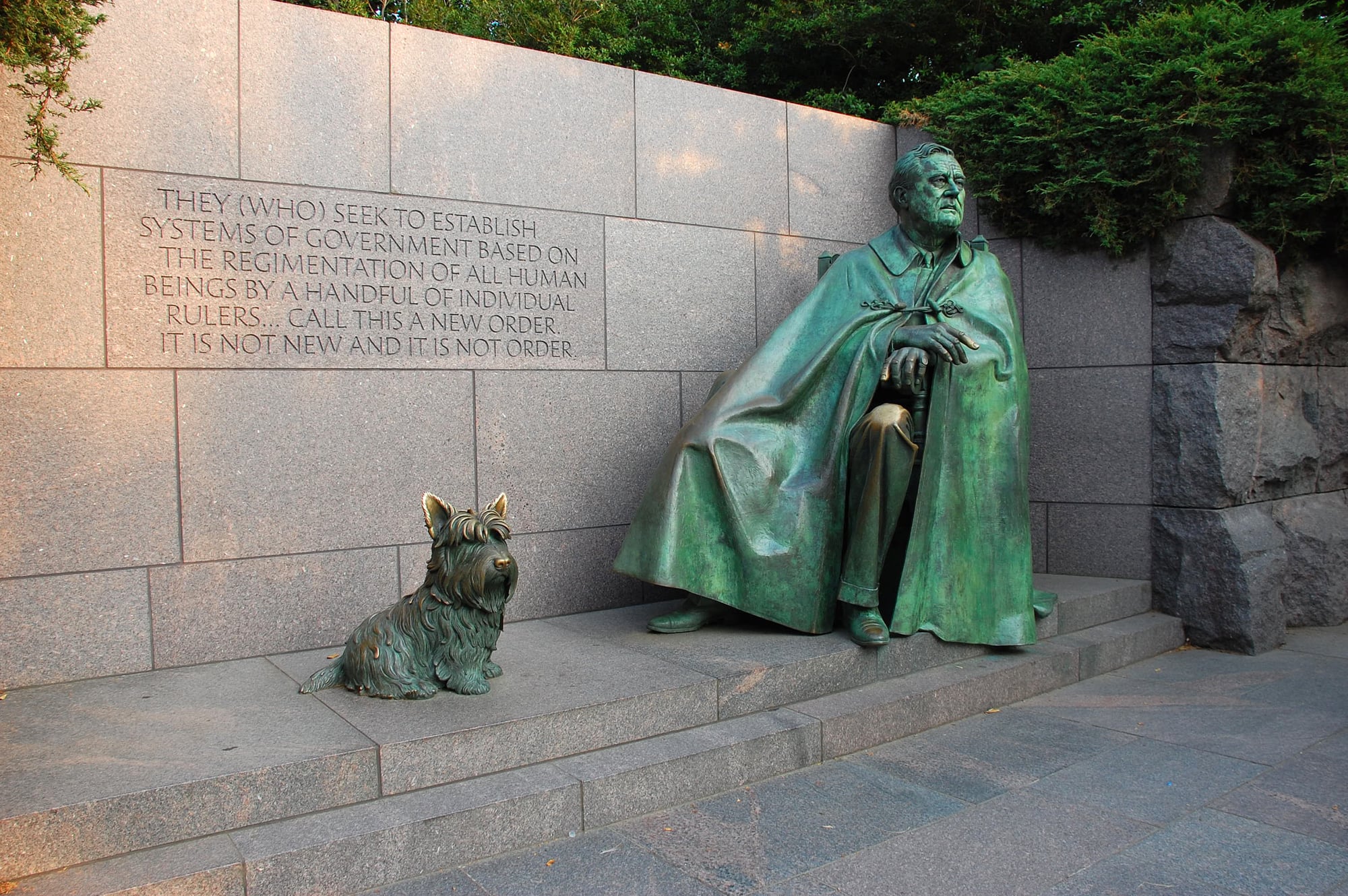
Franklin Roosevelt understood something other politicians didn’t—radio could make a president feel like a friend. Starting in 1933, during the worst of the Great Depression, he began speaking directly to Americans in their homes through informal radio addresses he called fireside chats.
He explained complicated banking problems and war strategies using simple words and a warm tone that made people feel like he was sitting in their living room. These weren’t fancy speeches but conversations, and they rebuilt trust in government when people desperately needed it.
Roosevelt gave 30 of these chats over 12 years, and they transformed how leaders communicate with citizens.
Edward R. Murrow Reports From London
The sound of air raid sirens and exploding bombs came through American radios in 1940, brought there by a journalist who refused to stay safe. Edward R. Murrow broadcast from London rooftops during the Blitz, describing Nazi bombing raids as they happened around him.
Americans heard the war in Europe as real danger, not abstract politics, because Murrow’s voice stayed calm while chaos erupted in the background. He opened each broadcast with “This is London,” and those three words carried the weight of a city under attack.
His reporting helped shift American opinion toward entering the war.
The Attack on Pearl Harbor
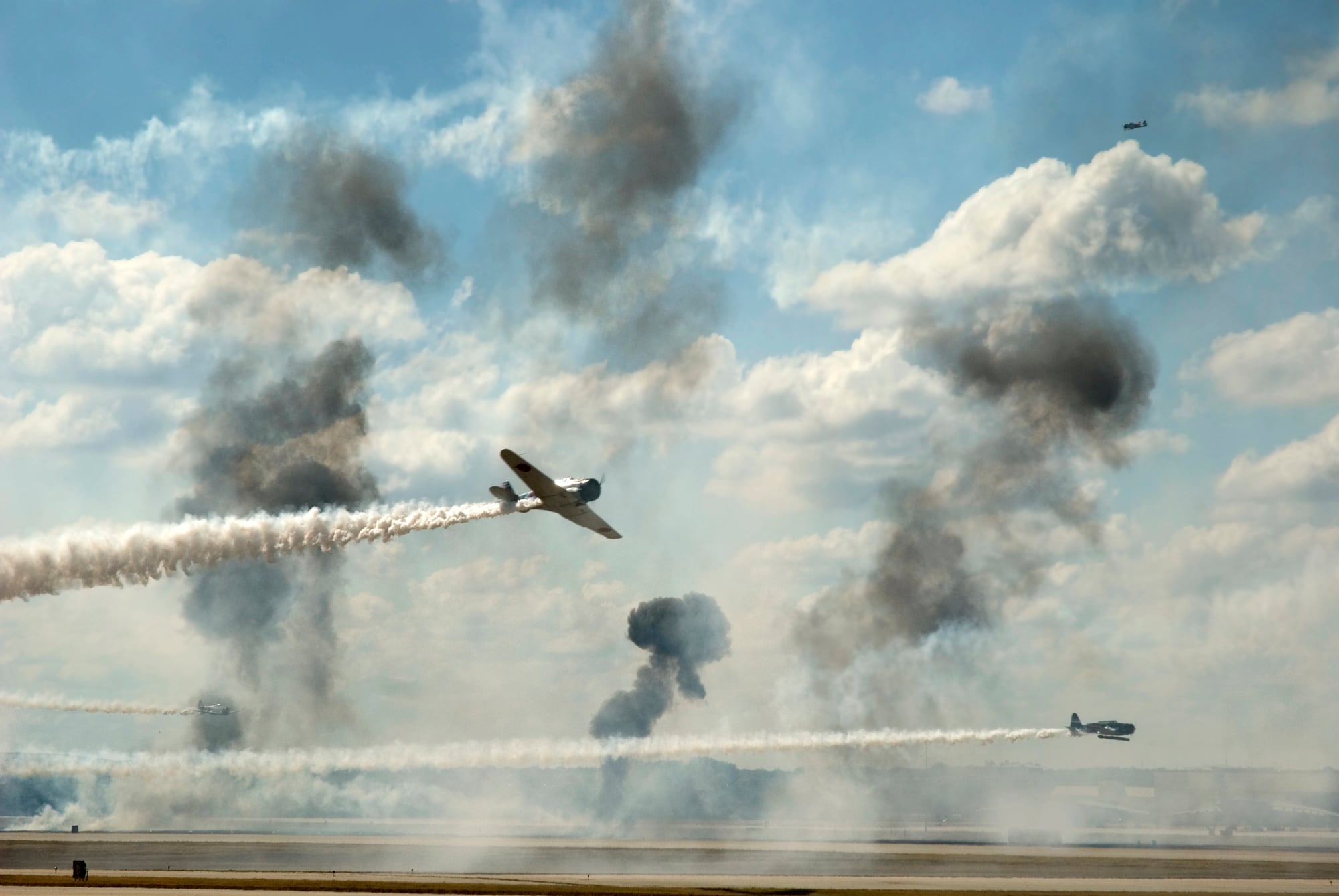
John Daly interrupted regular programming on December 7, 1941, with news that would end American isolationism forever. His bulletin about Japanese planes attacking Pearl Harbor reached Americans during their Sunday routines—listening to football games, sitting down to lunch, getting ready for church.
The initial reports were brief and confusing, but as more information came through, radio stations stayed on air continuously, abandoning their schedules completely. Families gathered around their sets for hours, waiting for updates about casualties and what would happen next.
Radio transformed a distant military base into a national tragedy in real time.
VE Day Announcement
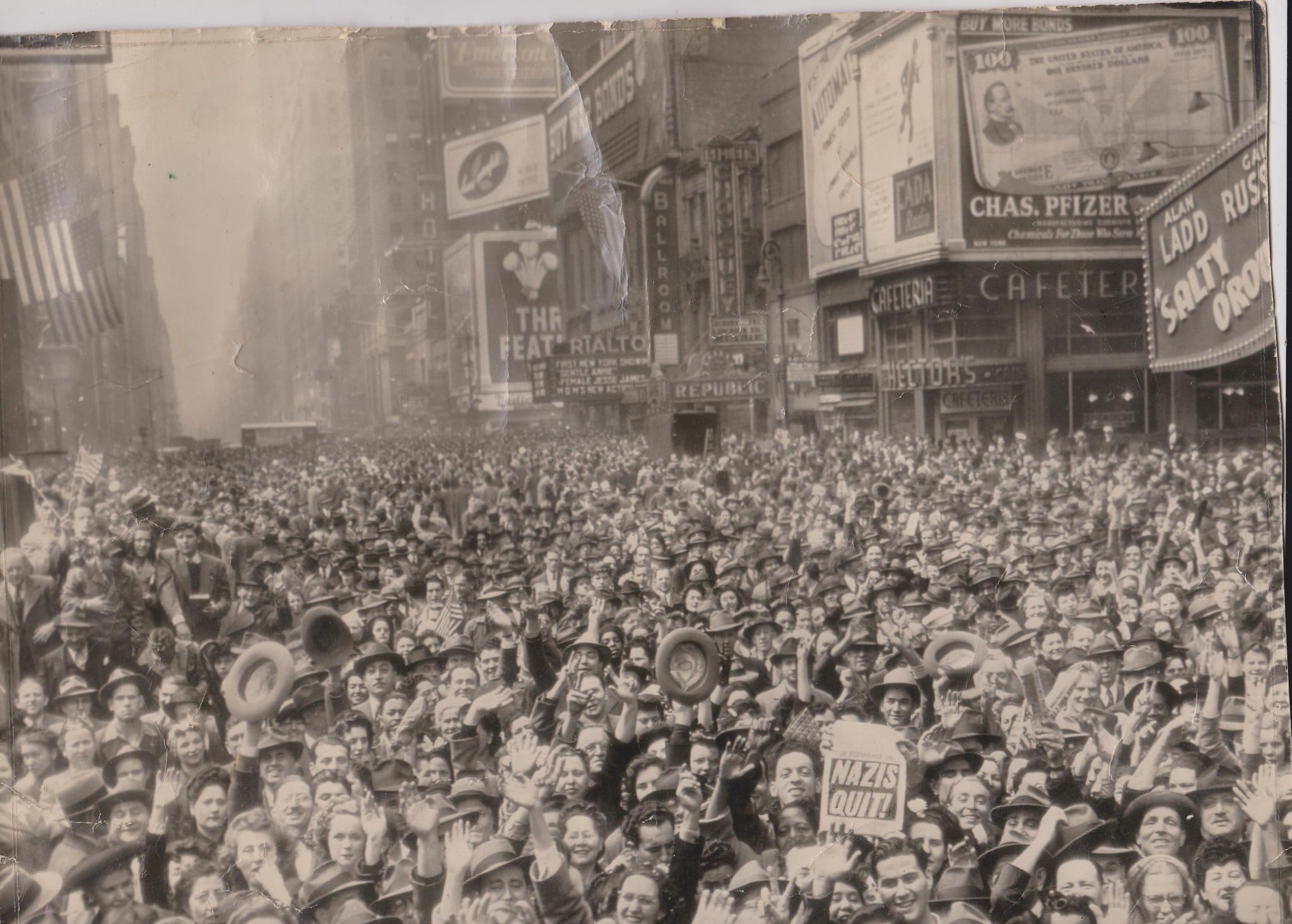
May 8, 1945, brought the news Europe had been dying to hear, and radio delivered it with a mixture of joy and exhaustion. Broadcasters announced Germany’s surrender across the Allied nations, and suddenly the war that had consumed six years was over, at least in Europe.
The celebrations that erupted in cities worldwide were partly organized through radio announcements telling people where to gather. But the broadcasts also carried a somber tone because everyone knew the Pacific war continued and millions had died.
Radio helped the world celebrate and mourn at the same time.
The Rosenberg Trial Coverage
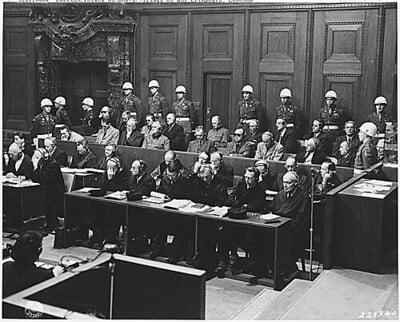
Julius and Ethel Rosenberg went on trial in 1951 for allegedly passing atomic secrets to the Soviet Union, and radio brought Cold War paranoia into sharp focus. The trial became a daily serial that Americans followed like a dramatic show, except real lives hung in the balance.
Broadcasters reported every detail of the testimony, the guilty verdict, and eventually the controversial execution in 1953. The coverage turned a legal case into a national debate about loyalty, communism, and whether the government had gone too far.
Radio didn’t just report the trial—it amplified the fear and division of the McCarthy era.
The Army-McCarthy Hearings
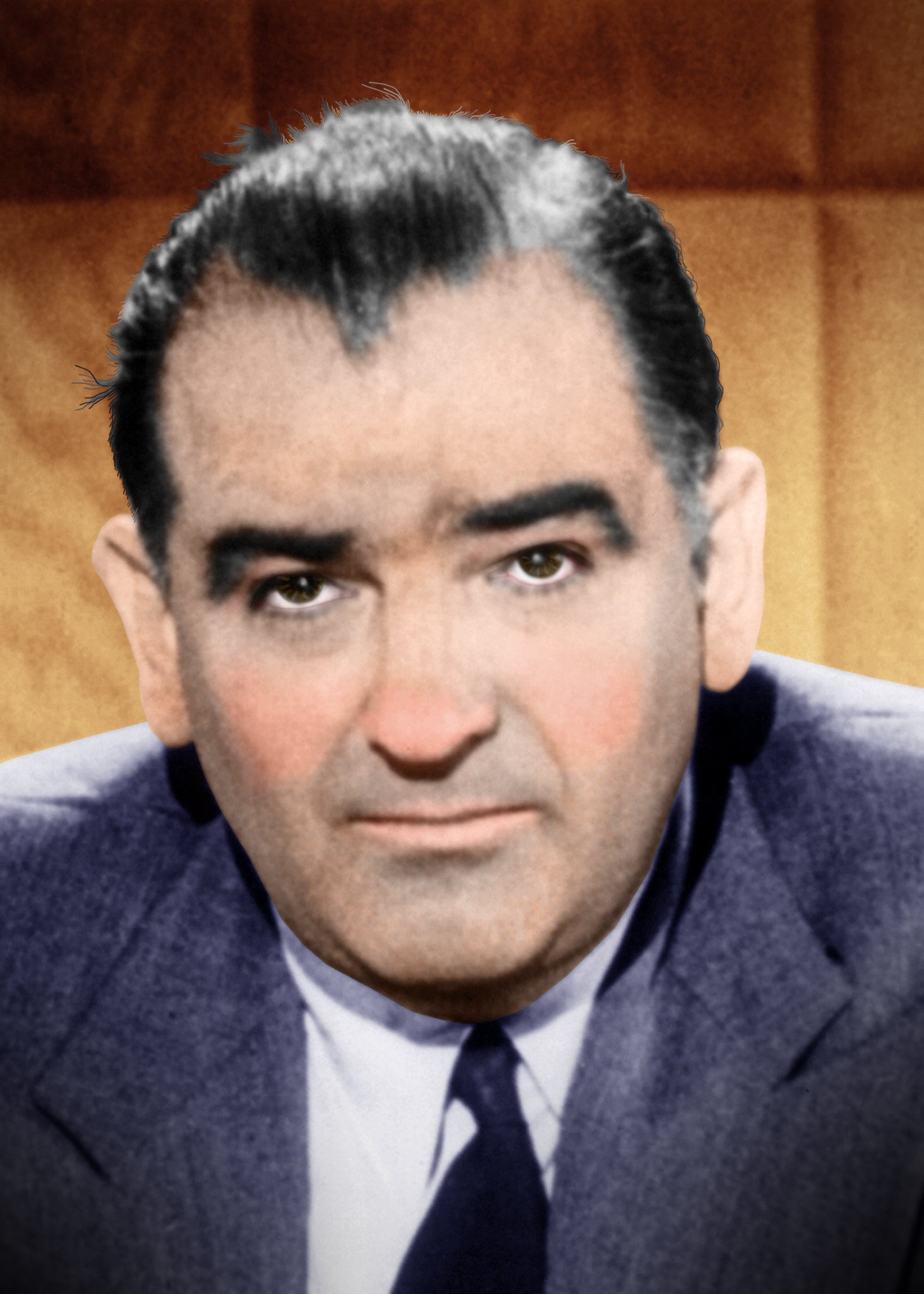
Joseph McCarthy’s reign of anti-communist investigations came crashing down in 1954, partially because radio (and television) let Americans see and hear him in action. The hearings investigating supposed communist infiltration of the Army were broadcast live for weeks, and people heard McCarthy’s aggressive questioning and wild accusations without editing or filter.
When Army counsel Joseph Welch finally confronted him with the famous line “Have you no sense of decency?” it aired across the nation. Radio exposed McCarthy’s tactics as bullying rather than patriotism, and his influence collapsed soon after.
Little Rock Nine Crisis
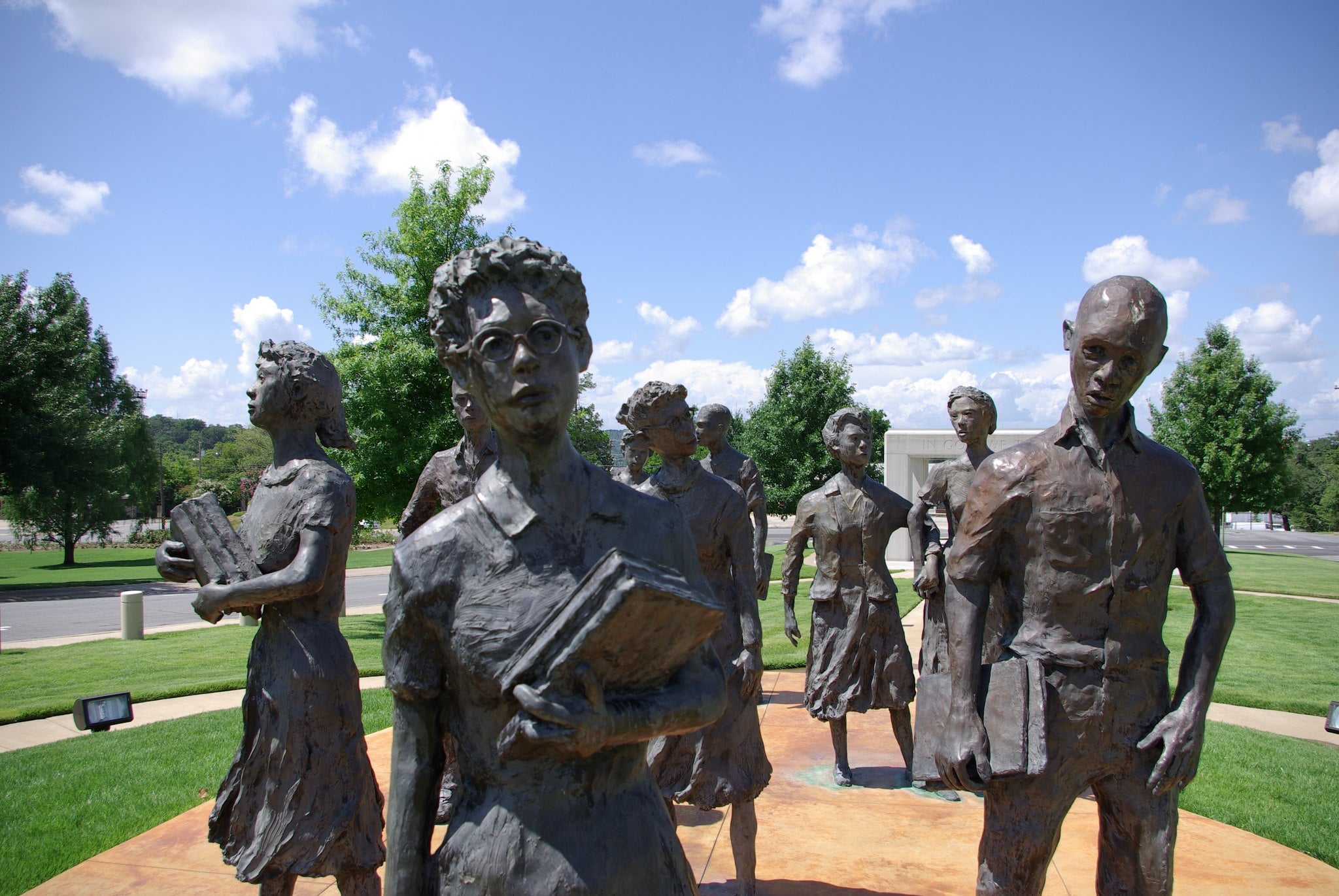
September 1957 brought the battle over school integration to radio in a way that made the struggle impossible to ignore. Reporters described angry white mobs blocking nine Black students from entering Central High School in Little Rock, Arkansas, while federal troops tried to enforce desegregation.
Americans heard the hatred in the voices of protesters and the determination of families fighting for their children’s right to education. Radio couldn’t show the visual images of soldiers escorting teenagers through hostile crowds, but the audio carried its own power.
The coverage helped build support for the civil rights movement by making segregation’s ugliness impossible to deny.
The Kennedy Assassination
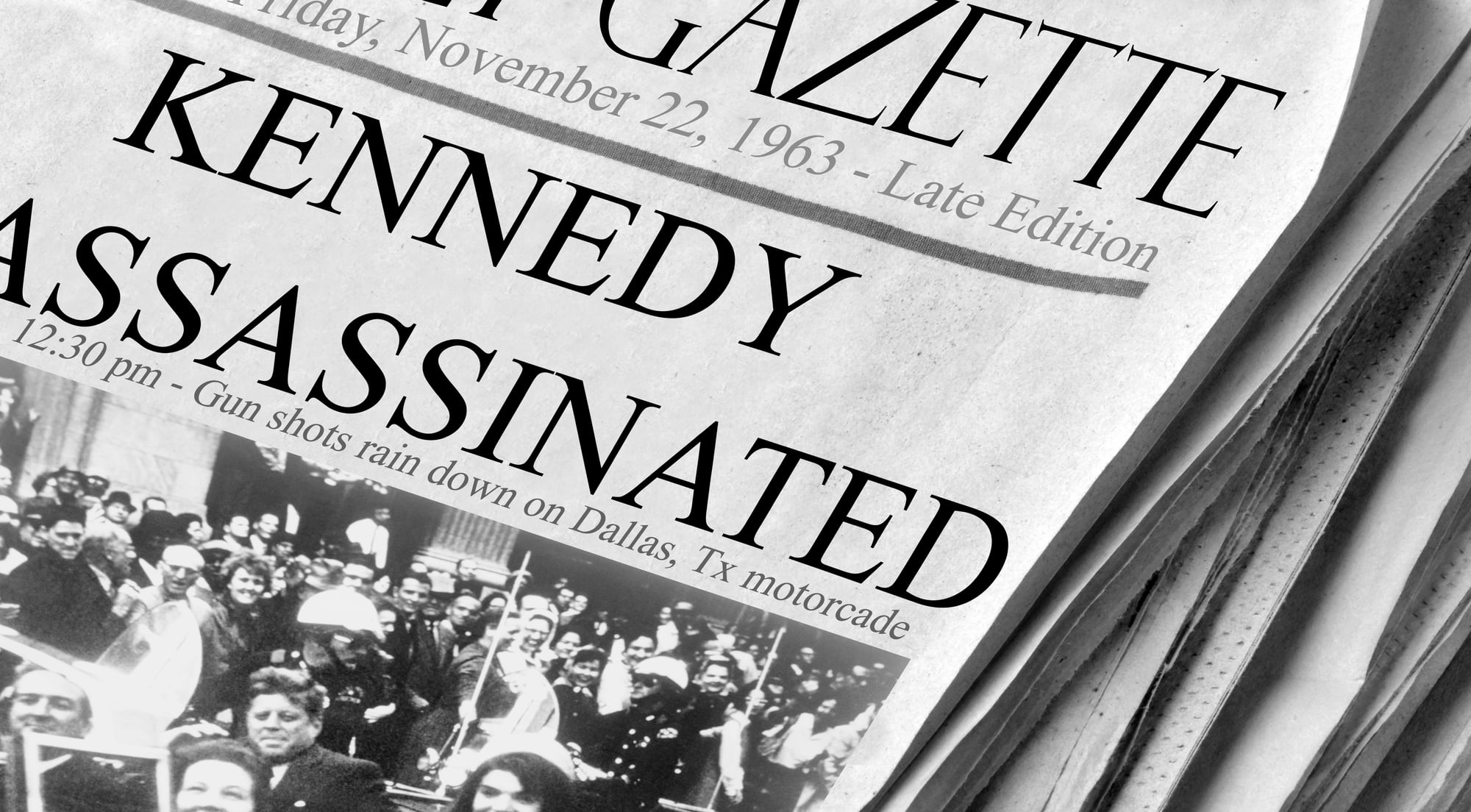
November 22, 1963, shattered normal programming across every radio station in America when bulletins announced President Kennedy had been shot in Dallas. Walter Cronkite’s emotional announcement on television is famous, but millions heard the news first on radio, often in their cars or at work.
Stations abandoned commercials and music, broadcasting nothing but updates as Kennedy died, a suspect was caught, and Lyndon Johnson took the oath of office. For four days, radio became a national gathering place for grief, carrying the funeral coverage and the shocking murder of Lee Harvey Oswald.
The broadcasts united the country in shared trauma.
Apollo 11 Moon Landing
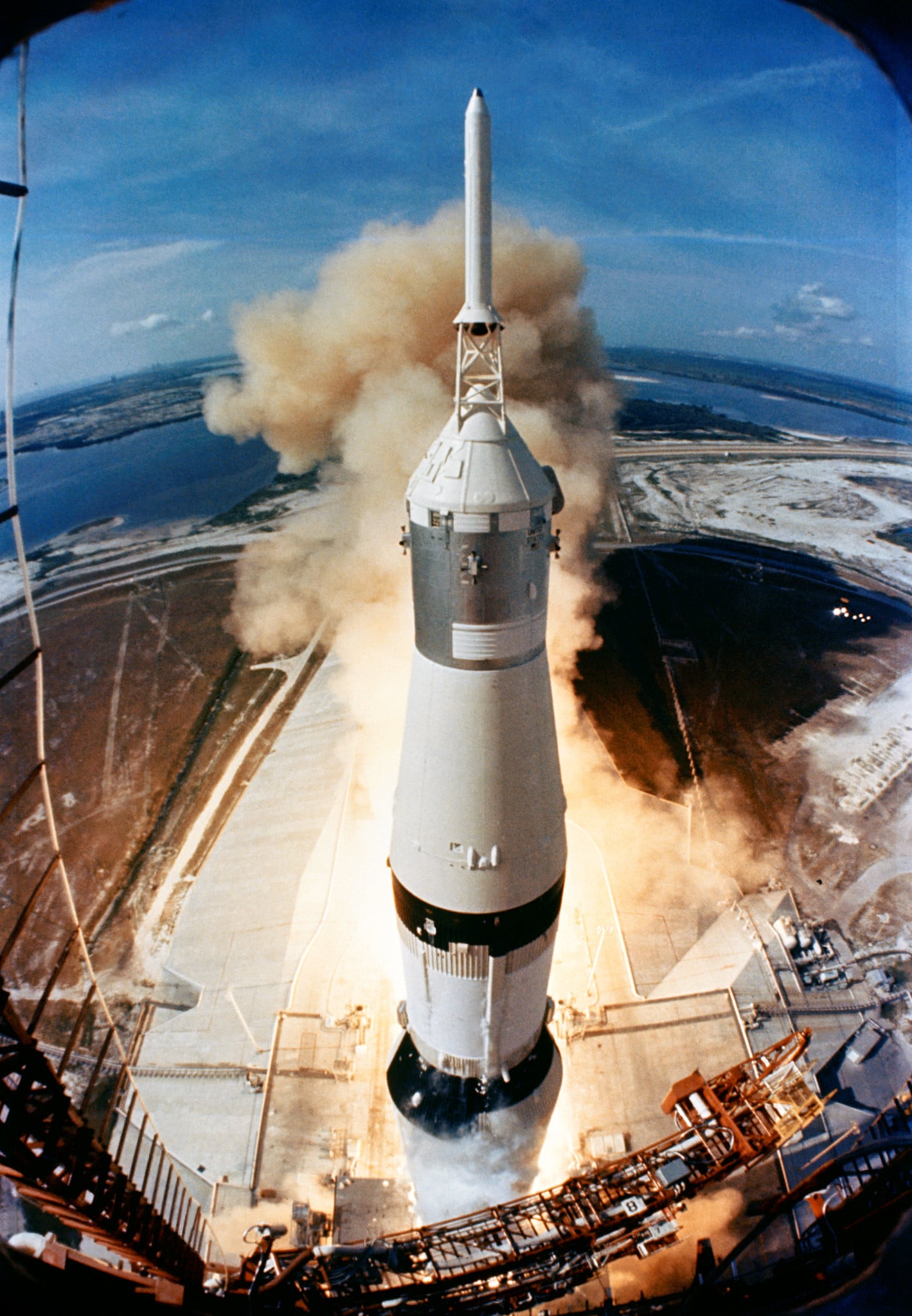
The crackling transmission “The Eagle has landed” on July 20, 1969, arrived on Earth via radio waves traveling across 240,000 miles of space. Neil Armstrong’s first words from the moon came through radio before anything else, and millions listened to the staticky audio describing humanity’s first steps on another world.
The delay between mission control and the astronauts reminded everyone just how far away this achievement was happening. Radio announcers tried to put the impossible into words, but mostly they just let people hear the astronauts’ voices and imagine what those men were seeing.
The broadcast made the entire planet feel connected to two people standing in moon dust.
Nixon’s Resignation
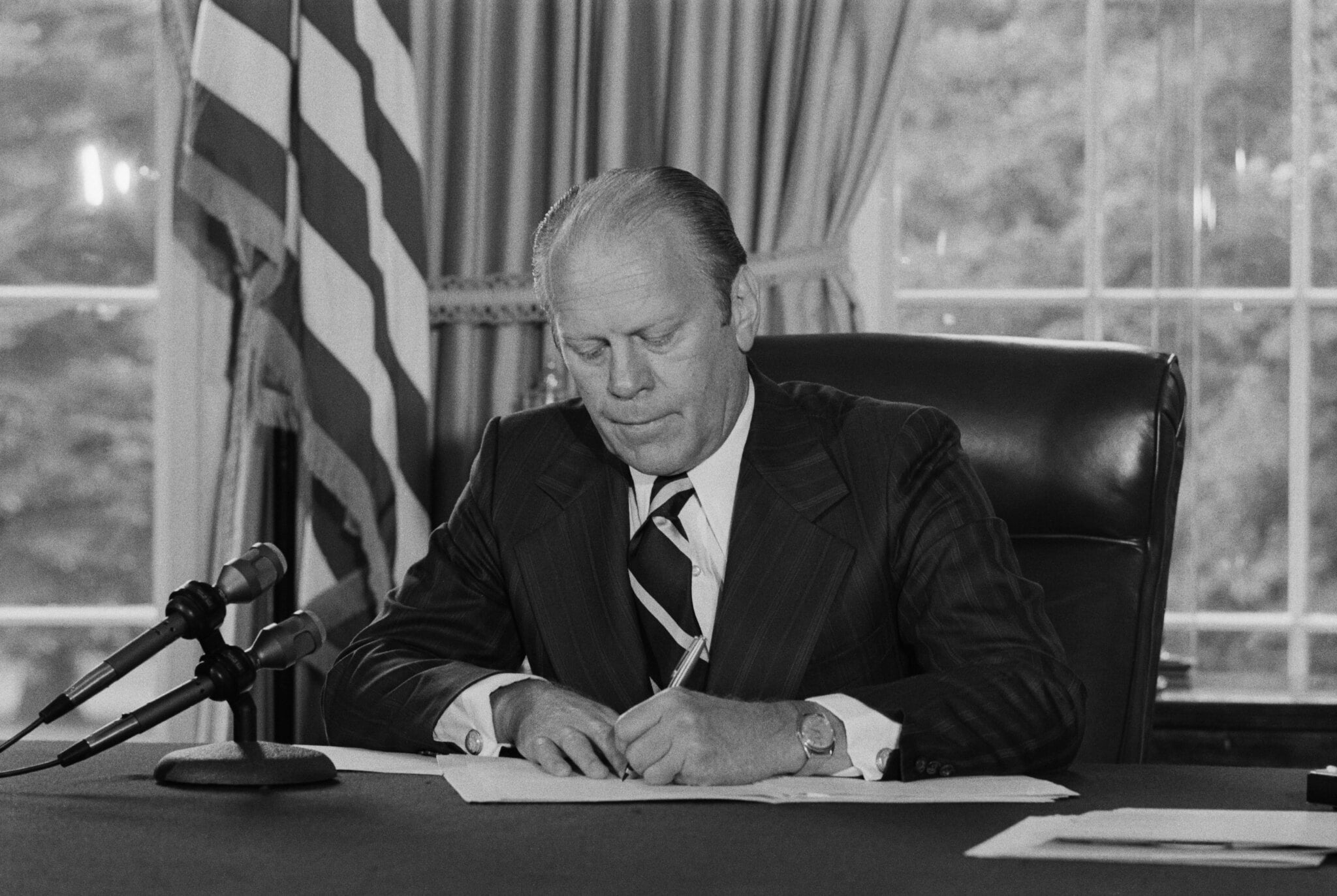
Richard Nixon’s voice on August 8, 1974, carried defeat and defiance as he announced he would resign the presidency. Radio stations across the country carried the address live, and Americans heard a president quit for the first time in history.
Nixon didn’t apologize or admit clear wrongdoing, but his resignation speech acknowledged he’d lost political support after the Watergate scandal. The broadcast marked the end of a constitutional crisis that had consumed the nation for two years.
Radio delivered the conclusion to a drama that had proved no one, not even the president, stood above the law.
The Challenger Explosion
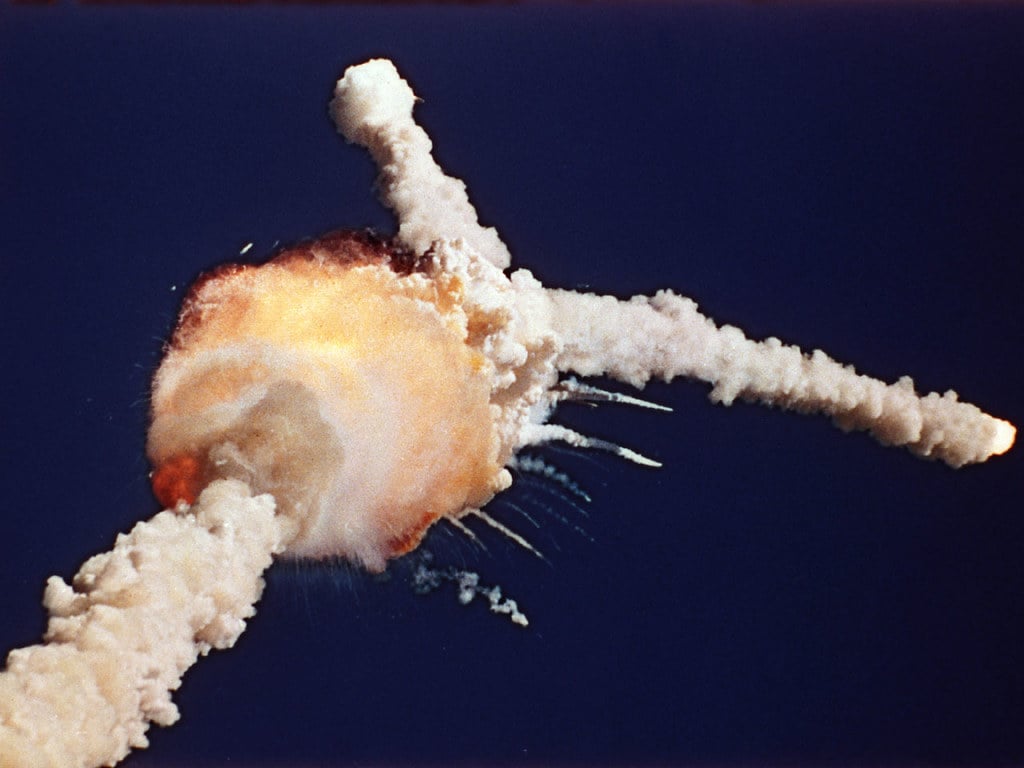
Ronald Reagan’s voice provided comfort on January 28, 1986, after radio and television had broadcast the horrifying explosion of the space shuttle Challenger. While television showed the visual of the shuttle breaking apart, radio carried Reagan’s evening address to a nation in shock.
His speech writer had borrowed from a poem about pilots slipping “the surly bonds of Earth,” and Reagan’s delivery gave people words for their grief. The broadcast acknowledged that seven astronauts, including teacher Christa McAuliffe, had died in front of schoolchildren watching across the country.
Radio helped America mourn together again.
The Fall of the Berlin Wall
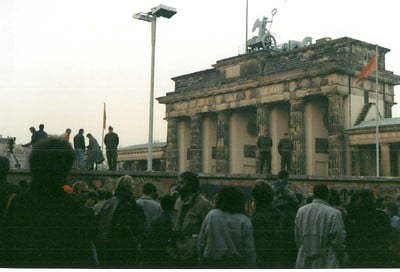
November 9, 1989, brought chaotic, joyful broadcasts as radio reporters in Berlin described crowds tearing down the wall that had divided the city for 28 years. The sounds of hammers hitting concrete, people cheering, and champagne corks popping came through speakers worldwide.
Radio Free Europe and other Western stations had broadcast into communist Eastern Europe for decades, and now reporters described the Soviet empire crumbling in real time. The coverage was messy and emotional because history was happening too fast for polished reporting.
Radio captured the confusion and celebration of the Cold War ending.
September 11 Attacks

Radio became a lifeline on September 11, 2001, especially for people who couldn’t reach televisions or whose power was out. Announcers struggled to make sense of planes hitting the World Trade Center towers, the Pentagon burning, and reports of more hijacked aircraft still in the air.
People stuck in traffic, evacuating buildings, or trying to reach loved ones got their information from radio as the attacks unfolded. Stations stayed commercial-free for days, broadcasting memorial services, survivor stories, and updates on the search for victims.
Radio provided both information and a sense of shared national trauma when the country needed both desperately.
Barack Obama Election Night
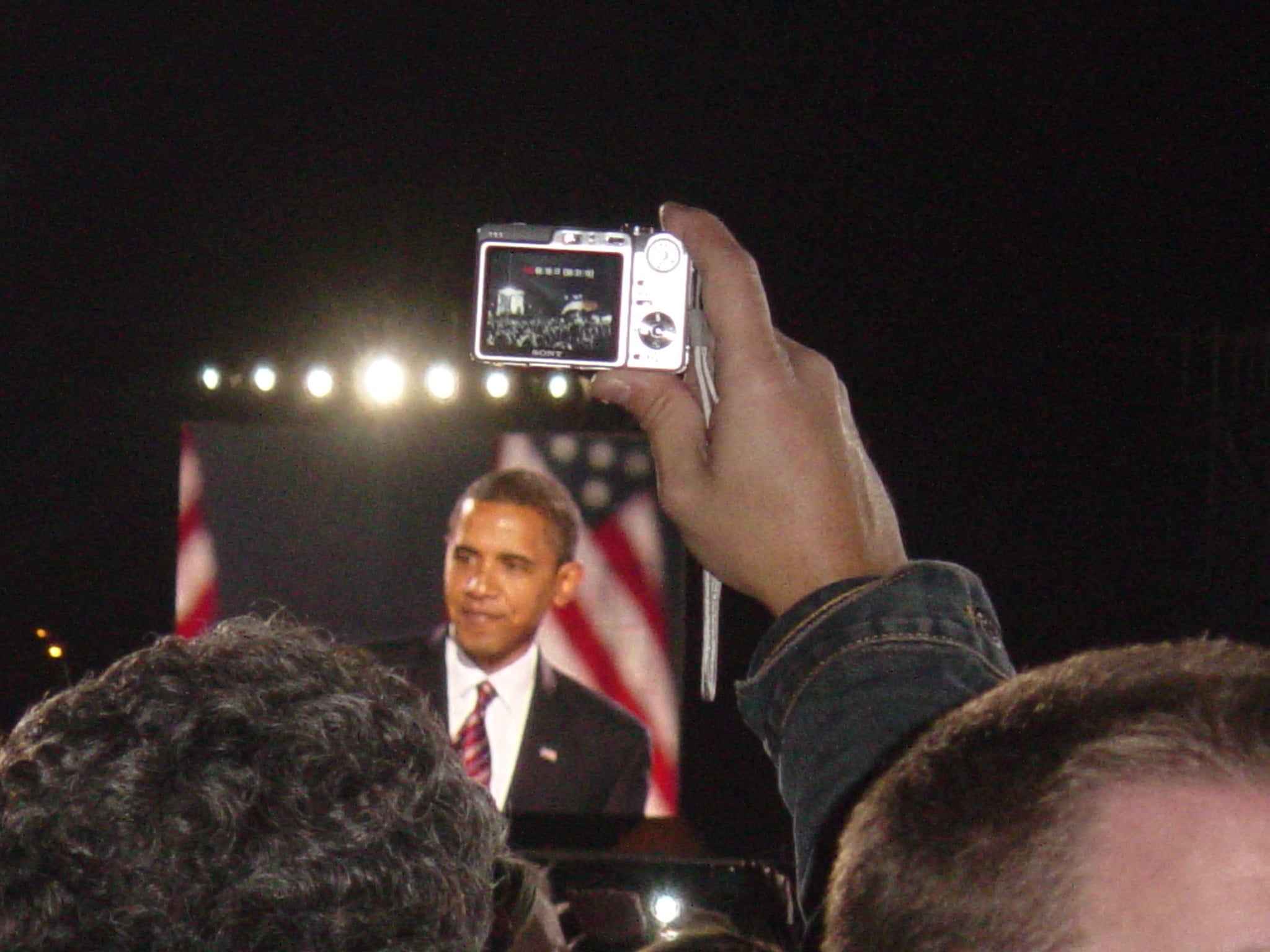
That Tuesday in November, sound waves crackled through radios with news some had doubted would come in their lifetime. When broadcasters announced Barack Obama’s win, voices trembled, not just from static.
Crowds roared in New York, Atlanta, Los Angeles – those noises pulsed through speakers like heartbeats. His words in Grant Park reached living rooms, porches, cars parked under dim streetlights.
A single night held decades of struggle plus a quiet dread of what comes after breaking through. Static gave way to laughter, sniffles, long silences filled only by distant cheers.
Dawn arrived soaked in broadcast echoes no one seemed ready to turn off.
The COVID-19 Pandemic Announcements

When March 2020 arrived, radio waves filled with news nobody expected. Suddenly, everyday routines shifted because speakers delivered details about closed borders and empty streets.
Instead of silence, homes echoed with reports on rising numbers and shuttered shops. While confusion grew outside, listeners held onto steady announcers who spoke clearly through static.
Because answers were scarce, voices on air offered something close to stability. Even though technology moved fast, people reached back to an older way of staying informed.
Throughout the chaos, radios stayed switched on – tuned, waiting, present. Despite everything changing overnight, this old method proved it still belonged.
As uncertainty stretched on, crackling signals carried what mattered most. In moments when nothing felt certain, soundwaves became lifelines by accident.
Echoes Across Time
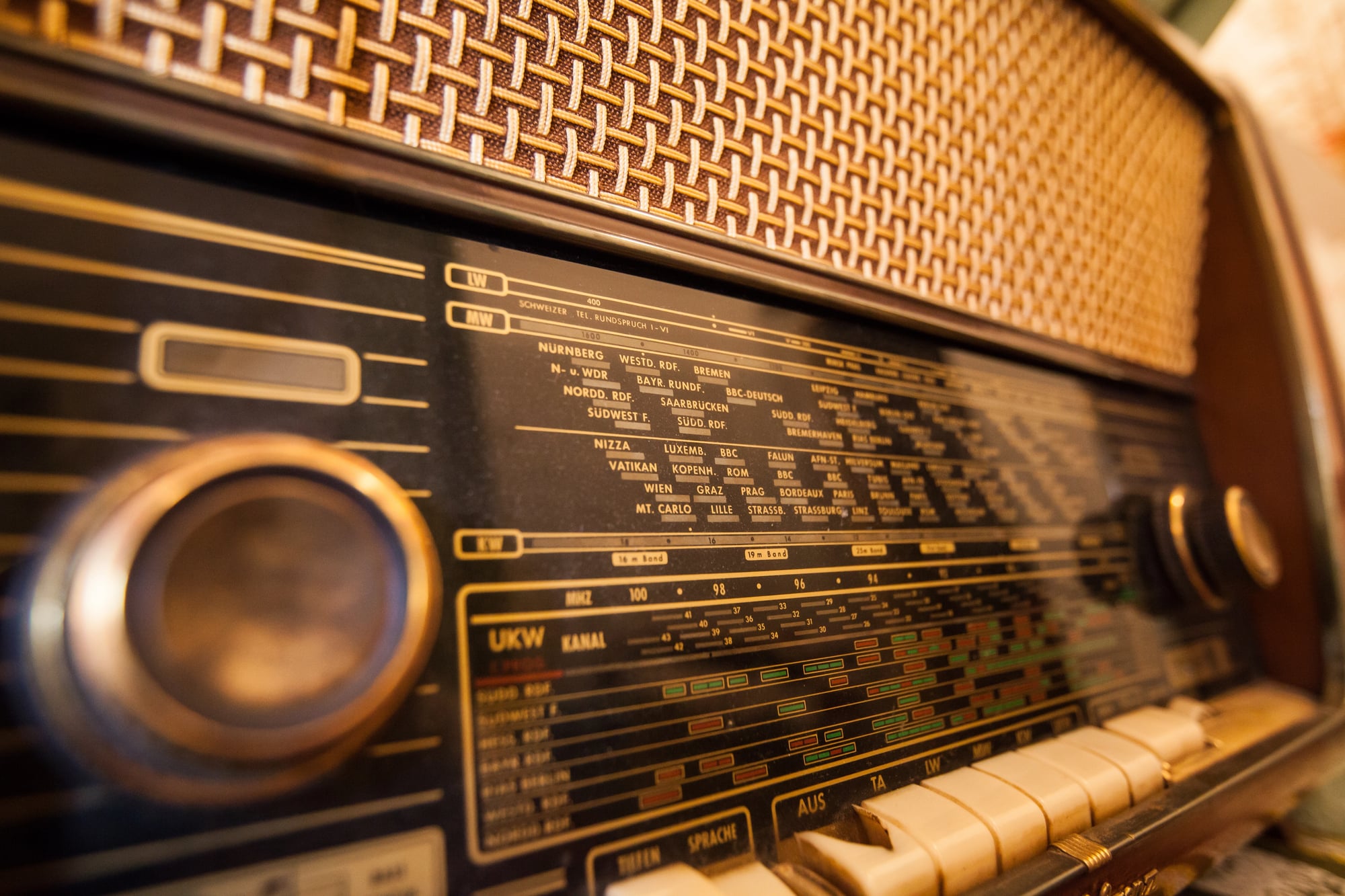
Out there, far beyond quiet homes, voices once pulled distant lives close during big turning points. A crackling speaker could fill corners of a room with the weight of now, folding events into feelings anyone might recognize.
Though wires shifted paths and signals travel different ways today, one thing holds steady beneath the shift in sound delivery. Even with screens glowing everywhere, when news cuts deep, ears lean toward someone speaking plainly, much like before, when airwaves taught crowds how to share an instant.
More from Go2Tutors!

- The Romanov Crown Jewels and Their Tragic Fate
- 13 Historical Mysteries That Science Still Can’t Solve
- Famous Hoaxes That Fooled the World for Years
- 15 Child Stars with Tragic Adult Lives
- 16 Famous Jewelry Pieces in History
Like Go2Tutors’s content? Follow us on MSN.