Quirky Customs from Coastal Fishing Towns
Fishing towns have their own rhythm. The tides dictate schedules, the weather determines moods, and traditions emerge from generations of working the water.
Some customs make perfect sense when you understand their origins. Others seem strange until you realize they’ve kept communities together through centuries of uncertain catches and stormy seas.
Blessing the Fleet Before the Season

Before the fishing season begins, boats line up in harbors for a ceremony that blends religion with practical hope. Priests or ministers walk the docks, sprinkling holy water on each vessel’s bow.
Some towns add flower wreaths that captains toss into the water for lost fishermen. The ceremony draws everyone out.
Families dress up. Children watch from the pier.
Even people who haven’t been to church in months show up for this. It’s less about faith than about acknowledging the danger that comes with the work.
The boats parade out to sea afterward, decorated with flags and streamers. Horns blast.
People wave from shore. For that one morning, fishing feels celebratory instead of dangerous.
Never Whistling on the Dock
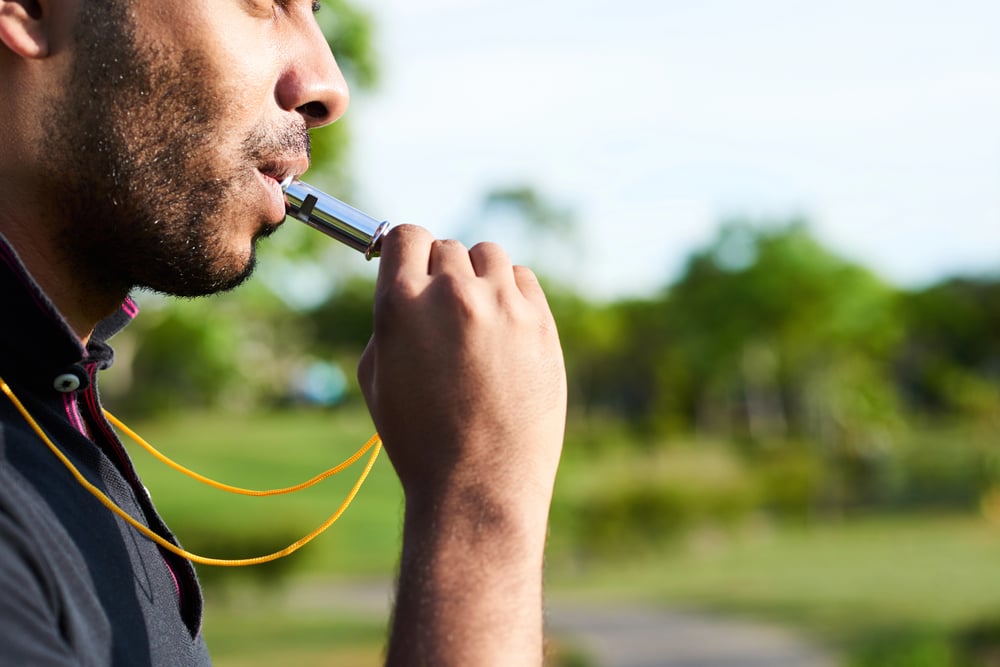
Ask anyone who grew up around fishing boats about whistling, and they’ll tell you the same thing—don’t do it near the water. The superstition says whistling calls up wind, and wind brings storms.
Old-timers take this seriously. You’ll see captains stop mid-conversation to glare at someone who’s absentmindedly whistling while walking down the pier.
Some crews won’t let whistlers on board at all. The rule extends to words too.
Many fishing communities avoid saying “pig” on boats, claiming it brings bad luck. They say “curly tail” instead.
Others won’t mention rabbits or certain types of birds. The list of forbidden words varies by location, but the underlying message stays the same: respect the sea’s power by watching your tongue.
Painting Eyes on the Hull

Mediterranean fishing boats often feature large painted eyes near the bow. The tradition goes back thousands of years.
Ancient sailors believed the eyes helped boats see their way home through fog and darkness. You’ll find variations of this custom across fishing cultures.
Some paint elaborate designs. Others keep it simple with two circles and dots.
The boats look almost alive when they bob in the harbor. Captains repaint the eyes regularly.
Letting them fade shows disrespect to the vessel. Some families pass down specific eye designs through generations, each one slightly different from the neighboring boats.
The First Catch Goes Back

In many fishing communities, tradition demands that the first catch of the season returns to the sea. Captains throw the first fish back, no matter its size or value.
The gesture thanks the ocean for its bounty and asks for a productive season ahead. This happens privately, not as a public ceremony.
The captain makes the call alone or with the crew. No photos.
No announcements. Just a quiet moment of respect before the real work begins.
Some extend this to the first catch of each day. Others only practice it on the season’s opening.
Either way, giving back that one fish matters more than the profit it represents.
Coin Under the Mast

When boats are built or repaired, someone places a coin under the mast step for good luck. The denomination doesn’t matter.
What counts is having that metal there as a sacrifice to fortune. Boat builders treat this as seriously as any structural requirement.
They won’t launch a vessel without it. The coin stays hidden, known only to those who placed it there and those told the secret later.
Modern fiberglass boats follow the tradition too. The coin goes under the mast mounting plate.
Old wooden vessels from decades ago still have their original coins lodged in place, slowly corroding but never removed.
The Widow’s Walk Ritual

Coastal homes built in previous centuries often feature flat rooftop platforms called widow’s walks. Wives would climb up to watch for returning vessels, scanning the horizon for familiar sails.
The tradition continues in spirit if not practice. Many fishing towns maintain specific viewpoints where families gather when boats run late.
These spots become community meeting places where people wait together, sharing food and stories to ease the anxiety. When boats finally appear, someone rings a bell or sounds a horn.
Relief spreads through the waiting crowd. The ritual of watching and waiting binds communities together, acknowledging shared fear and shared joy.
Burying Boots Above the Tide Line

When a fisherman dies at sea and the body isn’t recovered, communities hold memorial services at the beach. They bury the person’s boots above the high tide line, marking the spot with driftwood or stones.
The boots must be work boots, worn and salt-stained. New ones won’t do.
Some families add personal items—a favorite hat, a pipe, a hand-carved lure. These makeshift graves dot certain beaches, each one a story of someone claimed by the water.
People maintain these sites for years. They clear away debris after storms.
They replace weathered markers. The ocean may have taken the body, but the community keeps the memory anchored on land.
No Bananas on Board

This superstition puzzles outsiders, but fishing crews take it seriously. Bringing bananas on a boat invites disaster—or so the tradition claims.
Reasonable explanations exist for its origin, but none matter as much as the rule itself: no bananas. Captains inspect provisions before leaving port.
They’ll send back entire grocery orders if bananas appear. Some extend the ban to banana-flavored anything, from candy to sunscreen.
The rule has created awkward moments when well-meaning family members pack lunches for crews. Opening a cooler to find banana bread can cause genuine anger.
Better to leave it on the dock than risk the trip.
Lighting Candles for Safe Return

Churches in fishing towns keep candles burning during fishing season. Families light them before boats leave and keep them going until everyone returns.
Some churches have entire walls dedicated to candles, each flame representing a boat at sea. The practice isn’t strictly religious anymore.
People who never attend services still light candles. The flame becomes a physical representation of hope and worry, something tangible to focus on while waiting.
When all boats return safely, families come back to extinguish their candles. The ritual of lighting and putting out provides structure to the uncertainty.
It gives people something to do besides wait and worry.
Feeding the Gulls at First Light

Before heading out, some fishermen toss bread or scraps to seagulls gathering on the pier. They read the birds’ behavior for weather signs.
Gulls flying inland mean storms coming. Gulls staying near shore suggest calm seas.
This daily feeding has become routine even when crews don’t consciously think about weather prediction anymore. The birds expect it.
They gather at the same spots each morning, waiting for their due. The relationship between fishermen and gulls runs deeper than simple feeding.
Boats follow gull flocks to find schools of fish. The birds essentially work as unpaid scouts, leading crews to productive waters.
The Last Boat Buys the First Round
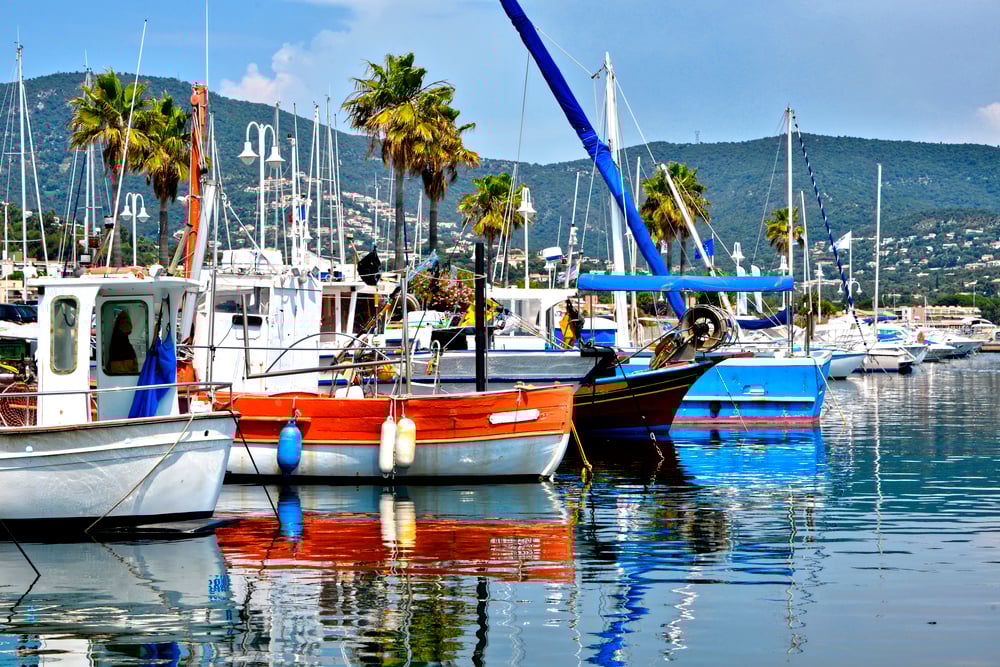
When the fishing fleet returns to port, tradition demands the last boat to arrive buys drinks for everyone at the local tavern. This turns potential embarrassment into community bonding.
Nobody wants to be last, but knowing there’s a social obligation waiting softens the blow. The practice encourages stragglers to actually make it to the bar instead of slinking home.
It guarantees that even crews who had terrible days get to share their misery with sympathetic listeners who understand exactly what went wrong. Tavern owners know to expect a crowd on fleet return nights.
They stock extra beer and stay open late. These gatherings serve as informal debriefings where crews share information about conditions, catches, and close calls.
Leaving Offerings at the Lighthouse

Old lighthouses, even decommissioned ones, often collect small offerings left by fishermen. Flowers, coins, carved miniatures, photographs—these items pile up at the base of towers.
Each represents a prayer or thanks for safe passage. Nobody organizes this.
No signs explain the practice. People just do it, following an unspoken understanding that lighthouses deserve respect and gratitude.
The structures have guided countless boats home through dangerous conditions. Keepers of operational lighthouses sometimes collect and preserve these offerings.
Others leave them to weather naturally. Either way, the practice continues, linking modern crews to generations of sailors who relied on the same beacons.
Sharing the Catch with Elders

When boats return with good hauls, crews often set aside fish for elderly community members, particularly widows of fishermen. This happens quietly, without fanfare.
Someone delivers the fish to doorsteps, usually in the early evening. The practice acknowledges that fishing communities take care of their own.
People who spent their lives connected to the industry deserve to benefit from it, even after their working days end. Plus, many of these elders remember when others did the same for them.
Recipients prepare the fish using old recipes and techniques passed down through families. The smell of frying fish spreads through neighborhoods on successful fishing days.
Creating an informal signal that the boats did well.
Racing Back to Port

Competitive spirit runs through fishing crews. When boats head home, unspoken races begin.
Captains push engines hard, each trying to be first to the dock. No prizes exist for winning, just bragging rights and the satisfaction of beating your neighbors.
This competitive energy makes the work more bearable. Hard days at sea end with adrenaline-pumping sprints to harbor.
Crews crowd the railings, shouting encouragement to their captains and jeering at nearby boats. The races create tension too.
Close calls happen when multiple boats converge on narrow harbor entrances. But the tradition persists because it transforms the end of the workday into something exciting rather than just exhausting.
The Changing Watch of the Tide
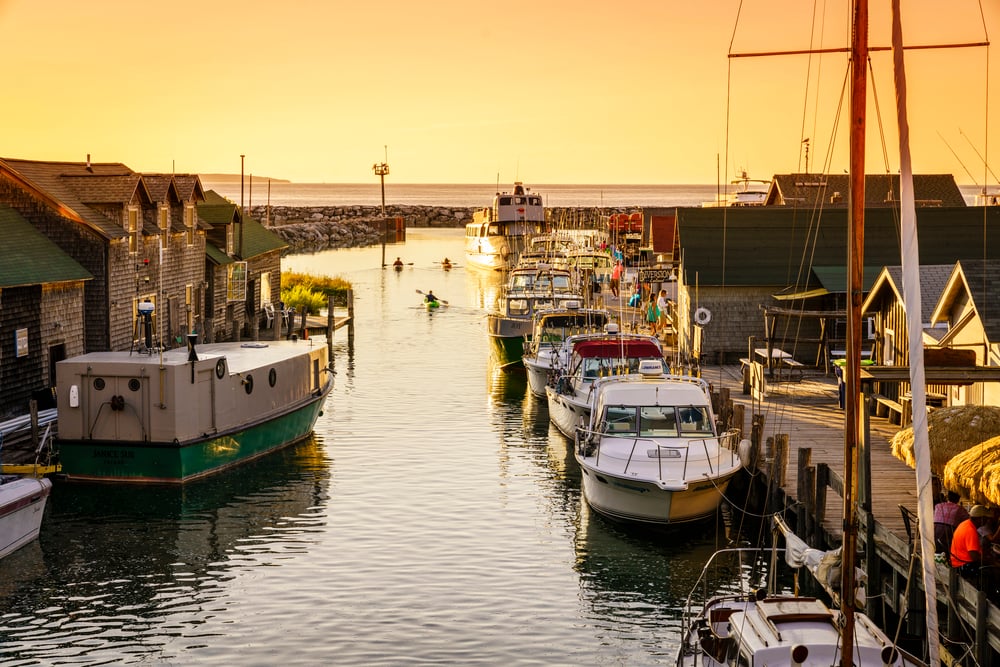
Tide charts shape daily rhythms far more than minutes on a face. Breakfast might wait until after net hauling ends.
Gatherings often begin once waves retreat enough to free up the docks. When winter fog rolls in early, kids walk to class later so adults can finish before dark water returns.
A loose idea of time throws visitors off here. Plans are set by phrases like “two hours after high tide” or “just before the evening ebb.”
Locals understand those moments naturally, no calendar needed. Tide decides the pace.
When boats arrive past sunset, shops by the docks keep lights on. Crews spend fast after cashing in their haul – menus change right then.
The moon pulls water, and money follows its pull.
Where Water Meets Memory
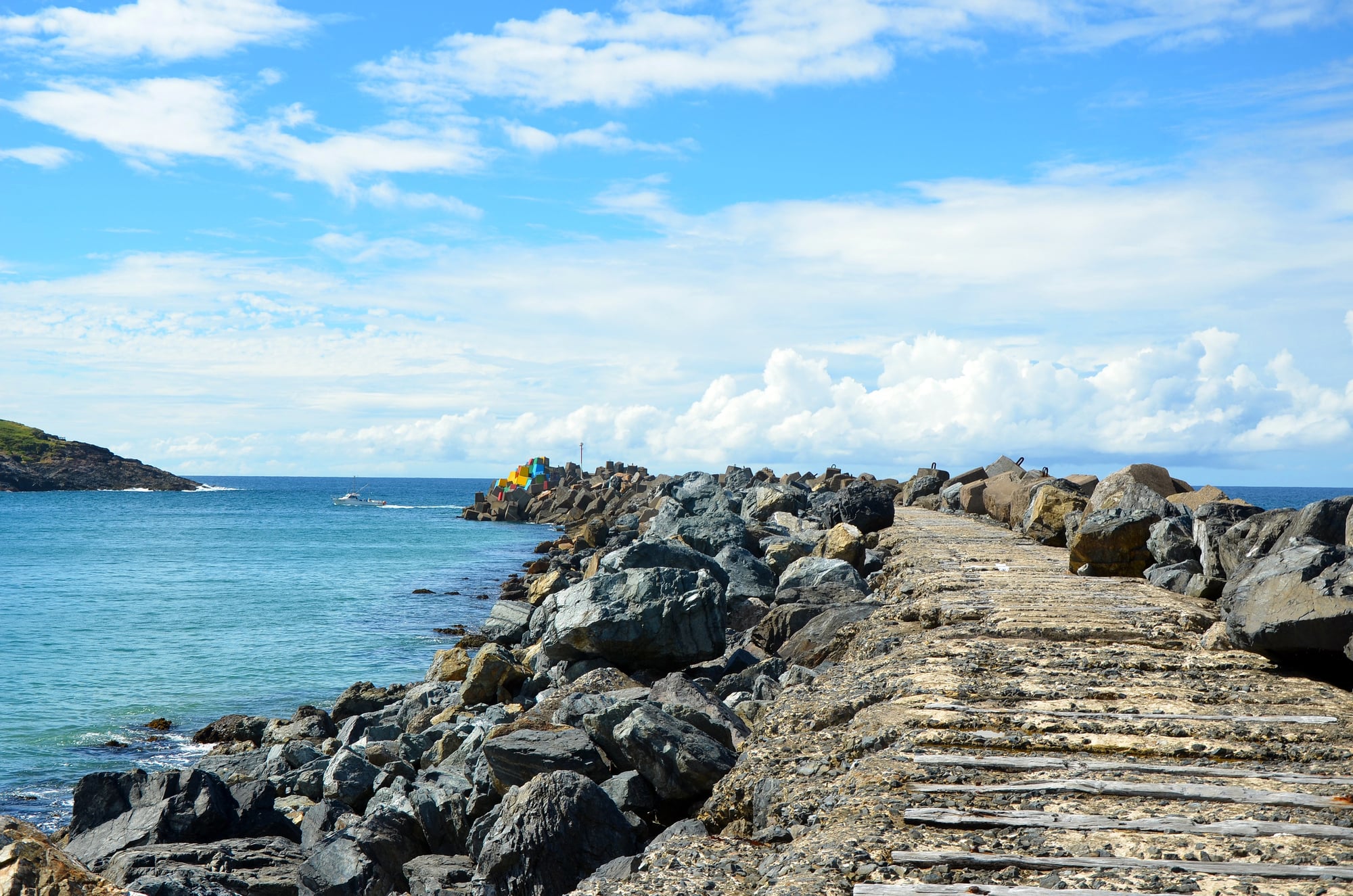
What seems odd at first becomes clear when living close to the sea. Out there, life depends on water that can turn harsh without warning.
Rituals emerge not out of habit, but necessity. They name the fear, yet lift those who face it daily.
Order grows where chaos could easily rule. Out there on the water, things start feeling familiar.
Long before today, someone stood just so, saying words handed down like tools meant to last. It is not about getting it right, more about showing up with intention.
What gets said might shift with the years, yet pausing at the threshold never goes out of style. That quiet act – weaving old moments into new ones – tugs folks back to a line older than memory.
It might be how those odd customs actually work – turning private fears into something shared. What if rituals help coastal folks meet the ocean’s force as a group, not just on their own?
Still, beneath technology like satellite signals and tracking gear, one truth stays: saltwater asks for caution, time, sometimes even a quiet wish dressed up in old routine.
More from Go2Tutors!

- The Romanov Crown Jewels and Their Tragic Fate
- 13 Historical Mysteries That Science Still Can’t Solve
- Famous Hoaxes That Fooled the World for Years
- 15 Child Stars with Tragic Adult Lives
- 16 Famous Jewelry Pieces in History
Like Go2Tutors’s content? Follow us on MSN.