26 Ancient Cultures That Tried to Explain Eclipses With Wild Theories
Before telescopes and calculus, humans watched the sun vanish in daytime and invented stories to make sense of the terror. These explanations ranged from cosmic predators to angry deities to elaborate astronomical dramas happening in the sky.
The cultures below demonstrate how universally people across the globe grappled with the same inexplicable phenomenon—and how similar patterns emerged in their imaginations, even without contact across oceans.
Ancient China
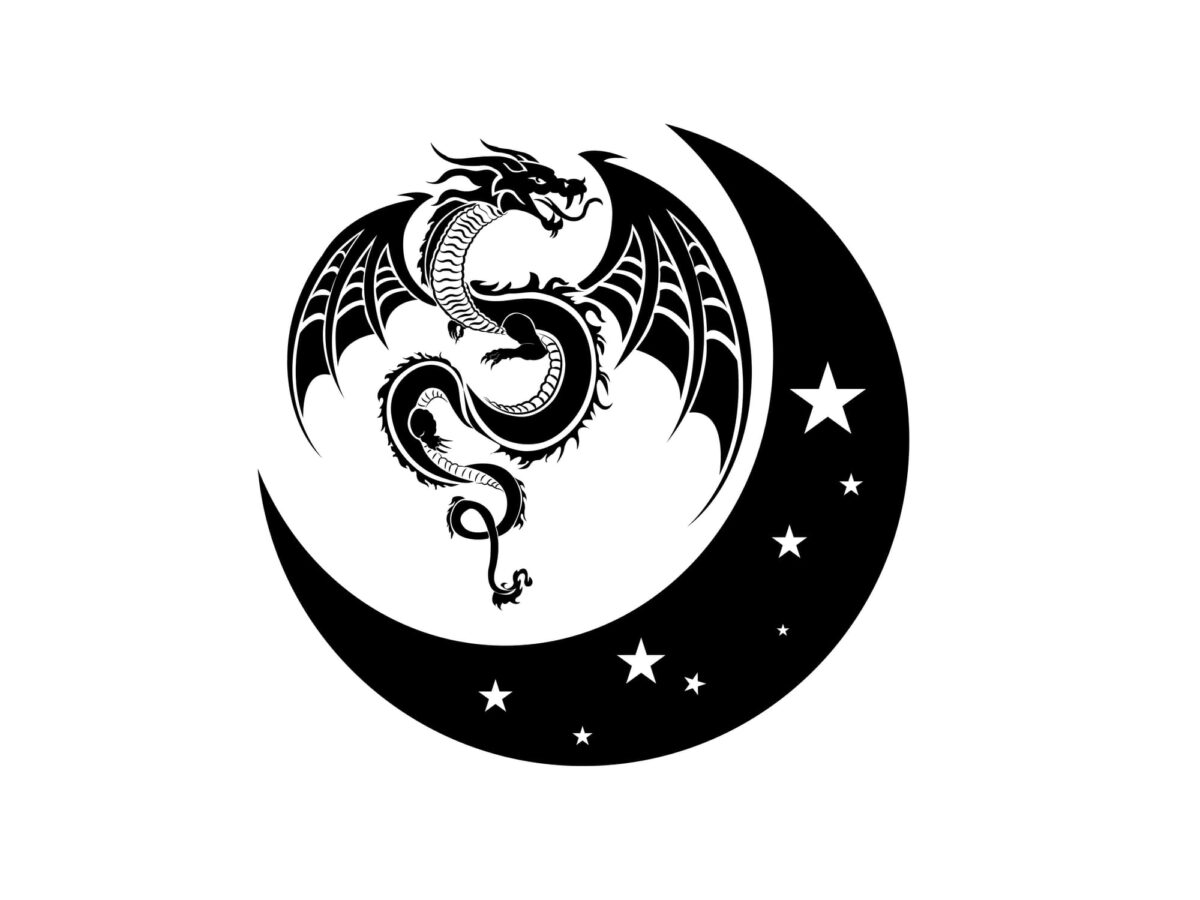
The Chinese believed a celestial dragon devoured the sun during an eclipse. The word for eclipse in Chinese (chih or shih) literally means “to eat,” embedded in the language itself.
Emperors ordered their subjects to bang drums, pots, and pans with maximum force to frighten the dragon and force it to regurgitate the sun. The tradition persisted for centuries, and failure to predict an eclipse was considered so serious that emperors would execute court astronomers believed responsible.
Ancient Egypt

The Egyptians saw the sun god Ra being temporarily swallowed by Apophis, a chaos serpent representing evil and darkness. The god Thoth (god of wisdom, often depicted as the moon) would intervene during each eclipse to restore Ra’s escape and light’s return.
Remarkably, eclipses were treated as ill-omened in temple records, with some scholars suggesting this is why so few eclipse accounts survive from ancient Egypt—priests simply avoided recording them.
Ancient Greece

Greek philosophers reasoned that eclipses occurred when the gods were angry at humans and the sun was abandoning Earth, bringing catastrophe and misery. The very word “eclipse” derives from the Greek ekleipsis, meaning “abandonment.”
Unlike many cultures, Greeks attempted to move beyond pure mythology toward scientific explanation, with Anaxagoras theorizing that the Moon shines by reflecting sunlight and could block the Sun’s light—an idea so revolutionary that he was exiled for it.
Ancient Rome

Roman observers associated eclipses with omens signaling war, plague, or the death of emperors. Unlike the Greeks’ preference for rational argument, Romans embraced eclipse superstitions as political tools.
Emperors would use eclipse predictions to manipulate public sentiment and justify military campaigns. Omens derived from eclipses became central to imperial decision-making and advised troop movements.
Ancient Mesopotamia (Babylonia)

The Babylonians viewed eclipses as omens connected to the god Nanna (moon god) and harbingers of catastrophe. They recorded eclipses on clay tablets and developed the Saros cycle—an 18-year pattern in eclipse recurrence—one of humanity’s first mathematical forecasting tools.
Despite this sophisticated astronomy, they remained convinced eclipses predicted war, famine, rebellion, or the death of kings. Kings would sometimes hire a “substitute king” ritual to deflect the eclipse’s predicted harm onto a temporary proxy.
Ancient Persia

Persians attributed eclipses to pranks played by peris—magical fairy-like creatures inhabiting their cosmology. Unlike doom-focused interpretations elsewhere, Persian eclipse theory incorporated mischievous, capricious forces rather than purely evil ones.
This reflected a different cultural worldview where supernatural intervention was playful rather than strictly punitive.
Ancient India (Vedic and Hindu)
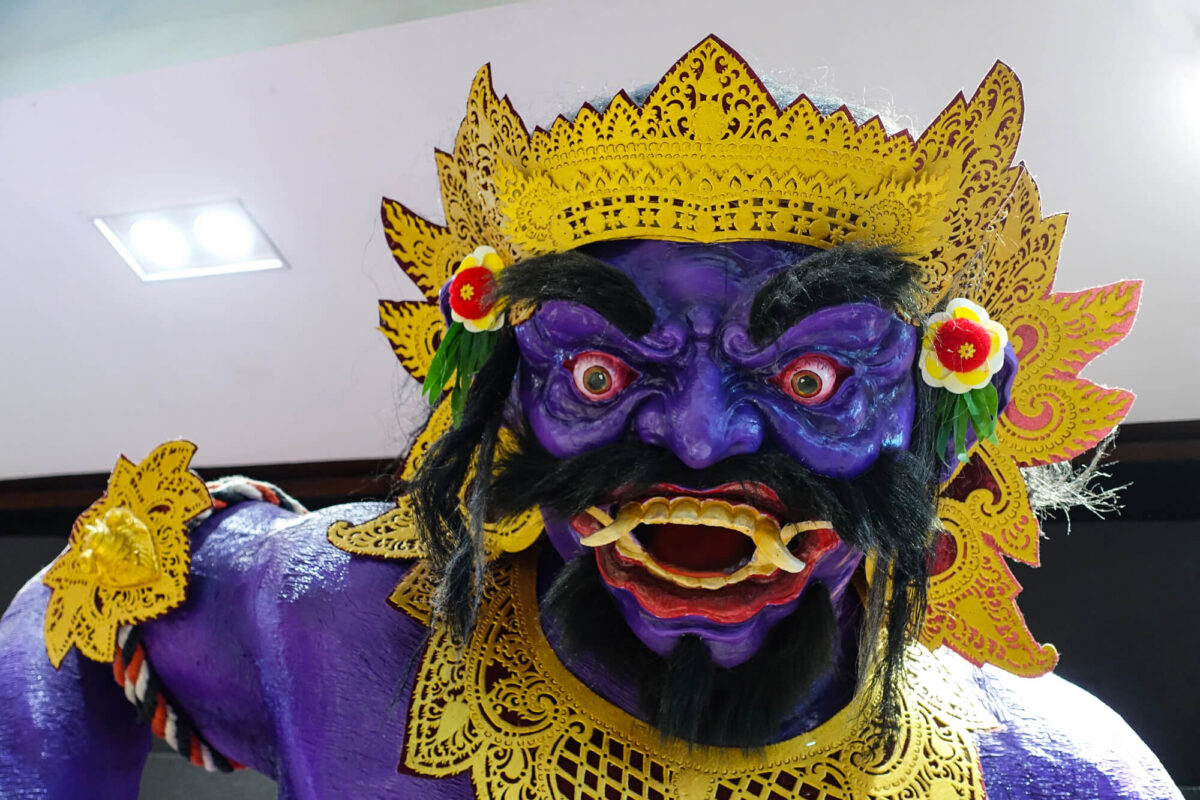
Hindu mythology explained eclipses through the rakshasa demon Rahu, who had beheaded himself trying to drink amrita (the elixir of immortality). Vishnu intervened and beheaded Rahu before the elixir reached his throat, yet the immortal head continued to chase the sun and moon for revenge, occasionally catching and swallowing them briefly before they escaped through his throat-less form.
Hindus performed rituals and immersed themselves in sacred rivers like the Ganges to encourage the sun to resist Rahu and escape captivity.
Ancient Korea

Korean folklore held that fire dogs—mythical canines—attempted to steal the sun on orders of the king. Each bite the dog took from the sun during eclipse attempts resulted in the eclipse phenomenon.
Unlike predation theories elsewhere, the Korean version incorporated a hierarchical command structure, with supernatural creatures serving royal orders. This reflected the culture’s organization around imperial authority.
Ancient Japan
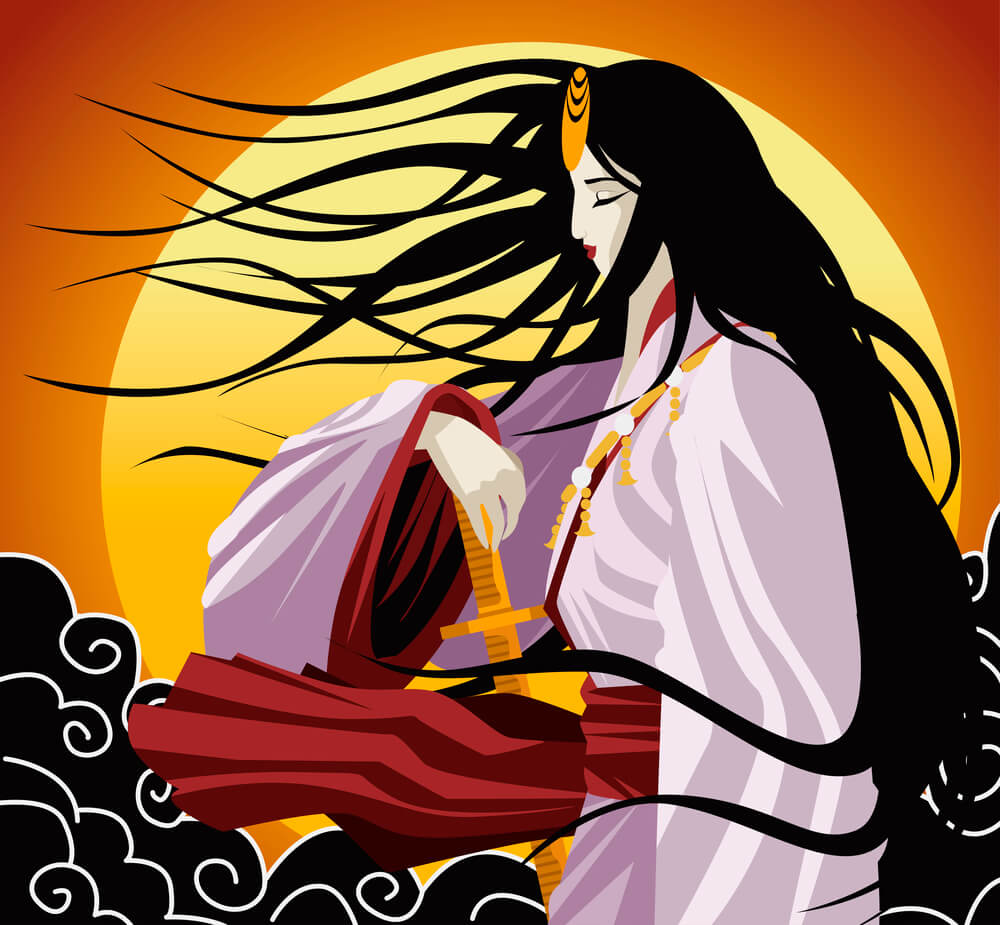
Japanese mythology attributed eclipses to the sun goddess Amaterasu temporarily hiding or being consumed by supernatural forces. The eclipse was seen as a disruption of natural order that required ritual intervention to restore harmony.
Japanese astronomers nonetheless made careful observations, attempting to predict eclipse timing despite the mythological framework surrounding their interpretation.
Ancient Mesopotamia (Assyria)
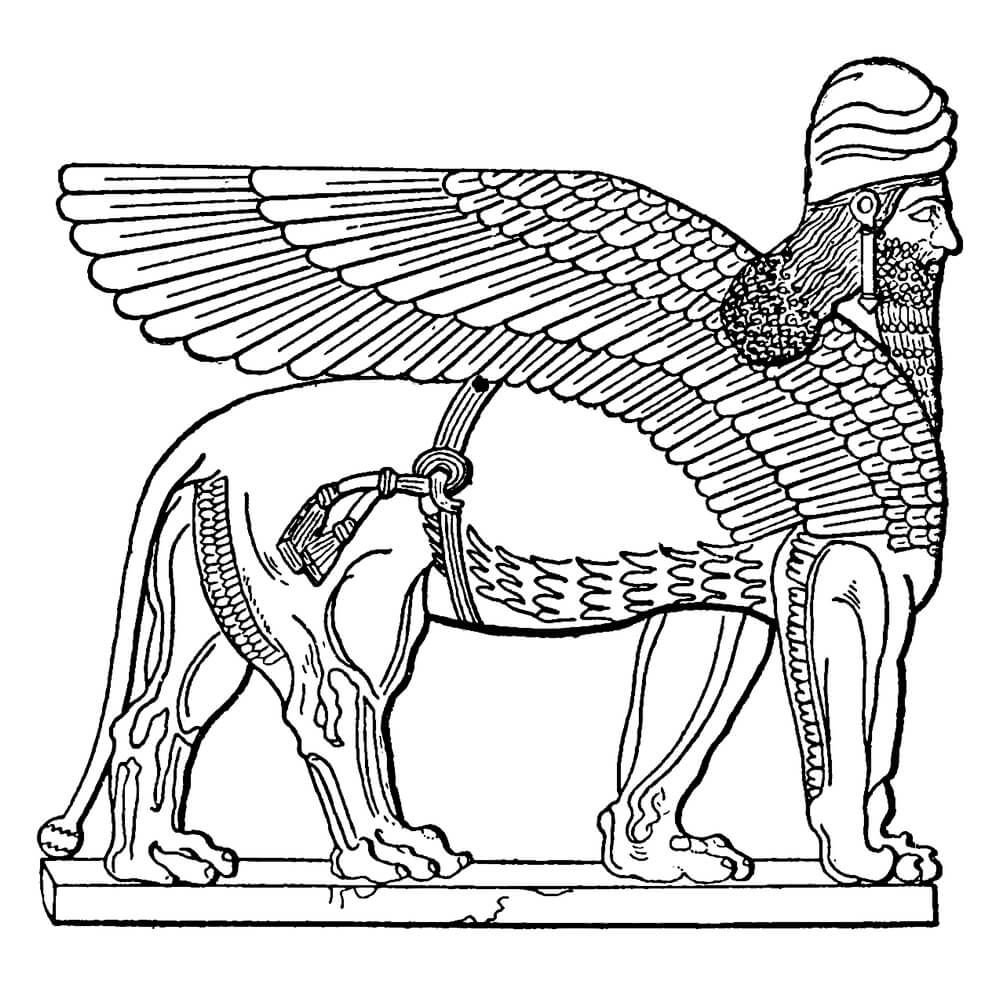
Assyrian priests recorded solar eclipses on clay tablets as omens connected to the god Nergal, associated with war and pestilence. Assyrian kings maintained entire bureaus of sky-watchers whose job was predicting eclipses and interpreting their divine messages.
The failure to predict an eclipse was grounds for execution, making Assyrian eclipse astronomy one of the highest-stakes professions in the ancient world.
Nordic/Norse Culture

Norse mythology held that Loki created two giant wolves (sometimes a single wolf named Fenrir or Sköll) whose role was to pursue and swallow the sun and moon. During an eclipse, the wolf was believed to have momentarily caught its prey.
After the eclipse ended, the wolf continued its eternal chase. This cosmic predation was central to Norse cosmology and tied to their vision of an eventual apocalypse when the wolves would finally triumph.
Aztec Culture

The Aztecs feared that eclipses marked moments when the sun god could die permanently, causing eternal darkness. To prevent this catastrophe, they practiced human sacrifice during eclipses, believing the gods required blood to restore the sun’s life force.
Eclipse observations were meticulously recorded in codices with glyphs showing the truncated sun. The Aztecs possessed remarkable astronomical knowledge but channeled it into a ritual framework that treated eclipses as existential threats requiring violent appeasement.
Maya Culture

The Maya possessed the most sophisticated eclipse prediction system of any pre-Columbian culture, calculating eclipse dates with roughly 98 percent accuracy using their Long Count calendar and mathematical models. However, they still interpreted eclipses as conflicts between sky gods, viewing eclipse passages as battles in the heavens.
Their astronomical precision did not eliminate mythological interpretation but rather informed it.
Andean/Inca Culture
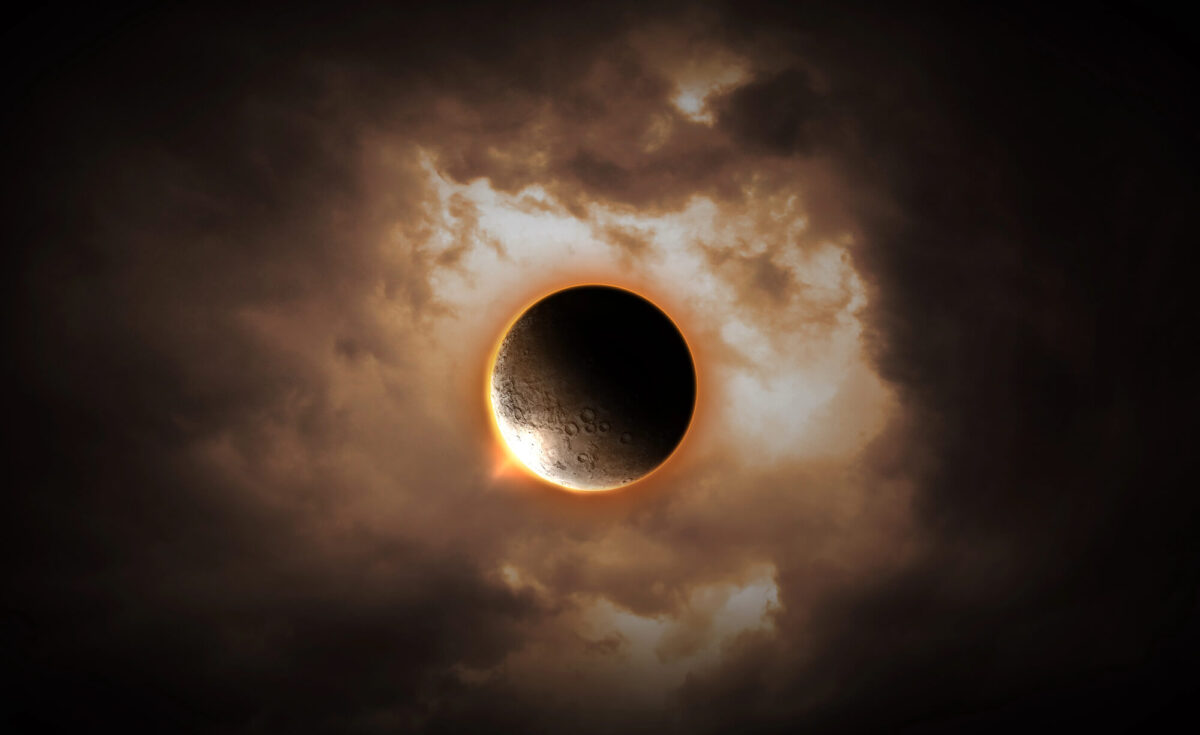
The Inca believed the sun god Inti was expressing wrath and displeasure during an eclipse. The Inca emperor would fast, withdraw from public duties, and consult priests to determine what offenses had provoked divine anger.
Appropriate sacrifices—rarely including humans—would be offered to restore Inti’s favor. Unlike Aztec practices, Inca eclipse response emphasized spiritual purification rather than human blood.
Choctaw Nation (Native American)
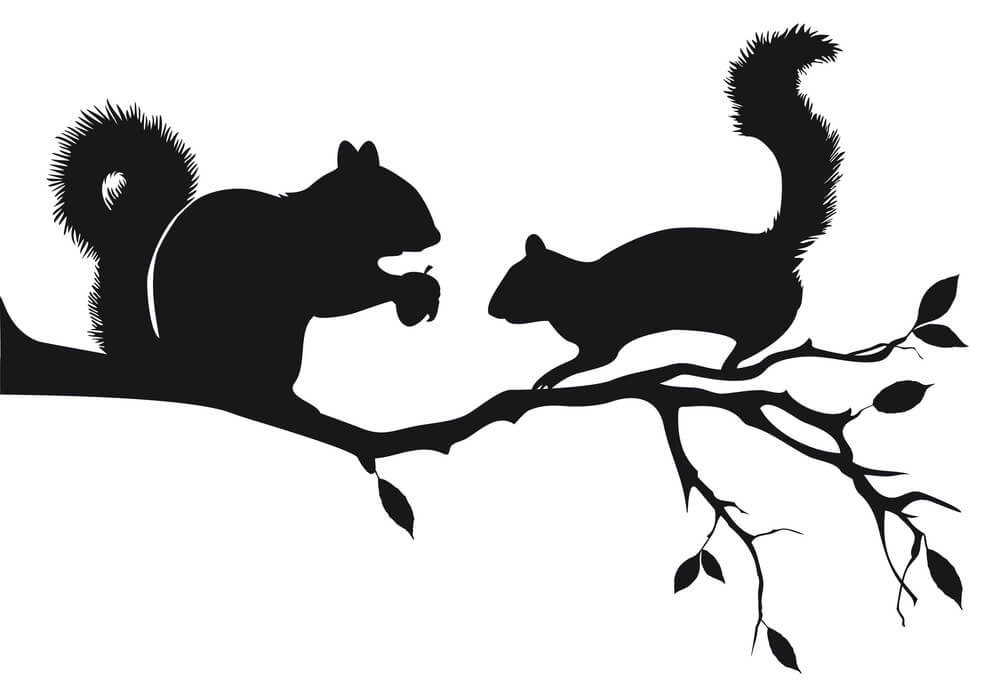
Choctaw legend held that a mischievous black squirrel gnawed at the sun during eclipses. To frighten it away, the Choctaw made loud clamor, beat drums, and shouted during the eclipse.
The cultural response mirrored Chinese and Norse practices despite independent development, suggesting that making noise intuitively seemed like the logical response to an attacking celestial creature. The Choctaw squirrel predator motif was peculiar to their region.
Ojibwa and Cree Peoples (Native American)

Ojibwa and Cree tradition explained eclipses as revenge perpetrated by a boy (or dwarf) named Tcikabis, whom the sun had burned severely. Tcikabis caught the sun in a rope snare in retribution.
When animals came to the sun’s rescue, it was the smallest—the mouse—who gnawed through the rope and freed it. This narrative centered on justice and the unexpected power of small creatures rather than pure predation, offering a different moral framework for eclipse causation.
Pomo People (Native American)
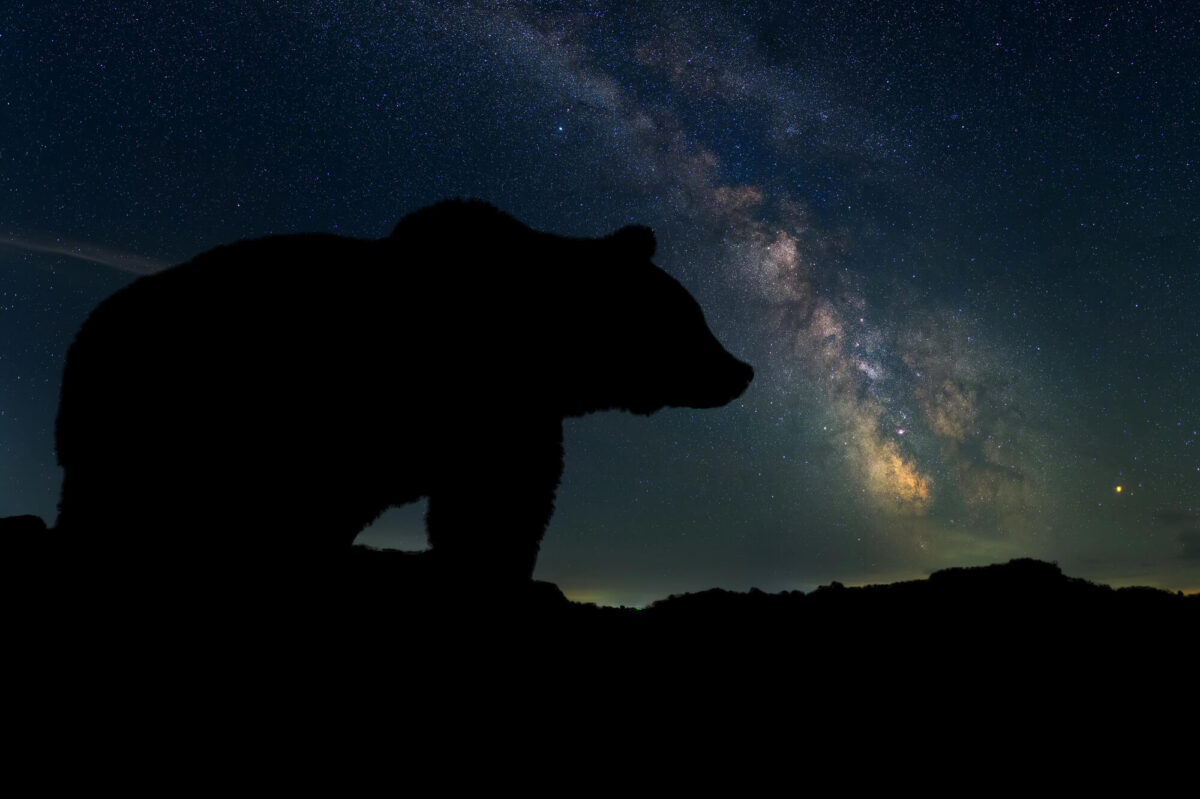
The Pomo of Northern California envisioned a bear traversing the Milky Way and quarreling with the sun over right-of-way. When the bear refused to yield, it bit the sun, causing an eclipse.
The Pomo name for eclipse translates to “Sun got bit by a bear.” This story embedded eclipse causation into a territorial dispute rather than pure consumption, reflecting a worldview where celestial objects competed for space and respect.
Navajo People (Native American)

Uniquely among many indigenous cultures, the Navajo approach to eclipses emphasized respect and quiet introspection rather than active intervention. During an eclipse, Navajo people would remain indoors and contemplate the cyclical relationship between Earth, Moon, and Sun.
This spiritual perspective treated eclipses as sacred events requiring mindfulness rather than loud action, revealing an alternative cultural model for eclipse response.
Polynesian/Tahitian Culture

Tahitian and Polynesian cultures viewed eclipses as cosmically significant events requiring spiritual awareness and proper observance. The oceanic perspective treated eclipses as messages from gods governing the sea and sky, with implications for navigation, weather, and the natural order.
Specific ritual responses varied by island culture but generally emphasized spiritual readiness.
Vietnamese Culture

Vietnamese legend held that a giant frog swallowed the sun during eclipses. The frog’s master, the lord of Hahn, would convince the frog to spit out the sun.
Vietnamese responses to eclipses often involved calling upon celestial forces to compel the frog’s release. The frog mythology was unique to Vietnamese culture and demonstrates how different predatory animals became culturally specific metaphors for the same phenomenon.
Javanese Culture

Javanese mythology identified Batara Kala, the god of darkness, as the entity swallowing the sun. To compel Batara Kala to release the sun, Javanese villagers made sacrifices and beat drums to produce maximum noise.
This interpretation embedded eclipse causation in a pantheon of distinct gods with specific roles and personality traits, allowing for negotiation with identified celestial forces.
Aboriginal Australian Culture
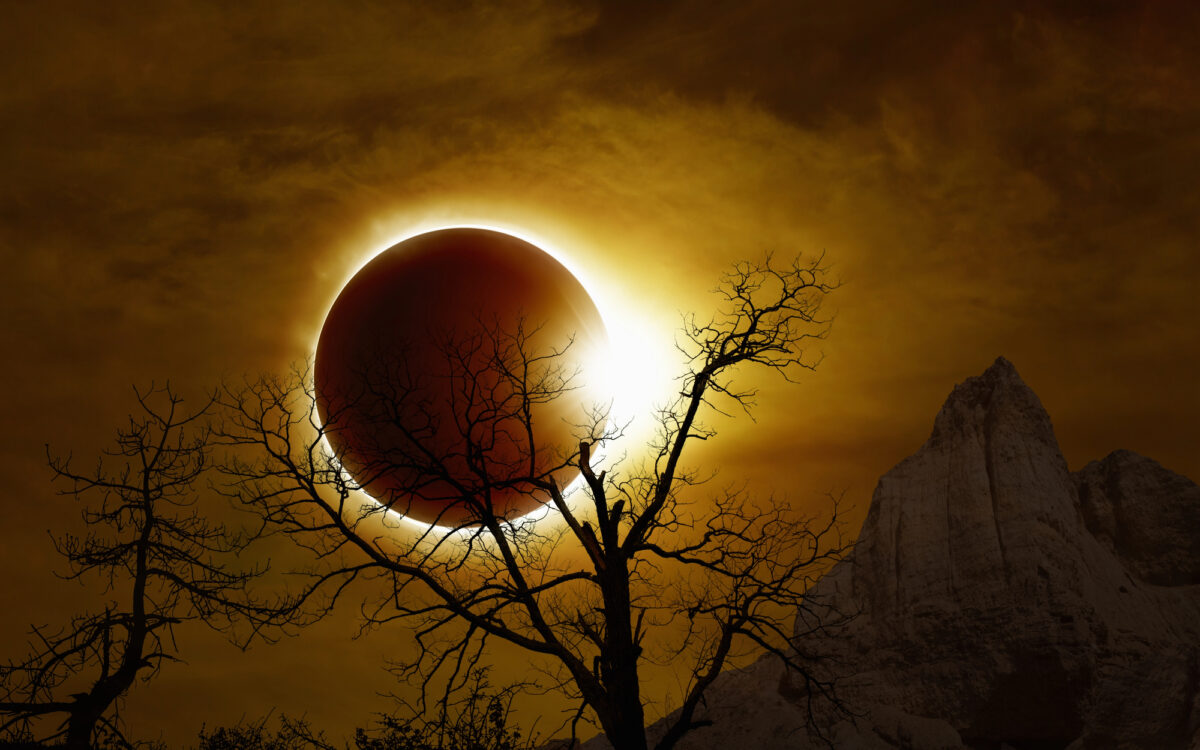
Some Aboriginal groups recognized that eclipses resulted from the Sun and Moon coming together or one pursuing the other. In Arnhem Land mythology, a solar eclipse occurred when the Sun-woman was hidden by the Moon-man during their intimacy.
A lunar eclipse happened when the Moon-man was caught by the Sun-woman. This astronomically sophisticated interpretation—understanding that eclipses are conjunctions of celestial bodies—represented remarkable intellectual achievement from cultures with sophisticated astronomical knowledge transmitted orally across millennia.
Baltic Cultures (Saule Worship)

Baltic peoples worshipped the sun goddess Saule and interpreted eclipses as moments when her power was challenged or temporarily diminished. The cultural framework treated eclipses as threats to the divine feminine principle sustaining the cosmos.
Specific ritual responses varied across Baltic tribes but emphasized appeasing the sun goddess and ensuring her swift restoration.
Ancient Hebrew Culture
Hebrew texts referenced eclipses as signs of divine displeasure and omens of calamity similar to Greek interpretations. Eclipses were read as messages from God regarding human sinfulness or coming disasters.
The biblical tradition treated eclipses as supernatural communications requiring prophetic interpretation rather than purely natural phenomena, though some Hebrew scholars attempted more rational explanations.
Quechua People (Andean, Post-Inca)
Quechua cultures believed eclipses represented moments when the Sun and Moon “played” or interacted together. Rather than viewing eclipses as attacks or consumptions, the Quechua framed them as cosmological interactions between celestial entities.
Appropriate response involved silent observation, respecting the natural play of celestial forces. This perspective differed markedly from cultures emphasizing human intervention through noise or sacrifice.
Ancient Egyptian Priest Class (Temple Perspective)
Beyond popular mythology, the Egyptian priestly class observed and recorded eclipses as omens requiring careful interpretation by temple officials. Eclipse omens were inscribed on temple walls at sites like Karnak and Luxor, creating a literary tradition alongside popular mythology.
Priests developed specialized knowledge of eclipse signs and their meanings, creating a professional class of eclipse diviners.
The Convergence of Imagination
Across continents and across centuries, ancient peoples arrived at strikingly similar explanations for solar eclipses. Predation by animals—dragons, wolves, frogs, squirrels, pumas—appeared universally.
Anger from gods and omens of catastrophe crossed cultural boundaries. The universal response of making loud noise to “frighten” away offending creatures emerged independently in China, the Americas, and Africa.
These convergences suggest that humans everywhere draw on the same toolkit of metaphors and fears when confronted with the unknown.
The ancient eclipse theories were not failures of intellect but rather sophisticated attempts to integrate a rare, terrifying phenomenon into existing worldviews. Many cultures combined mythological frameworks with remarkable astronomical observation and prediction.
That these theories proved incorrect reflects not a lack of wisdom but rather the state of scientific knowledge before physics and mathematics could explain celestial mechanics. The theories endured because they worked—they created predictability, meaning, and cultural response mechanisms for an otherwise inexplicable event.
More from Go2Tutors!

- The Romanov Crown Jewels and Their Tragic Fate
- 13 Historical Mysteries That Science Still Can’t Solve
- Famous Hoaxes That Fooled the World for Years
- 15 Child Stars with Tragic Adult Lives
- 16 Famous Jewelry Pieces in History
Like Go2Tutors’s content? Follow us on MSN.