Images Of 14 Stores We All Miss from the 70s and 80s
There’s something haunting about walking through a modern shopping mall and remembering what used to be there. Where today’s generic storefronts stand, there once lived stores with personality — places that felt different the moment you stepped inside.
The 70s and 80s gave us retail experiences that can’t be replicated by clicking “add to cart.” These weren’t just stores.
They were destinations, each with its own smell, its own soundtrack, its own way of making you feel like you’d discovered something special. The neon signs have been dark for decades now, but the memories remain surprisingly vivid.
Woolworth’s
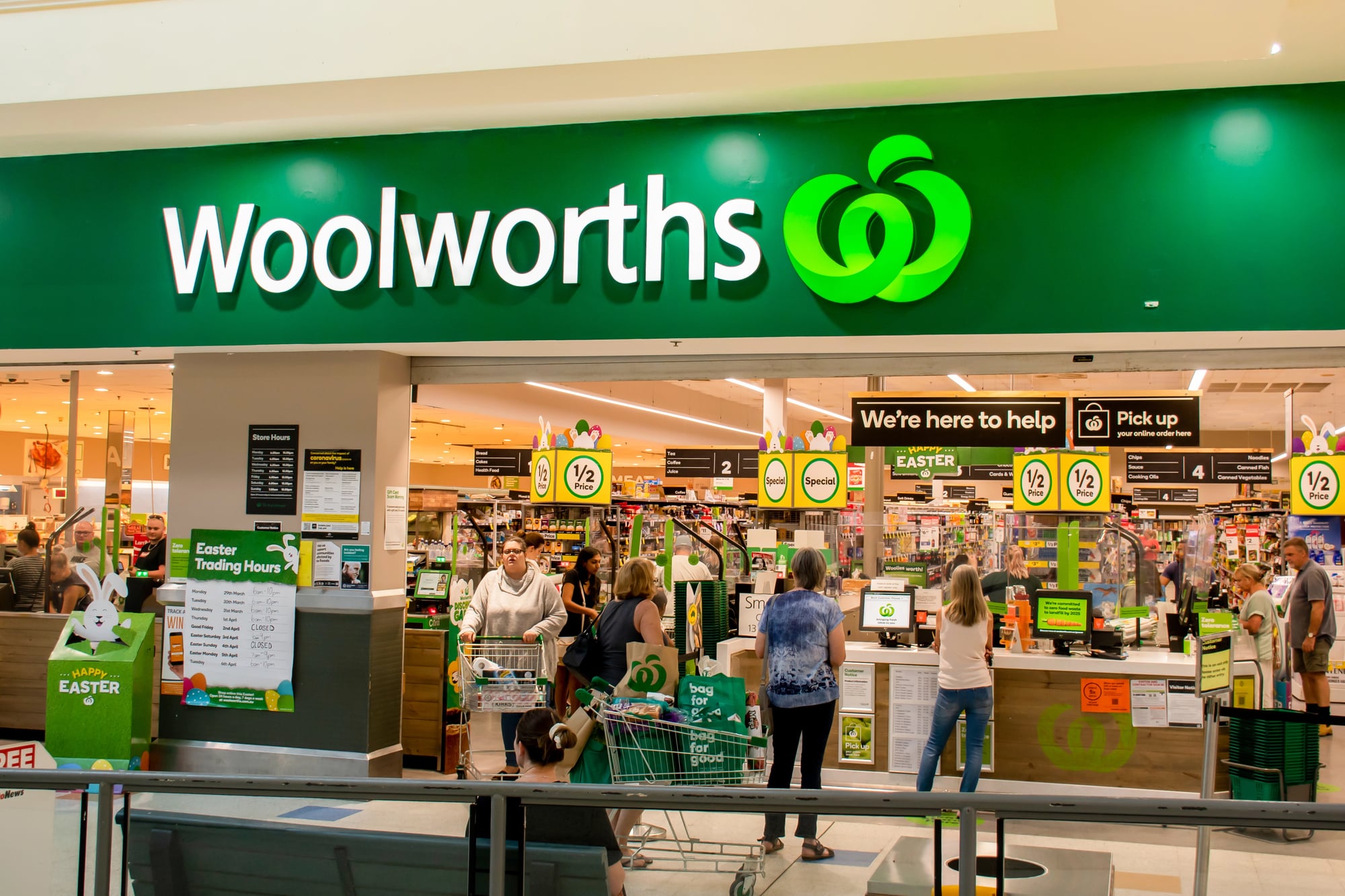
The lunch counter changed everything. Woolworth’s wasn’t just a five-and-dime store where you could buy anything from goldfish to greeting cards.
That red vinyl stool where you sat eating a grilled cheese sandwich made it feel like the center of American life.
Tower Records
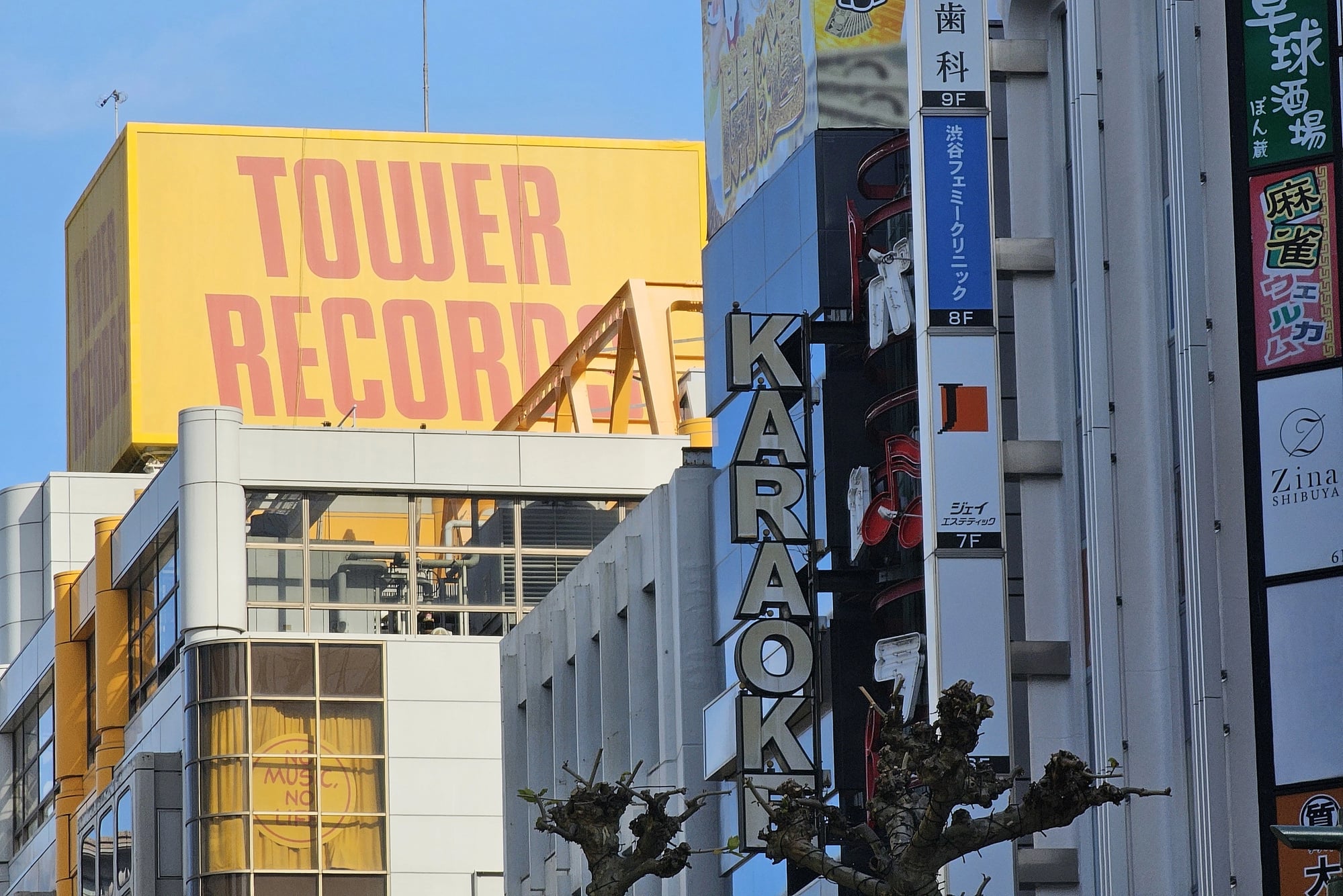
Walking into Tower Records was like entering a music lover’s fever dream (assuming fever dreams had better organization and price tags on everything). The sheer volume of vinyl, cassettes, and later CDs created this overwhelming sense that every song ever recorded was probably somewhere in those endless rows.
And the staff — those were people who could argue the merits of obscure B-sides at 2 AM and often did.
So you’d go in looking for one album. Simple enough.
But then you’d spot something in the “Recommended” section, which led you down an aisle you’d never explored, which introduced you to a band you’d never heard of, which meant you absolutely had to check out their influences in the jazz section, which reminded you that you’d been meaning to replace that Joni Mitchell album you loaned to someone in 1983.
Three hours later, you’d emerge with seven albums and a receipt longer than your arm, wondering how a quick trip for a single record had turned into an archaeological dig through musical history.
KB Toys
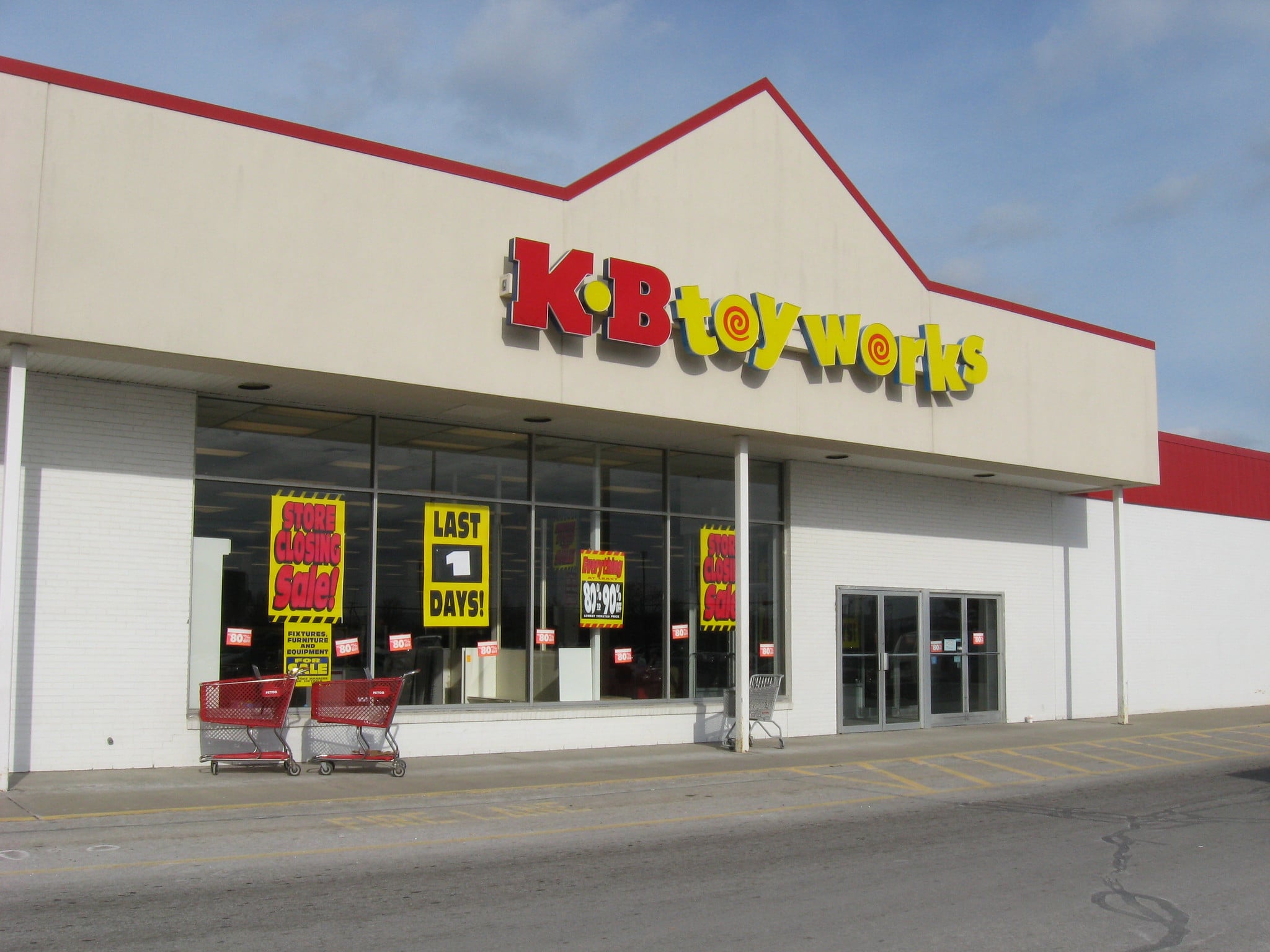
Christmas morning started at KB Toys in October. The narrow aisles packed with everything a kid could want made browsing feel like a treasure hunt where every turn revealed something better than the last discovery.
Gimbels
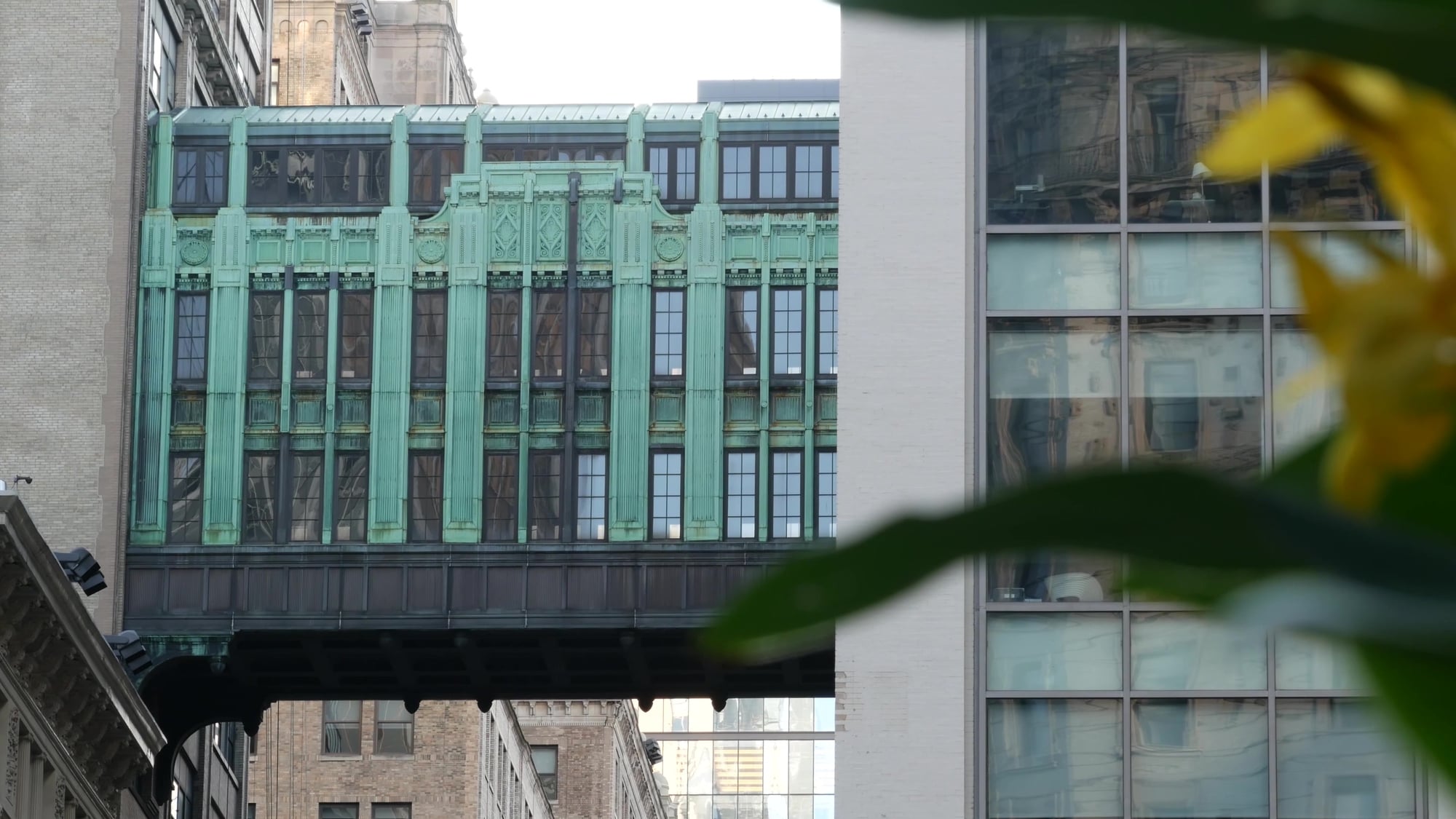
Department stores used to feel like small cities, complete with their own culture and unspoken rules, and Gimbels understood this better than most. You didn’t just shop there — you made a day of it, wandering floors that seemed to stretch beyond reasonable architectural limits, each department maintaining its own distinct personality.
The perfume counter near the entrance served as the store’s calling card, a cloud of competing fragrances that announced your arrival and lingered on your clothes hours after leaving.
But Gimbels carried something Macy’s couldn’t replicate, despite their famous rivalry: a certain scrappy determination to surprise you. Where other department stores felt predictable, Gimbels maintained an element of discovery.
You might find an unexpected brand tucked between familiar ones, or stumble across a sale that seemed too good to be true but somehow wasn’t. The store had a way of making you feel like you’d outsmarted the system, even when you were simply participating in it.
And the basement — every Gimbels regular knew about the basement. That’s where the real deals lived, where perfectly good merchandise went to be discovered by people who understood that retail markup was more suggestion than law.
RadioShack
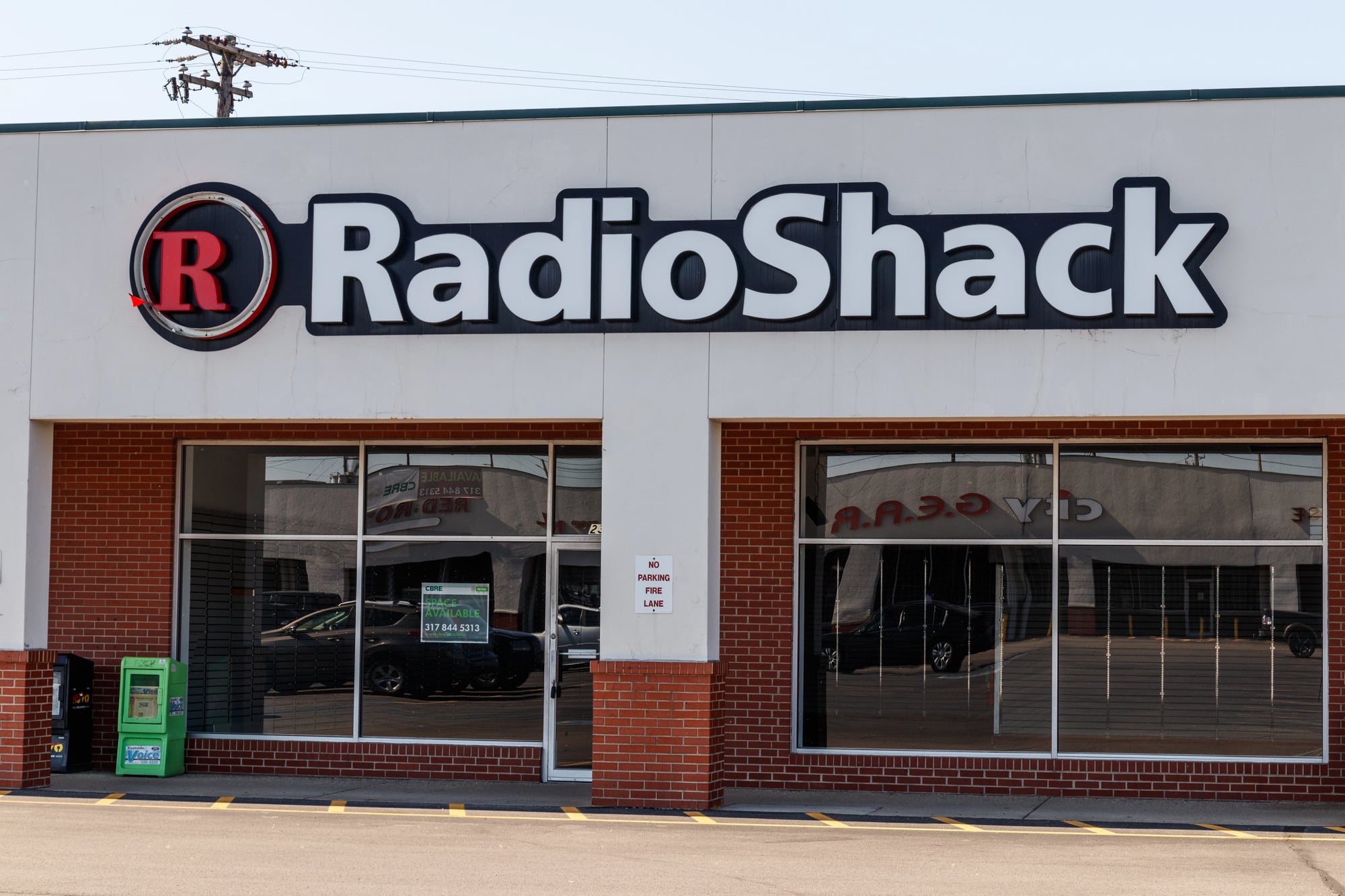
Every neighborhood had that one RadioShack where the guy behind the counter knew exactly which obscure adapter you needed before you finished describing the problem. Half the store was components most people couldn’t identify, and the other half was the latest electronic gadgets that promised to change your life.
Sam Goody
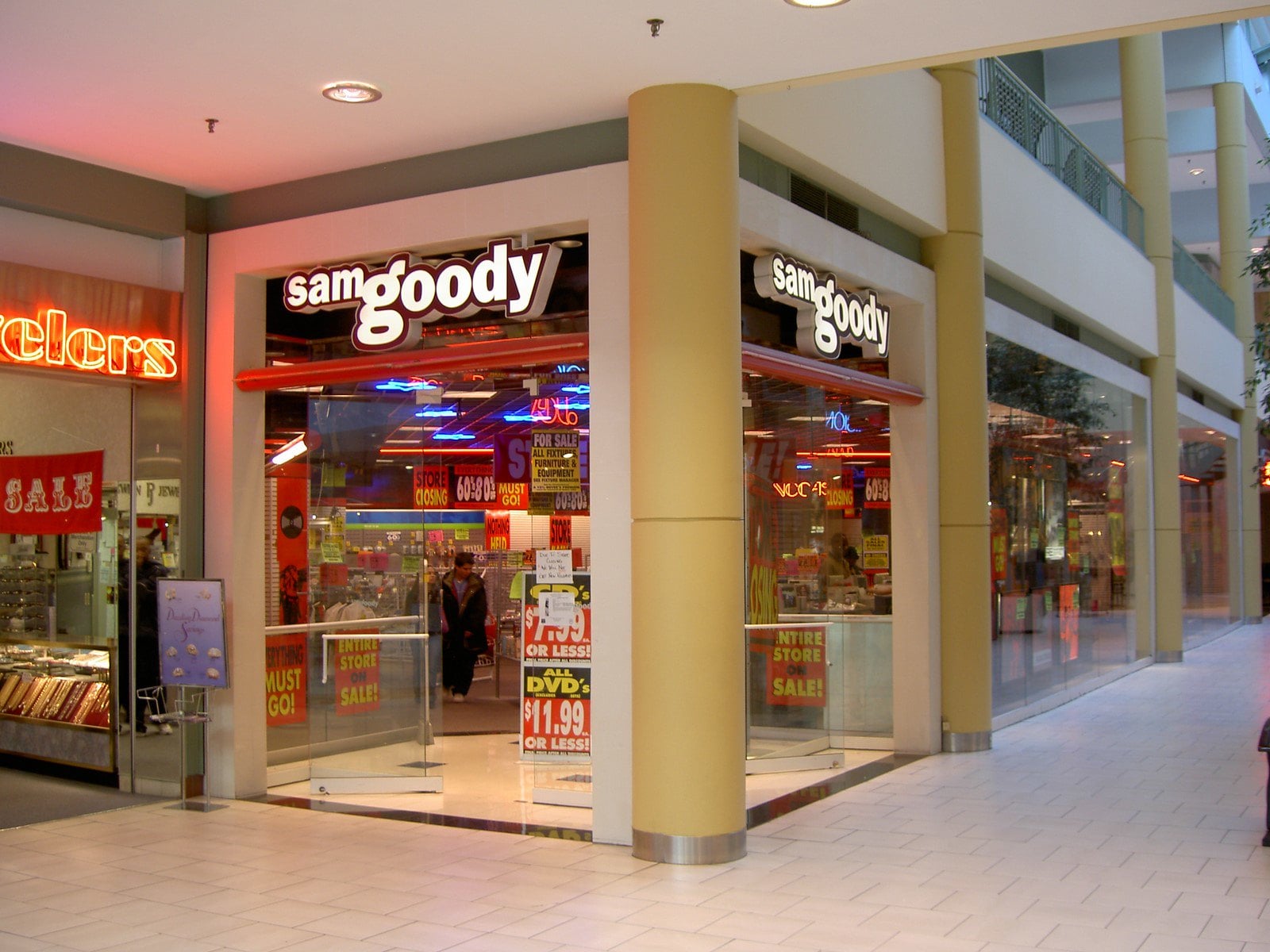
Record stores weren’t just about buying music. Sam Goody proved that the experience of discovering new sounds could be as important as the songs themselves.
The listening stations let you preview albums before committing, which sounds obvious now but felt revolutionary then.
The store layout understood something important about how people actually shop for music: they wander, they get distracted, they follow recommendations down rabbit pits that lead somewhere unexpected. So Sam Goody arranged their merchandise like a conversation between genres, where rock bled into folk, which somehow connected to jazz, which brought you back to pop from an angle you hadn’t considered before.
The staff recommendations scattered throughout the store weren’t just marketing — they were genuine attempts to connect you with something you didn’t know you needed.
Most record stores felt like libraries where you whispered and browsed respectfully. Sam Goody felt like a party where the music was loud enough to hear properly and everyone was invited to stay as long as they wanted.
Spencer’s Gifts
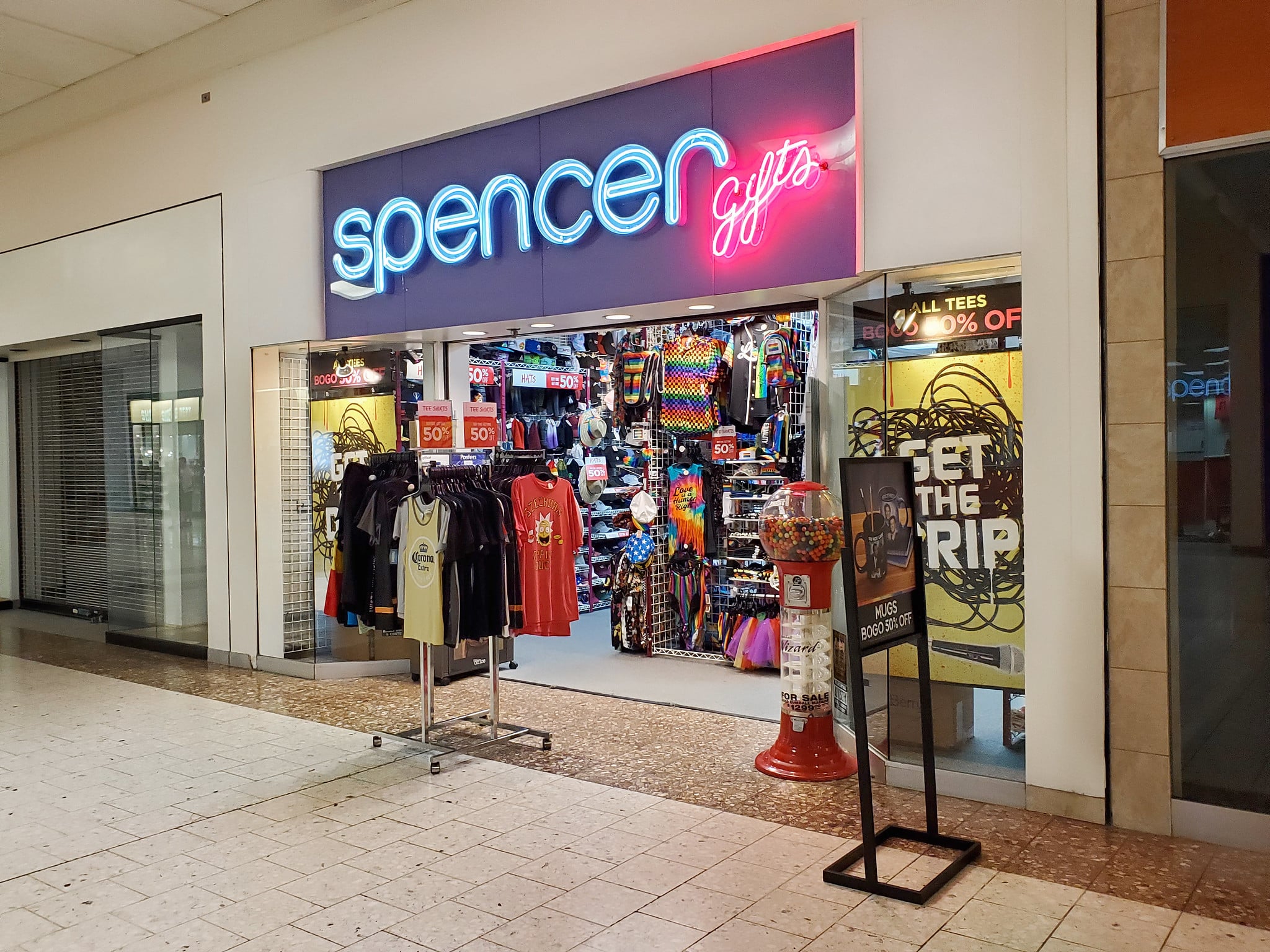
Spencer’s occupied that weird retail space between novelty shop and cultural rebellion headquarters. The black light posters and gag gifts were just the surface layer of what made Spencer’s essential to mall culture.
Zayre
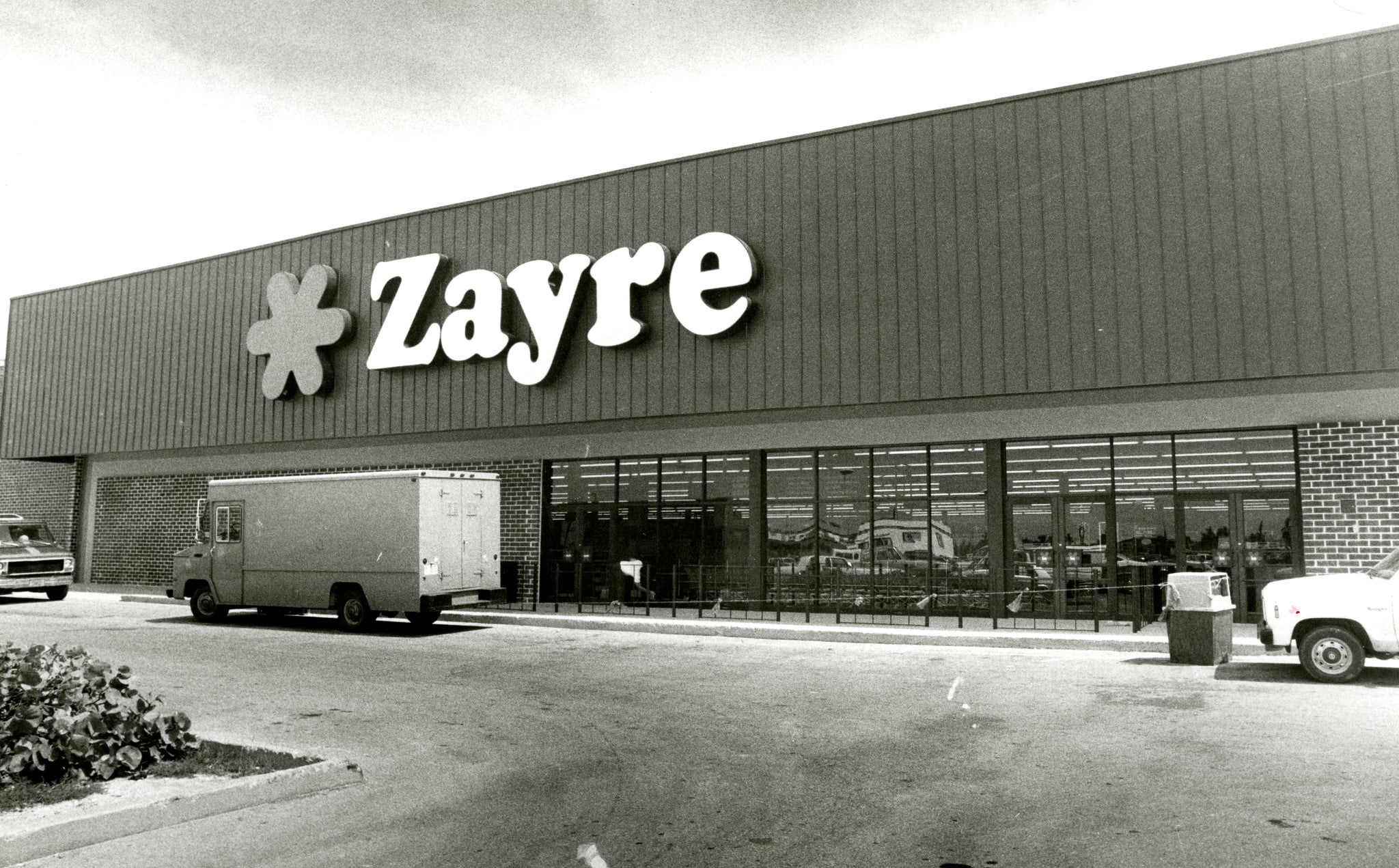
Discount retail before it became an art form. Zayre offered brand names at prices that seemed almost accidental, like someone in corporate had forgotten to carry the one when calculating markups.
Zayre understood that finding a good deal required a certain amount of work, and their customers appreciated that bargain hunting was part of the experience. You didn’t just walk in and immediately spot what you needed — you had to dig a little, explore sections that might surprise you, develop an eye for quality hidden among the chaos.
The store rewarded persistence and punished browsers who expected everything handed to them on perfectly organized shelves.
The clothing section was particularly notorious for yielding unexpected treasures. Designer labels mixed with house brands in ways that seemed random but somehow worked.
You might find a perfectly good winter coat wedged between summer clearance items, or discover that the shoes you’d been wanting were sitting in the wrong size section, marked down because no one else had bothered to look there.
And the seasonal sections — those were where Zayre really shined. Holiday decorations, school supplies, summer gear that appeared in March and disappeared by May.
Timing was everything at Zayre.
Chess King
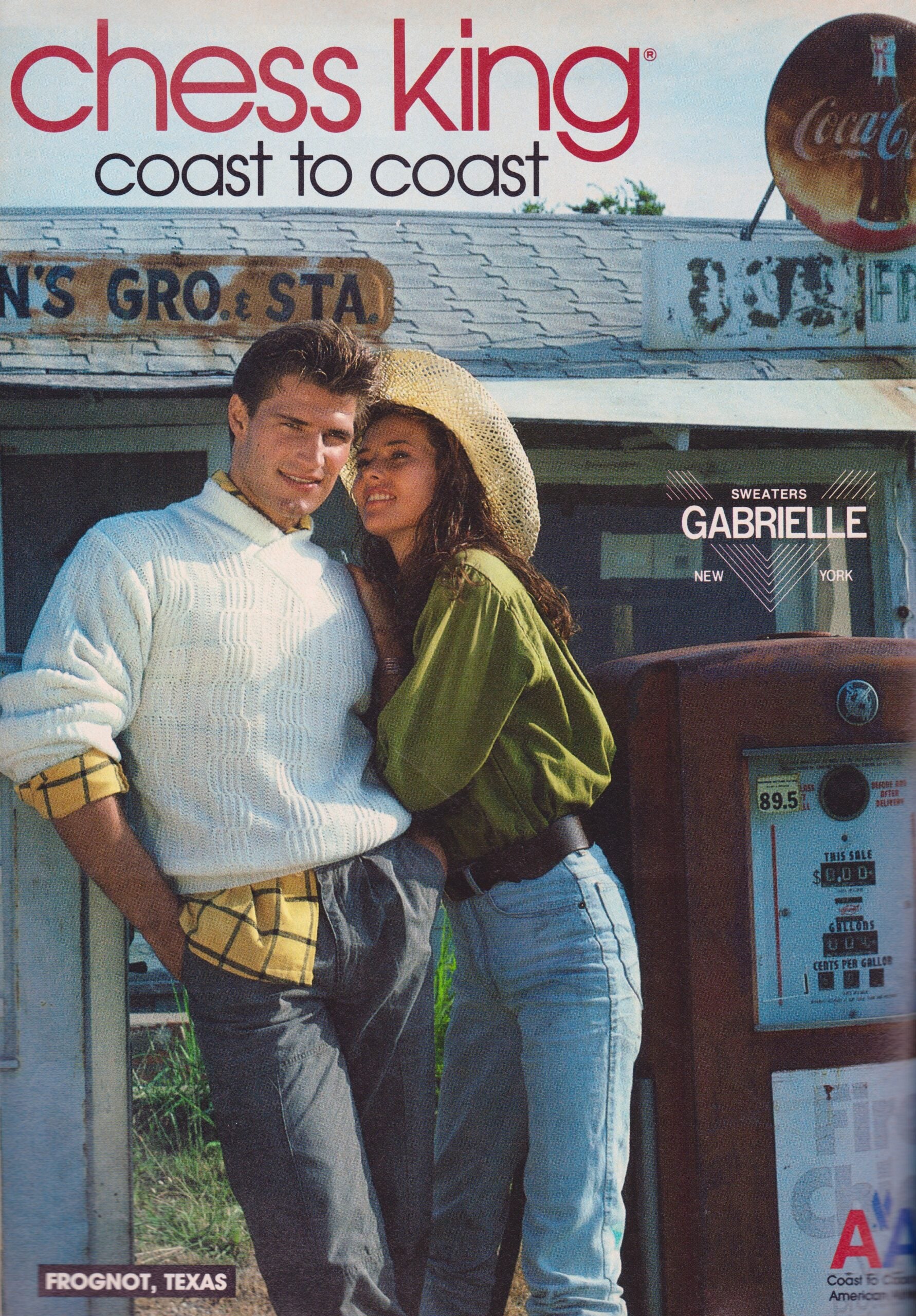
Walking into Chess King meant entering a world where every shirt had at least three more buttons than strictly necessary and every pair of pants fit like they were tailored by someone who understood that fashion was supposed to make a statement.
Camelot Music
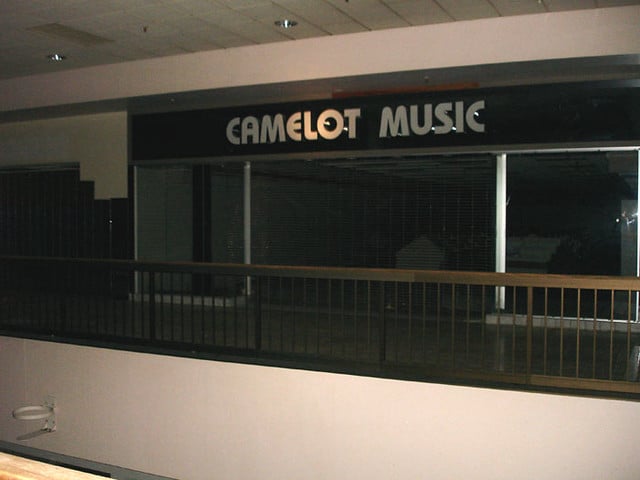
Record stores each had their own personality, but Camelot Music felt like the cool older sibling of the bunch. The selection leaned toward whatever was currently dominating the charts, but they curated it in a way that made mainstream music feel like a personal discovery.
The layout encouraged impulse purchases in the best possible way. New releases got prime real estate near the entrance, but the deeper you wandered into the store, the more interesting things became.
Camelot had a particular talent for predicting which albums would become essential before anyone else caught on, so their “recommended” sections served as an early warning system for what your friends would be playing at parties six months later.
But the real genius was in how they treated music as a social experience. The listening stations were positioned so you could see what other people were previewing, creating these weird moments of connection with strangers who happened to share your curiosity about the same album.
Sometimes you’d end up in accidental conversations about bands you’d never heard of with people you’d never see again.
Thom McAn
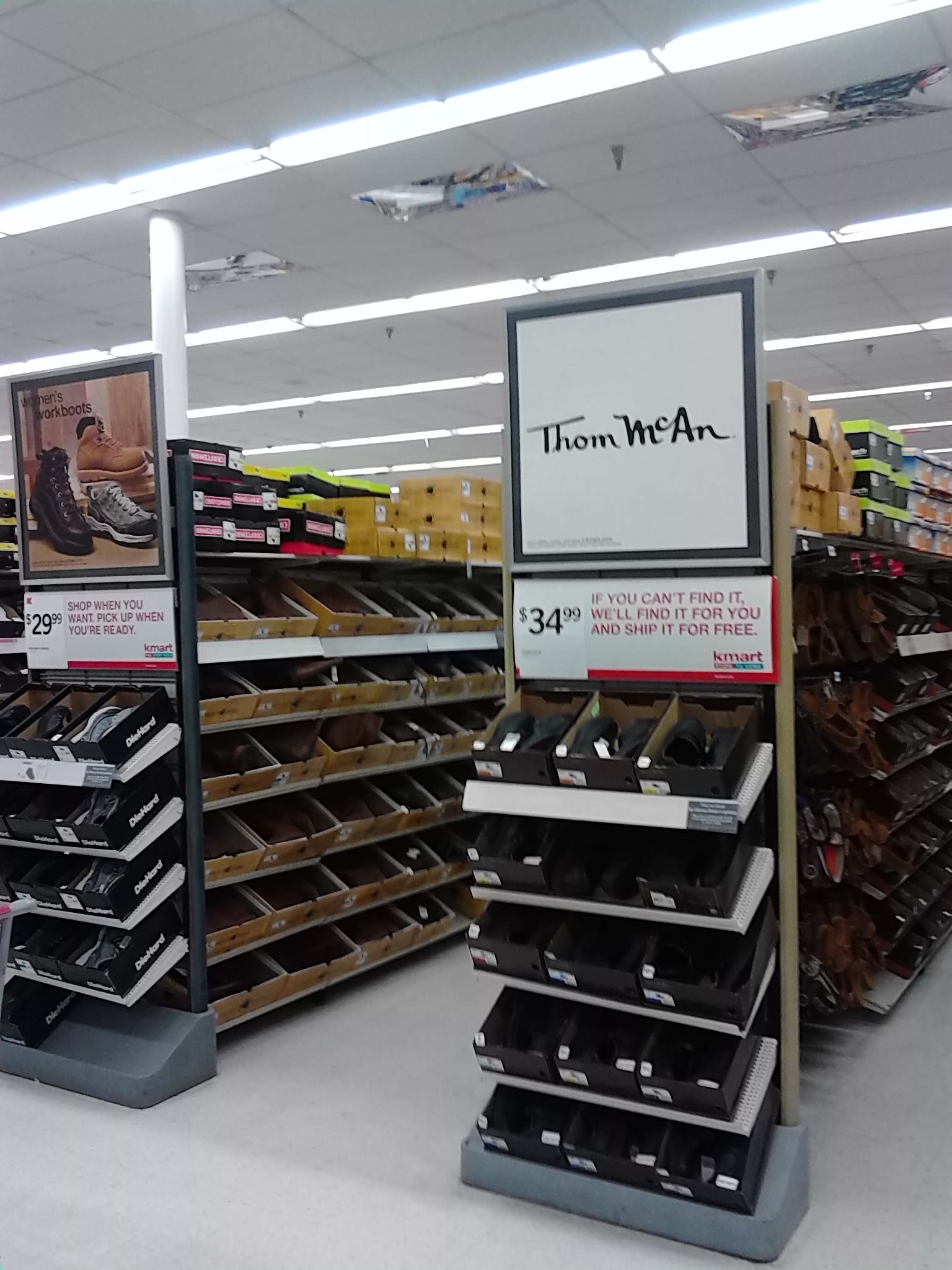
Shoe shopping used to require a certain ritual, and Thom McAn preserved that experience when other stores were rushing customers through transactions. The salespeople actually measured your feet and brought out boxes of possibilities instead of pointing you toward a wall display and wishing you luck.
B. Dalton Bookseller
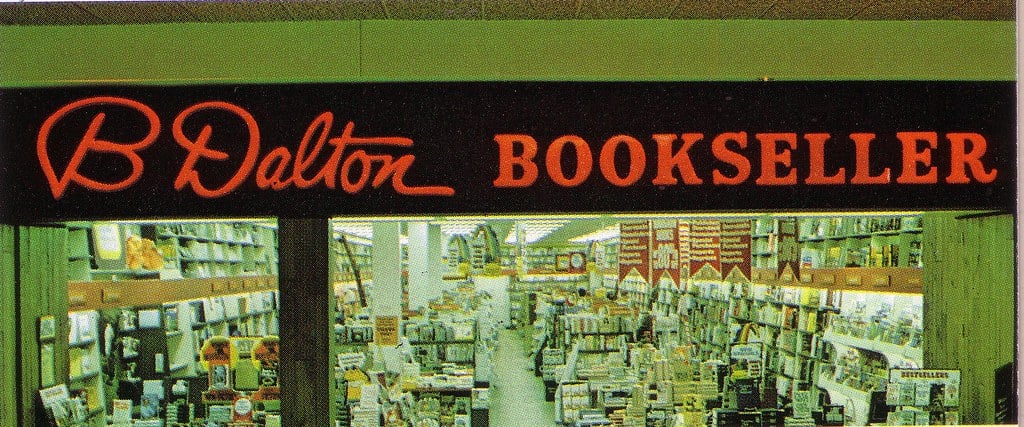
Before online algorithms decided what you might want to read next, B. Dalton Bookseller relied on something more primitive and infinitely more effective: strategic placement and human curiosity.
The small storefront forced difficult decisions about what deserved shelf space, which meant every book there had earned its spot through either popularity or the staff’s belief that someone needed to discover it.
Walking through B. Dalton felt like browsing through someone’s carefully curated personal library, where each section revealed something about the taste and intelligence of whoever had assembled it.
And the recommendations were genuine — staff picks that came from people who read voraciously and weren’t afraid to champion books that didn’t fit neatly into marketing categories.
You’d find literary fiction next to science fiction, cookbooks sharing space with philosophy, mystery novels arranged by someone who understood that readers don’t always stay in their assigned genres.
The browsing experience encouraged serendipity in ways that modern bookstores struggle to replicate. Limited space meant maximum density, so every glance revealed multiple possibilities, every turn down a narrow aisle offered something you hadn’t expected to find.
Kay-Bee Toys
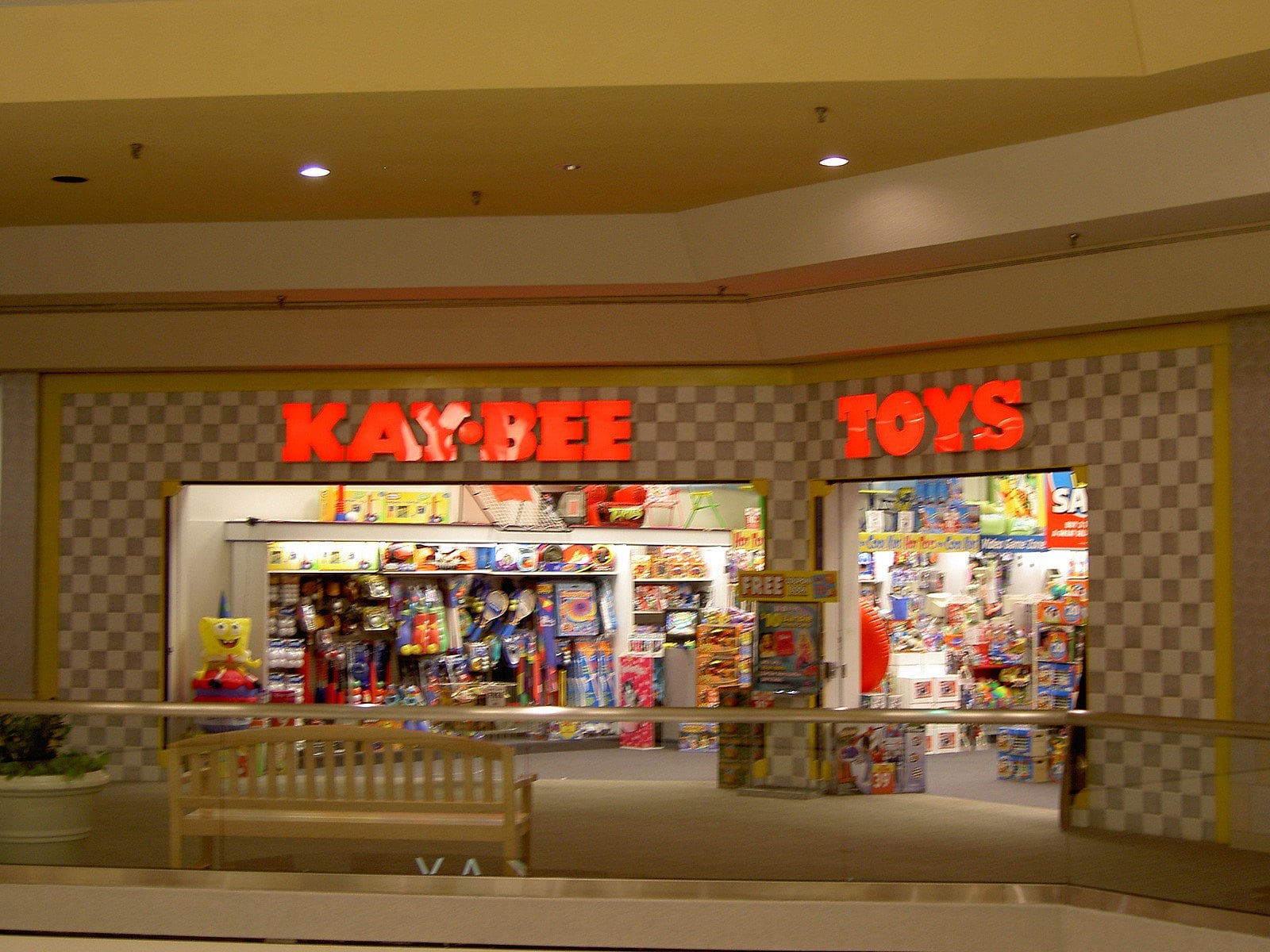
Toy stores used to understand that half the fun was in the discovery, and Kay-Bee Toys designed their layout like a maze where every dead end revealed something worth finding. The cramped aisles and towering displays created this sense of abundance that made choosing difficult and leaving empty-handed nearly impossible.
McCrory’s
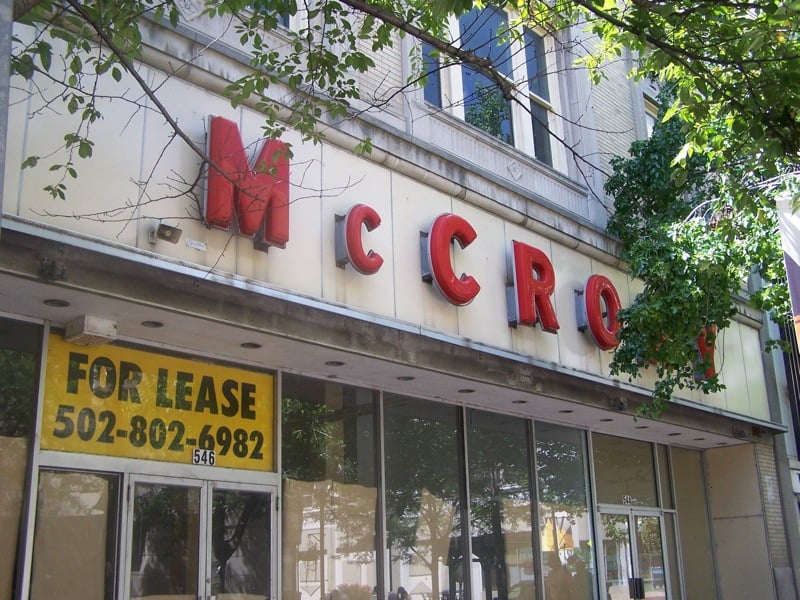
Five-and-dime stores served as the everything shop for neighborhoods that needed a place to buy thread, candy, school supplies, and birthday presents without driving across town. McCrory’s perfected this concept by maintaining inventory that seemed almost psychic in its ability to stock exactly what people didn’t realize they needed until they saw it.
The beauty was in the randomness that wasn’t actually random at all. McCrory’s buyers understood small-town and suburban life well enough to predict that someone would eventually need extension cords, birthday wrapping paper, reading glasses, and Halloween costumes, often during the same shopping trip.
So they arranged the store like a conversation between practical necessity and impulse purchase, where picking up light bulbs might lead you past a display of earrings that were exactly what you’d been looking for without knowing it.
And the prices — McCrory’s proved that retail markup was more flexible than most stores wanted to admit. Everything cost less than it should have, which created this low-level sense of getting away with something every time you shopped there.
When Shopping Meant Something More
These stores didn’t just sell products — they created experiences that turned routine errands into small adventures. Each one had developed its own culture, its own rhythm, its own way of making customers feel like insiders who understood something the outside world was missing.
The neon signs and hand-drawn sale banners weren’t just advertising; they were invitations to participate in something that felt more personal than commerce usually allows.
Today’s retail landscape prioritizes efficiency over discovery, convenience over serendipity. That’s probably progress, but it’s also left us with something that’s technically better and emotionally flatter.
These old stores weren’t perfect, but they understood that shopping could be about more than simply acquiring things. Sometimes the best part was getting lost in aisles that led somewhere unexpected, guided by people who cared enough to point you toward something you didn’t know existed.
More from Go2Tutors!

- The Romanov Crown Jewels and Their Tragic Fate
- 13 Historical Mysteries That Science Still Can’t Solve
- Famous Hoaxes That Fooled the World for Years
- 15 Child Stars with Tragic Adult Lives
- 16 Famous Jewelry Pieces in History
Like Go2Tutors’s content? Follow us on MSN.



