32 Scientific Beliefs Taught in Schools That Turned Out to Be Wrong
Science advances through correction. What was confidently taught as truth in textbooks one generation often appears in the next generation’s materials as discredited error.
These corrections represent science working as intended—hypotheses tested, evidence gathered, conclusions revised. Understanding how scientific understanding evolves provides perspective on current scientific claims and reminds us that even expert consensus can be incomplete or wrong.
The beliefs below were taught as settled fact, sometimes for decades, before evidence forced revision.
Humans Use Only 10% of Their Brains
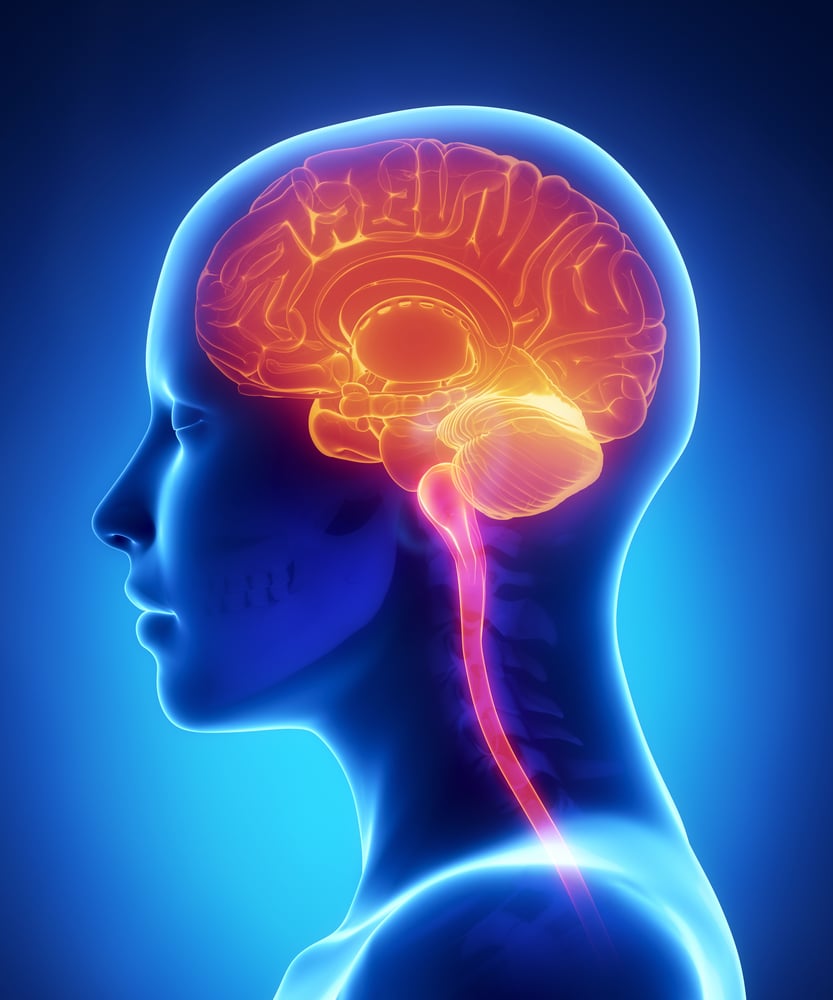
Textbooks and popular culture long claimed humans use only 10% of their brains. Brain imaging shows humans actually use virtually all regions of their brains, with even sleep involving substantial brain activity.
The myth persisted for decades despite lacking scientific basis.
The Great Wall of China Is Visible from Space

Textbooks claimed the Great Wall of China was the only human structure visible from space. Astronauts and satellite imagery show the wall is barely visible, no more visible than many roads or other structures.
The claim was false but persisted in educational materials.
Pluto Is a Planet

Pluto was taught as the ninth planet for 76 years until 2006, when astronomers reclassified it as a dwarf planet. The discovery of other similarly-sized icy bodies made Pluto’s classification untenable.
Every student learning “nine planets” had outdated information.
The Continents Are Static

Plate tectonics explaining continent movement seemed ridiculous to early 20th century geologists. Schools taught continents were fixed.
Evidence of continental drift (matching coastlines, fossil distributions, seafloor spreading) eventually forced acceptance of continental motion.
Ulcers Are Caused Only by Stress

Medical schools taught ulcers result from stress and excess stomach acid, requiring antacids. Barry Marshall’s discovery that Helicobacter pylori bacteria causes most ulcers (proven by drinking infected bacteria himself) revolutionized treatment but contradicted decades of teaching.
Sugar Makes Children Hyperactive

Textbooks and parents widely believed sugar causes hyperactivity in children. Controlled studies found no causal link between sugar consumption and hyperactivity—the effect was primarily expectancy and placebo.
This misconception persisted despite weak evidence.
Dinosaurs Were Cold-Blooded Reptiles
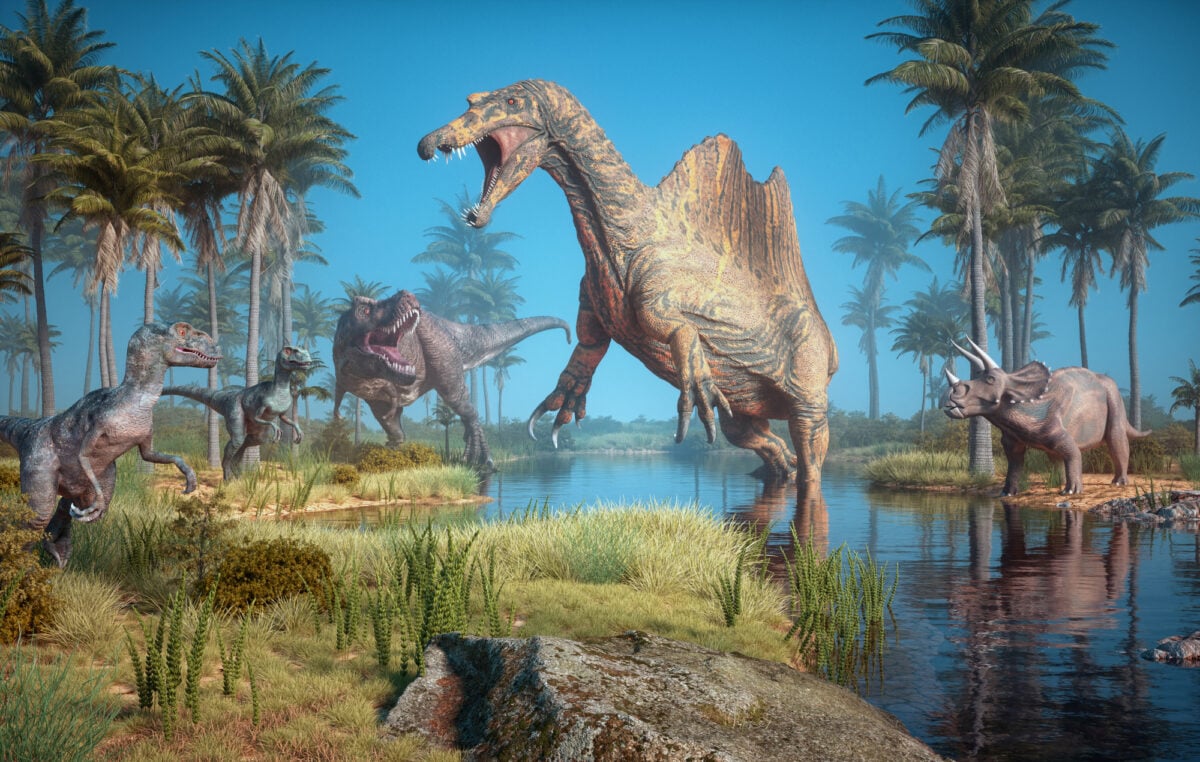
Textbooks depicted dinosaurs as sluggish, cold-blooded like modern reptiles. Fossil evidence suggests many were active, warm-blooded, or had intermediate metabolism.
Modern depictions show dynamic, active creatures rather than lethargic reptiles.
Mercury Is the Most Heated Planet

Science classes taught Mercury has the highest temperature because it’s closest to the sun. Venus, with its extreme greenhouse effect, is actually hotter.
The error persisted because it seemed logical without accounting for atmospheric insulation.
Humans Have Five Senses
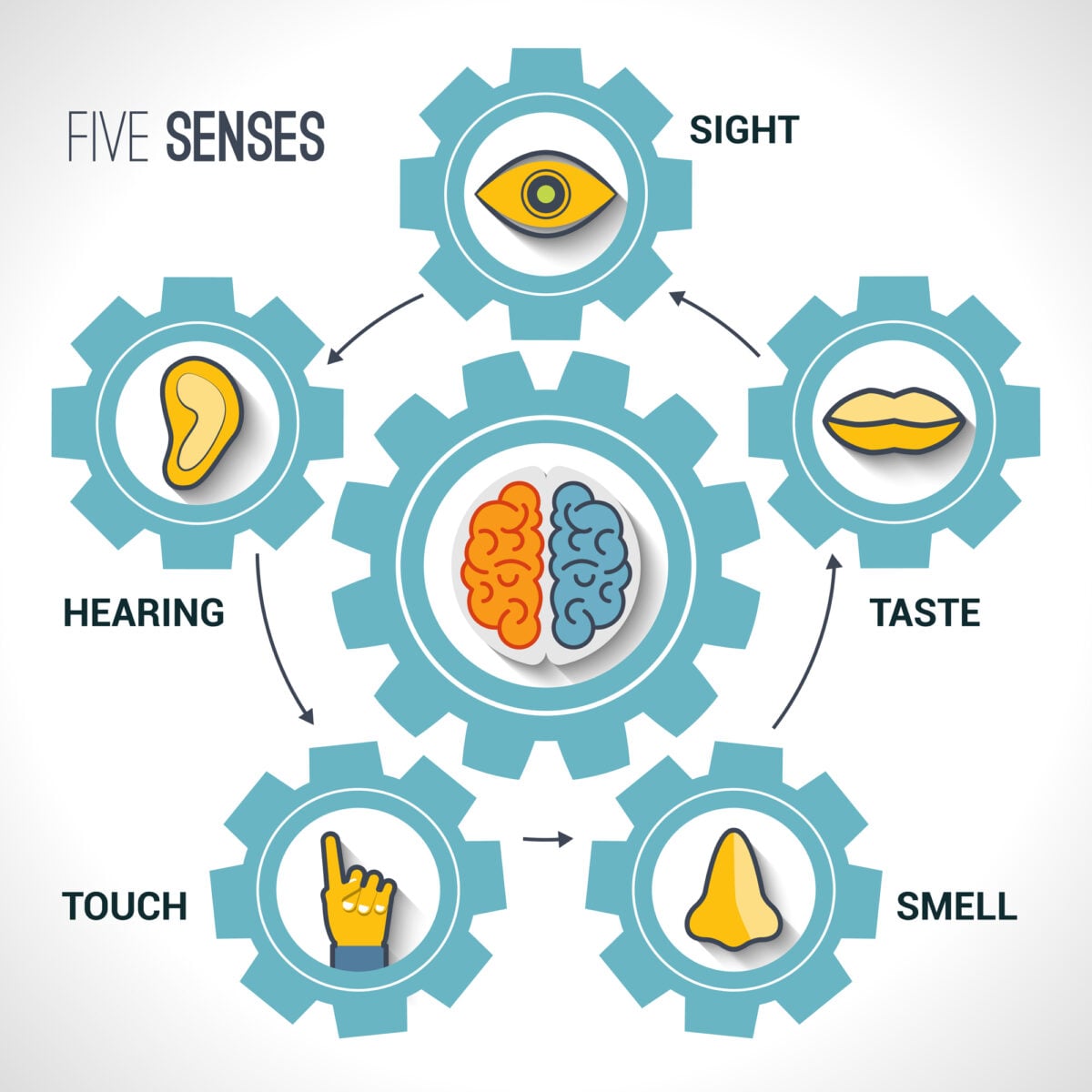
Textbooks taught humans have five senses (sight, sound, taste, smell, touch). Humans actually have at least nine senses, including proprioception (body position awareness), equilibrium, temperature sensation, and pain.
The five-sense model was oversimplified.
The Earth’s Core Is Solid
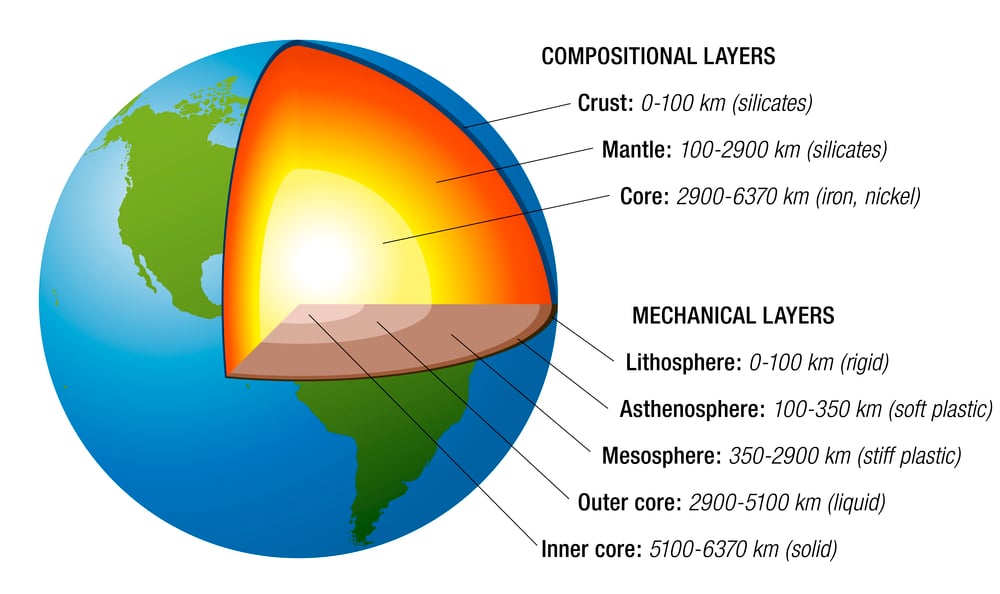
Textbooks taught the Earth has a solid iron core. Seismological evidence shows the inner core is solid but the outer core is liquid, with complex behavior intermediate between solid and liquid.
Tomatoes Are Vegetables

Science classes in many countries taught tomatoes are vegetables (for tax and tariff purposes). The Supreme Court ruled tomatoes are botanically fruits.
The confusion persisted because culinary and botanical classifications diverged.
All Cells Come from Pre-existing Cells
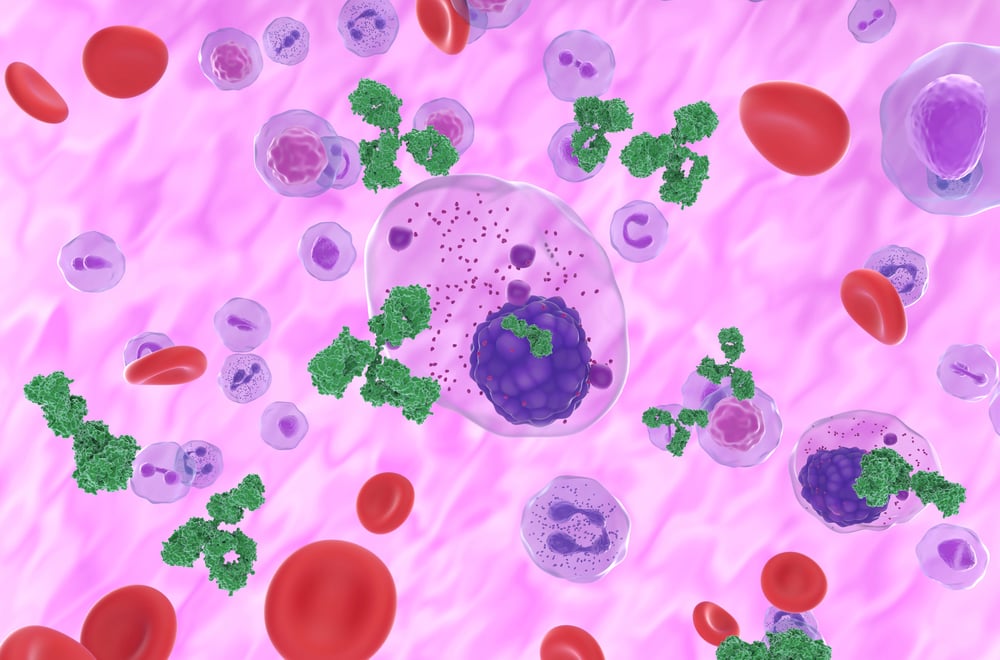
While generally correct, this principle overlooked the origin of life’s first cell, which must have emerged from non-cellular chemistry. The principle overstated the scope of its applicability.
Gorillas Are Aggressive and Dangerous
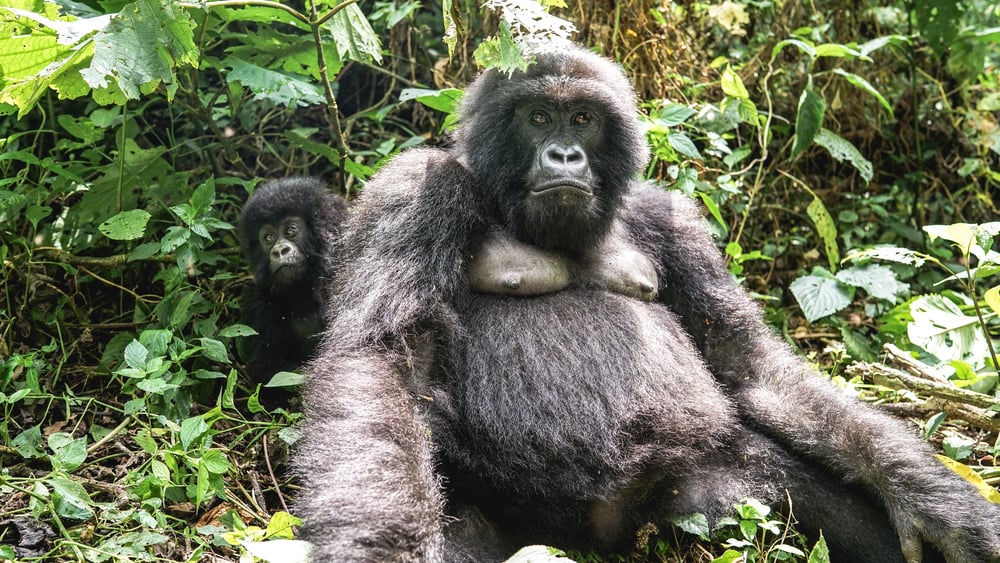
Popular science and educational materials portrayed gorillas as aggressive monsters prone to violence. Dian Fossey’s research showed gorillas are generally peaceful, shy herbivores.
Media and textbooks perpetuated inaccurate violence stereotypes.
Humans Cannot Navigate by Magnetic Fields

Scientists long dismissed the idea that humans could sense magnetic fields, despite evidence in other animals. Recent studies suggest humans may have weak magnetic sense abilities previously dismissed as implausible.
The Sunspot Cycle Is Regular
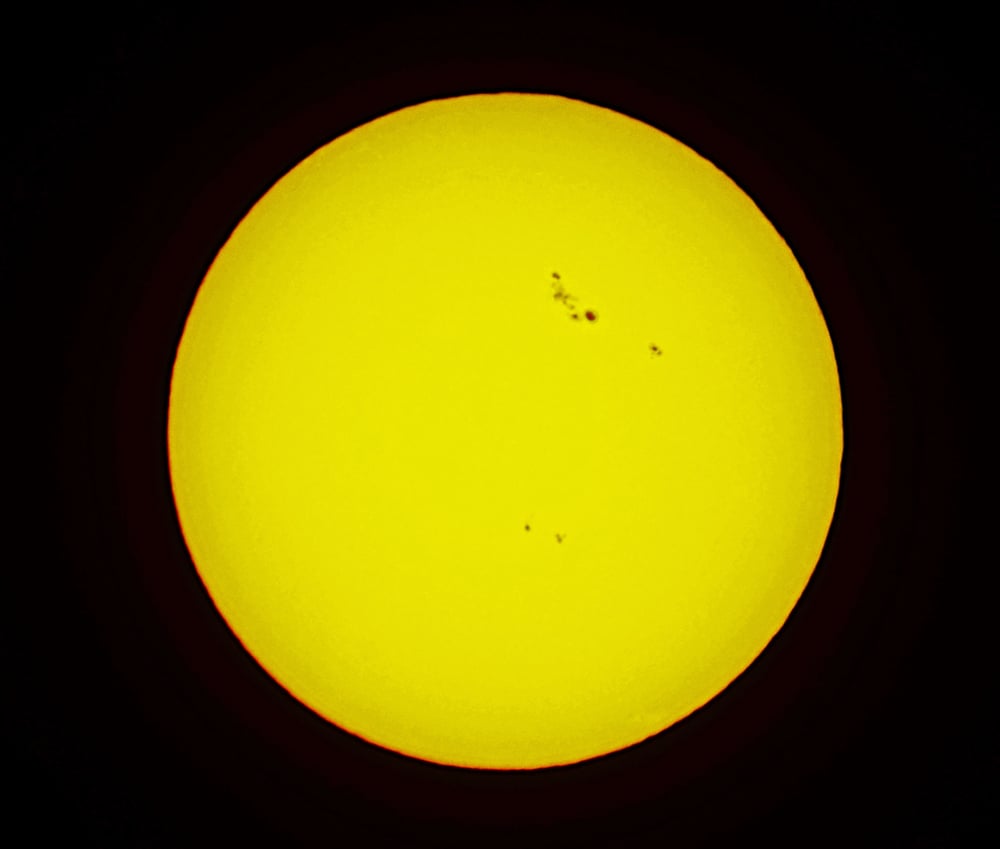
Textbooks taught sunspots follow a precise 11-year cycle. Evidence shows the cycle varies between 10-12 years and occasionally skips entirely (Maunder Minimum), making precise prediction impossible.
Babies Cannot Taste Differences

Earlier child development texts suggested infants couldn’t taste, only experience sweet and bland. Research shows newborns have functional taste receptors and show preference responses to different flavors.
Neutrons and Protons Have No Internal Structure
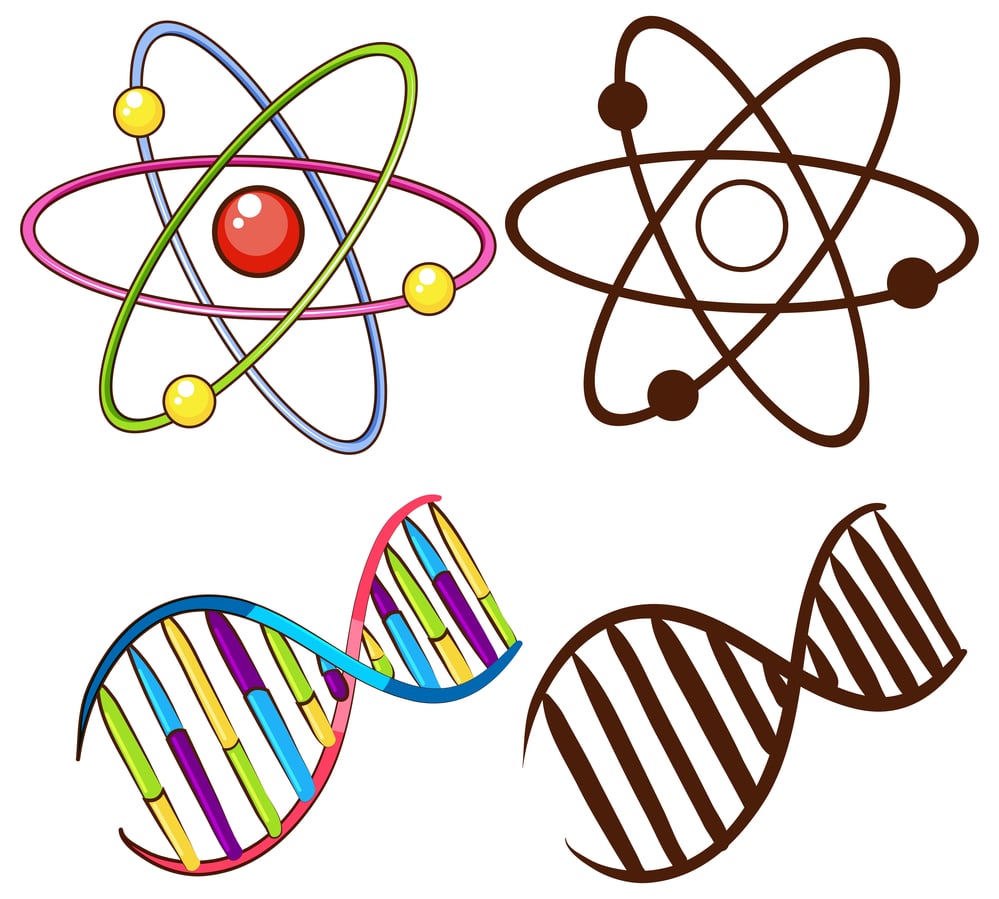
Physics textbooks taught neutrons and protons are indivisible particles. We now know they’re composed of quarks bound by gluons.
The discovery reshaped fundamental physics understanding.
Heavier Objects Fall Faster

Aristotle’s claim that heavier objects fall faster than lighter ones was taught until Galileo demonstrated otherwise. Many textbooks still didn’t correct this error until centuries after Galileo’s experiments.
The Moon Has No Seismic Activity

Textbooks presented the moon as geologically dead. Seismometers placed on the moon’s surface showed significant seismic activity, revealing an active interior.
We Use All Our DNA

Earlier biology textbooks suggested DNA had no non-coding regions. We now know 98% of human DNA appears non-coding, though “junk DNA” functions are still being discovered.
Stomach Acid Never Damages Stomach Lining

Textbooks explained stomachs resist acid damage through protective mucus. Why ulcers form remained mysterious until bacterial causes were discovered.
The incomplete explanation persisted for decades.
Neanderthals Could Not Speak
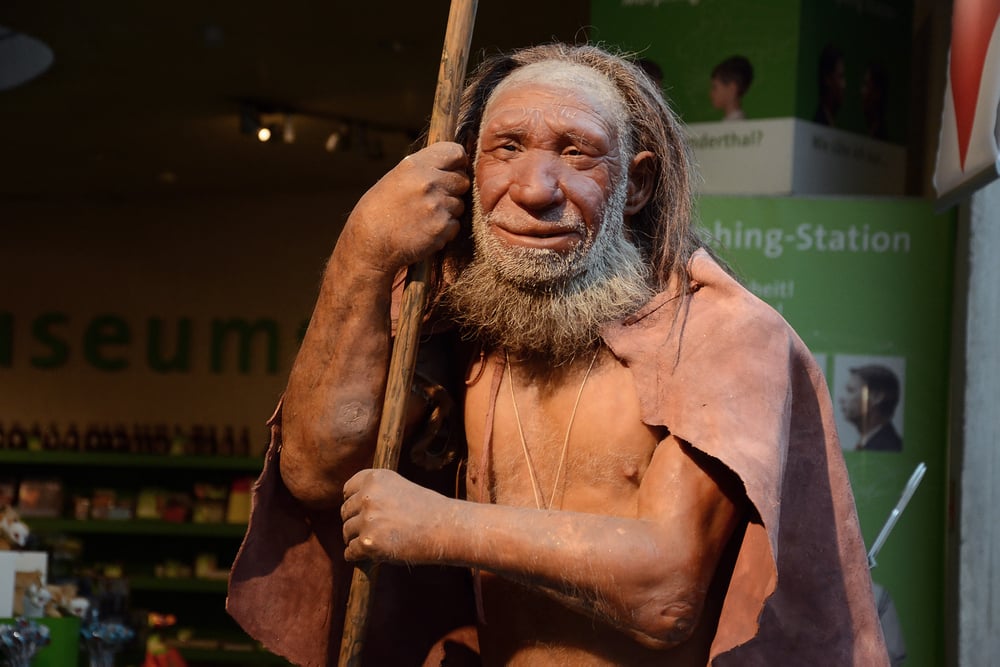
Paleoanthropologists long assumed Neanderthals lacked language capability, teaching students they were silent grunters. Skeletal and genetic evidence suggests Neanderthals had capacity for speech.
Birds Are Evolved from Dinosaurs (Early Claim)

While this is actually correct, earlier textbooks taught birds were descended from pterosaurs or other branches, not dinosaurs. Current evidence confirms dinosaurian origin (particularly theropods).
Mitochondria Cannot Reproduce Independently

Textbooks taught mitochondria were fully dependent on the nucleus. Mitochondria have their own DNA and replicate independently, though they’re also dependent on nuclear gene products.
Single-Celled Organisms Cannot Be Complex

Textbook divisions between “simple” and “complex” organisms overlooked prokaryotes’ structural and chemical sophistication. Single-celled organisms conduct remarkably complex processes.
Plate Tectonics Affect Only Continents
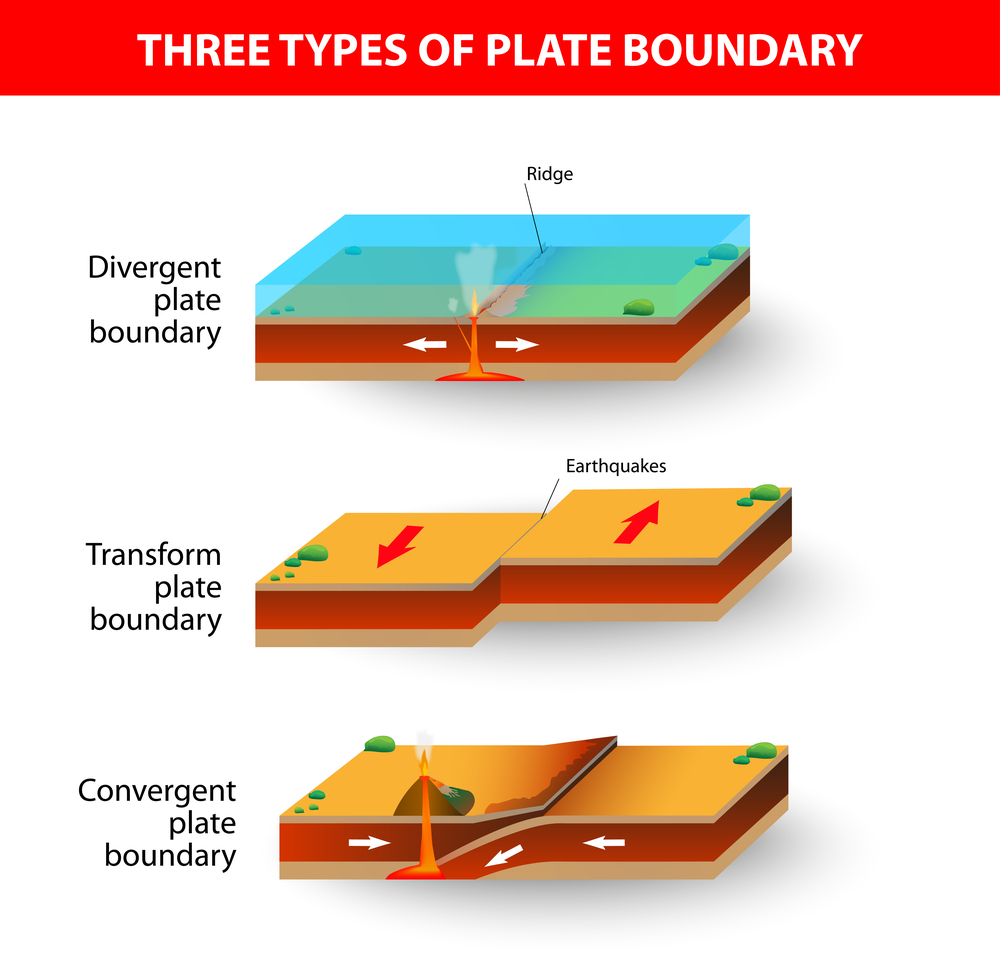
Early plate tectonics textbooks focused on continental motion. Understanding grew to encompass seafloor spreading and full lithospheric dynamics, completely reshaping planetary science.
The Appendix Has No Function
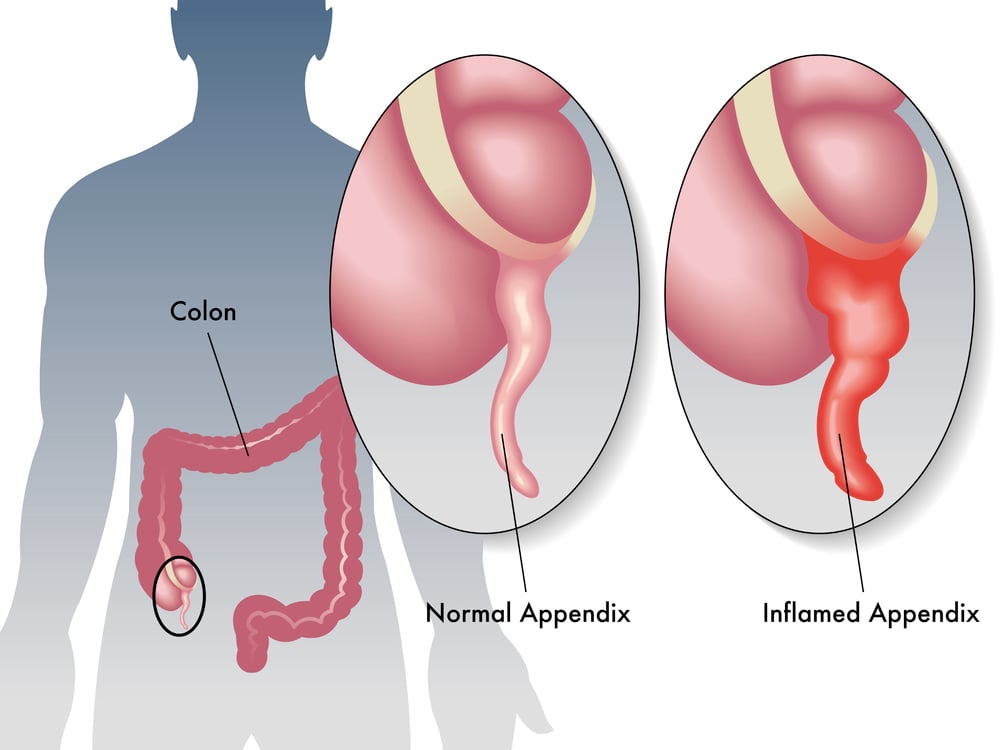
Medical textbooks long taught the appendix is a useless vestigial organ. Evidence now suggests appendices serve immune and bacterial functions.
The organ was premature
ly dismissed as useless.
All Extinctions Are Catastrophic

Paleontology textbooks for decades debated gradual vs. catastrophic extinction. Evidence shows both occur—gradual background extinction regularly punctuated by catastrophic extinction events (like asteroid impacts).
Giraffes Evolved Long Necks to Reach High Leaves

Textbooks taught giraffe neck length evolved through reaching high vegetation. Evidence suggests intrasexual selection (males with longer necks win dominance competitions) drives the trait.
The mechanical function was overemphasized.
Light Travels the Same Speed in All Directions

Einstein showed that light speed is constant in all frames, but this seemed paradoxical in pre-relativity physics teaching. The resolution required reconceptualizing time and space.
Cells Are Mostly Filled with Protoplasm
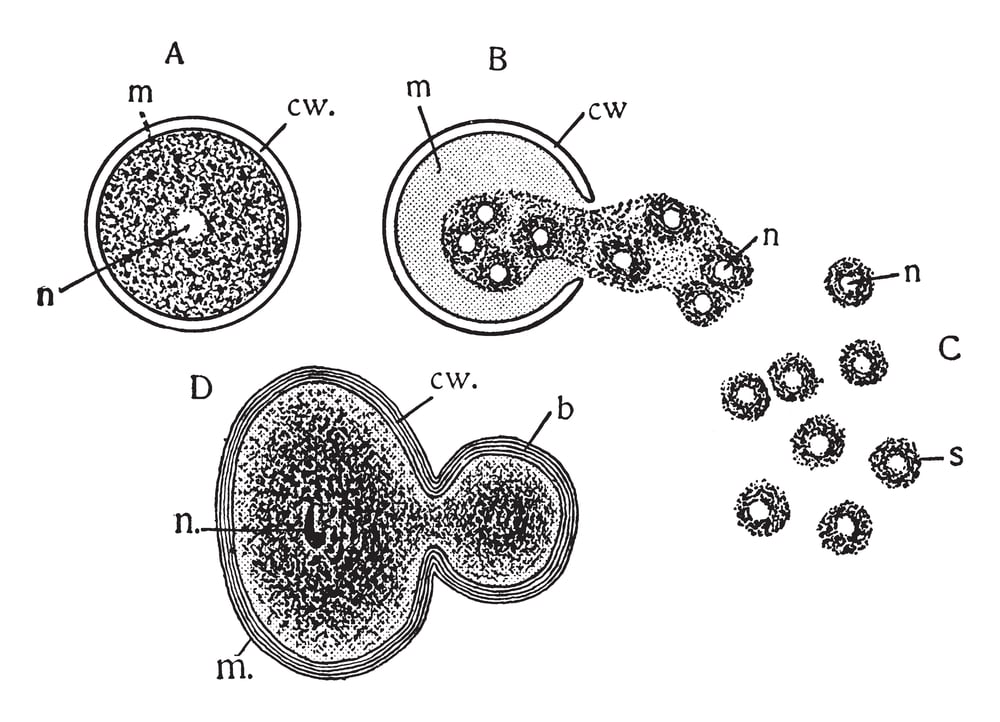
Early biology textbooks described cells as filled with “protoplasm”—a homogeneous substance. Electron microscopy revealed complex internal structure, organelles, and organization.
The protoplasm concept was overly vague.
Scientists Always Reach Consensus on Truth

Textbooks often implied scientific consensus indicates settled truth. History shows even expert consensus can be wrong.
Scientific progress requires room for dissent and alternative hypotheses alongside dominant views.
The Value of Correction

That so many scientific beliefs were wrong, then corrected, doesn’t invalidate science—it proves science works. Each correction represents evidence forcing revision, methodology detecting error, and understanding advancing.
Students should learn not just current scientific knowledge but also its provisional nature. What’s taught today may be refined or discarded tomorrow.
That possibility isn’t weakness but the essence of how scientific understanding progresses.
More from Go2Tutors!

- The Romanov Crown Jewels and Their Tragic Fate
- 13 Historical Mysteries That Science Still Can’t Solve
- Famous Hoaxes That Fooled the World for Years
- 15 Child Stars with Tragic Adult Lives
- 16 Famous Jewelry Pieces in History
Like Go2Tutors’s content? Follow us on MSN.